
Edmund White remembered: ‘He was the patron saint of queer literature’
Colm Tóibín, Alan Hollinghurst, Adam Mars-Jones and more recall the high style and libidinous freedom of a writer who ‘was not a gateway to gay literature but a main destination’
‘He showed me gay fiction could also be high art’

British novelist
Edmund White’s luminous career was in part a matter of often dark history: he lived through it all. He was a gay teenager in an age of repression, self-hatred and anxious longing for a “cure”; he was a young man in the heyday of gay liberation, and the libidinous free-for-all of 1970s New York; he was a witness to the terrifying destruction of the gay world in the Aids epidemic in the 1980s and 90s. All these things he wrote about, in a long-term commitment to autofiction – a narrative adventure he embarked on with no knowledge of where or when the story would end. He is often called a chronicler of these extraordinary epochs, but he was something much more than that, an artist with an utterly distinctive sensibility, humorous, elegant, avidly international. You read him not just for the unsparing account of sexual life but for the thrill of his richly cultured mind and his astonishingly observant eye.
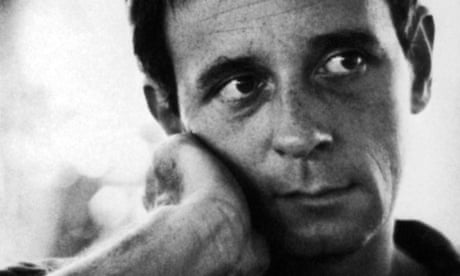
What amazed me about A Boy’s Own Story, when it came out in 1982, was that a stark new candour about sexual experience should be conveyed with such gorgeous luxuriance of style, such richness of metaphor and allusion. This new genre, gay fiction, could also be high art, and almost at once a worldwide bestseller! It was an amazing moment, which would be liberating for generations of queer writers who followed. These younger writers Edmund himself followed and fostered with unusual generosity – I feel my whole career as a novelist has been sustained by his example and encouragement. In novels and peerless memoirs right up to the last year of his life he kept telling the truth about what he had done and thought and felt – he was a matchless explorer of the painful comedy of ageing and failing physically while the libido stayed insatiably strong. It’s hard to take in that this magnificent experiment has now come to a close. (snip-MORE)
=======
Jonathan Joss: Three roles the late US actor was known for
Ian Casey BBC News
US actor Jonathan Joss, known for his roles in King of the Hill and Parks and Recreation, has died aged 59.
Joss was shot dead, in what his husband called a homophobic hate crime, although police in Texas say there is no evidence of this.
Joss’s broad career spanned different genres and platforms, appearing in films, sitcoms, animations, stage productions and more.
He has been credited with increasing representation of Native Americans on screen. Here are three of the notable performances he will be remembered for.
John Redcorn in King of the Hill
In the animated sitcom King of the Hill, Joss voiced the character of John Redcorn, a Native American “licensed New Age healer” from season two onwards.
The sitcom centres around the Hill family and is set in the fictional town of Arlen, in suburban Texas.
For the first four seasons, Redcorn is having an affair with Hank Hill’s neighbour, Nancy Gribble. Nancy’s husband Dale is oblivious.
While a flawed character, Redcorn is known for his kindness and calm persona, and for championing his Native American heritage.
In season four, during perhaps his most notable storyline, Redcorn reveals an ongoing battle between his tribe and the Bureau of Indian Affairs, saying he hoped to regain Native American land from the government.
Considering Redcorn a “true friend”, Dale decides to help him with the lawsuit filed against the government, by introducing him to the Freedom of Information Act.
Redcorn then permanently ends his14-year affair with Nancy, out of respect for Dale. The affair is not revealed to Dale and he happily heads home with Nancy.
Author Dustin Tahmahkera once described Redcorn as “arguably the most developed and complex indigenous character in US sitcom history, thanks in critical part… to the on-and-offscreen work of Joss”. (snip-MORE)
 Scottie's Playtime