
Category: Music / Audio
Not where I used to be.
I am trying not to really I am. but here. is where my mind is. I used to be so much stronger, I was a solider who did things …. yet
I dream of this song. If I ever have to go I will leave this as my good bye. Hugs
When I was locked in the attic this was one of the records I was able to find and play. I emagined so many reasons while Daniel went away.
This was one of the other records I had. I listened to it play over and over as I fell asleep. A sad lonely 14 year old locked in an attic over a garage because he was only wanted when he could be used to satisfy the abusers. The weird thing is they thought keeping me up there made me unhappy, but the truth is I felt safer there than in their home. I only worried when the lock was opened and one of them walked in. I had few choices then. But it was still one of the best summers of lack of abuse. Hugs
I remember and I hate that I do.
I am going to put a song link below. I remember the night as a little boy me and one of my hellspawn siblings hunched close to the TV to watch the movie. The adoptive father had forbiden us to watch it as he worked nights and was trying to sleep. But she convinced me it would be OK if we sat really close to the TV and kept the sound down. By this time in my life, I was used to doing what I was told to do. Now looking back I realize she wanted me there for coverage knowing I would pay for the indiscresion and she wouldn’t.
So we sat there next to the TV and I heard this song. It was such a song of hope and I wanted so much for it to be true. However as was so often in my life as a child someone had to pay the price, and that someone was me. When the show was over and as the credits came on the screen he came out. He said I hope it was worth it. He ordered his daughter to her room and grabbed my arm dragging me back to his bedroom. I paid the price for her and for hearing the song. I don’t think I need to go into the details, it was the same thing that happened almost daily in my life at that point. One pain or another always equaling someone else taking their enjoyment or anger out on my small body. But the song stuck with me and in many ways became my anthem for hope of a better life. Sad a 7-year-old needed that. And even sadder are the memories of what he did to me that night in either his anger or need. Below is the song. Hugs
Hey Trumpers! Hey Losers!
While most Americans this past year were struggling with high gas prices, inflation, rising energy costs, rising housing and food costs, rising insurance rates and more, Trump made around 2 billion dollars on his various business ventures. This averages out to roughly $228,310 per hour or $3,805 per minute, for every day of the year. I hope those who struggle to take out a 35-year loan to buy a quarter million dollar house feel much better knowing Trump would have to work for nearly 70 minutes to pay off such a house. No wonder he sets his sights on a half-billion dollar ballroom that WE will pay for. To put it in perspective, Mangy Fetlocks wrote a song.
PRIDE, Peace, Joy, Love, Understanding
It’s Saturday: let’s have fun!
Possibly not peaceful, though I think it’s fine, and definitely fun!
To me, they are such a sweet couple!
(I watched the Tonys Sunday; I just have to, I’m a stage/dramaforensics nerd. Enjoy!)
Gotta do the Conga; and make it a great weekend for yourself!
This Is One Fine Story!
Is there a pianist in the house? Audience member steps up to perform in La La Land in Sydney
Sterling Nasa had tickets to see Justin Hurwitz’s La La Land in Concert. When the keyboardist suddenly fell ill, he found himself on stage performing
La La Land is a much adored homage to Hollywood, where dreamers take chances and seize unexpected moments.
On Saturday night at the ICC’s Darling Harbour theatre, that idea became a reality for a 21-year-old university student who was thrust into the spotlight at a live performance of the movie’s score – and saved a concert from derailment.
Sterling Nasa was in the audience at La La Land in Concert, a touring production where the movie – which features Ryan Gosling and Emma Stone – is projected on to a screen while a live orchestra plays the musical score in synchronisation with the film.
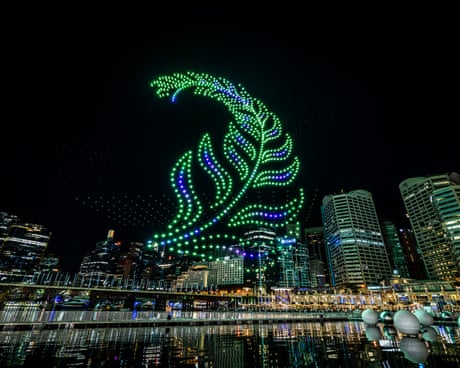
The performance proceeded normally until the interval, which stretched out to 40 minutes. Then the film’s Oscar-winning composer and conductor, Justin Hurwitz, walked out alone to address the audience.
The orchestra’s keyboardist had suddenly fallen ill. Was there by any chance a pianist in the house? And one with exceptional sight-reading skills?
Speaking to Guardian Australia on Monday, Hurwitz revealed that behind the scenes, quiet panic had set in during that extended interval.
“Our first thought was, is there a string player who also knows keyboard? The answer was no.”
As the orchestra’s musicians frantically phoned local contacts, offers started rolling in of backup players who were 15 to 20 minutes away. But Hurwitz knew time had run out.
“I figured nobody’s as close as they say they are … so I just thought, well, we have 2,500 people in here …
“Yes, it was a gamble.
“That’s why I asked a few times. I wanted to make sure that somebody wasn’t just overly confident. I asked a couple of follow-up questions like, ‘Are you sure? Can you really sight-read? Can you play key signatures you’ve never played before?’”
Nasa, who plays piano and organ and is the bagpipes tutor at his old school, Scots College, hesitated when the call went out.
“I was a little bit tentative,” the University of Sydney politics and international studies student told ABC Radio on Monday morning. “I do owe a lot of the experience to my friend, Scarlett, who sort of … put my hand up for me. But I did end up finding the confidence and it was a very good decision to go down and volunteer myself.”
A longtime admirer of Hurwitz’s work, Nasa suddenly found himself sitting at an electric keyboard, staring at a complex score he had never rehearsed.
The ultimate test came during the performance of the John Legend piece Start a Fire, which features an intricate synthesiser solo designed to match the erratic hand movements of Gosling’s character on screen. It was the exact moment Hurwitz was most nervous about.
“The synth solo is really technical, and I thought, even a really high-level professional sight-reader would probably not be able to do it,” he said. “As it was coming up, I was thinking, ‘Oh no, how’s he going to be able to handle the solo?’”
Nasa told the ABC he was thinking the same thing.
“I saw it on the score and I thought, oh, I don’t know if I’m going to be able to sight-read that in one go,” he said.
Like Gosling’s jazz-pianist character Sebastian, the student had to decide whether to stay in the shadows or take a monumental leap of faith. With no time to overthink, he chose to trust his instincts.
“I took a little bit of a creative liberty and just decided to improvise, which I think ended up being a good choice.”
The gamble paid off, carrying the orchestra through the number – and earning Nasa a resounding ovation from the audience.
“He saw it coming up … and he just improvised,” Hurwitz said.
“That is a whole other skill on top of sight-reading. To be able to play a really cool solo in the right key, in the right scale, on the fly with no rehearsal – it was remarkable.”
The backstage debrief after the final bow was full of mutual disbelief.
“I just told him how blown away I was, and obviously how thankful I was,” Hurwitz said. “All of our heads were spinning a little bit because it was such a surreal moment.”
By Monday morning, the 21-year-old was experiencing a different kind of whirlwind, being ferried between breakfast television and radio studios to recount his sudden taste of showbiz fame.
Reflecting on the incredible turn of events, Nasa said it was an unforgettable privilege to play a soundtrack he had loved for years.
“It was quite a blessing to get to play a work that I’m in such admiration of,” he said.
While the production team is now scrambling to rehearse new keyboardists for the upcoming Melbourne and Brisbane legs of the tour, Nasa will be heading back to his regular university lectures.
But has the student missed his calling in life?
Hurwitz said that while the young Sydneysider certainly has the talent for a career in music, the choice is ultimately his to make.
“I don’t know what he’s most passionate about,” Hurwitz said. “Maybe he likes international relations a little more than music. But that’s what La La Land is about. You’ve got to do what you love the most.”
La La Land in Concert will play at the ICC Sydney on Monday, at the Brisbane Convention & Exhibition Centre on Wednesday and at the Hamer Hall in Melbourne from Friday 6 to 8 June.
A Small Bunch Of Stuff
Life has been happening here with me this couple of weeks, and I have a few things I’ve picked up here and there to post when I’m busy. Most of this is positive, because why not?
Hey-today is World Environment Day! Let’s be proud to care for our home; we all get overheated.
| June 5, [since 1972] |
 | World Environment Day was established by the U.N. General Assembly to commemorate the opening of the Stockholm Conference on the Human Environment in Sweden. The United Nations Environment Program (UNEP) was established as a result of the conference. |
| UNEP’s mission: To provide leadership and encourage partnership in caring for the environment by inspiring, informing, and enabling nations and peoples to improve their quality of life without compromising that of future generations. |
Each year World Environment Day adopts a different theme. |



Wouldn’t work on Ollie!
And finally, a story of theft that has worked out well, from the person whose work was stolen!
Now, all the reviews have happened, so you can just relax and enjoy a bit of justice!

Farming While Beige 14 hours ago
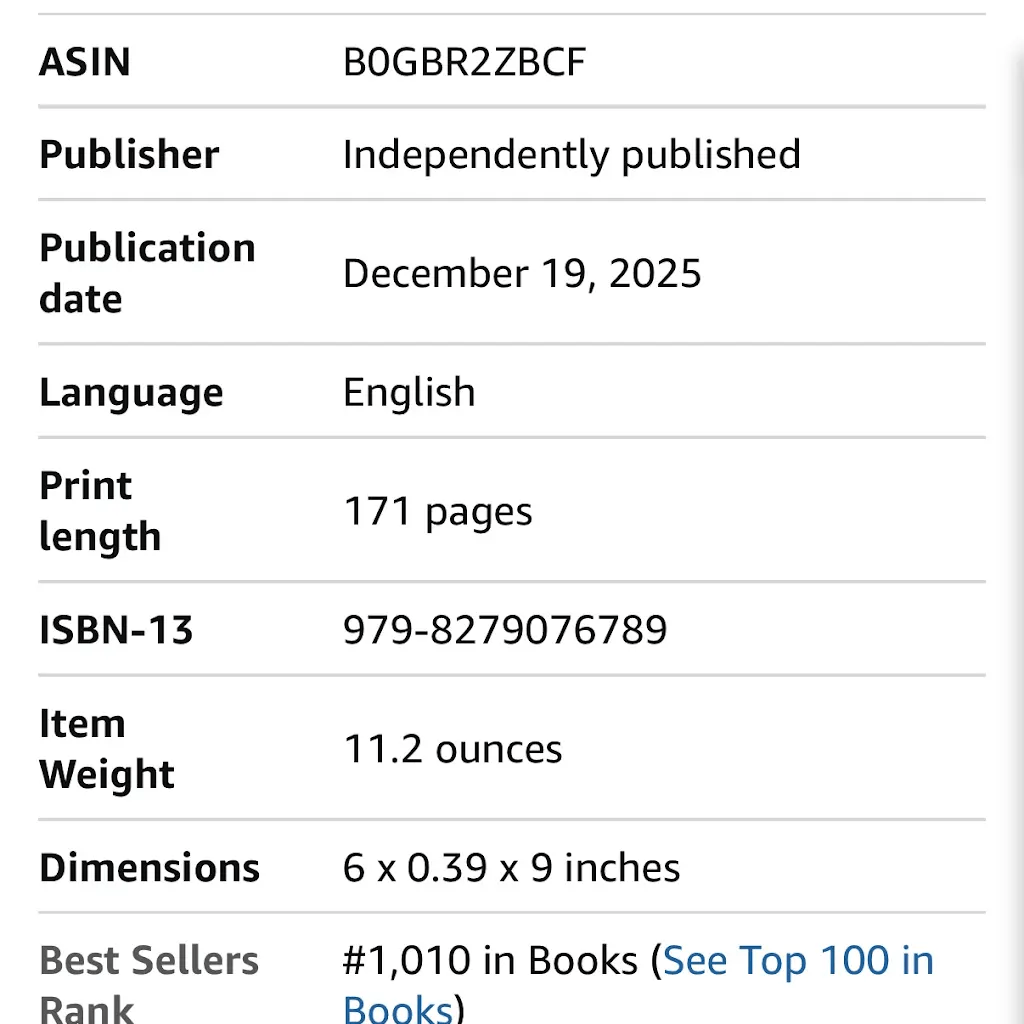
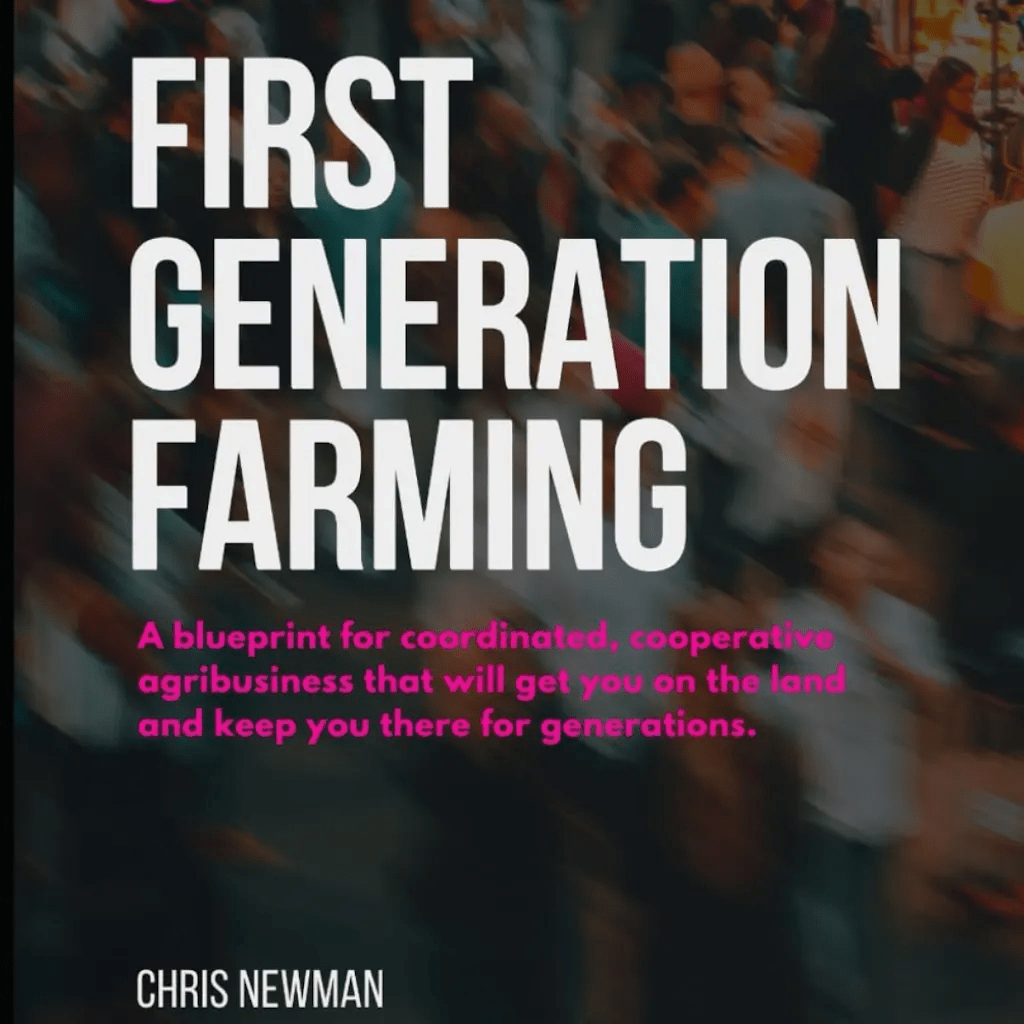
My book’s nearing the top 1,000 in all books on Amazon… this is nuts. https://www.amazon.com/dp/B0GBR2ZBCF#…
http://youtube.com/post/Ugkx4ERU1GoB4DsmLI_-MLNRSBtQ5f8EvrQn?si=VdQCJjNjD1X_YoIw
It’s Randy Rainbow On Saturday
Fun & Music!
Gotta give the heart and mind a break!

