
Long Live Freedoms? by Dr. Richard Francis Hogan
“Liberation Day”🤕? Read on Substack
Written: 🇨🇦 Wednesday, April 3rd, 2025 10:15
Is it long live freedom?
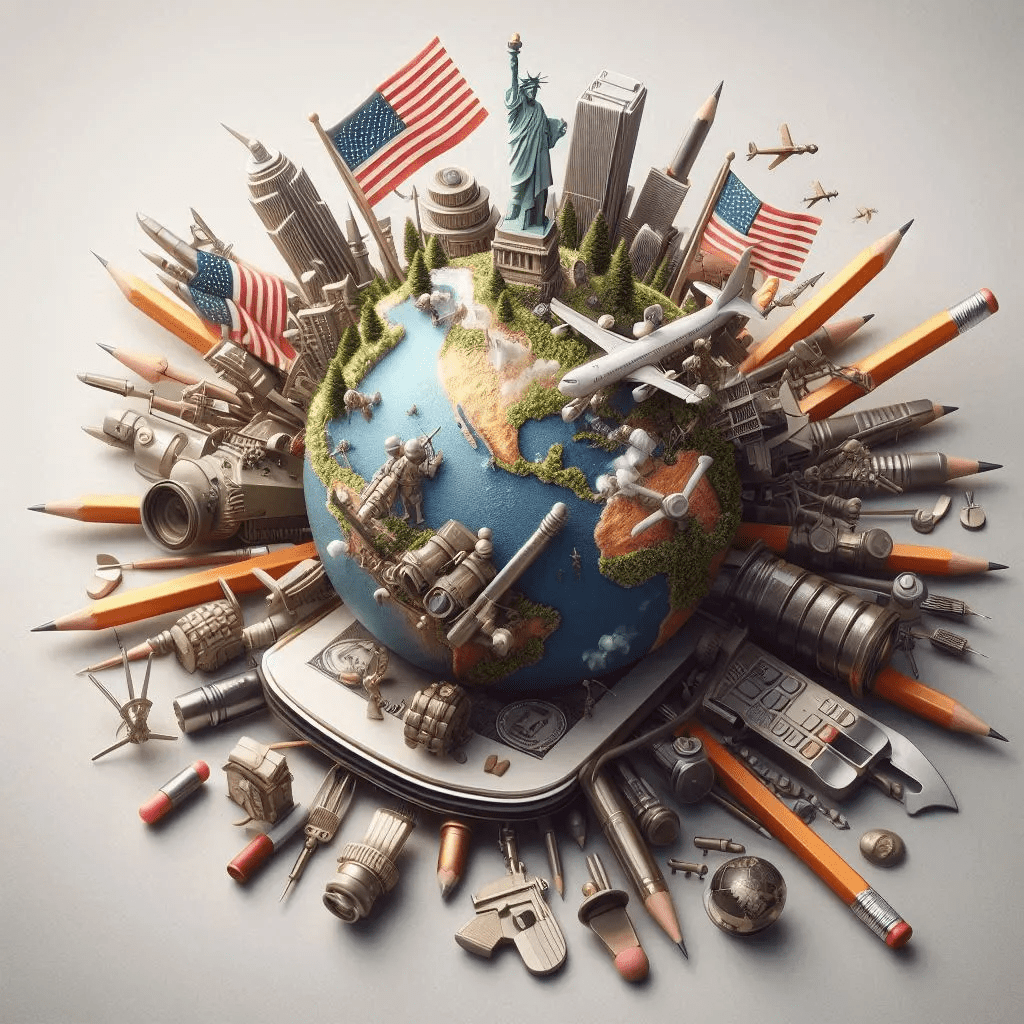
In the shadow of Wednesday, April 3rd, 2025 circum 4 p.m. EST, the idea of liberation unfolds with all its complexities, its light and its shadow. The declaration, bold and unyielding, seeks to redefine the pillars on which trade and economic power rest, claiming to usher in an era of self-reliance and prosperity. Yet, as with all acts of change, the effects are far-reaching, unpredictable, and deeply personal.
From the bustling markets of India to the quiet farmlands of Iowa, the world absorbs the shockwaves of an economic strategy that promises protection but risks isolation. In homes and factories, the air is thick with speculation—what will these tariffs bring? A renaissance of domestic manufacturing or a tightening of belts for families already stretched thin?
Global markets shift like tectonic plates beneath the surface, each country recalibrating its position in this delicate dance. Some see an opportunity to assert their own independence, while others grapple with the economic turbulence caused by disruption. The landscape becomes a chessboard, nations maneuvering for advantage, each move echoing through the corridors of diplomacy and trade.
And amidst this vast interplay of economies and geopolitics stands the human spirit. For the individuals whose lives are touched by these decisions, liberation is not just a political or economic act—it is deeply personal. It is the parent deciding how to stretch a paycheck further in the face of rising costs. It is the worker who watches as their factory doors reopen, bringing hope to their community. It is the farmer who wonders if their crop will find a buyer in a world now reshaped by tariffs.
Liberation, then, becomes a question of perspective. For some, it is a moment of pride, an assertion of independence in a globalized world. For others, it is a reminder of vulnerability, the realization that no nation or individual exists in isolation. It is the tension between self-sufficiency and interdependence, between the desire for control and the inevitability of connection.
As the world moves forward from this day of declaration, the real measure of “Liberation Day” will not be found in the speeches or the headlines—it will be in the lives it changes, the challenges it creates, and the resilience it inspires. For in the end, liberation is not just the act of breaking free—it is the courage to forge a path in the uncharted territories that freedom brings. However, as a Canadian, my speak 🗣️
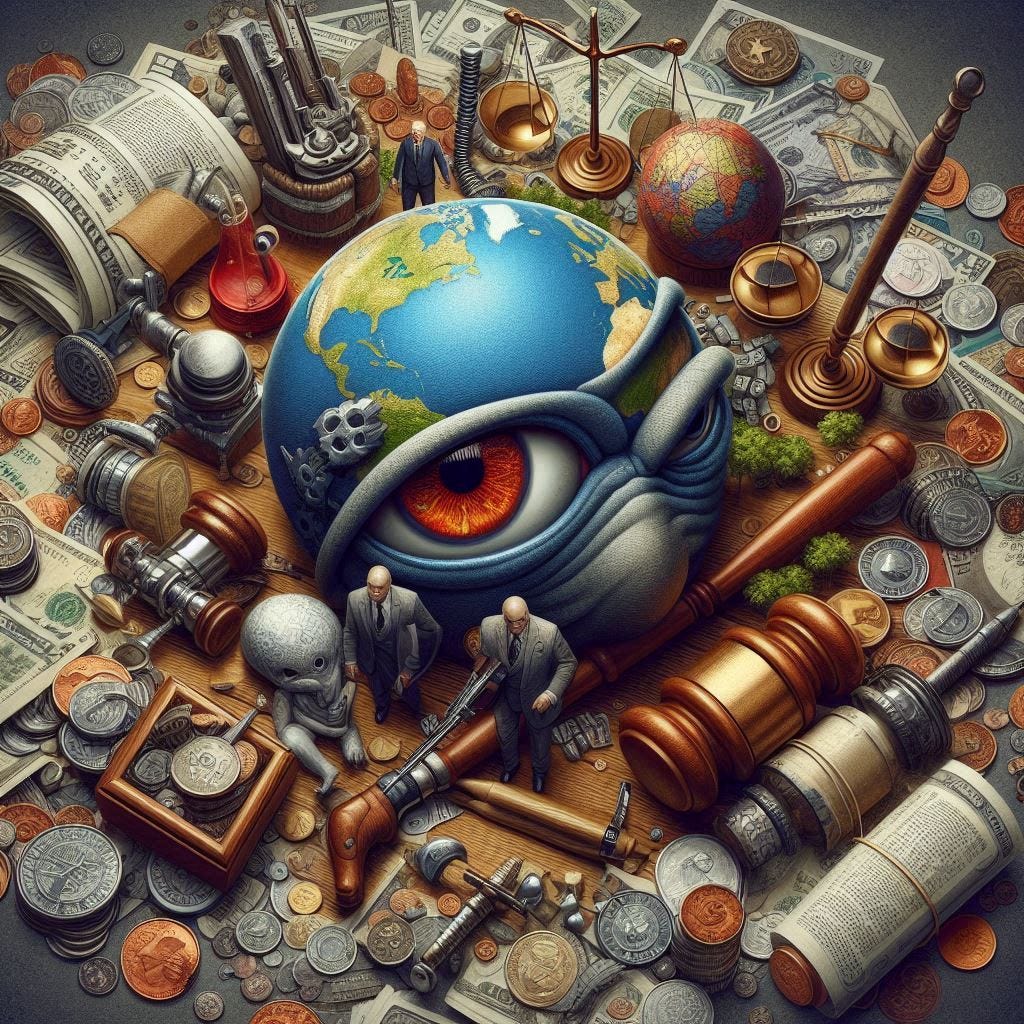
Wednesday, April 3, 2025, the sun rises not simply over land and water but over a tapestry woven with threads of commerce, diplomacy, and shared destinies. Across the expanse of North America, two neighbors—Canada and the United States—stand as towering pillars of trade, their economies entwined like the roots of ancient oaks. Their shared border, stretching like an endless promise, hums with the rhythm of industry, each heartbeat pulsing with goods and ideas that flow seamlessly between them.
But today, the pulse quickens, and the air grows dense with the weight of a proclamation. “Liberation Day,” declared boldly, aims to sever dependence, a bid for sovereignty through tariffs as high as mountain peaks. The United States, seeking refuge from the vulnerabilities of interdependence, turns inward, its gaze fixed on rekindling domestic sparks. Factories stir with newfound hope, their machines roaring with ambition, while farms stretch toward the horizon, bracing for winds of change.
Canada watches, its heart a blend of steel and shadow. From Ottawa to Alberta, the land whispers of resilience—a quiet determination to adapt and endure. Trade routes that have thrived for centuries suddenly feel fragile, threatened by the force of protectionist winds. Yet in this fragility lies the essence of ingenuity, the spark that drives nations to seek partnerships beyond familiar shores. Diversification becomes Canada’s anthem, a melody sung to the world, a testament to its strength.
Across fields and highways, rivers and rails, the individual stories unfold. In bustling Toronto, a worker questions the fate of their factory, now tethered to uncertain exports. In rural Saskatchewan, a farmer gazes at their wheat, their crop a silent plea for markets that may no longer welcome it. In Michigan, an assembly line thrums with renewed vigor, yet the workers pause, wondering how long the momentum will last. It is here, in the lives of ordinary people, that the consequences of Liberation Day resonate most deeply.
The Canada-U.S. trade relationship—a partnership that has weathered storms and celebrated triumphs—now stands at a crossroads. It is a reflection of the paradox of liberation: to free oneself from dependency is to risk isolation; to assert sovereignty is to acknowledge vulnerability. Yet, amid the challenges, hope persists. It whispers through the rustle of maple leaves and echoes across the Rockies, a reminder that change, though disruptive, breeds possibility.
As the sun will set, painting the sky in hues of amber and ash, the world holds its breath. Liberation is not a moment—it is a journey, one of adaptation and resilience, of finding strength in the struggle and light in the uncertainty. Canada and the United States, like two dancers navigating a shifting melody, move forward—not as rivals but as partners, bound by history, trade, and the human spirit that seeks meaning even in the face of transformation. Is it long live freedom?
That is as much as I will say as a Canadian.

 Scottie's Playtime