Political cartoons / memes / and news I want to share. 6-2-2026


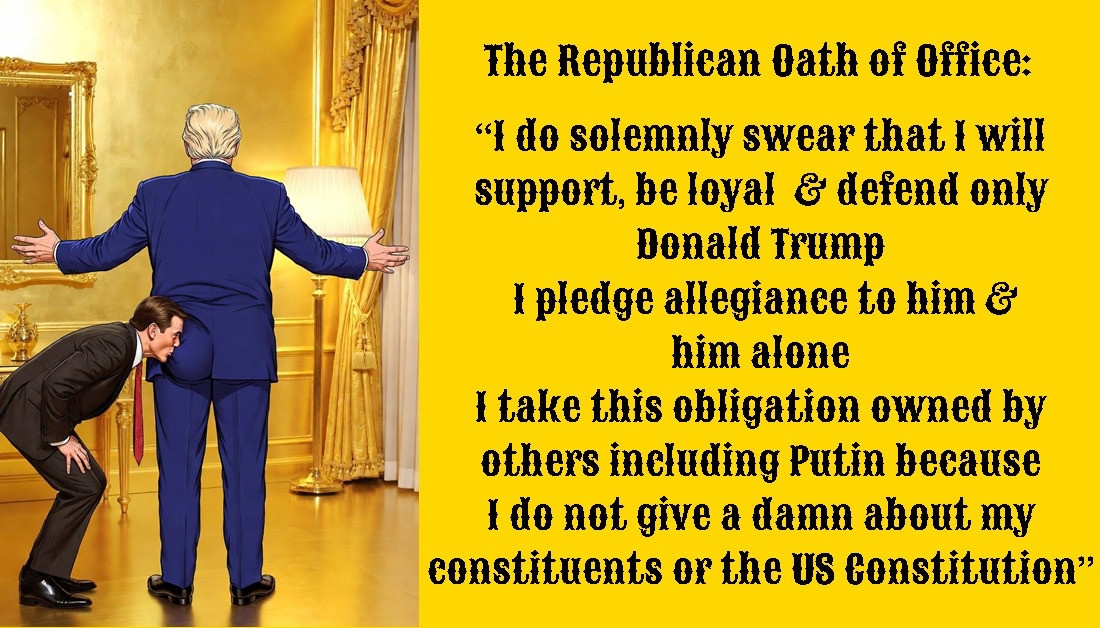
image


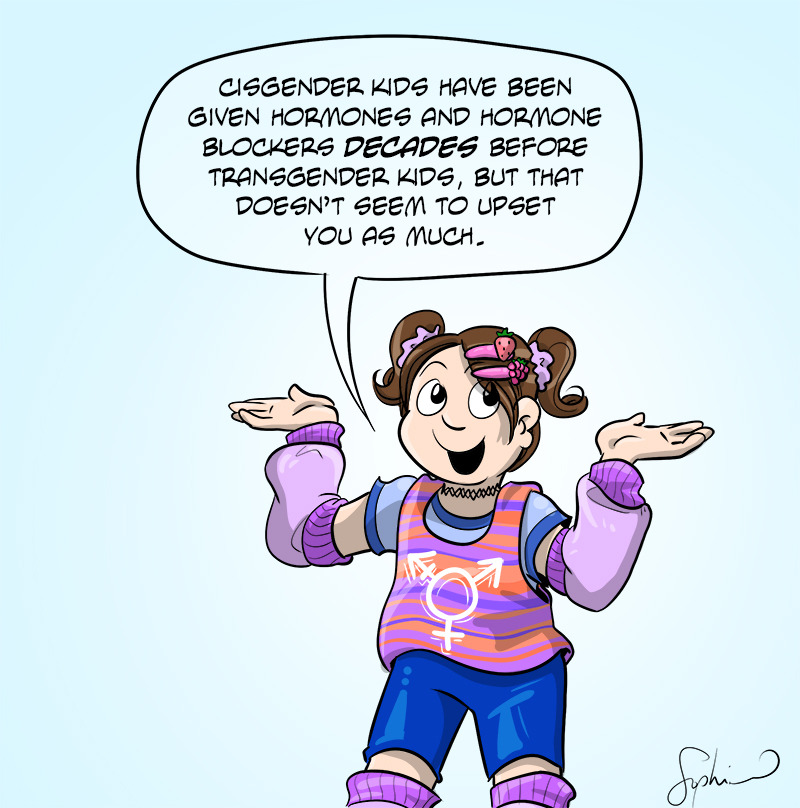
Image from Assigned Male

#queue from If you can dream it you can do it!


reading-writing-revolution: “But Americans never mind paying for something afterward. Just ask the credit card companies. ”


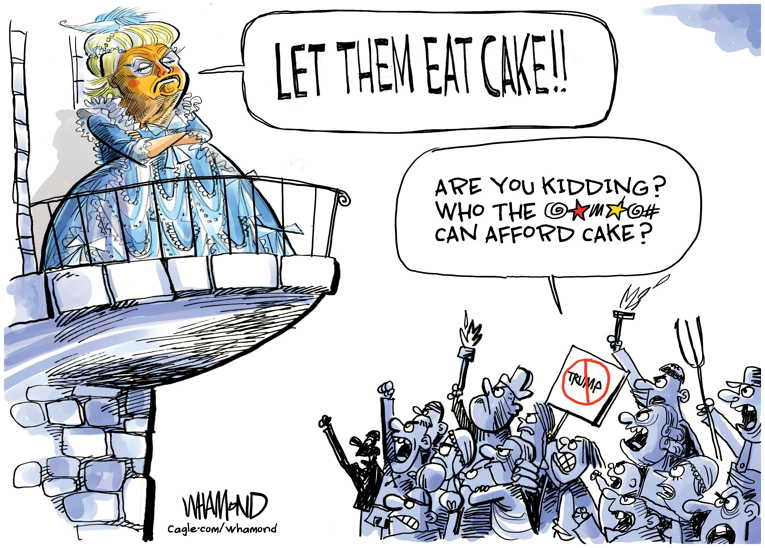
The progressive comic about Trump leaving no worthwhile legacy.


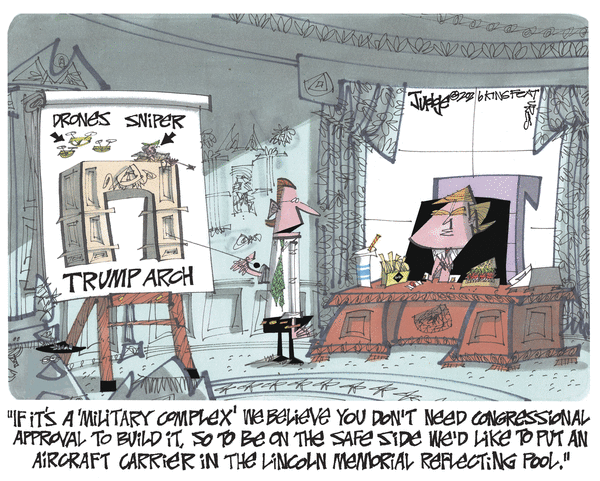
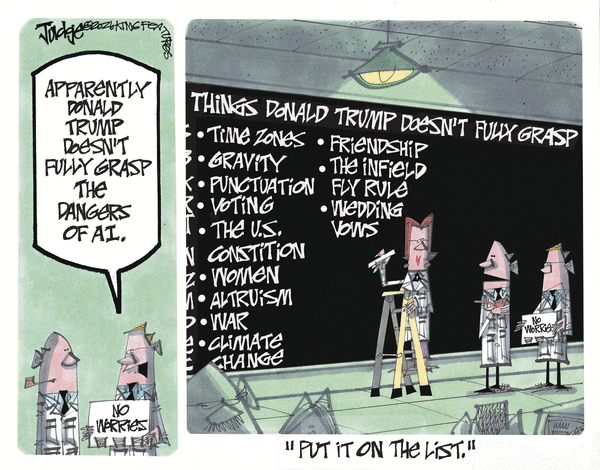
Lee Judge for 5/21/2026

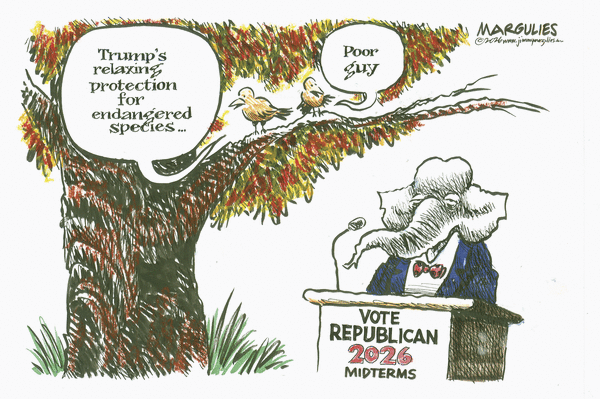
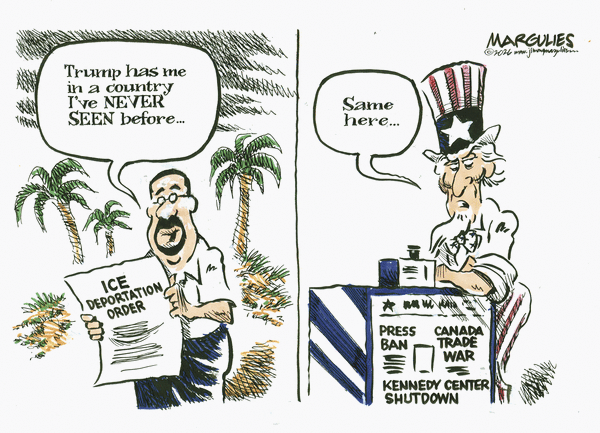
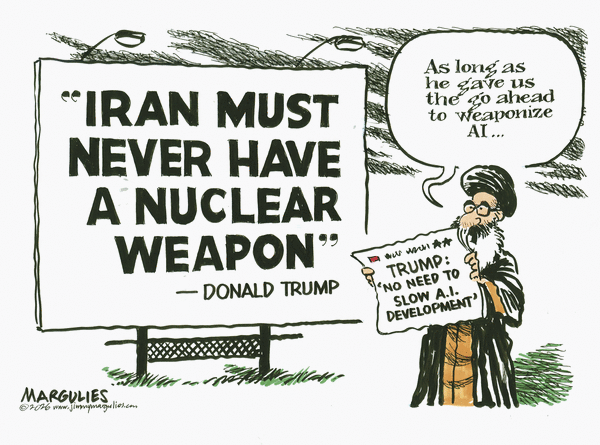
Jimmy Margulies for 5/29/2026

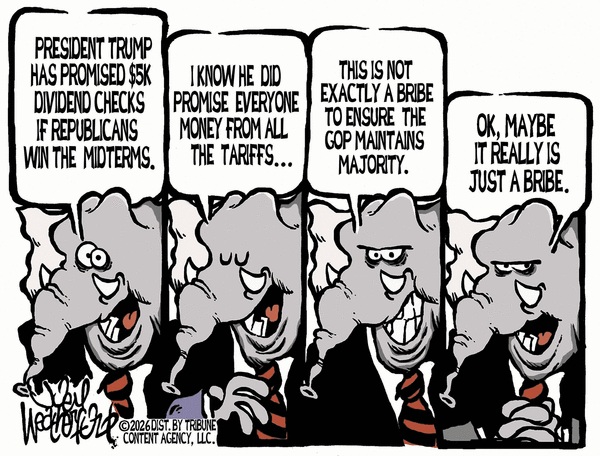
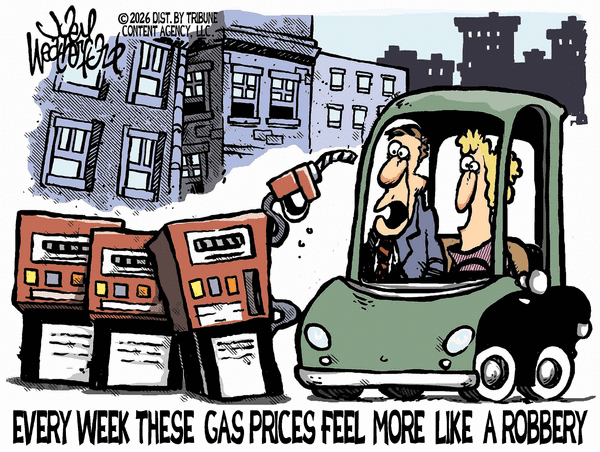
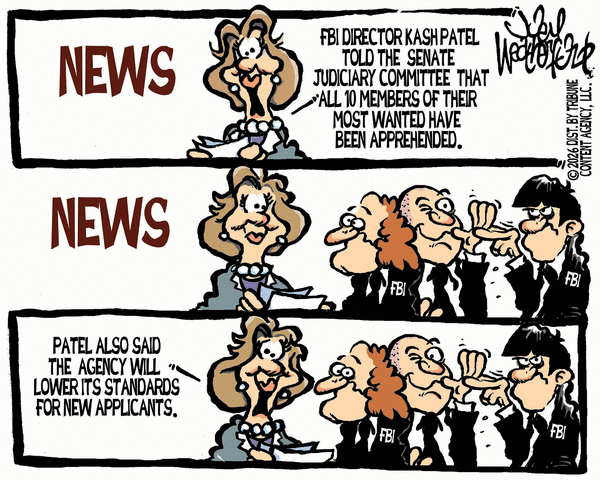
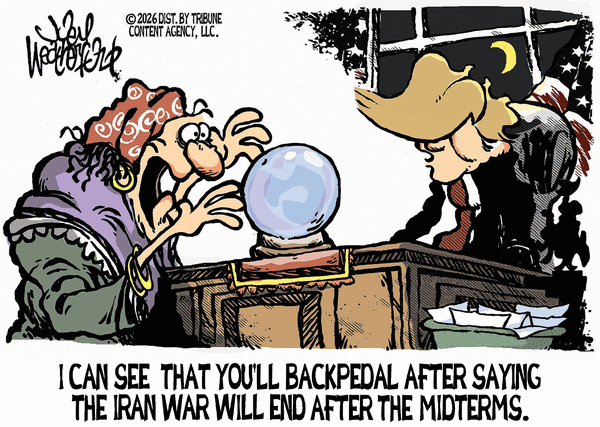
Joey Weatherford for 5/26/2026


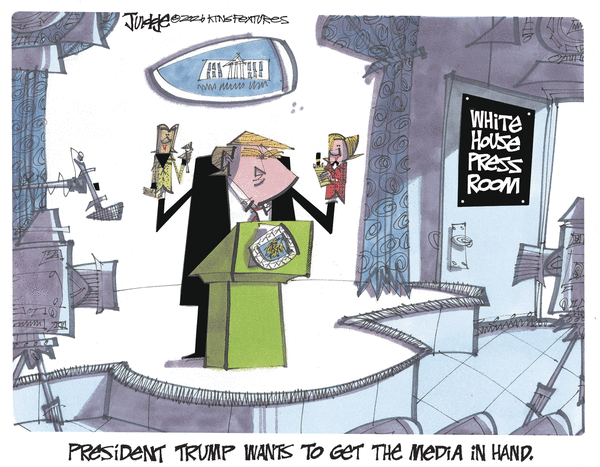
Lee Judge for 5/18/2026


Jimmy Margulies for 6/1/2026


A woman speaks to a man while both look at a poster that says “Celebrate Americas 250th Birthday Great American State...

“How come everything they release always gets so heavily redacted?”


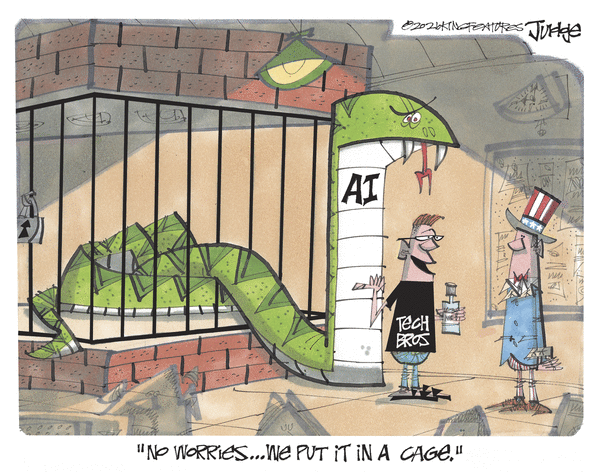
Lee Judge for 5/29/2026


Lee Judge for 6/1/2026


Adam Zyglis The Buffalo News


Plop and KanKr PoliticalCartoons.com


Joey Weatherford for 5/22/2026


Lee Judge for 5/22/2026


image


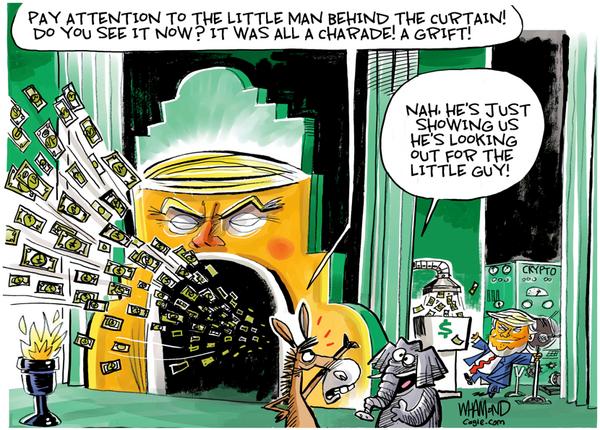
John Cole Philadelphia Inquirer


Monte Wolverton Battle Ground, WA


#ManChildTrump from What Are You Really Afraid Of?


Lee Judge for 5/20/2026


Lee Judge for 5/27/2026


Joey Weatherford for 5/30/2026


Lee Judge for 5/28/2026


Lee Judge for 5/26/2026

Joey Weatherford for 5/28/2026


Jeff Koterba patreon.com/jeffreykoterba


Schot De Volkskrant


Gary McCoy Shiloh, IL


Political cartoon of the day


Winning Elections Against Autocrats

Opinion M. Gessen

This Is the Formula That Defeated Orban. It Would Defeat Trump, Too.

By M. Gessen

Visuals by Máté Bartha

M. Gessen, an Opinion columnist, and Mr. Bartha reported from Budapest.

  • May 29, 2026

Leer en español

Starting early in the morning on the second Saturday of May, first hundreds and then thousands of people gathered in the square in front of Hungary’s majestic Parliament building to celebrate the start of a new political era. This was the square where tens of thousands gathered in 1956 and 1989 to demand an end to the Soviet occupation and in 2006 to protest a discredited government. It was the square on which Prime Minister Viktor Orban’s regime imposed a major redesign more than a decade ago — with traffic rerouted away, a large reflecting pool and raised beds installed, narrow pathways laid down — apparently to ensure that no such mass gathering could take place again. Today it was the square where Peter Magyar, a former Orban loyalist, would be sworn in, promising a rebirth of democracy and liberty after 16 years of autocratic control.

Squeezing into the available spaces and gradually filling up nearby cafes and streets, the crowd absorbed people of all ages: young people who didn’t remember a time before Orban and who had voted in unprecedented numbers; aging intellectuals who didn’t think they’d ever celebrate their country again; multigenerational families who had arrived by bus after seeing Magyar in their hometowns and villages. During his campaign, Magyar had traveled to an estimated 700 locations, turning many of them into “Tisza islands” — outposts of support for his party. By the end, Magyar was holding five or more rallies a day.

It had looked like an impossible quest. Orban and his cronies dominated the media, persecuted and smeared opposition politicians and changed election laws to benefit his party, Fidesz. Orban had seemed to achieve what the Hungarian sociologist and political theorist Balint Magyar (no relation) calls “autocratic breakthrough” — the point after which it’s impossible to unseat an autocrat using elections. Illiberal politicians from other countries made pilgrimages to Hungary to learn from Orban; CPAC, the gathering for American national conservatives, started staging an annual convention there; and Vice President JD Vance visited Budapest in advance of the election, in a show of support for Orban. And yet Hungarians handed Tisza not just a victory but a constitutional majority, enough power to reverse Orban’s changes to Hungarian laws and institutions. The triumph was stunning — unique in our era of democratic backsliding — and it holds clear lessons for the United States.

One obvious lesson of Peter Magyar’s success lies in the scale, reach and relentlessness of his organizing network. “They had 2,000 Tisza islands with between 30,000 and 50,000 volunteers,” Balint Magyar told me, in evident awe. “Just in their call centers, they had 3,000 to 4,000 people in the last week of the campaign.” We talked two days before the swearing-in ceremony, at his office in the spectacular but largely empty building of Central European University. In 2018, Orban’s government forced most of the university’s operations into exile amid an antisemitic scare campaign focused on the Hungarian American philanthropist George Soros, the C.E.U.’s founder and principal funder. Some of Orban’s many other scare campaigns targeted migrants, “the Brussels elites” and L.G.B.T.Q. people. During the latest election campaign, billboards and A.I.-generated social media posts warned Hungarians they were in danger of being overtaken by Ukraine and only Orban could protect them. It should have seemed absurd — it was absurd — but outlandish xenophobic and antisemitic propaganda had served Orban well for years. It didn’t work against Peter Magyar — probably because so many Hungarians got to see him in person, many of them repeatedly. This is another lesson of his success: Old-fashioned in-person politics can be a powerful antidote to media fearmongering.

In his inaugural speech to Parliament, broadcast on giant screens set up around the square, Peter Magyar said that voters had handed him a mandate “not just to change the government, but to change the system. To start over.”

Magyar enumerated the ways in which Orban had damaged Hungary: a stalled economy in which a third of the population lives in poverty, inadequate health care, low-quality schools, child welfare institutions plagued by abuse, an atmosphere of hatred and fear. Orban’s regime had “stolen from the common good of the Hungarian nation — from the pockets of the Hungarian people, and from the tables of Hungarian children and the elderly,” Magyar said, “an estimated 20 trillion Hungarian forints,” or some $65 billion, over the last decade and a half.

Previous opposition politicians had described Orban’s regime as “corrupt,” a relatively mild term suggesting some aberration from the government’s intended function. Peter Magyar made no such accommodation. Borrowing a term coined by Balint Magyar, he has called it a mafia state — a fundamentally criminal enterprise. Third lesson: Don’t mince words.

Instead of shrinking away from direct confrontation, he fortified himself against it. By getting elected to the European Parliament, in 2024, he secured immunity from prosecution in Hungary. When rumors circulated of an intimate video that would be used to blackmail him, he went on the offensive, accusing Orban of using “Russian-style kompromat” (no video was released). Knowing that he would probably be blocked from registering a new political party, he took over one that had become dormant. Even more important, instead of trying to build coalitions among other parties, he focused on conscripting as many actual people as possible, from across the political spectrum, ultimately building a giant organization capable of taking down Orban’s political monopoly.

One could say — and some have — that Magyar won at least in part because he was a former insider of Orban’s Fidesz party. But my interlocutors in Hungary emphasized that Magyar’s credibility lay in the fact that he was not a member of the old opposition, whose policies had led to the discontent that made Orban’s rise possible and whose timidity had helped perpetuate Orban’s power. That’s a lesson, too: The person best positioned to break the power of Donald Trump would not be an anti-Trump Republican but an outsider to the Democratic establishment, someone who can credibly claim that Trump didn’t happen on his watch — a Graham Platner rather than a Thomas Massie.

For all his tireless work over the last two years, Magyar did not create his political machine from scratch. Like Zohran Mamdani, Magyar excelled at converting potential supporters into campaign volunteers. An existing news distribution service provided an initial skeleton of the organizing network. A panoply of grass-roots protest movements joined, too. On the day of Magyar’s inauguration, a parallel, smaller commemoration organized by the city of Budapest celebrated those organizations. One by one, people took the microphone to give a short speech about their cause and their part in the electoral victory: teachers who had organized against a unified state-dictated curriculum; a young man who spoke up against abuses in the child care system; a high school student persecuted for reciting an anti-Orban poem; organizers of Budapest’s L.G.B.T.Q. Pride celebration. The speakers stayed onstage, gradually forming a crowd of the kind — the many kinds — of ordinary Hungarians who had ended the Orban era.

That’s a fifth lesson: Grass-roots organizations that have little or no connection to electoral politics — in the United States, that might be the networks formed by the No Kings rallies, ICE-resistance groups and so on — can matter as much as or more than those already focused on winning votes.

Another lesson lies in the issues that motivated Magyar’s voters. Hungary’s economy is a mess, but post-election polling by Median, an organization that had predicted election results with uncanny accuracy, shows that voters saw corruption as the most important issue by far. Asked why they thought Orban had lost, 49 percent cited corruption, and only 18 percent thought it was the “worsening economic situation, rising cost of living.” The next three reasons cited were “lies” (15 percent); “fearmongering, war rhetoric” (11 percent); and “people got fed up” (10 percent). In other words, Hungarians seemed to see the damage that Orbanism had done to the nation as more important than any harm they felt they had suffered as individuals. They were united by a sense of moral outrage — “value choices,” as one person close to the incoming government described it to me.

Polls have consistently shown that even Fidesz voters generally want Hungary to stay in the European Union. Some surely just want the ease of travel and residency, but others probably have in mind the loftier ideals of the E.U., such as the rule of law, human rights and the essential purpose of the E.U., which is peace.

Hungary is one of the poorer countries in the union, and in the early years of his regime, Orban was able to use E.U. membership to secure funding, and thereby power, even as he railed against the Brussels bureaucracy. But in 2022, the European Union started withholding funding, citing corruption. And in 2024, after Hungary ignored a European Court of Justice ruling that compelled it to process asylum applications, the court ordered Hungary to pay 200 million euros and imposed a daily fine of 1 million euros. (When Orban refused to pay, Brussels deducted the money from E.U. funds earmarked for Hungary.) These actions didn’t just hurt the Hungarian economy — they also allowed Magyar to draw a causal connection between Orban’s policies and the well-being of ordinary voters. One of his major campaign promises was to unlock E.U. funding.

Hungary joined the European Union in 2004. The E.U. flag — 12 gold stars on a blue background — adorned the facade of the Hungarian Parliament building alongside the nation’s red, white and green standard. But Orban’s politics, like the politics of most autocrats, was the politics of grievance. Under his regime, the E.U. flag was removed and replaced with the flag of the Szekelys, a Hungarian minority that found itself living in Romania when World War I’s victors redrew the region’s borders. Orban’s symbolic gesture helped fan resentment against the E.U. and what he claimed were a new generation of attacks on Hungarian sovereignty.

Peter Magyar scheduled his inauguration for Europe Day — the 76th anniversary of the declaration that created the road map for a united continent. Before he was sworn in, the European flag was raised again. But the Szekely flag remained, signaling that Magyar seeks to represent all Hungarian citizens, including those who supported Orban. In some U.S. coverage, Magyar has been labeled centrist or right-of-center. What his politics actually are — and this is another lesson of his victory — is pluralist. (snip-MORE)

More For Pride:


Jessica Kellgren-Fozard
6 hours ago

Happy Pride Month lovely people! 🌈

https://www.youtube.com/post/UgkxzqP2DqFtvQK9iQBY8IblzyZ3IS6B7Kso


There is a great deal of peace & justice history for June 1, that includes Sojourner Truth, the Greenwood massacre, Nazis, Sen. Margaret Chase Smith, The Lord’s Prayer in public schools and SCOTUS, and even more; here for PRIDE I’m featuring Henry Gerber. The link for the entire date’s history is beneath.

June 1, 1932
Gay rights organizer Henry Gerber published an article in Modern Thinker magazine attacking the view that homosexuality is a neurosis.

In 1924, Henry Gerber, a postal worker in Chicago, started the Society for Human Rights, America’s first known gay rights organization.
“The Society for Human Rights is formed to promote and protect the interests of people who are abused and hindered in the legal pursuit of happiness which is guaranteed them by the Declaration of Independence, and to combat the public prejudices against them.”
After having created and distributed a newsletter called “Friendship and Freedom,” Gerber was arrested and held for 3 days without a warrant or being charged with any infractions. Upon release he lost his job for “conduct unbecoming a postal worker.”

Following the last of his three trials, in which the charges were ultimately dismissed, Gerber moved to new York City and re-enlisted in the U.S. Army, serving another 17 years. He lived until 1972, passing away at the the U.S. Soldiers’ and Airmen’s Home in Washington, D.C., living long enough to see the Stonewall Rebellion [see June 28, 1969], the beginning of the modern gay rights movement.
 More on Henry Gerber  (2 links; I’m including the 2d one because it’s a National Parks Services page, but it’s “in progress,” as we would expect in light of Exec. Orders…)

https://www.peacebuttons.info/E-News/peacehistoryjune.htm#june1

Exclusive: NYC Mayor Zohran Mamdani Explains the Mission Behind Housing Initiative to Help Black and Brown Families

NYC Mayor Zohran Mamdani spoke exclusively to The Root about “Block by Block,” which targets Black and brown communities most impacted by housing disparities.

By Phenix S Halley Published May 29, 2026

Since New York City Mayor Zohran Mamdani stepped into office in January, he’s unveiled ambitious policies that aim to address systemic issues that many leaders before him often neglected. Now, his administration has launched a new “Block by Block” housing plan to confront the city’s deep racial inequities in housing.

The proposal focuses heavily on the Bronx, where Black residents disproportionately face unsafe buildings, displacement, and limited affordable housing access. Mamdani argues the housing crisis is inseparable from systemic racism, pledging stronger tenant protections, aggressive action against negligent landlords, and major investments in affordable housing. He spoke with us in an exclusive interview about why “Block by Block” matters and why it’s time for political leaders to address the elephant in the room: protecting and uplifting Black and other disenfranchised groups through real policy.

The Root: During your 2025 campaign, some Black voters voiced concerns that they wouldn’t be a priority. Although “Block by Block” addresses some of those concerns, targeted at the New York City Housing Authority (NYCHA) and Black communities in the Bronx, how do you continue to ensure the most disenfranchised people have direct access and remain a priority?

Mayor Zohran Mamdani: I think the cost-of-living crisis is the most pressing issue in our city. And it is a crisis that every New Yorker faces. It’s also a crisis that has not been borne evenly across the city. Black New Yorkers have faced such pressure to afford life in this city that we have seen manifest in 200,000 Black New Yorkers being pushed out of the city, the population of Black children and teenagers declining by 19% over a recent period of time. It is incumbent upon us, if we want to fight to continue to preserve “the gorgeous mosaic,” as [former Mayor] David Dinkins once described our city as, to invest in everything that we can to make this city more affordable.

“Block by Block” is a vision to not only preserve the little affordability that we have in this city, but also hold on to that affordability to ensure that it becomes a reality for far more New Yorkers. We know that public housing is one of the few places where working-class New Yorkers can find a way to make ends meet in the city, yet it’s one of the few places that has been left out of any conversation around housing for decades. And that’s why we’ve made the decision to invest $5.6 billion into public housing, which is the largest investment any mayor has made in decades, so that we can actually ensure that we not only continue to provide this kind of affordability, but that it comes with a habitability as well, so that New Yorkers are not forced to accept conditions that frankly go beyond what any person should have to agree to.

The Root: If you can do this in 100 days, why do you think past mayors and other political leaders across the U.S. haven’t addressed disparities in housing on a larger scale? Are there any risks involved with prioritizing people of color?

Mayor Mamdani: I’ll give you an example of public housing:
The Reagan administration made sweeping cuts to public housing. It began a chapter in our city and our country’s history of disinvesting in one of the most critical ways for working-class people to afford to live in the cities they help build.

Too often, in our politics, we’ve cited the immense cost as a justification for inaction. We have said, “Well, NYCHA has a capital backlog of about $80 billion; therefore, anything is just a drop in the bucket.
So we are going to continue to rely on the federal government to take the lead here. We know full well that Republican administrations and Democratic administrations have not addressed this issue, that waiting is not an answer. And so we have decided to take the lead ourselves and show that the city is committed to this in a way that goes beyond the rhetoric of past administrations and starts to translate that into a new reality for current NYCHA residents.

The Root: Outside of “Block by Block,” what are you most proud of in the first 100 days of your administration?

Mayor Mamdani: I am most proud of our vision for Universal Childcare. 
We delivered more than $1 billion, thanks to a partnership with Governor [ Kathy] Hochul. And that is money that allowed us to add 2,000 additional seats for childcare for three-year-olds and, now for the first time in New York City history, free childcare for two-year-olds. 
And the reason I’m most proud of this is that in New York City, childcare costs $20,000 per child, and that’s considered a good deal. And when we deliver universal and high-quality childcare at no cost to families across the city, it transforms their ability to build a life here, and that’s exactly what we want to be doing.

Political cartoons / memes / and news I want to share. 6-1-2026


image


A woman is speaking to a man staring at his phone at a kitchen table.

“If you won’t tell me what’s bothering you, at least don’t distort your face so much that I really, really want to know.”

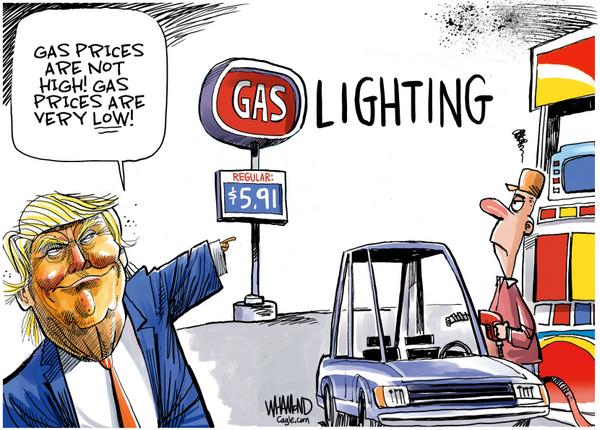
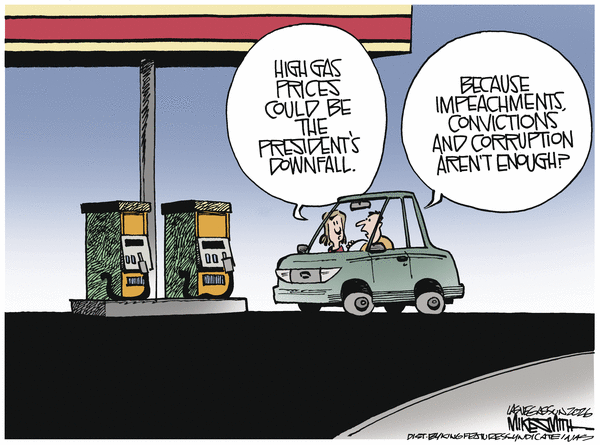
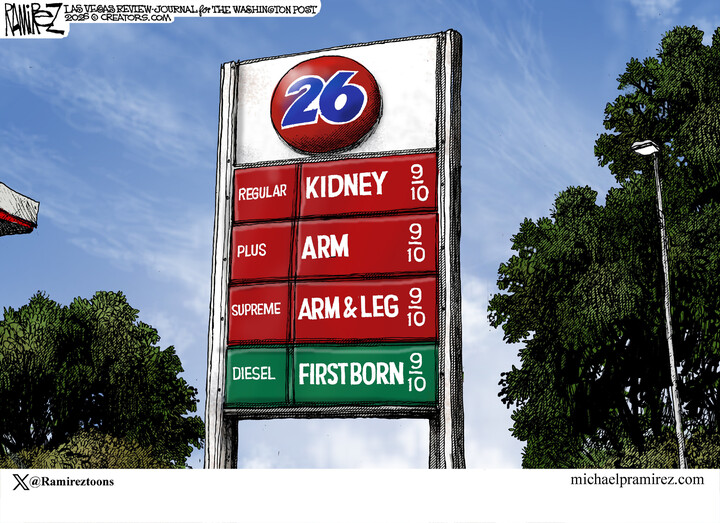
The progressive comic about Trump's lunacy causing high gas prices.


Political cartoon of the day


The progressive comic about Trump's lunacy causing high gas prices.

The progressive comic about Trump's lunacy causing high gas prices.


#taco trump from Republicans Are Domestic Terrorists


A game box with a filled tictactoe grid reads “Trump Official 5D Chess Set Élite Edition” in gold and black lettering.


Bill Day FloridaPolitics.com

King Kong pulls a woman through her smashed skyscraper window as she shouts and looks back at her TV.

“Hang on—it’s Colbert’s last episode.”


Gary McCoy Shiloh, IL


John Cole The Scranton Times-Tribune


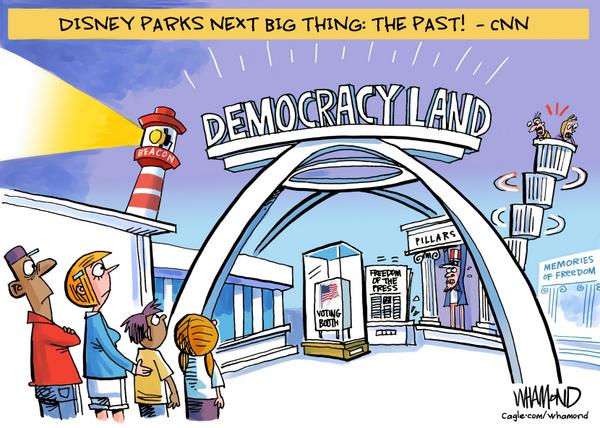
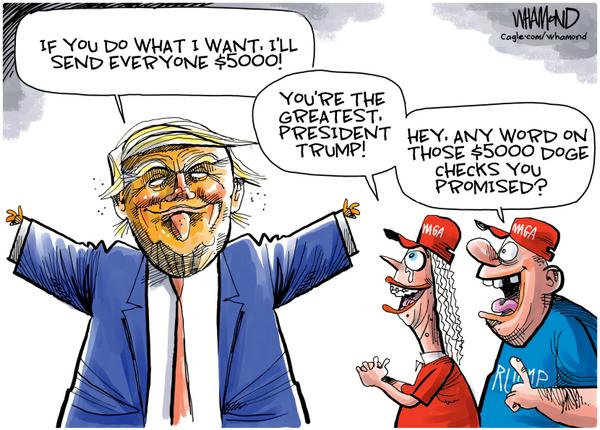
Dave Whamond PoliticalCartoons.com

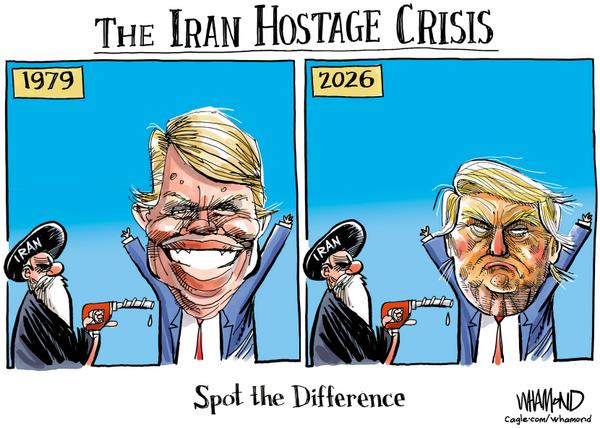
A gasstation nozzle that is suspended midair points at a man who is holding his hands up.


Image from Saywhat Politics


John Cole Tennessee | Lookout


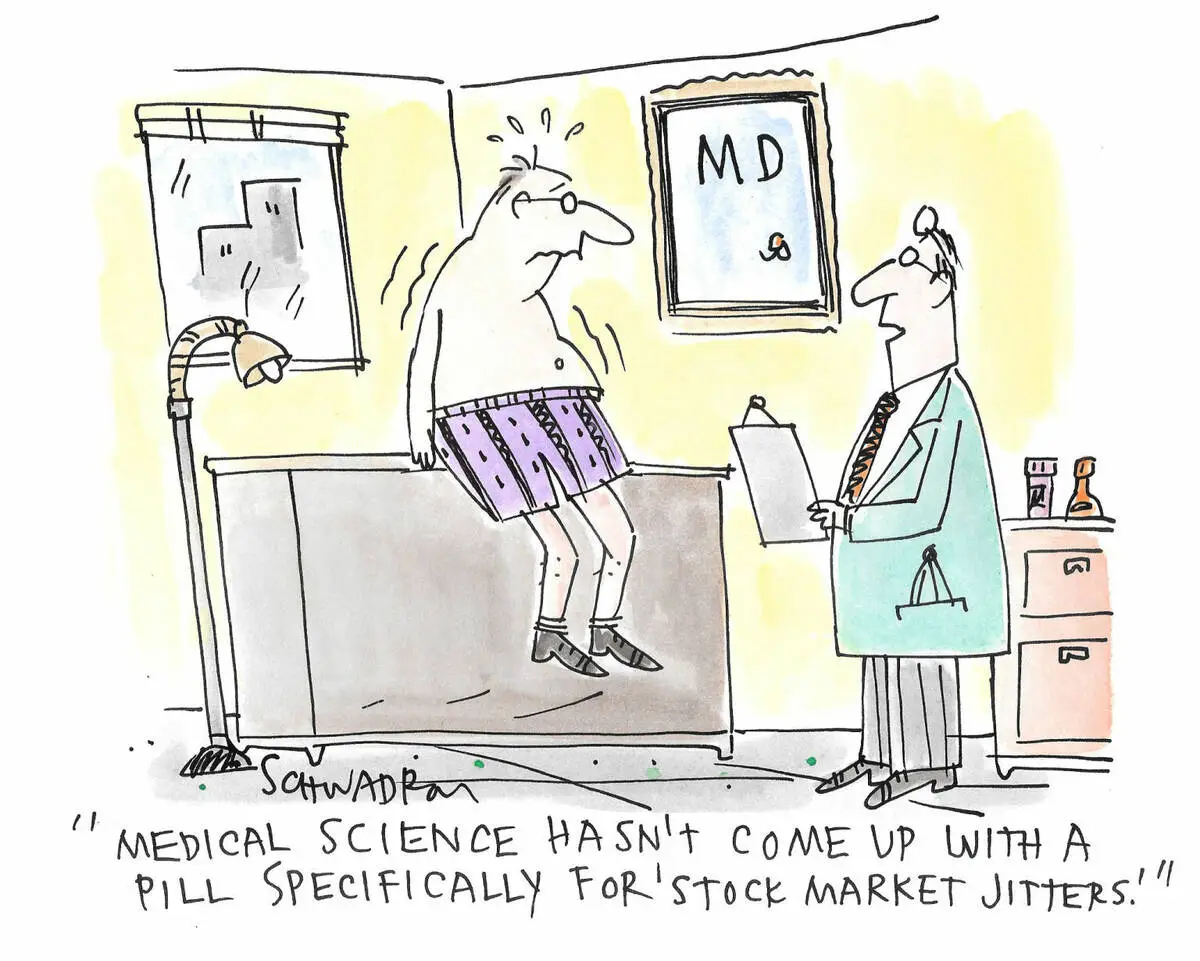
Harley Schwadron CagleCartoons.com

The progressive comic about stupid and annoying campaign ads.


Arcadio Esquivel Costa Rica


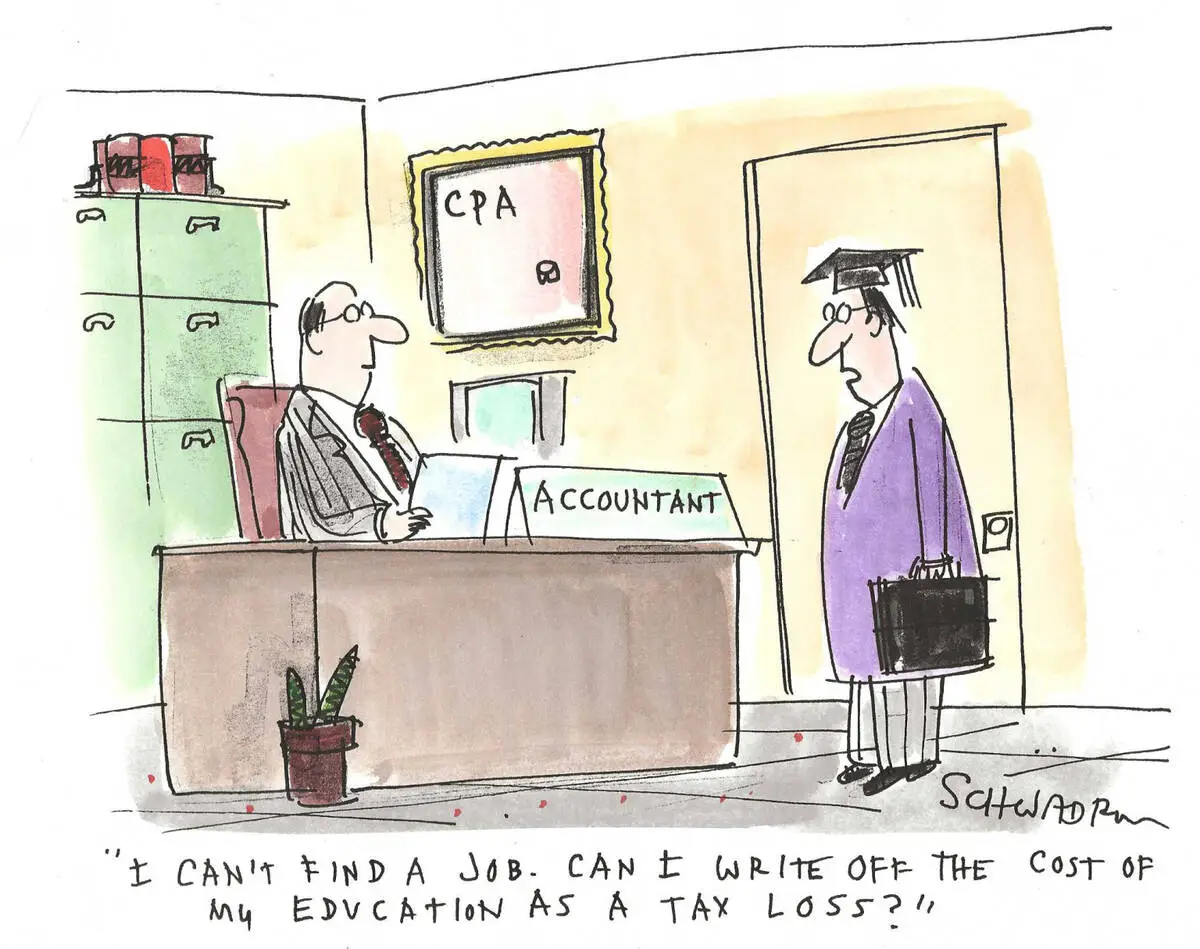
Harley Schwadron CagleCartoons.com


Schot De Volkskrant


Ingrid Rice British Columbia, Canada

A large alien in cap and gown delivers a commencement address.

“And, as you head out into the world, your fresh, meaty torsos will be ripped apart and roasted to feed your new alien overlords—wait, why are you all booing?”


Peter Kuper PoliticalCartoons.com


Jonathan Brown PoliticalCartoons.com


Iowans Be Aware, and Beware-

Co-founder of Wichita private school contending for Iowa GOP’s gubernatorial nomination

Iowa Democratic Party raises red flag about dozens of Zach Lahn’s flights to Kansas

By:Tim Carpenter-May 29, 2026

TOPEKA — Private school founder, farmer and businessman Zach Lahn is running an insurgent Republican campaign for governor in Iowa.

The former Kansan has labeled this outsider bid as an “Iowa First” campaign. He’s opposed abortion and high taxes, but defended gun rights, school vouchers and religious freedom. He told Iowa voters he admired President Donald Trump’s tenacious fight against the political establishment.

“I told my wife many times, if I ever ran for anything, the only thing I’d ever want to run for was governor,” Lahn said.

Lahn grew up near Sioux City, Iowa, graduated from University of Colorado in Boulder, worked for Montana and Colorado congressmen, served as Montana director of Americans for Prosperity and as an AFP fundraiser, and bought a Belle Plaine, Iowa, farm previously owned by relatives. He launched an unorthodox school in Wichita and voted in Kansas elections in the 2018, 2020 and 2022 cycles.

Lahn’s campaign didn’t respond to a request for comment about why he chose to run for governor in Iowa rather than Kansas or questions raised by the Iowa Democratic Party about his close ties to Kansas and decision in 2024 to transfer his voter registration to Iowa.

Lahn has stood out among Iowa’s GOP gubernatorial candidates by denouncing lobbyists, corporations and organizations with outsized influence on politics. He’s not been shy about criticizing Democrats and Republicans responsible for blocking public policy reform.

“I’m fighting the ‘Uni-party.’ Both sides have been bought off in many ways,” he said.

Lahn is on the Tuesday primary ballot with U.S. Rep. Randy Feenstra, state Rep. Eddie Andrews, former state Rep. Brad Sherman and former Iowa Department of Administrative Services director Adam Steen. The Democratic nominee will be Iowa state Auditor Rob Sand, who is running unopposed.

For the first time since 2006, an incumbent Iowa governor won’t be on the ballot. Republican Gov. Kim Reynolds, with one of the lowest approval ratings in the country, didn’t seek reelection.

Populist approach

Michael Smith, a political science professor at Emporia State University, said old-school political theory dictated gubernatorial candidates had to be rooted in a state’s political infrastructure and local community life to be relevant. That changed as Trump assumed control of GOP politics and showed how firebrand conservatives, including those without prior experience in public office, might find a lane to run, he said.

“It’s all different now,” said Smith, who indicated Lahn could be a beneficiary of that shift. “He’s trying to be his own kind of populist.”

Lahn created momentum for his candidacy by loaning the campaign $2 million and using that cash to fill the airwaves with television advertising.

After working for Americans for Prosperity, an advocacy group associated with founders of Koch Industries, Lahn moved to Wichita to launch the unconventional private school named Wonder. The pre-kindergarten through 12th-grade school opened in 2018 on the campus of Wichita State University. It was financed by Chase Koch, the son of billionaire Charles Koch, and Chase Koch’s wife at the time, Annie Koch.

Annie Koch and Lahn subsequently divorced their spouses and were married. They have seven children in a blended family and the kids have been featured in campaign materials.

Kansas voter registration records show Zach Lahn voted in Kansas with a provisional ballot in November 2018, in-person at a Sedgwick County polling place in November 2020 and with an advance ballot in the August 2022 primary. Zach Lahn registered to vote in Iowa on Oct. 17, 2024. Transferring his registration at that time allowed him to meet the state’s two-year residency requirement for a run for governor in 2026.

Jennifer Konfrst, a professor of journalism and strategic political communication at Drake University in Des Moines, said there was potential for Lahn’s “Iowa First” campaign slogan to come across as disingenuous among voters aware of his lengthy presence in Kansas. Iowa voters appreciate the life history of candidates, she said, but some dig deeper into whether a candidate’s staff came from Iowa or Washington, D.C.

“Being from here matters,” said Konfrst, a Democratic member of the Iowa House not seeking reelection. “It’s not unimportant that somebody who wants to be governor of Iowa isn’t from here.”

Kansas connections

In July 2024, according to Sedgwick County’s register of deeds, Annie Lahn purchased a home in Kechi near Wichita and declared on mortgage documents it was her primary residence. One year after acquiring the property, Zach and Annie Lahn sold the home to an LLC for $1.

Business records filed with the Kansas Secretary of State’s Office identified the LLC’s “authorized person” as Wichita resident Mikaela Ledbetter, who made a modest donation in December 2025 to Zach Lahn’s campaign for governor.

Less than two weeks after the transaction in July 2025, Annie Lahn registered to vote in Belle Plaine, Iowa. Zach Lahn and his previous wife, Lauren, had purchased that Belle Plaine homestead in 2014.

The Des Moines Register reported in April that Zach Lahn flew from Iowa to Wichita in his personal airplane 37 times since Oct. 1, 2025. Zach Lahn told the Register the flights allowed him to be with children that he and his wife had from previous marriages.

“I’m trying my best to be present for things,” Zach Lahn told the Register. “I have no worries that we’ll be able to fulfill every duty we need to do on the campaign or as governor.”

Zach Lahn told the newspaper he moved from Kansas to Iowa in 2023 and was an official Iowa voter in the 2024 general election and a 2025 local election.

Iowa Democratic Party spokesperson Terra Hernandez seized upon the Register’s reporting to declare Zach Lahn a “Kansas carpetbagger.”

“Lahn has been trying to fool Iowa voters since the start of his campaign, thinks he can pay his way to the governor’s mansion with his millions in out-of-state money and spends more time in Wichita than Belle Plaine,” Hernandez said.

On campaign trail

During the gubernatorial campaign, Zach Lahn has emphasized he was a sixth-generation Iowan with family roots as far back as the Civil War.

His campaign has concentrated on restoration of academic achievement in the state’s education system and removal of classroom educators who insisted on advancing personal ideology.

“We don’t have a spending problem. We have a quality problem,” Zack Lahn said during a GOP forum broadcast by KCCI in Des Moines.

He said he would work to preserve Iowa family farms after 10,000 vanished during the past 20 years. He said one-fourth of Iowa land was now owned by out-of-state investors. He proposed raising property taxes on Iowa land held by nonresidents so property taxes for Iowa residents could be lowered.

He’s questioned economic development strategies in Iowa that did little to stem the brain drain of youth to other states.

Zack Lahn, endorsed by MAHA Action associated with U.S. Health and Human Services Secretary Robert Kennedy Jr., made a campaign issue of rising cancer rates in Iowa. He promised to veto any bill granting agricultural chemical companies immunity from lawsuits tied to alleged failure to accurately warn consumers of health risks.

“I believe big ag and big pharma have treated our farmers and families as numbers, not neighbors,” Zack Lahn said.

Political cartoons / memes / and news I want to share. 5-31-2026

image


Thumbnail


 To understand this cartoon you have to switch the axis of the point of view.  For the rich guy the red line is going up, for the worker on the other axis it is going down.  Hugs


Some Good Climate News

Nobody Expected The Spanish (Energy) Transition!

The grid in Madrid is where prices have slid.

Doktor Zoom

As we like reminding you, with Donald Trump trying to kill clean energy, Europe has become the source of much of our clean energy Nice Times lately. Here’s one more example: Spain is among the big sleeper hits on Europe’s energy transition pop chart. In just a decade, Spain has ramped up its use of wind and solar power, resulting in some of the lowest wholesale electricity prices on the continent.

Oxford prof and energy policy analyst Jan Rosenow gets into the details at his “Bright Spots” newsletter, which we’ll recommend for folks who need a dose of climate optimism about now:

In the first four months of 2026, the average wholesale electricity price in Spain was €44 per megawatt-hour. In Italy, it was €127. In Germany, €96. In the UK, €103. Spain is now cheaper than France, well below the central-European bloc, and within striking distance of the Nordic hydro-and-nuclear heavyweights that have always topped the cheap-power league.

The basic reason is pretty simple, Rosenow explains, although he also goes into further detail beyond this. “Spain increasingly pushed gas increasingly out of its electricity supply, and the price of electricity followed.”

Over the last 25 years, Spain has gone from getting a third of its electricity from coal to effectively having zero coal power. Spain replaced most of that capacity with cheaper (and relatively cleaner but still climate-unfriendly) fossil gas, and it’s now replacing gas with renewables. Gas peaked at about 30 percent of Spain’s energy mix near the end of the 2000s, and is now down to about 19 percent. Another 19 percent comes from nuclear, which hasn’t changed over the last few decades and 14 percent is from hydro and bioenergy. The rest has been solar and wind, which combined are up to 42 percent of the mix in 2026. Here’s a pretty chart, with cheerful yellow solar energy and cool blue wind energy growing, and icky grey coal rapidly fading into nothing.

Chart titled 'Spain's electricity mix: coal and gas out, wind and solar in.' Based on Ember's 2025 global electricity review, it displays in graph form the data discussed in the preceding paragraph.

Here’s why the replacement of gas with renewables matters so much: Because wholesale electricity prices at any given time are set by the most expensive energy plants needed to meet demand, and gas is usually that most expensive source, getting more solar and wind on the grid during high-demand daylight hours brings down wholesale prices a lot. (snip-MORE)

Union Activism

That Public Notice About NDA’s for Government Workers:

Anyway, here it is, along with the link so we can make our comments (of course it is not hyperlinked on the page, we need to copy it and paste it into our browser. WP has made it a live link in this post, but it doesn’t work.) It’s our duty and a right we still have; if we do not use it, we will most certainly use it. I found out about this yesterday on MPS’s post; it just took me a bit to get to this.

You can find this here. (This hyperlink is good; I made it myself and it works.) It is a .pdf. The NDA notice begins in the lower right-hand column.

ADDRESSES: You may submit comments
using the Federal eRulemaking Portal at
https://www.regulations.gov. Follow the
instructions for sending comments.
The general policy for comments and
other submissions from members of the
public is to make these submissions
available for public viewing at https://
http://www.regulations.gov without change,
and including any personal identifiers
or contact information. Before finalizing
the NDA, OPM will consider all
comments received on or before the
closing date for comments. OPM may
make changes to the NDA after
considering the comments received.

Request for Comment
OPM welcomes public comments on
all aspects of the draft NDA, including
whether the Privacy Act statement’s
description of the authority, principal
purposes, routine uses, and effects
provide sufficient notice to employees.
The draft NDA is available in the docket
for this notice on regulations.gov. See
https://www.regulations.gov/document/
OPM-2026-0100-0003. OPM specifically
requests comment on the following
issues.

  1. What scope of information should
    be covered by the NDA? Should it cover
    only unclassified information? How do
    you understand the terms confidential
    and confidentiality in the context of this
    NDA? What customization of the NDA,
    if any, may be necessary for agencies to
    ensure it covers the appropriate
    information?
  2. Does the NDA clearly communicate
    the types of information that would be
    subject to non-disclosure requirements?
    If not, how could OPM better describe
    what information can or cannot be
    disclosed to ensure employees have
    appropriate notice of their
    responsibilities?
  3. Are there other statutes to which
    OPM should cite in Appendix A of the
    NDA when describing the nondisclosure
    requirements applicable to individuals
    working for or on behalf of the Federal
    government?
  4. Do you have suggestions regarding
    the layout or formatting of the NDA?
  5. Does the Privacy Act statement in
    the NDA provide sufficient notice to
    employees of the authorities, principal purposes, routine uses, and effects of
  6. the form?
  7. Does the OPM/GOVT–1 system of
    records notice provide sufficient notice
    that the government-wide system of
    records would maintain records related
    to the signing of, or failure to sign, the
    NDA?
  8. What are the appropriate actions, if
    any, for agencies to consider taking if
    existing employees choose not to sign
    the NDA?
  9. What are the appropriate actions, if
    any, for agencies to consider taking if
    new employees choose not to sign the
    NDA?
  10. Does the NDA clearly communicate
    the potential consequences of refusal to
    sign the form for both existing and new
    employees, along with whether signing
    the form is voluntary or mandatory?
  11. What else should OPM consider
    with regard to the NDA??
    OPM will consider comments
    received before finalizing the NDA.