
Libraries, and by association librarians, do so much in our communities. Every time I help a transient person (mostly women,) they want a ride to the library. They know they’ll be free to use the restroom, freshen up, and spend some time inside safely. That’s thanks to librarians. Additionally, so many libraries offer services people wouldn’t think of; they have programs in cooking, or history, or any number of interests, free to the public. There are items available for borrowing like special cake pans, toys, movies, and more, all free with a library card. The best thing is (in my town,) the library is downtown, so people who live downtown (there are many, mostly old and less than abled,) can go there to attend a seminar, meet people with whom they have things in common, and they can get there without having to call a transit van. 💖 our librarians and our libraries! 🌞
“Pizza Parties Don’t Fix Burnout”: The State of Librarian Mental Health
Kelly Jensen Jan 20, 2026
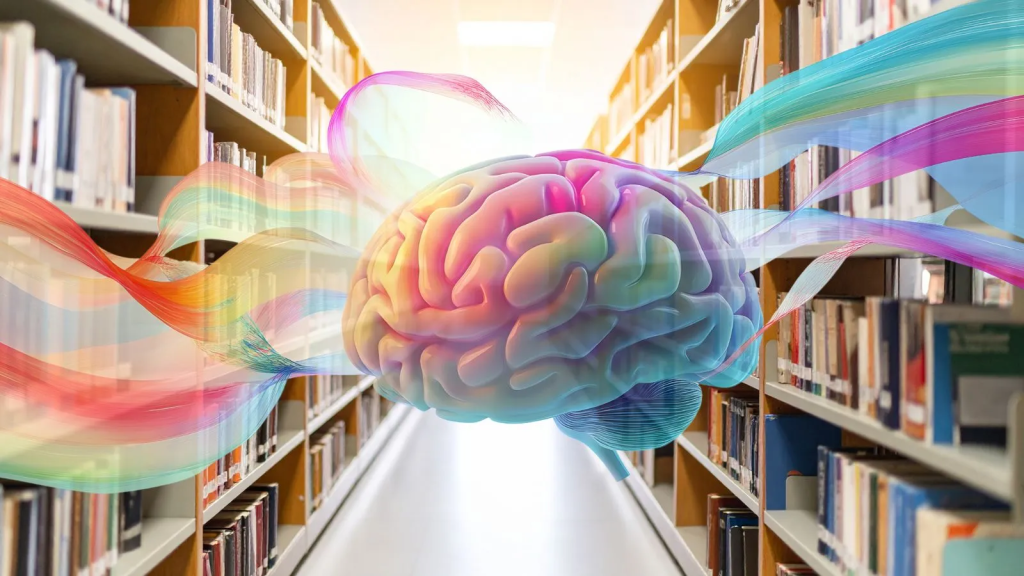
We know that the constant demands put upon libraries and their workers take a toll. That’s why the intersection of trauma and librarianship has become a significant research and discussion topic, especially over the last six years. Look to the need for public libraries to become a place where unhoused people can spend their days; how they are expected to put their safety on the line to be warming centers during cold snaps and cooling centers during heat waves; how they continued to need to provide in-person services during the height of a deadly pandemic; and how they have begun in recent years to hire staff social workers to help with the ongoing mental health crisis faced by community members who may have no other viable access to support.
Libraries are not essential services, despite the demands made upon them to provide essential services. These are roles that library workers take on because they view their job as meeting the needs of their communities, and if they choose not to, it could mean their budgets being slashed in the next round of cuts. Both things can be true, just as it can be true that library workers enjoy the challenges present to them and are directly impacted by them on a personal level. Librarians experience compassion fatigue and significant stress throughout their days, and that is without being faced with book bans or people showing up to board meetings calling them groomers. We also know that the physical state of America’s public libraries is poor: the Government Accountability Office found that 61% of U.S. libraries have at least one building system or feature that poses a potential health or safety concern in a report put out in December 2025.
Last year saw tremendous budget slashing in all types of libraries nationwide. It wasn’t just public or school librarians who saw their jobs and resources end. Academic libraries were on the chopping block, sending yet another message about the ways that access to verifiable facts, the historical record, and resources that advance knowledge aren’t priorities. They’re instead simply “nice to have.” It’s a confounding message, especially in an era of fake news, disordered information, and the ongoing push to integrate Artificial Intelligence into every aspect of life. It’s also a confounding message, given all the ways libraries are expected to fill in the gaps left by budget cuts elsewhere, and to do so without pushing back.
All of this has a direct and material impact on the mental health of library workers.
I wanted to know how much of a toll the job takes on library workers when I sent out a lengthy survey last summer, from July to August 2025. The survey asked library workers of all backgrounds, experiences, and demographics to get honest about where and how library work intersected with their mental health. Respondents were asked to share their experiences in a free-form style, highlighting what they perceived as the most significant stressors in the field, where and how they’ve managed their mental health in relation to their job, and what kinds of solutions they think would be helpful. Those who took part were welcome to write as much or as little as they’d like.
The results were even more surprising than expected.
(snip-it’s not too long, please go there and read. Thank you!)

 Scottie's Playtime