A study tracking hundreds of macaques over three years has found that same sex behaviour in males is very common, and it might even be beneficial to the species.
“We found most males were behaviourally bisexual, and that variation in same-sex activity was heritable,” said the first author Jackson Clive from Imperial College London.
“Our research therefore shows that same-sex sexual behaviours can be common amongst animals and can evolve. I hope our results encourage further discoveries in this area.”
Although there’s been plenty of reports of same-sex behaviour in the animal kingdom, usually they are just opportunistic observations in the wild, and so are classed as rare.
This study observed 236 male rhesus macaques on the Puerto Rican island, Cayo Santiago. The observations were taken from 2017 to 2020, and was accompanied by genetic analysis, and a review of the macaques’ pedigree (or family tree) records back to the mid-1950s.
They found that 72% of the males in the study undertook same-sex mounting, while only 46% did different-sex mounting.
This at first might seem paradoxical. Sexual behaviour that is not reproductive would soon be bred out. This is called ‘Darwin’s paradox’.
The team investigated whether the same-sex behaviour led a loss in genetic ‘fitness’ – meaning less offspring overall. This was not the case – they suggest that bisexual males may be more successful in reproducing.
“We also found that males that mounted each other were also more likely to back each other up in conflicts – perhaps this could be one of many social benefits to same-sex sexual activity,” says Clive.
“The behaviour can have an evolutionary underpinning.”
Using the genetic data, the team found there was a small heritable component – around 6.4%. This is the first evidence of a genetic link to primate same sex behaviour outside of humans. They also found a genetic correlation between which role – the mounter or the mountee – the males undertook.
Demographic factors such as age and social status didn’t affect the likelihood of the macaque undertaking same sex behaviour or which role they took.
The researchers say that this challenges the belief that same-sex behaviour is rare, or only a product of particular environmental conditions.
“Unfortunately there is still a belief amongst some people that same-sex behaviour is ‘unnatural,’ and some countries sadly still enforce the death penalty for homosexuality,” says senior author Professor Vincent Savolainen also from Imperial College London.
“Our research shows that same-sex behaviour is in fact widespread amongst non-human animals.”
McLennan County Justice of the Peace Dianne Hensley filed a lawsuit after a state agency warned her about refusing to marry gay couples. She hopes a recent U.S. Supreme Court case about religious freedom helps her cause.
Gay marriage supporters hold a pride flag in front of the U.S. Supreme Court before a hearing about gay marriage in Washington, D.C., in 2015. Credit: REUTERS/Joshua Roberts
Sign up for The Brief, The Texas Tribune’s daily newsletter that keeps readers up to speed on the most essential Texas news.
Since Waco judge Dianne Hensley received a public warning from the State Commission on Judicial Conduct for refusing to perform same-sex marriages in 2019, she’s waged a public battle against the state agency.
She’s long claimed the governmental body violated state law by punishing her for actions taken in accordance with her religious faith. Now, she has submitted a brief arguing that the recent Supreme Court ruling in favor of a business owner who refused services to same-sex couples will help her case.
After Hensley was warned by the judicial conduct commission, she filed a lawsuit claiming the investigation and warning “substantially burdened the free exercise of her religion, with no compelling justification.” She seeks damages of $10,000. She has been represented by the First Liberty Institute, a high-profile religious liberty legal group based in Plano. The legal group also has strong ties to suspended Texas Attorney General Ken Paxton.
Her lawsuit alleges that the commission violated her rights under the Texas Religious Freedom Restoration Act. Her lawsuit was dismissed by a lower appeals tribunal, but last month, the Texas Supreme Court said it will hear arguments on whether to revive the state judge’s lawsuit.
This new brief, submitted last week by Hensley’s legal team, argues that though the Supreme Court used the First Amendment and not state law in the 303 Creative LLC v. Elenis case, the decision is also applicable in her lawsuit. The First Amendment case decided last month said a Colorado web designer cannot be forced by the state to compromise her beliefs and serve same-sex couples.
“303 Creative was interpreting the First Amendment’s Speech Clause rather than the Texas Religious Freedom Restoration Act. Its holding is nonetheless instructive because it rejects the idea of a ‘compelling interest’ in forcing wedding vendors to participate in same-sex and opposite-sex marriage ceremonies on equal terms,” the brief states.
Justin Butterfield, an attorney for Hensley at First Liberty Institute, has maintained throughout the lawsuit that religious liberty is Hensley’s right as a citizen.
“303 Creative affirmed that religious liberty is not a second-class right in America,” Butterfield wrote in an email to The Texas Tribune. “We look forward to vindicating Judge Hensley’s rights in the Texas Supreme Court.”
Hensley was not available for comment on Wednesday.
According to the Texas judicial commission’s 2019 warning, Hensley referred gay couples who wanted her to preside over their marriage ceremony to other people who would officiate. The state’s judicial code requires judges to conduct “extra-judicial activities” in ways that don’t cast doubt on their impartiality on the bench. The commission issued a public warning, saying she cast doubt “on her capacity to act impartially to persons appearing before her as a judge due to the person’s sexual orientation.”
According to Dale Carpenter, chair of constitutional law at Southern Methodist University’s Dedman School of Law, the U.S. Supreme Court case has little to do with Hensley’s case, since one is dealing with private businesses, and Hensley is a government official acting in an official capacity. Carpenter has written extensively on the Colorado case and agreed with the 6-3 Supreme Court decision. He says the two cases are similar in that they include services to a same-sex couple, but “that’s where the similarities end.”
“The service in [Henley’s] case is the service of a government official, so if 303 Creative had involved that government denying services to a same-sex couple, then that’d be a very different case,” Carpenter maintained. “I don’t think 303 helps the judge’s case at all.”
He believes this is the first of a “slew” of cases that will be coming through the state and country that will attempt to expand the reach of the Colorado case and when LGBTQ+ people can be denied certain services on First Amendment grounds.
“This is going to have to be worked through the judicial system, including trial courts and appellate courts, over a period of probably several years at this point because 303 Creative is going to lead us to see many, many more of these cases,” Carpenter said.
Josh Blackman, a constitutional law professor at the South Texas College of Law Houston, says it’s also important to understand that if the Texas Supreme Court were to rule in Hensley’s favor, they “would have to expressly extend the holding of 303 Creative” to her case. This means that Hensley’s case goes beyond the current bounds of what the SCOTUS decision says.
Johnathan Gooch, a spokesperson for Equality Texas and a University of Texas at Austin School of Law graduate reiterated Carpenter’s points on the differences between the two cases, and pointed to Hensley’s position as a purveyor of the law.
“The law of the land is marriage equality. It’s as simple as that,” Gooch said. “If judges and justices of the peace were empowered to only enforce the laws that they agreed with, we would quickly descend into anarchy.”
Carpenter says the implications of Hensley’s case are hard to predict, since the Texas Supreme Court has agreed to hear arguments only on whether to revive the lawsuit, not if the lawsuit has merit. He believes it will be a long time before Hensley’s lawsuit has real effects.
Conversely, Ash Hall, an ACLU of Texas policy and advocacy strategist, believes that the case could be substantial, if the lawsuit is eventually won.
“If Judge Hensley were to actually win this case, it would basically gut a good portion of marriage equality that we got,” Hall said. “Your ability to get married then would be dependent on your ZIP code and kind of what resources were around you.”
LGBTQ+ activists aren’t surprised by Hensley’s attempt to use the SCOTUS case in her favor. Some say a continual onslaught of anti-LGBTQ+ bills passed in the Texas Legislature have left them numb.
“I have nothing to say anymore,” said Verniss McFarland, founder and executive director of the Mahogany Project, which advocates for LGBTQ+ communities of color. “As a Black trans femme person, we are already on the margins. When something like this happens, it’s just like: ‘Oh, this again.’”
Hall says that the ACLU was not surprised by Hensley trying to use the 303 Creative case. They said once the SCOTUS decision was passed down, they all bolstered themselves, preparing for the lawsuits that they knew were on the way.
“Traditionally, that is what has happened: When the courts have ruled in a way that gives people an option to refuse service or discriminate against other people, you get a whole bunch of court cases pertaining to that to see how far they can take it,” Hall said. “It’s not surprising, just disappointing.”
This nonstop transanity doesn’t sell, and it’s damaging our state’s efforts to safeguard young Hoosiers. My office will continue working daily to protect our children and uphold parental rights. https://t.co/kzTNpgOdDv
Indiana's attorney general is leading seven states expressing legal concern that Target’s ‘LGBTQIA+ Pride’ campaign is damaging efforts to safeguard citizens. https://t.co/ED1UvcZTbo
A lawsuit seeking to invalidate a Wisconsin statute from 1849 outlawing abortion will proceed, after the presiding judge on Friday denied a motion to dismiss the closely watched legal action. @cnsjkellyhttps://t.co/LKqYBXBoJc
Patrick Henry: “It cannot be emphasized too strongly or too often that this great nation was founded, not by religionists, but by Christians; not on religions, but on the Gospel of Jesus Christ. For this very reason, peoples of other faiths have been afforded asylum, prosperity,…
You will be unsurprised to hear that Patrick Henry never said this. It comes from a 1956 article in a magazine called The Virginian. But what's a fake quote between friends? https://t.co/PZCEhfNlqW
— James Surowiecki (@JamesSurowiecki) July 5, 2023
15 hours and this fake quote is still up. Christian Nationalists' identity depends on deliberately spreading disinformation about American history, especially the founders and the founding. https://t.co/z6bRSUYnQW
Christian theocrat uses a fake quote to make his case. Many of the founding fathers were deists and the constitution establishes a secular government. Your version of christian Saudi Arabia is authoritarian and unpopular. Give it up https://t.co/SCu5MFAWjg
Next time, instead of arguing whether America was founded on ‘christianity”, ask them why it is so important for them to make their (incorrect) point. Okay, we were founded on Christian principles of slavery, and women as chattel with no vote, natives were stripped of their land and other rights, and only white male property owners could vote. Not to mention child labor was rampant, the majority of the country were small farmers, divorce was nearly impossible and so on. Hurray! What is you want NOW? You want to reinstitute all of that? No, they will likely say, they just want “Christian principles” reinstitute. Like what? Name them, specifically. They will be likely more in line with Christian nationalism — no LBGT rights, minorities voting is restricted, reduction in social safety net, more deregulation and so on. So now you can drill down — what does Christianity have to say about laws that control pollution, radioactive waste, plastics in our food, chemicals in the water you drink? They will give you mumbo jumbo about freedom, and all that. “”So why do we have to be a Christian nation” to achieve your goals of less regulation? What it will likely come down to is morals and values. Again, we can hit hard back — you mean no divorce? Because Jesus had a lot to say about it. Premarital sex? Birth control? IF you want to talk about morals, let’s talk about children going to bed or to school hungry, of which millions do. What about the homeless? Again, we don’t need Christian nationalism to tackle those issues. It wil come down to nothing at all — just a vague desire to make people go to church more, pray more, and be more aligned with god or something. “So you want to force people to pray?” I could go on, but you just have to nail them down on specifics. Hawley is just about control — they don’t want drag queens, people having wanton sex, abortion, and all that. Force them to admit that.
I remember in 2020 when they used the flag of the Russian Federation to decorate the Republican National Convention, which inspired me to make this meme.
GQP ads constantly have Russian troops, ships and MiGs because they use creative agencies in Russia, because few US agencies often full of GQP intended victims will do work for them.
Creative houses use the stock images they have on hand. That’s why so much Russian stuff shows up in their ads.
Early data shows globe just had its warmest June on record by far, and July 3 and 4 set a record for the hottest days yet recorded (since 1979). I suspect July 5 will be added to that list… https://t.co/EkJtXJhBO9
When children first are taught the letters of the alphabet, the letters are capitalized. Maybe the MAGAs never got farther than that.
Snow White is a 19th century German fairy tale. The name literally refers to the character’s skin color. This is what actual cultural appropriation looks like. Probably the most blatant case we’ve seen yet. https://t.co/erALE33kj0
Meet the cast of Disney’s new woke Snow White film. Snow White is Columbian now and the 7 dwarves look more like the 6 normal sized hipster pedos and 1 dwarf from Portland. Snow White no longer has "skin white as snow". Absolutely ridiculous. pic.twitter.com/DKZInYty89
So they have one little person playing a dwarf to be more “politically correct?” So 6 other little people didn’t get the job or the check and somehow this is more “sensitive?”
Elagabalus2 days ago Reminds me of the time Megyn Kelly got so flummoxed that Santa Claus was presented as black because in her worldview, Santa Claus was clearly white. What is it with conservatives and fictional characters?
If you read the articles on this it says that trump did not argue that the evidence was not there to show he committed a crime but that it was improperly gained. His lawyers are admitting to the crime basically. Hugs
Federal judge also orders far-right also-ran Mark Finchem and their famed lawyer Alan Dershowitz to split some costs — though Dersh has a lighter share.
A DeSantis staffer has reportedly been caught on camera saying he is telling voters “eat my balls” if they are upset by being asked to support DeSantis. “I’m a little stoned, so I don’t even care.”
ICYMI: "Broward County has lost more than a half-dozen conventions as their organizers cite the divisive political climate as their reason to stay out of Florida."https://t.co/V6sDOmAX6I.
— Rep. Anna V. Eskamani 🔨 (@AnnaForFlorida) July 8, 2023
According to @alltherooms, the Orlando DMA for Air BnB is down 35% from May 2022 to May 2023. Per @VisitOrlando: rentals in Orange County, occupancy year-to-date so far 60.9%, down 10% from 2022. The average daily rate through May 2023 is $175, a 7% increase from 2022. @MyNews13
— Spectrum News Asher Wildman (@AsherWildman13) June 29, 2023
— The Florida Phoenix (@FLPhoenixNews) July 5, 2023
"Black engineers and “Game of Thrones” fans are the latest groups canceling Orlando events and attributing their decisions to Gov. Ron DeSantis and Florida’s political climate."
Kirk Cameron demands investigation of American Library Association for religious discrimination https://t.co/ls3wyqeBP6
— The Christian Post (@ChristianPost) July 9, 2023
“Library staffers were deluged with harassment and a bomb threat.”
Oregon Public Broadcasting's @_jlevinson revealed that the mayor of Newport, Ore., had for years been posting hateful memes on a private FB group for law enforcement officers.
“But when you’re asked to take the word of a fugitive making videos for the New York Post over career prosecutors making sworn statements with their entire careers & livelihoods on the line…I gotta be honest. I’m leaning toward trusting the government.” https://t.co/Axhv3CyOnO
In May, one of the informants in the Republican-led investigation into the Biden family went missing. That informant was later revealed to be Gal Luft, who is now charged with acting as a foreign agent for China. https://t.co/ErabfF07tq
Another Hunter Biden whistleblower bites the dust. James Comer's whistleblower, Gal Luft, has just been indicted by the DOJ for arms trafficking, violating U.S. sanctions against Iran, making false statements to federal agents, and being a Chinese spy.pic.twitter.com/yQK2pNkNCs
“Several lawyers who have had business before the supreme court…paid money to a top aide to Justice Clarence Thomas, according to the aide’s Venmo transactions. The payments appear to have been made in connection to Thomas’s 2019 Christmas party.” https://t.co/NIpf6mHBgN
Abortion should be freely available at any stage of pregnancy, on demand, without apology.
Reposting:
“The very concept of sin comes from the Bible. Christianity offers to solve a problem of its own making! Would you be thankful to a person who cut you with a knife in order to sell you a bandage?”
― Dan Barker, Losing Faith in Faith: From Preacher to Atheist
Farmers Insurance announced today they're pulling out of Florida, the 4th major insurance co to leave Florida since @rondesantis took over
THAT's the economy of DeSantis, too busy screaming hysterically about some made up "woke" boogeyman to give a shit about actual people
While Florida’s property insurance market was BURNING 🔥, Ron DeSantis used GOP supermajorities to obsess over wokeness, drag queens, and pronouns.
Now 100,000 Floridians will lose coverage, but at least no one is talking about gay in school. pic.twitter.com/8kgBrSIdYJ
— Carlos Guillermo Smith (@CarlosGSmith) July 11, 2023
Gov. DeSantis and his allies in the Florida Legislature chose to focus on culture wars, instead of addressing the issues facing everyday Floridians, during the 2023 session.
How many of our congress is on the payroll of Russia. Hugs
Rep. Tim Burchett (R-TN) on Tuesday introduced an amendment to the National Defense Authorization Act that would require transgender men to register for the draft:
Indeed trans men should sign up for selective service when they turn 18, just like all cis men. But then trans men should be able to use the men’s room, just like all cis men do.
The current law states that all persons either born in the US or (with few exceptions) legally resident when they turn 18, and identified as male at birth are required to register for the Selective Service when they turn 18, no exceptions. If you are an American citizen living abroad, you must still register. If you are a legal resident alien, you must still register. If you are in a prison or mental asylum, you must still register. If you are here under a diplomatic passport (say, a parent works at an embassy or consulate) or have a tourist or student visa, you do not need to register. People who were identified as female at birth are NOT required to register for the Selective Service, and in fact trying to register can get you in legal trouble for filing a “frivolous” legal document (not sure if it has ever been prosecuted, but it is in the regulations.)
If they are going to make transmen register, then they must also make transwomen exempt. They will also need to clarify at what point relative to the age of 18 this will kick in: is it enough to identify as trans, or will they need to have passed some benchmark in transitioning? What if a person comes out as trans after they are 18, but before they turn 25 (the age that your registration remains in effect)? And if transwomen are not exempt, they they should make registration mandatory for ALL 18 year olds regardless of gender identity: there is no longer any restriction from women serving in combat, after all. Maybe if their precious daughters are required to register, and fact the very serious penalties for not registering, we can finally get rid of this whole Selective Service idiocy once and for all.
BREAKING: ARIZONA AG Kris Mayes has APPOINTED a team of PROSECUTORS to investigate republican attempts to overturn the 2020 election results in that state. MI and NM referred their findings to the DoJ, and GA will make charging decisions in August. https://t.co/lEijrZczDF
— Mueller, She Wrote (@MuellerSheWrote) July 13, 2023
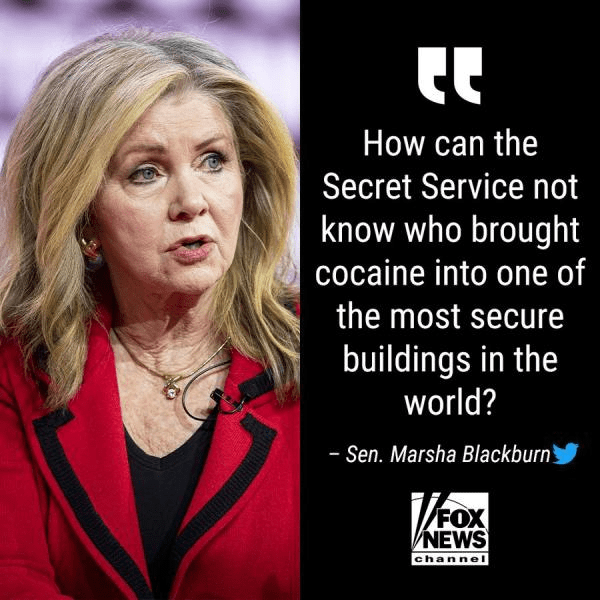
I guess it was done the same way the former idiot allowed a bunch of Russian spies into the building.
#Hungarian authorities issued a 12 million (EUR 32 000) fine on a book publisher, based on the homophobic „child protection" law.
Reason: stores displayed Alice Oseman’s Heartstopper in the youth section, and the books – that "depict homosexuality+ were not in closed packaging. pic.twitter.com/S0N6Q8JV8r
This is the country and leader the republicans love almost as much as Putin.
Because if you don’t acknowledge LBGTs exist, kids will stop being gay
Clay’s policy is to place a temporary ban on all challenged books until they complete the challenge process (which can include an appeal to remove to the Board).
With 350+ challenges and growing, this temporary ban could last years. https://t.co/Sjcbx5Si8f
— Florida Freedom to Read Project (@FLFreedomRead) March 29, 2023
This year in the U.S. the majority of books most often banned are by LGBT writers and writers of color.
Here’s a good report from the writers’ organization PEN on the state of censorship in the U.S. https://pen.org/report/bann…
New: The Texas Department of Agriculture renounced a mandatory workplace training on Wednesday that mentioned gender identity definitions.
The same state agency in April ordered employees to dress “in a manner consistent with their biological gender.” https://t.co/6sUlMTHF0n
Oh my God, I'm so sick of this christian bigotry. This is the exact reason the EEOC laws exist. And it's training.. good grief. For a bunch of tough men you'd think they could handle some words about gender.
How did people get it in their heads that they have a “right” to never be offended? That is not a right and never has been. Freedom of speech, remember?Astonishing how the “fuck your feelings” crowd so quickly turn around to demand safe spaces where their precious feelings are prioritized so much.
Didn’t a black woman in Texas get five years for voting just once? I think they claimed she was ineligible for some reason.And it was a provisional ballot and was not counted. Further it was a poll worker that told her to fill out a provisional ballot.
Republican Congresswoman Anna Paulina argues against humanitarian aid for women and children in Afghanistan because it is not mentioned in the Constitution.
— Republicans against Trump (@RpsAgainstTrump) July 14, 2023
Jesus isn’t in the Constitution either. Let’s start there.
Gov. Newsom slams "cancel culture" and "radicalized zealots" at Temecula school board, vows state action over Harvey Milk issue https://t.co/3y6aekUGDY
They’ve already grabbed lots of the courts, then they want to control education (‘member how so many righties loves to quote hitler on this…) & inject religion into the schools – while wiping out all dissenting ideas & critical thinking – fast forward 10 years and VOILA – you have a whole generation of little christo-fascists that taxpayers are footing the bill to educate with xtian nationalist dogma. These wack job conservatives (an extreme minority) are proving too damn good at a multi-decade slow play here. People have to wake up.
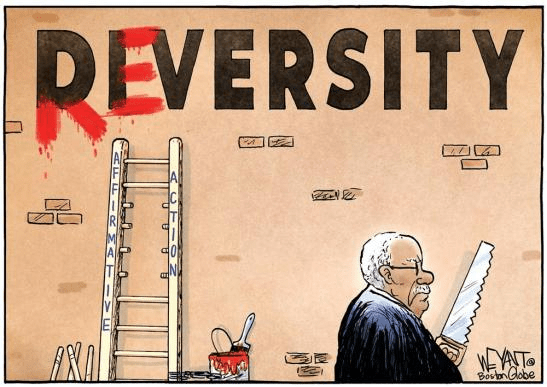
GOP attorneys general tee off on large corporations over diversity policies https://t.co/A3QkBLHhWD
🚨BREAKING: After Randy Fine didn’t make the cut, the state has stepped in and halted the hiring process for the next FAU President https://t.co/HvOW1pdQor
— The Space Coast Rocket (@CoastRocket) July 8, 2023
The DeSantis state regime is launching a full-scale investigation into why their bigoted GOP ally Randy Fine wasn’t selected as a finalist to be FAU’s president…and why an applicant may have been asked their preferred pronouns.
— Carlos Guillermo Smith (@CarlosGSmith) July 14, 2023
Philanthropist Dick Schmidt, whose family has donated more than $47 million to FAU, served on the search committee. “I feel personally outraged and slandered by the implications of the chancellor’s letter on me and my colleagues…”https://t.co/xkJXqXgu0f
— Carlos Guillermo Smith (@CarlosGSmith) July 14, 2023
Rep. Jill Tokuda, Democrat of Hawaii, “admonished her Republican colleagues for the tenor of the debate. ‘From the backwards, racially insensitive comments spoken on this floor, it seems D.E.I. training would be good right here in the halls of Congress’” https://t.co/0kTcKpUNsh
219-210: The House passes the National Defense Authorization Act.
The House GOP added a raft of conservative policy to the traditionally bipartisan legislation, including limiting abortion access and transgender health care for service members and banning Pentagon DEI trainings. pic.twitter.com/Tdge06jwyB
Rachel Maddow reports on a letter signed by 19 Republican state attorneys general objecting to a proposed HHS rule that would protect the privacy of residents of their states seeking reproductive healthcare in other states with greater reproductive freedom, and possibly threaten the ability of Republicans to target Americans seeking out-of-state trans healthcare. Mini Timmaraju, president of NARAL Pro-Choice America, joins to discuss.
“There are no lengths to which they will not go to make sure that every woman who gets pregnant in Ohio is forced to give birth,” Chris Hayes says of the ballot initiative in Ohio pushed by Republicans. David Pepper joins to discuss.
Another example of out of control capitalism hurting the US people. This should be illegal, hurting US public to provide for a foreign government. Yet a large part of the Republican Party are paid by Putin to support the Russian position. How much longer will the US sell out our own country, our own people, our own needs? Hugs
Lax rules let the foreign-owned company pump water from state land to grow alfalfa for the kingdom’s cattle. After almost a decade, the deal is in jeopardy.
Default
Mono Sans
Mono Serif
Sans
Serif
Comic
Fancy
Small Caps
Default
X-Small
Small
Medium
Large
X-Large
XX-Large
Default
Outline Dark
Outline Light
Outline Dark Bold
Outline Light Bold
Shadow Dark
Shadow Light
Shadow Dark Bold
Shadow Light Bold
Default
Black
Silver
Gray
White
Maroon
Red
Purple
Fuchsia
Green
Lime
Olive
Yellow
Navy
Blue
Teal
Aqua
Orange
Default
100%
75%
50%
25%
0%
Default
Black
Silver
Gray
White
Maroon
Red
Purple
Fuchsia
Green
Lime
Olive
Yellow
Navy
Blue
Teal
Aqua
Orange
Default
100%
75%
50%
25%
0%
Water pumped from deep underground helps alfalfa grow at the Saudi-owned Fondomonte farm in the Butler Valley, in western Arizona. (Video: Erin Patrick O’Connor/The Washington Post)
Listen
26 min
Comment2601
Gift Article
Share
BUTLER VALLEY, Ariz. — A megadrought has seared Arizona, stressing its rivers and reservoirs and reducing water to a trickle in the homes of farmworkers near this desert valley.
But green fields of alfalfa stretch across thousands of acres of the desert land, shimmering in the burning sunlight. Wells draw water from deep underground, turning the parched earth into verdant farmland.
For nearly a decade, the state of Arizona has leased this rural terrain west of Phoenix to a Saudi-owned company, allowing it to pump all the water it needs to grow the alfalfa hay — a crop it exports to feed the kingdom’s dairy cows. And, for years, the state did not know how much water the company was consuming.
The lack of information was a choice.
Soon after the company, Fondomonte Arizona, arrived in the Butler Valley in 2015, state planners suggested asking the company to install meters and report its water use, according to a memo reviewed by The Washington Post. That way, the memo argued, the state could “at least obtain accurate information” on water drained from the valley — water that could otherwise serve as backup for booming urban areas.
But the proposal “hit a stone wall,” John Schneeman, one of the planners, told The Post. It was spurned, he said, by officials in the administration of then-Gov. Doug Ducey (R) who were “cautious of tangling with a powerful company.” The proposal also ran headlong into a view, deeply held in the rural West, that water is private property that comes with access to land, rather than a public resource.
A Post investigation — based on government documents and interviews with public officials, ranchers in the valley, farmworkers, and townspeople who live near the alfalfa fields — found that Arizona’s lax regulatory environment and sophisticated lobbying by the Saudi-owned company allowed a scarce American resource to flow unchecked to a foreign corporation. To advance its interests before the state, Fondomonte hired an influential Republican lawyer as well as a former member of Congress. And it sought to win over its rural neighbors, providing a high school with donations that included Fondomonte-sponsored sports bags andface masks emblazoned with the company logo to protect students from covid.
93
ARIZONA
CALIF.
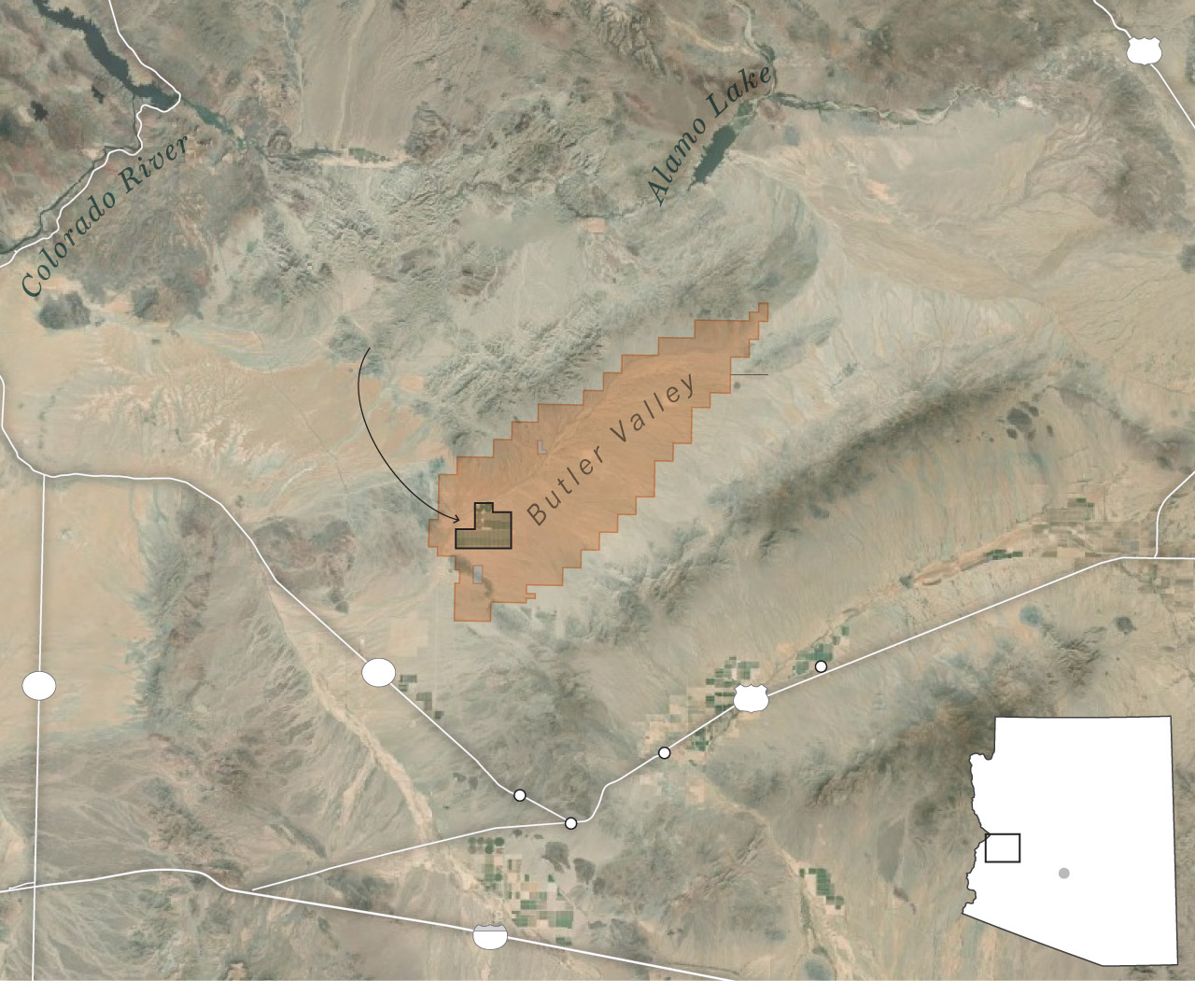
Fondomonte’s farm in the Butler Valley uses water otherwise designated for possible transport to the state’s population centers
State Trust Land
Love
72
95
60
Salome
Vicksburg
Arizona
Hope
Phoenix
10
HANNA ZAKHARENKO/THE WASHINGTON POST
David Kelly, Fondomonte’s general manager, said the companyfollows the same rules that govern farming operations throughout the state while going out of its way to save water and serve the community.
“All we ask is to be measured according to the same standards as every other farming leaseholder on state land,” he said in an email. “Fondomonte has developed Butler Valley to be one of the most efficient and highly productive farms in not only Arizona, but the entire Southwest. Our Butler Valley operation utilizes best-in-class irrigation technology and equipment with the oversight and diligence of an experienced management team.”
Fondomonte, he said, “should be heralded for its water efficiency.”
Default
Mono Sans
Mono Serif
Sans
Serif
Comic
Fancy
Small Caps
Default
X-Small
Small
Medium
Large
X-Large
XX-Large
Default
Outline Dark
Outline Light
Outline Dark Bold
Outline Light Bold
Shadow Dark
Shadow Light
Shadow Dark Bold
Shadow Light Bold
Default
Black
Silver
Gray
White
Maroon
Red
Purple
Fuchsia
Green
Lime
Olive
Yellow
Navy
Blue
Teal
Aqua
Orange
Default
100%
75%
50%
25%
0%
Default
Black
Silver
Gray
White
Maroon
Red
Purple
Fuchsia
Green
Lime
Olive
Yellow
Navy
Blue
Teal
Aqua
Orange
Default
100%
75%
50%
25%
0%
(Video: Erin Patrick O’Connor/The Washington Post)
Automated irrigation equipment waters alfalfa fields at Fondomonte’s farm in the Butler Valley, Ariz. (Caitlin O’Hara for The Washington Post)
State officials now acknowledge that decades of farming and explosive growth have dangerously diminished Arizona’s water reserves. The rising scarcity has deepened rifts between urban and rural communities and turned Fondomonte into a political flash point. The company is hardly alone in using state-owned land to irrigate crops: Fondomonte holds four of the roughly 20 state agricultural leases across Arizona’s three major transport basins, where state law allows transfer of water to cities. But its foreign ownership and strict limits on water use in its home country have fueled outrage here.
Last month, the new governor, Democrat Katie Hobbs, unveiled a long-awaited study showing that groundwater in parts of the Phoenix area was insufficient to meet projected demand over the next century. Her administration also recently sought details about water use on state-owned land. Only after the state threatened to cancel Fondomonte’s leases last month did the company disclose how much it pumps annually in the Butler Valley, according to communications released as part of a public-records request. Its consumption is equivalent to that of a city of more than 50,000 people, experts said.
The governor’s aides are now preparing plans not to renew Fondomonte’s leases in the Butler Valley when they expire next year, according to a staff recommendation obtained by The Post. A decision has not been finalized. If Hobbs acts, a confrontation with the company could follow, with implications not just for foreign companies with interest in American natural resources but also for the future of agriculture as drought intensifies in the Southwest and cities clamor for rural water reserves.
The Saudi-owned farm has split the local community, where Holly Irwin, a La Paz County supervisor who has opposed Fondomonte’s presence for years, said that “foreign companies have come to take our water because they don’t have any left back home.”
But Fondomonte has unlikely allies, including a cattle rancher in the Butler Valley whose land abuts Fondomonte’s farm. BoyceAndersen said he generally is “an ‘America first’ type of person” but is now just as concerned about the valley’s water being “taken by Phoenix” instead of flowing to livestock and crops. He faulted Arizona, not the foreign-owned firm, for the grim trade-offs facing the state.
“Why did our government leadership allow this to happen?” he asked.
A Saudi conservation strategy
Fields of alfalfa stretch across thousands of acres of desert land at Fondomonte’s farm in the Butler Valley. (Caitlin O’Hara for The Washington Post)
Fondomonte’s lush alfalfa fields represent a decades-old Saudi strategy.
An American engineer, Karl Twitchell, who cut his teeth in Arizona’s copper mines, served as an adviser to the first king of Saudi Arabia and led a U.S.-sponsored agricultural mission to the kingdom in 1942. That mission set in motion a years-long process of adapting desert farming methods honed in the American Southwest to similar conditions in Saudi Arabia.
Fondomonte’s parent company, Riyadh-based Almarai, was founded three decades later by a Saudi royal and businessman, Mohammed bin Saud Al Kabeer, and two Irish brothers. The food and beverage giant is still chaired by a member of the Saudi royal family. In 2011, it acquired Luxembourg-based Fondomonte, which was operating farms in Argentina at the time, capitalizing on rising global food demand.
The following year, the company incorporated Fondomonte Arizona and soon moved into La Paz County, one of the poorest and least-populated parts of the state. In 2014, it paid $47.5 million to purchase nearly 10,000 acres in Vicksburg, a town of about 500. In 2015, in the nearby Butler Valley, Fondomonte took over several agricultural leases, for the below-market rate of about $25 per acre.Those leases, totaling 3,500 acres of state land, will expire in February 2024 if not renewed.
Fondomonte also expanded to California, eventually purchasing more than 3,000 acres across the border from Arizona, near the town of Blythe.Its farming operation there is built on another precious water source, the Colorado River, a key artery for several states that governments have allowed to dwindle to dangerously low levels amid hotter, drier conditions and chronic overuse by farming regions in the Southwest.
640
MANDATORY SIZE
Fondomonte’s footprint
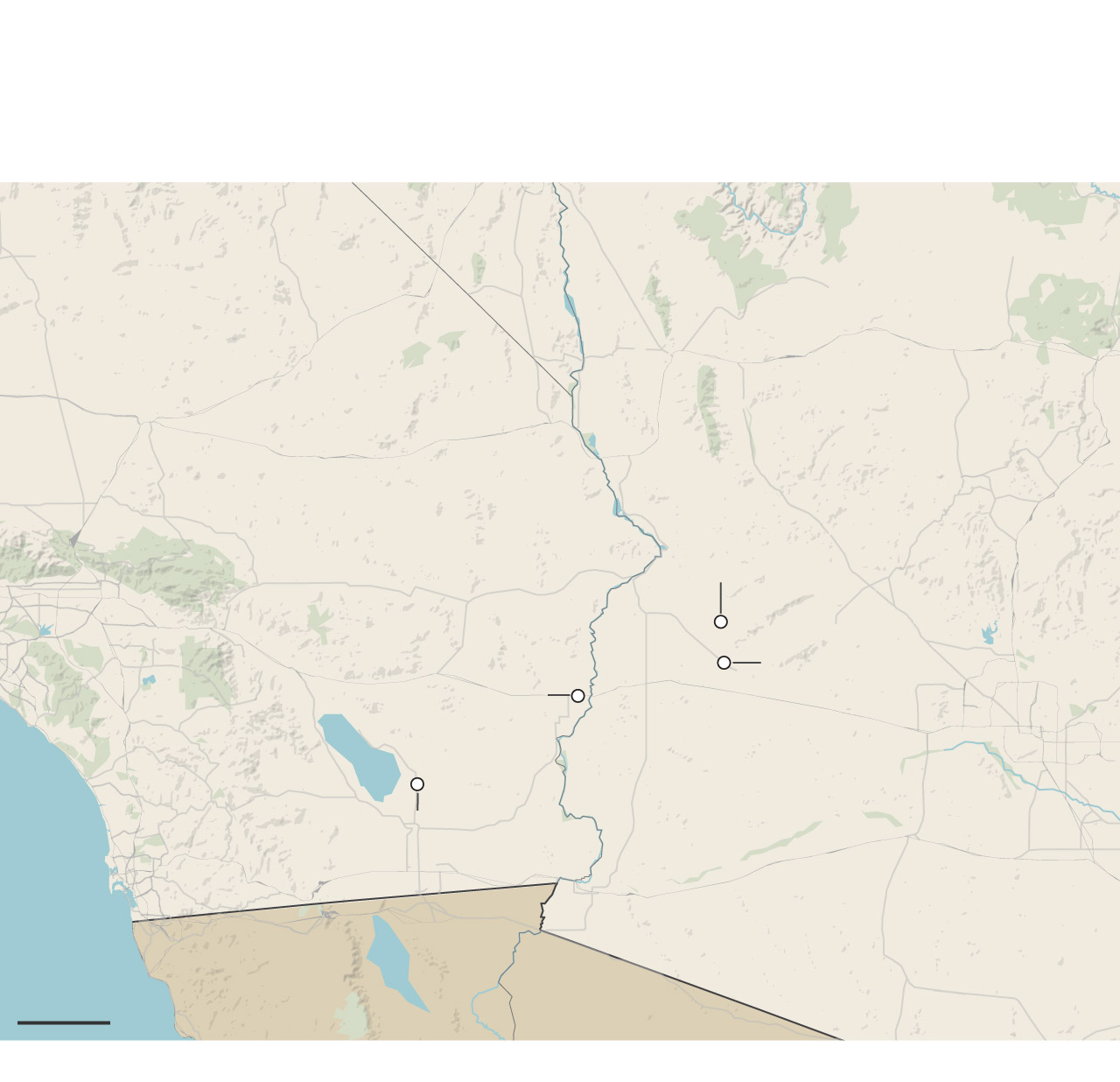
In Arizona, the company has farms in the Butler Valley and Vicksburg, while its California operation includes farmland near Blythe and a hay processing and storage facility in Calipatria.
NEVADA
ARIZONA
CALIFORNIA
Butler Valley
Farms
Vicksburg
Farms
Blythe
Farms
Phoenix
Calipatria
Hay processing
San Diego
U.S.
MEXICO
30 MILES
HANNA ZAKHARENKO/THE WASHINGTON POST
To advance its interests in Arizona, Fondomonte hired Jordan Rose,a lawyer and land-use specialistwho leads one of the state’s top lobbying shops. Rose, a former finance chair of the Arizona GOP, helped run Ducey’s inaugural committee when he was elected governor in 2014. Ducey soon named her to a committee developing state groundwater policy, according to her website.
Rose later toldan agribusiness trade association that Fondomonte “chose to invest” in La Paz County because of its favorable conditions for growing alfalfa, according to emails obtained through a public-records request. Those conditions include an average 310 sunny days per year and the ability to have a fresh cutting almost every month.
The Saudi firm’s arrival in Arizona showed how trade liberalization and improvements in transportation and logistics have allowed companies to control arable land all over the world and manage scarcity back home.Rising global food demand has put pressure on freshwater resources sucked from the ground in such large quantities that, according to a recent study, the Earth’s tilt has shifted.
In a 2014 corporate report, Almarai celebrated that Fondomonte’s expansion in Arizona put the company on track to import 100 percent of its animal feed — part of a “strategy for conservation of the Kingdom’s water resources.”
By contrast, Arizona groundwater is unregulated across rural swaths of the state. That includes the Butler Valley,bordered by the Buckskin Mountains to the northwest and the Harcuvar Mountains to the southeast, forming a 288-square-mile expanse known as a basin because of the water lacing underground sediment.Agriculture is possible in the valley, smack in the middle of the Sonoran Desert, thanks only to the water drawn through wells like soda through straws. Because of minimal natural recharge and scarce rainfall, water pumped from the basin is essentially mined, with no replacement.
The area is significant as shortages deepen because it’s one of the few basins from which water can be transported to growing urban areas. And the Butler Valley, where Fondomonte is the lone company leasing state land for agriculture, is key to planning because most of the land there is government-owned.
A failure to plan
An automated irrigation machine sucks up groundwater pumped into a canal to spray over alfalfa fields at Fondomonte’s farm in the Butler Valley. The valley is critical to Arizona’s water planning because nearly all of the land there is government-owned. (Caitlin O’Hara for The Washington Post)
Arizona land planners raised alarms soon after Fondomonte’s arrival in the Butler Valley.
In the 2015 memo, state planner Schneeman and three others argued that Arizona was squandering a key water supply that could one day slake intensifying urban thirst.
A 2012 study had found that the basin held about 22 million acre-feet of water, or enough water to cover 22 million acres to a depth of one foot; but estimates have varied widely, with the volume also pegged at about 6.5 million. That would still be enough to supply all single-family homes in the Phoenix area for about 14 years.Whatever the exact supply, it was being sucked away every day by water-intensive crops.
A lot of money was on the line.The state was receiving about $50,000 a year by leasing the land to Fondomonte, the memo noted, but could make at least $1.2 million a year by selling the water to thirsty Phoenix. Such transfers are rare and procedurally complex, as well as deeply controversial, breeding resentment in rural parts of the state.
At the very least, the planners argued, Fondomonte should tell the state how much water it was pumpingin the Butler Valley. Fondomonte, the memo advised, “may claim they are being unfairly singled out.”
The memo was addressed to Ducey’s land commissioner, Lisa Atkins, who did not follow its recommendations, Schneeman said. Kelly, the Fondomonte manager, said the company installed meters of its own accord but had not disclosed its consumption because its leases do not require such reporting.
Atkins said she could not remember the memo and declined to comment. Ducey, who recently launched a group promoting free enterprise, also declined to comment.
Two months later, as the Saudi-owned farm came under local criticism, Tom Buschatzke, the water resources director appointed by Ducey, published an op-ed telling readers of the Arizona Republic, “Don’t freak out about Saudi alfalfa.”
“Those folks have as much right as any other individual in the state of Arizona to grow their produce, grow their crops, sell them, export them,” he told the Associated Press at the time.
A pump draws water up from a well at the Fondomonte farm in the Butler Valley. (Caitlin O’Hara for The Washington Post)
Default
Mono Sans
Mono Serif
Sans
Serif
Comic
Fancy
Small Caps
Default
X-Small
Small
Medium
Large
X-Large
XX-Large
Default
Outline Dark
Outline Light
Outline Dark Bold
Outline Light Bold
Shadow Dark
Shadow Light
Shadow Dark Bold
Shadow Light Bold
Default
Black
Silver
Gray
White
Maroon
Red
Purple
Fuchsia
Green
Lime
Olive
Yellow
Navy
Blue
Teal
Aqua
Orange
Default
100%
75%
50%
25%
0%
Default
Black
Silver
Gray
White
Maroon
Red
Purple
Fuchsia
Green
Lime
Olive
Yellow
Navy
Blue
Teal
Aqua
Orange
Default
100%
75%
50%
25%
0%
(Video: Erin Patrick O’Connor/The Washington Post)
Emails obtained through a public-records request show that Buschatzke received a note of praise from Rose, Fondomonte’s lobbyist. He thanked her, writing, “I know certain parties will continue to push at us on this.” Buschatzke declined to comment for this article.
Others in the state felt that Fondomonte was the one pushing — outmaneuvering understaffed agencies as it repeatedly made requests to add hay barns and employee accommodations while altering state land with new high-powered wells. Fondomonte’s leases entitle the company to reimbursement from taxpayers for certain upgrades — a sum that stands at about $7.4 million in the Butler Valley, company representatives say.
“My conclusion is that we should either cancel these leases or somehow get compensated for the staff time,” Chuck Vencill, a leasing specialist with the state’s land department, wrote to colleagues in 2016. He added that monetary penalties were “largely ineffective” because of the company’s wealth.
Kelly said the company’s upgrades were necessary for “a first-class farming operation with the best available technology.”He stressed that all improvements were approved by state officials and argued that the process was onerous only because the state “may not have been accustomed to its ag lessees being willing to invest in that level of improvement.”
A farm’s worth
The state of Arizona has leased this rural terrain west of Phoenix to Fondomonte to pump all the water it needs to grow alfalfa hay for export to Saudi Arabia, where the company’s owners are based, and to other foreign markets. (Caitlin O’Hara for The Washington Post)
Figuring out the value of Fondomonte’s farms falls to La Paz County’s assessor, whose findings determine how much the company pays in taxes that support public schools and emergency services in thehardscrabble area.
County Assessor Anna Camacho and her small staff have struggled to keep up with Fondomonte’s upgrades, she said, because of infrequent access to the farms and the sophistication of the company’s equipment.
After a site visit in 2017, county appraisers decided that the cash value of the company’s operations had jumped from $7.8 million to $32.9 million. But Camacho said her office is still woefully undervaluing the company’s assets, on its owned and leased land alike.
Wells in particular are “extremely undervalued,” wrote one of her employees in 2019, in an email released as part of a public-records request. Handwritten notes on appraisal documents reflect difficulty understanding the fast-growing enterprise. “Housing?” a county official scrawled in pen on a valuation document for one parcel.
Eager for an accurate inventory of the company’s hay barns, Camacho took to the skies above Fondomonte’s farms in her husband’s Cessna plane last year to survey the property. She said she would like to audit all agricultural properties but does not have the resources to do so.
Alfalfa, a water-intensive crop, is a nutritious food for livestock. (Caitlin O’Hara for The Washington Post)
Alfalfa is dried and stored at Fondomonte’s farm in Vicksburg, Ariz. The company says it exports 59 percent of the forage crop to Saudi Arabia and the rest to other international markets. (Caitlin O’Hara for The Washington Post)
Fondomonte, whose consultants say the company has invested more than $270 million inits farms since arriving in Arizona, paid about $650,000 in taxes and other assessments to the county last year, records show. Kelly said Fondomonte has always been transparent with appraisers and pays its taxes “based on the assessed value of our assets.”
The company also is paying a modest rate to use state land. A 2018 study commissioned by the land department found that the market price per acre in La Paz County was $125, five times the amount Fondomonte was paying, according to a copy of the study, which was first reported by the Arizona Republic last year.
Current and former state officials said low land rents are not unique to Fondomonte and are meant to ensure that the land isleased and generates revenue. Kelly said Fondomonte has never negotiated rental rates but simply accepted the terms set by the state.
The real value of the land lies in the water underneath the desertterrain. Since 2015, state officials periodically have returned to the idea of asking leaseholders to report their water consumption, according to emails and interviews.
Repeatedly, they faced stiff opposition, not just from Fondomonte, but also from domestic farming and ranching interests, and from conservative state lawmakers, who believe water is a commodity controlled by individual property owners, not a resource to be managed collectively. Rusty Bowers, the former Republican speaker of the Arizona House, who was associated locally with his interest in water policy before becoming known nationally for resisting Donald Trump’s entreaties to overturn the result of the 2020 election in Arizona, said he was sympathetic to the opposition to metering and reporting water usage.
Farmers and ranchers, he said, worry that the state will one day divert water for public use. “Once it’s metered, it’s going to be taken,” he said.
A company town
A water truck pulls up to a Central Arizona Project canal, which diverts water from the Colorado River. A federal declaration of a shortage on the river meant some residents were no longer allowed to siphon from the canal. (Caitlin O’Hara for The Washington Post)
As scarcity sets in, Fondomonte is working hard to show locals the advantages of having a wealthy neighbor.
Andersen, the rancher who leases the acreage surrounding Fondomonte’s Butler Valley farm, has come to depend on water trucked from the company’s Vicksburg land after a shortage declaration on the Colorado River meant he no longer was allowed to siphon water from a diversion canal snaking through his ranch.
“Saudi Arabia is hauling water into that tank right there for us,” said Andersen, in a denim work shirt and with white hair poking out from under a cowboy hat, as he gestured at a 10,000-gallon storage tank.
Later, he corrected himself: “They want me to say ‘Fondomonte.’”Company leaders active in Arizona are all American or European, and Andersen said he has never met one of the farm’s Saudi owners.
“I would have preferred it was an American rancher” using the land, he said. “But, truthfully, there wasn’t an American rancher who was rich enough to be able to do what these guys have done.”
Martin Martínez drives with his ranching partner, Boyce Andersen, toward their land in Vicksburg. (Caitlin O’Hara for The Washington Post)
Andersen, left, and Martínez next to water tanks at one of their cattle corrals in the Butler Valley. (Caitlin O’Hara for The Washington Post)
The company also has used its resources to supplement deficient public services in the area, building goodwillin the tiny towns that surround its fields.
One town is called Love, named for a veteran of World War I. Another is named Hope, where a sign advises departing travelers that they’re “now beyond hope.” And then there’s Salome, where local legend tells of a woman by that name who walked barefoot on the hot desert floor, dancing to her destination and giving the town the slogan “Salome — where she danced.”
On a mountain peak overlooking each town is the first letter of its name, painted in bright white. The paint for the “S” in Salome was paid for by Fondomonte, according to emails released by Salome High School.
The emails show how the high school, home of the Frogs, benefits from Fondomonte. When the company promised a $2,500 donation, the school’s superintendent and former athletic director, Kari Avila, wrote, “I want to cry right now lol.”
The school helped identify prospective employees forFondomonte — in warehouse, field, maintenance, welding and construction roles, as well as for office duties that required a “good work ethic,” as Fondomonte’s commercial director, Padraig Lawlor, wrote to Avila. Company managers sought out Spanish lessons through the school and gained permission to use the weight room. “We need to get fit,” Lawlor quipped in an email.
Avila declined to comment. Kelly said multiple senior companymanagers live in La Paz County and value their ties to the community. (They did not use the school weight room, he said.)
Local tensions rise
A trailer park where some Fondomonte farmworkers live in Vicksburg. Residents say they have faced regular water interruptions, requiring them to buy bottled water and to haul water in buckets for taking showers. (Caitlin O’Hara for The Washington Post)
Fondomonte says it employs 225 people at its farms in Arizona, making it one of the largest private employers in La Paz County. The workforce is supplemented by dozens of seasonal workers brought in on temporary visas from Mexico and the Philippines.
Three current employees who work the company’s alfalfa fields in Vicksburg said they complete 10-hour shifts, from 7 a.m. to 5 p.m., six days a week, with no overtime pay.
“All employees are compensated fairly and equitably in compliance with all local, state and federal labor laws,” said Kelly, the general manager. “Fondomonte prides itself as a quality employer within the communities in which we operate and the wider agricultural sector, and we provide industry-competitive pay and benefits packages for our employees.”
Some employees live in a sprawling trailer park arranged along dirt roads stippled by cactuses. Residents of these trailers say they have faced regular water interruptions, requiring them to buy bottled water and haul buckets to wash themselves.
“We go to Salome and fill up gallons of water, and we shower with that,” said Sebastian Esparza, 15, who lives in the trailer park across the road from Fondomonte’s Vicksburg farm.
Problems are plaguing the town of Salome, too. The well at a budget motel there is dry, locals said.
A large “S” is painted on a mountain in the town of Salome, Ariz. Documents show that Fondomonte paid for the white paint. (Caitlin O’Hara for The Washington Post)
Luis Flores, 14, plays basketball at home in Vicksburg. He tried to apply for a job at the nearby Fondomonte farm but is too young this year. (Caitlin O’Hara for The Washington Post)
The drought punishing Salome and other parts of the Southwest began in 2000 and hasresulted in what experts say is one of the region’s driest periods in the past 1,200 years. The warming atmosphere has scorched landscapes, diminished the snowpack and reduced the amount of runoff that makes it into the major reservoirs that sustain Arizona and Southern California. Although this past winter was unusually wet, scientists predict that water shortages will intensify as the climate continues to warm.
Local engineer Jim Downing, who manages the distribution of electricity to farms in the area, said Fondomonte has been unfairly singled out and cannot be blamed for all nearby water shortages, because different valleys have distinct aquifers. But pumping by Fondomonte and its predecessors in Vicksburg has affected adjacent wells, Downing said.
“They can impact other people’s wells, and they have,” he concluded.
Kelly, the Fondomonte manager, said the company doesn’t pump water in the towns with the most acute shortages and so can’t be blamed for interruptions there. “Water in the Southwest has always been an emotional topic, and we understand some individuals in the media and politics find benefit in blaming Fondomonte for regional water challenges,” he said.
The company’s foreign ownership adds to the outrage some locals feel.Andy Granger, a retired machinist stopping for groceries in Salome, said his view of Fondomonte “sounds racist” but can be summed up this way: “foreign people coming in and tapping into our resources and making a profit.”
Local anger is reaching a boiling point, warned Steve Hilsz, a former telephone repairman. As more and more people find their wells drying up, he said, “we’re going to have civil war out here.”
A complaint goes nowhere
Trucks outside the Fondomonte farm in Vicksburg are loaded with bales of alfalfa hay. (Caitlin O’Hara for The Washington Post)
The community’s anger is channeled byIrwin, a Republican and one of three elected supervisors in La Paz County. Because revenue generated from state land goes toward public education and other beneficiaries, the “discounted rate they’re getting on those leases takes away from the education of our kids,” she said during an interview at a diner in Salome.
Fed up, she sought an investigation last summer by the state’s then-attorney general, Mark Brnovich, a Republican.
Days later, Brnovich’s office assigned La Paz’s county attorney to review the complaint, according to emails released as part of a public-records request. But a deputy county attorney, Jason Mitchell, told The Post that the office did not act. “Unfortunately, we were not able to look into the issues since, as a small office, we lacked the resources and an investigator to thoroughly do so,” he wrote in an email.
Irwin soon gained a new ally. During a campaign news conference last summer outside the state land department, Kris Mayes, a Democrat running to succeed Brnovich, vowed to investigate Fondomonte’s leases.
“We can’t afford to do dumb things with our water anymore,” Mayes, who took office in January, said in an interview. “And allowing a Saudi-owned corporation to stick a straw in the ground and pump millions of gallons of water to grow alfalfa for their cows in the Middle East is nothing short of outrageous.”
Holly Irwin, a county supervisor who has opposed Fondomonte’s operation for years, said that “foreign companies have come to take our water because they don’t have any left back home.” (Caitlin O’Hara for The Washington Post)
Fondomonte’s facilities in Arizona and California also serve as storage and drying hubs for hay that is trucked there from other farms. (Caitlin O’Hara for The Washington Post)
Fondomonte also mobilized. In August, Rose, the lobbyist, emailed what she called “some facts about Fondomonte” to an agribusiness trade association. She ticked through details of the company’s conservation methods and its impact on the regional economy.
“The fact that this farm has been singled out over all other similar sized State Land Dept farm leases that are sending crops overseas or to other parts of our country seems xenophobic at best,” she wrote.
This year, Fondomonte commissioned an economic and fiscal impact report from a Scottsdale-based consulting firm, according to records obtained by The Post. Fondomonte’s annual business activities in Arizona and California, the memo asserted, support 2,761 jobs, nearly $173 million in wages and more than $475 million in economic activity.
The company also stepped up its outreach to state lawmakers. Emails show that former congressman John Shadegg (R-Ariz.), alobbyist newly hired by Fondomonte, sought a meeting in January with thechair of the state House’s natural resources committee, saying he was “assisting Fondomonte Arizona in its efforts to correct the misrepresentations that have been made.”
Shadegg did not respond to a request for comment, and Rose referred questions to the company.
When Hobbs took office as governor in January, she signaled that she would take on Fondomonte. In her State of the State speech that month, she pointed to a “Saudi Arabian conglomerate pumping local groundwater nearly unchecked in La Paz County” as evidence of a need to overhaul the state’s approach to groundwater management.
“We all know that’s not right,” she said.
Fondomonte took notice. Kelly, the general manager, sent a letter to the governor the following month warning her against targeting Fondomonte.
“Hasty decisions, based on misinformation, could drive Fondomonte out of Arizona and could imperil operations of all of the other farms operating with similar leases around the state,” he wrote. “Fondomonte would continue its operations in other states or other parts of the world, but hundreds of Arizona jobs and positive economic input would be wiped out and the negative implications for Arizona’s agriculture industry will be enormous.”
Meanwhile, Mayes, the new state attorney general, was putting pressure on other state agencies. During a Feb. 17 meeting, described by people present, she sharply criticized the leadership of the state land department, asking, as one person recalled, “What have you been doing for the past eight years?”
A looming showdown
For years, the state of Arizona did not know how much groundwater Fondomonte was consuming. (Caitlin O’Hara for The Washington Post)
In April, the land department wrote to leaseholders in the state’s transport basins saying it was conducting an analysis at the governor’s request and asking them, at long last, to provide detailed information about their water usage. At first, Fondomonte refused, responding in May that its leases did not require the company to track or disclose water usage.
But this time, Arizona’s land department insisted. On June 21, the state replied that it had the authority to obtain such information and noted that other leaseholders had voluntarily complied. The state gave Fondomonte nine days to release the data, vowing to “pursue any and all remedies,” even possibly “cancellation of your Leases.”
Fondomonte relented, telling the state that ithad used 16,415 acre-feet of water last year at its farm in the Butler Valley. That’s enough to cover about 12,500 football fields with a foot of water. But Kelly said the amount is as much as a quarter less than the quantity used by the company’s predecessor in the valley.
The back-and-forth could be a prelude to a bigger break as the governor’s office draws up plans not to renew the company’s Butler Valley leases, specifically citing the importance of the basin’s groundwater as a backup for Arizona’s population centers.The company would continue to own land in Vicksburgand hold a lease in that area that runs until 2031.
The plans, which have not been finalized, would impose additional changes in transport basins, including the short-term extension of other leases combined with rent hikes, metering requirements and charges for water management. The goal, documents show, is to address the political anger over Fondomonte’s leases while not alienating other segments of the agricultural community.
The governor’s spokesman, Christian Slater,declined to comment on discussions about Fondomonte but said Hobbs was pursuing a “comprehensive and aggressive approach to managing our state’s water resources.” Kelly said the company was looking forward to continued discussions with the state.
The planning documents indicate that the governor’s office doesn’t know exactly how much water remains in the Butler Valley. But the documents say the results of a new study are imminent.
Schneeman, the state planner who first raised his concerns about Fondomonte in 2015, said he feared that any move now may be too late, after the state failed for years to put the water to its best use.
“That use,” he said, “would have been to conserve for the future.”
Alice Crites and Andrew Ba Tran contributed to this report.
How a Saudi firm tapped a gusher of water in drought-stricken Arizona
Lax rules let a Saudi-owned company pump water from Arizona state land to grow alfalfa for the kingdom’s cattle.


/https://static.texastribune.org/media/files/a2b0ba542b3a7dd492ae11f96fe5ab48/SCOTUS%20Pride%20REUTERS.jpg)












































 Scottie's Playtime