
Dark sky tourism is on the rise as travelers head to remote destinations to catch a glimpse of the dazzling night sky.
Some time ago, many animals, including saber-toothed tiger and woolly mammoth, failed in their attempts to rid the community of grizzly bear, whose mean-spirited behavior had upset nature’s balance. That is until the birds, led by robin, pierced grizzly’s heart. Grizzly’s blood reddened the robin’s breast and, as he shook in pain, cloaked the autumn leaves in red and orange.
“The Creator placed the grizzly bear constellation in the night sky to remind us that bullying others carries consequences,” says Matricia Bauer, an Indigenous Knowledge Keeper from Sturgeon Lake Cree Nation. “Our creation story also tells of the star woman falling from the sky to become our people.”
It’s a brisk March evening, and I’m sitting with Bauer by the fire beside Beauvert Lake in Jasper, Alberta, waiting for the gunmetal-colored sky to darken and reveal a palette of seemingly infinite stars. I’m visiting to explore the most accessible and second-largest Dark Sky Reserve in the world.
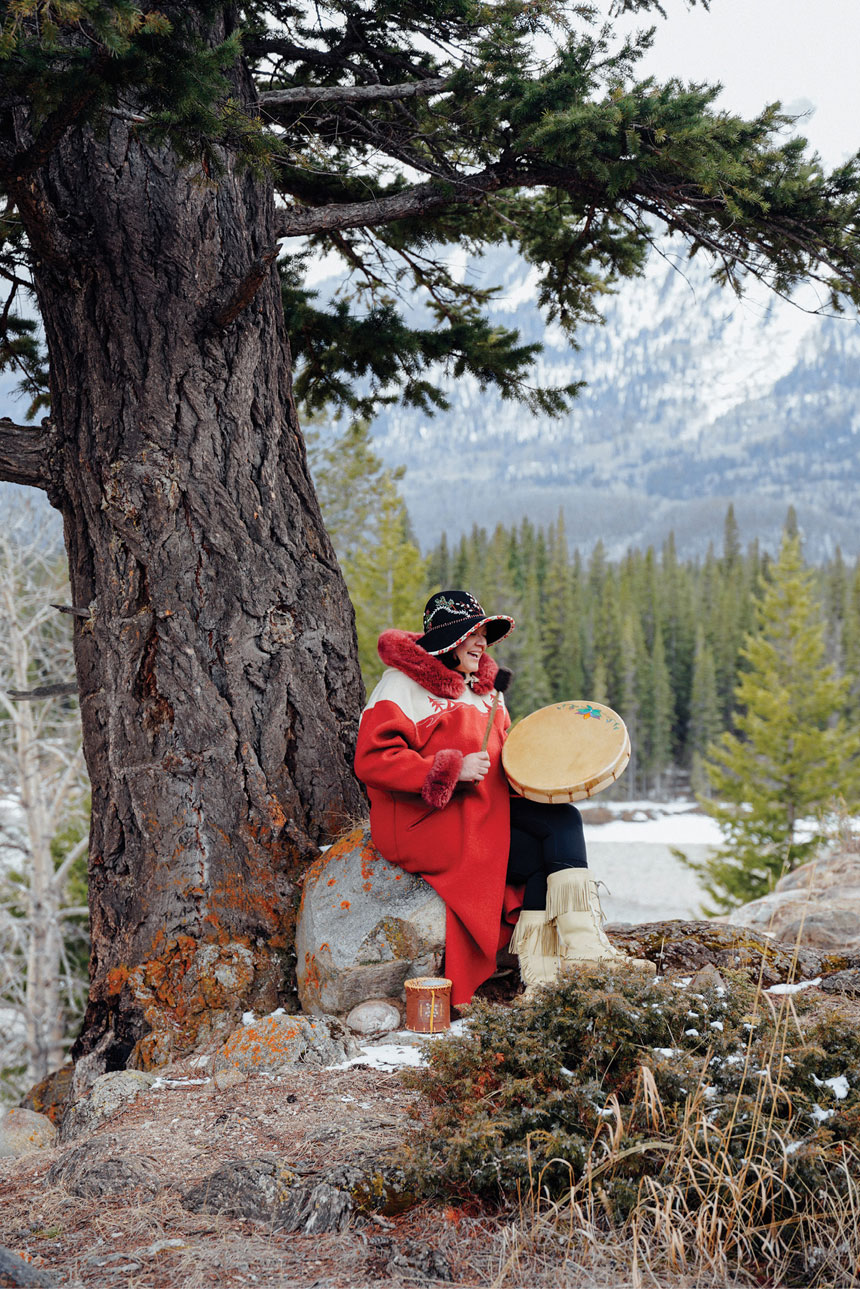
“An elder taught me that when you used to look at the night sky and see all the stars, the Creator also looked down on Earth and saw our fires in reflection. Today, instead of fires sparkling across the landscape, our continents are outlined by the glare of artificial light. People must travel to find the night sky.” (snip-MORE )

 Scottie's Playtime