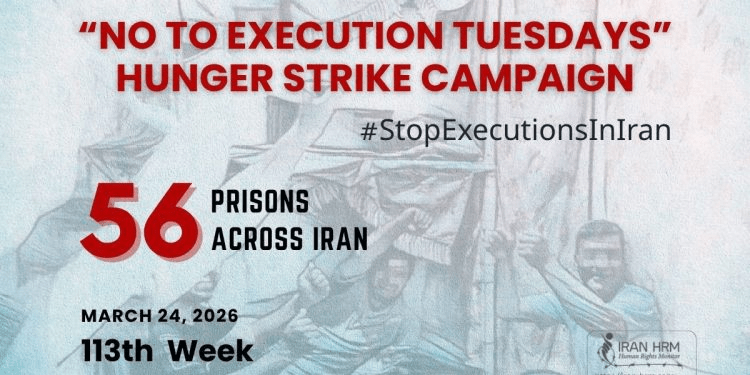
Political prisoners in 56 different prisons across the country continued their hunger strike in the 113th week of the “No to Execution Tuesdays” campaign. Members of this campaign, while condemning the widespread and arbitrary executions, particularly the execution of several protesters on the eve of Nowruz, called these actions an attempt by the regime to instill fear and terror in society. The striking prisoners, warning about the dire conditions of the prisons and the risk of execution for recent detainees in the shadow of communication blackouts, called upon the international community and human rights organizations to increase pressure on the Iranian regime to halt these sentences and secure the release of political prisoners.
Please find the full text of the statement by the “No to Execution Tuesdays” campaign below:
Continuation of the “No to Execution Tuesdays” Campaign in its 113th Week in 56 Different Prisons
The “No to Execution Tuesdays” campaign congratulates the general public of Iran, and especially the families of those who lost their lives in the Dey [January] 1404 uprising and all the executed individuals of the past year who were massacred by the despotic and repressive “Velayat-e Faqih” regime, on the occasion of Eid al-Fitr and Nowruz 1405. We express our utmost thanks and appreciation to all individuals, teachers’ trade syndicates, retirees, workers, and families of those sentenced to death, as well as independent media and all those who served as the voice for death row inmates, and we hope that the year 1405 will be the year of Iran’s freedom—an Iran without torture and executions.
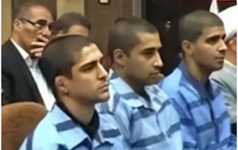
The execution regime has hanged over 2,650 of our compatriots in various parts of the country over the past year. Cruelly, on the eve of Nowruz, it executed three brave youths named Mehdi Ghasemi, Saeed Davoudi, and Saleh Mohammadi, who had been arrested during the Dey [January] protests, in Qom, and hanged another prisoner named Kourosh Keyvani on charges of espionage in Karaj Central Prison.
We, the members of the “No to Execution Tuesdays” campaign, while condemning the arbitrary and brutal executions carried out with the aim of creating fear and terror in society, call upon the United Nations, various countries, and human rights organizations to exert pressure on the Iranian regime so that the minimum rights of prisoners are respected. This is particularly crucial for those prisoners who have been arrested in recent months and are enduring torture in the midst of media silence and internet blackouts, facing the risk of death sentences; we also demand the release of political prisoners. Especially under the conditions of bombardments, the lives of prisoners are exposed to a double threat, and many prisoners are suffering from a lack of food and medical care. In the past week, dozens of prisoners in Chabahar Prison were killed and wounded by prison guards due to their protests against the lack of food supplies.
It should be noted that over the past two weeks, the statement of this campaign (Weeks 111 and 112) was not published due to communication blackouts.
The “No to Execution Tuesdays” campaign in its 113th week is on hunger strike in the following 56 prisons:
Evin Prison (Women’s and Men’s Wards), Ghezel Hesar Prison (Units 2, 3, and 4), Karaj Central Prison, Karaj Fardis Prison, Greater Tehran Prison, Qarchak Prison, Khorin Prison of Varamin, Choubindar Prison of Qazvin, Ahar Prison, Arak Prison, Langarud Prison of Qom, Khorramabad Prison, Borujerd Prison, Yasuj Prison, Asadabad Prison of Isfahan, Dastgerd Prison of Isfahan, Sheiban Prison of Ahvaz, Sepidar Prison of Ahvaz (Women’s and Men’s Wards), Nezam Prison of Shiraz, Adelabad Prison of Shiraz (Women’s and Men’s Wards), Firuzabad Prison of Fars, Dehdasht Prison, Zahedan Prison (Women’s and Men’s Wards), Borazjan Prison, Ramhormoz Prison, Behbahan Prison, Bam Prison, Yazd Prison (Women’s and Men’s Wards), Kahnuj Prison, Tabas Prison, Birjand Central Prison, Mashhad Prison, Gorgan Prison, Sabzevar Prison, Gonbad-e Kavus Prison, Qaemshahr Prison, Rasht Prison (Men’s and Women’s Wards), Rudsar Prison, Haviq Prison of Talesh, Azbaram Prison of Lahijan, Dizelabad Prison of Kermanshah, Ardabil Prison, Tabriz Prison, Urmia Prison, Salmas Prison, Khoy Prison, Naqadeh Prison, Miandoab Prison, Mahabad Prison, Bukan Prison, Saqqez Prison, Baneh Prison, Marivan Prison, Sanandaj Prison, Kamyaran Prison, and Ilam Prison.
Caption: SHAKESPEARE FOR KIDS. Child actors on stage in Elizabethan costume. One says: “The first thing we do, let’s eat all the ice cream.”
That’s relatable.
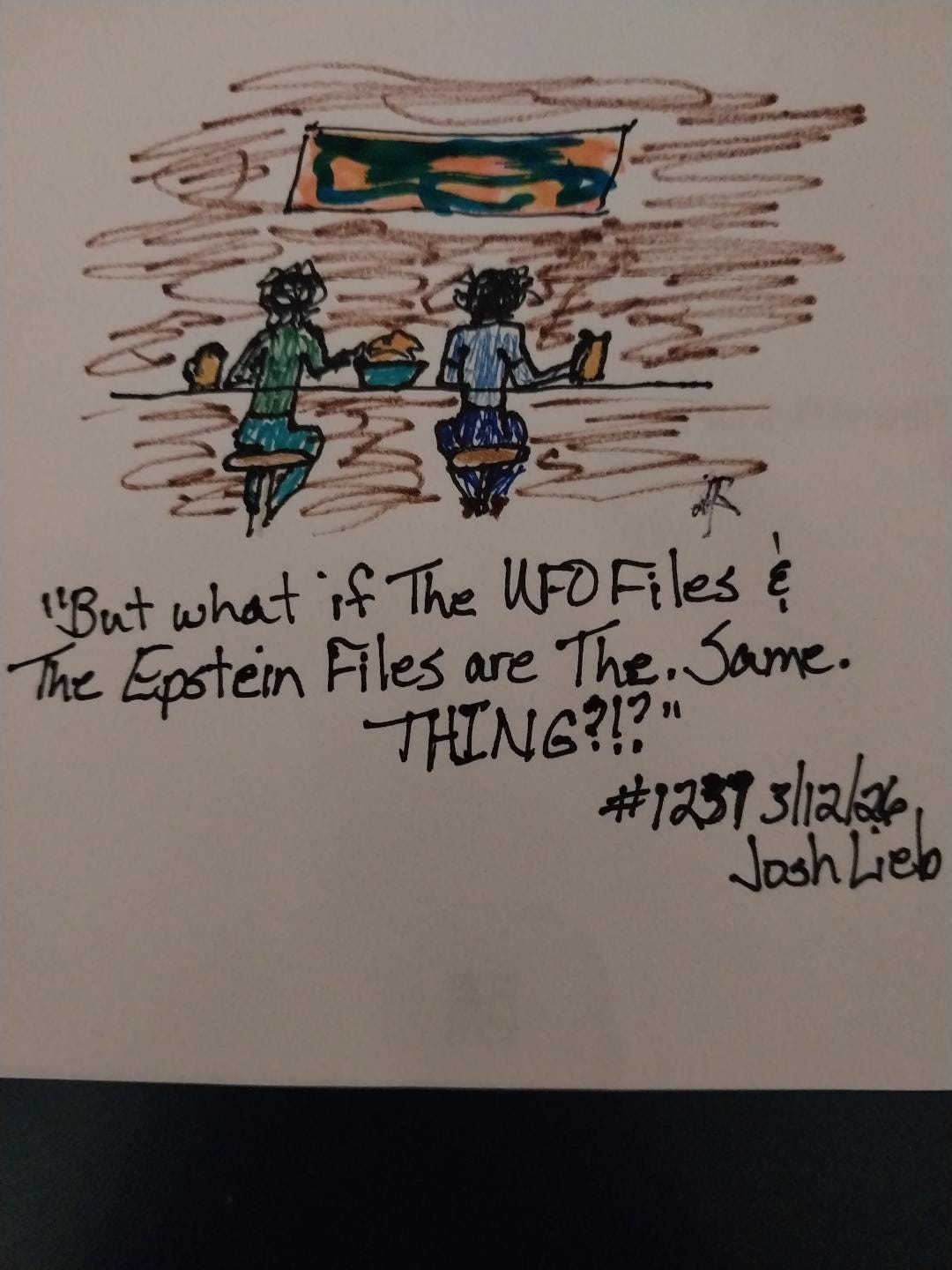
Ali Redford makes my day with this one two three seven:
I love the way she stages this — friends at a bar, from the back. That’s exactly where this conversation would take place. It doesn’t matter who’s saying it. And I think this might be the first time Ali has used color. I like it. Thanks, Ali!
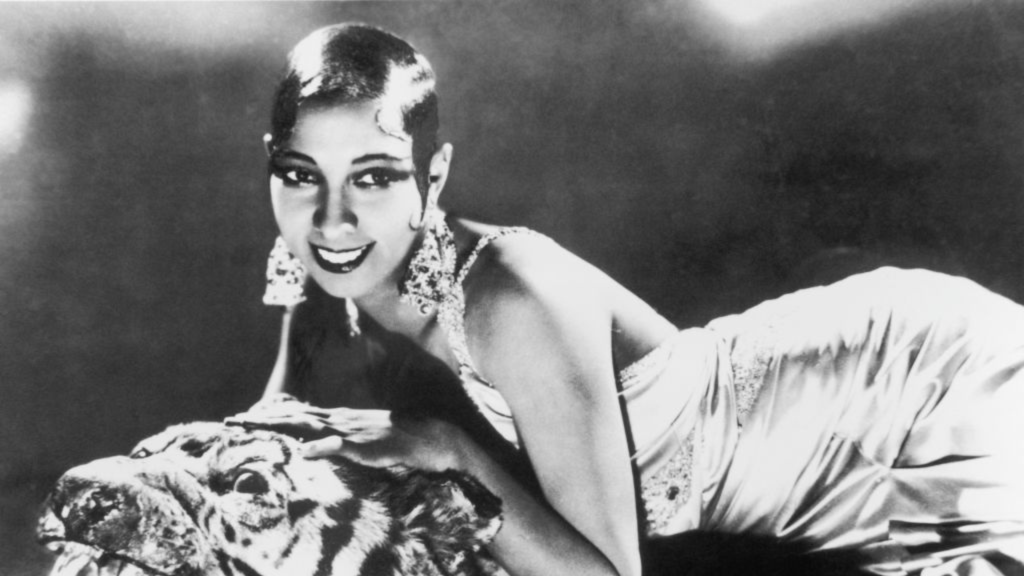
circa 1925: Portrait of American-born singer and dancer Josephine Baker (1906 – 1975) lying on a tiger rug in a silk evening gown and diamond earrings. (Photo by Hulton Archive/Getty Images)
When most people think of history’s American spies, they imagine a sleuthy white man, tracking troop movements, planting bugs and obtaining secrets under the radar of the enemy. What’s rarely imagined, let alone taught, is the role Black Americans played in espionage from the Revolutionary War through modern times.
Enslaved and free Black men and women slipped into rooms they weren’t meant to enter, cozied up to marks who underestimated them and quietly ran intelligence networks that relied on invisibility in plain sight. Here are Black spies whose intelligence work shaped history.
Mary Elizabeth Bowser
Screenshot: YouTube “Mary Elizabeth Bowser: Unsung Heroes of the Civil War | Ancestral Finding Postcard”
Dubbed the “baddest bitch in history” by Comedy Central, Bowser became known as one of the Union’s most daring Civil War spies. Literate and underestimated, Bowser worked as an undercover agent from inside the Confederacy’s most vulnerable locations — Confederate President Jefferson Davis’s home, according to African American Registry.
Masking her intelligence by pretending to be bat sh*t crazy, “Crazy Bet,” as she was known, used a rumored photographic memory to collect important military information and pass it on to Ulysses S. Grant.
James Armistead Lafayette
Fascimile of the Marquis de Lafayette’s original certificate commending James Armistead for his revolutionary war service, 1784. From the New York Public Library. (Photo by Smith Collection/Gado/Getty Images).
James Armistead Lafayette was born enslaved but became a master of deception during the American Revolution. According to America’s Army Museum, he disguised himself as a runaway, infiltrated British camps, delivered key intelligence to the Marquis de Lafayette and fed false information to the enemy. His double agent work was crucial at Yorktown in 1781.
With Marquis de Lafayette’s support, he later won his freedom and dropped his enslaver’s name.
Josephine Baker
circa 1925: Portrait of American-born singer and dancer Josephine Baker (1906 – 1975) lying on a tiger rug in a silk evening gown and diamond earrings. (Photo by Hulton Archive/Getty Images)
Josephine Baker was a known boundary-breaking dancer, singer and international icon, but few knew she was also a World War II spy for the French Resistance. Though she spied on behalf of France rather than the U.S., Baker belongs in this conversation about Black espionage.
At the height of her fame, Baker used her celebrity to move through elite European society and collect information on Nazi Germany and other Axis powers, according to History.com. Baker hid intelligence in invisible ink on sheet music and pinned notes inside her clothing, later explaining, “nobody would think I was a spy.”
Her bravery earned her France’s highest military honors.
Debra Evans Smith
Screenshot: YouTube
While working in Records Management, Debra Evans Smith attended the FBI Academy after gaining nine pounds to meet the minimum weight requirement.
When only one percent of Black women were spies, Smith was drawn to counterintelligence. She volunteered for surveillance, learned Russian, and spent four years handling Russian counterintelligence in Los Angeles, conducting interviews and investigations in the language, according to the FBI. For her, the work was never about individual cases—it was about serving the country.
If you’ve never heard of Abraham Gallaway, that’s no accident. According to historian Dr. David Cecelski, Gallaway may have been the most important Southern war hero, but his legacy was erased when North Carolina rewrote its own history in the late 1800s, depicting enslaved people as “docile.” Gallaway’s story did not fit their narrative.
Born enslaved in 1837 near Wilmington, N.C., he escaped at 19. Gallaway became a “master spy” for the Union Army during the Civil War, providing military intelligence from within the South and establishing a spy network. He also became a state senator, according to 6 ABC. Today, his story is preserved at the North Carolina Museum of History.
Mary Louvestre
Mary Louvestre (sometimes spelled Touvestre) was a free Black woman who would not take no for an answer. Working as a seamstress in Virginia, she stole documents about troop movements and walked to deliver them to Union officials in Washington, D.C. When officers brushed her off, hesitating to meet with her, she kept going back until they listened.
Darrell M. Blocker
Darrell M. Blocker spent 32 years in U.S. intelligence, retiring in 2018 as the most senior Black officer in the CIA’s Directorate of Operations and earning the Distinguished Career Intelligence Medal. A second-generation intelligence professional, Blocker’s work took him to dangerous territory in places like Iran and North Korea, according to the International Spy Museum.
Having lived in 10 foreign countries, he has held titles including Deputy Director of the Counterterrorism Center and managed the CIA’s Ebola response.
A portrait of Harriet Tubman, African-American abolitionist and a Union spy during the American Civil War, circa 1870. (Photo by HB Lindsey/Underwood Archives/Getty Images)
Harriet Tubman was more than the Underground Railroad’s “Moses.” She made power moves in the Union Army, using her reputation to recruit Black scouts. Tubman gathered intel no one else could. According to Brandeis University, she became the first woman to lead a U.S. military raid in 1863, which freed 750 people and sealed her acumen as a true strategist.
George E. Hocker, Jr.
YouTube: “2025 Mary’s Woods MLK Jr Celebration”
George E. Hocker, Jr., a Washington, D.C. native, joined the CIA in 1957 while studying at Howard University. Working as a file clerk to fund his education, he stopped short of aspirations to work as a spy because CIA leaders told him Black people were not intelligent enough or able to “blend in.”
He believed them … until the 1963 March on Washington inspired him to pursue his dream despite racism. During the Cold War, Hocker gathered intelligence in Africa and later went to Latin America, risking his life on dangerous assignments. Hoker never lost sight of the fight at home, stating, “While I was fighting for my country’s interests abroad, my fellow Black Americans were facing war zones of their own at home,” as quoted in Newsweek.
Robert Smalls
Robert Smalls, 1887. African-American politician, publisher, businessman and maritime pilot. Born into slavery, he escaped, and commandeered and piloted a Confederate transport ship which became a Union warship. His example and persuasion helped convince President Abraham Lincoln to accept African-American soldiers into the Union Army. From “Men of Mark: Eminent, Progressive and Rising” by William J. Simmons. Creator: Unknown. (Photo by Heritage Art/Heritage Images via Getty Images)
Born into slavery in 1839 in Beaufort, South Carolina, Robert Smalls rose to become a skilled pilot on the Confederate transport CSS Planter by his early twenties. In a bold act of courage in 1862, he seized the ship, picked up his family, and navigated past Confederate forts under the guise of a captain, delivering the vessel safely to Union forces. Smalls went on to become the first African American to command a U.S. naval vessel, and after the war, he purchased his former enslaver’s house, reclaiming a space that had once symbolized his bondage.
In November 1973, 10 Black models helped put American fashion on the map in an epic runway face-off with well-known French designers. In honor of the start of New York Fashion Week, here’s their story!
Models dressed in midriff-bearing tops and oversized bottoms of solids, stripes and plaids worn with headresses during the fashion show to benefit the restoration of the Chateau of Versailles, five American designers matching talents with five French couturiers at the Versailles Palace on November 28, 1973 in Versailles, France…Article title:’One night and pouf! It’s gone! (Photo by Fairchild Archive/Penske Media via Getty Images)
We know that for most people, February is all about the Super Bowl, Valentine’s Day and Black History Month. But if you love style, you know it’s also about New York Fashion Week – a time for some of the hottest designers to showcase the latest trends — kicking off Wednesday (Feb. 11).
While we’re going to be all over covering what’s new from Sergio Hudson and Public School, we thought this week was also a perfect time to show some love to the Black designers and models who paved the way for future generations.
We’re kicking things off with the story of 1973’s Battle of Versailles fashion show –an epic stand-off between French and American designers in Paris. The highly-hyped event not only put American fashion designers on the map, but it also put a spotlight on a group of 10 Black models who shut down the red carpet and showed the rest of the world the beauty in having a diverse runway that looked more like the rest of the world.
A Palace in Need of Repair
Fragment of golden entrance gates to the Versailles Palace (Chāteau de Versailles) on a sunny summer day. The Versailles is a Royal Palace in Versailles which is a suburb of Paris, some 20 kilometres southwest of the French capital.
The Palace of Versailles is an iconic French landmark. The stunning estate became the official royal residence in 1682. But while it has been a tourist destination for quite some time, in the early 1970s, the 17th century palace was in desperate need of a $60 million glow-up to repair years of damage.
A Fabulous Fundraiser
American Fashion co-ordinator, Miss Eleanor Lambert (Mrs Berkson) who arrived by Qantas today to finalise arrangements for a major all-American fashion show in Sydney and Melbourne later this year. May 25, 1967. (Photo by Trevor James Robert Dallen/Fairfax Media via Getty Images).
American fashion publicist Eleanor Lambert knew $60 million dollars wasn’t small change, so she proposed the idea of a fashion show to raise money for the Versailles repair project. Working with the palace curator, Gerald Van der Kemp, she wanted to invite some of the wealthiest elites from around the world to view collections from fashion designers from France and the United States. Lambert believed the ticket sales would help bring in much-needed funds for the palace project and give American designers a chance to prove their talent on the world stage.
The French Designers
Fashion designer Pierre Cardin stands in his studio surrounded by models. (Photo by Pierre Vauthey/Sygma/Sygma via Getty Images)
Lambert’s idea got the green light, and the date was set for Nov. 28, 1973. The French assembled an all-star lineup of designers, including Hubert de Givenchy, Yves Saint Laurent, Pierre Cardin, Marc Bohan (Creative Director for Christian Dior) and Emmanuel Ungaro. Ready to show the international audience that Paris was the fashion capital of the world, they planned more than an ordinary runway show, but a production that featured live music, dance and an extraordinary set.
The American Designers
NEW YORK, NY – JANUARY 24: Designer Stephen Burrows attends the Tribute To The Models Of Versailles 1973 at The Metropolitan Museum Of Art on January 24, 2011 in New York City. (Photo by Stephen Lovekin/Getty Images)
The American team accepted the challenge and built a roster that included designers Oscar de la Renta, Halston and Bill Blass. Unlike the French, Team USA brought a little more diversity to the event, with the only woman designer, Anne Klein, and Stephen Burrows, a Black graduate of New York’s Fashion Institute of Technology, who made a name for himself with his colorful, lightweight knit designs and signature lettuce hem.
News of the show got lots of press in both the United States and France. John Fairchild, who was the editor of Women’s Wear Daily at the time, helped add to the hype, billing the event “The Battle of Versailles.”
Choosing Models
Norma Jean Darden, Bethann Hardison, Billie Blair (Getty Images)
The budget for the event was tight, causing some of the more well-known models of the time — like Jerry Hall and Lauren Hutton — to turn down the $300 job. But their decision left the door open for a group of talented and beautiful Black models who were happy to step in and help bring the designer’s clothing to life. In the end, the American show featured 10 Black models – Billie Blair, Bethann Hardison, Pat Cleveland, Amina Warsuma, Charlene Dash, Ramona Saunders, Norma Jean Darden, Barbara Jackson, Alva Chinn and Jennifer Brice – making it one of the most diverse runways the fashion industry had ever seen at a major show.
Americans in Paris
Models Bethann Hardison and Armina Warsuma arrive in Marseille, Paris. (Photo by Michel Maurou/Reginald Gray/WWD/Penske Media via Getty Images)
Although they weren’t paid much for the gig, many of the Black American models chosen for the show jumped at the chance to participate in a high-profile international event. Pat Cleveland remembers how excited many of the models were when they first set foot on French soil.
“They got out of the bus and kissed the ground, they were so happy,” she said.
A Not-So-Warm Welcome
Model Pat Cleveland eats a sandwich backstage during the Battle of Versailles fashion show to benefit the restoration of the Chateau of Versailles on November 28, 1973. The Battle of Versailles featured the top five American designers matching their talents with five French couturiers. The Americans triumphed. (Photo by Reginald Gray/WWD/Penske Media via Getty Images)
Although the city of lights was beautiful, the American designers and models did not feel the love in France. Designer Stephen Burrows confirmed that their accommodations were far from five-star.
“There was no toilet paper in the bathroom. It was terrible,” Burrows said. “They had the girls there working all day long and didn’t feed them.”
Rehearsal Drama
Oscar de la Renta watches American team model Billie Blair practicing in a breakout rehearsal space within the palace complex. (Photo by Michel Maurou/WWD/Penske Media via Getty Images)
The French weren’t any more gracious when it came to the rehearsal time, using up most of the days leading up to the show to run through their performance –leaving the American team to make the most of the middle of the night.
A Star-Studded Guest List
Marisa Berenson, Roy Halston, Liza Minnelli and friends attend the fashion show to benefit the restoration of the Chateau of Versailles, five American designers matching talents with five French couturiers at the Versailles Palace on November 28, 1973 in Versailles, France. (Photo by Fairchild Archive/Penske Media via Getty Images)
The idea of a showcase featuring some of the best in American and French fashion attracted a who’s who of high-profile stars, including Elizabeth Taylor, Liza Minelli (who took the stage during the American show) and Andy Warhol.
The French Performance Was a Production
American born-French entertainer Josephine Baker in costume rehearses on stage before her performance during the “Battle of Versailles” fashion competition in Paris on November 29, 1973. (Photo by Reginald Gray/WWD/Penske Media via Getty Images)
On the night of the show, the French took the stage first, with a 40-piece orchestra, more than $30,000 worth of props and performances from well-known Soviet ballet dancer Rudolf Nureyev and legendary performer Josephine Baker along with their designer’s collections. American model Bethann Hardison remembered the French designer’s elaborate presentation that lasted for more than 2.5 hours.
“They had everything. You just couldn’t believe all the entertainment they had,” she said. “It was like a circus. The only thing they didn’t do was shoot a man out of a cannon.”
The Americans Met the Moment
After the French showcase, it was Team USA’s turn to take the stage. Although they walked to music on a cassette tape instead of a live orchestra, they met the moment, with the Black models showing off their rhythm as they floated down the runway. Although their show was only 35 minutes, they left the audience – who gave them a standing ovation – wanting more.
Making Fashion Ready-to-Wear
Battle of Versailles (Photo by Reginald Gray/WWD/Penske Media via Getty Images)
While the French showcased classically tailored clothing conceived with a wealthy client in mind, the American designers were looking toward the future and embracing a growing shift towards ready-to-wear pieces that were accessible to a wider audience. The designers weren’t afraid to add color and pattern to a collection that was made for time.
The Power of Diversity
Models dressed in gowns take the stage during the fashion show to benefit the restoration of the Chateau of Versailles, five American designers matching talents with five French couturiers at the Versailles Palace on November 28, 1973 in Versailles, France…Article title: ‘One night and pouf! It’s gone! (Photo by Fairchild Archive/Penske Media via Getty Images)
Filmmaker Deborah Riley Draper captured the magic of the Battle of Versailles in the documentary, “Versailles ’73: American Runway Revolution.” In an interview with CBS, she emphasized the importance of this groundbreaking moment in fashion history.
“What America was able to do was to demonstrate that diversity and inclusion on the stage was the most powerful weapon they could have,” she told CBS in an interview.
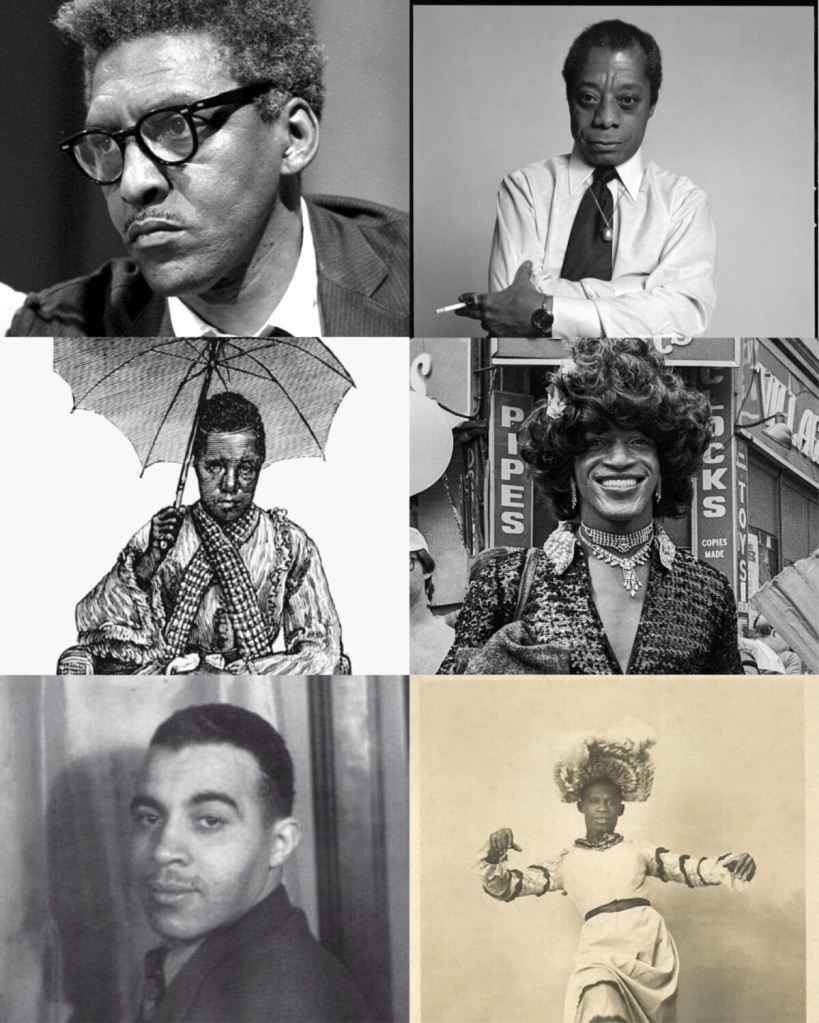
Since I started reading here at Scottie’s, I’ve thought especially of Bayard Rustin during Black History month. I learned of him (aside from him being at the side of Rev. MLK Jr.) from The Nation magazine back in the early 1990s. Mr. Rustin finally got a movie in 2023, and I’ve wondered about other representation within. There is a veritable trove of information, so here is some of that. Enjoy with your favorite beverage. -A.
=====
Voice of the day
God does not require us to achieve any of the good tasks that humanity must pursue. What God requires of us is that we not stop trying. – Bayard Rustin
it’s important to note the amount of BIPOC Queer History that has been an integral part of American history but has unfortunately been largely erased. Queer history surrounding people of color is deeply interwoven with American history, revealing critical insights into the nation’s progress in civil rights, social justice, and cultural evolution. To understand American history fully, it’s essential to acknowledge how Black queer individuals have shaped and influenced pivotal movements, art, and thought in the U.S. Despite facing intersectional challenges related to both race and sexual orientation, Black queer Americans have persistently fought for visibility, acceptance, and equality, contributing a legacy that has strengthened America’s commitment to inclusion and diversity.
Black queer history includes significant contributions to American arts and culture. From the Harlem Renaissance to contemporary music and fashion, Black queer individuals have played central roles in defining American aesthetics and storytelling. The Harlem Renaissance of the 1920s, for example, was driven by several Black queer artists, including poets like Langston Hughes and novelists like Richard Bruce Nugent, whose works celebrated Black identity while also subtly addressing queer themes. These artists expanded narratives around Black life in America, blending the experiences of race and sexuality into a singular, expressive voice.
The contributions of Black queer Americans to political activism are also inseparable from American history, especially when considering the origins of LGBTQ+ advocacy. These activists confronted police harassment and societal prejudice, laying the groundwork for the LGBTQ+ rights movement in the U.S. (snip-click through to see the stories)
African American literary critic and professor Henry Louis Gates once reflected that the Harlem Renaissance was “surely as gay as it was Black, not that it was exclusively either of these.” Gates’s comments point to the often-overlooked place of the Harlem Renaissance within queer history.
The Harlem Renaissance, a literary and cultural flowering centered in New York City’s Harlem neighborhood that lasted from roughly the early 1920s through the mid-1930s, marked a turning point in African American culture. Developments from Zora Neale Hurston’s folklore-influenced fiction to Duke Ellington’s colorful orchestrations reflected an assertive and forward-thinking Black identity that philosopher Alain Locke dubbed “The New Negro.”
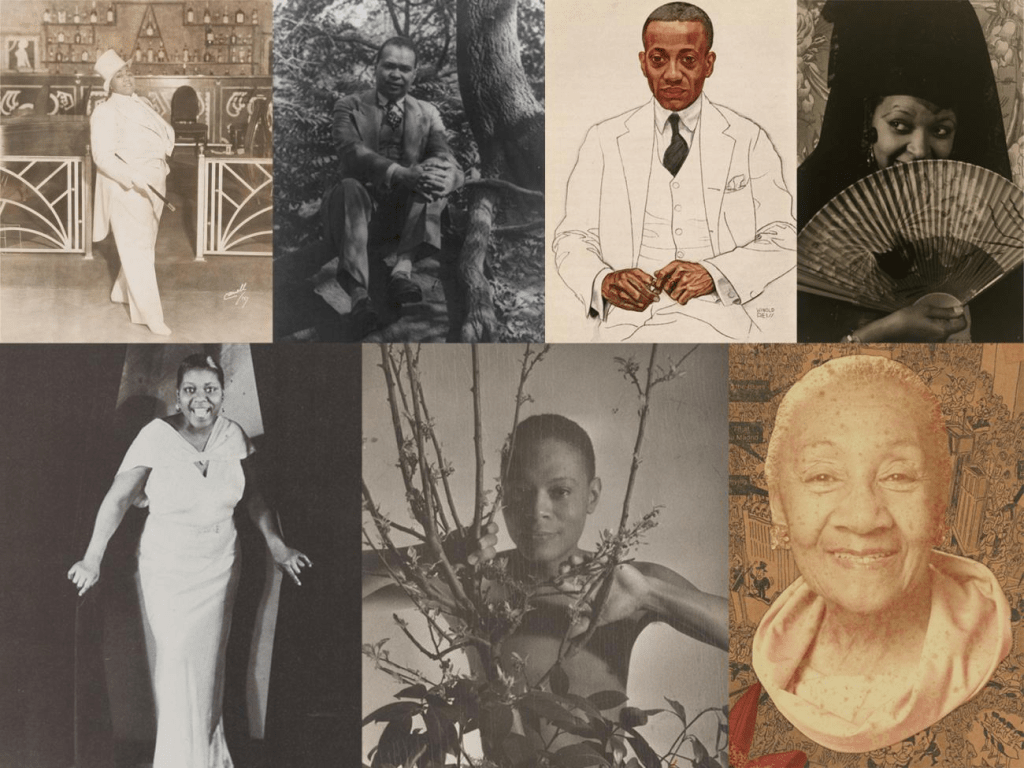
Black queer artists and intellectuals were among the most influential contributors to this cultural movement. Like other queer people in early twentieth century America, they were usually forced to conceal their sexualities and gender identities. Many leading figures of the period, including Countee Cullen, Bessie Smith, and Alain Locke, are believed to have pursued same-sex relationships in their private lives, even as they maintained public personas that were more acceptable to mainstream audiences. From a modern vantage point, the work of these artists and their peers is part of the foundation of modern Black LGBTQ art.
Top row l to r: Gladys Bentley, ca. 1940. 2013.46.25.82; Countee Cullen by Carl Van Vechten, 1941. Courtesy Library of Congress, Prints and Photographs Division; Alain Locke by Winold Reiss, 1925. National Portrait Gallery, Smithsonian Institution. Ethel Waters as Carmen by Carl Van Vechten, 1934. 2010.42.4 Bottom row l to r: Bessie Smith from Delegate magazine, 1975. Gift of Anne B. Patrick and the family of Hilda E. Stokely. 2012.167.9; Jimmie Daniels, early 1930s. Gift of Paul Bodden in memory of Thad McGar and James “Jimmie” Daniels. TA2020.19.3.1; Alberta Hunter, date unknown. Gift of Paul Bodden in memory of Thad McGar and James “Jimmie” Daniels. A2020.19.1.2
(snip-do click through to see. There is a wealth of history: writers, blueswomen, entertainers. There is even a video they cannot play due to restrictions, and then yet more historical information.)
Throughout February, in honor of Black History Month, we’ve been busy on Stonewall’s Instagram highlighting some of the lesser-known figures in queer Black history. These bold individuals lead with bravery and authenticity, moved the needle on LGBTQ liberation and racial justice, and paved the way for future generations. Each one of these icons should be a household name! Read on to learn some of the hidden history of our intertwining and ongoing struggles for equality.
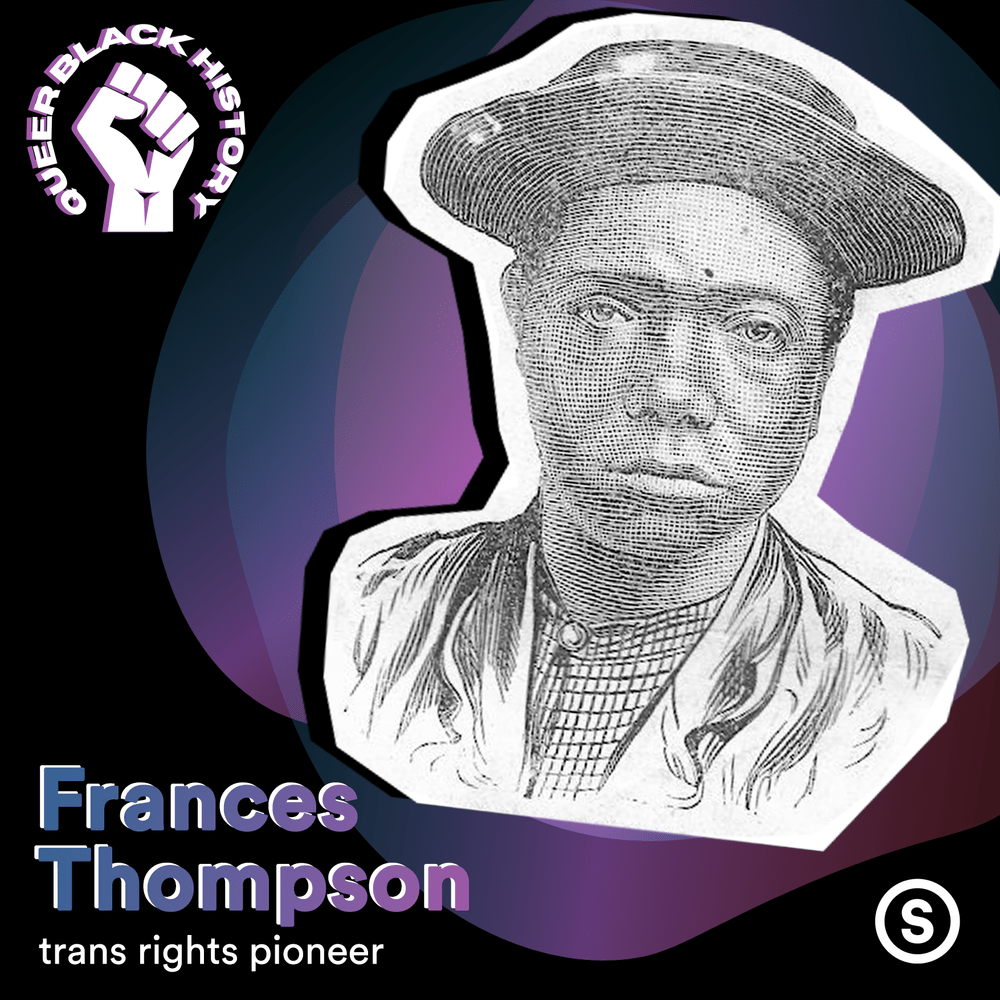
Frances Thompson – Trans Rights Pioneer
Believed to be the first transgender woman to testify before the United States Congress, Frances Thompson was born into slavery in 1840. Living as a free woman by the age of 26, Thompson was an advocate for bodily autonomy, an anti-rape activist, and she played a pivotal role in getting the US government to enact legislation protecting the civil rights of newly emancipated Black people.
Thompson’s bold legacy lives on today as we continue fighting for self-determination, dignity, and justice for queer and trans people. Her story serves as a reminder that queer and trans people have always been here, and we always will be. Always.
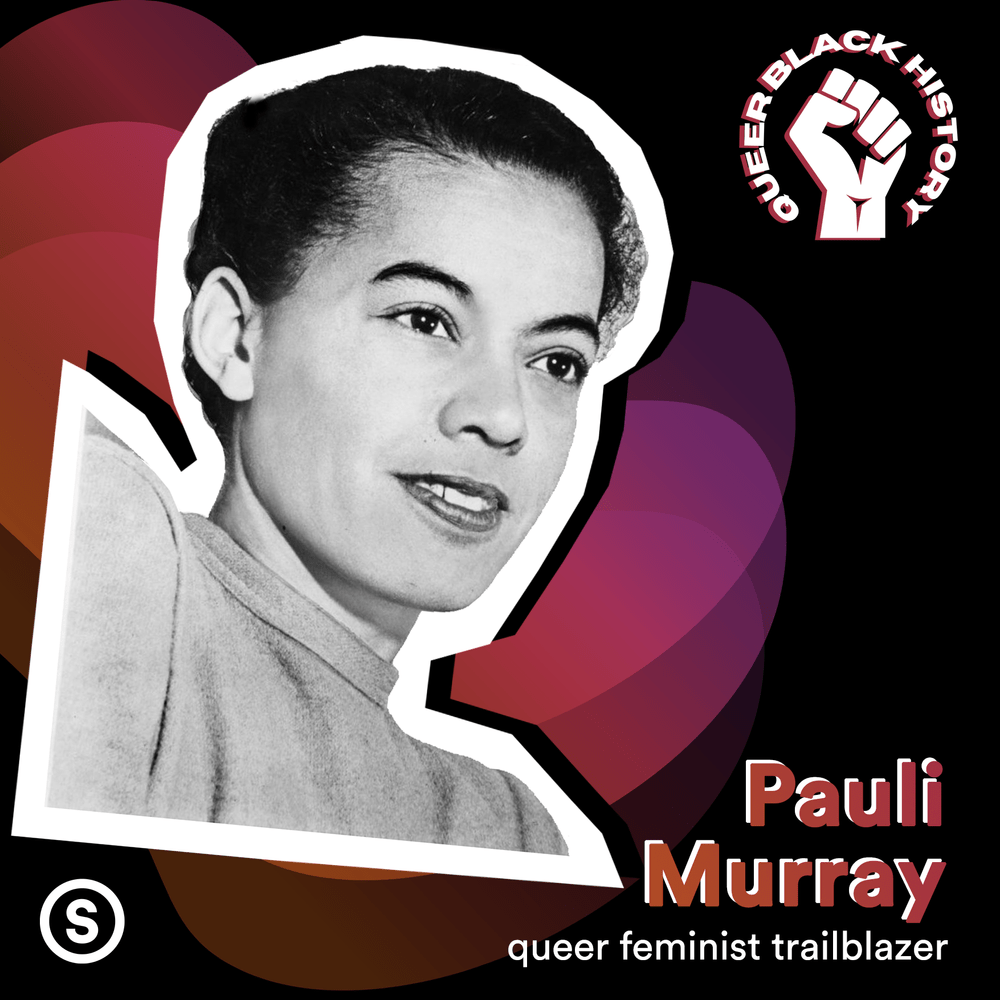
One of the most pivotal – yet often forgotten – figures of the Civil Rights Movement, Pauli Murray was a Black, queer, feminist lawyer who dedicated a lifetime to challenging preconceived notions of race, gender, sexuality, and religion. Murray pioneered many of the non-violent protest tactics of the Jim Crow era, and authored legal arguments that played a pivotal role in outlawing systemic racism and sexism.
Many of Murray’s contributions to the Civil Rights Movement were erased from the broader narrative as same-gender relationships and gender nonconformity disrupted the respectability expectations of the era. Many historians believe that if the language existed at the time, Murray may have identified as a trans man.
Later in life, Murray became an Episcopal priest, and was eventually canonized as a saint – a queer saint!
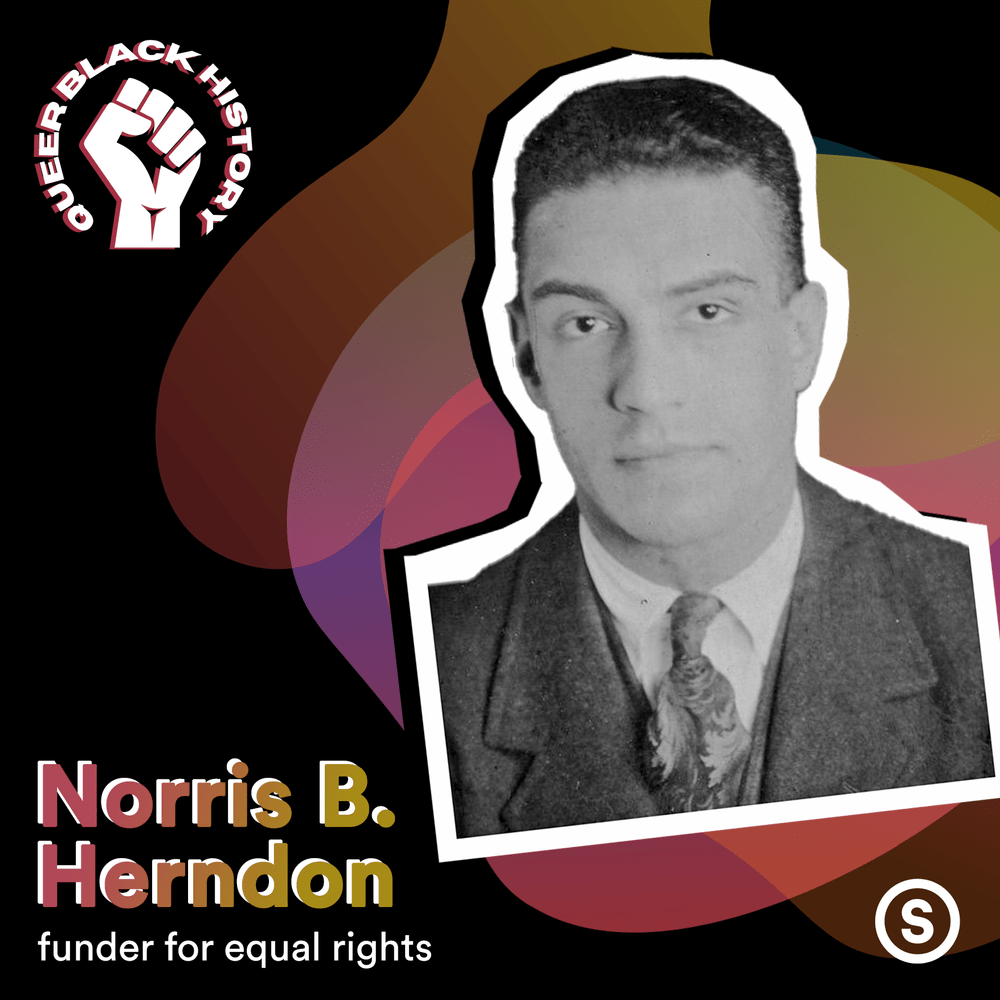
After the death of his father in 1927, Norris B. Herndon assumed the role of president of Atlanta Life Insurance, turning the company into one of the most successful Black-owned business in the US. Using his wealth and influence to support the Civil Rights Movement, Herndon was a critical funder of Civil Rights efforts, and regularly gave generously to support MLK, Jr., HBCUs, the NAACP, and more. He even allowed key Civil Rights activist to use his offices for training purposes.
While he never publicly identified as gay or bi, many in his inner circle were aware of his relationships with men throughout his life.
Herndon’s legacy serves as a reminder of the important role that Black queer individuals have played in shaping American history.
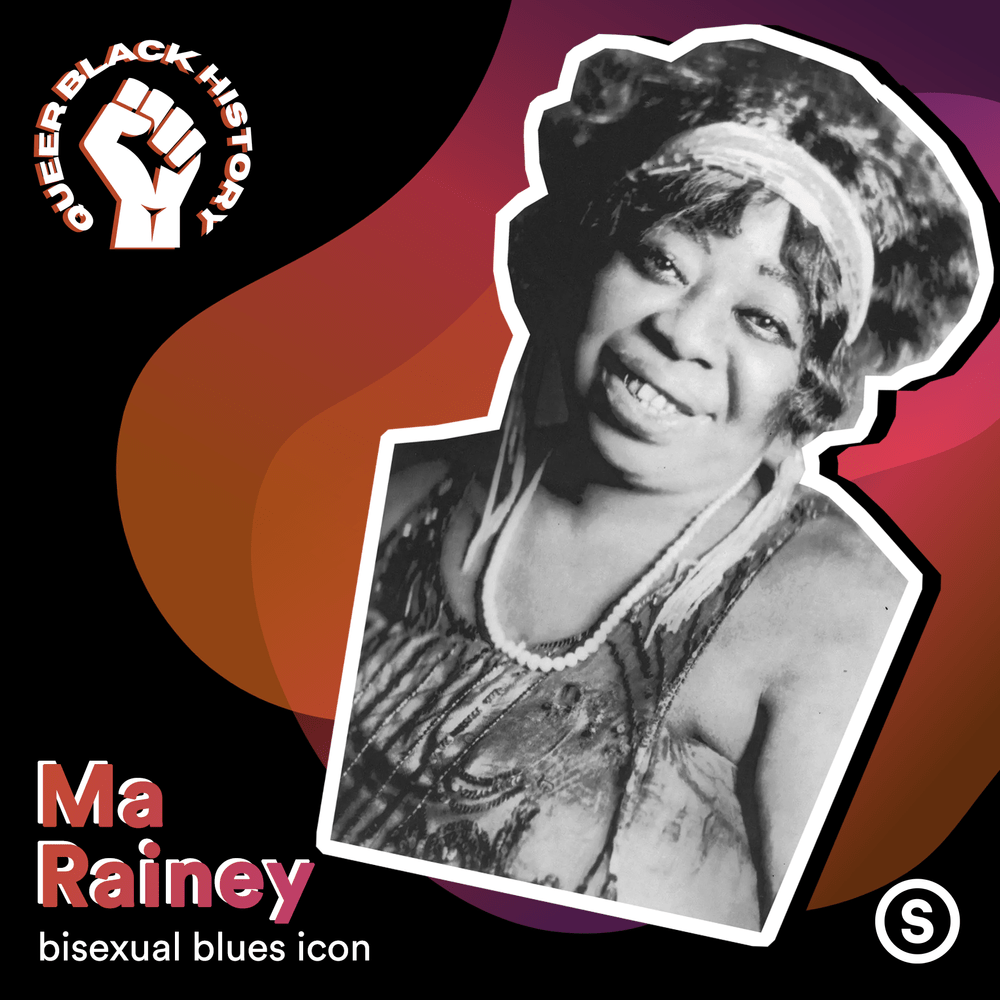
Ma Rainey, also known as the “Mother of the Blues,” was a pioneering blues singer and one of the first openly bisexual performers in the early 20th century. Her music often expressed themes of sexual freedom and gender identity that challenged prevailing attitudes of her time.
Rainey’s songs such as “Prove It on Me Blues” and “Sissy Blues” were widely considered to be bold and unapologetic expressions of her bisexuality, and her performances often featured drag queens and other gender-nonconforming artists.
Rainey’s visibility and outspokenness about her sexuality, at a time when queerness was widely stigmatized, helped pave the way for later LGBTQ performers and activists. Today, she is celebrated as an icon of queer representation in music history.
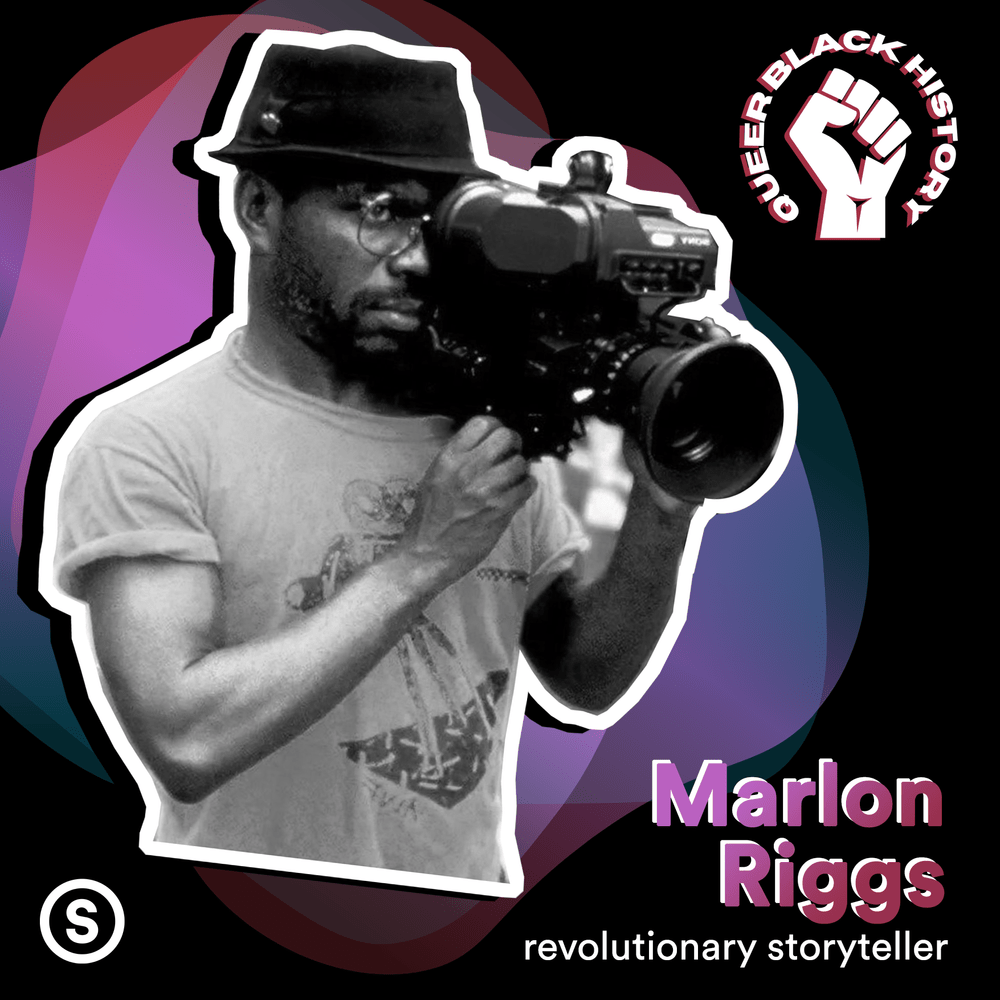
Marlon Riggs was a pioneering filmmaker and activist whose work focused on issues of race, sexuality, and identity, seeking to challenge and subvert stereotypes of LGBTQ and Black people.
In the early 1990s, Riggs’ films, including “Tongues Untied” and “Color Adjustment,” explored the experiences of Black gay men and the intersectionality of race and sexuality. His work helped to broaden mainstream awareness and understanding of LGBTQ and Black lives, and his films were highly influential in advancing Black and queer representation in media. Riggs also worked with organizations like the National LGBTQ Task Force and ACT UP to fight for the rights of LGBTQ people and folks living with HIV/AIDS.
Riggs’ legacy continues to inspire and inform the ongoing struggle for LGBTQ liberation and racial justice.
American history of resistance is a history of Black LGBTQ+ people. Advancements in civil rights and greater visibility of the LGBTQ+ community overall can be attributed to the efforts of Black LGBTQ+ folks; so much of what is popular and beloved in music, fashion, culture, and even language is because of the innovations and traditions of the Black queer diaspora. All of this is born out of the need to survive oppressive and violent conditions, distinguish themselves from their white LGBTQ+ counterparts who often enjoyed greater privilege.
When there are efforts to censor Black queer history in classrooms, to prevent trans folks from changing their gender markers or using the bathrooms they prefer, we must resist. Resistance of erasure is resistance to oppression.
This Black History Month, take a moment to learn about and honor the Black LGBTQ+ movements and people who have resisted throughout history.
The Cakewalk
What we know as the art of drag and ballroom today is born out of Black queer resistance to enslavement. The cakewalk, a dance performed by enslaved people, was meant to secretly mock plantation owners who frequently galavanted and gloated their expensive clothes. Their enslavers awarded the dancers cakes, unaware they were being blankly parodied. Later during the abolition period, “cakewalks” organized by the formerly enslaved served as a celebration of freedom and continued mockery of the enslavers, featuring attendees in extravagant costumes.
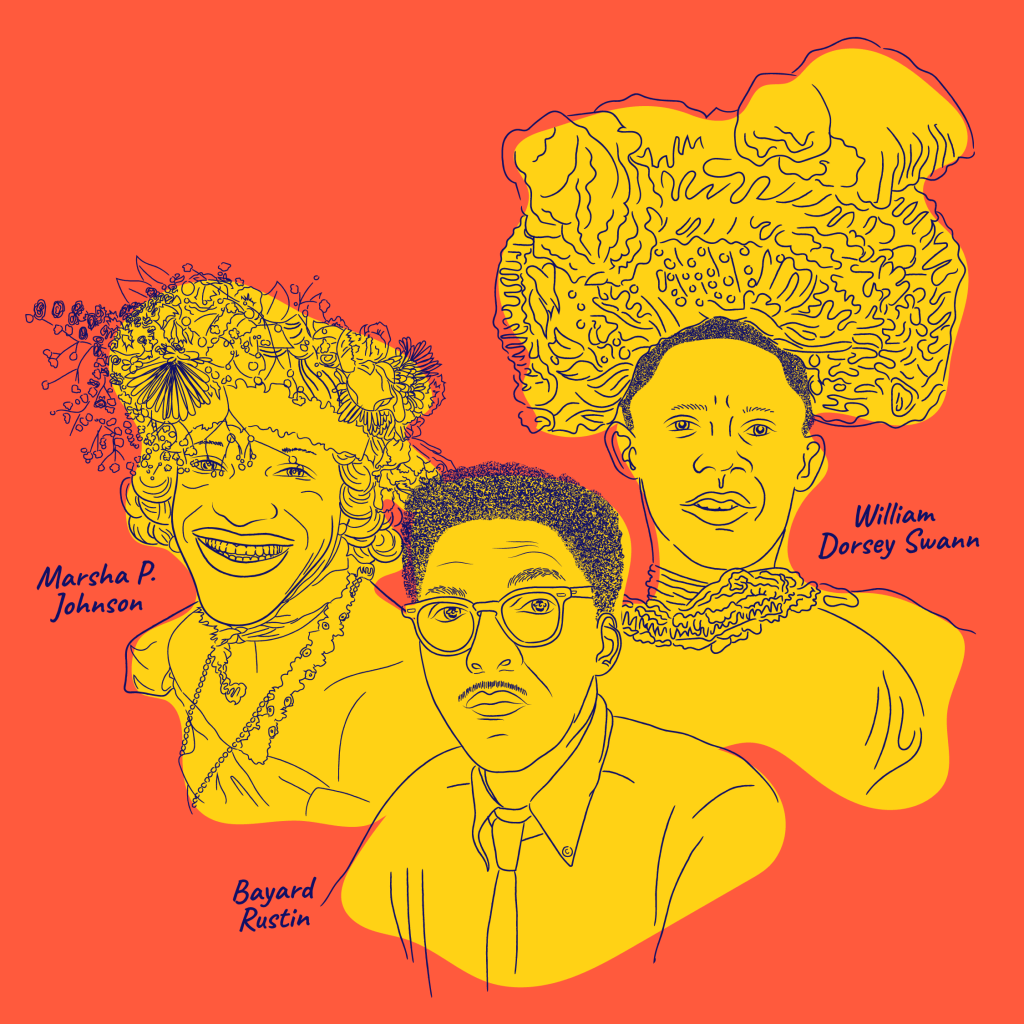
There is one particular person we can thank for the art of drag, and that is William Dorsey Swann, known now as the first drag queen. Swann, who was born into enslavement and survived to emancipation, was inspired by the “queens” of Washington D.C.’s Emancipation Day parades. He developed a form of dance for “glad rags,” also known as masquerade balls, and hosted cross-dressing balls for the community, many of which were raided by police.
This combination of dance performance and visual expression as a form of resistance survives in modern-day ballroom culture, famously depicted in the documentary film “Paris Is Burning.” Categories like “Executive Realness” serve as an opportunity for young Black queer folks — often denied positions of prominence in white society — to both mock the practices of the privileged and pretend to enjoy those privileges.
In the film, artist Dorian Corey notes: “Black people have a hard time getting anywhere. And those that do are usually straight. In a ballroom, you can be anything you want. You’re not really an executive, but you’re looking like an executive. And therefore you’re showing the straight world that ‘I can be an executive. If I had the opportunity, I could be one because I can look like one.’”
Bayard Rustin and the Civil Rights Movement
Many of us know about the work of Dr. Martin Luther King Jr., but not as many know about Bayard Rustin, an “angelic troublemaker,” his mentor and collaborator during the civil rights movement of the 50s and 60s. Rustin was in fact the primary organizer of the historic March on Washington in 1936, perhaps the most famous civil rights protest of all time. Rustin was also openly gay, and spent much of his life dealing with political and legal persecution because of it (recently depicted in the 2023 film “Rustin”).
And I wish to clarify. Because I push peace so much, some could understandably surmise that I “hate the US military”, which I most assuredly do not, for many reasons, not the least of which is that the US military are human beings who, for their reasons, chose the military path for at least a while.
No, I am thankful. So many did so much for so many more, and I appreciate that. I appreciate even more that the ones who survived to be with us today, are here with us today. I have respect for those who serve in that capacity; sometimes they’re put in positions of great danger and possibly having to take the life of someone else, yet they survive and come back. I am embarrassed that the US (we the people) have yet to fulfill the package veterans ought to expect for serving, and I work so that maybe one day, we will fulfill that. The US military is a special calling for those who are called, and it’s a risk for those who join feeling they have little other path when they begin. So, please accept my thanks even if you don’t feel as if you have it coming. To me, you do, because you did it and you’re here. I always hesitate to say “happy Veteran’s Day,” because it doesn’t strike me as a happy day, but more of a solemn observance day for people who did/do work that not all of us are cut out to do. That leaves thank you, and it is sincere.
OK, so we’ve posted about this here at least a couple of times, and now we’re in the week where people will not be receiving benefits on which they depend, to eat. Here’s one more story. And, yes, this is a particular cause of mine, so I want to note that I’ve been looking around town to see where I might be able to help out should this come to fruition, as it appears to be doing. My posting may be sparser, because trying to help people get enough to eat will take up more time now. But, as we’ve also written here, building and sustaining community is important during times such as those we in the US find ourselves, and for me, helping people get enough to eat is sustaining community. So, while I’ll still be around, I may not post as often; the energy only goes so far. Here’s today’s AP story:
The new notice comes after the Trump administration said it would not tap roughly $5 billion in contingency funds to keep benefits through the Supplemental Nutrition Assistance Program, commonly referred to as SNAP, flowing into November. That program helps about 1 in 8 Americans buy groceries.
“Bottom line, the well has run dry,” the USDA notice says. “At this time, there will be no benefits issued November 01. We are approaching an inflection point for Senate Democrats.”
The shutdown, which began Oct. 1, is now the second-longest on record. While the Republican administration took steps leading up to the shutdown to ensure SNAP benefits were paid this month, the cutoff would expand the impact of the impasse to a wider swath of Americans — and some of those most in need — unless a political resolution is found in just a few days.
The administration blames Democrats, who say they will not agree to reopen the government until Republicans negotiate with them on extending expiring subsidies under the Affordable Care Act. Republicans say Democrats must first agree to reopen the government before negotiation.
Democratic lawmakers have written to Agriculture Secretary Brooke Rollins requesting to use contingency funds to cover the bulk of next month’s benefits.
Government shutdown The AP has journalists around the country covering the shutdown of the federal government. What questions do you have for them?
But a USDA memo that surfaced Friday says “contingency funds are not legally available to cover regular benefits.” The document says the money is reserved for such things such as helping people in disaster areas.
It cited a storm named Melissa, which has strengthened into a major hurricane, as an example of why it’s important to have the money available to mobilize quickly in the event of a disaster.
Some states have pledged to keep SNAP benefits flowing even if the federal program halts payments, but there are questions about whether U.S. government directives may allow that to happen. The USDA memo also says states would not be reimbursed for temporarily picking up the cost.
Other states are telling SNAP recipients to be ready for the benefits to stop. Arkansas and Oklahoma, for example, are advising recipients to identify food pantries and other groups that help with food.
Sen. Chris Murphy, D-Conn., accused Republicans and Trump of not agreeing to negotiate.
“The reality is, if they sat down to try to negotiate, we could probably come up with something pretty quickly,” Murphy said Sunday on CNN’s “State of the Union.” “We could open up the government on Tuesday or Wednesday, and there wouldn’t be any crisis in the food stamp program.”
Not necessarily in order of the day. For instance, just now, which is 8:30 PM Monday night, I am beginning to feel like the worst doggy mom in the world again. Ollie, dear little broken guy that he is, practically perfect in every way but for the fear he gained from his early abuse, has to be tranquilized before visiting the vet. Also muzzled right before the vet comes in the exam room, but. I Have To Slip My Little Doggy Mickeys! He gets one at night, one with breakfast on appointment day, and one an hour before the appointment, along with a couple of Solliquin, which are supplements with calming homeopathic calming substances. He loves those. Not so much the tranqs because he has no idea what’s happening to him or why. Tonight, though, he’s dealing with it better than a couple of weeks ago, which was his first time. He has to go in tomorrow for a follow-up heartworm test because we switched him from one flea protection to another that also protects from various other bugs that can bite him and cause him illness. At least he’s getting to where he doesn’t mind riding in the car as much as he used to! Of course, he’ll be tranquilized, so there’s that. There’s a kinda funny King Clarence YouTube about getting slipped mickeys; they do it like one of those TV lawyer ads. Pretty comical. Have not shown that to Ollie.
Moving on; a thing I like to do is buy the raw organic nuts and cashews off the ugly produce shelf; these are excellent products that are fine, but cheap because they need to be used quickly. Frequently, I’ll split a bag with the birds and squirrels; I’ll chop and freeze some for our use, and chop the rest to scatter outside. Earlier today, I decided to chop some cashews to take outside for birds and squirrels. The chopper is one of those “armstrong” choppers (photo below); you put your stuff in the cup, put the chopper over it, and start pumping the handle, which is on a spring. I remember a spokesperson ad for the “Slap Chop”, if anyone else does; my chopper is like that, but it’s a Zyliss. Not advertising. My chopper is 20 years old, the blades are beginning to dull, but I keep thinking that as long as I do things by hand instead of electricity, things in the world will be better. Well, today I get the chopper down, and the cup for the stuff, which is also the storage base of the chopper, has the ooky sticky feel that old plastics get when the PVCs or PFCs or whatever start leaching out. sigh. It wasn’t on the inside of the cup; only the outside, so I trashed the cup, and used a solid bowl to chop after I washed the chopper to make sure. Don’t want to mess up the birds’s systems with plastic chemicals!
When things like this happen, the words “planned obsolescence” always come into my mind. These days many, including myself, might say “enshittification,” though I think it’s reasonable that a 20 year old chopper cup might be worn out enough to leach. But still. Anyway, the words “planned obsolescence” always bring Jimmy Carter to mind. Why, you might ask?
Or maybe you didn’t, but here’s why. I was not of voting age when he was elected. His speaking accent annoyed me a great deal. I liked his ideas, definitely didn’t want Ford, was relieved when Carter won and wished him well, but that accent made my teeth hurt. So, of course, when the time for his initial SOTU arrived, what did my Speech & Forensics instructor instruct us, but to listen to that SOTU, and judge it using the very guidelines judges would use on us later in tournaments. We were to pay close attention to everything, but our work was to judge the speech without factual or political consideration, only his delivery skill.
Now, my recollection is he did fine; aside from his accent, which was not a judgeable item, he spoke of “planned obsolescence” a great deal. Enough that it became a bit redundant as to the speech itself, though not to his actual points. Of course, I had to mark that. However, that term stayed with me, and I learned from that, about designing and manufacturing, sales, consumerism, etc., etc. And that term comes to me when something fails after some use, and I think of Jimmy Carter, which reminds me to be all around nicer.
Speaking of this: do you think Jimmy Carter would use the term “enshittification” these days (not in an SOTU, of course!)? Let me know in the comments. I hope you enjoyed my Monday mind’s wanderings!
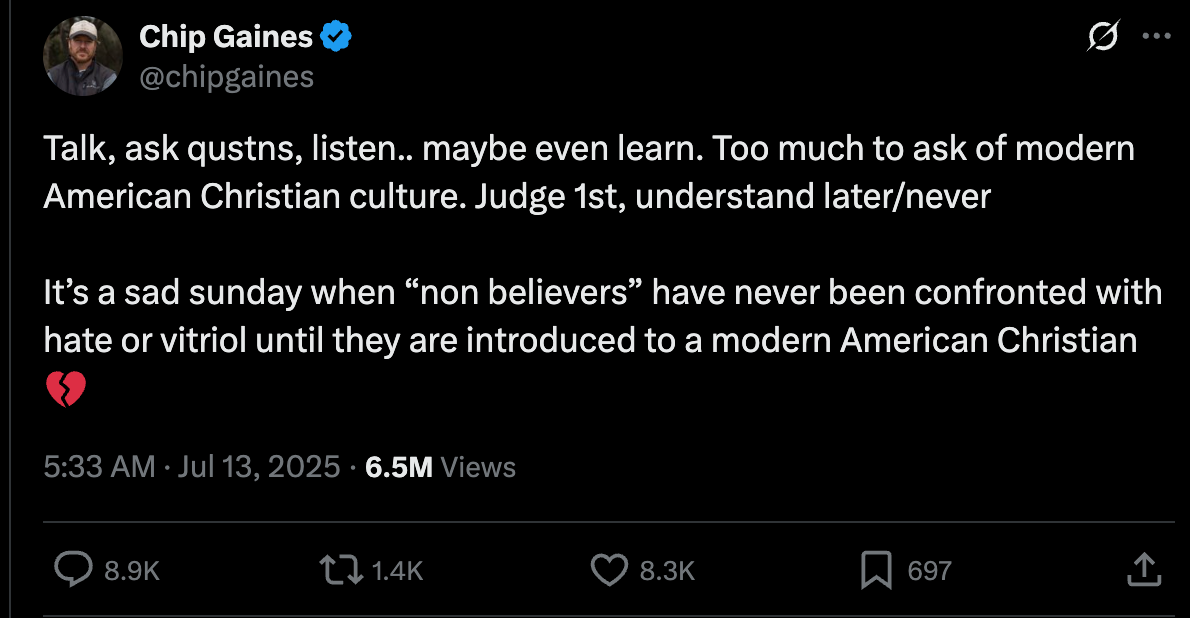
(One’s a meme.) It’s likely been obvious since I’ve been posting here, that aside from some comments I make which are my own and don’t represent the blog, I’m careful about what sort of energy I put into the Playtime universe. I’ve just finished reading Evan Hurst’s Moral High Ground for today, and while it’s wildly, hilariously entertaining as well as pertinent, it’s not the energy I want to put out, so instead, here is a meme from me, with a bit from the piece, which is linked, and if you like really snarky humor, please do go enjoy it! It’s just a little rougher than I want to post here, even though I restacked it on substack. To be totally clear, the meme applies to myself and what Chip Gaines said. And now, we carry on- A.
Heartbreaking: The Worst Person You Know Just Made A Great Point
Snippet from The Moral High Ground:
I don’t know what Chip Gaines’s walk with the Lord on these issues has consisted of, bu his response to the manufactured controversy from God’s most wasted creations confirms that he’s indeed been on some version of such a walk, unlike anybody else in this post.
One line in there tells me that Chip, wherever he is exactly on this issue, his heart is at least aiming in the direction of Jesus:
Talk, ask qustns, listen.. maybe even learn. Too much to ask of modern American Christian culture. Judge 1st, understand later/never It’s a sad sunday when “non believers” have never been confronted with hate or vitriol until they are introduced to a modern American Christian
“Maybe even learn. Too much to ask of modern American Christian culture.” That’s biting, but that’s not the line. “Judge 1st, understand later/never.” He’s not fucking around, but that’s still not the line.
“It’s a sad sunday when ‘non believers’ have never been confronted with hate or vitriol until they are introduced to a modern American Christian.”
There it is. That’s the one that says he gets it. (snip-do go read it all, if you like; link below!)
Chip And Joanna Done Pissed Off The Bigots, Oh Lord by Evan Hurst
Joanna better not give a gay couple any shiplap! Read on Substack





 Scottie's Playtime