@austinvancemusic Not perfect. Just better than I used to be. This one is for anyone who’s grown, changed, and kept moving forward. What do you think of this one? 🎶 #newcountry #countrymusic #countrysong #countryvibes #austinvance







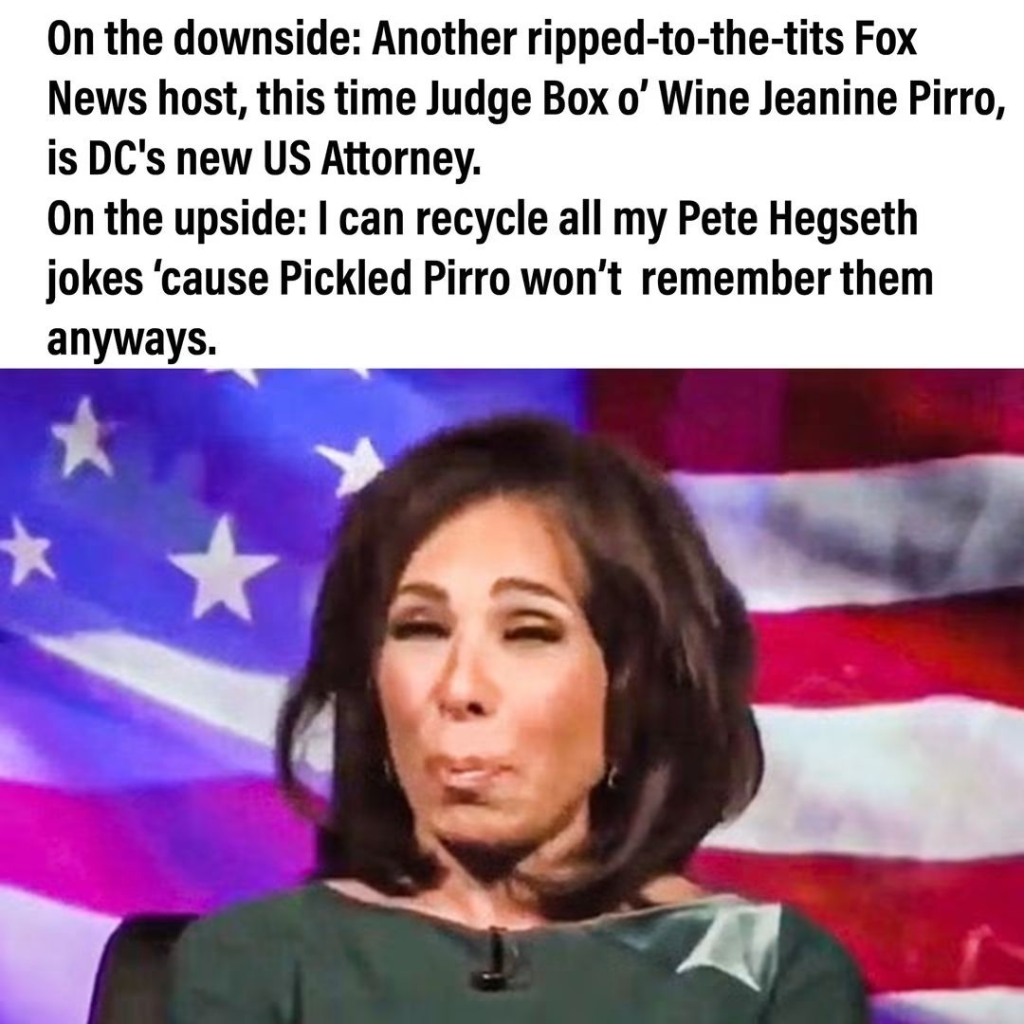


Perhaps a silver lining in this day of hate and corruption masquerading as patriotism is the crashing realization that one day we will leave this world. Many will stumble upon a very uncomfortable discovery that their friends and neighbors would not be so very sad to see them go.
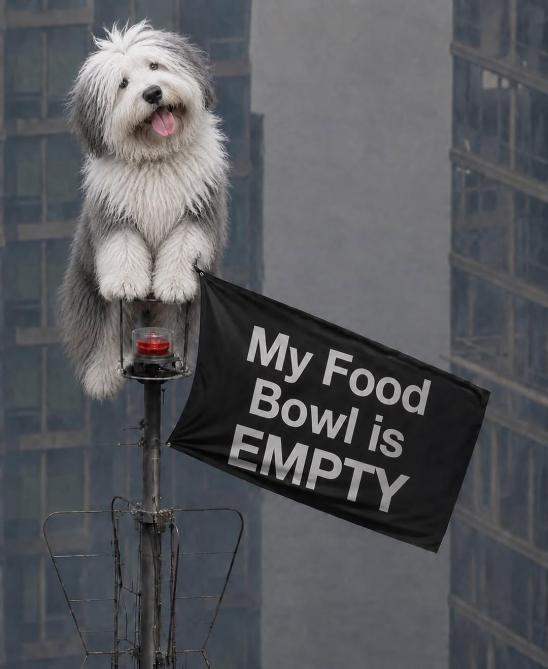
I write this today having found out that my neighbor passed away last night. She was one of those people who very acerbically met life on her own terms: loud, bitching about seeming everything, but loving anyone in need and being one of the funniest people I’ve every met – if unintentionally. And, further, she liked my dog and my dog liked her, so –
I recently had the opportunity to watch some of the interview/debate of Neil DeGrasse Tyson on Ben Shapiro’s show. Ben was really trying to push this idea that Neil could speak on the science of transsexuals’ gender, etc. One of the greatest things I took from that was Neil asking him what he was really attempting to accomplish with his banging of the gong? ‘We supposedly live in a free country. No one is obliged to be more masculine or more feminine for you, and they have no right to ask it of you’, he said.
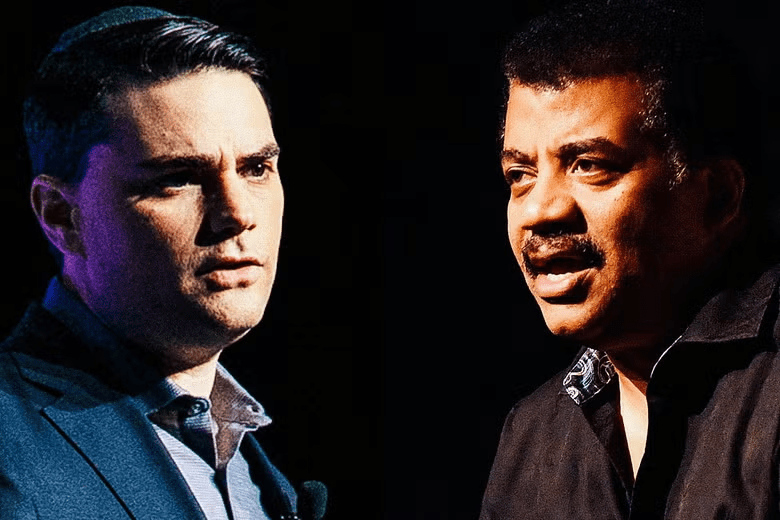

That one line from Neil completely changed how I heard the interview. I realized that Ben spoke with a quickness and decisiveness that projected strength to those who are desperate to hear it – but was really a desperation to control something that wasn’t his to control. I found myself asking Neil’s questions of Ben, and others who seem intent to dictate how people live, how people love. What drives this desperation to dominate others? What is in that morning mirror that scares people so that the only way they can manage is to be sure others meet their rules and expectations rather than find their own?
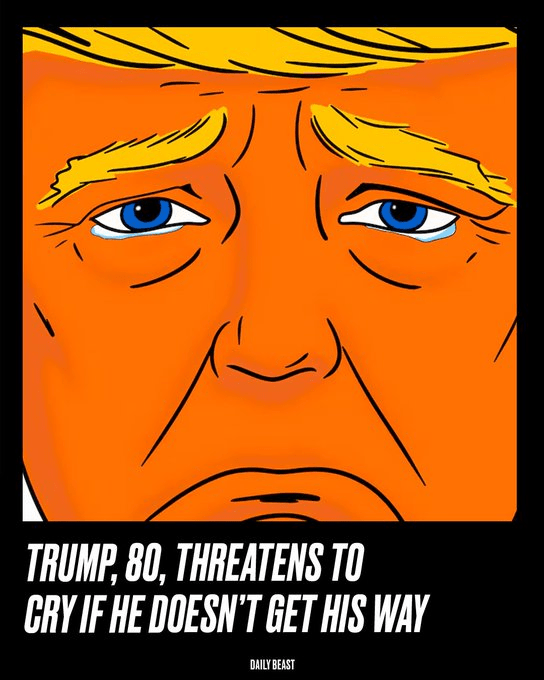
When I think on those people like Ben Shapiro, Donald Trump, Marjory Taylor Green, Mike Lindell, Rudy Giuliani, Jeff Sessions, their lives are often filled with beautiful arm candy, money, and a dark heart that destroys them in time. Like a poison they’ve taken in, living a life of hate and corruption seems for them like a recipe for eventual disaster. But, like moths to a flame, repeatedly do these people line up to destroy their peace, their credibility, their future until only regret and hate visit them.


As a country, we lost something special and unique when Donald Trump became more than just a spectator and buyer of the political tragedy. Somehow ignorance became a virtue, and being loud meant you were right. Intelligent conversation and caring about others became synonymous with communism, or whatever the boogieman is now. Somehow we in America are supposed to despise the poor and glorify the wealthy, told it is the height of patriotism. We lost our light, and now it seems we can only find our path by blindly swinging at those stuck with us in this morass.
-randy









Yesterday, I stumbled on a forum dedicated to hate me, where people basically spend their lives spewing transphobic bs, obsessing over my body, making up stuff about me, sharing awful parodies of my work, etc. It really got to me, as I’ve been living with the knowledge that these people are constantly there, stalking each of my movements, for several years now.
I will never understand this kind of hate. I cried a good deal of tears. It was important. I need to feel in order to find the will and energy to create. I remembered who I do all this work for : us. The ones I call my family. My trans siblings. That’s why my new book starts with “we”. That’s why I’m announcing it in the urgency, as a memorandum for these troubled times and a reminder that we are stronger together, and that we need to be there for each other.
We won’t be erased. Pre-order it on my Etsy store






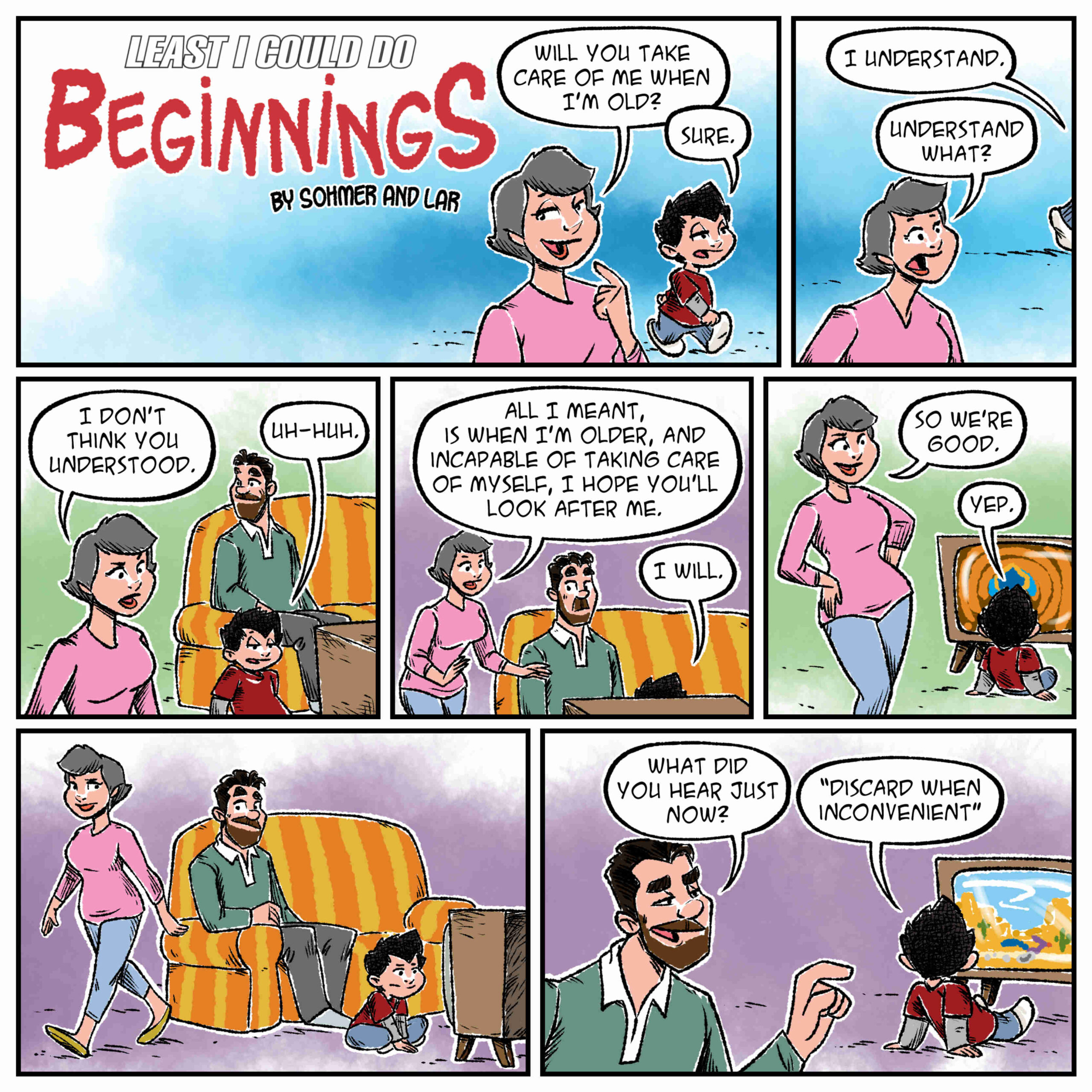


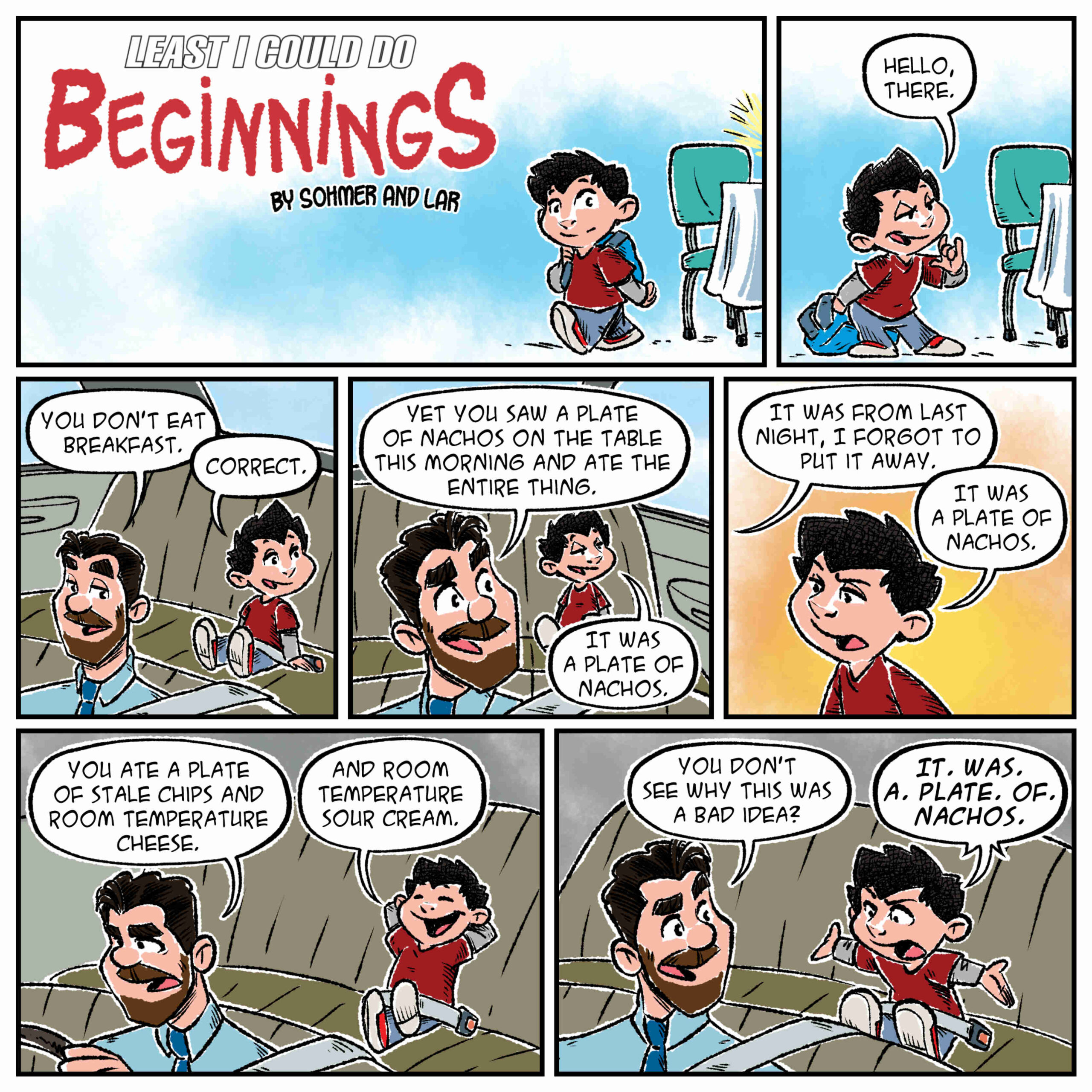


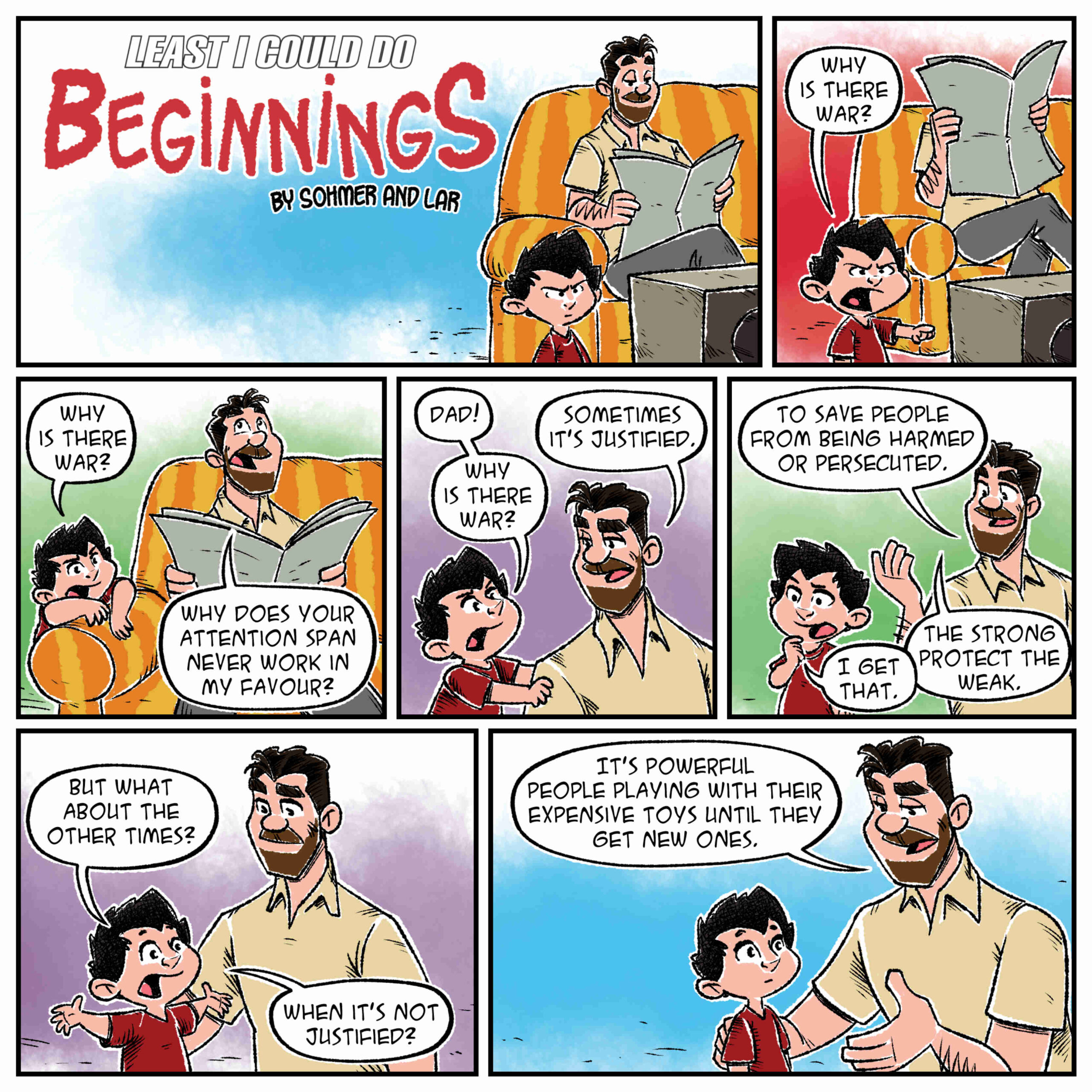


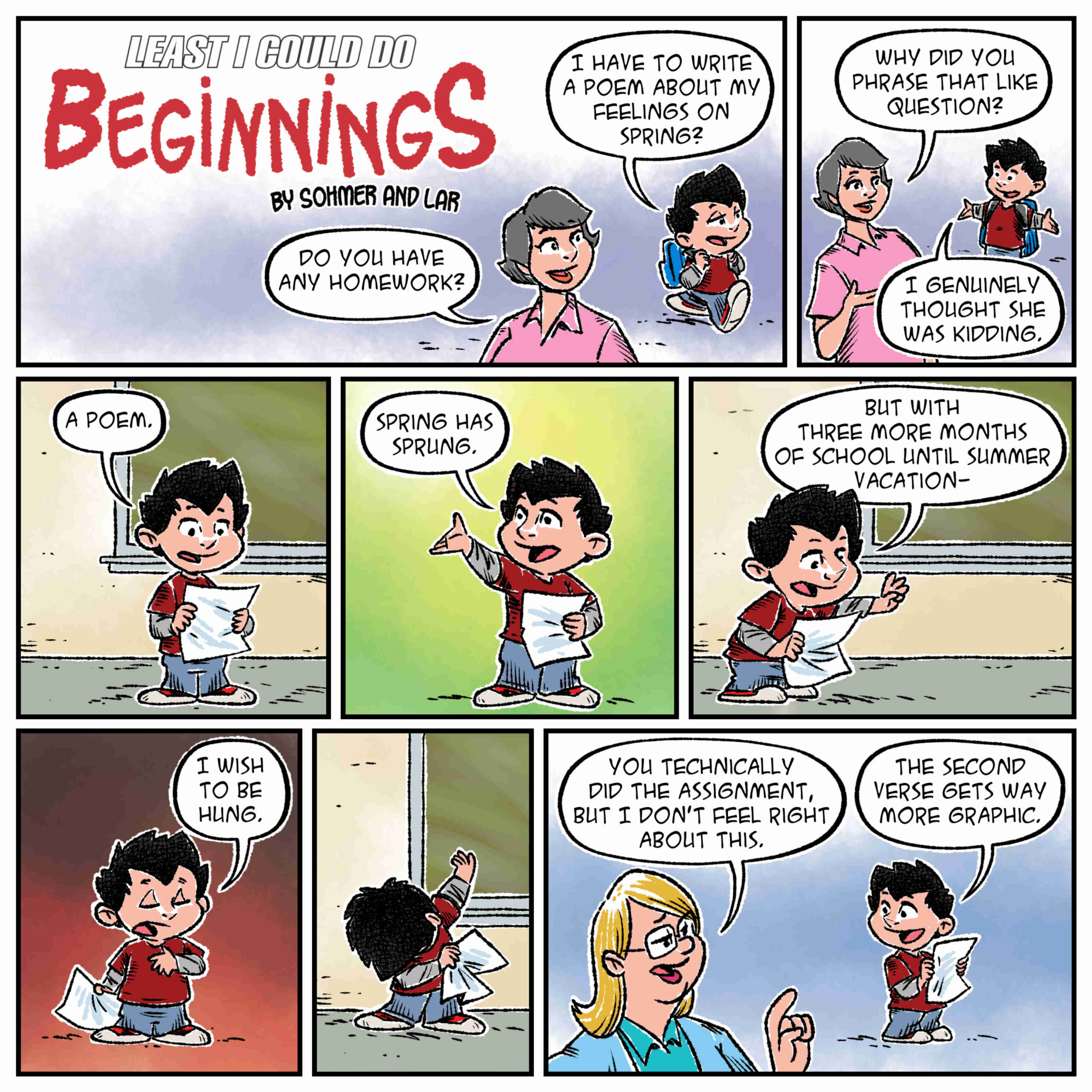
I recently had a somewhat uncomfortable conversation with my Dad. At 88-years old, he is understandably considering what comes next, and knowing that I’m a ‘blowhard democrat and therefore think I know everything‘, lol, he made it part of my own considerations – at least out loud. But, as we talked, I began to realize that how we look at “what comes next” truly inspires how we view this thing called life, what we value and hold dear.
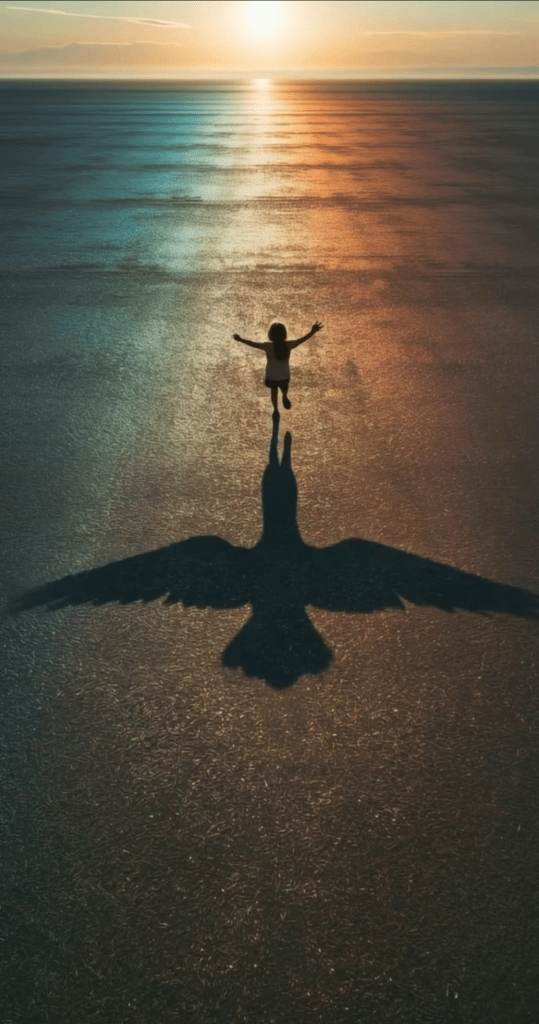
When I was much younger, I had the opportunity to read Jonathan Livingston Seagull by Richard Bach. I think I’d like to read it again. It was a story that had a great impact on a young troubled life, and while I am sure I didn’t get nearly as much from the book as was offered, I still carry some of that book within my thoughts nearly 35 years later. Chief among those ringing ideas was the consideration that we are on this world to be excellent, to fly free and powerfully, to be our best selves. It is an idea that gives me hope and conviction on the same blade, for I’ve not made much of myself. What I have done, perhaps better late than never, is I’ve begun to understand what is important to me and I’ve tried to adjust my life accordingly.
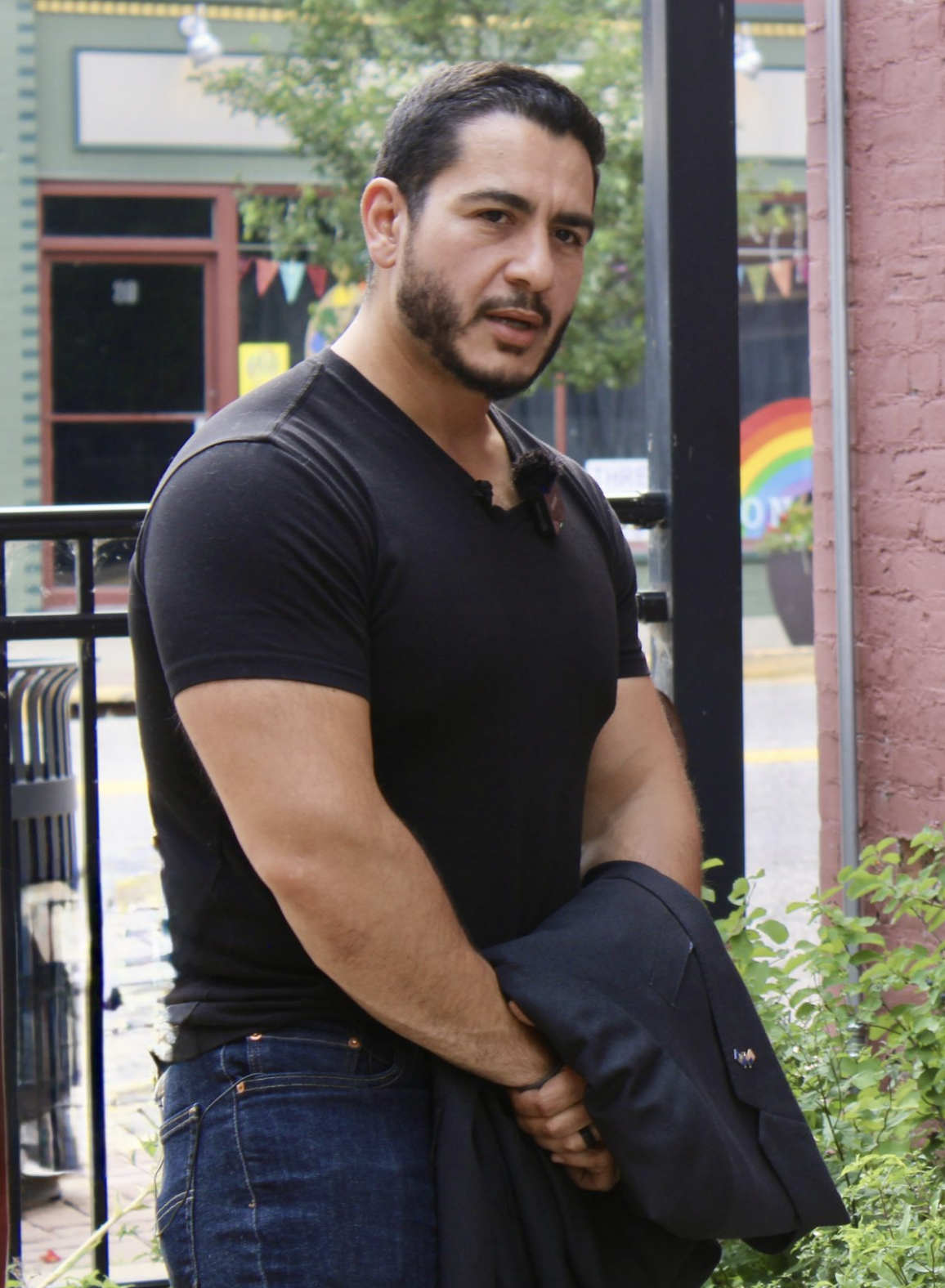
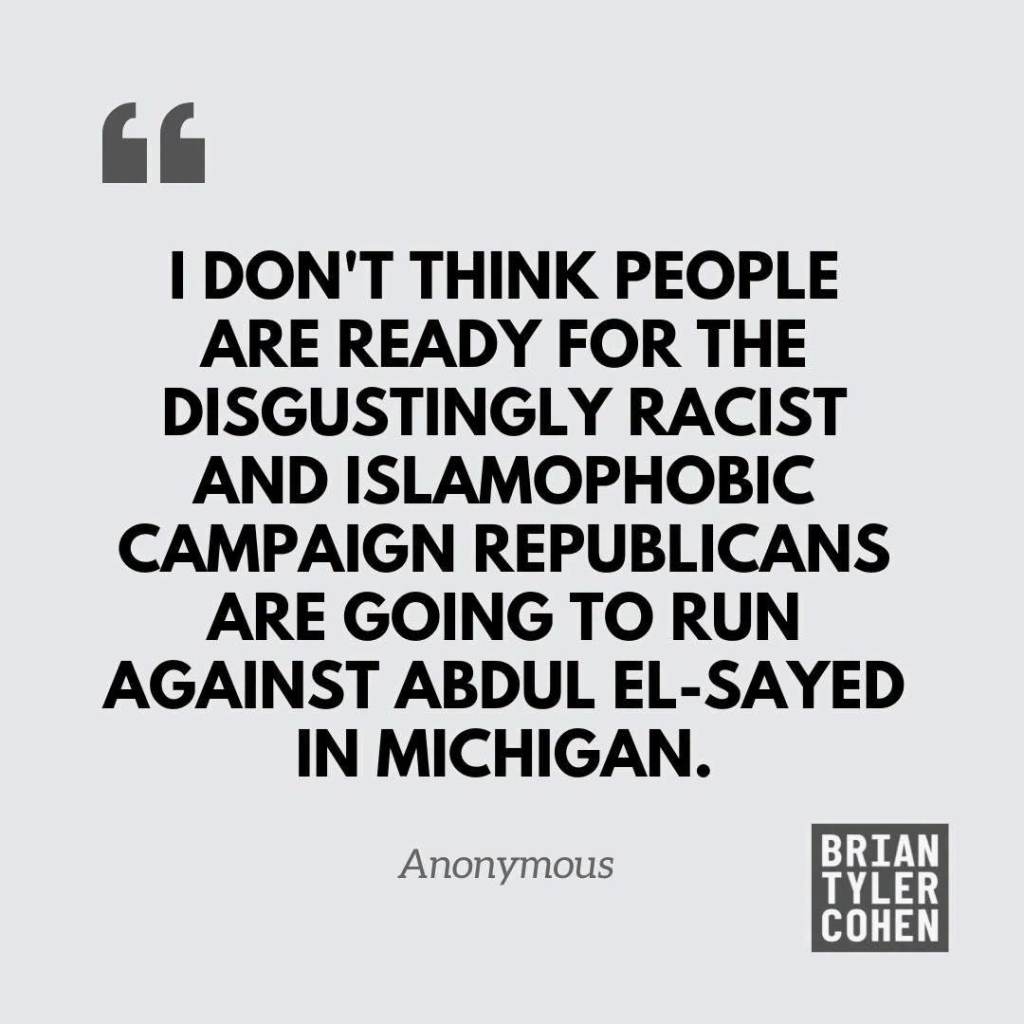
During my studies of different religions, I found a great deal of beauty. It is probably shocking to some, but Muslims have a beautiful religion filled with dedication to their God, peace and humility. I recently heard a person of influence, a politician, say publicly that he “hated the Muslim religion”. I thought that was tragic. He has painted a billion people with a the same brush and feels fully justified in his self-righteous hate. His words did not influence me to hate Muslims, they only brought me sadness. Here is a man who hopes to profit by hate, and I can only imagine what those wages bring.


Over the years, I’ve come to find a lot of hope in the Christian Faith, but I don’t find myself deluded into thinking that the Bible is definitive or that the Pulpit is infallible. Clearly humans have left their mark on both, and both have gained their insecurities and foibles. Unfortunately, most religions are marked by the greedy and deluded powerful who are sure that they know what is best for everyone and damned be those who disagree. As a result, parishioners lose their search for what is beautiful and magnificent in whatever may come next. They instead follow a set of rules, a kind of club, a group identity. They have given up on God and hope only to please the pastor and Sister Bertha Betterthanyou. They have forsaken courage to seek for the safety of the flock.
Perhaps this is just what we are. How many of us are caught in this idea that by hating someone else, we are somehow doing as God would want? I would be very curious to ask them what they value, and then would I be so brave to ask how their spoken values reflect their current words. Do they value freedom, or just their own freedom? Do they value love, or only for those like them? Do they value hope, but do performative acts some man told them would get them into Heaven? Do they seek or are they comfortable in being told what to think, what to feel, what to do? Do they look for what comes next or are they seeking identity and safety in a church, a political movement, in the acceptance of someone seeking to control them?


I don’t know what I would tell Dad if he asked me again. I don’t think the answer is in religion, any religion. I do think there is something that comes next, what I would loosely if respectfully refer to as God, and if I could quote Ghandi I’d say that God is not restricted by any single religion. I want to believe that this beautiful thing called life doesn’t end. I want to believe in Love. I want to rest in Hope. I want to live a life absolutely riddled with awe at how fabulous humanity can be, rather than live a life of judgement and insecurity. And, when I regard my final days I hope I am looking forward with eager anticipation for all the wonders I will experience.
-Randy
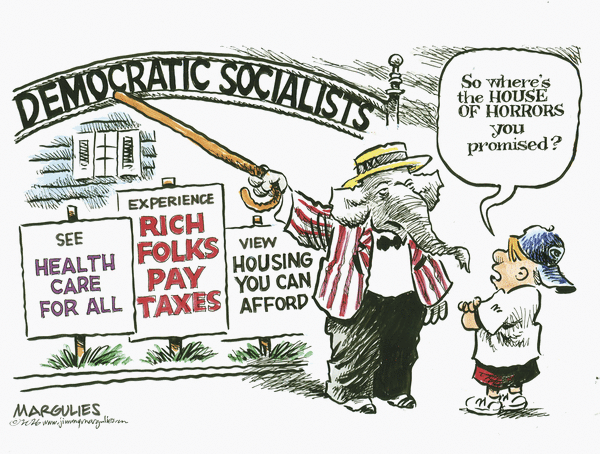
I’ve heard a number of commentators and politicians over the years. One of the striking things that rings in my ears is how some are interested in caring for others while others are interested in excusing the abuse of others; some are interested in caring for the hungry while others are bewailing the “cost” of feeding their neighbors; some are interested in the healthcare needs of our people and others are interested in the tax reductions of the uber-wealthy. I don’t know the political right or wrong of things, but I sure know what I value.
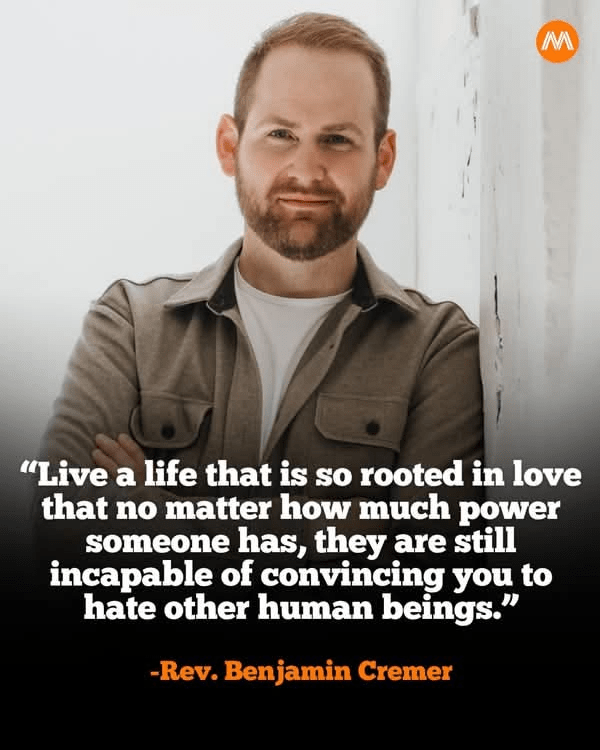
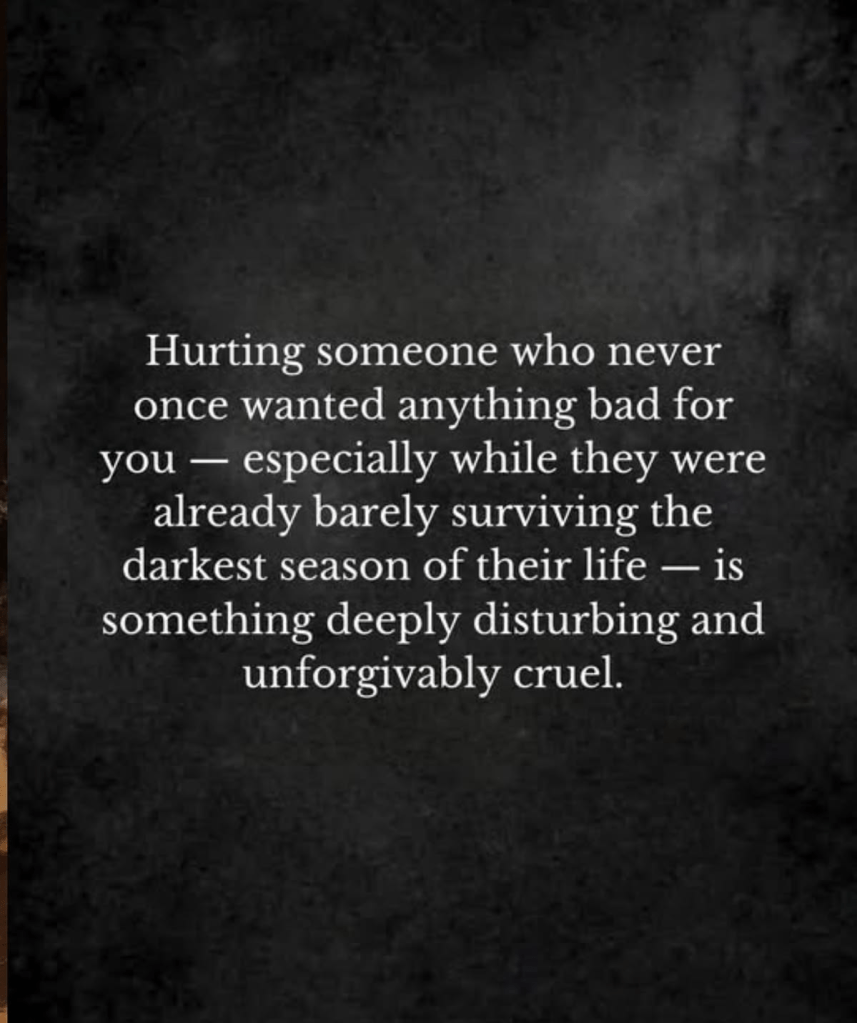
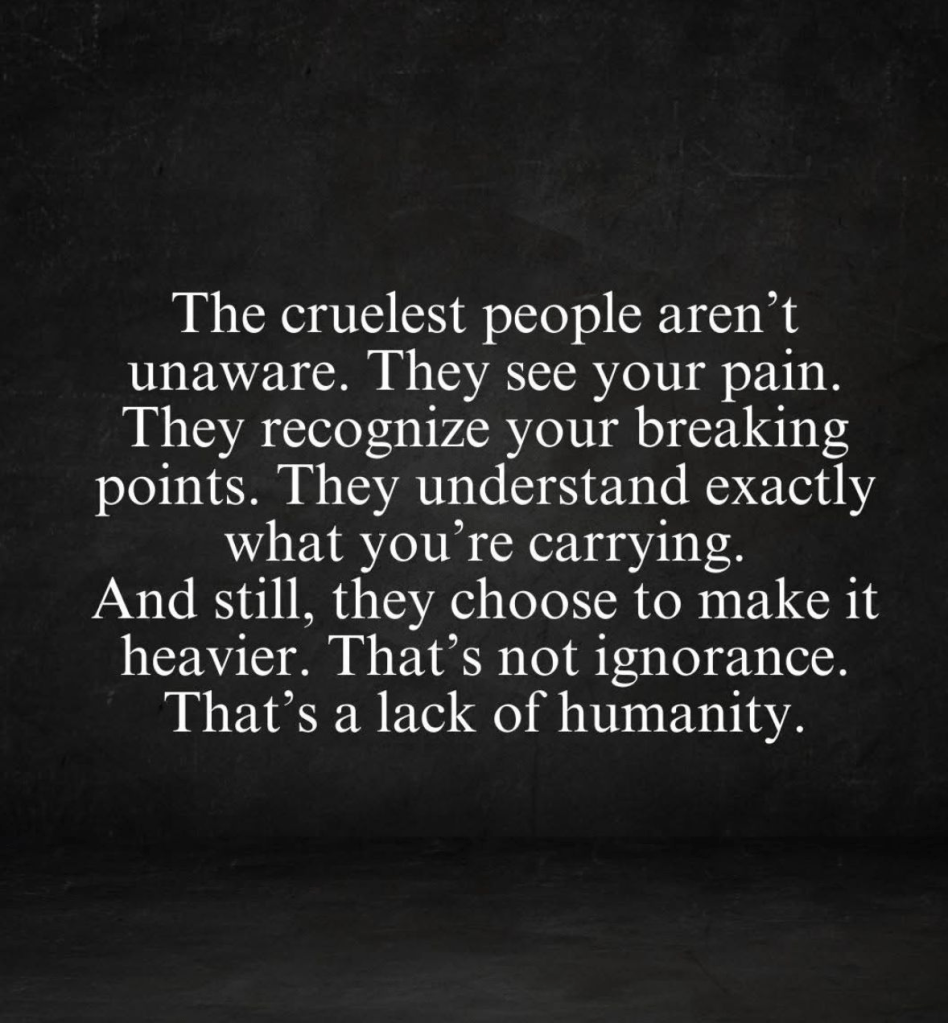
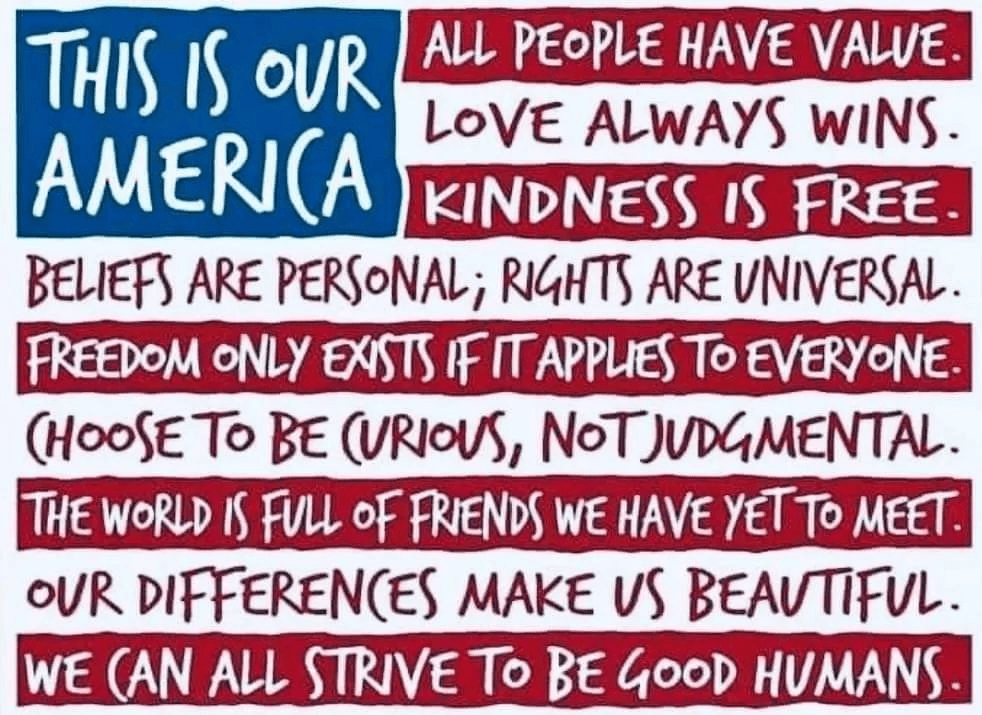
Choose Love.
-randy