Sorry I am late to posting this. Also I have been up since 12:30 am and every time I lay down due to pain and being so tired I couldn’t sleep. Welcome to steroids. Ron made a grand meal and I ate more than I have in months even on steroids. He made a perfect NY strip steak, a small baked potato drenched in melted butter, and a small salad. The steak was cooked to perfection being red inside and so well seasoned I told him he should write it down. I ate every bite of everything after offering Ron some choice bits of steak. He doesn’t eat much red meat, he has Hemochromatosis and so has to watch his iron intake, where I was told by my doctors to eat as much as I could due to anemia. Enjoy the video, I am closing down and going to bed. Ron told me he will soon be down to cuddle with me. Ya, it is not even my birthday. Hugs.
Apr 2, 2024
The Israeli government continues to escalate, including the targeting of aid workers from the World Central Kitchen as they delivered food, the targeting of a consulate, and the banning of journalists – all within a 24 hour period.
Where I lived as a kid in Vermont, the same issue was going on. The hydro dam was important and had been there a long time but, … it was blocking all the spawning fish. So they built this huge large grand viewing gallery alongside the dam so the fish could swim up past the dam and also it was built in stages for all to see. But then … in the late 1970s or so. Hugs. Scottie
Today I realized an Apple News link I had linked to had expired. I have to find a better way to do these news posts from my phone and pad. But using the title of the article I was quickly able to find a bunch of links to the story. I added them to the post and I am reposting it so anyone landing on it will be able to see the story. Hugs. Scottie
Trump and the GOP have been manipulating voters for decades. They use this through a number of fear tactics that ignite supporters’ reptilian brains and cause them to vote in irrational ways because they’ve been told Trump is their savior and the answer to the danger they’re facing.
Thank you to Ten Bears for the link. This is what the entire Israeli genocide has been about. The removing of any Palestinian people so they can have the land. If you read the article notice how the Jewish assholes say that Palestinians can come back and live there also, as complete subjective servants with no rights to do as the settlers order them to do. This has always been what this entire thing has been about. Hugs. Scottie
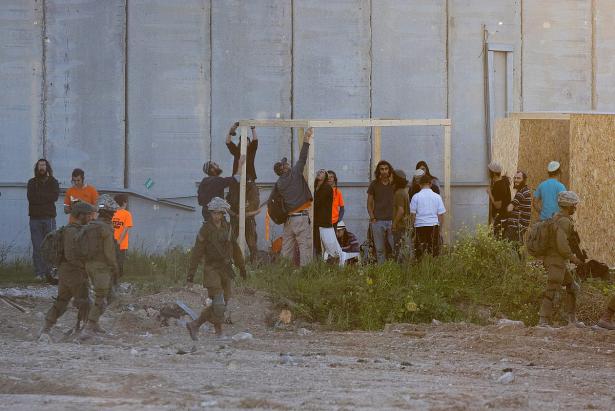
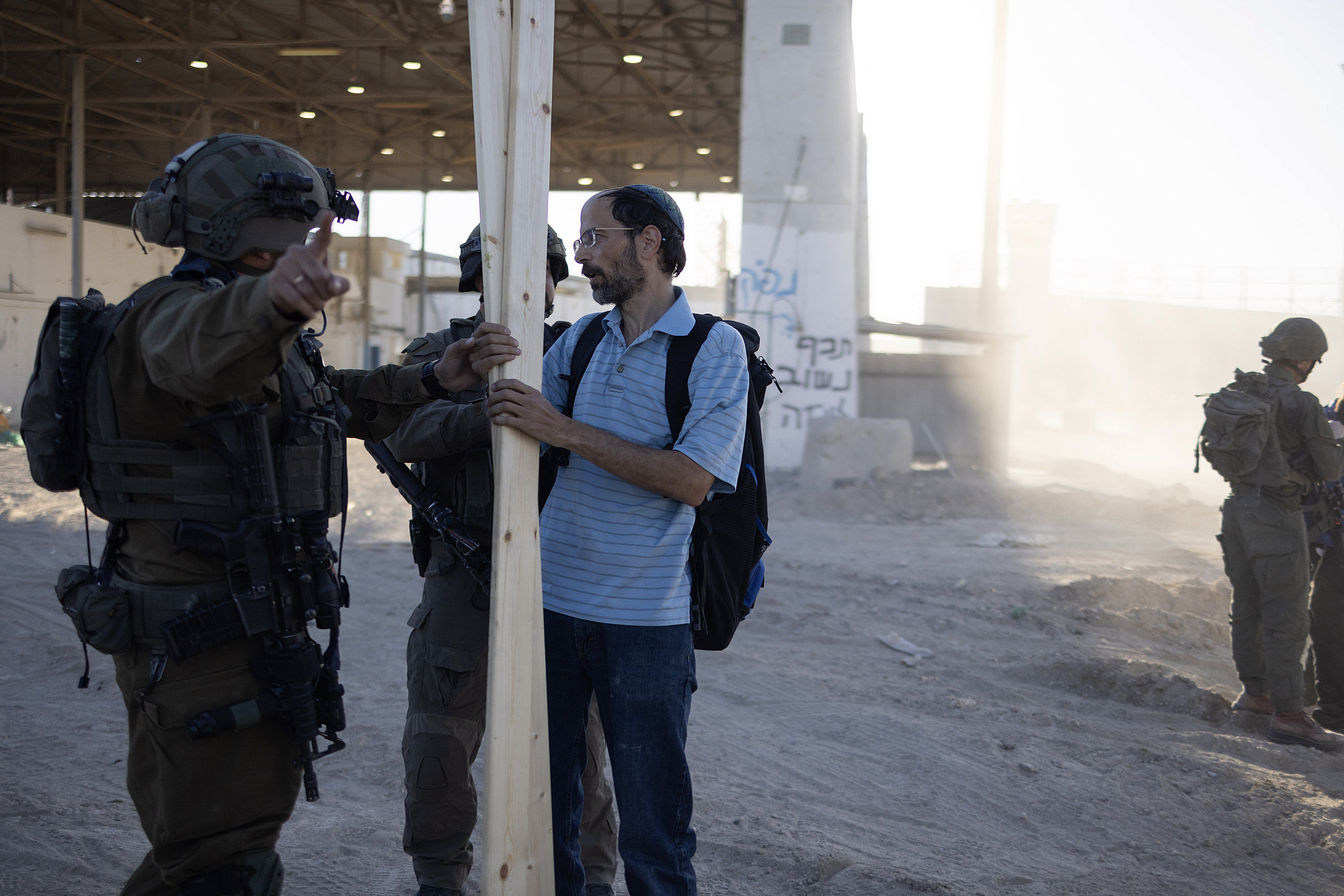
Israeli settlers and right-wing activists seen building an ‘outpost’ inside Erez Crossing, February 29, 2024, photo: Oren Ziv
Over 100 Israelis stormed Erez Crossing at the northern tip of Gaza yesterday afternoon in the most significant attempt to re-establish Jewish settlements in the Strip since the war began. A small number managed to cross several hundred meters into Gaza before being intercepted by Israeli soldiers, while around 20 others entered the area between the two walls comprising the barrier that encages the Strip. There, they established an “outpost” in the style seen commonly in the West Bank, building for several hours without the army or police interfering.
From the first moments of the war, it was clear that right-wing Israeli politicians and settler leaders sensed an opportunity to radically shift the status quo in Israel-Palestine. For months, calls to resettle Gaza — often in the same breath as calling to expel the Strip’s 2.3 million Palestinian residents — have been getting louder, not least at a major conference in Jerusalem in January at which senior officials laid out their plans. In parallel, right-wing activists — mostly youth — have been coming regularly to the Gaza fence to demonstrate against the entry of humanitarian aid into the Strip. Yesterday’s action, however, marked a new peak in their activities.
At around 2 p.m., activists began gathering at a train station in the southern Israeli city of Sderot, close to Gaza. At that initial meeting point — for what was ostensibly a “protest” honoring Harel Sharvit, a settler who was killed while serving in Gaza — the mood was calm, even sleepy. A police car drove past, unmoved by the scene. From there, the activists drove in private cars toward the Erez Checkpoint, the only civilian crossing point between Israel and the Gaza Strip, which has been defined by the Israeli army as a “closed military zone” since it was briefly taken over by Palestinians amid the Hamas-led October 7 attacks on southern Israel.
As they approached the checkpoint, the activists got out of their cars and began marching. At this point, they were met by another convoy of vehicles full of “hilltop youth” — young, violent settlers who regularly establish new outposts across the West Bank and attack Palestinians to force them off their land. At least two of them were armed with rifles of the kind used by the military, and they brought construction materials to build an outpost.
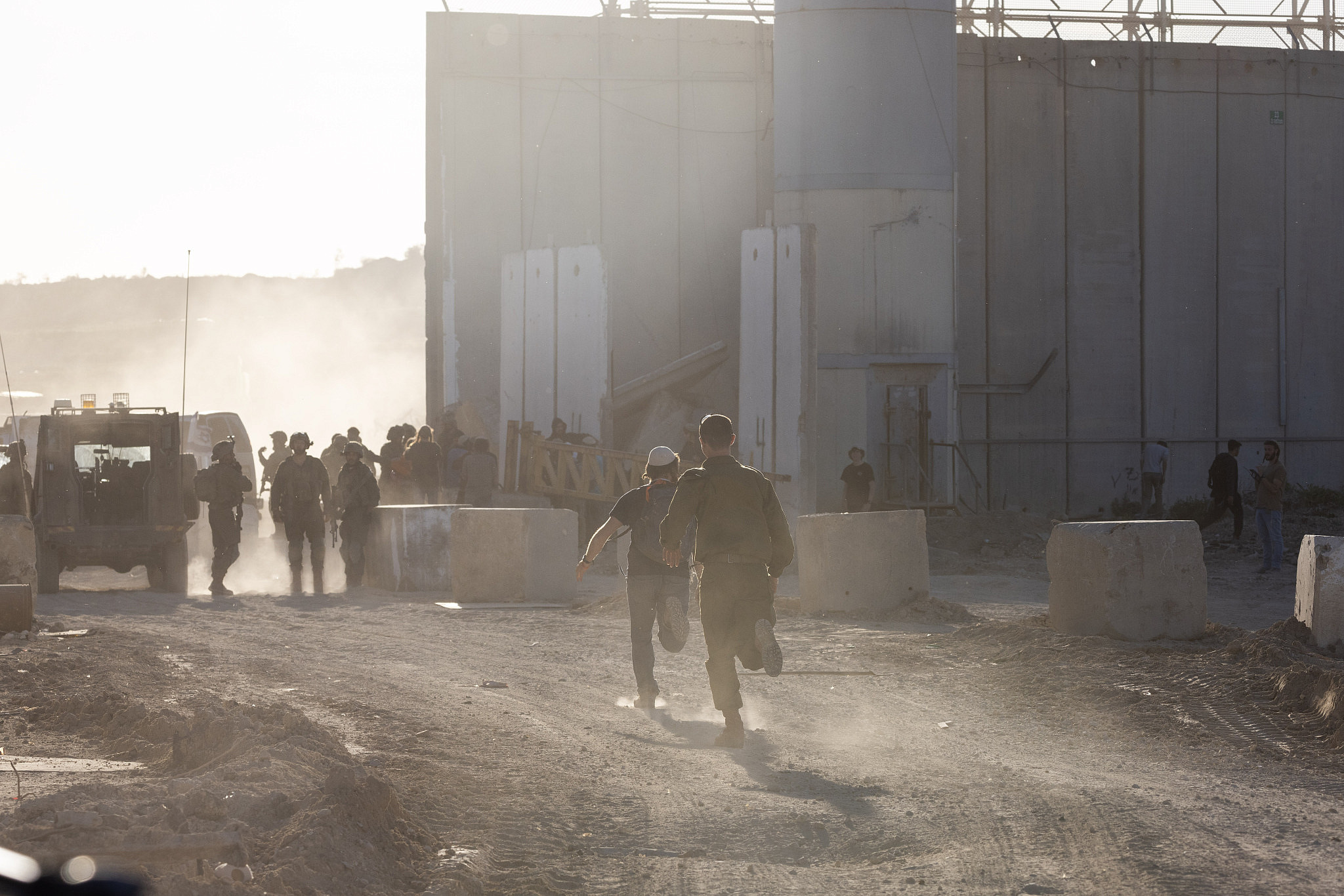
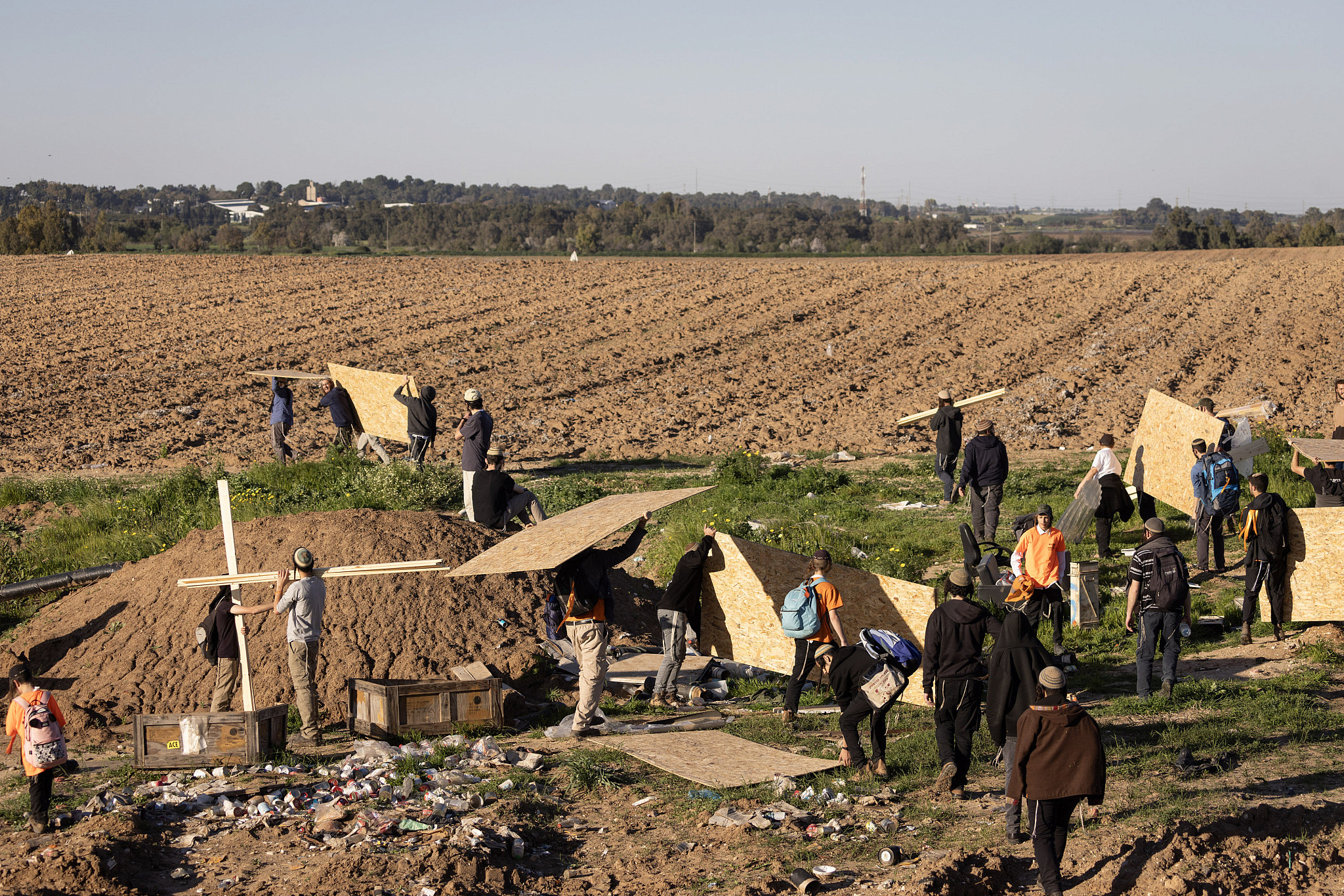
At a certain point, some of them started running toward the checkpoint and managed to cross it unhindered, with the few soldiers present unable to stop them. In the space between the two walls enclosing the Strip about 20 of them began erecting two structures using the materials they had brought: wooden planks and poles, and iron sheets for the roofs. Meanwhile, a handful of settler youth ran further inside Gaza, again unhindered by soldiers.
Israeli settlers and right-wing activists rush through Erez Crossing, February 29, 2024. (Oren Ziv)
Israeli settlers and right-wing activists rush through Erez Crossing, February 29, 2024. (Oren Ziv)
On the soldiers’ radios, the message came through that a number of people had crossed into Gaza, and military jeeps and even two tanks were sent to look for them. About half an hour later, a military jeep brought the youth back to the Israeli side of the crossing, without arresting them. They exited the jeep to applause from the other activists, joining the bigger group as they chanted, “It’s ours.”
For several hours, those who had crossed into the space between the two walls continued building the outpost — which they named New Nisanit, after one of the settlements in Gaza that was evacuated as part of the 2005 “disengagement” — without interference. As in the West Bank, the soldiers stood nearby and provided protection, rather than trying to stop them.
‘This is our country’
Amiel Pozen and David Remer, both 18, were two of the settlers who managed to cross around 500 meters into Gaza. After being picked up and dropped back at the checkpoint by the Israeli army, the pair spoke to +972.
“There was no fear of being inside [Gaza], the Holy One is with us and the IDF is here helping us,” Remer said. “We came here [because] we wanted to go home. I live in a community of deportees from Gush Katif [the Jewish settlement bloc inside Gaza that was evacuated in 2005], and we wanted to go back. After everything that happened, there’s no doubt that we have to go back.
“The feeling is very good, like coming home,” Remer continued. “It is ours. The Holy One, blessed be He, said it is ours. If we will not be there, we know what will be there.”
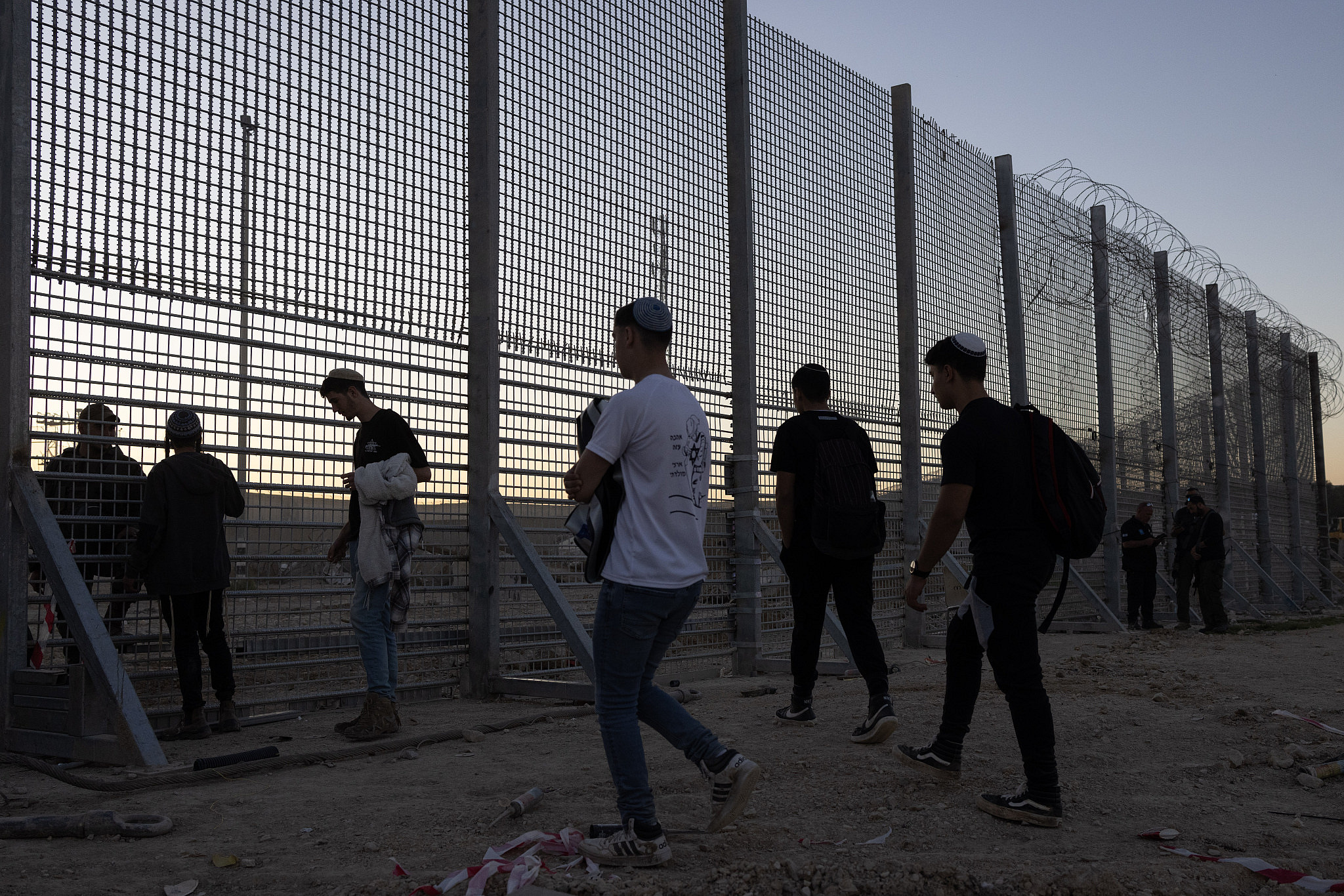
Israeli settlers and right-wing activists cross through a hole in the fence near Erez Crossing, February 29, 2024. (Oren Ziv)
Israeli settlers and right-wing activists cross through a hole in the fence near Erez Crossing, February 29, 2024. (Oren Ziv)
Pozen added: “We have come to represent the entire public, the Jewish people. We want to return to the whole Land of Israel, to all parts of our Holy Land. There are no ‘two states for two peoples’ — that’s not right. The people of Israel belong to the Land of Israel.”
Regarding the possibility of persuading the government to support resettling Gaza, Pozen said: “I would like the government to understand [what] the majority of the people already understood: We are here. It is ours. There is no political or international obstacle. We don’t need to consider anyone else. It is an internal matter. We need to go to Gaza, destroy all the terror there, and build there ourselves.”
Another of the settlers intercepted by the army after crossing further into Gaza showed his friends a photo he took on his phone of a strawberry plant in a Palestinian field, saying: “Look how beautiful the country is.”
Over the course of the evening, settler youth continued to bypass the army and run to the outpost. Many of them did so by crawling through a hole in the fence that was likely created during the events of October 7, until soldiers brought a bulldozer to close it with dirt.
Many of the youth were from the same organizations that have spent the past several weeks attempting — often successfully — to block humanitarian aid from entering Gaza. In their eyes, there is a connection between withholding aid to Palestinians and re-establishing Jewish settlements in Gaza: both are seen as a means toward achieving a decisive “victory.”
Israeli settlers and right-wing activists transport construction materials to the Erez Crossing area, February 29, 2024. (Oren Ziv)
Israeli settlers and right-wing activists transport construction materials to the Erez Crossing area, February 29, 2024. (Oren Ziv)
Mechi Fendel, a right-wing activist from Sderot, told 972: “We came here to declare that the day after this war is over, we must settle, we must spread Jewish towns all over the Gaza Strip. Because without that, it’s going to become a hornet’s nest. You can’t leave a vacuum. There’s no reason why we want that to happen again. I live one kilometer away from the Gaza Strip. I can’t have terrorists as neighbors — and they showed their true colors on October 7.”
Regarding the construction of the outpost near the fence, she explained: ”It’s a symbolic act, showing that we built two houses. They came in with these big pieces of wood and they actually built two structures here in the Gaza Strip. Of course it’s symbolic because they’re not going to stay here tonight. But the point is this is where we have to be. This is our country. We cannot let a full strip of land be unsettled.”
And what would happen to the Palestinians in Gaza if Jewish settlements were to be established? “If they’re willing to take Israeli jurisdiction, if they’re willing to have us come in and control their education system and help them financially, then let them stay if they’re peaceful,” Fendel said. “I so far haven’t found a Palestinian that’s peaceful. As I described, Palestinian workers [who worked inside Israel] for tens of years became terrorists in a second.
“I think that the government, when it sees that we are behind them, that the people want this, the government will be for it,” she continued. “Because the government also doesn’t want a hornet’s nest of terrorists cropping up. I think that if we have the people and the willingness and we show that we’re there, we’re brave, and we want to do it, the government will help us.”
‘First the soldiers stormed in, now the settlers’
The dynamics were reminiscent of typical scenes in the West Bank, with settlers being given freedom of action while the soldiers stood idly by — despite being inside a closed military zone and some of them even entering a combat zone. Some of the soldiers could be seen hugging the activists. One soldier told +972 that the soldiers support the activists and that the problem is “the media that wants action, to film soldiers beating Jews.”
Israeli settlers and right-wing activists transport construction materials to the Erez Crossing area, February 29, 2024. (Oren Ziv)
Israeli settlers and right-wing activists transport construction materials to the Erez Crossing area, February 29, 2024. (Oren Ziv)
Even though soldiers have the authority to detain Israeli citizens — and have detained journalists and other civilians who approached the fence in recent months — they invariably avoid detaining settlers who break the law in the West Bank, and this was the case yesterday too. One of the activists, who told +972 that he was an off-duty soldier and wore his military weapon over civilian clothes, said he left the area early because soldiers warned him they would “kick [him] out of the army.”
The soldiers spoke calmly with the activists, including the well-known Kahanist Baruch Marzel who arrived at a later stage. “It’s like the soldiers who stormed [into Gaza] — now they [the settler youth] are storming,” Marzel said to one of the soldiers.
Later on, when they were leaving, Marzel told +972 that the action reminded him of the “first settlement in Sebastia” — a village near Nablus in the West Bank where, some 50 years ago, a group of settlers from the Gush Emunim movement attempted to establish a Jewish settlement and defied the government’s attempts to evict them until it relented. He added that the main issue for him is not settling Gaza but deporting the Palestinians to “all the countries that support them.”
A security official present at the scene expressed to +972 his displeasure that the activists had been able to cross the checkpoint with such ease. “If they managed to enter Gaza, that means [Palestinians] can also enter in the opposite direction,” he said.
Police officers who arrived at the scene acted with the same indifference as the soldiers. They seemed to be in no hurry to intervene, and initially arrested only one protester. After sunset, around 7 p.m., some of the activists began to leave, and the rest were subsequently dispersed by police. A total of nine people were arrested and taken to a police station last night.
In response to an inquiry from +972 last night, a police spokesperson stated: “Israel Police forces were called in the afternoon to near the Erez Crossing, after protesters arrived and a handful of them crossed the fence into the Gaza Strip in violation of a general’s order. In light of the real danger to the protesters’ lives, the police forces were forced to operate within the territory of the Gaza Strip, where some of the protesters confronted them and refused to leave, which left the police no choice but to arrest nine of them for the offenses of violating a general’s order and failing [to obey] a police officer.
“The protesters were brought to the police station for questioning, at the end of which it will be decided which of them will be brought before the Court of Appeal tomorrow for a discussion of his case.” Police did not respond to another request for information today about whether those arrested were charged, but it seems they were released last night.
Oren Ziv is a photojournalist, reporter for Local Call, and a founding member of the Activestills photography collective.
About 972 Magazine: Our team has been devastated by the horrific events of this latest war. The world is reeling from Israel’s unprecedented onslaught on Gaza, inflicting mass devastation and death upon besieged Palestinians, as well as the atrocious attack and kidnappings by Hamas in Israel on October 7. Our hearts are with all the people and communities facing this violence.
We are in an extraordinarily dangerous era in Israel-Palestine. The bloodshed has reached extreme levels of brutality and threatens to engulf the entire region. Emboldened settlers in the West Bank, backed by the army, are seizing the opportunity to intensify their attacks on Palestinians. The most far-right government in Israel’s history is ramping up its policing of dissent, using the cover of war to silence Palestinian citizens and left-wing Jews who object to its policies.
This escalation has a very clear context, one that +972 has spent the past 14 years covering: Israeli society’s growing racism and militarism, entrenched occupation and apartheid, and a normalized siege on Gaza.
We are well positioned to cover this perilous moment – but we need your help to do it. This terrible period will challenge the humanity of all of those working for a better future in this land. Palestinians and Israelis are already organizing and strategizing to put up the fight of their lives.
Can we count on your support ? +972 Magazine is a leading media voice of this movement, a desperately needed platform where Palestinian and Israeli journalists, activists, and thinkers can report on and analyze what is happening, guided by humanism, equality, and justice. Join us.
Flat out, I love this show. The show runs Monday to Friday, with Emma running the show on Thursdays, which is Sam’s day off. The show is about three hours long, divided into two parts. The free half is mostly news and interviews, and the fun half is with calls and IMs. Now don’t panic, if you are poor like me you can still see the entire show. There are two ways. First if you can not afford it they give free memberships if you need one. Or do what I do. The way I do it can be a pain in the butt, but it works. Wait until the show starts on YouTube. Open the live broadcast, then in the description box they include the link to the fun half. Click that and it switches to the entire show. Now as long as you don’t close the browser you have the link to the entire show for free. You don’t have to watch it all then, like any YouTube video or live stream, you can pause it and go do things, often I will start watching it and finish in the morning, leaving the computer tab open all night. Anyway, here are the clips. I especially like the ones that showed how clearly Israel was lying and got caught, and how the republicans had to admit that they did not have anything on Biden. Plus the one of right wing media correcting tRump’s claims of winning the election was fun to watch. Hugs. Scottie
Now we move to the horrible lies Israel has told. Hugs. Scottie
I was flitting through the songs from Les Miserables on youtube. Some of my favorite songs, and I’ve always been amazed at the dramatic presentations these actors could impart. Hugh Jackman, Eddie Redmayne, Anne Hathaway have all put out such impactful songs as to bring ache to my heart, but never did I hear one that brought me tears until this one.
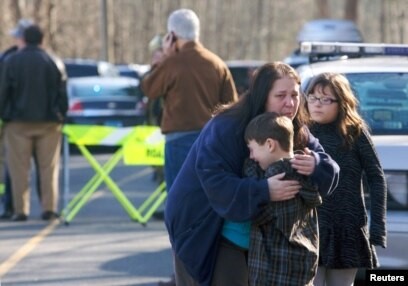
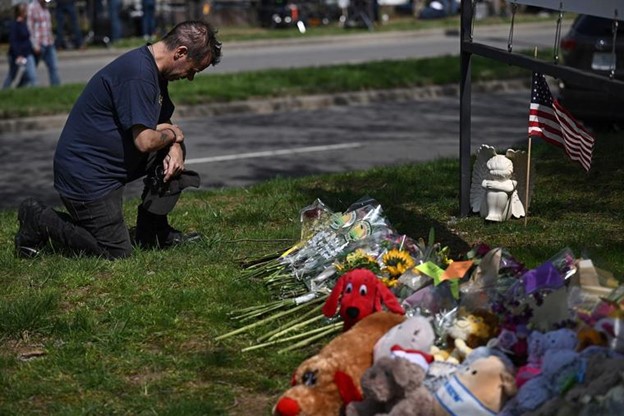
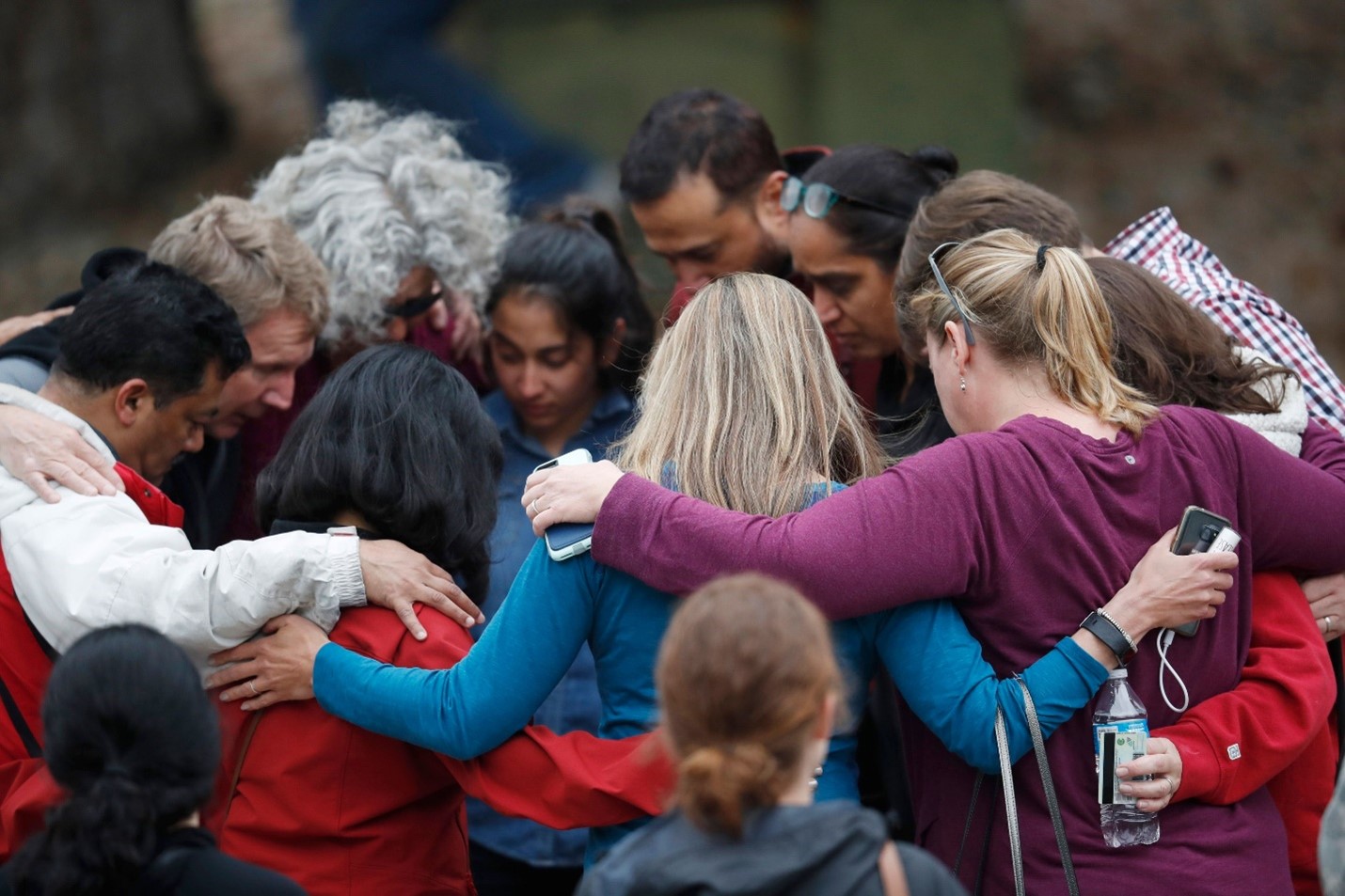
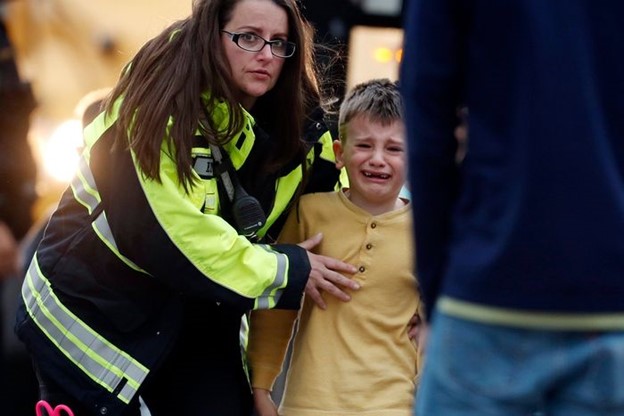
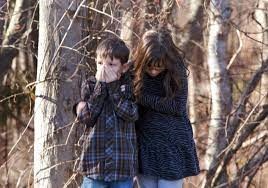
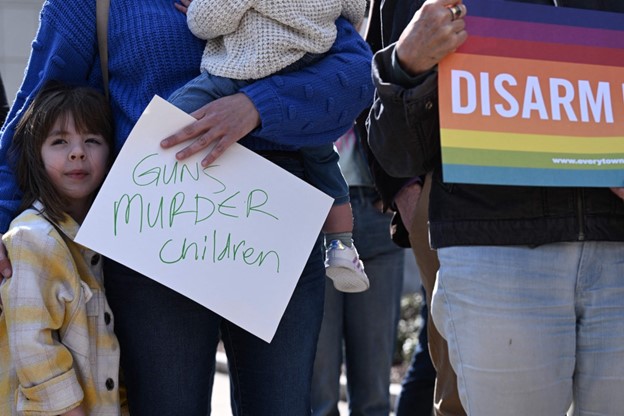
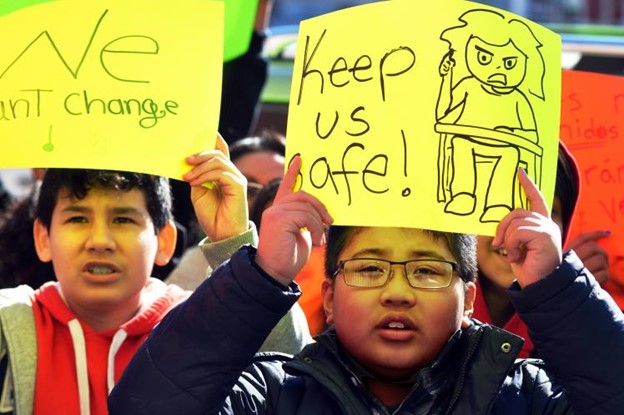
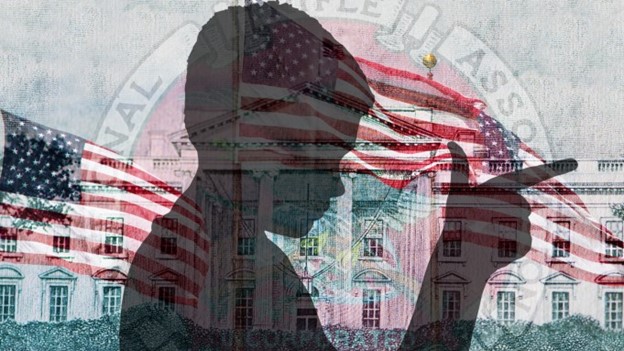
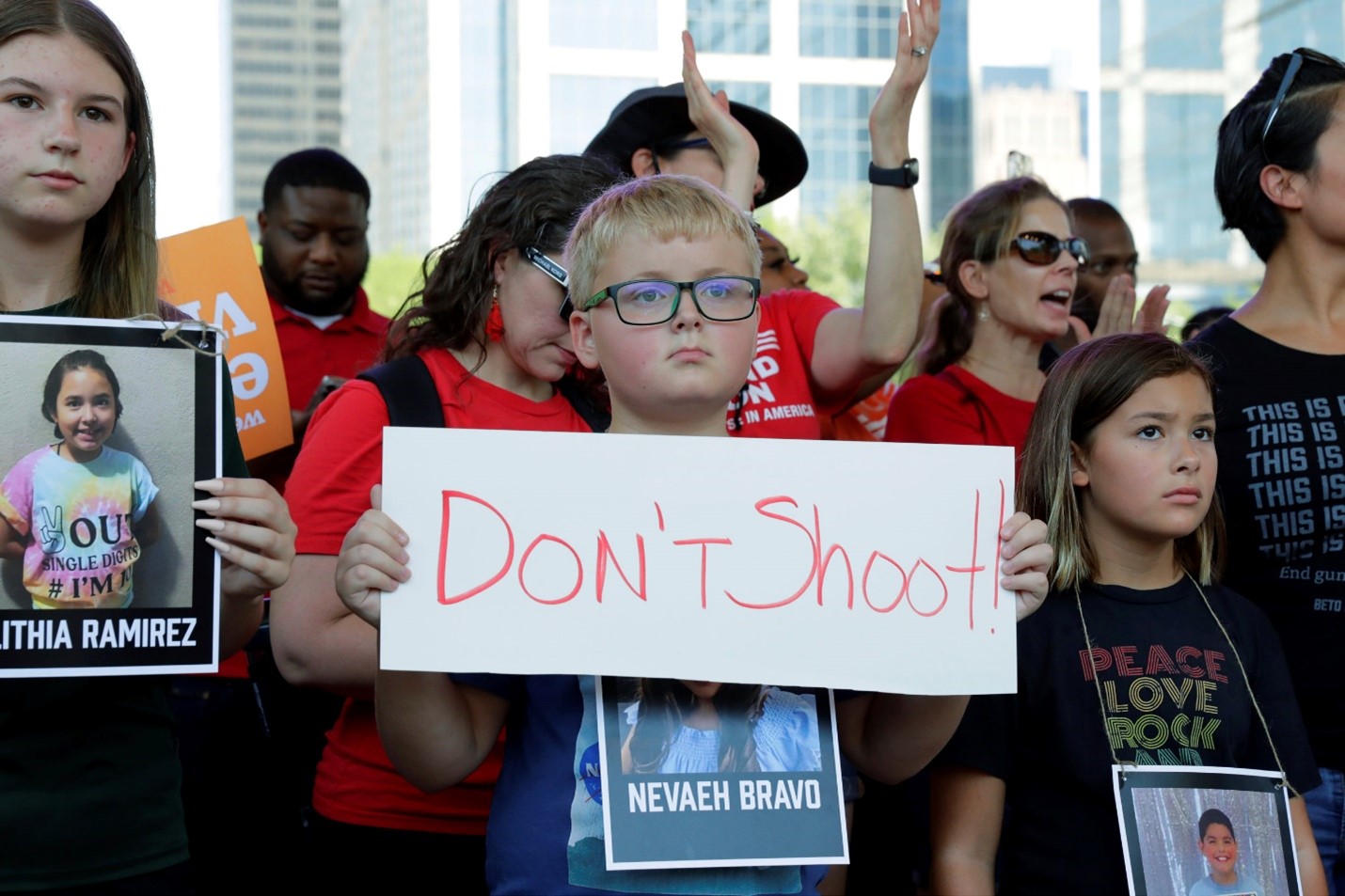
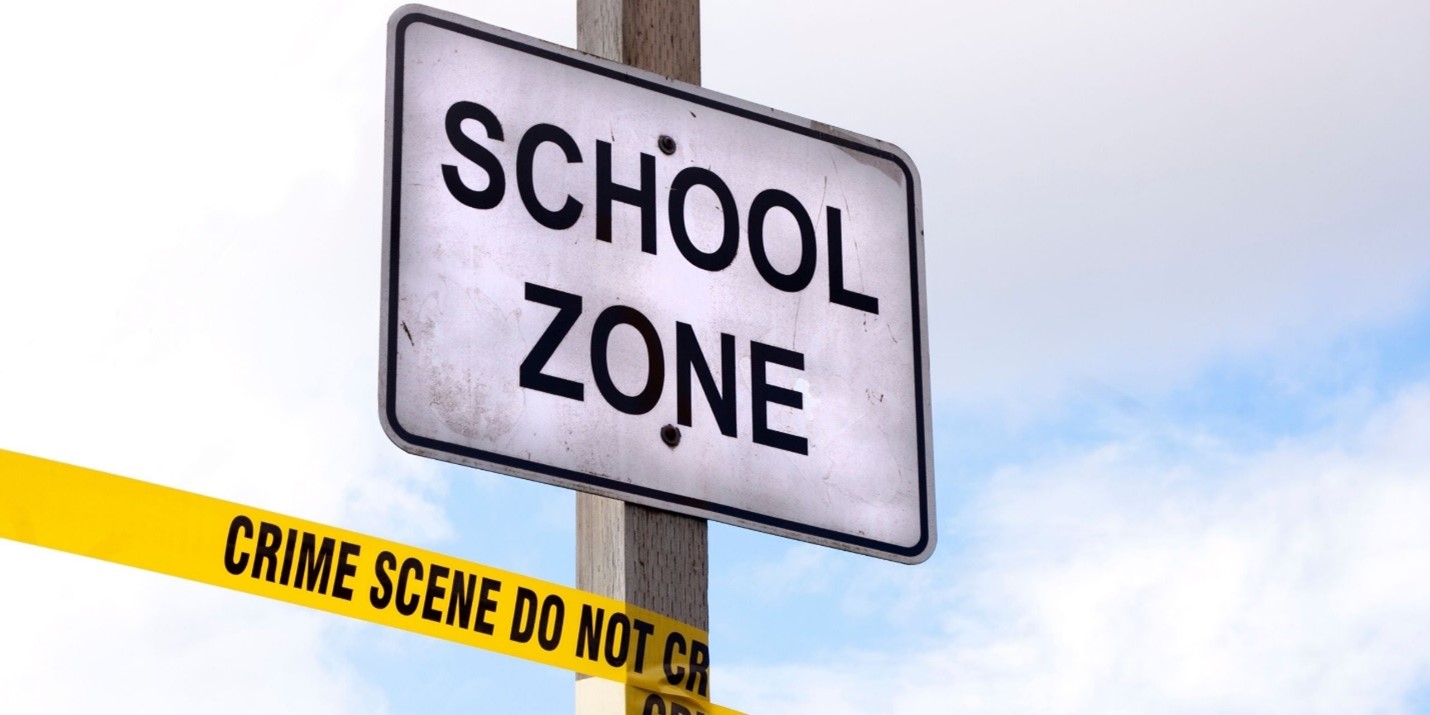
I remember when I was young I asked my grandmother how Hitler was allowed to do what he did. She was so hurt by the question. She just looked at me, ache in her eyes. “Randy, we didn’t know. We didn’t believe it could be real, we didn’t think someone could do that.” To my sorrow, I will be forced to answer similarly when someone asks me about Sandy Hook, Uvalde and oh so many more. I am going to have to look someone in the eye and tell them that somehow having the freedom to buy guns was worth more than the lives of our greatest treasures. I’ll have to tell them that I had no idea how to stop it.
When November comes, please remember the lives lost and the politicians who put guns before kids.
As you start this video, please scroll down to the pictures below.