
His plan to outflank Trump would scale up the calculated system of repression he designed in Florida.
Category: History
Newsom utterly RUINS Fox host in NEW devastating segment
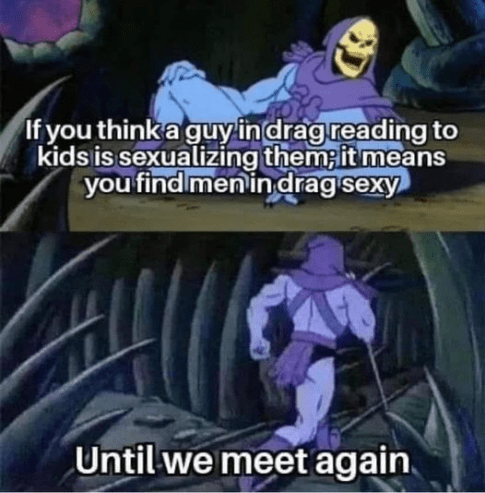
Conservative Pivot Back To Homophobia Is Completely Unsurprising
More news, memes, and comments.
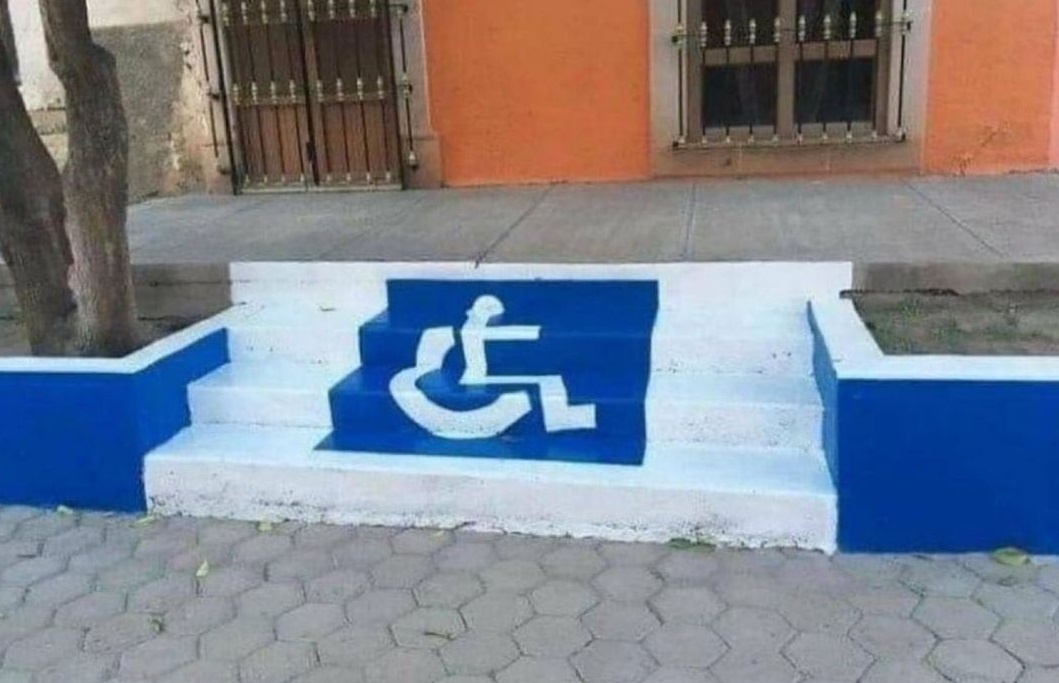
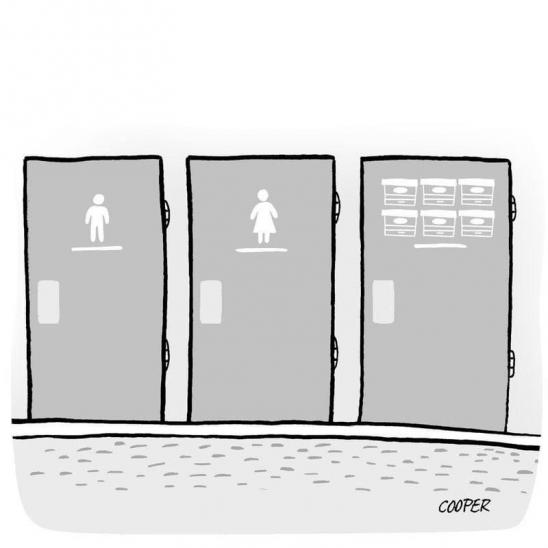
Next on the chopping block.. mandatory wheelchair ramps.
Bootsie sees “diversity inclusion” as a threat to his white heterosexual male, Christian dominance. He must have very low self esteem, a fragile sexual identity and feel inferior to race, gender, ethnic and religious identities that don’t mirror his own. Bootsie is an insecure little tyrant and I bet he’s 🤏
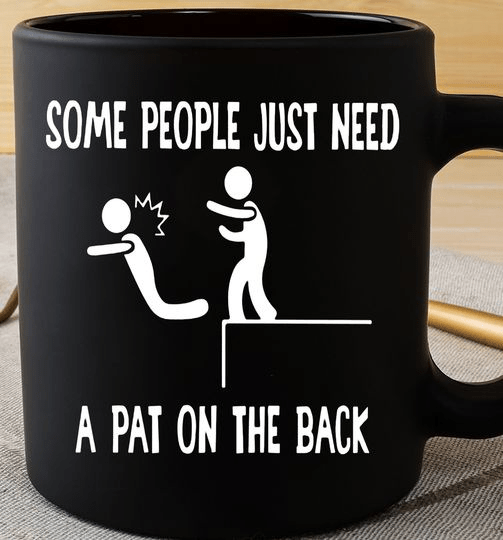
In a separate article, Florida Politics notes that DeSantis also vetoed funding for the arts and even playgrounds in blue counties. Yesterday DeSantis vetoed funding for repairs and maintenance of public broadcasting stations.
Not vetoed by DeSantis yesterday: $108 million for his new private army.
They make LGBT children’s lives miserable by indoctrinating their parents to hate them, and then when their parents throw them out of the house these monsters complain that there’s someone there to help them. It doesn’t get more evil than that.
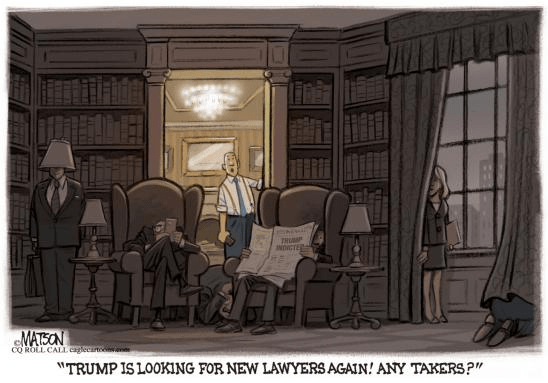
Never before has a presidential effort invested in doors in the way the DeSantis machine is doing. By Labor Day, Never Back Down aims to have about 2,600 trained canvassers in the 18 early nominating states, many with hotel rooms and rental cars, iPads and evolving scripts, not to mention a paycheck from working in a position that is now advertised on job boards as between $20 to $22 an hour.
knock-knock

“We want our army out in the field to be able to provide a concierge type of service,” the group’s chief operating officer Kristin Davison said. “There are people that don’t make it through the school. We are not going to graduate someone who is not up to the standards of what we want at the doors.”
Sounds kinda groom-y.
Just don’t try shoving an agenda down my throat.
https://www.washingtonpost.com/national-security/2023/06/18/trump-trial-classified-rules/
How government rules for classified papers could help Trump delay his trial
Graymail, ‘Goldilocks rule’ and silent witnesses could help the former president put off case until after 2024 election
The law created a series of pretrial steps that must be taken to decide exactly what classified information will be used in court, and how. Lawyers who have worked such cases view the law as a time-consuming and difficult set of procedures that can be extremely beneficial to any defendant seeking to delay a trial.
Really American
@ReallyAmerican1
OH THIS IS GOOD!! A Pennsylvania Republican lawmakers lawsuit against a local newspaper just backfired spectacularly, exposing DAMNING 2020 election emails between top state officials and the Trump administration.
State Senator Dan Laughlins defamation lawsuit against “The Erie Reader” opened him up to discovery, and ended up revealing a series of emails pertaining to Trump’s pressure campaign on Pennsylvania Republicans to illegally overthrow the election in 2020.
High level communications between far-right gubernatorial candidate Doug Mastriano, and member of Trump legal team Christina Cobb, is part of the information that’s been released. In those emails, Mastriano expressed his concern that Trump’s proposal to overturn the election was “illegal.”
The emails also detail how Trump PERSONALLY called Mastriano and pressured him to overturn the election, and even furnished false documents about Dominion Voting Systems “rigging the election against Biden” in an effort to do so.
“We’re not saying a word on this crap,” Laughlin said in an email after he got word of the plan, worried about his own parties attempt to unlawfully overturn the election. It seems like the emails implicate Trump in yet another crime. Unreal.
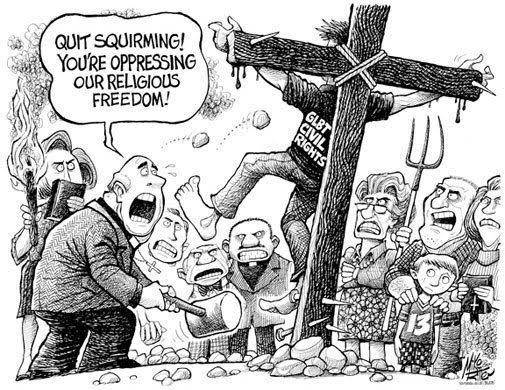

Before that, Fine appeared on JMG when he called for felony charges after Florida Democrats staged a sit-in over the racist US House map submitted by DeSantis.
And before that, he appeared here when he threatened to defund a Florida Special Olympics event and called a local school board member a “whore” because she’d been invited its fundraiser gala and he was not.
Fine was a sponsor of the bill that stripped Disney’s self-governing status. His family owns annual passes to the “woke” theme park giant.
He recently arranged for a Florida town to honor a war criminal who was convicted of executing four Iraqi prisoners. He last appeared here in April 2023, when he declared, “Damn right, we ought to erase” LGBTQs.
Fine is also a sponsor of Florida’s bill criminalizing drag shows in view of minors. Of note, his wife runs a self-described “sultry” burlesque show that would violate her husband’s law.
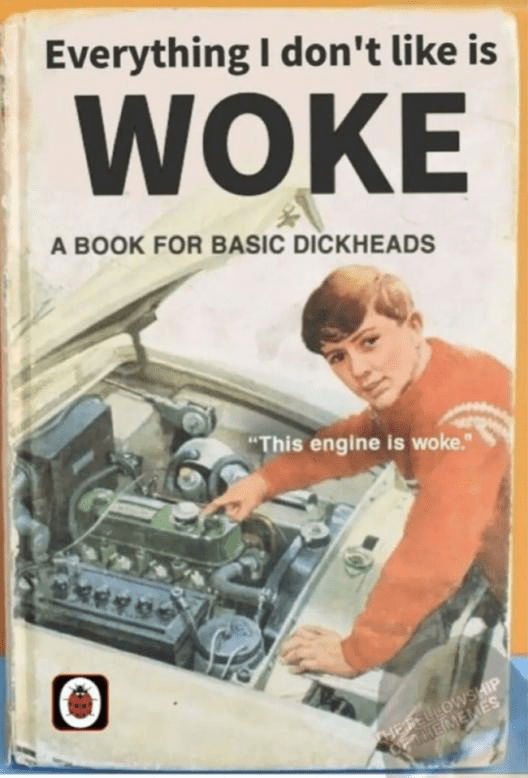
So…. The zoo goes “neutral” and that’s “woke”?
To fascists, anything that doesn’t directly support them is the enemy.
Anything that is not exuberant support of them is going woke. Expect attack if you fail their purity test.
(((GC))) – End the filibuster! Ed B2 days ago
While the haters loudly call on companies to remain “neutral” in the “culture wars” (rather than acknowledge the existence and equality of LGBTQ+ individuals, and of many kinds of healthy relationships and families).
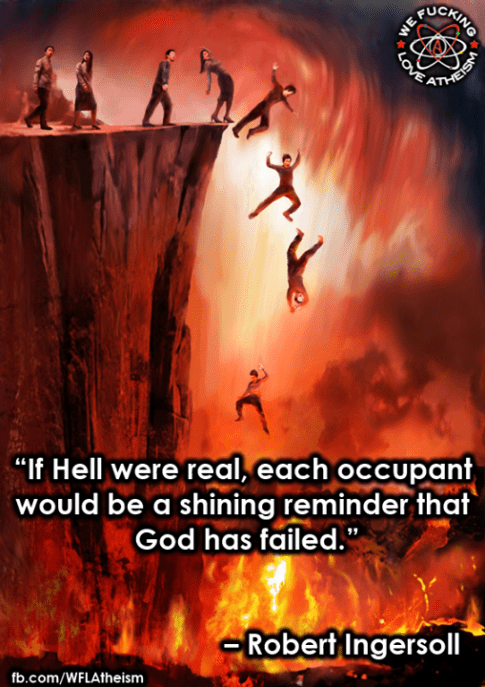
We got it, xtians. You’ve been appointed by god to judge everyone. Everyone is going to hell but you. You’ll all fly up into the sky. Now go the fuck away.
Wintercat Jamieboy Highballs2 days ago edited
One thing that Worf mentioned once, Klingons do not have gods. They did, but they were so troublesome that they killed them. Kahless is just a sort of warrior Buddha, a real person who lived with honor that they try to live up to.
I like that.
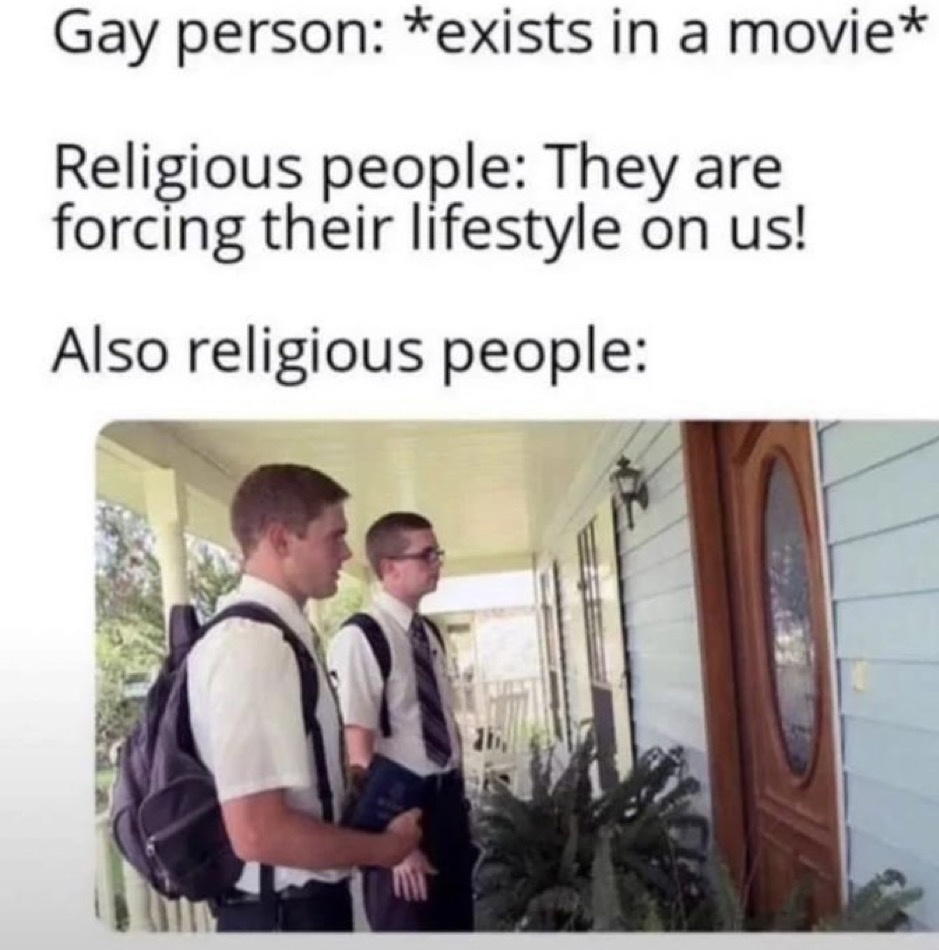
A common statement from the religious side of this issue goes something like this “stop shoving your gay agenda down our throats”. In the same breath, they go on to say, “You don’t see us shoving our religion down your throat”.
Well then…
Have you ever had a homosexual knock on your door (usually around dinner time) asking if you have found Elton John?
Have homosexuals ever passed laws that make the government print “In Homosexuality We Trust” on your money?
When was the last time homosexuals passed laws that rewrote the Pledge of Allegiance to say, “One Homosexual Nation”?
Have homosexuals erected a monument with Marc Jacobs’ top 10 fashion rules at your local courthouse?
Have any homosexual groups spent millions trying to pass laws to outlaw marriage between a woman and a man?
Have homosexual activists worked to pass laws limiting birth control, abortion, etc?
Did a homosexual ever prevent you from buying liquor or a car on Sunday?
Is there a book promoting homosexuality in almost every hotel room in the country?
Have homosexuals pushed for laws to make the missionary position illegal?
Have homosexuals tried to pass a law allowing them to legally refuse service to Christians?
Right, they have never shoved their religious agenda down our collective throats.
Do the homosexual children beat up the straight ones while the teachers pretend not to see?
EdmondWherever Doug1056 days ago
Do we idolize a book which calls for their deaths?
Have the police raided churches and arrested all of the congregants?
Within your lifetime, praying in the privacy of your home been a felony punishable by several decades in prison?
Raymond Neal Doug1055 days ago
You’re right it’s practically all they do. They’re hell bent on converting the world to their toxic religion.

The march of the rabid right terrorists continues, threatening corporations and businesses with everything up to and including potential violence unless they capitulate. Sickening.
IIRC Anheuser Busch fired some marketing executives before Targer capitulated to them. These “wins” only emboldened them more and now Starbucks.
I am going to Pride this year (I haven’t always) and will encourage everyone to get out in the damn streets. I am hearing sooooo much of this insidious “but not in front of the children” far-right /
Russian / Nazi propaganda, wnich was tired nearly 50 years ago when Anita Bryant called her organization SAVE THE CHILDREN”. In my generation the number of self-identified queer people was 2% – for Gen Z, it’s 20% – we need to be counted!
Top Secret Moron | Christopher Titus | Armageddon Update
These are some of the news and memes I have been seeing in the last few days.
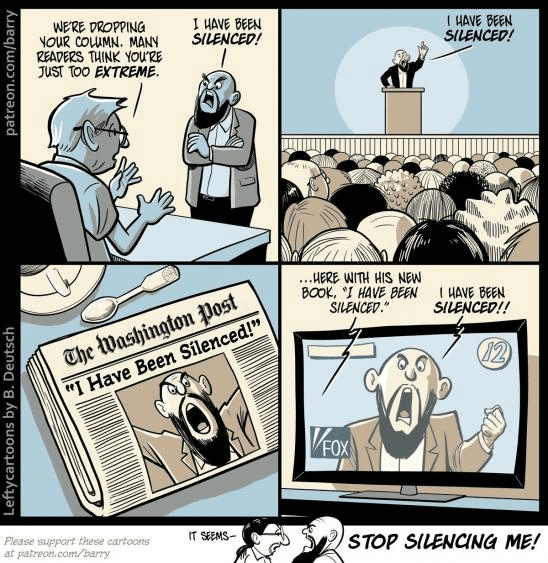
Independent journalism is a threat to Republicans and must be stopped at all costs.

Josh McKoon [photo above] first appeared on JMG in 2015 when he introduced an ultimately failed bill to legalize anti-LGBTQ discrimination by businesses and employers.
In 2016, he appeared here for his pointless bill to “protect” preachers who refuse to officiate same-sex marriages.
According to McKoon, the veto of his 2016 bill by GOP then-Gov. Nathan Deal was “slap in the face to conservatives, to evangelicals and to the broader faith community.”
‘Til Tuesday 🎧 Blue Bear DJ 🎸4 days ago
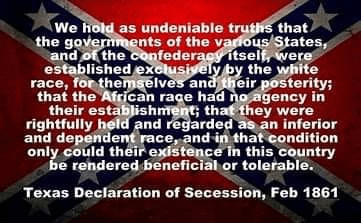
The Confederate monuments (and the flag) are kept around to keep the flame alive that the South is gonna rise up again, and next time they’re gonna win. I can’t tell you how many times I heard “The South shall rise again!” growing up. Far too many Southern whites are still bitter about losing the war and having slavery taken away from them. And the end of segregation just made them even angrier. The Union may have won the war, but far too many Southern whites remain unreconstructed in their heart and mind. They revere the monuments for what they stand for. So, I’m not one bit surprised that the Georgia GOP wants to keep those monuments in place.
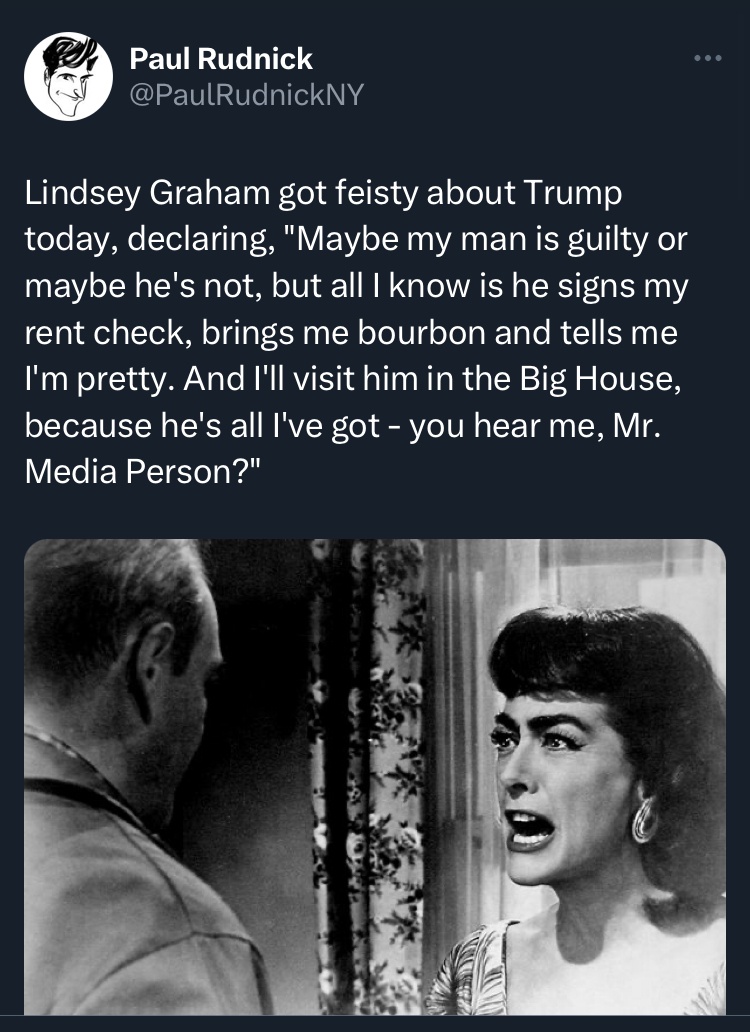
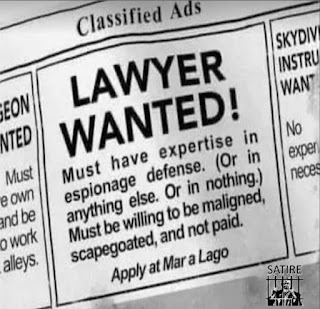
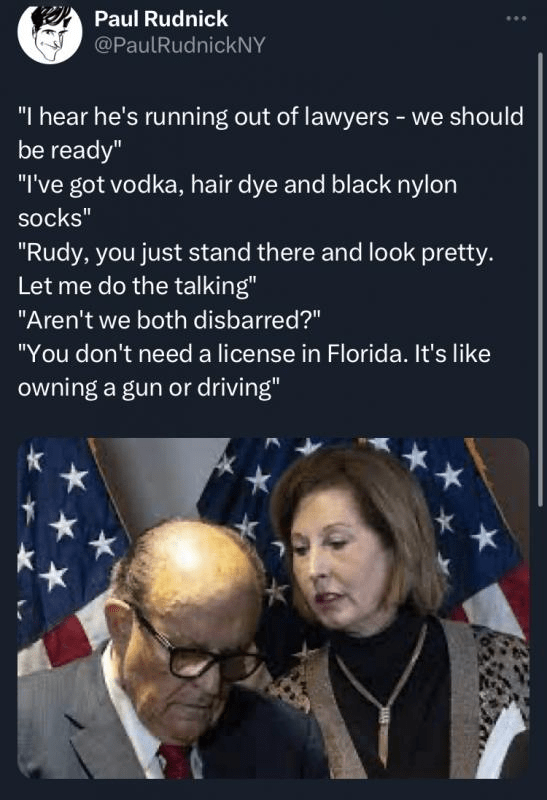
O/T: Ms Lindsey’s staunch defense and filthy boudoir mouth at yesterday’s interview explained:
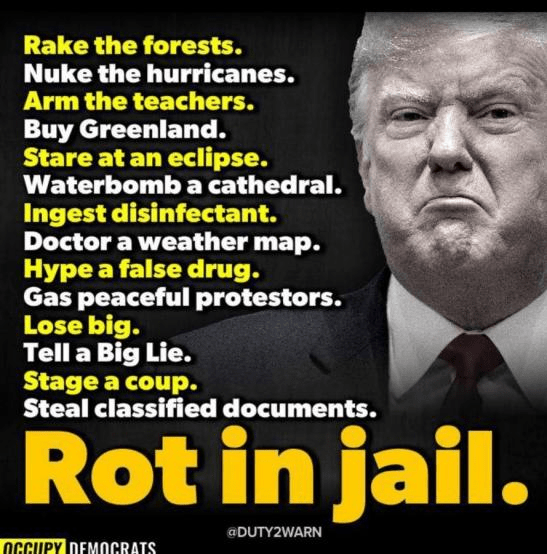
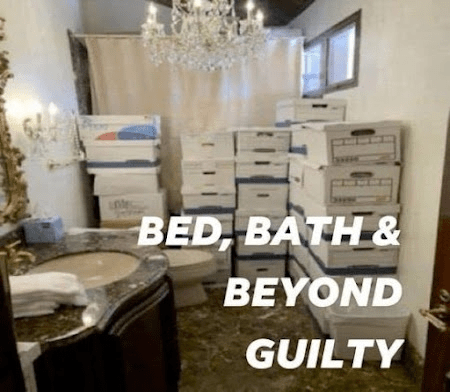
Ah, yes, good ole days.
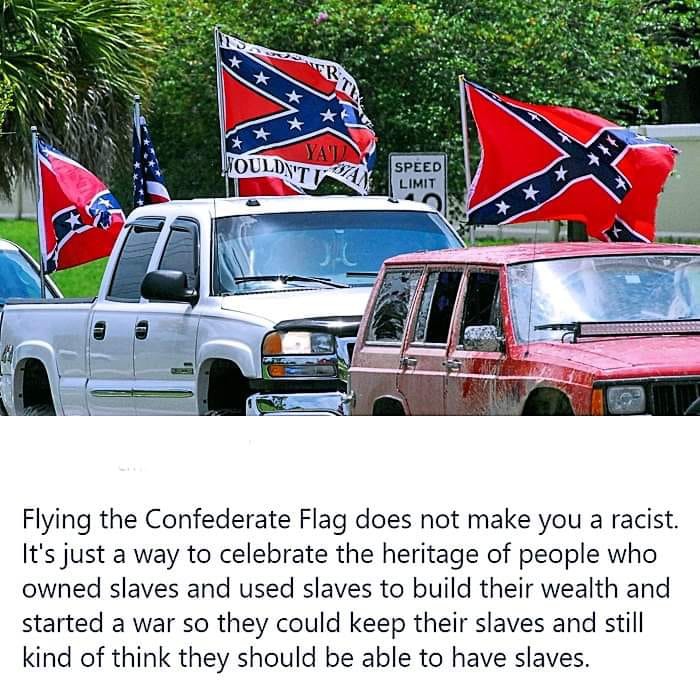
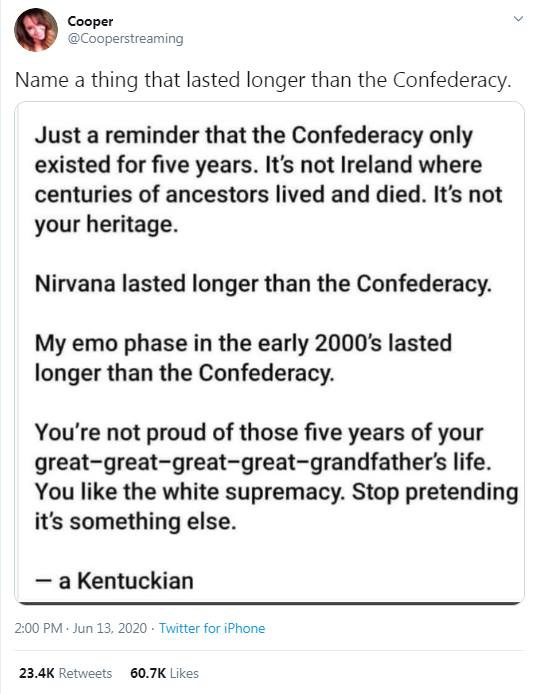
Just a reminder:
“If a man commits adultery with the wife of his neighbour, both the adulterer and the adulteress shall be put to death.” (Leviticus 20:10)
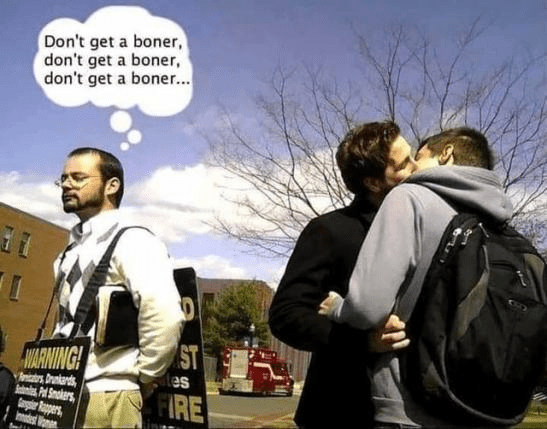
Fortunately he’s positioned the sign for concealment if needed.
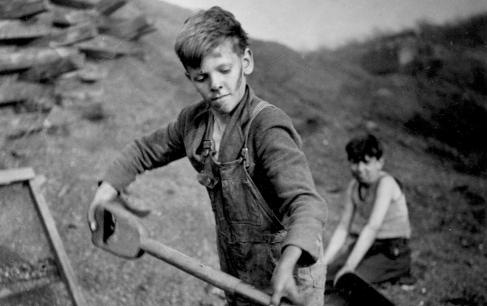
Because those poor kids cold get a job and pay for their own damn lunch!
architect_tim Unbordered Americana day ago
and pull them out of school so they are both poor and dumb …equals perfect Fox New viewers.
… well because we all know that nothing says “Loving Christian” better than “Hungry Poor Children”.
now they can live in fear of being human trafficked. By their own parents because they cannot afford to feed them.
GOP: “Why should I pay for free lunches for those rugrats? Let their whore mothers who should have kept their knees together pay for their lunches.”
Also GOP: “Anybody who even gives a pregnant 14-year-old a ride to a state that offers abortions gets the death sentence.”
It is not about abortion… or anything except policing women’s sexuality, keeping the poor poor, and maintaining the rich white cishet “Christian” men from feeling threatened in anyway.
I used to work for my State’s Free Lunch program. You wouldn’t believe the number of kids who told me that the School Lunch was the only real meal they got all day. And they feared the coming of summer because it meant the wouldn’t be getting a real meal until school started again.
You have to be really malignant to pull a meal out of a hungry kid’s mouth.

This is what Republicans want for us all. While they might mouth platitudes against violence, this is EXACTLY what they and right wing propaganda outlets stir up with their incessant, vitriolically hateful rhetoric against the LGBTQ+ communities.
Aged 21 and 23.
They must know fucking everything at that age.
They must be so bright, politically astute and have vast knowledge of international history.
Or else they are another pair of ‘fucking morons’ (thanks Rex) or Evangelicals or pro-life , again fucking morons.
Or all of the above
Anastasia Beaverhousen3 days ago
Is the Grand Wizard of Florida going to offer them a job on the fire department and give them shelter in FL?
Uncle Mark: HoHo-smoking homo Boreal3 days ago
You can fix stupid, but you should spread plastic on the floor first. 😉
Silverwynde 🌻🇺🇦🌻 Uncle Mark: HoHo-smoking homo3 days ago
Well, at least one person can fix stupid:

Uncle Mark: HoHo-smoking homo3 days ago
Grabbed his gun in his sleep and woke himself up with a gunshot wound to his leg !!
– Geez…does he sleep with his gun in bed or on a nightstand next to him?
– Already loaded?!!
– No safety on?!!
WTF?!!
A common statement from the religious side of this issue goes something like this “stop shoving your gay agenda down our throats”. In the same breath, they go on to say, “You don’t see us shoving our religion down your throat”.
Well then…
Have you ever had a homosexual knock on your door (usually around dinner time) asking if you have found Elton John?
Have homosexuals ever passed laws that make the government print “In Homosexuality We Trust” on your money?
When was the last time homosexuals passed laws that rewrote the Pledge of Allegiance to say, “One Homosexual Nation”?
Have homosexuals erected a monument with Marc Jacobs’ top 10 fashion rules at your local courthouse?
Have any homosexual groups spent millions trying to pass laws to outlaw marriage between a woman and a man?
Have homosexual activists worked to pass laws limiting birth control, abortion, etc?
Did a homosexual ever prevent you from buying liquor or a car on Sunday?
Is there a book promoting homosexuality in almost every hotel room in the country?
Have homosexuals pushed for laws to make the missionary position illegal?
Have homosexuals tried to pass a law allowing them to legally refuse service to Christians?
Right, they have never shoved their religious agenda down our collective throats.
Nic Peterson Doug1054 days ago
Do the homosexual children beat up the straight ones while the teachers pretend not to see?
#TOLERANCE:
As a liberal, I am constantly accused of being intolerant for not accepting someone’s hateful or repressive convictions.
It’s as if “tolerance” has come to mean accepting and respecting someone else’s views, regardless of what they are or who they affect.
And that’s wrong.
Tolerance: a fair, objective and permissive attitude toward those whose opinions, practices, race, religion, nationality, etc.,. Differ from one’s own;
freedom from bigotry
Being open-minded does not mean arbitrarily respecting everyone and accepting everything.
There are things that no one should tolerate, such as bigotry, suppression of liberty, denial of equal rights, and abusive restrictions.
I try to preach and practice tolerance, but I do not have to tolerate anyone’s intolerance.
There is never an excuse or justification for hatred or abuse.
The US Supreme Court just made this map illegal
This may be the start of getting our democracy back. How far will the hard right Justices be willing to go to ignore racial injustice to remain white republican power? Hugs
How the Nazi Regime’s Pink Triangle Symbol Was Repurposed for LGBTQ Pride
https://time.com/5295476/gay-pride-pink-triangle-history/
Is history repeating itself? Are the Nazi fascist rising again, using their favorite targets again? You know the gays, the non-whites, the Jewish people. Look what is it the fundamentalist Christian nationalist racist bigots want so badly? To return to a time when the white people were given automatic privilege and superiority in the country. A time socially where white men were automatically assumed to be in charge and women were subservient as well as dependent on men. When society catered to the white cis heterosexual people with no mention in public of those others. All they are doing with these ban laws is to return to those days by banning all advancement in society, in our culture. Here is the most important paragraph in the article, I think. Hugs
According to the United States Holocaust Memorial Museum (USHMM), that changed when the Nazis came into power in the 1930s. Hitler saw gay men as a threat to his campaign to purify Germany, especially because their partnerships could not bear children who would grow the Aryan race he wanted to cultivate. During that period, gay-friendly bars and clubs started being shut down, authorities burned the books at a major research institution devoted to the study of sexuality, and gay fraternal organizations were shuttered. These efforts only increased after the Night of the Long Knives, the 1934 purge of Nazi leaders who were accused of trying to overthrow Hitler; they included Storm Troopers leader Ernst Röhm, whom the SS murdered, later citing his homosexuality as justification for his murder. A Nazi revision of the 1871 law took effect in September of 1935, outlawing anything as simple as men looking at or touching one another in a sexually suggestive way, and enabled authorities to arrest people even if they had only heard rumors that people had been engaging in such behavior. (Lesbians, however, didn’t face the same criminal penalties.) The Gestapo began to keep “pink lists” of violators.
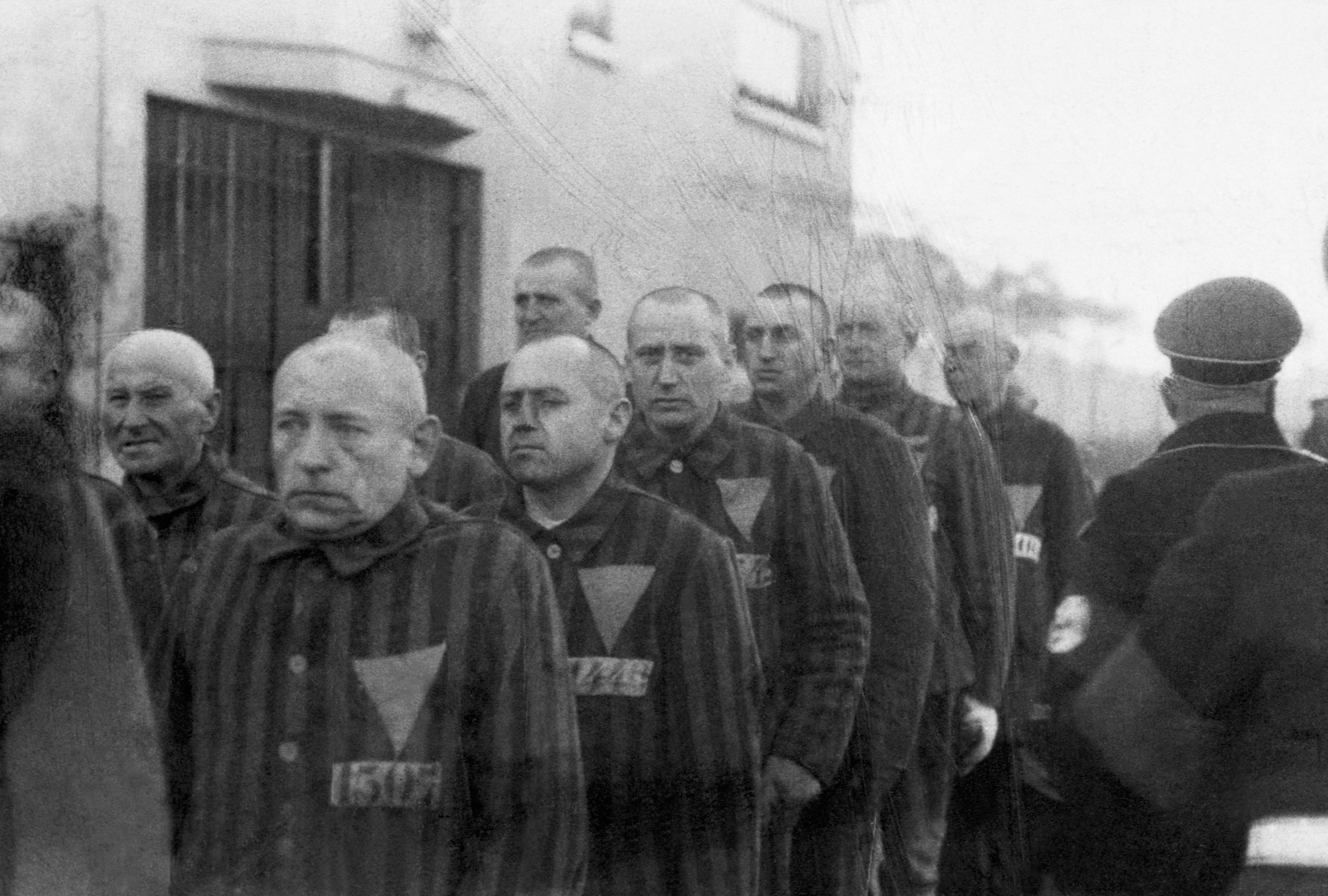
Prisoners wearing pink triangles on their uniforms are marched outdoors by Nazi guards at the Sachsenhausen concentration camp in Germany on Dec. 19, 1938.CORBIS/Corbis—Getty ImagesWith LGBTQ Pride Month beginning June 1 — a month chosen to honor the history of activism epitomized by the Stonewall Riots of June 1969 — celebrants around the world will be getting ready for parades and other tributes. Symbols such as the rainbow flag and the pink triangle will abound; for example, Nike has announced a new line of LGBTQ history-themed sneakers, including two that boast pink triangles.
The brightly colored symbol is now often worn proudly, but it was born from a dark period in LGBTQ history and world history.
Just as the Nazis forced Jewish people to wear a yellow Star of David, they forced people they labeled as gay to wear inverted pink triangles (or ‘die Rosa-Winkel’). Those thus branded were treated as “the lowest of the low in the camp hierarchy,” as one scholar put it.
The roots of the Nazi persecution of gay people are deep. Since German unification in 1871, a section of the country’s criminal law widely known as “paragraph 175” had said that men who engaged in acts of “unnatural indecency” could go to jail. In 1877, the German Supreme Court of Justice clarified that to mean evidence of an “intercourse-like act.” But the law was only enforced sporadically. And the fact that it was almost impossible to convict anyone unless he confessed to such a crime in court meant that police just kept a watchful eye on gay bars and events, and Germany ended up becoming home to a vibrant gay community. Historian Robert Beachy argues that, ironically, the law spurred scientific interest in the study of sexual preferences, and that research tended to encourage a more scientific understanding of human sexuality, which further allowed the idea of gay rights to flourish.
According to the United States Holocaust Memorial Museum (USHMM), that changed when the Nazis came into power in the 1930s. Hitler saw gay men as a threat to his campaign to purify Germany, especially because their partnerships could not bear children who would grow the Aryan race he wanted to cultivate. During that period, gay-friendly bars and clubs started being shut down, authorities burned the books at a major research institution devoted to the study of sexuality, and gay fraternal organizations were shuttered. These efforts only increased after the Night of the Long Knives, the 1934 purge of Nazi leaders who were accused of trying to overthrow Hitler; they included Storm Troopers leader Ernst Röhm, whom the SS murdered, later citing his homosexuality as justification for his murder. A Nazi revision of the 1871 law took effect in September of 1935, outlawing anything as simple as men looking at or touching one another in a sexually suggestive way, and enabled authorities to arrest people even if they had only heard rumors that people had been engaging in such behavior. (Lesbians, however, didn’t face the same criminal penalties.) The Gestapo began to keep “pink lists” of violators.
Between 1933 and 1945, by the USHMM’s count, an estimated 100,000 men were arrested for violating this law, and about half went to prison. It’s thought that somewhere between 5,000 and 15,000 men were sent to concentration camps for reasons related to sexuality, but exactly how many died in them may never be known, between the scant documentation that survived and the sense of shame that kept many survivors silent for years after their ordeal.
From the few survivors and prison guards who have shared their stories, it’s been learned that those sent to concentration camps were segregated, for fear that their sexual preference was contagious. Many were castrated. Some were used as guinea pigs in various medical experiments to find a cure for typhus fever and a cure for homosexuality, the latter of which led the SS to inject them with testosterone to see if it would make them straight. At the same time, some Kapos (prisoners selected by the SS to keep fellow prisoners in line) are said to have demanded sexual favors from prisoners, who were known as “doll boys,” in exchange for extra food or protection from hard labor.
Yet in the post-war years, fear of arrest and imprisonment didn’t go away. The Nazi law stayed in place until a 1969 West German law decriminalized gay relationships among men over 21. As one of the USHMM’s curators has pointed out, even as the Allied powers carefully worked to scrub Nazism from Germany, they left that part alone — perhaps because they had anti-gay and anti-sodomy laws of their own. Paragraph 175 wasn’t repealed until 1994.
As the gay liberation movement grew in America in the ’70s and the ’80s, so did awareness of the persecution of gays during the Holocaust, as books and data about period started being published.
Former “doll boy” Heinz Heger’s 1972 memoir The Men With The Pink Triangle described SS guards torturing prisoners by dipping their testicles in hot water and sodomizing them with broomsticks. Data on these victims started to be cited in 1977, after a statistical analysis by sociologist Rudiger Lautmann of Bremen University claimed that as many as 60% of the gay men sent concentration camps may have have died. The first reference to pink triangles in TIME also appeared that year, in a story about gay-rights activists in Miami who attached the symbols to their clothes as a show of solidarity while protesting a vote to repeal a law protecting gay people from housing discrimination. When the magazine noted that the symbol was “reminiscent” of Nazi-era yellow stars, a reader wrote in to note that they were in fact analogous, not “reminiscent,” as both the star and the triangle were real artifacts of that time. “Gay people wear the pink triangle today as a reminder of the past and a pledge that history will not repeat itself,” he added.
And while the Miami effort did not succeed, the activists did succeed in bringing national attention to the way they had reclaimed the pink triangle as a symbol of solidarity. In 1979, Martin Sherman’s play Bent, inspired by Heger’s memoir, opened on Broadway; in the play, one of the characters trades in his pink triangle for a yellow star, “which gives him preferential treatment over the homosexuals,” as TIME’s review put it. The magazine called the play “audacious theater” and a “gritty, powerful and compassionate drama.” Sherman later said that he had also based the play on research by Holocaust scholar Richard Plant, who was having trouble finding a publisher who would turn it into a book, as the topic was still considered taboo. It was later published as The Pink Triangle: The Nazi War Against Homosexuals.
By that time, the gay community was facing a very different threat: HIV and AIDS. The activists who formed the organization ACT-UP to raise awareness about this public health crisis decided to use the pink triangle as a symbol of their campaign and alluded to its history when they declared, in their manifesto, that “silence about the oppression and annihilation of gay people, then and now, must be broken as a matter of our survival.” Avram Finkelstein is credited with designing the campaign’s pink triangle — which is right-side up, instead of the Nazi-era upside-down pink triangle — after conservative pundit William F. Buckley suggested that HIV/AIDS patients get tattoos to warn partners in a 1986 New York Times op-ed. Earlier this year, Finkelstein said that the op-ed was a “galvanizing moment,” at a time when there was “public discussion of putting gay men into concentration camps to keep the epidemic from spreading.” This bolder stance required a more boldly colored triangle. He explained that the triangle in the middle of the campaign’s signature “Silence=Death” poster was fuchsia instead of pale pink, as a nod to the punk movement’s adoption of the “New Wave” color. (He said the background of the poster is black because “everyone in lower Manhattan wore black.”)
More recently, pink triangles have been visible during gay rights demonstrations worldwide that were sparked by reports that gay men were being persecuted in Chechnya. For example, outside of the Russian embassy in London on April of 2017, protesters scattered pink triangles with messages written “Stop the death camps.” Three months later, the German parliament voted unanimously to pardon gay men convicted of homosexuality during World War II, awarding €3,000 to the 5,000 men still living, and €1,500 for each year they were imprisoned. The vote came about 15 years after the issuing of an official apology and almost a decade after the unveiling of a memorial to gay Holocaust victims in Berlin. Another well-known memorial is the Pink Triangle Park in the Castro district in San Francisco, which calls itself “the first permanent, free-standing memorial in the U.S. to gay Holocaust victims.”
The last death of someone forced to wear the pink triangle during the Nazi era is believed to have come in August of 2011, with the death of Rudolf Brazda at the age of 98. The symbols of pride that will be proudly worn around the world this month are a reminder of both what he survived and the pride that came after.
College Board says it won’t alter AP courses to comply with Florida’s laws
The pushback is beginning. The public is not going to accept nor tolerate the bigotry and racism of a small minority of fundamentalist conservatives who demand that only history that shall be taught is propaganda that shows the US is the best light, shows the greatness of white people, and minimizes any injustice or harm to black people. I cannot understand how DeathSantis got as much racism and bigotry passed into law as he did. I remember a few years ago in a Texas state education board meeting, the leader of the board said basically it was much better that students learn the made up history and believe it than that they learn the true history and act on it. The LGBTQ+ community exists and always has, even before we had the words we now use to describe it. There are LGBTQ+ kids in every school, most families, and history is full of contributions from gay people that the fundamentalist Christian nationalists want never mentioned, never taught, and deleted forever. But what is worse is that these laws as written would also prevent the use of heterosexual sexual orientation and heterosexual gender roles. The laws don’t just ban gay sexual orientation or gender identity different from assigned at birth as they are written but that is how they are being used. But the bigots that wrote them just wink it away. Look to separate bathrooms for boys from girls is gender. Miss teacher or Mr teacher is gender. Mrs teacher who is married to Mr teacher is OK to show pictures and talk about family which pushes heterosexual orientation, but Mrs teacher married to Mrs teacher is totally banned. But the law is written to ban all mention of gender or orientation. That is why they are called don’t say gay bills. Hugs
The College Board released a letter Thursday putting its foot down on further demands from Florida to change any of its Advanced Placement (AP) classes, the latest development in the ongoing feud between the company and the administration of Gov. Ron DeSantis (R).
“[College Board] will not modify our courses to accommodate restrictions on teaching essential, college-level topics,” the company told the Florida Department of Education Office of Articulation.
“Doing so would break the fundamental promise of AP: colleges wouldn’t broadly accept that course for credit and that course wouldn’t prepare students for careers in the discipline,” it added.
The College Board says the Florida office recently asked it to modify any courses that conflict with the new Florida rule restricting teaching on sexual orientation and gender identity in the classroom through 12th grade.
In a May 19 letter to College Board, Florida demanded the company do an audit of its courses and relay which ones would need to be modified to comply with the new rule by June 16.
DeSantis, a 2024 presidential candidate, had said in January that the AP African American Studies course would not be allowed in his state. Although the company says changes were in the works before the governor’s comment on the class, the course was regardless amended, causing outrage from those who believe the College Board bowed to DeSantis’s demands.
“We have learned from our mistakes in the recent rollout of AP African American Studies and know that we must be clear from the outset where we stand,” the College Board said.
Although Florida did not directly mention the AP Psychology course, that is the one the company focused on in its rebuttal Thursday.
It noted the American Psychological Association says college-level courses need to have a foundation on topics such as sexual orientation and gender identity.
“We don’t know if the state of Florida will ban this course. To AP teachers in Florida, we are heartbroken by the possibility of Florida students being denied the opportunity to participate in this or any AP course. To AP teachers everywhere, please know we will not modify any of the 40 AP courses—from art to history to science—in response to regulations that would censor college-level standards for credit, placement, and career readiness,” the College Board said.
The Hill has reached out to the Florida Department of Education for a response.

