The United States has more money held by private citizens than any other country in the world. According to the Federal Reserve, U.S. households hold a total of $160.35 trillion, which is the value of each person’s assets minus their liabilities. However, many Americans are perplexed by the fact that, in a country with such wealth, so many people still struggle to make ends meet.
Although Americans hold the largest amount of privately held wealth in the world, many of us still struggle with financial stress. A recent report found that 68% don’t have enough money to retire, 56% are struggling to keep up with the cost of living, and 45% are worried about their debt levels. A significant reason is that a small number of people hold a large portion of the privately held wealth in the U.S..
Nearly two-thirds of America’s private wealth is held by the top 10% of people, leaving the remaining one-third to be divided among 90% of the population. (snip)
With so many people struggling in America, while a few at the top are unbelievably wealthy, what would happen if the money were magically divided evenly among the 340 million people who live in the United States? If everyone received a truly equal share of the American pie, every person would receive approximately $471,465. That’s $942,930 per couple and $1.89 million for those with two kids. (snip)
However, such a drastic redistribution of wealth would be cataclysmic for the economy, as people would have to liquidate their investments to give their assets to others. The sudden increase in wealth for many, without a corresponding increase in goods and services, would lead to incredibly high inflation. The dramatic reconfiguring of the economy would also disincentivize some from working and others from innovating. Some posit that if everyone were equal, in just a few months, those with wealth-generating skills would immediately begin rising to the top again, while others would fall behind. (snip)
Although it seems that a massive redistribution of wealth isn’t in the cards for many reasons, we do have some evidence from recent history on how programs that give people money can help lift them out of poverty. Government stimulus programs during the COVID-19 pandemic brought the U.S. poverty level to a record low of 7.8% in 2021. Child poverty was also helped by the American Rescue Plan’s Child Tax credit expansion, which drove child poverty to an all-time low of 5.2%. It’s also worth noting that the trillions in government stimulus had a downside, as it was partially responsible for a historic rise in inflation. (Note from A.: The hyperlink takes you to CNBC, which hastens to report this: “But the widespread rise in prices was mostly “a supply-side phenomenon” caused by the Covid-19 pandemic itself, Yellen told CNBC in an exit interview.”) (snip-a little MORE)
I just ran across this in my SBTB email. It belongs here. Doesn’t look like it embedded (it didn’t on SBTB, either,) so click through on “View this post…” and make sure the sound is on. A very worthy click.
CINCINNATI — The Ohio Lesbian Archives in Cincinnati’s Over-the-Rhine neighborhood started with a friendship.
Phebe Beiser said that when she and co-founder Victoria “Vic” Ramstetter met in the 1970s, they bonded over being “hidden, secret, teenage lesbians,” growing up in what was then a conservative city and region where there were few gay role models. For a time in their 20s, they shared group houses in Clifton, where they now joke that they “survived the lesbian commune together.” They were young and idealistic. They wanted to “turn being an activist lesbian into something fun and interesting, and maybe help change the world.” Beiser, now in her mid 70s, told The 19th that they had a mantra: “We never wanted to be invisible again.”
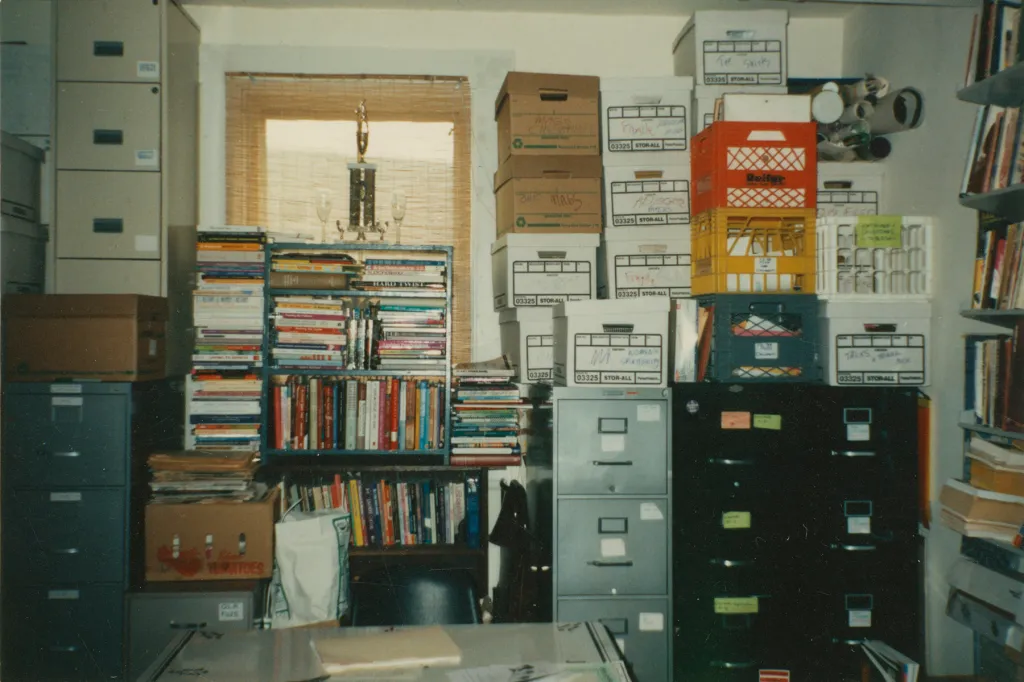
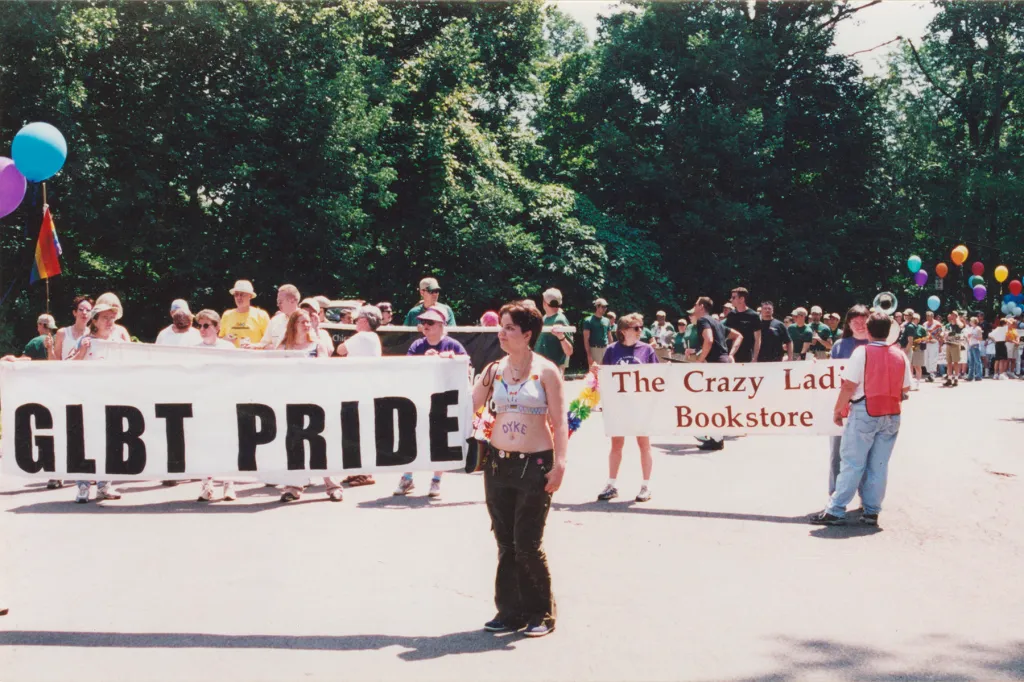
When the Crazy Ladies Bookstore, named for the women who history brushed off as “crazy,” opened in Northside in 1979, it became the center of gravity in the Cincinnati lesbian community of which Beiser and Ramstetter were a part. Women bought homes in the neighborhood, gathering at the feminist bookstore for coffee, tea and conversation about being women, and about being gay. In 1989, the Archives opened on an upper floor.
It seemed that the visibility of the Crazy Ladies Bookstore and the Ohio Lesbian Archives — and of the women who made them happen — would be cemented in history in 2023, when the Ohio History Connection, the state’s nonprofit historical society, “embarked on a three-year project to diversify Ohio’s historical markers to include ten new stories of LGBTQ+ Ohioans” via its Gay Ohio History Initiative, or GOHI. At the time, there were roughly 1,800 historical markers in Ohio’s program, but only two commemorated places, events or people from the state’s queer history. A third, recognizing Summit Station, a lesbian bar in Columbus that operated from 1970 to 2008, was dedicated during Pride Month that year. The Archives and bookstore were selected for joint recognition.
That long-overdue acknowledgement has been derailed by the Trump administration’s sweeping war on DEI, which extends beyond diversity, equity and inclusion programs to seemingly include anything that acknowledges the country’s diversity of experience. But the archives — and the volunteers who sustain it — are undeterred, carrying on as the queer community has throughout history, documenting their existence.
We never wanted to be invisible again.” Phebe Beiser
The Ohio Lesbian Archives first began in 1989 in a small room on the third floor above the Crazy Ladies Bookstore in Cincinnati, Ohio. (Cincinnati & Hamilton County Public Library)
The Marking Diverse Ohio program was financed by a $250,000 grant from the Institute of Museum and Library Services, an independent agency created by a Republican-led Congress in 1996 that is the main source of federal funding for libraries and museums. Beiser and Branstetter were interviewed for an oral history. Ohio History Connection researchers visited the Archives to peruse the collection. A location was secured in a city park near where the since-shuttered Crazy Ladies Bookstore once was. By early this year, preparations to forever commemorate the Archives and bookstore with a plaque were all but complete. Its installation was expected in June, Pride Month.
Then, in late March, President Donald Trump issued an executive order regarding “The Continuing Reduction of the Federal Bureaucracy,” singling out seven agencies for elimination — including the Institute of Museum and Library Services, or IMLS. Nearly all of its employees were put on leave and their emails were disconnected. Days later, his administration’s Department of Government Efficiency, or DOGE, canceled $25 million worth of already-awarded IMLS grants, including the $250,000 for Ohio History Connection’s Marking Diverse Ohio program. The federal agency’s seemingly final Instagram post stated: “The era of using your taxpayer dollars to fund DEI grants is OVER.” The last photo listed erecting “LGBTQIA+ historical markers across Ohio” among the alleged government excesses that would be cut.
Svetlana Harlan, a former project coordinator for Marking Diverse Ohio, recalled that when she looked at the list, and saw the program with other projects she admired, “it almost seemed like a positive thing, I was like, ‘Oh yeah, these are nice initiatives!’”
“And it turns out that [DOGE] was just taking over the account. So then I was like, ‘Oh, they’re cutting those. Oh, our name is on the list,’” she said.
DOGE’s cancellation of the $250,000 IMLS grant to Ohio History Connection threw into question the future of the markers that were supposed to ensure that Ohio’s public displays of its history include LGBTQ+ people. Along with the Ohio Lesbian Archives and the Crazy Ladies Bookstore, there were markers in the works for an LGBTQ+ district in Akron; the first professor of gay and lesbian studies at Kent State University; 19th-century sculptor Edmonia “Wildfire” Lewis; LGBTQ+ journalism in Ohio; Toledo’s first LGBTQ+ member of city council; a Columbus hospice care center for HIV and AIDs patients; an open lesbian pastor in Athens; the screen-printing company Nightsweats and T-Cells in Lakewood; and the Rubi Girls, a Dayton-area drag group that has raised more than $3 million for HIV/AIDs and LGBTQ+ causes since the 1980s.
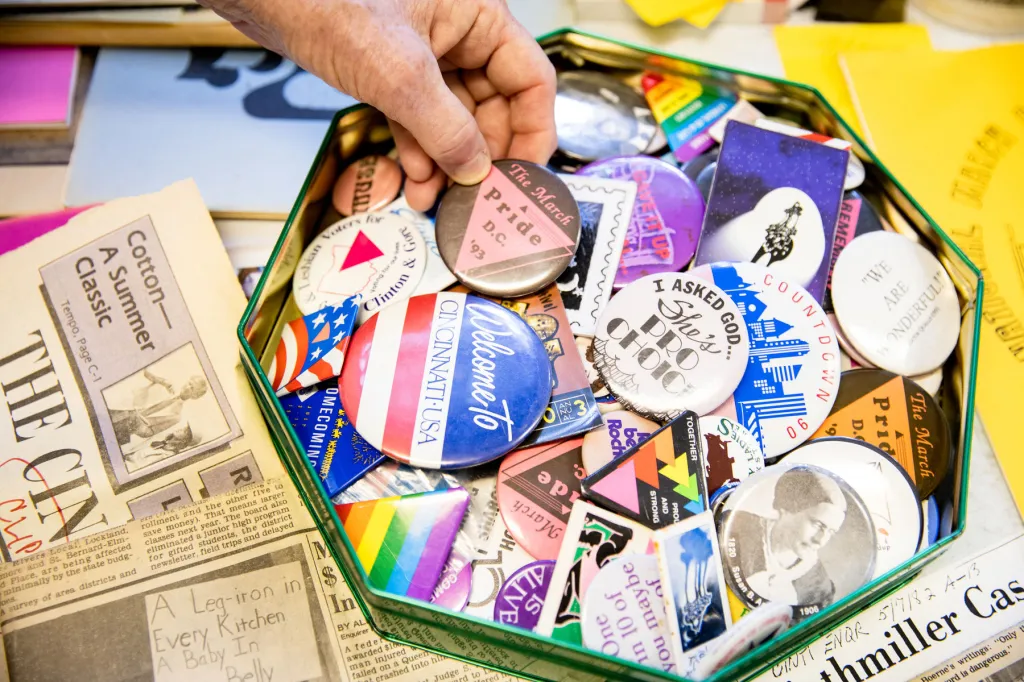
Ephemera collected at the Ohio Lesbian Archives include buttons from past Pride marches, political campaigns and other symbols of lesbian life. (Courtesy Ohio Lesbian Archives)
Preservation on hold
Marking Diverse Ohio and other programs recognizing specific communities weren’t the only programs impacted in the state when DOGE cut IMLS grants and the federal agency essentially shuttered. And, given that more than $250 million is granted annually to libraries and museums nationally, the economic chaos at the country’s museums, libraries and historical institutions wasn’t confined to Ohio.
In Ohio, other entities that received recent IMLS funding include the Frank Lloyd Wright-designed Westcott House in Springfield, for post-pandemic, on-site programming; the Cincinnati Zoo for a big cat breeding program; Dayton Metro Library programs that helped low-income Ohioans secure Internet access; and Cincinnati’s Contemporary Arts Center, which lost $175,000 slated for programming aimed at the 3,000 or more teens it serves each year.
Institutions in Pennsylvania warned the economic upheaval could scuttle the digitization of The Rosenbach museum’s collection of rare books and manuscripts; the Woodmere Art Museum was mid renovation on a building to house its collection and expected to be reimbursed. In Wisconsin, small-town libraries said without the $3 million from the IMLS they’d received the year before they would have to reduce staff and therefore services. The American Library Association, or ALA, and the American Federation of State, County and Municipal Employees, or AFSCME, the labor union representing government workers, sued the Trump administration. ALA President Cindy Hohl said at the time that, “Libraries play an important role in our democracy, from preserving history to … offering access to a variety of perspectives.” AFSCME President Lee Saunders added: “Libraries and museums contain our collective history and knowledge.”
Earlier this month, a federal judge ruled that the Trump administration could continue dismantling the Institute of Museum and Library Services as the case continues.
For now, Ohioans who want LGBTQ+ history represented among the 1,800 markers in the state will not get the federal funding that was granted and must search for alternative resources in their communities. A couple of the markers look poised to move forward with outside funding from community foundations and other organizations. Others, like the Ohio Lesbian Archives and the Crazy Ladies Bookstore, are still waiting. The remaining cost to install the marker would likely be $3,000-$5,000.
When The 19th reached out to Ohio History Connection to ask if any alternative funding sources were being explored to install the Archives’ marker, spokesperson Neil Thompson said that he was “not able to provide any additional information for an Ohio Historical Marker application that is not in the public domain” and that it is only considered in the public domain once “the markers are finalized, cast and ready to be installed and dedicated.”
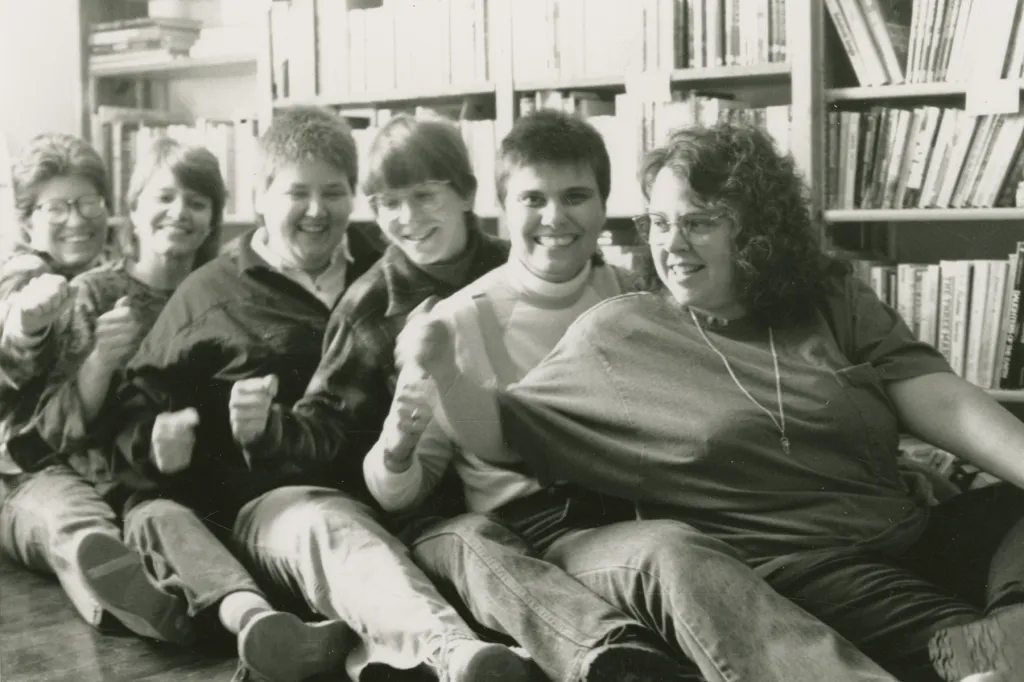
Phebe Beiser (far left), who co-founded the Ohio Lesbian Archives with her longtime friend Victoria ‘Vic’ Ramstetter, with Janice Uhlman, Elizabeth Van Dyke, Cathy McEneny, Morgan Kronenberger, and Ruth Rowan (left to right) at the Ohio Lesbian Archives in 1989. (Cincinnati & Hamilton County Public Library)
‘A reflection of themselves’
The Ohio Lesbian Archives has always been a DIY endeavor, powered by a group of passionate volunteers. When the Crazy Ladies Bookstore’s founder, Carolyn Dellenbach, moved out of the area, she handed it over to its patrons to be run as a feminist collective. A lesbian newsletter called Dinah operated out of the upper floor — they referred to the National Organization for Women’s Task Force on Sexuality and Lesbianism, established in 1973, as FOSAL, or fossil, and Dinah was a play on dinosaur. Beiser laughed explaining the name: It was the 1970s; maybe there were drugs involved. For a time she wrote for Dinah and loved interviewing famous arrivals from the “women’s music circuit” when they came to town.
At some point, the women working shifts at the bookstore, writing for Dinah and organizing talks and other events related to feminist and lesbian issues, realized that the community they had built, and the ephemera they were collecting and creating, were an important part of history — theirs, lesbians,’ Ohioans,’ and women’s.
“We held on to them because we knew they could not be replaced,” Beiser said of the collection. “It’s proof of our existence … so we held on to these things to never be invisible again.”
We held on to them because we knew they could not be replaced. It’s proof of our existence.” Phebe Beiser
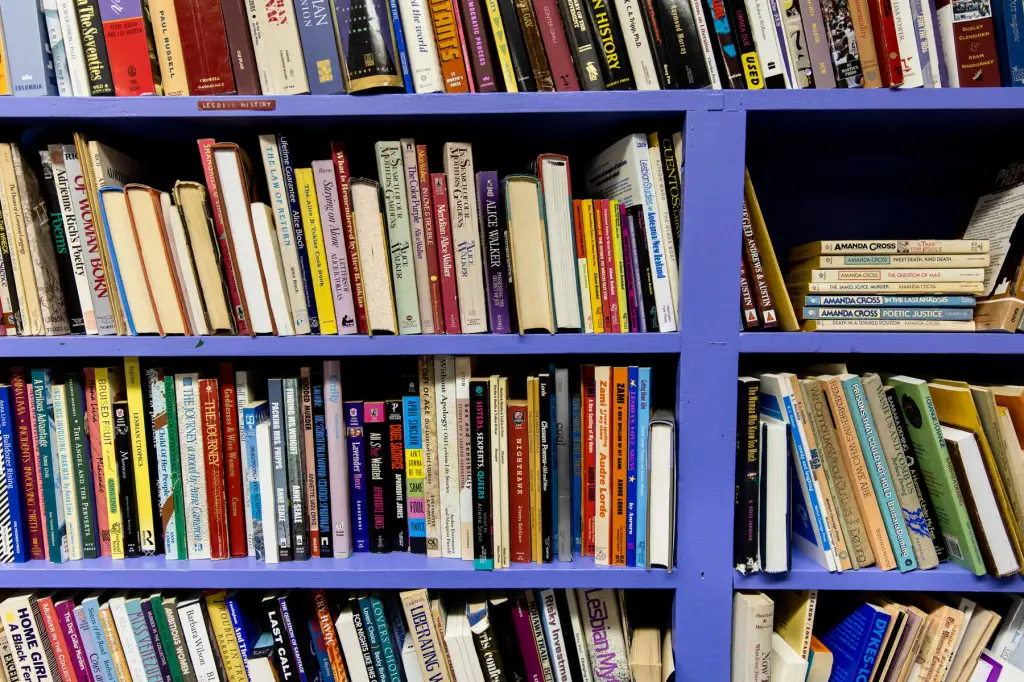
Books on lesbian history line the shelves of the Ohio Lesbian Archives. (Courtesy Ohio Lesbian Archives)
In a 1991 issue of Dinah, letters to the editor included one from “Ma” who updated the “wimmin” in the community — they often spelled variations of their gender in ways that did not include “man” — that she was homesteading outside the city with her partner and building a log cabin. Another was from a woman who said she was “shocked” to find out that her being fired for being a lesbian was not a violation of civil rights laws and she was disappointed that the LGBTQ+ community did not come out to support her recent picket, writing: “I hope that in my lifetime I will see the gay and lesbian community get off their asses and together start fighting for their rights.”
Across from the metal filing cabinet at the Archives that houses the Dinah issues, a modern-looking poster from before the Supreme Court decided Bostock v. Clayton County in 2020, which extended employment protections to LGBTQ+ Americans, reminded Ohioans that it was still legal for them to be fired for their sexual orientation or gender identity. Today, Trump’s Equal Employment Opportunity Commission is aiming to curtail those hard-won workplace protections established by Bostock.
Lüdi Rich, a 27-year-old librarian, was working a recent Sunday afternoon at the Archives’ twice-weekly open hours, organizing books and research materials while the space was open to members of the community to drop in.
When Rich moved to Cincinnati nearly two years ago, she didn’t know anyone in the area, so she looked online for queer spaces so she could start building her community. When she attended a panel on local queer history, one of the speakers was Beiser, a longtime librarian herself in the country’s second-largest public library system.
Beiser mentioned at the panel that the Ohio Lesbian Archives would be having an open house that night at its new location next to Over-the-Rhine’s Washington Square Park, where Beiser was among those who met to march in Cincinnati’s first Pride Parade in April 1973. Rich asked Beiser how she could volunteer.
A couple months later, Rich showed up for her first shift, “And I’ve been here working ever since,” she said.
Nancy Yerian, the 34-year-old president of the Archives’ board, said that when she graduated from college in Massachusetts, she didn’t know if she could return to Cincinnati, where she grew up — until she discovered the Archives. “I thought that to live the kind of life I wanted to lead, I had to get out of what I thought was a very conservative place,” said Yerian, who has been volunteering at the Archives in some capacity since shortly after she finished school.
“Finding the Archives and the people I’ve met through the organization and the community we’re creating, as well as the history we’re preserving — it gave me a lot of hope that I could create a life for myself here,” she added.
It really is just us, preserving our history.”Lüdi Rich
The Crazy Ladies Bookstore marched in a Cincinnati, Ohio Pride parade. (Cincinnati & Hamilton County Public Library)
The Archives’ volunteers have helped digitize old photos, some of which are now in a collection at the Cincinnati Public Library. They organize the books, arranged by first names instead of last, since so many women, especially in those early years, published works after taking on their husbands’ surnames. There are filing folders of Dinah newsletters. A cabinet holds multiple VHS and DVD copies of the early aughts television drama “The L Word.” A collection of buttons includes those from past Pride marches; supporting Hillary Clinton’s presidential campaigns; and one with “REMEMBER” and an inverted pink triangle, the Nazi symbol that Adolf Hitler used to identify gay and trans people. There is also one with the logo of the Crazy Ladies Bookstore, the silhouette of a woman reading while reclined in a chair, a cat by her side.
“Many people who are coming to the archives are looking for a reflection of themselves and in many ways that’s why Vic and Phebe started it. It shows models of ways to be in the world and a feeling of not being alone and not being the first queer person or lesbian,” Yerian said.
The Ohio Lesbian Archives, marker or not, is and will keep doing what it always has: making sure that lesbian Americans are visible in the country’s historical record.
“It really is just us, preserving our history,” Rich said.
Feeling overwhelmed by the news? The 19th is considering new ways to keep you informed. But we need your input! Fill out this quick survey to share your thoughts.
In the mid-1800s, Ida Lewis’s daring sea rescues became a media sensation, leading to hundreds of telegrams, gifts, and marriage proposals. All Ida wanted to do was tend to her lighthouse.
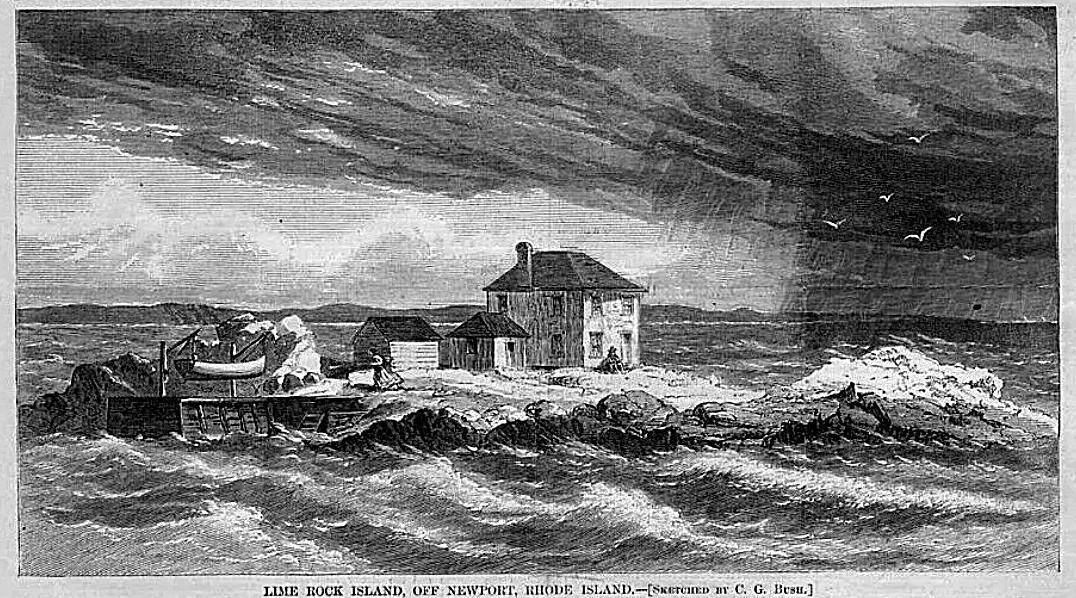
The events that led to Ida Lewis being called “The Bravest Woman in America” began on the blustery night of March 29, 1869, on Lime Rock Island, after her mother Zoradia spotted two men clinging to an overturned boat in the churning waves and screaming for help. “Ida, O my god! Ida, run quick! A boat has capsized, and men are drowning. Run quick, Ida!” she yelled to her daughter.
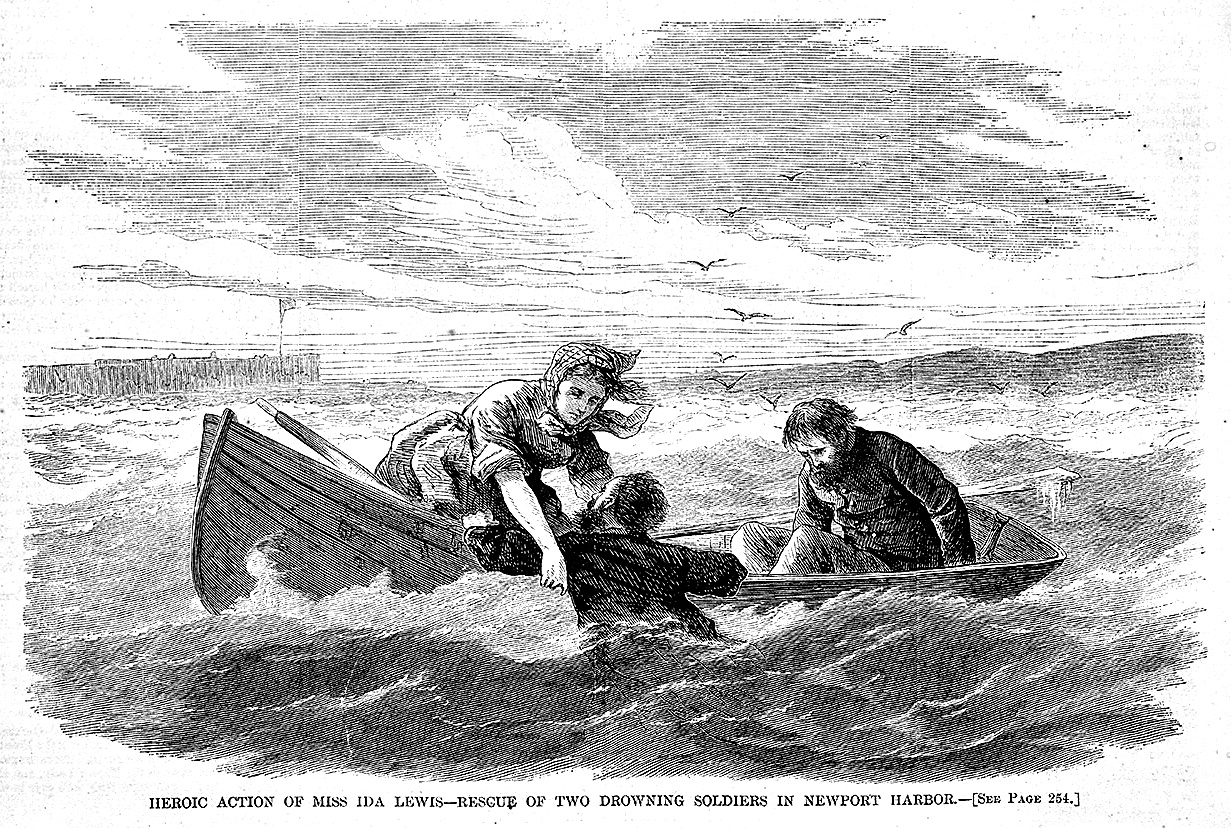
Ida and her younger brother Hosea immediately ran out of the house and jumped into a small skiff. Taking the icy oars, she rowed against a high wind to rescue the drowning men. Despite the freezing, wintery weather, she and Hosea lifted the choking men into the skiff, rowed them back to shore, and brought them into their home. The men were soldiers from nearby Fort Adams. As told in Lighthouse Keeper’s Daughter, Sergeant James Adams was barely able to “totter up to the house” and Private John McLoughlin was unconscious, but once revived and fed both recovered. Later, Sergent Adams told Ida’s other brother, Rudolph, “When I saw the boat approaching and a woman rowing, I thought She’s only a woman and she will never reach us. But I soon changed my mind.”
Illustration of Ida Lewis rescuing Sergeant James Adams and Private John McLoughlin, from the April 17, 1869, issue of Harper’s Weekly (Mariner’s Museum)
That was not the first time Ida had saved lives. By then she had already rescued three schoolboys and two other groups of men from drowning; during one rescue, Ida had saved four men whose boat had capsized in Newport Harbor. She was only twelve.
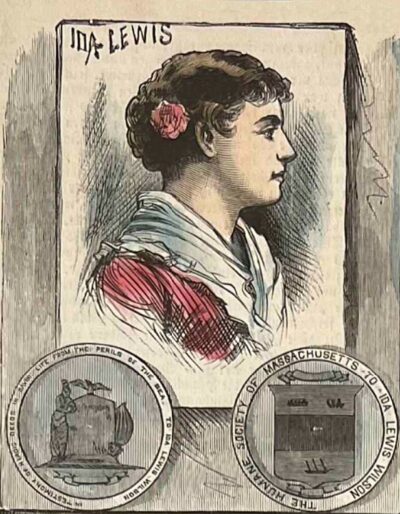
The New York Tribune’s story on Ida Lewis from their April 12, 1869 issue (Library of Congress)Illustration of Ida Lewis from Frank Leslie’s Illustrated, November 1881 (Newport Historical Society)
But her rescue of 1869 was so improbable that reporters flocked to Newport to interview her. On April 12, the New York Tribunecarried Ida’s story, followed by articles in Harper’s Weekly and Frank Leslie’s Illustrated Newspaper, which printed an etching of Ida’s pleasant face, strong features and wide-set hazel eyes. Adding to the story’s sensationalism was her weight of 103 pounds. Readers were riveted and soon besieged Ida with hundreds of telegrams, phone calls, gifts, and marriage proposals.
Shy and modest, Ida recoiled from the attention. When asked what motivated the rescue, she explained it as a moral obligation. “If there were some people out there who needed help, I would get into my boat and go to them even if I knew I couldn’t get back. Wouldn’t you?”
Readers were so overwhelmed by her courage that they collected funds to honor her. On July 4, 1869, in a public ceremony in Boston, they paraded a magnificent rescue boat through the streets, which was then presented to Ida. Among the audience were politicians and military leaders like Ulysses S. Grant, General Tecumseh Sherman, and Admiral George Dewey along with many wealthy Gilded Age summer residents of Newport who were then building estates along the shore. To the audience’s disappointment, she refused to address the crowd, leading prominent abolitionist Colonel Thomas Wentworth Higginson to explain, “Miss Lewis desires me to say that she has never made a speech in her life and…doesn’t expect to begin now.”
Later that summer, women’s rights leaders Susan B. Anthony and Elizabeth Cady Stanton visited Newport and met Ida, whom they cited as a “young heroine” and an example of women’s unsung abilities.
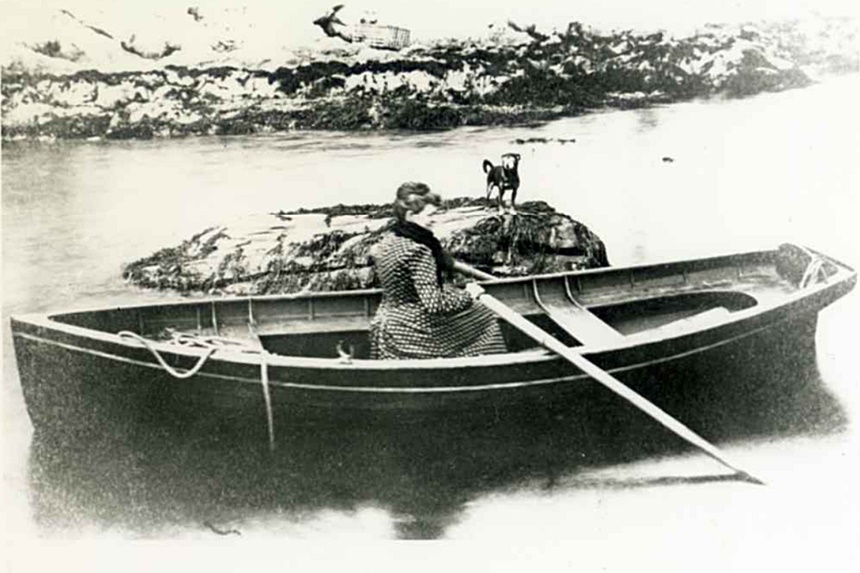
Born on February 25, 1842, Idawalley Zoradia Lewis was the oldest of the four children of Zoradia and Captain Hosea Lewis of the Revenue Cutter Service, the forerunner of the U.S. Coast Guard. In 1854 after the Lighthouse Service appointed Ida’s father as keeper, young Ida routinely sailed with him from Newport to Lime Rock Island to help maintain the light. Three years later when a house was built on the island and the light relocated there in a special second floor “lanthern” room, the Lewises moved to Lime Rock. Tragedy struck four months later when Ida’s father suffered a paralytic stroke, forcing her mother Zoradia to assume his keeper duties.
Illustration of Lime Rock Island from Harper’s Weekly, July 31, 1869 (Wikimedia Commons)
By then everyone in the family knew Ida was dependable, had unusual strength, and was a skilled sailor. Her brother Rudolf bragged, “Ida… can hold one to wind’ard in a gale better than any man I ever saw, wet an oar, and yes do it too when the sea is breaking over her.” Consequently, after her father’s stroke, she rowed her siblings to school and returned to the island with supplies from Newport.
Over the next 14 years, Ida helped her mother tend the light until her father died in 1877. A year later, Zoradia, who was ill with cancer, also died, leaving Ida to serve as keeper, maintain the family home, and care for a frail sister.
Being a lighthouse keeper was demanding. It was a job traditionally done by men. The beacon came from an oil-burning lantern housed in a wooden or iron frame surrounded by thick panes of glass. A solid wick suspended from the top of the frame enabled the oil (which needed to be refilled two or three times a night) to burn through the darkness. A Fresnel lens 17 inches tall and 11 ¾ inches in diameter reflected the burning oil, its light beaming far out beyond Newport Harbor. Every evening before dusk Ida trimmed the wick and adjusted the glass vents of the lens to create a proper draft. During the day, she cleaned the delicate panes of the lens, inspected and cleaned parts of the lantern, and removed carbon and other impurities. Those duties had to be performed carefully. If not, and the beacon failed, the lives of sailors at sea could be endangered.
Since Ida never kept records, no one knows how many rescues she achieved. Besides the famous 1869 rescue, several others were well known. The first occurred on a February 1866 night when she pulled three drunken soldiers from the waters after they “borrowed” her brother’s skiff and capsized it. The second happened the next January when three farmhands herded one of tycoon August Belmont’s prize sheep down Newport’s Main Street. Unexpectedly, the animal bolted and plunged into the harbor. Panicked, the trio jumped into Ida’s brother’s skiff to capture it but then overturned the boat. Again, Ida leapt into her own skiff and saved the drowning men whose hands were so numb from the frigid water that they barely grasped the sides of the capsized hull.
In 1870 Ida was officially appointed the Lighthouse Keeper of Lime Rock and awarded a salary of $750 per year (about $17,000 today). That same year she married Captain William Heard Wilson but became so unhappy that she soon left him and returned to her duties at Lime Rock Lighthouse.
Later, she rescued two more soldiers from Fort Adams who had fallen through the ice, prompting the United States government to award her the Gold Lifesaving Medal in 1881. Decades later, in 1907, Congress bestowed the first American Cross of Honor upon the aging Ida.
But awards, even national ones, meant little to her. “The light is my child and I know when it needs me, even if I sleep,” she once said. It was only when Ida died at age 69 on October 24, 1911, that her light finally went out.
Happy Labor Day! Let’s Talk About Some Awesome Ladies Of The Labor Movement by Rebecca SchoenkopfRead on Substack
Because it was not actually just a bunch of flannel-wearing white dudes.
A version of this article was initially published on May 1, 2019. Happy Labor Day, we’re taking the day off!
When we talk about the history of feminism, we tend to think about the causes and struggles of middle class white women. When we talk about labor history, we tend to think about the causes and struggles of white working class men.
And that is some absolute bullshit.
Working class women, very often women of color and immigrant women, were, are and always have been the backbone of the labor movement. They were working and organizing well before Second Wave Feminism “made it possible” for women to enter the workforce. They’re the ones who first fought for equal pay, and they’re the ones who were doing the bulk of feminist work and activism during the years in between getting the right to vote and The Feminine Mystique. They are still fighting today.
So, since it’s Labor Day, let’s celebrate the hell out of them, starting with the woman who started it all.
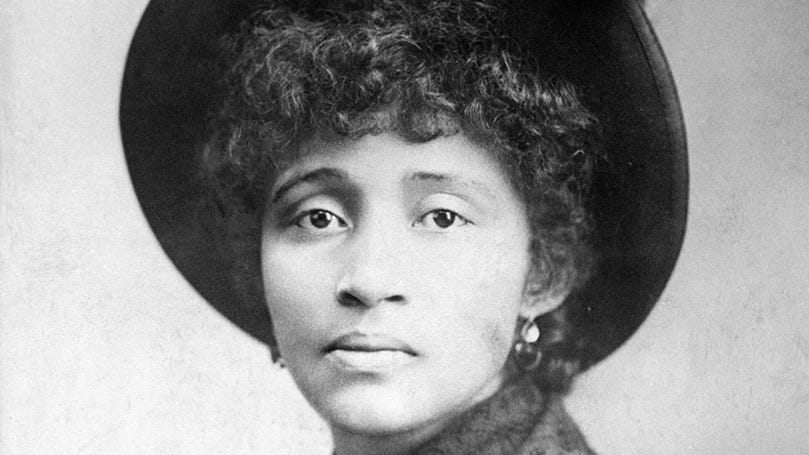
Lucy Parsons
‘Governments never lead; they follow progress. When the prison, stake or scaffold can no longer silence the voice of the protesting minority, progress moves on a step, but not until then.’
“More dangerous than a thousand rioters,” anarchist Lucy Eldine Gonzalez Parsons was a writer, orator, one of the founders of the Industrial Workers of the World, and tireless campaigner for the rights of people of color, all women, and all workers. Her husband, Albert Parsons, was one of the Haymarket martyrs.
We, the women of this country, have no ballot even if we wished to use it … but we have our labor. We are exploited more ruthlessly than men. Wherever wages are to be reduced, the capitalist class uses women to reduce them, and if there is anything that you men should do in the future, it is to organize the women.
Though Parsons and Emma Goldman were widely regarded as the most prominent female anarchists of the day, they very notably did not get along so well. Parsons believed that oppression based on gender and race was a function of capitalism and would be eliminated when capitalism was eliminated, whereas Goldman believed such oppression was inherent in all things. Parsons was all class struggle all the time, and felt that the “intellectual anarchists” like Goldman spent too much time bothering with appealing to the middle class.
One of her most important contributions to the labor movement was the concept of factory takeovers.
“My conception of the strike of the future is not to strike and go out and starve, but to strike and remain in, and take possession of the necessary property of production.”
Parsons is best known for being the woman who really started the celebration of May Day as a day for workers’ rights — leading a parade to commemorate the anniversary of the Haymarket Affair. Soon, nearly every other country in the world followed suit and proclaimed this day International Worker’s Day. Alas, here in America, we go with the less radical and more picnic-y Labor Day that we are celebrating today, because Grover Cleveland thought a federal holiday commemorating the Haymarket Affair would encourage people to become anarchists and socialists, and no thank you, he did not want that.
Anna LoPizzo
‘Hearts starve as well as bodies, give us bread but give us roses too’
Not much is known about Anna LoPizzo, other than that she was a 34-year-old mill worker who was murdered by police officer Oscar Benoit during the 1912 Lawrence Textile Strike — also known as the Bread and Roses Strike. Initially, police tried to charge two IWW organizers who were miles away for her murder, even though literally everyone there had seen Benoit shoot her.
The reason for the strike in the first place was that the textile mills of Lawrence, Massachusetts, cut worker pay after the state cut the number of hours women could legally work from 56 down to 54. The Industrial Workers of the World, led by Elizabeth Gurley Flynn (we’ll get to her in a minute), organized more than 20,000 workers of more than 40 different nationalities to demand they get their fair wages. One of the primary tactics used in the strike was sending the starving families of the mill workers on a tour to New York City so that people there could see for themselves what these low wages were doing to children. Between that and LoPizzo’s death, sympathy was on the side of the workers. Congressional hearings into the conditions of the mills were held, and the mills themselves ended up settling the strike by giving all workers across New England a 20 percent raise.
Lillian Wald
‘Human interest and passion for human progress break down barriers centuries old.’
Susan B. Anthony isn’t the only important feminist buried in the Mount Hope Cemetery in my hometown of Rochester, New York. There is another. Her name was Lillian Wald, and she was a total fucking bad ass. She wasn’t just a suffragist — she was also an early advocate for healthcare for all people regardless of economic class or citizenship, a founding member of the NAACP, lobbied against child labor, advocated for the rights of immigrants, helped to found the Women’s Trade Union League, and was an anti-war activist. Wald also founded the Henry Street Settlement House in New York City, which provides — to this day — social services, education, and health care to the impoverished. And she was active in the ACLU.
WHY THE HELL IS SHE NOT MORE FAMOUS? I am legitimately bothered by this and bring it up often.
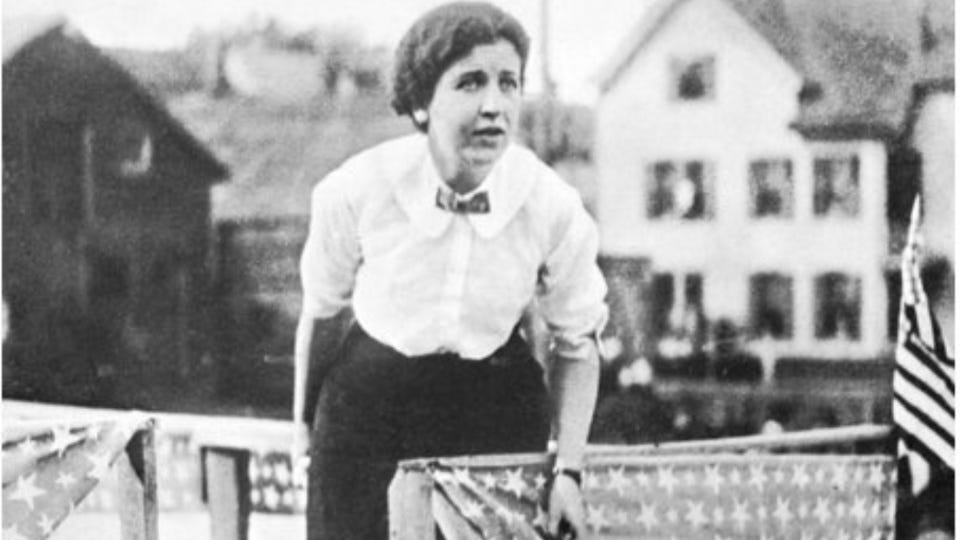
Elizabeth Gurley Flynn
‘The IWW has been accused of pushing women to the front. This is not true. Rather, the women have not been kept in back, and so they have naturally moved to the front.’
Hey! You know who was super freaking awesome? Elizabeth Gurley Flynn. As previously mentioned, she was an organizer with Industrial Workers of the World who helped organize the Lawrence Textile Strike. She also organized a hell of a lot of other strikes across the country, helped found the ACLU, and was known for the creative tactics she used to elicit sympathy and support for the American worker.
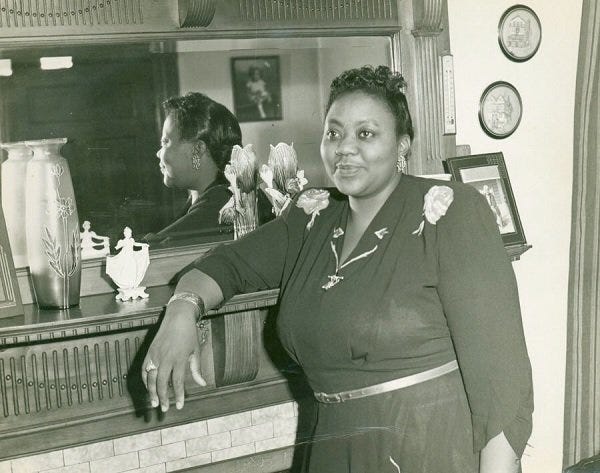
Hattie Canty
’Coming from Alabama, this seemed like the civil rights struggle … the labor movement and the civil rights movement, you cannot separate the two of them.’
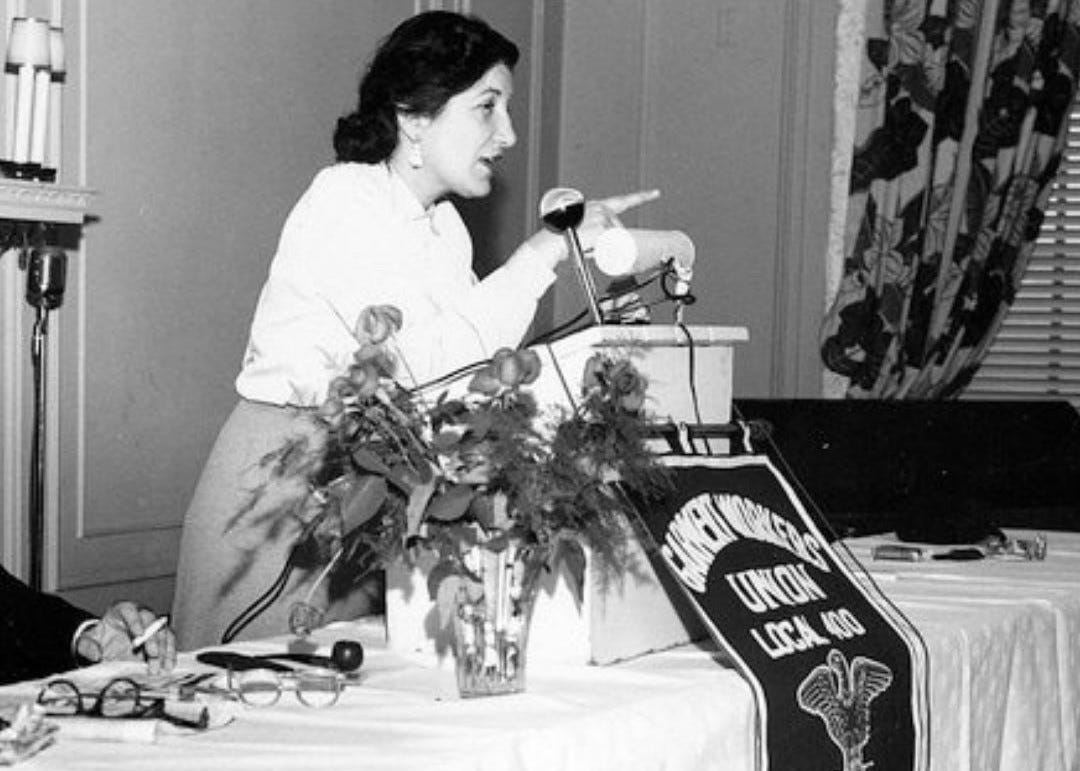
When Hattie Canty’s husband died in 1972, she found herself supporting eight children on her own. She found work as a maid at a Las Vegas hotel where she joined the Las Vegas Hotel and Culinary Workers Union Local 226. By 1990, she was president of that union, leading one of the longest strikes in American history — a six year strike of hospitality workers which, happily, ended in victory.
The Women of The Atlanta Washerwomen’s Strike
We mean business this week or no washing!
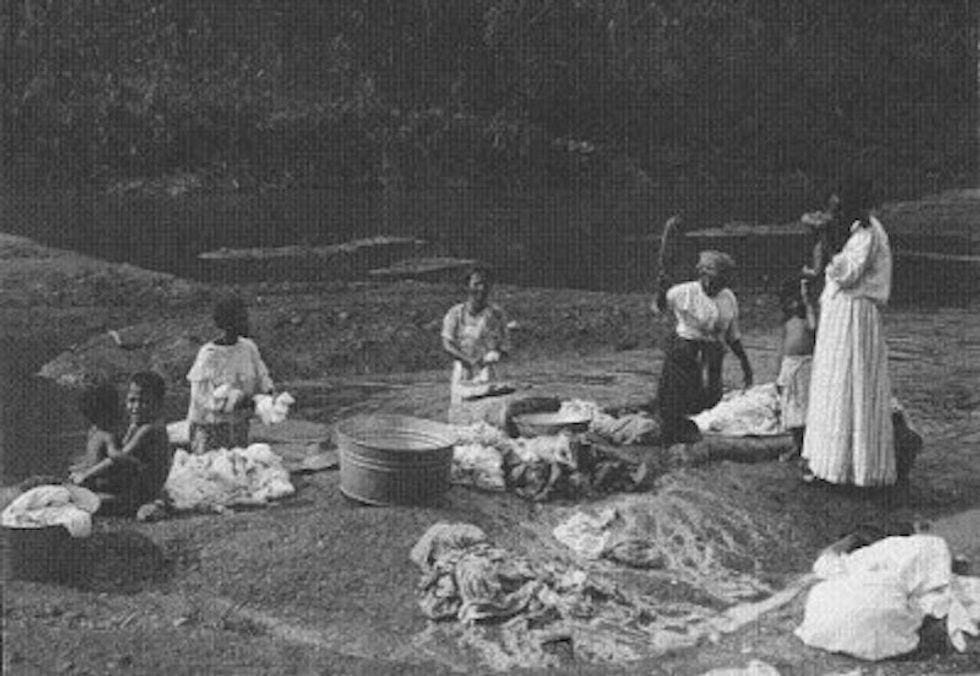
Back in the 1880s, only two decades after the Civil War ended, the most common occupation for Black women was as laundresses — this was largely because if poor white families were going to hire anyone to do chores for them at all, they were going to hire someone to do their laundry. These women were independent workers, often working from their own homes and making their own soap, and they only made about $4 a month. (Average non-Black-woman laborers earned about $35 a month in 1880.)
One day in 1881, about 20 of them got together and decided that $4 a month was some bullshit for all the work they were doing and decided to go on strike and demand wages of $1 for every 12 pounds of washing. Three weeks later, 3,000 other women joined them. Unsurprisingly, the city freaked out. They fined any participants $25 — which was a lot of money when you only made $4 a month — and they offered tax breaks to any corporation that would come down there to start a commercial steam cleaning business. Still, the women did not back down.
Eventually, people got really sick of doing their own laundry, and the city decided to back down on the fines, and accede to their demands for fear that the unrest would spread to other industries.
Dolores Huerta
‘Every minute a chance to change the world.’
Dolores Huerta, along with Cesar Chavez, helped to organize the National Farmworkers Association, which later became United Farm Workers. She wasn’t a farmworker herself — rather, she was an elementary school teacher who was tired of seeing the children she taught living in poverty because their parents were not making enough money as farmworkers.
I couldn’t tolerate seeing kids come to class hungry and needing shoes. I thought I could do more by organizing farm workers than by trying to teach their hungry children.
Together with Chavez, Huerta organized the successful Delano Grape Strike (or as your mom calls it, “that time we couldn’t eat grapes for five years” or as Rebecca’s mom calls it “serious people don’t care if a boycott ‘ends'”), which led to better wages and working conditions for farmworkers, and she has continued working as an activist and an organizer ever since.
Angela Bambace
‘We did it with fear.’
Though she’s not as well known as some of the other women on here, Angela Bambace, an organizer for the International Ladies Garment Worker’s Union who started unionizing her fellow shirtwaist factory workers at age 18, is a personal hero of mine, along with her sister Maria. Angela was known to punch strikebreakers in the nose, which was pretty freaking badass.
She also left her husband and a traditional marriage in which she was confined to “making tomato sauce and homemade gnocchi” — and lost her parental rights in doing so, because back then, women didn’t have any — to fight for workers’ rights on the front lines. She was the first woman woman elected Vice-President of the ILGWU, which previously only had male leadership, where she worked from 1936 until 1972.
May Chen
’The Chinatown community then had more and more small garment factories and the Chinese employers thought they could play on ethnic loyalties to get the workers to turn away from the union. They were very, very badly mistaken.’
May Chen, also of the International Ladies Garment Worker’s Union, led the New York Chinatown strike of 1982 — 20,000 workers strong and one of the largest strikes in American history. As a result of the strike, employers cut back on wage cuts, gave workers time off for holidays and hired bilingual interpreters in order to accommodate the needs of immigrant workers.
Lucy Randolph Mason
‘When I came South I had no idea of the frequency of attacks on people peacefully pursuing legitimate purposes, I am appalled at the disregard of the most common civil rights and the dangers of bodily harm to which organizers often are exposed”‘
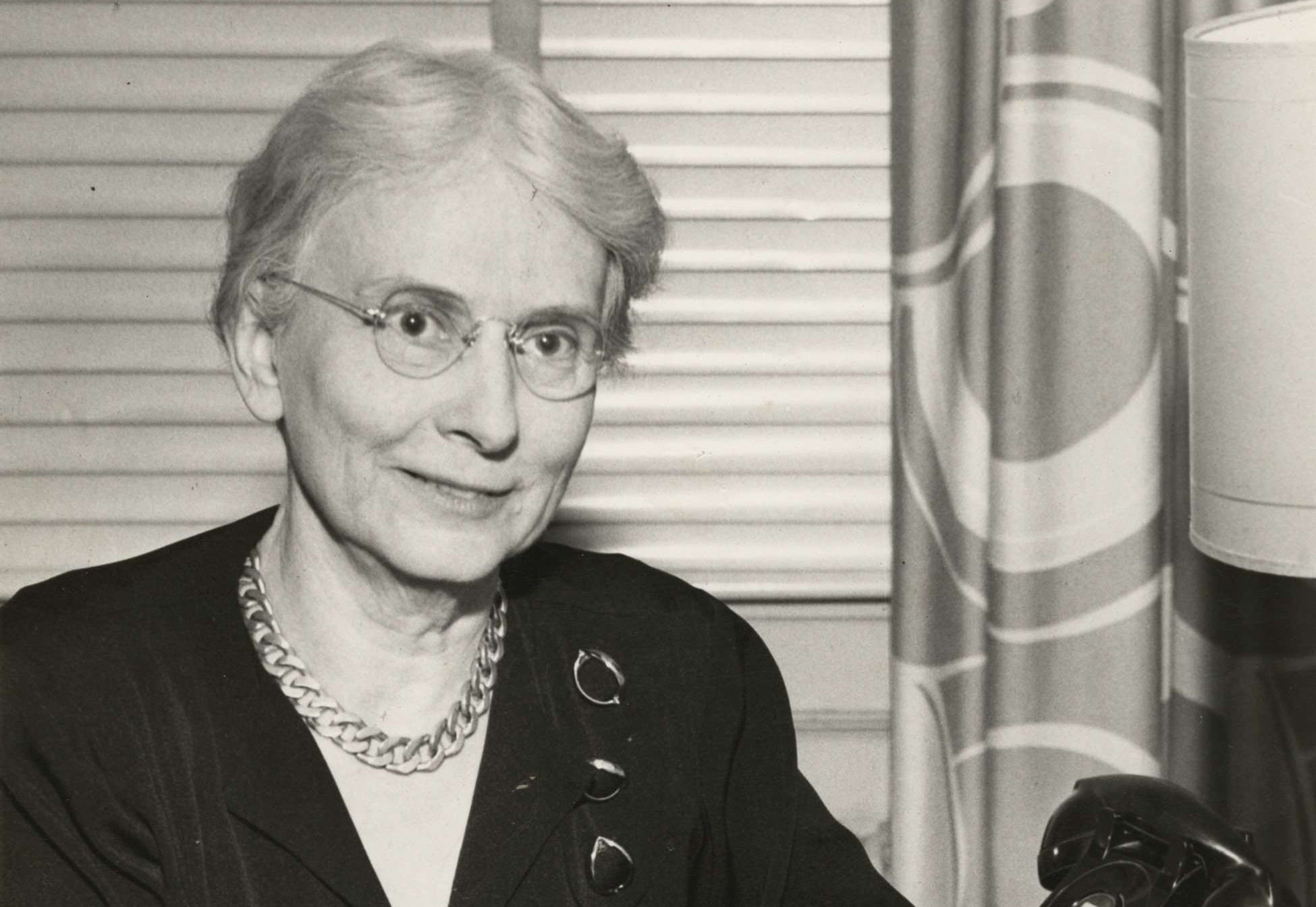
Lucy Randolph Mason was an interesting one. She was a well-off Southern lady from Virginia, related to George Mason (author of the Virginia Declaration of Rights), Supreme Court Justice John Marshall, and, uh, Robert E. Lee. So, you know, you might have an idea in your head about what her deal might be. And you would be so wrong.
So, despite being from this very fancy family, Lucy goes and gets a job as a secretary for the YWCA at 20. In 1918, she gets into the whole suffragette thing. Women get the vote, but Lucy’s not done. She starts organizing for labor rights and integration and ending white supremacy in the South. She organizes interfaith, integrated unions in the South, which you can imagine was a pretty big deal at that time. She does it through the YWCA. She writes a pamphlet telling consumers to boycott companies that don’t treat their workers well. Eventually, she becomes the CIO’s ambassador to the South and spends the next 16 years of her life going to all these small towns where bad things would happen to anyone who tried to unionize, and explaining workers’ rights and why integration is good and racism is bad to pretty much anyone with any kind of power. Neat!
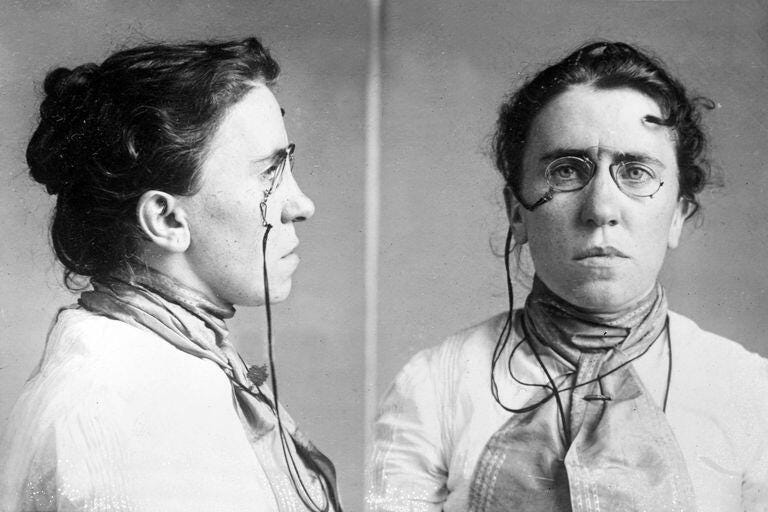
Emma Goldman
‘Ask for work, if they do not give you work, ask for bread, if they will not give you bread, steal bread.’
Though not a union organizer by trade, anarcha-feminist Emma Goldman’s advocacy for workers’ rights and human dignity and freedom empowered workers and organizers throughout the country, and motivated them to stand up for their own rights. She was considered the most dangerous woman in America for a reason.
She was a feminist, an anti-racist, an atheist, an advocate of free love, an opposer of the institution of marriage and — very unusually for the time (she pretty much started right after Haymarket, which was 1886, and continued until her death in 1940) — one of the first advocates of gay rights.
“It is a tragedy, I feel, that people of a different sexual type are caught in a world which shows so little understanding for homosexuals and is so crassly indifferent to the various gradations and variations of gender and their great significance in life.”
I could probably go on about Emma Goldman forever, but I have to get to other people and also this is not my sophomore year in college.
Rosina Tucker
‘I looked him right in the eye and banged on his desk and told him I was not employed by the Pullman company and that my husband had nothing to do with any activity I was engaged in … I said, ‘I want you to take care of this situation or I will be back.’ He must have been afraid … because a black woman didn’t speak to a white man in this manner. My husband was put back on his run.’
Rosina Tucker is best-known for helping to organize the first Black labor union, The Brotherhood of Sleeping Car Porters, started by A. Philip Randolph in 1925. A Brotherhood? But she was a woman, you say! Well, the Pullman porters wanted to organize, but they were afraid of losing their jobs — with good reason, because their bosses kept trying to fire them for trying to unionize. So Rosina and other wives of the porters got together and started the Ladies Auxiliary of the Brotherhood of Sleeping Car Porters in order to raise funds to start the union.
In 1963, along with A. Philip Randolph of the BSCP, she helped organize the March on Washington for Jobs and Freedom, and continued to be active in civil rights and labor rights until she passed away in 1987, at the age of 105.
The women on this list, along with the many others who also fought for labor rights in this country and others, didn’t only fight a fight for workers. They fought a feminist fight, they fought for civil rights, they fought for human rights — they understood the interconnectedness of it all, they understood that without economic justice there is no social justice and without social justice there is no economic justice. They understood the way that the labor movement could be used as a catalyst for making social change possible at a time when they didn’t have any political support or power — and that’s a thing we could all do well to remember ourselves.
September 2, 1885 A mob of white coal miners, led by the Knights of Labor, violently attacked their Chinese co-workers in Rock Springs, Wyoming, killing 28 and burning the homes of 75 Chinese families. The white miners wanted the Chinese barred from working in the mine. The mine owners and operators had brought in the Chinese ten years earlier to keep labor costs down and to suppress strikes.Chinese fleeing Rock Springs The unfortunate story and illustrations of the scene (scroll down)
September 2, 1945 Revolutionary leader Ho Chi Minh declared Vietnam a republic and independent from France (National Day). Half a million people gathered in the capital of Hanoi to hear him read the Vietnamese Declaration of Independence, which was modeled on the U.S. Declaration of Independence. note: Ho Chi Minh translates to ‘He Who Enlightens’ Read about how it was influenced by the U.S. Declaration
September 2, 1966 On what was supposed to be the first day of school in Grenada, Mississippi—and the first day in an integrated school for 450 Negro children—the school board postponed opening of school for 10 days because of “paperwork.” Nevertheless, the high school played its first football game that night. Some of the Negro kids who had registered for that school tried to attend the game but were beaten, and their car windows smashed.
September 2, 1969 Vietnamese revolutionary and national leader Nguyen Tat Thanh (aka Ho Chi Minh), 79, died of natural causes in Hanoi. Uncle Ho, Ho Chi Minh Ho and his struggle for Vietnamese independence
August 26, otherwise known as Women’s Equality Day, marks the anniversary of the certification of the 19th Amendment, which granted some women the right to vote.
Yet today, women have fewer rights than they’d had in decades. To recognize this, we acknowledge Women’s Inequality Day.
Inequality impacts our health: although women pay $15 million more each year for health care than men, we spend more of our lives in poor health. Those who may experience pregnancy no longer have reproductive freedom; and when we do give birth, we (particularly women of color) face high rates of maternal mortality.
It impacts our work: we’re paid less than our male counterparts and are underrepresented in leadership roles. We also deal with workplace harassment, insufficient maternal leave, and disproportionate caretaking responsibilities that affect our ability to work.
It impacts our representation: women are severely underrepresented in politics, making up only 25% of the Senate, 29% of the House, and 31.9% of statewide elective executives.
How can we make policies that protect and serve women without more women in office? And in an age where our basic freedoms and bodily autonomy are under fire, how can we ensure our rights aren’t degraded further?
The 2024 federal election is a critical moment in the fight for our equality.
The people we elect in November will be in charge of our rights – including the right to reproductive freedom – for the next four years.
So when you cast your vote in 2024, will you vote for someone who defends those rights? Or someone who wants to take them away?
Our 2024 campaign centers around empowering women to make their voices heard at the ballot box by equipping them with essential voter information. We’re highlighting our free, bilingual one-stop-shop for nonpartisan election information, VOTE411.org.
This year’s Women’s Inequality “Day” campaign will take place from August 26-30, with unique calls to action engaging voters every day! Get involved by sharing content via our social toolkit.
“Bad Romance: Women’s Suffrage is a parody music video paying homage to Alice Paul and the generations of brave women who joined together in the fight to pass the 19th Amendment, giving women the right to vote in 1920.” Watch here.
=====
WOMEN’S PROGRESS THROUGH THE YEARS…
Prior to 1918 Doctor’s weren’t allowed to advise married patients about birth control. Prior to 1920 Women couldn’t vote in all elections until 19th Amendment was ratified. Prior to WWII Female teachers couldn’t be married. During 1950’s Domestic abuse was not considered a crime but a’family matter’. Prior to 1963 Equitable wages for the same work, regardless of race, color, religion, national origin, or sex of the workers were not promised until passage of Equal Pay Act. Prior to 1964 Discrimination on the basis of race, color, religion, national origin, or sex was not prohibited until passage ofthe Civil Rights Act. Prior to 1965 State laws could prohibit the prescription or use of contraceptives by married couples. In some states, the woman needed her husband’s permission to purchase contraceptives. Prior to 1969 Yale and Princeton didn’t accept female students. Prior to 1969 Women couldn’t work at jobs that had been for men only. Prior to 1971 Women with a law degree could be denied the right to plead a client’s case in court. Prior to 1971 Private employers could refuse to hire women with pre-school children. Prior to 1972 The Boston Marathon was an all-male event. There was no Women’s Division. Prior to 1972 The right to privacy didn’t encompass an unmarried person’s right to use contraceptives. Prior to 1972 Title IX of the Education Amendment didn’t exist. Schools that received Federal support didn’t need to provide the same programs to women as they did men.
Prior to 1973 Abortions weren’t legal in the entire U.S. until Roe v. Wade decision by Supreme Court declared the U.S. Constitution protected a woman’s right to terminate an early pregnancy. Prior to 1974 Housing discrimination on the basis of sex and credit discrimination against women existed. Prior to 1974 It was legal to force pregnant women to take maternity leave on the assumption they were incapable of working in their physical condition. Prior to 1974 Single, widowed, or divorced women had to bring a man along to open a bank account or to cosign any credit application. Married women couldn’t open a bank account without their husband’s permission. Prior to 1975 Women were excluded from serving on juries. Prior to 1976 West Point Academy didn’t admit female students. Prior to 1977 Harvard didn’t admit female students. Prior to 1978 There was no ban on discrimination against women on the basis of pregnancy, childbirth, or related medical issues. Prior to 1984 Women were not allowed to join all-male organizations (Jaycees, Kiwanis, Rotary, Lions) Prior to 1994 There were no funded services for victims of rape or domestic violence. Prior to 2013 Women in the military were banned from combat positions. Prior to 2022 Since the 1973 Supreme Court decision (Roe v. Wade), a woman’s right to terminate a pregnancy was protected by the U.S. Constitution. This decision was reverse by the current U.S. Supreme Court in 2022. Information provided by Soroptimist site. Learn more about Soroptimist’s by visiting their site here.
LEARN MORE ABOUT THE HISTORY OF WOMEN’S EQUALITY DAY








 Chinese fleeing Rock Springs

 Uncle Ho, Ho Chi Minh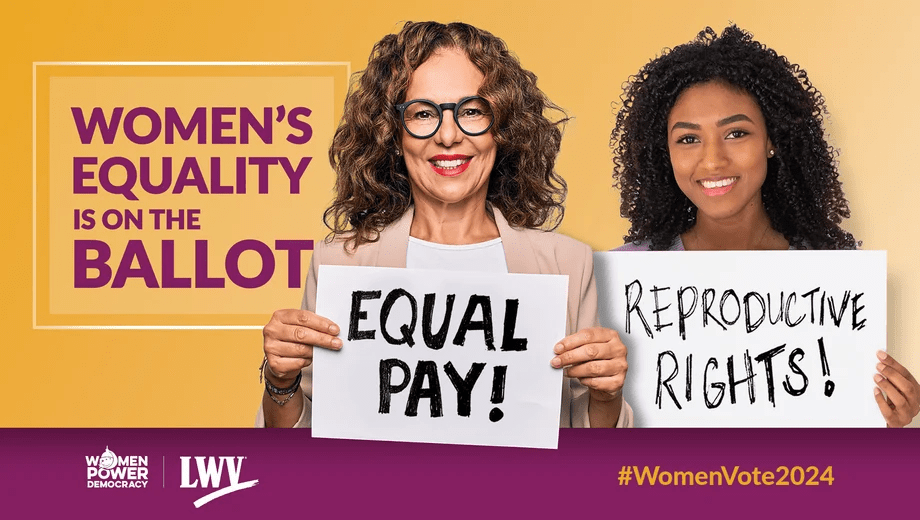
 Scottie's Playtime