
Things of which to be aware in regard to our health.
A new covid variant called Cicada, ticks and a new Lyme vaccine, common cold, and good news
The Dose (March 31)
Good morning!
Spring is here, and so is a shift in what’s circulating. Flu season is officially behind us, tick season is just getting started, and a new Covid-19 variant is making the rounds in the news and on social media (but has not yet been felt in hospitals). And with Lyme disease season upon us, the news of a long-awaited vaccine couldn’t be more timely, though there are some real caveats worth understanding.
Here’s what’s going on and, more importantly, what it means for you.
Disease “weather” report: what’s spreading right now?
Good riddance, flu season. We are officially out, as rates have now fallen below the “epidemic threshold.” Some states are still high, like New Mexico, but the trend is the same. The other main fall/winter viruses, including RSV and Covid-19 are all decreasing, too.
Odds are that if you get sick in the next month or two, it will be the common cold (the gray line below). This will continue to increase until May/June.
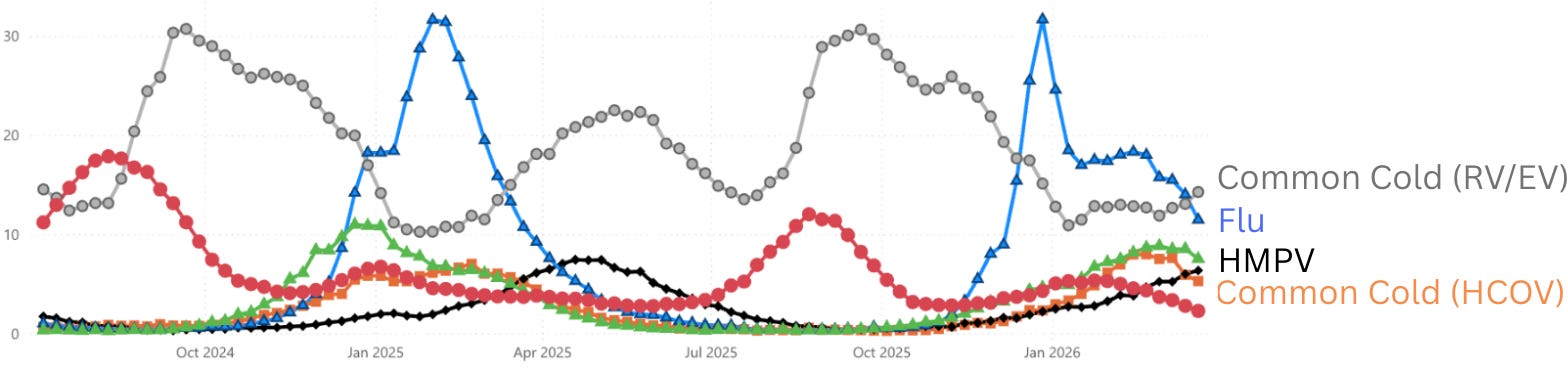
Enter tick season. Emergency department visits for tick bites are low but climbing, which is normal for this time of year. Expect two waves: one peaking in May and another in mid-October. By year’s end, more than 500,000 people will likely be diagnosed and treated for Lyme disease.
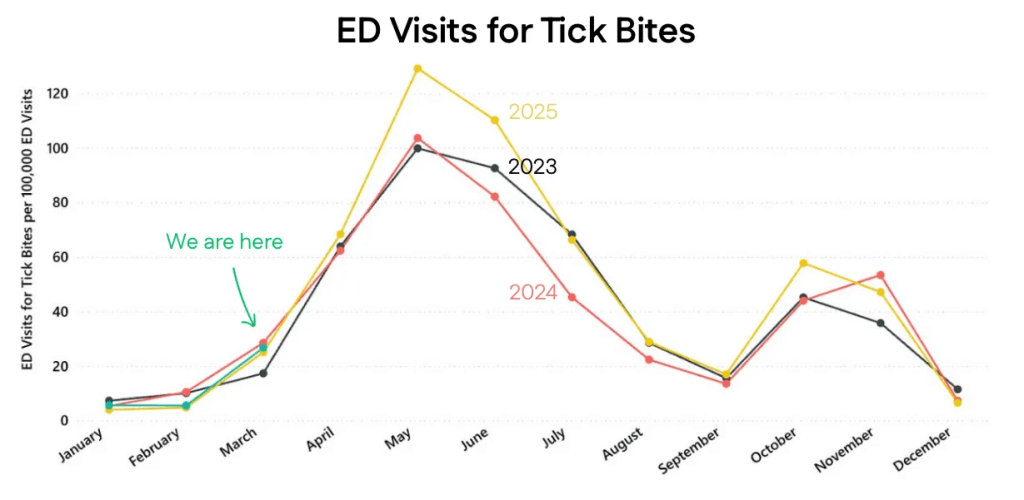
Source: CDC Tick Bite Data Tracker; Annotated by Your Local Epidemiologist.
Ticks thrive in warm, lush spring environments and can carry pathogens responsible for over a dozen diseases. Lyme is the most well-known. It can cause flu-like symptoms and, if untreated, serious complications including neurological and cardiac issues.
Not all ticks carry disease. Risk depends on the species, geography, and duration of a tick’s attachment. Currently, tick-borne illnesses are most concentrated in the Northeast, with emergency department (ED) visits at 13 per 100,000 people.
What this means for you: You can take several steps to protect yourself from ticks, including applying DEET or picaridin, treating clothing and gear with products containing 0.5% permethrin, and conducting thorough tick checks after engaging in outdoor activities. Here is a YLE deep dive on tick threats.
A new Covid-19 variant is getting attention. What’s going on?
Covid-19 continues to mutate, and the latest variant attracting attention is BA.3.2 (nicknamed “Cicada”), a descendant of Omicron that has been circulating globally for some time.
BA.3.2 now accounts for 11% of U.S. cases, but it’s too early to tell how quickly it’s growing. What is clear is that it has yet to trigger a surge. Wastewater levels, emergency department visits, and hospitalizations all remain low. Historically, a variant doesn’t drive a significant new wave until it reaches ~50% of cases.
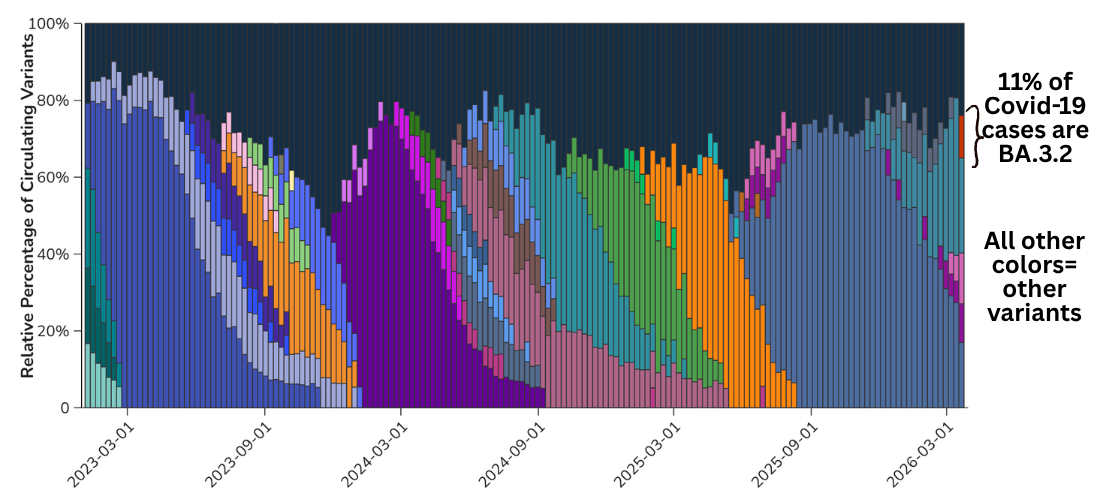
What’s drawing attention is the spike protein, which has 75 mutations compared with the strains included in last fall’s Covid-19 vaccines. The spike protein acts like a key that unlocks our cells, and when that key changes enough, existing antibodies struggle to recognize and block it. Lab studies confirm this is happening, but antibodies are just one layer of defense. The immune system has other tools that protect against serious illness, and current immunity is expected to hold up.
One thing researchers are actively tracking: early signals suggest BA.3.2 may be infecting kids at higher rates than previous variants. It’s hard to know whether this is real or just random chance, but if it is real, it’s likely due to a combination of many factors. For example, younger kids might not have seen as many Covid-19 variants or had as many coronavirus infections as adults, so they might be less immune to it.
Q: Could this cause a spring/summer wave? A: We have very little data on how fast this is growing, so time will tell. My guess is this will cause a spring/summer wave, but not a nothing burger or a tsunami.
Q: Should people over 65 get a spring Covid-19 shot? A: If it’s been at least three months since your last dose, a spring shot is a reasonable call. Timing it around May or June tends to align well with how Covid-19 seasons typically play out.
Q: Is a second shot within a year a booster? Or is it only a booster if the formulation is different? A: The term gets thrown around loosely. Generally, a booster means a repeat dose of the same vaccine, not necessarily a new formulation. The strains for the next updated Covid-19 vaccine haven’t been selected yet, so there’s no new version available right now. If a pharmacist tells you there’s no booster available, they may be thinking specifically of an updated formulation. A repeat dose of the current vaccine is still an option worth asking about.
Q: Could BA.3.2 spark the next pandemic? A: No. In fact, researchers have argued that another coronavirus pandemic is now less likely, not more, precisely because Covid-19 and the vaccines that followed built widespread, robust immunity across the global population.
A Lyme disease vaccine may finally be on the horizon
Ticks spread Lyme disease, one of the most common and debilitating infections in the country, and for the first time in over two decades, a vaccine to prevent it may finally be on the way. The only vaccine we had before, LYMErix, was pulled from the market in 2002. Not because it was unsafe (the FDA found no real problems) but because rumors about arthritis side effects, amplified by bad press and lawsuits, scared people.
Now Pfizer and French vaccine company Valneva have announced their new vaccine candidate worked in more than 70% of cases in a large late-stage trial of 9,400 people aged five and older.
How does the Lyme disease vaccine work?
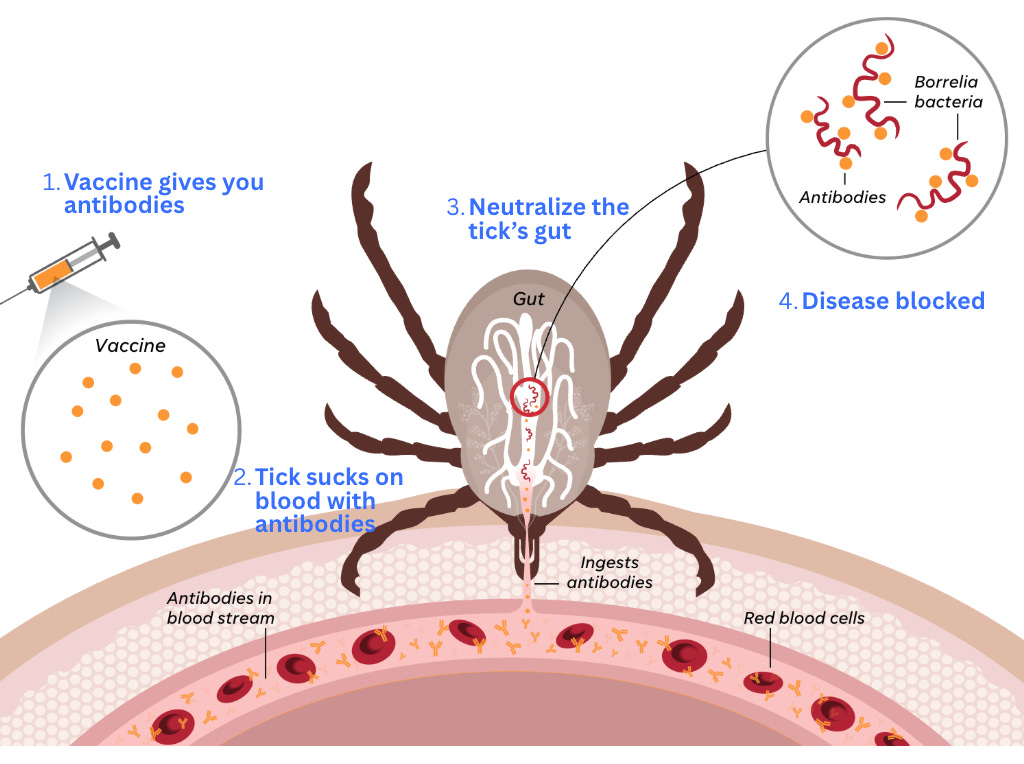
The vaccine works differently from most other vaccines in a very cool way. Instead of just protecting you, it actually works inside the tick:
- The vaccine trains your body to make antibodies against a protein (called OspA) found on Lyme-causing bacteria.
- When a tick bites you, it drinks your blood along with those antibodies.
- The antibodies neutralize the bacteria in the tick’s gut, stopping it from ever reaching its salivary glands and getting into you.
But there are a few things worth understanding
- The trial hit a statistical snag. The trial had fewer Lyme disease cases than expected, making the results too uncertain to be conclusive. Researchers had planned two ways to measure the vaccine’s effectiveness before the study began: one starting 28 days after the final dose, which fell just short of the required confidence threshold, and one starting the day after the final dose, which cleared it. Pfizer cited both results in deciding to seek regulatory approval.
- The regulatory path is murky. The manufacturer will seek FDA approval, and if granted, the vaccine will go to ACIP for a policy recommendation. The problem: ACIP currently has no members. What happens next is genuinely unclear.
- The bigger question is whether people will actually use it. The vaccine requires four doses over about a year, plus what looks like an annual booster before tick season. That’s a real commitment. Lyme disease is far better known today than it was in 2002, which gives people more reason to seek protection. But wanting a vaccine and completing every dose are two very different things.
Good news
- Big Tech’s Big Tobacco moment. Last week, a Los Angeles court found Meta and YouTube negligent in the design of their platforms, ruling that features like infinite scroll and autoplay deliberately built addiction into the apps, and that executives knew it and failed to protect young users. The decision could set a precedent for more than 1,500 similar pending cases.
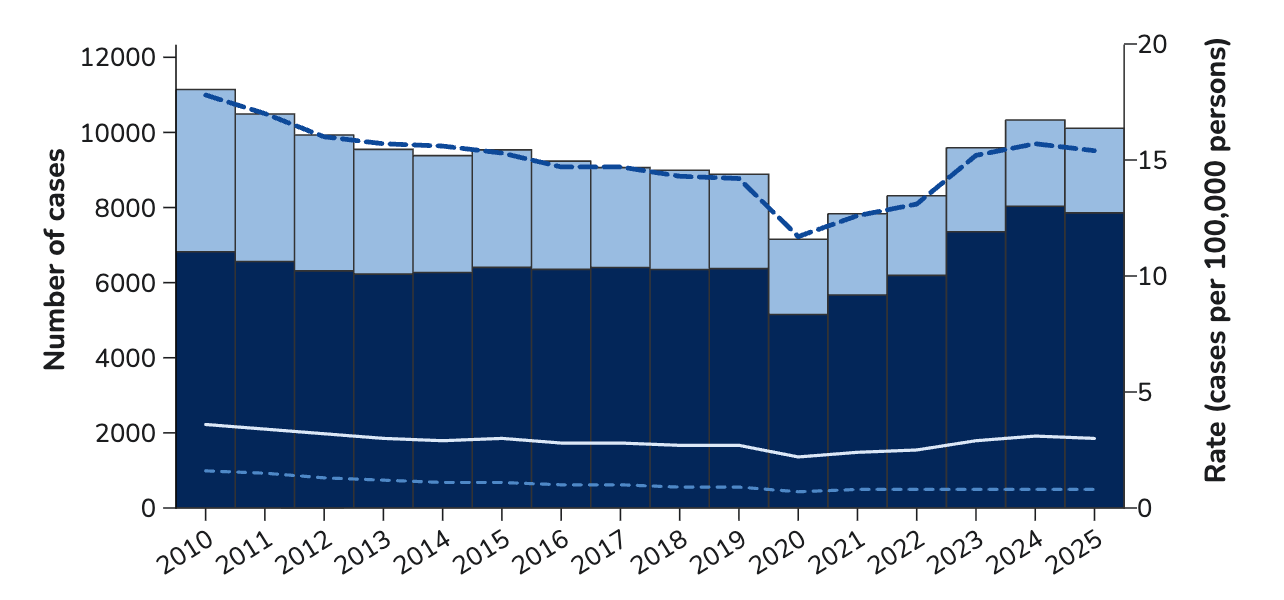
- TB rates are falling after years of post-pandemic rise. New CDC data show that last year, 10,260 TB cases were reported, representing a 2% decline in the national rate compared with the year before. Cases fell across 26 states and Washington, D.C.
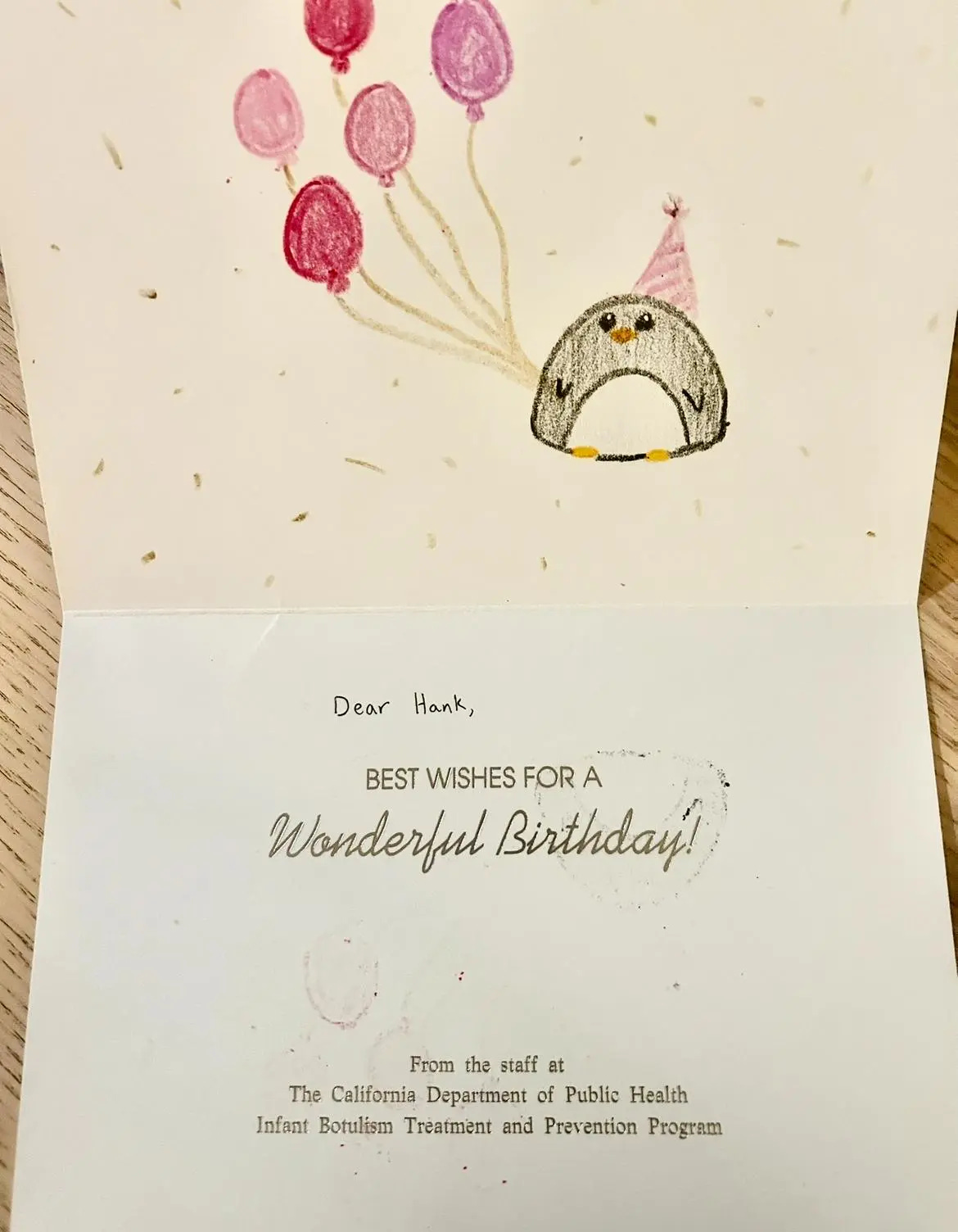
- Birthday celebration! Remember that infant botulism outbreak? Amy Mazziotti, mother of Hank, who was hospitalized for 12 days for botulism after drinking ByHeart baby formula, just celebrated Hank’s first birthday. She received a letter from the public health response team that helped her. Each year, this public health team mails roughly 200 cards to babies who recovered from botulism. Program assistant Robin Hinks decorates them with drawings, like frogs in party hats and penguins with balloons. A small, loving, above-and-beyond act. Read more about this from Matt over at YLE CA.
Bottom line
The seasonal transition brings real shifts in disease risk, and a little awareness goes a long way. Have a wonderful week!
Love, YLE
Your Local Epidemiologist (YLE) is founded and operated by Dr. Katelyn Jetelina, MPH PhD—an epidemiologist, wife, and mom of two little girls. YLE reaches over 425,000 people in over 132 countries with one goal: “Translate” the ever-evolving public health science so that people will be well-equipped to make evidence-based decisions.
 Scottie's Playtime