
Tag: Species Diversity
“Tiny Froglets”-I’m All In For Science on Wednesday!
(Photos on the page-click the title right down there)
Scientists hope these tiny froglets can save their species
By SYLVIA HUI Updated 5:13 PM CST, February 3, 2025
LONDON (AP) — It was quite the journey for such tiny froglets: traveling thousands of miles from the forests of southern Chile to London, carried and brooded inside their fathers’ vocal sacs for safety.
London Zoo said Monday that 33 endangered Darwin’s frogs, named after scientist Charles Darwin who discovered the species, were born in their new home as part of a rescue mission to save the species from extinction.
Known populations of Darwin’s frogs have suffered a 90% decline within a year since a deadly disease known as chytrid fungus arrived in 2023 in their habitat, the Parque Tantauco forests in southern Chile. The fungus has affected hundreds of amphibian species around the world.
The creatures have a unique reproductive strategy: after the females lay eggs, the male frogs protect and rear the tiny tadpoles inside their distensible vocal sacs for them to develop in safety.
A team of conservationists traveled to Chile’s forests in October in search of healthy Darwin’s frogs free of the infectious disease. They collected 52 frogs, which were then placed in climate-controlled boxes for a 7,000-mile (11,265 kilometers) ride by boat, car and plane to their new home in London.
Of the group, 11 male frogs — each measuring under 3 centimeters (1.2 inches) — carried 33 tadpoles that were born at the zoo.
“We knew we were embarking on something special — the clock was ticking, and we needed to act quickly if we were going to save these frogs,” said Ben Tapley, curator of amphibians at London Zoo.
He said the successful parent-rearing of the froglets was a “powerful symbol of hope for the species.”
The frogs are now kept in pairs inside dozens of glass tanks filled with moss and with temperatures that mimic their natural habitat. Keepers said the zoo will set up a breeding program for them, and any frogs they breed may later be reintroduced into the wild.
Andres Valenzuela-Sanchez, a researcher at ZSL, the conservation charity behind London Zoo, said the project will ensure the species has a fighting chance of recovery.
“These frogs are not only vital for the future of their species but also help us better understand how we can combat chytrid fungus and safeguard other amphibians globally,” he said.
We Get Another Hummingbird This Week: “Border Beauty”
“That red bird comes all winter”
(Worriedman comments on another blog I read; I found he has a substack, and it’s beautiful. Enjoy!)
That red bird comes all winter /Firing up the landscape /As nothing else can do. by Worriedman
Mary Oliver – Red Bird Read on Substack
The whole poem –
Red Bird
Red bird came all winter
Firing up the landscape
As nothing else could.
Of course I love the sparrows,
Those dun-colored darlings,
So hungry and so many.
I am a God-fearing feeder of birds,
I know he has many children,
Not all of them bold in spirit.
Still, for whatever reason-
Perhaps because the winter is so long
And the sky so black-blue,
Or perhaps because the heart narrows
As often as it opens-
I am grateful
That red bird comes all winter
Firing up the landscape
As nothing else can do.
No way to go wrong with Mary Oliver!
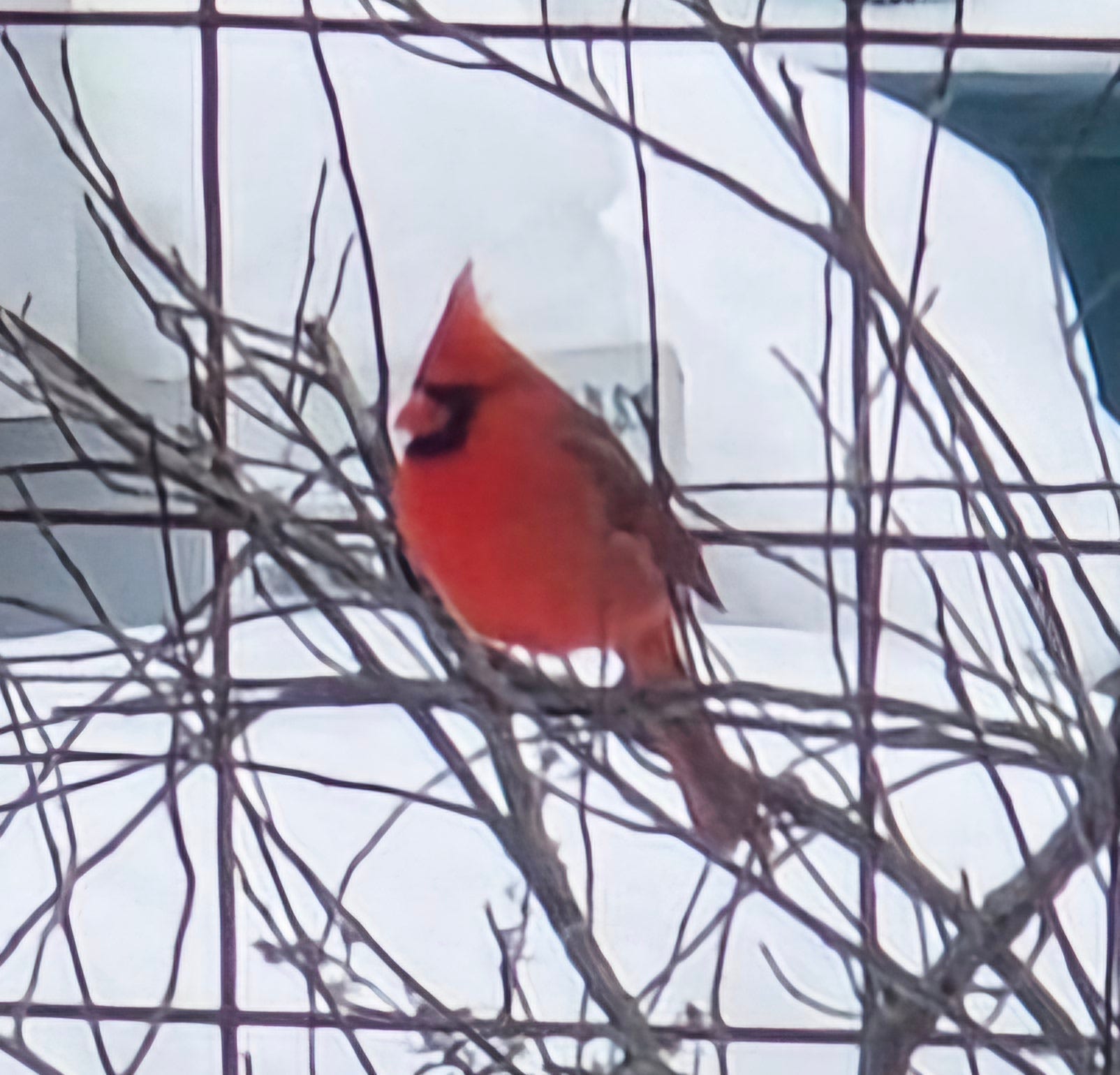
I was really happy to take these photographs today! I filled the feeders yesterday. By this morning the word had spread! Places full of birds. I’m out of bird food now. It’ll be a week before I can get to Costco. I was hoping the Cardinals would show up when I put the food out yesterday! I love the one in the lower left that’s all puffed up.
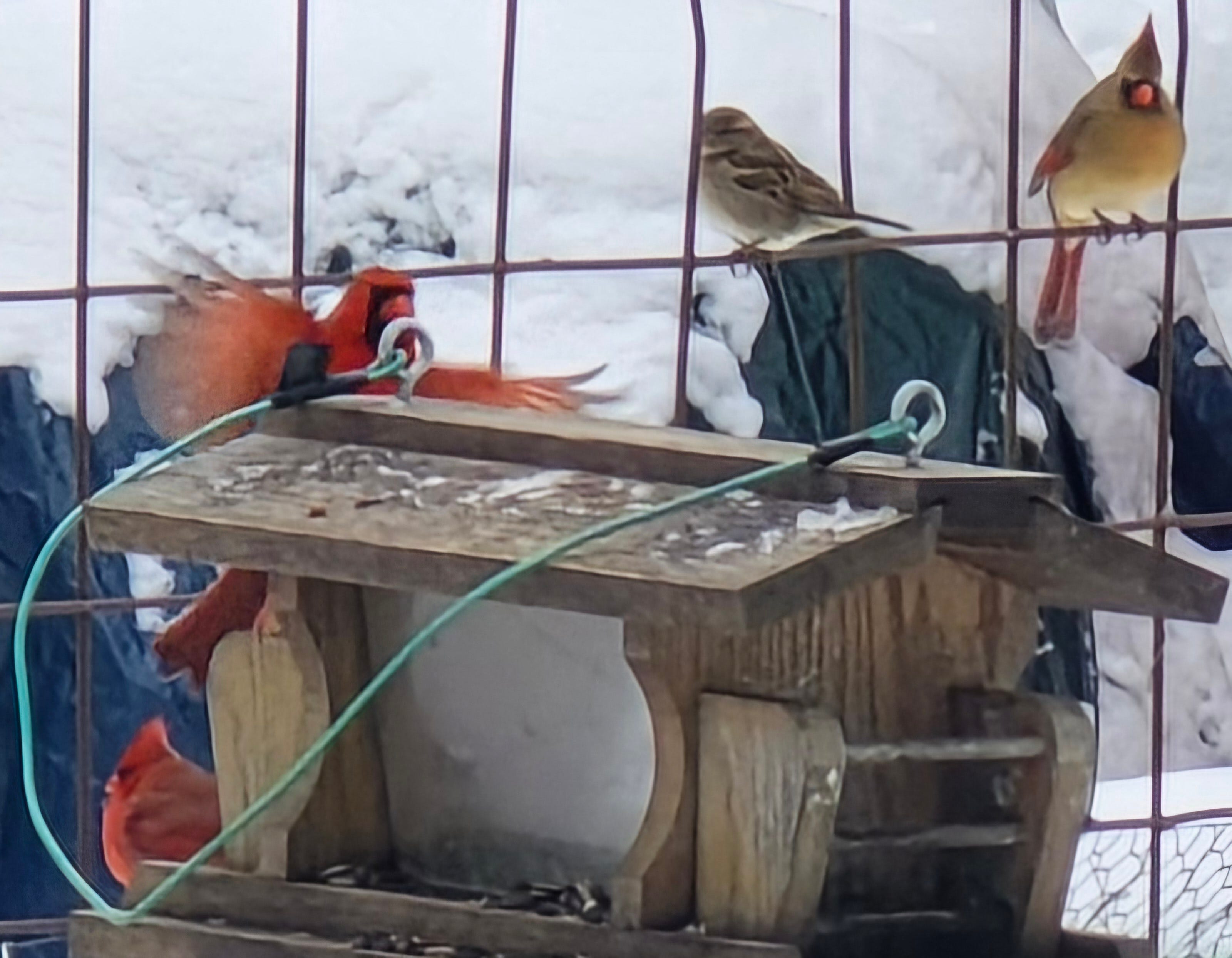
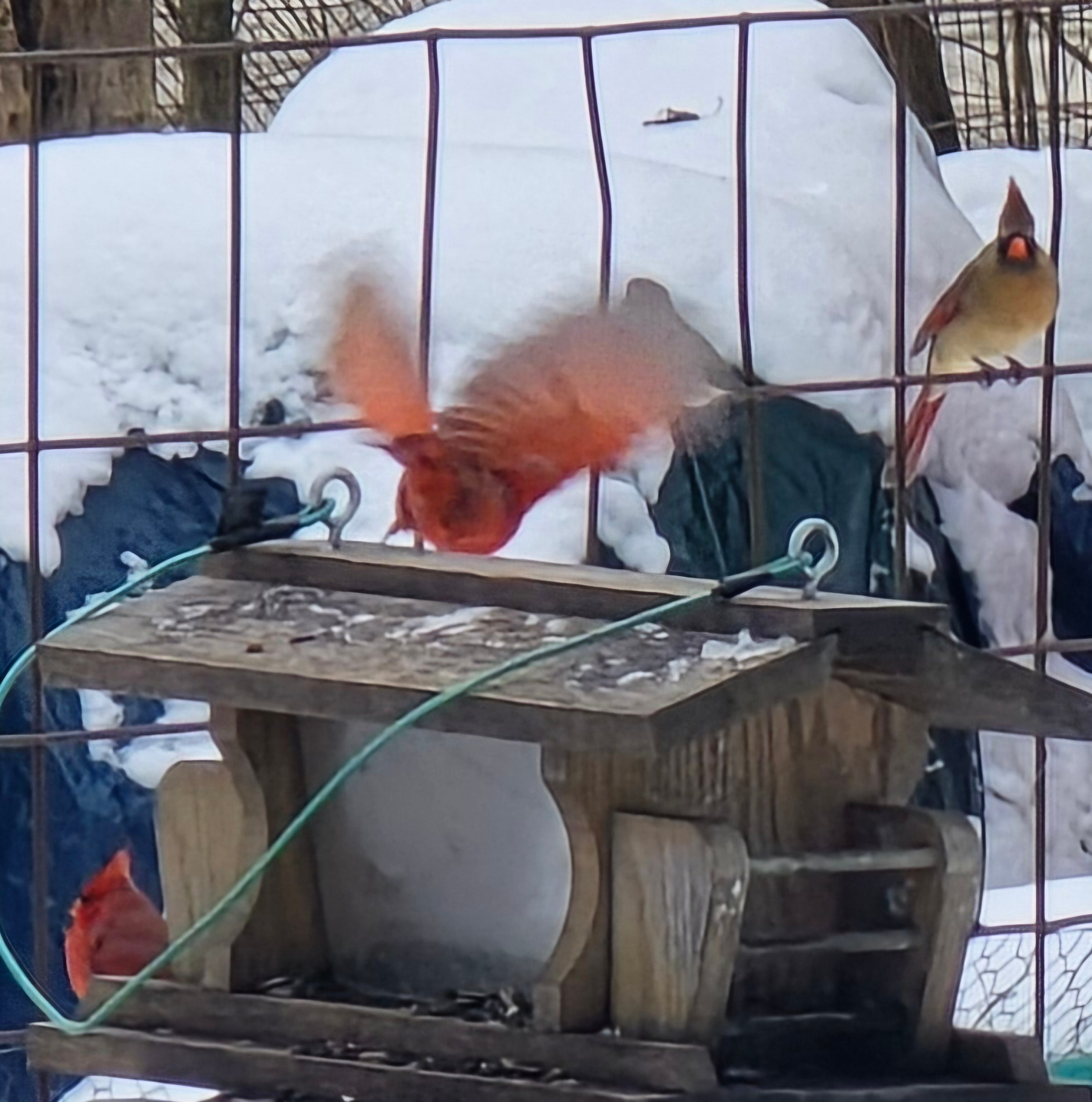
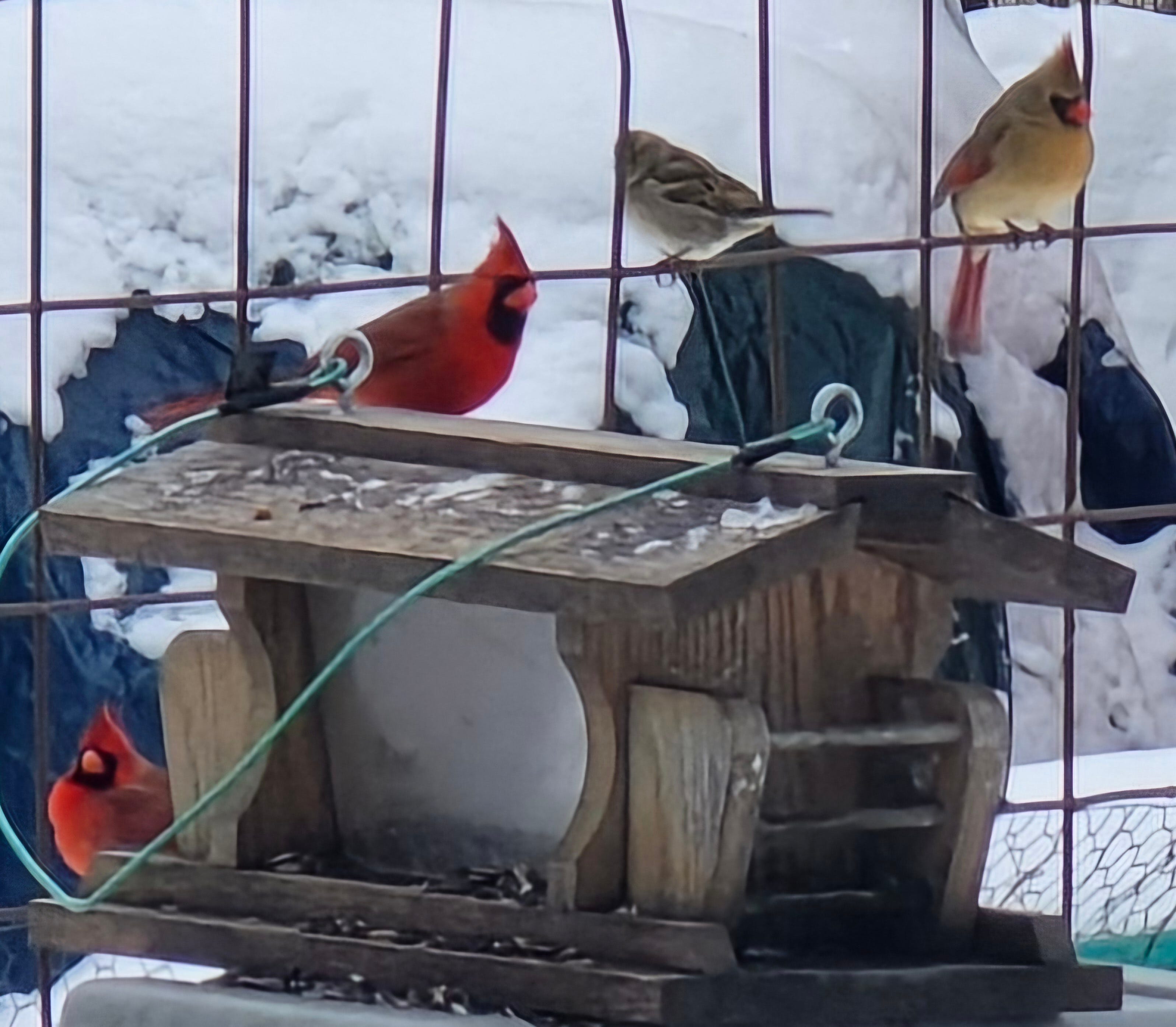
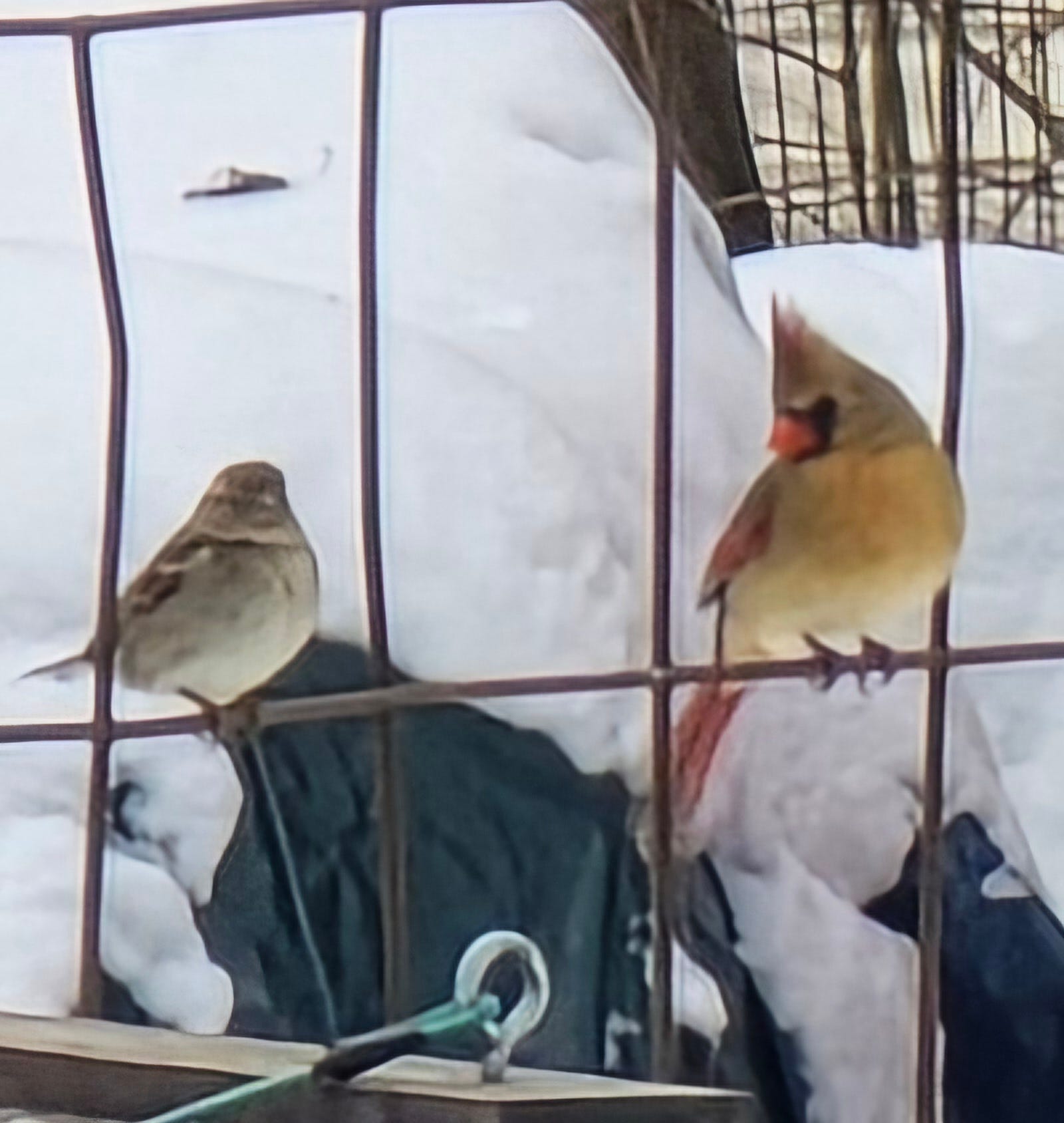
Huck!
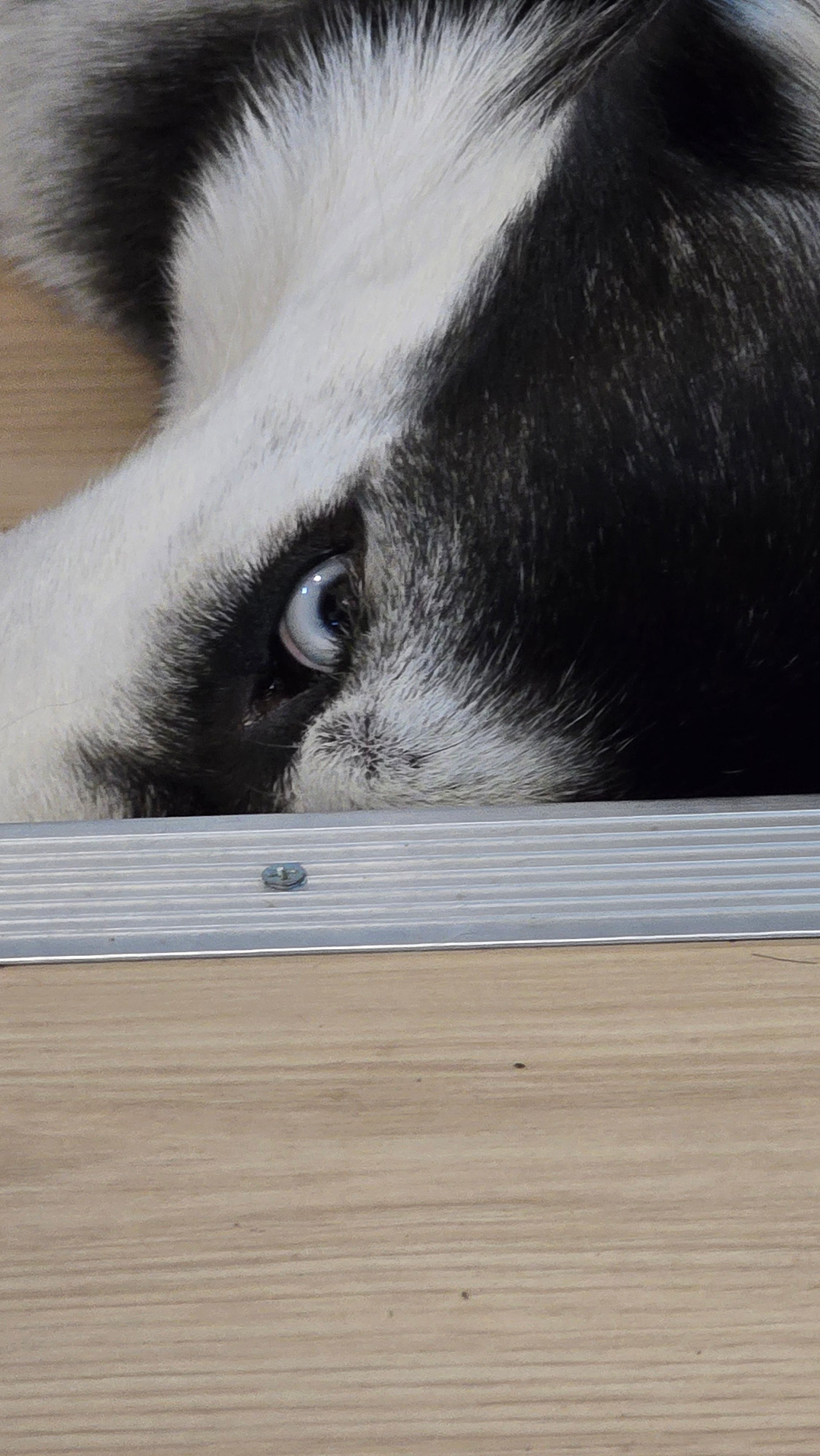
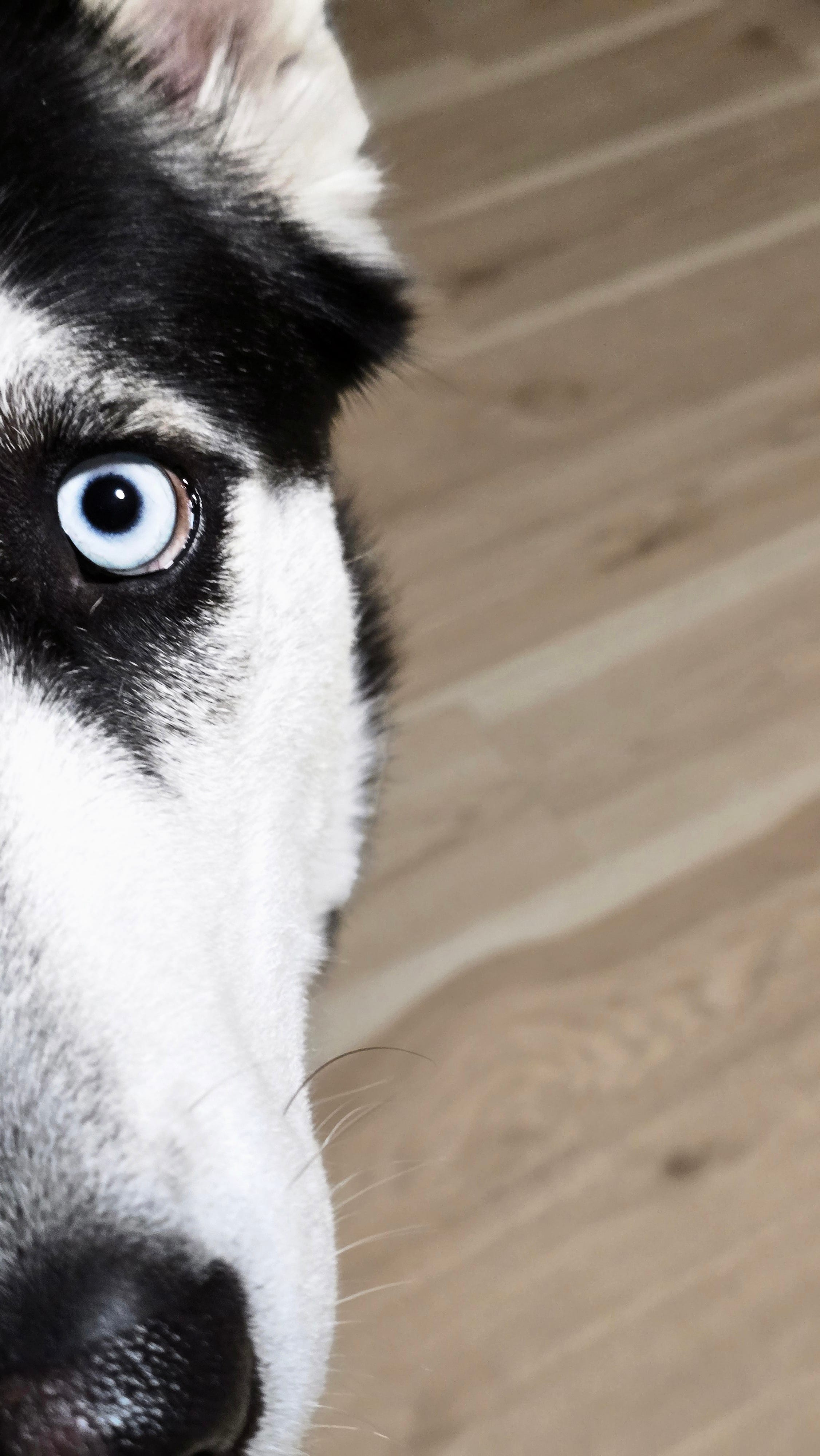
He has space issues.
Paulo! It’s hard to go wrong taking pictures of him. The trick is to put the Pale Blue Eye of Judgement right in the center of the photograph.
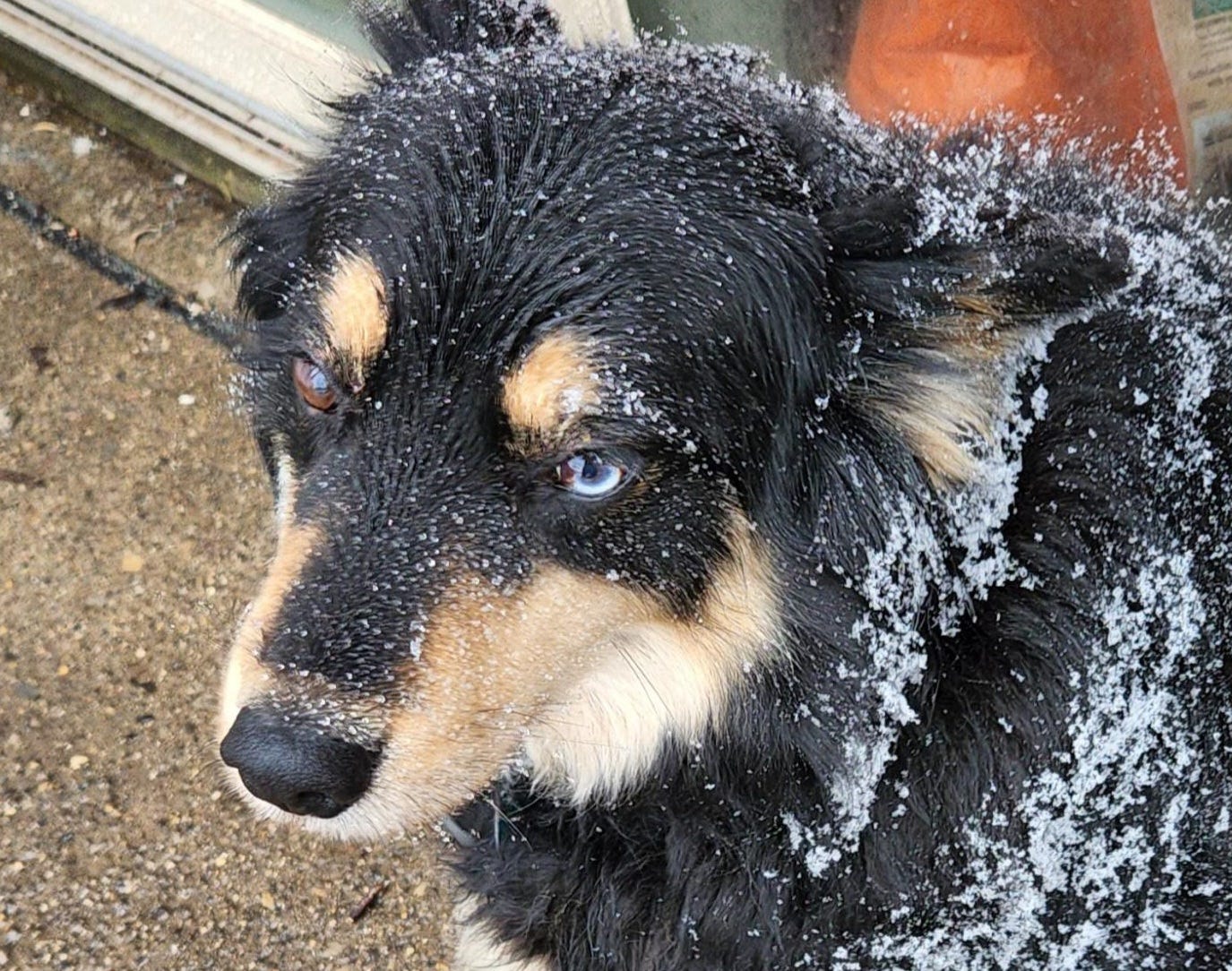
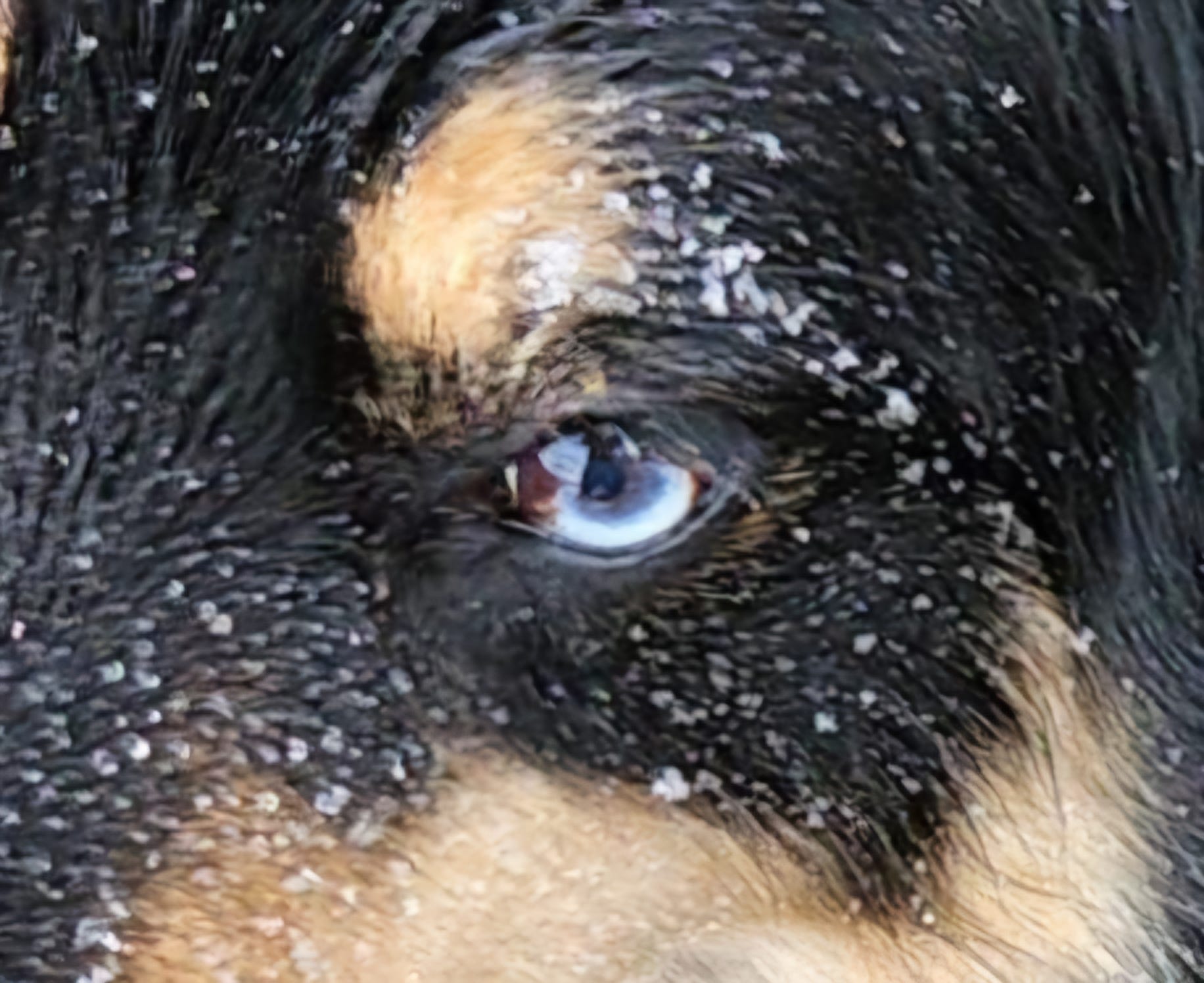
Can you feel him looking into your soul?
This is Fenn pretending she didn’t take a bite of my lemon bar while I went to get a fork.
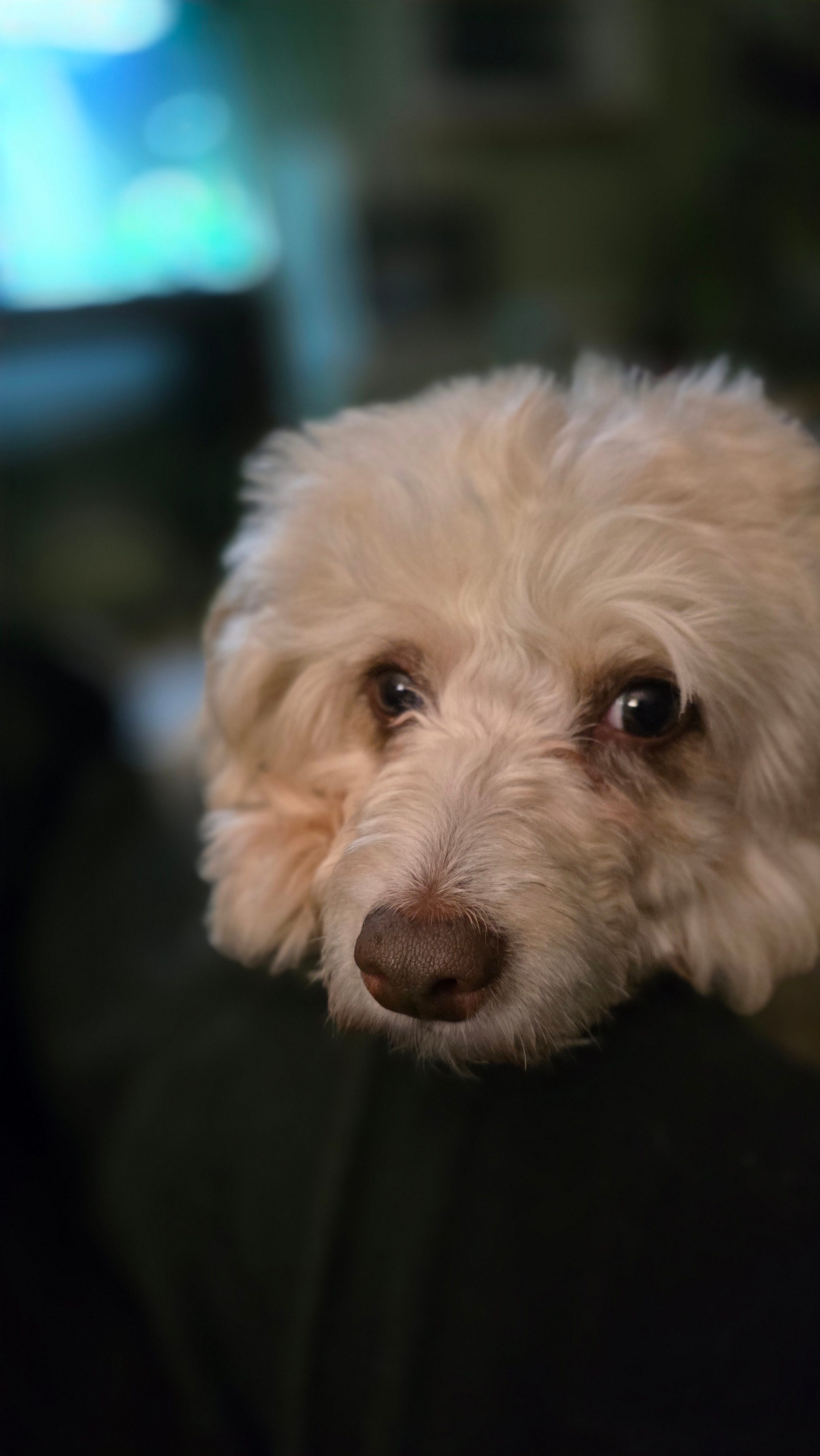
She was guilty. Guilty as Hell. Her breath smelled like lemon curd.
Sam is obviously quite wise. He’s very much against Bitcoin.
I had the greenhouse to myself this weekend. It was nice! It was snowing pretty hard at sunrise on Saturday. Today was mostly clear when the sun came up. A few clouds to shed some color.
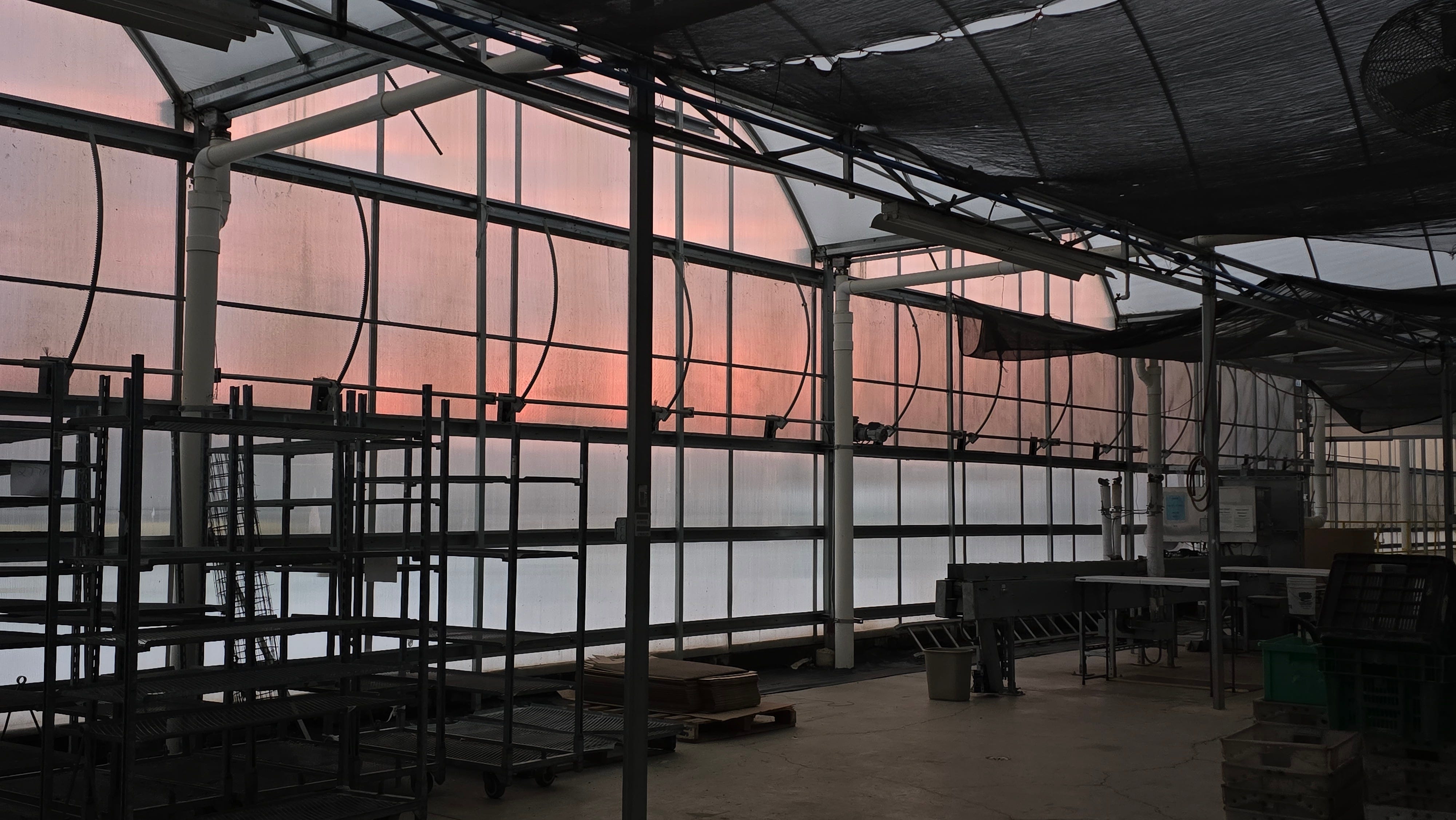
That’s all I got room for – thanks for dropping by! (snip)
“Tiny Visitor”
“Cloud Forest Beauty”
“Fearsome Forest Hawk”
Click through to see and hear.
This Is Nice-
via The Bee.
Science on Saturday
“Whale-ship collision hotspots: 93% have no protection measures”
November 22, 2024 Evrim Yazgin
A global survey has found that shipping traffic overlaps with almost the entire range of all whale species but only 7% of the areas with the highest risk of whale-ship collisions have protection measures in place for the whales.
“Whale-ship collisions have typically only been studied at a local or regional level … and patterns of risk remain unknown for large areas,” says lead author Anna Nisi, a postdoctoral researcher at the University of Washington in the US. “Our study is an attempt to fill those knowledge gaps and understand the risk of ship strikes on a global level.”

The research, published in Science, focused on 4 species: blue, fin, humpback and sperm whales.
It found that the highest risk areas lay along the coasts of the Americas, southern Africa and parts of Asia.
The team found mandatory measures to reduce whale-ship collisions were very rare. These overlapped with just 0.54% of blue whale hotspots and 0.27% of humpback hotspots. Such measures had no overlap with any fin or sperm whale hotspots.
The findings are “timely” and “not surprising”, according to Vanessa Pirotta, a researcher at Sydney’s Macquarie University who was not involved in the study. (snip-MORE)
 Scottie's Playtime