The earliest evidence that humans inhabited rainforests has been found in Africa, a surprising find which pushes human settlement in these habitats much further back than previously thought.
Modern humans, Homo sapiens, evolved about 300,000 years ago in Africa. The ecological and environmental circumstances in which our species evolved are still not well understood.
It is likely that our ape-like ancestors millions of years ago did live in dense rainforests. But the retreat of Africa’s forests and the spread of savannah and grasslands as Earth’s climate dried is usually linked to the evolution of bipedalism in early human ancestors as far back as 7 million years ago.
As a result, rainforests have often been overlooked as important habitats in the evolution of early modern humans.
New research published in Nature has put a dent in this assumption.
The evidence comes from a site which dates to 150,000 years ago in present-day Côte d’Ivoire on the southern coast of West Africa.
“Before our study, the oldest secure evidence for inhabitation in African rainforests was around 18,000 years ago and the oldest evidence of rainforest inhabitation anywhere came from southeast Asia at about 70,000 years ago,” says lead author Eslem Ben Arous, from Spain’s National Centre for Human Evolution Research (CENIEH) and the Max Planck Institute of Geoanthropology in Germany.
The site was first investigated in the 1980s when ancient stone tools were discovered. But the age of the tools and the ancient ecology couldn’t be determined with the technology of the day.
The trench initially excavated by Professor Guédé’s team was overgrown when researchers returned for the current study. Credit: Jimbob Blinkhorn, MPG.
“Several recent climate models suggested the area could have been a rainforest refuge in the past as well, even during dry periods of forest fragmentation,” says senior author Eleanor Scerri, from the Max Planck Institute of Geoanthropology. “We knew the site presented the best possible chance for us to find out how far back rainforest inhabitation extended.”
The anthropologists used several dating techniques including optically stimulated luminescence and electron-spin resonance to determine the stone tools were 150,000 years old.
Stone tools like this one, excavated at the Anyama site, reveal that humans were present at the rainforested site roughly 150,000 years ago. Credit: Jimbob Blinkhorn, MPG.
Sediment samples also showed the region was heavily wooded, with pollen and leaf waxes typically found in humid West African rainforests. Low levels of grass pollen show it wasn’t a narrow strip of forest either, but in a dense woodland.
This evidence suggests that some early modern humans lived in rainforests while others stuck to their grassland and savannah homes.
“Convergent evidence shows beyond doubt that ecological diversity sits at the heart of our species,” says Scerri. “This reflects a complex history of population subdivision, in which different populations lived in different regions and habitat types.
“We now need to ask how these early human niche expansions impacted the plants and animals that shared the same niche-space with humans. In other words, how far back does human alteration of pristine natural habitats go?”
“This exciting discovery is the first of a long list as there are other Ivorian sites waiting to be investigated to study the human presence associated with rainforest,” says Guédé.
The site which yielded these stone tools has since been destroyed by mining.
with the Worriedman farm/garden posts. I apologize, but the weather is warming, Ollie can go out, and we like to play in the backyard, which also runs off stress for both of us. So I did that yesterday, and plan to do it some more later on today, but here’s a nice post right quick:
Amongst the flowers I am alone with my pot of wine drinking by myself; then lifting my cup I asked the moon to drink with me – by Worriedman
I considered rewriting this – I was going to call it Alone and Smoking Under The Moon – After a Poem By Li Po (Amongst the flowers I am alone with my pot, smoking by myself; then, lifting my pipe I asked the moon to smoke with me -) I didn’t though. Li Po was a badass. His life would make a good novel.
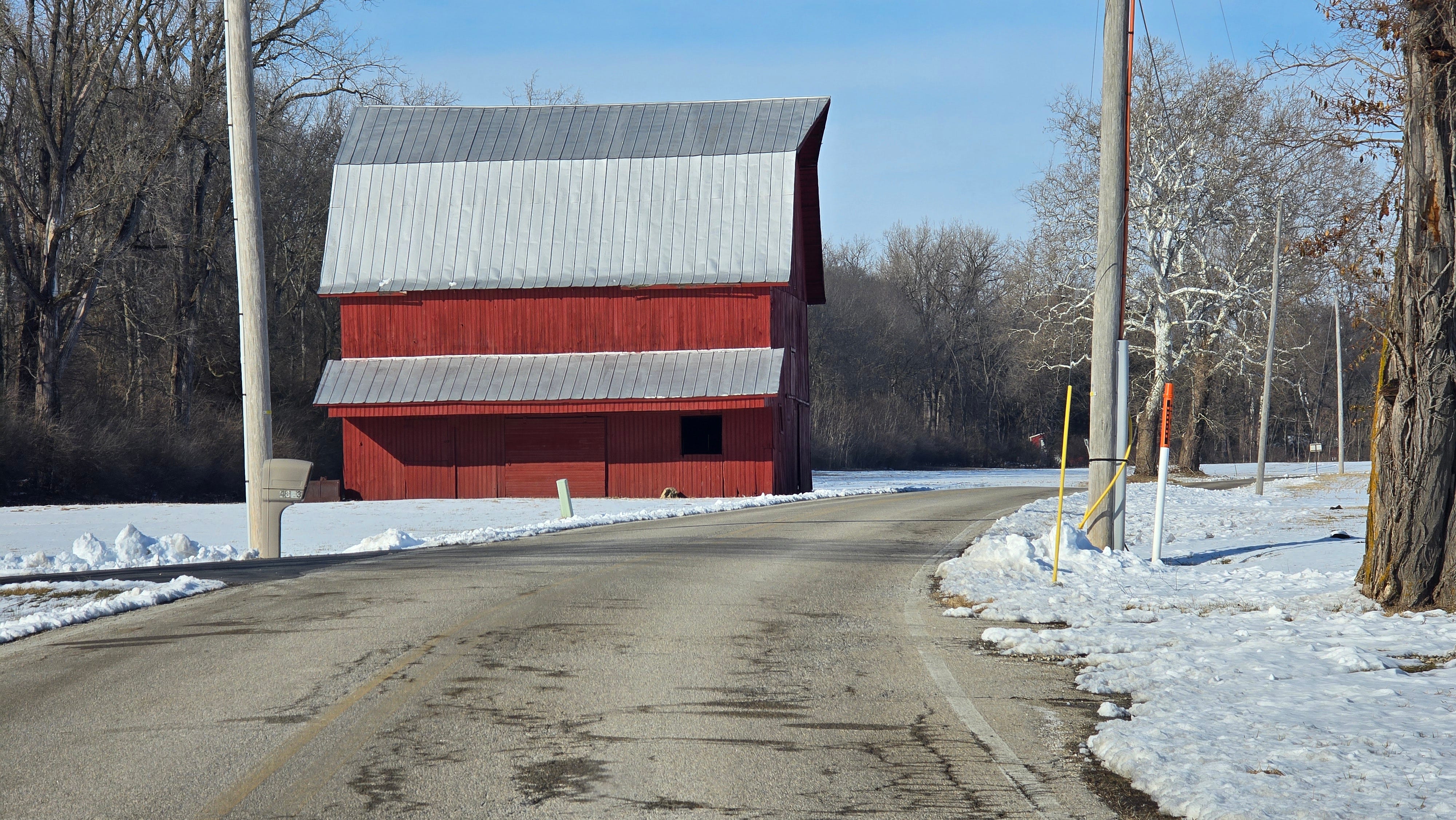
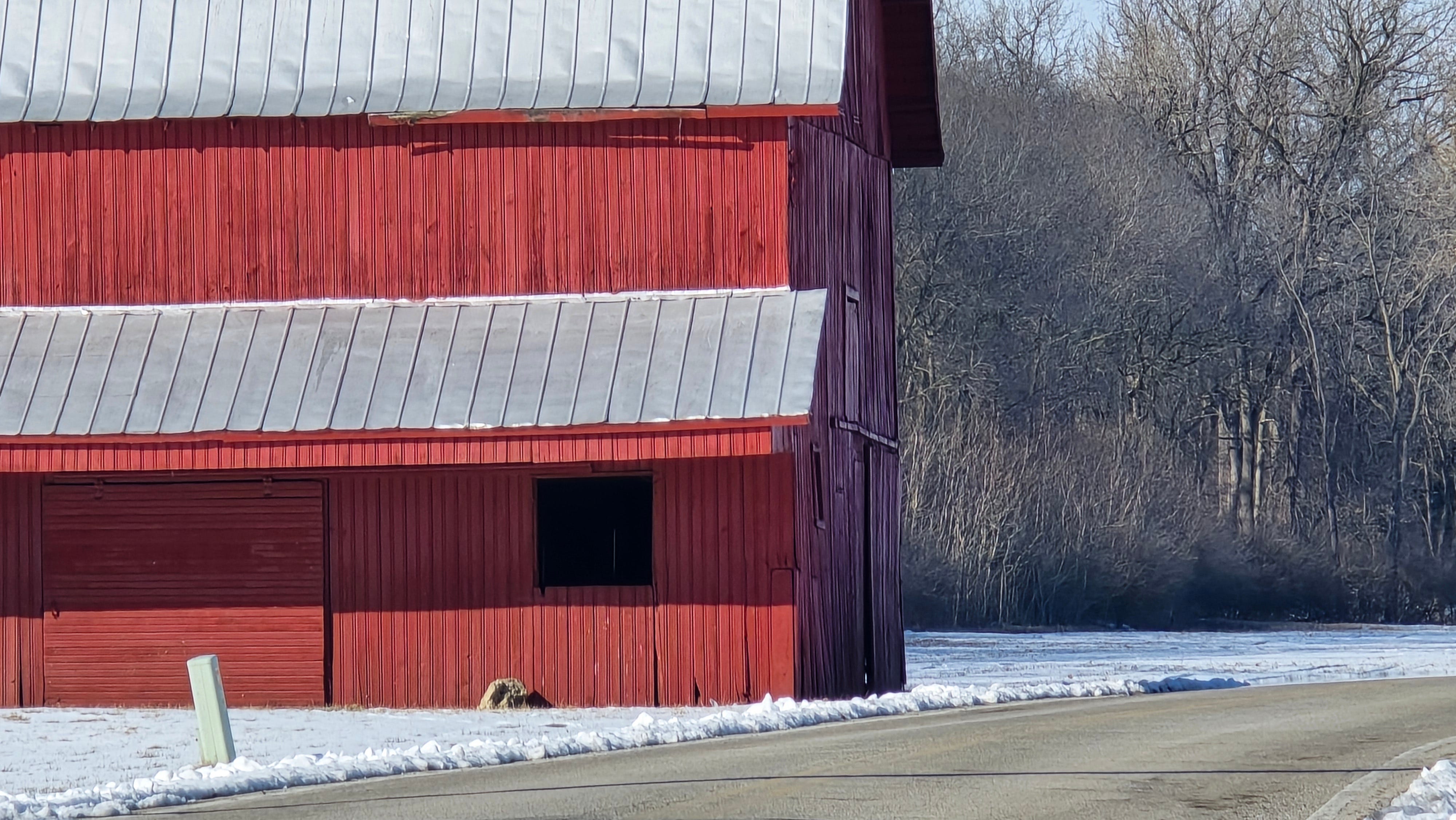
On the way out to feed the horse – if Hopper has painted Ohio barns.
Barncat came down from the hayloft.
Amos !
Huck demonstrates his boundary issues.
That’s all I have room for – thanks for dropping by!
And now that the rage of thy rapture is satiate with revel and ravin and spoil of the snow, And the branches it brightened are broken, and shattered the tree-tops that only thy wrath could lay low, Algernon Charles Swinburne – “March: An Ode”
I’ll be honest, I’m not really sure yet what that poem is trying to say – I just know that ”-satiate with revel and ravin and spoil of the snow,” is just a badass phrase. The kind of phrase I hope I’m smart enough to understand someday!
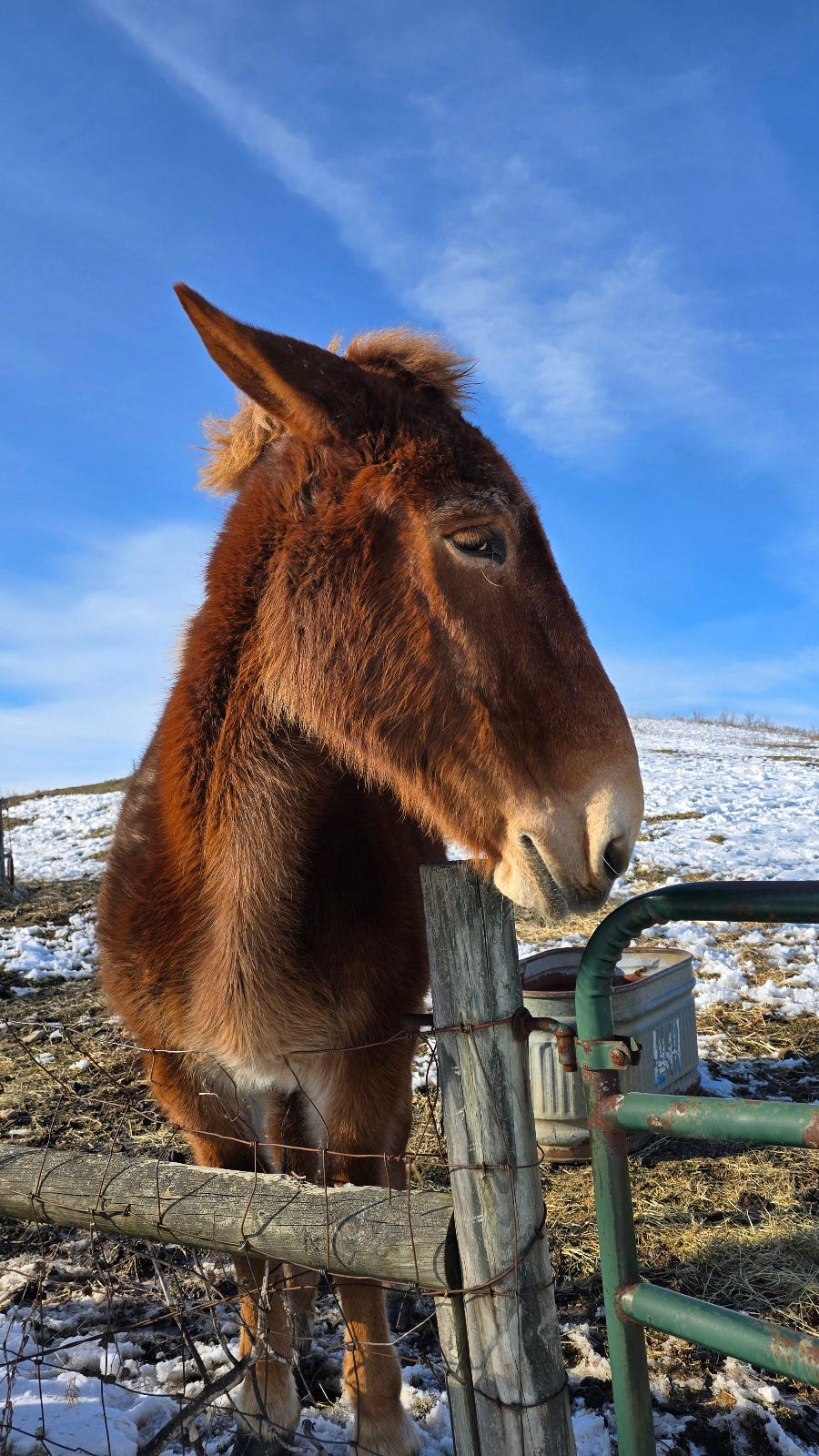
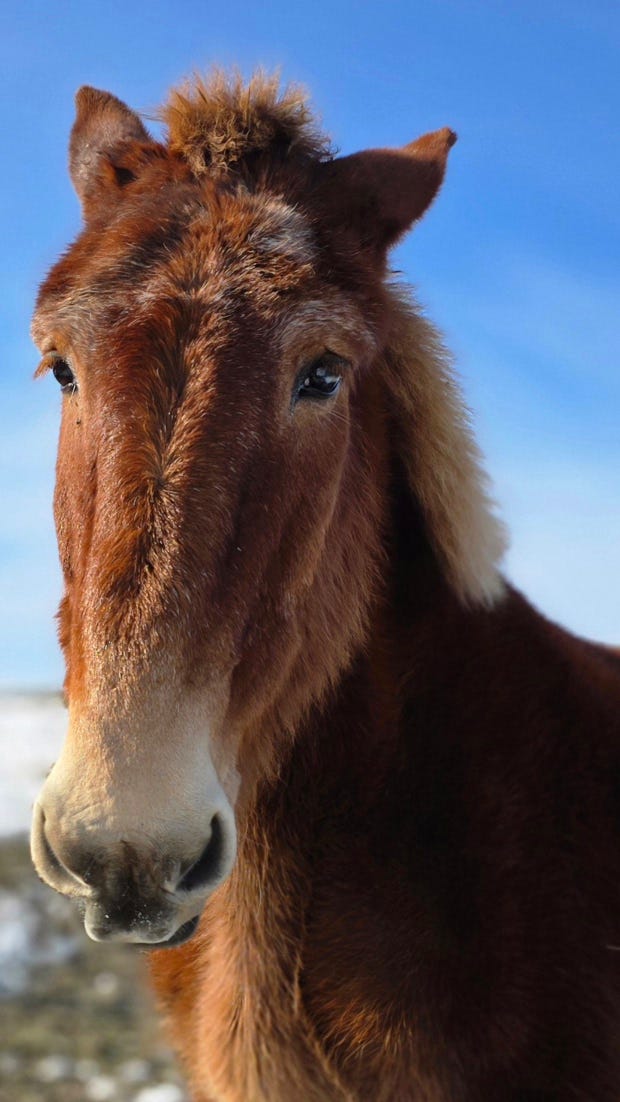
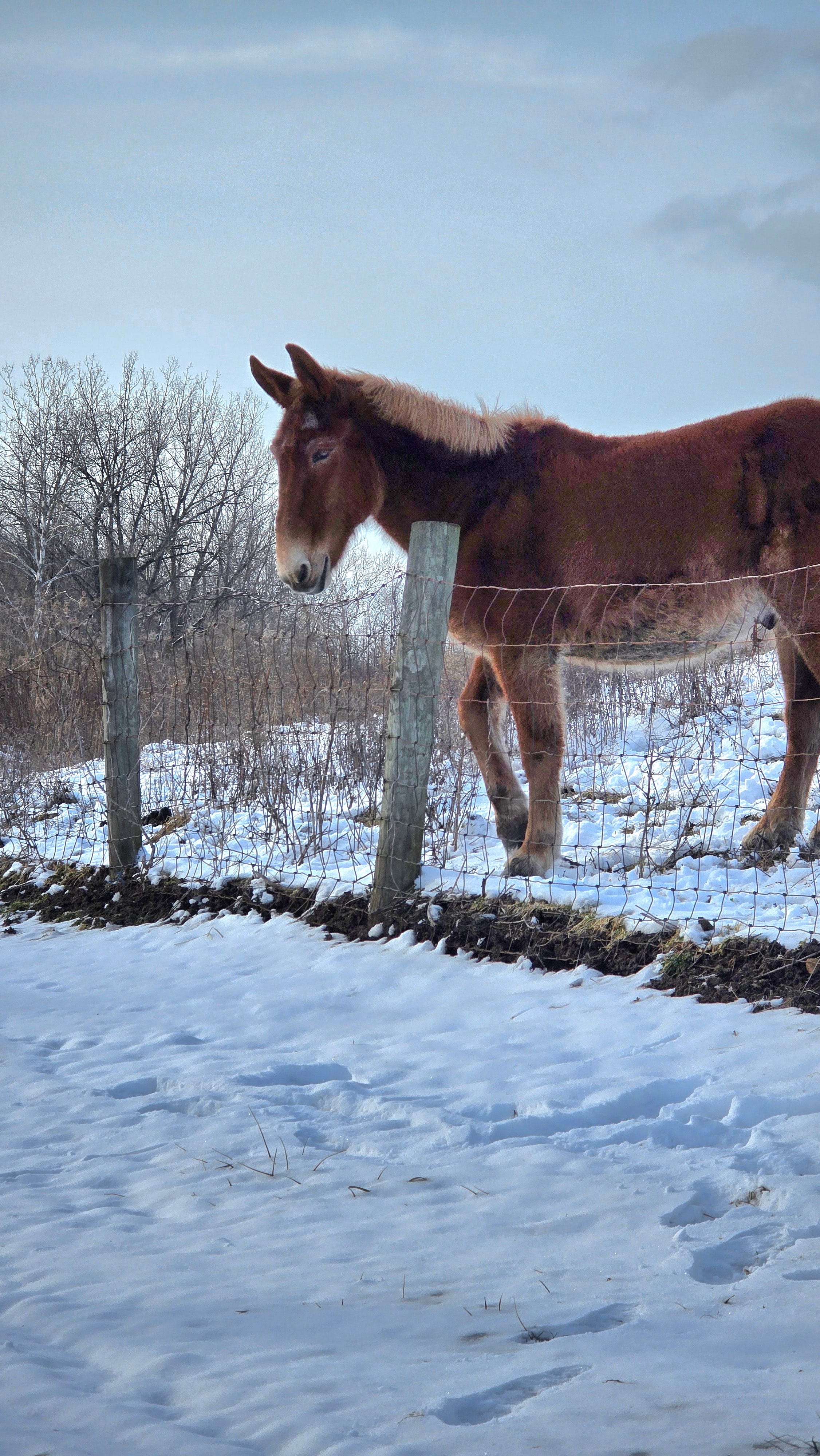
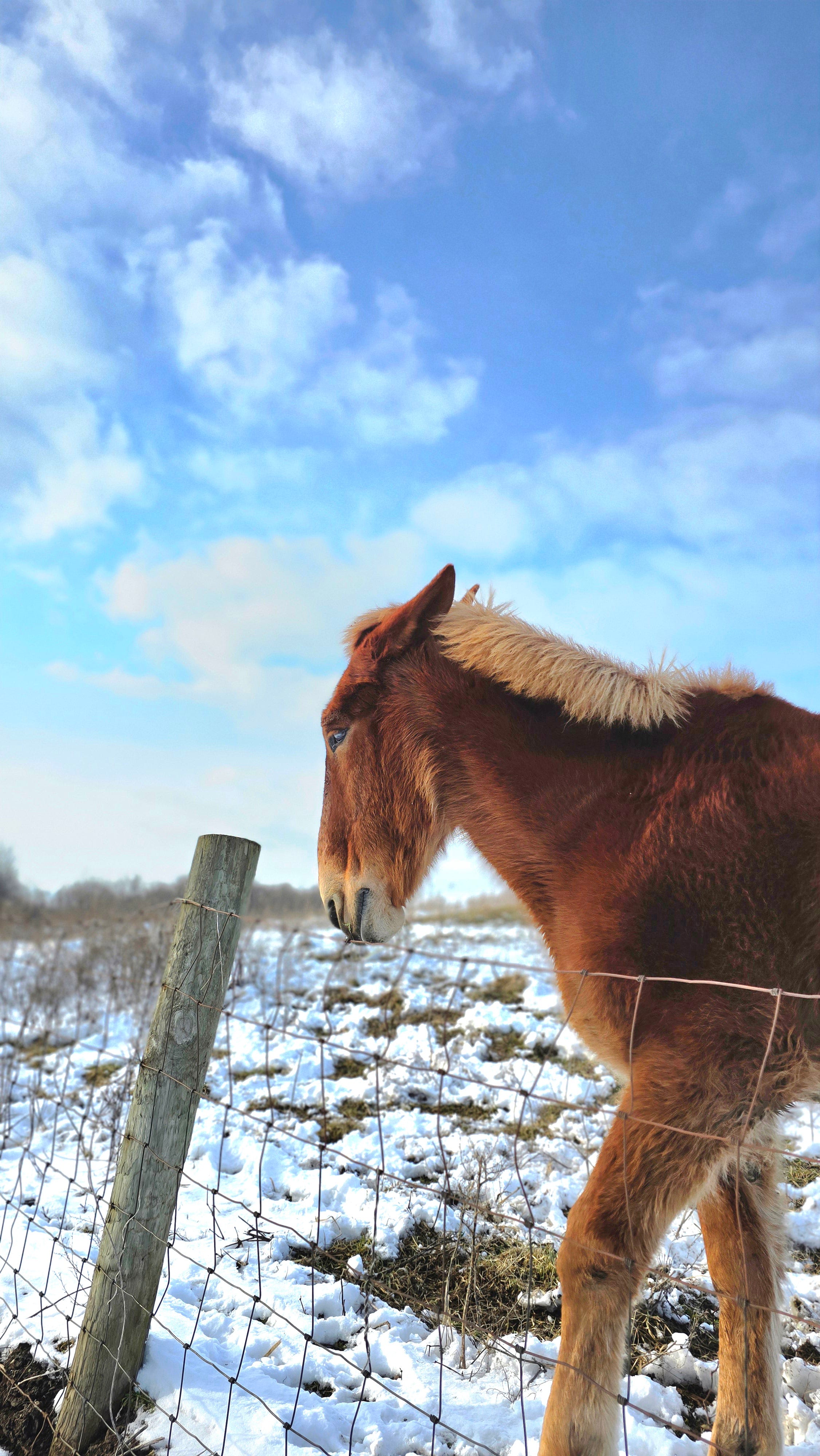
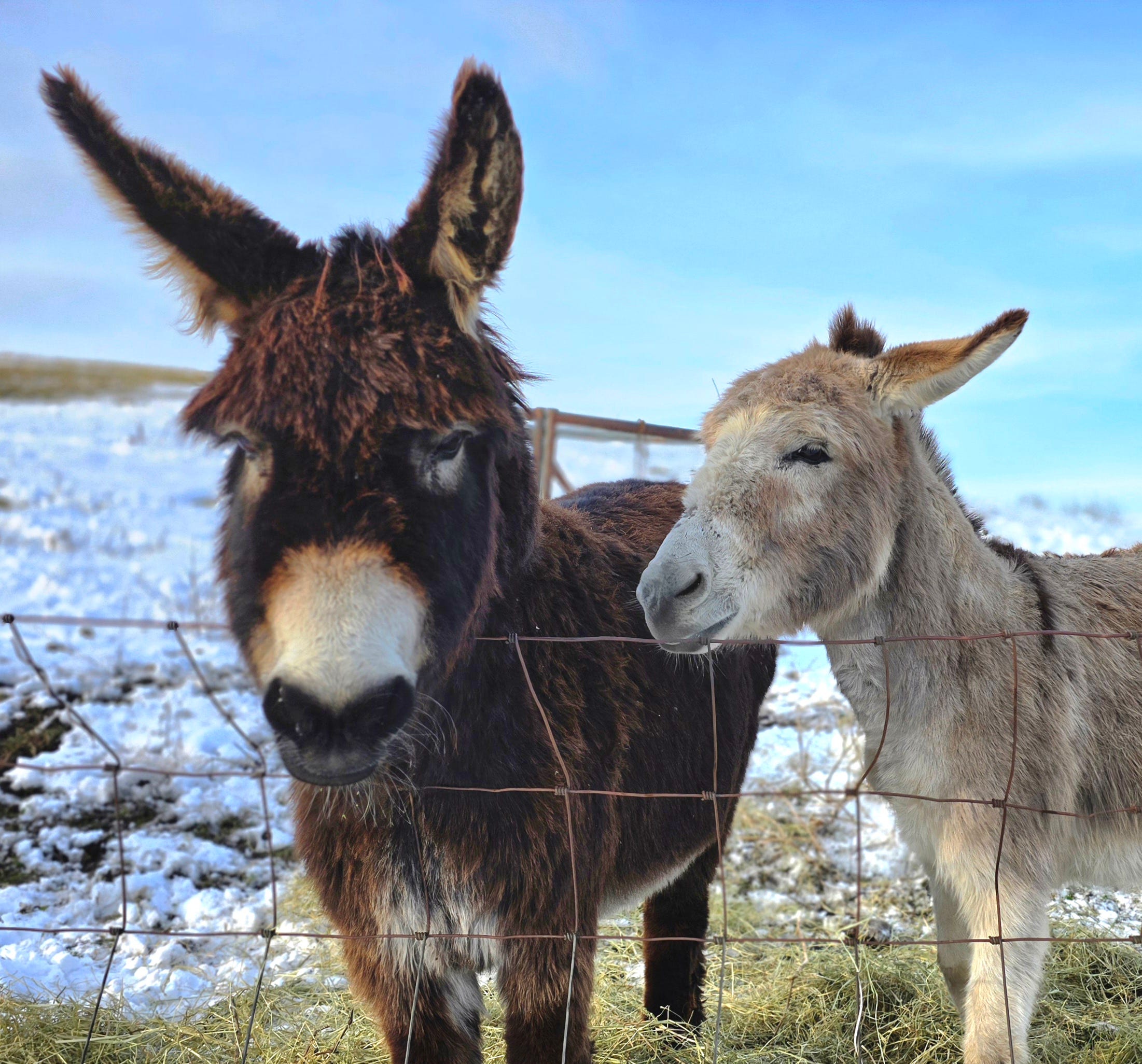
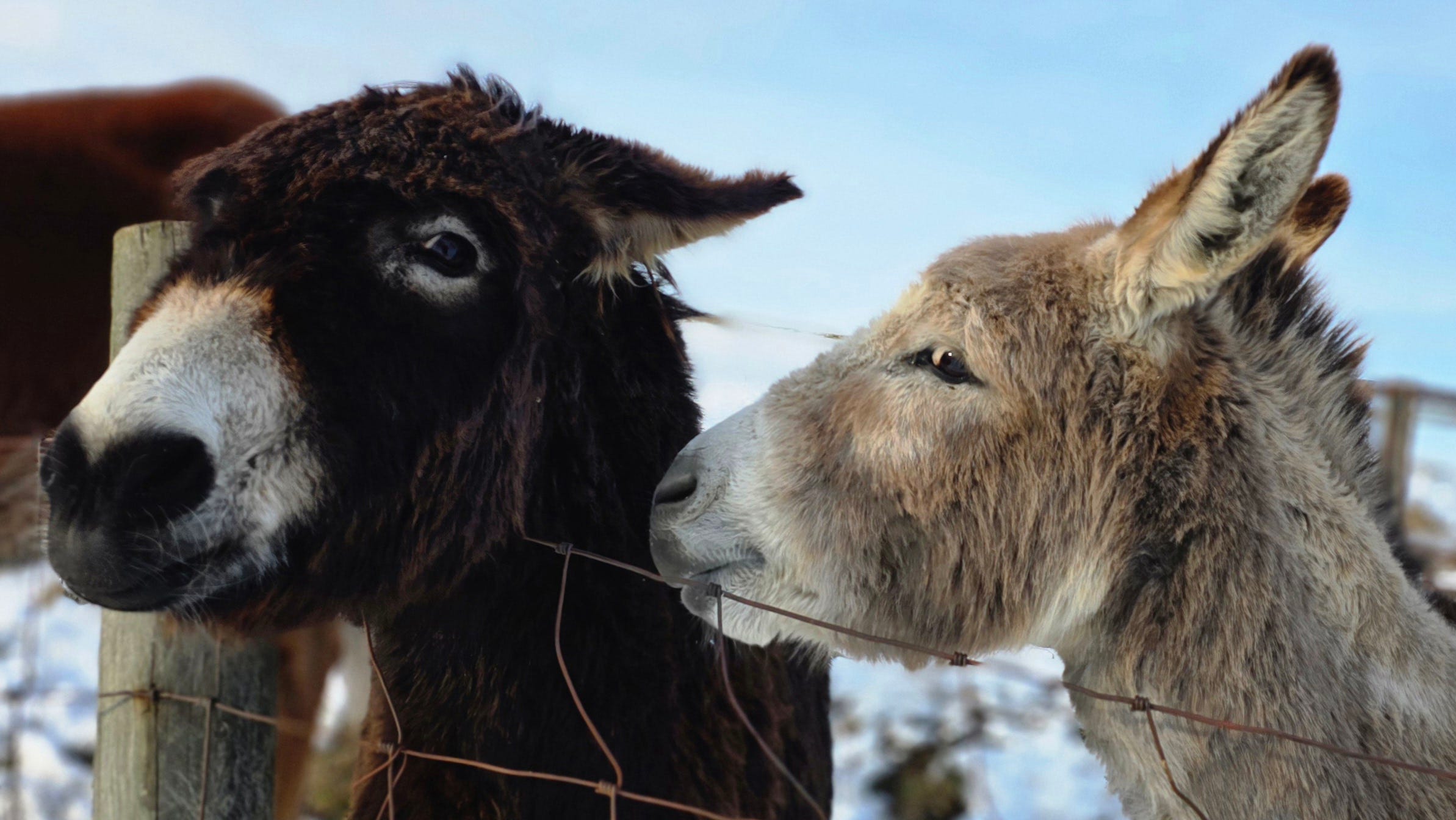
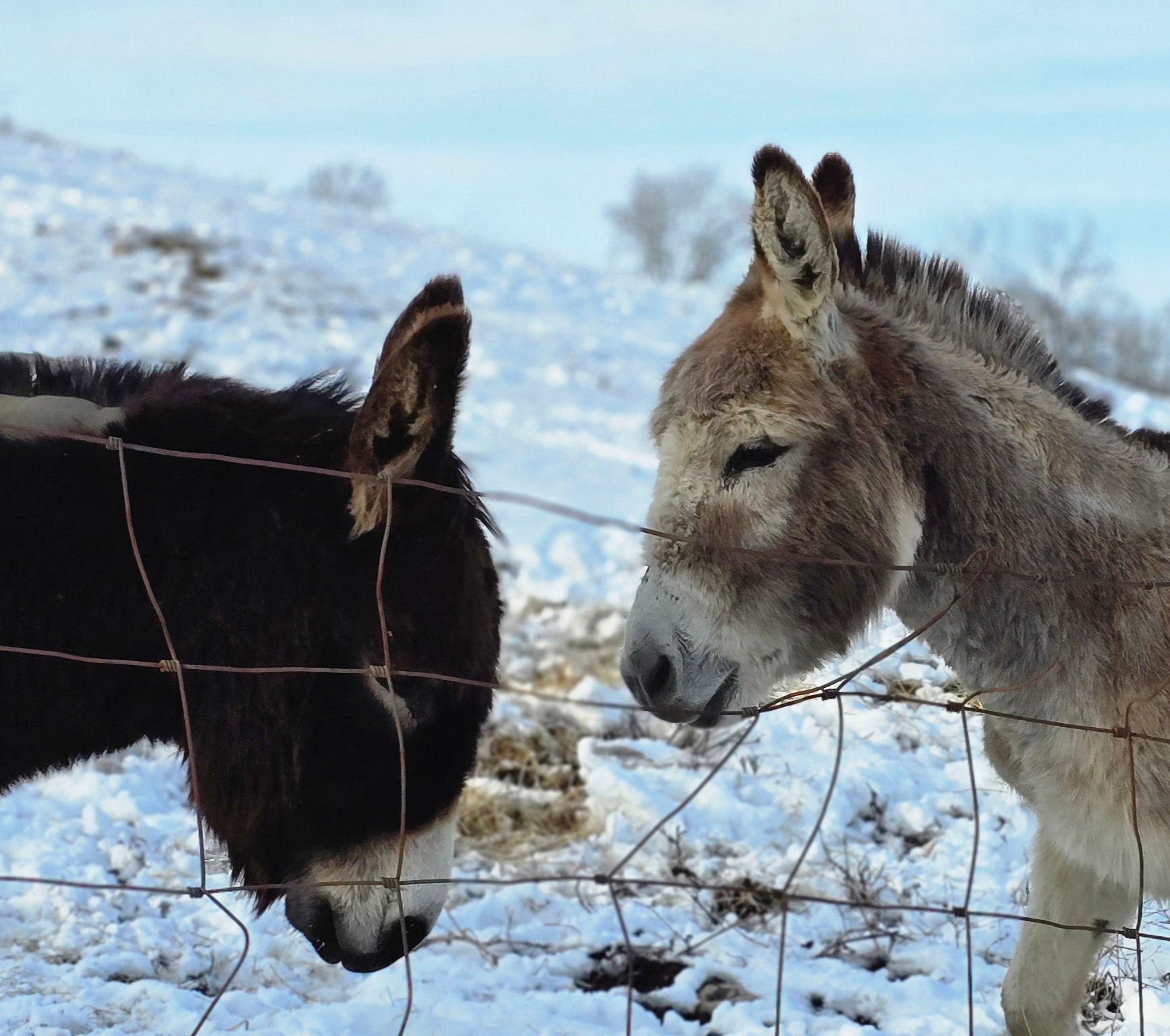
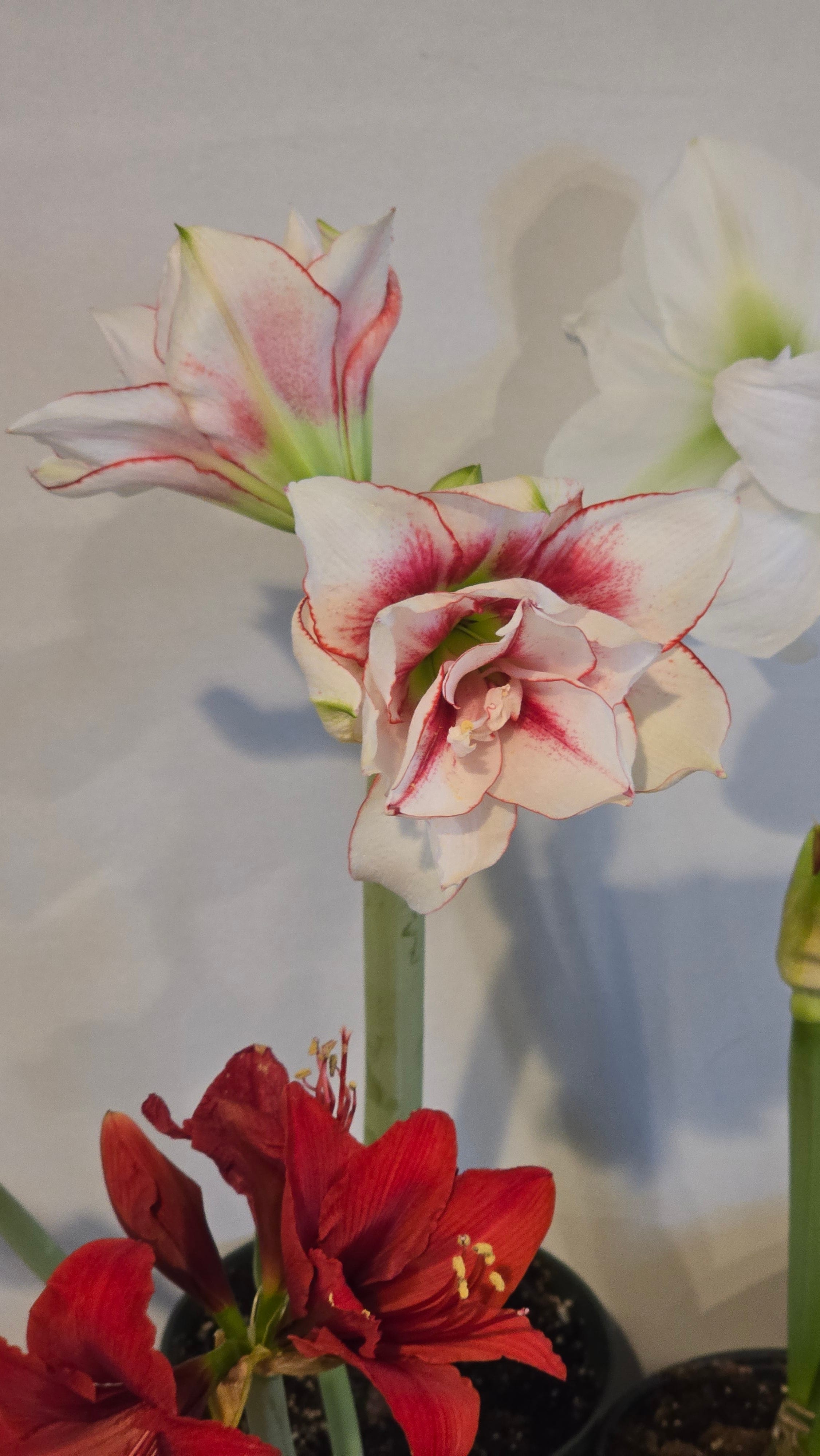
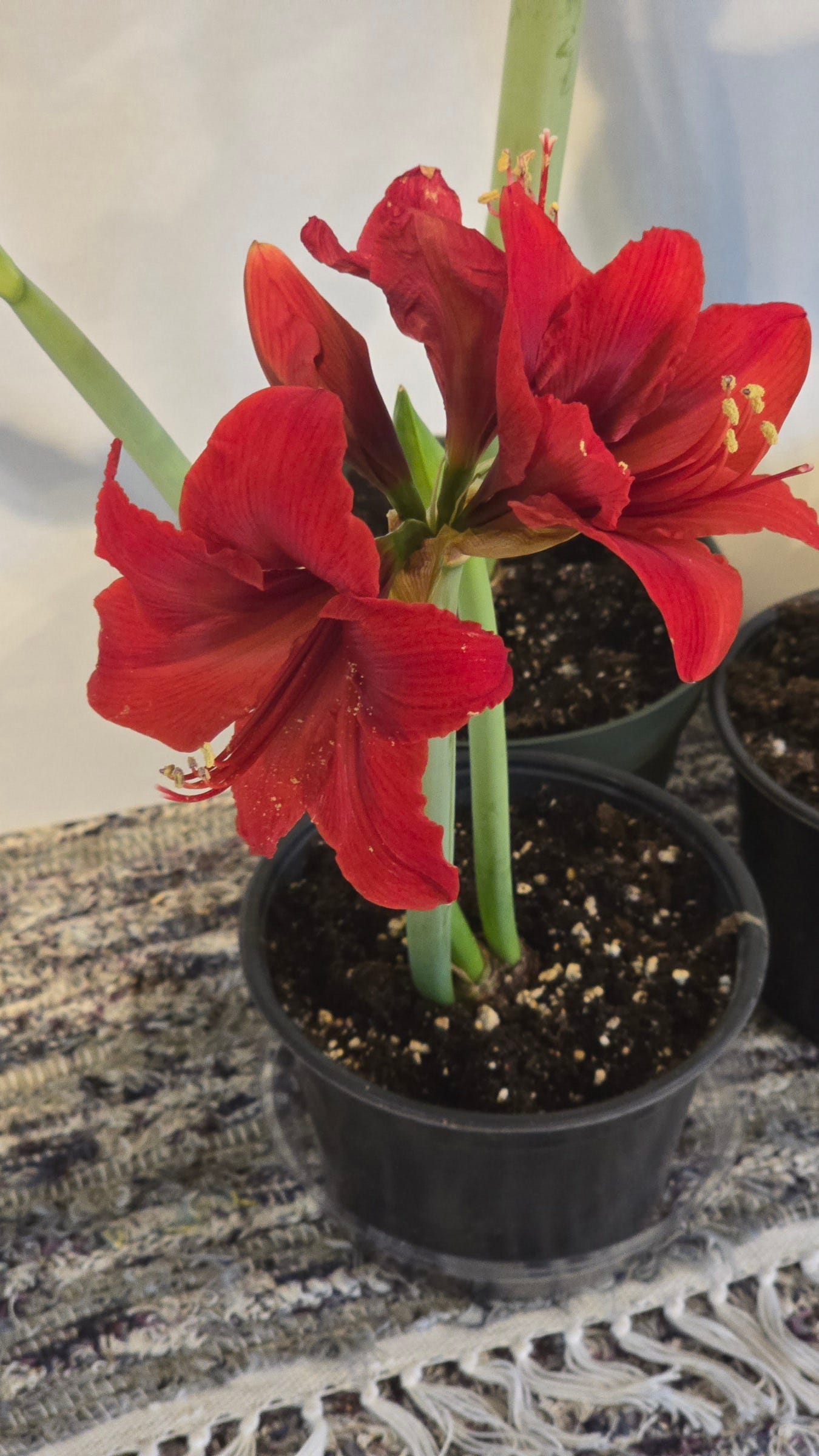
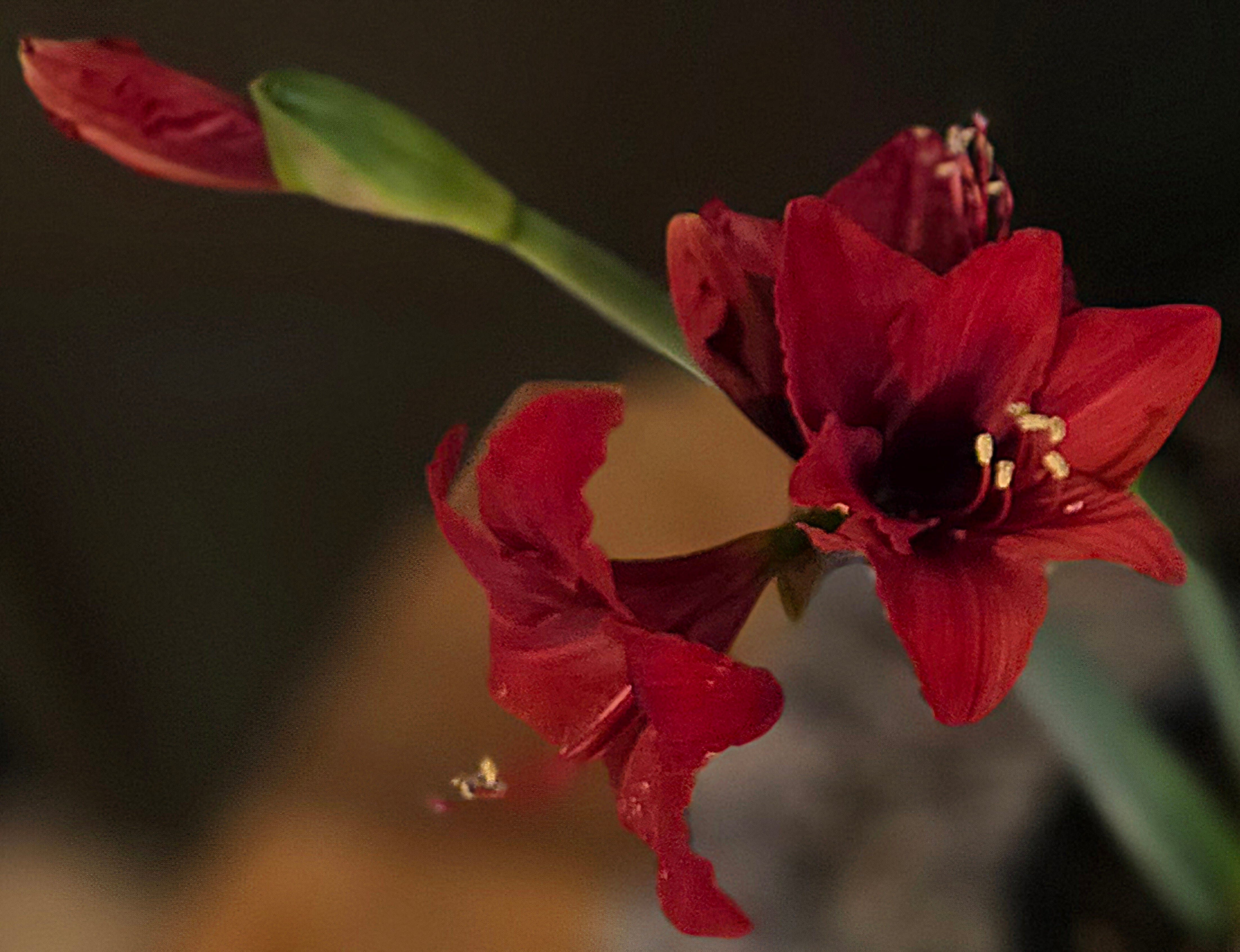
Today is going to be really good pictures of flowers and really good pictures of a mule and some donkeys. What can I say? It’s what I’m good at and I’m lucky to have found my calling.
It was cold when I took these pictures yesterday. 14° with a dozen mile an hour wind. The wind chill was somewhere around “cold as hell” verging on “What the F*#k?!” I couldn’t wear gloves and still work the camera so I took pictures until my fingers hurt.
I’m going to have to work until I die so I have an inexhaustible source of amaryllis.
That’s all I got room for – Thanks for dropping by! (snip)
Ocean acidification now looms as a direct challenge to oysters. Experts warn that more acidic conditions can alter the sex balance in these shellfish. Some oysters start life as male, then switch to female later. Shifts in pH threaten to speed that switch.
These shifts could upend aquaculture and coastal ecosystems everywhere.
Researchers note that an oyster population with too many females might see future reproduction problems, since a balanced sex ratio helps keep populations stable.
Photo: Pexels
Oysters rely on environmental cues to decide their sex. (snip-MORE)
Proposal calls on company to prepare reports on ‘macroeconomic costs’ of health insurer’s practices
UnitedHealth Group is attempting to swat down a non-binding shareholder proposal that asked the company to prepare reports on the costs of delayed and denied healthcare.
The proposal, filed by members of the Interfaith Center on Corporate Responsibility (ICCR), represents a new frontier in seeking to hold insurance companies accountable for the “macroeconomic costs” of denied care – arguing they eventually hurt the bottom line of large investors.
The proposal asks UnitedHealth Group to prepare reports on the “public health-related costs and macroeconomic risks created by the company’s practices that limit or delay access to healthcare”.
“The investors we work with are interested in long-term value creation,” said Meg Jones-Monteiro, senior director of health equity at ICCR. The coalition represents primarily institutional investors, such as pensions and foundations.
“When you think about the investment portfolios our members have, they are very diverse,” Jones-Monteiro. “What happens in one sector impacts another.”
The proposal is non-binding, but UnitedHealth Group is nevertheless fighting to stop it. In a filing with the Securities and Exchange Commission in January, UnitedHealth Group attempted to exclude the proposal from proxy statements on technical grounds, arguing in part that the terms “public-health related costs” and “macroeconomic risks” are vague and subject to interpretation. (snip-MORE)
Last month I asked to hear from trans-friendly employers who sponsor visas, and provided a simple form for interested employers to reach out. In the process, I heard from many individuals: people who were hoping to find new employment in another country, and people who worked for companies that were aligned, who were encouraging their bosses to fill in the form.
A quick reminder before we dive in: I’m not providing formal legal or financial advice. I’m just trying to point people in the right direction and provide some ideas for relocation for people who want it.
The bad news
Here’s the bad news: today, that form sits empty. While the post was shared far and wide, not a single person has filled it in.
I think there are a few reasons for this. First and foremost, in the current environment, being listed in such a database presents a significant risk, particularly if you’re doing business with US entities. In an environment where the administration is firing employees and cutting contracts for even the barest mention of support for trans people, there’s every reason to believe that the current administration will penalize people and organizations who work with trans people.
So, that’s not great. I’m very sorry to everyone who got their hopes up that I would be able to make direct connections.
The good news
The good news: some countries actively sponsor visas, welcome trans people, and are hiring.
In my personal conversations with people, what jumped out again and again was that emigrating to the Netherlands was a viable route for many people — and particularly those with tech skills (engineering, IT, product management, design, research, and so on).
Reasons include:
Dutch tech companies tend to sponsor visas. (Look for job vacancies written in English and/or on boards like Tech Me Abroad and Relocate.me.)
You can relocate with a self-employment visa if you have a skilled background, can demonstrate at least one Dutch-based contract or that you’ll start a tech-based business, and can show that you’ll independently make €1,613 (~$1,700) per month.
The DAFT visa lowers the barrier to entry for US entrepreneurs who can commit to invest €4,500 (~$4,700).
The Netherlands is also kind of just a neat country: excellent social safety net, great support for culture and the arts, good connectivity to other European countries, and a strong grant support network for mission-driven tech. Amsterdam is a first-class cosmopolitan city, but other centers in the Netherlands are not to be sniffed at, and the country is so small that you can easily take public transit from one to another in less time than it might take you to commute to work by car in the US.
It is not, however, perfect. Much like the US, the Netherlands has had its own racial reckoning; unlike the US, the discourse has often centered on the idea that racism doesn’t happen there. That’s a rich claim from a society where racist tropes like Zwarte Piet are still commonplace, and where women of color are often marginalized. There’s work to be done — although it’s worth asking if this is truly any worse than the US.
Not everybody can relocate, and not everybody has these skills. I’m aware that this is a privileged route that not everybody can take advantage of. It would be better if there was a defined route for everybody who needed to find a safer place to live; it would be better still if a safe place to live was the place they already call home. This situation is sick and sad, and I truly wish that everything was different.
It also comes with an attendant cost. It’s estimated that moving to the Netherlands will set you back between $6-10K. That’s a lot less than one might expect, but it’s obviously a significant barrier for many people. Unfortunately, very little financial support exists for these moves. If you know of grants, mutual aid funds, or community resources that help trans people relocate, please share them. Funding and guidance from those who’ve navigated the process could make all the difference.
Please reach out
In the meantime, I’ll keep looking. If you are a company in a country that is safe for trans people, and you’re looking to hire people from the US who need visa sponsorship, please fill out this form or reach out to me via email. I’m not giving up.
==========
I once had a wonderful experience with tens of thousands of pansies. by Worriedman
Plant the green side up and give it a good drink of water a couple of times a week…
Pansies are Viola hybrids, Viola x wittrockiana. (“wittrockiana” sounds like a mountainous region in the south of the Duchy of Grand Fenwick) The common names, pansy, viola and violet are used interchangeably. “Pansies” are usually larger and taller than true violas, with large showy blooms. Violas are usually smaller plants, with smaller blooms, more plentiful than find on pansies. If you want to be a real nerd you can look at the petals. Both kinds of blooms have five petals . On the pansy, four petals point up, one points down. On the viola, two petals point up and three point down.
February 17, 1958 The first meeting of Britain’s Campaign for Nuclear Disarmament (CND) was held. CND developed the peace symbol which became its logo. CND history
February 17, 1975 Several hundred residents of Wyhl, Germany, occupied the site of a nuclear power plant with the intent of halting construction. The contractor had begun building despite a court order to suspend doing so. Police responded to the protesters with dogs, water cannon, and arrests. By the following week, however, over 25,000 had joined the occupation, and police withdrew for eight months. This is believed to have been the first such nuclear plant site takeover in the world. The occupation was nonviolent, and a sort of village sprang up with a “Friendship House” and a “popular university.” Local farmers supported the occupiers with food. Stand-off between anti-nuclear activists and police at Wyhl, Germany Following the negotiated withdrawal of the occupiers, a panel of judges permanently banned construction of the plant, and the land is now a nature preserve.
February 16, 1936 A coalition known as the Popular Front (Frente Popular), comprised of socialists, communists, republicans, and labor groups, narrowly won a majority in the Cortes, Spain’s parliament, defeating the National Front.
February 16, 1959 Fidel Castro was sworn in as Cuba’s youngest prime minister after leading a years-long guerrilla campaign that forced right-wing dictator Fulgencio Batista into exile. Fidel Castro Castro, who had become commander-in-chief of Cuba’s armed forces after Batista was ousted on January 1, replaced the more moderate Jose Miro Cardona as head of the country’s new provisional government. Fulgencio Batista More background on Fidel As reported at the time, including a filmed interview with Castro in English
February 16, 1982 Citizens’ Action for Safe Energy (CASE) succeeded in stopping construction of Black Fox Nuclear Power Plant near Inola, Oklahoma. Public Service of Oklahoma announced the cancellation, the first of its kind solely due to citizen protest. CASE’s founder, Carrie Barefoot Dickerson, known as Aunt Carrie, and her husband, Robert, spent nearly a decade and all their financial assets organizing folks around Tulsa and the state. The Dickersons’ principal concern was the potential damage to health near the plant, and elsewhere through uranium mining and processing. Aunt Carrie, her allies and their success watch video (2011)
February 16, 1996 Seven activists were arrested for blocking the road to the ceremony commissioning the nuclear submarine U.S.S. Greeneville at the Norfolk (Virginia) Naval Base.
February 16, 1996 The Zapatista National Liberation Army (EZLN), representing Mexico’s southern indigenous peoples, and the Mexican federal government signed the San Andrés Accords. Begun in 1994 in Chiapas state, the EZLN had pushed the government for: • Basic respect for the diversity of the indigenous population of Chiapas; • The conservation of the the natural resources within the territories used and occupied by indigenous peoples; Subcommandate Marcos, leader of the Zapatistas, and two of his officers • A greater participation of indigenous communities in the decisions and control of public expenditures; • The participation of indigenous communities in determining their own development plans, as well as having control over their own administrative and judicial affairs; • The autonomy of indigenous communities and their right of free determination in the framework of the State.
February 16, 2005 The Kyoto Protocol went into effect after countries responsible for 55% of the world’s greenhouse gas (GHG) emissions had ratified the treaty, following Russia’s agreement to its terms. The agreement’s purpose was to reduce such gases to 12% below their levels in 1990 by 2012 and, thus, slow global warming. 180 countries had agreed (except for the United States and Australia, two of the world’s top emitters of GHG per capita) to rules for implementing the Kyoto Protocol on July 29, 2001, in Bonn, Germany. President George W. Bush withdrew the U.S. from the process shortly after he took office that same year. His reasoning was that, since India and China had not signed on, they would gain a competitive advantage. The U.S. is now responsible for 15.6% of the earth’s GHG (with 5% of its population). History, background on the Kyoto Protocol








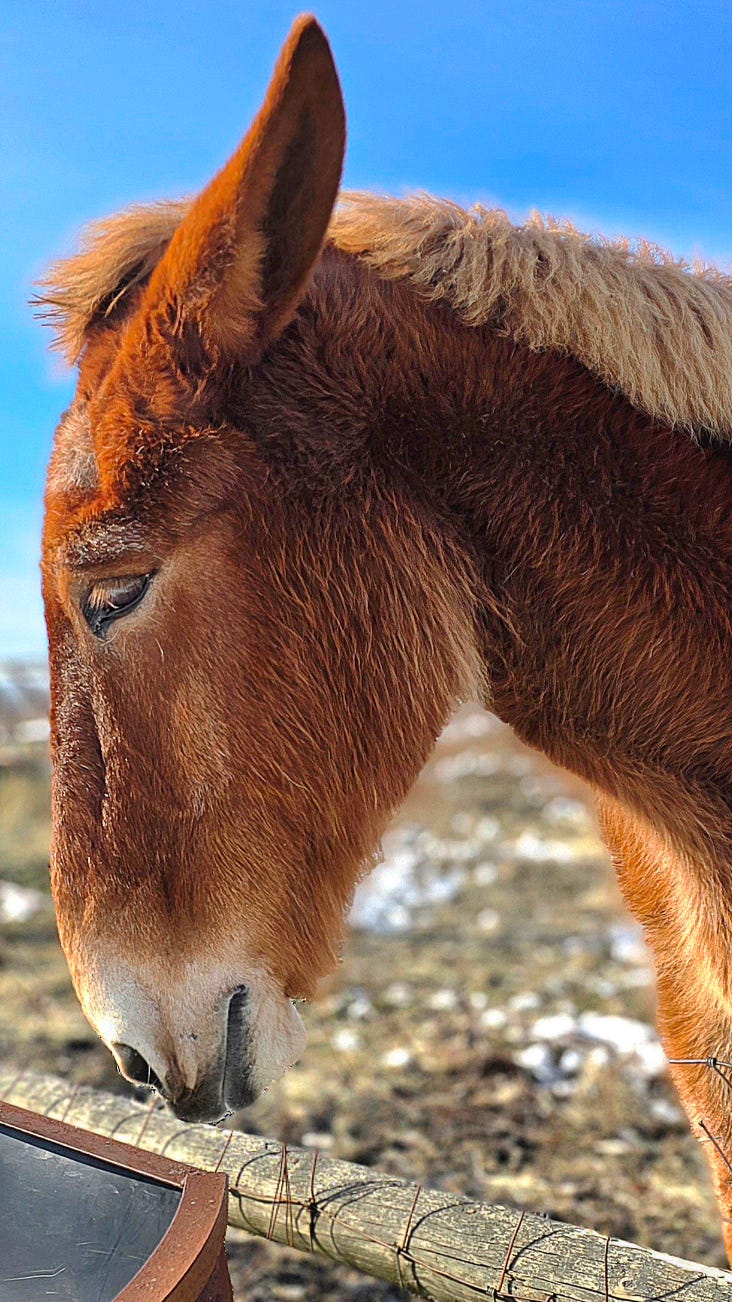
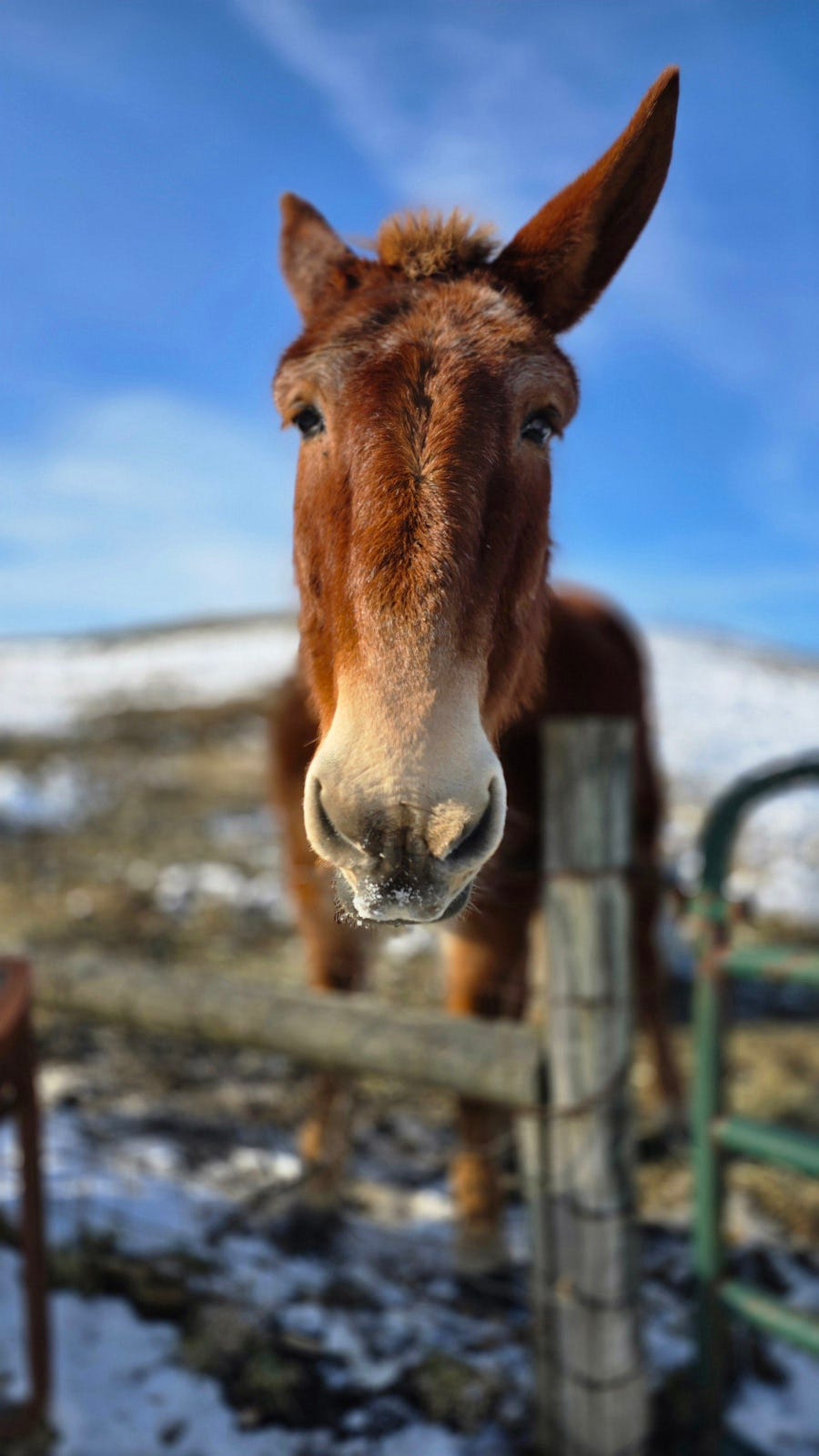

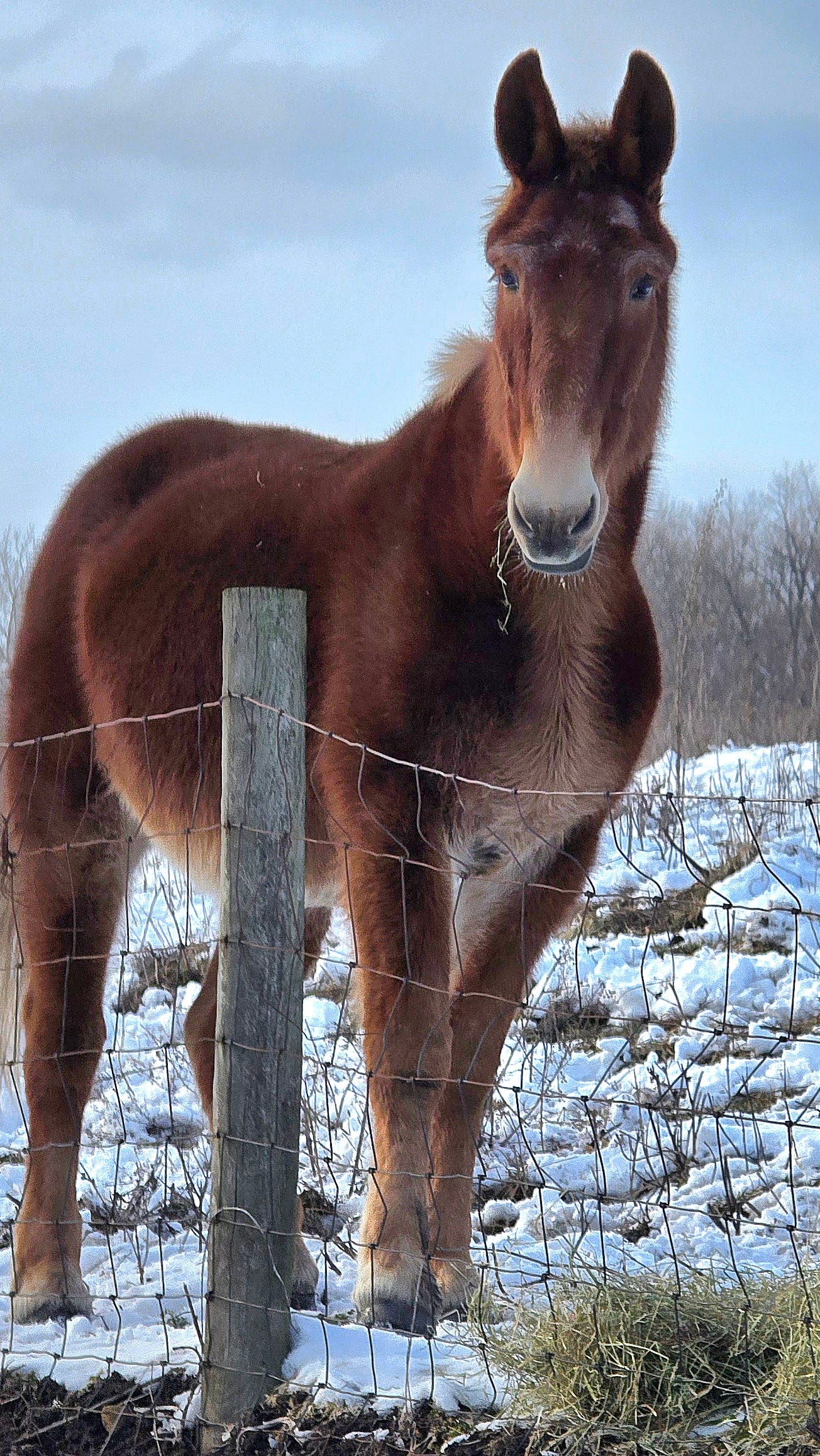








 Scottie's Playtime