
Tag: Beauty
From Worriedman-
The sun went down in beauty/ Beyond the Mississippi side/ As I stood on the banks of the river/ And watched its waters glide; by Worriedman
George Marion McClellan….”The Sun Went Down in Beauty” Read on Substack
The whole poem –
https://poets.org/poem/sun-went-down-beauty
A lovely poem!
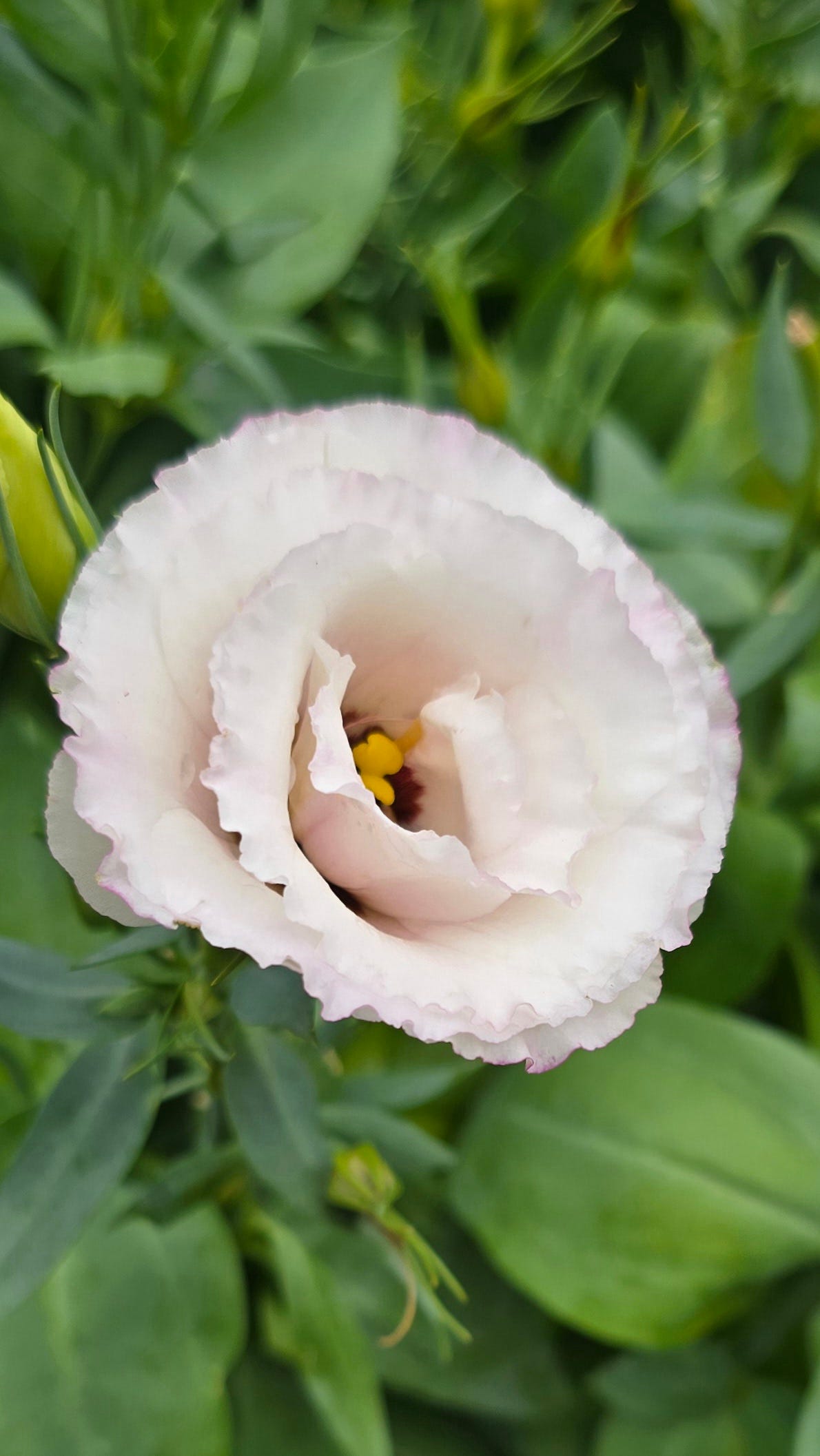
Lisianthus- I think there’s a blue variety ( common name is Texas Bluebells) but I’ve never seen it – I’m familiar with this creamy looking little jewel. Very little fragrance. That’s surprises me- they look like something that would smell good!
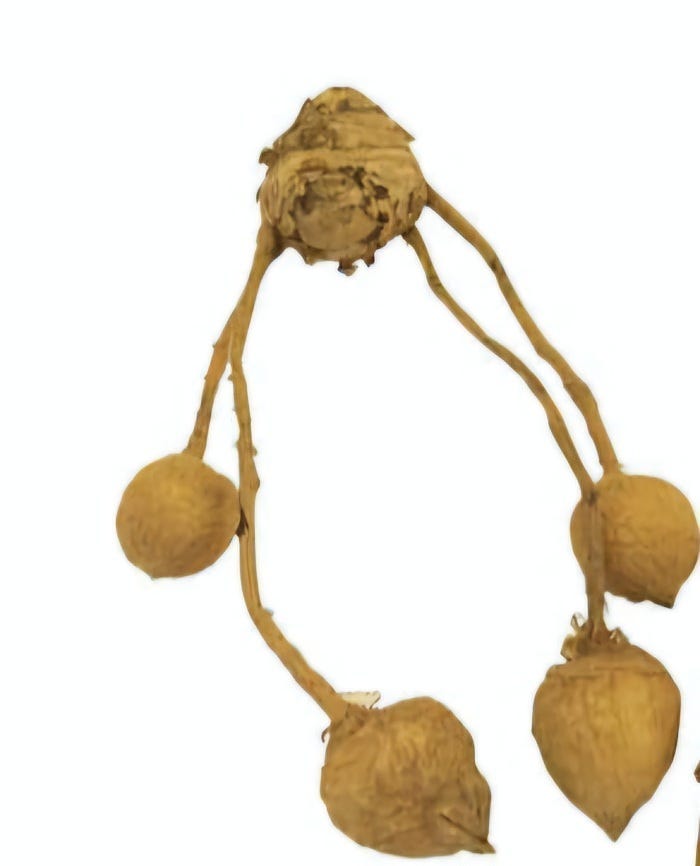
Curcuma alismatifolia – common name Siam Tulip. It’s not a tulip but it is from Laos which I’m guessing used to be Siam. Related to turmeric. The blooms are fetching and persistent.

The best thing about Siam Tulips are the bulbs-
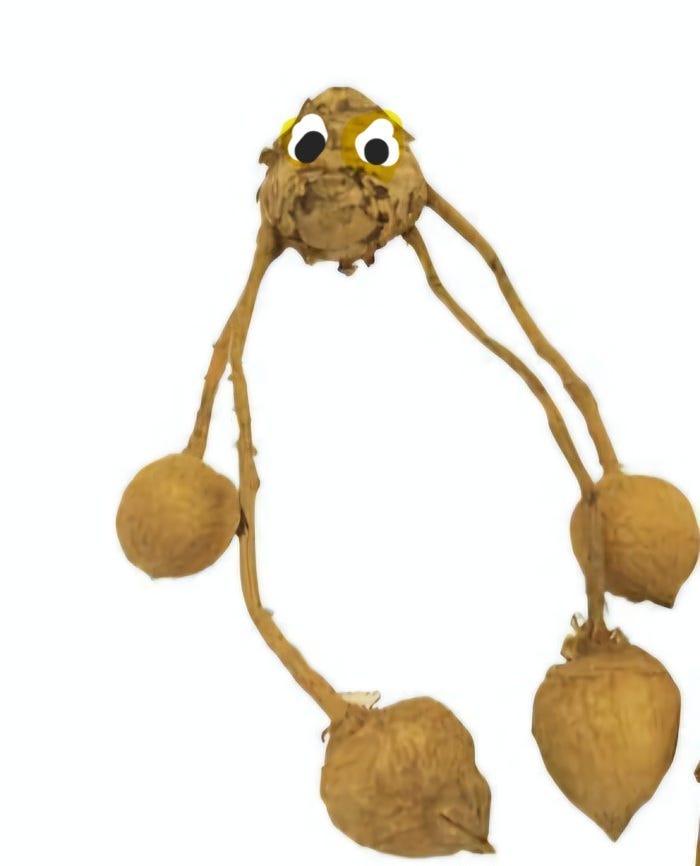
What the hell? How did this happen? They’re just asking for trouble.
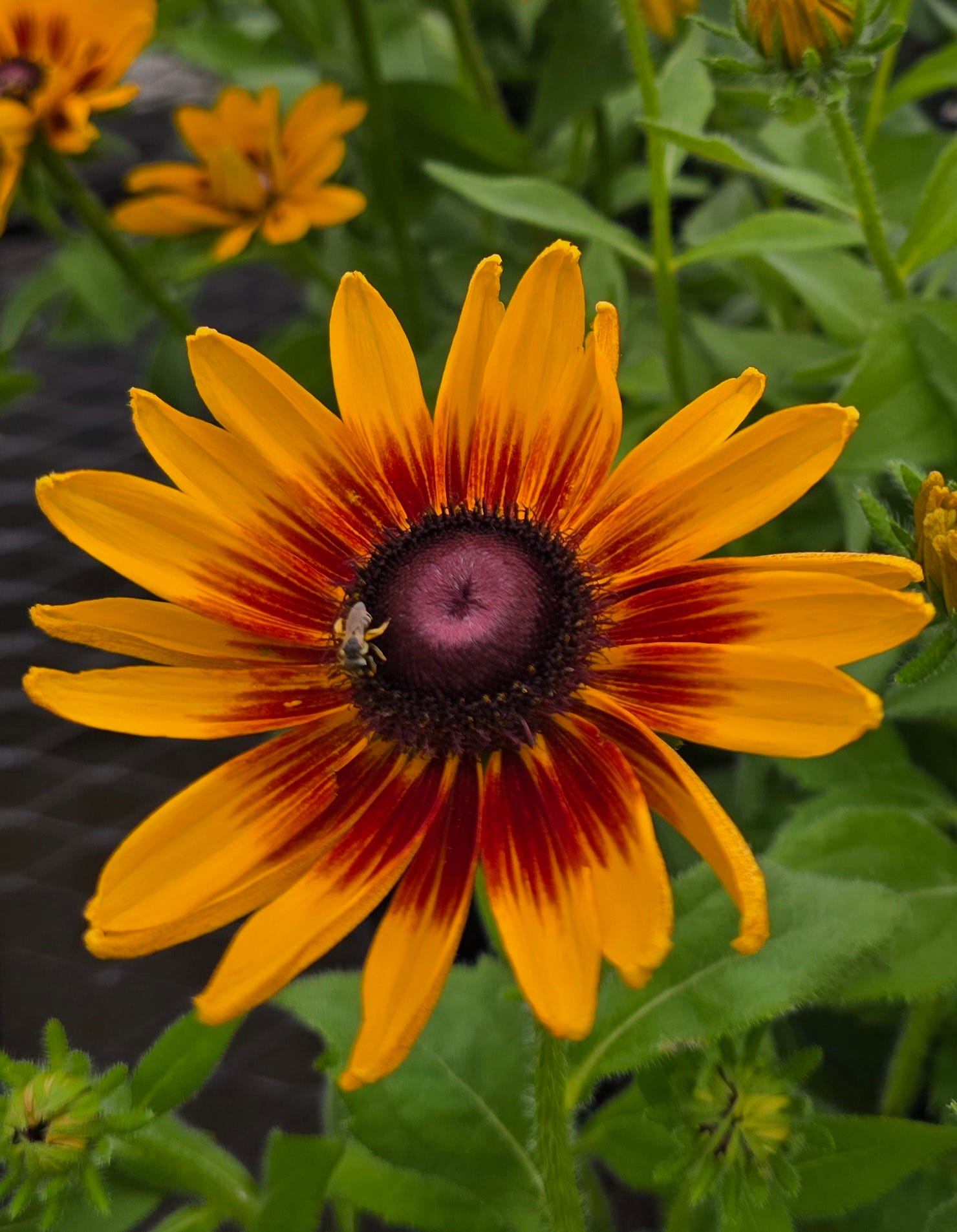
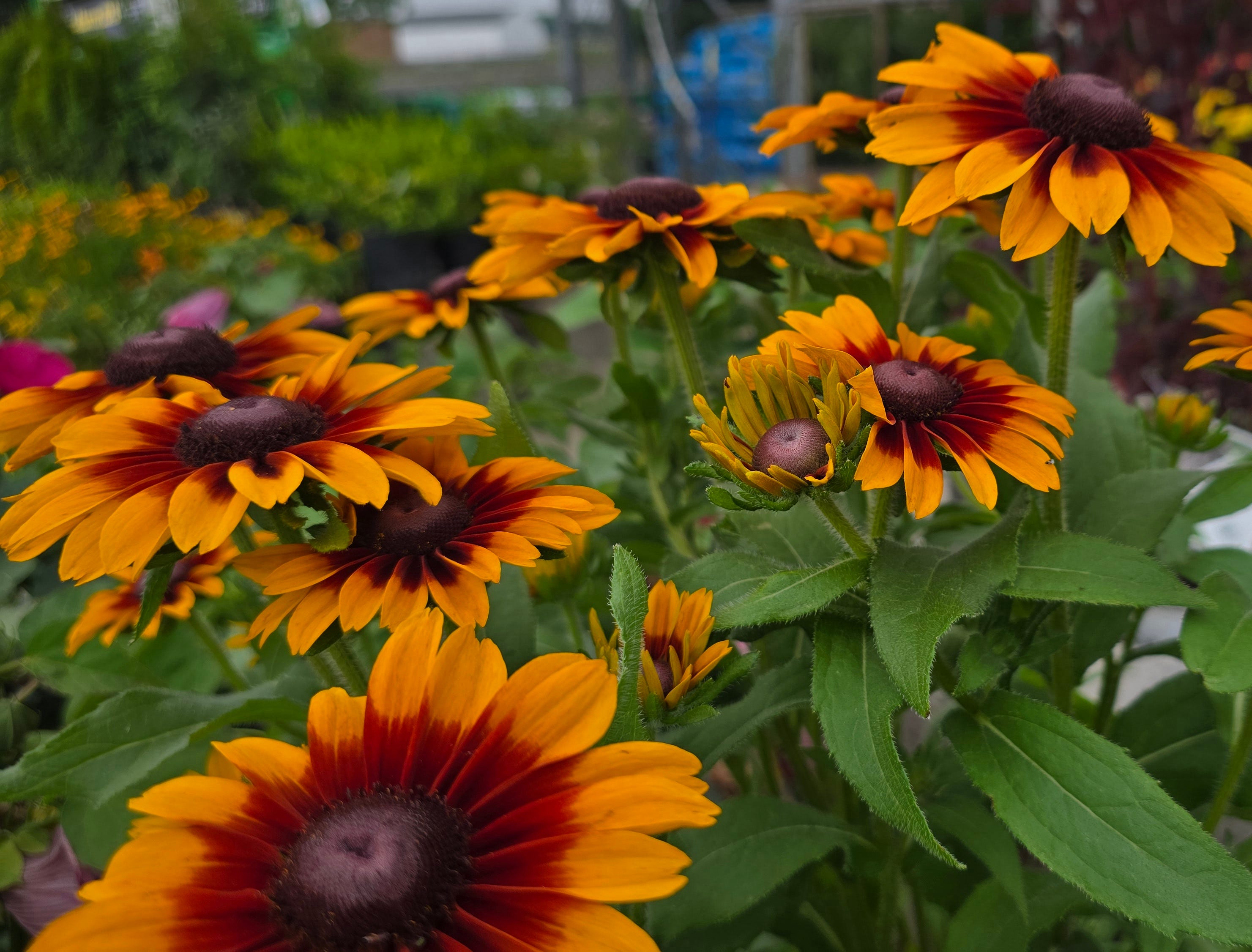
This Rudbeckia is astonishing
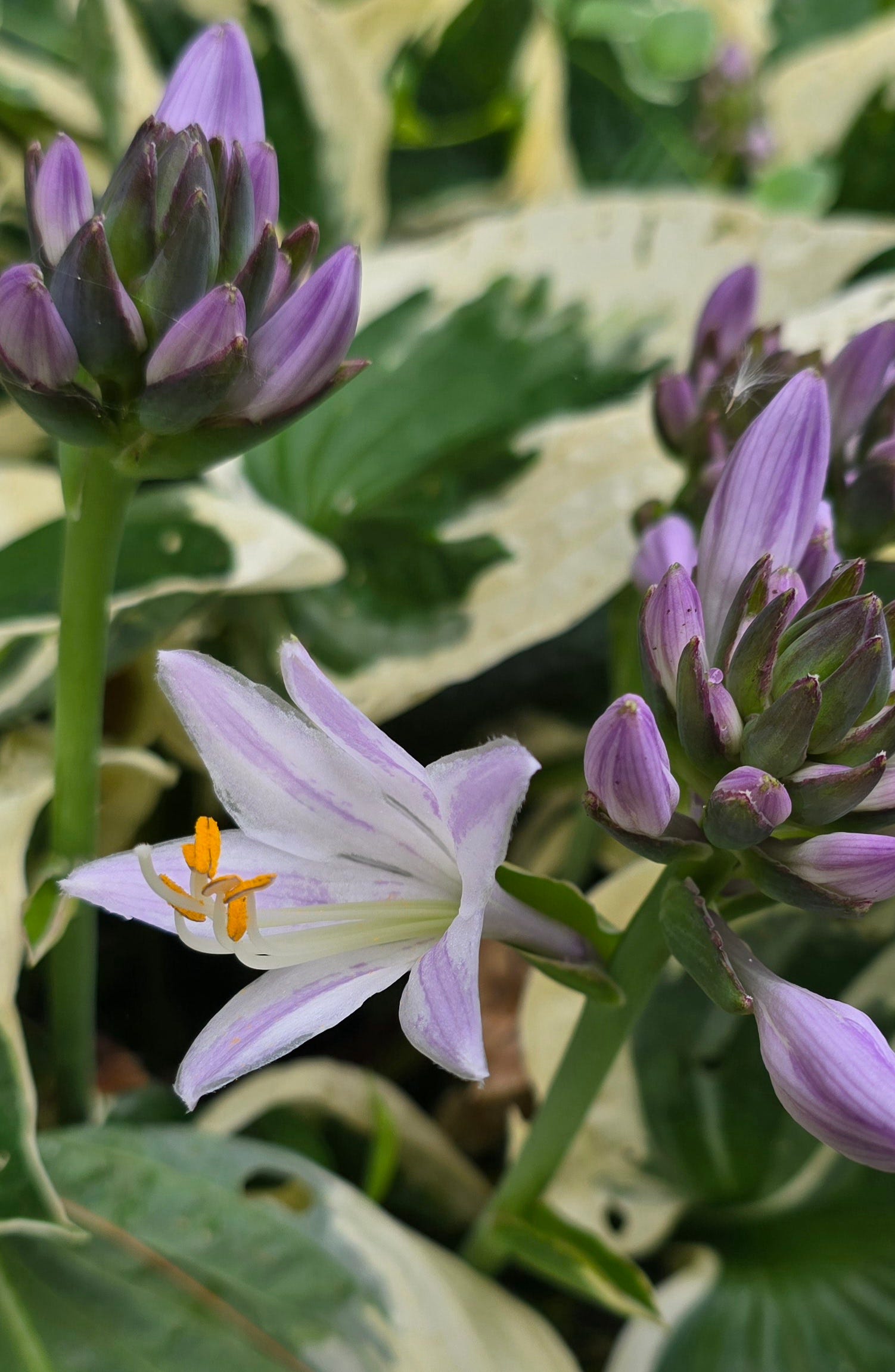
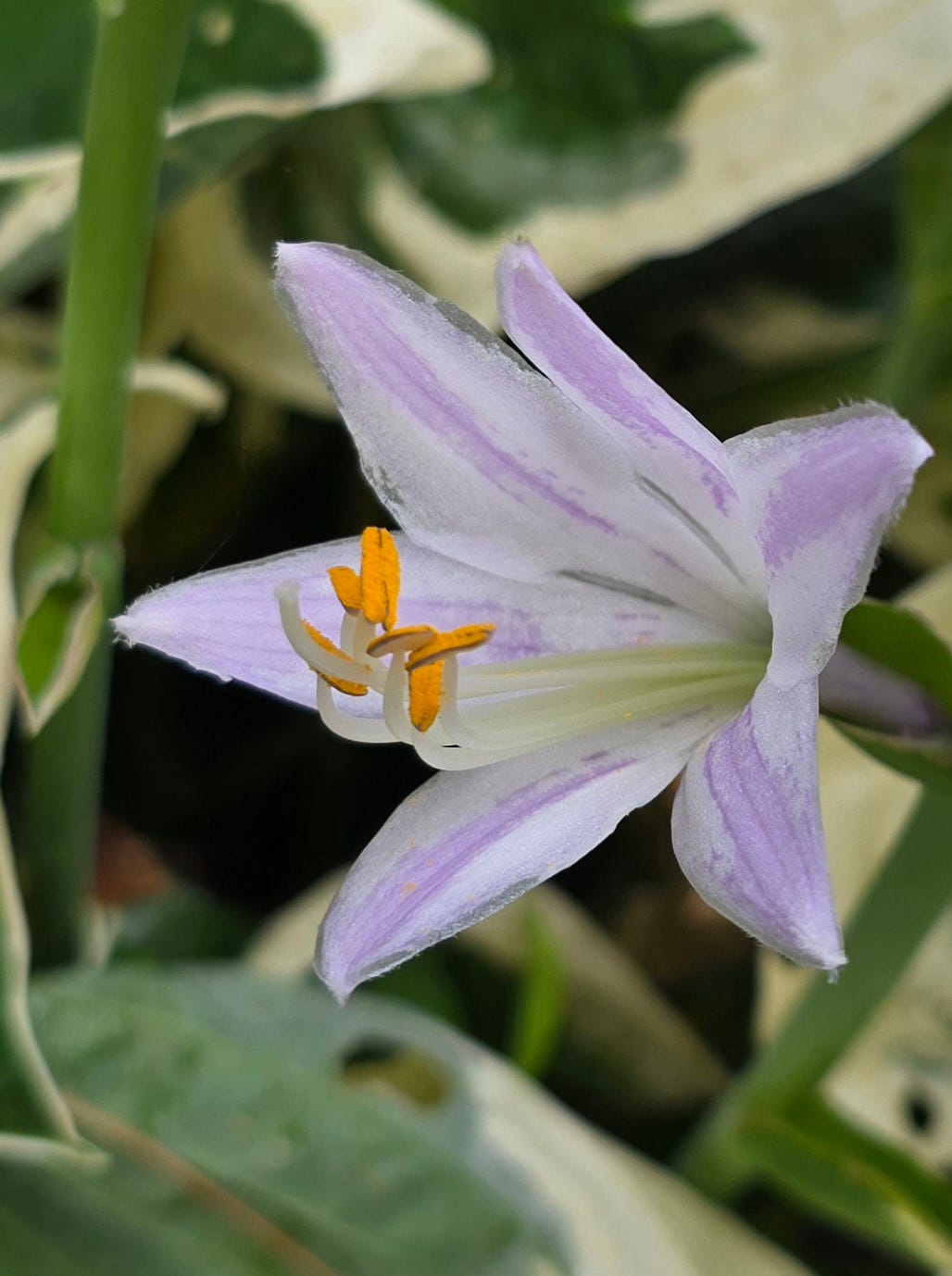
I grow hosta for the variegated leaves. I’m surprised every year at the beauty and the fragrance of the blooms.
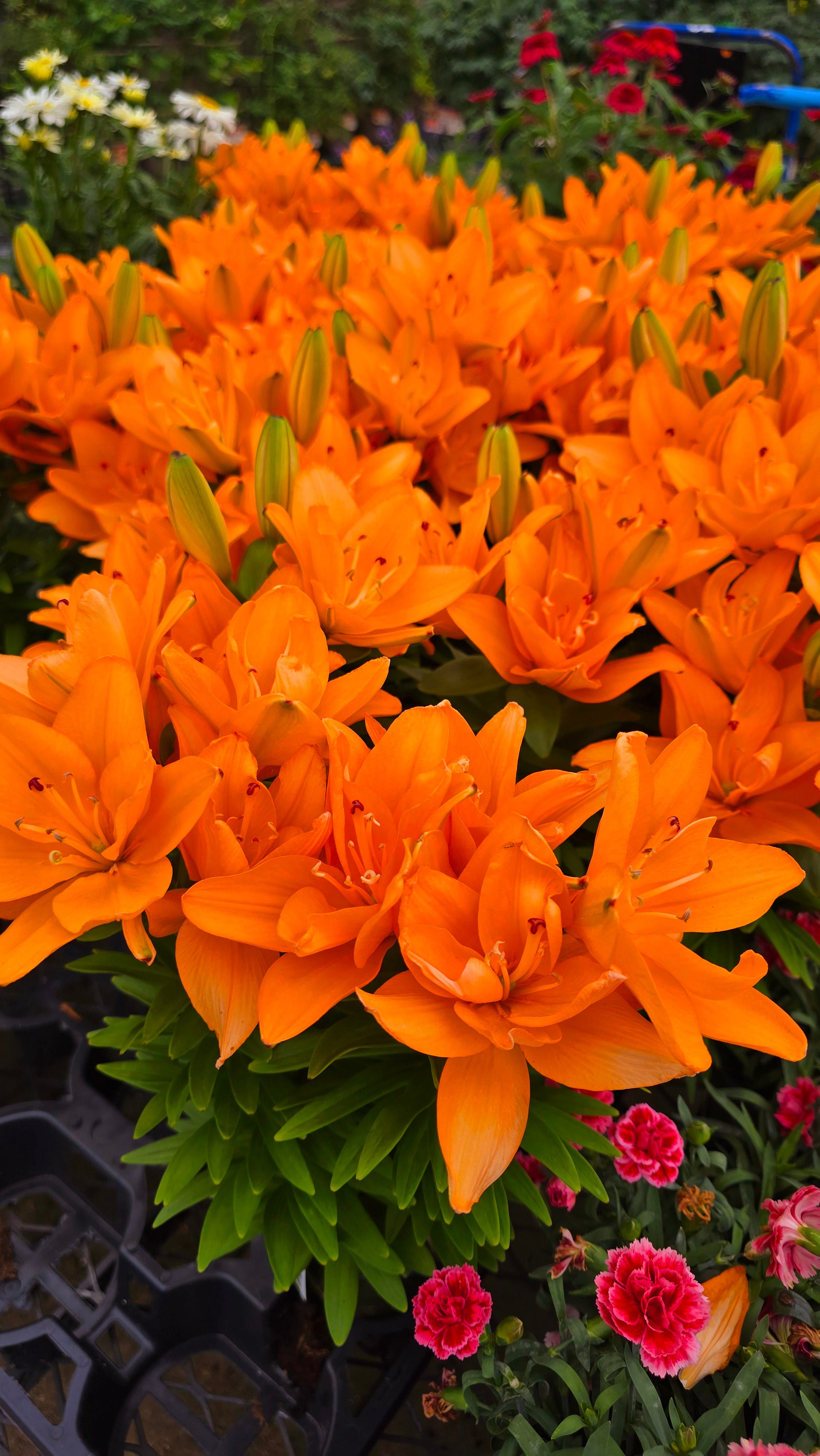
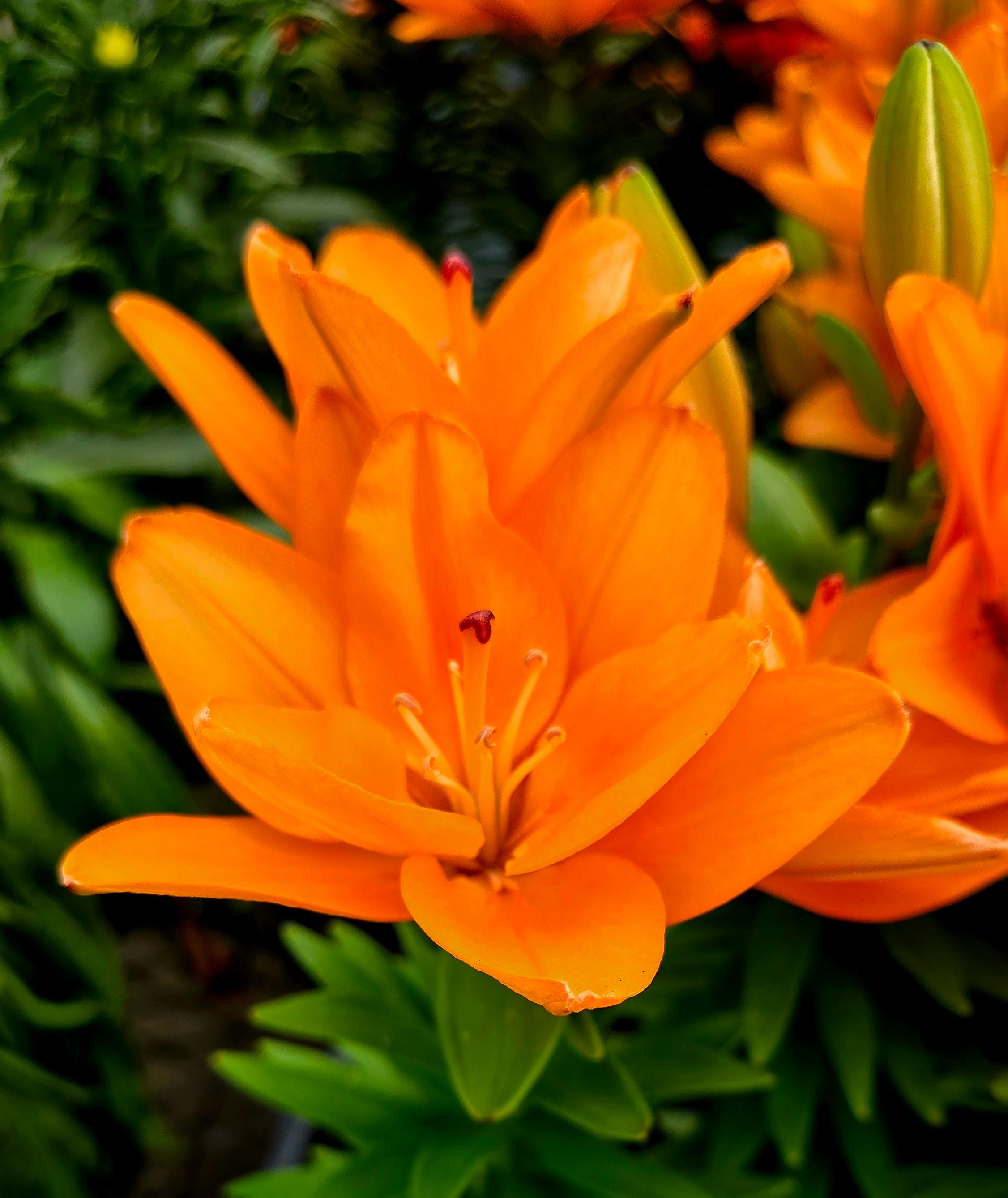
“ Double Dutch” Asiatic Lily – I don’t know if there’s anything more orange.
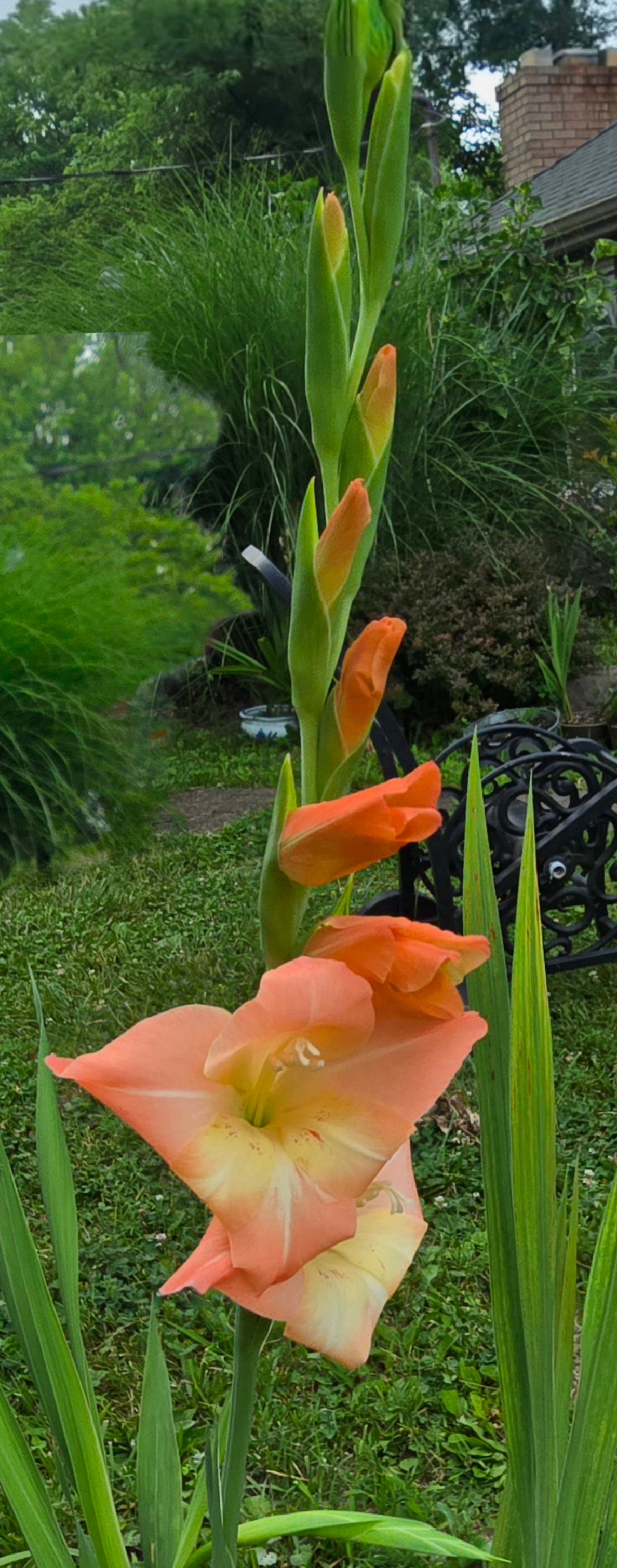
Gladiolus!
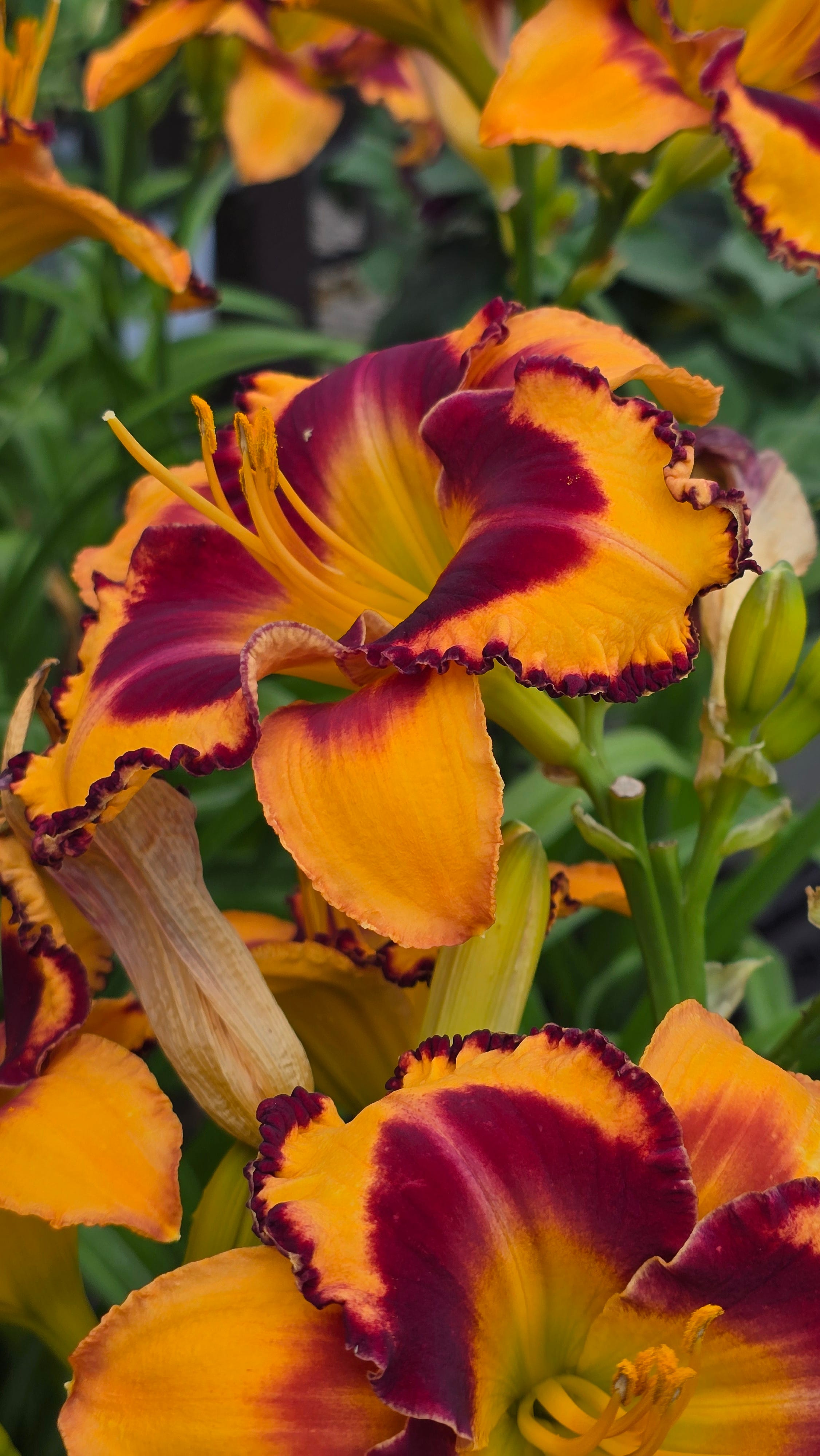
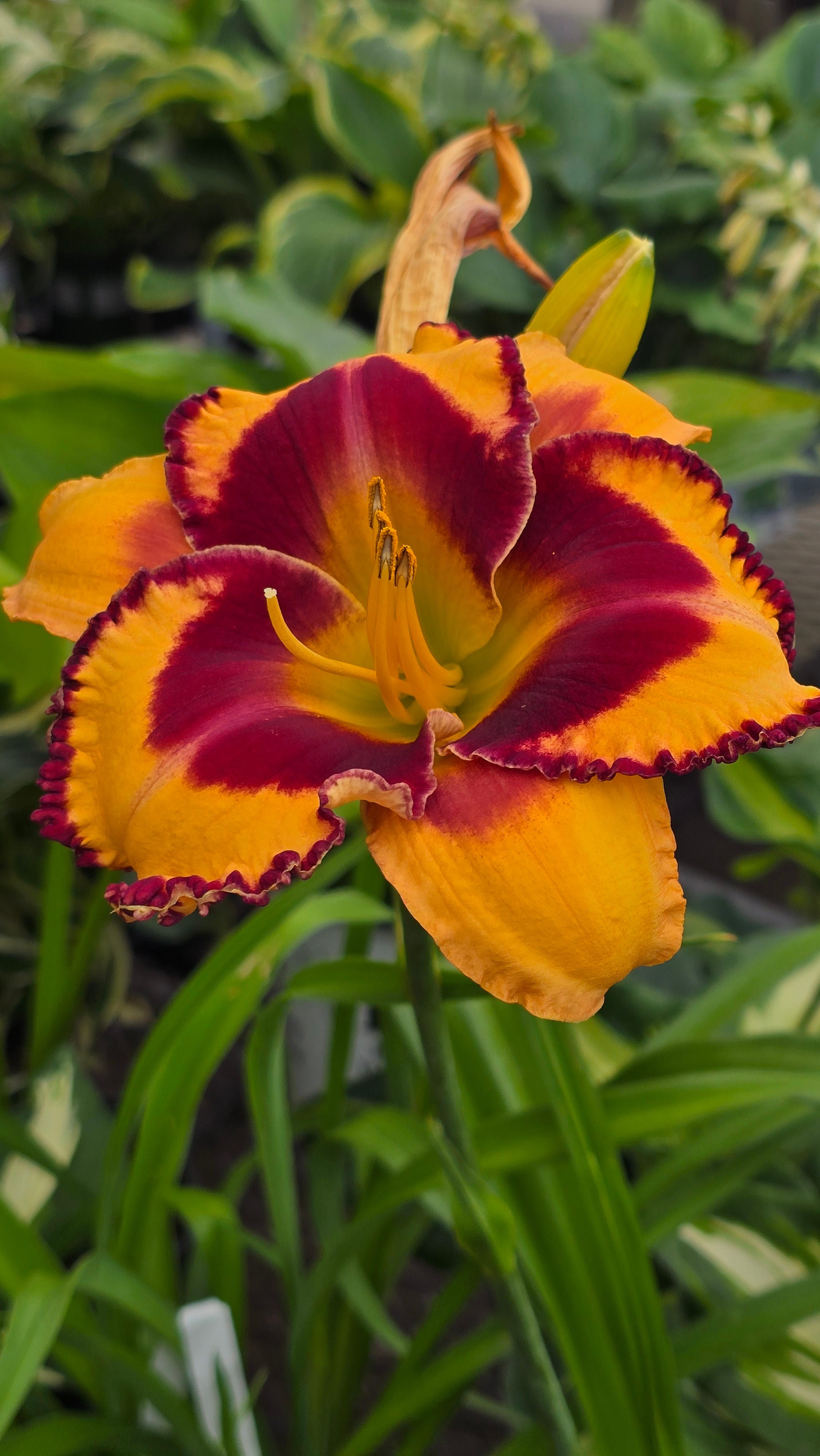
Not a daylily fan, usually, but these are irresistible!
Behave –
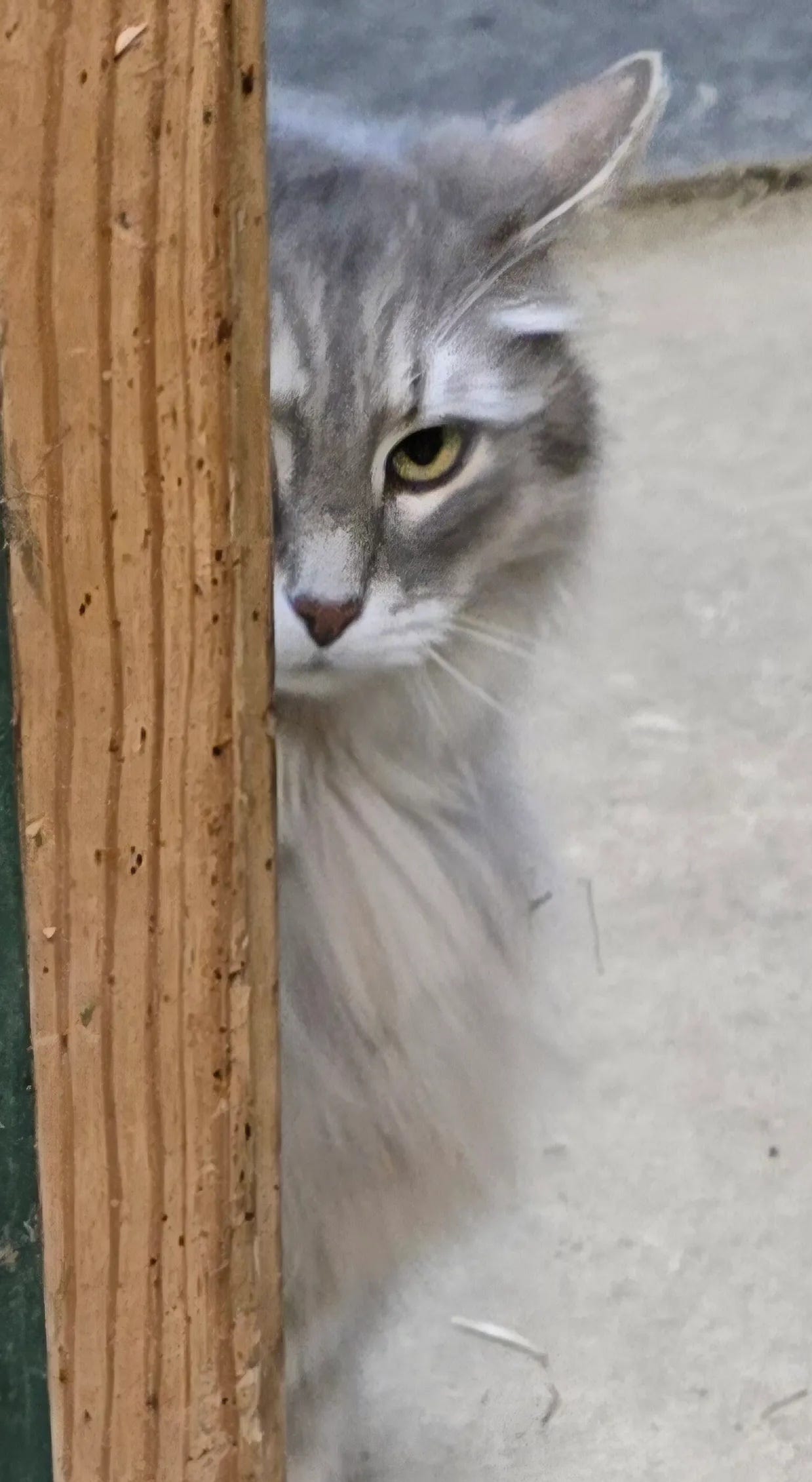
Barncat is watching –
Thanks for reading Worriedman’s Substack!
I Wonder If I’ll Ever Be Able To Make This A Daily Practice- 🤷 🌞
Strangely Random Stuff
Sunday, April 27, 2025
In Good Company 4
She was not actually just there for bacon and sex. Once they were showered and she had slipped into a shirt he had loaned her (Her clothes were a hopeless cause. “It would fit you like a dress,”–It did.) she took on the look of someone with very bad business to conduct. She sat on the side of the bed and watched him get dressed as if waiting for him to be sufficiently attired to also discuss business.
He found himself wanting to dress very slowly.
“What happens to Madeline Dupree?”
Oh. That. “There’s a….let’s call it a retreat, isolated. Secure. Away from other people. She won’t be able to leave, but she has to….”
She winced. “Why does it sound like a farm upstate with plenty of room to run around?”
He was shocked at first and then reconsidered what he was saying. “Maybe. We’re humane. We know how to deal with a rogue were.”
“How secure is secure?”
“She won’t escape.”
She motioned him to sit by her on the edge of the bed, “I need you to understand she has killed before she got here. And when I talked to her, I got the sense that this was not a were problem. Not entirely. ” (snip-this is a great piece, go read it!)
This Is Beautiful-
go see the entire post! 🐙
Stuff I Ran Across Yesterday
How Crocodile Ancestors Survived The Dinosaur Extinction
Evrim Yazgin Cosmos science journalist
Crocodiles are often thought of as living fossils – unchanged over millions of years. New research has shown that their evolutionary history is a lot more complicated than that.
Crocodilia is the surviving family of a lineage which emerged about 230 million years ago (mya) called crocodylomorphs. This group split from other reptilian species including those that eventually became dinosaurs. Today, the crocodilia include crocodiles, alligators, caiman and gharials.
Ancestors of modern crocodilians survived through 2 mass extinctions, including the one which spelled the end of the “Age of Dinosaurs” 66 mya.

The new study, published in the journal Palaeontology, shows that the secret to success of crocodylomorphs was their adaptability to new food sources and habitats.
“Lots of groups closely related to crocodilians were more diverse, more abundant, and exhibited different ecologies, yet they all disappeared except these few generalist crocodilians alive today,” says lead author Keegan Melstrom from the University of Central Oklahoma.
Today’s crocodilians are semi-aquatic generalists. The thrive in different habitats and aren’t picky eaters.
It was a different story with ancient crocodylomorphs.

The palaeontologists visited museum collections in 7 countries, across 4 continents to understand the evolution of crocodilian ancestors. They examined the skulls of 99 extinct crocodylomorph species and 20 living crocodilians.
Crocodylomorphs exploded after the end-Triassic mass extinction 201 mya which killed off ancient lineages of hypercarnivores and land-based predators.
“After that, it goes bananas,” says Melstrom. “Aquatic hypercarnivores, terrestrial generalists, terrestrial hypercarnivores, terrestrial herbivores – crocodylomorphs evolved a massive number of ecological roles throughout the time of the dinosaurs.”
Toward the end of the time of the dinosaurs, however, crocodylomorphs started to decline.
Most of the specialised crocodylomorphs had died off by the end of the Cretaceous. Almost all 26 remaining species today are semi-aquatic generalists.

“When we see living crocodiles and alligators, rather than thinking of ferocious beasts or expensive handbags, I hope people appreciate their amazing 200+ million years of evolution, and how they’ve survived so many tumultuous events in Earth history,” says co-author Randy Irmis from the Natural History Museum of Utah. “Crocodilians are equipped to survive many future changes – if we’re willing to help preserve their habitats.”
“Extinction and survivorship are 2 sides of the same coin,” Melstrom says. “Through all mass extinctions, some groups manage to persist and diversify. What can we learn by studying the deeper evolutionary patterns imparted by these events?” (snip-More)
==============================================================
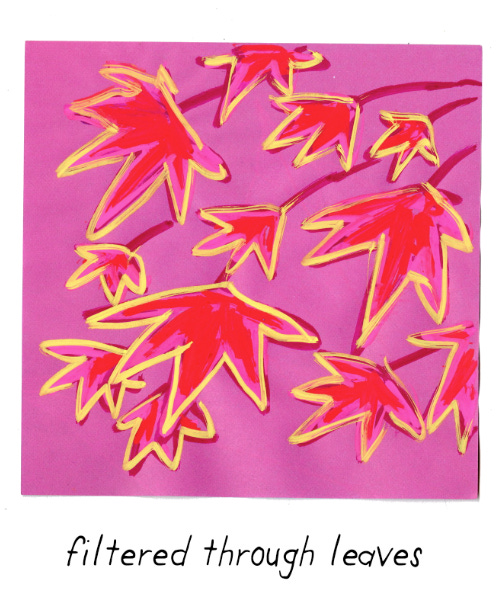
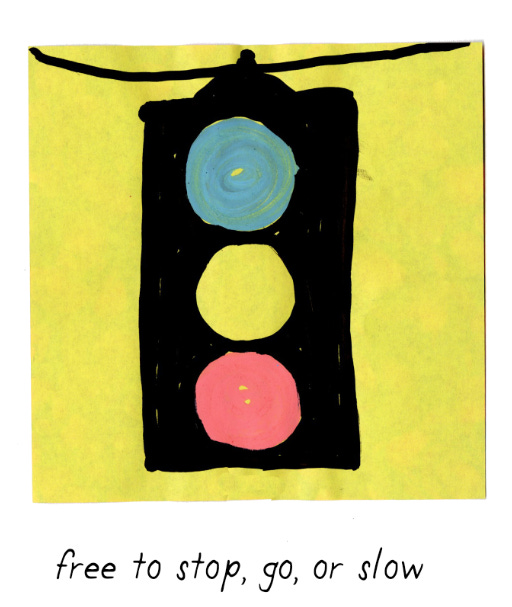
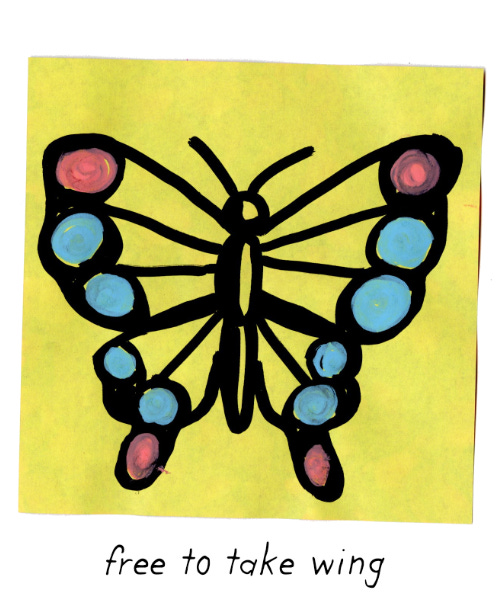
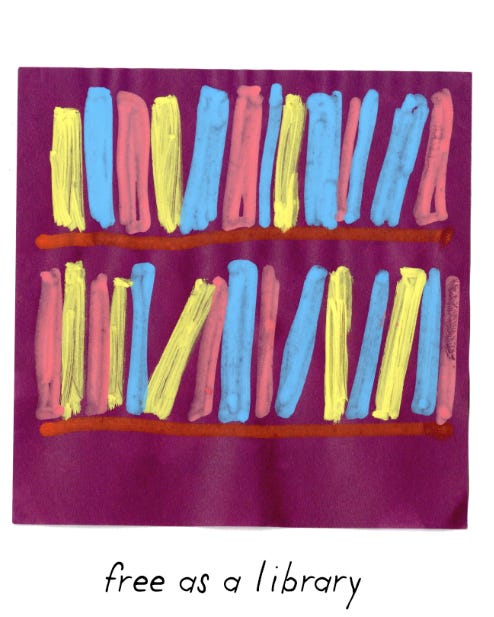
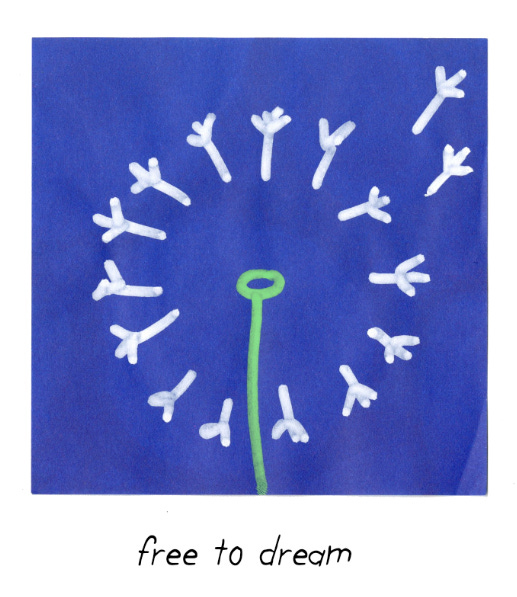
Free by Grant Snider
A poem in pictures Read on Substack




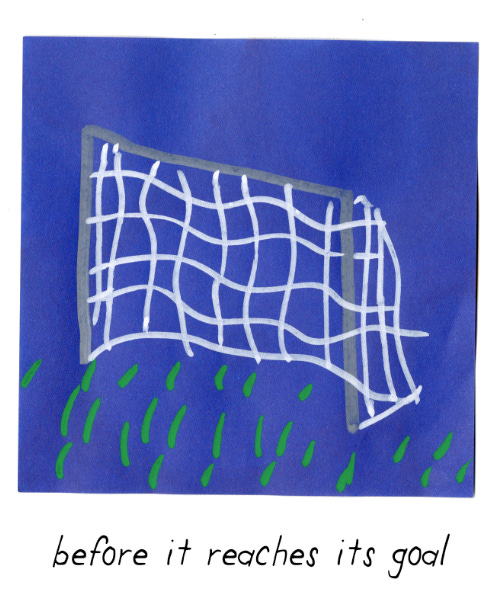
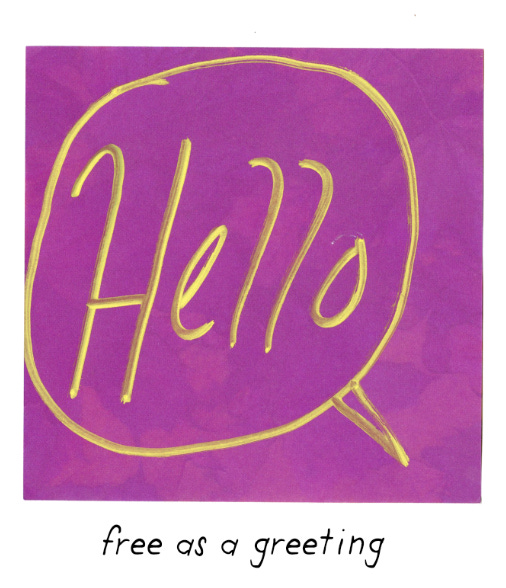
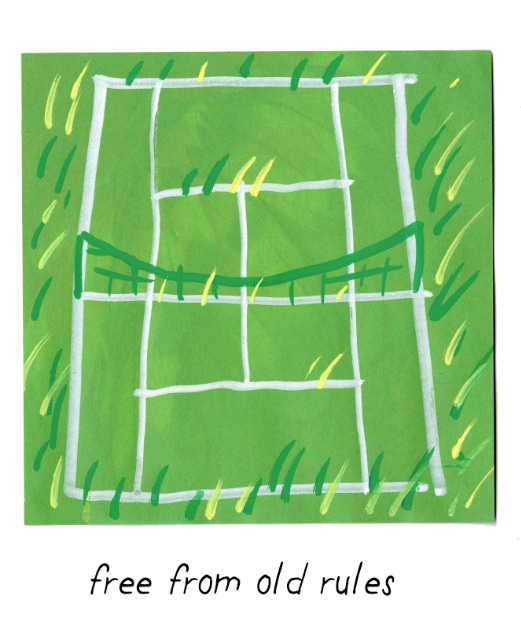
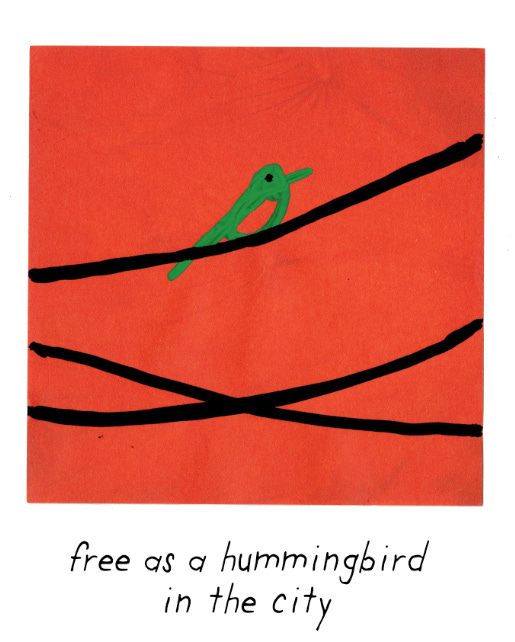
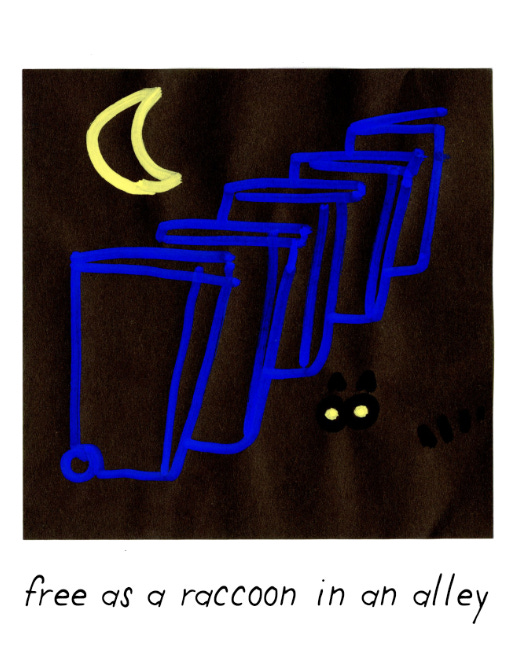
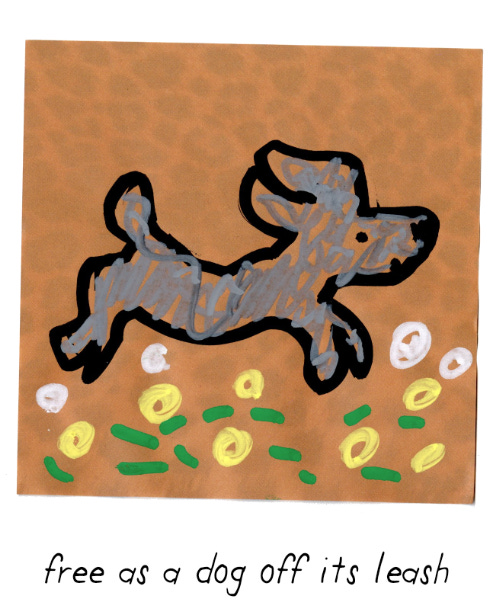
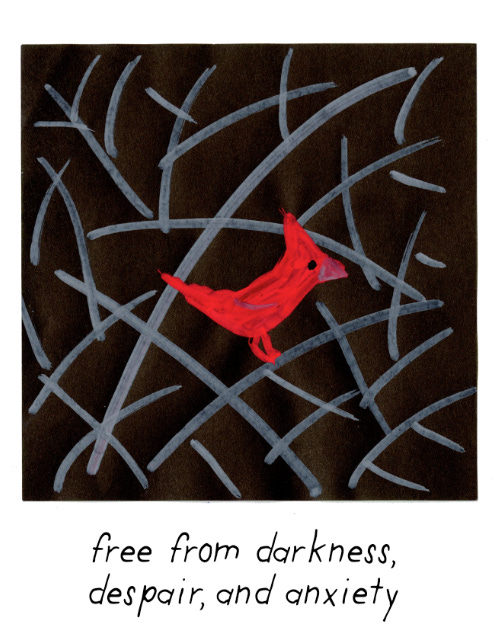

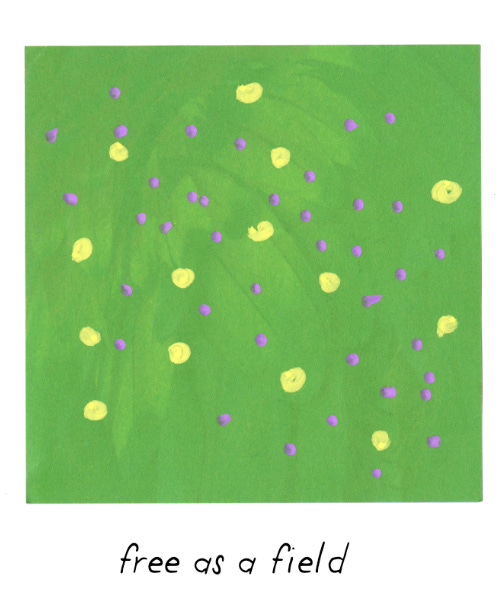


==============================================================
More Library Tidbits (+ a way to be an impediment to the strangling of libraries.)
US blocks Canadian access to cross-border library, sparking outcry
US officials claim move was to curb drug trafficking while Quebec town says it ‘weakens collaboration’ among nations
View image in fullscreen A young girl walks over the Canada-US border line from the Haskell Free Library and Opera House in Derby Line, Vermont, on Friday. Photograph: Christinne Muschi/The Canadian Press via AP
The US has blocked Canadian access to a library straddling the Canada-US border, drawing criticism from a Quebec town where people have long enjoyed easy entry to the space.
The Haskell Free Library and Opera House is located between Stanstead, Quebec, and Derby Line, Vermont. It was built deliberately to straddle the frontier between the two countries – a symbol of cooperation and friendship between Canada and the US. (snip)
Fairhope Public Library supporters raise money to replace funds state plans to withhold
By: Ralph Chapoco – March 25, 2025 11:49 am
A nonprofit says it has raised enough money for Fairhope Public Library to cover state funds that the Alabama Public Library Service Board cut off last week.
Read Freely Alabama, a grassroots free speech advocacy organization that has fought restrictions on library content, said it had collected almost $39,000 from about 550 donors through Tuesday morning. Read Freely is organizing the campaign with EveryLibrary, an Illinois-based organization that promotes library funding and fights restrictions.
“We were trying to figure out what was the amount that they were pausing,” said Cheryl Corvo, a member of Read Freely Alabama and Fairhope resident. “Then, we found out it was $42,000 that they were pausing, and how it would affect our library.”
The Fairhope Public Library said it will have access to funding without interference from the state or any outside groups.
“We had a meeting with EveryLibrary, which is the group that has control of this particular fundraiser, and they take 10% and 90% of it comes to us,” said Randal Wright, a board member of the Fairhope Public Library.
The amount was not enough to severely debilitate the library’s operations, Corvo said. But it is enough to affect “some very vital resources that the library provided.” Corvo said the campaign should also make APLS aware of the magnitude of local support for the library.
Wright said that if the state continues to withhold money, the funds will go toward computers, books for the collection and paying for guest speakers. (snip)
A Beautiful Saturday Post on Sunday!
Abundant Beauty
The roofs are shining from the rain./The sparrows tritter as they fly,/And with a windy April grace/The little clouds go by. by Worriedman
Sara Teasdale – “April” Read on Substack
The rest of the poem-
Yet the back-yards are bare and brown
With only one unchanging tree–
I could not be so sure of Spring
Save that it sings in me.
Sara Teasdale is a great poet!
Melting snow and cold March rain bring the April flowers.
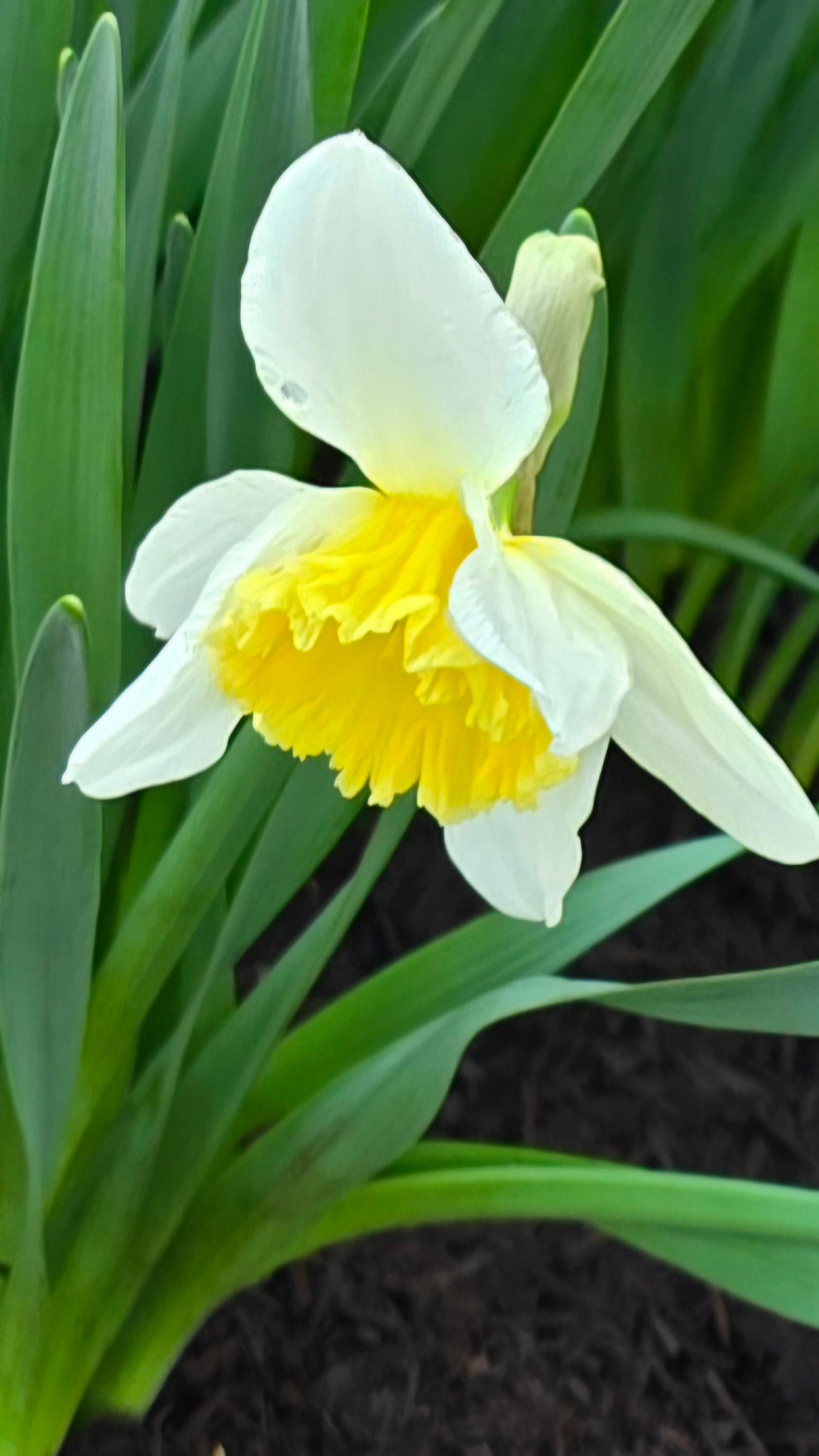
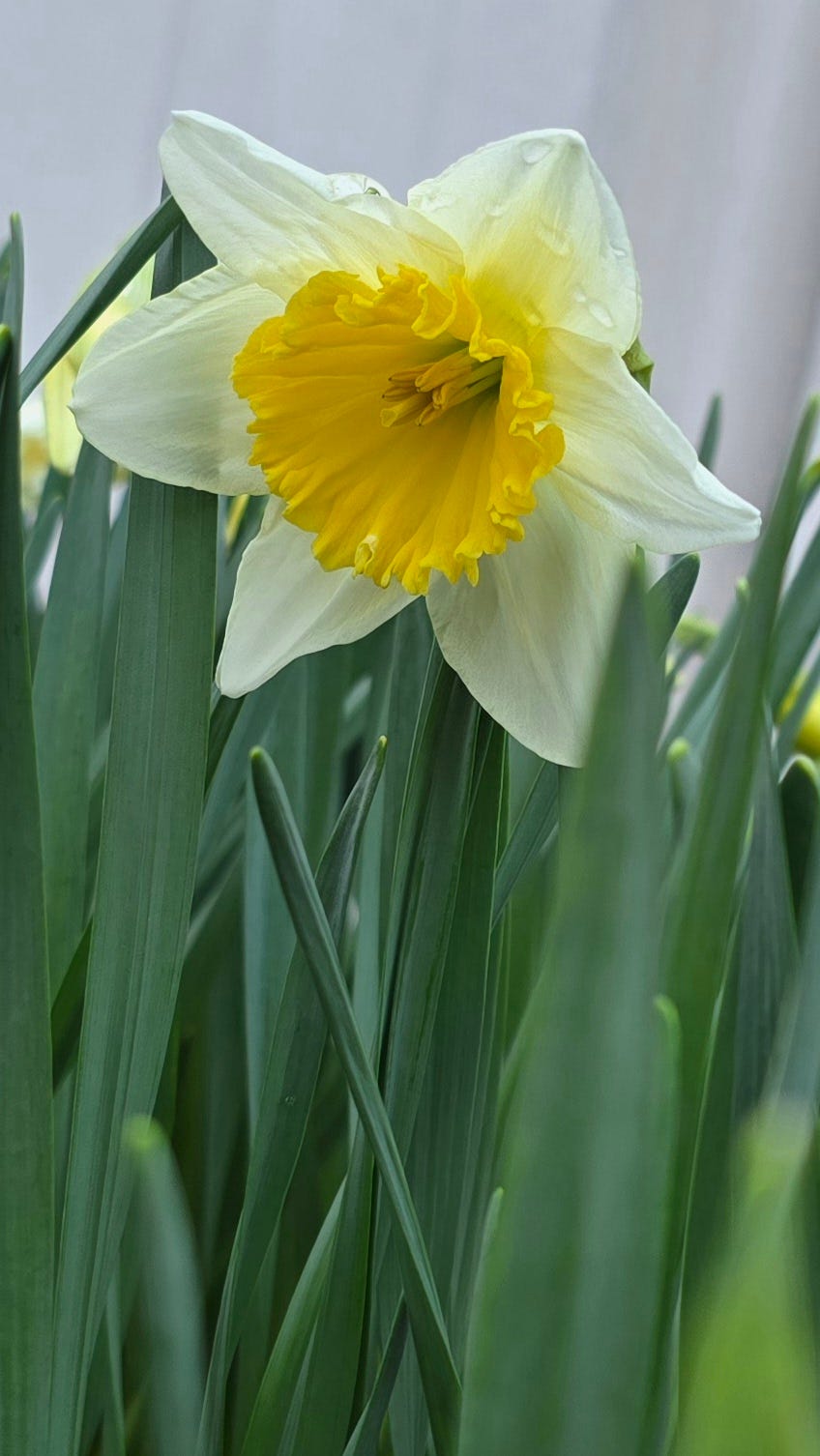
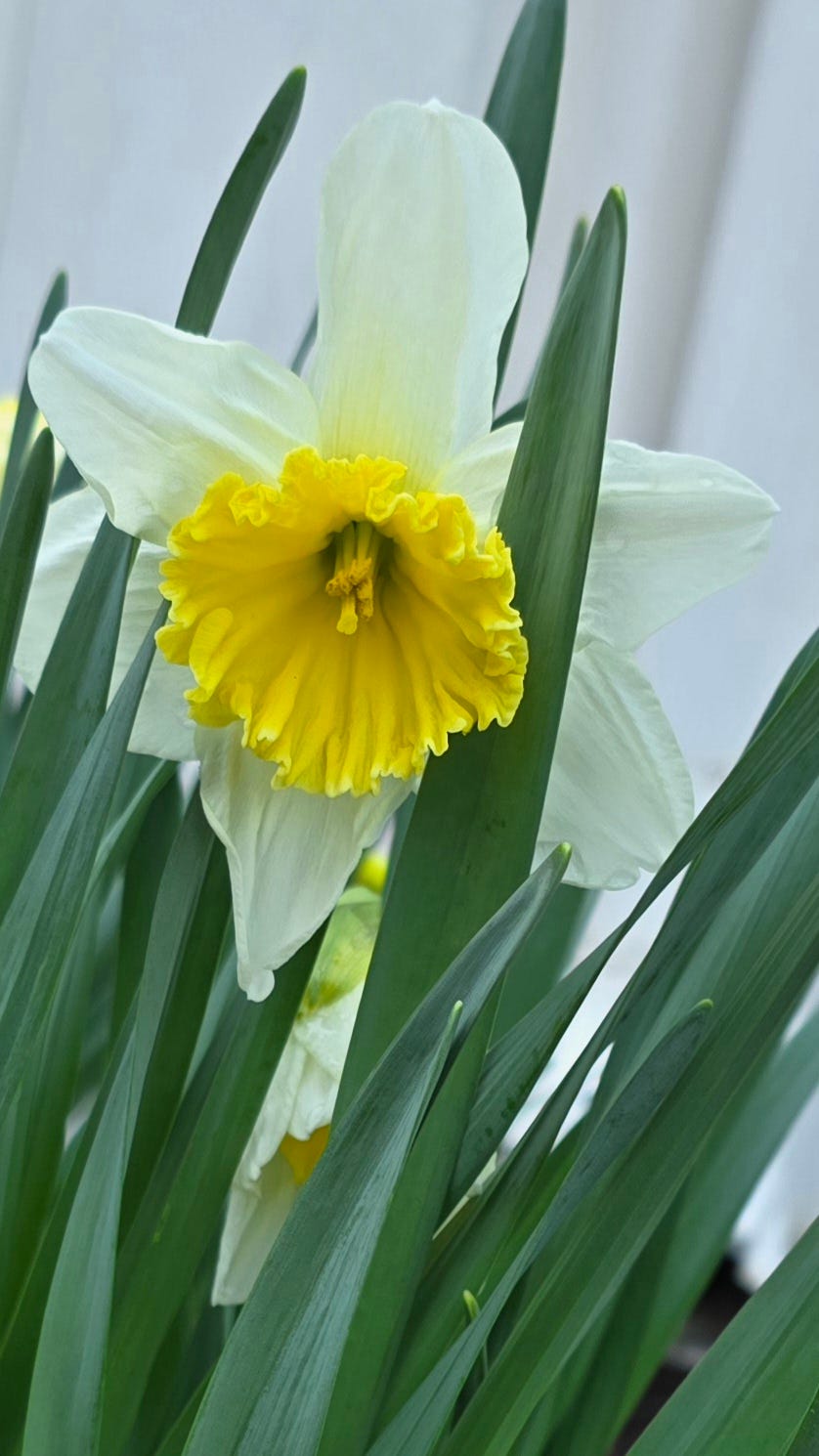
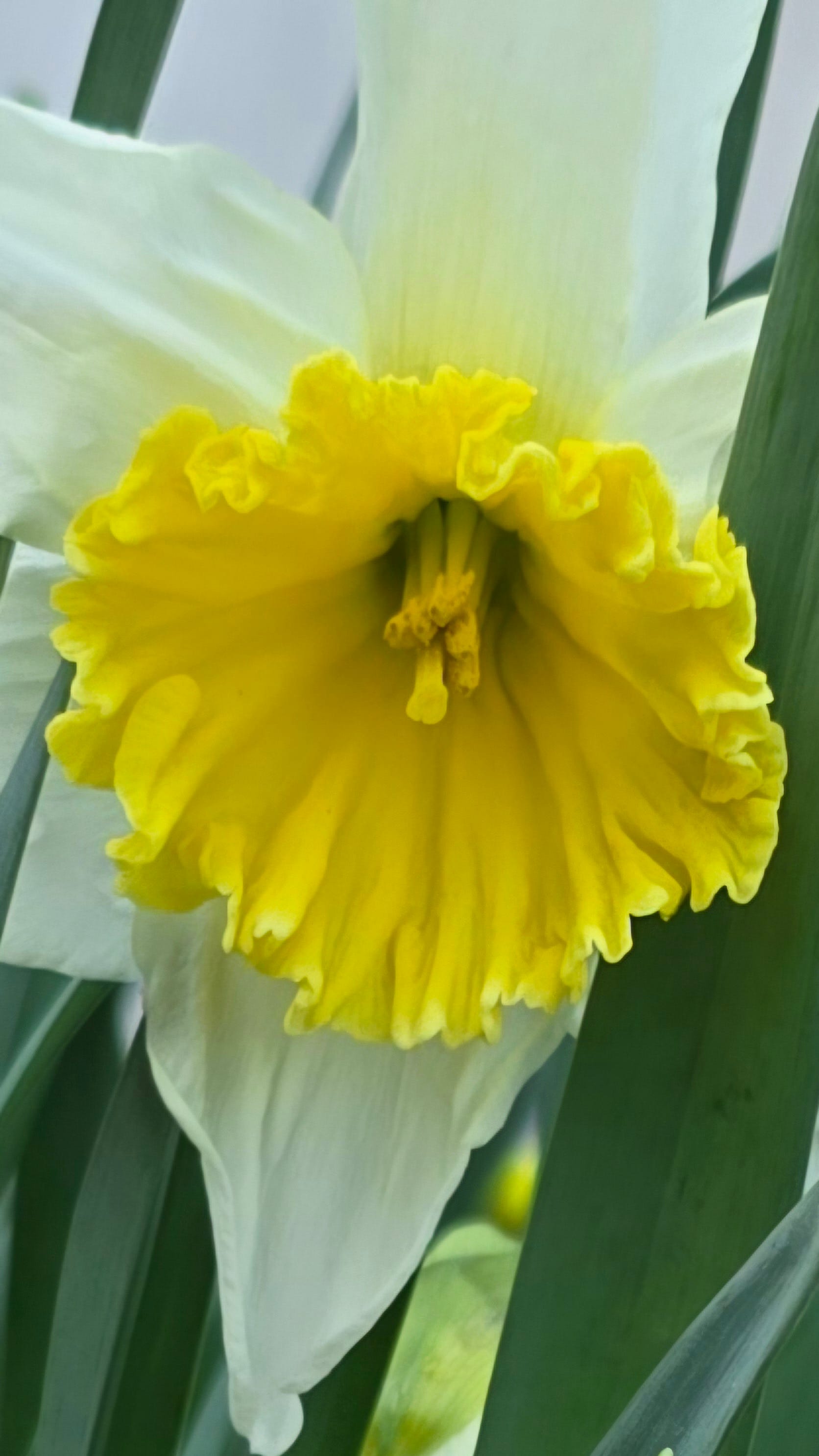
Daffodils,-
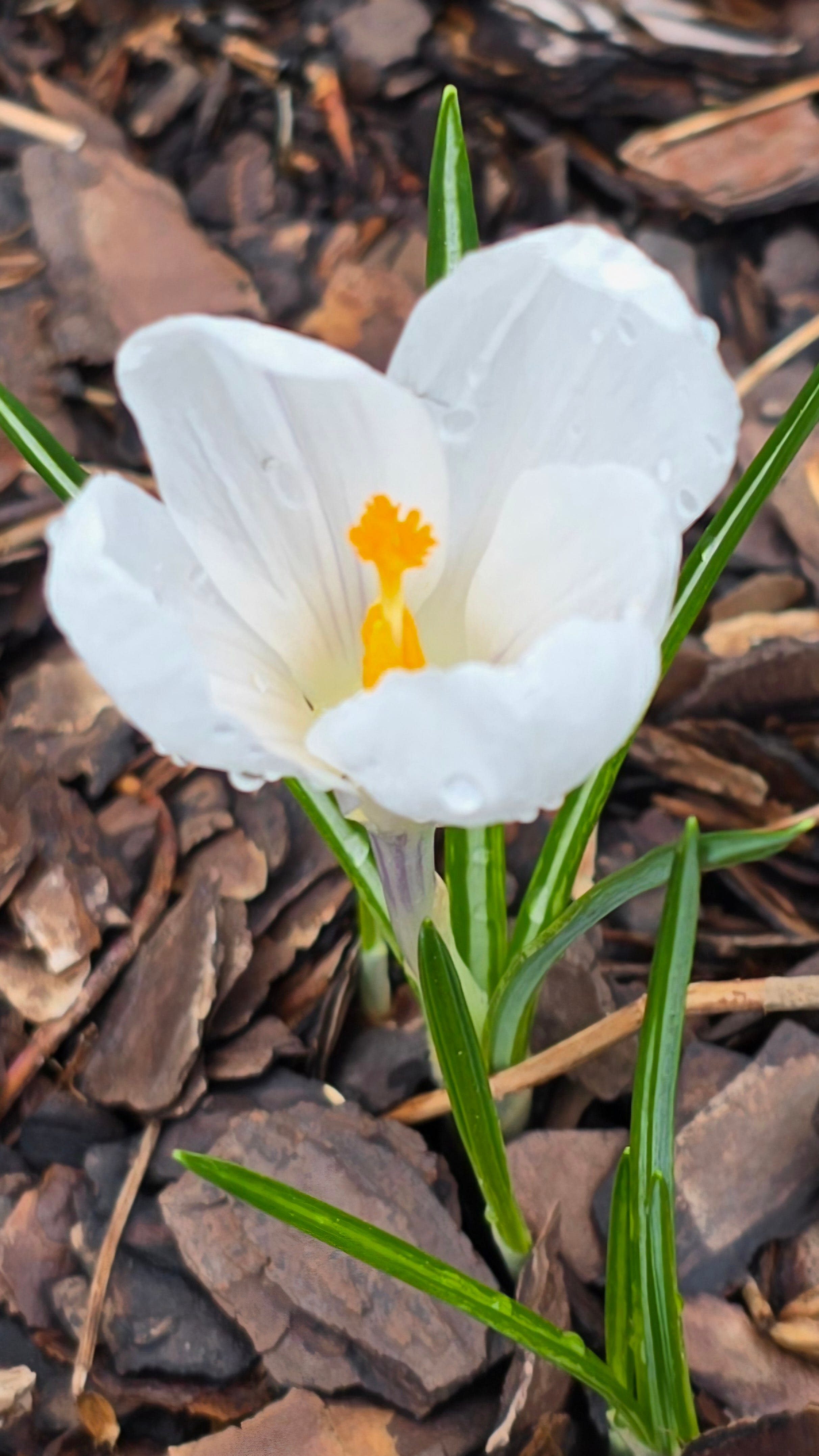
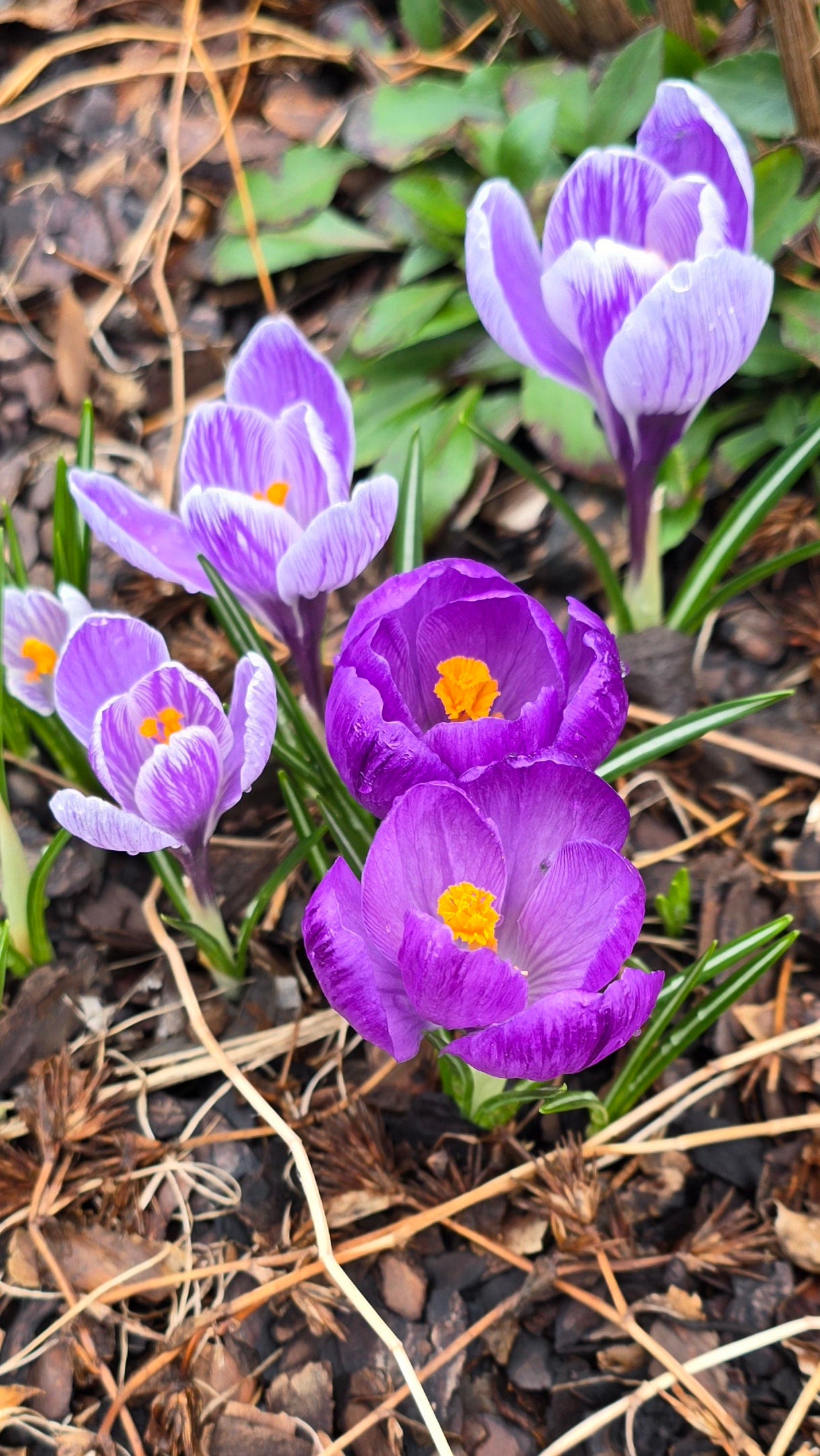
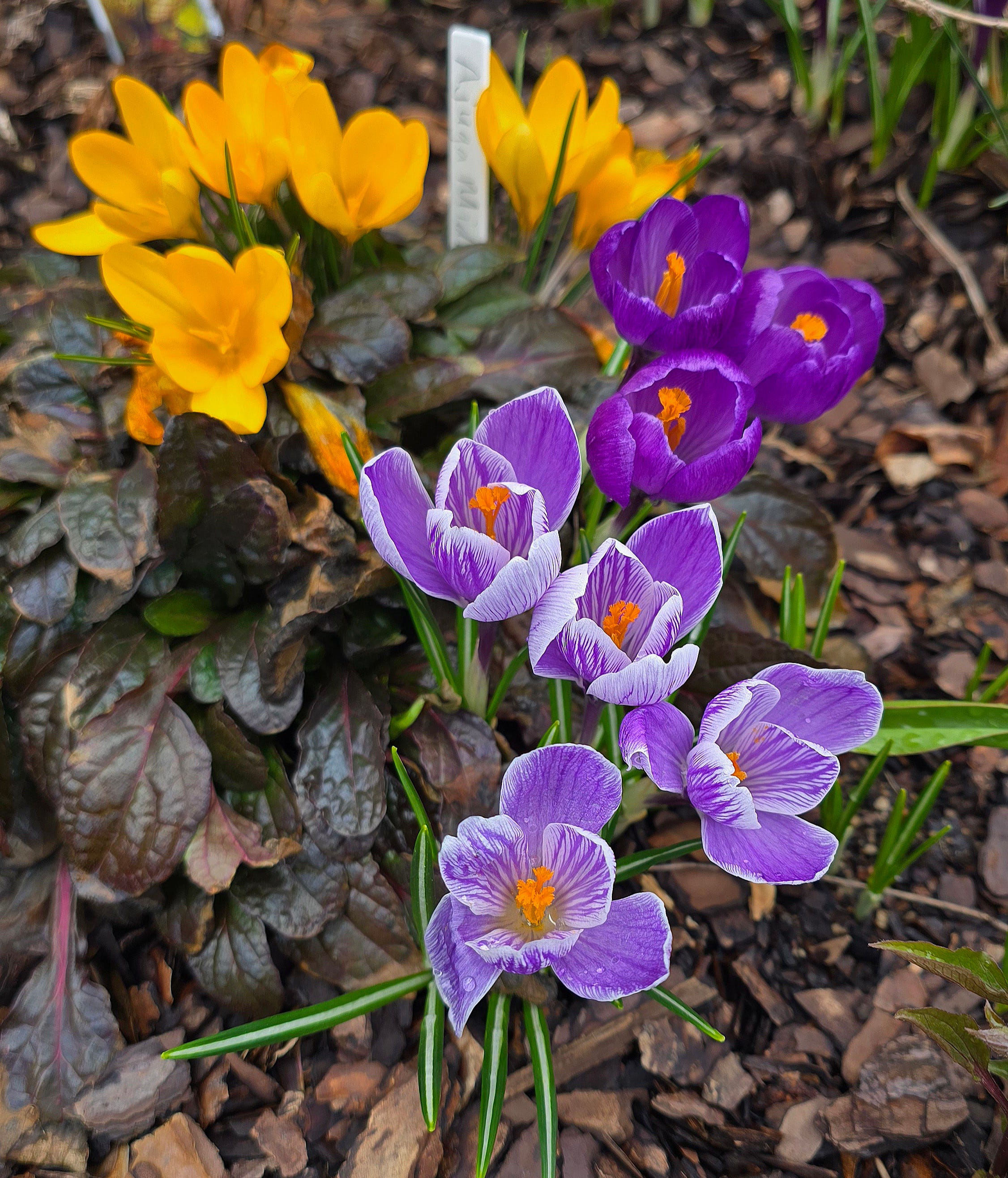
Crocus –
This lovely lady was at the stable yesterday.
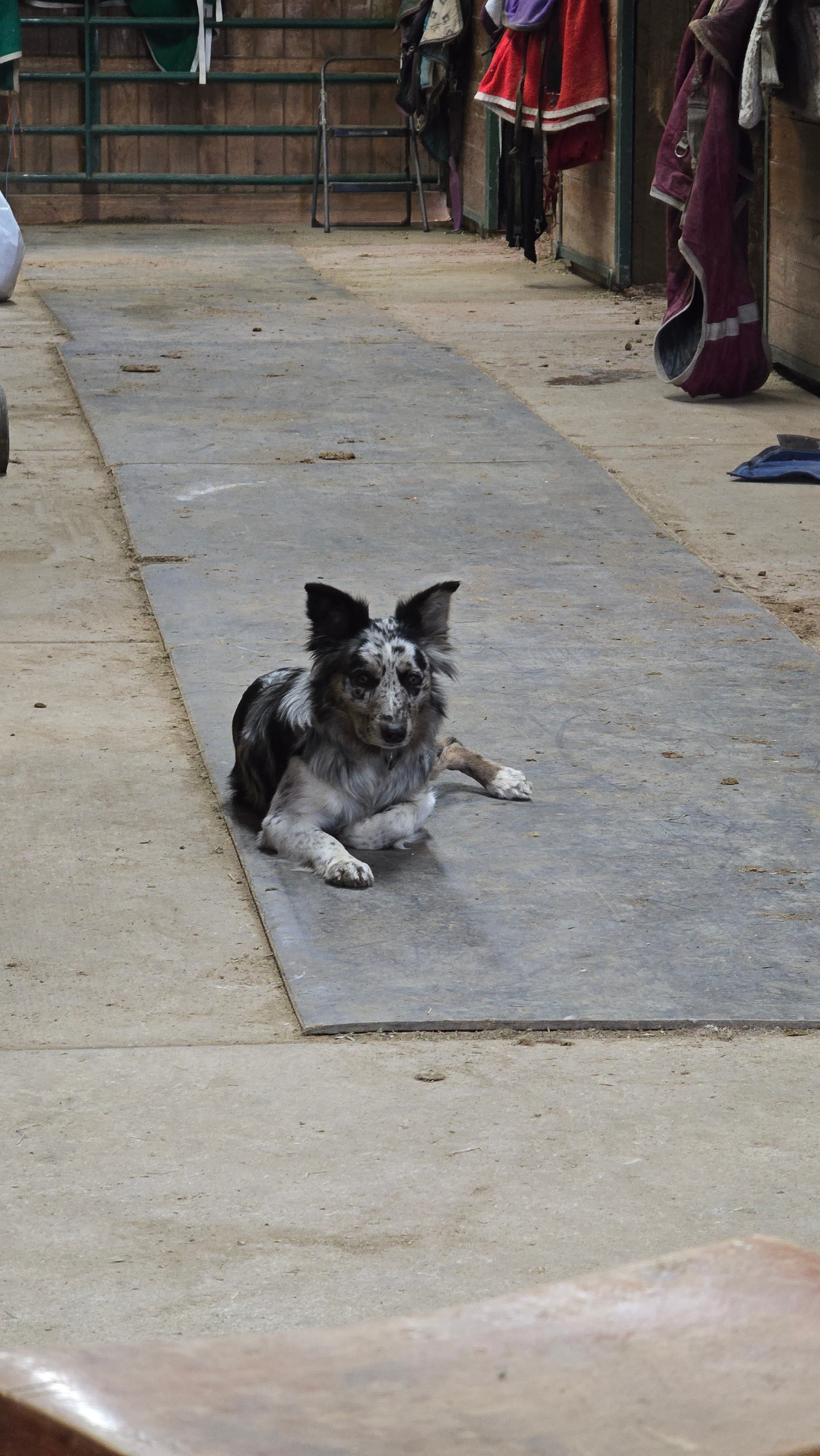

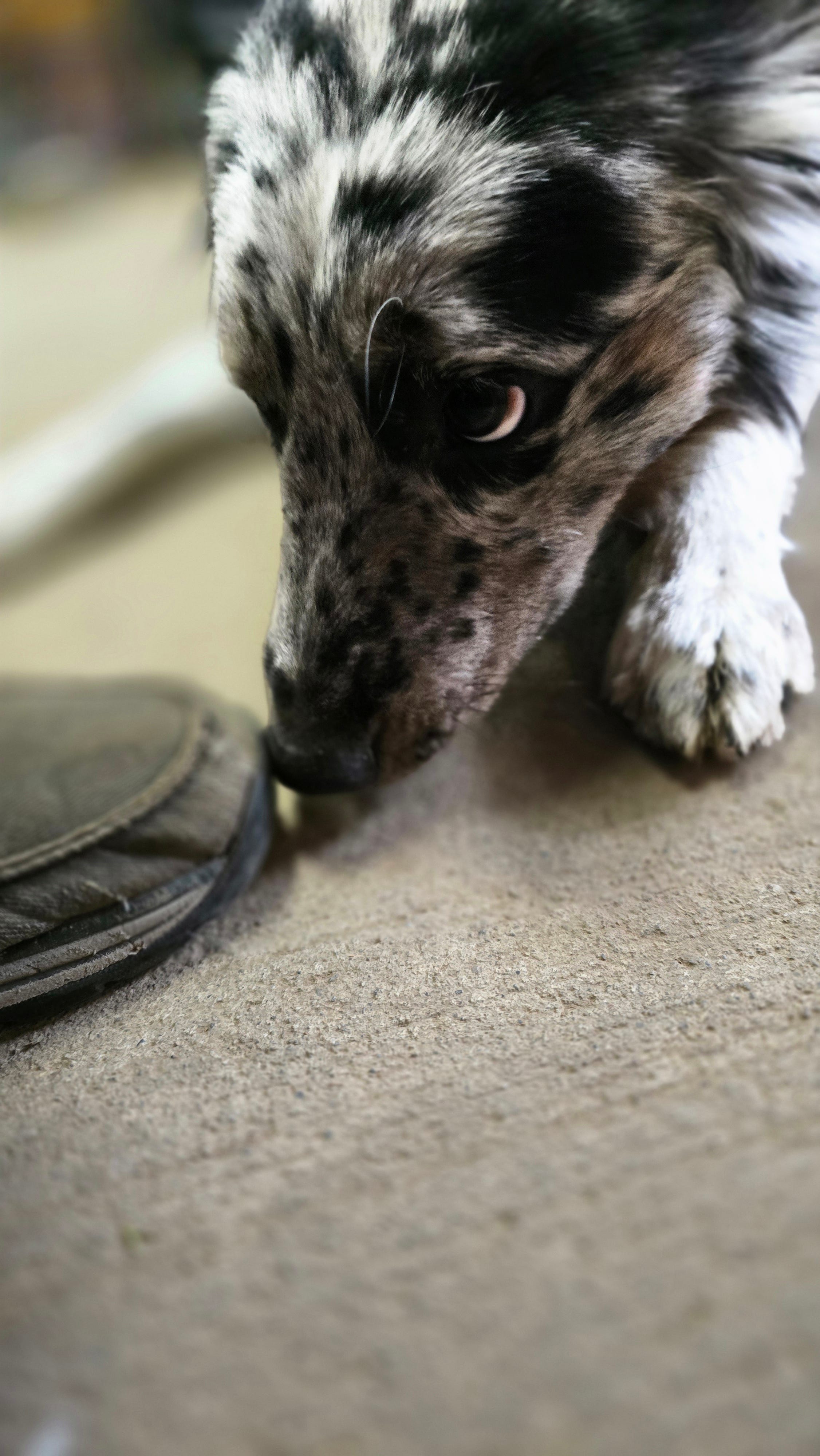
She stayed 20 foot away from me for quite awhile, then finally decided I was worth a visit –
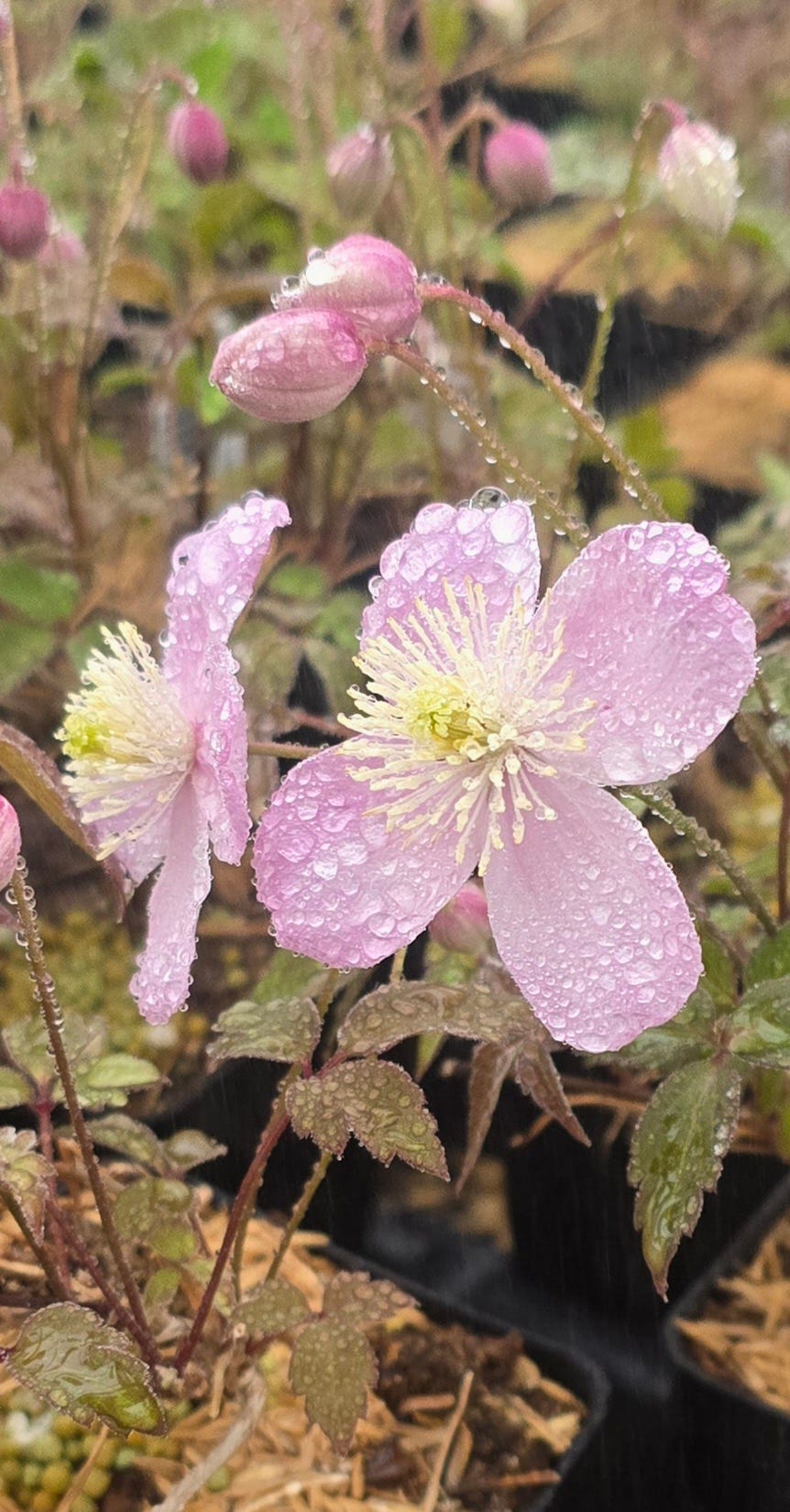
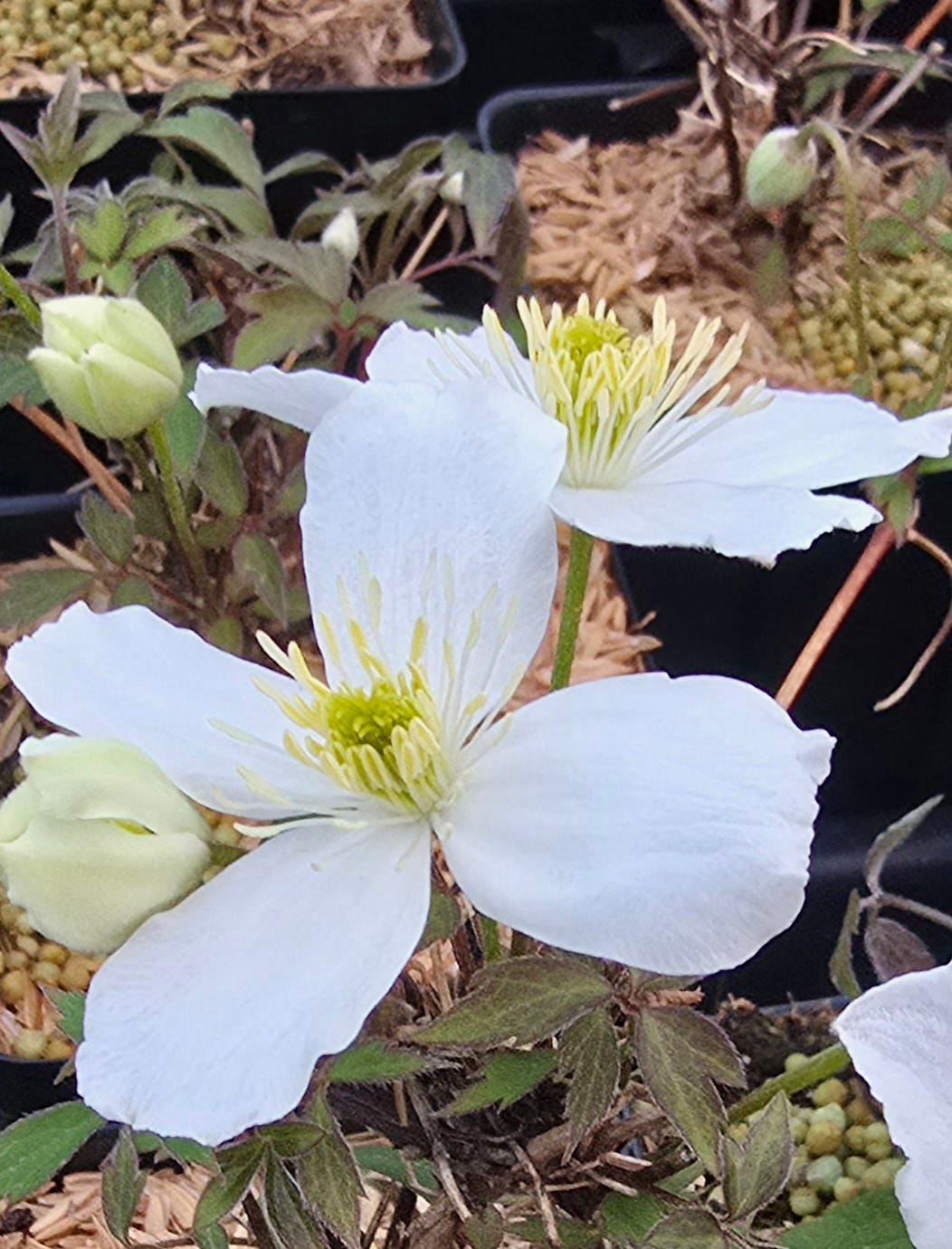
The first clematis blooms –
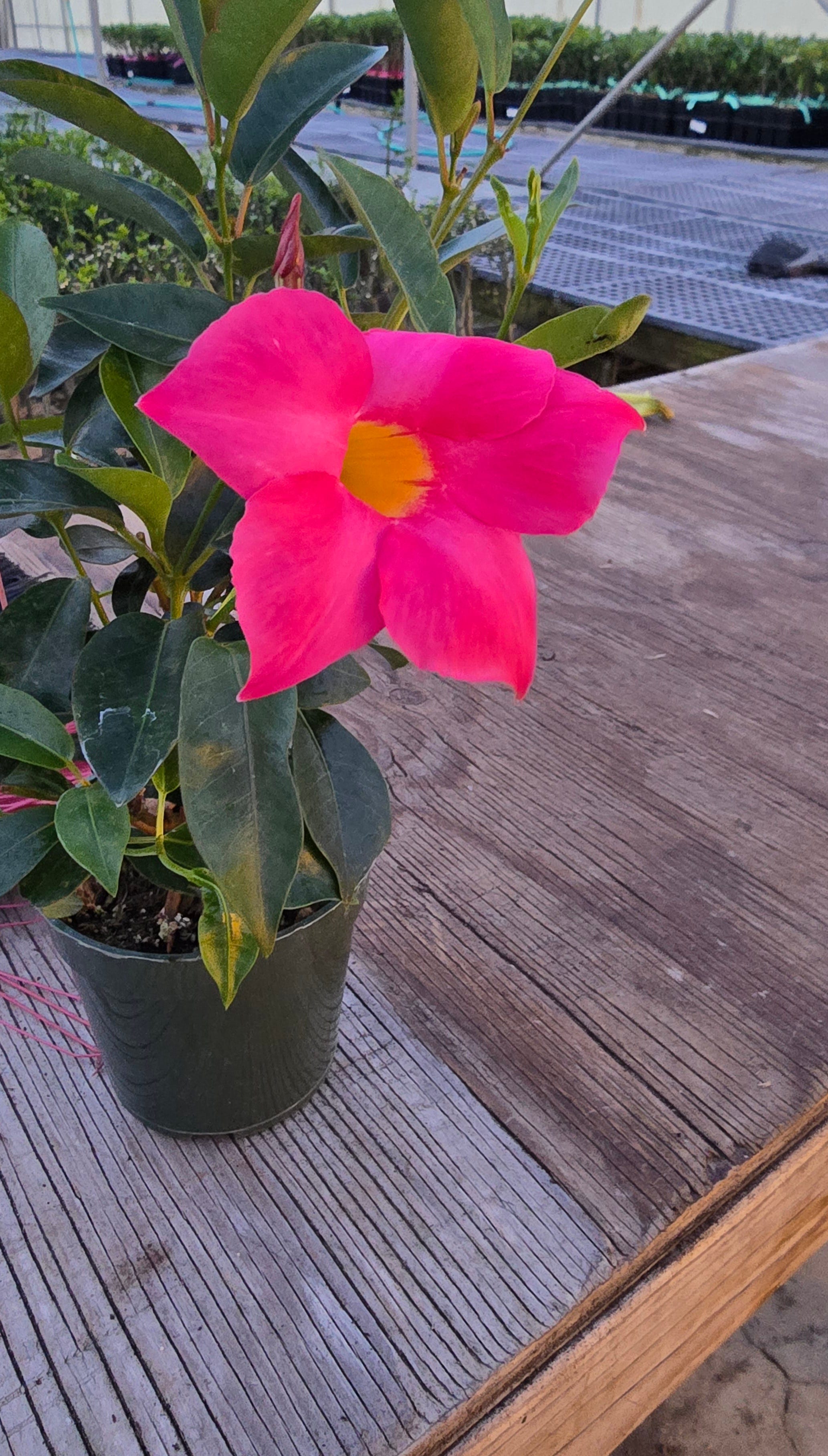
Mandevilla, also known as rocktrumpet or dipladenia ( it’s not a dipladenia – the two are often confused – I can’t remember the difference)
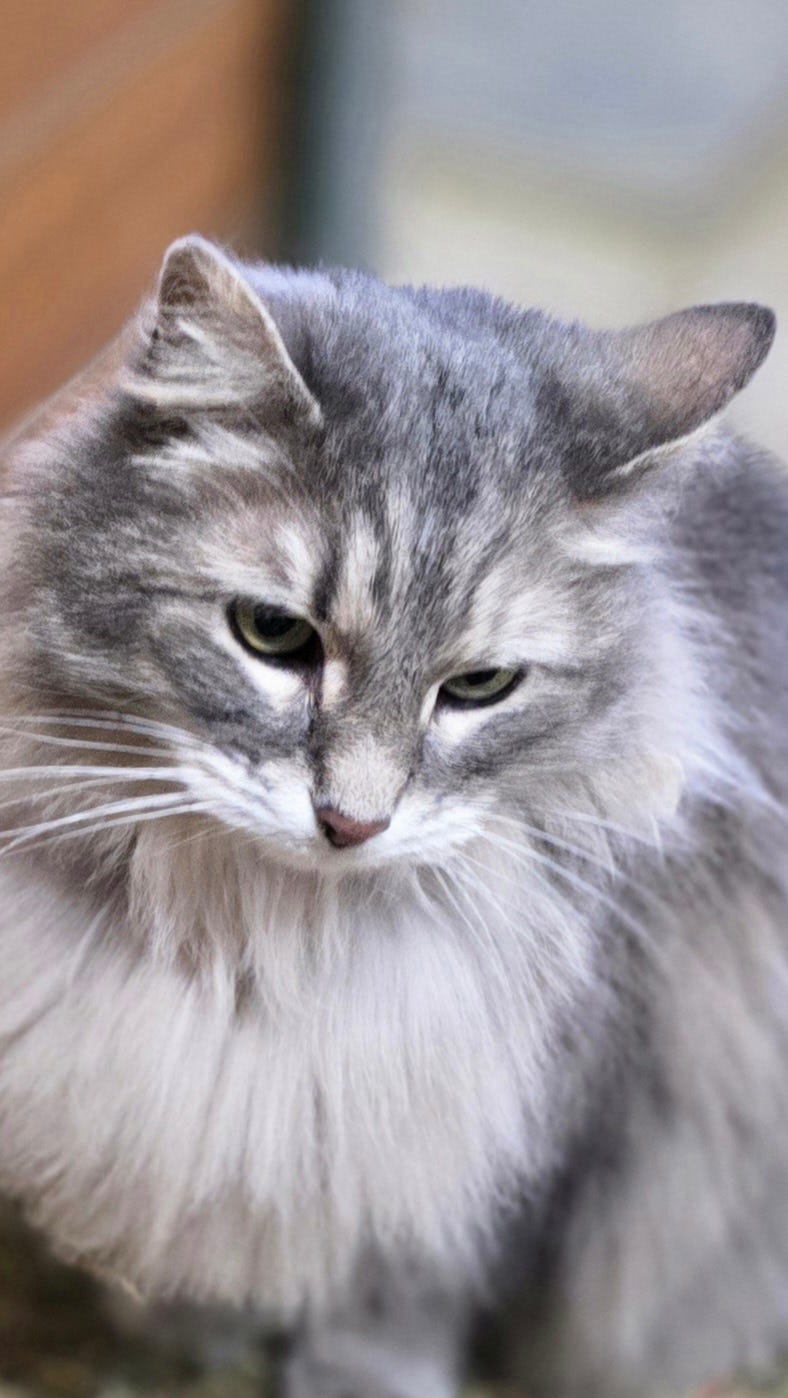
A cat for Caturday!
That’s all I have room for – Thanks for dropping by! (snip)
Midweek Palate Cleanser From Worriedman
(I’m a couple of days late with this one; I’m sorry. -A)
Cats in the limelight, feels like it’s alright,/ Everybody wants something they might not get./ I ain’ ready yet, it ain’t complete That’s why I am headin’ down to Alleycat Street./ by Worriedman
Jerome J. Garcia / Robert C. Hunter – Cats Under the Stars Read on Substack
I’m working on a piece for my other substack “ Green Side Up”
( Behold! Shameless self promotion!)
It’s about water. Watering plants specifically. It needs to be a somewhat fundamental statement of principles. I’m trying to take it seriously. I shouldn’t be posting pictures of cats and flowers and dogs and whatnot. Not with a fundamental principle out there, waiting to be stated.
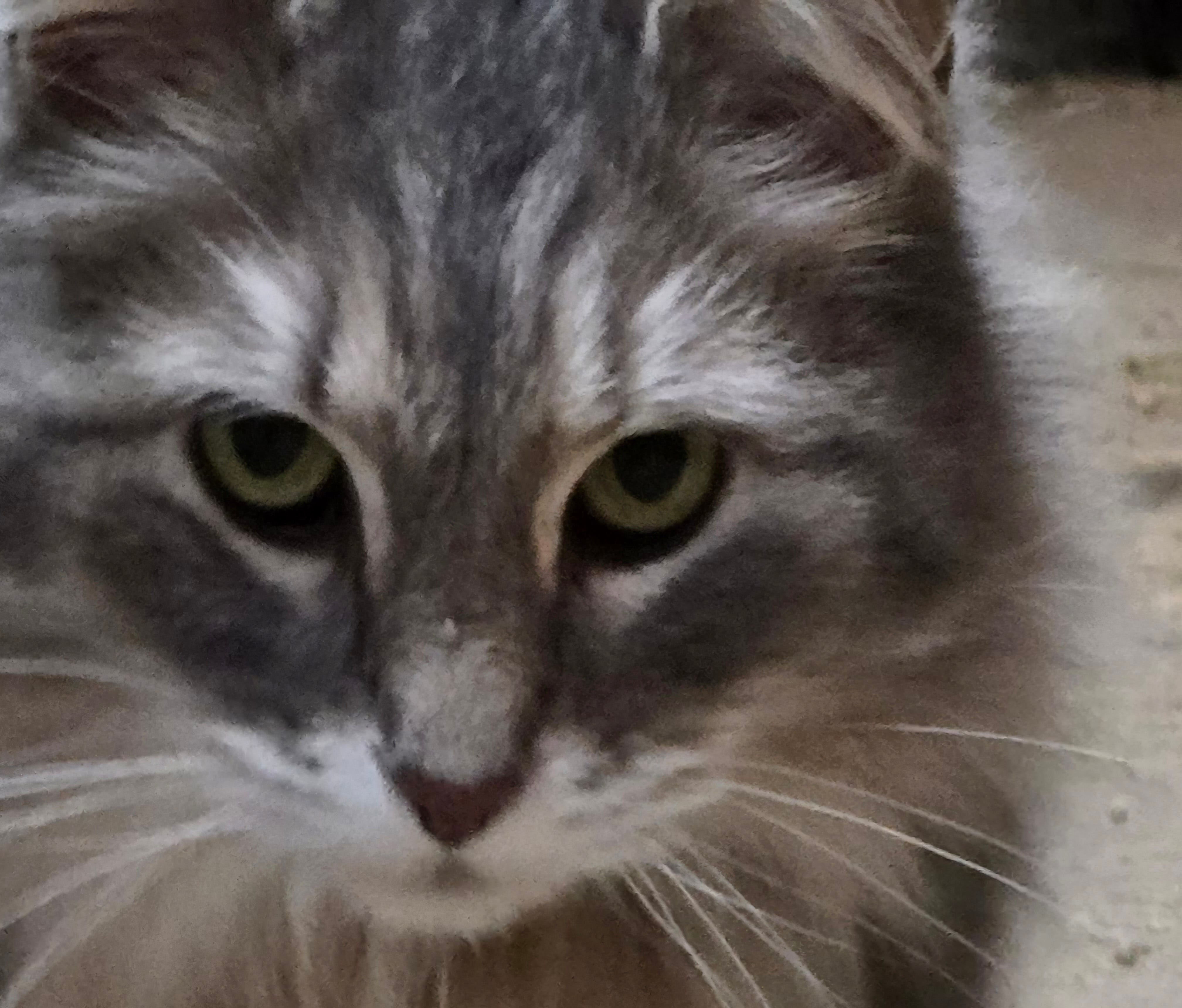
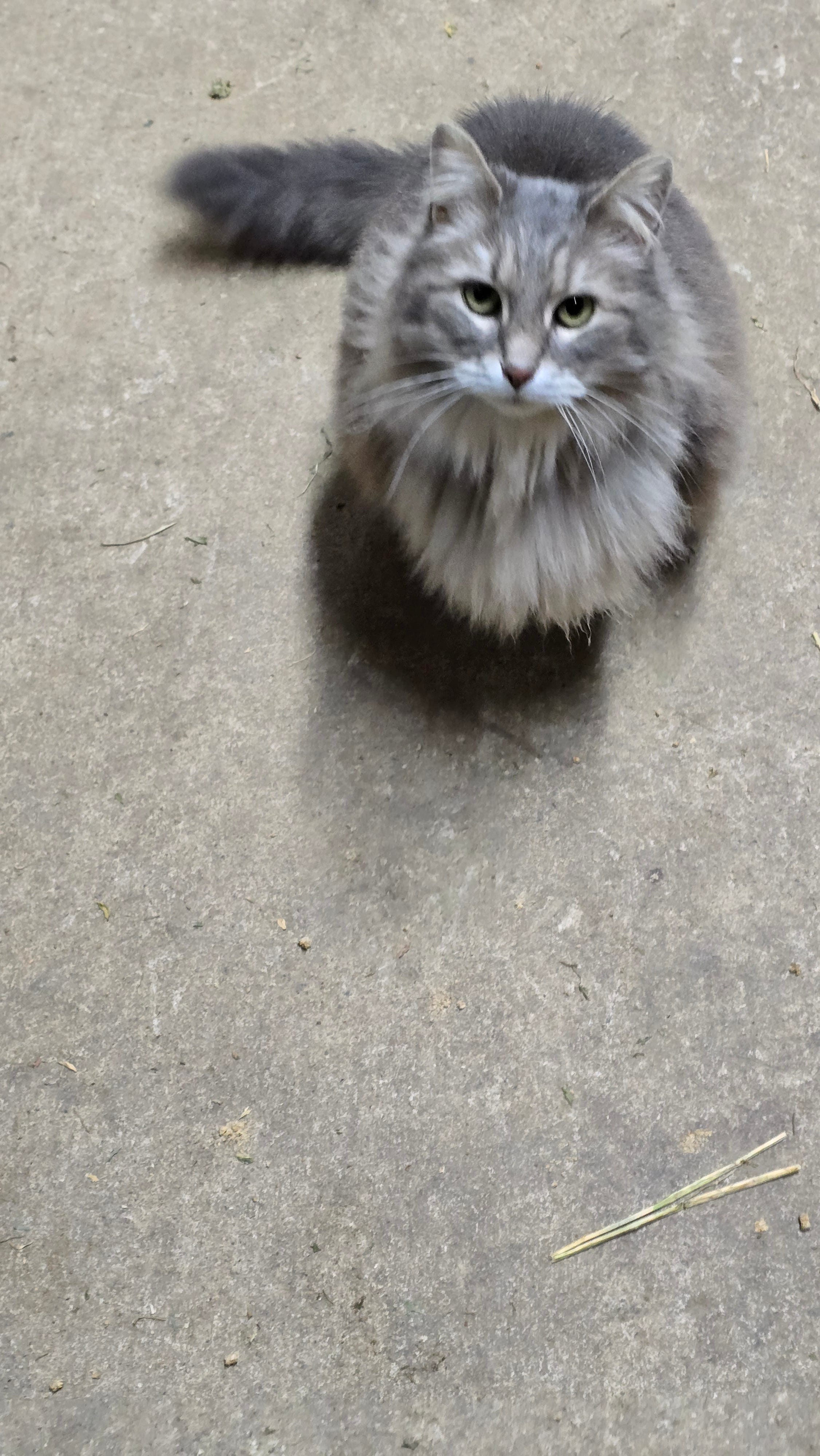
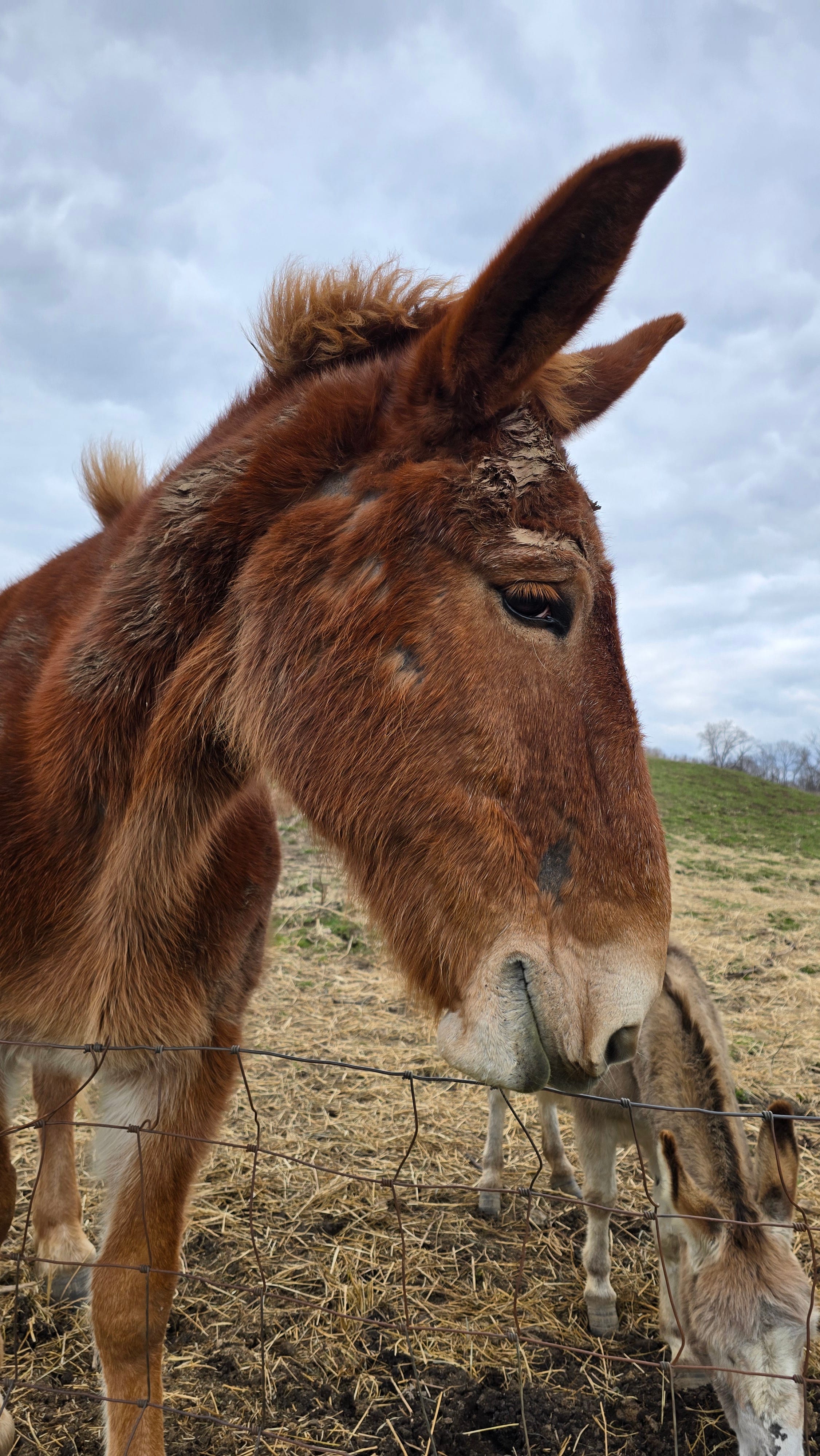
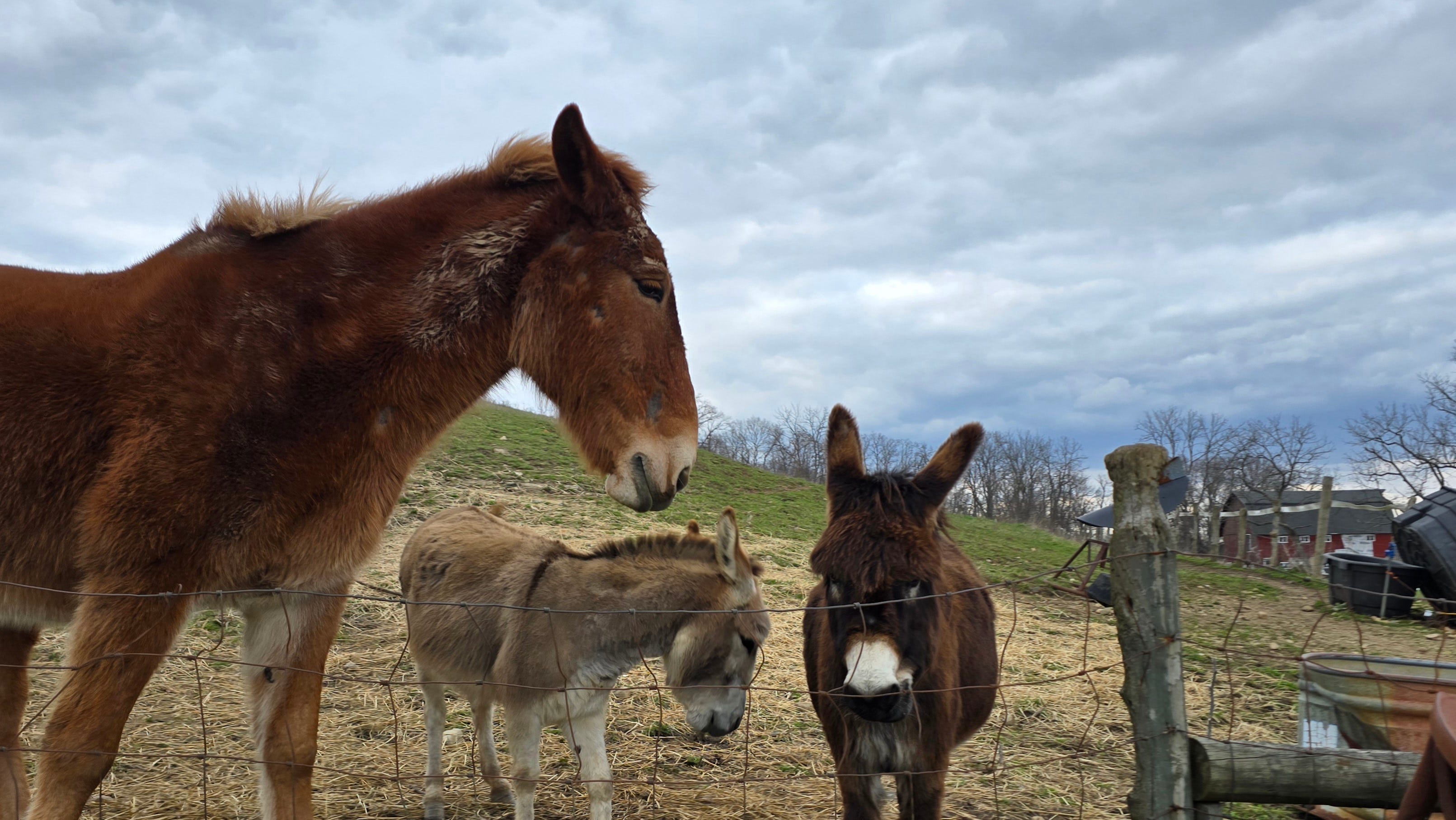
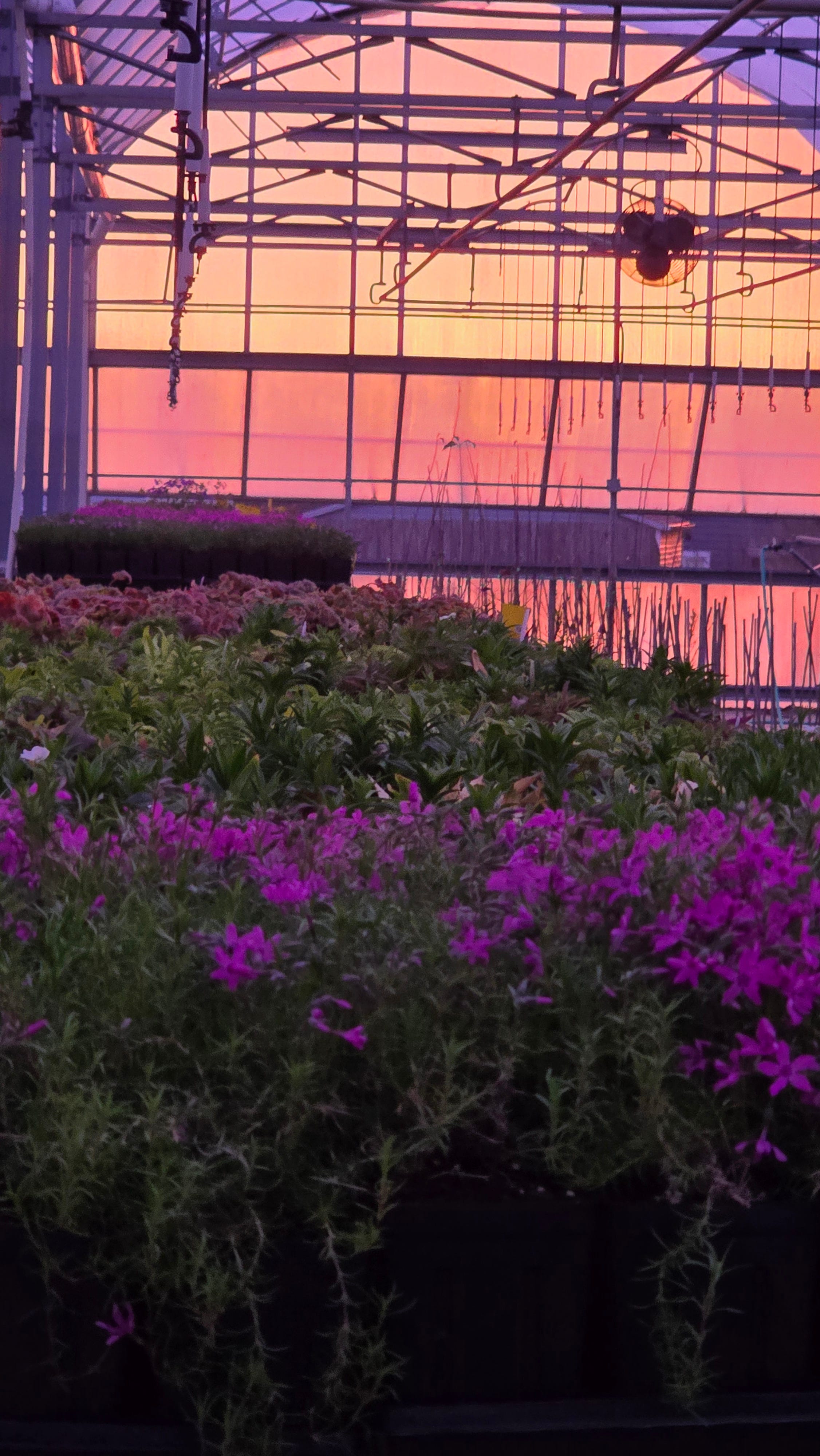
Screw that. I took some hella sweet pictures of Barncat yesterday. And a couple of good ones of Amos and associated Minions. Then, this morning the sunrise behind the greenhouse walls was breathtaking. So there you go. Watering will wait. Get a load of these!
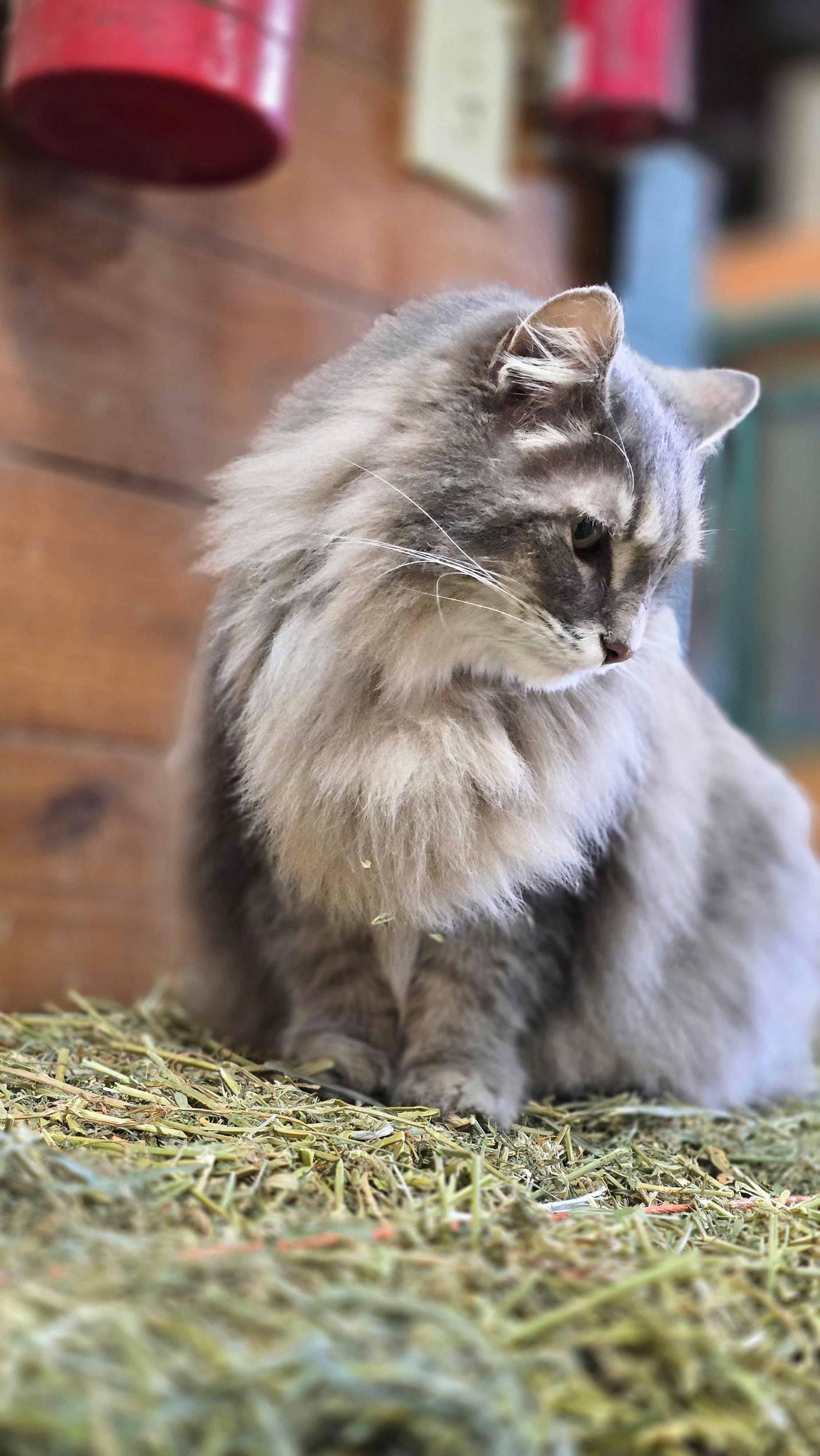
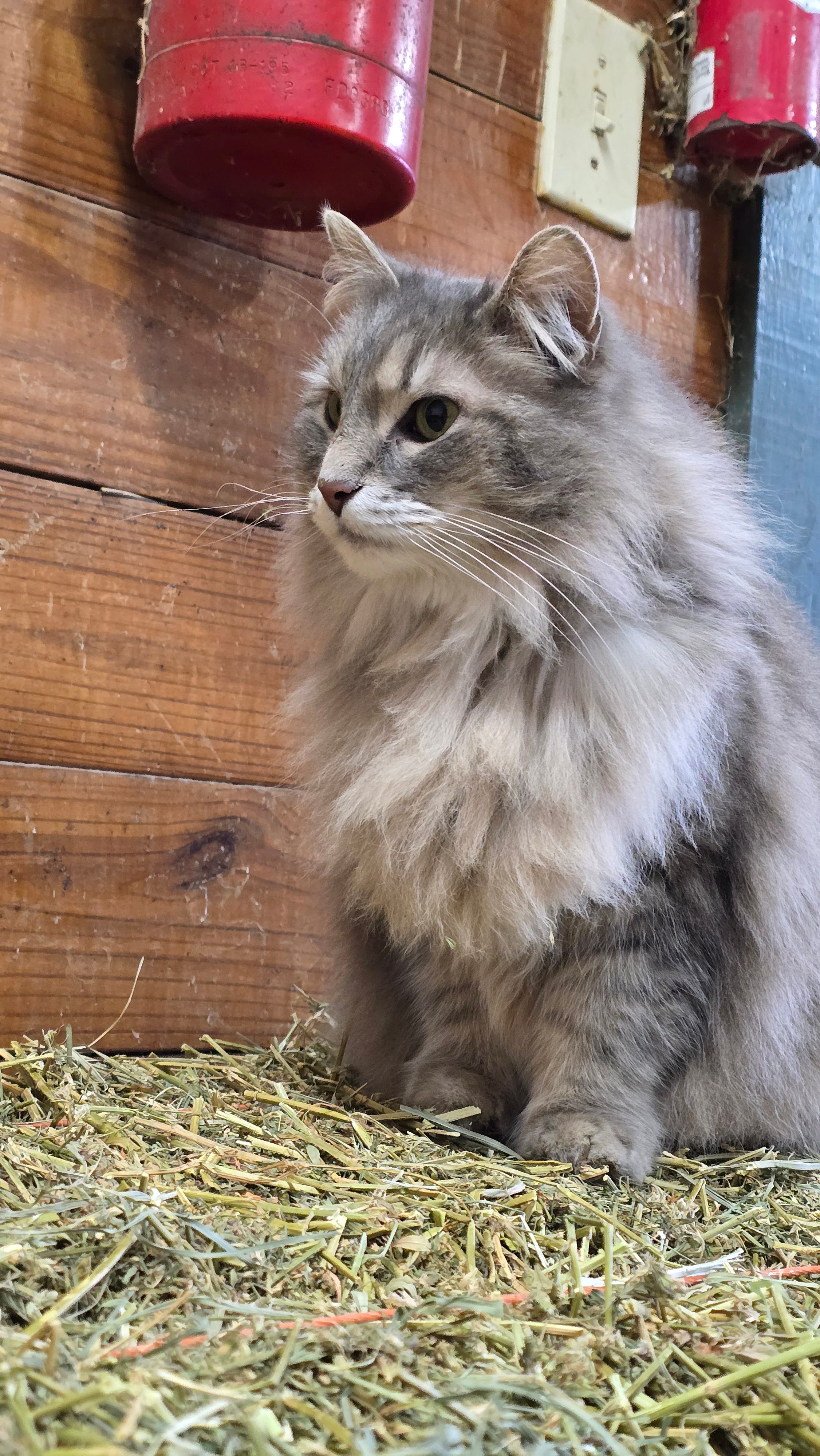
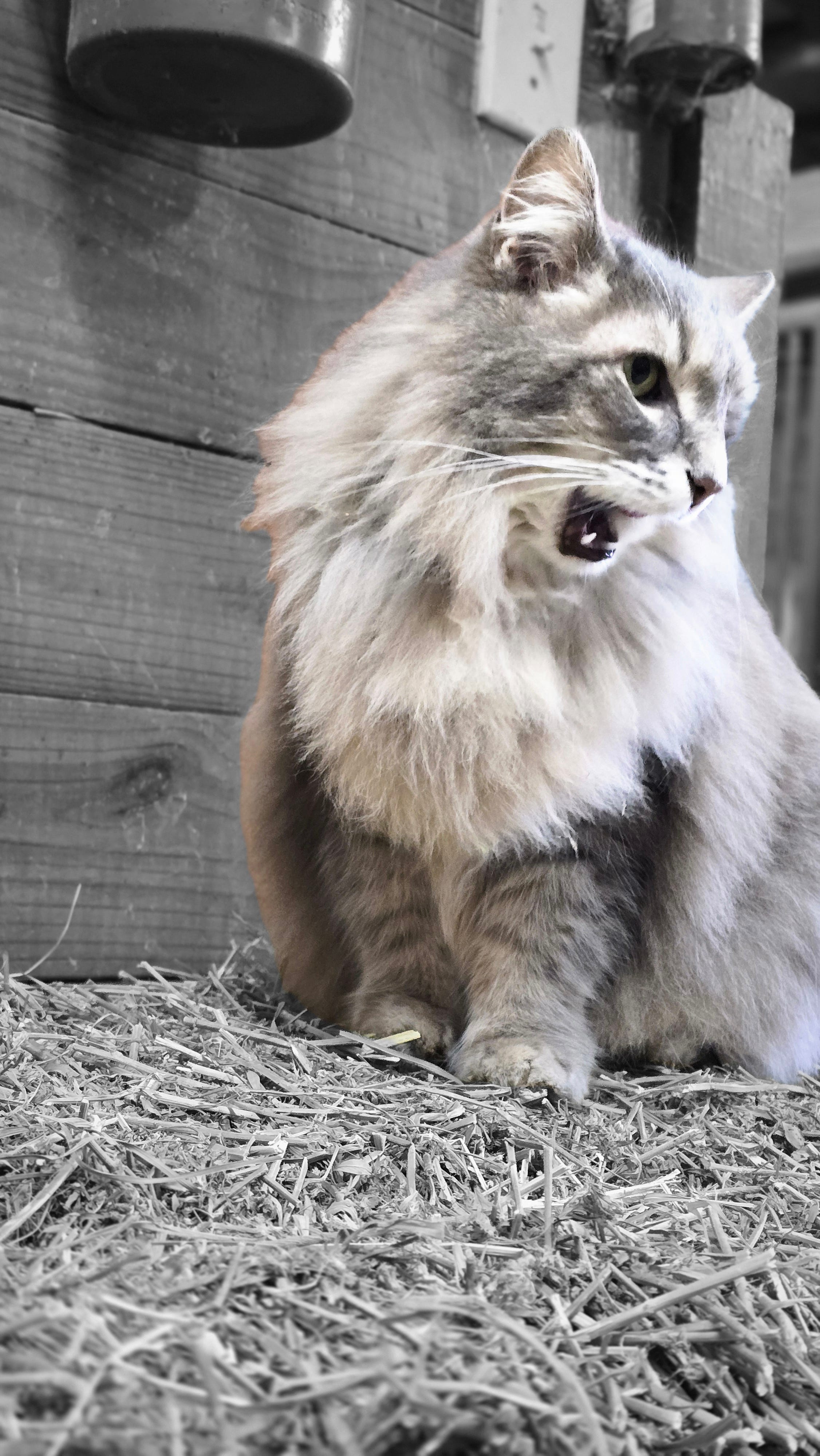
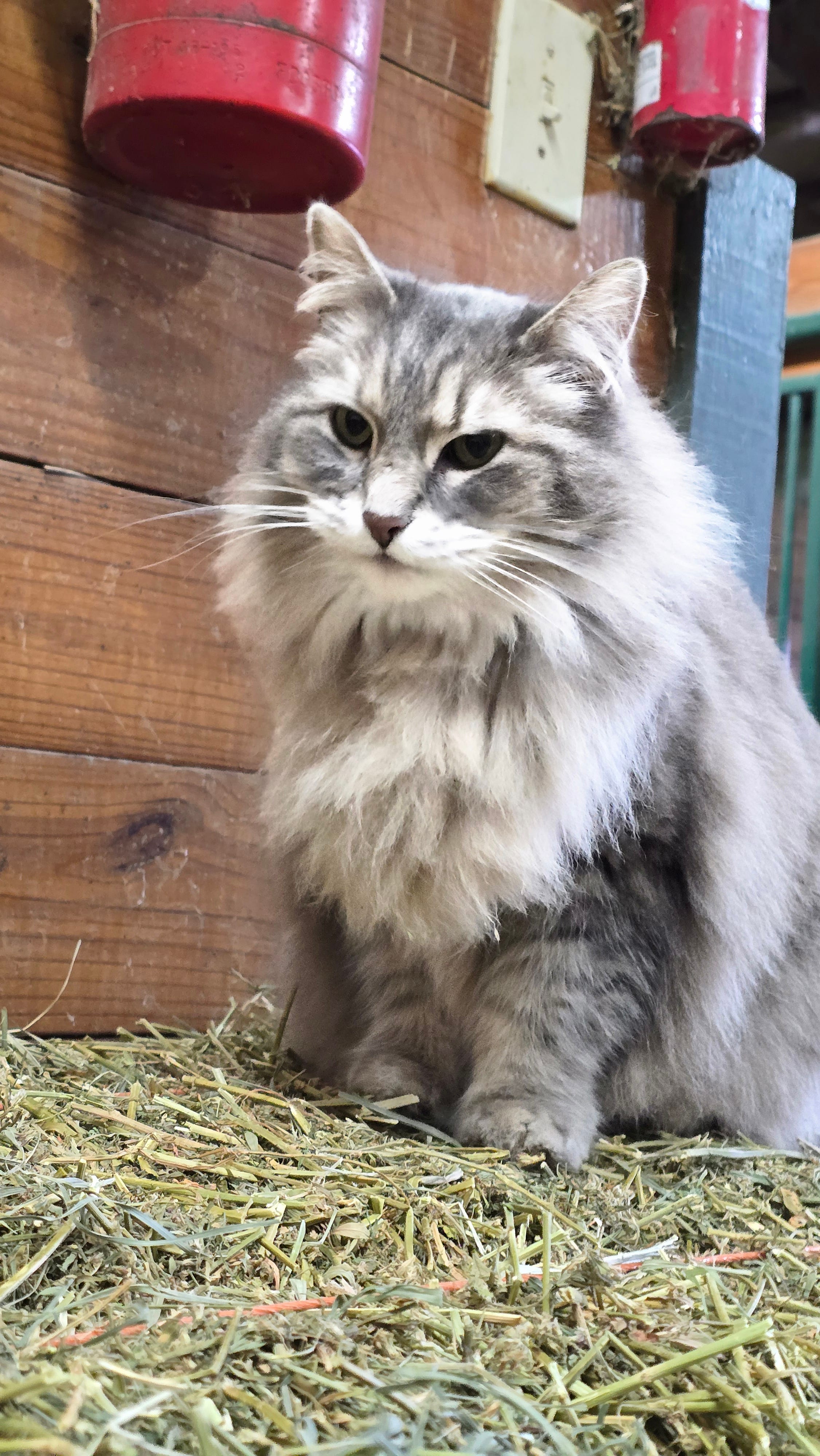
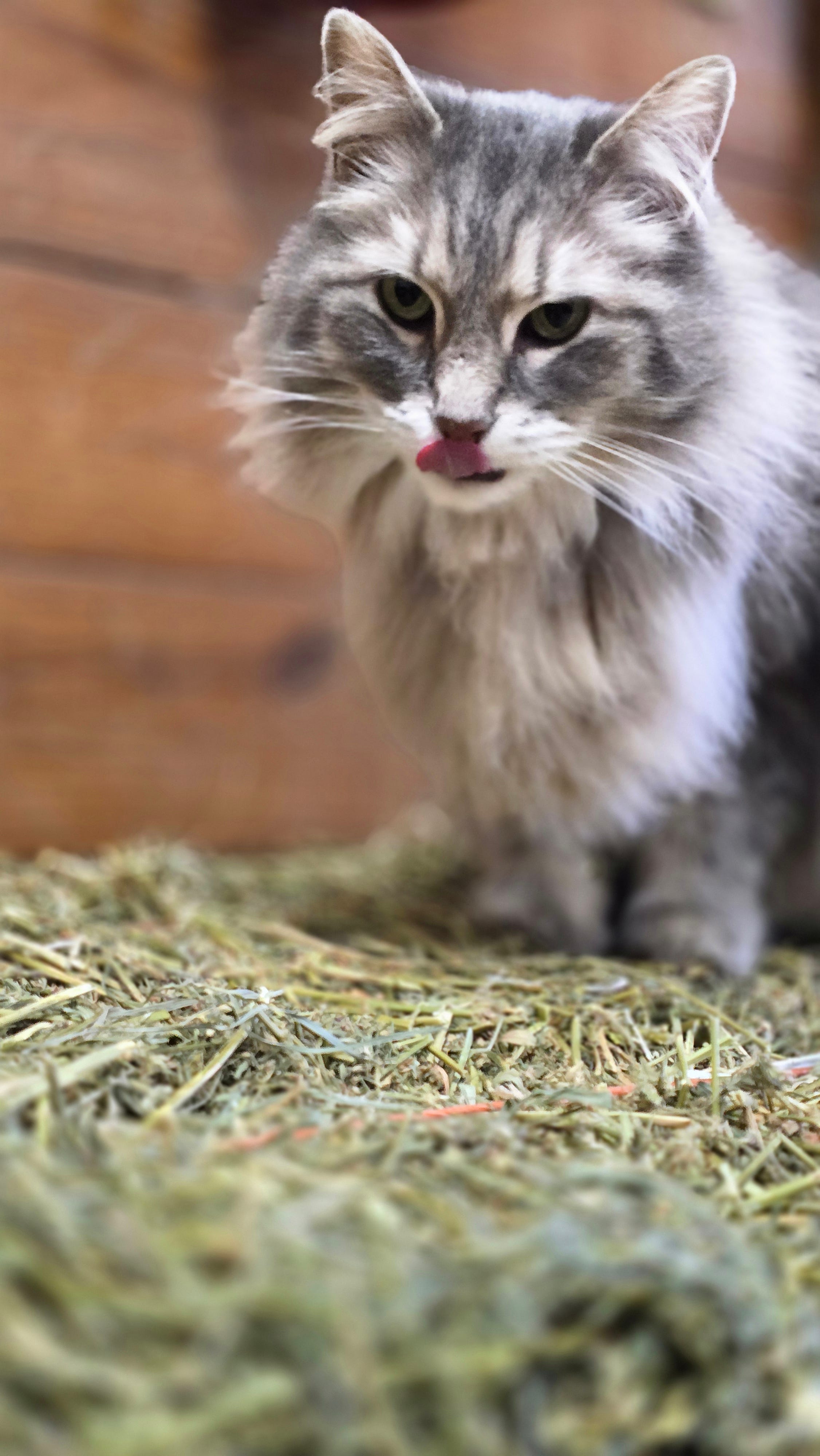
Barncat ! I tempted her up on a hay bale with some treats. Great place to take a picture.
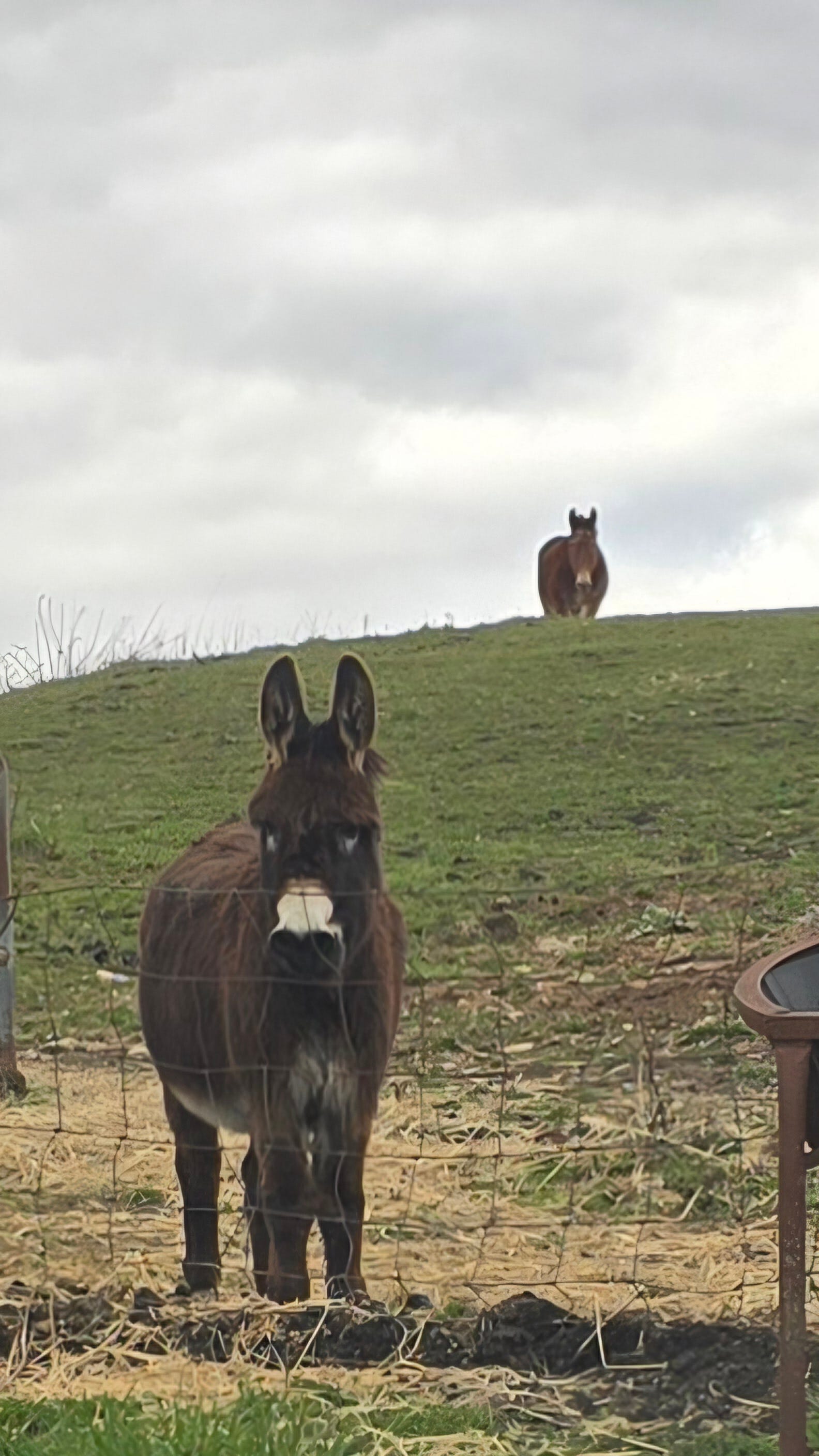
Amos & Crew

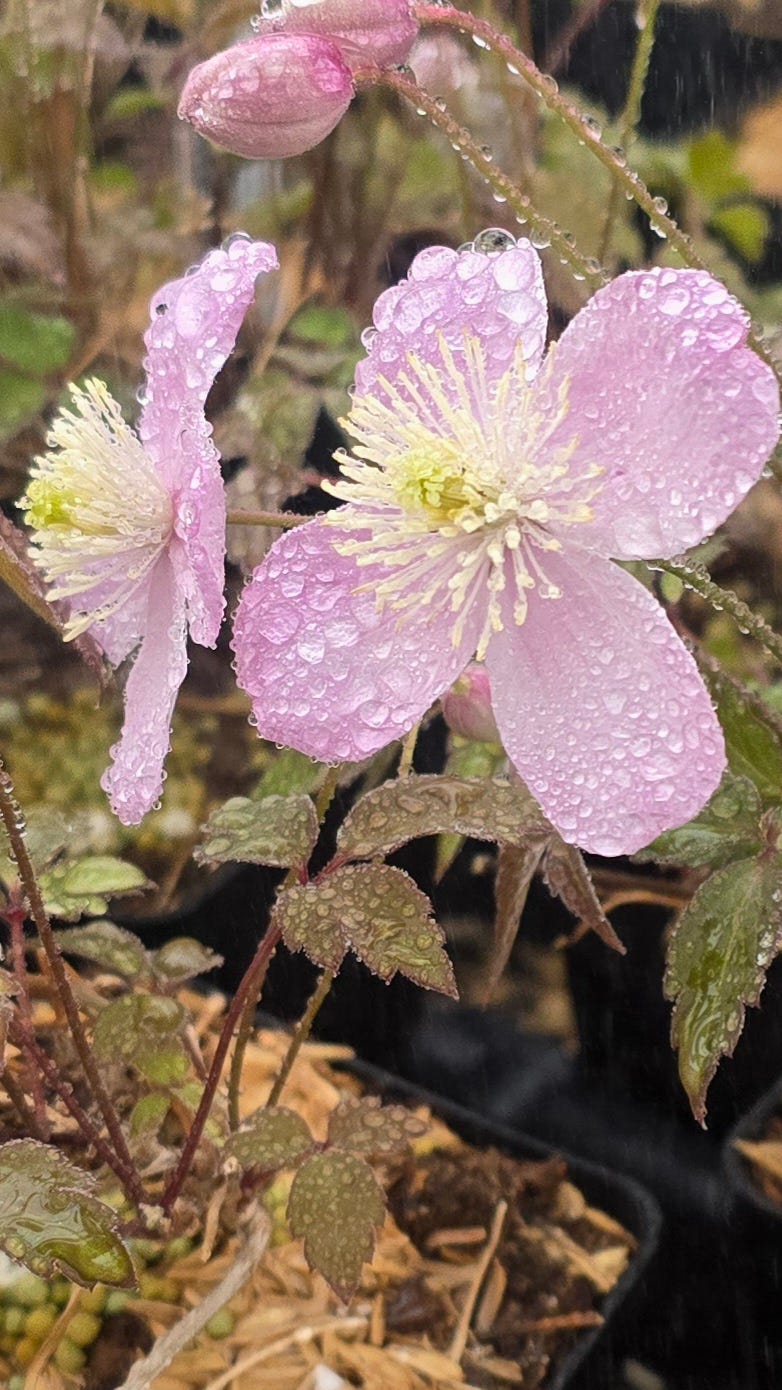
A clematis –
That’s all I got room for- thanks for dropping by!
 Scottie's Playtime