Yes, this passed in the Senate, thanks to the VP’s tiebreaking vote. However, it’s still got rows to hoe in the US House; Spkr. Johnson wants to vote tomorrow. The thing to remember about our US Reps is, they’re up for election each 2 years. So, while firmly directing them in dealing with this dreadful bill, also firmly yet lovingly remind them that the OBBB will be hanging around their necks every step of the way of their campaigns like a bubblegum machine golden giant dollar sign necklace, if they vote in favor.
(Actually, if you didn’t when you contacted your Senators last week, you can still remind them of the same thing, unless they voted against, in which case, Thank Them. It took bravery to vote against, and they need to know we have their backs. And thank you very much. Now call.)
I cannot add up the number of times I’ve been told by good, liberal Dems that these issues won’t float. And that was back in the 1980s and 90s, not to mention the 2000s. Anyway, take a look!
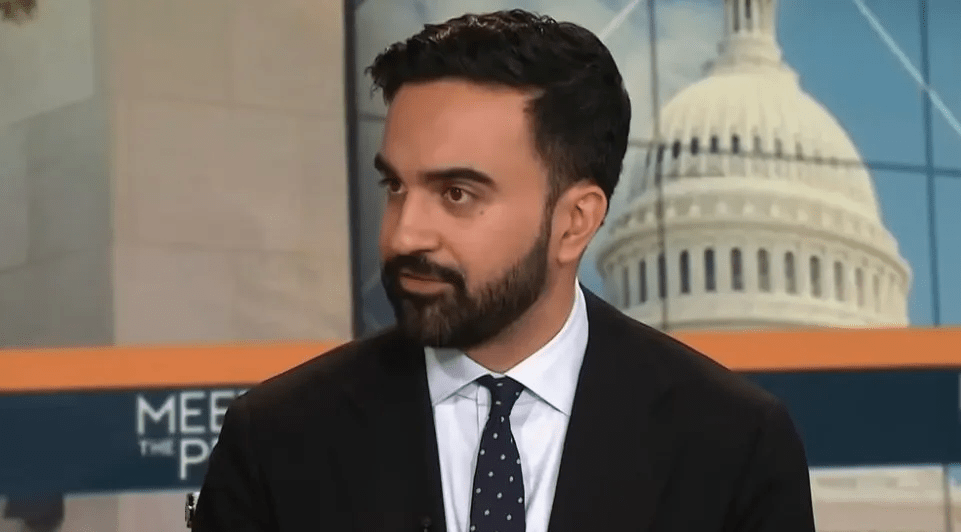
Mamdani And The Left Are Moving The Window – Good by Oliver Willis
What if everything you believed since you have been politically awake is wrong? It isn’t that you have bad intentions or you’re fundamentally stupid, but what if instead you believed for so long that the existing menu of political options was one group of beliefs but in reality, that was a really limited menu that excluded some really tasty items you never considered before?
When a rising progressive figure like Zohran Mamdani makes bold statements about what he wants to achieve, it can make regular old mainstream Democrats/liberals like myself wince. Government supermarkets? We shouldn’t have billionaires? Immediately that kicks in concerns about how Democrats are perceived. It isn’t just Mamdani. Ideas like defunding the police, universal basic income, free health care, etc.? Sure, we say, they may sound good on paper – but they also sound like left wing fantasyland, they’re just not “practical.”
And maybe they are impractical, unworkable, and election losers. But – what if not? We should at least have the conversation, I think.
Because for decades now American political discourse has been operating within the parameters set by the right wing, not the left. Since 1980 we have had 20 years of Democratic presidents and while I think they did a decent job of domestic politics between the three of them (Clinton, Obama, and Biden), much of what they did was within the narrow paradigm of what was acceptable behavior.
Clinton frequently talked about cutting the size of the government, Obama spoke about lowering the deficit, and Biden also used the language of “fiscal responsibility” as the right envisions it. All three men accepted the existence of billionaires and even pushed policies that would theoretically create even more of them. None of them would argue that the police needed to be defunded, and in fact they all oversaw federal spending that sent billions to police departments.
I was among the millions who supported these three presidents, along with other Democrats who ran for office with a similar world view both at the presidential and congressional level to varying degrees of success.
But these people have all been operating within the right’s paradigms. Collectively we never openly debated how we could have it all wrong. Maybe the prison system should be abolished? Maybe billionaires should be taxed out of existence?
Even if we don’t ultimately reach those conclusions, these are debates worth having.
Because while we have been limiting ourselves, the right hasn’t. Since Barry Goldwater in 1964, the right has been shifting the Overton Window – what is considered acceptable public discourse – steadily to the right. We have gone from Republicans like Nixon creating agencies like the EPA to Ronald Reagan and George W. Bush cutting funding for vital agencies to Donald Trump trying to completely destroy agencies like the Department of Education.
Things that Trump treats as uncontroversially right-wing today would have been laughed out of the room as the ravings of lunatics in 1958. The right has mounted serial challenges to what was the liberal orthodoxy (not on every issue but most issues) in the 1960s and they have molded public perception of what acceptable dialogue is.
We are worse off for this. One can praise what Democratic leaders have accomplished in a progressive manner (health care, infrastructure, overall policy) and still admit that the thinking has been severely limited and inhibiting.
Voters are making this clear to the party. They keep showing in multiple federal and state elections that they are unhappy with the status quo and in some instances, like with Trump, they are far too eager to flirt with fascism versus maintaining the system as-is.
Think about the world that millennials and Gen-Z have lived in for their entire lives. Not only has it been shaped by Reaganism and Trumpism, but it has also been peppered with Democratic leaders like Obama, Clinton, and Biden who didn’t fundamentally challenge the bedrock of what the right laid but instead focused on (well needed) nibbling at the edges.
It has been a very long time, probably not since the Great Depression, where Democrats articulated the notion that something beyond the acceptable was possible. When Franklin D. Roosevelt first took office, the consensus was that bad stuff just had to happen and that the government had to lie back, helpless. Herbert Hoover couldn’t truly conceive of a universe where the government swooped in and actively combated the forces making things worse for ordinary Americans. Roosevelt shifted the window and set up the infrastructure of the safety net that still exists today (for now). (snip-MORE, + Kal El photo. Click through!)
Also, to commemorate the final day of PRIDE month 2025, here’s an historic dance music video to celebrate. No matter what, we should never not dance again! 🎶 🌈 🎶 🫶
June 30, 1966 The first GIs—known as the Fort Hood Three, U.S. Army Privates James Johnson, Dennis Mora and David Samas—refused to be sent to Vietnam. All were members of the 142nd Signal Battalion, 2nd Armored Division stationed at Fort Hood, Texas. The three were from working-class families, and had denounced the war as “immoral, illegal and unjust.” They were arrested, court-martialed and imprisoned. The Pentagon reported 503,926 “incidents of desertion” between 1966 and 1971. 1961-1973: GI resistance in the Vietnam War View their pamphlet Ballad of The Fort Hood Three Pete Seeger
June 30, 1971 The 26th Amendment to the U.S. Constitution, lowering the minimum voting age to 18 in all elections, was ratified after ¾ of the 50 state legislatures had agreed to it, a mere 100 days after its passage by Congress.
June 30, 1974 The Selective Service law, authorizing the draft, expired, marking the official end of conscription in the U.S. and the beginning of the all-volunteer armed forces.
June 30, 2005 Spain legalized same-sex marriage by a vote of 187-147 in parliament. Such couples were also granted the right to adopt and receive inheritances. Prime Minister Jose Luis Rodriguez Zapatero spoke in support of the bill, “We are expanding the opportunities for happiness of our neighbors, our colleagues, our friends and our relatives. At the same time, we are building a more decent society. Read more
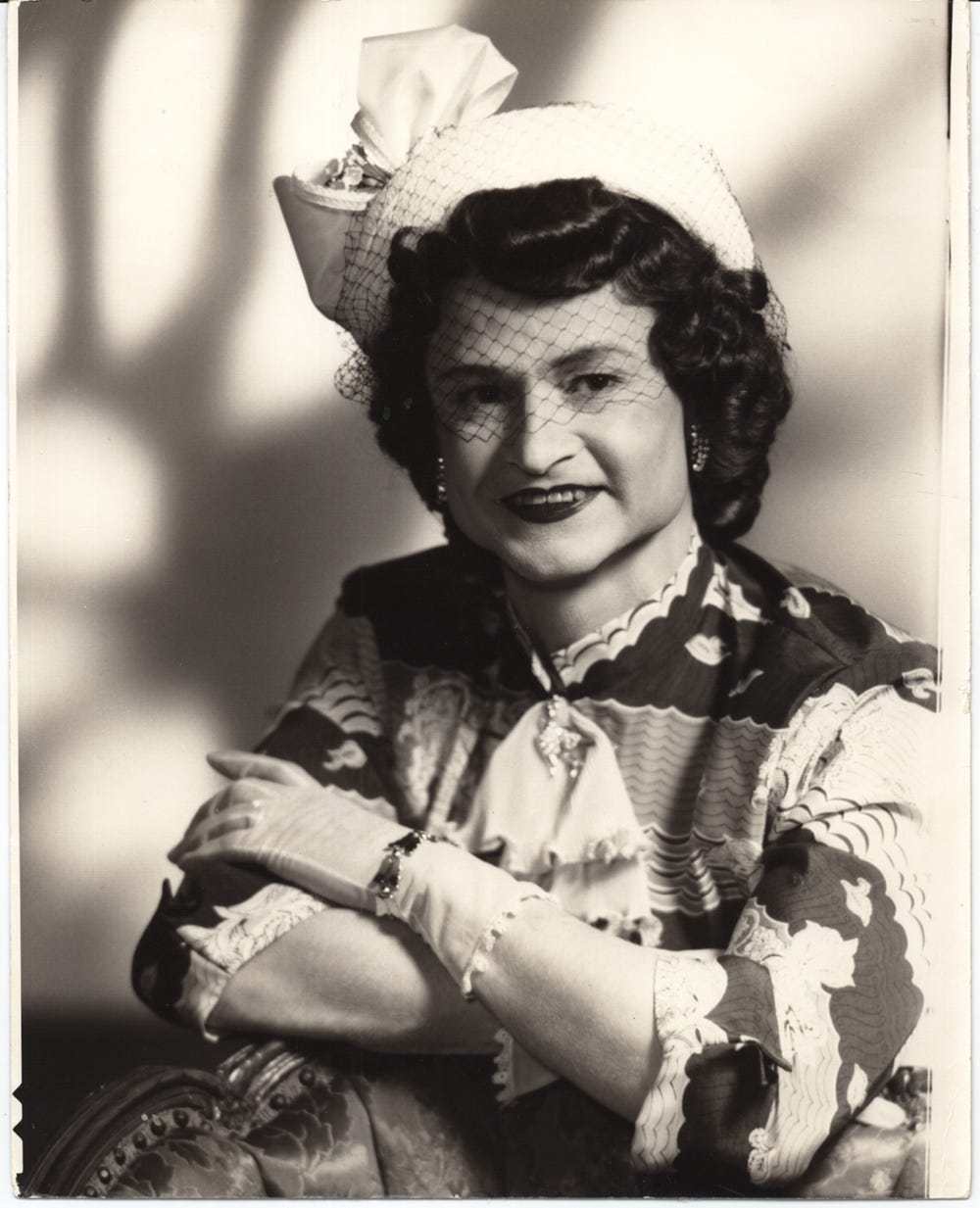
In the shadowy underground of mid-20th century America, where being anything other than a straight, cisgender conformist could land you in prison, a mental institution, or a shallow grave, Virginia Prince emerged like a goddamn hurricane wrapped in a dress. Born Charles Virginia Prince in 1912, she didn’t just challenge the rigid gender binary of her era—she fucking obliterated it, creating the conceptual framework and language that would eventually give birth to the modern transgender movement. But here’s the complicated shit: Virginia was also a product of her time, carrying baggage that would make her legacy as messy and contentious as it was revolutionary.
Virginia Prince wasn’t just another cross-dresser hiding in the shadows of American respectability. She was a visionary who saw the possibility of living between genders at a time when society insisted only two existed, period. Her creation of the term “transgender” and her decades of activism laid the groundwork for every rights battle we fight today. But she was also a deeply flawed human being whose views on sexuality, surgery, and identity would later put her at odds with the very communities she helped create.
This is the story of a brilliant, frustrating, essential figure who gave us the language to describe ourselves while simultaneously trying to police how we used it. Virginia Prince: the complicated badass who launched a revolution she couldn’t fully control and gave birth to ideas that would outlive her prejudices.
The Making of a Revolutionary in Repressive Times
Growing up in the early 20th century as a child who felt a profound disconnect from assigned gender was like existing in a psychological prison where the guards spoke a language you couldn’t understand. Virginia’s early years were marked by the crushing realization that the gender role society demanded didn’t match the internal reality she experienced. But unlike many of her contemporaries who internalized this disconnect as shame or pathology, Virginia began to see it as evidence that society’s gender categories were bullshit.
The 1920s and 1930s were decades of supposed liberation and progress, but that freedom didn’t extend to people who challenged fundamental assumptions about gender and sexuality. Virginia came of age during an era when cross-dressing was criminalized, when psychological theories pathologized any deviation from gender norms, and when the mere suggestion that gender might be fluid could destroy careers, families, and lives.
Her early experiments with feminine expression required incredible courage and strategic thinking. This wasn’t just about putting on women’s clothes—it was about reimagining the entire concept of gender identity in a society that had no framework for understanding such complexity. Every time Virginia dressed as a woman, she was conducting a radical experiment in human possibility that challenged centuries of binary thinking.
The psychological toll of living this dual existence cannot be overstated. Virginia had to navigate professional life, family relationships, and social interactions while maintaining a secret that could have destroyed everything she had built. The constant vigilance required to maintain this double life would have broken weaker spirits, but it forged in Virginia a determination to create spaces where others wouldn’t have to endure such isolation.
The War Years: Finding Community in Darkness
World War II created unexpected opportunities for gender experimentation as social roles shifted and traditional structures loosened. Virginia’s service during the war exposed her to broader networks of people who challenged conventional gender expression, providing her first real sense of community around these issues.
The war also introduced Virginia to the underground networks of cross-dressers and gender-variant people who had been operating in secret for decades. These connections were crucial for her psychological survival and her future activism. For the first time, she realized she wasn’t alone in her experiences and that there were others who shared her vision of gender as something more complex than society acknowledged.
Her wartime experiences also revealed the arbitrary nature of gender roles when social necessity demanded flexibility. Women working in factories, men in traditionally feminine support roles, the blurring of boundaries that peacetime society rigidly enforced—all of this provided evidence that gender categories were social constructions rather than biological imperatives.
The psychological impact of finding community during this period was transformative for Virginia. The isolation and shame that had characterized her earlier years began to give way to a sense of purpose and possibility. She started to see her gender variance not as a personal pathology but as evidence of human diversity that deserved recognition and respect.
The Publishing Revolution: Creating Visibility
Virginia’s decision to publish “Transvestia” magazine in 1960 was an act of revolutionary courage that created the first sustained platform for transgender voices in American media. This wasn’t just a hobby publication—it was a lifeline for isolated individuals across the country who had never seen their experiences reflected in print.
The magazine provided more than just information; it created community among people who had been atomized by shame and secrecy. Readers could finally see that their experiences were shared, that their feelings were valid, and that there were others working to create understanding and acceptance. The psychological impact of this visibility cannot be overstated for people who had spent their lives believing they were alone and abnormal.
Virginia’s editorial approach was strategic and careful, emphasizing respectability and education rather than sensationalism or sexual content. She understood that changing public opinion required presenting transgender people as sympathetic figures rather than freaks or perverts. This respectability politics approach was both necessary for the times and limiting in ways that would later create tension within transgender communities.
The magazine also served as an educational tool for families, medical professionals, and allies who were struggling to understand transgender experiences. Virginia’s clear, rational explanations of gender variance helped combat the pathological narratives that dominated medical and psychological discourse of the era.
Coining “Transgender”: The Power of Language
Virginia’s creation of the term “transgender” in the 1960s represents one of the most significant contributions to LGBTQIA+ liberation in the 20th century. Before this linguistic innovation, people like her were forced to use medical terms like “transvestite” or “transsexual” that carried pathological connotations and didn’t capture the full range of gender-variant experiences.
The word “transgender” was revolutionary because it suggested that gender identity existed on a spectrum rather than in discrete categories. It implied that crossing gender boundaries was a legitimate form of human expression rather than a medical condition requiring treatment. This conceptual shift was crucial for moving transgender experiences from the realm of pathology to the realm of identity and civil rights.
Virginia’s linguistic innovation also provided a political tool that would prove essential for organizing and advocacy. Having a term that encompassed diverse gender experiences allowed for coalition building that wouldn’t have been possible using the more narrow medical terminology of the era. The word became a rallying cry that united people across different experiences of gender variance.
The psychological impact of this linguistic shift was profound for transgender people who finally had language to describe their experiences without resorting to pathological or derogatory terms. Language shapes thought, and Virginia’s creation of “transgender” literally gave people new ways to think about themselves and their possibilities.
The Philosophy of Gender: Virginia’s Complex Vision
Virginia’s understanding of gender was both revolutionary and limited by the constraints of her era. She rejected the binary categorization of male and female while simultaneously maintaining traditional ideas about gender roles and characteristics. This contradiction would later put her at odds with more radical transgender activists, but it was essential for gaining mainstream acceptance during conservative times.
Her concept of “femmephilia”—the love of femininity—suggested that attraction to feminine expression was natural and healthy rather than deviant or pathological. This idea challenged both psychiatric orthodoxy and social conventions that insisted masculinity and femininity were fixed, essential characteristics tied to biological sex.
Virginia’s insistence that transgender people could live full, authentic lives without medical intervention was radical for an era when medical gatekeeping dominated transgender experiences. She argued that social transition was sufficient for psychological well-being and that surgical intervention was unnecessary and potentially harmful.
However, her views on sexuality and transgender identity were more conservative and exclusionary. Virginia insisted that “true” transgender people were heterosexual and that homosexuality was a separate, unrelated phenomenon. This position would later be criticized as transphobic and homophobic, but it reflected strategic thinking about respectability politics in an era of extreme social conservatism.
Building Networks: The Organizational Genius
Virginia’s creation of transgender social networks and support groups represented a crucial step in community building that laid the foundation for later political organizing. Her “Tri-Ess” organization (Society for the Second Self) provided safe spaces for transgender people to gather, share experiences, and build relationships that sustained them through difficult times.
These gatherings were psychologically transformative for participants who had spent years or decades in isolation. Being able to present authentically in supportive environments provided relief from the constant stress of hiding their true selves. The social connections formed at these events often became lifelong friendships that provided ongoing support and validation.
Virginia’s organizational approach emphasized discretion and safety, recognizing that most transgender people of her era faced severe consequences if their identities were exposed. Her networks operated with careful attention to privacy and security that protected participants while still providing community and support.
The leadership skills Virginia developed through this organizing work would prove essential as the transgender rights movement gained momentum. Her ability to bring people together, facilitate discussions, and build consensus became a model for later activists who expanded on her foundation.
The Medical Establishment: Challenging Professional Authority
Virginia’s relationship with the medical establishment was complex and often contentious. While she worked with sympathetic doctors and researchers to advance understanding of transgender experiences, she also challenged medical authority in ways that were radical for her time.
Her rejection of the medical model that pathologized transgender identity put her at odds with professionals who insisted that gender variance was a mental illness requiring treatment. Virginia argued that transgender people were mentally healthy individuals whose distress came from social rejection rather than internal pathology.
This position was psychologically liberating for transgender people who had been told by medical professionals that they were sick, deviant, or delusional. Virginia’s insistence that transgender identity was a natural variation of human experience provided an alternative narrative that emphasized health and authenticity rather than illness and cure.
Her advocacy for informed consent and patient autonomy in transgender healthcare was decades ahead of its time. Virginia argued that transgender people should have the right to make their own decisions about their bodies and their treatment rather than being subjected to arbitrary medical gatekeeping.
International Impact: Spreading the Revolution
Virginia’s influence extended far beyond American borders as her publications and ideas spread to transgender communities around the world. Her magazines were smuggled into countries where transgender expression was even more severely criminalized, providing hope and information to isolated individuals globally.
Her correspondence with transgender people from different countries helped create an international network of support and advocacy that transcended national boundaries. These connections were crucial for sharing strategies, resources, and emotional support across diverse cultural contexts.
The conceptual framework Virginia developed for understanding transgender identity proved adaptable to different cultural contexts while maintaining its core emphasis on human dignity and self-determination. Her ideas influenced transgender organizing in Europe, Asia, and other regions where local activists adapted her strategies to their specific circumstances.
Her international visibility also helped establish transgender rights as a human rights issue rather than a local cultural phenomenon. By demonstrating that transgender people existed across all cultures and societies, Virginia’s work laid groundwork for later international human rights advocacy.
The Generational Divide: Evolution and Conflict
As younger transgender activists emerged in the 1970s and 1980s with more radical political agendas, Virginia’s conservative approach to respectability politics came under increasing criticism. Her emphasis on working within existing social structures clashed with activists who wanted to challenge those structures more directly.
The generational divide was particularly acute around issues of sexuality and medical transition. Younger activists rejected Virginia’s insistence that transgender people should be heterosexual and her opposition to surgical interventions. They argued that her gatekeeping was as harmful as medical gatekeeping in limiting transgender self-determination.
Virginia’s response to this criticism was often defensive and sometimes dismissive, reflecting her investment in approaches that had required enormous personal sacrifice to develop. She had spent decades building respectability and acceptance through careful strategic choices, and she feared that more radical approaches would undo that progress.
The psychological impact of this generational conflict was painful for Virginia, who saw her life’s work being criticized by the very communities she had helped create. However, this tension was also productive in pushing the transgender rights movement toward more inclusive and radical positions.
The Sexual Revolution: Changing Contexts
The sexual revolution of the 1960s and 1970s created new opportunities and challenges for transgender advocacy. Increased openness about sexuality and gender made transgender issues more visible but also more controversial as conservative backlash intensified.
Virginia’s conservative approach to sexuality became increasingly problematic as the broader LGBTQIA+ rights movement embraced more radical positions on sexual liberation. Her insistence that transgender identity was separate from sexuality clashed with emerging understanding of the interconnected nature of gender and sexual oppression.
The rise of gay liberation and feminist movements provided both allies and competitors for transgender advocacy. While these movements sometimes supported transgender rights, they also sometimes marginalized transgender concerns in favor of their own political priorities.
Virginia’s response to these changing contexts was mixed, as she struggled to maintain her strategic approach while adapting to new political realities. Her ability to evolve was limited by her deep investment in the respectability politics that had defined her earlier activism.
Legacy Complications: The Price of Pioneering
As Virginia aged, the contradictions in her legacy became more apparent and more problematic for younger transgender activists. Her groundbreaking contributions to transgender visibility and organizing were undeniable, but her conservative positions on sexuality and identity were increasingly seen as harmful and exclusionary.
Her opposition to transgender people who didn’t conform to her narrow definitions of legitimate transgender identity created gatekeeping that mirrored the medical gatekeeping she had originally challenged. This irony was particularly painful for transgender people who found themselves excluded from the very communities Virginia had helped create.
The psychological impact of Virginia’s gatekeeping was significant for transgender people who experienced rejection from someone who should have been an ally and advocate. Her insistence that only certain types of transgender experiences were valid reproduced the marginalization that many had hoped transgender communities would escape.
However, Virginia’s contributions to transgender liberation remained essential even as her limitations became more apparent. Her creation of language, community, and visibility provided the foundation for all subsequent transgender organizing, even when that organizing moved in directions she didn’t support.
The Final Years: Reflection and Resistance
Virginia’s later years were marked by increasing isolation from transgender communities that had moved beyond her conservative framework. While she continued to advocate for transgender rights, her influence waned as younger activists took leadership roles in the movement.
Her resistance to change reflected both personal investment in her lifelong approach and genuine concern about the directions of transgender advocacy. She worried that more radical positions would provoke backlash that would undo decades of progress toward social acceptance.
The psychological toll of this marginalization was significant for someone who had devoted her life to transgender advocacy. Watching the movement she had helped create evolve beyond her influence was both gratifying and painful as she grappled with the limitations of her own vision.
Despite these challenges, Virginia maintained her commitment to transgender advocacy until her death in 2009. Her persistence in the face of criticism demonstrated the same determination that had driven her pioneering work decades earlier.
Psychological Analysis: The Costs of Pioneering
From a psychological perspective, Virginia’s life illustrates both the tremendous strength required for pioneering social change and the personal costs of such leadership. Her ability to maintain authenticity while navigating extreme social hostility demonstrates remarkable resilience and strategic intelligence.
The psychological mechanisms Virginia developed for survival—careful boundary maintenance, strategic respectability, community building—became tools for broader transgender liberation even when they also created limitations and exclusions. Her survival strategies were both adaptive and restrictive, helping her navigate danger while also constraining her vision of possibility.
Her later conflicts with younger activists can be understood partly as trauma responses to decades of marginalization and partly as realistic concerns about the risks of more radical approaches. The psychological investment required to build acceptance through respectability politics made it difficult for her to embrace strategies that seemed to threaten that hard-won progress.
Virginia’s legacy demonstrates how pioneering figures often become both inspirational models and cautionary tales as movements evolve beyond their founding visions. Her contributions remain essential while her limitations serve as reminders of the ongoing need for growth and inclusion.
Social Impact: Transforming American Gender
Virginia’s influence on American understanding of gender extends far beyond transgender communities to broader social recognition of gender complexity and fluidity. Her visibility and advocacy helped plant seeds of change that would eventually blossom into mainstream acceptance of gender diversity.
Her creation of transgender terminology and concepts provided intellectual frameworks that influenced academic research, medical practice, and legal advocacy for decades. Scholars, activists, and professionals continue to build on foundations she established even when they disagree with her specific positions.
The social networks Virginia created became models for community organizing that influenced not just transgender advocacy but broader LGBTQIA+ organizing. Her emphasis on mutual support, education, and strategic communication became standard practices for social justice movements.
Her international influence helped establish transgender rights as a global human rights issue that transcended local cultural differences. The universal applicability of her core insights about human dignity and self-determination provided tools for advocates working in diverse cultural contexts.
The Philosophical Revolution: Expanding Human Possibility
Virginia’s fundamental contribution to human understanding was her demonstration that gender categories were social constructions rather than biological imperatives. This insight was philosophically revolutionary in its implications for human freedom and self-determination.
Her concept of transgender identity challenged not just gender binaries but broader assumptions about fixed identity categories. By showing that people could successfully live between or beyond conventional categories, she opened intellectual space for reimagining human possibility more broadly.
The philosophical framework Virginia developed for understanding gender variance influenced later thinking about sexuality, race, class, and other identity categories. Her insights about the constructed nature of social categories became foundational for intersectional analysis and identity politics.
Her emphasis on self-determination and personal autonomy in gender expression provided philosophical grounding for broader movements for individual freedom and authentic self-expression. These ideas continue to influence contemporary debates about identity, liberty, and human rights.
The Ongoing Revolution: Virginia’s Living Legacy
Despite the controversies surrounding her conservative positions, Virginia’s fundamental contributions to transgender liberation continue to shape contemporary activism and advocacy. Her linguistic innovations, organizational strategies, and philosophical insights remain relevant even as the movement has evolved beyond her original vision.
Current transgender rights advocates continue to grapple with the tensions Virginia identified between respectability politics and radical change, between strategic pragmatism and principled authenticity. Her example provides both inspiration and cautionary lessons for contemporary activists navigating similar challenges.
The institutional changes Virginia advocated for—medical reform, legal recognition, social acceptance—remain central to transgender rights agendas even as the specific approaches have evolved. Her strategic focus on concrete improvements in transgender people’s lives continues to guide effective advocacy.
Her international influence persists as transgender advocates around the world build on frameworks she established while adapting them to local circumstances. The universality of her core insights about human dignity continues to provide tools for global transgender liberation.
The Fucking Truth About What Virginia Achieved
Let’s cut through the academic bullshit and acknowledge what Virginia Prince actually accomplished. She took a world that insisted only two genders existed and forced it to confront the reality of human gender diversity. She created language, community, and visibility for people who had been erased from public consciousness and gave them tools to fight for recognition and rights.
Virginia’s creation of the term “transgender” alone represents one of the most significant contributions to LGBTQIA+ liberation in the 20th century. Without her linguistic innovation, we wouldn’t have the conceptual framework that makes contemporary transgender rights advocacy possible. She literally gave us the words we needed to describe ourselves and demand recognition.
Her decades of publishing, organizing, and advocacy laid the foundation for every transgender rights victory we’ve achieved since. The marriage equality, employment protections, healthcare access, and legal recognition that contemporary transgender people enjoy were built on groundwork Virginia established when such victories seemed impossible.
But here’s the complicated shit: Virginia was also a product of her time whose conservative positions on sexuality and identity created gatekeeping that excluded many people from the communities she helped create. Her respectability politics approach was necessary for survival in her era but became limiting as the movement evolved toward more inclusive and radical positions.
The psychological impact of Virginia’s work extends far beyond transgender communities to broader social understanding of gender complexity and human diversity. Every person who questions gender norms, challenges binary categories, or demands recognition for non-conforming identities owes something to the path Virginia blazed through hostile social terrain.
She wasn’t perfect—no pioneer is—but she was authentic in ways that transformed American culture. In an era when gender variance was criminalized and pathologized, Virginia’s insistence on dignity and self-determination was revolutionary. Her vision of transgender people as healthy, capable individuals rather than sick deviants provided alternative narratives that saved lives and changed minds.
Virginia Prince died in 2009, but her revolution continues every time someone uses the term “transgender,” every time a support group meets, every time an activist demands recognition rather than tolerance. Her legacy isn’t just in the organizations she founded or the publications she created, but in the transformed understanding of human possibility that makes contemporary gender diversity visible and valuable.
The fucking truth is this: Virginia didn’t just create the transgender rights movement—she created the conceptual foundation that makes all contemporary gender liberation possible. She took the notion that gender categories were fixed and immutable and torched it so thoroughly that even conservative backlash can’t restore the old certainties.
That’s the kind of revolutionary the world needed, transgender people deserved, and human progress required. Not because she was perfect, but because she was persistent. Not because she had all the answers, but because she asked the right questions. Not because she made everyone comfortable, but because she made it impossible to ignore transgender existence and dignity.
Virginia Prince: the complicated badass who gave us our fucking name and showed us that the only limits on human identity are the ones we accept. May her linguistic innovations keep evolving, her organizational strategies keep adapting, and her fundamental insight about human dignity keep expanding until every person can live authentically without apology or fear.
June 29, 1925 The South African parliament passed a bill excluding black, coloured (mixed race) and Indian people from all skilled or semi-skilled jobs.
June 29, 1963 A mass “walk-on” (trespass) was organized at a chemical and biological warfare facility in Porton Down, England. These weaponized agents had been researched and produced there since 1916; it’s now known as the Defence Science and Technology Laboratory. Protesters demand an end to germ warfare in 1963 at Porton Down (Getty) Unconscionable activities at Porton Down (From 2004)
June 28, 1916 A one-day strike by 50,000 German workers was organized to free Socialist anti-war leader Karl Liebknecht, charged with sedition for his criticism of the government and the war later known as World War I. He was the first ever to be expelled from the Reichstag, the German parliament, voted out for his opposition to Germany’s role in the war. ——————————————————————————————————— June 28, 1969 Patrons at the Stonewall Inn, a gay bar in New York City’s Greenwich Village, being subjected to routine anti-homosexual harassment by the New York City police raiding the bar, spontaneously fought back in an incident considered to be the birth of the gay rights movement. Riot veteran and gay rights activist Craig Rodwell said: “A number of incidents were happening simultaneously. There was no one thing that happened or one person, there was just . . . a flash of group, of mass anger.” About Craig Rodwell A group of drag queens, who had been mourning the death earlier in the week of Judy Garland, mocked the police and threw things at them, and police were forced to retreat into the bar as the crowd of supporters grew; disturbances continued for days. The bar is now on the National Register of Historic Places. Stonewall and all it has inspired —————————————————————————————————- June 28, 1987 The Iranian Kurdish town of Sardasht was attacked by Iraqi aircraft with chemical weapons during the Iran-Iraq War. Saddam Hussein had started the war expecting an easy victory against the new Shiite Islamic republic, even though Iran had three times the population. Victims of the mustard gas attack on Sarsasht, Iran ——————————————————————————————————- June 28, 2005 Seen in New York City on June 28, 2005
I’ve had this idea for a few days, but I wasn’t sure about it. Then Defense Secretary Pete Hegseth unfairly exploded on a reporter for merely doing her job, so I decided he deserves this. Fuck Pete Hegseth (but not literally).
Stinky Pete attacked a reporter, from Fox News of all places, for doing her job. Her crime was asking Pete a question.
Jennifer Griffin of Fox News asked about whether there was any certainty that highly enriched uranium was stored at the mountain bunker bombed by the US, given that satellite photos showed more than a dozen trucks were seen there two days in advance.
Pete replied, “Of course, we’re watching every single aspect,” Hegseth said. “But, Jennifer, you’ve been about the worst, the one who misrepresents the most intentionally what the president says.”
How did Griffin misrepresent anything that Trump has said with that question? The question was based on the fact that satellite photos showed trucks at the site days before the bombing,” and while Trump was publicly mulling over whether or not to bomb it. In fact, it’s a very important question and there’s nothing wrong with it, even to the point that it shouldn’t piss anyone off, even a goose-stepping drunky fascist who can’t keep his dick in his pants. But, I guess the question does challenge the talking points and propaganda the regime has put out. This question was apparently worse than the time Sean Spicer was asked about crowd sizes. How dare you!!!!
After the bombing, Trump said Iran’s nuclear program was “totally obliterated.” As it turns out, not so much unless “totally” doesn’t mean totally anymore. Maybe they could say it was slightly obliterated. This is like the time when the military killed ISIS leader Abu Bakr al-Baghdadi, and Trump said he “died like a dog,” while telling other huge lies about the operation.
An early intelligence assessment leaked to media outlets on Tuesday suggested that the strikes only set Iran’s enrichment program back by a few months and did not destroy its core components.
Any challenge to the narrative that the sites weren’t “totally oblitereated” pisses TACO off nearly as much as being called TACO.
The preliminary analysis was produced by the Defense Intelligence Agency, the Pentagon’s intelligence arm, and reportedly found that the bombing of Iran’s nuclear sites sealed off the entrances to two facilities but did not collapse their underground buildings. Basically, Trump bombed the fuck out of their doors.
One of the idiot trolls at GoComics claimed the media was following Iran’s talking points, but no…we’re following US intelligence on this. By the way, US intelligence, or any other intelligence, doesn’t include Donald Trump. This is not the first time Trump has had issues with American intelligence. He once sided with Putin over US intelligence.
I don’t know which makes the regime angrier, the analysis or the leak. It sure pissed off White House SpokesBarbie Karoline Leavitt.
Leavitt rejected the intelligence report and accused CNN, which first revealed it, of “fake news.” She later sent a tweet. (snip-MORE, tweet’s on the page)
June 27, 1905 The IWW (Industral Workers of the World) was founded in Chicago.
June 27, 1954 The first atomic power plant opened at Obninsk, Russia, near Moscow, and could generate up to 5 megawatts. The plant was ordered by Josef Stalin and—being graphite-moderated and water-cooled—could be switched to plutonium production in case it was needed. The facility was shut down in 2002.
June 27, 1954 Military action directed and funded by the CIA (Operation PBSUCCESS) forced the resignation of the Guatemalan President, Jacobo Arbenz Guzman. Winner of the country’s first election under universal suffrage, and having taken office in the country’s first peaceful transition of governments, he was accused by the U.S. of Communist influence. Following the coup d’etat, hundreds of Guatemalans were rounded up and killed. Jacobo Arbenz Guzman Between 1954 and 1990, human rights groups estimate, the security forces of successive military regimes murdered more than 100,000 civilians, including genocide against Guatemalan native peoples. More about Arbenz The CIA’s own documents on the action
June 27, 1973 President Nixon’s former White House counsel, John W. Dean, III, told the Senate Watergate Committee about Nixon’s “enemies list.”He released a 1971 memo, written by presidential advisor (now Rev.) Charles Colson, proposing the use of “available federal machinery to screw our political enemies.” John Dean Twenty persons were to be subjected to IRS audits, litigation, prosecution, or denial of federal grants, and an additional list contained 200 names of other individuals and organizations considered enemies of the administration. The complete Enemies List and memos from Colson The president’s misuse of government agencies and powers, in pursuing those he saw as his political enemies, was the basis for one of the articles of impeachment that forced Nixon from office.
June 27, 1978 Seven citizens of the Soviet Union sought refuge in the American Embassy in Moscow as escape from government oppression of religious minorities. The Pentecostal Christians, known as the Siberian Seven, from two families, the Vashchenkos and Chmykhalovs, spent months in the basement of the embassy awaiting permission for all family members to emigrate to the U.S. One of their sons was already in prison for defying the military draft, and another was about to reach conscription age. Recently released from prison, Baptist Pyotr Vins was twice assaulted by police after trying to arrange his family’s emigration. His father Georgi, national leader of dissident Baptists, though due for release from a labor camp, faced five additional years of Siberian “exile.” The leader of a breakaway Seventh-day Adventist group was sentenced to five years of hard labor at age 83.
June 27, 1980 President Jimmy Carter signed a measure that required approximately 4 million U.S. men age 18 to 25 to register for the military draft, and all 18-year-old males thereafter. If there were to be a crisis, registered men would be inducted as determined by age and a random lottery.
June 27, 1986 The International Court of Justice (“World Court”) decided that the United States violated international law as well as its bilateral Treaty of Friendship, Commerce and Amity with Nicaragua through its use of force against the Central American country. This included a trade embargo, the mining of harbors and bombing of airfields, as well as furnishing financial, military and logistical support to the so-called Contra insurgents. The Contras’ goal was to overthrow Nicaragua’s popular left-wing government. The Court also ruled that the U.S. should compensate the country financially.The Reagan administration had originally contested the standing of the Court to rule on such an issue, and it had walked out of Court after losing the ruling on jurisdiction, despite its treaty obligation to appear. The Court’s judgment to act had been decided 11-3 on almost all counts, those voting for the U.S. position being an American, a British and a Japanese judge. THE WORLD COURT IN ACTION by Howard N. Meyer More about the Court’s decision
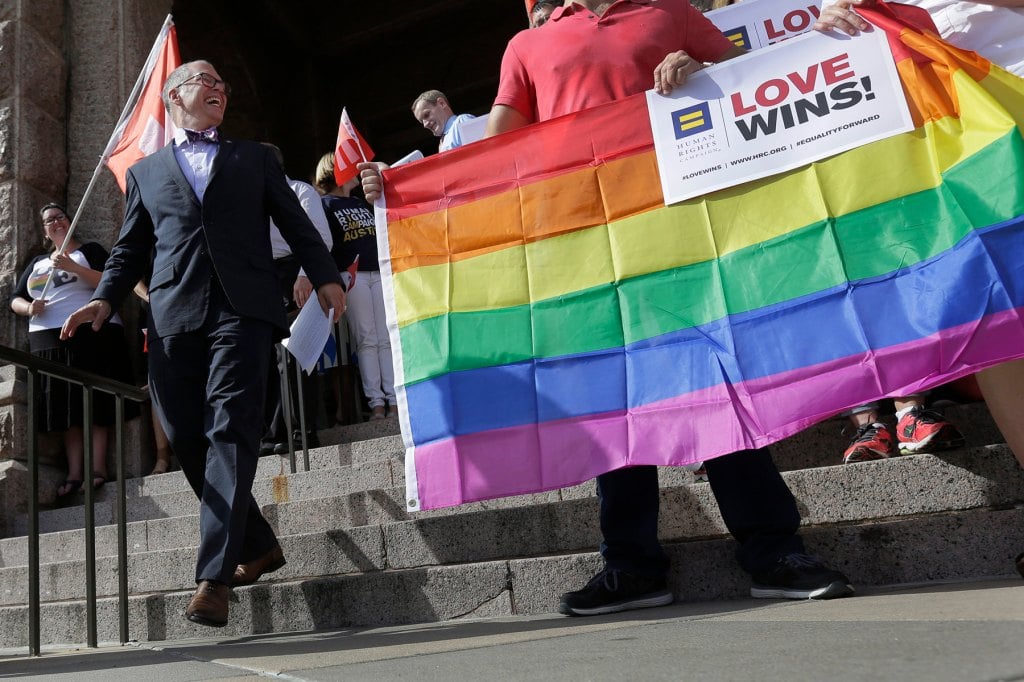
It happened just a few weeks ago: Jim Obergefell was moving things in his office when he came across the ashes of his late husband, John Arthur, now 12 years gone. Arthur had last wishes for his ashes. Obergefell had yet to fulfill them.
“And it struck me that, oh, I am actually now mentally, emotionally ready to take care of John’s ashes,” Obergefell told The 19th. “It was the first time that I had that feeling so clearly and so strongly.”
Obergefell, 58, is ready to move on. Not exactly from the love of his life or the history-making Supreme Court decision that came after Arthur died. But certainly from the insecurities straight America was grappling with a decade ago about same-sex unions.
Obergefell is that Obergefell: the named plaintiff in the landmark lawsuit that extended marriage equality to every state in the nation in 2015. Ten years later, he celebrates that win and the many ways it rewrote his life. And in a time when LGBTQ+ rights are again under assault, he is looking to the future — of the queer rights movement and also his own.
A journey to the Supreme Court
Obergefell’s journey to the Supreme Court was hardly destined. It began 12 years ago, on June 26, 2013, when the Supreme Court struck down the Defense of Marriage Act, a federal law that prohibited the government from recognizing same-sex marriages.
Obergefell and Arthur had been together for 21 years at the time. The two had discussed getting married before. But they wanted it to be legal, and their home state of Ohio didn’t offer same-sex marriages.
Arthur was gravely ill with ALS, a progressive neurodegenerative disease, and he barely left his home hospice bed.
After the ruling, Obergefell leaned over to Arthur, hugged, then kissed him.
“Let’s get married,” he said.
Arthur agreed.
The logistics were not easy. Arthur was in no shape to travel, and the couple could not wed in Ohio. Obergefell researched and found that Maryland would let him get a marriage license even with only one of them present. But both would need to arrive in the state for the ceremony.
When friends and family learned about their predicament, they pooled together money to charter a medical jet for Arthur. The two flew to Baltimore. Over the course of 45 minutes, they exchanged vows on the tarmac before flying home.
“In the days that followed, we said the word ‘husband’ hundreds of times a day,” Obergefell said on the Decidedly Podcast in 2023.
But just five days later, their joy was muted when civil rights attorney Al Gerhardstein informed them that because of Ohio’s ban on same-sex marriage, Arthur would be listed as single in death.
Arthur and Obergefell were angry. The couple sued the state of Ohio in federal district court and won. Three months later, Arthur died.
The following year, Obergefell, still in mourning, lost on appeal. But he refused to believe he might lose altogether.
“I just kept going,” Obergefell said. “It was the right thing to do.”
On June 26, 2015, he won. For the country, the win was immensely practical. Many told Obergefell it gave them so much hope it saved their lives. For Obergefell, it meant a legacy for the man he loved.
“I made promises to John to love, honor and protect him, and I was going to keep doing that,” he said.
In the decade since Jim Obergefell won his Supreme Court case that made same-sex marriage federally legal, hundreds of thousands of same-sex couples have married in the U.S. (Eric Gay/AP Photo)
Changing history
It’s difficult to overstate the impact of Obergefell’s case on the nation or the world. Since the 2015 ruling, the Williams Institute at the UCLA School of Law estimates, 591,000 queer couples have wed, generating an estimated $5.9 billion in wedding spending for state and local economies.
It has also radically transformed Obergefell’s life. Introverted and unassuming, he has spent the last decade campaigning for LGBTQ+ rights. He helms Equality Vines, a wine company that donates its proceeds to advancing civil rights causes.
It’s a position that makes him deeply proud if not a little fatigued.
“I’m not tired of talking about it,” he said of the 10-year anniversary of the ruling. “I’m just physically tired from all of the interviews and the photographers and the speaking gigs and the events. Yes, I’m exhausted.”
For 12 years, Obergefell has kept Arthur alive through retelling their story countless times in courtrooms and for the media. That exercise, of telling and retelling, helped Obergefell process his profound loss.
But he has never recoupled. It wasn’t that Arthur didn’t want him to. In fact, Arthur told him regularly that he wanted him to find love again. He asked his friends and family to tell Obergefell that he wanted him to find love after he was gone.
“I know it was sincere, because he told me that he had other people tell me that,” Obergefell said.
It isn’t about the pressure he feels as the face of marriage equality, he said, though part of him wonders what it would be like to date after making history.
“I don’t know how to date,” he confessed. “I’m clueless when people flirt with me, and as much as I hate it, and I don’t go into any conversation or anything like this, but you know, there’s that part of me that sometimes wonders, you know, are they interested in me as a person, or are they interested in me as Jim Obergefell, named plaintiff?”
Obergefell’s name has become synonymous with marriage equality in the United States, an issue that has not always united the LGBTQ+ community. Some queer activists have argued that same-sex marriage was a misguided goal for the movement as queer youth continue to face high rates of homelessness and transgender people grapple with police violence and incarceration, among other issues.
More work to do
Obergefell, too, is worried that the needs of the community’s most vulnerable have gone unmet. He has watched horror-struck over the last five years as state legislatures have moved to restrict transgender rights.
“We need to fight for every marginalized community, because the queer community includes every marginalized community, and equality for one is pointless without equality for all,” he said. “I didn’t go to the Supreme Court just so White, cisgender, gay men like me could get married.”
Despite all of the setbacks in LGBTQ+ rights, and even threats to Obergefell’s game-changing victory, he is hopeful — and feels stronger than ever. People assume his case was difficult for him. It was, but the path was also obvious, to him and to Arthur. They loved each other.
“If we weren’t willing to fight for each other and for what was right, then what’s the point?”








 Scottie's Playtime