I’m Still Trying To Get Around To Watching,

now that I have access (I think I do now) to it. But here is this to read-enjoy!

Doctor Who is the best show ever made. Here’s why.

Ncuti Gatwa and Varada Sethu in press images for the latest season

The world is full of darkness. So much is going wrong. Experts agree that America has succumbed to right-wing authoritarianism; call it fascism or something else, these are extraordinarily difficult times.

This post is a break from all of that. At least kind of.

In this piece, I will try and convince you that Doctor Who is the best TV show ever made, explain to you why it matters, and why it’s particularly important in our current context. In a time when cruelty and fear dominate headlines, it’s worth celebrating a show that insists on the power of kindness, intellect, and hope.

Bear with me. Let’s go.

First, a primer: what is Doctor Who?

You’ve probably heard of Doctor Who, but you might not have watched much or any of it. That’s okay.

The core of every story is this: there is a problem, somewhere in time and space. There might be vampires in Venice in 1580; a plot afoot to steal the Mona Lisa in modern-day Paris in order to fund time travel experiments; a society of pacifists on a far-away planet locked in a generations-long war with warlike, genocidal racists. The Doctor, a strange traveler who carries no weapons, helps solve the problem using intelligence and empathy. They bring along friends who are our “in” to the story, but who also remind the Doctor what it means to be human.

There’s a lot of backstory, but unlike other science fiction shows, it doesn’t matter all that much. There’s canon and history, but it’s constantly evolving. And because it’s squarely aimed at a whole-family audience, and is almost but not quite an anthology show, it’s accessible, fun, and very diverse in its approach. One story might be incredibly silly; the next might be a tense thriller. If you don’t like the tone of the one you’re watching, the next one might be a better fit.

There are a few more constants, but not many: The Doctor’s time and space machine, the TARDIS (Time And Relative Dimension In Space), is stuck as a 1963-era British police box on the outside, and is radically bigger on the inside; every time they die they are “regenerated” in a new body; they stole the TARDIS and fled their people.

Oh, and it’s been running since November 23, 1963: 62 years and counting. It’s the longest-running science fiction show in the world — which makes its accessibility and freshness all the more remarkable. In its original run, it launched the career of authors like Douglas Adams. And in its most recent incarnation, it’s been an early career-launcher for actors like Andrew Garfield, Daniel Kaluuya, Carey Mulligan, Felicity Jones, and Karen Gillan.

Okay, fine. So that’s what the show is. Why does it matter?

Subversive from day one

In 1963, the world was only eighteen years out from the end of World War II. The end of the Holocaust and the closing of the camps was as close as the release of Spider-Man 3 is to us now. Enoch Powell, who would later give the notoriously noxious “rivers of blood” anti-immigrant speech, was the Minister for Health. Homosexuality was illegal.

Waris Hussein, a gay, immigrant director, helmed An Unearthly Child, a story about a teenage girl who obviously didn’t fit in and the teachers who were worried about her. (If the subtext to this story isn’t intentional in the writing, it certainly emerges in the direction.) In the end, her grandfather turned out to be a time traveler who lived in a police box that was more than meets the eye, and the rest is history.

The very next story was about a society of pacifists, the Thals, who were locked in a struggle with a race of genocidal maniacs, the Daleks. It’s a more complicated story than you might expect: in the end, the Doctor and companions help the Thals win by teaching them that sometimes you need to use violence to defeat fascism. The morality of it isn’t straightforward, but it’s an approach that was deeply rooted in recent memories of defeating the Nazis, and that had a lot to say about a Britain that was already seeing the resurgence of nationalism. In a show for the whole family!

When the main actor, William Hartnell, fell into ill health, the show could have come to an end. Instead, the writers built in a contrivance, regeneration, that allowed the Doctor to change actors when one left. In turn, the show itself was allowed to evolve. It was created by necessity rather than as some grand plan, but in retrospect laid the groundwork for Doctor Who to remain relevant for generations.

By the 1980s, the show was still going strong — and still slyly subversive. In The Happiness Patrol, the Doctor faces off against a villainous regime obsessed with mandatory cheerfulness, clearly modeled on Margaret Thatcher’s Britain. The episode includes thinly veiled references to the miners’ strike and the inequality many Britons faced under her leadership.

It also didn’t shy away from queerness. One male character leaves the main antagonist for another man, and at one point, the TARDIS is painted pink.

Eventually, it was canceled, in part because the BBC controller at the time, Conservative-leaning Michael Grade, hated it. (The Thatcher thing, and that Colin Baker, one of the last actors to play the Doctor in the classic run, was in a romantic relationship with Grade’s ex-wife, probably didn’t help.)

When it came off the air in 1989, scriptwriters and fans alike began to write novels under a Virgin Books New Adventures banner that took the subtext of the show and made it text. They told complex stories that could never have been televised — they weren’t as family-friendly, and didn’t fit within a 1980s BBC budget. But they collectively expanded the lore and the breadth of the show. (snip-MORE, and it’s good and not too long to read. Author definitely deserves the clicks!)

https://werd.io/2025/doctor-who-is-the-best-show-ever-made-heres-why
From “Them”-

USA Fencing Disqualified a Cis Athlete Who Refused to Compete Against a Trans Woman

The cis fencer knelt in front of her trans opponent, removed her protective mask, and refused to begin the match.

By Samantha Riedel April 3, 2025

USA Fencing says it is standing by its decision to disqualify a cisgender fencer who forfeited a tournament match against a transgender opponent last week, an act the organization says violated international competition rules.

On March 30, USA Fencing (the country’s governing body for youth and adult competitive fencing) oversaw the annual Cherry Blossom tournament at the University of Maryland. During the Division 1 Women’s Foil event, cis fencer Stephanie Turner knelt in front of her opponent Redmond Sullivan, removed her protective mask, and refused to begin the match. A referee then showed Turner a black card to disqualify her.

A black card is the harshest penalty in fencing, one that is usually deployed in cases of egregious unsportsmanlike conduct. In a statement to the Irish Star this week, USA Fencing said that Turner’s conduct violated rules for competition set by the International Fencing Federation (FIE).

“[Turner’s] disqualification was not related to any personal statement but was merely the direct result of her decision to decline to fence an eligible opponent, which the FIE rules clearly prohibit,” USA Fencing’s statement read in part. FIE’s Technical Rules bar athletes from competing if they “refuse to fence against any other fencer whatsoever […] correctly entered in the event.”

“USA Fencing is obligated to follow the letter of those rules and ensure that participants respect the standards set at the international level,” the organization’s statement continued. “We remain committed to inclusivity within our sport while also upholding every requirement dictated by our governing body.”

USA Fencing also told the Star that it will “always err on the side of inclusion,” but that its leaders “respect the viewpoints on all sides” and would consider changing their trans and nonbinary athlete policy should Olympic policies change or new “relevant evidence-based research” be conducted. The organization’s current policy allows adult trans and nonbinary people to compete in men’s or women’s divisions depending on their stated gender identity, with restrictions based on an athlete’s testosterone levels; trans women must complete a year of testosterone suppression to be eligible for women’s competition, while trans men who take testosterone are automatically disqualified from women’s events.

Sullivan went on to finish 24th overall in the field of 39 competitors (including Turner), with seasoned competitor Shuang Li picking up the fifth gold medal of her career. Of course, Li received no accolades from right-wing media outlets, much less self-proclaimed defender of women’s sports J.K. Rowling, who focused on denigrating Sullivan and uplifting Turner on Elon Musk’s X social media platform. Rowling wrote in one post that Turner is “what a heroine looks like,” after sharing another post from former tennis star turned anti-trans campaigner Martina Navratilova, who said she was “fuming” and shamed USA Fencing for “throw[ing] women under the gender bullshit bus.”

Current scientific research has not shown that trans women hold significant biological advantages over cis women in competitive sports. In fact, a study backed by the International Olympic Committee last year found that trans women who suppress their testosterone may face significant disadvantages in some athletic metrics like vertical leap. But conservatives in the U.S. have insisted that it is “common sense” to ban trans women and girls from women’s sports, which has now become a rallying cry for the second Trump administration, as officials use trans athletes as a cudgel to withhold funding from states like Maine by claiming they are violating federal civil rights law.

In 2022, the NCAA tightened restrictions on trans athletes’ eligibility following the success of then-college swimmer Lia Thomas. NCAA president Charlie Baker said in February that the organization would voluntarily shift its policies to align with Trump’s executive order calling for sports to be separated based on the president’s definition of “biological sex.” The new participation policy specifically states that a “student-athlete assigned male at birth may not compete for an NCAA women’s team.” It’s not clear based on USA Fencing’s statement this week whether the organization will alter its own policy to match the NCAA updates.

Amazing and True!

Stars & Movies!

Watchlist: Elliot Page, Peppermint and other trans icons share the movies that shaped them

Mar 27, 2025 Kate Sosin

This story was originally reported by Kate Sosin of The 19th. Meet Kate and read more of their reporting on gender, politics and policy.

Transgender Day of Visibility, held every March 31, was founded 16 years ago to give trans people a day to celebrate trans life and community. At a time when transgender people are facing unprecedented vitriol and attacks, it’s more important than ever to seek out accurate and affirming portrayals of trans life. 

The 19th asked 10 trans icons, from Elliot Page to Peppermint, to reflect on the movies that move them and that and affirm the dignity of trans people. 

Responses have been edited for length and clarity.


Elliot Page

Actor (he/him)

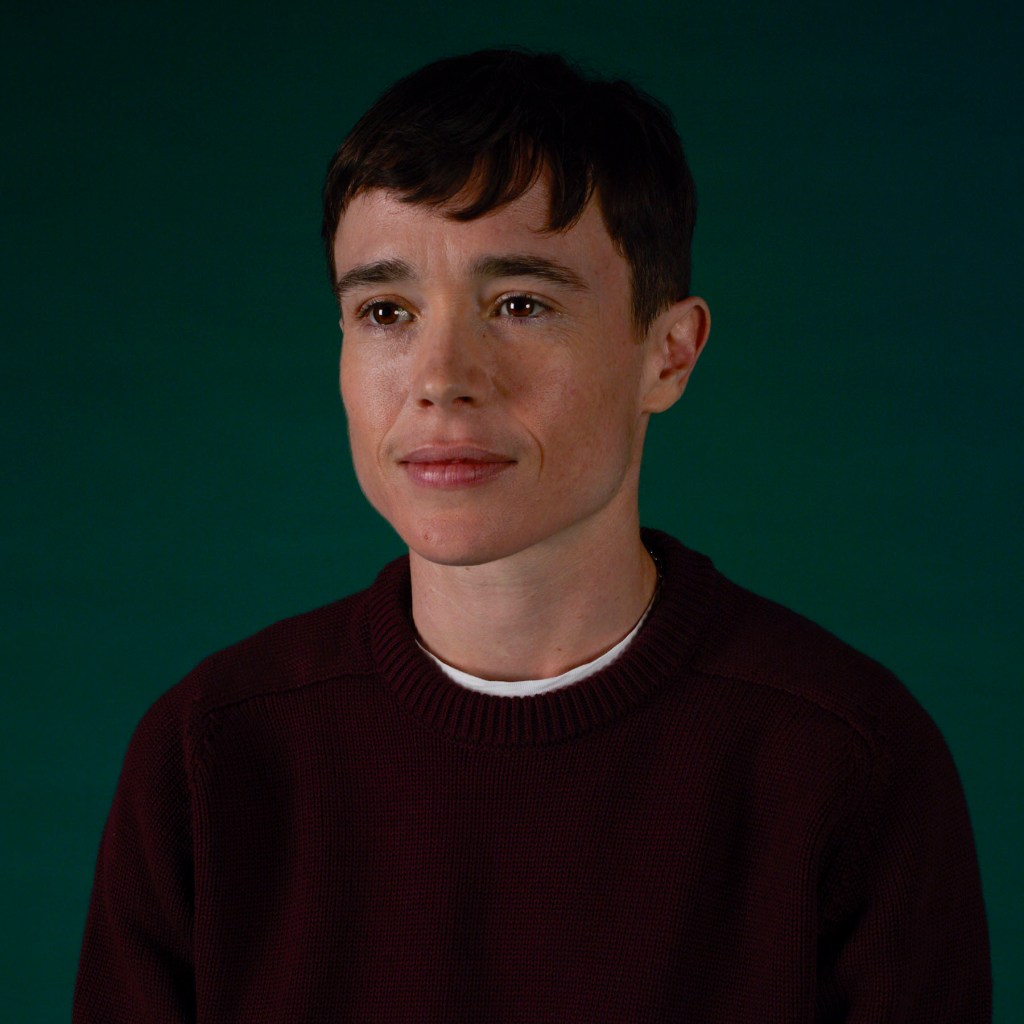
Elliot Page
(Courtesy of Elliot Page)

Recommended film: “Framing Agnes”

“‘Framing Agnes’ highlights two fundamental truths about the transgender community: One, that we have always existed, and two, we have always found clever ways to get what we need to live more authentically and ultimately survive. It’s crucial now more than ever, for trans and cis people alike, to learn about the history of the trans community, to defend trans rights and advocate for our humanity to be acknowledged and respected — because as seen in the film, our world has always had trans people in it, and it always will.”


Peppermint

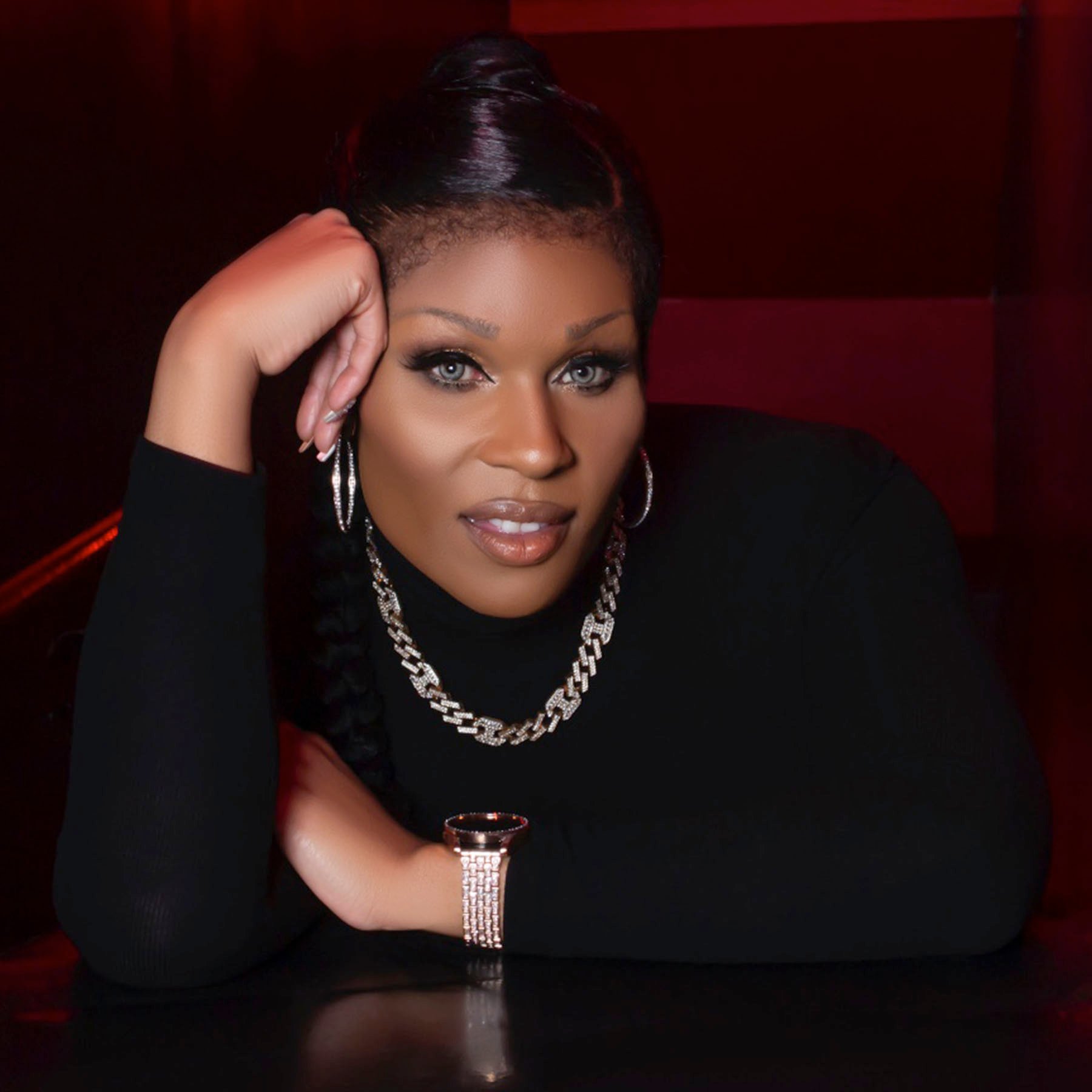
Actress and singer (she/her)

Peppermint
(Davide Laffe)

Recommended film: “Monica”

“I’d recommend people watch ‘Monica’ because it shows a trans woman in a normal context where she was able to connect with her family and display a more motherly and nurturing nature towards the end of the film, which is something we don’t often get to see trans women, portrayed in ways that are actually true to how many of us are.”


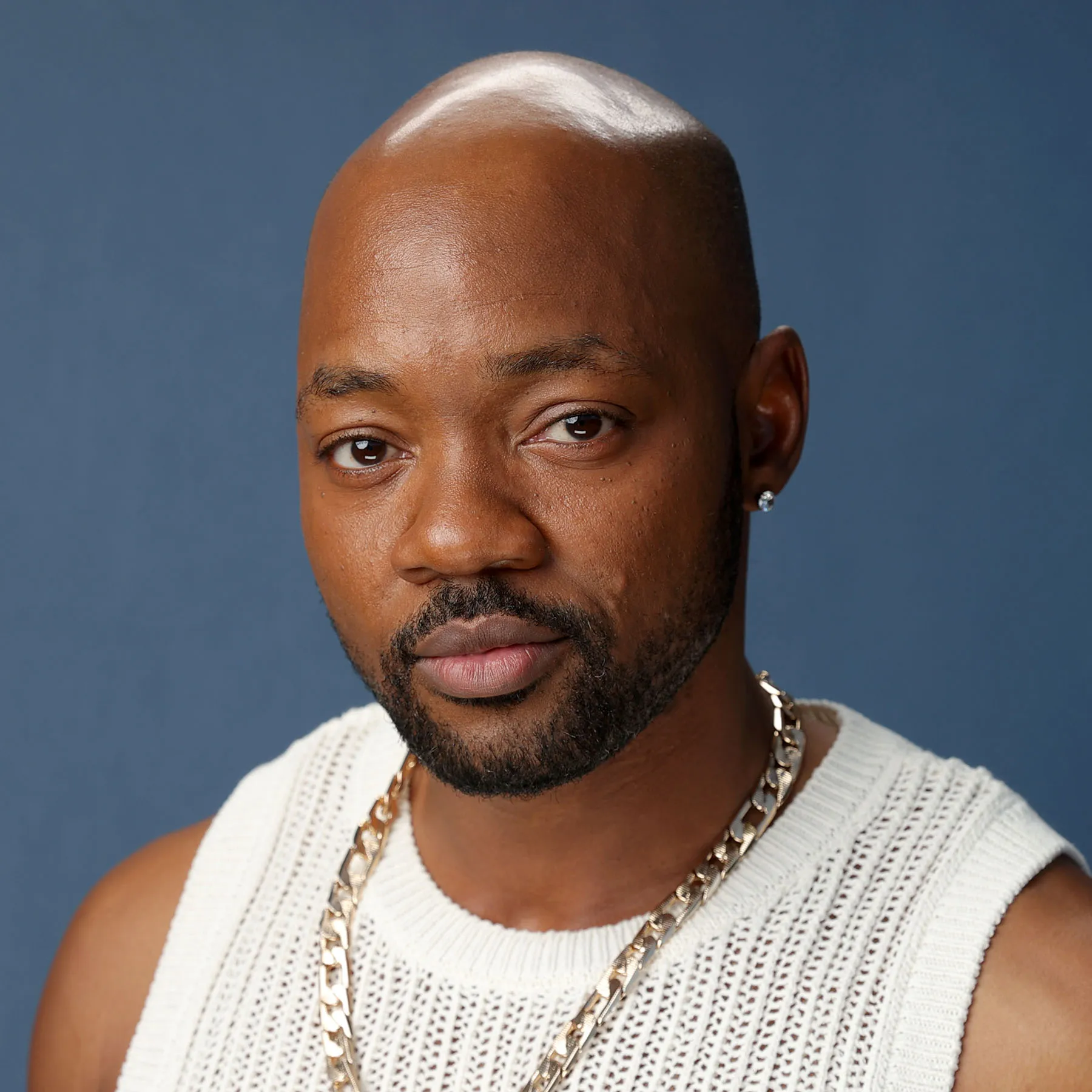
Brian Michael Smith

Actor (he/him)

Brian Michael Smith
(Rich Polk/Getty Images for IMDb)

Recommended film: “Disclosure: Trans Lives on Screen” 

“My pick is definitely ‘Disclosure: Trans Lives on Screen.’ It powerfully unpacks how decades of misrepresentation in media have fueled harmful narratives, directly contributing to the unprecedented wave of anti-trans legislation we’re seeing nationwide — laws targeting our health care, sports participation and basic rights. It’s groundbreaking because it centers trans voices authentically sharing our own experiences, created entirely by trans filmmakers — unlike many films, articles and legal discussions that talk about us without ever including us. It’s essential viewing right now to counter misinformation, uplift our community and reclaim our stories during this critical fight for our humanity.”


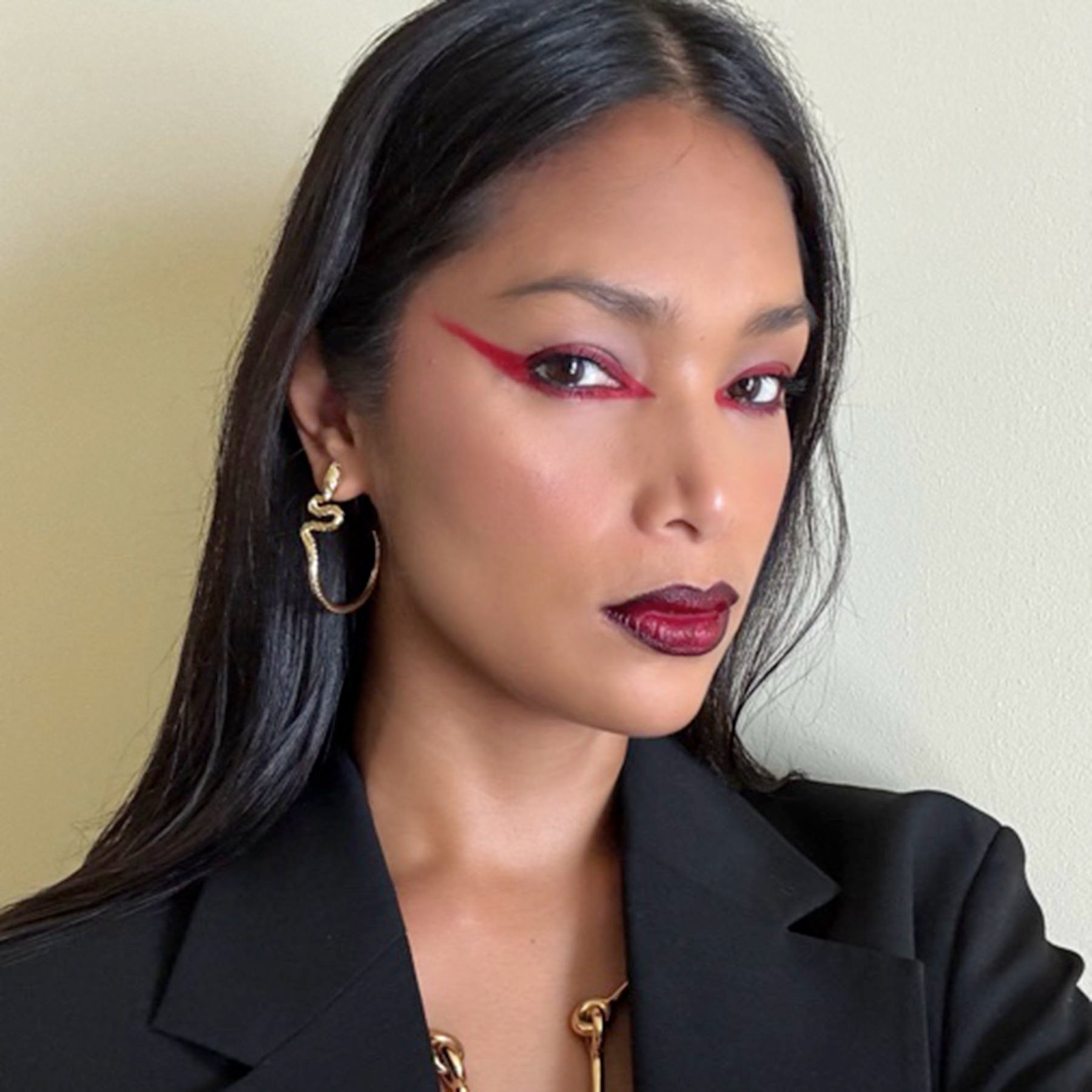
Geena Rocero

Author, writer and director (she/her)

Geena Rocero
(Geena Rocero)

Recommended films: “Joyland,” “Lingua Franca,” “Asog” and “Tangerine”

“These are films that center trans characters in their complex humanity. As a writer and director, these kinds of character studies fascinate me. In our current political culture that dehumanizes trans folks, these films present trans lives full of agency.”


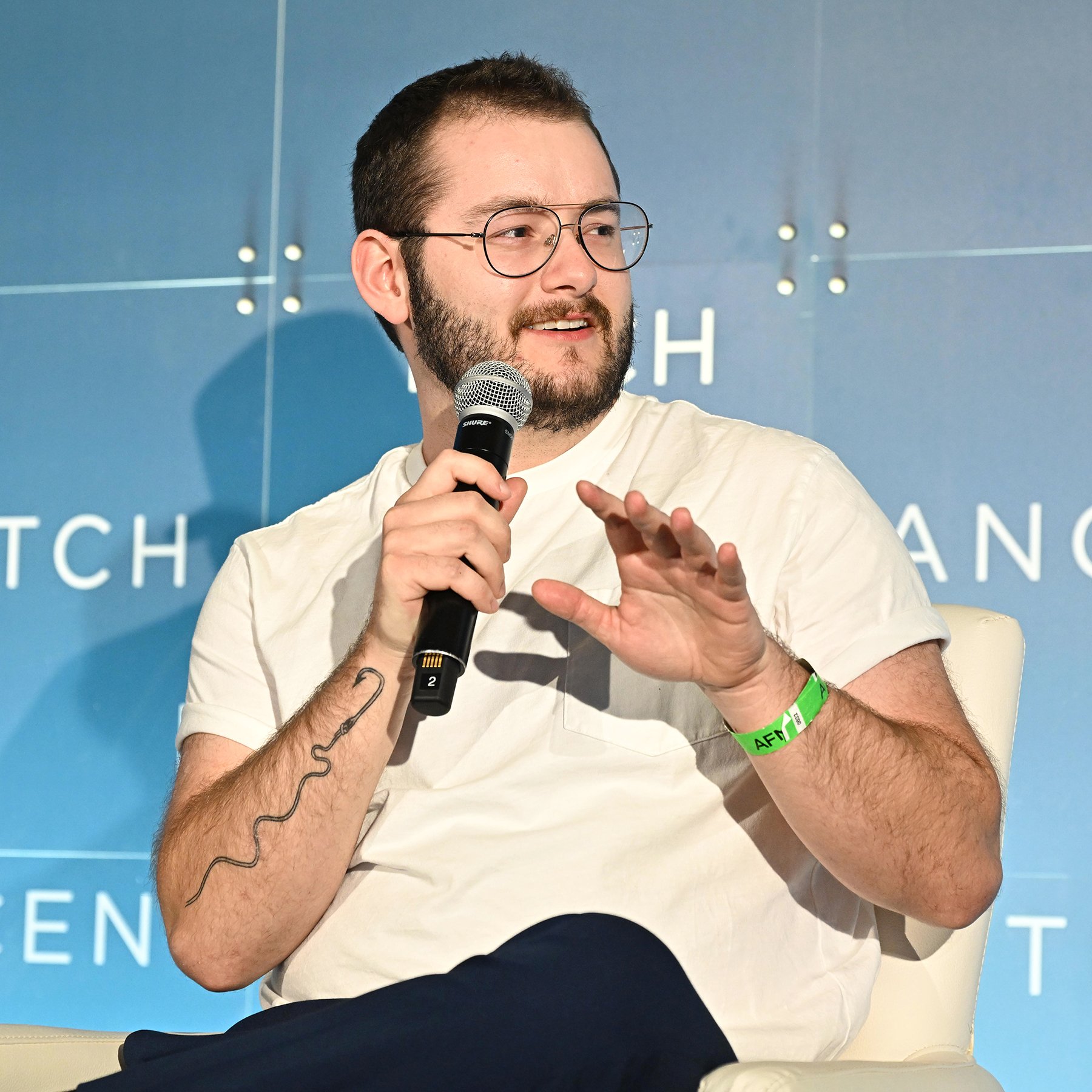
Tuck Dowrey

Director of development for PAGEBOY Productions (he/him)

Tuck Dowrey
(Erik Tanner)

Recommended film: “Changing the Game”

“This documentary is incredibly timely given the current attacks on trans youth and their right to just be kids, which includes their right to participate in sports. ‘Changing the Game’ highlights the benefits of sport for young people, particularly the social and developmental benefits, and sheds a light on the shameful and needless bullying of transgender children by adults and lawmakers. Arguments to exclude trans kids also inevitably adversely impact all girls and women, because if we begin to allow certain bodies to be questioned and investigated, it sets a dangerous precedent for anyone who exists outside of rigid gender stereotypes — in athletics and beyond. As a trans man and athlete, I passionately believe all kids should have access to the life-saving outlet of sports. ‘Changing the Game’ cuts through the misinformation and shows that trans kids in sport are no different than anyone else, and they deserve to play. It’s a must-watch for everyone.”


Tre’vell Anderson 

Co-executive director of the Trans Journalists Association (they/them) 

(Courtesy of Tre’vell Anderson)

Recommended film: “Kokomo City” 

“At a time when certain political forces are aiming to pit historically excluded communities against each other, a film like ‘Kokomo City’ — bold and uncompromising in its focus on the relationships between Black trans women and the broader Black community — stands firmly at the intersection. Director D. Smith’s propulsive interrogation is at once entertaining and informative, raw and inspiring, and I’m sure you’ve likely never seen a film like this, especially not from this vantage. You’ll be craving more authentic Black trans narratives after watching.”


Sav Rodgers

Filmmaker and founder of the Transgender Film Center (he/him)

Sav Rodgers
(Greg Doherty/Getty Images)

Recommended film: “Heightened Scrutiny”

“While ‘Heightened Scrutiny’doesn’t have traditional distribution yet, it’s a documentary well worth your time to seek out as it travels through the film festival circuit. Sam Feder’s follow-up to ‘Disclosure’follows [American Civil Liberties Union] attorney Chase Strangio as he prepares to argue a landmark trans rights case, United States v. Skrmetti, before the Supreme Court. The case, which is still pending, will determine whether bans on trans healthcare for minors violate the Equal Protection Clause of the 14th Amendment. 

“The most powerful aspect of this timely documentary draws a direct link between irresponsible, prejudiced reporting at major media institutions like the New York Times and how quickly these half-baked op-eds become cited as ‘evidence’ in anti-trans legislation around the country. Despite how bleak the world is, this film presents a case for hope: hope that we will endure, that people are fighting for us and that we can continue to fight for each other.”


Hope Giselle 

DEI consultant and activist (she/her/Beyoncé)

(Courtesy of Hope Giselle)

Recommended film: “The Mudge Boy”

“This is a queer love story that I know isn’t beautiful, but is honest and a depiction of the way that a lot of AMAB folks experience what we think is love for the first time. A film that’s hard to watch at times, but so beautiful to see happens so that you don’t feel alone.”


Tuck Woodstock

Host of the Gender Reveal Podcast and editor of “2 Trans 2 Furious” (he/him)

Tuck Woodstock
(Courtesy of Tuck Woodstock)

Recommended films: “The Aggressives” and “Beyond the Aggressives: 25 Years Later” double feature

“In a society where transness is continually misrepresented as some kind of hot new trend for predominantly White youth, it’s an incredible gift to watch this quartet of (broadly) transmasculine queers of color grow and evolve over a quarter century. While the documentaries don’t shy away from the obstacles faced by their subjects — including everything from relationship conflict and (lack of) health care access to incarceration and [Immigration and Customs Enforcement] detention — they nevertheless capture the freedom and relief of living in the world as exactly yourself.”


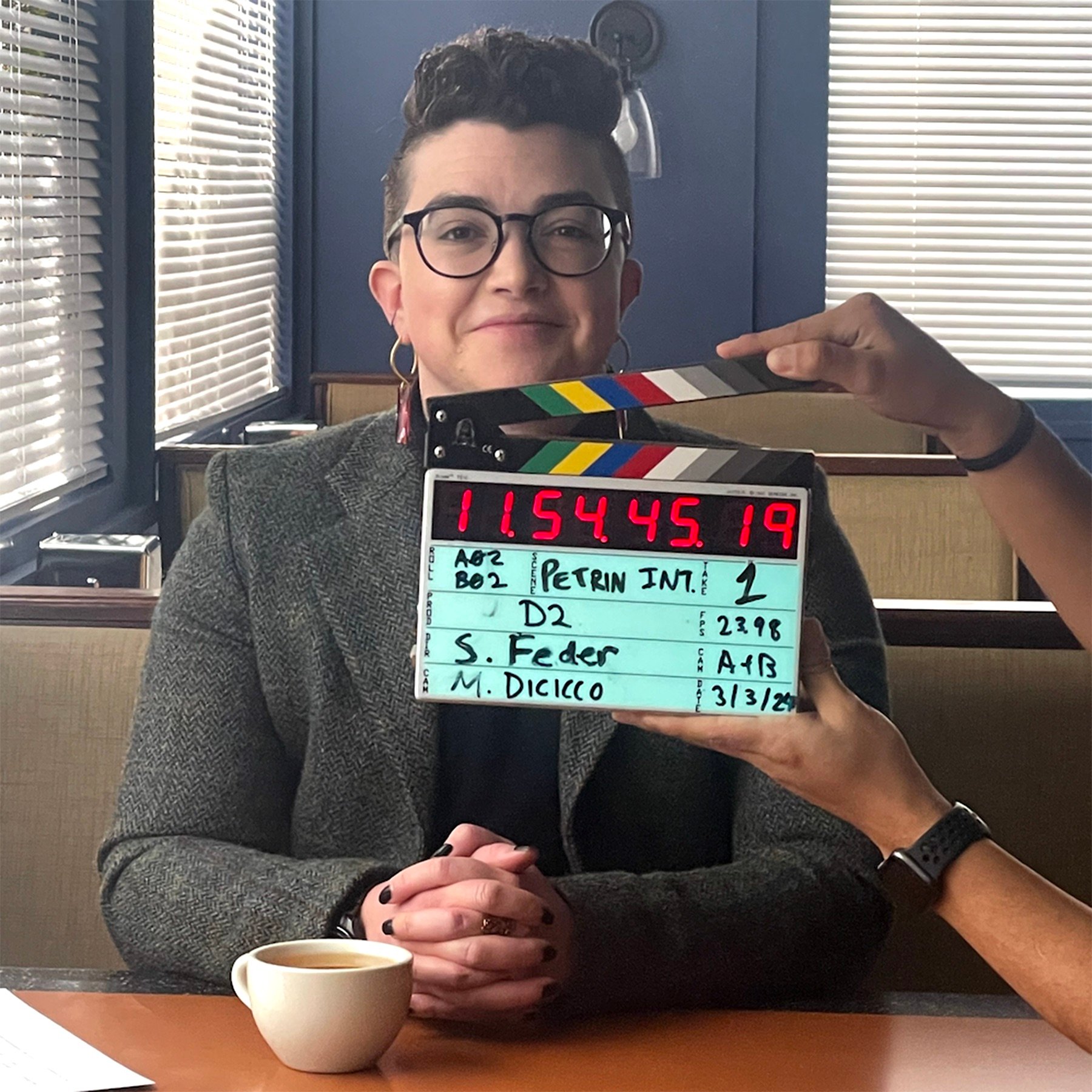
Kae Petrin

Co-executive director of the Trans Journalists Association and Data & graphics reporter for Civic News Company (they/ze/hir)

Kae Petrin
(Courtesy of Kae Petrin)

Recommended film: “Neptune Frost”

“After a divine gender transformation, a lost runaway joins forces with an escaped miner who’s mourning the death of his brother. Together they become beacons of hope and resistance, forming an anticolonialist hacking collective in the mountains of Burundi. The collective takes on The Authority, a totalitarian regime that ravages the workers and the environment with a violent military and aggressive drone attacks. Despite the dark subject, an unshakeable optimism and hope thread through the Afrofuturist parable. Also, it’s technically a musical. It has everything: worker solidarity, gender magic, meddling gods, romance and song breaks. And it feels particularly resonant now, even though its U.S. release came several years ago.”


Alex Schmider

Senior director of entertainment at GLAAD (he/him)

Alex Schmider
(Courtesy of Alex Schmider)

Recommended film: “Will & Harper”

“‘Will & Harper’ is a story about friendship. Harper Steele and Will Ferrell have been friends for over 30 years after meeting while working on ‘Saturday Night Live.’ After Harper’s transition, they hit the open road to reintroduce her to the American small towns, dive bars and stock car races that she has always loved — now, as herself — while processing what this new stage of life means for them individually and as friends. When trans people are so often portrayed as existing in isolation from other people, this documentary is a joy to watch as Harper and Will traverse the country making each other laugh and drinking bad beer. Comedy is a powerful tool that can create connection with an audience when they are laughing with us, not at us. ‘Will & Harper’ is a funny, sincere and enjoyable ride with two comedians who are at their best when together.”

Disclosure: Alex Schmider is a board member of The 19th. Find a full list of our board members here.

Good News re Draggieland-

Federal Judge Shuts Down “Unconstitutionally Vague” Drag Ban at Texas A&M University

“Draggieland,” an annual drag show scheduled for this Thursday at Texas A&M University, can now proceed as planned.

By Mathew Rodriguez March 25, 2025

A federal judge ruled on Monday that “Draggieland,” an annual drag show scheduled for this Thursday at Texas A&M University, could proceed as planned. She also blocked the university from enforcing its blanket drag ban, calling the policy “unconstitutionally vague,” and implied that drag shows are a protected form of speech.

“To ban the performance from taking place on campus because it offends some members of the campus community is precisely what the First Amendment prohibits,” U.S. District Judge Lee Rosenthal wrote in her opinion in Texas A&M Queer Empowerment Council v. William Mahomes.

Draggieland — a portmanteau of “drag” and “aggie,” a nickname that harkens back to the school’s original name, Agricultural and Mechanical College of Texas — is an annual pageant put on by the Texas A&M Queer Empowerment Council (QEC) in which contestants answer questions about LGBTQ+ culture while in drag. Since the event’s inception, it has repeatedly sold out, per the Texas Tribune.

The QEC said they were “overjoyed” with the decision in a statement posted online on Monday. “This is another display of the resilience of queer joy, as that is an unstoppable force despite those that wish to see it destroyed,” the statement reads. “While this fight isn’t over, we are going to appreciate the joy we get to bring by putting on the best show that we can do.” QEC was represented in court by the Foundation for Individual Rights and Expression (FIRE).

In its own statement, FIRE said that the university “has the utmost duty to respect the First Amendment rights of students” and that it cannot “banish speech from campus just because it offends them, any more than they could shut down a political rally or a Christmas pageant.”

In February, Texas A&M University banned drag events on all 11 of its campuses. At the time, the university’s board said that drag shows are “inconsistent with [the system’s] mission and core values, including the value of respect for others.” The board also said that drag itself involved the “mockery of objectification of women,” which would likely “create or contribute to a hostile environment for women.” The false claim that drag mocks women and femininity is often included in right-wing and anti-trans complaints about drag performances.

At the time of the ban, a spokesperson for the ACLU of Texas called the move a “waste of time and resources” that showed that the university is “more focused on culture wars than educating their students.”

In her ruling, Lee struck down several key components of the university’s argument against drag shows, including Draggieland. According to the ruling, the university’s Board of Regents argued that the ban is “intended to serve as providing an effective learning environment to its students”; however, Rosenthal ruled that there’s no plausible way that the drag show could interfere with students’ education.

“Draggieland is set to occur at 7:30 in the evening, when most classes are likely not in session, and in a venue where academic classes are not typically held,” she wrote. “There is no evidence that Draggieland causes any interference with students’ ability to obtain an education.”

Supporters of trans rights rally on the steps of the Texas Capitol ahead of an advocacy day of meetings with state representatives.

Texas Reportedly Kept Records of Trans Drivers Who Requested Gender Marker Changes

It is not known why this information was collected or if collection remains ongoing.

The university also argued that allowing a drag performance could threaten federal funding as it might be seen as the university supporting “gender ideology” and flouting Donald Trump’s executive order, which would block money from institutions supporting anything that goes beyond a binary concept of gender. However, Rosenthal ruled that allowing an event does not endorse it and that Texas A&M has a “constitutional obligation to allow different messages and viewpoints, including those viewed as offensive to some, to be expressed at a university that is committed to critical thought about a wide range of conflicting and divergent viewpoints and ideologies.”

The judges’ ruling is a temporary ban based on the fact that QEC was “likely to succeed” in its case to show that the university’s ban violates the constitution’s First Amendment. While the show will go on as scheduled, the litigation between QEC and the university will continue.

People Not Enjoying Soccer Again

Orlando Pride Soccer Player Barbra Banda, Who Is Cis, Is Once Again Receiving Anti-Trans Abuse

A Reddit user who claimed to have witnessed the incident said that Gotham FC fans “expressed bigotry” toward Banda during a recent match.

By Abby Monteil

Gotham FC, Orlando Pride, the National Women’s Soccer League (NWSL), and the NWSL Players’ Association are addressing “hateful language” aimed at Orlando Pride forward Barbra Banda during Sunday’s match between the two teams.

Banda, who is from Zambia, and plays on their national team, joined the Orlando Pride in 2024. This instance of alleged harassment comes months after she became the target of anti-intersex and anti-trans online bullying after she was named BBC’s Women’s Footballer of the Year last November. Shortly after the BBC’s announcement, anti-trans critics in the U.K. — including J.K. Rowling — began spreading a conspiracy that Banda, a cis woman, was secretly a “man” masquerading within the world of women’s sports. Much of this “transvestigation” stemmed from a 2022 incident in which Banda was prohibited from competing in the Women’s Africa Cup of Nations (WAFCON) because a “sex verification” test found that her testosterone levels were allegedly determined to be above what the organization had deemed a “normal” amount.

Sources familiar with the controversy told the AP in 2023 that mismanagement within the Council of African Football (CAF) and FIFA, the international governing body of soccer, was to blame for the situation rather than Banda herself, and WAFCON organizers reportedly don’t have a maximum testosterone level at all. Nevertheless, Banda has faced unfounded anti-trans vitriol over the past several months — including “hateful language” during the Orlando Pride’s March 23 match against Gotham at Gotham’s home field, the Sports Illustrated Stadium.

Reddit user @mitzibitsy claimed to be present at the game and to have witnessed the harassment in a March 24 Reddit post. “One fan got pulled aside by security after he cheered for Banda falling down and yelled, ‘She shouldn’t be on the field anyway!’” they wrote. “I was satisfied to see security speak to him, but all he got was a warning. In the meantime, this really ruined the game for me, and made me feel really unsafe in my season ticket seat going forward.”

Advocates have noted that attacks on athletes’ womanhood put women athletes at risk of violence, particularly women of color such as Banda and Algerian boxer Imane Khelif.

The Orlando Pride, Gotham FC, and the NWSL all spoke out against the incident in a series of March 24 social media statements.

“This behavior is unacceptable and has no place in our league or in our stadiums,” the Orlando Pride’s statement reads. “Barbra is an outstanding role model and an influential advocate for soccer both in Africa and here in the United States. We look forward to continuing to celebrate and support her on and off the pitch.”

The Pride added that “as a club, the Pride will collaborate with the NWSL and with Gotham to ensure that the proper action is taken to hold individuals accountable when violating the league’s standards.”

Gotham FC’s statement noted that “Gotham and the NWSL are working together to further investigate the incident and take additional action where appropriate under the league’s Fan Code of Conduct.”

The league’s Fan Code of Conduct states that “fans are strictly prohibited from using threatening, abusive, or discriminatory words, signs, symbols, or actions based on race, ethnicity, sex, gender, gender identity, sexual orientation, cultural identity, nationality, citizenship status, age, appearance, disability, and/or religion.”

Fans who violate the NWSL Fan Code of Conduct are subject to penalties such as loss of ticket privileges for future games, ejection without refund, and revocation of season tickets. According to the New York Times, Gotham FC is reviewing footage of the March 23 incident using stadium security logs, and the team has spoken to Reddit user @mitzibitsy about what they witnessed.

The NWSL’s statement reaffirmed that “we are committed to ensuring that our venues are safe and respectful environments for all — especially for the athletes who represent the very best of our sport.”

Image may contain: Body Part, Face, Head, Neck, Person, Adult, Blonde, and Hair

Soccer Star Barbra Banda Attacked By Transphobes After Winning BBC Women’s Footballer of the Year

J.K. Rowling delusionally described the win by the cis, Zambian athlete as the BBC attempting to “spit directly in women’s faces.”

“Barba Banda is both an exceptional player and person, and the NWSL is immensely proud to support her as a member of our league,” the league’s statement continued.

In a statement of their own, the NWSL Players’ Association emphasized that “there is no place for harassment or abuse in our sport, and we support efforts to address this incident swiftly and responsibly.”

“Soccer is built on principles of fairness, inclusion, and respect for human dignity,” the statement continued. “Any form of hateful conduct undermines these values and has no place in our fandom. Barbra Banda is a generational talent, and we are fortunate to witness her compete at the highest level.”

During a March 14 appearance on NPR’s All Things Considered, NWSL commissioner Jessica Berman said that the league has been working for the past few months to find a “technology partner who could help us to monitor all of the social media hate that many [players] are targets of.”

“There were a lot of lessons learned, both about things that we could have done better to support [Banda last year], internally and externally,” Berman continued. “[…] Hopefully, we’ll be in a better position to respond quickly if that happens again in the future.”

Peace & Justice History for 3/26

March 26, 1839
The Cherokee Indians came to the end of the “Trail of Tears,” a forced march from their ancestral home in the Smoky Mountains to the Oklahoma Territory. General Winfield Scott, under orders from President Andrew Jackson, arrested then drove the tribe’s members through the winter, leaving 4000 dead along the route. According to John Burnett, an interpreter with the U.S. Army, “. . . covetousness on the part of the white race was the cause of all that the Cherokees had to suffer . . . .” The train of 645 wagons stretched for five km (three miles), leaving behind as many as twenty graves in one day, principally victims of exposure.
Listen to This American Life’s Sarah Vowell as she follows the Trail of Tears 

John Burnett’s Story of the Trail of Tears, a letter to his children written late in life,
recalling his experiences as a young private involved in the Cherokee removal
 (document I)
March 26, 1966
Over 50,000 marched peacefully in the Fifth Avenue Vietnam Peace Parade in New York City.
They were part of the second International Days of Protest with marches in several cities in North America.


Fifth Avenue anti-Vietnam War demonstration photo: Robert Parent
Early efforts opposing the war in Vietnam 
March 26, 1979
In a ceremony at the White House, Egyptian President Anwar el-Sadat and Israeli Prime Minister Menachem Begin signed a peace agreement they had worked out with the assistance of President Jimmy Carter at Camp David, the U.S. president’s rural retreat.
The agreement ended three decades of hostilities between Egypt and Israel, establishing diplomatic and commercial ties. The two countries have remained at peace for 40 years.

Less than two years earlier, in an unprecedented move for an Arab leader, Sadat had traveled to Jerusalem to seek a permanent peace settlement with Egypt’s Jewish neighbor.
Coverage by the BBC 
March 26, 1986
The Oklahoma Supreme Court (Post v. State of Oklahoma) upheld a ruling that an Oklahoma anti-sodomy law could not be constitutionally applied to private, consensual activity.
March 26, 2003
Over one million students in Spain went on strike in opposition to their government’s support of the U.S./U.K. invasion of Iraq.

The demonstration in Barcelona

https://www.peacebuttons.info/E-News/peacehistorymarch.htm#march26

Sad, Indeed.

Gay MAGA Complain About Getting Banned From Gay Bars by God

Sad! Read on Substack

Dear Humans,

BEHOLD! Gay Republicans are finding out they cannot wear the red hat of hatred in LGBTQ+ nightclubs.

1. Gay Bar Bans Bigots

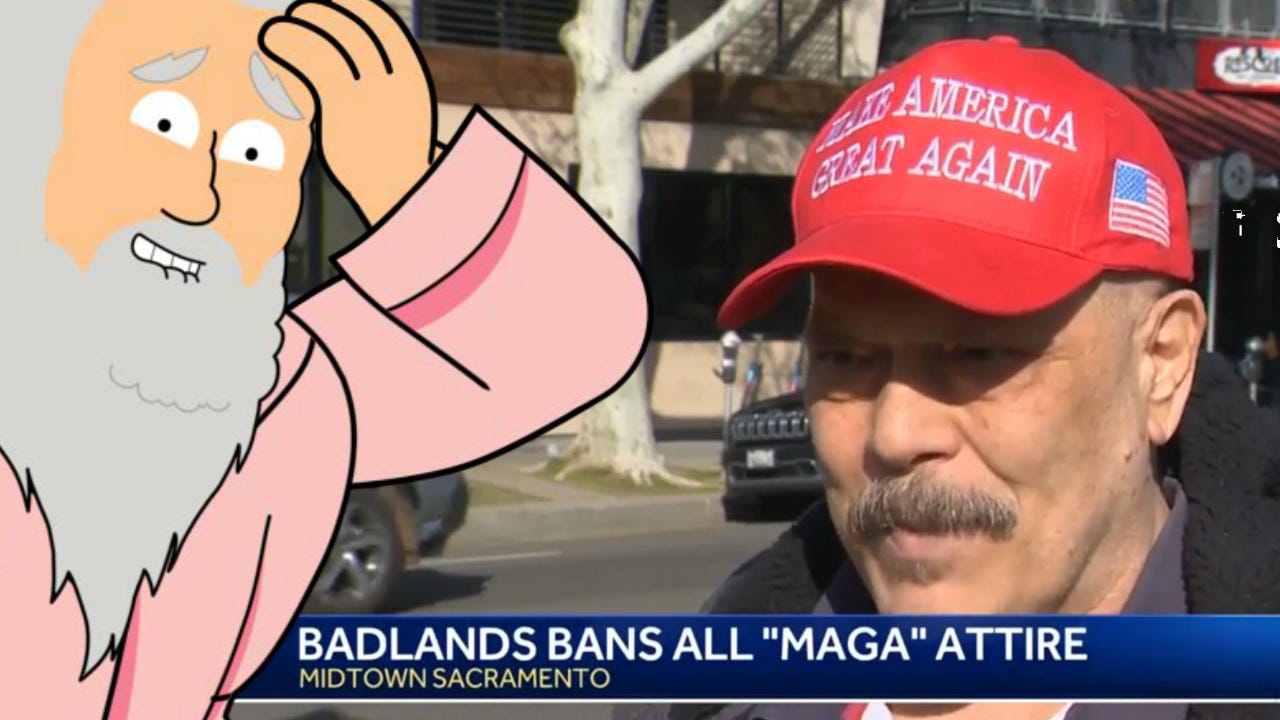
Last week, Badlands, a beloved LGBTQ+ nightclub in Sacramento, posted this heavenly announcement:

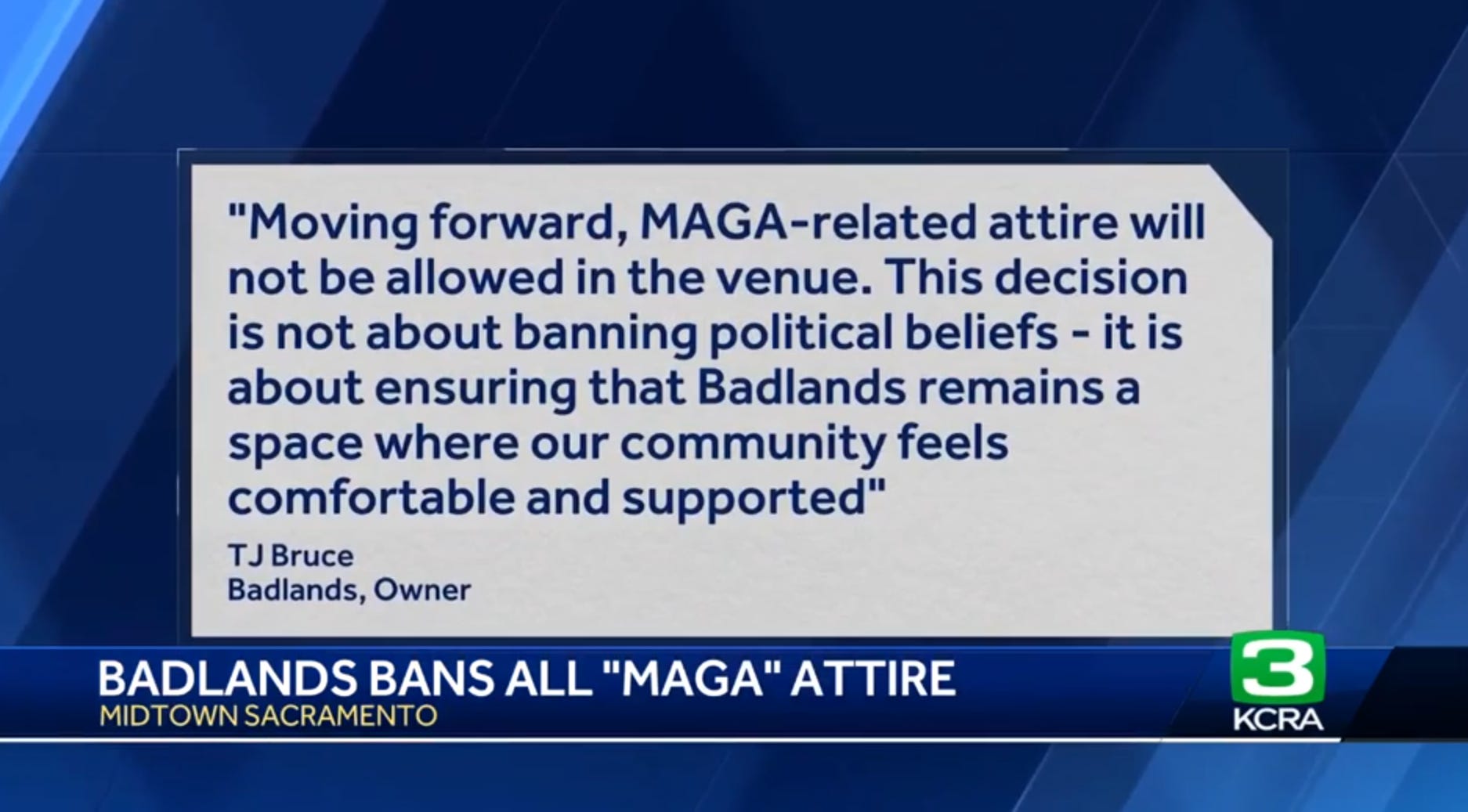
“Moving forward, MAGA-related attire will not be allowed in the venue. This decision is not about banning political beliefs — it is about ensuring that Badlands remains a space where our community feels comfortable and supported.”

That’s not censorship. That’s community care. And this is not the first bar to make the news for banning MAGA, either. Last week a bar in Indianapolis went viral for kicking out one of these bigots.

2. “What the Heck? Let’s See What Happens”

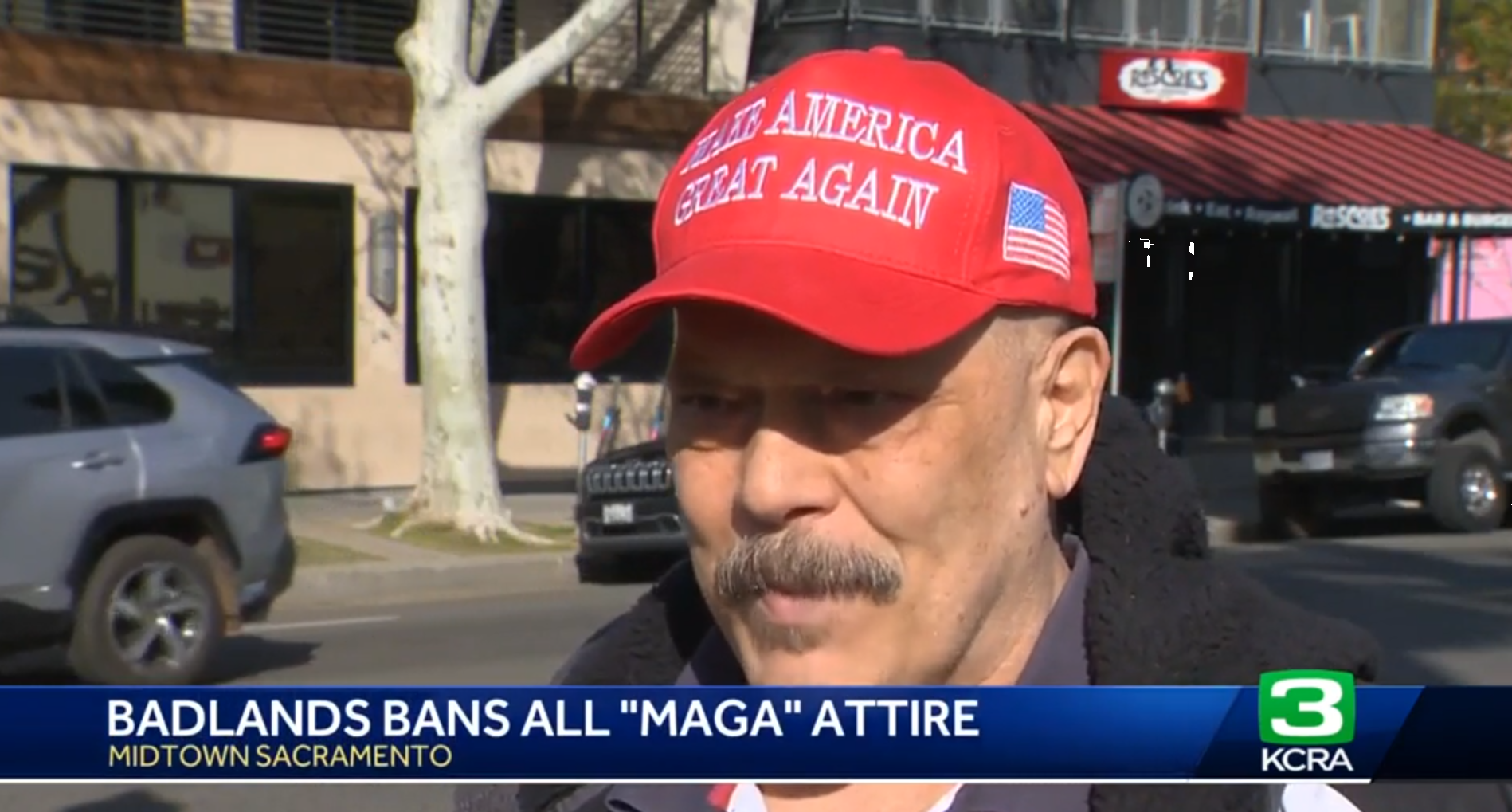
Steven Bourassa, the idiotic Trump supporter whose actions inspired the bar to make the change, told local news station KCRA:

“I’ve never worn a red [Make America Great Again] hat to the gay bars before. I said, ‘What the heck? Let’s see what happens.’ We were having drinks and hanging out, and it was a pleasant time. So I was really impressed. And I complimented security on the good job they did.”

What didst this imbecile think wouldst happen?!?

This is not a prank show. This is real life. And you’re not the main character.

Steven Bourassa.

3. “It’s About Bullying”

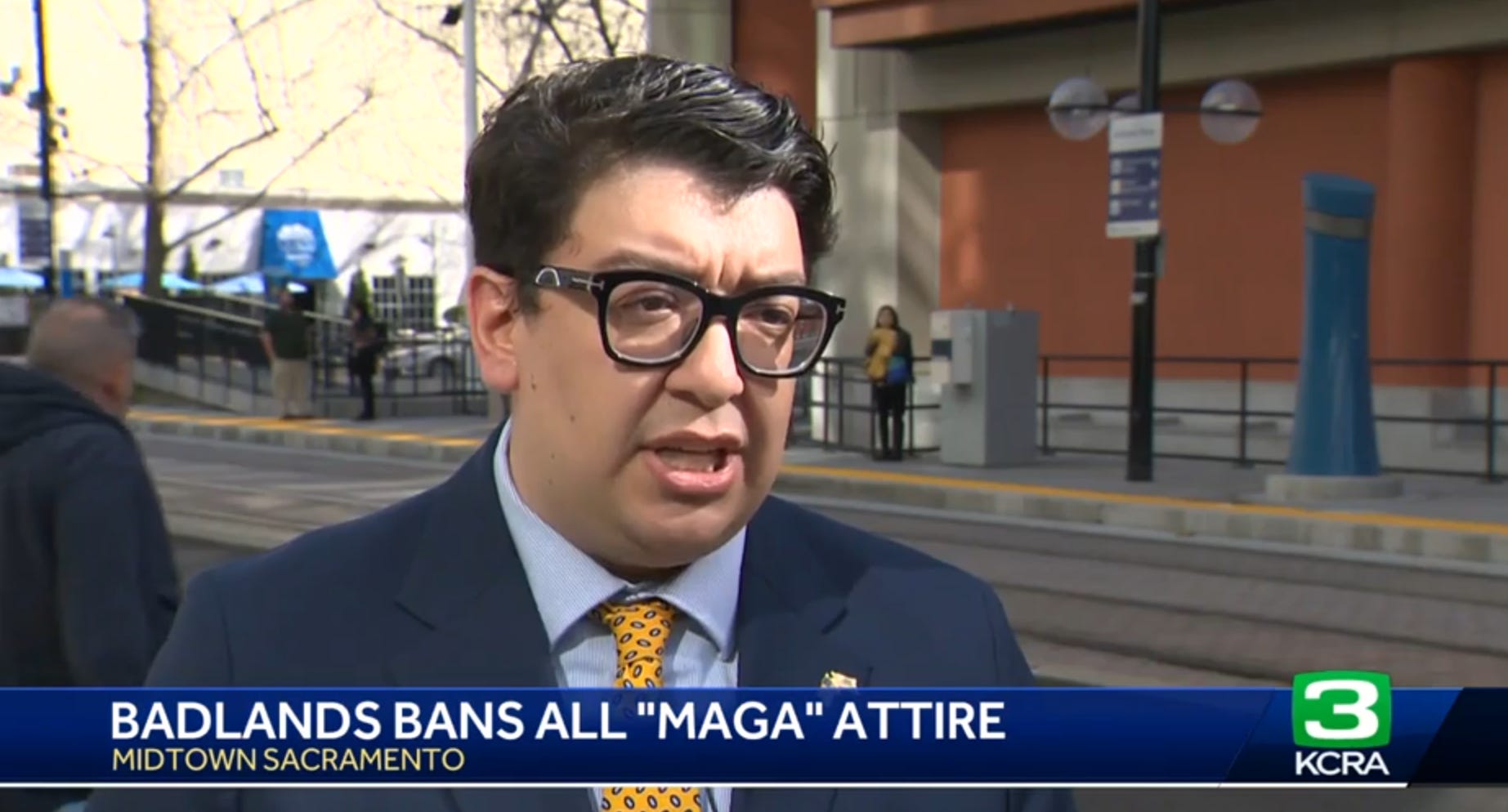
“This decision is not based upon protecting our community,” said Preston Romero, president of the Log Cabin Republicans of Sacramento.
“It’s about bullying and singling out one particular political ideology. And we believe that that’s unfair.”

WHAT HEINOUS HYPOCRISY!!! Because when trans kids are banned from sports, queer teachers are forced back into the closet, and drag queens are treated like criminals—they don’t say ONE DAMN WORD.

But when a gay bar sets a boundary to protect its patrons from symbols of literal hatred? Suddenly it’s bullying? Give God a damn break!

Preston Romero, president of the Log Cabin Republicans of Sacramento.

4. God’s Final Word

And after all the hypocritical outrage, Bourassa says he’ll still go to Badlands but he’ll just leave the hat at home.

“I didn’t have any problems,” he said. “I’ll still go back… but I’ll leave the hat at home now.”

This man got banned, agreed with the ban, and is going right back.

REJOICE, everyone! We finally found the thing that can break the MAGA cult…and apparently it’s gay sex.

5. We’re Fighting Back And It’s Working

This isn’t just a moment, it’s momentum.

And it’s building everywhere you look.

People are fighting back everywhere.

Here’s how we fight:

  • Keep people engaged & informed with truth, hope and laughter.
  • Rally thousands of voices to push back against fascism.
  • Build an independent platform where truth can’t be silenced.

And it’s working.

📈 LOOK AT THIS: (snip-go look. The clicks help God [the Substack.])

Peace & Justice History for 3/22

March 22, 1933
The Nazi German concentration camp at Dachau was opened, the first of many such camps built for the incarceration and extermination of those considered unfit: Jews, Polish Catholics, Communists, the Roma (frequently referred to as Gypsies), the “work-shy,” homosexuals, the “hereditary asocial,” and those with mental and/or physical handicaps.

The gate to Dachau “Work will make you free”
Over 200,000 prisoners were registered at Dachau, nearly all of whom died there.
The early days of Dachau 
March 22, 1956
Civil rights leader Reverend Martin Luther King, Jr., was convicted of organizing an allegedly illegal boycott by black passengers of buses in Montgomery, Alabama. He was fined $500 but when his lawyers indicated his intent to appeal, the sentence was changed to 386 days of imprisonment.
Story of the Montgomery Bus Boycott 
March 22, 1965
3,200 civil rights demonstrators, led by the Reverend Martin Luther King, Jr., and under protection of a federalized National Guard, began a third attempt at a week-long march from Selma, Alabama, to the state capitol at Montgomery in support of voting rights for black Americans.

Marchers on their way to Montgomery
A week before, the march had been violently stopped before leaving Selma. People from all over the country arrived to support the effort for enfranchisement of African Americans in the South whose right to vote had been systematically denied.
From Selma to Montgomery: An Introduction to the 1965 Marches – Lesson Plan
March 22, 1974

The Equal Rights Amendment to the U.S. Constitution (ERA) was passed by both houses of Congress with two-thirds majorities. The amendment, to give women full equality under law, was ratified by the legislatures of only 35 states, short of the required three-quarters of the 50 states, and thus never became law.
Detailed history of the Equal Rights Amendment 
March 22, 1980
30,000 marched in Washington, DC against re-introduction of draft registration.
  Denise Levertov’s lines from her poem,
“A Speech for Antidraft Rally, D.C., March 22, 1980″”…Let our different dream,
and more than dream, our acts
of constructive refusal generate
struggle. And love. We must dare to win
not wars, but a future
in which to live.”
The entire poem (pdf) 

https://www.peacebuttons.info/E-News/peacehistorymarch.htm#march22

Trans Rights Readathon Today (3/21)

Found it on SBTB; I get emails from BookRiot, but didn’t receive this one as of Thursday night.

The 2025 Trans Rights Readathon Starts March 21st!

The third annual Trans Rights Readathon starts March 21st and ends on March 31st, Trans Day of Visibility. Here’s how to participate!

Danika Ellis Mar 18, 2025

We’re approaching the third Trans Rights Readathon! It’s an annual call to action that coincides with Trans Day of Visibility on March 31st, and it aims to uplift, amplify, and support trans, nonbinary, gender-nonconforming, and Two-Spirit authors. It takes place from March 21st through the 31st, and this year, there are five core prompts to complete, as well as a list of bonus prompts.

The five core prompts for the 2025 Trans Rights Readathon are Transmasc and Trans Man Rep; Transfemme and Trans Woman Rep; Nonbinary, Agender, Genderqueer, and Other Gender Expansive Rep; Intersectional Trans+ Rep Outside Your Own Experience; and 2Spirit, Indigiqueer and Indigenous Gender Expansive Rep.

If you’d like some recommendations for these prompts, as well as the many bonus prompts, you can find the reading challenge on Storygraph, where users have added suggestions for each. Just be sure to vet these, since anyone can add a title.

The Storygraph description also adds more context to the reading challenge, including making sure not to out authors or interrogate authors about their gender identity: “If information isn’t available in an author’s bio, social media, or on their website, they don’t owe it to you. In an era when people’s identities are being used to target them, please be mindful that we want to CELEBRATE these stories and support authors while keeping each other safe.”

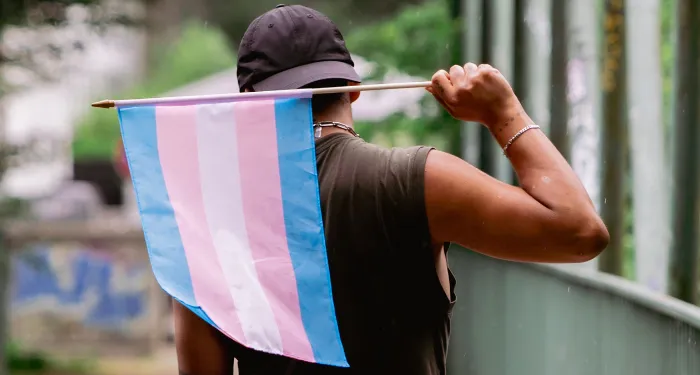
a person facing away from the camera holding a trans pride flag behind them
image via Canva

Each prompt also has more information, including that books in the 2Spirit, Indigiqueer, and Indigenous Gender Expansive Rep category may not be trans, so to be mindful about language when discussing these books: “2Spirit, Indigiqueer, and other non-Western Third Genders exist outside of Western concepts of gender and sexuality, and an author who identifies as 2S may not identify as trans.”

Another great resource for the challenge is the Trans Rights Readathon Instagram. They have posts about the readathon itself, including how to participate: by reading trans books, reviewing and discussing them online (using the tags TransRightsReadathon and #TRR2025), and monetarily supporting the trans community (including donating to mutual aid funds).

They also have posts recommending books for each of the prompts. These are vetted by the organizers, so they’re more reliable than the Storygraph suggestions.

Leading up to and during the readathon, I’ll be sharing trans book recommendations. Let me know in the comments if there’s anything in particular you’d like suggestions for!

As a bonus for All Access members, below is a list of 27 new LGBTQ books out this week.

27 New Queer Books Out This Week: March 18, 2025

Here are 27 of the most exciting new LGBTQ books out this week, including Passing Through a Prairie Country by Dennis E. Staples and Beyond Personhood: An Essay in Trans Philosophy by Talia Mae Bettcher.

Exclusive content for All Access members continues below. Become a member for $6 a month or $60 a year to get community features and access to exclusive content across all 20+ Book Riot newsletters.