
Snippet:
y Carrie S · Dec 6, 2025 at 6:00 am · Leave a comment

Raziyyat-Ud-Dunya Wa Ud-Din lived from around 1205 to around 1240 and was the fifth Sultan of Delhi. She was the first female Muslim ruler of the Indian subcontinent, and to date the only female Muslim ruler of Delhi.
Razia was the daughter of Shams ud-Din Iltutmish, the 3rd Sultan of Delhi. Her father had quite an astonishing life story including rising from being enslaved to being the foremost power in the region. He was not impressed with his sons, and when he left for war, he left Razia in charge. He named her as his successor, stating that she was more capable than his sons.
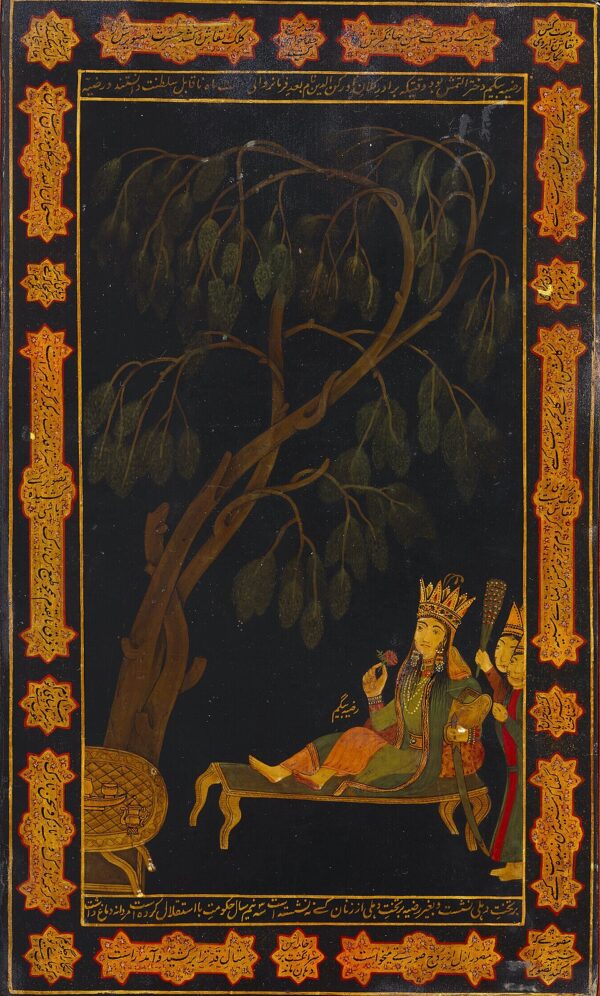
Upon his death, his nobles, who did not want a woman in charge, named Iitutmish’s son Ruknuddin Firuz. He was allegedly not an attentive ruler, and left management to his mother, Shah Turkaan. After an escalating series of revolts by his nobles, Razia took the throne. This was revolutionary not only because of her gender but also because of her family’s background as enslaved peoples and because her rule was achieved largely through the support of the public.
According to Google Arts and Culture,
Razia ascended the throne as Jalâlat ud-Dîn Raziyâ, and immediately dropped her veil, replacing it with men’s attire instead. She authoritatively issued coins in her name, proclaiming herself to be the ‘pillar of women’ and ‘Queen of the times.’
Razia was progressive in other ways as well. The Indian American Muslim Council states:
As a ruler in a diverse empire, Razia took calculated steps to include all groups in daily life, regardless of how common discrimination against different groups was. One of her most progressive choices was her attempt to abolish the Jizya, which was a tax on non-Muslims under Islamic rule, as she believed people only converted to Islam out of fear. Razia also broke racial boundaries by appointing Jamal-ud-din Yaqut, an Ethiopian slave, to a high-ranking position alongside her. This decision caused backlash from nobles all around, but showed that Razia judged people based on their ability and not their background.
She also pushed for more, and better, access to education. We love a woman who supports public libraries, and she did! She also redeveloped some of the university curriculum of the day, making sure it included science and literature. She rode into battle herself and was considered a good administrator. (snip)
Guys, there is a lot to unpack here and I’m no expert on Indian history, so I welcome corrections and clarification in the comments. My hope is that the Kickass Women column serves as a jumping off point for readers, and that they challenge some of the assumptions often made about women in history. (snip-a bit MORE, + more photos on the page)
https://smartbitchestrashybooks.com/2025/12/kickass-women-in-history-razia-sultan/


 Scottie's Playtime