
“Trans people are three to six times more likely to be diagnosed as autistic. The 19th interviewed six people about how finding joy as a trans person and autistic person are intertwined.”
(Republished via The 19th’s republish link. Also, my apologies for the article’s use of the phrase “on the autism spectrum”; I’ve learned from a reader that’s not a preferred term. I thought about not posting, but decided to apologize, because there could be good info within. I’m hoping our readers here can expand on the aspects of this article.)
Originally published by The 19th
Your trusted source for contextualizing the news. Sign up for our daily newsletter.
By Sara Luterman, Orion Rummler Published July 31, 2024
Transgender, nonbinary and gender-diverse people are more likely to be autistic and to self-report autistic traits than cisgender people, according to several studies conducted in recent years. Trans people are three to six times more likely to be diagnosed as autistic, according to research from the University of Cambridge.
As transgender Americans’ identities are being politicized amid a wave of hostile legislation and dehumanizing rhetoric spread by elected officials, the experiences of autistic transgender people are also being politicized. Proponents of anti-trans legislation have used the correlation between autism and gender diversity to portray trans youth as incapable of consenting to gender-affirming care. Some states last year went so far as to suggest that gender-affirming care should be withheld from autistic people.
In this political environment, it can be difficult for trans people on the autism spectrum to find joy. As Disability Pride month comes to a close, The 19th spoke with six autistic trans people from different backgrounds and different parts of the country to learn what brings them joy, how they find community, and how their lives have changed through exploring gender and being autistic.
The way that autistic people experience joy is different from the way neurotypicals do, said May Walser, an autistic and nonbinary 25-year-old student living in Raleigh, North Carolina.
“The feeling that autistic people experience is more overwhelming and it can be described as being flooded with warmth, and the joy is all you can focus on and your surroundings are melting away,” they said. The feeling can be so intense that they may need to stim, using repetitive movements to release the feeling; like flapping their hands or arms.
“It can take a lot of courage for autistic people to feel comfortable expressing themselves with their bodies,” they said. At school, they got some weird looks for flapping their hands, but the other students weren’t mean about it; not like they were about their lack of understanding of social cues.
Common triggers for autistic joy include eating foods that cause sensory joy, interacting with animals or pets, and connecting with other autistic people — since those connections allow autistic people to unmask, Walser said. Their own biggest sources of joy include listening to music, spending time with their pets, discovering new sensory joys with fidget toys, making art with acrylic paints and drawing, and researching art history.
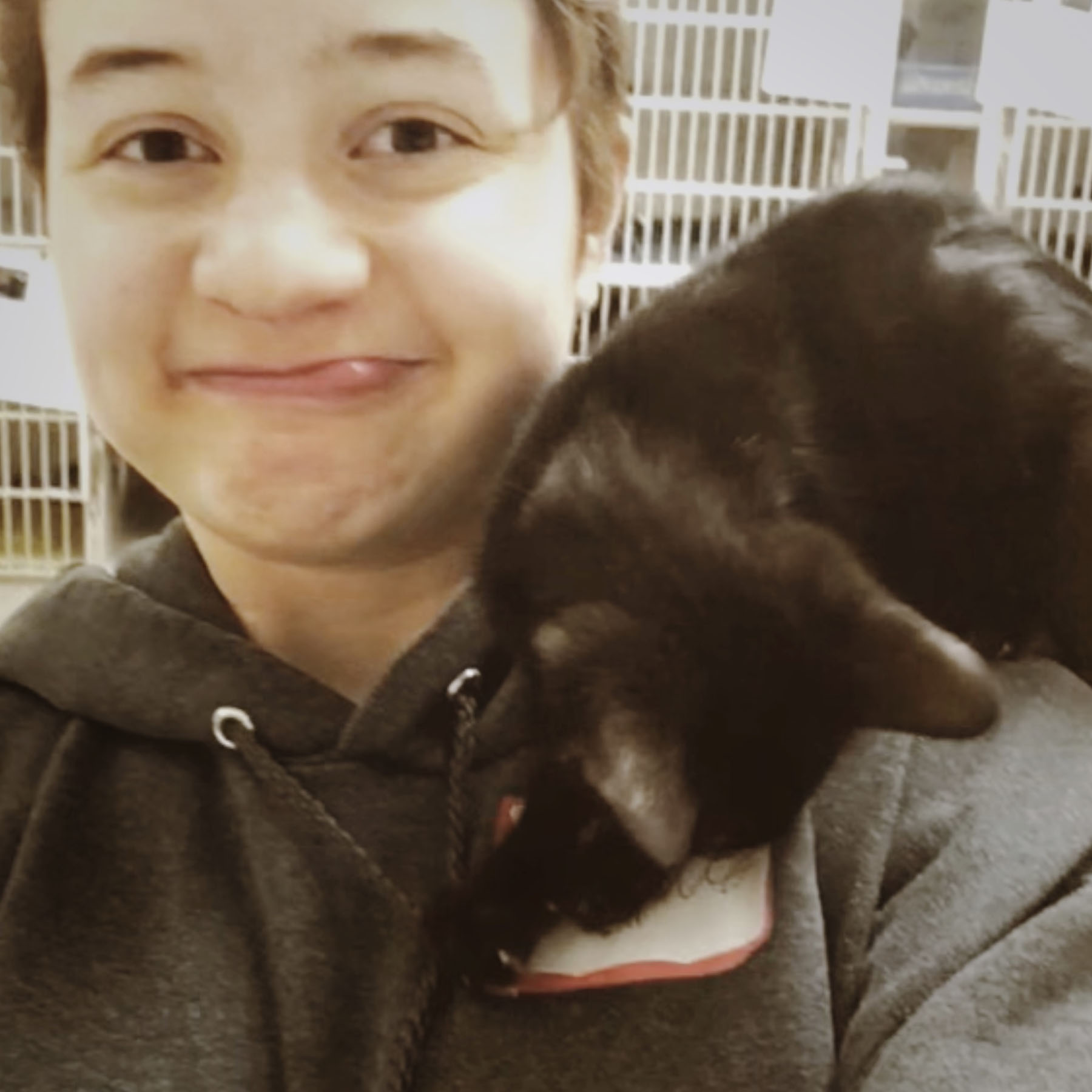
Although Walser knew they were autistic from a young age, they were able to embrace their autistic identity only after they graduated high school. Once they saw other autistic people share their experiences on social media, they knew they weren’t alone.
“During my years of masking my autistic traits, I had gotten used to constantly being bombarded with sensory overload at school. I was able to block it out, but after interacting with other autistic people, I was able to realize what is likely to cause sensory overload for me. And I was able to become more aware of what my needs and desires are as an autistic person,” they said.
Their community with other autistic people is still primarily online, they said — which overlaps with how many people access LGBTQ+ communities. They see their identities as a pansexual and nonbinary person, as well as their autistic identity, to be similar in the way that they both break away from the norm in a neurotypical, cisgender world, Walser said. The joy found through LGBTQ+ identities and autistic identities can also be similar, they said.
“Trans joy and autistic joy can both occur when they interact with like-minded individuals, and when we feel like we are being seen and respected.”
Oluwatobi Odugunwa, 24, is from Nigeria and currently lives in Nashville, Tennessee. They are multiply disabled and work for Dotdash Meredith, a large digital and print publisher. Odugunwa is also the director for the community grant program of the Autistic People of Color Fund, which provides direct financial assistance to autistic people of color.
Odugunwa is nonbinary, agender and a Black woman, and they do not see these identities as being in contrast.
“In the Western concept of gender, the focus is whiteness. The gender norms that are associated with being a woman are really with being a White woman. It’s very different from how Black womanhood is culturally conceptualized. Since our gender binary is based on white supremacy and whiteness, Black people — our gender falls outside that inherently,” Odugunwa said.
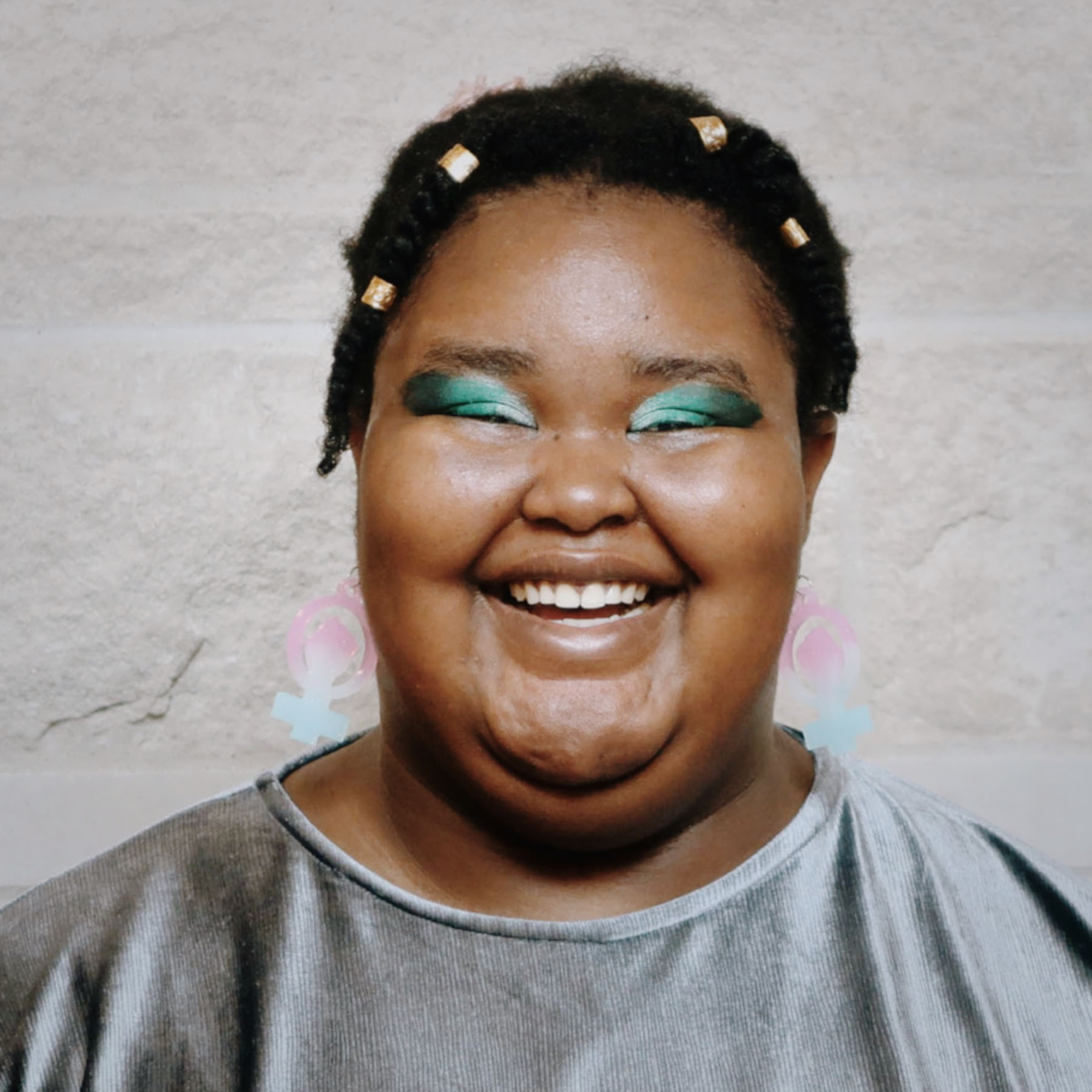
For Odugunwa, trans autistic joy is rooted in authenticity and acceptance.
“Trans autistic joy is not needing to mask, not needing to hide who you are gender-wise, personality-wise and autism-wise. It’s being able to be your full self and still be accepted, loved and respected. It is to be in active, loving community exactly how you are,” they said.
Odugunwa identified trans autistic joy as a form of resistance.
“Joy is critical because we live in a world where people are actively trying to kill us, whether that’s interpersonally or systemically. We live in a world where some people don’t believe people like us should exist,” Odugunwa said.
Right now, Odungunwa finds the most joy in their cat, who they described as “grumpy and loud.” They are also finding an increasing amount of joy in rest and slowing down.
“As I do that, I’m finding my capacity for joy is increasing. I’m building stronger relationships with people that I care about and who care about me. Joy feels like rest, community and chosen family,” they said.
Jaina Keller, a 34-year-old autistic trans woman living in Belton, Missouri, sees a lot of overlap between neurodivergency and trans folks. The act of exploring your identity and being affirmed by others’ experiences, as well as being able to put a name to lifelong feelings, are shared by both communities. For her, the freedom that came with realizing that she didn’t have to go through life masking her autistic traits was strikingly familiar; she had felt a similar euphoric release when she realized she didn’t have to live with gender dysphoria. She could choose happiness for her own life and didn’t have to accept being miserable everyday.
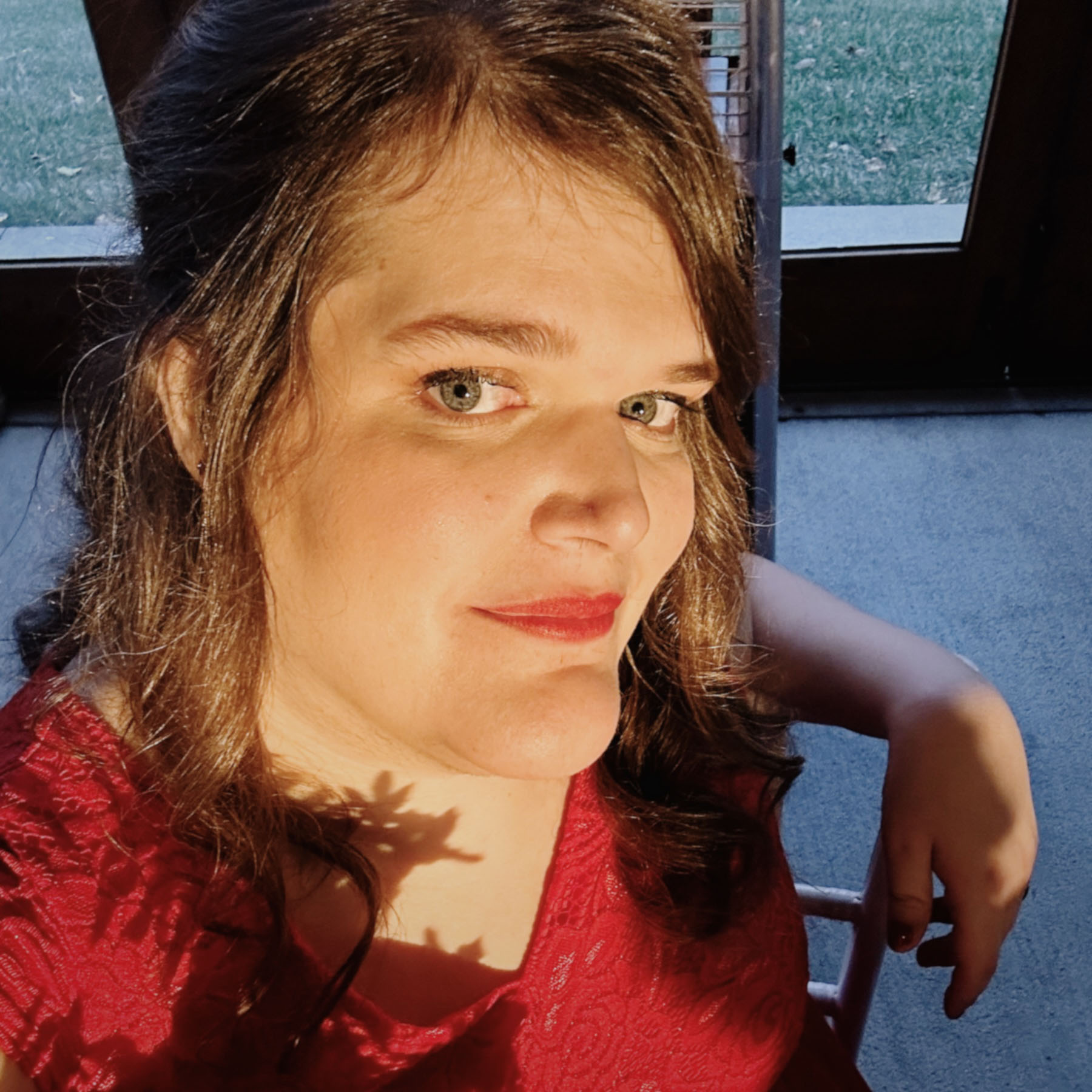
“I realized I was playing a character,” she said. “I would put on this character. I was masking. And now, I just bring myself to the workplace or to social situations. And if people find me weird or off-putting … I don’t need to force myself to change to be accepted.”
Finding a community of people who understand that has been transformative for Keller. It’s not about finding people with the same interests, but finding people who will take joy in her interests and in how her brain works. That community includes romantic partners, since all of her partners are autistic. She tends to click the best with people who think like her, who enjoy unpacking everyday parts of life and examining the patterns behind them.
To Keller, that drive to dig deeper into societal assumptions is a common thread underlying the research showing that transgender and nonbinary people are more likely to be autistic. Realizing that she could challenge her preconceived ideas about her own gender is what helped her realize that she was trans. To her, digging into those kinds of assumptions is a common part of autistic thinking.
“From friends I’ve talked to and people I’ve seen posting online, I think there is a large community of people that that holds true for,” she said. “You start poking at these societal assumptions, and one of those just happens to be gender identity.”
For Keller, knowing why her brain works the way it does — learning she was autistic — has been a tremendous source of joy for her. What was previously unexplainable can now be understood.
“It turns out, I’m not weird, my brain is just wired that way,” she said. “That’s been the greatest source of joy that I can point to, is knowing that I’m not broken. I’m just different from a societally expected baseline.”
For Elizabeth Knight, a 19-year-old autistic trans woman living in Montgomery County, Tennessee, her neurodivergence changes the ways she obtains joy. Being immersed in her special interests and hyperfixations creates a massive amount of joy for her, as does referencing them in conversations. Magic the Gathering, the Kirby, and the video game Five Nights at Freddy’s are all special interests for her, as well as researching feminist theory and queer identities. Online, she’ll find others who find joy in the same things, but she also has in-person friends to turn to.
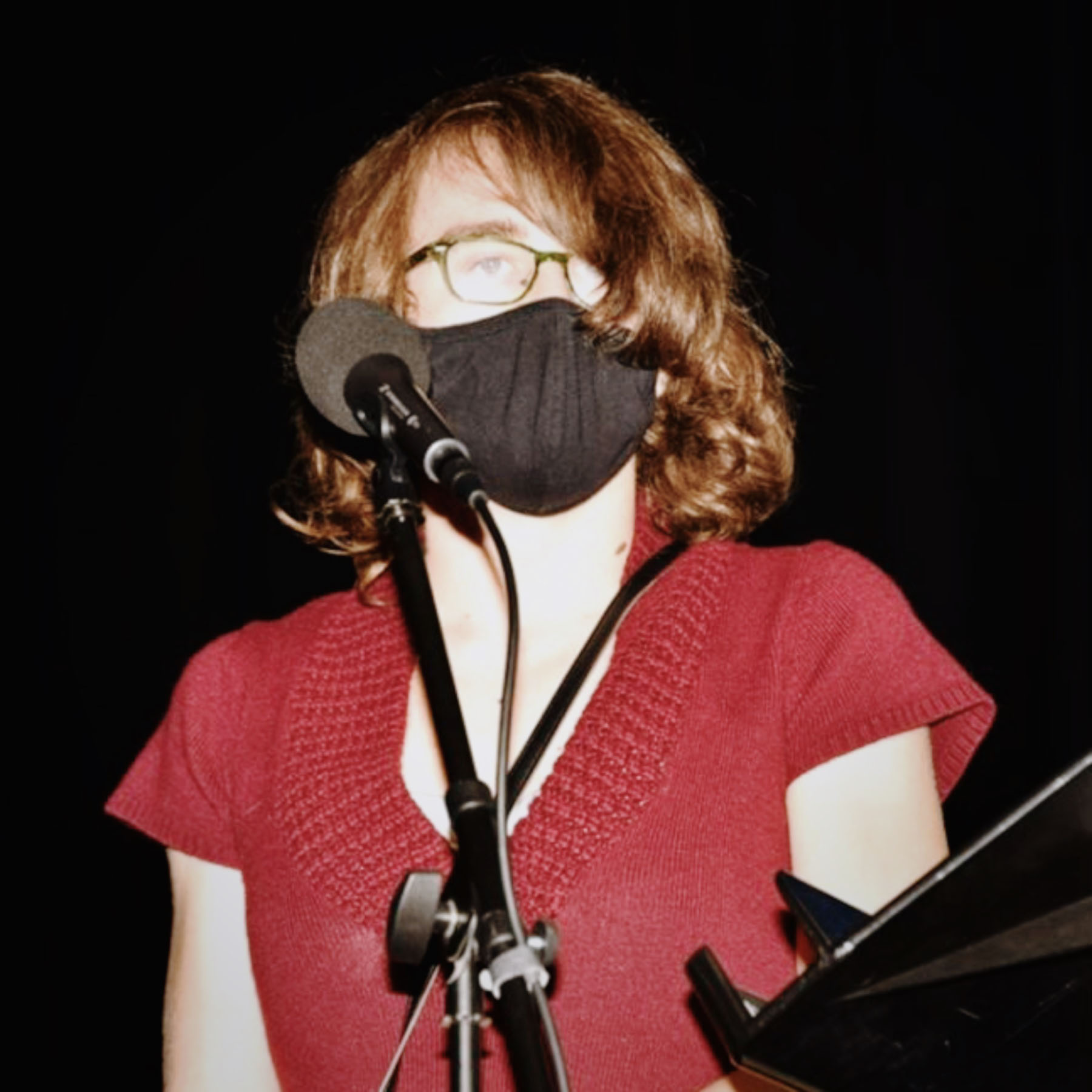
“In general, I tend to associate with other neurodivergent people, and we’ll take turns infodumping and becoming interested and invested in other people’s special interests,” she said. Four of her friends are the ones she’ll usually seek out for those conversations; all of them are queer and neurodivergent, and three of them are trans.
Knight finds the label of being an autistic person to be comforting, and it’s something that she takes pride in.
“It gives me a sense of belonging in the ways that I’m different. It kind of gives me an explanation,” she said. “I can go into depth about how my thinking is different than the neurotypical status quo, but it’s a lot easier to just say I’m autistic,” she said.
Maxfield Sparrow, 57, currently lives in Redwood City, California. They work as a direct support professional for an autistic young man with higher support needs, run a support group for autistic trans people through the Association of Autism and Neurodiversity and do astrological readings and ritual building.
Sparrow has seen themself as outside the gender binary for decades, although the language for that did not always exist or remain consistent. In 1992, Sparrow first started using the word “metagender.”
“All my life, I felt like I wasn’t a woman and I wasn’t a man. There wasn’t always a word for that. I came up with ‘metagender’ to explain how I felt. For a long time, I just had to take it on trust that gender even exists, because I don’t feel it,” they said.
Despite long-standing complex feelings about their gender, Sparrow didn’t decide to medically transition until they were 50 years old.
They took a year to think about it before making their first appointment at a clinic in Florida, where they were living at the time. The clinic required a year of therapy and letters from multiple medical professionals before Sparrow could start gender-affirming care.
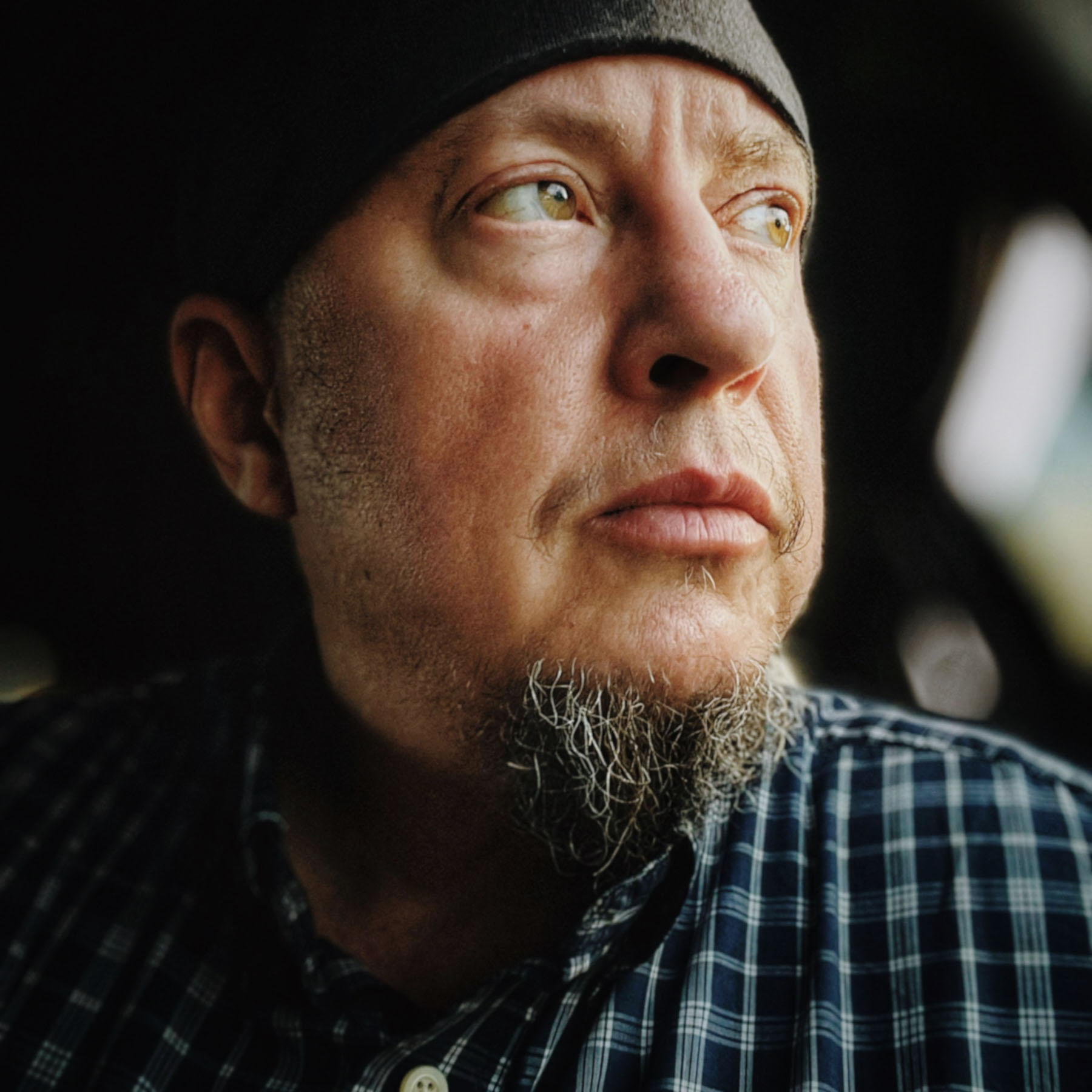
“Florida has always been a really hard place to be trans,” Sparrow said.
Sparrow went to Texas and found an informed consent clinic in Houston. Informed consent allows trans people to access gender-affirming care without a letter from a therapist clearing them for treatment; instead, doctors will discuss risks and benefits with a patient and assess their mental health. Sparrow was surprised it had been so difficult for them to access care in the first place.
“I figured once you’re middle age, there’s no point in any kind of gatekeeping or testing. I was really solid that I wanted testosterone,” Sparrow said. They still chose to omit their autism diagnosis when the clinic took their medical history.
“I was so afraid [the doctor] would say no.” they said.
Currently, Sparrow finds the most joy in astrology.
“I really love systems. My love of astrology, which I first got into when I was 12 – I’ve been just fascinated with it my whole life. I’m not an air quotes ‘believer,’ but it’s like how some autistic people get really into calendars. So did I, except my calendar is the planet. I love not just the astronomy of it, which in itself is intricate and beautiful,” they said.
Finding joy as a trans autistic person is, for Sparrow, an act of resistance in and of itself.
“I am convinced that the people who are trying to legislate against our existence really just wish we would die or not exist. They are trying to stamp out the joy of being fully integrated and being fully who you are. Every time a trans autistic person is able to experience joy at their existence and their identity and their experiences, it’s a reminder of what we are fighting for,” they said.
What is Sparrow fighting for?
“A world where children don’t kill themselves because no one will listen to who they are. We’re fighting for a world where it’s OK to be who we are, where every piece of who we are is not a piece. It’s woven together into an integrated whole that is beautiful, good and right,” they said.
Victoria Rodríguez-Roldán, 35, is an autistic trans woman from Puerto Rico. She now lives in Baltimore and is serving as Maryland’s state coordinator for autism strategy.
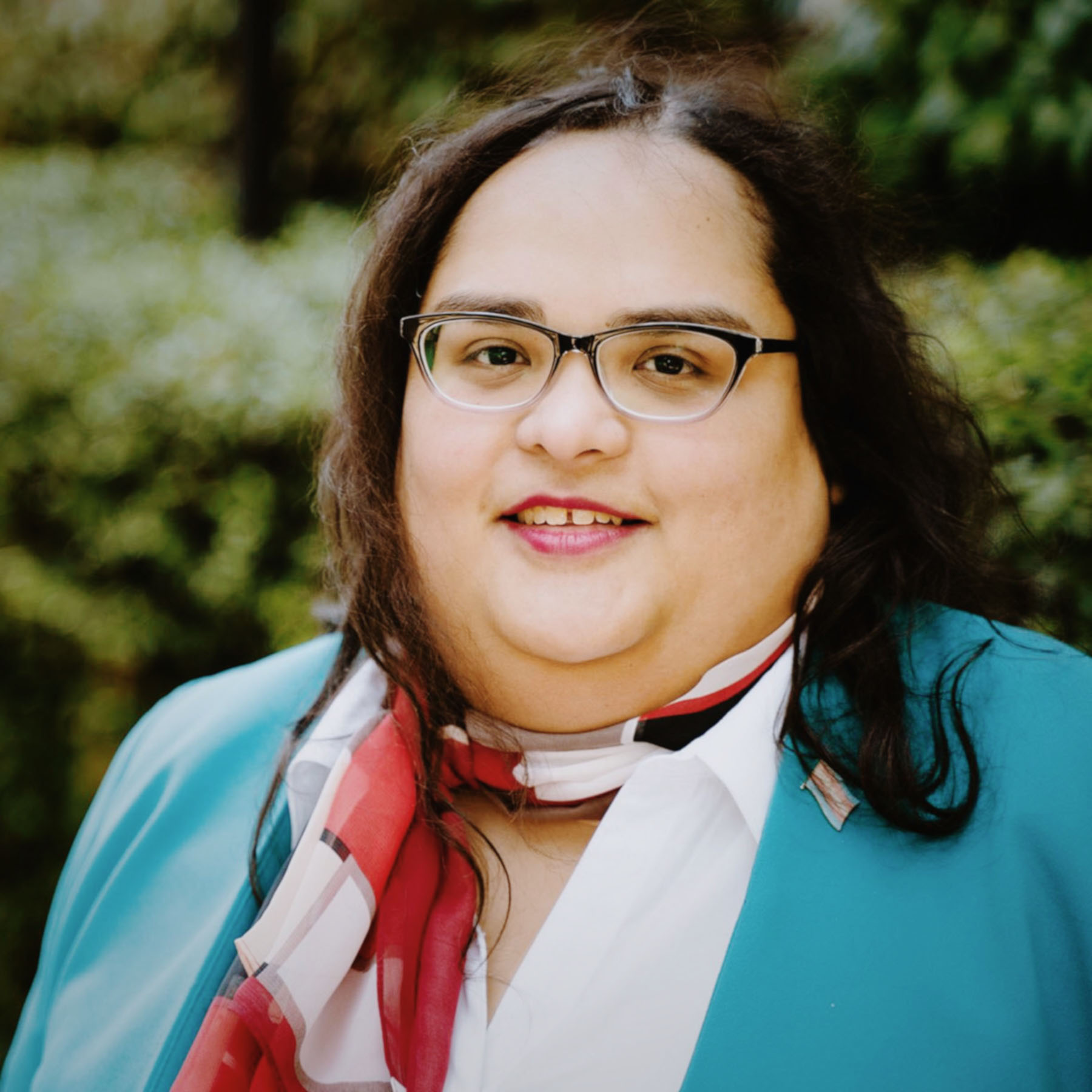
“For me, autistic joy is what brings you joy in your fullest autistic self, without fear of being mocked or ridiculed,” she said. According to Rodríguez-Roldán, joy is not only pleasurable, but necessary in dark times.
“You have to be proud of yourself and who you are, despite being told by people in power not to be,” she said.
Rodríguez-Roldán loves video games, but she finds the most joy in her relationship with her wife, Meah Berry. They got married in 2016 in a small, private ceremony officiated by a close friend.
“Joy is in the day-to-day. People think that it’s tied to life events — the day you graduate from college or the day of your wedding or the day you start a new job. But it’s not. It’s what gets you out of bed every day and you’re thinking, gee it would be nice to do that again today.”


 More on Namibia’s independence
  Namibian flag
 Scottie's Playtime