All device beverage cautions should be in place.
Your Josh Day Next Day
All device beverage cautions should be in place.

All device beverage cautions should be in place.
Hello friend,
This week I needed a quiet place to escape from my own head so I made one:
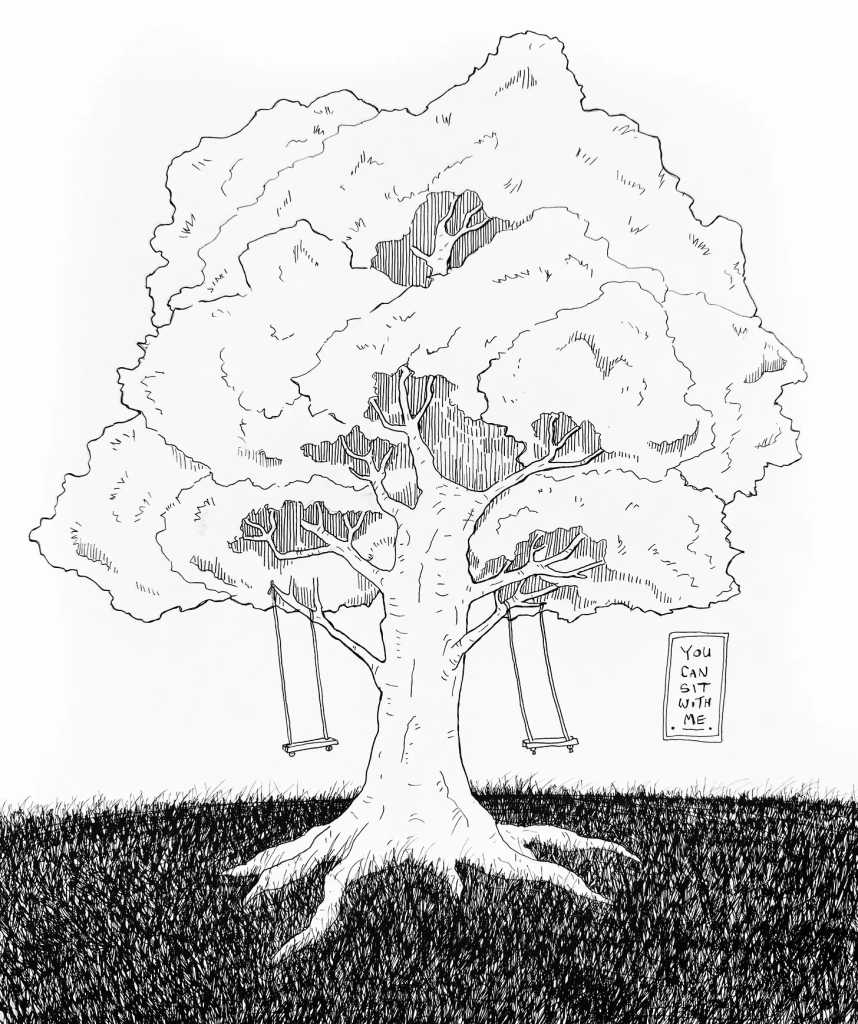
And then I added another swing because maybe you need a quiet place to be as well. We’re all in this together.
In slightly related news, I follow a lot of artists on instagram who share tips and tutorials and this tree idea came from Cathflo.art who I adore. Her tutorials aren’t in English but art is universal in any language. Also universal? Hope. Love. Joy. Kindness. Compassion.
Just saying.
Love,
me
Some may recall these Hitler videos from the latter part of GW’s admin, then further into the first and now second Trump admins. This one’s classical “Hitler Finds Out…”
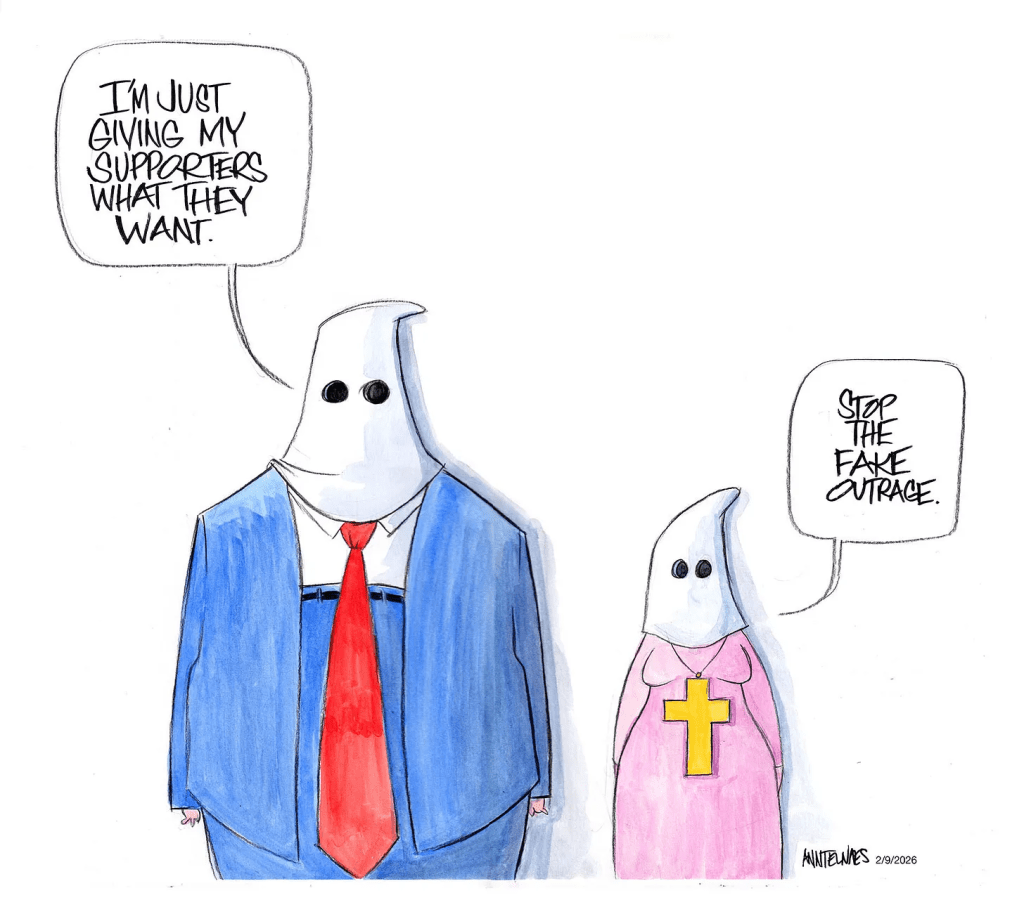
Trump throws red meat out regularly when trying to divert attention or he thinks his base isn’t solid. The very reason he was first elected was due to the underlying racism and sexism in this country. Trump just gave them permission to say it out loud.
==========
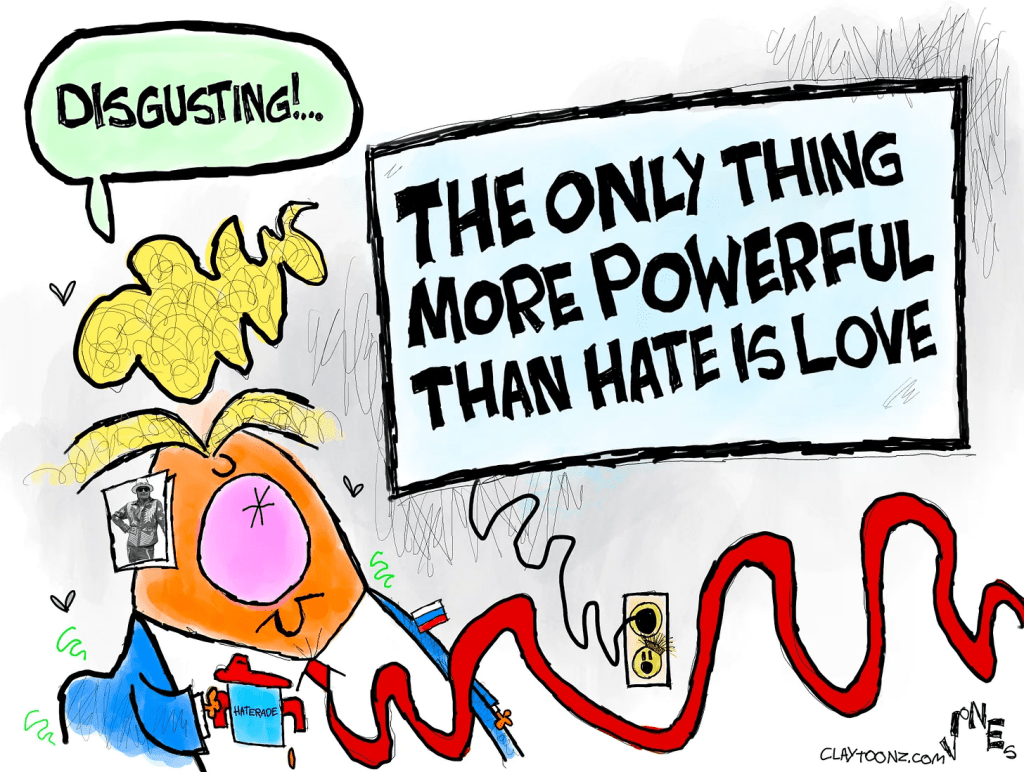
If you believe that a message of love and unity is in opposition to everything you stand for, and you have to fight it with every fiber of your being, then you are either Darth Sidious, Hitler, or Donald Trump.
Why would you take a message that says, “The Only Thing More Powerful Than Hate is Love” as something hostile and political? Because it’s in Spanish and everything you’re about is hate?
Last night after the Super Bowl, Trump posted to social media, “The Super Bowl Halftime Show is absolutely terrible, one of the worst, EVER! It makes no sense, is an affront to the Greatness of America, and doesn’t represent our standards of Success, Creativity, or Excellence. Nobody understands a word this guy is saying, and the dancing is disgusting, especially for young children that are watching from throughout the U.S.A., and all over the World.” (Snip-MORE, and it’s hot)
I lol’d. Still grinning each time I look at it while I post it. 😄
Episode 2 of “I Spent Three Days In Minneapolis!”
W. Kamau Bell Feb 08, 2026
(The above link is for the video interview at the top of this Substack page; 20 minutes and small change. -A.)
Happy Superbowling to all who celebrate.
It’s been less than 48 hours since I sent out the first episode of I Spent Three Days in Minneapolis. (Are these “episodes”? I don’t know what else to call them. They are more than interviews… Moments? Happenings? Witnessings?) The response from you all has been amazing and truly heartening. It is inspiring to think that me and a small crew turned all this around so quickly AND ALSO that it has found an audience. It really makes me proud. I can’t wait to share more, so leeeeeeeeet’s gooooooooooo!
I’m sending this today, because my subscribers don’t seem like the types of people who’d get upset having their Superbowl activities interrupted with an incredible conversation. One of the big “gets” that my producer Deshawn Plair chased down was this meet-up with three-time Emmy-winning, Twin Cities journalist Georgia Fort. Luckily, our film crew, Destiny and Kai, were already working on a project with Georgia, so they helped set this up.
And while I’m always down to talk to an independent Black journalist, this was extremely special. Georgia was only a few days removed from making international news. On January 30, Georgia Fort and my fellow ex-CNNer Don Lemon were arrested for the “crime” of reporting on a news story. Georgia and Don were covering the protest of a church where a pastor is being accused of being a member of I.C.E. (FYI, joining I.C.E. is what Jesus wouldn’t do.)
The Trumped up charges (literally TRUMPED UP) against Georgia and Don are for conspiracy(?) and for interfering with the church goers first amendment rights(??). (Yeah, suuuuuuuuure!) As much as I am mocking the anti-constitutional arrests, these are still FEDERAL charges. Two other people (both Black) were also arrested at the protest.
Let’s not forget that arrests like these are even bigger than our country’s already big need to defend the first amendment. These arrests are about punishing people who the administration simply doesn’t agree with, and more people than just the ones arrested are affected. In addition to being an award-winning independent Black journalist, Georgia is a mom, a wife, a daughter, a mentor to young Black journalists, and community member who cares. During our talk Georgia bravely admits to being terrified, but as she declares, “God did not give me a spirit of fear.”
“God did not give me a spirit of fear.” – journalist Georgia Fort
This interview was taped around 5pm on February 3, 2026. Georgia was kind enough to sit with me after she had already had a day filled with interviews. As always, shout out to Destiny and Kai for turning this around so quickly. Again, I hope you don’t mind me filling up your inbox.
Thanks again to The McKnight Foundation for partnering with me on this project.
WHO’S WITH ME?
I had no idea that I would be talking with Georgia only four days later,
W. Kamau Bell on Instagram: “I stand with @donlemonofficial, @b…
(snip-Support Minnesota info, tours info)
Friday and Saturday. Enjoy while taking a break from the big game, or just enjoy whenever!
===
http://youtube.com/post/UgkxYHx582PD9x35cjaAklWR1b99_pZOTHRm?si=eq76y1PWoI8ySXkx
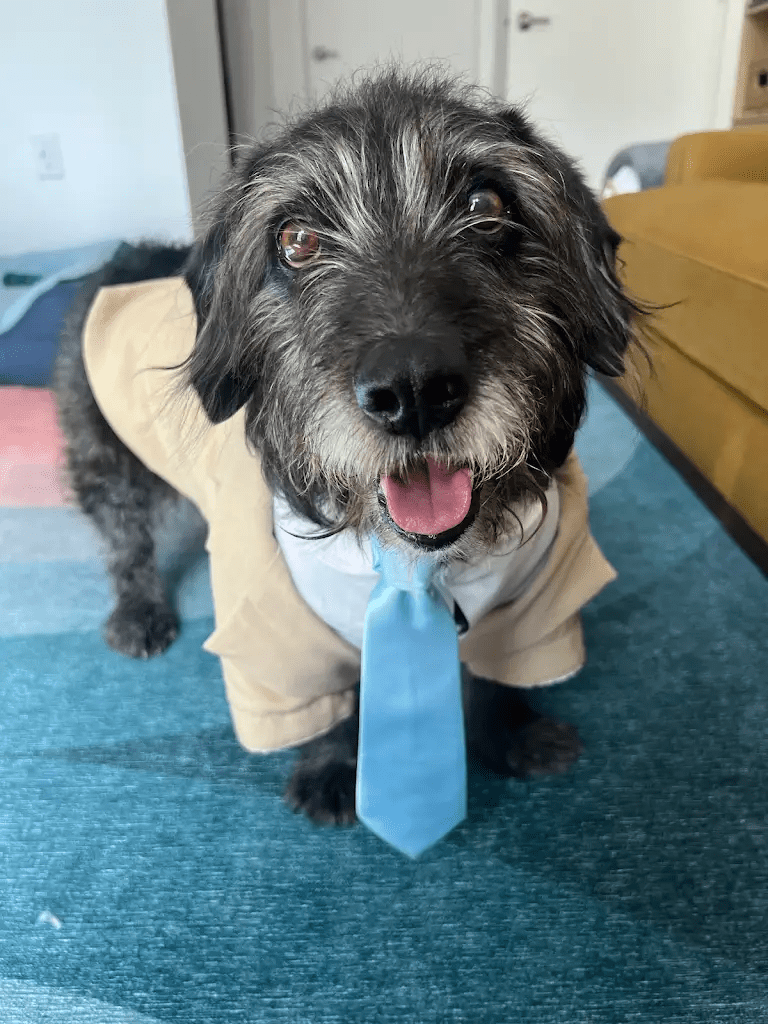
WeRateDogs 1 day ago Javier, our CEO, wanted to check in with everybody. He hopes you’re doing alright. If not, you’re welcome to take a few deep breaths with him and think of something you’re looking forward to. Javi is looking forward to the Bad Bunny halftime show ❤️
http://youtube.com/post/UgkxIK9nsJmpxmiip5xhUxcnR-XGOkU2NcCX?si=atK_jV3EhVi8dcPO
Randy Rainbow6 days ago Punxsutawney Phil saw his shadow, predicting new videos coming this month… 💌🎶💖
http://youtube.com/post/UgkxmbD6u_T-UhBr1nwyqHjmqIWfPeVpavN2?si=Mymur9qFx0pA_6W6

http://youtube.com/post/UgkxpQ37vRwpotd2SoNyrV2HG4KLmx9EEQ0-?si=q8RF6NfuiNw0t99K
===
Dance Party!
And a simple quote:
“Dogs smell time. The past is underfoot; the odors of yesterday have come to rest on the ground.”
Alexandra Horowitz
From The Root. This ended up being a really long post, especially for me. But as I posted the music, each is so good I couldn’t stop or omit, as you’ll see while you scroll through to look.
This February, we’re listening to these soul, R&B and hip-hop hits by some of our favorite Black artists.
By Angela Johnson, Phenix S Halley
There’s no better time for music with a message than Black History Month! Black artists have channeled their pain, frustration and hope into their music for decades. And whether they’re telling us to say it loud, fight the power or f**** the police, their songs make powerful statements, inspiring us to stand up for what we believe in and look forward to better days ahead.
As we celebrate Black History Month, we’ve rounded up some of the songs we’ve got on repeat.
James Brown’s 1968 hit “Say it Loud (I’m Black and I’m Proud)“ was recorded four months after Dr. Martin Luther King Jr.’s assassination and quickly became an anthem of the Black Power Movement. People still love the positive message of Black pride and dope beat today, which is probably why it’s been sampled over 250 times.
After dropping hits like “I Heard it Through the Grapevine” and “Ain’t Nothing Like the Real Thing” in the late 1960s, Marvin Gaye took his sound in a completely new direction with his 1971 album “What’s Going On.” The song “Inner City Blues” painted a vivid picture of life in America’s inner cities at the time and is still relevant today.
Before Public Enemy told us to “Fight the Power,” there was Grandmaster Flash and the Furious Five’s “The Message.” While most hip-hop hits at the time talked about partying, this 1982 track kept it real about life in the streets.
A song written for Spike Lee’s “Do the Right Thing” soundtrack, Public Enemy’s “Fight the Power,” called for people to stand up to racial inequality and injustice. It was a huge success, climbing to number one on Billboard’s Hot Rap Singles and 20 on the Hot R&B chart. Rolling Stone named it number two on its 500 Greatest Songs of All Time.
“You will not be able to stay home, brother. You will not be able to plug in, turn on and cop out,” Gil Scott-Heron warns us in “The Revolution Will Not Be Televised.” The 1971 poem is a call to action for Black people, telling them that rather than waiting for corporations and the media to save us from injustice, we’ll have to save ourselves.
India.Arie’s 2006 single “I Am Not My Hair” is a love letter to Black hair in all its forms. She tells her audience not to allow themselves to be defined by Eurocentric standards of beauty but to feel comfortable in the skin they’re in.
“I am not my hair,
I am not this skin,
I am a soul that lives within,” she sings.
Common and John Legend joined forces on 2015’s “Glory,” a song for the soundtrack of the movie “Selma.” The song, with lyrics that are hopeful of better days, won the pair a GRAMMY and an Academy Award for their performance.
Without a doubt, McFadden & Whitehead’s “Ain’t No Stopping Us Now” is a classic disco song that makes you want to dance. But the 1979 hit is also putting the rest of the world on notice that “We’re on the move.”
In “Don’t Touch My Hair” Solange Knowles is putting folks on notice that Black hair is a source of our strength. It is our crown, and it is not to be touched.

Compton rappers N.W.A. call out racial disparities in policing in their 1988 hit, “F* the Police.” Although the song is over 25 years old, unfortunately, the message still resonates. After the 2020 murder of George Floyd at the hands of a police officer, streams of the song grew 14 times according to data from last.fm.
“Hang on to the world as it spins around. Just don’t let the spin get you down, Donny Hathaway sings in “Someday We’ll All Be Free.” The song, while beautiful, did not land a spot on the charts. But it is beloved by many and has been covered by artists, including Aretha Franklin, Bobby Womack and Take 6.
Run-D.M.C.’s “Proud to Be Black” is a track from their 1986 “Raising Hell” album and a dope declaration of self-love.
It’s hard not to be moved when you hear Sam Cooke’s “A Change is Gonna Come.” He was inspired to write the 1964 song that looks forward to a world without discrimination and hate after being denied access to a white-only hotel in Louisiana and hearing Bob Dylan’s protest song “Blowing in the Wind.”
In “Walking,” gospel duo Mary Mary reminds us that even when times are hard, when you are walking with God, you’re never alone.
KRS One lets us know what we’re being taught in school leaves out a whole lot of important Black history in the 1989 hip-hop hit “You Must Learn.”
Legendary female rapper Queen Latifah spoke out against disrespect and called on everyone to give Black women the appreciation they deserve in her 1993 hit, “U.N.I.T.Y.”
Not many people can make Beethoven sound hot. But Nas flipped “Für Elise” into a positive affirmation record, letting kids know they can do anything they set their minds to on his 2002 hit song “I Can.”
While James Brown and Nina Simone songs were part of the soundtrack of the Civil Rights Movement, Kendrick Lamar’s “Alright” was one of the songs that defined the Black Lives Matter Movement.
Written by the legendary Curtis Mayfield, the Impressions “People Get Ready” is as much gospel as it is soul. The song offers hope in the afterlife for people living with injustice and discrimination.
Since I started reading here at Scottie’s, I’ve thought especially of Bayard Rustin during Black History month. I learned of him (aside from him being at the side of Rev. MLK Jr.) from The Nation magazine back in the early 1990s. Mr. Rustin finally got a movie in 2023, and I’ve wondered about other representation within. There is a veritable trove of information, so here is some of that. Enjoy with your favorite beverage. -A.
=====
God does not require us to achieve any of the good tasks that humanity must pursue. What God requires of us is that we not stop trying.
– Bayard Rustin
=====
By Tymia Ballard, Communities of Color Junior Associate
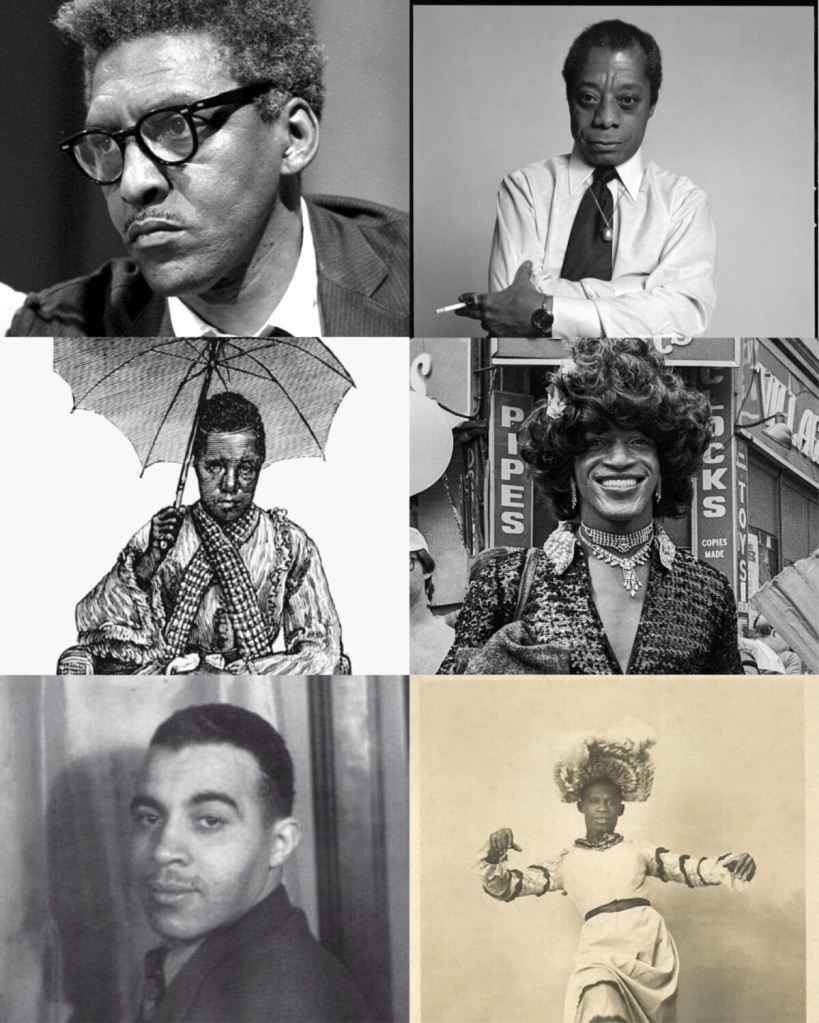
it’s important to note the amount of BIPOC Queer History that has been an integral part of American history but has unfortunately been largely erased. Queer history surrounding people of color is deeply interwoven with American history, revealing critical insights into the nation’s progress in civil rights, social justice, and cultural evolution. To understand American history fully, it’s essential to acknowledge how Black queer individuals have shaped and influenced pivotal movements, art, and thought in the U.S. Despite facing intersectional challenges related to both race and sexual orientation, Black queer Americans have persistently fought for visibility, acceptance, and equality, contributing a legacy that has strengthened America’s commitment to inclusion and diversity.
Black queer history includes significant contributions to American arts and culture. From the Harlem Renaissance to contemporary music and fashion, Black queer individuals have played central roles in defining American aesthetics and storytelling. The Harlem Renaissance of the 1920s, for example, was driven by several Black queer artists, including poets like Langston Hughes and novelists like Richard Bruce Nugent, whose works celebrated Black identity while also subtly addressing queer themes. These artists expanded narratives around Black life in America, blending the experiences of race and sexuality into a singular, expressive voice.
The contributions of Black queer Americans to political activism are also inseparable from American history, especially when considering the origins of LGBTQ+ advocacy. These activists confronted police harassment and societal prejudice, laying the groundwork for the LGBTQ+ rights movement in the U.S. (snip-click through to see the stories)
https://glaad.org/black-queer-history-is-america-history/
=====
The Harlem Renaissance in Black Queer History
African American literary critic and professor Henry Louis Gates once reflected that the Harlem Renaissance was “surely as gay as it was Black, not that it was exclusively either of these.” Gates’s comments point to the often-overlooked place of the Harlem Renaissance within queer history.
The Harlem Renaissance, a literary and cultural flowering centered in New York City’s Harlem neighborhood that lasted from roughly the early 1920s through the mid-1930s, marked a turning point in African American culture. Developments from Zora Neale Hurston’s folklore-influenced fiction to Duke Ellington’s colorful orchestrations reflected an assertive and forward-thinking Black identity that philosopher Alain Locke dubbed “The New Negro.”
Black queer artists and intellectuals were among the most influential contributors to this cultural movement. Like other queer people in early twentieth century America, they were usually forced to conceal their sexualities and gender identities. Many leading figures of the period, including Countee Cullen, Bessie Smith, and Alain Locke, are believed to have pursued same-sex relationships in their private lives, even as they maintained public personas that were more acceptable to mainstream audiences. From a modern vantage point, the work of these artists and their peers is part of the foundation of modern Black LGBTQ art.
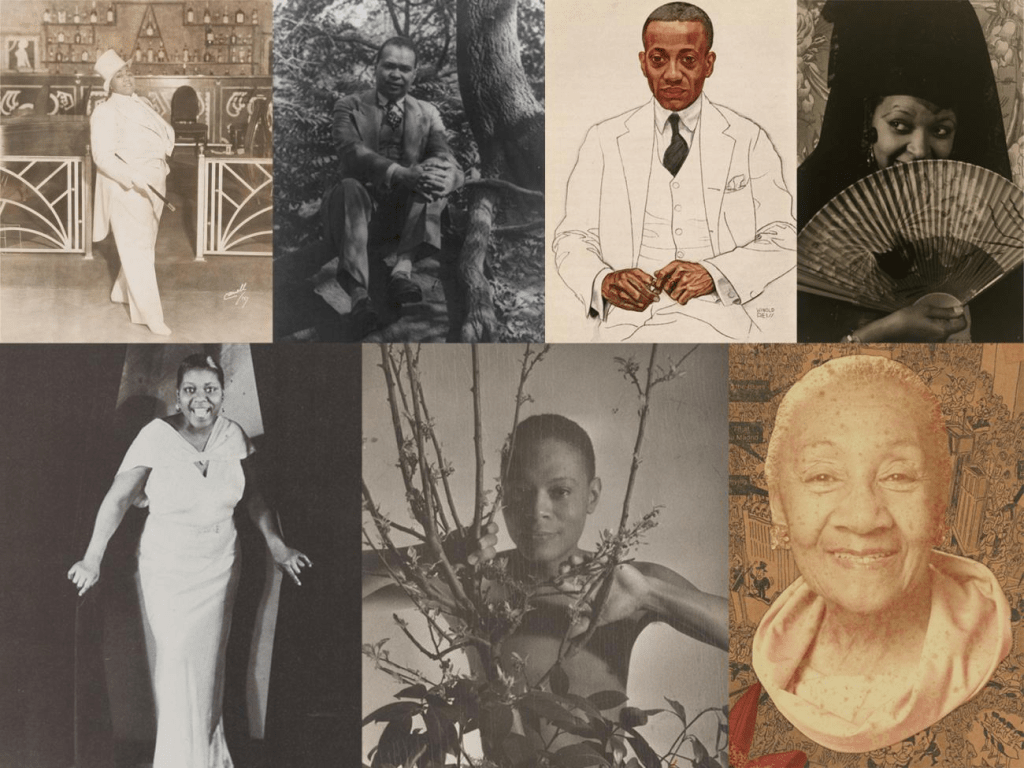
Top row l to r: Gladys Bentley, ca. 1940. 2013.46.25.82; Countee Cullen by Carl Van Vechten, 1941. Courtesy Library of Congress, Prints and Photographs Division; Alain Locke by Winold Reiss, 1925. National Portrait Gallery, Smithsonian Institution. Ethel Waters as Carmen by Carl Van Vechten, 1934. 2010.42.4
Bottom row l to r: Bessie Smith from Delegate magazine, 1975. Gift of Anne B. Patrick and the family of Hilda E. Stokely. 2012.167.9; Jimmie Daniels, early 1930s. Gift of Paul Bodden in memory of Thad McGar and James “Jimmie” Daniels. TA2020.19.3.1; Alberta Hunter, date unknown. Gift of Paul Bodden in memory of Thad McGar and James “Jimmie” Daniels. A2020.19.1.2
(snip-do click through to see. There is a wealth of history: writers, blueswomen, entertainers. There is even a video they cannot play due to restrictions, and then yet more historical information.)
https://nmaahc.si.edu/explore/stories/harlem-renaissance-black-queer-history
=====
Throughout February, in honor of Black History Month, we’ve been busy on Stonewall’s Instagram highlighting some of the lesser-known figures in queer Black history. These bold individuals lead with bravery and authenticity, moved the needle on LGBTQ liberation and racial justice, and paved the way for future generations. Each one of these icons should be a household name! Read on to learn some of the hidden history of our intertwining and ongoing struggles for equality.
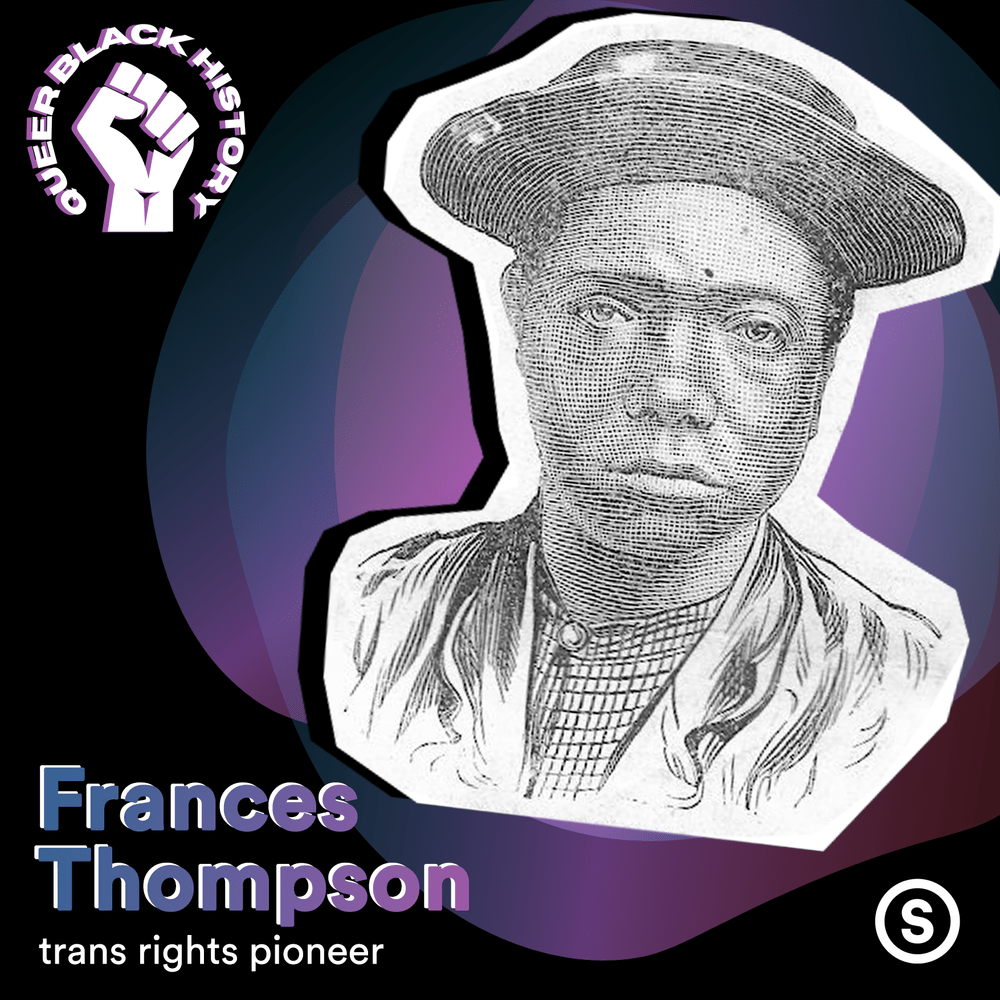
Believed to be the first transgender woman to testify before the United States Congress, Frances Thompson was born into slavery in 1840. Living as a free woman by the age of 26, Thompson was an advocate for bodily autonomy, an anti-rape activist, and she played a pivotal role in getting the US government to enact legislation protecting the civil rights of newly emancipated Black people.
Thompson’s bold legacy lives on today as we continue fighting for self-determination, dignity, and justice for queer and trans people. Her story serves as a reminder that queer and trans people have always been here, and we always will be. Always.
Learn more about Frances here.
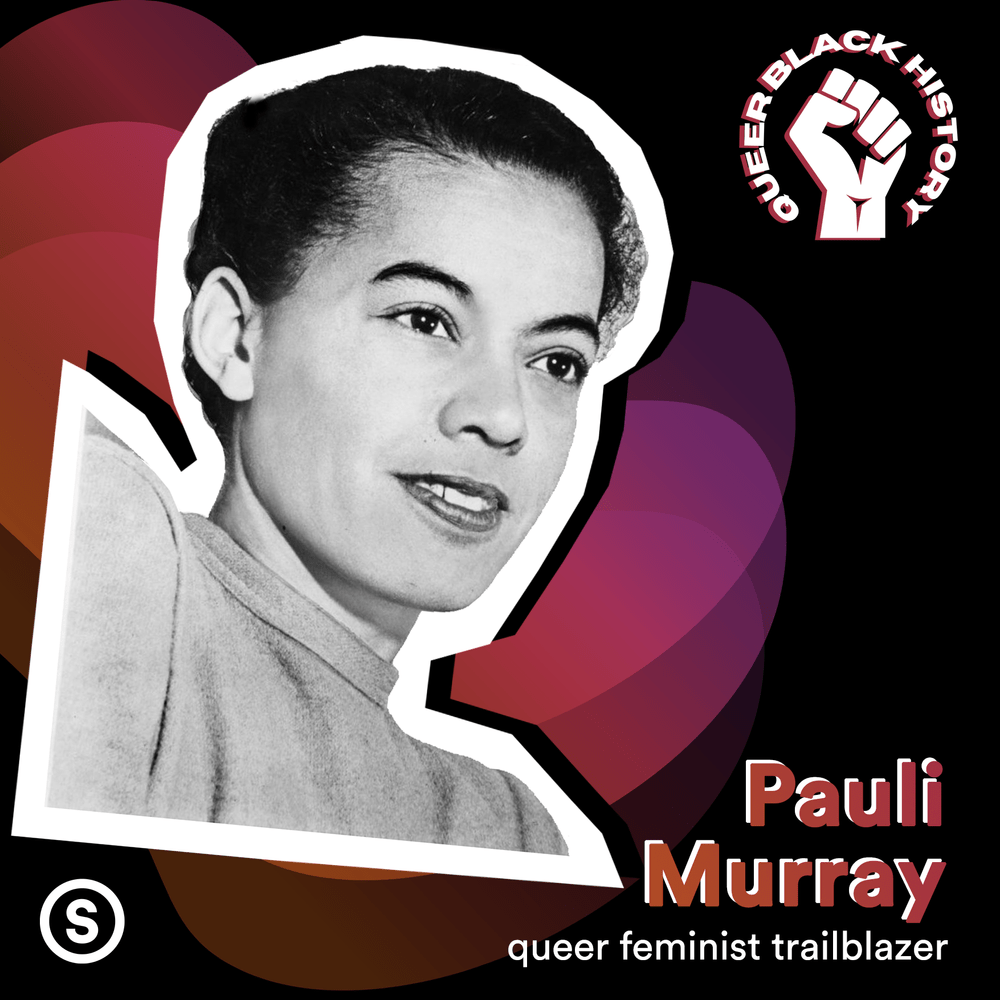
One of the most pivotal – yet often forgotten – figures of the Civil Rights Movement, Pauli Murray was a Black, queer, feminist lawyer who dedicated a lifetime to challenging preconceived notions of race, gender, sexuality, and religion. Murray pioneered many of the non-violent protest tactics of the Jim Crow era, and authored legal arguments that played a pivotal role in outlawing systemic racism and sexism.
Many of Murray’s contributions to the Civil Rights Movement were erased from the broader narrative as same-gender relationships and gender nonconformity disrupted the respectability expectations of the era. Many historians believe that if the language existed at the time, Murray may have identified as a trans man.
Later in life, Murray became an Episcopal priest, and was eventually canonized as a saint – a queer saint!
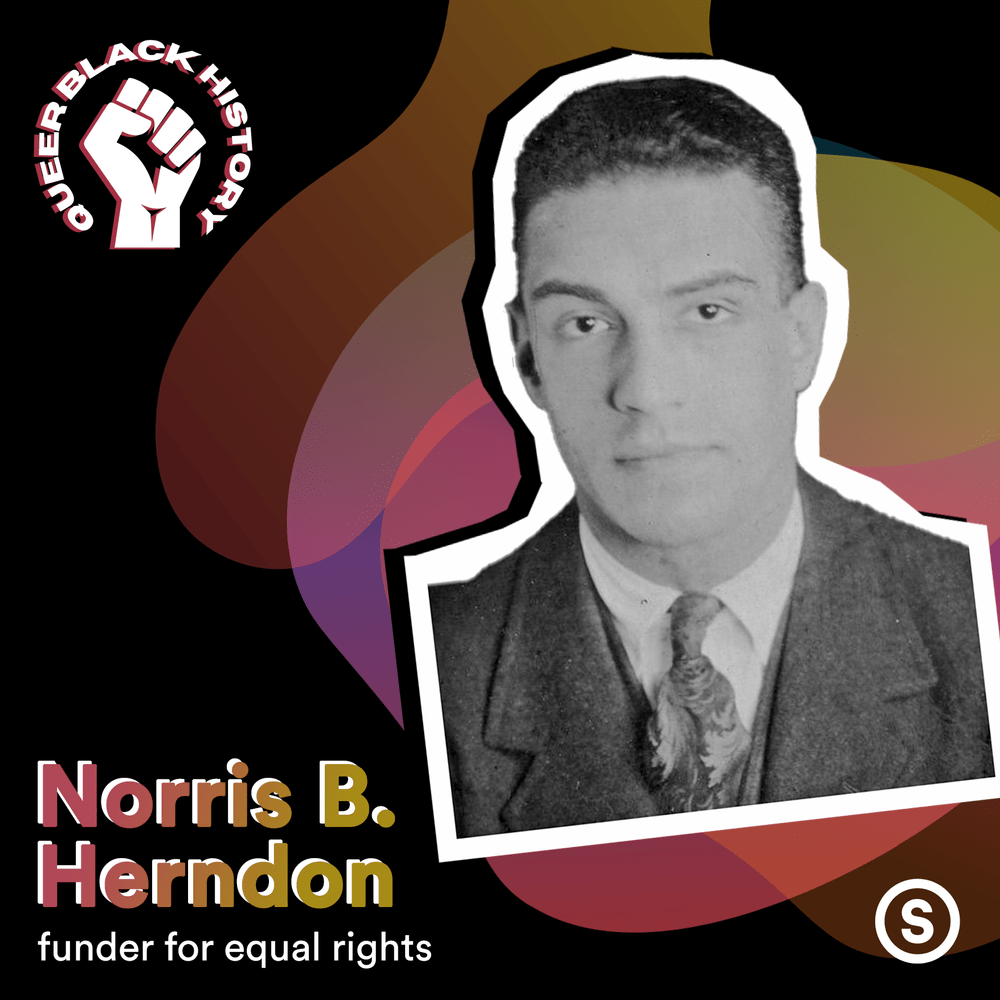
After the death of his father in 1927, Norris B. Herndon assumed the role of president of Atlanta Life Insurance, turning the company into one of the most successful Black-owned business in the US. Using his wealth and influence to support the Civil Rights Movement, Herndon was a critical funder of Civil Rights efforts, and regularly gave generously to support MLK, Jr., HBCUs, the NAACP, and more. He even allowed key Civil Rights activist to use his offices for training purposes.
While he never publicly identified as gay or bi, many in his inner circle were aware of his relationships with men throughout his life.
Herndon’s legacy serves as a reminder of the important role that Black queer individuals have played in shaping American history.
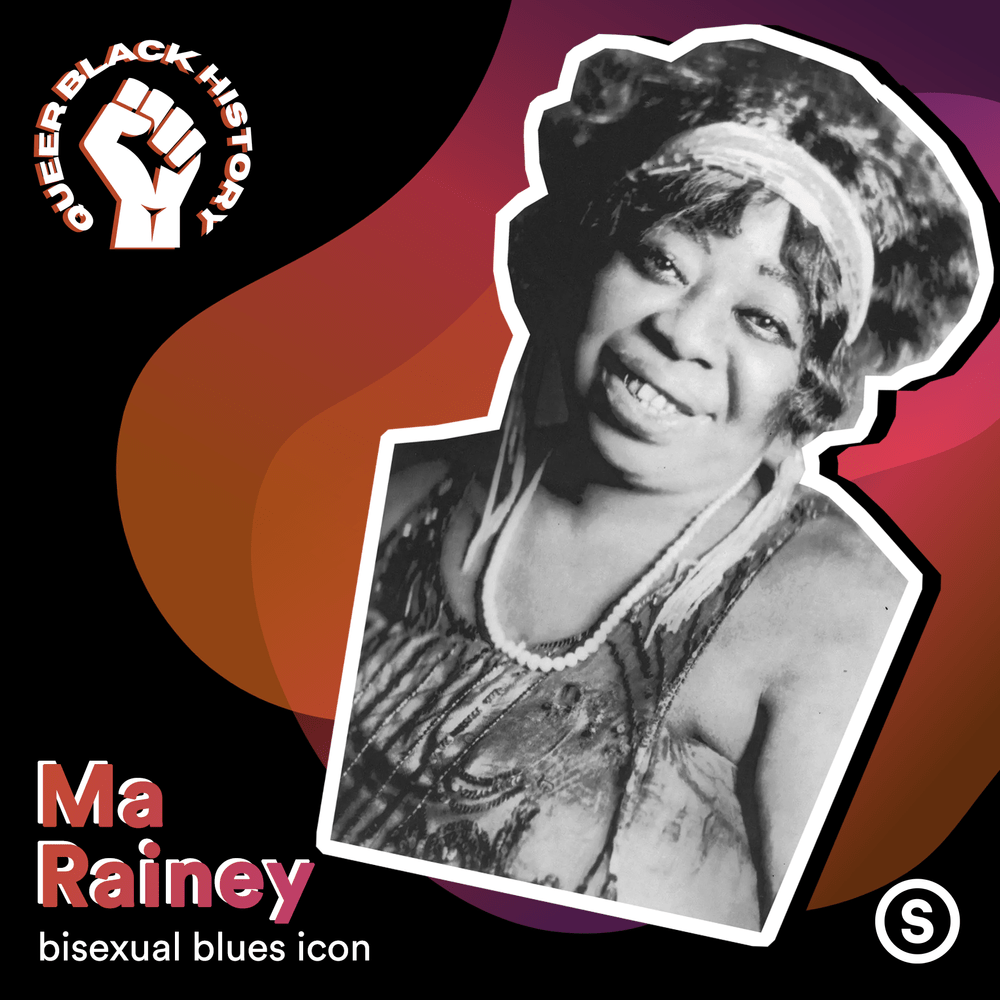
Ma Rainey, also known as the “Mother of the Blues,” was a pioneering blues singer and one of the first openly bisexual performers in the early 20th century. Her music often expressed themes of sexual freedom and gender identity that challenged prevailing attitudes of her time.
Rainey’s songs such as “Prove It on Me Blues” and “Sissy Blues” were widely considered to be bold and unapologetic expressions of her bisexuality, and her performances often featured drag queens and other gender-nonconforming artists.
Rainey’s visibility and outspokenness about her sexuality, at a time when queerness was widely stigmatized, helped pave the way for later LGBTQ performers and activists. Today, she is celebrated as an icon of queer representation in music history.
Learn more about Ma Rainey here.
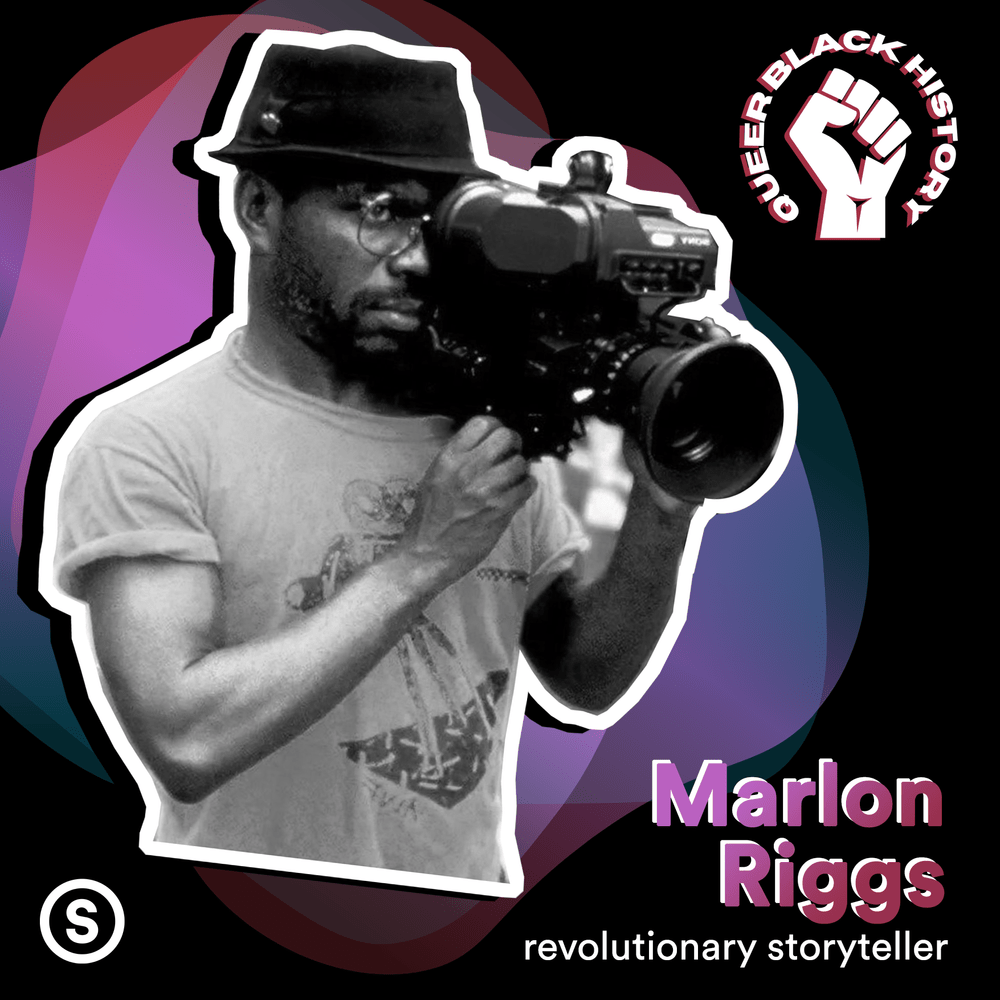
Marlon Riggs was a pioneering filmmaker and activist whose work focused on issues of race, sexuality, and identity, seeking to challenge and subvert stereotypes of LGBTQ and Black people.
In the early 1990s, Riggs’ films, including “Tongues Untied” and “Color Adjustment,” explored the experiences of Black gay men and the intersectionality of race and sexuality. His work helped to broaden mainstream awareness and understanding of LGBTQ and Black lives, and his films were highly influential in advancing Black and queer representation in media. Riggs also worked with organizations like the National LGBTQ Task Force and ACT UP to fight for the rights of LGBTQ people and folks living with HIV/AIDS.
Riggs’ legacy continues to inspire and inform the ongoing struggle for LGBTQ liberation and racial justice.
https://www.stonewallfoundation.org/impact-winter-2023/queer-black-icons
=====
Feb. 13, 2024 BY: Trevor News
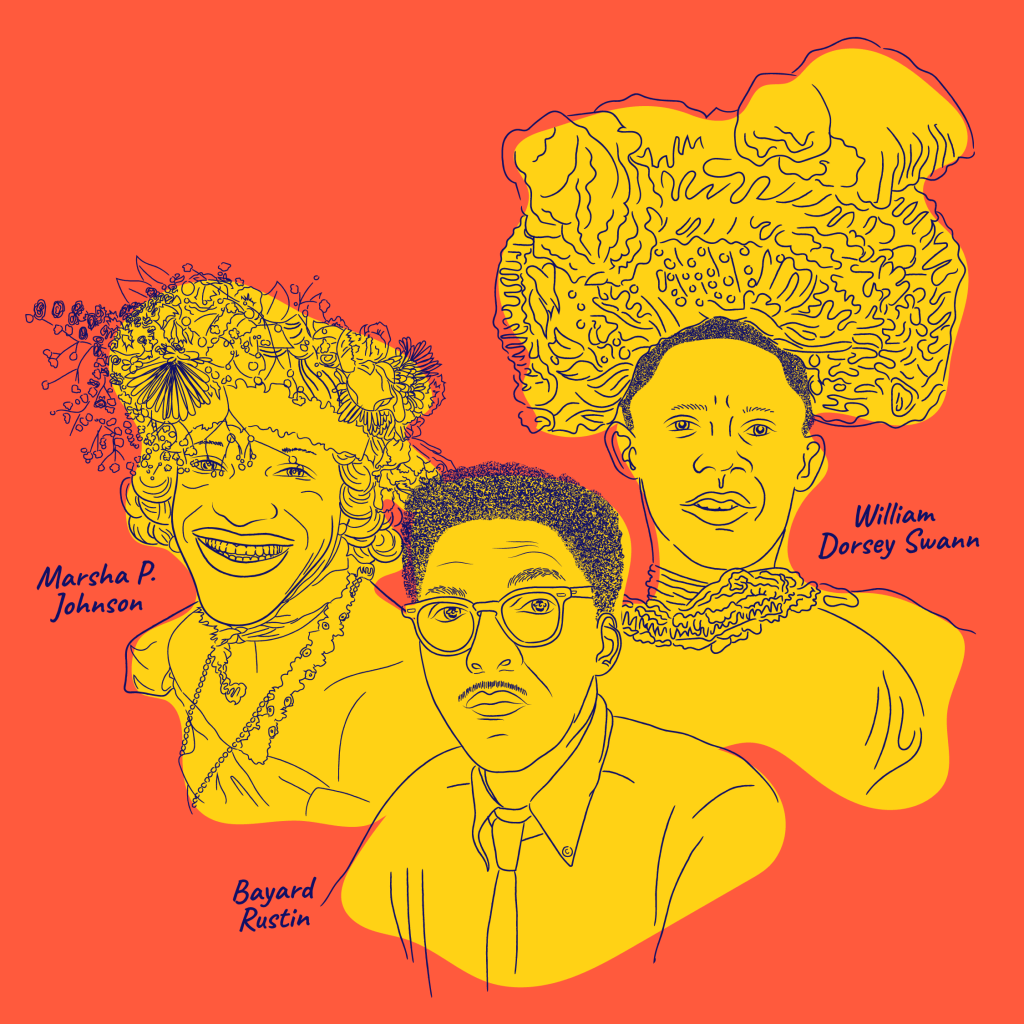
American history of resistance is a history of Black LGBTQ+ people. Advancements in civil rights and greater visibility of the LGBTQ+ community overall can be attributed to the efforts of Black LGBTQ+ folks; so much of what is popular and beloved in music, fashion, culture, and even language is because of the innovations and traditions of the Black queer diaspora. All of this is born out of the need to survive oppressive and violent conditions, distinguish themselves from their white LGBTQ+ counterparts who often enjoyed greater privilege.
When there are efforts to censor Black queer history in classrooms, to prevent trans folks from changing their gender markers or using the bathrooms they prefer, we must resist. Resistance of erasure is resistance to oppression.
This Black History Month, take a moment to learn about and honor the Black LGBTQ+ movements and people who have resisted throughout history.
The Cakewalk
What we know as the art of drag and ballroom today is born out of Black queer resistance to enslavement. The cakewalk, a dance performed by enslaved people, was meant to secretly mock plantation owners who frequently galavanted and gloated their expensive clothes. Their enslavers awarded the dancers cakes, unaware they were being blankly parodied. Later during the abolition period, “cakewalks” organized by the formerly enslaved served as a celebration of freedom and continued mockery of the enslavers, featuring attendees in extravagant costumes.
There is one particular person we can thank for the art of drag, and that is William Dorsey Swann, known now as the first drag queen. Swann, who was born into enslavement and survived to emancipation, was inspired by the “queens” of Washington D.C.’s Emancipation Day parades. He developed a form of dance for “glad rags,” also known as masquerade balls, and hosted cross-dressing balls for the community, many of which were raided by police.
This combination of dance performance and visual expression as a form of resistance survives in modern-day ballroom culture, famously depicted in the documentary film “Paris Is Burning.” Categories like “Executive Realness” serve as an opportunity for young Black queer folks — often denied positions of prominence in white society — to both mock the practices of the privileged and pretend to enjoy those privileges.
In the film, artist Dorian Corey notes: “Black people have a hard time getting anywhere. And those that do are usually straight. In a ballroom, you can be anything you want. You’re not really an executive, but you’re looking like an executive. And therefore you’re showing the straight world that ‘I can be an executive. If I had the opportunity, I could be one because I can look like one.’”
Bayard Rustin and the Civil Rights Movement
Many of us know about the work of Dr. Martin Luther King Jr., but not as many know about Bayard Rustin, an “angelic troublemaker,” his mentor and collaborator during the civil rights movement of the 50s and 60s. Rustin was in fact the primary organizer of the historic March on Washington in 1936, perhaps the most famous civil rights protest of all time. Rustin was also openly gay, and spent much of his life dealing with political and legal persecution because of it (recently depicted in the 2023 film “Rustin”).
(snip-do go and read the rest; it’s not too long)

