“How trans autistic people are using joy as political resistance

“Trans people are three to six times more likely to be diagnosed as autistic. The 19th interviewed six people about how finding joy as a trans person and autistic person are intertwined.”

(Republished via The 19th’s republish link. Also, my apologies for the article’s use of the phrase “on the autism spectrum”; I’ve learned from a reader that’s not a preferred term. I thought about not posting, but decided to apologize, because there could be good info within. I’m hoping our readers here can expand on the aspects of this article.)

Originally published by The 19th

Your trusted source for contextualizing the news. Sign up for our daily newsletter.

By Sara Luterman,ย Orion Rummler Published July 31, 2024

Transgender, nonbinary and gender-diverse people are more likely to be autistic and to self-report autistic traits than cisgender people, according to several studies conducted in recent years. Trans people are three to six times more likely to be diagnosed as autistic, according to research from the University of Cambridge. 

As transgender Americansโ€™ identities are being politicized amid a wave of hostile legislation and dehumanizing rhetoric spread by elected officials, the experiences of autistic transgender people are also being politicized. Proponents of anti-trans legislation have used the correlation between autism and gender diversity to portray trans youth as incapable of consenting to gender-affirming care. Some states last year went so far as to suggest that gender-affirming care should be withheld from autistic people. 

In this political environment, it can be difficult for trans people on the autism spectrum to find joy. As Disability Pride month comes to a close, The 19th spoke with six autistic trans people from different backgrounds and different parts of the country to learn what brings them joy, how they find community, and how their lives have changed through exploring gender and being autistic. 

The way that autistic people experience joy is different from the way neurotypicals do, said May Walser, an autistic and nonbinary 25-year-old student living in Raleigh, North Carolina.  

โ€œThe feeling that autistic people experience is more overwhelming and it can be described as being flooded with warmth, and the joy is all you can focus on and your surroundings are melting away,โ€ they said. The feeling can be so intense that they may need to stim, using repetitive movements to release the feeling; like flapping their hands or arms. 

โ€œIt can take a lot of courage for autistic people to feel comfortable expressing themselves with their bodies,โ€ they said. At school, they got some weird looks for flapping their hands, but the other students werenโ€™t mean about it; not like they were about their lack of understanding of social cues. 

Common triggers for autistic joy include eating foods that cause sensory joy, interacting with animals or pets, and connecting with other autistic people โ€” since those connections allow autistic people to unmask, Walser said. Their own biggest sources of joy include listening to music, spending time with their pets, discovering new sensory joys with fidget toys, making art with acrylic paints and drawing, and researching art history. 

(Courtesy of May Walser)

Although Walser knew they were autistic from a young age, they were able to embrace their autistic identity only after they graduated high school. Once they saw other autistic people share their experiences on social media, they knew they werenโ€™t alone. 

โ€œDuring my years of masking my autistic traits, I had gotten used to constantly being bombarded with sensory overload at school. I was able to block it out, but after interacting with other autistic people, I was able to realize what is likely to cause sensory overload for me. And I was able to become more aware of what my needs and desires are as an autistic person,โ€ they said. 

Their community with other autistic people is still primarily online, they said โ€” which overlaps with how many people access LGBTQ+ communities. They see their identities as a pansexual and nonbinary person, as well as their autistic identity, to be similar in the way that they both break away from the norm in a neurotypical, cisgender world, Walser said. The joy found through LGBTQ+ identities and autistic identities can also be similar, they said. 

โ€œTrans joy and autistic joy can both occur when they interact with like-minded individuals, and when we feel like we are being seen and respected.โ€ 

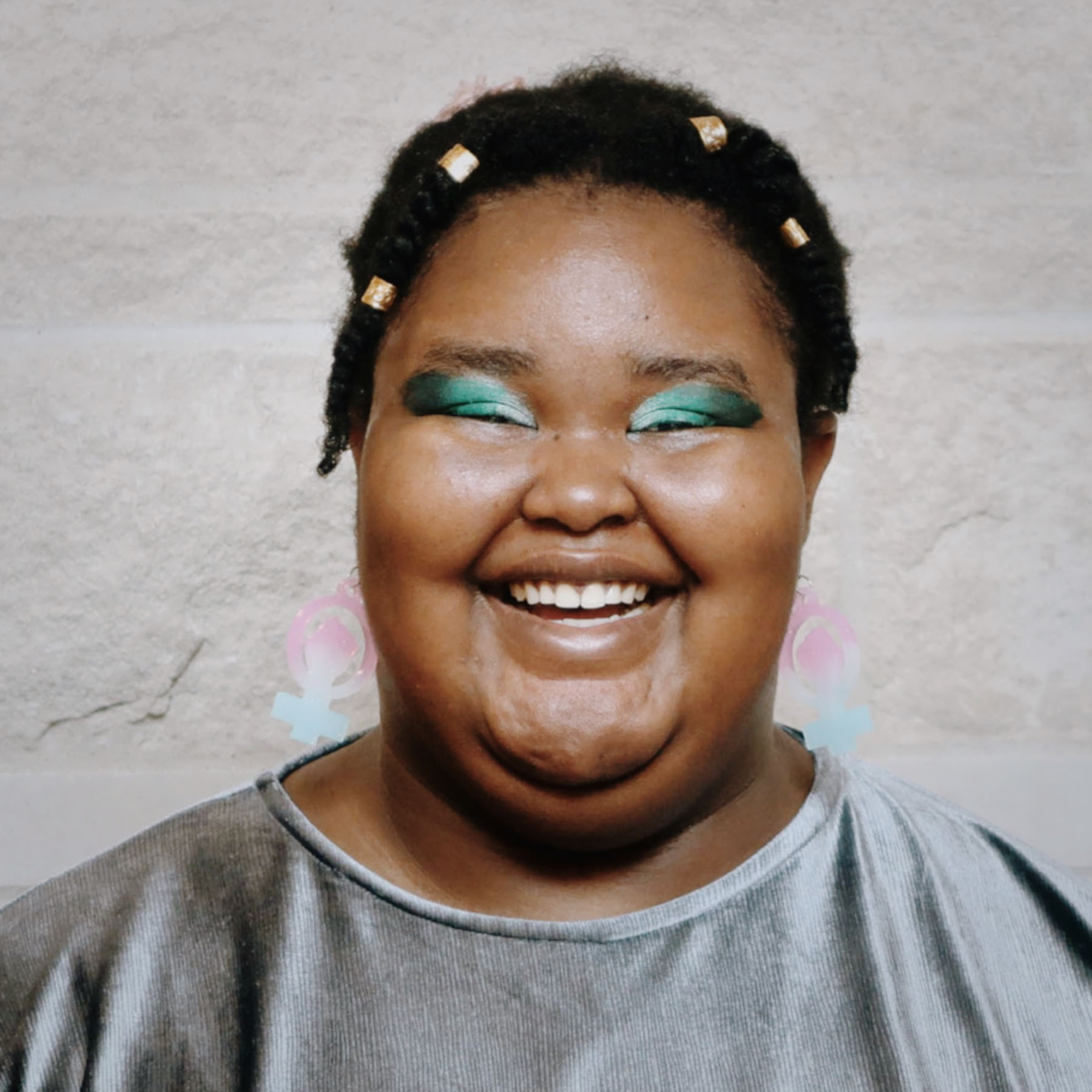
Oluwatobi Odugunwa, 24, is from Nigeria and currently lives in Nashville, Tennessee. They are multiply disabled and work for Dotdash Meredith, a large digital and print publisher. Odugunwa is also the director for the community grant program of the Autistic People of Color Fund, which provides direct financial assistance to autistic people of color.

Odugunwa is nonbinary, agender and a Black woman, and they do not see these identities as being in contrast. 

โ€œIn the Western concept of gender, the focus is whiteness. The gender norms that are associated with being a woman are really with being a White woman. Itโ€™s very different from how Black womanhood is culturally conceptualized. Since our gender binary is based on white supremacy and whiteness, Black people โ€” our gender falls outside that inherently,โ€ Odugunwa said. 

(Courtesy of Oluwatobi Odugunwa)

For Odugunwa, trans autistic joy is rooted in authenticity and acceptance. 

โ€œTrans autistic joy is not needing to mask, not needing to hide who you are gender-wise, personality-wise and autism-wise. Itโ€™s being able to be your full self and still be accepted, loved and respected. It is to be in active, loving community exactly how you are,โ€ they said. 

Odugunwa identified trans autistic joy as a form of resistance. 

โ€œJoy is critical because we live in a world where people are actively trying to kill us, whether that’s interpersonally or systemically. We live in a world where some people donโ€™t believe people like us should exist,โ€ Odugunwa said. 

Right now, Odungunwa finds the most joy in their cat, who they described as โ€œgrumpy and loud.โ€ They are also finding an increasing amount of joy in rest and slowing down. 

โ€œAs I do that, Iโ€™m finding my capacity for joy is increasing. Iโ€™m building stronger relationships with people that I care about and who care about me. Joy feels like rest, community and chosen family,โ€ they said. 

Jaina Keller, a 34-year-old autistic trans woman living in Belton, Missouri, sees a lot of overlap between neurodivergency and trans folks. The act of exploring your identity and being affirmed by othersโ€™ experiences, as well as being able to put a name to lifelong feelings, are shared by both communities. For her, the freedom that came with realizing that she didnโ€™t have to go through life masking her autistic traits was strikingly familiar; she had felt a similar euphoric release when she realized she didnโ€™t have to live with gender dysphoria. She could choose happiness for her own life and didnโ€™t have to accept being miserable everyday.  

(Courtesy of Jaina Keller)

โ€œI realized I was playing a character,โ€ she said. โ€œI would put on this character. I was masking. And now, I just bring myself to the workplace or to social situations. And if people find me weird or off-putting โ€ฆ I donโ€™t need to force myself to change to be accepted.โ€ 

Finding a community of people who understand that has been transformative for Keller. Itโ€™s not about finding people with the same interests, but finding people who will take joy in her interests and in how her brain works. That community includes romantic partners, since all of her partners are autistic. She tends to click the best with people who think like her, who enjoy unpacking everyday parts of life and examining the patterns behind them. 

To Keller, that drive to dig deeper into societal assumptions is a common thread underlying the research showing that transgender and nonbinary people are more likely to be autistic. Realizing that she could challenge her preconceived ideas about her own gender is what helped her realize that she was trans. To her, digging into those kinds of assumptions is a common part of autistic thinking. 

โ€œFrom friends Iโ€™ve talked to and people Iโ€™ve seen posting online, I think there is a large community of people that that holds true for,โ€ she said. โ€œYou start poking at these societal assumptions, and one of those just happens to be gender identity.โ€ 

For Keller, knowing why her brain works the way it does โ€” learning she was autistic โ€” has been a tremendous source of joy for her. What was previously unexplainable can now be understood.

โ€œIt turns out, Iโ€™m not weird, my brain is just wired that way,โ€ she said. โ€œThat’s been the greatest source of joy that I can point to, is knowing that I’m not broken. Iโ€™m just different from a societally expected baseline.โ€ 

For Elizabeth Knight, a 19-year-old autistic trans woman living in Montgomery County, Tennessee, her neurodivergence changes the ways she obtains joy. Being immersed in her special interests and hyperfixations creates a massive amount of joy for her, as does referencing them in conversations. Magic the Gathering, the Kirby, and the video game Five Nights at Freddyโ€™s are all special interests for her, as well as researching feminist theory and queer identities. Online, sheโ€™ll find others who find joy in the same things, but she also has in-person friends to turn to. 
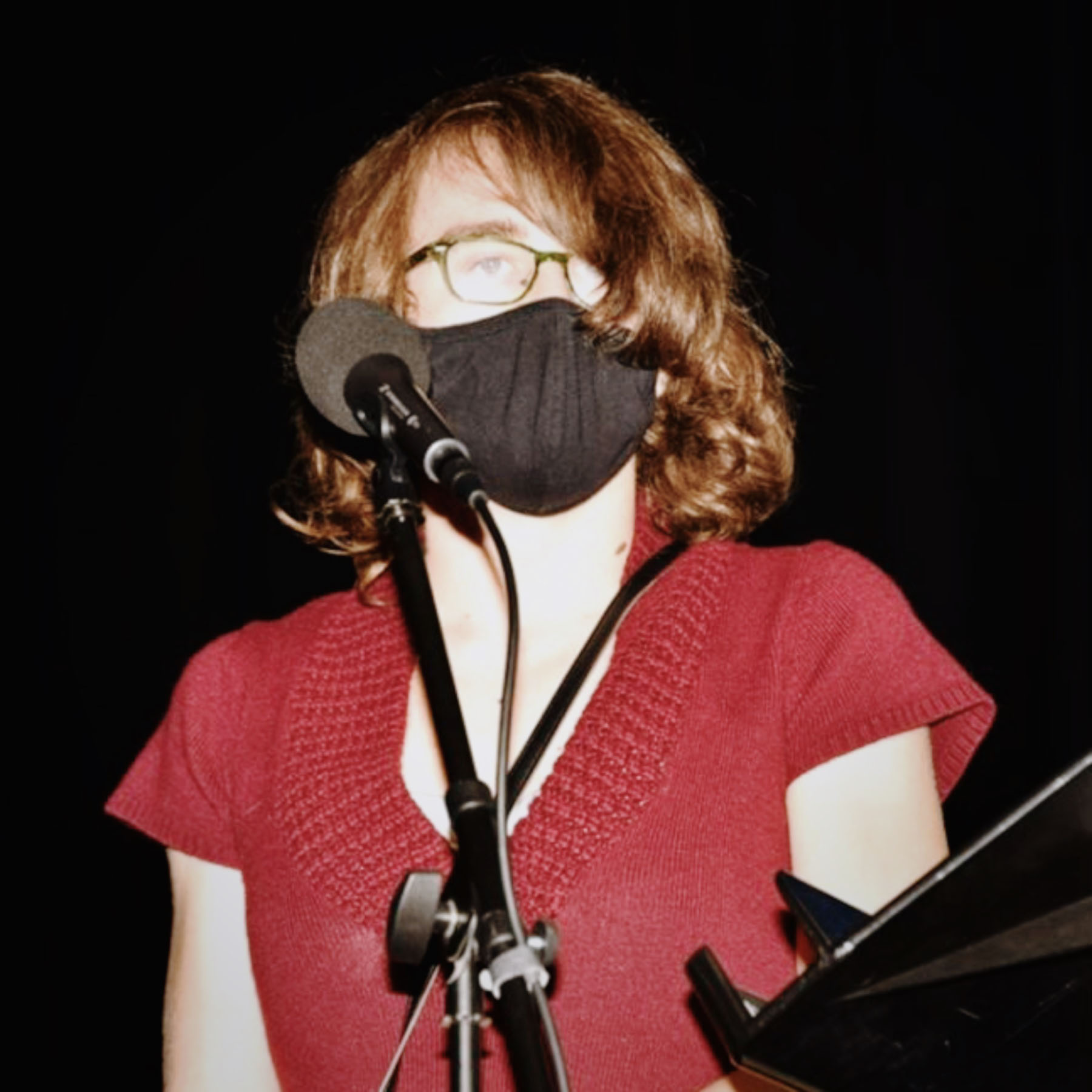
(Courtesy of Elizabeth Knight)

โ€œIn general, I tend to associate with other neurodivergent people, and we’ll take turns infodumping and becoming interested and invested in other people’s special interests,โ€ she said. Four of her friends are the ones sheโ€™ll usually seek out for those conversations; all of them are queer and neurodivergent, and three of them are trans. 

Knight finds the label of being an autistic person to be comforting, and itโ€™s something that she takes pride in. 

โ€œIt gives me a sense of belonging in the ways that Iโ€™m different. It kind of gives me an explanation,โ€ she said. โ€œI can go into depth about how my thinking is different than the neurotypical status quo, but it’s a lot easier to just say I’m autistic,โ€ she said. 

Maxfield Sparrow, 57, currently lives in Redwood City, California. They work as a direct support professional for an autistic young man with higher support needs, run a support group for autistic trans people through the Association of Autism and Neurodiversity and do astrological readings and ritual building. 

Sparrow has seen themself as outside the gender binary for decades, although the language for that did not always exist or remain consistent. In 1992, Sparrow first started using the word โ€œmetagender.โ€

โ€œAll my life, I felt like I wasn’t a woman and I wasn’t a man. There wasn’t always a word for that. I came up with โ€˜metagenderโ€™ to explain how I felt. For a long time, I just had to take it on trust that gender even exists, because I don’t feel it,โ€ they said. 

Despite long-standing complex feelings about their gender, Sparrow didnโ€™t decide to medically transition until they were 50 years old. 

They took a year to think about it before making their first appointment at a clinic in Florida, where they were living at the time. The clinic required a year of therapy and letters from multiple medical professionals before Sparrow could start gender-affirming care.
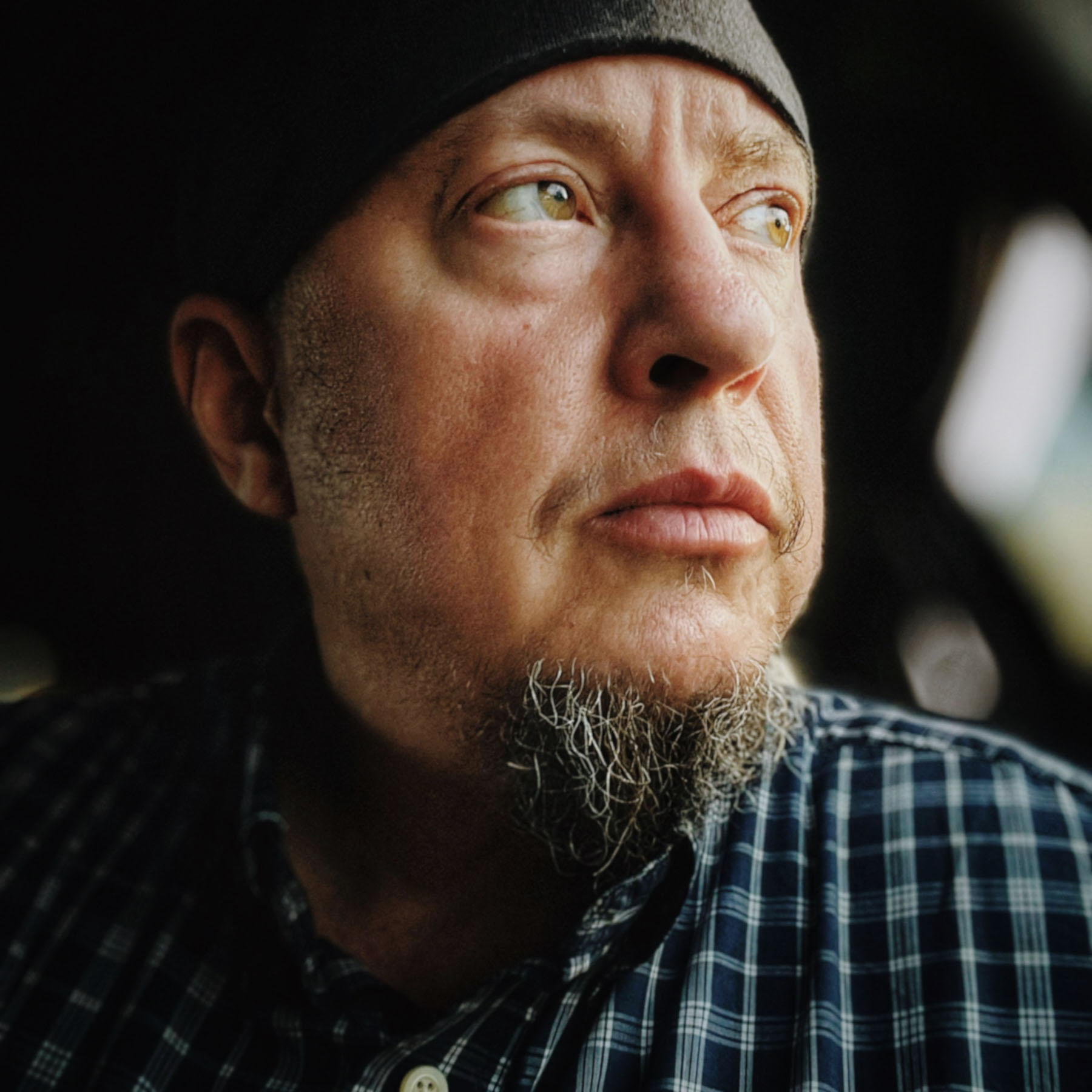
(Courtesy of Maxfield Sparrow)

โ€œFlorida has always been a really hard place to be trans,โ€ Sparrow said. 

Sparrow went to Texas and found an informed consent clinic in Houston. Informed consent allows trans people to access gender-affirming care without a letter from a therapist clearing them for treatment; instead, doctors will discuss risks and benefits with a patient and assess their mental health.  Sparrow was surprised it had been so difficult for them to access care in the first place.

โ€œI figured once you’re middle age, there’s no point in any kind of gatekeeping or testing. I was really solid that I wanted testosterone,โ€ Sparrow said. They still chose to omit their autism diagnosis when the clinic took their medical history. 

โ€œI was so afraid [the doctor] would say no.โ€ they said. 

Currently, Sparrow finds the most joy in astrology. 

โ€œI really love systems. My love of astrology, which I first got into when I was 12 โ€“ I’ve been just fascinated with it my whole life. Iโ€™m not an air quotes โ€˜believer,โ€™ but itโ€™s like how some autistic people get really into calendars. So did I, except my calendar is the planet. I love not just the astronomy of it, which in itself is intricate and beautiful,โ€ they said. 

Finding joy as a trans autistic person is, for Sparrow, an act of resistance in and of itself. 

โ€œI am convinced that the people who are trying to legislate against our existence really just wish we would die or not exist. They are trying to stamp out the joy of being fully integrated and being fully who you are. Every time a trans autistic person is able to experience joy at their existence and their identity and their experiences, itโ€™s a reminder of what we are fighting for,โ€ they said. 

What is Sparrow fighting for? 

โ€œA world where children don’t kill themselves because no one will listen to who they are. We’re fighting for a world where it’s OK to be who we are, where every piece of who we are is not a piece. It’s woven together into an integrated whole that is beautiful, good and right,โ€ they said. 

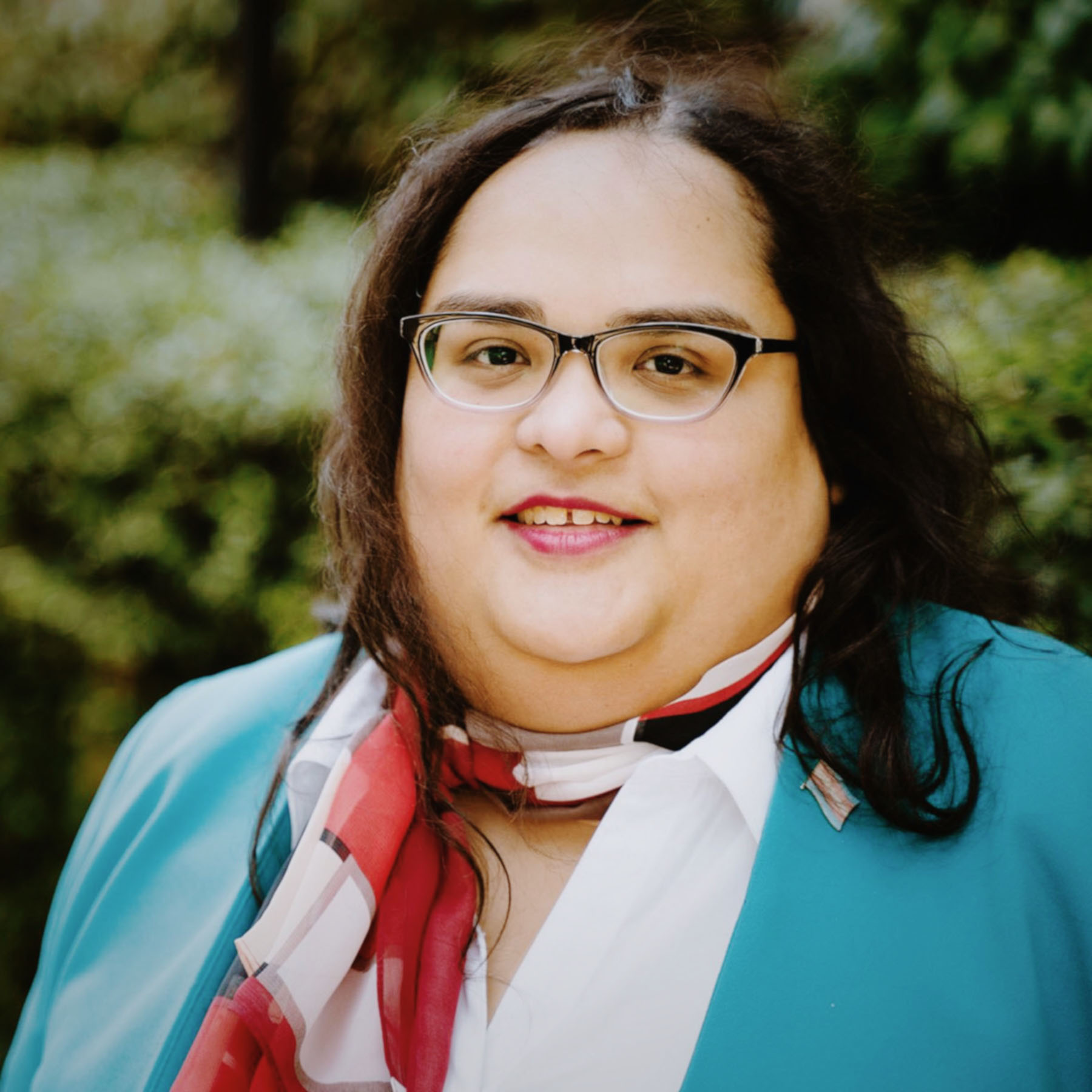
Victoria Rodrรญguez-Roldรกn, 35, is an autistic trans woman from Puerto Rico. She now lives in Baltimore and is serving as Marylandโ€™s state coordinator for autism strategy

Victoria Rodriฬguez-Roldaฬn
(Courtesy of Victoria Rodriฬguez-Roldaฬn)

โ€œFor me, autistic joy is what brings you joy in your fullest autistic self, without fear of being mocked or ridiculed,โ€ she said. According to Rodrรญguez-Roldรกn, joy is not only pleasurable, but necessary in dark times. 

โ€œYou have to be proud of yourself and who you are, despite being told by people in power not to be,โ€ she said. 

Rodrรญguez-Roldรกn loves video games, but she finds the most joy in her relationship with her wife, Meah Berry. They got married in 2016 in a small, private ceremony officiated by a close friend. 

โ€œJoy is in the day-to-day. People think that it’s tied to life events โ€”  the day you graduate from college or the day of your wedding or the day you start a new job. But it’s not. Itโ€™s what gets you out of bed every day and you’re thinking, gee it would be nice to do that again today.โ€

More Science!

Bright future for medicines and farming after fluorine discovery

July 30, 2024 Ellen Phiddian

US researchers have figured out an environmentally friendly way to mix fluorine into carbon molecules using enzymes and light.

The discovery illuminates a path for safer and more ecologically sound materials, particularly pharmaceuticals and agricultural chemicals.

โ€œThis work could pave the way for new, greener technologies in chemical production,โ€ says senior researcher Professor Huimin Zhao, from the University of Illinois at Urbana-Champaign.

The discovery is published in Science.

Fluorine atoms can be very powerful additions to bioactive materials. They can make medicines easier to absorb, more stable in biological systems, and better at interacting with other proteins. About 20% of pharmaceuticals on the market contain fluorine.

But these organic (carbon-containing) molecules all typically need a bond between a fluorine atom and a carbon atom to work.

This bond is rare in nature, and difficult to make in a lab. At the moment, most fluorine-containing substances are made using super-toxic hydrogen fluoride, which can be fatal with just a small splash to the skin.

This has spurred chemists to hunt for other ways to fluorinate molecules.

In this research, the scientists used a protein that responds to light, called a photoenzyme.

Using this enzyme, they were able to add fluorine to a class of molecules called olefins. These carbon-containing molecules are widely used as a feedstock in the chemical industry, because theyโ€™re easy to turn into a range of other molecules.

The reaction is also โ€œstereoselectiveโ€: it can differentiate between molecules that are chemically identical, but optically different. This is a difficult property to achieve in a lab, but crucial to the pharmaceutical and agricultural market because biological organisms can react differently to optically different molecules.

Two people smiling in lab
Maolin Li (seated) and Huimin Zhao in the lab. Credit: Center for Advanced Bioenergy and Bioproducts Innovation (CABBI)

โ€œOur research opens up fascinating possibilities for the future of pharmaceutical and agrochemical development,โ€ says Dr Maolin Li, a postdoctoral researcher at the University of Illinois at Urbana-Champaign.

โ€œBy integrating fluorine into organic molecules through a photoenzymatic process, we are not only enhancing the beneficial properties of these compounds but also doing so in a manner thatโ€™s more environmentally responsible.

โ€œItโ€™s thrilling to think about the potential applications of our work in creating more effective and sustainable products for everyday use.โ€

https://cosmosmagazine.com/science/chemistry/fluorine-addition-pharmaceuticals/

“Remarks to Women for Harris National Organizing Call

“Bad night for mascara, great night for democracy.”

Charlotte Clymer Jul 30, 2024

Last night, I was honored and delighted to join a phenomenal group of brilliant leaders and hundreds of thousands of women across the country in support of the Vice President on the first Women for Harris National Organizing Call.

You can watch the organizing call in its entirety right here, and I strongly recommend doing so.

Speakers included Women for Harris Director Rhonda Foxx, Sen. Laphonza Butler, Chelsea Clinton, Min Jin Lee, Yvette Nicole Brown, Shannon Watts, Ai-Jen Poo, Glynda Carr, and so many more.

I honestly did not expect to cry so much, but when Ms. Lee began telling her story and teared up, I completely lost it. By the time Ms. Clinton reminded us all of the history of women seeking the White House, I was a mess.

It was a bad night for mascara and a great night for democracy.

Below are my remarks:

Good evening!

My name is Charlotte Clymer, my pronouns are she/her, Iโ€™m a writer and activist, and I am so excited to be part of this historic gathering of women across the country.

Now, look, Iโ€™m not gonna repeat to yโ€™all what the brilliant and eloquent women who spoke before me stated, nor do I have the eloquence and brilliance of the women who will speak over the remainder of this evening.

Iโ€™m just gonna tell yโ€™all a quick story about why I proudly support Vice President Harris.

I am a proud American, a proud Texan, a proud military veteran, a proud trans woman, and a proud Democrat.

And I have found that there a lot of folks, including Donald Trump and J.D. Vance, who want to place me in a specific box.

They say Iโ€™m too queer to be a proud military veteran.

They say a trans woman like me canโ€™t be a Christian and a strong person of faith as I am.

They say women like me donโ€™t belong in America.

Well, hereโ€™s what I have to say to that: thank goodness our leader, Vice President Harris, has common sense and believes no American, no human being, belongs in a box.

A little over four years ago, a number of rightwing extremists took a picture of me from a public event and attempted to harass me online. They wanted me to be ashamed of how I look as a trans woman.

Now, just like the women I admireโ€”women like my grandmother, women like Congresswoman Jasmine Crockett from my home state of Texas, women like Vice President Harrisโ€”am I going to give these sad and insecure people that kinda power over me?

No.

I donโ€™t have time for that. I love how I look. I know Iโ€™m beautiful.

So, I wrote a thread explaining that, and I offered an open hope that these sad and insecure people will someday have the kind of peace and comfort in their own skin as I have in mine.

She fights for the military veteran who comes back from war with horrific wounds. She fights for the woman turned away from life-saving abortion access. She fights for the public school teacher whoโ€™s overworked and underpaid. She fights for every child, every senior, every single American. She fights for all of us.

One of the first public figures to respond to that thread was then-Senator Kamala Harris. (emph. mine-A)

She gave me support. She gave me encouragement. She made me feel seen. And in that moment, she sent a clear message that supporting her means supporting the basic concept that all of us are worthy to be who we are authentically.

I want to be clear: there were no incentives for her here. I hadnโ€™t endorsed her. I hadnโ€™t talked with her campaign. It wasnโ€™t like she was gonna fundraise off this moment.

She did it because Vice President Harris is the kind of leader who fights for every American.

Donald Trump and J.D. Vance are gonna throw everything they got at herโ€”every cruel remark, every disgusting sexist and racist trope, every bit of vileโ€”and theyโ€™re gonna find out the hard way that it just isnโ€™t enough.

And why is that? Because we have a clear strategy here. All we have to do is follow the example of Vice President Harris. She is a leader who builds bridges, who invites tough conversations, who always embraces discomfort as a gift for growth.

If we follow her example, if we make every phone call, if we knock on every door, if we invite tough conversations with our friends and family and neighbors who are on the fence in this election, I guarantee you, on everything I hold dear, that Kamala Harris will be the 47th President of the United States.

Thank god this is our leader. Letโ€™s follow her example. Letโ€™s go win this thing.

To find out how to volunteer and elect our first woman president and save democracy from Trump and Vance and Project 2025, text WOMEN to 30330.

And donate to the historic and exciting campaign of Vice President Harris right here: https://secure.actblue.com/donate/charlotteforharris

Jenny Lawson’s Substack

I have trouble fitting in. by Jenny Lawson (thebloggess)

But you probably already know that .Read on Substack

Snippet:

And honestly, how very freeing that can beโ€ฆ

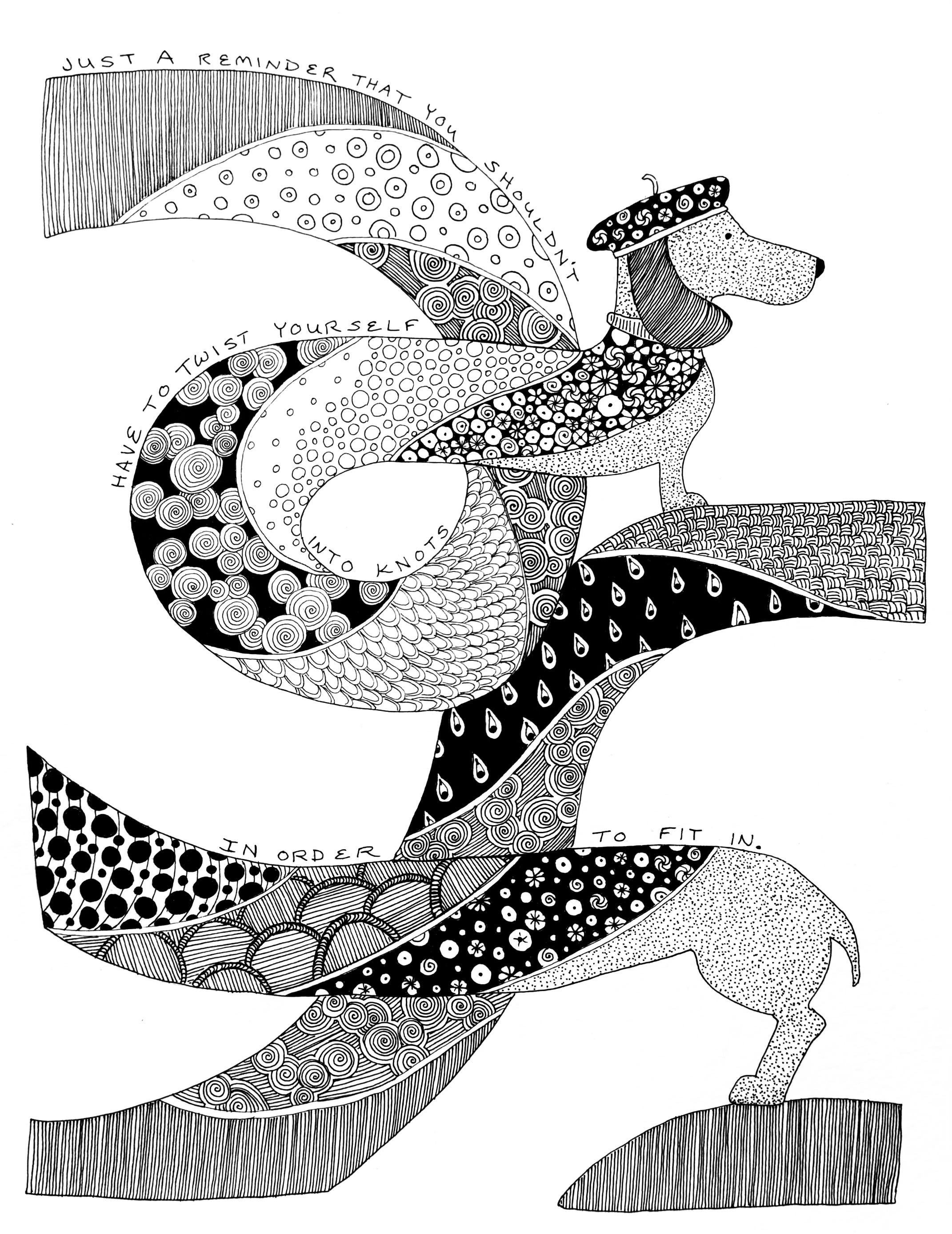
โ€œJUST A REMINDER THAT YOU SHOULDNโ€™T HAVE TO TWIST YOURSELF INTO KNOTS IN ORDER TO FIT IN.โ€

Hugs,

me

(me is Jenny.)

Extreme heat is making schools hotter โ€” and learning harder

Rising temperatures mean dehydrated, exhausted kids, and teachers who have to focus on heat safety instead of instruction.

Originally published by The 19th (Republished with their republish link)

Angela Girol has been teaching fourth grade in Pittsburgh for over two decades. Over the years sheโ€™s noticed a change at her school: It’s getting hotter. 

Some days temperatures reach 90 degrees Fahrenheit in her classroom which, like many on the East Coast, isnโ€™t air-conditioned. When it’s hot, she said, kids donโ€™t eat, or drink enough water. โ€œThey end up in the nurse’s office because they’re dizzy, they have a headache, their stomach hurts โ€” all because of heat and dehydration,โ€ she said. 

To cope with the heat, her students are now allowed to keep water on their desks, but that presents its own challenges. โ€œThey’re constantly filling up water bottles, so I have to give them breaks during the day for that. And then everyone has to go to the bathroom all the time,โ€ she said. โ€œI’m losing instruction time.โ€ 

The effect extreme heat is having on schools and child care is starting to get the attention of policymakers and researchers. Last week, the Center for American Progress, a left-leaning think tank, published a report on the issue. In April, so did the Federation of American Scientists, a nonprofit policy organization.

โ€œThe average school building in the U.S. was built nearly 50 years ago,โ€ said policy analyst Allie Schneider, co-author of the Center for American Progress report. โ€œSchools and child care centers were built in areas that maybe 30 or 15 years ago didn’t require access to air-conditioning, or at least for a good portion of the year. Now we’re seeing that becoming a more pressing concern.โ€ Students are also on campus during the hottest parts of the day. โ€œItโ€™s something that is really important not just to their physical health, but their learning outcomes,โ€ she said.  

Last April, the U.S. Environmental Protection Agency released its own report detailing some of the effects heat has on kids. It notes that children have a harder time thermo-regulating and take longer to produce sweat, making them more vulnerable than adults to heat exhaustion and heat illness. 

Kids donโ€™t necessarily listen to their bodyโ€™s cues about heat, and might need an adult to remind them to drink water or not play outside. Kevin Toolan, a sixth-grade teacher in Long Island, New York, said having to constantly monitor heat safety distracts him from being able to teach. โ€œThe mindset is shifting to safety rather than instruction,โ€ he said. โ€œThose children donโ€™t know how to handle it.โ€

To keep the classroom cool, heโ€™ll turn the lights off, but kids fall asleep. โ€œThey are lethargic,โ€ he said. 

To protect kids, schools have canceled classes because temperatures have gotten too high. Warmer temperatures also lead to more kids being absent from school, especially low-income students. And heat makes it harder to learn. One study from 2020 tracked the scores of students from schools without air-conditioning who took the PSAT exam at least twice. It found that increases in the average outdoor temperature corresponded with students making smaller gains on their retakes.

Both Toolan and Girol said that cooling options like keeping doors and windows open to promote cross ventilation are gone, thanks to the clampdowns in school security after 9/11 โ€” and worsened by the threat of school shootings. Students and teachers are trapped in their overheating classrooms. โ€œTeachers report leaving with migraines or signs of heat exhaustion,โ€ said Toolan. โ€œAt 100 degrees, it is very uncomfortable. Your clothes are stuck to you.โ€ 

The Center for American Progress report joins a call by other advocacy groups to create federal guidance that schools and child care centers could adopt โ€œto ensure that children are not forced to learn, play and exercise in dangerously hot conditions,โ€ Schneider said. Some states already have standards in place, but they vary. In California, child care facilities are required to keep temperatures between 68 and 85 degrees. In Maryland, the recommendation is between 74 and 82 degrees. A few states, like Florida, require schools to reduce outdoor activity on high-heat days. Schneider says federal guidance would help all school districts use the latest scientific evidence to set protective standards. 

In June, 23 health and education advocacy organizations signed a letter making a similar request of the Department of Education, asking for better guidance and coordination to protect kids. Some of their recommendations included publishing a plan that schools could adopt for dealing with high temperatures; encouraging states to direct more resources to providing air-conditioning in schools; and providing school districts with information on heat hazards.

โ€œWe know that school infrastructure is being overwhelmed by extreme heat, and that without a better system to advise schools on the types of practices they should be implementing, it’s going to be a little bit of the Wild West of actions being taken,โ€ said Grace Wickerson, health equity policy manager at the Federation of American Scientists. 

A longer term solution is upgrading school infrastructure but the need for air conditioning is overwhelming. According to the Center for American Progress report, 36,000 schools nationwide donโ€™t have adequate HVAC systems. By 2025, it estimates that installing or upgrading HVAC or other cooling systems will cost around $4.4 billion. 

Some state or local governments are trying to address the heat issue. In June, the New York State Legislature passed a bill now awaiting the governorโ€™s signature that would require school staff to take measures like closing blinds or turning off lights when temperatures reach 82 degrees inside a classroom. At 88 degrees, classes would be canceled. A bill introduced last year and currently before Californiaโ€™s state assembly would require schools to create extreme heat action plans that could include mandating hydration and rest breaks or moving recess to cooler parts of the day. 

Some teachers have been galvanized to take action, too. As president of the Patchogue-Medford Congress of Teachers, Toolan was part of an effort to secure $80 million for infrastructure upgrades through a bond vote. Over half will go to HVAC systems for some 500 schools in his district.

And Girol is running for a state representative seat in Pennsylvania, where a main plank in her platform is to fully fund public schools in order to pay for things like air-conditioning. She was recently endorsed by the Climate Cabinet, a federal political action committee. โ€œPart of the reason climate is so important to me is because of this issue,โ€ she said. โ€œI see how it’s negatively affecting my students.โ€

Private schools, libraries sue Idaho for law restricting โ€˜harmfulโ€™ materials

Idaho’s recently enacted bill encourages parents and children to bring legal action against schools and libraries that refuse to move certain material into “adult only” sections.

ย / July 25, 2024

How Americaโ€™s Sex Educationโ€”and Oversexed Cultureโ€”Continues to Fail Women

Natalie Lampert on Moving the Conversation About Controlling Womenโ€™s Bodies Beyond Abortion

By Natalie Lampert


July 19, 2024

“The #GenderEqualOlympics Are Historic โ€” But The Games Arenโ€™t Close To Fair”

SYDNEY LONEY LAST UPDATEDย JULY 24, 2024,ย 9:30 AM

Medals arenโ€™t the only thing that matters at Paris 2024. With Personal Best, weโ€™re going beyond the scoreboards to champion the game changers and spark conversations about what it takes to make competitive sport truly fair play.

Trigger warning: This article references disordered eating.

After a three-hour ride to a lake outside the Olympic Village, teams of rowers from around the world stepped off their buses, in need of a bathroom break before they took to the water to train. The Korean womenโ€™s team was first in line for the porta-potties โ€” until athletes from another countryโ€™s menโ€™s team cut in front of them. 

โ€œIt was as though the women werenโ€™t even there,โ€ recalls former rower and Olympian Angela Schneider, who went on to win silver for Canada at those games, and is now director of the International Centre for Olympic Studies at Western University in London, Ont., Canada. โ€œI was so angry. A group of us female athletes tried to knock over the porta-potty with the first guy in it. We werenโ€™t successful, but we gave it a good shake.โ€

This was back at the 1984 Summer Olympics in Los Angeles. Forty years later, women arenโ€™t so easily ignored in the sporting world. Attitudes have changed since the โ€™80s, when only 23% of athletes competing in LA were women, and rowing was considered a menโ€™s sport (โ€œPeople used to call us โ€˜sir,โ€™โ€ Schneider recalls). In fact, the Paris 2024 Games will make history as the very first โ€œgender-equalโ€ Olympics: Out of the 10,500 athletes competing, there will be an even split between men and women.

The IOC seemed pretty pleased with itself back in March when it announced (just ahead of International Womenโ€™s Day, of course) this โ€œmonumental achievement,โ€ dubbing Paris the #GenderEqualOlympics. โ€œWe are about to celebrate one of the most important moments in the history of women at the Olympic Games, and in sport overall,โ€ IOC president Thomas Bach proclaimed. (An Olympics logo designed for the milestone โ€” featuring a stereotypically feminine face, lipstick included โ€” has riled the internet, with widespread memes that it would better suit a dating app.)

โ€œThe IOC is pretty good at tooting its own horn, and at every games we see a version of this celebration of gender equality. Itโ€™s not new. DUNJA ANTUNOVIC, ASSISTANT PROFESSOR OF SPORT SOCIOLOGYโ€

But even though this yearโ€™s even split of men and women athletes marks progress, thereโ€™s still a lot of โ€œporta-potty shakingโ€ left to do. Tokyo 2020 was also celebrated for its 48% (almost) gender parity. Now, four years later, all we have to show for progress is another 2%. Itโ€™s kind of hard to get excited about a hashtag when weโ€™ve heard it all before.(snip)

Inclusive language is one thing; inclusion itself is another. Another strategy the IOC has used to address gender inequality at the games has been to boost womenโ€™s participation by increasing the number of mixed-gender sports, like triathlon, and adding sports that historically excluded women, particularly combat sports. For instance, womenโ€™s boxing (finally) debuted in 2012 โ€” and, as a result, 20-year-old Alyssa Mendoza from Caldwell, ID, will be taking her shot at an Olympic medal in Paris for Team USA. 

โ€œI think that sometimes the hard work that women boxers do gets discredited, and so Iโ€™m really glad we have this platform where we can show our skills,โ€ says Mendoza. Even so, she still gets the occasional โ€œOh, youโ€™re a female boxer? Youโ€™re going to mess up your pretty face!โ€ comment, but she uses those moments to clear up misconceptions. โ€œBoxing isnโ€™t like a Rocky movie,โ€ she says. โ€œItโ€™s not bloody and gory and dangerous. Itโ€™s a beautiful sport.โ€

Beyond stereotypes around certain disciplines, the inherently gendered nature of most elite sports โ€” that is, women and men competing separately โ€” means that athletes who donโ€™t fit neatly into the binary face barriers to participation. The IOC allows individual sports governing bodies to set their own policies for trans athletes, for example, and at least 10 Olympic sports, including cycling, rugby, and rowing, restrict trans athletes from competing. In 2021, the IOC announced a framework laying out its principles for athlete inclusion and non-discrimination, including its stance that athletes should be allowed to compete in the category that aligns with their self-determined gender identity. But the framework is non-binding, so how much real progress weโ€™ll see remains an open question.

The world of sport is rife with gender bias, regardless of which gender you happen to identify with. Paris 2024 will be the first year that menโ€™s teams are eligible to compete in artistic swimming (formerly called synchronized swimming), for instance. Athlete Megumi Field has chatted with her team about how cool it is to be competing in a so-called gender-equal Olympics, but is quick to flag the derision that the men she trains with have faced. โ€œThis is not just a โ€˜girlโ€™sโ€™ sport,โ€ she says. โ€œFor us, gender equity conversations are also around the importance of including men.โ€

Although 28 out of 32 sports will be fully gender-equal in Paris, many disciplines are still characterized as โ€œmenโ€™s sports,โ€ and there are lingering discrepancies based on the age-old belief that women are the weaker sex. (snip)

Yes, gender parity in Paris is a sign of progress. But weโ€™re still far from the finish line in the race to full equality, both at the games and in the larger world of sport. Only then can we truly embrace #GenderEqualOlympics โ€” letโ€™s just hope it doesnโ€™t take us another 40 years to get there.

If you are struggling with an eating disorder and are in need of support, please call the National Eating Disorders Association Helpline at 1-800-931-2237. For a 24-hour crisis line, text โ€œNEDAโ€ to 741741. 

https://www.refinery29.com/en-us/2024/07/11750016/paris-olympics-2024-gender-equal

Dems, Non-Trumpers: Going on Offense in Pushing Back Against Trumpโ€™s Lies and Missteps

I have followed Gronda for a long time, before she took her long break.ย  But she is back and her writtings while in debth and a bit long are so very interesting and well researched that they are more than worth the time to read.ย  I love them.ย  I hope everyone here will.ย  Hugs.ย  Scottie

Vance Called For Federal Ban On Travel For Abortions

ย 

โ€œLetโ€™s sayย Roe vs. Wadeย is overruled, Ohio bans abortion, you know, in 2022, letโ€™s say 2024, and then every day George Soros sends a 747 to Columbus to load up disproportionately black women to get them to go have abortions in California.

โ€œOf course, the left will celebrate this as a victory for diversity. Thatโ€™s kind of creepy, right? If that happens, do you need some federal response to prevent it from happening because itโ€™s really creepy?

โ€œAnd, you know, Iโ€™m pretty sympathetic to that, actually.โ€ โ€“ J.D. Vance, appearing on the podcast of far-right activist Aimee Terese during his 2022 campaign for the US Senate.