Hasan Piker’s response to Bibi Netanyahu’s speech to the UN, where he whines about how badly Israel has been treated and what a huge threat Piker is. This beautiful response lists the abuses that Bibi / Israel has abused, stolen from, and committed genocide against the Palestinians.
Men who rape animals want to be in law enforcement? That tracks.
If you were somehow the ‘victim’ of bestiality, you would not have been charged with it. The issue is allowing FBI agents with a charge of bestiality in their records, which means they would not have been the “victims”.
Elect Republicans, get pedophiles and guys like Kash Patel who are tremendous losers.
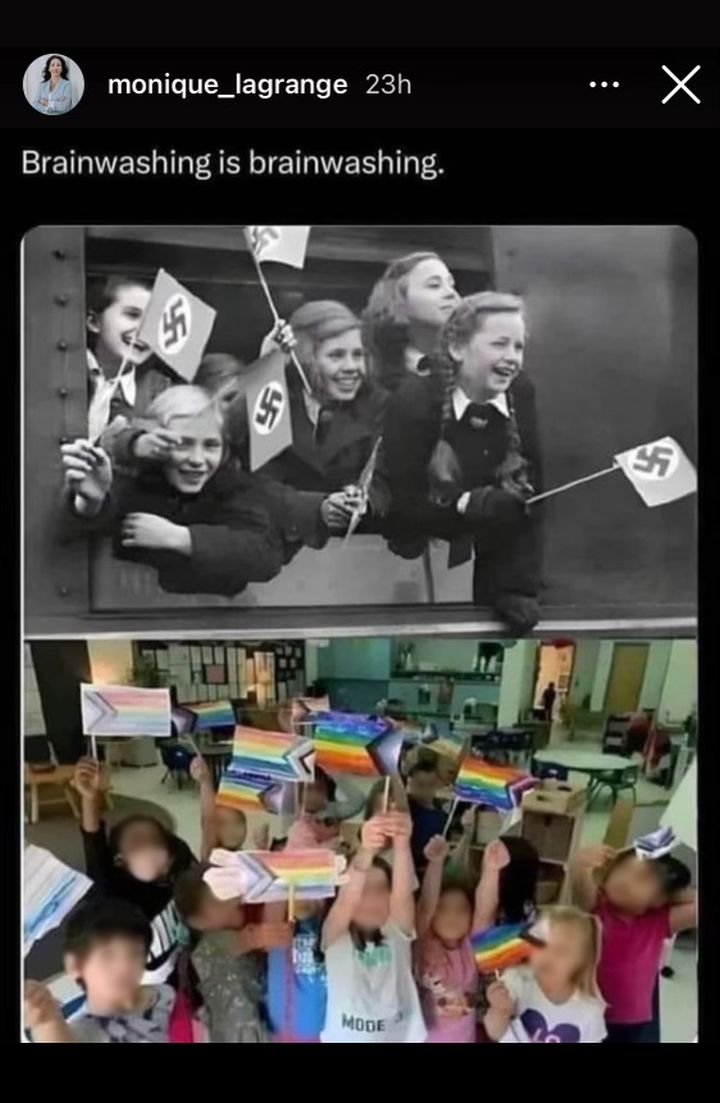
Just how hateful a misinformed Christian do you need to be to equate Nazism to LGBTQ+ pride? One aggressively harmed others and ostracized entire groups from society, eventually imprisoning and killing them. LGBTQ+ pride flags, festables, and exisitance don’t harm anyone nor force anyone to live a LGBTQ+ lifestyle or be LGBTQ+. I cannot imagine the bigotry and being that unquestioningly misinformed. It stuns me how these bigots especally those claiming to be Christians following the Jesus Christ of the bible feel free to try to force everyone to live by their church doctrines and feel they have the right to tell others how they must live including who they can love and how they can pratice sex. HugsP
“The offensive aspect of her conduct was not her personal beliefs about homosexuality or what she calls ‘gender ideology,’ but rather her choice to use her social media platform to ostensibly equate support for gender and sexual diversity with Nazism.”
Red Deer Catholic school trustee Monique LaGrange at a meeting on Monday, September 25, 2023. Global News
Alberta’s highest court has struck the decision by a Catholic school division requiring a trustee to publicly apologize for a social media post that compared children waving Pride flags to Nazi Germany.
The social media post, which LaGrange later deleted, featured an image of children holding Pride flags in a classroom underneath an image of children waving swastikas, with the caption “brainwashing is brainwashing.”
The board ruled the post and media interviews LaGrange did in the weeks that followed violated division policies and the province’s education law. It sanctioned LaGrange by demanding an apology, censuring her from parts of her job and requiring she undergo sensitivity training.
LaGrange unsuccessfully challenged the board’s decisions multiple times in court.
A story shared online from the account of Monique LaGrange included an old black and white photo of smiling children leaning out a window waving Nazi flags with the swastikas on them.A more modern photo directly beneath it shows young children in a classroom holding up homemade Pride rainbow flags.The caption reads: “Brainwashing is brainwashing.”. Supplied to Global News
On Wednesday, a panel of three Court of Appeal judges ruled partly in her favour, striking the ruling that she issue an apology.
The court, in a written decision, says the board mandating LaGrange be “deeply sorry” amounts to compelled speech and imposes an impossible disciplinary standard, since she doesn’t believe she was in the wrong.
LaGrange had told the board that the “Holy Spirit” told her to make the social media post. She also told court she would do it again if she had the opportunity, says Wednesday’s court decision.
It notes that another court previously ruled the board couldn’t require an apology from LaGrange be “sincere,” since it amounted to compelled speech. The Appeal Court says it struck the entire apology requirement for the same reason.
It cited a number of past rulings about forced apologies, including one that determined they’re “likely to be regarded primarily as a form of unjust humiliation and not necessarily as a vindication of what is right.”
The court dismissed other aspects of LaGrange’s appeal, including her attempts to have the board’s decisions quashed for being unfair or unreasonable.
It also dismissed an argument by LaGrange’s lawyer that the board didn’t properly take Roman Catholic values into consideration.
The court says whether LaGrange’s post represented those values is irrelevant and subject to “considerable disagreement,” because her actions violated board rules.
“Ms. LaGrange was not sanctioned for her religious beliefs – she was sanctioned for engaging in conduct contrary to the behavioural standards set out in the (board’s) code of conduct,” says the decision.
“The offensive aspect of her conduct was not her personal beliefs about homosexuality or what she calls ‘gender ideology,’ but rather her choice to use her social media platform to ostensibly equate support for gender and sexual diversity with Nazism.”
James Kitchen, LaGrange’s lawyer, said in an email that they’re pleased with the decision striking the apology sanction. ”Especially since this has practical utility for other trustees and councillors encountering compelled apologies from their respective boards and councils,” he said. ”It is good to see that the Court of Appeal at least got that right.”
The school division didn’t immediately respond to a request for comment.
LaGrange ran for municipal council in Red Deer County last year but was defeated.

































































































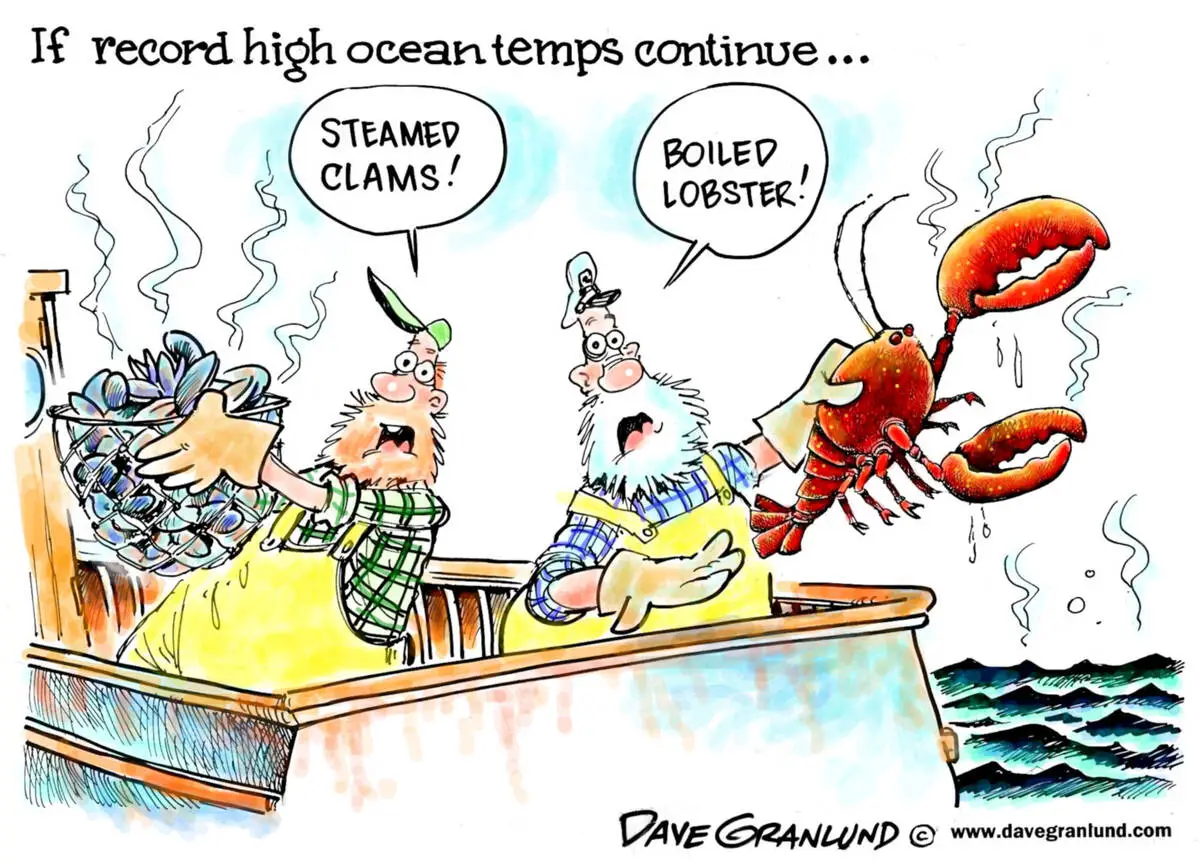





 Tupac did this with me every morning. Hugs








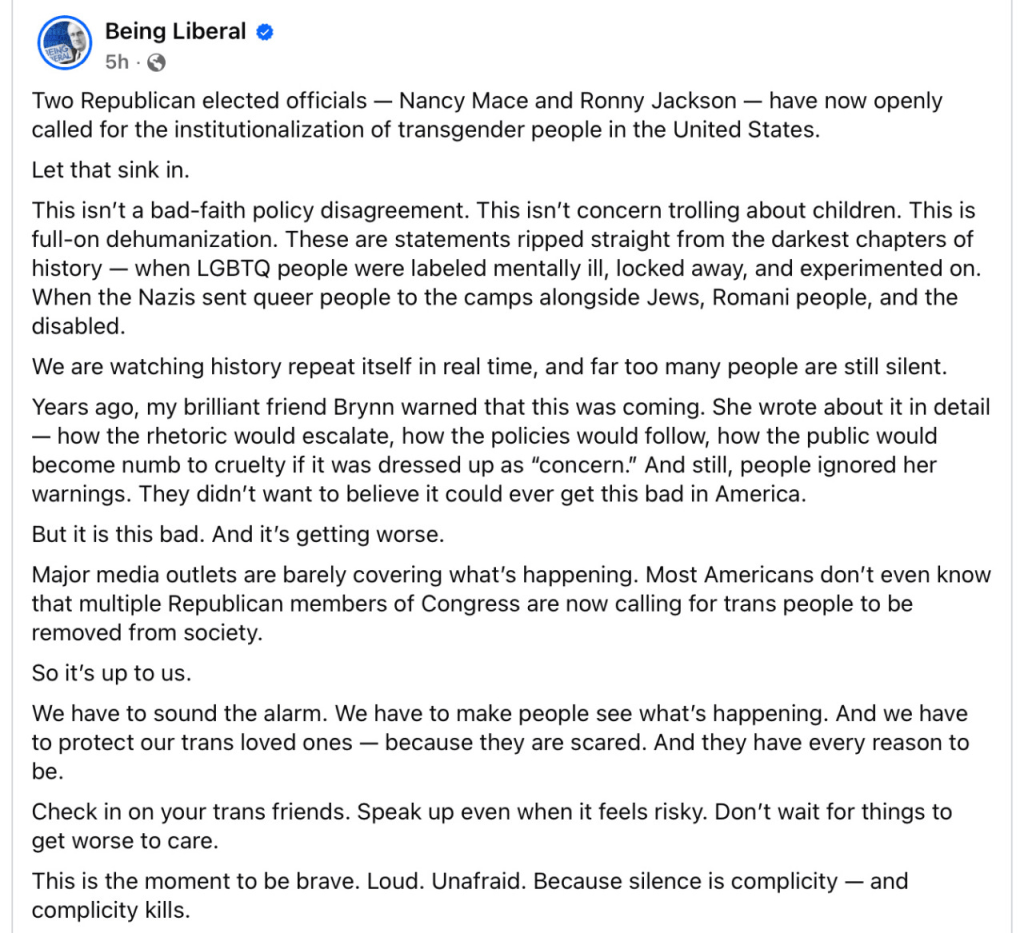
































The issue erupted in the summer of 2023 and led Monique LaGrange to resign from the board of Red Deer Catholic Regional Schools after fellow board members voted to disqualify her.