April 6, 1712 The first major slave rebellion in the North American British colonies took place in New York City. One out of every five New Yorkers was enslaved at the time. Twenty-three black slaves set fire to buildings, killed six white British subjects and wounded six others. More on the rebellion and its aftermath Slavery in New York
April 6, 1909 Robert Peary, his negro servant, Matthew Henson, and four Eskimos reached the geographic North Pole for the first time. Matthew Peary at the White House, 1954 Stamp issued 2005 Though Henson was alongside Peary, widely hailed as a courageous explorer, during that and subsequent Arctic expeditions, Henson achieved little notice until much later in life. Article about the unsung hero of the polar expedition
April 6, 1968 Dozens of major cities in the United States experienced an escalation of rioting in reaction to the assassination of Martin Luther King, Jr. two days before. At least 19 people had already died in the arson, looting and shootings. Several hundred had also been injured and about 3,000 arrested—most of those in Washington, D.C.
April 6, 1968 Bobby Hutton, the 17-year-old first member of the Black Panther Party was gunned down by officers of the Oakland Police Department. Police opened fire on a car of Black Panthers returning from a meeting. The Panthers escaped their vehicle and ran into a house. Police attacked the house with tear gas and gunfire. After the building was on fire, the Panthers tried to surrender. Hutton came out of the house with his hands in the air. Bobby Hutton But a police officer shouted, “He’s got a gun.” This prompted further police gunfire that left Hutton dead and Panthers co-founder Eldridge Cleaver wounded. Police later admitted that Hutton was unarmed. More about Bobby Hutton
April 6, 1983 President Ronald Reagan’s interior secretary, James Watt, banned all rock ‘n’ roll groups from the Fourth of July celebration on the Washington Mall.The bands scheduled to play included the Beach Boys, generally considered very wholesome. But Watt said such acts attracted the “wrong element.” ”We’re not going to encourage drug abuse and alcoholism as was done in the past.” The president’s wife, a fan, complained directly to Secretary Watt, but he claimed never to have heard of the band.
April 6, 1996 Eleven were arrested at the main post office near Capitol Hill in Washington, D.C., for attempting to mail medical supplies to Iraq in defiance of the U.S.-led embargo. Between 1990 and 1995 with the first Gulf War and the sanctions regime imposed by the U.S., its coalition and the U.N., infant and under-5 mortality rates in Iraq had more than doubled. More about Voices in the Wilderness
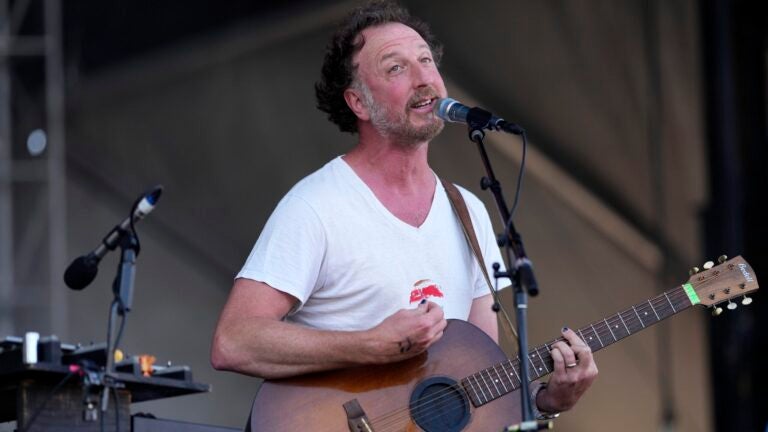
Guster welcomed the cast of the children’s musical “Finn” to the Kennedy Center over the weekend after the center’s Trump-appointed board canceled its national tour.
Guster shared the Kennedy Center stage with the cast of children’s musical “Finn” on Saturday, March 29. Charles Sykes/Invision/AP
After opening at the Kennedy Center to strong reviews in November and December 2024, the Kennedy Center-commissioned musical was supposed to begin a national tour this year. “Finn” — about a young shark who “wants to let out his inner fish” — was co-created by Chris Nee, the openly gay creator of the popular children’s TV show “Doc McStuffins.”
But after President Donald Trump took over as chairman of the arts institute in February — firing its board of trustees and installing allies including White House Deputy Chief of Staff Dan Scavino and Fox News hosts Laura Ingraham and Maria Bartiromo in their place — the planned national tour for “Finn” was canceled.
“We will soon announce a new Board, with an amazing Chairman, DONALD J. TRUMP!” Trump wrote on Truth Social in February. “Just last year, the Kennedy Center featured Drag Shows specifically targeting our youth — THIS WILL STOP.”
According to Deadline, the new regime at the Kennedy Center cited financial considerations when canceling the musical’s planned tour, but “the musical’s theme of tolerance and acceptance – the young gray shark named Finn ultimately decides to let out his ‘inner fish’ by adopting a vibrantly colored and glittery new appearance – has been widely interpreted as at least a contributing factor in the tour’s axing.”
During Friday evening’s show, Guster brought the cast of “Finn” on stage to accompany the band on its song “Hard Times.”
Guster lead singer Ryan Miller addressed the audience before bringing the cast on stage, talking about his friendship with “Finn” co-creator Michael Kooman.
“As the new administration has made abundantly clear, ‘Finn’’s themes of inclusivity, love, and self-acceptance aren’t going to be welcome in this building while they are in control,” Miller said. “Tonight our band is here to say our stage is your stage. We are your allies, we stand with the LGBTQ community, and we want you to sing with us.
“Please welcome the cast of ‘Finn’ and composer Michael Kooman,” Miller concluded. “They belong here.”
In a Facebook post on Monday, the band wrote that it left the Kennedy Center “imbued with energy, purpose, and righteousness.”
“Reflecting on the weekend and feeling so grateful for our fans,” the band wrote. “Many of you were hesitant to enter the charged atmosphere at the Kennedy Center but trusted us to navigate these shows with purpose and showed up as your fullest most spirited selves.”
“I think all of us, and it’s like 5000 of us over the weekend, left that venue feeling the power of music to heal and refresh,” the post continued. “And the power of community to overcome. (snip unembeddable Facebook post)
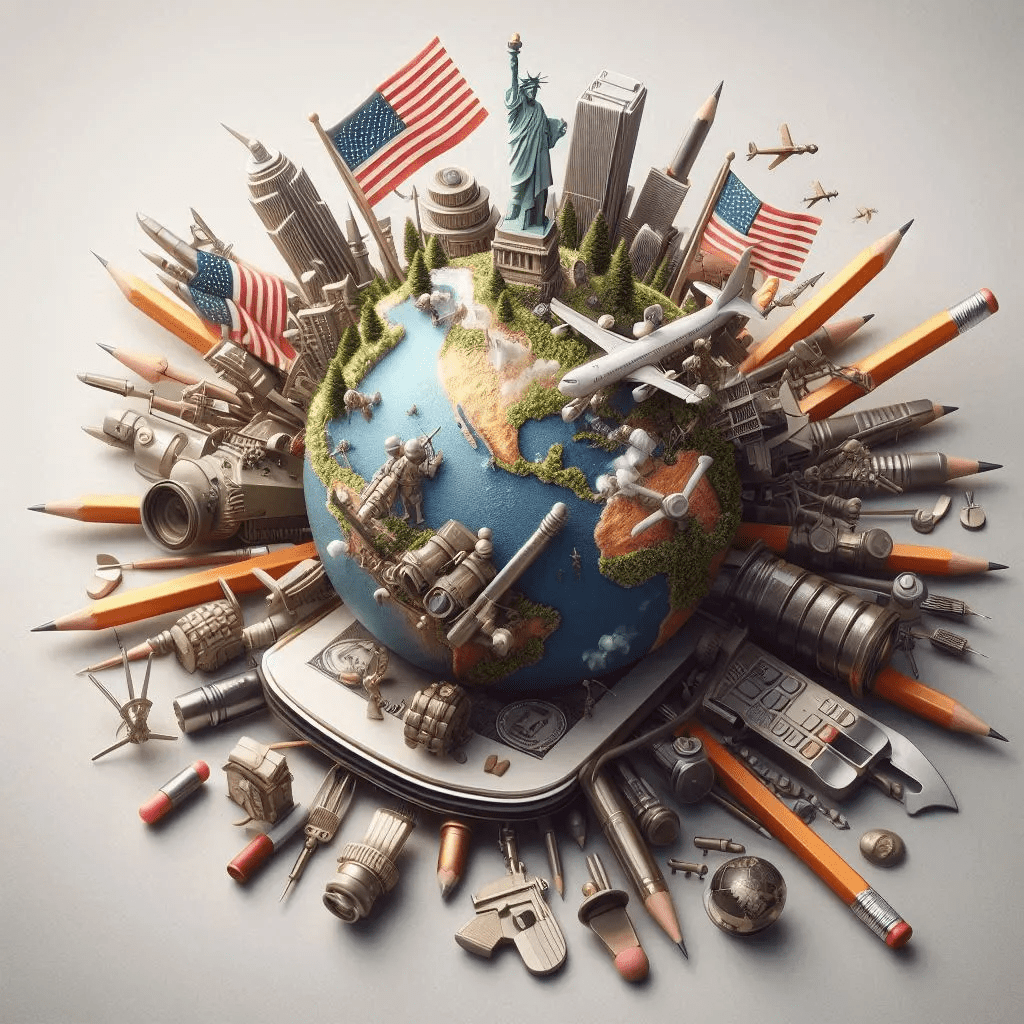
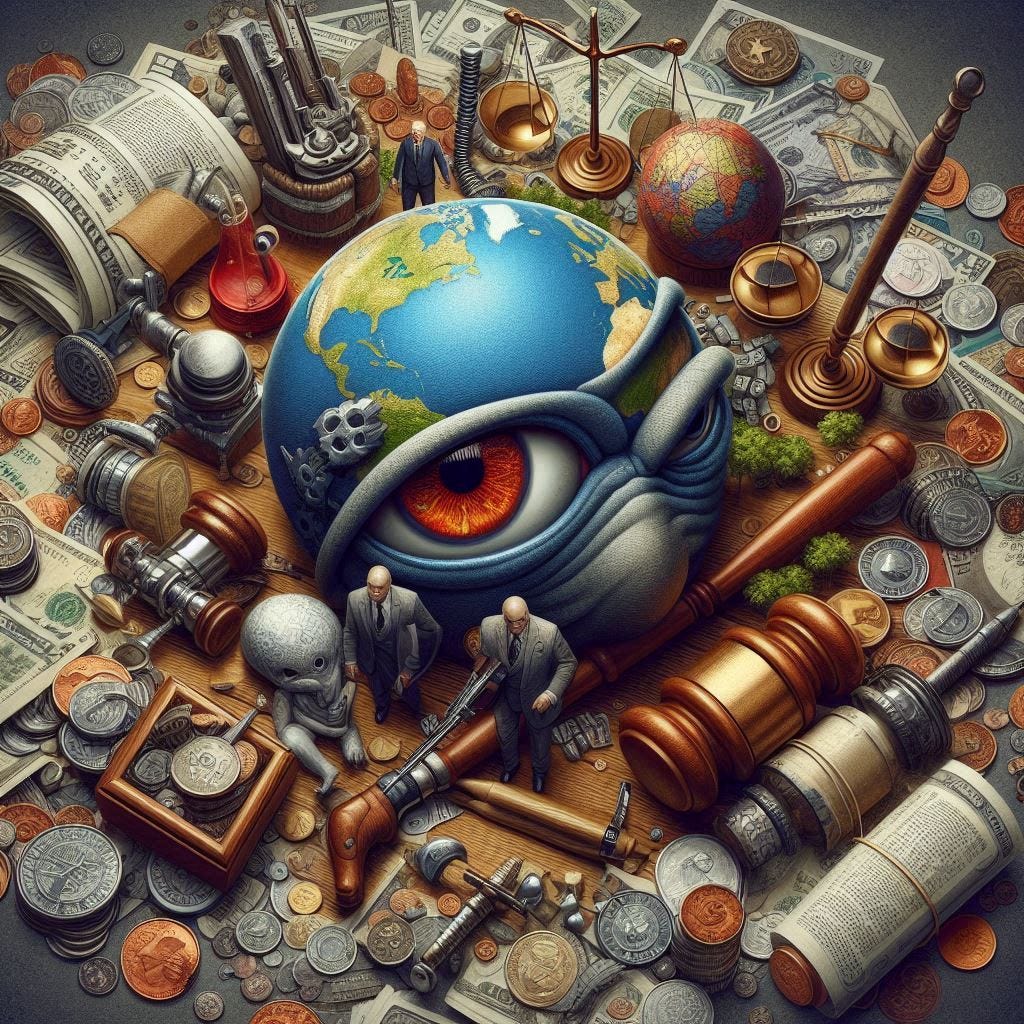
In the shadow of Wednesday, April 3rd, 2025 circum 4 p.m. EST, the idea of liberation unfolds with all its complexities, its light and its shadow. The declaration, bold and unyielding, seeks to redefine the pillars on which trade and economic power rest, claiming to usher in an era of self-reliance and prosperity. Yet, as with all acts of change, the effects are far-reaching, unpredictable, and deeply personal.
From the bustling markets of India to the quiet farmlands of Iowa, the world absorbs the shockwaves of an economic strategy that promises protection but risks isolation. In homes and factories, the air is thick with speculation—what will these tariffs bring? A renaissance of domestic manufacturing or a tightening of belts for families already stretched thin?
Global markets shift like tectonic plates beneath the surface, each country recalibrating its position in this delicate dance. Some see an opportunity to assert their own independence, while others grapple with the economic turbulence caused by disruption. The landscape becomes a chessboard, nations maneuvering for advantage, each move echoing through the corridors of diplomacy and trade.
And amidst this vast interplay of economies and geopolitics stands the human spirit. For the individuals whose lives are touched by these decisions, liberation is not just a political or economic act—it is deeply personal. It is the parent deciding how to stretch a paycheck further in the face of rising costs. It is the worker who watches as their factory doors reopen, bringing hope to their community. It is the farmer who wonders if their crop will find a buyer in a world now reshaped by tariffs.
Liberation, then, becomes a question of perspective. For some, it is a moment of pride, an assertion of independence in a globalized world. For others, it is a reminder of vulnerability, the realization that no nation or individual exists in isolation. It is the tension between self-sufficiency and interdependence, between the desire for control and the inevitability of connection.
As the world moves forward from this day of declaration, the real measure of “Liberation Day” will not be found in the speeches or the headlines—it will be in the lives it changes, the challenges it creates, and the resilience it inspires. For in the end, liberation is not just the act of breaking free—it is the courage to forge a path in the uncharted territories that freedom brings. However, as a Canadian, my speak 🗣️
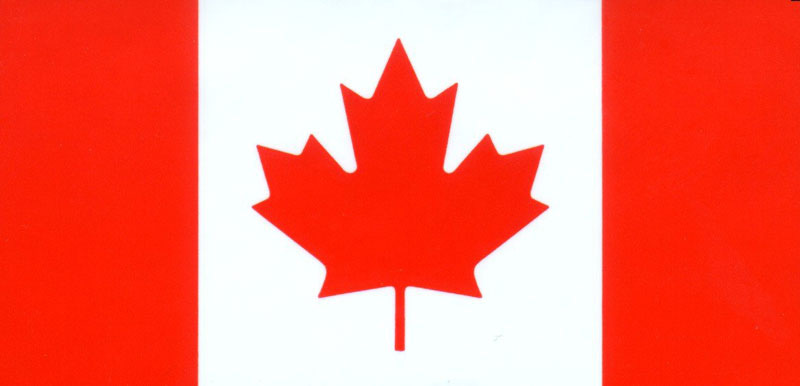
Wednesday, April 3, 2025, the sun rises not simply over land and water but over a tapestry woven with threads of commerce, diplomacy, and shared destinies. Across the expanse of North America, two neighbors—Canada and the United States—stand as towering pillars of trade, their economies entwined like the roots of ancient oaks. Their shared border, stretching like an endless promise, hums with the rhythm of industry, each heartbeat pulsing with goods and ideas that flow seamlessly between them.
But today, the pulse quickens, and the air grows dense with the weight of a proclamation. “Liberation Day,” declared boldly, aims to sever dependence, a bid for sovereignty through tariffs as high as mountain peaks. The United States, seeking refuge from the vulnerabilities of interdependence, turns inward, its gaze fixed on rekindling domestic sparks. Factories stir with newfound hope, their machines roaring with ambition, while farms stretch toward the horizon, bracing for winds of change.
Canada watches, its heart a blend of steel and shadow. From Ottawa to Alberta, the land whispers of resilience—a quiet determination to adapt and endure. Trade routes that have thrived for centuries suddenly feel fragile, threatened by the force of protectionist winds. Yet in this fragility lies the essence of ingenuity, the spark that drives nations to seek partnerships beyond familiar shores. Diversification becomes Canada’s anthem, a melody sung to the world, a testament to its strength.
Across fields and highways, rivers and rails, the individual stories unfold. In bustling Toronto, a worker questions the fate of their factory, now tethered to uncertain exports. In rural Saskatchewan, a farmer gazes at their wheat, their crop a silent plea for markets that may no longer welcome it. In Michigan, an assembly line thrums with renewed vigor, yet the workers pause, wondering how long the momentum will last. It is here, in the lives of ordinary people, that the consequences of Liberation Day resonate most deeply.
The Canada-U.S. trade relationship—a partnership that has weathered storms and celebrated triumphs—now stands at a crossroads. It is a reflection of the paradox of liberation: to free oneself from dependency is to risk isolation; to assert sovereignty is to acknowledge vulnerability. Yet, amid the challenges, hope persists. It whispers through the rustle of maple leaves and echoes across the Rockies, a reminder that change, though disruptive, breeds possibility.
As the sun will set, painting the sky in hues of amber and ash, the world holds its breath. Liberation is not a moment—it is a journey, one of adaptation and resilience, of finding strength in the struggle and light in the uncertainty. Canada and the United States, like two dancers navigating a shifting melody, move forward—not as rivals but as partners, bound by history, trade, and the human spirit that seeks meaning even in the face of transformation. Is it long live freedom?
April 3, 1958 10,000 British joined a rally in advance of a three-day, fifty-mile peace march from Trafalgar Square, London, to Aldermaston, Berkshire. Berkshire was the site of the AWRE (Atomic Weapons Research Establishment). This march marked the beginning of many protests against Britain’s development of nuclear weaponry. Thousands made the march along the same route for many years. Some 10,000 people joined the 1958 rally. David and Renee Gill at the first Altermaston march 1958 and at the April 2004 march…still protesting fornuclear disarmament. Their story
April 3, 1963 Black residents of Birmingham, Alabama, sat in at several lunch counters seeking to be served as customers. It was part of “Project C” (for Confrontation) on “B Day” (for Birmingham) organized by Reverends Fred Shuttlesworth of the Alabama Christian Movement for Human Rights and Martin Luther King, Jr. of the Southern Christian Leadership Conference (SCLC). They issued a Birmingham Manifesto: “. . . the patience of an oppressed people cannot endure forever.”
April 3, 1968 The Reverend Martin Luther King, Jr. delivered his “I’ve been to the mountaintop” speech in Memphis, Tennessee. King was there to support sanitation workers striking to protest low wages and poor working conditions. “. . . I’ve seen the Promised Land. I may not get there with you. But I want you to know tonight, that we, as a people, will get to the promised land!And so I’m happy, tonight. I’m not worried about anything. I’m not fearing any man! Mine eyes have seen the glory of the coming of the Lord!” King was assassinated the next day. Read the speech …or listen Watch an excerpt of his final and prophetic speech
Hi everyone. I did this video around 11:50 AM this morning. It took about as long as it is to record, give or take the sudden breaking of the video by the program. I do have to change that setting. Then I had to merge the two videos something I have become really good at, and because I am not adding stuff at that point I can save and “export it” Ok if I was willing to give Cyberlink access to all my YouTube channel then the video would automatically upload to my YouTube to my channel. Instead because I don’t agree to give Cyberlink the rights to everything I post and watch, I prefer to make my own video of the original file. That took more time. About 40 minutes maybe less.
What took almost another 40 minutes is the settings I used to put my HD filmed videos to YouTube in HD on YouTube had now disappeared. Now my program only allowed me to load it up as either 400 something P or 2K. WTF!
What took all the time was I started uploading it and after it was nearly 17% I had to change VPN spots, and the entire upload stopped. I waited an hour and it did not restart. I then closed everything, restarted, reset the VPN and came pack up. But each place I tried with or without the VPN. The speeds were dirt slow. So I again closed everything, this time I shut the modem and the router down. Then I restarted it all again.
So now before I tried to upload the video to YouTube I checked speeds … not for downloads but upload speeds. I found one that was 10 MPS and stayed with it. It was the highest I had. I clicked upload on the video again. Nearly 3 hours. Oh I could do that it as midday but I had the time … except I did not.
Ron and I had taken out a couple bags that were to be wings and drumsticks to fry for supper. Yet the one bag had one drumstick and the other bag had two and all the rest were wings. Ok, but the instructions were only to bake, not fry. So we had to find our own way. I tried a batch at 3:30 minutes and Ron said they were cooked. I tried a batch at 3 minutes but he did not like the skin on them. He wanted the skins crispy. So I did the rest at 3:30 and cooked the fries while he ate his fill. Then he noticed I had not eaten yet, so said he would take over as I had already cooked the wings and there was only one more hopper of fries to do. I had a few wings too tired to really eat, and then he told me he tried a few back in the fryer longer but it did not crisp the skin any. I could have told him that. But OK. So then I went back and finished my video at well after 7 pm. I am so tired having gotten up at 3 am, and trying to nap during the day but only laying there resting. So here is the video, I hope you enjoy. I will be going to bed. At this rate of uploading I will need to make the videos two days before they get posted. Hugs
I talk about a recent event with Ron’s memory. I also talk a lot about doogie (my name for Musk’s actions in the US government) Where is the money they claim to have saved as it has already been put in those agencies budgets. Hugs
More fun with book covers-everybody welcome! No April Fools, simply foolery in April.
(P.S.: I have an ad blocker. If there is an orange box when you read this, just click on “I’ll fix it later.” My ad blocker won’t make that box show on your computer when you open the SBTB page to see all the covers and read all the snark, but your ad blocker might. Go ahead! Enjoy.)
When wind bent dandelions in puffy winglets, & wisdom did raise her voice & not say weed&
when the toad did raise its spikes at the same time as federal codes & the try-to-be-perfect raised its voice?
Did the clang of copper collectors & the too-many lawns begin in Arizona
while peel-paint steeples rose over dirt for the prism of progress,
minerals torn from mines with no mouths but you had a mouth & sang early?
When nuclear testing began north of love & the Remington computer was placed in office use,
when there was just as much beauty & sex as later, while some lay down at drive-ins in Chevies on seats the color of crushed berries & phone calls went up to a dime?
When Congress loaned money to countries because their grains had ancient fungus claviceps purpuria that caused visions & swelling under the silent claw of the predator?
Was shame in you born before beauty? Was beauty was shame was beauty?
As white gravel spread under the white churches as silver sequins on danceless dresses tacked on each “hanging by a thread”
like drops of sweat on horses at the city’s edge
while downcast daisies were mimicked on sisterly aprons catching sugars from women making pudding from boxes under swamp coolers
with slightly mildewy pads in a breeze created for doing housework by yourself?
Was it odd to be born when two types of purslane in the west were called weed, even agave used to make soap, though it was home to the yucca moth, central & sweet, its
terminal clusters piercing thunderheads over red pick-up trucks,
& lowly dogbane hiding from developers with sibling roots of fungi with “no downsides to pesticides” & florets like diamond periods on certain fonts also were called weed?
Was it odd to be born near hillsides with radars like baby ears of question marks
under the silent claw of the predator, when mountains shook toward sabino canyons
& there was Jello salad at picnics?
Here from this century can you say was it wild to be born?
Was there anything else like this, anything at all?
will crawl out of the drain and try to kill you like some 80s horror flick. The picture of us at the Santa Fe Railyard, foreheads glistening. The black widow creeping from the mound of linens still warm from our bodies. Mechanical hum of crickets when you push into me in the middle of the night, when I can’t sleep and the years replay like a foreign movie, a terrible one where the voices sound underwater. Failed poems will steal your breath when you wake parched, hungover, emptied in a room full of the steady buzz of the refrigerator. When all that excites you is momentary, an earthquake in which all the books shake in place, and nothing falls. No one ever reads failed poems, but they follow you home in the dark and tuck in beside you. Failed poems are cute grim reapers that live in cartoon snowcaps. They’re midnight döner kebabs that give you heartburn. Once, in Zurich, we were served rabbit paella at a party celebrating an exhibition of an artist from Venice Beach who used to be homeless but drinks $25 Erewhon smoothies and paints hundreds maybe thousands of happy faces with his feet. His canvasses go for $25,000. Toe paintings are better or at least significantly more profitable than failed poems. Failed poems won’t help you earn a living. You will probably have to do freelance marketing to sustain the creation of failed poems. Failed poems accrue interest. They seep into dreams where all your friends line up to blow your husband. They cost a monthly cloud subscription to maintain. Failed poems are injected into your father’s veins when he ODs for the second time this year. They’re shared to infinity when you’re canceled for fringe political views. When you’re six feet under, a failed poem is written on your head. It’s a prayer in the form of a failed poem, the last words you hear on earth
Collective action, even on the tiniest scale, is still pretty damn terrific Read on Substack
Many of you know the backstory here, but stick with me. It’s unremarkable on its face, but that’s how metaphors work.
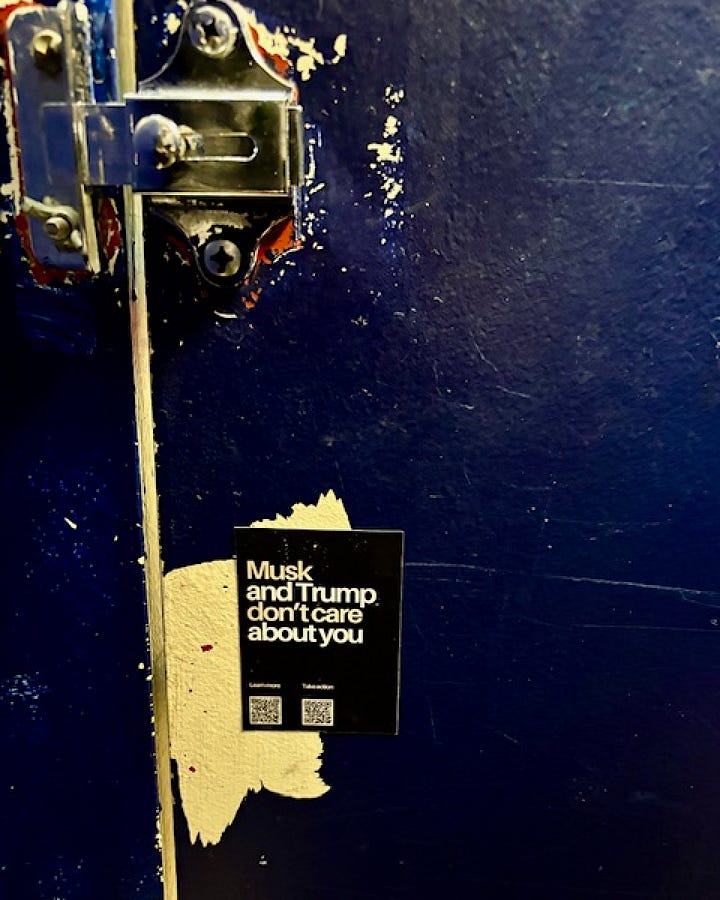
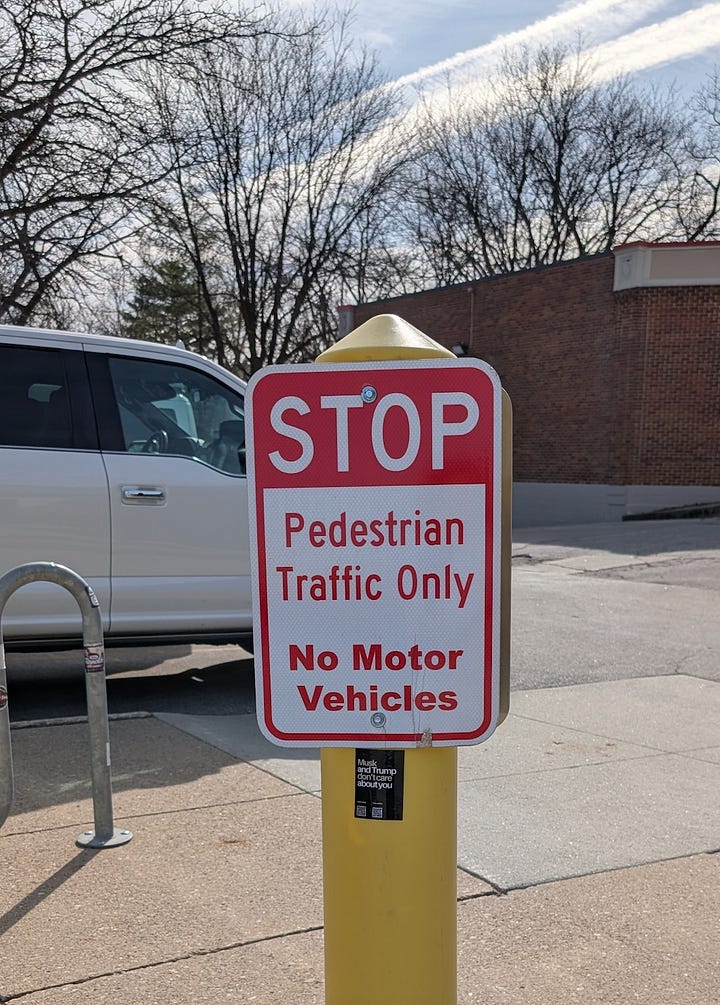
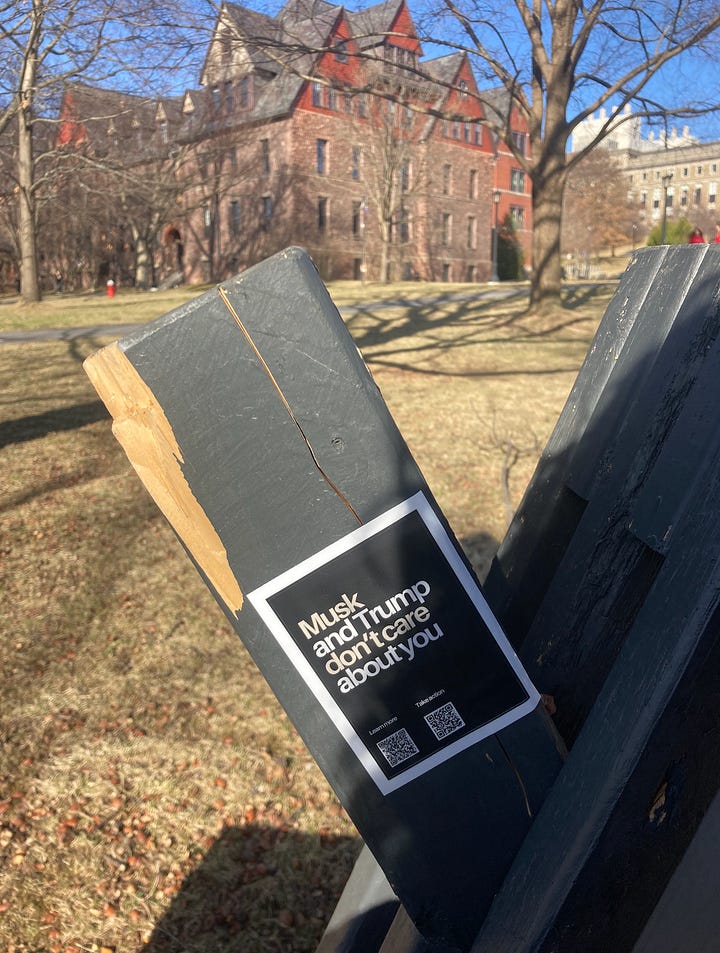
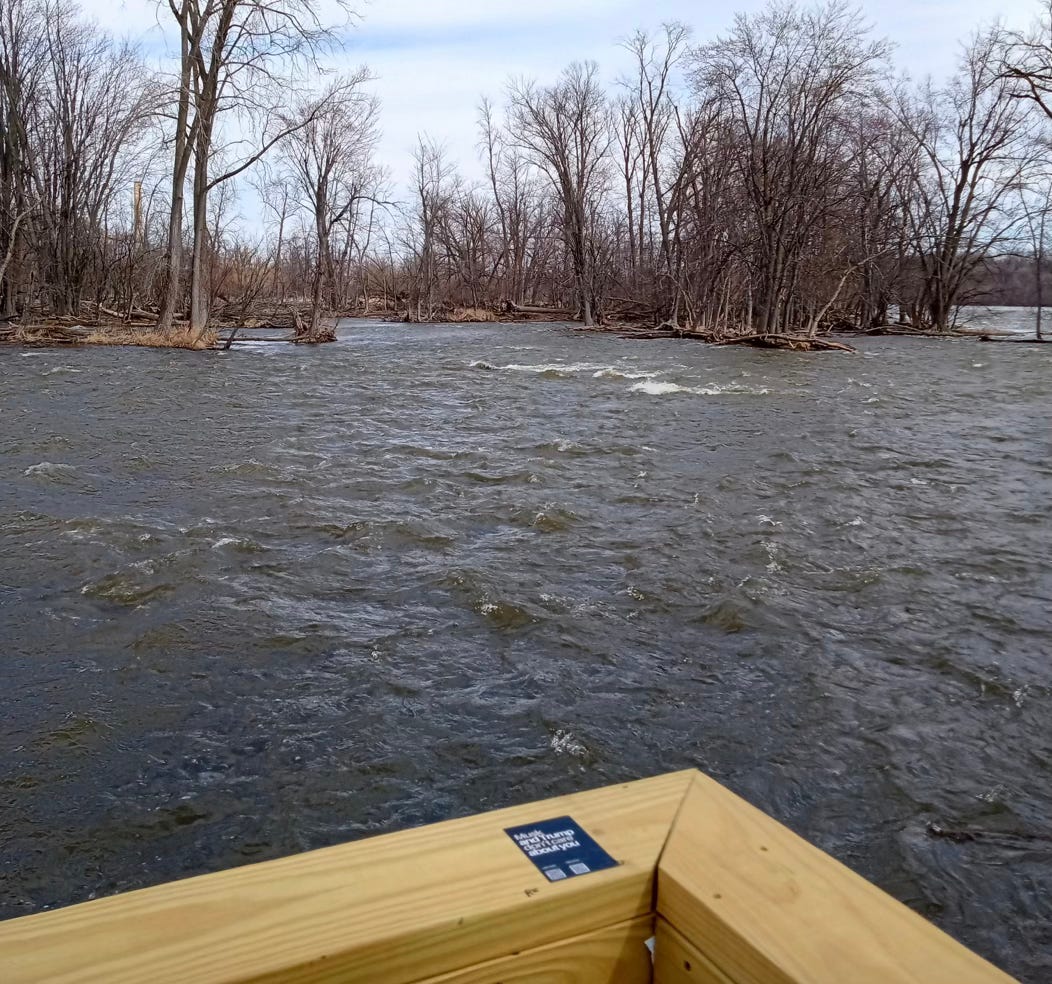
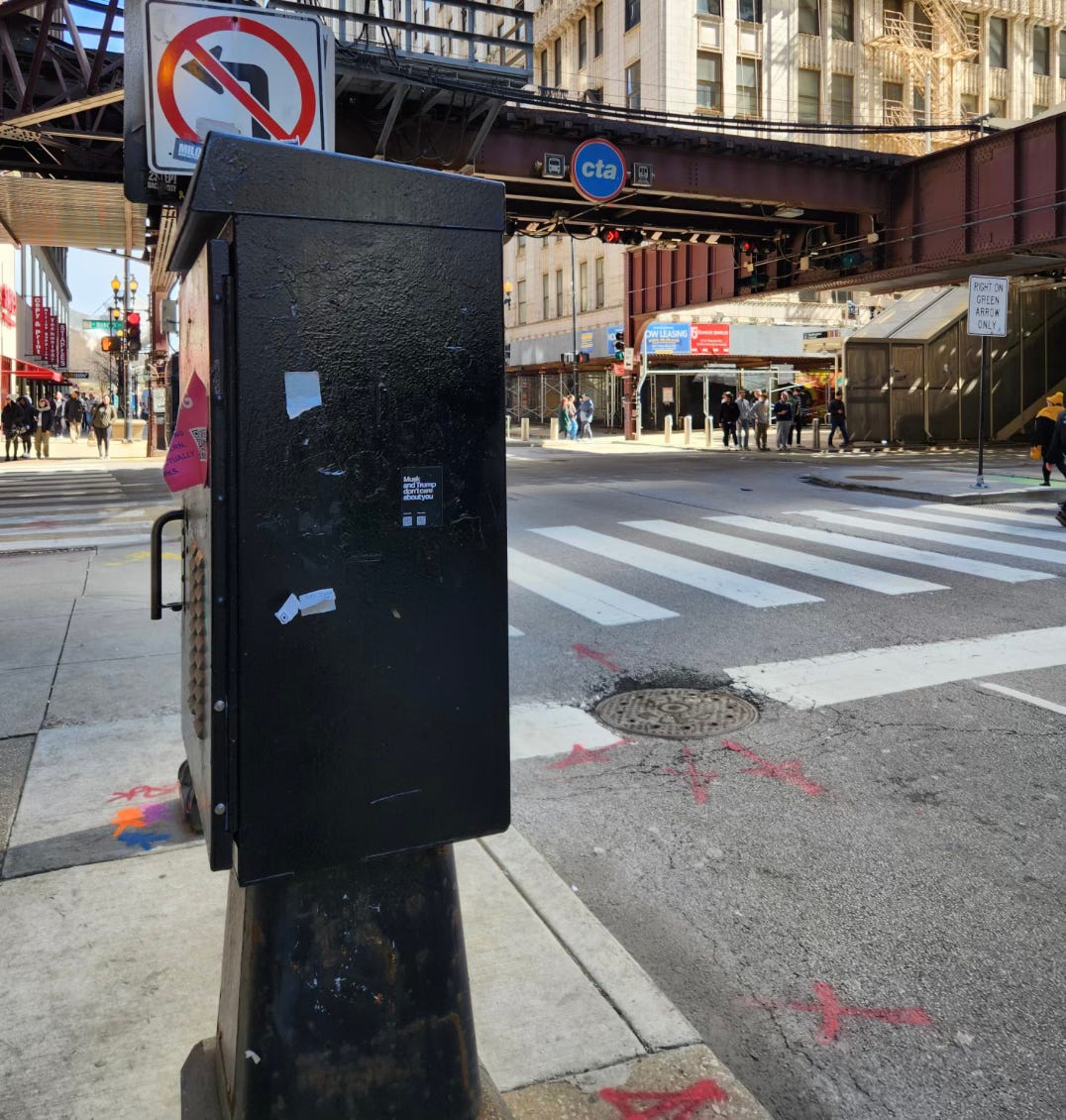
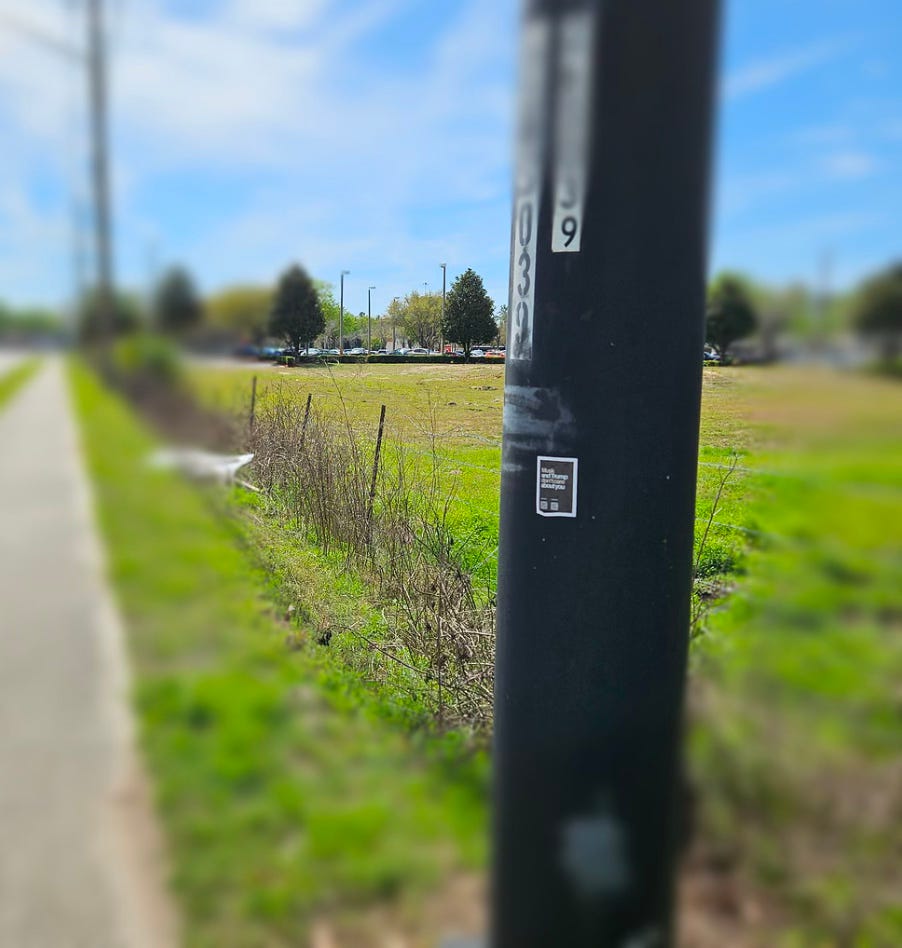
For the last couple weeks, I’ve been the joyful recipient of a steady stream of pictures. They’re all of the same sticker, one that I designed and ordered and likely should have made bigger than I did (I’ve received feedback). The sticker says “Trump and Musk don’t care about you.” There are a couple QR codes— links to learn more and take action— but not much else. It was an extremely simple project, just one of thousands that have been launched across the country since Trump was inaugurated. It will, I’m sure, not bring down a government or prevent a deportation or stop a bomb from falling.
I adore these stickers. They are tiny, on more than one level, but that’s how all impactful things start. Designing them wasn’t hard, nor was tossing off a few messages asking others if they wanted one as well. I said, in essence, “hey you all, this is a thing that I’m doing” And then, when hundreds of people across the country indicated that they would, in fact, like a sticker, they added their voice to mine. “This is a thing I can do as well,” they said, a chorus of beating hearts and frayed nerves. They shouted their reply from tiny towns and large cities, from places where they struggled to find a location that wouldn’t just preach to the choir, as well as places where Trump is worshipped like a God.
They answered, and I felt less alone in hearing their reply.
And then, because this is how trust is built, we kept our promises to one another. I sent out the stickers and they put them up and snapped a picture and then… well, we’ll see. I have no proof whatsoever if the chain will continue, if a teenager playing baseball or a mom returning her cart at Target or a trucker taking a rest break after a long day on the road will see them and be reminded that they too can do something, but if we limited our political imagination to actions whose ripples we could foresee without a shadow of the doubt, we would do so very little.
I have made a number of challenges to myself since Trump’s inauguration. I have challenged myself to counter the false faith of isolation and inhumanity with one of connection and care. I have challenged myself to remember every day how in love I am, how grateful I am, how much I believe in the beautiful counterpoints we have already shouted and the even more beautiful world we will build.
I don’t think I’ve answered any of those challenges in profound ways, but I am trying. And since I am trying, if my heart beams every time I receive another picture of a sticker out in the world, then the least I can do is to share that feeling with you as well.
Do you want to see some of the stickers? I hope so, because if they are out there, that means that we are out there, even when it feels like we aren’t, even if we convince ourselves so frequently that being out there isn’t enough, even when we don’t yet understand why or how our being out there adds up to the world we want to live in together.
So, my friends, here are a few of them…
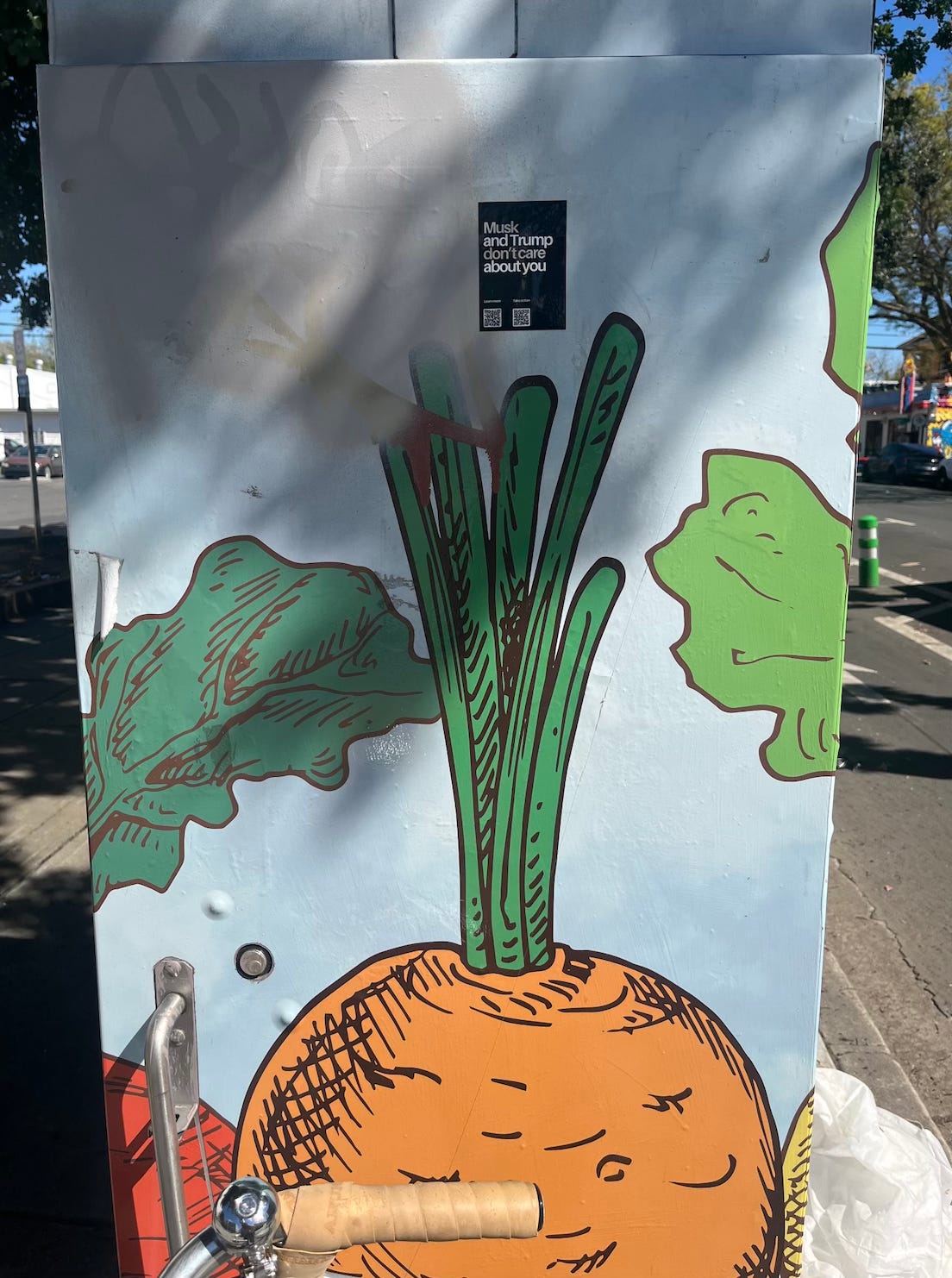
…on top of a carrot in Sacramento.
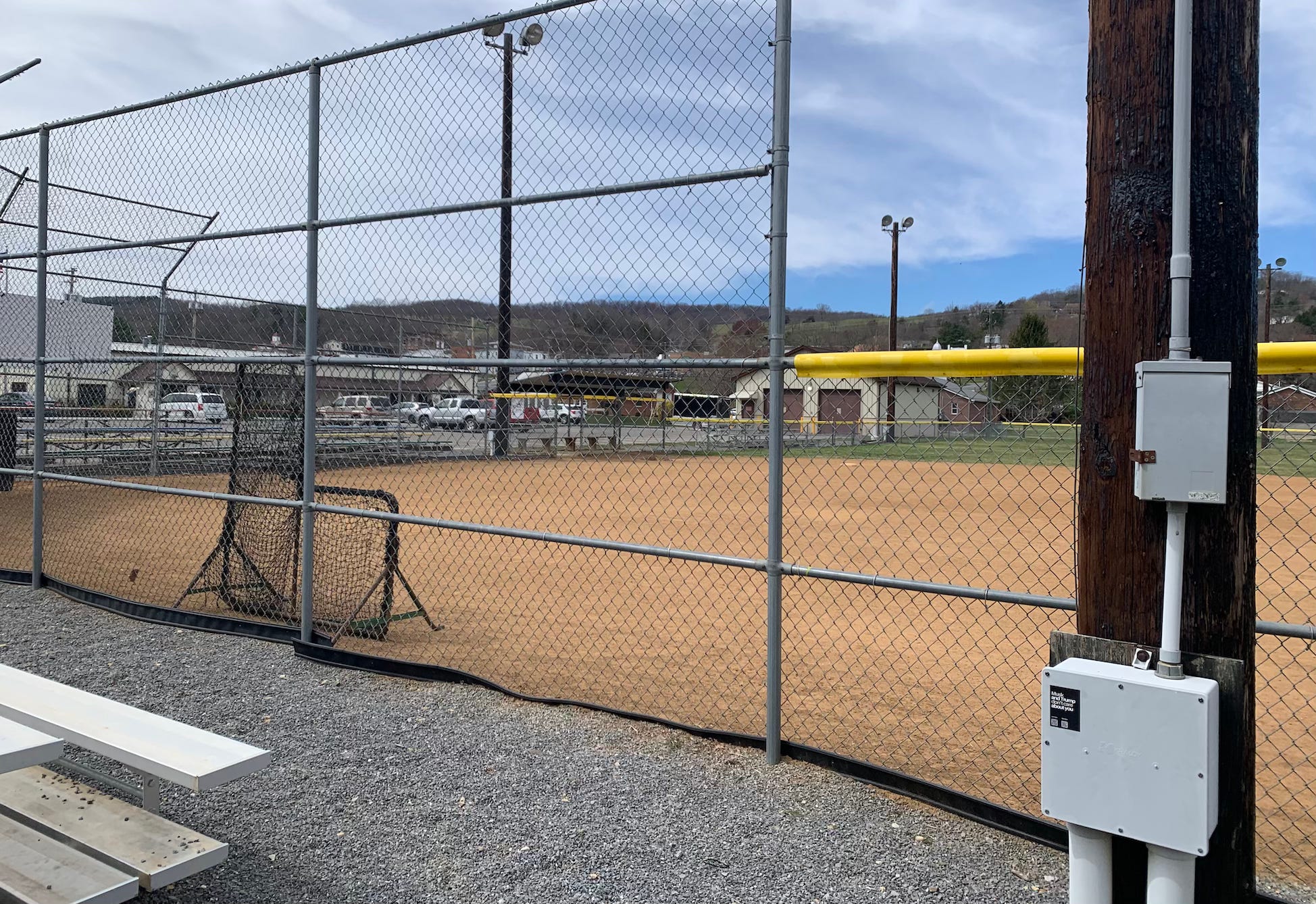
..preparing to play ball in a West Virginia County that gave 78% of its vote to Trump in November.
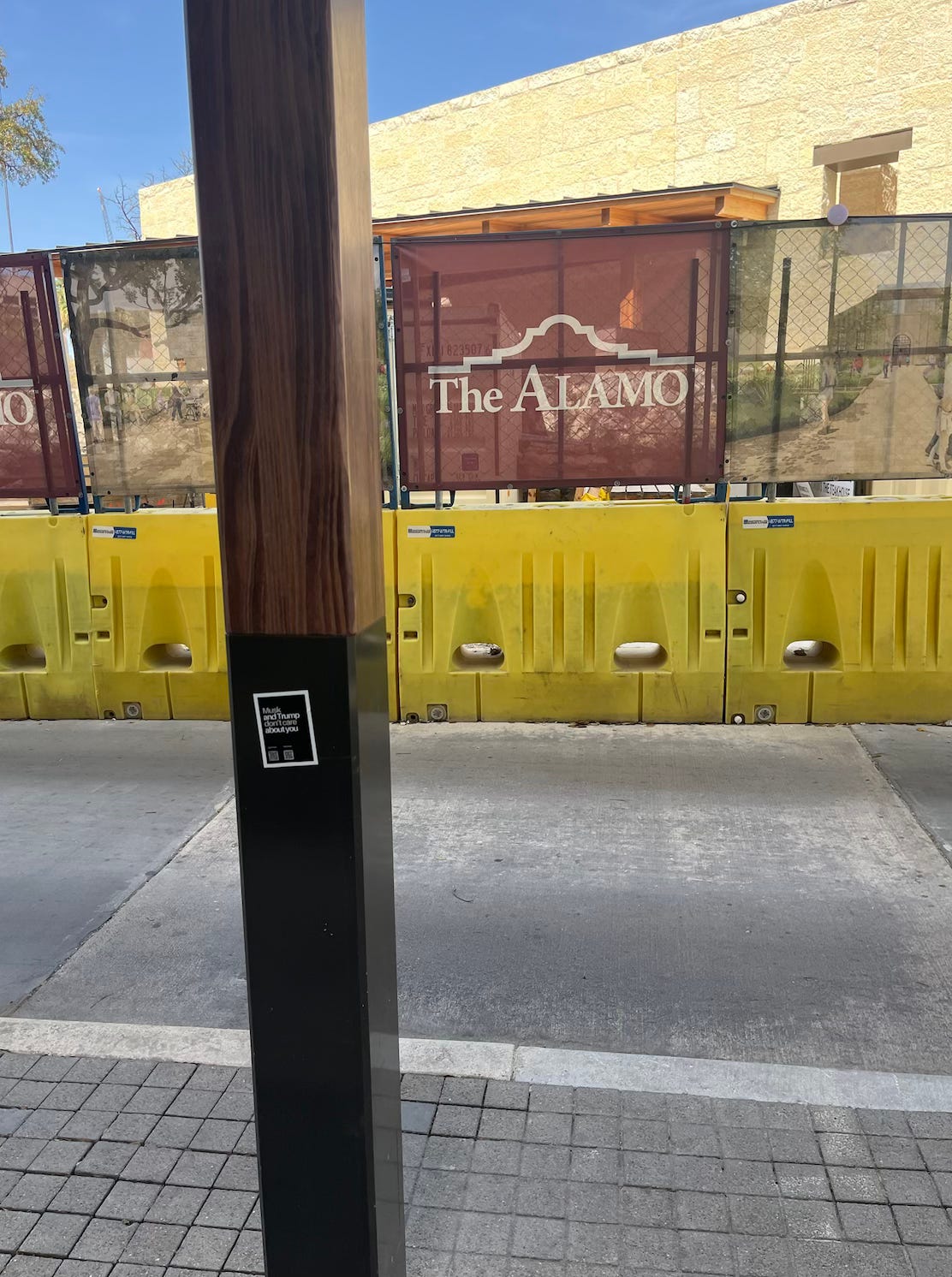
…remembering the Alamo.
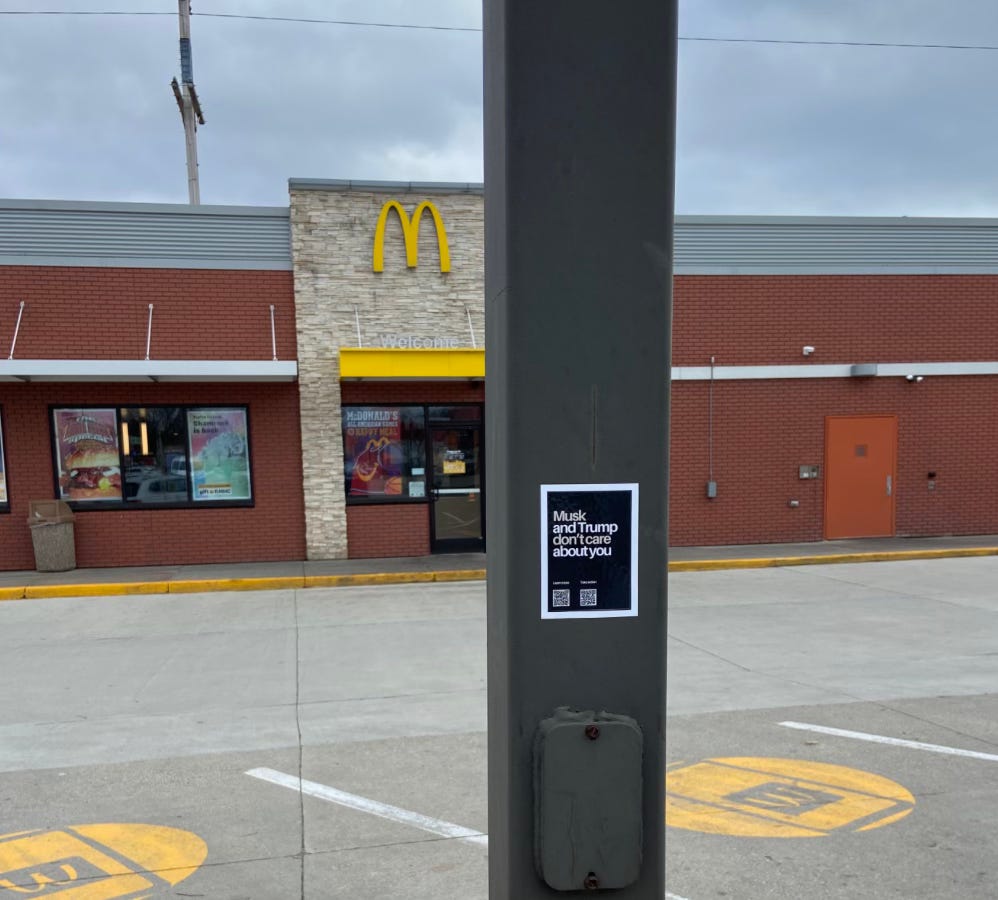
…as well as another complicated American icon (in Iowa).
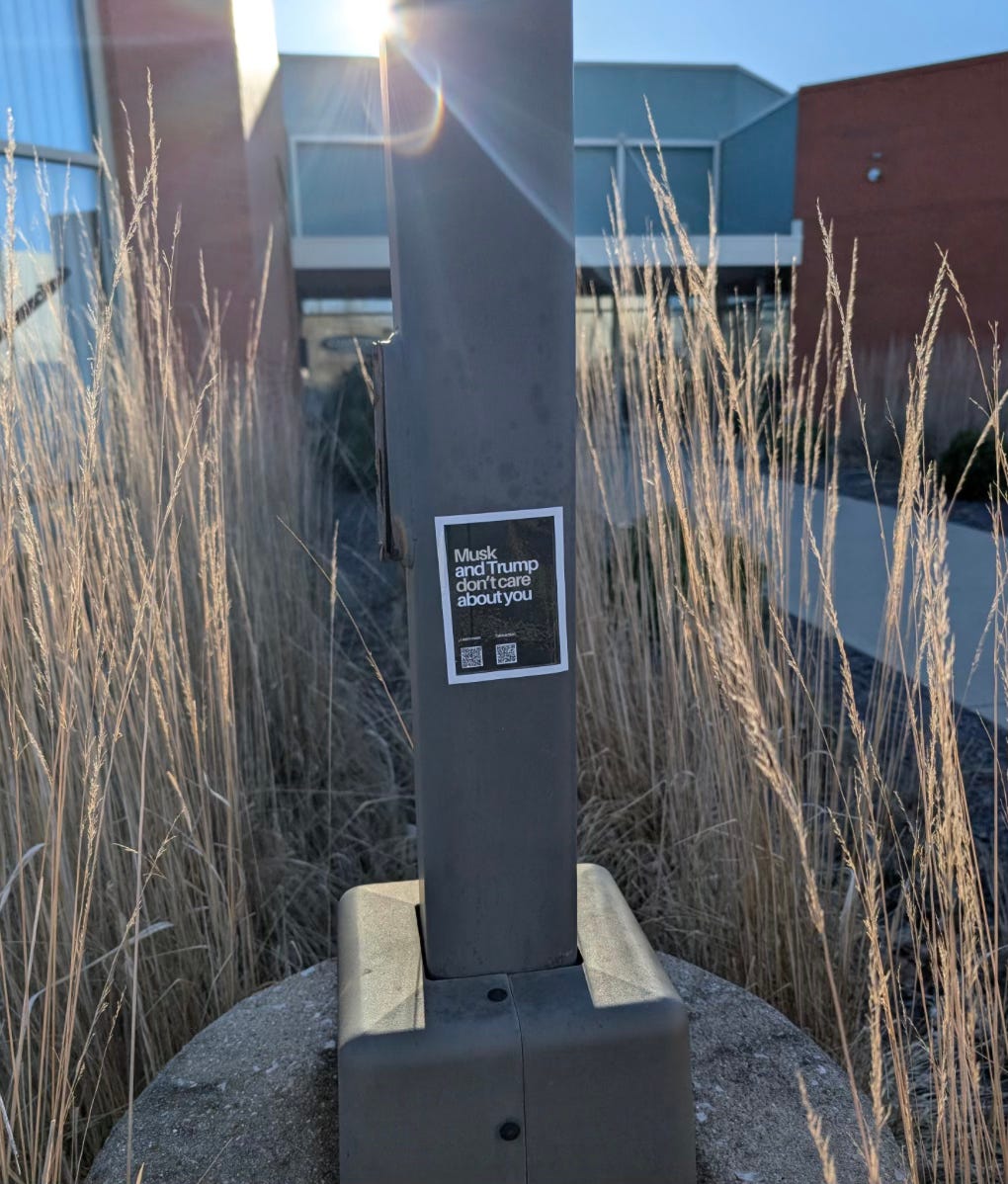
…welcoming visitors to a farm bureau in Illinois.
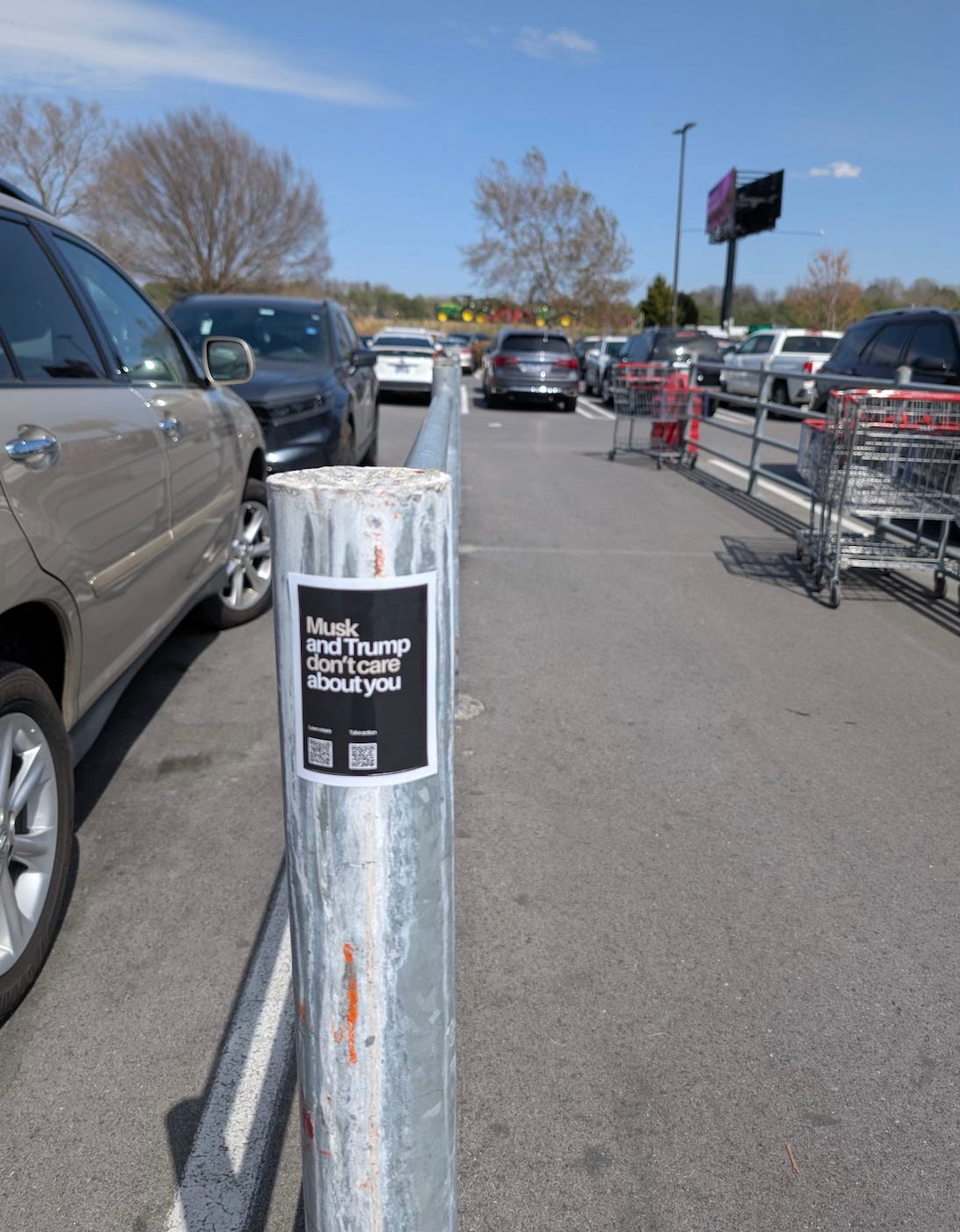
…and what I’m assured is a “surprisingly scenic” Costco parking lot in Fort Oglethorpe, Georgia.
… in bathrooms (in South Carolina and Phoenix).
…and on signs that, if you read them the right way, also feature messages of opposition (in Des Moines, Iowa and Springfield, Illinois).
…on campus (at Cornell and the University of Tennessee).
…and rivers (the Fox, in Wisconsin).
…and rails (in Chicago).
…and roads (in rural Florida).
As of this writing, there are hundreds of stickers, but millions of American places. A drop in the bucket if ever there was one. But there they are, proclaiming that we’re still here. Connected to each other. Shouting out, “I am doing something. We are doing something. We are here today and we will be here tomorrow.”
I love them, because I love us.
End notes:
I’m letting most of the siblinghood of stickering remain blessedly anonymous, but I hope you read this lovely reflection from Lyndsey Medford (esteemed stickerer of Costco parking lots and one hell of a writer to boot).
It isn’t just stickering, of course. I truly believe that my inbox is one of the most hope-giving spaces on the planet, because it’s full of people telling me about how damn amazing it felt going to one of those (massive) Bernie-AOC rallies or how their Tesla protest tripled in size week to week or how they never expected to find such a powerful political home when they moved to East Tennessee. You all, get a load of us! Trying! Building!
Yes, I have a few more stickers left (though please be patient, I’m away from home this week so will send them out when I get back).
And yes, I don’t just send stickers. I also run trainings (free and virtual!) on how to organize and build community in your part of the world, and next week I’ll be announcing dates and times for the next round so if you’re not on the interest list please get there. (snip-More)




 Scottie's Playtime