Some Awesome Ladies Of The Labor Movement

Happy Labor Day! Let’s Talk About Some Awesome Ladies Of The Labor Movement by Rebecca Schoenkopf Read on Substack

Because it was not actually just a bunch of flannel-wearing white dudes.

A version of this article was initially published on May 1, 2019. Happy Labor Day, we’re taking the day off! 

When we talk about the history of feminism, we tend to think about the causes and struggles of middle class white women. When we talk about labor history, we tend to think about the causes and struggles of white working class men.

And that is some absolute bullshit.

Working class women, very often women of color and immigrant women, were, are and always have been the backbone of the labor movement. They were working and organizing well before Second Wave Feminism “made it possible” for women to enter the workforce. They’re the ones who first fought for equal pay, and they’re the ones who were doing the bulk of feminist work and activism during the years in between getting the right to vote and The Feminine Mystique. They are still fighting today.

So, since it’s Labor Day, let’s celebrate the hell out of them, starting with the woman who started it all.

Lucy Parsons
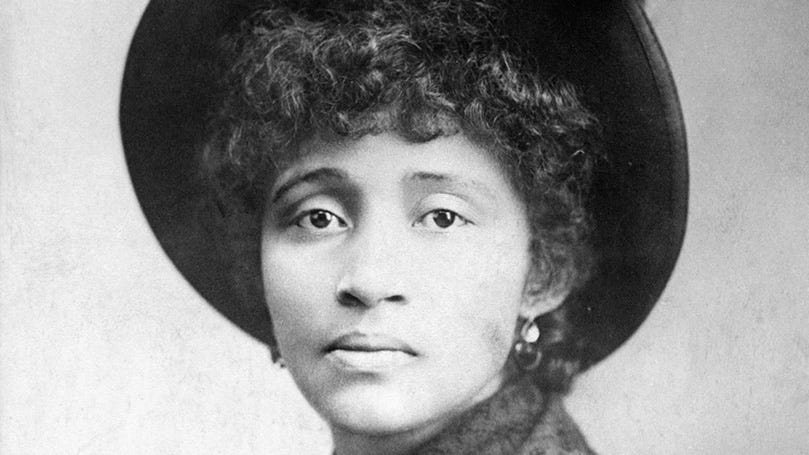
‘Governments never lead; they follow progress. When the prison, stake or scaffold can no longer silence the voice of the protesting minority, progress moves on a step, but not until then.’  

“More dangerous than a thousand rioters,” anarchist Lucy Eldine Gonzalez Parsons was a writer, orator, one of the founders of the Industrial Workers of the World, and tireless campaigner for the rights of people of color, all women, and all workers. Her husband, Albert Parsons, was one of the Haymarket martyrs.

We, the women of this country, have no ballot even if we wished to use it … but we have our labor. We are exploited more ruthlessly than men. Wherever wages are to be reduced, the capitalist class uses women to reduce them, and if there is anything that you men should do in the future, it is to organize the women.

Though Parsons and Emma Goldman were widely regarded as the most prominent female anarchists of the day, they very notably did not get along so well. Parsons believed that oppression based on gender and race was a function of capitalism and would be eliminated when capitalism was eliminated, whereas Goldman believed such oppression was inherent in all things. Parsons was all class struggle all the time, and felt that the “intellectual anarchists” like Goldman spent too much time bothering with appealing to the middle class.

One of her most important contributions to the labor movement was the concept of factory takeovers. 

“My conception of the strike of the future is not to strike and go out and starve, but to strike and remain in, and take possession of the necessary property of production.”

Parsons is best known for being the woman who really started the celebration of May Day as a day for workers’ rights — leading a parade to commemorate the anniversary of the Haymarket Affair. Soon, nearly every other country in the world followed suit and proclaimed this day International Worker’s Day. Alas, here in America, we go with the less radical and more picnic-y Labor Day that we are celebrating today, because Grover Cleveland thought a federal holiday commemorating the Haymarket Affair would encourage people to become anarchists and socialists, and no thank you, he did not want that.

Anna LoPizzo

‘Hearts starve as well as bodies, give us bread but give us roses too’  

Not much is known about Anna LoPizzo, other than that she was a 34-year-old mill worker who was murdered by police officer Oscar Benoit during the 1912 Lawrence Textile Strike — also known as the Bread and Roses Strike. Initially, police tried to charge two IWW organizers who were miles away for her murder, even though literally everyone there had seen Benoit shoot her.

The reason for the strike in the first place was that the textile mills of Lawrence, Massachusetts, cut worker pay after the state cut the number of hours women could legally work from 56 down to 54. The Industrial Workers of the World, led by Elizabeth Gurley Flynn (we’ll get to her in a minute), organized more than 20,000 workers of more than 40 different nationalities to demand they get their fair wages. One of the primary tactics used in the strike was sending the starving families of the mill workers on a tour to New York City so that people there could see for themselves what these low wages were doing to children. Between that and LoPizzo’s death, sympathy was on the side of the workers. Congressional hearings into the conditions of the mills were held, and the mills themselves ended up settling the strike by giving all workers across New England a 20 percent raise.

Lillian Wald

‘Human interest and passion for human progress break down barriers centuries old.’

Susan B. Anthony isn’t the only important feminist buried in the Mount Hope Cemetery in my hometown of Rochester, New York. There is another. Her name was Lillian Wald, and she was a total fucking bad ass. She wasn’t just a suffragist — she was also an early advocate for healthcare for all people regardless of economic class or citizenship, a founding member of the NAACP, lobbied against child labor, advocated for the rights of immigrants, helped to found the Women’s Trade Union League, and was an anti-war activist. Wald also founded the Henry Street Settlement House in New York City, which provides — to this day — social services, education, and health care to the impoverished. And she was active in the ACLU.

WHY THE HELL IS SHE NOT MORE FAMOUS? I am legitimately bothered by this and bring it up often.

Elizabeth Gurley Flynn
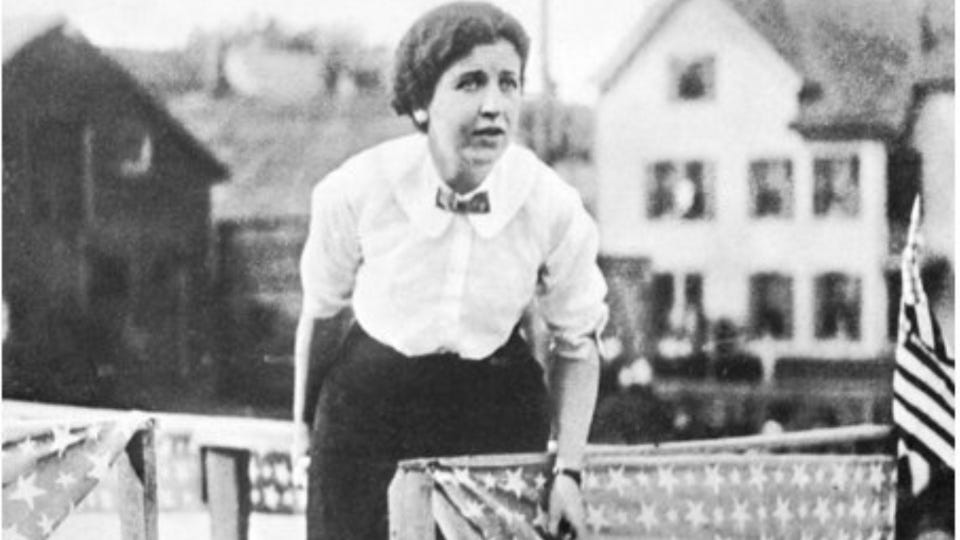
‘The IWW has been accused of pushing women to the front. This is not true. Rather, the women have not been kept in back, and so they have naturally moved to the front.’

Hey! You know who was super freaking awesome? Elizabeth Gurley Flynn. As previously mentioned, she was an organizer with Industrial Workers of the World who helped organize the Lawrence Textile Strike. She also organized a hell of a lot of other strikes across the country, helped found the ACLU, and was known for the creative tactics she used to elicit sympathy and support for the American worker.

Hattie Canty
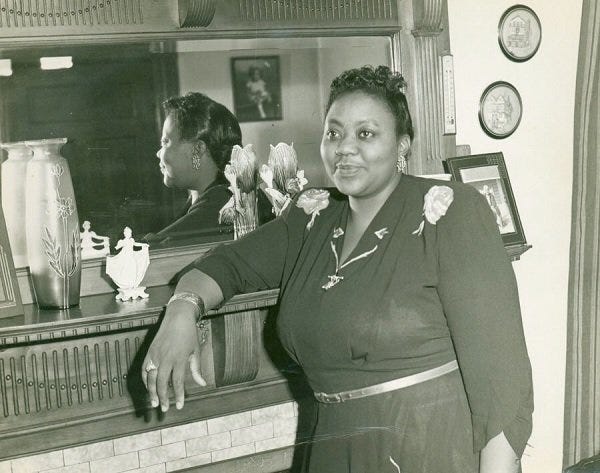
’Coming from Alabama, this seemed like the civil rights struggle … the labor movement and the civil rights movement, you cannot separate the two of them.’ 

 When Hattie Canty’s husband died in 1972, she found herself supporting eight children on her own. She found work as a maid at a Las Vegas hotel where she joined the Las Vegas Hotel and Culinary Workers Union Local 226. By 1990, she was president of that union, leading one of the longest strikes in American history — a six year strike of hospitality workers which, happily, ended in victory.

The Women of The Atlanta Washerwomen’s Strike
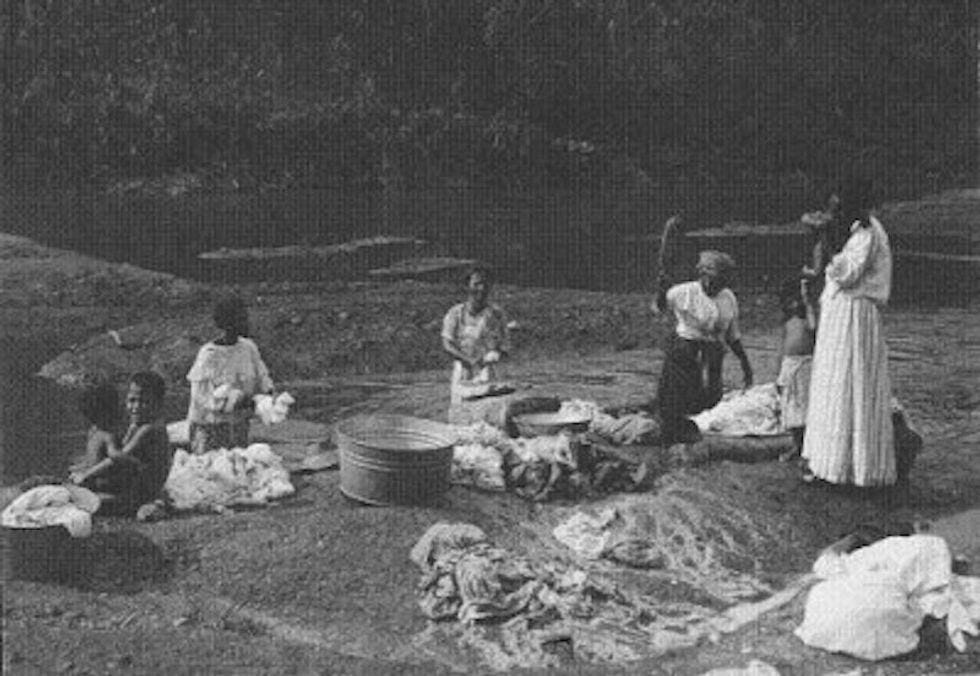
We mean business this week or no washing!  

Back in the 1880s, only two decades after the Civil War ended, the most common occupation for Black women was as laundresses — this was largely because if poor white families were going to hire anyone to do chores for them at all, they were going to hire someone to do their laundry. These women were independent workers, often working from their own homes and making their own soap, and they only made about $4 a month. (Average non-Black-woman laborers earned about $35 a month in 1880.)

One day in 1881, about 20 of them got together and decided that $4 a month was some bullshit for all the work they were doing and decided to go on strike and demand wages of $1 for every 12 pounds of washing. Three weeks later, 3,000 other women joined them. Unsurprisingly, the city freaked out. They fined any participants $25 — which was a lot of money when you only made $4 a month — and they offered tax breaks to any corporation that would come down there to start a commercial steam cleaning business. Still, the women did not back down.

Eventually, people got really sick of doing their own laundry, and the city decided to back down on the fines, and accede to their demands for fear that the unrest would spread to other industries.

Dolores Huerta

‘Every minute a chance to change the world.’

Dolores Huerta, along with Cesar Chavez, helped to organize the National Farmworkers Association, which later became United Farm Workers. She wasn’t a farmworker herself — rather, she was an elementary school teacher who was tired of seeing the children she taught living in poverty because their parents were not making enough money as farmworkers.

I couldn’t tolerate seeing kids come to class hungry and needing shoes. I thought I could do more by organizing farm workers than by trying to teach their hungry children.

Together with Chavez, Huerta organized the successful Delano Grape Strike (or as your mom calls it, “that time we couldn’t eat grapes for five years” or as Rebecca’s mom calls it “serious people don’t care if a boycott ‘ends'”), which led to better wages and working conditions for farmworkers, and she has continued working as an activist and an organizer ever since.

Angela Bambace
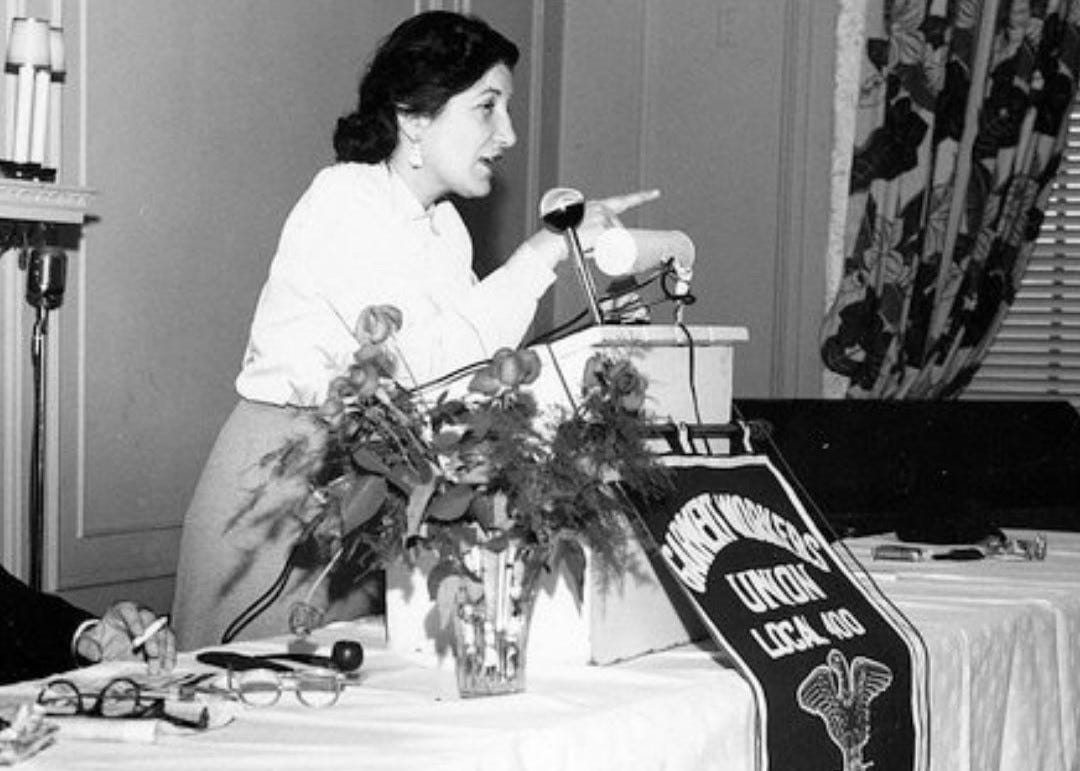
‘We did it with fear.’

Though she’s not as well known as some of the other women on here, Angela Bambace, an organizer for the International Ladies Garment Worker’s Union who started unionizing her fellow shirtwaist factory workers at age 18, is a personal hero of mine, along with her sister Maria. Angela was known to punch strikebreakers in the nose, which was pretty freaking badass.

She also left her husband and a traditional marriage in which she was confined to “making tomato sauce and homemade gnocchi” — and lost her parental rights in doing so, because back then, women didn’t have any — to fight for workers’ rights on the front lines. She was the first woman woman elected Vice-President of the ILGWU, which previously only had male leadership, where she worked from 1936 until 1972.

May Chen

’The Chinatown community then had more and more small garment factories and the Chinese employers thought they could play on ethnic loyalties to get the workers to turn away from the union. They were very, very badly mistaken.’ 

May Chen, also of the International Ladies Garment Worker’s Union, led the New York Chinatown strike of 1982 — 20,000 workers strong and one of the largest strikes in American history. As a result of the strike, employers cut back on wage cuts, gave workers time off for holidays and hired bilingual interpreters in order to accommodate the needs of immigrant workers.

Lucy Randolph Mason
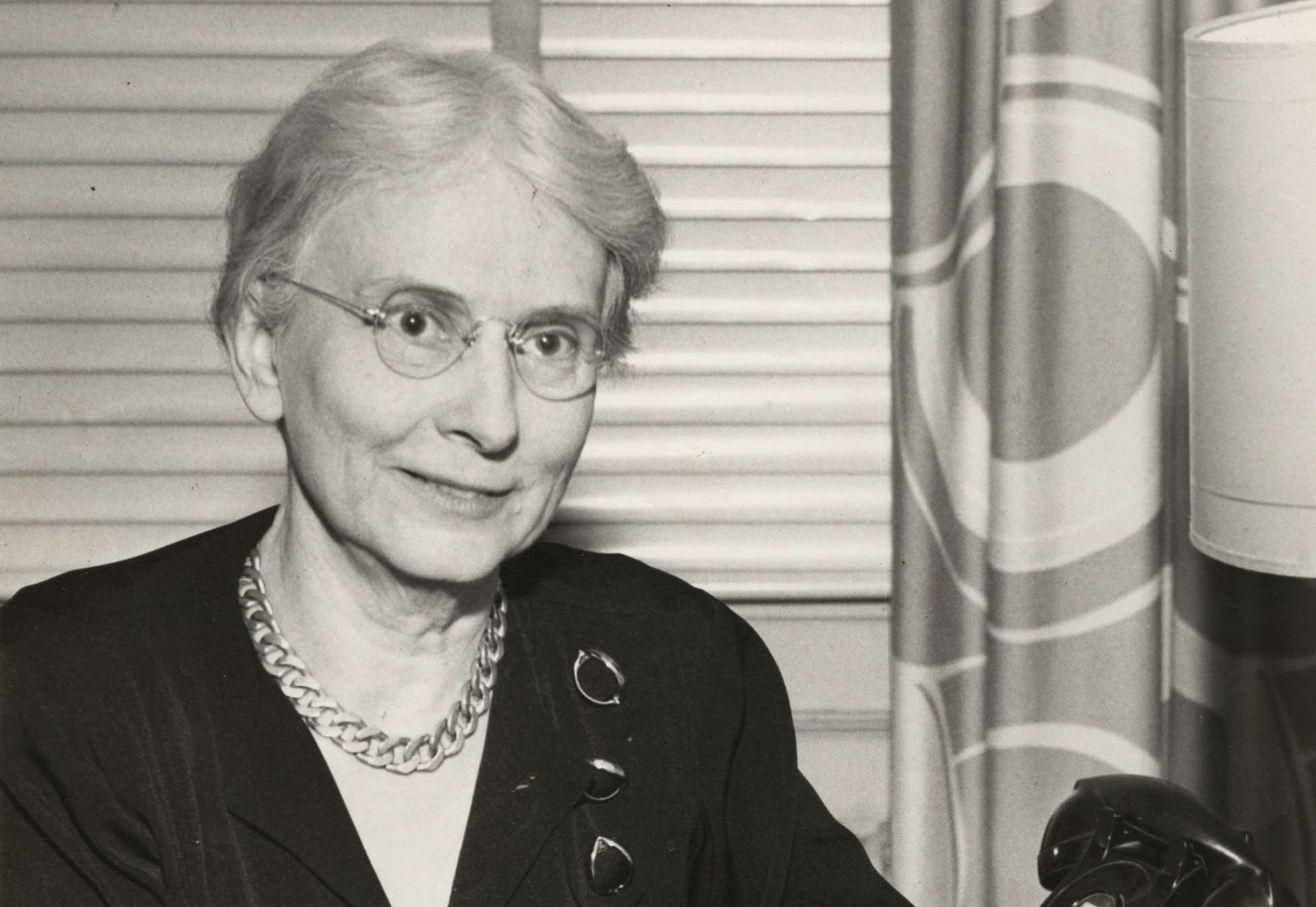
‘When I came South I had no idea of the frequency of attacks on people peacefully pursuing legitimate purposes, I am appalled at the disregard of the most common civil rights and the dangers of bodily harm to which organizers often are exposed”‘

Lucy Randolph Mason was an interesting one. She was a well-off Southern lady from Virginia, related to George Mason (author of the Virginia Declaration of Rights), Supreme Court Justice John Marshall, and, uh, Robert E. Lee. So, you know, you might have an idea in your head about what her deal might be. And you would be so wrong. 

So, despite being from this very fancy family, Lucy goes and gets a job as a secretary for the YWCA at 20. In 1918, she gets into the whole suffragette thing. Women get the vote, but Lucy’s not done. She starts organizing for labor rights and integration and ending white supremacy in the South. She organizes interfaith, integrated unions in the South, which you can imagine was a pretty big deal at that time. She does it through the YWCA. She writes a pamphlet telling consumers to boycott companies that don’t treat their workers well. Eventually, she becomes the CIO’s ambassador to the South and spends the next 16 years of her life going to all these small towns where bad things would happen to anyone who tried to unionize, and explaining workers’ rights and why integration is good and racism is bad to pretty much anyone with any kind of power. Neat!

Emma Goldman
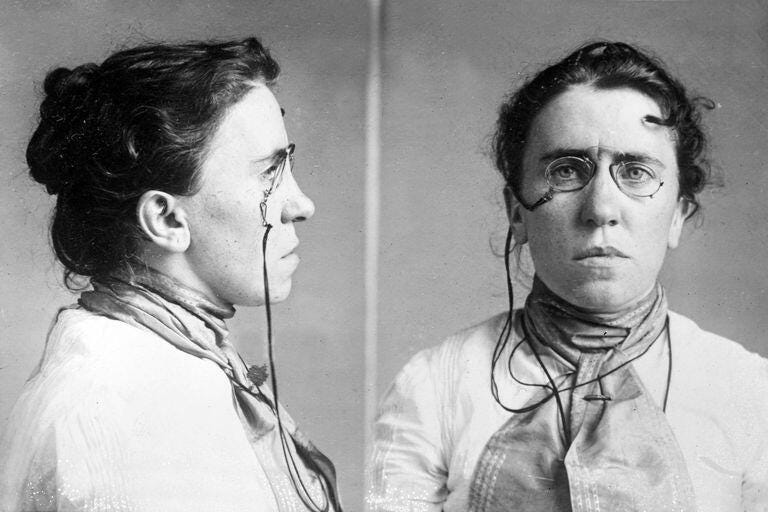
‘Ask for work, if they do not give you work, ask for bread, if they will not give you bread, steal bread.’

 Though not a union organizer by trade, anarcha-feminist Emma Goldman’s advocacy for workers’ rights and human dignity and freedom empowered workers and organizers throughout the country, and motivated them to stand up for their own rights. She was considered the most dangerous woman in America for a reason.

She was a feminist, an anti-racist, an atheist, an advocate of free love, an opposer of the institution of marriage and — very unusually for the time (she pretty much started right after Haymarket, which was 1886, and continued until her death in 1940) — one of the first advocates of gay rights.

“It is a tragedy, I feel, that people of a different sexual type are caught in a world which shows so little understanding for homosexuals and is so crassly indifferent to the various gradations and variations of gender and their great significance in life.”

I could probably go on about Emma Goldman forever, but I have to get to other people and also this is not my sophomore year in college.

Rosina Tucker
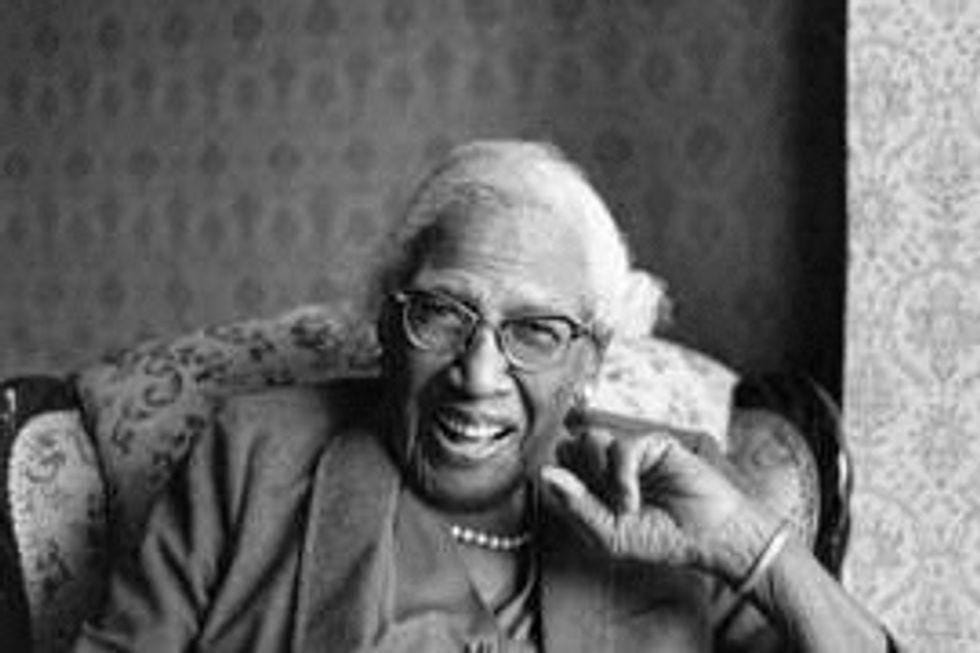
 ‘I looked him right in the eye and banged on his desk and told him I was not employed by the Pullman company and that my husband had nothing to do with any activity I was engaged in … I said, ‘I want you to take care of this situation or I will be back.’ He must have been afraid … because a black woman didn’t speak to a white man in this manner. My husband was put back on his run.’

Rosina Tucker is best-known for helping to organize the first Black labor union, The Brotherhood of Sleeping Car Porters, started by A. Philip Randolph in 1925. A Brotherhood? But she was a woman, you say! Well, the Pullman porters wanted to organize, but they were afraid of losing their jobs — with good reason, because their bosses kept trying to fire them for trying to unionize. So Rosina and other wives of the porters got together and started the Ladies Auxiliary of the Brotherhood of Sleeping Car Porters in order to raise funds to start the union.

In 1963, along with A. Philip Randolph of the BSCP, she helped organize the March on Washington for Jobs and Freedom, and continued to be active in civil rights and labor rights until she passed away in 1987, at the age of 105.

The women on this list, along with the many others who also fought for labor rights in this country and others, didn’t only fight a fight for workers. They fought a feminist fight, they fought for civil rights, they fought for human rights — they understood the interconnectedness of it all, they understood that without economic justice there is no social justice and without social justice there is no economic justice. They understood the way that the labor movement could be used as a catalyst for making social change possible at a time when they didn’t have any political support or power — and that’s a thing we could all do well to remember ourselves.

Happy Labor Day!
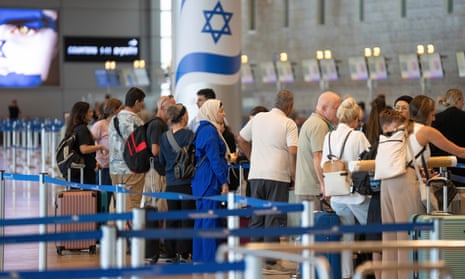
Israelis erupt in protest to demand a cease-fire after 6 more hostages die in Gaza

Snippets:

TEL AVIV, Israel (AP) — Tens of thousands of grieving and angry Israelis surged into the streets Sunday night after six more hostages were found dead in Gaza, chanting “Now! Now!” as they demanded that Prime Minister Benjamin Netanyahu reach a cease-fire with Hamas to bring the remaining captives home.

The mass outpouring appeared to be the largest such demonstration in 11 months of war and protesters said it felt like a possible turning point, although the country is deeply divided.

Israel’s largest trade union, the Histadrut, further pressured the government by calling a general strike for Monday, the first since the Oct. 7 Hamas attack that started the war. It aims to shut down or disrupt major sectors of the economy, including banking, health care and the country’s main airport. (snip-MORE)

https://apnews.com/article/israel-palestinians-gaza-hamas-war-hostages-hersh-netanyahu-29496f50a9b1740bd3905035ffd23052

(Meanwhile, democracy in Israel doesn’t seem to be the system anymore, US Republicans’s statements regardless-) (This narrative runs current to the top. There’s a good feature at the bottom here.)

07.58 EDT

Arnon Bar-David, the chair of Histadrut Labour Federation, Israel’s main trade union which launched the strike, said he respects the decision by the labour court to end the strike at 14:30 (local time) 12.30 BST, according to the Times of Israel.

It reports him saying in a statement:

It is important to emphasise that the solidarity strike was a significant measure and I stand behind it. Despite the attempts to paint solidarity as political, hundreds of thousands of citizens voted with their feet.

I thank every one of you – you proved that the fate of the hostages is not right-wing or left-wing, there is only life or death, and we won’t allow life to be abandoned.

Meanwhile, the newspaper reports that the Hostages and Missing Families Forum encourages the public to continue the demonstrations despite the ruling. “This is not about a strike, this is about rescuing the 101 hostages that were abandoned by [prime minister Benjamin] Netanyahu with the cabinet decision last Thursday,” the forum says, referring to the vote by ministers backing the IDF’s continued presence on the Philadelphi Corridor.Share

Updated at 08.11 EDT

07.42 EDT

The labour court’s ruling that today’s strike must end was welcomed by Israel’s finance minister Bezalel Smotrich.

In a post on X, Smotrich praised the decision to end what he called a “political and illegal strike.”

The Times of Israel reports he said in his statement that Israelis went to work today “in droves,” proving they are no longer slaves to “political needs.”

He added: “We won’t allow harm to the Israeli economy and thereby serve the interests of [Yahya] Sinwar and Hamas.”

06.41 EDT

‘Strike was not as powerful as people expected’ – dispatch from Tel Aviv

Julian Borger

Julian Borger is the Guardian’s world affairs editor

Tel Aviv this morning did not feel like a society about to bring its government down.

The debris had been removed from last night’s demonstration on the Ayalon Highway, the motorway which passes through the city centre, and traffic was moving normally.

Protesters stopped traffic at a couple of junctions around the city but for the most part, the traffic flowed. The national rail line was working, though some buses and light railway lines stopped.

Private companies gave their staff the day off, but it was more in the spirit of some sombre holiday rather than the start of an existential struggle with the government.

Ben Gurion airport only closed for a few hours, and it was announced that the whole general strike would end at 6pm. It is not government-ending stuff.

Travellers line up at Ben Gurion International Airport near Tel Aviv.
Travellers line up at Ben Gurion International Airport near Tel Aviv. Photograph: Ohad Zwigenberg/AP

The mood can best be described as bitterly realistic on Hostages Square, the name given to the plaza between the national library and the Tel Aviv Museum of Art, where hostage families and their supporters gather every day.

“I’m not sure the strike was as powerful as people expected,” said Debbie Mason, a social worker for the Eshkol regional council, the area of southern Israel abutting Gaza.

She made a distinction between what she hoped would happen and what she believed would happen, the latter being that nothing would change for the hostages.

“Unfortunately, there are too many things that are going to obstruct a deal, whether it’s on our side, whether it’s on Hamas’ side, it just doesn’t seem to be in anyone’s interest, that something should happen,” Mason said.

Hostage Square, established in the plaza between the National Library, the Tel Aviv Museum of Art and the Tel Aviv District Court. Buses arrive here daily with youth groups from the kibbutzes, moshavs and towns from the area of southern Israel invaded by Hamas on 7 October 2023.
Hostage Square, established in the plaza between the National Library, the Tel Aviv Museum of Art and the Tel Aviv District Court. Buses arrive here daily with youth groups from the kibbutzes, moshavs and towns from the area of southern Israel invaded by Hamas on 7 October 2023. Photograph: Julian Borger/The Guardian

Rayah Karmin, who comes from Mabu’im, a village near Netivot, near the Gaza border, agreed that a one-day strike would change little.

“Only a longer strike will make the people in government understand that the economy of Israel is going to go down,” Karmin, a vitamin supplement salesperson, said.

She pointed out that all the demonstrations and strikes were up against an immovable political fact. If a ceasefire is agreed, the far-right members of the coalition, notably Itamar Ben-Gvir and Bezalel Smotrich, will walk out and the government will fall.

“Smotrich and Ben-Gvir will leave Netanyahu, and then he will be without a coalition, and he will have to go home,” Karmin said. “And he knows that next time he won’t be elected, so he wants to stay as long as he can.”

“Bibi is a magician, a really big fucking magician,” Aaron, a 28-year-old legal adviser in a pharmaceutical corporation, said. He had been out on the streets for Sunday’s mass protests, but he had no illusions about who they were up against.

“If there’s a hostage deal, the government will fall, so they are not interested in a deal,” Aaron said. “What Ben-Gvir wants and what Smotrich wants, they get, because Bibi doesn’t want to go to jail. He doesn’t want to lose power, because Bibi will be voted out in the first election if the government falls.”

https://www.theguardian.com/world/live/2024/sep/02/israel-gaza-war-live-israel-faces-nationwide-general-strike-amid-public-anger-over-hostage-deaths-and-failed-ceasefire-talks

Georgia moves forward with bills to outlaw Pride events & trans people

https://www.lgbtqnation.com/2024/07/georgia-moves-forward-with-bills-to-outlaw-pride-events-trans-people/

This is what the fundamentalist religious / maga right want to do in the US notice the reason why they feel they need to pass this law.  Because it is changing tradition.  Tradition is peer pressure from dead people.  The right wing straight cis people like the way things are and don’t want to include other ideas or ways.  Just a warning.  Hugs.  Scottie

 
TBILISI, GEORGIA - MAY 17, 2018: Family day. People attend a rally marking the Day of Family Purity and opposing the International Day Against Homophobia and Transphobia
TBILISI, GEORGIA – MAY 17, 2018: Family day. People attend a rally marking the Day of Family Purity and opposing the International Day Against Homophobia and TransphobiaPhoto: Shutterstock
 

Georgia’s parliament on Thursday pushed ahead a sweeping package of bills that would effectively outlaw LGBTQ+ identity in the former Soviet republic.

The set of bills proposed by the ruling pro-Putin Georgian Dream party bans depictions of same-sex relationships in the media, outlaws gender-affirming surgery, and will make Pride events and the public display of the Pride flag in Georgia a thing of the past.

Parliamentary speaker Shalva Papuashvili describes the bills as necessary to control “LGBT propaganda,” which he said was “altering traditional relations.”

The first reading of the bill titled “On the Protection of Family Values ​​and Minors,” which draws heavily from Russia’s anti-LGBTQ+ “propaganda” law passed last year, drew widespread support among Georgia Parliament deputies. The bill is scheduled for second and third readings in the fall.

In addition to outlawing public gatherings “promoting” same-sex relationships, the legislation would also limit adoption to heterosexuals, ban gender changes on official identification, and outlaw “LGBT propaganda” in education.

Georgian Dream MPs have also proposed introducing “genetic” requirements in establishing legal marriage, whereby marriage would be a union of a “genetic woman” and a “genetic man.”

The Constitution already bans same-sex marriage in Georgia, where the deeply conservative Orthodox Church holds outsized influence in the government and public sphere.

Georgia enjoyed decades of progress on human and LGBTQ+ rights following the Rose Revolution in 2003, as a majority of citizens supported a pro-Western turn and integration into the European Union and NATO.


The rise of the Georgian Dream party in the last ten years, however, has seen the government reorienting toward Russia, with the Church encouraging the rapprochement.

Georgia’s version of Putin’s draconian “LGBT propaganda” law seems designed not only to roll back progress on LGBTQ+ rights but to scuttle any hope of Georgia entering the European Union, with its strict requirements upholding civil liberties and personal freedoms.  

The introduction of the anti-LGBTQ+ legislation follows the Georgia Parliament’s passage of another Russian-inspired law to label Western NGOs “foreign agents,” teeing up a harassment campaign aimed at expelling human rights and other groups that far-right conservatives and the Orthodox Church have accused of infecting Georgia and other countries with “degeneracy.”


Speaking of opponents of the nascent legislation in March, Mamuka Mdinaradze, leader of the Georgian Dream parliamentary majority, said, “Even if they brand the law against LGBT ‘propaganda’ not Russian, but Soviet, we will follow it through, given that it is the biggest challenge of modern times.”

Anti-LGBTQ+ sentiment runs high among extremists in the onetime Soviet vassal. In 2021 and 2023, violent mobs shut down Pride marches in the capital Tbilisi.

Organizers say foreign agents, delivered by Russian President Vladimir Putin, joined far-right fascist political gangs and members of the Georgian Orthodox church to sabotage the peaceful demonstration. Hundreds were injured in the two incidents.

Rights groups and supporters described the attacks as “pogroms.”

3 for Science on Labor Day

so I guess you may read them tomorrow, if you like. 😎

First, a tiny, acrobatic bug:

Biologists have studied an extreme gymnast of the animal kingdom, watching as it moves so quickly it appears to all but vanish.

The globular springtail (Dicyrtomina minuta) is a small but mighty bug that can backflip more than 60 times higher and 100 times longer than its own body length.

This tiny bug grows to only a couple of millimetres and can’t sting, bite, or fly its way out of danger. Instead, its preferred method of avoiding predators is to flip out so forcefully it seems to disappear! (snip-More on the page, with photos)

Next, a possible source of new antibiotics (and this brought Ten Bears to my mind, for some reason):

A study has found promising antibiotic candidates inside bacteria harvested from the deep Arctic Sea.

The research, by Finnish and Norwegian researchers, is published in Frontiers in Microbiology.

Antibiotic discovery has slowed in recent decades, which has exacerbated the risks of antibiotic resistance.

Most licensed antibiotics – about 70% – have been derived from a type of soil-dwelling bacteria called actinobacteria.

“For example, members of the Streptomyces genus produce several secondary metabolites, including clinically useful antibiotics such as tetracyclines, aminoglycocides and macrolides,” says corresponding author Dr Päivi Tammela, a professor at the University of Helsinki, Finland.

But soil isn’t the only place these bacteria can be found.

“Marine actinobacteria found in the sea, on the seafloor, or within the microbiome of marine organisms, have received far less attention as possible sources of antibiotics,” says Tammela. (snip-More on the page)

Then, an analysis for coal phase-out in Asia:

Countries in the Asia-Pacific region account for 76% of the world’s thermal coal power generation, and many of these plants will need to retire early to meet global emissions targets.

But according to a new analysis, it’s possible to phase these coal plants out and transition to renewable energy while investors still make money.

The study, done by Australian, Singaporean and Chinese researchers, is published in Energy Policy.

“There is a drive and interest from a number of different investors like the Asian Development Bank, but also private sector investors, to finance the early retirement coal fired power plants,” lead author Professor Christoph Nedopil Wang, director of Griffith University’s Asia Institute, tells Cosmos.

Nedopil and colleagues looked specifically at 6 Chinese-sponsored coal-fired power plants in Vietnam and Pakistan.

“With investors wanting to invest in, and ideally also providing lower cost financing for, green projects, refinancing of these coal fired power plants becomes possible at a lower cost,” says Nedopil.

The researchers modelled the future performance of these stations under a variety of financing and geoeconomic scenarios.

“That brought us to the conclusion that, depending on the age of the coal-fired power plant, we can retire these plants earlier than currently envisaged, while reducing the financing cost and therefore increasing enterprise value,” says Nedopil. (snip-More on the page)

Palestinian villages see increase in illegal settler attacks

Palestinian villages in the West Bank are seeing an increase in illegal settler attacks since October 7, 2023, the start of the Israel-Hamas war. Some of the settlers are attacking farms and killing livestock. NBC News’ Hala Gorani has more on the increase in violence.

Israeli settlers accused of using cover of war to build more settlements

Violence has flared in the Occupied West Bank. At least five Palestinians, including two children, have been killed in an Israeli air strike on a refugee camp, and one Palestinian man was shot dead in an attack by Israeli settlers near Bethlehem. 

Israel Invades West Bank – Declares Will Be Treated Like Gaza

When Israel threatens to turn the West Bank into the new Gaza, believe them.

Let’s talk about the Harris interview, expectations, and realities….

The News Out of TX from Janet

Robert F. Kennedy Jr. will be on the ballot for president in Kansas

So, I’m pretty sure he’ll sue us next… sigh. Before he does, though, it’s pretty funny. I think he’d get a lot of votes from people who won’t vote Dem but don’t want the Don!

https://www.kmbc.com/article/robert-f-kennedy-jr-will-appear-on-kansas-ballot-for-president/62021633

TOPEKA, Kan. —

Kansas Secretary of State Scott Schwab announced Friday that Robert F. Kennedy Jr. will appear on the state’s November ballot as an independent presidential candidate.

Kennedy met the Aug. 5 filing deadline by submitting a petition with more than 5,000 signatures from registered Kansas voters.

Schwab confirmed that Kennedy has fulfilled all necessary requirements to qualify.

Earlier this month, Kennedy endorsed former President Donald Trump but pledged to keep his name on the ballots in non-swing states.

Kansas is expected to be a reliable Republican state this November.