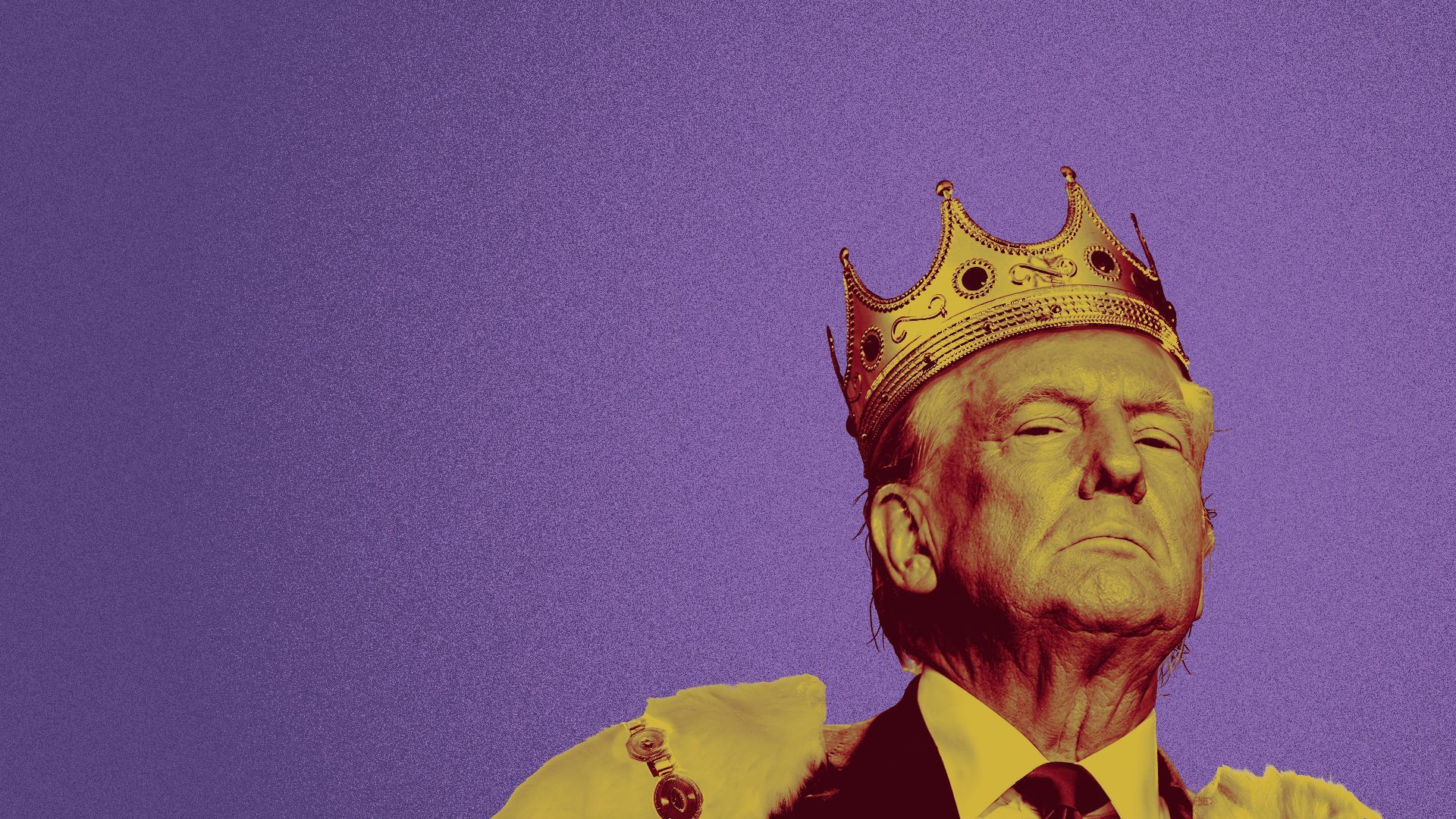
When The Mango Moose Knuckle said he wanted to rewrite the United States of America’s Constitution, This is what it means!! Filthy rich far right Maga donors are using their billions of dollars to get legislations across the country, to adopt Article 5!!!!!
I want to thank Ten Bears for the link, his link I will post below. Please read the article, and see how the news media has tried to mislead and lead the public to accept the candidate that will make them the most income. Grand read. Please do. It explains the totally unequal reporting on Biden and tRump, and other elections, and explains we must ignore it, and vote for democracy and that means vote for Biden. Hugs. Scottie.
Some quotes from the article.
How else to explain the manner in which the people who reflexively insist there are “two sides” to every issue have completely dispensed with reporting in full dimensions the issues around Biden’s performance? The press has chosen a lane, best exemplified by the New York Times loading up their front page and home page with anti-Biden narratives. The debate within the Democratic Party and liberalism is being reported as a one-sided affair, despite prominent leaders in the party making the argument for Biden’s continued candidacy. In the media pack, that storyline effectively has ceased to exist. They want Biden out, and they want him out now.
Why is the press doing this? While I think that there is some truth to the fact that the ownership of most of these media outlets has a conservative world view and that they are happy to pillory the Democratic Party at every opportunity they get, I think the reasoning is simpler.
The Biden administration has been competently boring, passing a roster of better than anticipated legislative achievements that have led to low unemployment, low fuel prices, massive infrastructure investment and now-declining inflation. This is great for America but it sucks for the bank accounts of most journalists.
During the Trump presidency they didn’t have to bother covering things like replacing lead pipes in Black communities or attempts to forgive billions in student debt. No, under Trump they had a never ending stream of feuds instigated by Trump, ranging from childish insults thrown at Nancy Pelosi and Chuck Schumer, NATO, and random people on social media. They had Trump insiders leaking office gossip about Omarosa, Diet Pepsi and other nonsense to stenographers like the New York Times’ resident Regina George, Maggie Haberman.
This led to massive online traffic, a bump in television ratings and book deals, so many book deals. ABC News’ Jonathan Karl has somehow squeezed out three Trump books, and the title of his first bestselling tome gives the game away: “Front Row at the Trump Show.”
Faced with the choice of another four years of Biden/Harris or the gravy train of Trump, the press has openly picked Trump. Even before the debate, the media studiously minimized Trump’s criminal convictions, fascist rantings, verbal diarrhea and his use of language literally out of Adolf Hitler’s playbook. Instead, they decided that the most important story in this race was Biden’s age.
See the point of the article. The media makes big money off tRump and loses money on Biden. They don’t give a flying F**k about democracy, in the US profit is king! So please read the article and don’t fall for it. Hugs. Scottie.
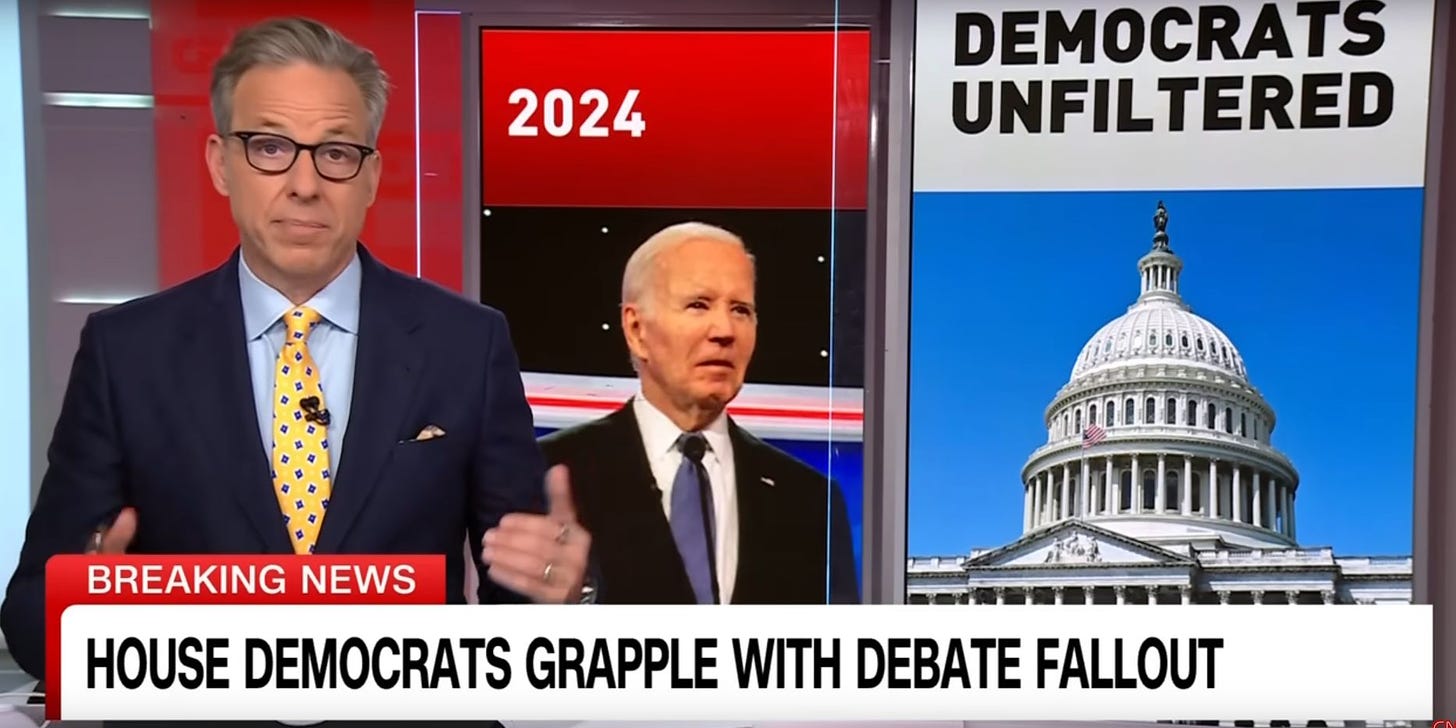
President Joe Biden’s performance in the first presidential debate was abysmal. Regardless of the reason for what occurred it was a betrayal of the trust millions of Americans have put in him over the last four years, not just as a partisan party leader, but as the head of the American government. The debate over how he and the Democrats should proceed from here is a legitimate discussion worth having.
Oliver Willis Explains is a reader-supported publication. To receive new posts and support my work, consider becoming a free or paid subscriber.
Subscribe
This is completely separate from the media feeding frenzy that has raged nonstop since before the end of the debate.
What is happening in the mainstream American media in outlets like the New York Times, CNN, the Associated Press and beyond is disgraceful and beyond contempt. The free flow of disdain for Biden, Democratic voters, and the sanctity of public discourse is obvious to even the most casual observer.
I have not seen worse behavior since the same press aided and abetted George W. Bush in selling a pack of lies about Iraq and weapons of mass destruction from 2001-2004. It isn’t even worth saying the press should be ashamed because they have shown us time and time again, they have no shame.
As a longtime critic of political reporting, a frequent fig leaf often offered in defense as outlets circle the wagons against liberal criticism, is that it is unfair to assess them as a herd. We are individuals, they protest, and the worst of us should not be lumped in with exemplary moments of reporting.
But to appropriate Bette Davis in Whatever Happened To Baby Jane: Media, you are in that pack.
How else to explain the manner in which the people who reflexively insist there are “two sides” to every issue have completely dispensed with reporting in full dimensions the issues around Biden’s performance? The press has chosen a lane, best exemplified by the New York Times loading up their front page and home page with anti-Biden narratives. The debate within the Democratic Party and liberalism is being reported as a one-sided affair, despite prominent leaders in the party making the argument for Biden’s continued candidacy. In the media pack, that storyline effectively has ceased to exist. They want Biden out, and they want him out now.
We’ve seen this kind of thing again and again from this pack of jackals. We saw it in the withdrawal from Afghanistan, when the press all but ignored successful operations to evacuate personnel and instead hyped up problems and misfires. We had purportedly nonpartisan reporters at outlets like CNN sounding like sock puppets for the Lindsey Grahams and Ted Cruzes of the world in expressing exasperation at Biden’s operation.
We also of course saw it in the 2016 election, when a collective shrug was made at Trump after he mocked the disabled and called Mexicans rapists, in favor of what was the single most important national security issue in American history: Hillary Clinton’s emails.
This deranged behavior also popped up when the press complained incessantly that President Barack Obama needed to go out and play golf with then-Speaker John Boehner, and again when the media decided the Clintons were too bumpkin to be a part of official Washington in the early 1990s, and their behavior helped pave the way for one of the most disastrous presidencies in American history because they spent the entire 2000 election cycle calling Al Gore a liar. Ever notice how even though Bush knowingly lied about WMDs, the press has never elevated that to the same level of scandal as Gore (accurately) describing his key role in contributing to the early internet? Yeah.
Why is the press doing this? While I think that there is some truth to the fact that the ownership of most of these media outlets has a conservative world view and that they are happy to pillory the Democratic Party at every opportunity they get, I think the reasoning is simpler.
The media misses Donald Trump. And they would like him to win.
The members of the mainstream media are human beings (despite frequent appearances to the contrary) and human beings respond to incentives. There is an enormous personal financial incentive to another four years of Trump in the White House, and a disincentive for the press pack if Biden (or any other Democrat) is in 1600 Pennsylvania Avenue.
The Biden administration has been competently boring, passing a roster of better than anticipated legislative achievements that have led to low unemployment, low fuel prices, massive infrastructure investment and now-declining inflation. This is great for America but it sucks for the bank accounts of most journalists.
During the Trump presidency they didn’t have to bother covering things like replacing lead pipes in Black communities or attempts to forgive billions in student debt. No, under Trump they had a never ending stream of feuds instigated by Trump, ranging from childish insults thrown at Nancy Pelosi and Chuck Schumer, NATO, and random people on social media. They had Trump insiders leaking office gossip about Omarosa, Diet Pepsi and other nonsense to stenographers like the New York Times’ resident Regina George, Maggie Haberman.
This led to massive online traffic, a bump in television ratings and book deals, so many book deals. ABC News’ Jonathan Karl has somehow squeezed out three Trump books, and the title of his first bestselling tome gives the game away: “Front Row at the Trump Show.”
Faced with the choice of another four years of Biden/Harris or the gravy train of Trump, the press has openly picked Trump. Even before the debate, the media studiously minimized Trump’s criminal convictions, fascist rantings, verbal diarrhea and his use of language literally out of Adolf Hitler’s playbook. Instead, they decided that the most important story in this race was Biden’s age.
When responding to criticism of this coverage choice, they resort to that tired old defense, insisting that they merely cover the news and that liberals are upset because it paints their candidate in a poor light.
But what they chose to do was put their entire body (not just a thumb) on the scales. The same way in which they minimized Russian interference in the election to focus on Clinton’s staffers sharing food recipes and the national security implications of risotto, they elevated Biden’s age above all else.
The press has long ago thrown away the veneer of plausible deniability in this practice and where I would fault fellow liberals is giving the press the benefit of the doubt. Surely, the thought process goes, they are as afraid of how a second Trump term would crack down on their ability to do their jobs and exercise their freedom as the rest of us.
This is unfortunately naive. These people do not care. They are far more interested in their personal financial gain and professional standing than the future of the country. Just like they didn’t care about what Bush would do to the citizens of Iraq and the American military as they rushed to publish and broadcast “scoops” about nonexistent weapons. They don’t care. A cursory study of the history of Germany shows far too many were quite happy to either turn a blind eye to Hitler’s ascent because after all, currency from Nazis is still currency.
We are in a bad place in this country and we have been for some time. The political system has been in near-constant upheaval, the party tasked with providing adult leadership (the Democrats) has shown a compulsive disinterest in adapting to the politics and communications strategies of the modern era, and the press stinks.
What is needed is constant pressure on these people, in nonviolent and legal ways, to blunt the ill effects of their zealotry on the country. The press went off into the deep end decades ago, now they are trying to drag the rest of us even further into deep, dark trenches that we may never be able to claw our way out of.
“The actions of the junior Senator from Wisconsin have caused alarm and dismay amongst our allies abroad and given considerable comfort to our enemies. And whose fault is that? Not really his. He didn’t create this situation of fear; he merely exploited it – and rather successfully. Cassius was right. ‘The fault, dear Brutus, is not in our stars, but in ourselves.’
Good night and good luck.” – Edward R. Murrow, 1954
If you like this newsletter, please consider becoming a paying subscriber by clicking here to join. I won’t be putting any of my regular columns behind a paywall and they will always be free. Thanks to everyone who has subscribed so far!
There have been several recent incidents where far-right, white supremacist groups have targeted LGBTQ people, including last weekend at a pride event in Idaho and a during a drag story hour at a library in California. J.M. Berger, a writer and researcher who focuses on extremist ideologies and has written four books on the topic, joins William Brangham to discuss.
Some Pride month events across the country, like Drag Queen Story Hours, have been targeted by far-right protestors.
Check out our Pride Store: https://professorpride.com/ 55 Years ago today was the Stonewall Riots, leading to LGBTQ freedom and Pride Month so we wanted to check in to see how this Pride month went
While a lot of the people that follow Mock Paper Sissors follow me, I still loved this post so much and the way TG wrote it, I am reposting it here. Hugs. Scottie
Some quotes from the article that show these walls are useless, and can be over come with a battery operated reciprocating saw most hardware stores sell rather cheaply. What I want to know is what is driving this need by Texas republicans? Is it political or is it hate and bigotry, racism to save the white majority they will soon lose. Hugs. Scottie
“Walls do not achieve the objectives for which they are said to be erected; they have limited effects in stemming insurgencies and do not block unwanted [migrant] flows, but rather lead to a re-routing of migrants to other paths,” wrote Élisabeth Vallet of the nonpartisan Migration Policy Institute in a 2022 report.
————————————————————————————————————-
🇺🇸🇲🇽 American-Mexican Border Wall: Not as Effective Against Immigrants as Intended 🪜The border wall was meant to be a major deterrent, but recent data suggests it hasn't significantly slowed immigration. Just need a big ladder pic.twitter.com/1MpvtHaQQT
Gov. Greg Abbott looks at crane lifting a section of the border wall in place after giving a press conference at Rio Grande City on Dec. 18, 2021. Credit: Jason Garza for The Texas Tribune
Three years after Gov. Greg Abbott announced Texas would take the extraordinary step of building a state-funded wall along the Mexico border, he has 34 miles of steel bollards to show for it.
That infrastructure — which has so far run up a price tag of some $25 million per mile — isn’t yet a contiguous wall. It has gone up in bits and pieces spread across at least six counties on Texas’ 1,254-mile southern border. Progress has been hampered by the state’s struggles to secure land access, one of myriad challenges signaling a long and enormously expensive slog ahead for Abbott.
Nonetheless, state contractors have already propped up more wall mileage than former President Donald Trump’s administration managed to build in Texas, and Abbott’s wall project is plowing ahead at a quickened pace. State officials hope to erect a total of 100 miles by the end of 2026, at a rate of about half a mile per week. The governor frequently shares video of wall construction on social media and has credited the project with helping combat immigration flows. To date, though, steel barriers cover just 4% of the more than 800 miles identified by state officials as “in need of some kind of a barrier.” And at its current rate — assuming officials somehow persuade all private landowners along the way to turn their property over to the state — construction would take around 30 years and upwards of $20 billion to finish.
Under Abbott’s direction, state lawmakers have approved more than$3 billion for the wall since 2021, making it one of the biggest items under the GOP governor’s $11 billion border crackdown known as Operation Lone Star. The rest of the money is being used for items like flooding the border with state police and National Guard soldiers and transporting migrants to Democrat-controlled cities outside Texas, all of which Abbott and other Republicans say is needed to stem the historic number of migrants trying to enter the country.
Democrats and immigration advocates have cast the wall project as a taxpayer-funded pipe dream that will do nothing to address the root causes driving the immigration crisis. And they say the governor, in reviving what was once a hallmark of Trump’s agenda, is using public money to boost his political stock.
Even some immigration-hawk Republicans are showing unease about the mounting costs of the wall.
“I am, too, concerned that we’re spending a whole lot of money to give the appearance of doing something rather than taking the problem on to actually solve it, and until we do that, I don’t expect to see much happen,” state Sen. Bob Hall, R-Edgewood, said last fall before voting in committee to spend another $1.5 billion in wall funding.
Abbott’s office did not respond to a request for comment for this story.
Acquiring land
The construction pace has largely hinged on the state’s success securing rights to build the wall through privately owned borderland. Early on, the project showed little signs of life as state contractors struggled to obtain the needed easements. But things picked up last year as the state began working out more agreements covering larger tracts. Through mid-June, officials had secured 79 easements covering about 59 miles of the border, according to Mike Novak, executive director of the Texas Facilities Commission, which is overseeing the effort.
At a facilities commission meeting last month, Novak said state officials were in various stages of negotiation with landowners over another 113 miles.
“We knew from the beginning that this was going to be the choke point, you know, one of the most challenging parts of this program,” Novak said of land acquisition. “And it proved true. But we’ve remained steadfast.”
Officials had built 33.5 miles of wall through June 14, a facilities commission spokesperson said.
The state’s ability to secure land rights has also dictated the wall’s location, though officials say they have focused on areas pinpointed by the Department of Public Safety as the “highest priority.” TFC officials have declined to share exactly where the wall is being built, citing security concerns, though Novak recently said construction was underway on wall segments in Cameron, Maverick, Starr, Val Verde, Webb and Zapata counties.
Though the Texas-Mexico border spans more than 1,200 miles, Abbott’s budget director, Sarah Hicks, told a Senate panel in 2022 that DPS had identified 805 miles “as vulnerable, or [that] is in need of some kind of a barrier.” Another 180 miles are covered by natural barriers, mostly in the Big Bend region of West Texas, while existing barriers already cover another 140 miles, according to state officials.
Novak has said the pace of building about half a mile of wall per week is expected to continue for the “foreseeable future.” At that rate, about 100 miles would go up every four years, with the full 805 miles covered sometime after 2050, when Abbott would be in his 90s.
The earliest wall construction has cost roughly $25 million to $30 million per mile, according to TFC officials. That would amount to $20 billion to $24 billion for the entire 805-mile span, or about three times the cost of paying every Texas public university student’s tuition last year. The estimate does not account for the cost of maintaining the wall once it is built, which TFC estimates will cost around $500,000 per mile each year.
Lubbock state Sen. Charles Perry, who last year carried Texas’ new immigration law that allows state police to arrest people for illegally crossing the Mexico border, is another Republican who has expressed concern about the wall’s cost.
“I am for border security. I am not against a wall. But to me, at least from what I can tell, it is a perpetual circle. We’re on the hamster wheel,” Perry said last fall as he prepared to vote for the $1.5 billion wall funding bill. “[At some point] the response has not to be more money for infrastructure. At some point this state must draw the line in the sand.”
Still, no Texas Republican has voted against border wall funding. Lawmakers approved nearly $2.5 billion for the effort in the state’s current two-year budget — more than was allotted in state funds to all but a handful of state agencies, and more than twice what Texas spends on its court and juvenile justice systems.
State Rep. Christina Morales, D-Houston, said she doesn’t think Texas’ GOP leadership “really understands why people are crossing in the first place.”
“Spending billions of dollars on a wall really does not address the root causes of the migration that’s happening,” said Morales, who is vice chair of the House’s Mexican American Legislative Caucus. “What we should be investing in is our education, our health care, real solutions for problems that are happening right now in Texas.”
Since 2021, federal officials have recorded an average of about 2 million illegal border crossings a year, a record that Abbott has attributed to President Joe Biden for rolling back some of Trump’s border policies. The governor has touted the wall construction as a way for Texas to “address the border crisis while President Biden has sat idly by.” Biden and other Democrats have blamed Republicans for shooting down a sweeping bipartisan border deal earlier this year.
The scope of Texas’ wall construction — and Abbott’s broader border security efforts — are unprecedented in nature, as the federal government is generally responsible for immigration enforcement and the costs associated with it.
Even with the state’s improved pace securing easements, Novak has said land access remains the biggest challenge for the project, and “it’ll probably remain that way through most of the program.” The Trump administration encountered the same issue after the former president famously said he would build the wall and make Mexico pay for it. Even using the federal government’s power to seize some borderland, Trump’s administration built just 21 miles of new wall along the Texas-Mexico border.
The painstaking negotiations are required for Texas’ wall because lawmakers barred the use of eminent domain to gain land access.
Last year, state Sen. Brandon Creighton, R-Conroe, filed legislation to change that, arguing TFC officials could only build a complete wall if they were authorized to use eminent domain powers. The proposal failed to make it through the Senate, though Creighton said he plans to file it again for the session that starts next January.
“Of course, we can continue to negotiate with ranchers, but that is a very slow process,” Creighton said. “And it’s an incomplete process, because there will always be holdouts for different reasons.”
Creighton, one of the upper chamber’s more conservative members, said he still supports using state funds to build a border wall, even as some of his GOP colleagues have raised objections.
“I say no to waste, inefficiencies, potential fraud and unreasonable spending as much as any member,” Creighton said. “But … there are times, with all of that fiscal conservatism, that we have to use the money that we save efficiently to protect Texans and Texas.”
“A difficult and complex task”
Most border wall advocates acknowledge barriers alone will not deter people from trying to enter the country illegally. But they say a wall would work if paired with more law enforcement officers and technology, arguing it would slow down attempted crossers to give border agents more time to apprehend them and encourage migrants to seek asylum via ports of entry.
“Walls do not achieve the objectives for which they are said to be erected; they have limited effects in stemming insurgencies and do not block unwanted [migrant] flows, but rather lead to a re-routing of migrants to other paths,” wrote Élisabeth Vallet of the nonpartisan Migration Policy Institute in a 2022 report.
With construction plunging ahead, Novak has projected confidence about the wall’s status, pointing to the recent progress after an initial slow start, which saw officials build less than 2 miles in the 12 months after Abbott announced the effort.
It’s not just land access that complicates wall construction, Novak said at the June TFC meeting, where he ticked off a list of other factors: changing soil conditions that require “complicated engineering solutions”; steering clear of irrigation systems when building on agricultural land; weather; and “sensitivity” to cattle, oil and gas and hunting operations.
“It’s a difficult and complex task, at best,” Novak said. “But with that said, we’re whipping it. The latest stats reflect what I like to call just steadfast progress.”
I don’t care if Biden is in a wheelchair and shakes like an out of balance washing machine on spin cycle or a tea cup Chihuahua, I will vote for him. The people he puts in positions, in departments, the judges he appoints are far too important to not vote for him. No do not switch him out now, too late, plus the people saying to do it admit they don’t all want the same person to replace him. Regardless of how old Biden is, tRump is a hateful tyrant con man crook. Hugs. Scottie
Photo illustration: Brendan Lynch/Axios. Photo: Samuel Corum/Getty Images
Former President Trump, if re-elected, plans to immediately test the boundaries of presidential and governing power, knowing the restraints of Congress and the courts are dramatically looser than during his first term, his advisers tell us.
Why it matters: It’s not just the Supreme Court ruling on Monday that presidents enjoy substantial legal immunity for actions in office. Trump would come to office with a Cabinet and staff pre-vetted for loyalty, and a fully compliant Republican coalition in Congress — devoid of critics in positions of real power.
That’s a big reason many Democrats worry President Biden is making one of the biggest gambles in U.S. history by staying in the race amid acute concerns about his age.
The big picture: Trump promises an unabashedly imperial presidency — one that would turn the Justice Department against critics, deport millions of people in the U.S. illegally, slap 10% tariffs on thousands of products, and fire perhaps tens of thousands of government staff deemed insufficiently loyal.
He’d stretch the powers of the presidency in ways not seen in our lifetime. He says this consistently and clearly — so it’s not conjecture.
You might like this or loathe this. But it’s coming, fast and furious, if he’s elected.
Thanks to Monday’s Supreme Court ruling, Trump could pursue his plans without fear of punishment or restraint.
What to watch: To hear Trump and his allies tell it, this is how early 2025 would unfold if he wins:
1. A re-elected Trump would quickly set up vast camps and deport millions of people in the U.S. illegally. He could invoke the Insurrection Act and use troops to lock down the southern border.
3. He’d centralize power over the Justice Department, historically an independent check on presidential power. He plans to nominate a trusted loyalist for attorney general, and has threatened to target and even imprison critics. He could demand the federal cases against him cease immediately.
4. Many of the Jan. 6 convictscould be pardoned — a promise Trump has made at campaign rallies, where he hails them as patriots, not criminals. Investigations of the Bidens would begin.
5. Trump says he’d slap 10% tariffs on most imported goods, igniting a possible trade war and risking short-term inflation. He argues this would give him leverage to create better trade terms to benefit consumers.
6. Conversation would intensify about when Justices Clarence Thomas, 76, and Sam Alito, 74, would retire.
Lists of potential successors are already drawn up.
President Biden said last month that “the next president is likely to have two new Supreme Court nominees.”
If Trump were to win and the two oldest justices retired, five of the nine justices would have been handpicked by Trump.
Top Democrats privately predict Republican majorities in the House and Senate if Biden loses.
Most of Trump’s most prominent critics — Mitt Romney, Liz Cheney, et al. — will be gone. Even the few who remain, including Sen. Mitch McConnell (R-Ky.), will be substantially less powerful.
Trump would be backed by an overwhelmingly Trump-friendly Senate and House — loaded with loyalists, top to bottom. Many were elected since his 2016 win, and many thanks to his endorsement.
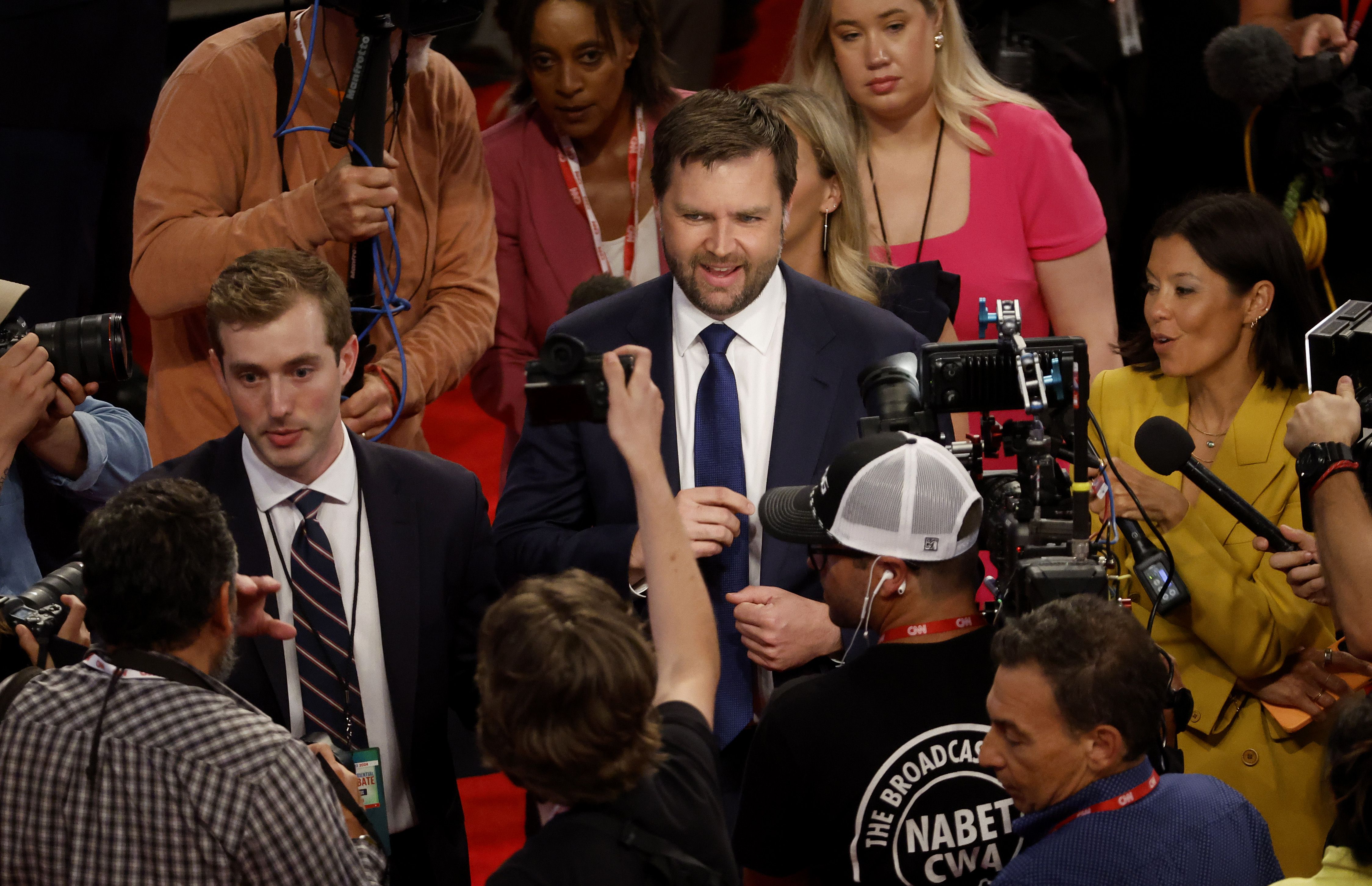
Sen. J.D. Vance (R-Ohio) in the spin room after the CNN debate in Atlanta. Photo: Kevin Dietsch/Getty Images
What they’re saying: Sen. J.D. Vance (R-Ohio), a top prospect as Trump’s VP, told us Trump would have more allies — and more loyal allies — in Congress this time.
“You have to ask yourself: How many true allies of the agenda existed in the United States Capitol in January 2017, and how many will exist in January of 2025?” Vance told us.
“You have a Republican Party that, in some ways, was divided against itself in January of 2017,” Vance added. “I think now it recognizes that Trump is effectively leader of the party. And you’ll see that in governing style and certainly in agenda,” with “much less infighting between Republicans, which will make us much more effective as a governing coalition.”
The freshman senator said that while Trump was “very much a newcomer to politics” when he ran the first time, he now “understands how to pull the levers of power much better, because he’s coming at this as a subject matter expert.”
The media would investigate, report, and illuminate all of it — but probably with less impact. A second Trump term would start with TV ratings in the tank, mainstream media shrinking, and public attention shattering into dozens of information ecosystems, many built around popular and often partisan celebrities.
So the ability to do more with fewer real restraints is real — and hard to change.
The bottom line: Think of Trump 2025 as a better prepared, much better organized, much more powerful version of Trump 2017 — minus Republican brakes and any mystery about immunity.
John Oliver discusses Donald Trump’s plans for a second term, why it could be much worse than his first term, and what Trump has in common with a hamster.