
Black Indigenous Chefs Are Reclaiming Identity Through Food — One Dish at a Time by Michael Harriot
Black Native food workers are passing down culinary traditions, restoring lost connections and feeding body and soul. Read on Substack
The Indigenous food movement has seen a renaissance in North America, with restaurant openings, cookbook releases and community initiatives that announce the presence, expertise and heritage of Indigenous food workers. Amidst this moment, Black Native food workers have seen both the beauty and the harshness of living at the intersection of Blackness and Indigeneity, as the dominant settler colonial culture of the United States often tries to erase or flatten all parts of their identities.
But those attempts at erasure have also provided moments of reflection and insight, and a realization that the mission of Black Indigenous food workers is profoundly spiritual and political healing work. For Stephan Oak, a Black and Lakota forager and woodworker who lives in Detroit, the threads of connection that Black Indigenous people hold in their family stories that are “steeped in violence, but also steeped in love and resistance” are also guides that allow them to connect in the past, present, and future — a shared cosmology.
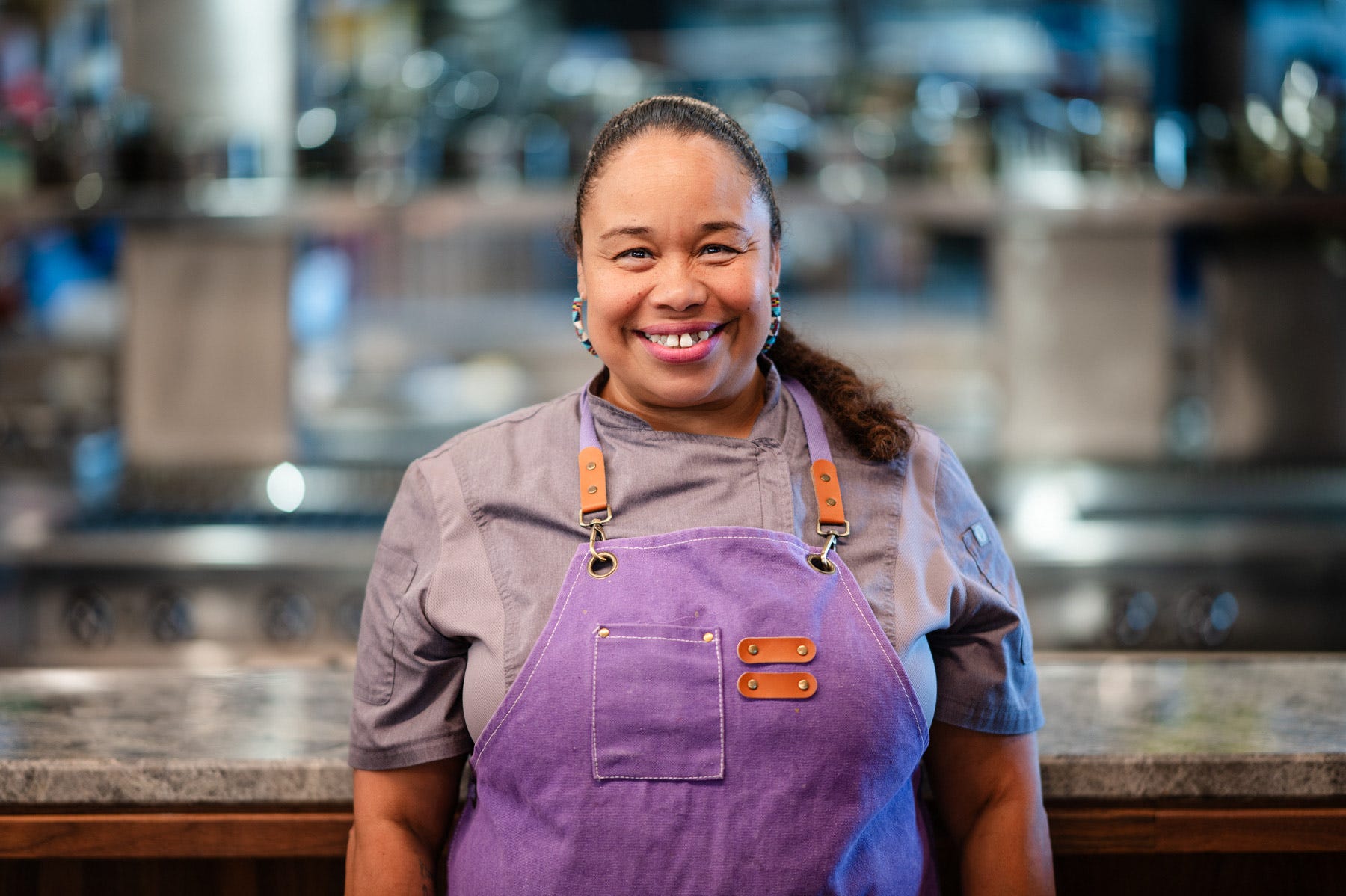
Crystal Wahpepah, who is Black and Kickapoo and the executive chef and owner of Wahpepah’s Kitchen in Oakland, Calif., says that often, through representation and education, Black Native people in the food industry come to a deeper peace about their identity and heritage. At Wahpepah’s Kitchen, over cornbread dishes from the Ute and Kickapoo people, wild rice from the Great Lakes tribes and bison from the Great Plains, people often find themselves.
“I meet so many people who are Black and Native but never felt connected to their Indigenous side, and when they meet me, they start talking about it, about culture, about those things that have been lost,” she says. Wahpepah is also opening a new restaurant, A Feather and a Fork, which is also the title of her upcoming cookbook.
That loss is something felt in both Black and Indigenous communities and can often feel pronounced because of family separation through residential schools, land expulsions, the trans-Atlantic slave trade and the domestic slave trade that broke up Black families across the country. “Because of colonial violence, there’s a fractured relationship to home or your connection to your ancestors,” says Oak. “The intent of the colonizer is to stop you from looking … to accept the identity of the conditions they’ve placed on you.”
Food is one of the ways Oak and others are reclaiming autonomy over their identities, especially as governments use food as a weapon by depriving communities of affordable, culturally relevant food. Oak points out that even amidst food deserts on reservations and urban Black communities, people find ways to be more self-sufficient and connect back to the land, which helps them reconnect with the essence of who they are. (snip-MORE; lots more but not too long)
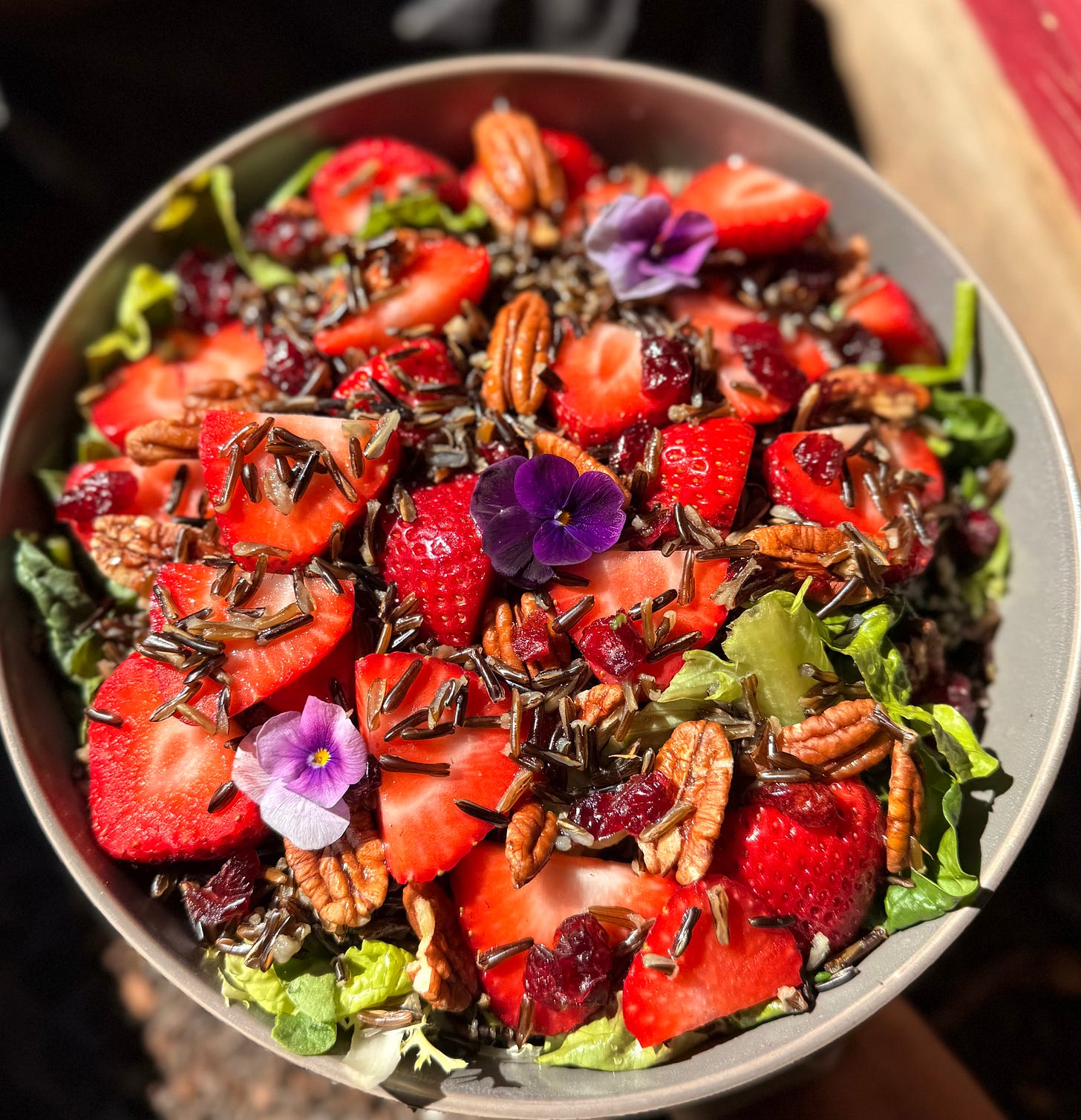
Crystal Wahpepah’s wild rice salad with strawberries and pecans (Courtesy of Crystal Wahpepah)
 Scottie's Playtime