Queer History With Brunch

Or, whenever you read this. There are 4 snippets, all important to maintaining visibility of people through representation in history. Language alert, in case you’re at work.

Queer History 847: Sarah Orne Jewett – The Defiant Pen That Refused to Bow by Wendy🏳️‍⚧️🏳️‍🌈🌈
Read on Substack

Sarah Orne Jewett wasn’t just a writer—she was a goddamn literary revolutionary who told the world to fuck off while she lived her truth in broad daylight. Born in 1849 in South Berwick, Maine, this fierce woman carved out a life that would make modern queer folk weep with recognition and rage at how little has changed. Her “Boston marriage” with Annie Adams Fields wasn’t just a relationship; it was a middle finger raised high to a society that demanded women choose between intellectual fulfillment and emotional intimacy.

The term “Boston marriage” itself is a sanitized piece of historical bullshit that literary scholars use to avoid saying what everyone with half a brain knows: these women were lovers, partners, and soulmates who built lives together while the world pretended they were just “very close friends.” Jewett and Fields lived this reality for nearly three decades, creating a partnership that was more authentic and enduring than most heterosexual marriages of their era—or ours, for that matter.
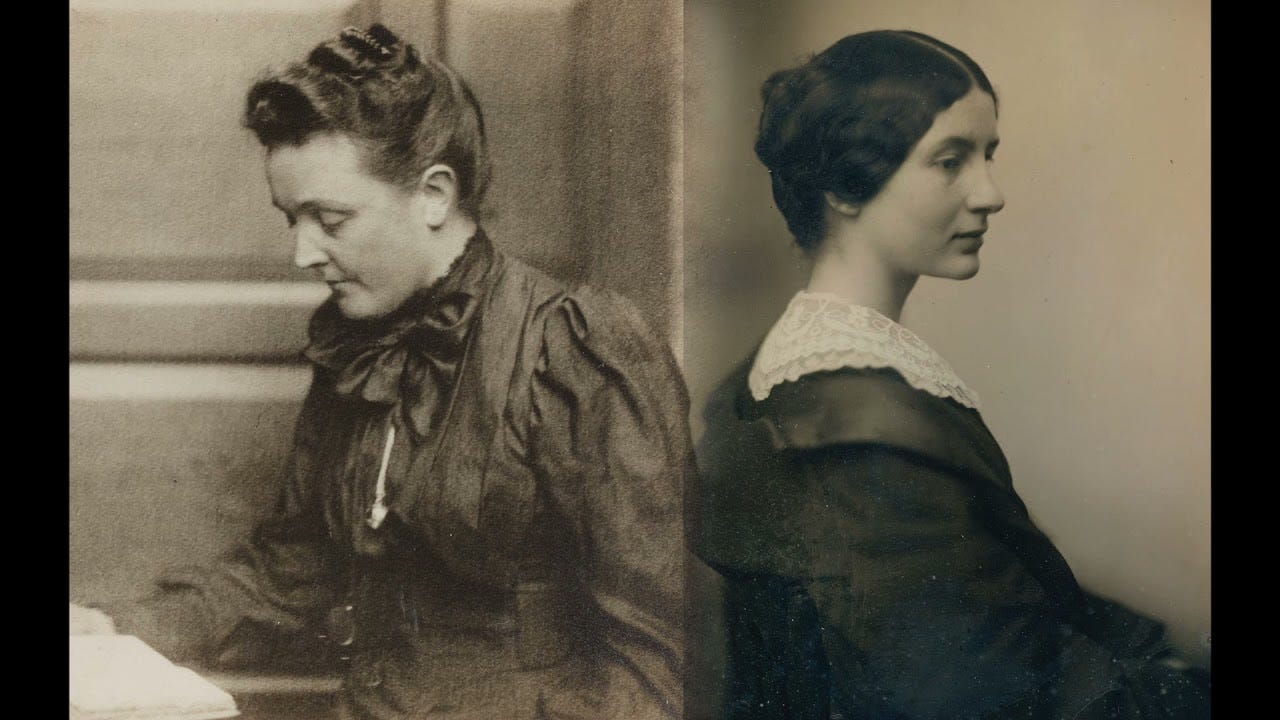
Sarah Orne Jewett Love Letter to Annie Adams Fields

The Making of a Literary Badass

Sarah Orne Jewett emerged from a world that wanted to stuff women into corsets and drawing rooms, but she said “fuck that noise” and became one of America’s most celebrated regional writers. Her father, Theodore Herman Jewett, was a country doctor who took his daughter on his rounds through rural Maine, exposing her to the harsh realities of working-class life that would later infuse her writing with a authenticity that urban literary elites couldn’t fake if they tried.

This early exposure to real people living real lives—not the sanitized version of existence that polite society preferred—shaped Jewett’s understanding that truth was more important than propriety. She watched women struggle to survive in a world that offered them shit options: marriage to men who might abuse them, spinsterhood that meant poverty and social isolation, or the kind of life she would eventually choose—one that required courage, defiance, and the willingness to let people think whatever the hell they wanted. (snip-MORE)

Queer History 594: Alexander Hamilton – The Founding Father Who Loved Hard and Wrote Gay as Fuck Letters by Wendy🏳️‍⚧️🏳️‍🌈🌈
Read on Substack

In the pantheon of American mythology, Alexander Hamilton has been sanitized, straightened, and scrubbed clean of anything that might challenge the heteronormative fairy tale we tell ourselves about our founding fathers. But here’s the thing about historical whitewashing—it can’t erase the actual fucking words these men wrote to each other. And Alexander Hamilton, that brilliant, passionate, self-destructive bastard who helped birth a nation, wrote letters to John Laurens that were so goddamn romantic, so emotionally intimate, so clearly beyond the bounds of “normal” male friendship that historians have been performing Olympic-level mental gymnastics for centuries to explain them away.
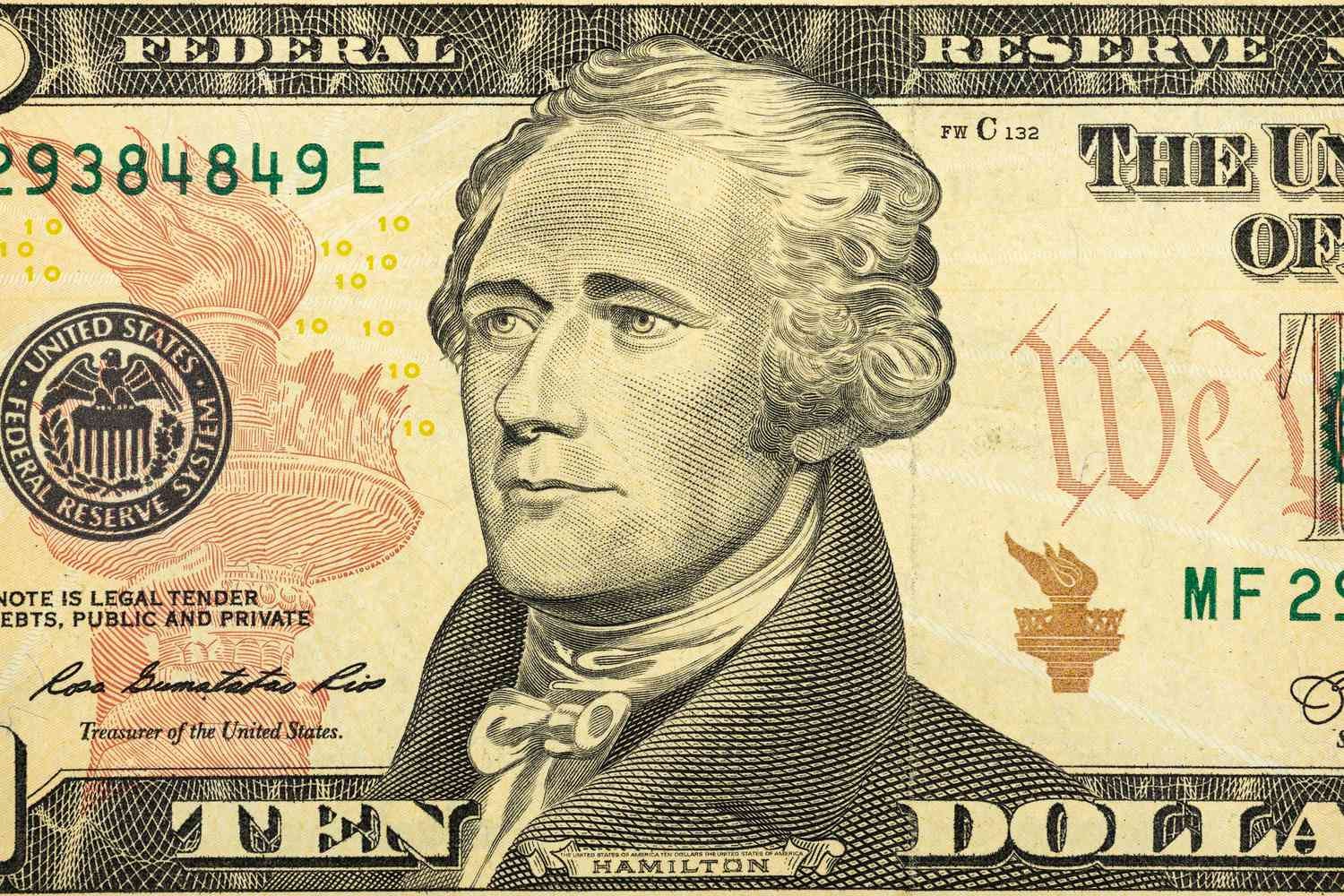
Alexander Hamilton and the National Economy

Born in 1755 on the Caribbean island of Nevis, Hamilton clawed his way from bastard orphan to the right hand of George Washington through sheer intellectual brilliance and an intensity that burned like a fucking supernova. But it was his relationship with fellow revolutionary John Laurens that revealed the depth of his capacity for love, passion, and the kind of emotional vulnerability that straight male mythology pretends doesn’t exist. Their correspondence reads like a love affair conducted through the medium of revolutionary politics, and anyone who thinks these men were just “very good friends” has clearly never read a love letter in their goddamn life.

The Making of a Revolutionary Heart

Alexander Hamilton’s early life was a masterclass in how trauma and abandonment can forge either a monster or a revolutionary—and sometimes both. His father abandoned the family when Alexander was ten. His mother died when he was thirteen, leaving him and his brother orphaned and destitute in a world that had no fucking patience for bastard children with no connections.

The psychological impact of this early abandonment cannot be overstated. Hamilton developed the kind of intense, desperate need for connection that would characterize all his relationships—romantic, political, and personal. He threw himself into every relationship with the fervor of someone who had learned early that love was scarce and could disappear without warning. (snip-MORE)

Queer History 673: Renée Vivien – The Sapphic Rebel Who Burned Bright and Fucking Died for Love by Wendy🏳️‍⚧️🏳️‍🌈🌈
Read on Substack

In the suffocating, corseted world of turn-of-the-century Europe, where women were expected to be seen and not heard, to marry well and breed often, and to suppress any hint of sexual desire that didn’t serve patriarchal ends, Renée Vivien said “fuck that” with every passionate verse she penned. Born Pauline Mary Tarn in 1877, this British-American poet didn’t just write love poetry to women—she set the goddamn literary world on fire with verses so erotically charged, so unapologetically sapphic, that they made Victorian sensibilities spontaneously combust.
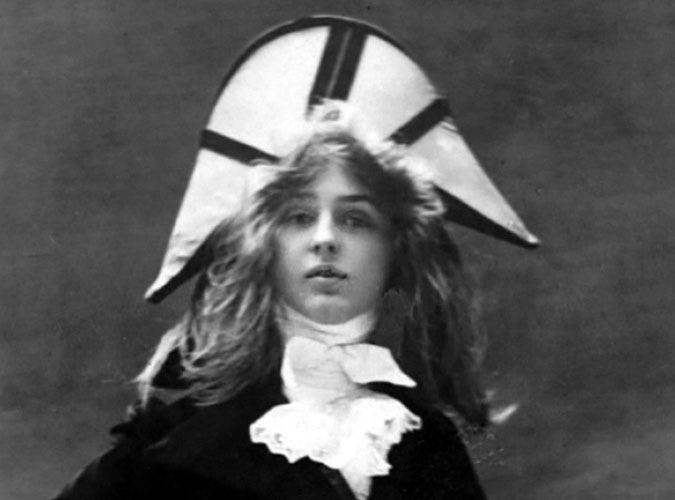
Renée Vivien - 96th of October

Vivien wasn’t just a poet; she was a fucking revolutionary who wielded language like a sword against the heteronormative assumptions of her time. She lived fast, loved hard, and died young at 32, leaving behind a body of work that would make contemporary lesbian poets weep with envy and recognition. Her life was a middle finger to every social convention that tried to cage women’s desires, a testament to the power of living authentically even when the world wants to crush you for it.

The Making of a Sapphic Goddess

Pauline Mary Tarn was born into privilege in London on June 11, 1877, but privilege couldn’t protect her from the psychological warfare that society wages against women who dare to love other women. Her father died when she was eleven, and her mother, perhaps recognizing something unconventional in her daughter, shipped her off to boarding school in Paris. It was there, in the City of Light, that Pauline would transform herself into Renée Vivien—a name that literally means “reborn” and “living,” because sometimes you have to kill your old self to become who you’re meant to be. (snip-MORE)

Queer History 847: Mary Glasspool – Holy Shit, She Actually Did It by Wendy🏳️‍⚧️🏳️‍🌈🌈
Read on Substack

In the grand fucking theater of religious hypocrisy, where LGBTQIA+ people have been told for millennia that they’re damned, broken, and unwelcome at the altar of God’s love, Mary Glasspool stood up in 2010 and said, “Bullshit.” Not with those exact words, mind you—she’s a bishop, after all—but with something far more powerful: her entire goddamn life.
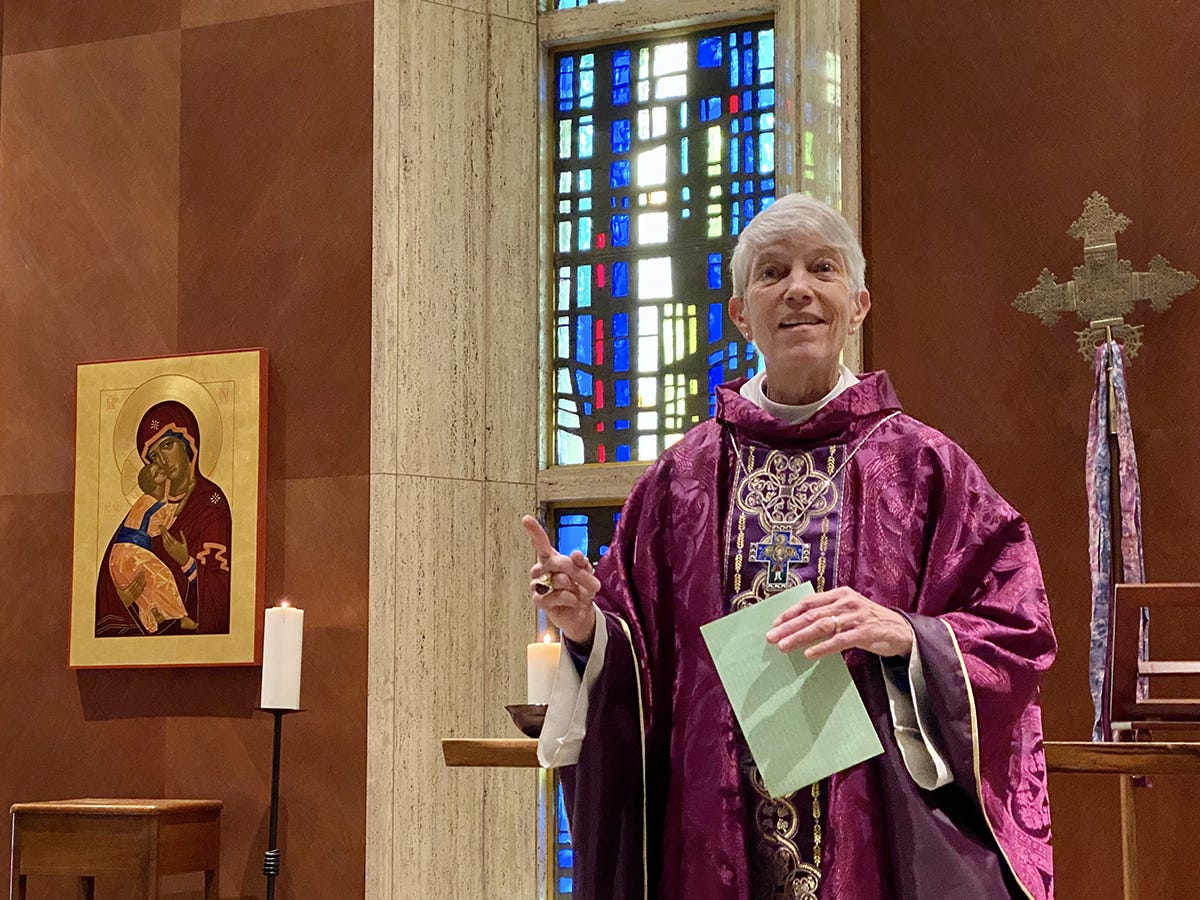
New York Assistant Bishop Mary Glasspool to retire in June – Episcopal News  Service

Born in 1954 in New York, Mary Douglas Glasspool didn’t just break the stained-glass ceiling of the Episcopal Church; she obliterated it with the force of a woman who refused to let anyone else define her relationship with the divine. When she was consecrated as the first openly lesbian bishop in the history of Christianity, she didn’t just make history—she rewrote the fucking rulebook on what it means to serve God while being authentically, unapologetically queer.

The Holy Shit Moment That Changed Everything

Picture this: It’s January 15, 2010, and the religious establishment is losing its collective mind. Conservative bishops are clutching their pearls, traditionalists are having actual conniptions, and somewhere in the background, you can practically hear the sound of centuries-old prejudices cracking like ice on a frozen pond. Mary Glasspool, a 55-year-old woman who had been serving her church and community with distinction for decades, was about to be consecrated as a bishop in the Episcopal Church—and she wasn’t hiding who she was or who she loved.

The consecration ceremony at Christ Cathedral in Los Angeles was a watershed moment that sent shockwaves through the Anglican Communion worldwide. Here was a woman who had spent her life in service to others, who had demonstrated exceptional leadership, theological acumen, and pastoral care, and the fact that she happened to love women was somehow supposed to disqualify her from serving God? Fuck that noise. (snip-MORE)
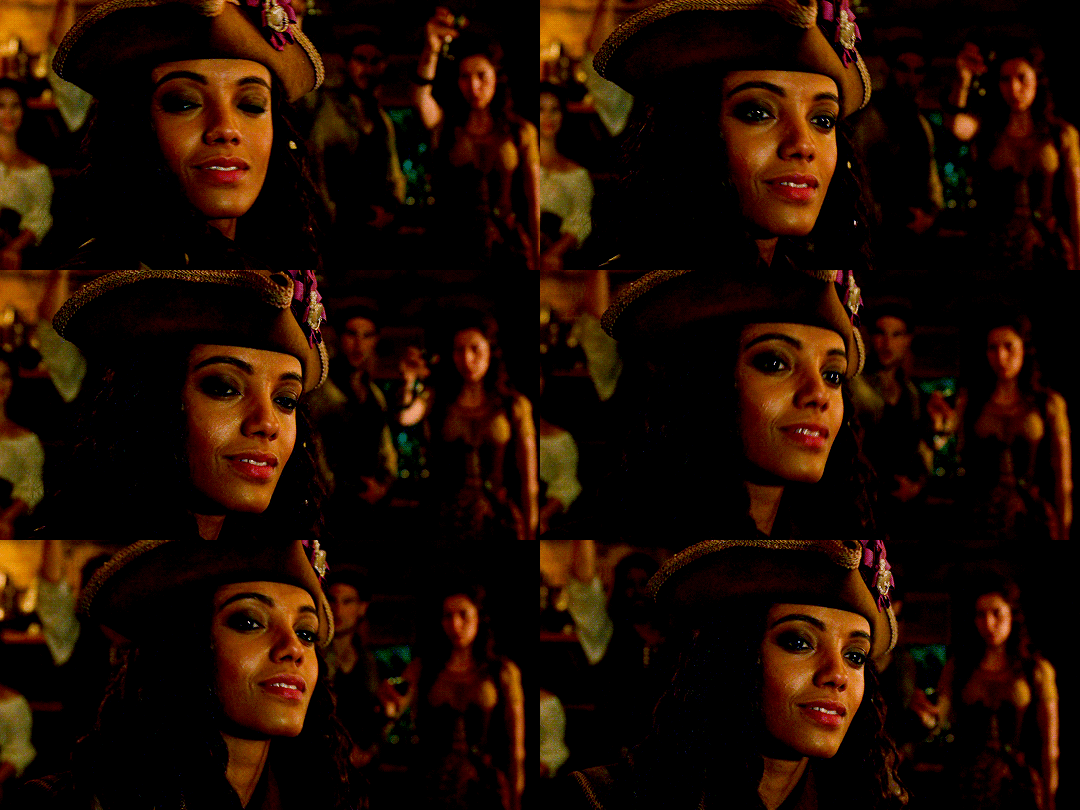
Queer History with Blue Language

I had to post this one! IIRC, Anne Bonny is in one of our son’s “Badass” books. We bought those for him in his late elementary and middle school years. He’s always loved history, and most tweens/early teens enjoy blue language, so you get both with these books and the website. I’ve read them, and they’re just rollicking fun, and accurate. Anyway, I’ve had a soft spot for Anne Bonny due to her story and her fortitude. And now, for some more history with blue language!

Queer History 133: Anne Bonny by Wendy🏳️‍⚧️🏳️‍🌈🌈

The Bisexual Buccaneer Who Shattered Every Fucking Chain Read on Substack

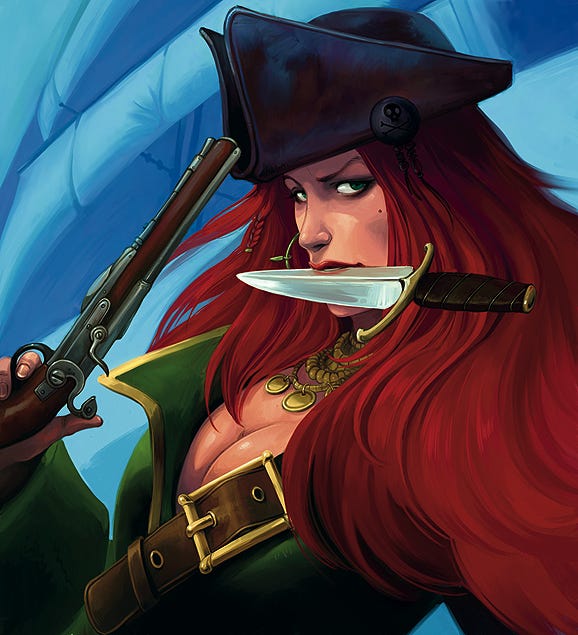
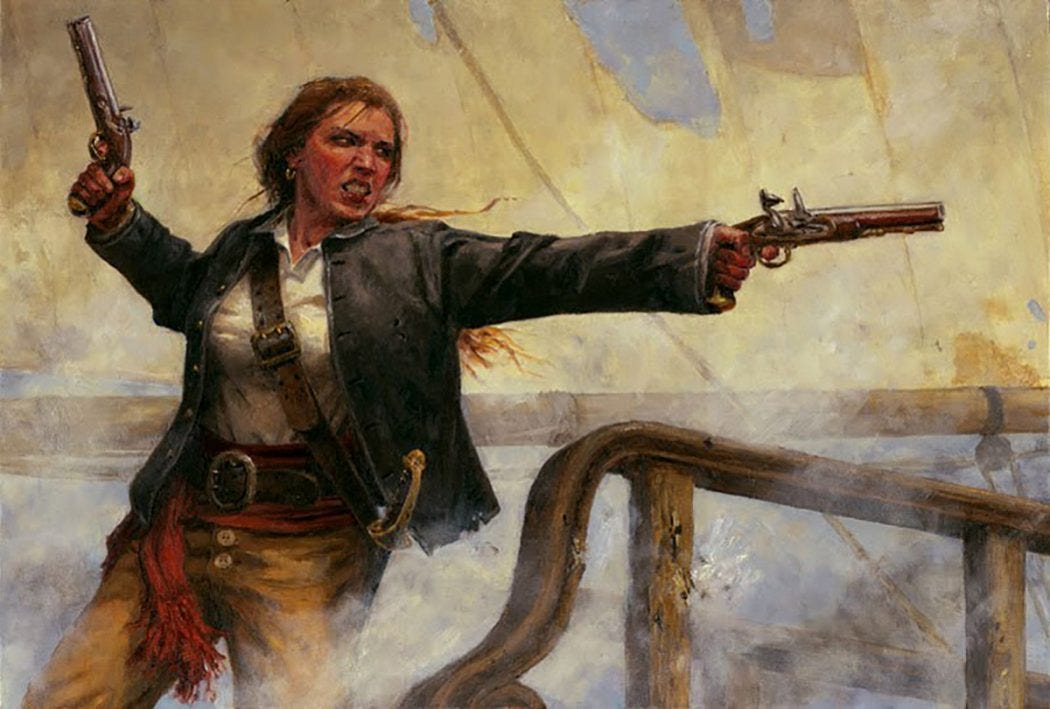
The Caribbean sun beats down mercilessly on the deck of the Revenge, its rays catching the glint of steel and the flash of defiant eyes. Blood mingles with salt spray as cutlasses clash, and in the midst of this violent ballet dances a figure that would make the devil himself take notice—Anne Bonny, her red hair whipping like flames in the ocean wind, her blade singing its deadly song as she carves through enemies with the fury of a woman who has never, not once, apologized for who she fucking is.

Ferocious female Pirates in history taking charge - Smugglers Adventure

This is no sanitized fairy tale of pirates and buried treasure. This is the raw, unvarnished truth of a woman who lived as she pleased, loved whom she chose, and fought like hell against every goddamn soul who tried to cage her spirit. Anne Bonny wasn’t just a pirate—she was a revolution wrapped in leather and lace, a middle finger raised to every suffocating convention of her time, and a blazing torch of queer defiance centuries before the world had words for what she represented.

Born around 1697 in County Cork, Ireland, Anne Cormac entered a world that had already decided her fate before she drew her first breath. She was meant to be silent, subservient, and safely tucked away in the shadows of more “important” men. The patriarchal machine had clear expectations: marry young, breed often, and die quietly. But from her earliest days, Anne Bonny grabbed those expectations by the throat and strangled them with her bare hands.

Her father, William Cormac, was a lawyer who had knocked up the family maid—Anne’s mother. In the rigid social hierarchy of 18th-century Ireland, this scandal should have destroyed them all. Instead, Cormac said “fuck it” to respectability, took his lover and bastard daughter, and sailed for the American colonies where they could start fresh. This act of defiance—choosing love over social standing—planted the first seeds of rebellion in young Anne’s soul.

In Charleston, South Carolina, the Cormac family built a new life from scratch. William established a successful law practice and plantation, but it was clear from the start that his daughter was not cut from ordinary cloth. While other girls her age were learning needlepoint and practicing their curtsies, Anne was learning to ride like a demon, shoot like a marksman, and curse like a sailor. She moved through the world with a swagger that made proper ladies clutch their pearls and men wonder if they were seeing things.

The first whispers about Anne’s unconventional nature started early. Servants gossiped about the young mistress who preferred the company of both the stable boys and the parlor maids with equal enthusiasm. They spoke in hushed tones about midnight escapades and passionate encounters that defied easy categorization. Anne Bonny was discovering that her heart and her loins recognized no boundaries when it came to attraction—a revelation that would have sent most people of her era scrambling for the nearest priest, but only made Anne more determined to live authentically.

When Anne was barely out of her teens, she shocked Charleston society by marrying James Bonny, a small-time pirate and fortune hunter who thought he could tame the wild Irish girl and claim her father’s wealth. The poor bastard had no idea what he’d gotten himself into. Anne married him not out of love, but as a means of escape from her father’s increasingly desperate attempts to marry her off to someone “respectable.” It was a calculated move by a young woman who understood that sometimes you have to play the game to change the rules.

James Bonny turned out to be everything Anne despised—weak, grasping, and utterly conventional. While he dreamed of easy money and social climbing, Anne burned with restless energy and unfulfilled desires. Their marriage was a farce from the start, a prison that Anne was already planning to escape before the ink was dry on the wedding certificate.

supercanaries : Hats off to the pirate queen!

The couple moved to Nassau in the Bahamas, a lawless pirate haven where conventional morality went to die and freedom could be bought with steel and courage. For James, Nassau represented opportunity for his petty schemes. For Anne, it was liberation incarnate—a place where she could finally breathe freely and explore every aspect of her complex sexuality without the suffocating weight of mainland propriety.

Nassau in the early 1700s was a powder keg of sexual and social revolution. Pirates, prostitutes, escaped slaves, and social outcasts from across the Atlantic world had created a society that operated by its own rules. Gender roles were fluid, sexual boundaries were negotiable, and survival depended on wit, strength, and ruthless determination—qualities Anne possessed in abundance.

It was in this intoxicating atmosphere that Anne first encountered other women who loved women, men who challenged traditional masculinity, and people who refused to be defined by society’s narrow categories. She found herself drawn into passionate affairs with both men and women, sometimes simultaneously, always honestly. While the respectable world would have labeled her a whore or worse, in Nassau she was simply Anne—a woman living life on her own terms.

Her marriage to James became increasingly irrelevant as Anne explored her true nature. She took lovers as she pleased, fought alongside men as an equal, and began to develop the reputation that would make her legendary. Her bisexuality wasn’t a phase or a rebellion—it was simply part of who she was, as natural and integral as her red hair or her fierce temper.

Everything changed when Anne met Captain John “Calico Jack” Rackham. Unlike her pathetic husband, Jack was a real pirate—charming, dangerous, and utterly unintimidated by Anne’s fierce independence. More importantly, he saw her for what she truly was: not a woman to be tamed, but a force of nature to be unleashed. Their affair was passionate, public, and absolutely scandalous by any civilized standard.

But Anne Bonny was never one to do things halfway. When she decided to leave her husband for Calico Jack, she didn’t sneak away in the night like a guilty adulteress. She walked out in broad daylight, her head held high, her hand on her cutlass, daring anyone to try and stop her. When James Bonny appealed to the colonial governor for the return of his “property,” Anne’s response was swift and brutal—she showed up at the governor’s mansion armed to the teeth and made it clear that any attempt to drag her back to her miserable marriage would result in bloodshed.

Joining Calico Jack’s crew aboard the Revenge was the moment Anne Bonny truly came alive. Here, finally, was a life that matched her spirit—dangerous, free, and absolutely uncompromising. She didn’t join as Jack’s woman or as some token female presence. She earned her place with blade and blood, proving herself in combat and command until even the most skeptical pirates acknowledged her as an equal.

The open ocean became Anne’s cathedral, piracy her religion, and freedom her god. She reveled in the violent ballet of ship-to-ship combat, the intoxicating rush of victory, and the democratic brutality of pirate life where respect was earned through courage and cunning rather than birthright or gender. Her bisexuality continued to be an open secret among the crew—she took lovers as she pleased, both male and female, and anyone who had a problem with it could settle the matter with steel.

It was during this period that Anne encountered Mary Read, another woman living as a pirate in male disguise. Their meeting was electric—two fierce women who had refused to accept the limitations society tried to impose on them, finding kinship in the most unlikely of circumstances. While historical records are frustratingly vague about the exact nature of their relationship, the intensity of their bond was undeniable.

Some accounts suggest they were lovers, others insist they were simply close comrades, but the truth is likely more complex and more beautiful than either simple explanation. In Mary Read, Anne found someone who understood the cost of living authentically in a world determined to crush anyone who colored outside the lines. Whether their relationship was romantic, platonic, or something that defied easy categorization, it represented a profound connection between two extraordinary women who refused to be diminished.

Who's not captivated by a woman known as “Back from the Dead Red”? |  Sisters of the Sea

The partnership between Anne, Mary, and Calico Jack created one of the most formidable pirate crews in Caribbean history. They terrorized merchant shipping with ruthless efficiency, their reputation spreading fear across the trade routes. But more than their success as pirates, they represented something revolutionary—a chosen family built on mutual respect, shared danger, and absolute loyalty that transcended traditional bonds of blood or marriage.

Anne’s life as a pirate was a masterclass in living without apology. She fought with savage grace, loved with passionate intensity, and commanded respect through sheer force of personality. Her bisexuality wasn’t hidden or apologized for—it was simply part of the complex tapestry of who she was. In an era when women were expected to be passive vessels for male ambition, Anne Bonny was a hurricane given human form.

The psychological impact of Anne Bonny’s defiance cannot be overstated. In a world that sought to define women by their relationships to men—as daughters, wives, mothers, or whores—Anne created her own identity through action and choice. She loved both men and women not as a rejection of heteronormativity (a concept that wouldn’t exist for centuries), but as a natural expression of her authentic self.

Her story resonated through the centuries, whispered in taverns and immortalized in ballads, because it represented something profoundly subversive: the possibility of a life lived entirely on one’s own terms. For generations of LGBTQ+ people struggling against societal expectations and legal persecution, Anne Bonny became an inadvertent patron saint—proof that it was possible to be queer, dangerous, and absolutely unapologetic about both.

The philosophy Anne embodied was simple but revolutionary: authentic living requires the courage to reject false choices. When society insisted she choose between respectability and freedom, she chose freedom. When it demanded she pick between loving men or women, she refused to choose at all. When it tried to cage her spirit in the narrow confines of 18th-century femininity, she exploded those boundaries with cutlass and pistol.

But Anne’s story is also a testament to the brutal costs of living authentically in a hostile world. Her career as a pirate was cut short in 1720 when their ship was captured by pirate hunters. While Calico Jack and most of the male crew were quickly tried and executed, Anne and Mary’s pregnancies bought them temporary reprieve from the gallows.

The trial of Anne Bonny and Mary Read became a sensation, not just because of their piracy, but because their very existence challenged fundamental assumptions about gender, sexuality, and power. Court records show that Anne remained defiant to the end, reportedly telling the cowering Calico Jack before his execution: “Sorry to see you there, but if you had fought like a man, you would not have been hanged like a dog.”

Mary Read died in prison, probably from fever, taking with her the secrets of her relationship with Anne and the full story of their extraordinary partnership. Anne’s fate became one of history’s tantalizing mysteries—some accounts suggest she was executed, others claim her father’s influence secured her release, and still others whisper that she simply vanished back into the chaos of the Caribbean to live out her days in obscurity.

The uncertainty surrounding Anne’s ultimate fate is perhaps fitting for a woman who consistently refused to be pinned down or defined by others’ expectations. Like the best outlaws and revolutionaries, she became more powerful as a legend than she ever was as a living person.

For modern LGBTQ+ people, Anne Bonny represents something profoundly important: historical proof that queer people have always existed, have always fought for their right to love and live authentically, and have always found ways to create chosen families and communities even in the most hostile circumstances. Her story demolishes the lie that LGBTQ+ identities are modern inventions or temporary phases—Anne Bonny was living an openly bisexual life in the early 1700s with a confidence and authenticity that would be admirable in any era.

The social impact of Anne Bonny’s legend extended far beyond her own lifetime. Her story became part of the folklore that sustained marginalized communities through centuries of oppression. When LGBTQ+ people were told they were sick, sinful, or unnatural, they could point to figures like Anne Bonny as proof that queer people had always been part of human history—not as victims or cautionary tales, but as heroes and legends.

The psychological effect of having historical figures who lived openly queer lives cannot be understated. For young people struggling with their identity, for adults facing discrimination, for anyone told that their love is wrong or their authentic self is unacceptable, Anne Bonny stands as a reminder that it’s possible to live with courage, dignity, and absolute refusal to apologize for who you are.

Her story also highlights the intersection of multiple forms of oppression and resistance. As a woman in a patriarchal society, as someone who loved both men and women in a heteronormative world, as an Irish person in a British colonial system, Anne faced multiple layers of marginalization. Her response was to reject all attempts at categorization and to create her own path through sheer force of will.

The philosophical legacy of Anne Bonny extends beyond LGBTQ+ rights to encompass broader questions of authenticity, freedom, and the right to self-determination. Her life was a practical demonstration that it’s possible to refuse false choices, to love without limits, and to fight against any force that tries to diminish your humanity.

In our current moment, when LGBTQ+ rights are under attack and bisexual people still face discrimination from both straight and gay communities, Anne Bonny’s story remains urgently relevant. She represents the long history of bisexual people who refused to choose sides, who loved authentically across gender lines, and who demanded recognition as complete human beings rather than confused or indecisive half-measures.

Anne Bonny died as she lived—on her own terms, leaving behind a legacy that continues to inspire and challenge. She proved that it’s possible to be queer and fierce, that authenticity is worth fighting for, and that love—in all its forms—is the most rebellious act of all. Her cutlass may have fallen silent centuries ago, but her spirit continues to slash through the bonds that try to limit human potential and queer joy.

Every time someone refuses to hide their authentic self, every time someone loves without apology, every time someone chooses freedom over respectability, they’re following in the wake of Anne Bonny’s ship. She remains what she always was—a force of nature, a revolution in human form, and proof that the queer spirit cannot be conquered, only temporarily suppressed before it explodes back into glorious, defiant life.

Citations

  1. Nelson, J. 2004 “The Only Life That Mattered: The Short and Merry Lives of Anne Bonny, Mary Read, and Calico Jack” McBooks Press
  2. Simon R. 2022 “Pirate Queens: The Lives of Anne Bonny & Mary Read”

Some History Posts By Wendy The Druid

Snippets of each. Simply click on the “Read on Substack” links to finish each bit. History is important, and ought to be known. Again, be warned about some language within.

Queer History 104: Martha May Eliot & Ethel Collins Dunham by Wendy🏳️‍⚧️🏳️‍🌈🌈

Two brilliant women who revolutionized medicine while sharing one bed and one beautiful life Read on Substack

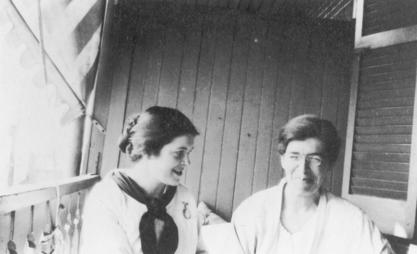
Let me tell you about a love story so powerful it saved millions of children’s lives. Martha May Eliot and Ethel Collins Dunham weren’t just pioneering scientists in a time when women were told to shut up and make babies—they were soulmates who supported each other through nearly six decades of groundbreaking work, homophobia, and institutional sexism. Their love letters tell a story of passion so deep it changed the fucking course of medical history.

Ethel Collins Dunham - Wikipedia

When I think about these two women finding each other in the early 1900s—holding hands under tables at medical conferences, stealing kisses between hospital rounds, and building a home together despite the judgment of their peers—I’m not just impressed. I’m goddamn moved to tears. This is the kind of queer history that reminds us we’ve always been here, always been brilliant, always been changing the world even when the world tried to erase us. (snip-MORE)

Queer History 106: Reed Erickson by Wendy🏳️‍⚧️🏳️‍🌈🌈

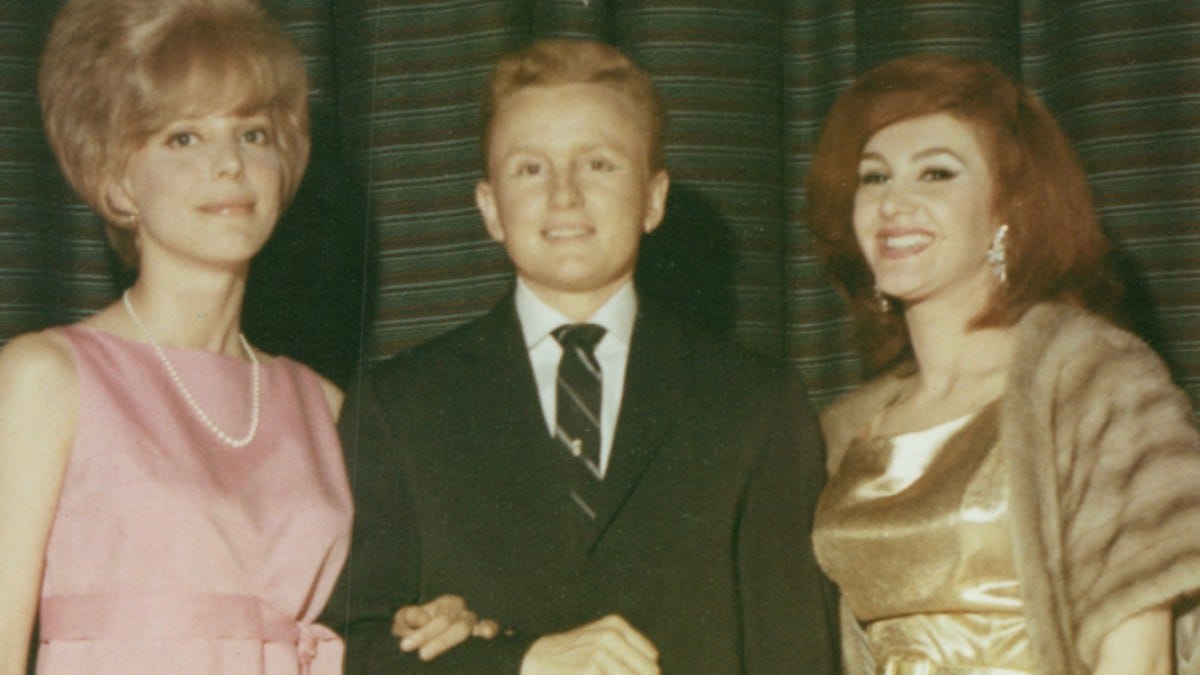
The Trans Guy Millionaire with a Pet Leopard Who Bankrolled a Revolution: How one man’s wealth, vision, and complicated legacy shaped transgender rights in America Read on Substack

Holy shit, you need to hear about Reed Erickson—a transgender millionaire who casually took his pet leopard on private planes while funding the movements that would eventually give trans people like himself basic human rights. This isn’t some fictional character from a Ryan Murphy series; this was a real fucking person who lived hard, loved harder, and threw his considerable fortune behind a revolution most people weren’t ready for.

The Complicated History of Reed Erickson | Autostraddle

Reed’s story hits me in the gut because it’s so goddamn messy and human. He wasn’t a sanitized LGBTQ+ icon with a perfect narrative arc. He was brilliant, visionary, and deeply flawed—a three-time divorcee who became a drug fugitive while still managing to fundamentally reshape how America understood gender. His life reads like a fever dream, but his impact on transgender rights was dead serious. (snip-MORE)

Queer History 107: The Daughters of Bilitis by Wendy🏳️‍⚧️🏳️‍🌈🌈

From secret social club to revolutionary force – the women who changed queer history forever Read on Substack

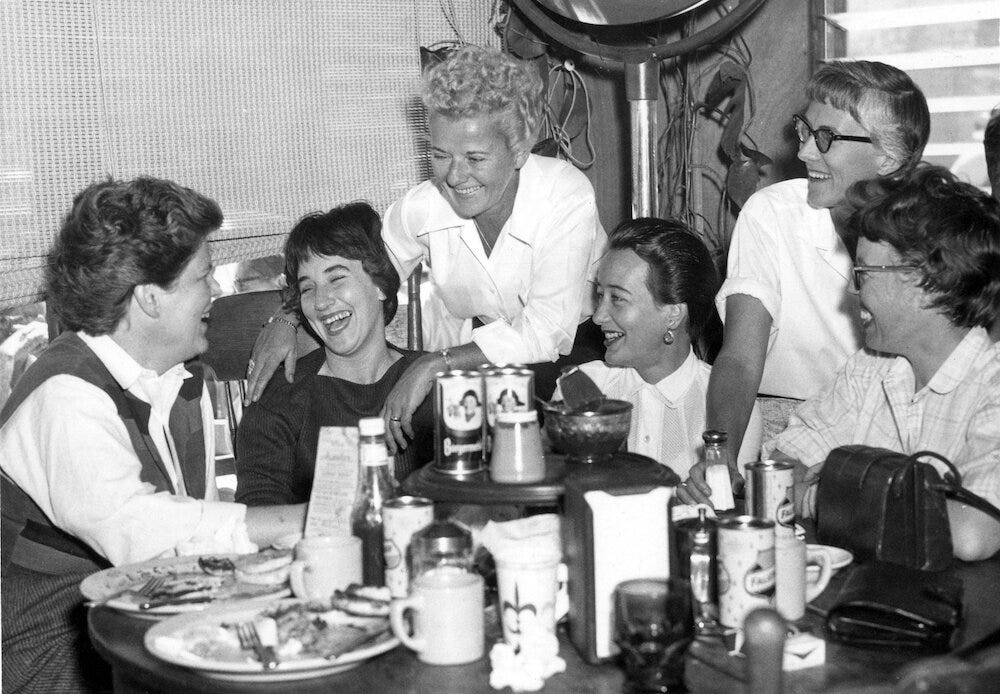
In a world where being yourself could get you arrested, institutionalized, or worse, eight women decided to host a goddamn picnic. That picnic club – the Daughters of Bilitis (DOB) – became the first recognized lesbian civil rights organization in the United States and sparked a revolution that would change queer history forever. This isn’t just another boring historical footnote; it’s the story of women who risked everything to carve out space for themselves when no one else would.

The Women of Color Behind the Daughters of Bilitis — Malinda Lo

Let’s be real – what started as a way for “Sapphics to dance and talk together” (the most lesbian thing I’ve ever heard) evolved into the first nationally published lesbian magazine in America and eventually led to the first gay wedding in California. These women weren’t just creating community; they were planting the seeds of a movement while the rest of society was trying to pretend they didn’t exist. (snip-MORE)