The Democratic National Convention kicked off in Chicago on Monday (August 19) at United Center and was quite the celebration. President Joe Biden gave the final address of the night, which was full of resilience and reassurance that Vice President Kamala Harris is going to be our next President Of The United States.
Biden was also proud of his own legacy, which he expressed by sharing a quote from the song “American Anthem” by Gene Scheer: “What shall our legacy be, what will our children say, let me know in my heart when my days are through, America, America, I gave my best to you.”
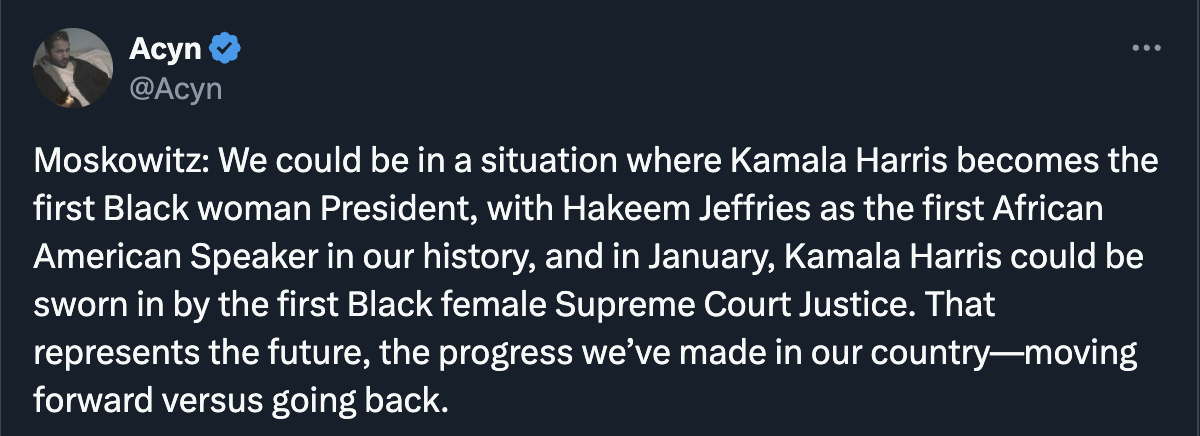
In addition, the night contained a myriad of moments that uplifted the Black community. Here are the best and Blackest moments from Day 1 at the DNC.
Chicago Mayor Brandon Johnson gave VP Harris a galvanizing endorsement.
As one of the night’s earliest speakers, former teacher and Chicago Mayor Brandon Johnson declared his city as the greatest in the world before recognizing the contributions of journalist Ida B. Wells, Rev. Jesse Jackson and this country’s first Black president Barack Obama.
He also expressed excitement about his daughter being able to see a “reflection of herself in the White House” before giving a galvanizing endorsement of Harris.
“What will it take to defeat MAGA Republicans and move our country forward and not backward? It will take everyone, and let me tell you all: Kamala, she’s got us,” Johnson said. “Together, we will build a better, brighter future.”
The great Rev. Jesse Jackson was honored for paving the way for Kamala Harris.
Iconic civil rights leader Rev. Jesse L. Jackson Sr. received a standing ovation when he made an appearance on the first night of the Democratic National Convention.
Jackson, who stepped down as president of the Chicago-based Rainbow PUSH Coalition last year, made history as the second Black American to seek a major-party nomination for President when he ran as a Democrat in 1984.
His historic contributions made it possible for Harris to run today. Jackson, who is currently living with Parkinson’s disease, did not give a speech Monday evening. Instead, he waved and gave a thumbs-up from his wheelchair as he enjoyed the celebration.
Vice President Kamala Harris made a surprise appearance
The Democratic presidential nominee is scheduled to give a speech at the DNC Thursday night, but Harris made a surprise appearance on Monday to honor President Biden and thank him for everything he’s done for his country.
Entering the stage to Beyoncé’s “Freedom” wearing a tan pantsuit (which some thought was a nod to former President Barack Obama’s biggest fashion moment in 2014), Harris remarked: “Joe, thank you for your historic leadership, for your lifetime of service to our nation, and for all you will continue to do, we are forever grateful to you.”
She then added: “With optimism, hope and faith, so guided by our love of country, knowing we all have so much more in common than what separates us, let us fight for the ideals we hold dear. And let us always remember when we fight, we win.”
Rep. Jasmine Crockett reads Donald Trump for absolute filth
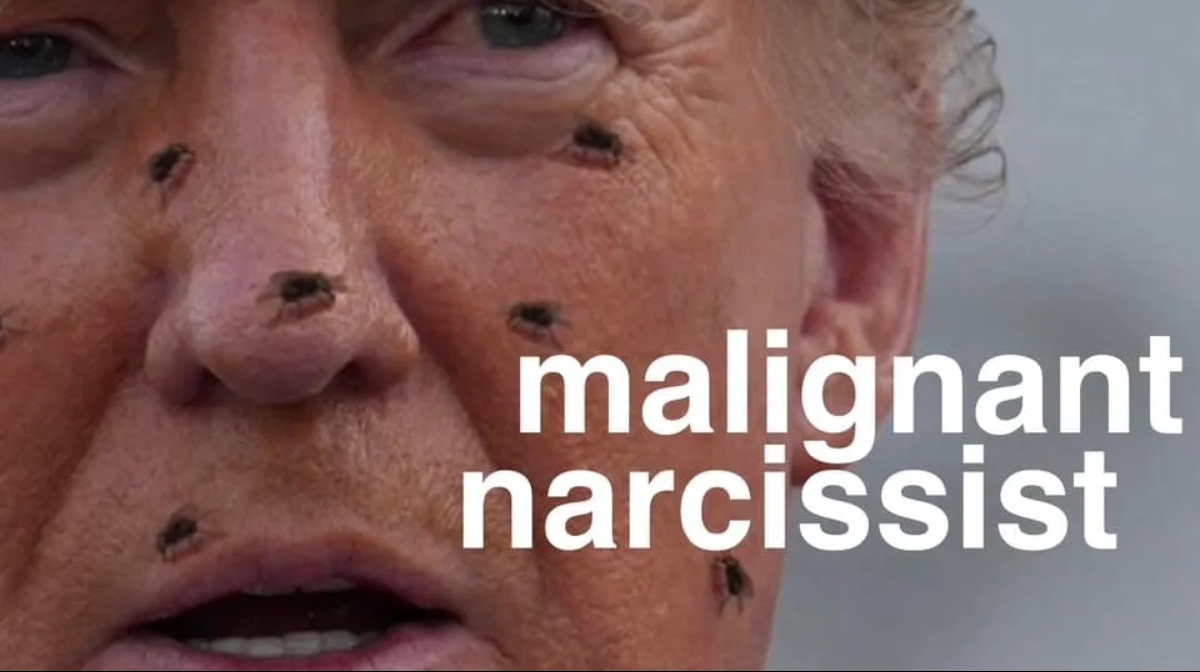
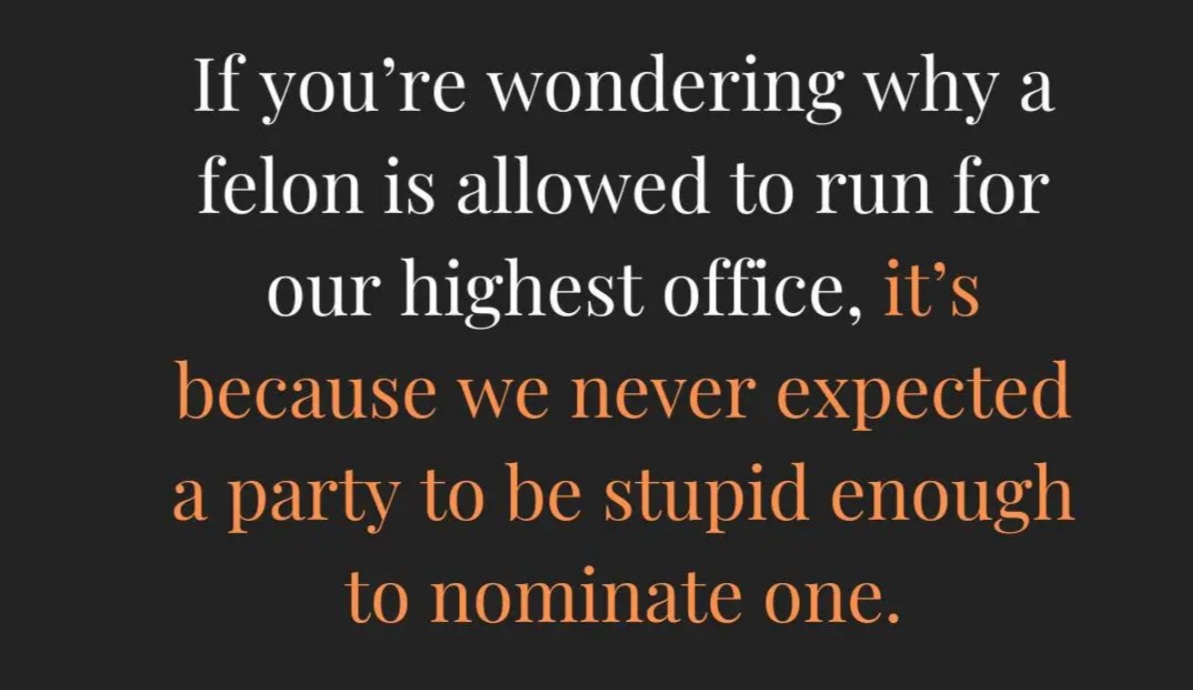
In a speech delivered Monday night, U.S. Rep. Jasmine Crockett boldly contrasted Vice President Kamala Harris’ record to that of her presidential opponent Donald Trump. “She became a career prosecutor while he became a career criminal — with 34 felonies, two impeachments and one porn star to prove it!” Crockett said.
She didn’t stop there. “She’s lived the American dream while he’s been America’s nightmare. America, looking at the two choices before you, who would you hire? Donald Trump or Kamala Harris? Kamala Harris has a résumé — Donald Trump has a rap sheet.”
She concluded her speech with a nod to her viral Marjorie Taylor Greene “bleach blonde, bad-built butch body” insult from earlier this year.
“The question before us is: Will a vindictive vile villain violate voters’ vision for a better America or not?” Crockett said to raucous cheers from the Chicago audience. “I hear alliterations are back in style.”
Raphael Warnock transforms the stage into his pulpit during moving address
Georgia Sen. Raphael Warnock, who is also the senior pastor at Ebenezer Baptist Church in Atlanta, preached to DNC attendees about unifying for the greater good of the country.
“I’m convinced tonight that we can lift the broken even as we climb. We can heal the wounds that divide us. We can heal a planet in peril. We can heal the land,” he stated. Warnock’s emotional address was exactly what Democrats needed. He also addressed the culture of MAGA and its followers’ attack at the U.S. Capitol building in 2021.
“The line of logic of Jan. 6 is a sickness, is a kind of cancer metastasized into dozens of voter suppression laws all across our country,” Warnock said. “And we must be vigilant tonight, because these anti-democratic forces are at work right now in Georgia and across the country.”
President Trump is refusing intelligence briefings because the Deep State continues to try and sabotage him:
“They come in, they give you a briefing and then two days later they leak it and then they say you leaked it. The only way to solve that problem is not to take them.” pic.twitter.com/8UEhoE2Qsm
Lindell has been spotted at the United Center wandering around in a fedora to “investigate” gender-neutral bathrooms and peddle his baseless election conspiracy theories. On Wednesday, the pillowmonger got into a verbal altercation with Knowa De Brasco, a 12-year-old activist who was there supporting Kamala Harris. Read the full article. Watch all of the LOL clips.
Knowa: Lindell provided no facts, no sources. I’m confused as to why his source was ‘trust me bro’ pic.twitter.com/qXtOUbkECq
New York state lawyers urged an appeals court to uphold Donald Trump’s nearly $500 million civil fraud judgment, arguing there’s “overwhelming evidence” to support the finding that Trump lied for years about his wealth as he built his real estate empire. https://t.co/8KZh4WASDi
Read the full article. Almost all voters register using the state form. As of last month, only 42,000 Arizonans are registered to vote via the federal form.
According to a coming biography, Queen Elizabeth told others that she found Trump “very rude” and that he always seemed to be looking over her shoulder “as if he was looking for someone more interesting.” The book further claims that the Queen believed that Trump and Melania must have “some kind of special arrangement,” considering his flagrant serial adultery.
Read the full article. Sentencing will be determined next week. As you can see below, Reimer’s first arrest last year resulted in a money beg from a major right wing Canadian outlet. Reimer’s previous non-drag related convictions resulted in sentences totally nearly three years.
Election officials said Arkansans for Limited Government failed to comply with state law primarily because it submitted documentation regarding paid signature gatherers separately and not in a single bundle.
As I said last month, it appears that the office of Secretary of State John Thurston [photo] deliberately withheld the above-cited rule about petition bundling. Thurston was a pastor before entering politics.
“I got a message for the Republicans and the justices of the United States Supreme Court. You can pry this wedding band from my cold, dead, gay, hand. And I’m retaining a lot of water, so good luck with that.” – Michigan AG Dana Nessel, last night.
WATCH: Michigan Attorney General Dana Nessel speaks at the Democratic National Convention.
“I got a message for the Republicans and the justices of the United States Supreme Court," Nessel said. "You can pry this wedding band from my cold, dead, gay hand.” pic.twitter.com/0rN3OuhVTt
“What they’ve done is they’ve allowed murderers, people in prisons, people in jails, people in mental institutions, insane asylums, and terrorists to pour into our country by the hundreds of thousands. And they are in our country right now, and the country that brought them out said, ‘If you ever come back, we’re giving you the death penalty or we’re gonna kill you.’” – The world’s most famous liar, inventing a death penalty for migrants who return to their home countries.
Trump claims countries are threatening migrants with the death penalty if they leave the United States and return to their country of origin. pic.twitter.com/d2kxR6czcN
“President Trump knew more about diplomacy than any president of the last 40 years. And Asia, he opened diplomatic talks with North Korea after a half century of stagnation.
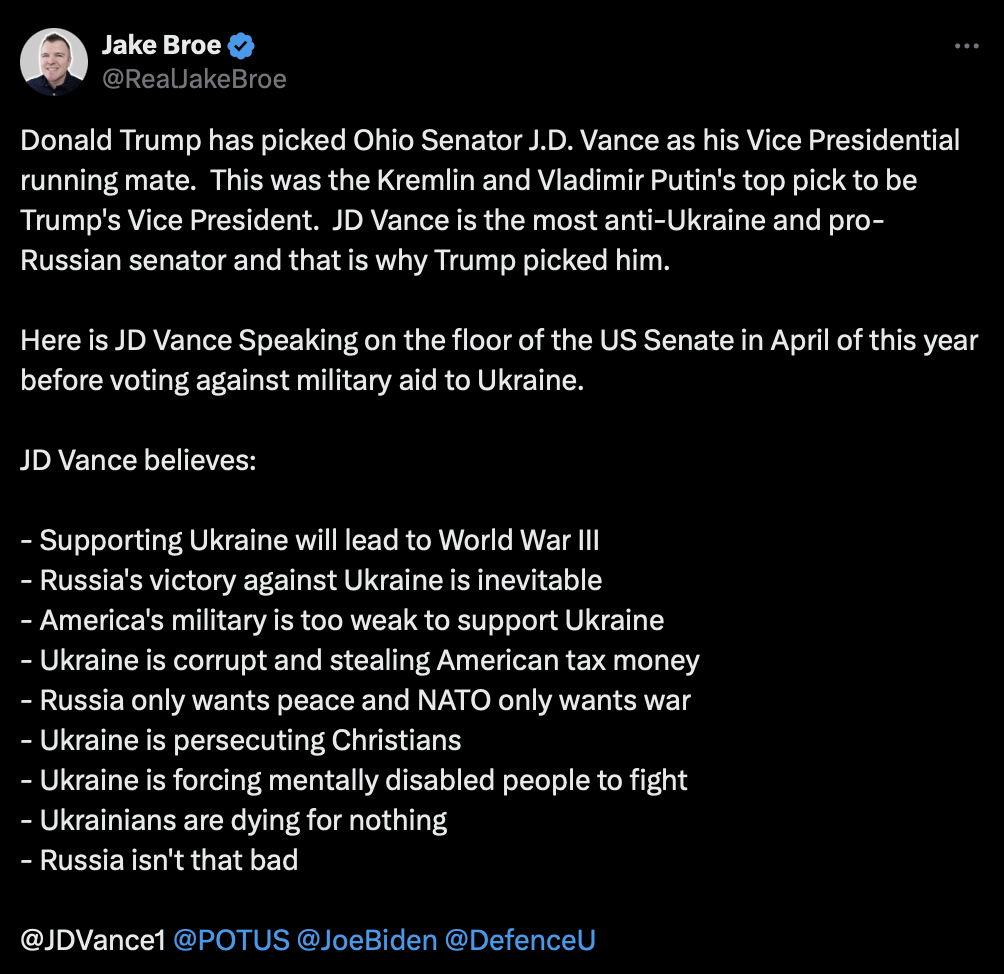
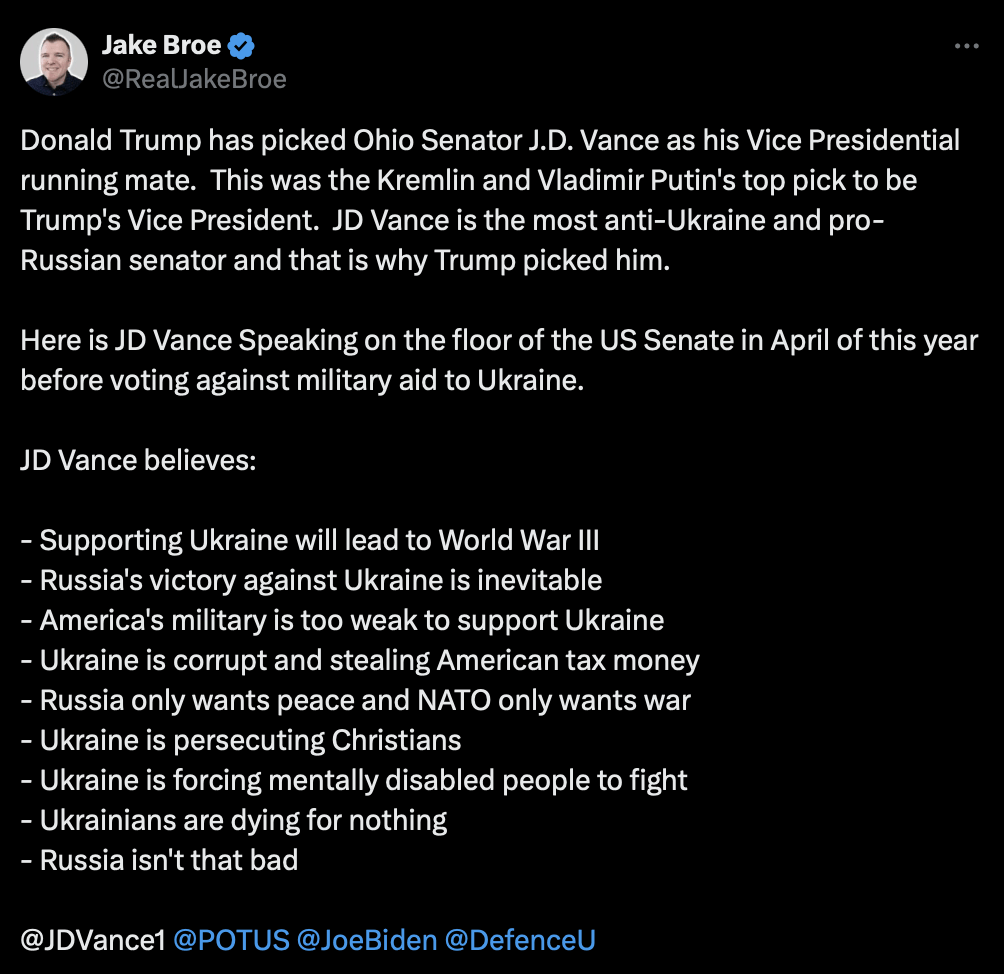
🚨 SENATOR JD VANCE: “While all these Democrats lied about Donald Trump being the candidate of nuclear war, Donald Trump is the person who prevented nuclear war, and if we're not careful, Kamala Harris is going to walk us right into nuclear war.” pic.twitter.com/juUSChErYB
LITTLE ROCK, Ark. (AP) — The Arkansas Supreme Court upheld the state’s rejection of signed petitions for an abortion rights ballot initiative on Thursday, keeping the proposal from going before voters in November.
The ruling dashed the organizers’ hopes of getting the constitutional amendment measure onto the ballot in the predominantly Republican state, where many top leaders promote their opposition to abortion.
Election officials said Arkansans for Limited Government failed to comply with state law primarily because it submitted documentation regarding paid signature gatherers separately and not in a single bundle. The group argued that it should have been given more time to provide any additional documents needed.
“We find that the Secretary correctly refused to count the signatures collected by paid canvassers because the sponsor failed to file the paid canvasser training certification” in the way the law requires, Justice Rhonda Wood wrote for the 4-3 majority.
A dissenting justice wrote that the decision strips Arkansans’ of their rights and effectively changes the state’s initiative law.
“Why are the respondent and the majority determined to keep this particular vote from the people?” wrote Justice Karen Baker, who is running against Wood for chief justice. “The majority has succeeded in its efforts to change the law in order to deprive the voters of the opportunity to vote on this issue, which is not the proper role of this court.”
The integration of artificial intelligence into public health could have revolutionary implications for the global south—if only it can get online.
(Whew! It’s a long one. Maybe read it in part, then come back and read some more. Or read it all at once, it’s not insurmountable. I’m interested what people here think about this.)
The transformative potential of digital connectivity became a global game changer more than two decades ago. Mobile phones reshaped telecommunications, enabling connectivity even in homes without landlines. Digital health quickly leveraged these innovations, making remote patient-doctor communication, digital payments, care coordination, and online peer support networks possible.
Artificial intelligence (AI) has undoubtedly sparked another phase of digital innovation. Although the field’s origins date to the mid-twentieth century, recent advancements in large language models (LLMs) have thrust it into the spotlight. Reflecting this growing relevance, the World Health Organization (WHO) dedicated a session at its World Health Assembly (WHA) in early 2024 to AI’s implications for global health, convening regional, national, academic, and international health organizations and actors to examine this matter.
AI Applications in Global Health
The literature generally presents four key use cases for artificial intelligence in health in low- and middle-income countries: disease diagnosis, risk assessment, outbreak preparation and response, and planning and policy-making. As the 2021 WHO report on AI in healthcare indicates, several AI applications are already in use or in development for diagnosis and assessment, such as in India for rapidly creating encephalograms in six minutes; in Rwanda and Pakistan for patient navigation; in Uganda, for malaria diagnosis; and in Nigeria for monitoring vital signs in mothers and children, and detecting infant asphyxia. On a broader scale, the advancement of DeepMind’s AlphaFold system in predicting the three-dimensional shape of proteins holds promise for enhancing our understanding of diseases and accelerating treatments.
Use cases in outbreak surveillance and response are also prominent. Google Flu Trends used search engine queries to predict influenza activity, but its overestimation of flu prevalence demonstrated the need for continuous algorithm updates. Tools like HealthMap have also proven valuable, detecting early signs of vaping-related lung disease and issuing an early bulletin about the novel coronavirus in Wuhan.
AI is also being used in planning and policy making, such as in South Africa where machine-learning (ML) models were used to predict how long recruited health workers’ would commit to their placements in rural communities; and in Brazil where artificial neural networks were used to create a method to geographically optimize resources based on population health needs.
Could AI Represent a Sea-Change in Global Health?
The integration of AI in public health is still evolving and being cautiously assessed in some cases, but it’s poised to transform key health functions. Evidence generation, the foundation of health policies and practices, is undergoing significant change. Traditionally, systematic reviews, a cornerstone of evidence synthesis, may take months or even years to complete. Now tools like Eppi-Reviewer use ML for more efficient screening, while platforms like Open Evidence are able to summarize existing studies rapidly. As AI becomes capable of handling technical aspects such as quality appraisal, meta-analysis, and synthesis with high rigor and fidelity, its role in evidence generation will expand. This advancement will enable more cost-effective and timely production of health guidelines, with leading bodies already creating guidelines for AI use in evidence synthesis.
Data collection and analysis are also experiencing transformative changes. AI-powered tools enable rapid analysis of both structured and unstructured data, marking a significant shift from traditional paper-based methods and conventional fieldwork. This capability has a remarkable impact on public health strategies centered on behavior change. AI can allow for the creation of highly targeted health promotion campaigns with unprecedented speed and precision. Moreover, sentiment analysis tools can assess public perceptions in real-time, enabling agile adjustments to ongoing health campaigns.
The healthcare workforce is also expected to evolve as AI-human partnerships are normalized. For instance, Hippocratic AI’s generative models can perform certain care management functions, while Google’s Med-Gemini provides real-time feedback on medical procedures, including surgeries. As they improve and are adopted by practitioners, these tools will have the potential to enhance the cost-effectiveness and precision of healthcare delivery.
As of May 2024, the FDA had authorized 882 AI- and ML-enabled medical devices. The rising volume of such AI-enabled devices as well as the rise in registered clinical trials related to their use underscores how much the field has embraced such tools.
A Changing Actor Landscape
The integration of AI in healthcare is not only transforming practices but also reshaping the landscape of global health actors. Historically, global health was a multilateral activity, dominated by international non-governmental organizations and national governments alike. The early twenty-first century saw the emergence of influential philanthropic actors like the Gates Foundation. Now, we are entering a phase where private-sector AI companies are poised to become increasingly influential in this arena.
While open-source models and government-developed AI systems exist, the predominance of private-sector AI models, such as OpenAI’s ChatGPT and Google’s Gemini, raises critical questions about data governance in global health. Unlike existing cross-national commercial influences on health such as the fast food or tobacco industries, AI systems present more nuanced concerns. For instance, if private models become integrated into existing multilateral health initiatives, how can we ensure their compliance with global health objectives? How do we address potential conflicts of interest when companies hold influence over health data and decision-making?
Regional and national guidelines are emerging to govern this evolving landscape. The European Health Data Space, discussed at the World Health Assembly, offers one such example. This initiative aims to create a single data space across the twenty-seven EU member states, empowering patients to control their health data while establishing a framework for safe data reuse and AI deployment. It also includes provisions for rigorous evaluation of high-risk AI systems in healthcare.
Similarly, the African Union recently launched its Continental AI Strategy, with a stated aim “to harness artificial intelligence to meet Africa’s development aspirations and the well-being of its people, while promoting ethical use, minimizing potential risks, and leveraging opportunities.” Monitoring measures like this as they develop will be instructive for the future deployment of AI in global health initiatives.
Building Foundational Infrastructure
Another factor to consider is that advances in AI mean little for health systems at an insufficient level of maturity. Progress in AI depends heavily on a strong foundation of digital health architecture, which encompasses secure data management, interoperability between health information systems, and comprehensive digital strategies. While most countries have digital health strategies, their implementation varies widely, with progress in resource-limited settings often lagging. Several countries have neither sufficient health workers to regularly input data nor dependable electricity and Wi-Fi to support a transition from paper to digital records. The lack of foundational infrastructure presents a significant barrier to AI implementation.
Initiatives like the Precision Public Health Initiative, led by the Rockefeller Foundation in collaboration with the WHO, UNICEF, global health funding agencies, ministries of health, and technology companies aim to strengthen AI use in low- and middle-income countries (LMICs). With initial funding of US$100 million, it aims to extend the use of AI and data science in LMICs, providing the latest technology to under-resourced parts of the world. Initiatives like this will need to concentrate resources on foundational health system strengthening functions such as the training and supportive supervision of staff and resource management.
Ethical Implications
As AI advances, ethical considerations must keep pace. These challenges can be broadly categorized into privacy and surveillance concerns, data misuse, algorithmic biases, and issues of transparency and liability. Recent cases highlight the urgency of addressing these matters proactively.
As the research report Ethics and Governance of Artificial Intelligence for Health: WHO Guidance explains, during the COVID-19 pandemic, China’s Alipay introduced a “Health Code” that used collected data to determine exposure risks. This system, which determined individuals’ mobility based on their assigned color codes, raised concerns about privacy, rights, and the potential for mass surveillance. Another case discussed in the WHO guidance report is Dinerstein vs. Google, in which the University of Chicago shared patient records stripped of identifying information with Google to develop machine-learning tools for predicting medical events. A class action complaint was filed, alleging that records could be re-identified, threatening patient privacy.
Several cases other cases in the WHO guidance report highlight the critical issue of bias in AI systems. In Argentina, an AI system designed to predict adolescent pregnancy faced criticism when it was found to have flawed methodology and to violate the privacy of adolescents. Similarly, a study in the US revealed racial biases in an algorithm that resulted in Black patients receiving less medical attention than equally sick white patients.
Additionally, an AI technology designed to detect potentially cancerous skin lesions was trained primarily on data from lighter-toned individuals in Australia, Europe, and the US, highlighting its inadequacy for darker-skinned populations.
The “black box” nature of many AI algorithms also raises critical questions about informed consent and liability. If an AI system recommends a specific drug dosage, but the underlying algorithm is opaque to the physician, who bears responsibility for adverse outcomes?
A Case Study
To illustrate how the various considerations of AI in global health converge, the WHO’s Smart AI Resource Assistant for Health (S.A.R.A.H.) project provides a recent and relevant case study. Launched in April 2024, S.A.R.A.H. is a video-based generative AI assistant designed to address gaps in health information accessibility. Developed in partnership with Soul Machines Biological AI, this initiative represents, in the words of WHO Director-General Dr. Tedros Adhanom Ghebreyesus, “how artificial intelligence could be used in future to improve access to health information in a more interactive way.”
The potential for LLMs in health promotion must be viewed against the backdrop of the burden placed on health systems. For example, Sub-Saharan Africa and South Asia have an estimated 0.2 and 0.8 doctors per 1000 people, respectively, compared to 4.3 in the European Union and 3.4 in North America. A map of travel time to health facilities reveals that it’s not uncommon to spend a day traveling to see a doctor in several regions such as North Africa. Even when they can see a doctor, more than a billion people are driven into poverty each year because of exorbitant health care costs. In such contexts, LLMs can complement the health promotion efforts currently being provided by community health workers. They can also enhance supervision and training.
S.A.R.A.H. stands out for its efforts to tailor recommendations to local contexts. For example, it offers meal recommendations based on regional dietary habits. It also uses visual emotional cues to display empathy. Like its WhatsApp-based chatbot predecessor for sharing COVID-19 information, S.A.R.A.H.’s reach will probably expand through partnerships with telecommunications providers and social networks, supporting its broad dissemination.
However, S.A.R.A.H. faces some challenges that mirror broader issues in AI for global health. Users have noticed errors in the information S.A.R.A.H. has provided; it incorrectly stated, for example, that a drug for Alzheimer’s was still in clinical trials when the drug had been approved in 2023. This highlights the critical need for AI systems to keep pace with rapidly evolving medical knowledge.
While S.A.R.A.H. offers a wider range of languages than many existing tools (including French, Russian, English, Spanish, Hindi, Portuguese, Arabic, and Chinese), this still represents only a fraction of global languages, potentially limiting its reach. Also, the success of video-based tools like S.A.R.A.H. depends on robust digital infrastructure and access to smartphones with video capabilities, which are hardly universally available.
The processing of users’ video data also raises important privacy considerations. While not yet available, the WHO has committed to making the training materials and the evidence base for S.A.R.A.H. publicly accessible, aligning with its principles on LLM use. Transparency in how S.A.R.A.H. processes and uses data will be crucial in maintaining trust and offering insights for this emerging space.
Conclusion
As noted by WHO Director-General Dr. Tedros at the WHA, AI represents a transformative advancement in global health akin to past innovations such as the introduction of vaccines, penicillin, MRI machines, and human genome mapping, all of which revolutionized the field. As reported in the above-linked 2021 WHO report on AI in healthcare, the integration of AI into health systems presents immense potential with projections noting that the top ten AI applications in health could result in an estimated US$150 billion in savings by 2026.
While the potential of AI is undeniable, the critical question remains: can it fulfill the promise of improving health outcomes worldwide? This hinges on several factors, including building foundational infrastructure, addressing ethical considerations, and effectively governing the evolving landscape of actors, which are no small feats.

















































































 Scottie's Playtime