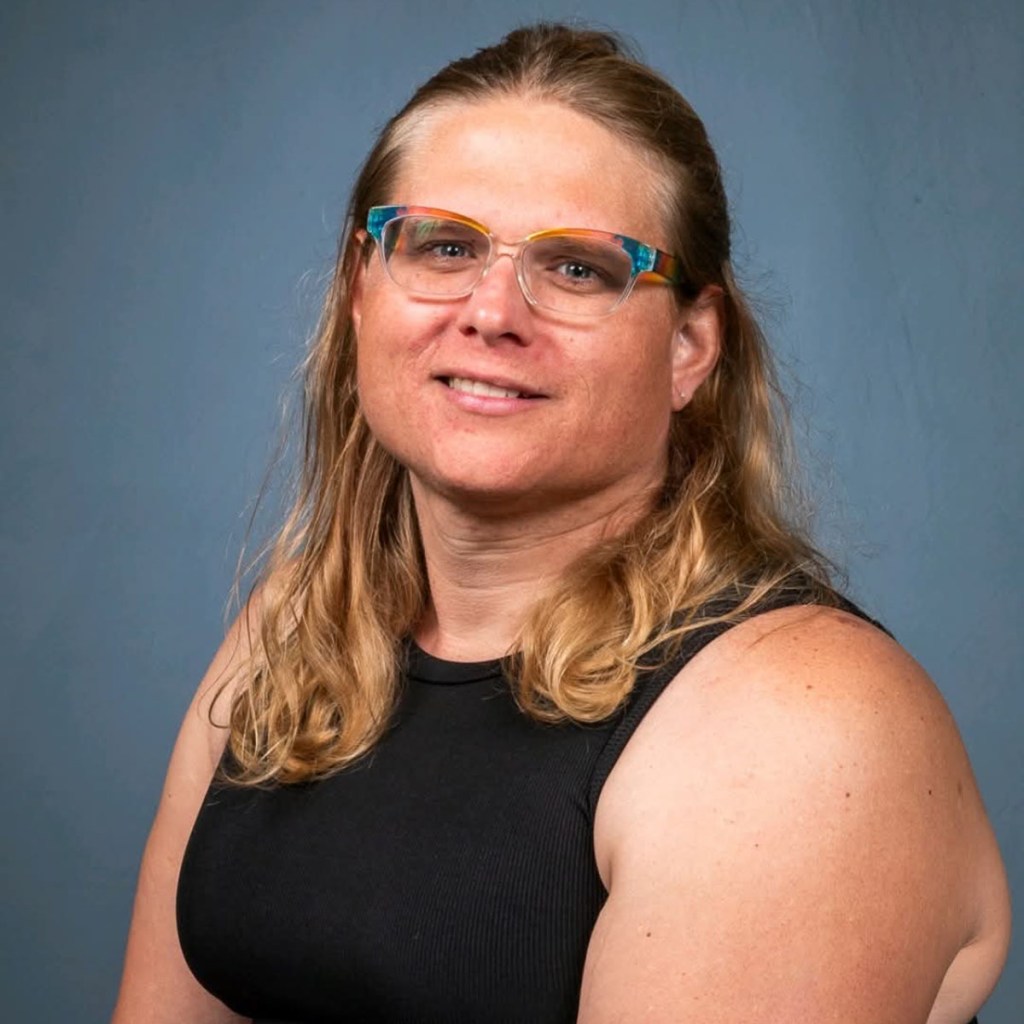
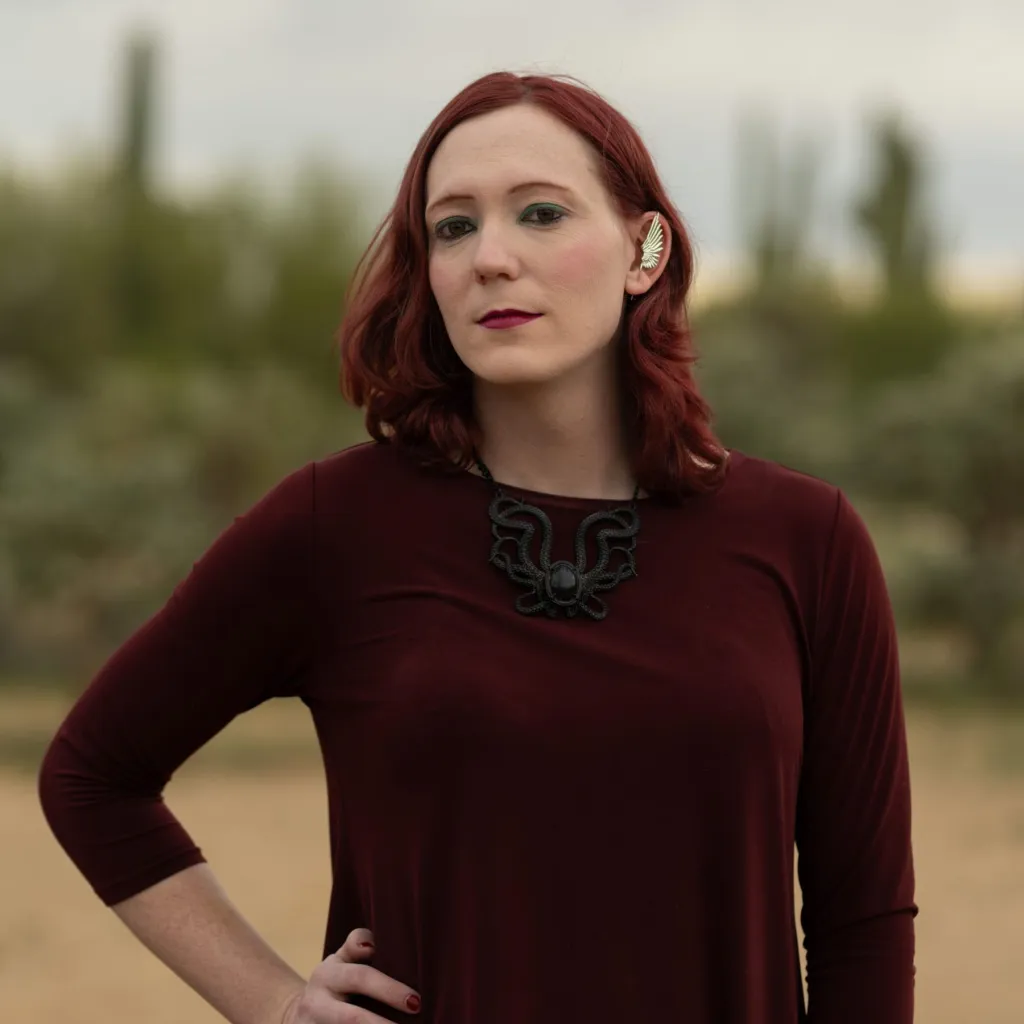
Six transgender and nonbinary candidates made history on Election Day by winning races in states that have never elected a trans person into their legislature before. These candidates will expand LGBTQ+ political power at a time when their rights are increasingly under attack nationwide. All races are called according to projections by Decision Desk HQ.
Georgia
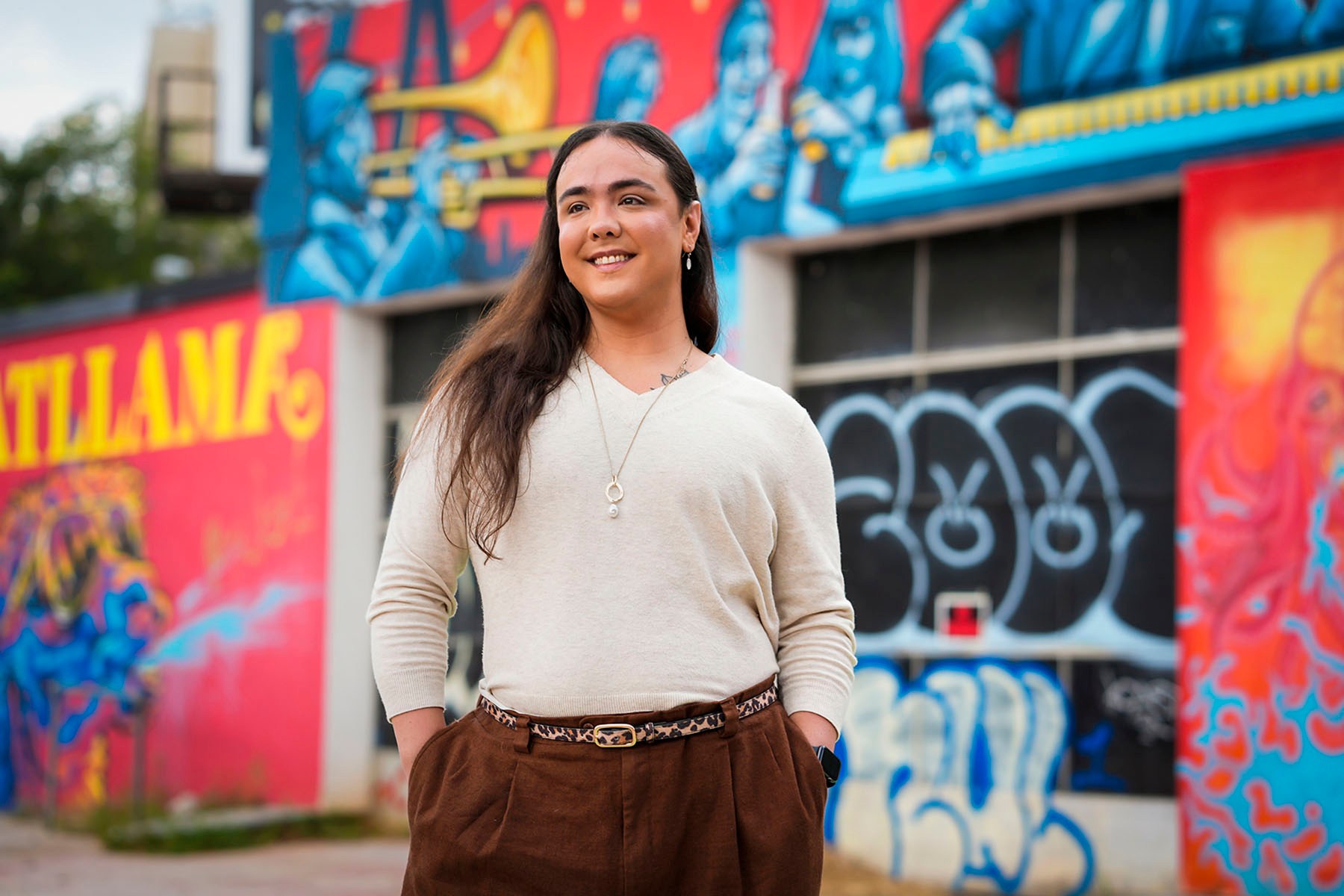
Bentley Hudgins will be Georgia’s first nonbinary and first Japanese-American lawmaker after winning their bid to represent State House District 90 in east Atlanta. They easily defeated their opponent, Republican Samantha Boston, in the deep-blue district.
Hudgins, a 33-year-old democratic socialist, spent the last three years advocating for LGBTQ+ rights in the Georgia statehouse through their work with the Human Rights Campaign. But LGBTQ+ issues were not core to their campaign: They ran on affordability, expanding healthcare access and broadly protecting civil rights. Those issues are personal for them. As they had told The 19th, Hudgins faced homelessness and barriers to accessing care for cluster headaches and seizures. They were diagnosed as legally deaf at 19, and had to have their eardrums rebuilt.
Many of Hudgins’ campaign goals, like raising the state minimum wage to $20 an hour or creating an earned income tax credit to give money to lower-income Georgia families, depend on whether Democrats gain enough leverage in the state House to influence policymaking. The party needs to gain 10 seats in the chamber to reach a majority — and as of Wednesday morning, that feat looks possible.
Michigan
(Courtesy of Joanna Whaley Campaign)
Joanna Whaley, a hospital chaplain, will be the first trans person elected to Michigan’s state legislature after winning her race for House District 2, outside Detroit. A former megachurch pastor who has spoken openly about surviving years of “conversion therapy” as a young adult, Whaley acknowledged after winning her primary in August that her victory was “a defining moment for state history,” but added that her campaign “has never been about history.”
She handily defeated her opponent, Republican Ron Kokinda, with 63 percent of the vote.
Whaley ran on securing fair wages for workers, supporting statewide job training programs and lowering the cost of utilities and medical debt. She was endorsed by U.S. Rep. Sarah McBride of Delaware, the only trans member of Congress, and Abdul El-Sayed, who became the nation’s first Muslim senator on Tuesday. She was also backed by progressive advocacy groups and Democrats in the state legislature.
Whaley’s primary was contentious at times. In April, her Democratic opponent, former Michigan state Rep. Frank Liberati, claimed Whaley had violated state campaign law by omitting her deadname, or the name she used before transitioning, from the affidavit of identity she submitted to run for office. A county clerk denied Liberati’s challenge to Whaley’s candidacy in May.
In an interview with The 19th on Wednesday, Whaley said she was grateful to voters who crossed party lines to support her campaign. She heard from some Republicans that she was the first Democrat they had ever voted for.
“Our community has been so wonderful. They are just the most kind, good-hearted people who didn’t care who I was — they cared that I wanted to work for them,” she said. “To have Republicans voting for me means the world, and to have people all across the political spectrum believing in what we can do has been really awesome.”
Alabama
(Courtesy of Allison Montgomery campaign)
Allison Montgomery will be Alabama’s first trans lawmaker after winning her bid for state House District 25, defeating incumbent Republican Rep. Phillip Rigsby. A software engineer and lifelong Alabamian, Montgomery ran on broadening access to healthcare, strengthening workers’ rights and eliminating the state’s grocery tax.
“I know the headlines tomorrow are gonna be provocative and catchy, but let’s focus on the most important part of this victory: we showed that a truly grassroots campaign that stands on its policies and its principles has a real shot in Alabama,” Montgomery said in a statement on Tuesday after her race was called. “We the people are tired of attempts to distract us with culture war issues, whether we’re in a minority group or not. We the people know corporate interests use these issues to pit us against one another while they pick our pockets.”
She added: “I’m going to work especially hard for those who hate me, because they deserve a better Alabama as much as anyone.”
Washington
(Courtesy of Jaelynn Scott Campaign)
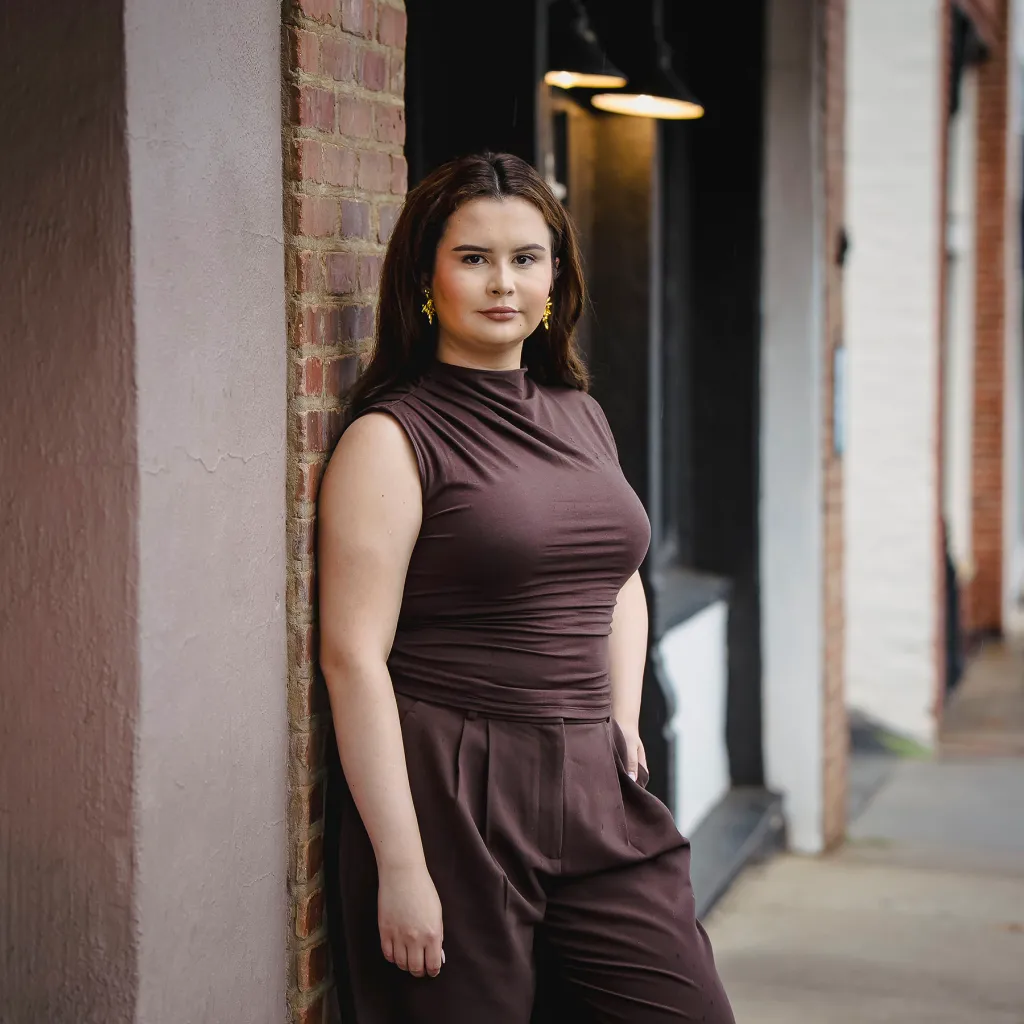
Jaelynn Scott will be Washington’s first trans state lawmaker — and the first out Black trans state lawmaker elected in the country — after winning her bid for state House District 37 in southeast Seattle. She easily defeated her opponent, independent Evon McCorkle, a college student, with 88 percent of the vote.
Scott, a member of the Democratic Socialists of America, is the executive director of the Lavender Rights Project, a Black- and trans-led civil rights nonprofit based in Seattle. Her pitch to voters centered largely on affordability, universal healthcare and taxing large corporations and billionaires. In an interview with The 19th on election night, Scott said she plans to lead “with love and compassion and empathy.”
“It’s pretty surreal,” she said of her barrier-breaking win. “The fact is, people that look like me and have my identity in 2026 are used to being under attack — not leading. I think it was because of what’s happening to us, and really maybe even a bit of fear about what might happen to me and my community, that inspired me to run. I never thought we would get this far.”
Wisconsin
(Courtesy of Dina Nina Martinez-Rutherford Campaign)
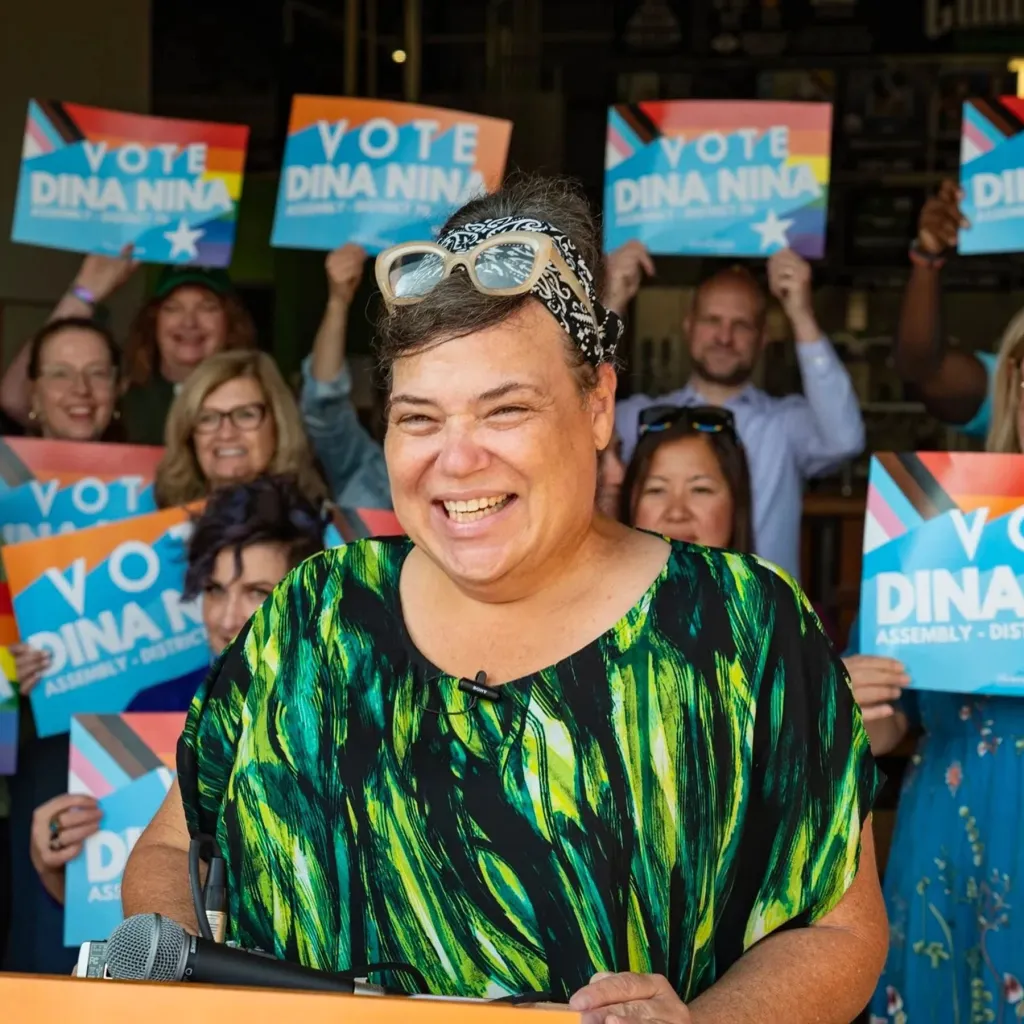
Dina Nina Martinez-Rutherford will be the first trans person elected to the Wisconsin state legislature after winning her race for state House District 76. She defeated her opponent, Republican Nina Chat, with more than 90 percent of the vote in the deep-blue district.
Martinez-Rutherford, a former food service worker, comedian and small business owner, made history in 2023 as the first trans woman elected to the Madison Common Council in the state capital. She’s spoken previously about experiencing housing and financial insecurity.
Martinez-Rutherford’s campaign centered largely on economic issues, promising to fight for a living wage tied to inflation, affordable housing and access to quality healthcare.
“I’m honored to have made history, but that’s the last thing on my mind,” she told The 19th in an interview Wednesday morning. “It wasn’t ever about history; it was just about making sure that people are taken care of.”
Florida
(Courtesy of Quinnie Perez Campaign)
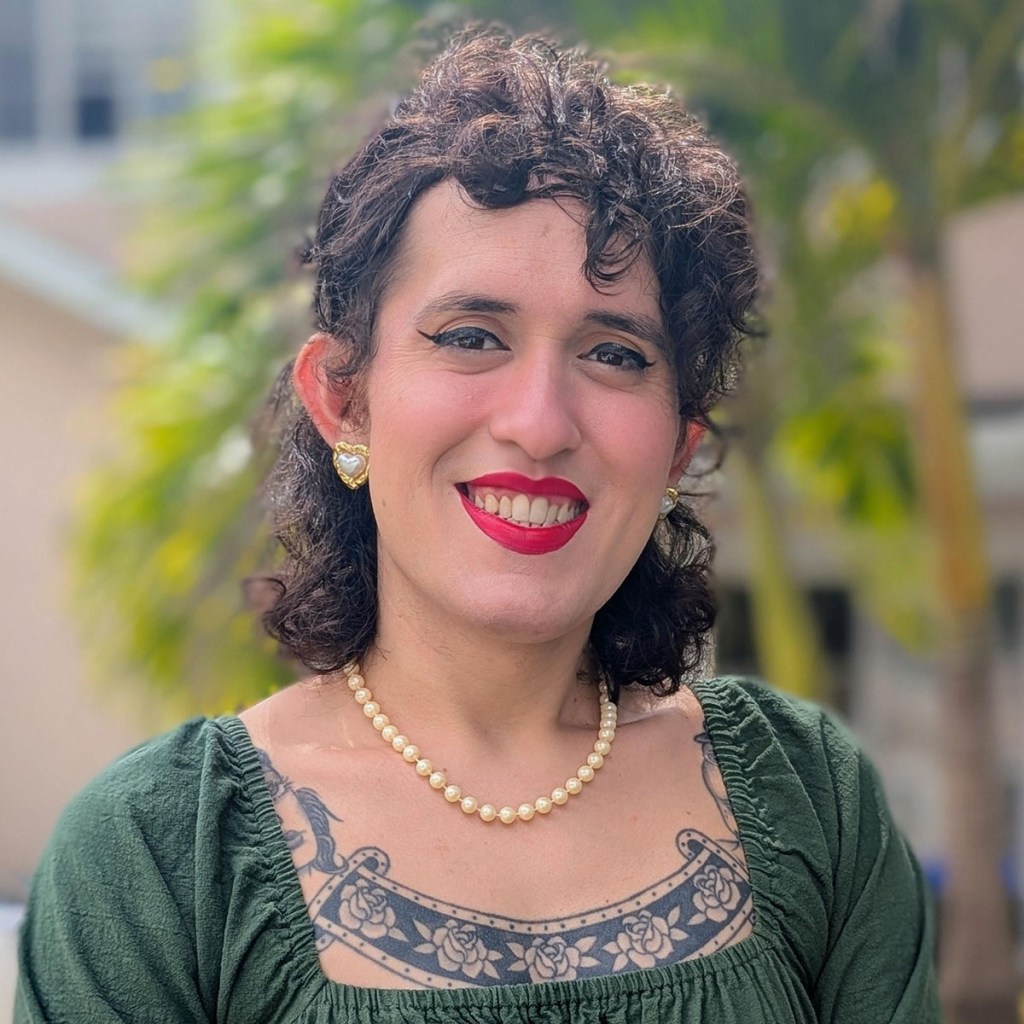
In a hyperlocal race that still breaks national barriers, Quinnie Perez is projected to win her seat on the Orange County Soil and Water Conservation District. This humble board lacks a budget and has little power, but Perez winning the position in Seat 1 makes her the first trans woman ever elected in Florida.
Perez ran on supporting farmworkers with fair wages and safe conditions, highlighting her family history as the daughter of Mexican farmworkers, as well as wetland restoration and building green infrastructure.
Several other transgender candidates still made history, although they didn’t win. They ran in deep-red, conservative districts, taking on difficult fights without any guarantee of success. Some were the first Democrats to run for their seats in decades, signaling a new energy to run for office among trans people even as their identities become increasingly politicized. Others have had their candidacies or ability to vote questioned by local authorities due to their gender identity.
Georgia
Bella Bautista, the Democratic nominee for Georgia State House District 14, in Cartersville, GA September 11, 2026. Nicole Craine for The19th News (Nicole Craine for The 19th)
After Bella Bautista decided to run for Georgia State House District 14, she went on to become the first trans woman to win a legislative primary in Georgia. Her race was a long shot: Her district hasn’t elected a Democratic state representative since 1996. She ran anyway.
She is the first Democrat to run for this seat since 2010 — and it put a target on her back. As she told The 19th, this campaign cost her privacy and peace, leaving her feeling isolated in her rural and heavily conservative district. But she said she was determined to challenge the status quo. Her campaign focused on affordability, protecting rural land and fighting data centers.
Kansas
(Courtesy of Bobby Robertson Jr. Campaign)
Bobby Robertson Jr., a trans woman and financial analyst, lost her race for Kansas House District 73. But she still broke barriers as the first Democrat to challenge this seat in 10 years.
She decided to run for office after the statehouse passed SB 244, a law that invalidated thousands of trans Kansans’ drivers licenses based on gender identity, over the governor’s veto. She wrote several letters to her state representative, Republican Rick Wilborn, explaining how the law would hurt her and her family. According to Mother Jones, she asked him to meet. She never got a response. So she decided to act.
Avery Rowland, another trans woman in Kansas, ran to represent House District 2, in the bottom-right corner of the state. According to a report by Kansas Reflector, a state GOP official questioned her eligibility to vote over the state law that targeted trans residents’ drivers licenses.
Ohio
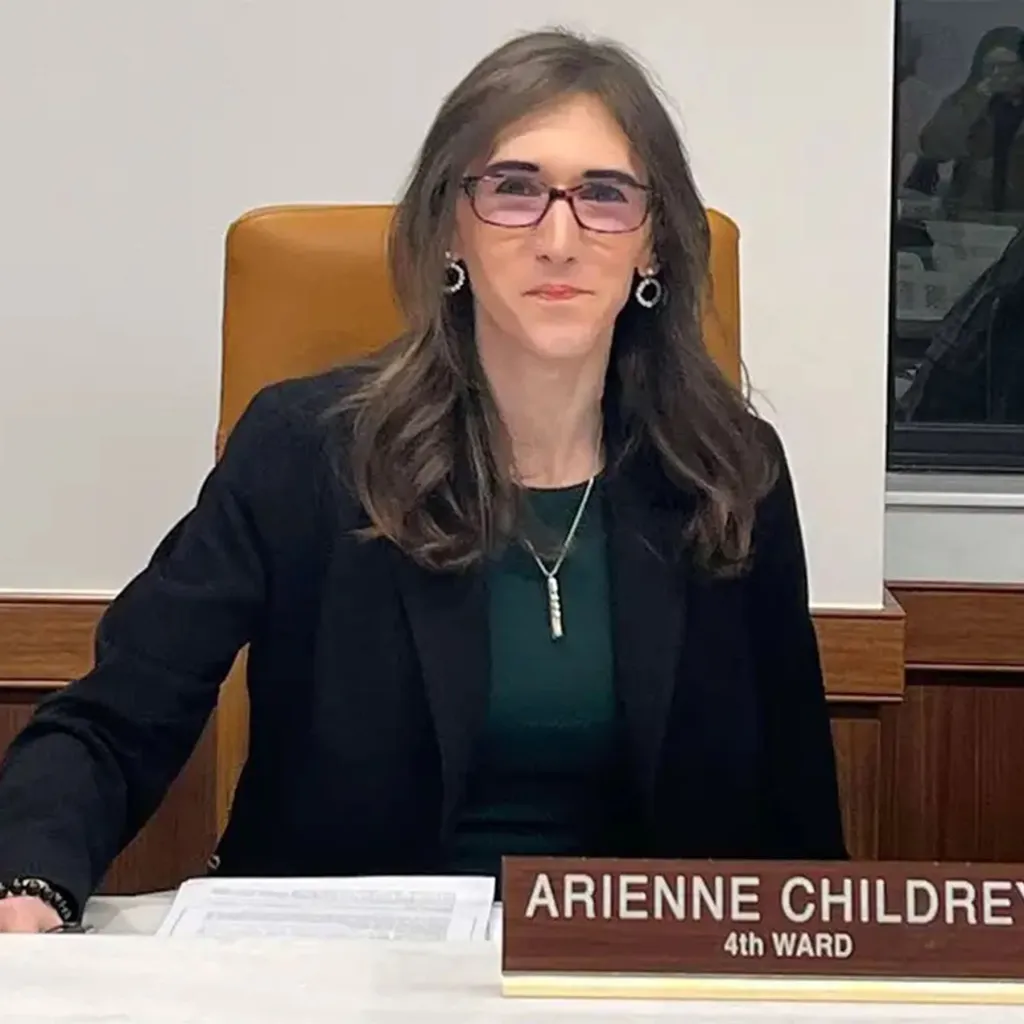
(Courtesy of Arienne Childrey Campaign)
Arienne Childrey previously challenged Republican incumbent Angie King in Ohio’s House District 84 in 2024 and lost. She lost again this election cycle.
Trans Ohioans have seen overt efforts to keep them off of the ballot in the state. Childrey’s ability to run for office was challenged in 2024 because she omitted her deadname on petition paperwork. She had legally changed her name years ago and had no idea about the obscure Ohio elections law that brought her candidacy into question.
Arizona
(Courtesy of Aiden Swallow Campaign)
Aiden Swallow, a military veteran of nearly two decades, lost her bid for Arizona House District 19 to former Republican state Sen. David Gowan. Swallow previously ran for Congress in Arizona’s 6th district, but dropped out of that race last year to run for the statehouse.
In this race, she faced two Republicans on the ballot as well as another Democrat, Jackie Anderson, a retired emergency room nurse.
Swallow’s campaign took a hard line against President Donald Trump and the MAGA movement in a GOP-controlled district — and that stance was personal. She was kicked out of the military in 2025 due to Trump’s nationwide ban on trans service members, which was allowed to stay in place by the Supreme Court. She was removed from her military position without retirement benefits, according to her campaign website.
I am an older gay guy in a long-term wonderful relationship. My spouse and I are in our 36th year together. I love politics and news. I enjoy civil discussions and have no taboo subjects. My pronouns are he / him / his and my email is Scottiestoybox@gmail.com
View all posts by Scottie