I ran across this over the weekend, and emailed it to myself in case I thought I ought to post it. I’m not sure it’s a great post, but it’s cool if you turn the volume down a bit at the beginning. It’s one of those little shorts that is somehow satisfying and a little cleansing to watch. I know it’s morning, and I do not work for any pastry providers. It’s just a neat little vid.
Category: Love
🐕Funny Little Guy
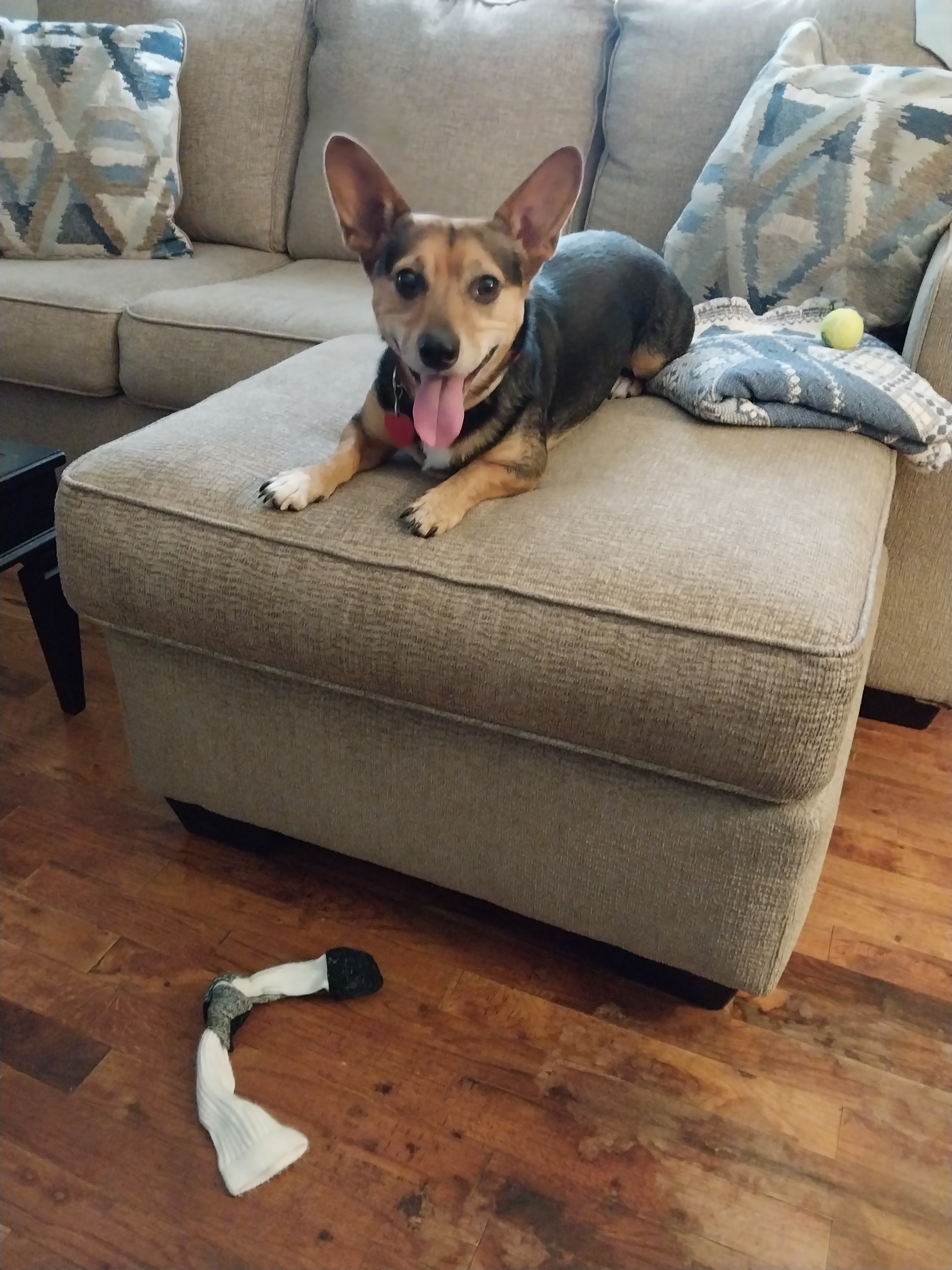
So, things with Ollie are progressing nicely. He’s a very good boy, he’s hilarious, and he’s made a good difference here in the house. Anyway. He was a little bit broken when he came; the wonderful family who gave him to me had rescued him from a kill shelter, where he was dropped for biting. They got him in 2020, everybody was pretty sure he was not older than a year, and he’d been abused and left with one or both rear legs that get sore. So, while Corgis are naturally snappy and usually are trained out of that, Ollie’s instincts are distrust and biting. The family who gave him to me were working with him, but he bit their toddler for reasons but still, so he had to move away. They think he’s around 5 now. I’ve been working with him more on trust and behavior. He has never demonstrated thinking of biting me, nor our son who lives here, and they play hard together! It really only takes a little time and a lot of consistency. And positive attention. Turns out, Ollie knows just how to behave himself, is a superlative watchdog (so now we’re working on barking after I’ve said something’s OK,) and is fun to play with. I wouldn’t want to be a stranger who just reached out to pet him, or to break in the house, but if I’m there, he’s not going to bite unless he sees that things are not right. I do worry he’ll never enjoy riding in a car; he gets really agitated and frightened in the car; it takes him some time to get past it once we’re home.
So yesterday (I’m scheduling this for early AM posting,) we went for our morning jaunt. He’s just hilarious on walks! Even though he’s been altered most of his life, he marks. Most of our doggies continued to mark after being spayed or neutered; even Corky, who was female. Anyway, I usually call walks “taking Ollie to check and reply to his messages,” since of course that’s what it is for doggies; they sniff, then mark (or not) then along comes the next reader-sniffer. Today, we stopped at a buried fiber optic marker, and he sniffed and sniffed and sniffed. He was very thorough, like individual bits of blades of grass thorough. Suddenly, he lifted his head, and turned to look at a house behind us. Then he glanced up at me, then sniffed the same spot again, but not as long. He then turned bodily to look at that house (I have no idea if they have a dog there,) then turned and sniffed again, then zoooomm we were off to the end of the block, Ollie apparently airborne. I’m still dying to know what on earth he learned there! I know we should be careful what we wish for, but I wish he could talk.
Fun and Cooking 🍴
I don’t even remember where I ran across this last night, but here it is; enjoy!
Images that caught my attention

Ali? That you?




Mental Health Break
(Sorry, Scottie, the entire thing is poetic, but there are cats! And dogs. The reading is easy, no worries, and plenty of photos. Just enjoy! -A)
You’ve read of several kinds of Cat, And my opinion now is that You should need no interpreter You To understand their character. You now have learned enough to see That Cats are much like you and me by Worriedman, Read on Substack
THE AD-DRESSING OF CATS – TS Eliot
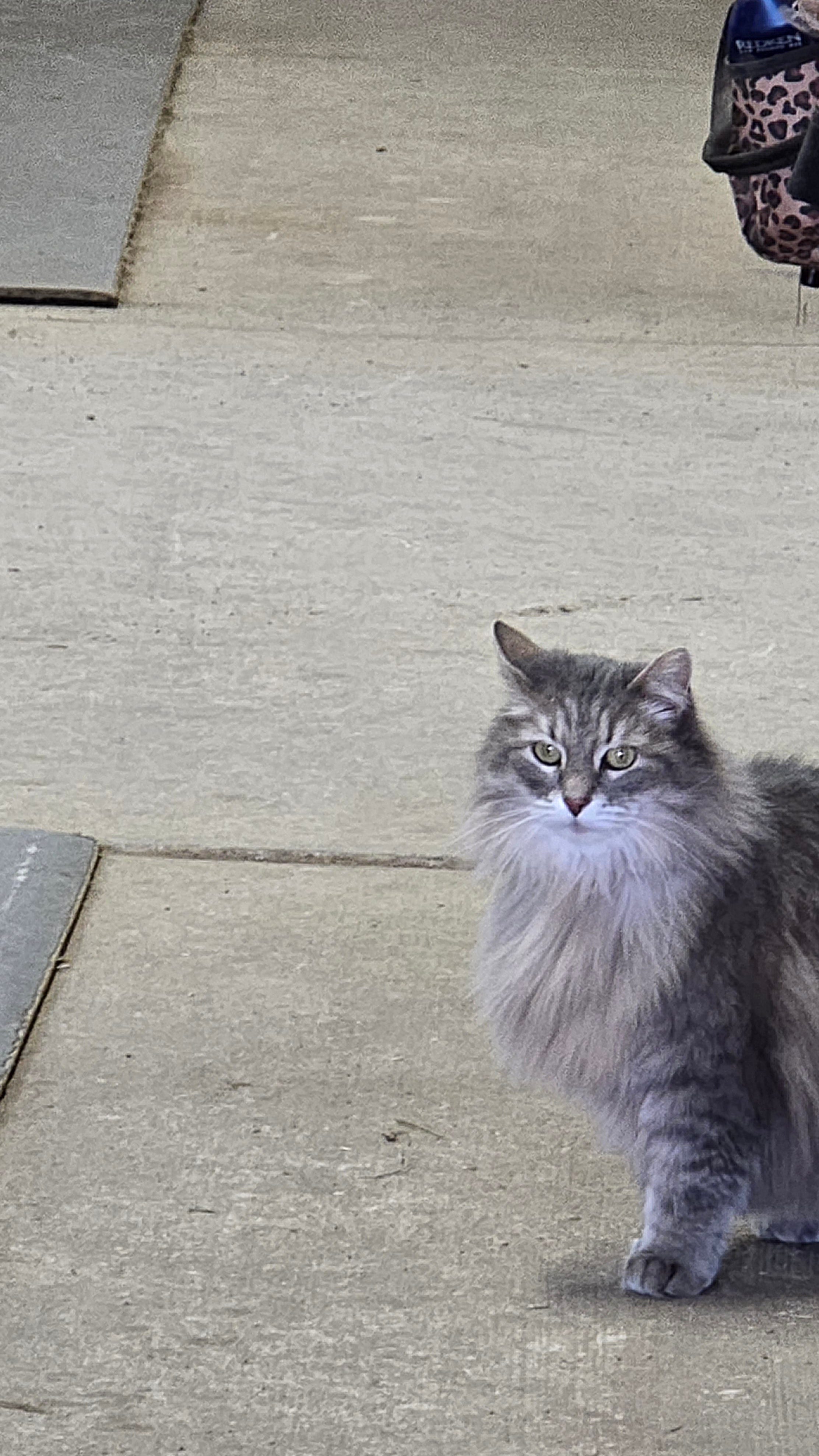
And other people whom we find
Possessed of various types of mind.
For some are sane and some are mad
And some are good and some are bad
And some are better, some are worse —
But all may be described in verse.
You’ve seen them both at work and games,
And learnt about their proper names,
Their habits and their habitat:
But
How would you ad-dress a Cat?
So first, your memory I’ll jog,
And say: A CAT IS NOT A DOG.
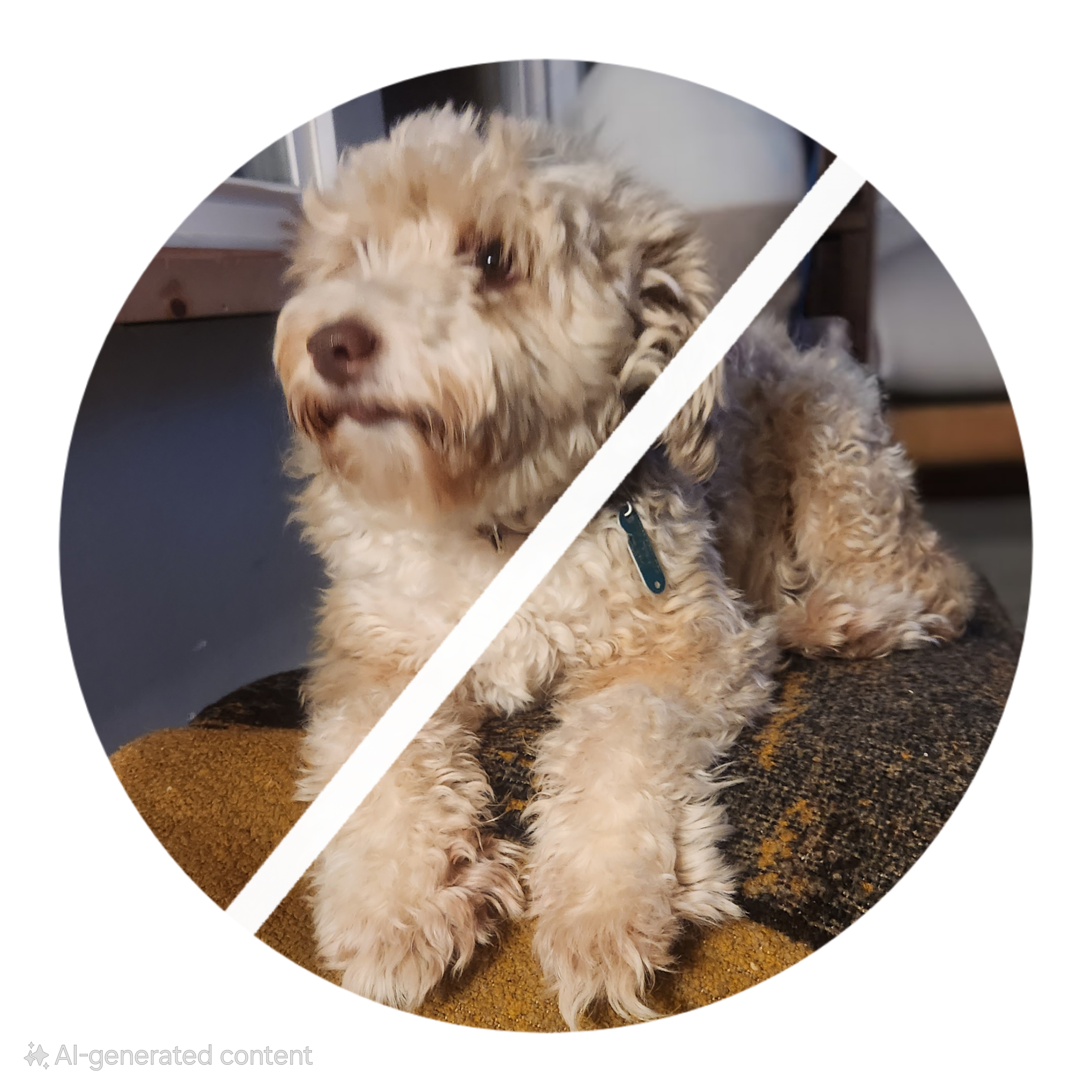
Now Dogs pretend they like to fight;
They often bark, more seldom bite;
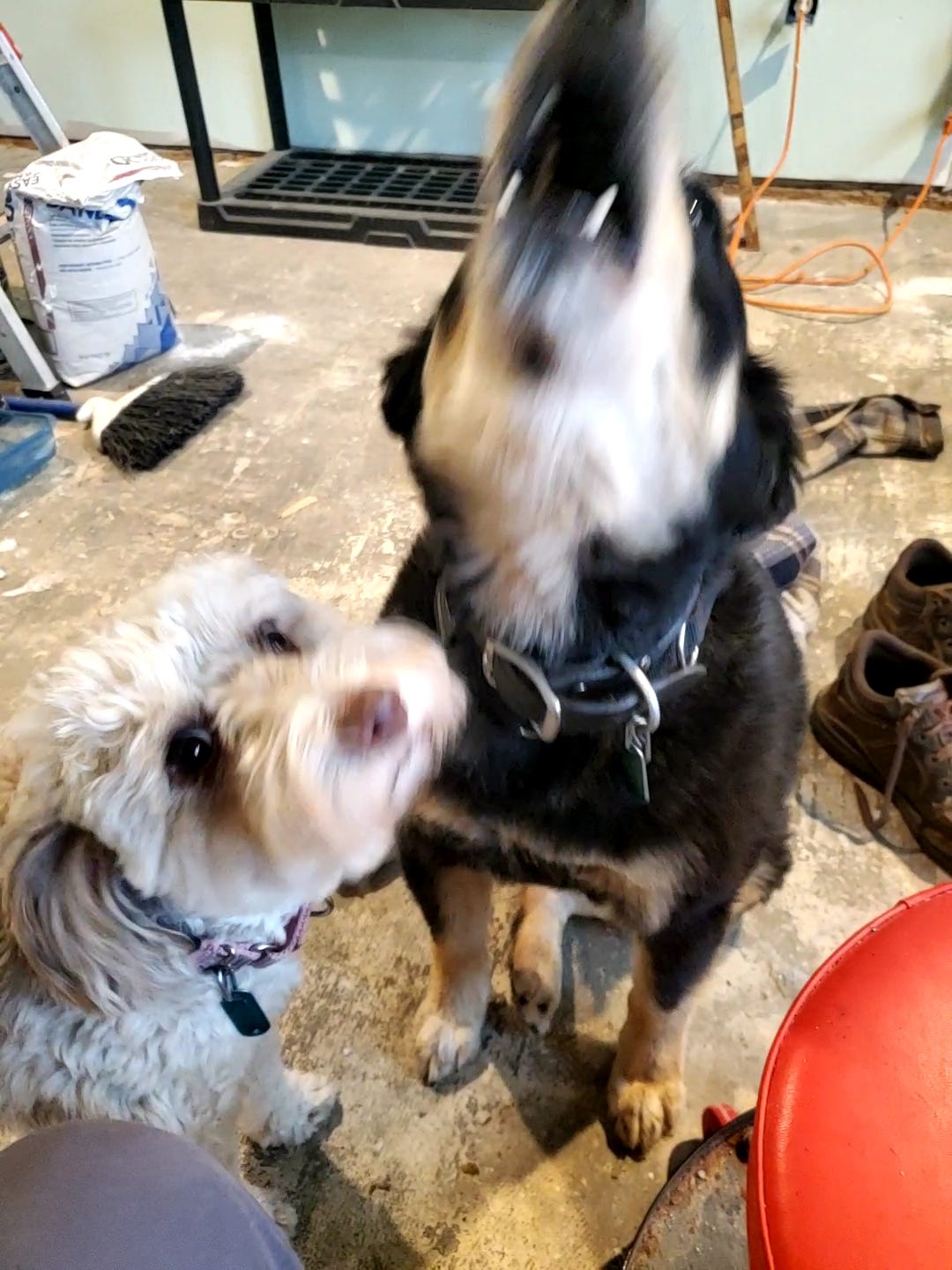
But yet a Dog is, on the whole,
What you would call a simple soul.
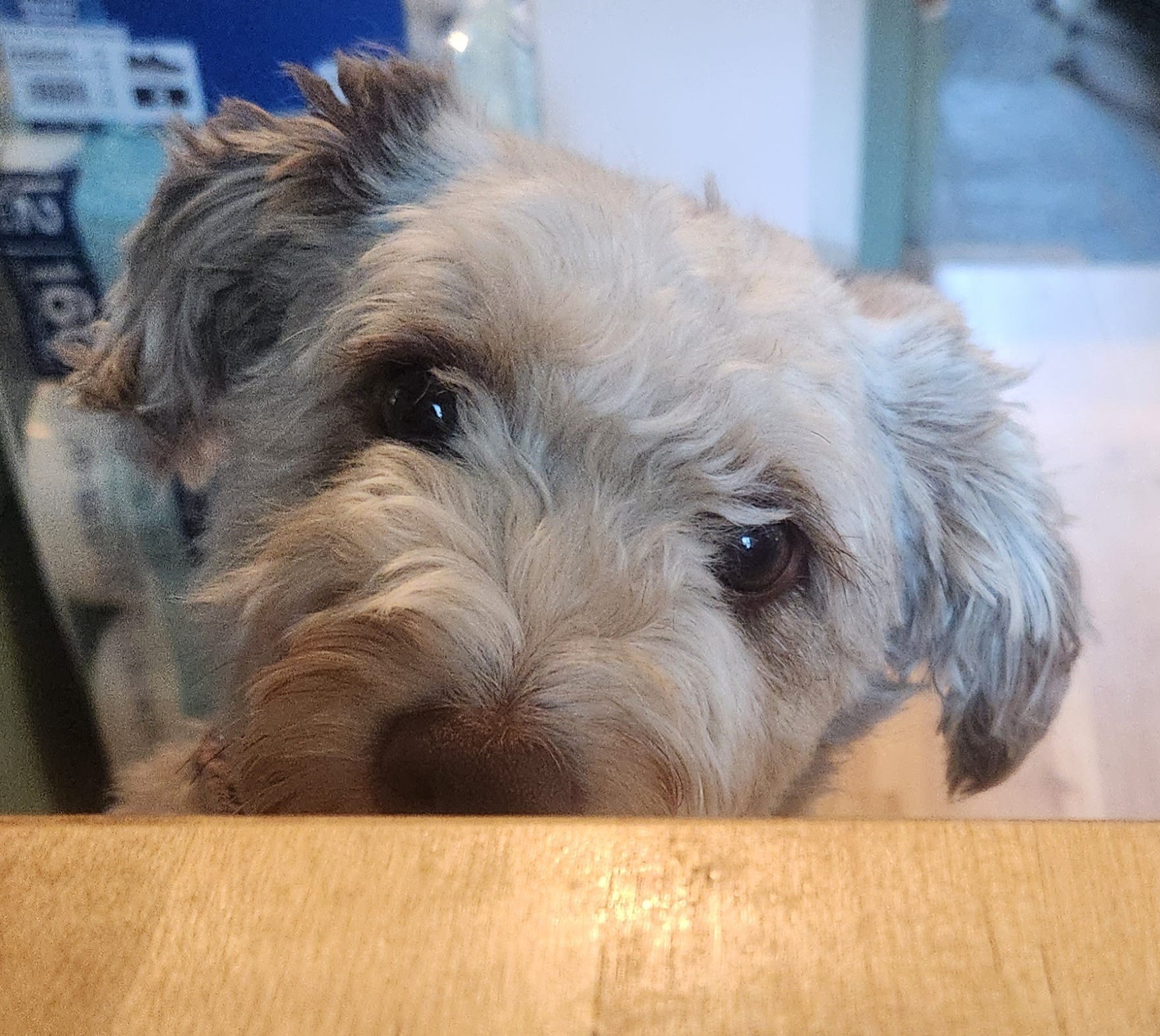
Of course I’m not including Pekes,
And such fantastic canine freaks.
The usual Dog about the Town
Is much inclined to play the clown,
And far from showing too much pride
Is frequently undignified.
He’s very easily taken in —
Just chuck him underneath the chin
Or slap his back or shake his paw,
And he will gambol and guffaw.
He’s such an easy-going lout,
He’ll answer any hail or shout.
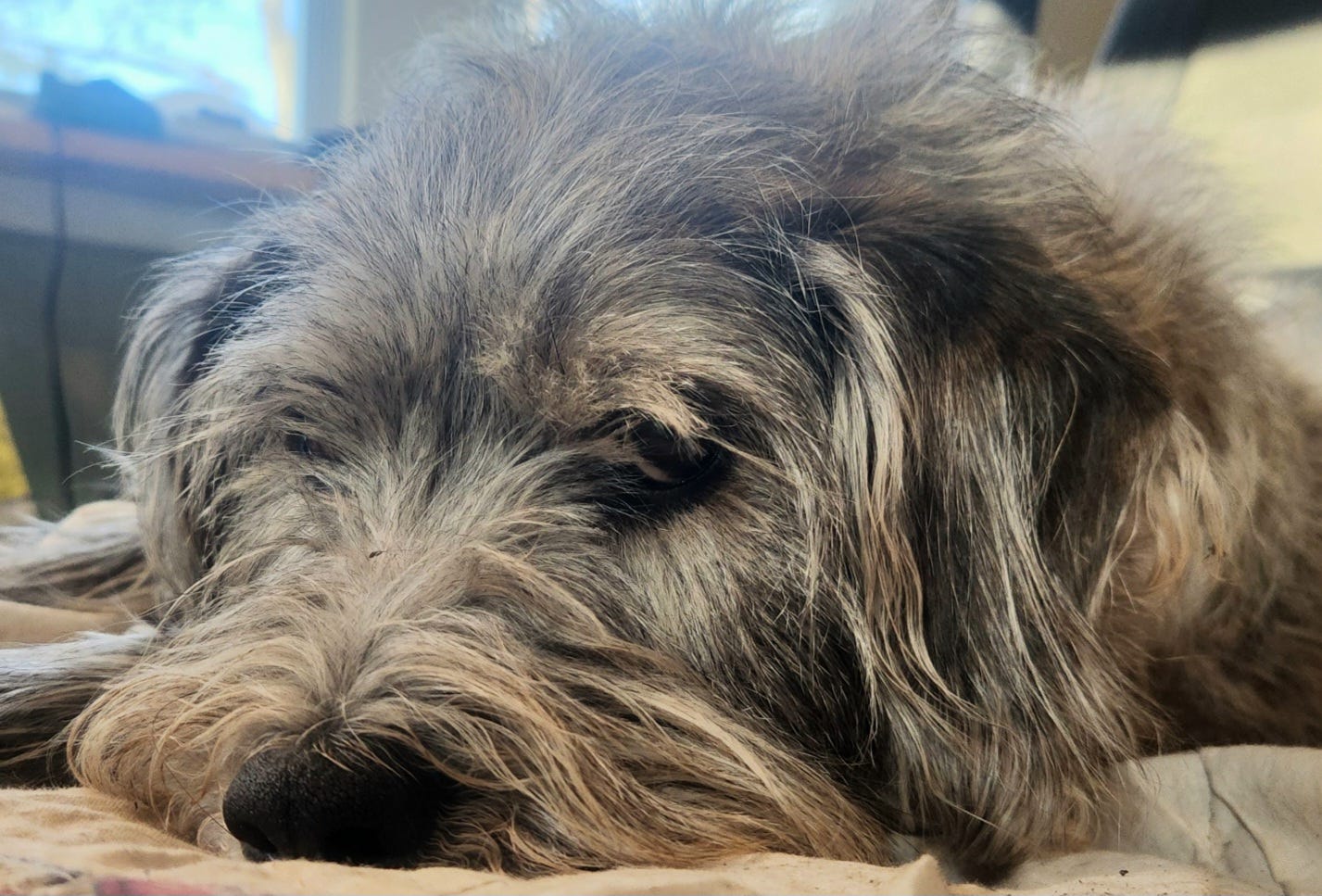
Again I must remind you that
A Dog’s a Dog

— A CAT’S A CAT.
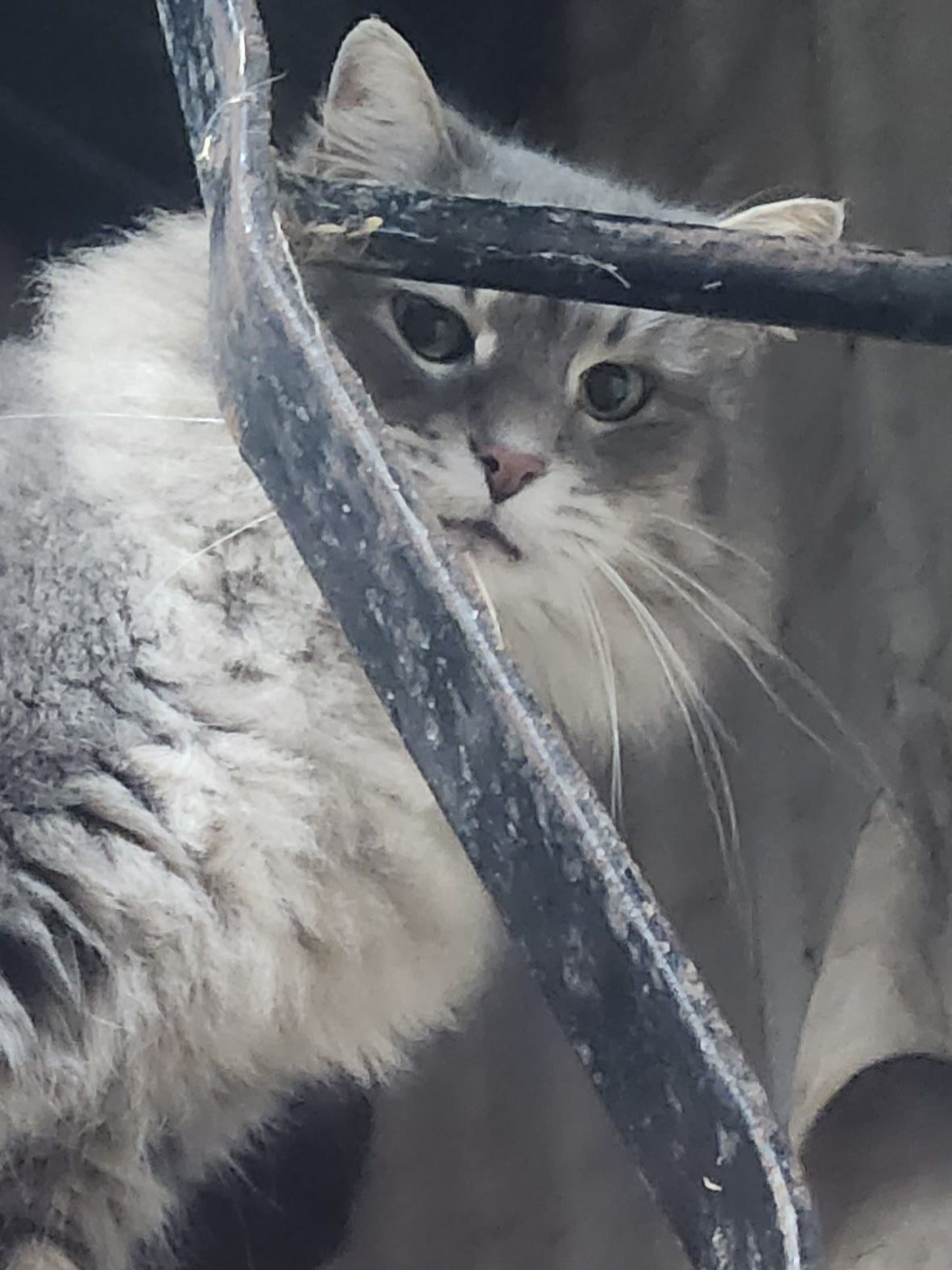
With Cats, some say, one rule is true:
Don’t speak till you are spoken to.
Myself, I do not hold with that –
I say, you should ad-dress a Cat.
But always keep in mind that he
Resents familiarity.
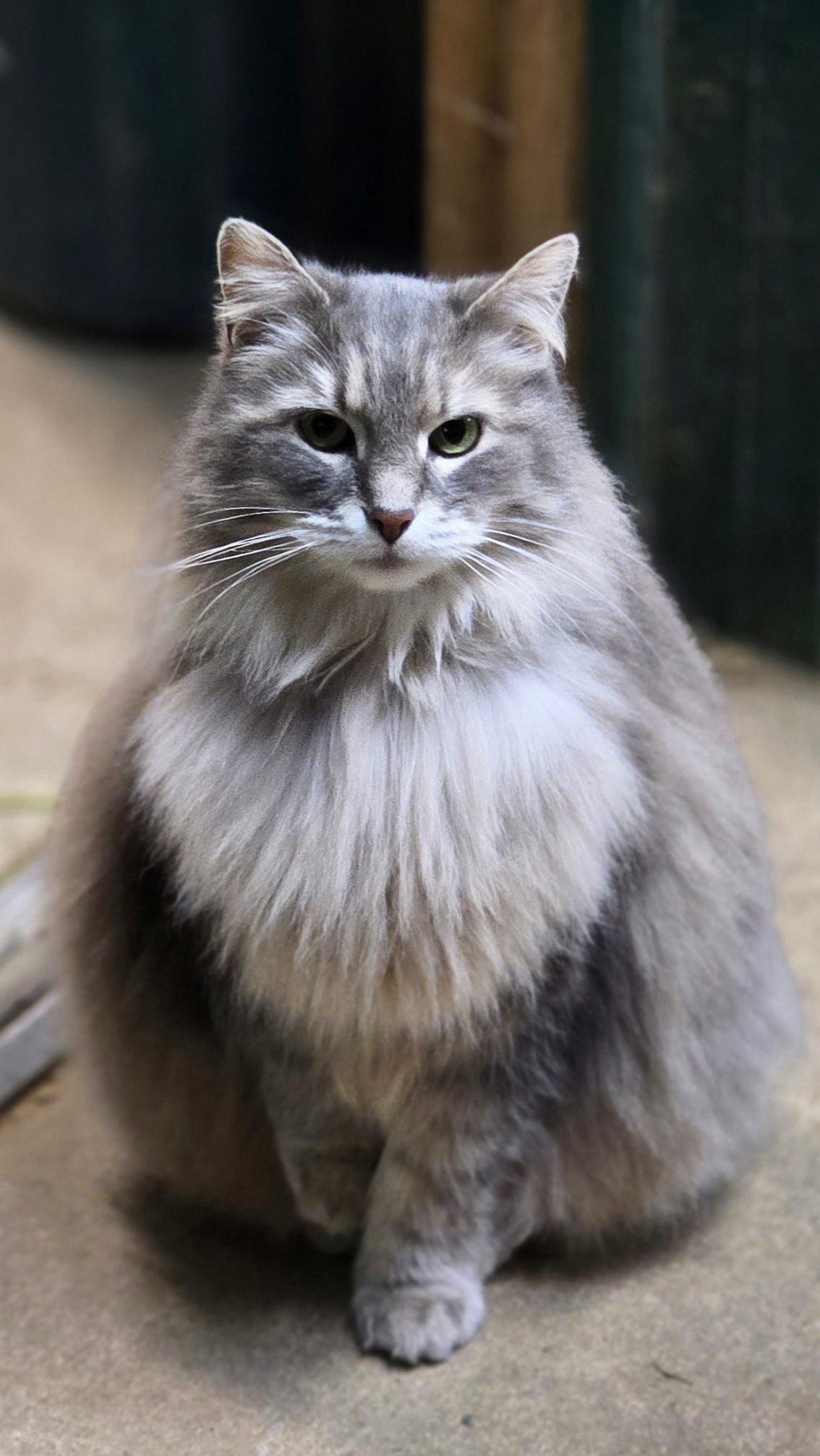
I bow, and taking off my hat,
Ad-dress him in this form: O CAT!
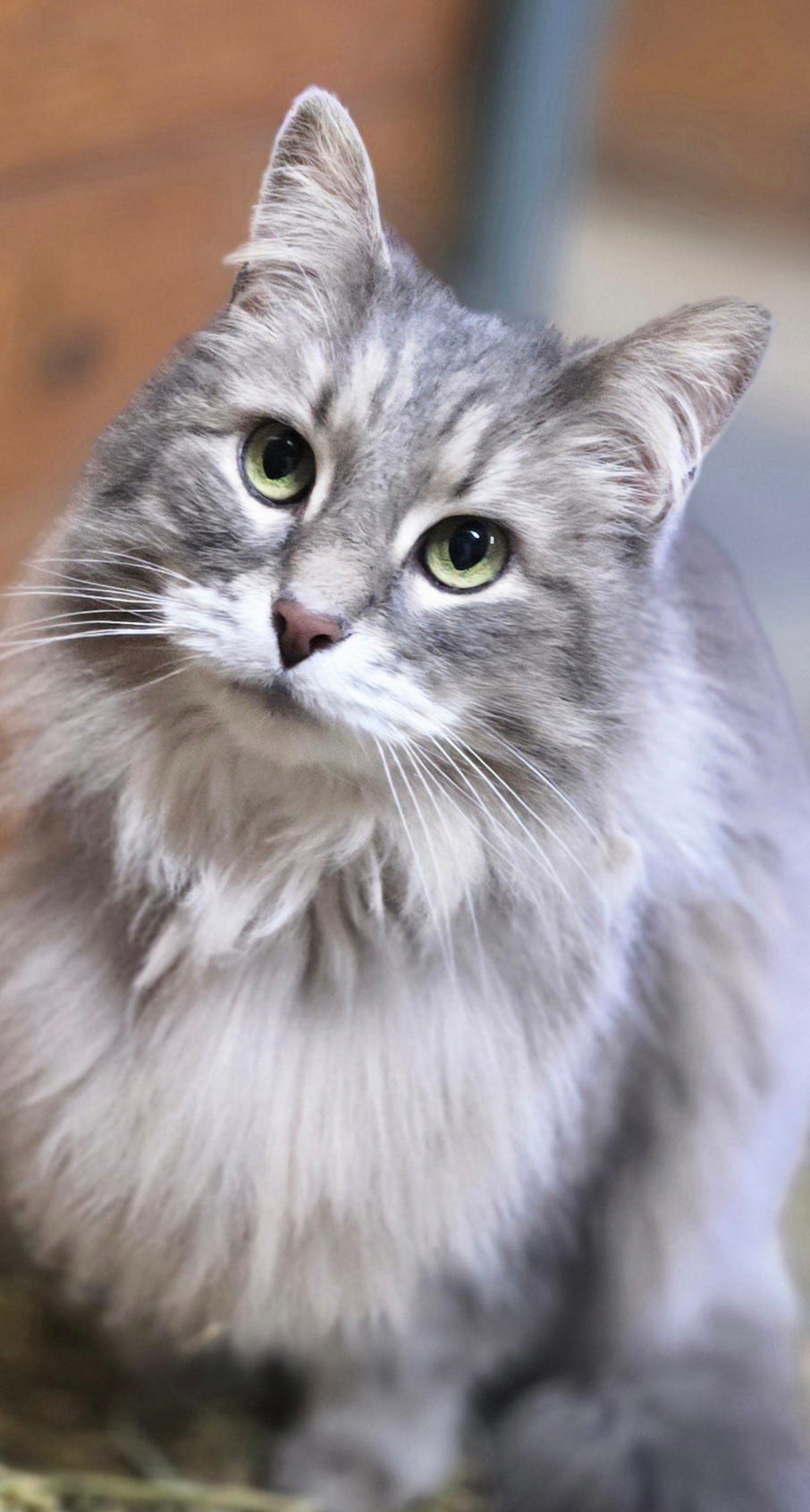
But if he is the Cat next door,
Whom I have often met before
(He comes to see me in my flat)
I greet him with an OOPSA CAT!
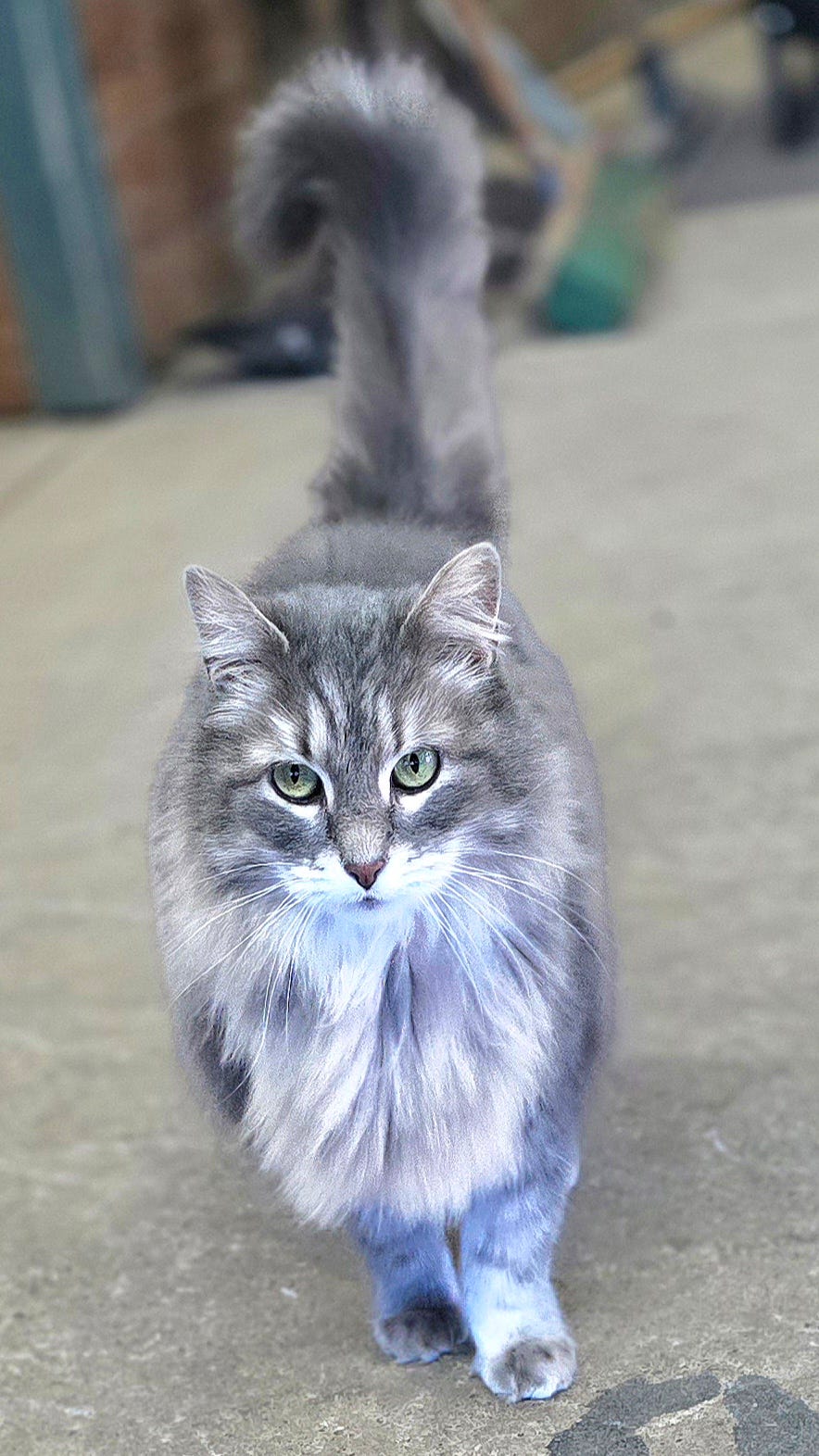
I’ve heard them call him James Buz-James —
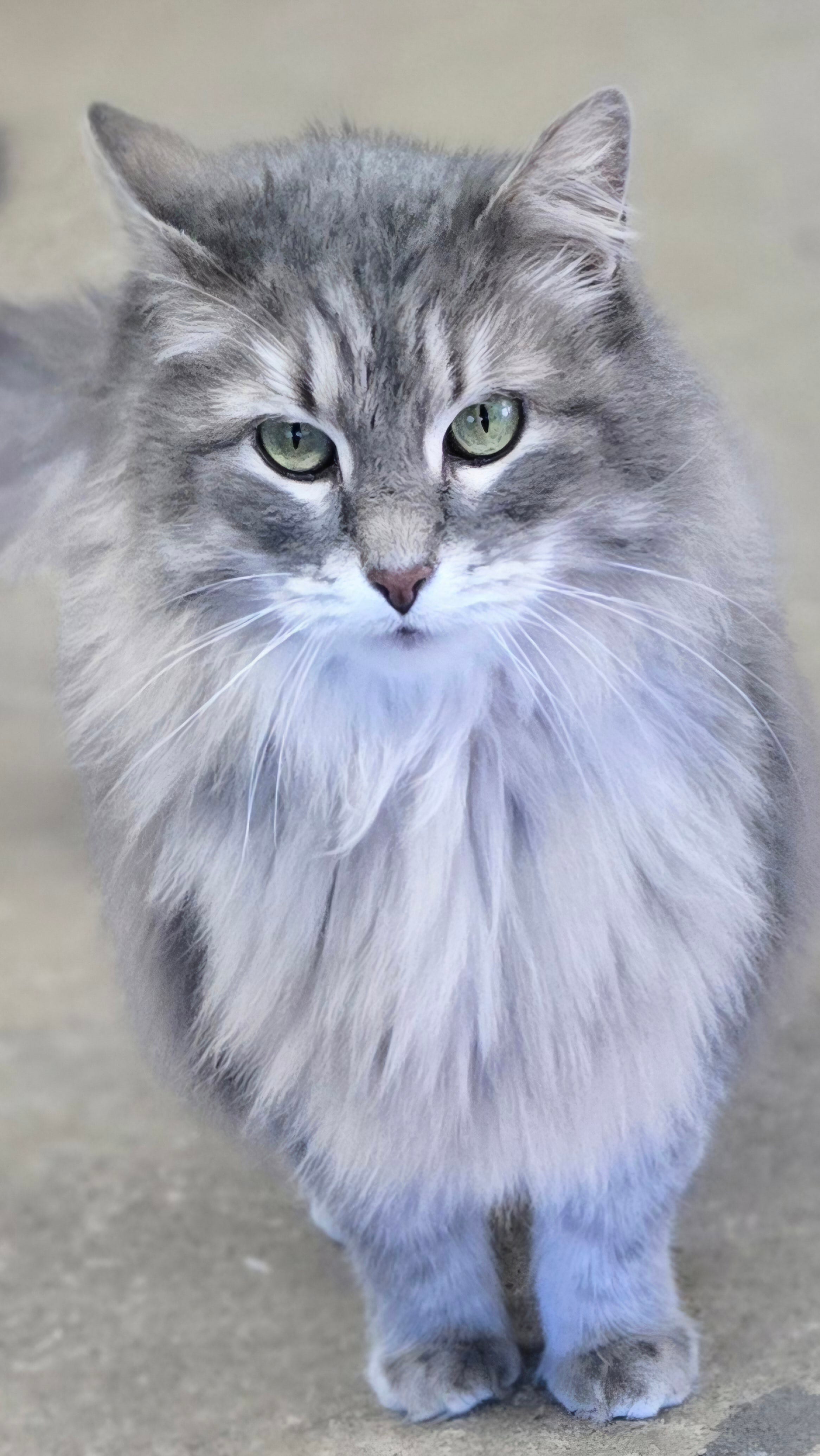
But we’ve not got so far as names.
Before a Cat will condescend
To treat you as a trusted friend,
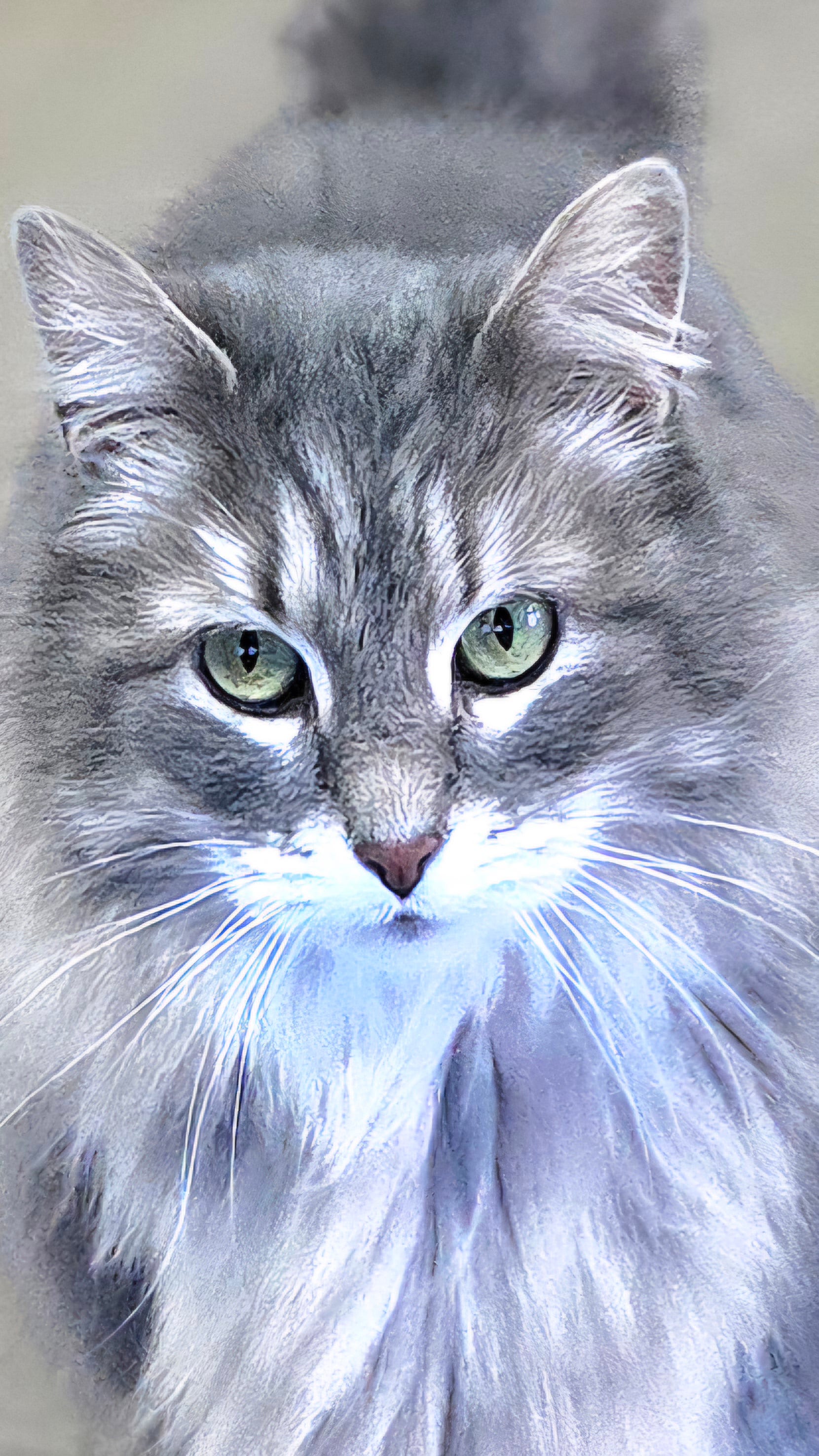
Some little token of esteem
Is needed, like a dish of cream;
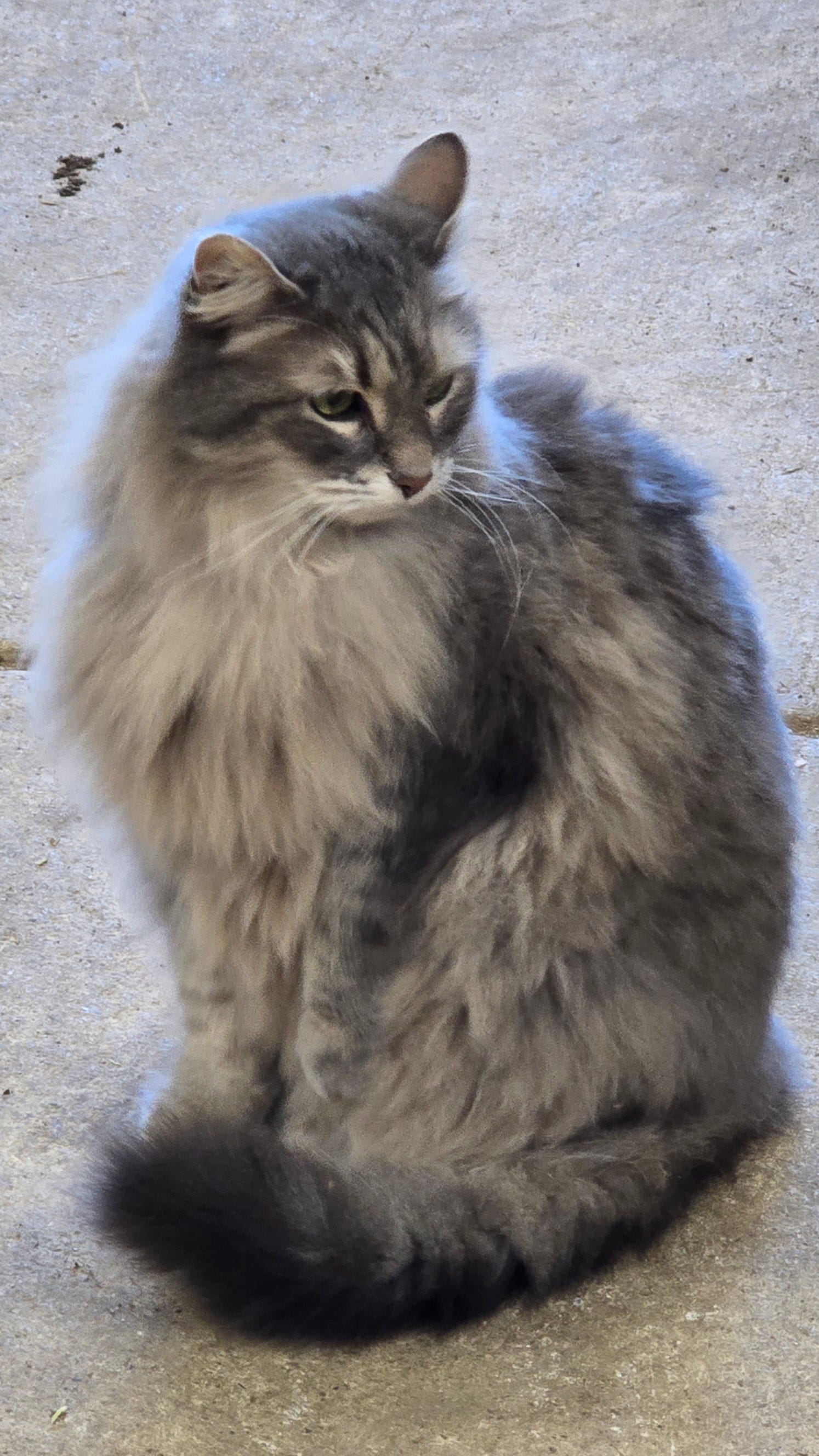
And you might now and then supply
Some caviare, or Strassburg Pie,
Some potted grouse, or salmon paste —
He’s sure to have his personal taste.
(I know a Cat, who makes a habit
Of eating nothing else but rabbit,
And when he’s finished, licks his paws
So’s not to waste the onion sauce.)
A Cat’s entitled to expect
These evidences of respect.
And so in time you reach your aim,
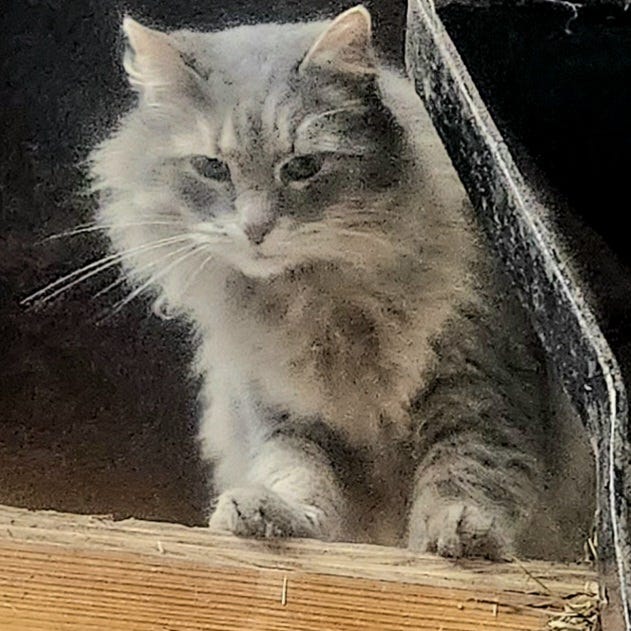
And finally call him by his NAME.
So this is this, and that is that:
And there’s how you AD-DRESS A CAT
“Normie Tariff Explainer”
I subscribe to a newsletter by author Courtney Milan. In it, she writes of one of my reasons for living, tea, but also, to put it briefly, coping and some activism. It’s a good newsletter, and I’ve often wanted to share parts of it, but never got it done. This one, that I’ve only read today (so 1 day late for Hands Off! but there are plenty of times and places for us to rock on,) has good information, and activism we can take while in grocery lines or waiting rooms or wherever we are. Here’s the tea (without actual tea, but if you want to see her tea entry, let me know in comments and I’ll bring it here):
NORMIE TARIFF EXPLAINER
| I had started writing something yesterday about Cory Booker, and was interrupted by Donald Trump announcing massive, sweeping tariffs that will send the global economy into a tailspin. One of the problems with things like this is that a lot of people simply don’t know what tariffs are, or don’t know that Trump is lying about the tariffs other countries are imposing. They certainly don’t understand what the impact will be, and so I decided to make an extremely basic Trump Tariff Explainer to pass out to friends/family/at protests, etc, because if there’s one thing that extremely normie and/or not online people may pay attention to, it might be something like “everything is about to cost a lot more money.” Even if they don’t believe that this will happen, I think it’s important to put it in their brains that if it does happen, the people to blame are Donald Trump and his cabinet. So I have made a website and downloadable PDF sheet for the normal person in your life. |
 |
| The website version (with links to sources) is: TrumpsTariffsExplained.com You can download the PDF here. I’m printing several hundred of these and bringing them to distribute at the protest this Saturday–the more people who see this information, the faster we can try to turn the tide. These tariffs are going to be terrible for everyone, but they’ll be especially horrific for the poor, the disabled, and the marginalized both in the US and around the world world. The faster we can turn things around, the more lives we will save, and hopefully more people knowing what is happening will help us turn things around faster. |
 |
 |
In Today’s GoComics,
Peace & Justice History for 4/6
| April 6, 1712 The first major slave rebellion in the North American British colonies took place in New York City. One out of every five New Yorkers was enslaved at the time. Twenty-three black slaves set fire to buildings, killed six white British subjects and wounded six others. More on the rebellion and its aftermath Slavery in New York |
| April 6, 1909 Robert Peary, his negro servant, Matthew Henson, and four Eskimos reached the geographic North Pole for the first time.  Matthew Peary at the White House, 1954  Stamp issued 2005 Though Henson was alongside Peary, widely hailed as a courageous explorer, during that and subsequent Arctic expeditions, Henson achieved little notice until much later in life. Article about the unsung hero of the polar expedition |
| April 6, 1968 Dozens of major cities in the United States experienced an escalation of rioting in reaction to the assassination of Martin Luther King, Jr. two days before. At least 19 people had already died in the arson, looting and shootings. Several hundred had also been injured and about 3,000 arrested—most of those in Washington, D.C. |
| April 6, 1968 Bobby Hutton, the 17-year-old first member of the Black Panther Party was gunned down by officers of the Oakland Police Department. Police opened fire on a car of Black Panthers returning from a meeting. The Panthers escaped their vehicle and ran into a house. Police attacked the house with tear gas and gunfire. After the building was on fire, the Panthers tried to surrender. Hutton came out of the house with his hands in the air.  Bobby Hutton But a police officer shouted, “He’s got a gun.” This prompted further police gunfire that left Hutton dead and Panthers co-founder Eldridge Cleaver wounded. Police later admitted that Hutton was unarmed. More about Bobby Hutton |
| April 6, 1983 President Ronald Reagan’s interior secretary, James Watt, banned all rock ‘n’ roll groups from the Fourth of July celebration on the Washington Mall.The bands scheduled to play included the Beach Boys, generally considered very wholesome. But Watt said such acts attracted the “wrong element.” ”We’re not going to encourage drug abuse and alcoholism as was done in the past.” The president’s wife, a fan, complained directly to Secretary Watt, but he claimed never to have heard of the band.  |
| April 6, 1996 Eleven were arrested at the main post office near Capitol Hill in Washington, D.C., for attempting to mail medical supplies to Iraq in defiance of the U.S.-led embargo. Between 1990 and 1995 with the first Gulf War and the sanctions regime imposed by the U.S., its coalition and the U.N., infant and under-5 mortality rates in Iraq had more than doubled. More about Voices in the Wilderness |
https://www.peacebuttons.info/E-News/peacehistoryapril.htm#april6
Allies Being Allies, Bravely
(It’s all here except a Facebook post, because the page is jam-packed with active ads. But this deserves to be known, wherever you read it. -A.
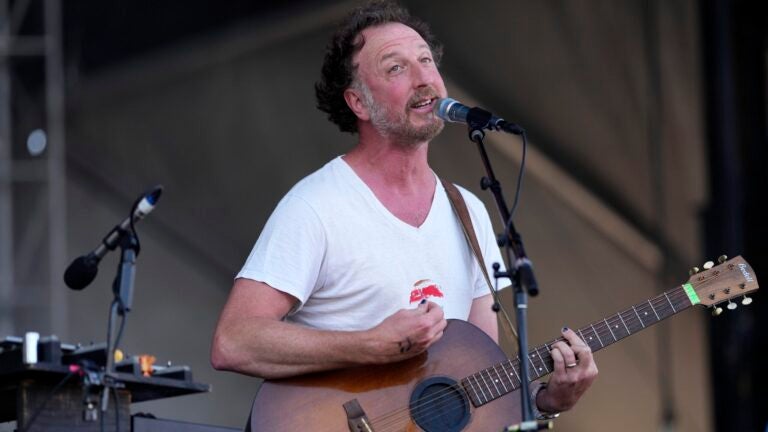
‘They belong here’: In defiance of Trump, Guster shares Kennedy Center stage with canceled children’s musical
Guster welcomed the cast of the children’s musical “Finn” to the Kennedy Center over the weekend after the center’s Trump-appointed board canceled its national tour.
By Kevin Slane April 1, 2025 2 minutes to read
Guster won’t be playing PorchFest this year, but the alt-rock band originally formed in Somerville still knows how to draw headlines when it takes the stage.
When Guster performed at the Kennedy Center over the weekend with the National Symphony Orchestra, it brought out a special guest: The cast of the children’s musical “Finn.”
After opening at the Kennedy Center to strong reviews in November and December 2024, the Kennedy Center-commissioned musical was supposed to begin a national tour this year. “Finn” — about a young shark who “wants to let out his inner fish” — was co-created by Chris Nee, the openly gay creator of the popular children’s TV show “Doc McStuffins.”
But after President Donald Trump took over as chairman of the arts institute in February — firing its board of trustees and installing allies including White House Deputy Chief of Staff Dan Scavino and Fox News hosts Laura Ingraham and Maria Bartiromo in their place — the planned national tour for “Finn” was canceled.
“We will soon announce a new Board, with an amazing Chairman, DONALD J. TRUMP!” Trump wrote on Truth Social in February. “Just last year, the Kennedy Center featured Drag Shows specifically targeting our youth — THIS WILL STOP.”
According to Deadline, the new regime at the Kennedy Center cited financial considerations when canceling the musical’s planned tour, but “the musical’s theme of tolerance and acceptance – the young gray shark named Finn ultimately decides to let out his ‘inner fish’ by adopting a vibrantly colored and glittery new appearance – has been widely interpreted as at least a contributing factor in the tour’s axing.”
During Friday evening’s show, Guster brought the cast of “Finn” on stage to accompany the band on its song “Hard Times.”
Guster lead singer Ryan Miller addressed the audience before bringing the cast on stage, talking about his friendship with “Finn” co-creator Michael Kooman.
“As the new administration has made abundantly clear, ‘Finn’’s themes of inclusivity, love, and self-acceptance aren’t going to be welcome in this building while they are in control,” Miller said. “Tonight our band is here to say our stage is your stage. We are your allies, we stand with the LGBTQ community, and we want you to sing with us.
“Please welcome the cast of ‘Finn’ and composer Michael Kooman,” Miller concluded. “They belong here.”
In a Facebook post on Monday, the band wrote that it left the Kennedy Center “imbued with energy, purpose, and righteousness.”
“Reflecting on the weekend and feeling so grateful for our fans,” the band wrote. “Many of you were hesitant to enter the charged atmosphere at the Kennedy Center but trusted us to navigate these shows with purpose and showed up as your fullest most spirited selves.”
“I think all of us, and it’s like 5000 of us over the weekend, left that venue feeling the power of music to heal and refresh,” the post continued. “And the power of community to overcome. (snip unembeddable Facebook post)
Kevin Slane
Staff Writer
A Word From A Canadian
Long Live Freedoms? by Dr. Richard Francis Hogan
“Liberation Day”🤕? Read on Substack
Written: 🇨🇦 Wednesday, April 3rd, 2025 10:15
Is it long live freedom?
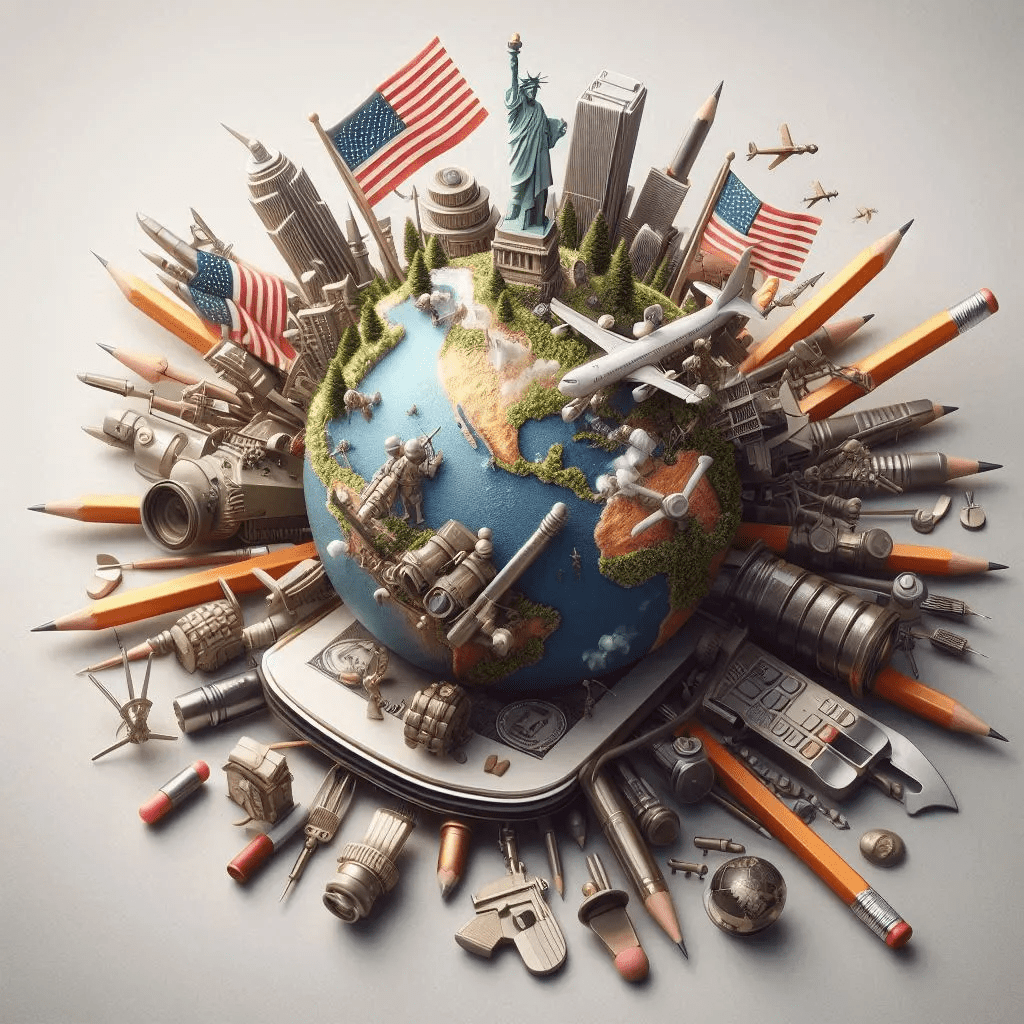
In the shadow of Wednesday, April 3rd, 2025 circum 4 p.m. EST, the idea of liberation unfolds with all its complexities, its light and its shadow. The declaration, bold and unyielding, seeks to redefine the pillars on which trade and economic power rest, claiming to usher in an era of self-reliance and prosperity. Yet, as with all acts of change, the effects are far-reaching, unpredictable, and deeply personal.
From the bustling markets of India to the quiet farmlands of Iowa, the world absorbs the shockwaves of an economic strategy that promises protection but risks isolation. In homes and factories, the air is thick with speculation—what will these tariffs bring? A renaissance of domestic manufacturing or a tightening of belts for families already stretched thin?
Global markets shift like tectonic plates beneath the surface, each country recalibrating its position in this delicate dance. Some see an opportunity to assert their own independence, while others grapple with the economic turbulence caused by disruption. The landscape becomes a chessboard, nations maneuvering for advantage, each move echoing through the corridors of diplomacy and trade.
And amidst this vast interplay of economies and geopolitics stands the human spirit. For the individuals whose lives are touched by these decisions, liberation is not just a political or economic act—it is deeply personal. It is the parent deciding how to stretch a paycheck further in the face of rising costs. It is the worker who watches as their factory doors reopen, bringing hope to their community. It is the farmer who wonders if their crop will find a buyer in a world now reshaped by tariffs.
Liberation, then, becomes a question of perspective. For some, it is a moment of pride, an assertion of independence in a globalized world. For others, it is a reminder of vulnerability, the realization that no nation or individual exists in isolation. It is the tension between self-sufficiency and interdependence, between the desire for control and the inevitability of connection.
As the world moves forward from this day of declaration, the real measure of “Liberation Day” will not be found in the speeches or the headlines—it will be in the lives it changes, the challenges it creates, and the resilience it inspires. For in the end, liberation is not just the act of breaking free—it is the courage to forge a path in the uncharted territories that freedom brings. However, as a Canadian, my speak 🗣️
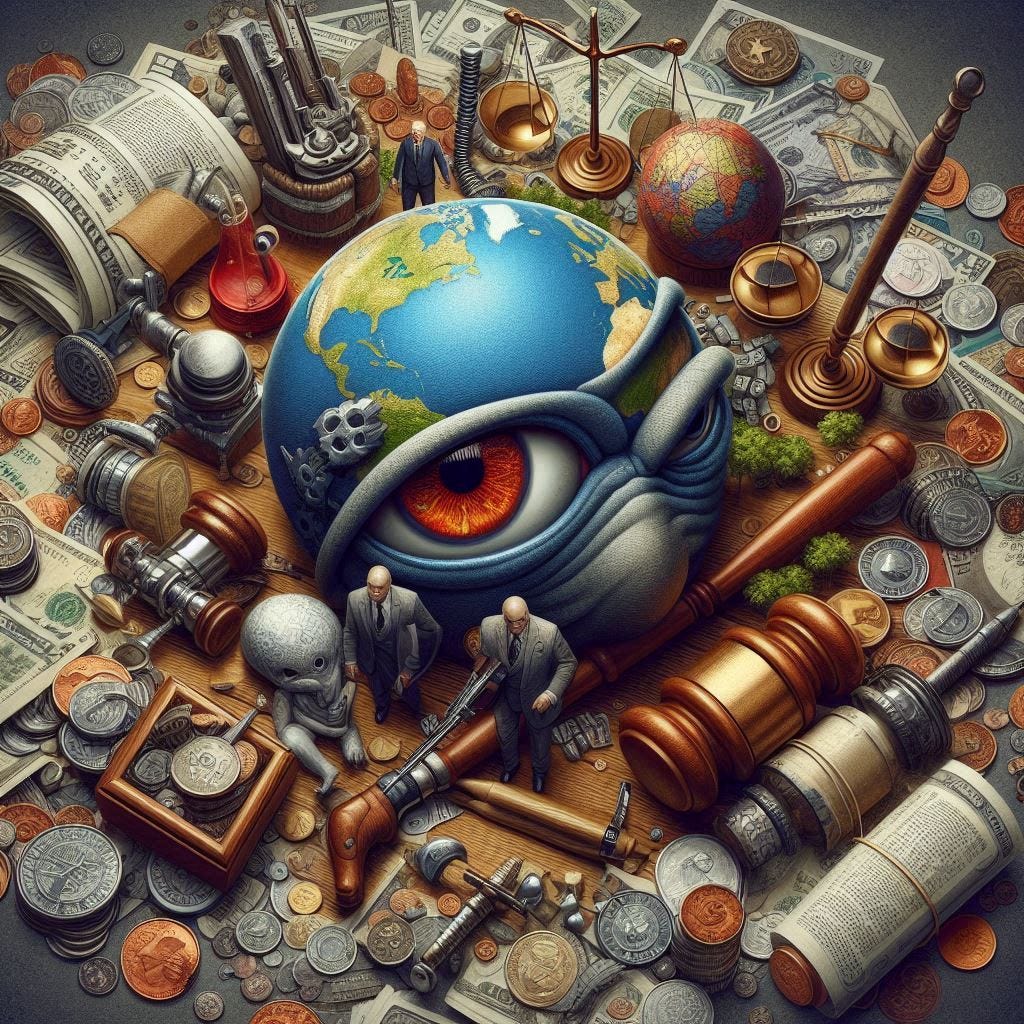
Wednesday, April 3, 2025, the sun rises not simply over land and water but over a tapestry woven with threads of commerce, diplomacy, and shared destinies. Across the expanse of North America, two neighbors—Canada and the United States—stand as towering pillars of trade, their economies entwined like the roots of ancient oaks. Their shared border, stretching like an endless promise, hums with the rhythm of industry, each heartbeat pulsing with goods and ideas that flow seamlessly between them.
But today, the pulse quickens, and the air grows dense with the weight of a proclamation. “Liberation Day,” declared boldly, aims to sever dependence, a bid for sovereignty through tariffs as high as mountain peaks. The United States, seeking refuge from the vulnerabilities of interdependence, turns inward, its gaze fixed on rekindling domestic sparks. Factories stir with newfound hope, their machines roaring with ambition, while farms stretch toward the horizon, bracing for winds of change.
Canada watches, its heart a blend of steel and shadow. From Ottawa to Alberta, the land whispers of resilience—a quiet determination to adapt and endure. Trade routes that have thrived for centuries suddenly feel fragile, threatened by the force of protectionist winds. Yet in this fragility lies the essence of ingenuity, the spark that drives nations to seek partnerships beyond familiar shores. Diversification becomes Canada’s anthem, a melody sung to the world, a testament to its strength.
Across fields and highways, rivers and rails, the individual stories unfold. In bustling Toronto, a worker questions the fate of their factory, now tethered to uncertain exports. In rural Saskatchewan, a farmer gazes at their wheat, their crop a silent plea for markets that may no longer welcome it. In Michigan, an assembly line thrums with renewed vigor, yet the workers pause, wondering how long the momentum will last. It is here, in the lives of ordinary people, that the consequences of Liberation Day resonate most deeply.
The Canada-U.S. trade relationship—a partnership that has weathered storms and celebrated triumphs—now stands at a crossroads. It is a reflection of the paradox of liberation: to free oneself from dependency is to risk isolation; to assert sovereignty is to acknowledge vulnerability. Yet, amid the challenges, hope persists. It whispers through the rustle of maple leaves and echoes across the Rockies, a reminder that change, though disruptive, breeds possibility.
As the sun will set, painting the sky in hues of amber and ash, the world holds its breath. Liberation is not a moment—it is a journey, one of adaptation and resilience, of finding strength in the struggle and light in the uncertainty. Canada and the United States, like two dancers navigating a shifting melody, move forward—not as rivals but as partners, bound by history, trade, and the human spirit that seeks meaning even in the face of transformation. Is it long live freedom?
That is as much as I will say as a Canadian.