It’s one of the Tabs on Wonkette this AM. I have a soft spot for Chicago for reasons, and was just interested because it’s not topical, and now I’m sharing it here because maybe we could all pool our money and buy this place for us and our allies! Actually, I’m sharing it because it’s different and interesting to look at. Take a look, and dream a little!
Once-in-a-life time opportunity to own one of Chicago’s iconic estates, showcasing over 25,000 Sq. Ft. of combined living spaces and situated on nearly a third of an acre on Gold Coast’s most coveted Astor street. This palatial architectural masterpiece designed by Howard Van Doren Shaw for the Goodman Family graces the market for the first time in 40 years, promising to leave you speechless. A true hallmark of Chicago’s rich history, Astor Court has long captivated passersby with its magnificent neo-classical/Georgian Revival architecture spanning an impressive 80′ feet across. This distinguished estate is centered around a one-of-a-kind tremendous courtyard, meticulously landscaped with lush gardens and flowing fountains, transporting you to the tranquil Italian countryside, creating a peaceful sanctuary in the vibrant urban setting. The main residence of the estate features over 10,000 sq. ft. of exquisitely renovated grand spaces blending timeless elegance with modern luxury. No expense was spared in creating this treasure, presenting a rare opportunity to own a coveted piece of Chicago’s history. Every inch of the home exudes sophistication and grandeur offering unparalleled living experience featuring 13′ ceilings, venetian plaster walls, incredible intricate millwork and hardwood oak flooring throughout, fireplaces with magnificent original marble mantles, and gold plated fixtures. As you enter the home, you are immediately captivated by the grand sense of space, elegant design and a sweeping curved staircase that ascends to the expansive main living areas. Every room exudes scale and sophistication offering both beauty and functionality. There are five en-suite bedrooms, each with its own style and personality. The luxurious primary suite features beautiful lake views and a grand primary spa bath adorned with exquisite Italian marble. In addition to the main residence, Astor Court showcases six gorgeous unique rental units, each with its own distinct charm and character, generating significant income. The entire estate encompasses 45 rooms, 16 bedrooms, 17 baths and 18 fireplaces offering endless opportunities to expand the main residence or transform it into a sprawling multi-generational family compound. Currently, there are two parking spaces located directly behind the property with the option to convert the coach house into a garage for additional parking. This extraordinary estate is perfectly situated just steps from Michigan Avenue, the lakefront, parks, premier shops, favorite restaurants, and world-class entertainment.
Request a tour as early as Today at 12:30PMSchedule TourRequest Info
Home Highlights
Parking Open Parking Outdoor Patio A/C Heating & Cooling
During the same week as the president’s address to Congress, RepresentWomen held our annual Democracy Solutions Summit (DSS). This solutions-oriented event allowed us to imagine what our democracy could look like with better policies and better representation.
Here, women leaders, elected officials, advocates and experts discussed the problems facing our democracy and uplifted actionable solutions to improve women’s representation and strengthen our democracy overall. This year’s summit addressed the critical need for more women in local, state and federal leadership roles.
The Democracy Solutions Summit clearly contrasts with the uncertainty of Trump’s address to Congress. The DSS is the only democracy summit featuring only women speakers and panelists committed to actionable, data-driven solutions and building coalitions that bolster American democracy at this critical time. Furthermore, our research has found that when multiple structural solutions are combined, we can bolster women’s representation in every level of government.
Complete recordings of the summit are available online, but here is a quick recap of all three days. (snip-More)
My question is who decides if a hair cut conforms to gender stereotypes / norms. I somehow doubt the 1970s /1980s long shoulder length but parted and swept back blow dried hairstyles for guys would pass the test if religious conservatives get to say what is acceptable? What about women with cancer who are taking treatments for that cancer and lost their hair or are growing it back? Can the doctor be sued who prescribed the treatments? It is like trans people using the bathrooms of gender identity, who decides if that woman is feminine enough for the girl’s bathroom or that man manly enough for the boy’s bathroom? I have told everyone while the hell spawn could have any hair they wanted including long hair I was required to have a crew cut or nearly bald hairstyle as punishment for even existing in a time when everyone was wearing their hair long. What about parents rights? You know the reason all media with LGBTQ+ content must be removed from schools and all libraries, because some parents complain their kids might see it? Do the progressives or the former hippies get to allow their boy children to have long hair or their girls short hair? See how this can’t work, can’t be allowed. People lose all autonomy and individual rights to express themselves as they want to. It is again an attempt to return to the straight cis white Christian male dominated society of the 1950s. Women were subservient to men and needed their permission for most things outside the home. Raping your wife, forcing her to have sex against her will was legal as she had to perform her wifely duties. Non-white people knew their place and stayed there. The entire LGBTQ+ were hidden in their closets too frighted to be found out to demand their equality and rights. That is the world they want and are trying to create using the cover of trans people are harming the children. It is why they attacked drag queens so violently, they violate that 1950s norms. They are desperate to enforce a nearly religious observance of their preferred way to live based mostly on religion. Look at the bios of nearly every one of the republicans pushing these things and you see they are from a fundamentalist conservative religious faith that wants to control how other people live. Not to bring others closer to their godlike Rev Ed Trevors does, but to make themselves feel better about things and the idea that if they make all the people they don’t like, all the acts they don’t like to go away their god will praise them, give them an afterlife life, and their god will be so please with them he will come back right away to get them. Their god is a god of anger and smiting. He is not a loving god who loves people as they are or want to be. Hugs
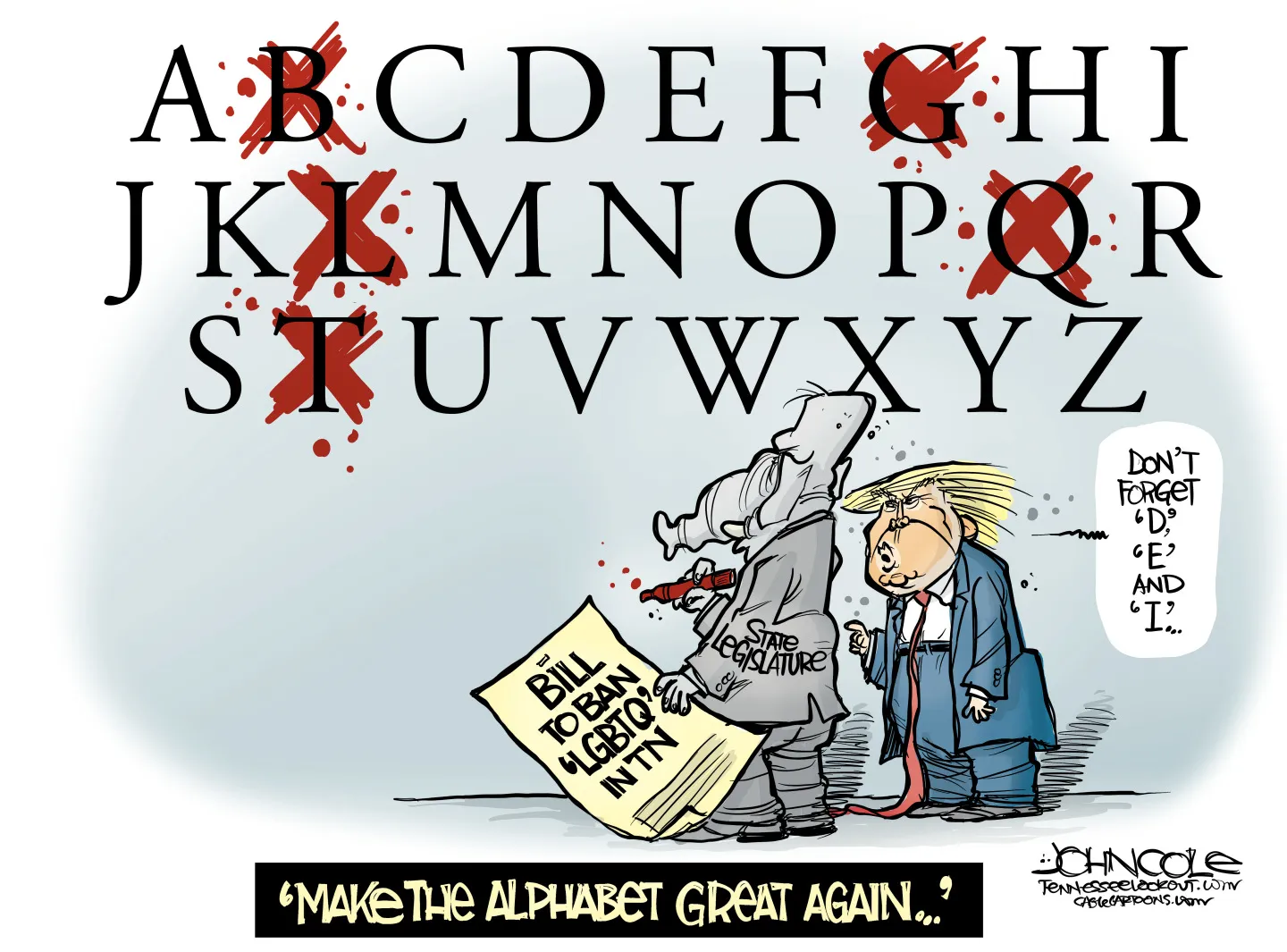
Republicans in the Arkansas state legislature have introduced legislation that would make it effectively illegal for hairdressers to give gender-based haircuts to people of the opposite gender. The bill would allow the hairdressers to be sued if the haircut given does not conform with the gender assigned to a person at birth. This is reminiscent of the government-approved haircuts in North Korea, and equally as oppressive. Ring of Fire’s Farron Cousins explains what’s happening.
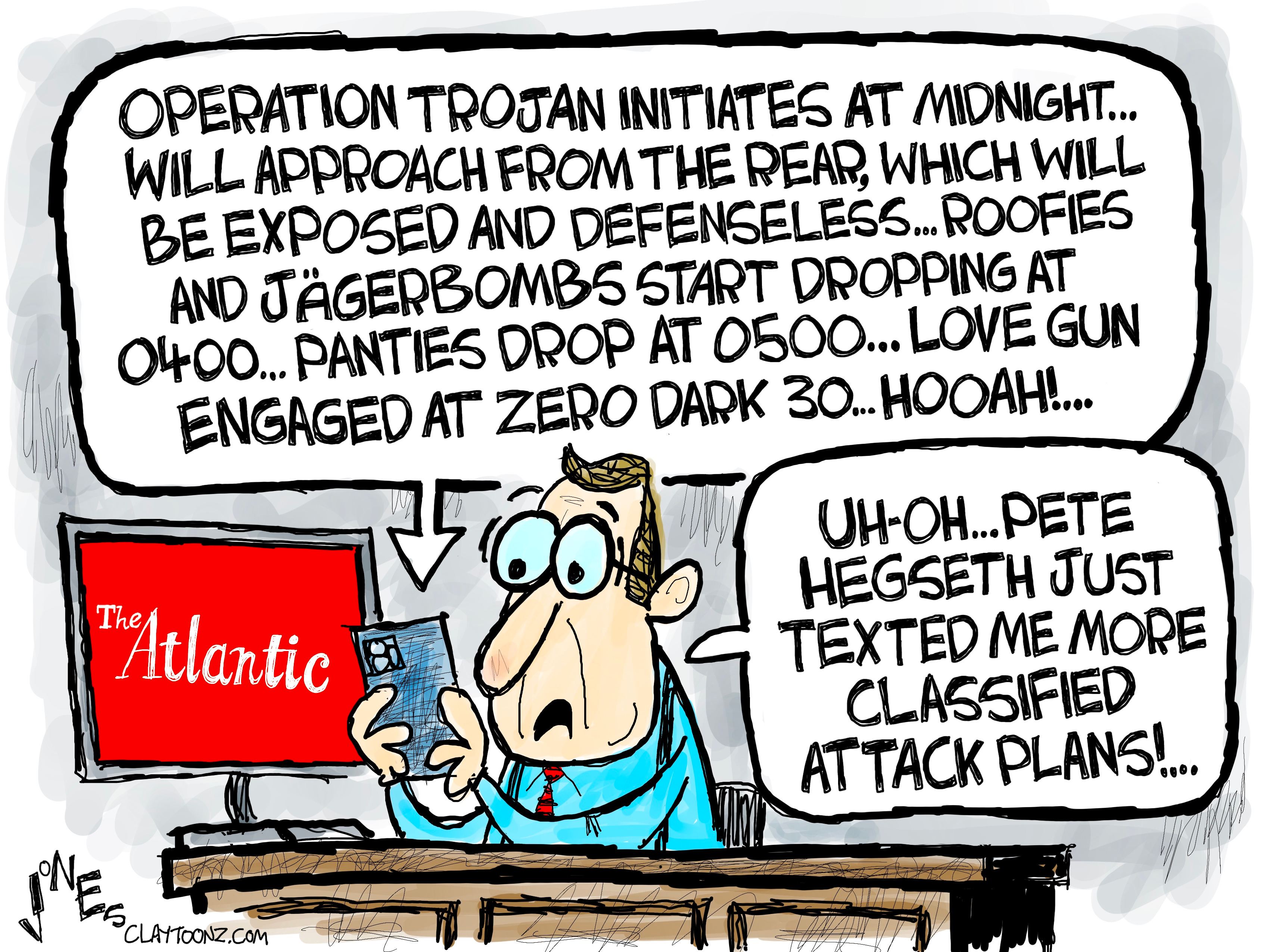
The first mistake was giving classified information to Pete HegsethRead on Substack
If only someone could have foreseen that being a host on Fox & Friends doesn’t make one qualified to be the Secretary of Defense.
Jeffrey Goldberg, the editor-in-chief of The Atlantic, was sitting in his car in a Safeway parking lot when he received a message about an upcoming military strike in Yemen. The message was part of a group chat in Signal, a messaging app, sent from Defense Secretary Pete Hegseth.
Goldberg wrote in The Atlantic, “I didn’t think it could be real. Then the bombs started falling.”
The world found out on March 15 at 2 p.m. Eastern time that the United States had bombed Houthi targets in Yemen, but Goldberg knew at 11:44 a.m. The message included precise information about weapons packages, targets, and timing.
Note that Goldberg didn’t expose this intel fiasco until yesterday, ten days after the strike. My question is: Did any of the group chat participants notice Goldberg was in the chat before yesterday?
After the National Security Council confirmed the legitimacy of the chat, Director of National Security Tulsi Gabbard claimed there was no classified information in the chat. The White House also claimed no classified information or war plans were shared. Then, Pete Hegseth made the same claim, saying, “Nobody was texting war plans, and that’s all I have to say about that.”
Except, that wasn’t all he had to say about “that,” as he also said Goldberg is “a deceitful and highly discredited, so-called journalist who’s made a profession of peddling hoaxes time and time again.” Keep in mind that this guy who used to work for Fox News now works for Donald Trump, the king of discredited lies and conspiracy theories.
While interviewing Goldberg on CNN Monday night, Caitlin Collins said to Goldberg, “I want to start by getting your reaction to what we heard from Secretary Hegseth there, saying that ‘Nobody was texting war plans.’ Given you were privy to this group chat, is that how you saw it?”
Goldberg replied, “No, that’s a lie. He was texting war plans. He was texting attack plans. When targets were going to be targeted; how they were going to be targeted; who was at the targets; when the next sequence of attacks was happening.”
The only way the Trump administration can cover their ass on this is to lie.
In a quickly-called Senate hearing this morning, Gabbard refused to even admit she was part of the chat, saying she didn’t want to get into “specifics.” Senator Mark Warner asked, “Why aren’t you gonna get into the specifics? Is this—is it because it’s all classified?
Gabbard said she couldn’t get into specifics about the chat she claimed didn’t contain classified intel, and said she couldn’t “because this is currently under review by the National Security Council.”
That prompted Warner to ask, “Because it’s all classified? If it’s not classified, share the texts now.”
Gabbard, Hegseth, FBI Director Kash Patel, and CIA Director John Ratcliffe lacked the basic due diligence to check the group chat participants before spouting off about war plans. These people chosen by Trump are amateurs when it comes to their jobs and securing classified intelligence.
If only someone had pointed to these people’s lack of qualifications for their jobs. Oh, wait. We did.
Other members of the chat were National Security Advisor Mike Walz Veep JD Vance, Secretary of State Marco Rubio, Secretary of the Treasury Scott Bessent, National Counterterrorism Center Director Nominee Joe Kent, White House Chief of Staff Susie Wiles, White House Deputy Chief of Staff for Policy Stephen “Baby Goebbels” Miller, and Special Envoy to the Middle East Steve Witkoff. Not one of these idiots noticed Goldberg’s name in the chat and asked, “Who’s that guy?”
Gabbard said there was a difference between the “inadvertent release” and “malicious leaks” of classified information before restating that there was no classified material in the chat, trying to have it both ways.
Unless the administration came out before the strike and said, “We’re going to start dropping bombs on Houthi rebels in Yemen at 2 p.m. on March 15, the information in the chat was classified.
This leak wasn’t malicious or inadvertent. It was inept. You would think if all the participants of this classified chat were competent, at least one of them would have spotted that one of the participants was a journalist, a journalist who did a better job of retaining the classified information better than the Secretary of Defense, Director of National Security, the FBI Director and the CIA Director.
Warner said Hegseth and National Security Adviser Mike Walz didn’t “conduct hygiene 101” in making sure the classified chat was secure.
Warner said, “If this was the case of a military officer or an intelligence officer and they had this kind of behavior, they would be fired” and “This is one more example of the kind of sloppy, careless, incompetent behavior, particularly towards classified information, that this is not a one-off or a first-time error.”
If you don’t remember this happening in the Biden administration, it’s because it never did. Biden hired competent and qualified people, not the Gang that couldn’t shoot straight.
Later, he called for the resignations of Hegseth and Walz, but I think everyone in that chat should resign, including the vice president (sic). Didn’t they all want Hillary Clinton “locked up” for risking the exposure of classified information?
The Trump administration talks a lot of shit about our national security, as though they take it seriously. If they really took it seriously, they wouldn’t hire jackasses like Pete Hegseth, Tulsi Gabbard, Mike Walz, Kash Patel, and John Ratcliffe. Hell, if Republicans took our nation seriously, they wouldn’t have nominated that racist idiot Donald Trump.
Mark Warner said, “When the stakes are this high, incompetence is not an option.”
Creative note: I had something else planned for today, but this story threw that out the window last night. I had more than one reader message me, “Can’t wait to see your Hegseth cartoon.” Fortunately, those messages weren’t classified.
Music note: I listened to everything on this cafe’s sound system. Unfortunately, it included a lot of John Mayer. I hate John Mayer.
March 26, 1966 Over 50,000 marched peacefully in the Fifth Avenue Vietnam Peace Parade in New York City. They were part of the second International Days of Protest with marches in several cities in North America. Fifth Avenue anti-Vietnam War demonstration photo: Robert Parent Early efforts opposing the war in Vietnam
March 26, 1979 In a ceremony at the White House, Egyptian President Anwar el-Sadat and Israeli Prime Minister Menachem Begin signed a peace agreement they had worked out with the assistance of President Jimmy Carter at Camp David, the U.S. president’s rural retreat. The agreement ended three decades of hostilities between Egypt and Israel, establishing diplomatic and commercial ties. The two countries have remained at peace for 40 years. Less than two years earlier, in an unprecedented move for an Arab leader, Sadat had traveled to Jerusalem to seek a permanent peace settlement with Egypt’s Jewish neighbor. Coverage by the BBC
March 26, 1986 The Oklahoma Supreme Court (Post v. State of Oklahoma) upheld a ruling that an Oklahoma anti-sodomy law could not be constitutionally applied to private, consensual activity.
March 26, 2003 Over one million students in Spain went on strike in opposition to their government’s support of the U.S./U.K. invasion of Iraq. The demonstration in Barcelona
(I’m a couple of days late with this one; I’m sorry. -A)
Cats in the limelight, feels like it’s alright,/ Everybody wants something they might not get./ I ain’ ready yet, it ain’t complete That’s why I am headin’ down to Alleycat Street./ by Worriedman
Jerome J. Garcia / Robert C. Hunter – Cats Under the Stars Read on Substack
I’m working on a piece for my other substack “ Green Side Up”
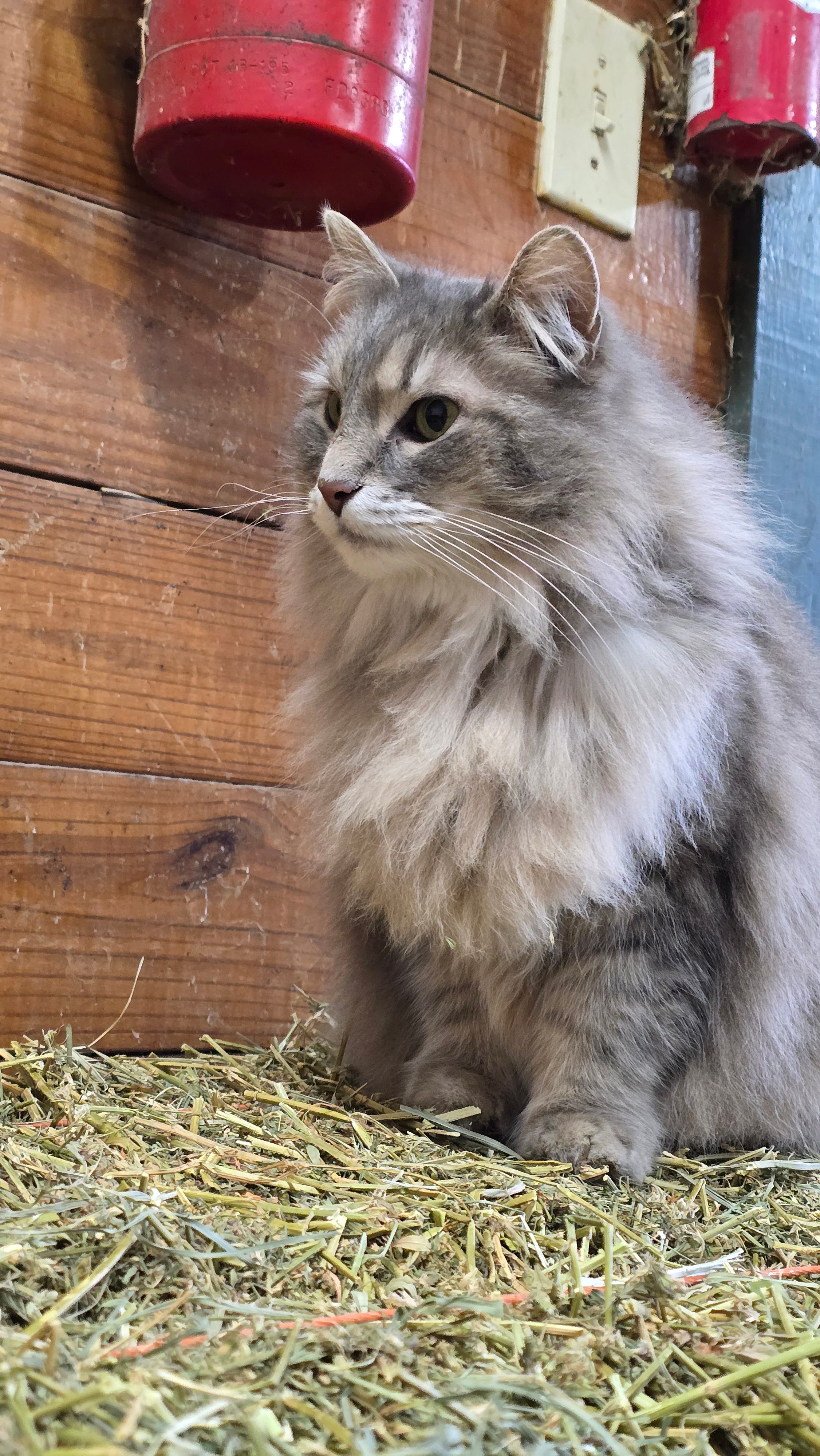
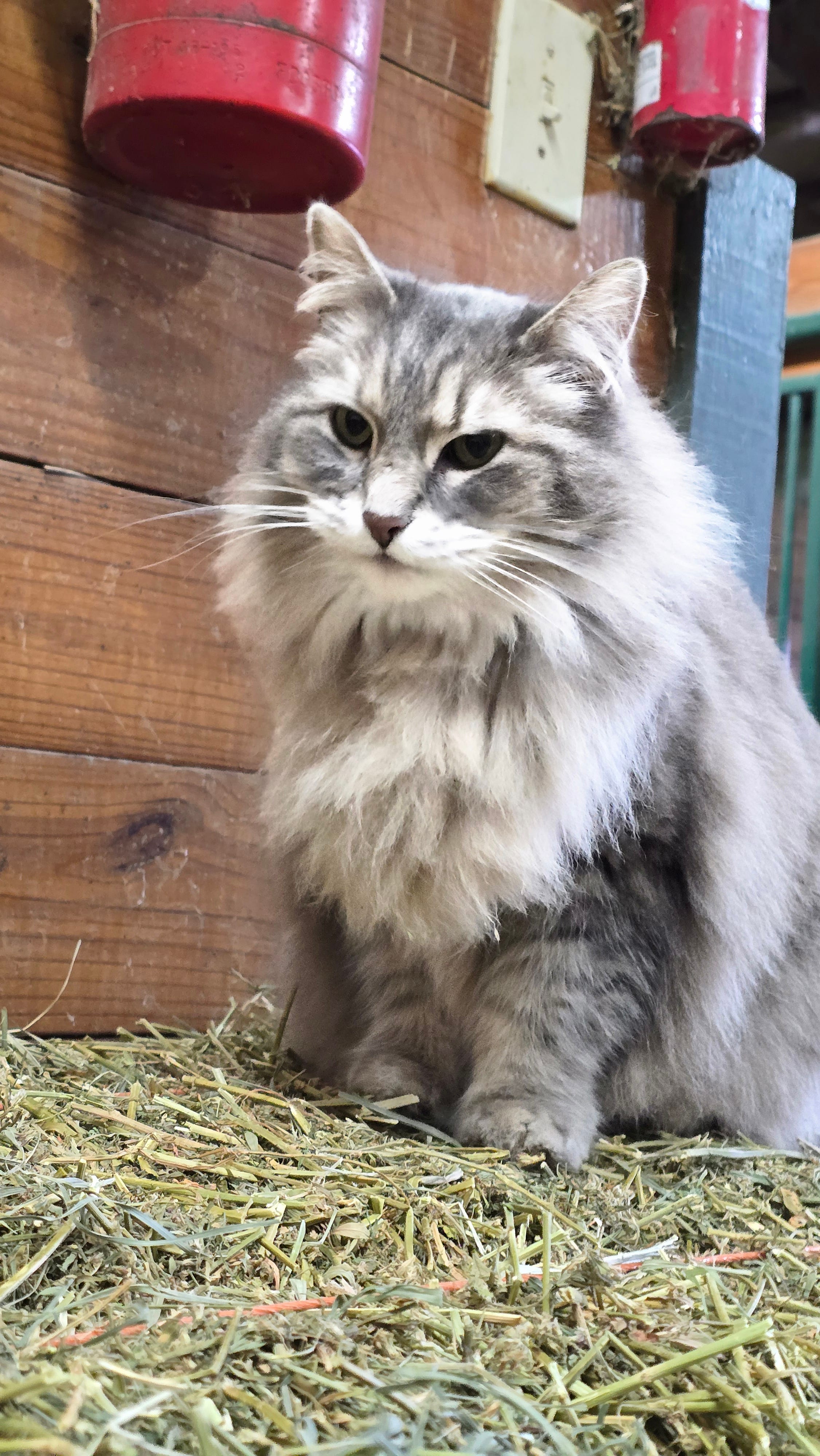
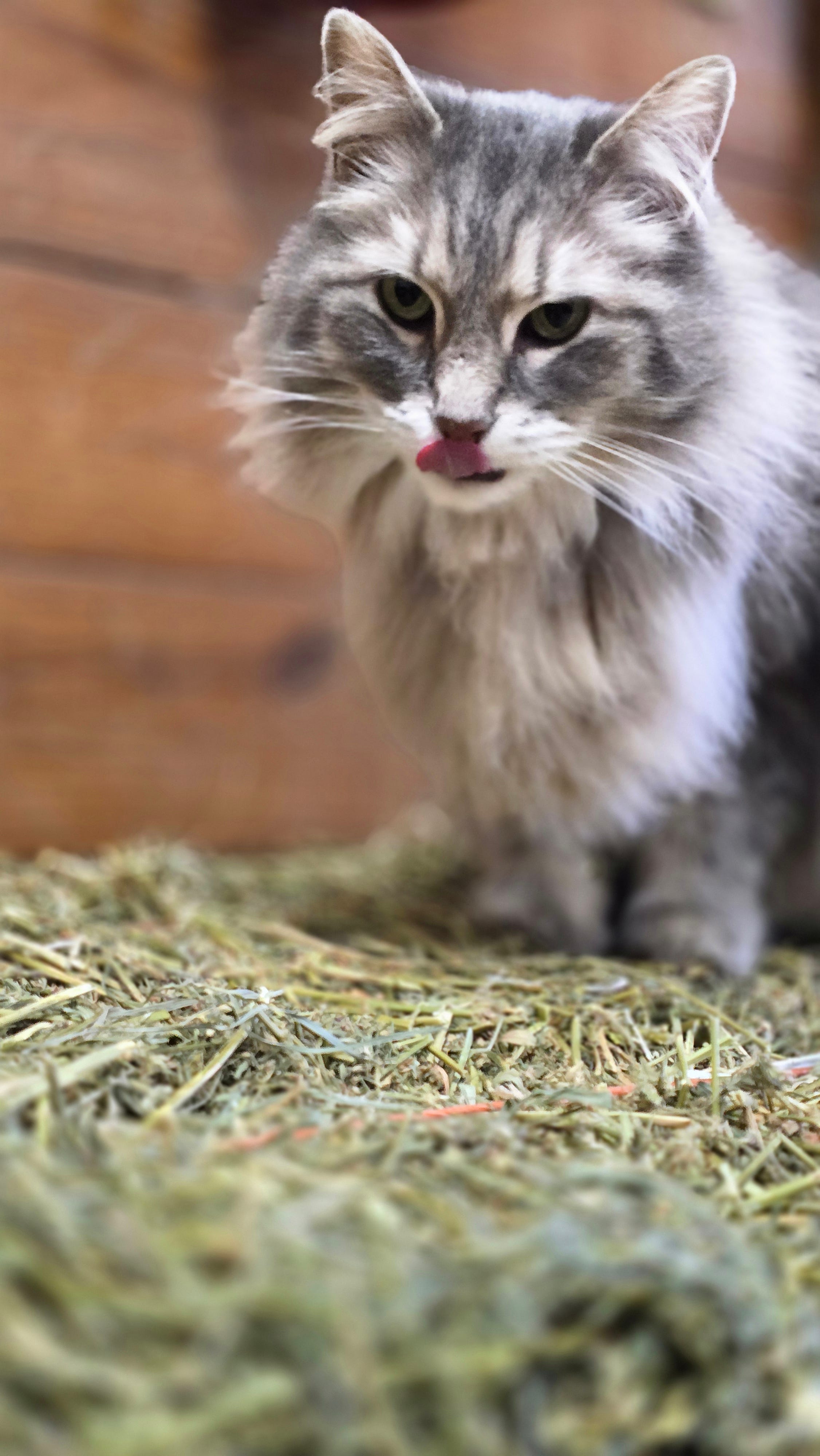
It’s about water. Watering plants specifically. It needs to be a somewhat fundamental statement of principles. I’m trying to take it seriously. I shouldn’t be posting pictures of cats and flowers and dogs and whatnot. Not with a fundamental principle out there, waiting to be stated.
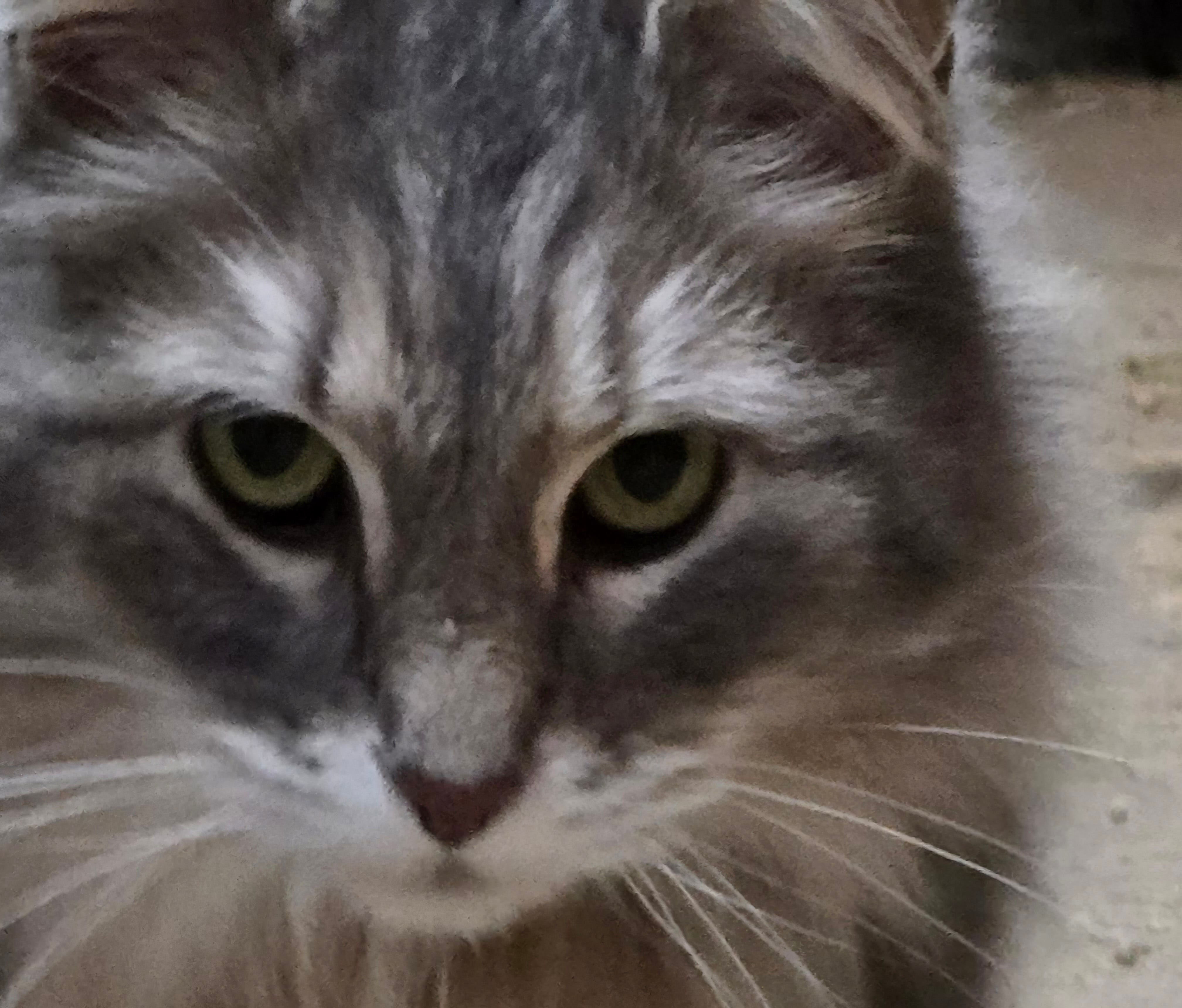
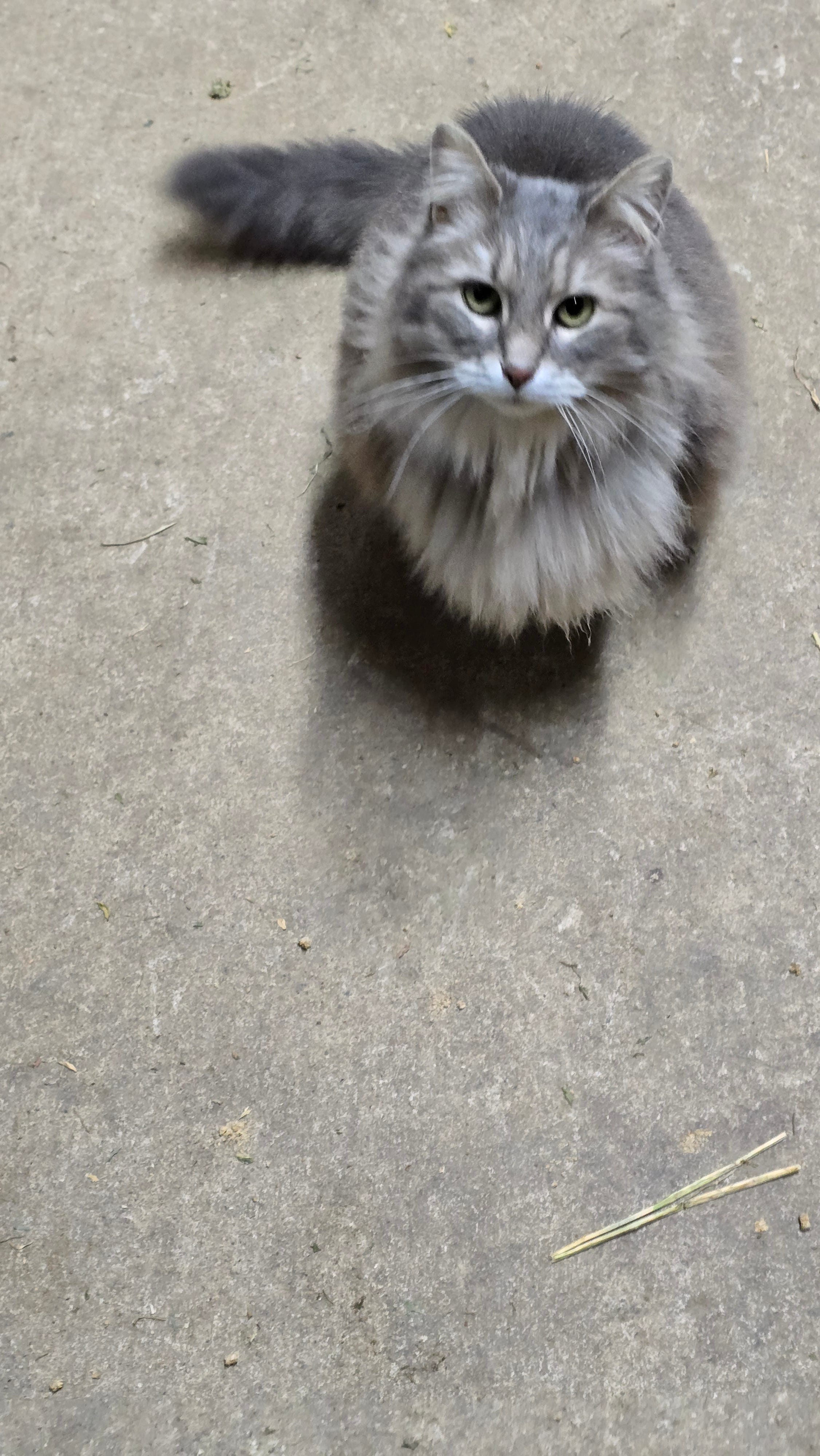
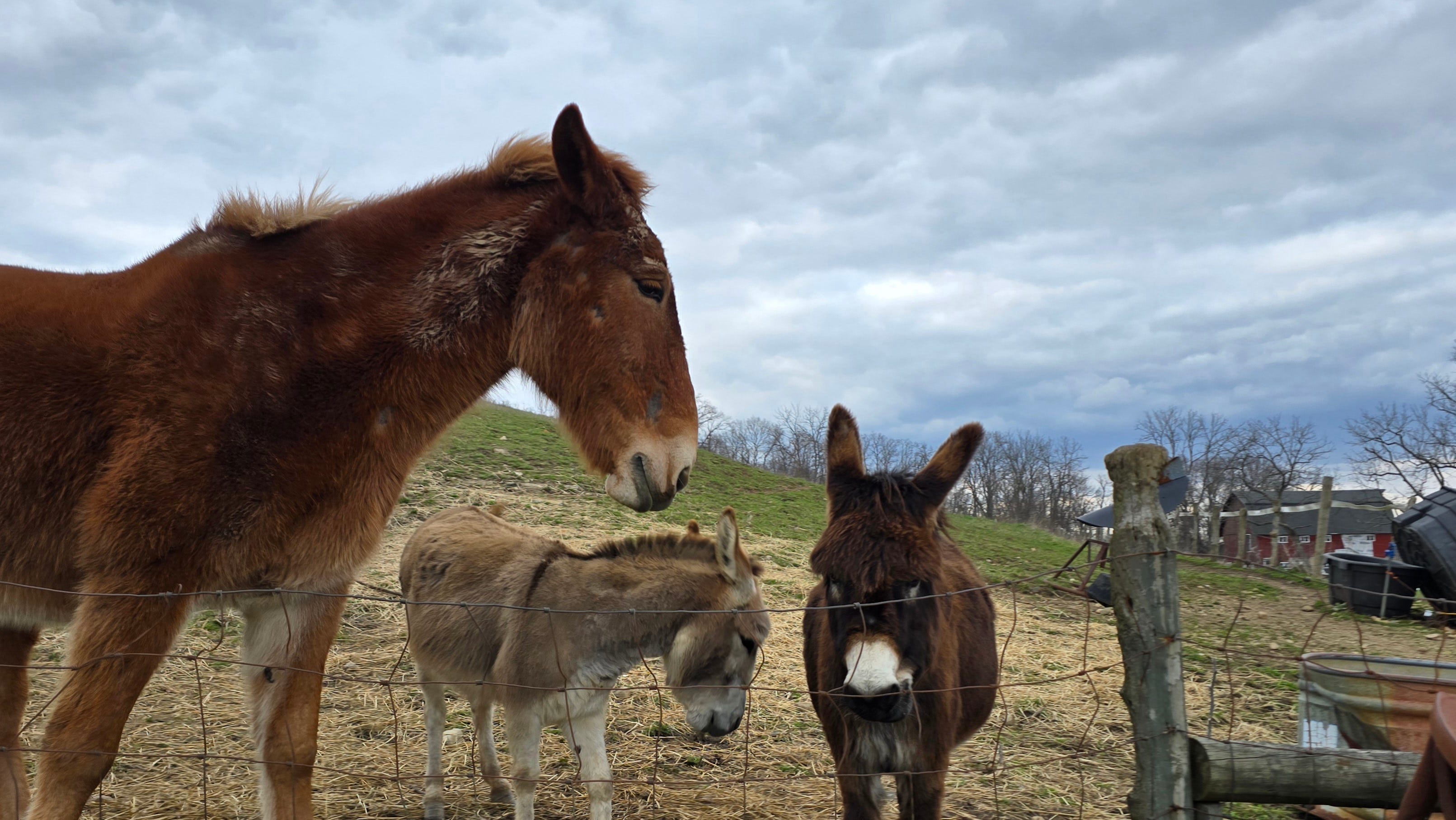
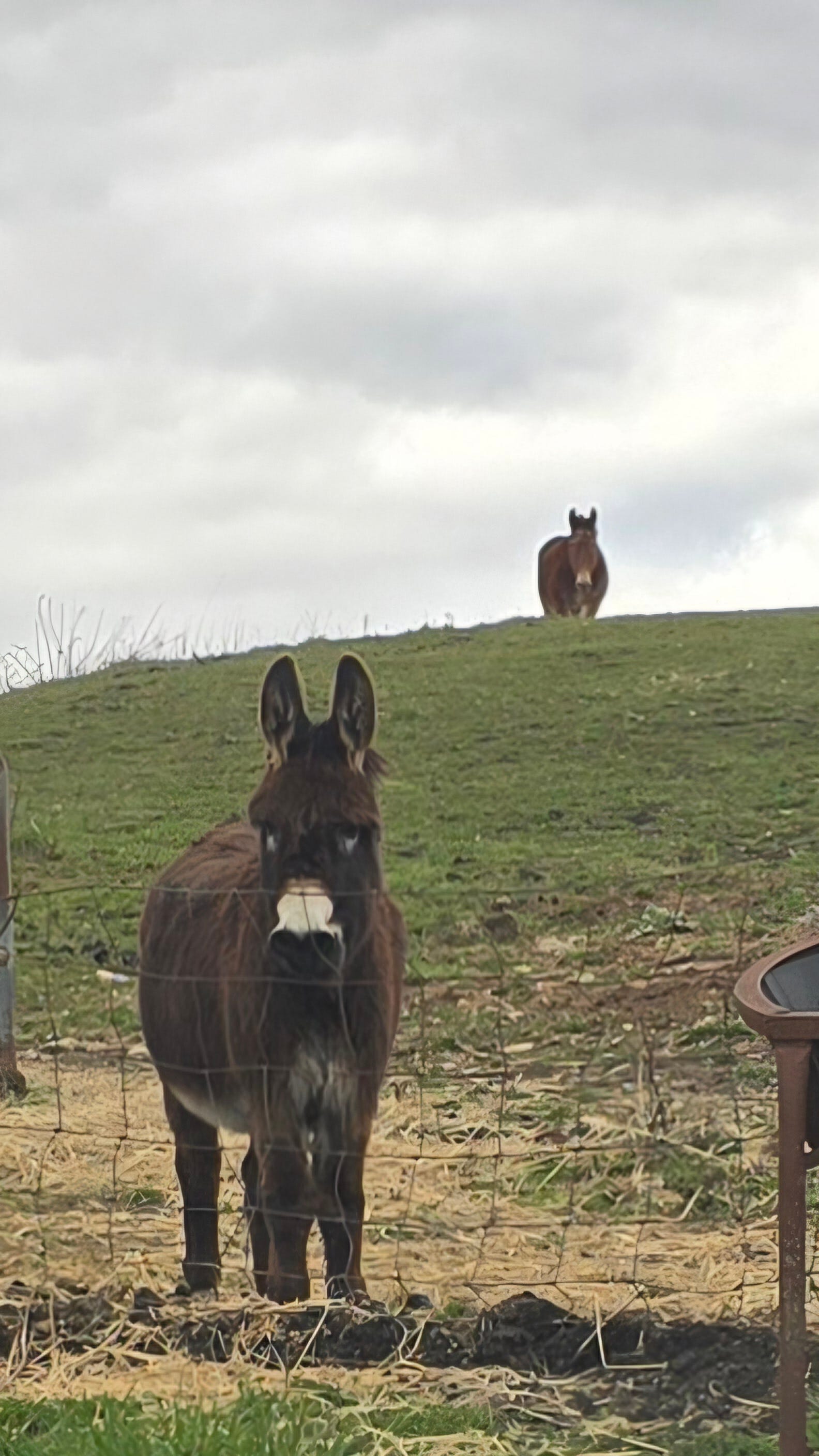
Screw that. I took some hella sweet pictures of Barncat yesterday. And a couple of good ones of Amos and associated Minions. Then, this morning the sunrise behind the greenhouse walls was breathtaking. So there you go. Watering will wait. Get a load of these!
Barncat ! I tempted her up on a hay bale with some treats. Great place to take a picture.
Amos & Crew
A clematis –
That’s all I got room for- thanks for dropping by!
Hi Everyone. I was going to do a post on this, even though I know it is being run everywhere. Why? Because it signifies just how juvenile this administration is in so many ways. But, our friend Mayor Pete beat me to it, and I know it rings very loud with Scottie as well.
Does anyone know if a T-Shirt is being made that reads something like 25th-4-47th-B4-2-L8! ?? -Randy
(Because it’s the only way I can bear it. Also, blue language within, though not gratuitous.)
LIVE: Are The Worldwide Threats In The Room With Us Right Now? A Tulsi Gabbard Hearing! by Rebecca Schoenkopf
And a John Ratcliffe hearing. And a Kash Patel hearing.Read on Substack
Tulsi Gabbard and Kash Patel and John Ratcliffe, probably.
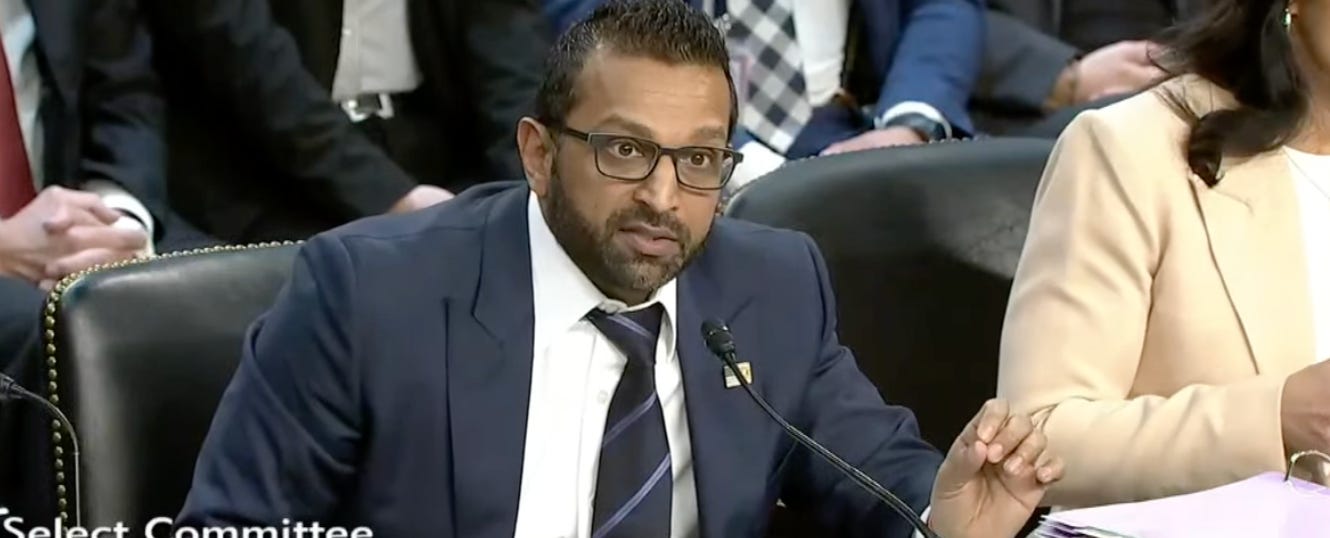
For once, Kash Patel might not even be the biggest shitshow in the room today when he and other Trump agency heads sit before the Senate Intelligence Committee for the annual Worldwide Threats hearing! You know, unless he thinks the greatest “worldwide threats” are somehow his enemies list. That would be sad and pathetic.
But yeah, that hearing is today, because the universe has a sense of humor. Tulsi Gabbard (DNI) and John Ratcliffe (CIA) were on that funny little text thread where JD Vance was like “Donald Trump is wrong about bombing Yemen, and Europe is stinky and I hate it!” (slight paraphrase) and Secretary Shitfaced was like [vomits extremely detailed bombing plans into text thread on Signal, which is not where classified war plans go] and Mike Waltz (National Security Advisor) was like “LMAO let me accidentally invite the editor of the Atlantic to read all this”!
Oh yeah, and John Ratcliffe reportedly blabbed an active intelligence officer’s name on that text chat. You know, because he’s good at his job and a serious man.
Will we even have time to hear Tulsi Gabbard share her EXPERTISE on what the greatest worldwide threats are, and why none of them are her buddies in Moscow? Will Kash Patel read from his children’s books and explain to us why the true greatest worldwide threat is “Hillary Queenton”?
Or are we just gonna talk about these dumbass clownfucking fools and their group chats all day? Let’s find out!
10:00: Yeah, though, it really is on the nose that this is the Worldwide Threats Hearing, starring Tulsi Gabbard. Ha ha! Good morning.
10:05: One thing you might not know about our current hell is that Tom Cotton is now the chair of the Senate Intelligence Committee. You know, in case you thought there might be a Republican in there who actually cares about national security, ha ha, you were wrong.
10:08: Tom Cotton leads off with Communist China being very bad. Hey, he should ask about that billionaire South African apartheid creep currently terrorizing the government, who ALSO happens to be all the way up China’s ass.
Tom Cotton just said Yemen, drink ‘em if you got ‘em! And if you don’t got ‘em, ask the secretary of Defense if he’s got an extra!
10:13: Cotton refers to the Trump intel team as “impressive,” hahahahahahahahahahahaha.
Now vice-chair Mark Warner is discussing how several on the panel today were part of the big group chat full of classified information and the name of at least one intelligence officer and all the war plans and whatever drinking games MAGA Republicans like to do to celebrate bombing Yemen on unsecured channels.
Mark Warner will now talk about some other times the Trump administration has fucked off when it comes to national security.
Canceled all foreign assistance. He’s explaining how that relates for slow learners/traitor Republicans.
Fired some of the best and brightest FBI agents, like the people who led the counterterrorism division and the heads of offices who work every day to keep America safe and who work to counteract threats on the homeland.
Firing thousands of people at the CDC and NIH, who protect America from disease.
Firing hundreds of intelligence officers, who you can’t just rehire or replace with some pig you found on the street.
Every time they show the panel, they literally look like a bunch of dumbass children who just got caught being absolute fucking morons again.
Not right out of central casting, Donald Trump!
10:25: LOL, Tom Cotton is such a pissy little baby. Just told the whole room he’s going to encourage the US attorney (this dork, presumably) to THROW THE BOOK at anybody who disrupts the hearing. Okeydoke, Senator Dachschund McPomeranian from Dardanelle, Arkansas. You’re real tough.
Anyway, Tulsi Gabbard is giving her opening statement. Hasn’t said anything in Russian yet, is talking about cartels, sounds like she binged “Narcos” this weekend, very impressive, very prepared.
10:31: Gabbard is reading whatever was prepared for her, it’s very “This is my book report on being DNI.” (Remember how she didn’t really know what the DNI did when she was nominated.)
Gabbard says Russia is a “formidable competitor” and fawns over their nuclear weapons. Says Russia does some bad cyber things too. Bet she hates reading this part. You know how Trump hates it when you say hurtful things about, UH OH! RUSSIA PART OVER!
Moved on to Iran. Well, that was fast.
The NBC feed keeps showing senators looking bored.
10:39: Wow, if Gabbard is going to keep talking about dictators like Kim Jong-un and bad guys like Russia, she should probably say something about all the world leaders they have in their pockets, like her boss.
10:42: We guess the other morons won’t be giving opening statements, because Cotton has already started prancing around about all the immigrants that have been arrested in Arkansas.
Now Code Pink protesters doing their Code Pink protesting, which is always so effective. Prods Cotton to peacock around about “Communist China.” It’s all very productive.
Anyway, back to Kash Patel talking about the threat of Mexicans in Arkansas, which is what Tom Cotton wants to know about.
10:45: Kash Patel has personally arrested 10 million Mexicans in Arkansas, and now the crime in Arkansas is over!
10:46: Tom Cotton notes that China is a “techno-totalitarian police state,” which is hilarious because what is Elon Musk doing right now?Carole Cadwalladr’s Substack is a good place to read to get a better understanding of that.
Here comes Mark Warner. Let’s talk about the fucking text chat, y’all!
10:49: Why won’t Tulsi Gabbard talk about what happened in the group chat? Is it because it was CLASSIFIED? If it wasn’t CLASSIFIED can you show us all the texts?
And John Ratcliffe? What about you?
John Ratcliffe says they put Signal on his computer, and everybody uses it! They can totally use it, as long as they also record what they do there on normal channels! (They were literally sharing war plans, reportedly, or at least Hegseth was.)
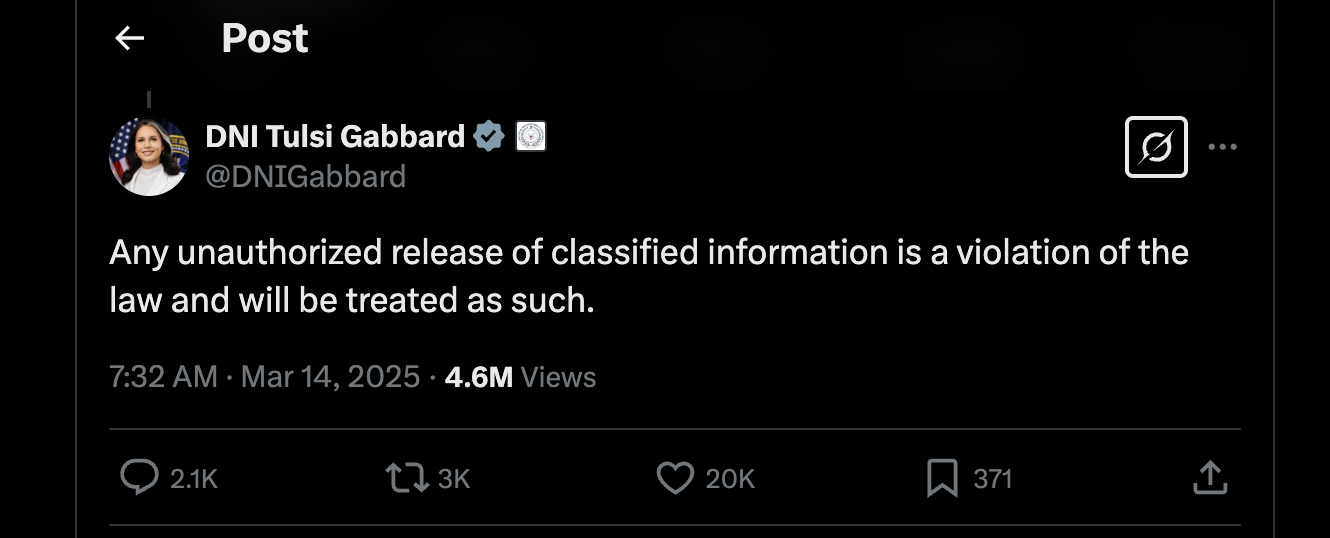
Gabbard just claimed that there was no classified information shared in the chat. Warner is like fuck off, you can’t have it both ways. If it wasn’t classified, share it all.
WARNER: If a rank-and-file intel officer did this shit, what would you do with them?
GABBARD: No classified! No classified! You are classified!
WARNER: Is Edward Snowden a traitor? You’re an idiot.
Lotta people bringing up this tweet right now:
10:55: Now Republican John Cornyn seems to be forcing Tulsi Gabbard to agree with him that Russia does horrible things all over the world, specifically he’s talking about in Europe. Also about how Russia views its unprovoked war against Ukraine.
10:56: John Cornyn wants to make sure Tulsi Gabbard and the others understand the consequences of European insecurity. He’s having Jeffrey Kruse — director of the Defense Intelligence Agency, a Biden appointee! — explain what happens if nuclear weapons proliferate throughout Europe. Also the arrangement called the Budapest Memorandum, where Ukraine gave up its weapons “for the protection of others.”
That’s how John Cornyn spent his time. Huh. Interesting.
Now Ron Wyden. He says Mike Waltz and Pete Hegseth need to fucking resign now.
WYDEN: Gabbard and Ratcliffe, how many classified group chats have you done?
GABBARD/RATCLIFFE: No classified! No classified! Ron Wyden is classified!
RATCLIFFE: I like using Signal!
11:01: WYDEN: Hey Gabbard, you think it was kinda fucked, that whole thing about how Pete Hegseth was gonna show Elon Musk all our secret China war plans?
GABBARD: Hegseth and Trump denied it! End of story, obviously!
11:03: James Lankford thanks these people for their “service,” on behalf of “Oklahoma.”
11:06: Kash Patel is a fucking dweeb.
“I’m the FBI director! I’m learning how to FBI real good!”
11:09: Martin Heinrich of New Mexico, asks Ratcliffe who precisely determined there was no classified info on that Signal group chat?
Ratcliffe either doesn’t understand or is pretending he doesn’t understand the question. (Remember, he is legitimately stupid.)
And continues to insist that Signal is OK and fine!
Heinrich asks for confirmation of whether this conversation included extremely specific military plans about weapons and timing and so forth. Jeffrey Goldberg says sure the fuck did. Ratcliffe and Gabbard are like DEF NOT! and “defer to Pentagon.” So that’s two different answers, respectively.
Heinrich now trolling Gabbard asking why the intelligence community doesn’t list the Canadian border as one of the prime drivers of fentanyl trafficking into the United States, considering how Trump is always lying and saying that’s why he has to tariff them.
Gabbard does not have the specifics on that answer. Heinrich does. It’s less than one percent of the fentanyl we interdict.
Time for a very dumb Republican senator, Ted Budd from North Carolina.
11:18: Now talking about Section 702 (FISA) Courts. Tulsi Gabbard says 702 is one of the most important tools we have. Kash Patel has a much weirder history with FISA beacuse, you know, he got MAGA famous by being Devin Nunes’s little lapdog on the House Intelligence Committee when they were trying to cover up Donald Trump’s Russia scandals.
11:21: Senator Angus King is confused as to how if Pete Hegseth put the whole battle plan in the group text, before it happened, how was that not classified?
GABBARD: No classified! Also again defer to Pete Hegseth!
KING: You’re the head of the intelligence community. You’re supposed to know about classifications, I think?
King asks why this year’s Worldwide Threats Assessment report doesn’t include global climate change. “Has it been solved?”
Gabbard says she is aware of “occurrences within the environment” and how they might affect operations. Tulsi Gabbard is not an Occurrences Within The Environment denier!
King wants to know directly who decided to leave climate change out of the report, when it’s been in the last 11.
11:25: King wants to know what kind of policy reason there would be to weaken CISA, which protects American elections and cyber infrastructure, which Trump is of course gutting. Tulsi Gabbard has no real answer.
Republican Senator Mike Rounds will not be talking about the group chat in the open session. (They will be going into closed session after this.)
Makes us wonder if a couple of these Republican senators are about to ream some asses as soon as the cameras are off.
11:29: LOL LMAO Mike Rounds just said something weird about how there are things Kash Patel did in his “previous life” that are so heroic, but we can’t talk about them. Was he Kash Patel, Super Spy? Does he have superhuman athletic spying abilities?
Don’t tell us it’s classified, ain’t none of these fuckwits give a shit about that.
11:31: Michael Bennet from Colorado always seems like a puppy dog, but then in some of these hearings he starts kicking people in the dick. Let’s see!
BENNET: Does CIA have rules for handling classified intel?
RATCLIFFE: Yes.
BENNET: Secretary Shitfaced’s response to this was to attack Jeffrey Goldberg. Are you also mad at Jeff Goldberg? Do you think he is a hoaxer? Deceitful?
RATCLIFFE: I don’t know him!
BENNET: You are the director of the CIA. Did he do a hoax to get on your group chat? Answer the question, dippy.
RATCLIFFE: I don’t know how he got there!
BENNET: Would it be cool to have a deceitful hoax reporter on a Signal group chat? Why would you add somebody like that? YOU’RE THE CIA DIRECTOR. How did you not notice who was on it?
RATCLIFFE: Maybe you don’t use Signal and don’t understand it.
BENNET: I do! Not for classified shit, obviously.
RATCLIFFE: Me neithers!
BENNET: Kind of fucking weird that Jeff Goldberg was reading your war plans before they happened in the parking lot of a grocery store. What kind of fucking CIA are you running?
RATCLIFFE: I don’t like the way you’re talking about my stupid actions!
BENNET: Hey bitch, did you know that Trump’s Kremlin/Middle East adviser boy was literally in Moscow while you were doing this group chat that he was part of? You’re an embarrassment, you need to DO BETTER.
SO THAT WAS FUN.
11:42: Todd Young very concerned about North Korea stealing his cryptos! They can’t talk about it right here, though!
Young also referred to Gabbard and Ratcliffe and Patel as “a bunch of spies.” LOL yeah buddy, definitely our best and brightest “spies.”
Mark Kelly now.
11:43: KELLY: Did your group chat mention targets?
GABBARD: I don’t think we talked about targets?
KELLY: What about general targets?
GABBARD: I think we talked about targets.
KELLY: What about weapons?
GABBARD: I don’t remember anybody saying any specific weapon names!
KELLY: What about timing?
GABBARD: No specific timing!
KELLY: John Ratcliffe, Tulsi Gabbard, any mention of specific military units?
GABBARD, RATCLIFFE: No unit! No unit! You are the specific military unit!
KELLY: Gabbard, does the IC have a policy against discussing Controlled Unclassified Information?
GABBARD: Yes.
KELLY: Was everything you talked about on Signal something you would approve for public release.
GABBARD: HgeeeeeeghncnchnchffGH!
KELLY: What about you, Mr. CIA super-spy?
RATCLIFFE: HgeeeeeghncnchnchffGH!
KELLY: Is it probably classified to discuss your literal actual war plans for strikes you’re going to do?
GABBARD: Maybe, maybe not!
RATCLIFFE: Yes.
TOM COTTON: Aw piss! John Ratcliffe just confessed on accident! Yain’t supposed to confess on accident! Tom Cotton gonna try to clean it up now by saying the secretary of Defense IS THE ONLY ONE ALLOWED TO SAY what’s classified with military strikes! Aw piss! Fiddlesticks! Pissfiddle!
(Dramatic interpretation of what just happened. Tom Cotton did not admit out loud that he felt the need to interject because John Ratcliffe had just accidentally told the truth.)
Mark Warner interjects to say it’s kind of fucking weird and stunning that none of these dipshits can even admit there was a fuckup.
11:55: Republican Jerry Moran wants to know what kinds of threats to America would arise if Russia got everything it wanted out of a Ukraine/Russia “peace agreement.”
Even Ratcliffe is saying out loud that people have been underestimating Ukraine for years now, would “fight with their bare hands” if they had to.
It remains very strange how, with a possible remainder of Tulsi Gabbard, nobody seems to share the devotion to Russia that Trump has.
11:58: Ratcliffe and Gabbard are trying to change their testimony midstream here, from earlier swearing that there was NO CLASSIFIED INFORMATION on that group chat, to now insisting that nothing was unclassified on their end, while insisting that original declassification authority for military matters rests with Hegseth. In other words, DRUNKY’S FAULT!
So Jack Reed would like to know if Pete Hegseth declassified all the classified information he talked about in that group chat.
REED: Tulsi Gabbard, were you overseas during your bullshit group chat?
GABBARD: Yes.
REED: Did you do this on your private phone or public phone?
GABBARD: I cannot say that out loud! I won’t! I shan’t!
12:02: REED: If you are just pretty sure nothing you did on the group chat was classified, would it be cool for Jeff Goldberg to release all the transcripts?
RATCLIFFE: I think he released all the things about me!
REED: Nope. Not what the article says.
RATCLIFFE: All the me parts are fine, definitely!
REED: So he can release it?
PATEL: I can’t prejudge that! Ask Pam Bondi!
Now we have Jon Ossoff.
12:04: OSSOFF: On your sexxxy group chat, JD Vance talked about how he disagreed with Donald Trump on the Yemen strike.
RATCLIFFE: I don’t recall!
OSSOFF: [reads it]
RATCLIFFE: I don’t recall!
OSSOFF: You don’t recall anything about the group chat you were on, which all the news is about? You don’t recall all the things that were said? You don’t recall how Pete Hegseth also disagreed with Trump? How Hegseth shared all these battle plans? Etc.?
RATCLIFFE: I’m a real dummy!
OSSOFF: Don’t you think foreign intel services would be interested in literally everything about this group chat?
RATCLIFFE: I reckon!
It’s funny, Ratcliffe keeps saying “I don’t know that,” and Ossoff keeps replying, “You do know that.”
OSSOFF: This was a HUGE mistake, yes?
RATCLIFFE: No!
OSSOFF: Jesus Christ, the fuck it wasn’t. This was hugely embarrassing, it was an absolute fuckup, we are going to get the full text of this group chat, and we’ll measure your testimony against that.
Mark Warner is going to end this up by continuing to call these people dumb fucking pieces of shit.
Warner ends by saying that these idiots’ inability to admit what a “colossal screwup” this was “speaks volumes.”
Susan Collins was not in attendance because she is under the weather, but she is concerned.