So there is still no peace deal and Trump is left arguing whether Putin treated his envoy abysmally before rejecting it or just sent him packing after he was forced to listen to another 3-hour Putin lecture on his alternate version of European history.
this guy’s distinguishing quality is his boundless contempt for anyone who voices the slightest disagreement with him. you can see in his voice and mannerisms that he thinks he’s better than everyone around him. (which to my mind is just compensation for his palpable self-loathing)
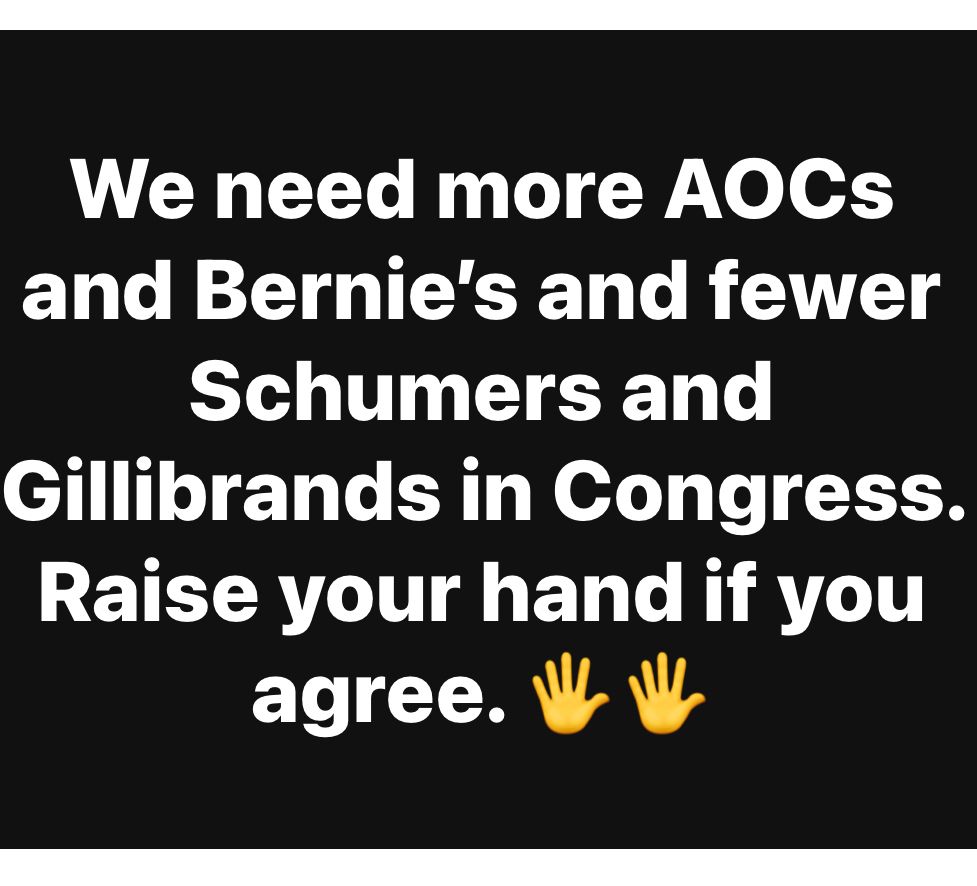
NEW: Here are the 10 “democratic” senators that voted to sell out veterans, the American people, and their colleagues in the House. Cortez MastoDurbinFettermanGillibrandHassanKingPetersSchatzSchumerShaheen
As someone who has criticized Mark Kelly in the past, all I can say is that this video is fantastic, this message is fantastic, and can we have more of this from the Dems please.👇🏽👇🏽👇🏽👇🏽👏🏽👏🏽👏🏽👏🏽
Made a mistake on the interest payment numbers. I took short term debt that needs to be refinanced and incorrectly extrapolated. So the interest savings won't be as significant as I stated.
1. Texas AG Ken Paxton is usurping the authority of Texas Courts in a brazen act of autocratic power.He's ordering court ordered gender changes void.He's demanding licenses and birth certificates revoked, with reverted replacements for trans people.Subscribe to support my journalism.
This was the DOGE staffer who was previously fired for racist and nazi tweets but was brought back after JD Vance and Elon supported him. http://www.yahoo.com/news/doge-st…
I’m not leaving the Dem party. I’ve been here for 33 years. If guys like Schumer wanna vote with republicans, THEY can leave the Dem party and join the GOP.
Why did Trump repeat Russian propaganda and lie about this? Why would he claim that a Ukrainian army in Kursk could only be saved from annihilation if Putin benevolently agreed to Trump’s request not to do so? Why is the US President deceiving Americans with Russian lies?
When I was in the service in the 1980s it was illegal for gays to serve. But I was mostly openly gay. I had to be careful as did the many “straight” guys who from training on wanted to have sex with me, and worked / asked / begged for us to take an afternoon drive together somewhere remote on the base to those that begged me to take a four day pass with them to travel a little ways away and get a hotel somewhere. The reason if someone asked was we were seeing such … or visiting a theme park … what ever was plausible even though no questions were ever asked. I never thought about that then … no one ever questioned anything.
Not that you need to know this but I was having same sex relations with fellow service members several times a week and at least every month having a four day pass to have sex. Once it took me by surprise when on the way back to the base I got my first blowjob while driving. When I asked gratefully why, the guy told me he wanted me to remember him in case he asked to go on another pass. He did afterward … repeatedly.
Hey people we were all young really fit horny guys. Were they gay? Were they just straight who understood it would be a way to have enjoyable sex? The only thing I will say is that for every act I performed for them both passive and aggressive, they also performed eagerly for me. You make your own judgments.
Again this was the 1980s. I knew so many Marines who went into the Marines to have the gay worked out of them by becoming a real man. Others were like me, gay with nowhere to go, some were gay like my long term boyfriend who were gay so went where hunky young guys were. Remember what I have said about my time in. I was very skilled at my job as a technician. But as far as being in the Army … well not so much. But the day I was due to leave my warrant officer, my upper staff, two of who had walked in on me fucking my boyfriend on my bed with his legs up in the air and everything in view … left the room, made a big show of about to enter with lots of rattling keys to come in to our room for an unannounced room inspection finding us flushed with our pants hastily pulled on, look around and then the senior guy Sgt Emory winked as he told us … everything looks great guys … go back to what you were doing before we came in. My boyfriend about wilted and died, but I gave a hardy OK will do. And we did. I managed to get the satellite site back up online with modulation while in civilian clothing, which the others had been frantically trying to do before I jumped in. As I said, not to brag I had a talent for more than sex. They begged me to reenlist. I asked them if they could protect me from the new Company Commander who was from infantry and hard right wing who had told me if I did not leave when my contract was ended would see me court marshaled and given an unfit for service discharge. Like the people of this article. They admitted they couldn’t … so I left and became a civilian with the military losing my skills.
That is what tRump and the bigot LGBTQ+ haters want to return to. The military already is way behind on recruitment due to increasingly better economic times, so this will make recruitment worse. Making trans care for minor dependents unavailable and removing travel pay / time for abortion services will also cut down on retention. Removing the 15,000 to 20,000 trans people will also cut down on military people. Removing women from combat? What is the goal, to gut all the US military? To reinstate the draft? Anyway here is the article. Please feel free to ask me anything about this post / my time in the military you feel you need answers to. Hugs
The Pentagon has reached a historic legal settlement with more than 35,000 gay and lesbian military veterans who were dismissed because of their sexual orientation, and in many cases denied an honorable discharge and the array of services they had earned, CBS News has learned.
Under the terms of the agreement, veterans whose discharge papers reference their sexual orientation as a reason for their separation from the military can now avoid a cumbersome legal process and be re-issued paperwork that eliminates any reference to their sexuality. If they were denied an honorable discharge, they will also be eligible for an immediate upgrade review, the agreement says.
“When I was discharged because of my sexual orientation, I felt that my country was telling me that my service was not valuable – that I was ‘less than’ because of who I loved,” said Sherrill Farrell, a U.S. Navy veteran who was a plaintiff in the case. “Today, I am once again proud to have served my country by standing up for veterans like myself, and ensuring our honor is recognized.”
The settlement, which still must receive approval from a federal judge, would resolve the claims from a group of LGBTQ+ veterans who were kicked out of the military years ago because of their sexual orientation. The veterans filed a federal civil rights suit in August 2023 over the Defense Department’s failure to grant them honorable discharges or remove biased language specifying their sexuality from their service records following the repeal of “don’t ask, don’t tell” in 2011.
The class action lawsuit, which was brought in the U.S. District Court for the Northern District of California, claims the Pentagon’s failure to correct this “ongoing discrimination” represents a violation of constitutional rights.
It’s been more than a decade since the military lifted its longstanding ban on openly gay and lesbian troops. But thousands of those discharged under past discriminatory policies like “don’t ask, don’t tell” are still carrying less than honorable discharges today, depriving them of the full spectrum of benefits including VA loan programs, college tuition assistance, health care and some jobs.
A CBS News investigation has documented the Pentagon’s long-running failure to restore honor to the service records of thousands of veterans who were deprived of veterans benefits after their military careers were cut short. A series of reports documented the ways these veterans’ often traumatic separation from the military shaped the course of their lives.
The settlement would establish a streamlined process for LGBTQ+ veterans who were discharged honorably but whose dismissal was attributed to their sexual orientation — enabling them to be re-issued papers that make no reference to it. And for those who were denied an honorable discharge, the Pentagon would commit to a streamlined upgrade review process.
“This proposed settlement delivers long-overdue justice to LGBTQ+ veterans who served our country with honor but were stripped of the dignity and recognition they rightfully earned due to discriminatory discharge policies,” said Elizabeth Kristen, a senior staff attorney with Legal Aid at Work, a group that helped file the suit. “It marks a crucial step in addressing this deep-seated injustice and ensuring these veterans receive the acknowledgment and respect they have long been denied.”
The Pentagon has issued a series of pledges in the past year to right the wrongs inflicted on gay and lesbian service members in the past year. Both the Pentagon and the Department of Justice declined comment on the proposed settlement when reached Monday.
At the time the civil rights suit was filed, a Pentagon spokesman said the military had made attempts to streamline the upgrade process to a short, two-page application. The department said legal representation was no longer required to apply for a discharge review and that the discharge review boards “continue to strive to finalize 90% of all cases within 10 months as required by statute.”
But the lawsuit, prepared by the Impact Fund, Legal Aid at Work and the law firms King & Spalding LLP and Haynes & Boone LLP, called that a “constitutionally inadequate” response, saying it placed the burden on individual veterans to spend months or years obtaining old personnel records before they could file the applications. Those reviews would then take months or years to be processed, they alleged.
The lawsuit did not seek monetary damages, though the settlement allows the court to approve a $350,000 payment by the Pentagon to cover the plaintiffs’ legal costs.
“This case is not about damages,” Jocelyn Larkin, one of the lawyers representing the plaintiffs, said at the time it was filed. “This case is about simply changing that piece of paper because the effect of changing that piece of paper is so incredibly consequential for our clients.”
While the full scope of past discrimination against gay and lesbian service members remains unknown, Larkin believes the lawsuit could at least help some 35,000 veterans already identified by a Defense Department Freedom of Information Act request, first reported by CBS News in June 2023. The true figure could be significantly higher. According to the most recent data available from the Pentagon, just 1,375 veterans have been granted relief in the form of a discharge upgrade or correction to their record.
This is a video from the Letterhack. I like the host’s clam informative delivery. I don’t know how anyone who watches Play Time feel about Cenk and Anna, but I do know how I feel. When this situation first erupted and Anna went ballistic on something that was only used on select medical forms and when criticized about it Cenk acted like a teen boy defending his hot girlfriend and went way over board defending her against anyone even vaguely critical and making threats claiming things that were said that never were. But here is the thing that because they refused to accept any criticism of that they claimed, they were supported by republicans and championed the cause republicans would use to win. From there Cenk and Anna branched into bashing Biden while claiming that crime was soaring echoing the right wing media talking point about crime and homelessness. Cenk then went so far as to attack trans supporters and advocates while trying to cozy up to republicans like tRump. I left TYT when Cenk said that the only way to win nation elections was to drop support for the T in LGBTQ+. He was so adamant in that, just throw them under the bus and when we win we can go back and get them. Yet the years that Cenk was pushing this all the republicans trying to run on trans hate lost. They lost by huge margins. But Cenk and Anna never admitted they were wrong using the time to go further right on other republican issues like housing the unhoused and finding ways to deal with crime. They ignored the real reasons for these problems adopting a hard right republican view of the issues. Anyone who disagreed with them was attacked vigorously.
So here is a video and I am not sure at what point in the saga this was videoed at. All I know is Cenk, Anna, and most of TYT has lost the mantel of “Home of the Progressives” and taken on a more smarmy look. Look this is an important video on supporting the trans community and not on attacking Cenk. But we can not let anyone on the left claim to be the home of the progressive left and then give the haters room to attack trans people. Trans rights, trans people, are far more important today than maybe they ever had been. But if you know your history, congratulation you survived the educational purges, then you know that the Stonewall riots where the LGBTQ+ rose to defend themselves and their rights wouldn’t have happened without the valiant drag queens and trans people who used their high heels as weapons to defend the rights of all the LGBTQ+. We need to keep that in mind knowing we still and will always need them and their courage. Hugs
Cenk Uygur continues to use anti-activist rhetoric when discussing Trans-Rights in dehumanizing ways while neglecting to include facts in his wild opinions about gender affirming care for minors.
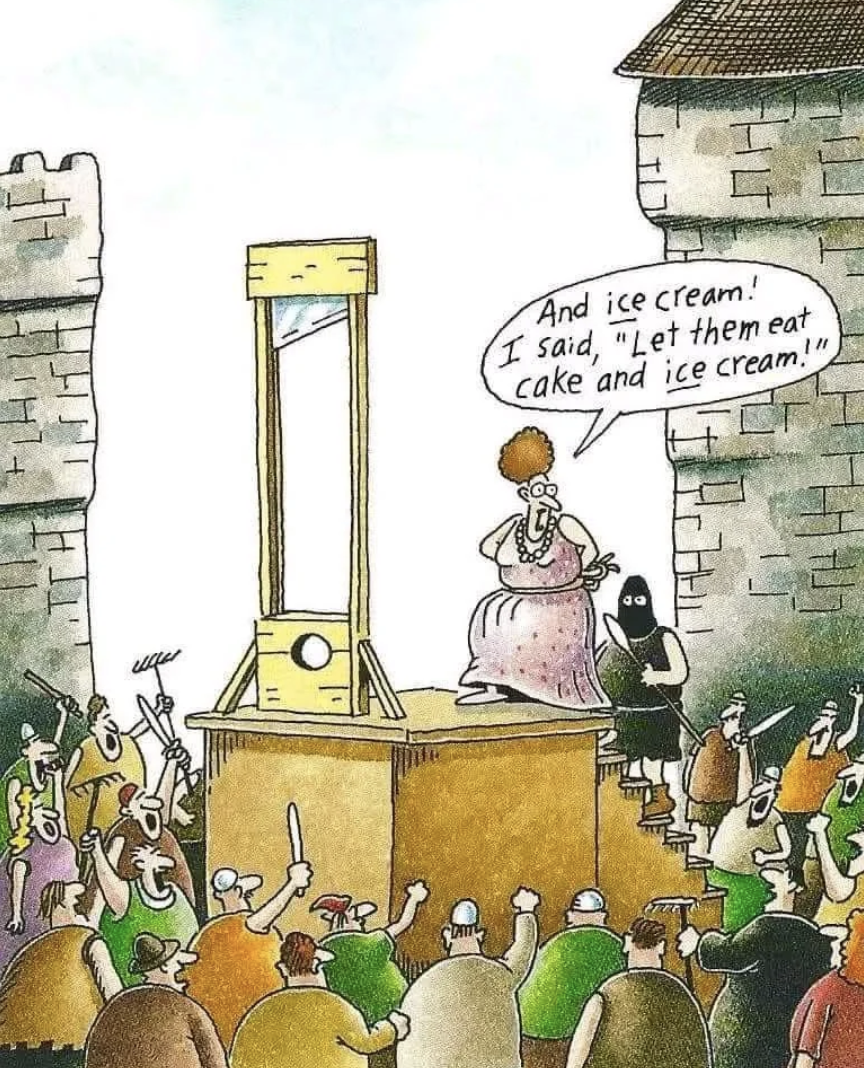
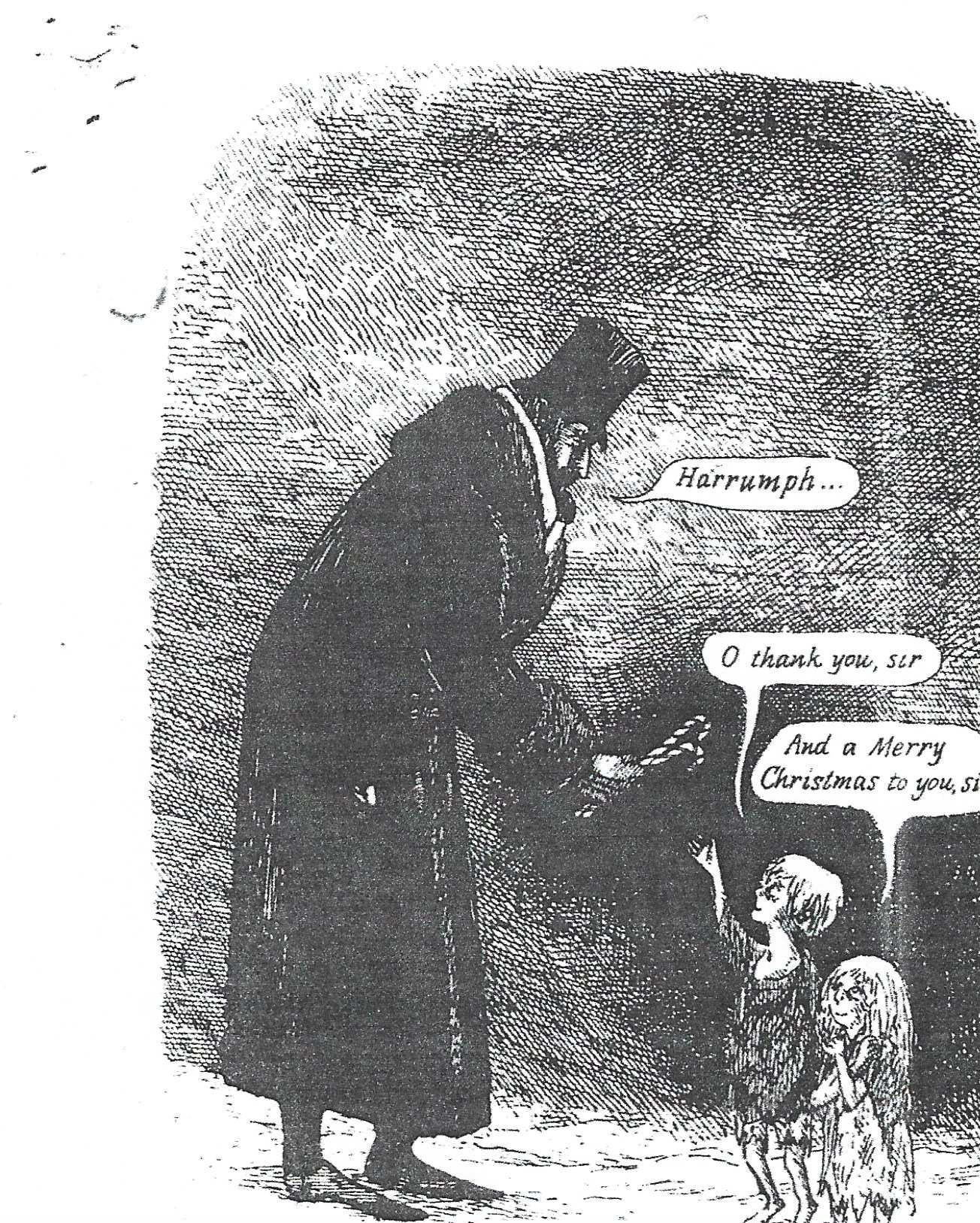
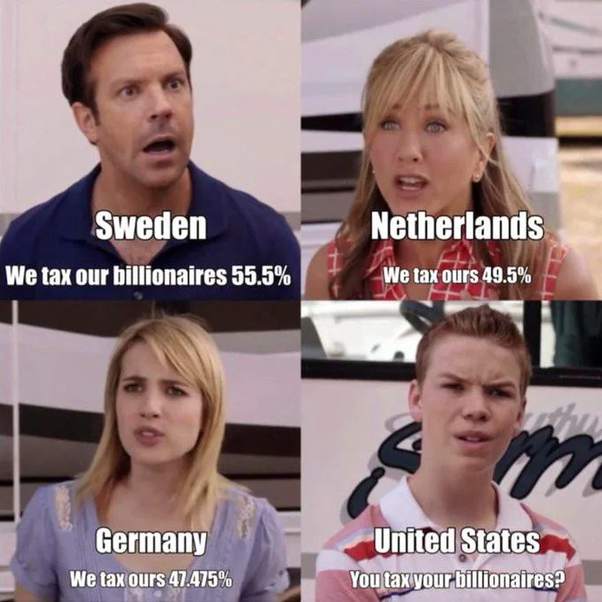
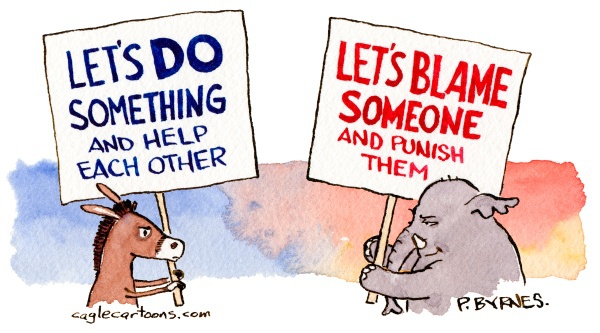
I have a question of the people who like these meme posts. What day should I do them on. I can post them on Friday, Saturday, or Sunday. It makes no difference to me. I do enjoy if others can use any of the memes or cartoons I post, and I know that Jill and I share a few back and forth. So let me know what day gives you the most for enjoyment and ability to use them, and I will go with the majority. I love the meme / cartoon posts also. Hugs
————————————————————————————————————
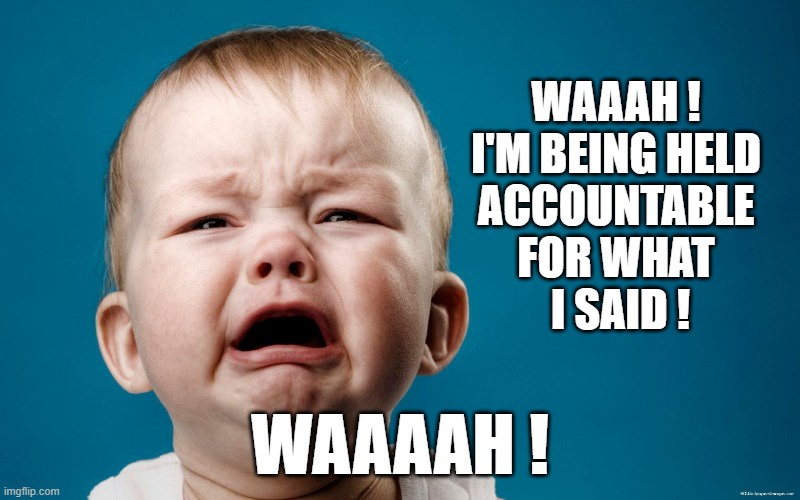
The Nancy Mace baby picture. In all these years nothing whatever has changed. What a tragedy that she never grew up!
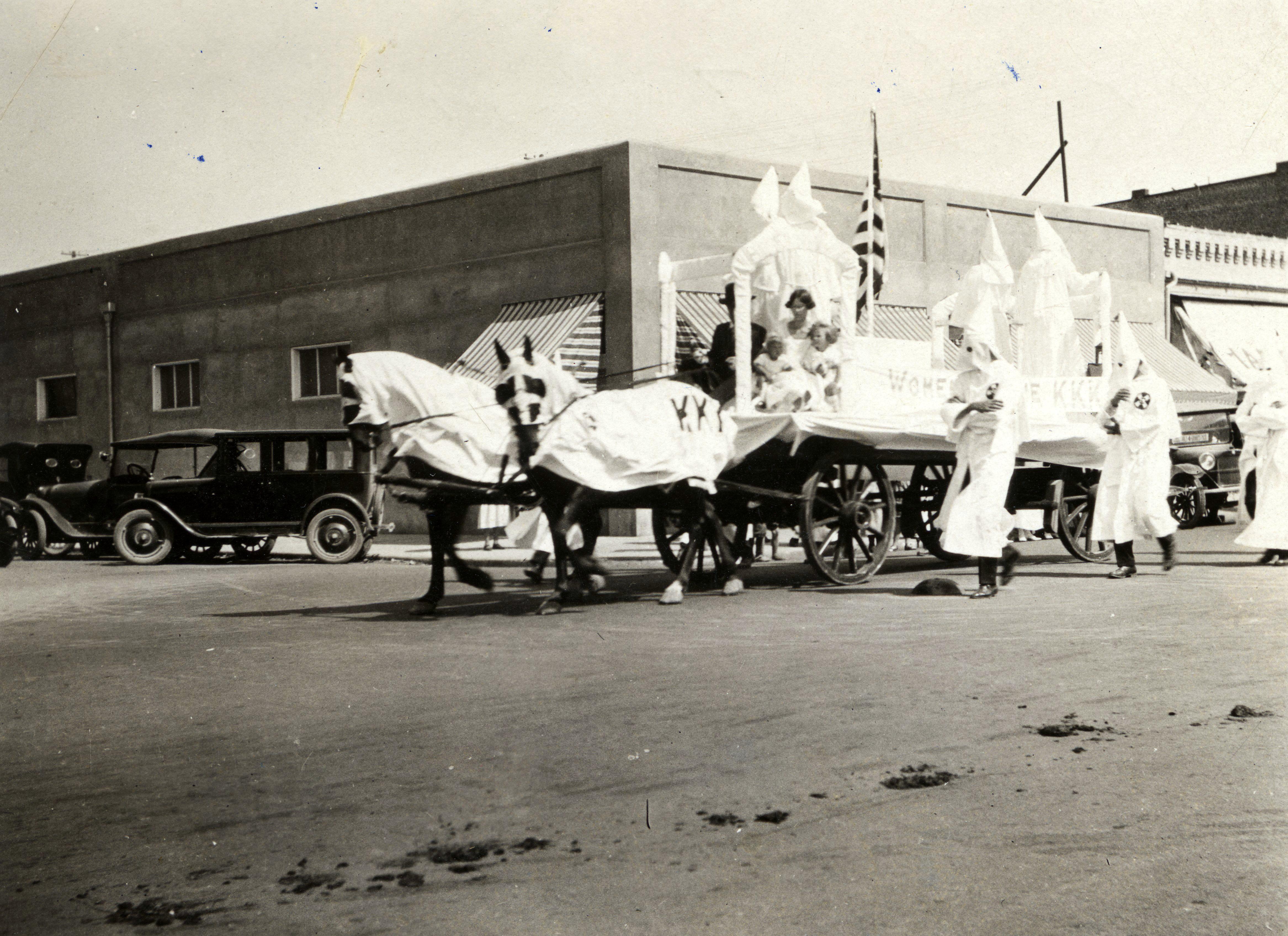
A group of KKK members parades down the streets of Grants Pass, Ore., in the 1920s. The KKK had a strong presence across the state in the early 1900s, with Oregon Klan leaders claiming 35,000 active members in 1923.
Lloyd Smith Collection
These conversations are happening here in Oregon, too, a state that — no matter which way you cut it — has deep roots in racism.
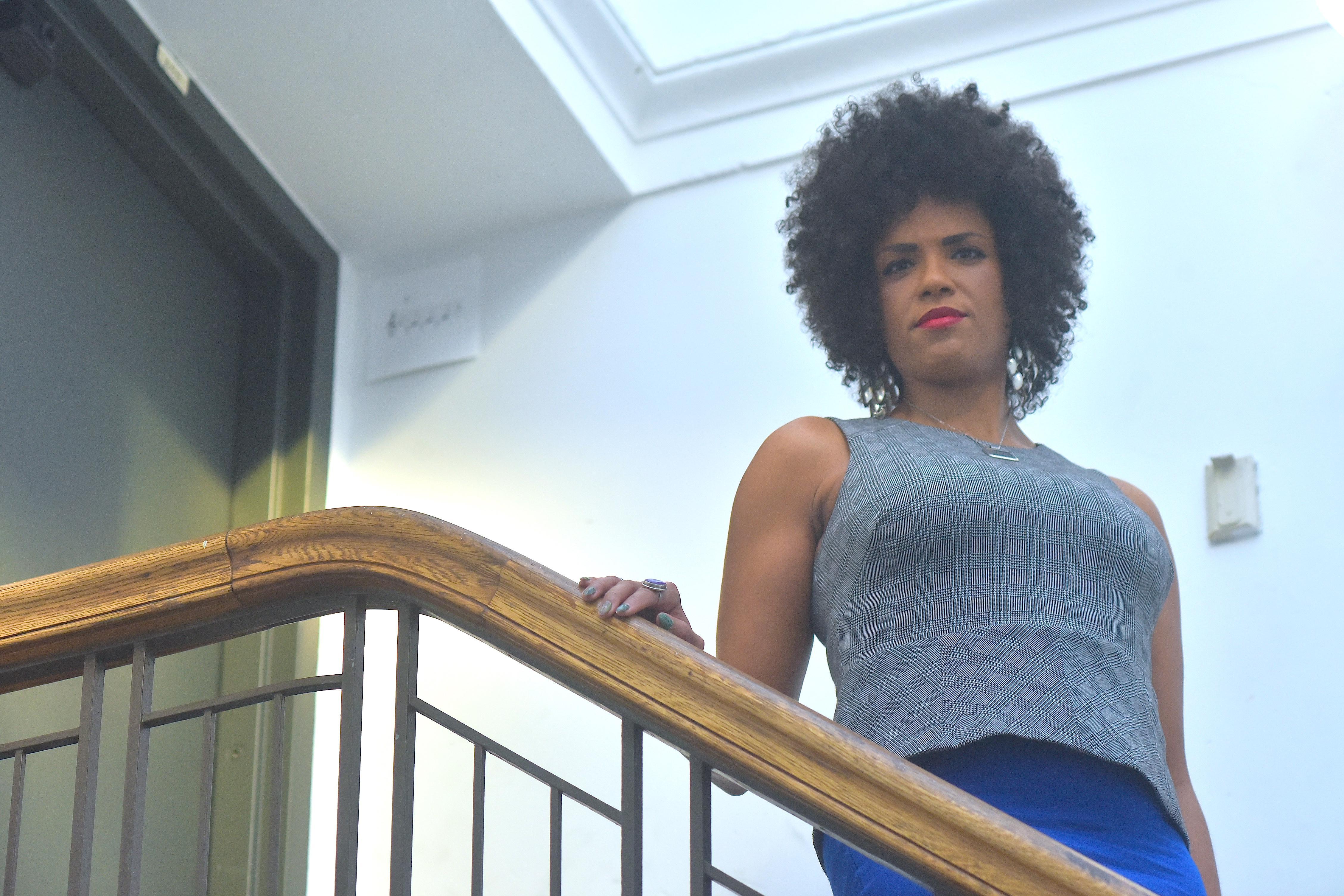
Walidah Imarishais a writer, educator, public scholar and spoken word artist.
Pete Shaw
“[These] laws point to the fact that Oregon was founded as a racist white utopia,” said Walidah Imarisha, a Black studies educator and writer based in Oregon. “The idea was that white folks would come here and build the perfect white society.”
In 1844, when Oregon was still a territory, it passed its first Black exclusionary law. It banned slavery, but it also prohibited Black people from living in the territory for more than three years. If a Black person broke this law, the consequence was 39 lashes, every six months, until they left.
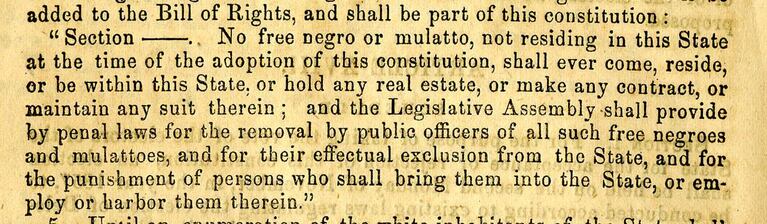
The final exclusion measure made it into the Oregon Constitution as a clause when the territory became a state 10 years later in 1859. This clause went further than the territory’s second law by also prohibiting Black people from owning property and making contracts.
“It speaks very clearly to the ways that this place was founded to center whiteness, not only at the exclusion of folks of color but at the brutalization of folks of color,” said Imarisha.
These laws were rarely enforced but they did the job they were created to do: establish Oregon as a majority white state. And it’s why Portland, the state’s most populous city, is still known as the whitest big city in the United States.
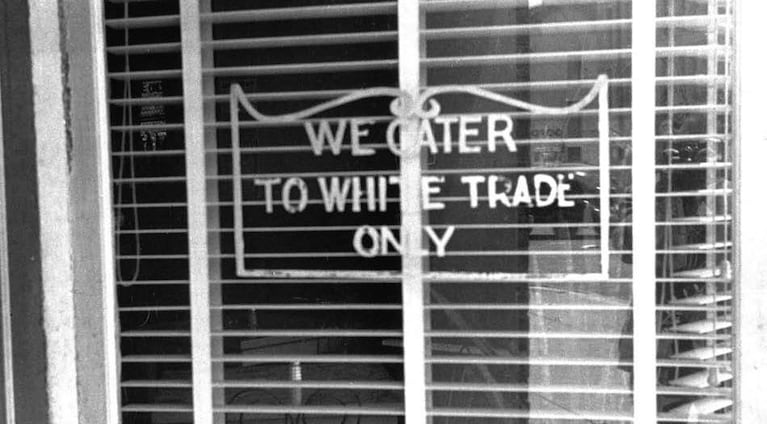
Sign in the window of a Portland restaurant circa 1943
Photo Courtesy of Oregon Historical Society, CN 0034
In 1859, Oregon was the only state admitted to the Union with an Exclusion Clause in its constitution.
Oregon State Archives
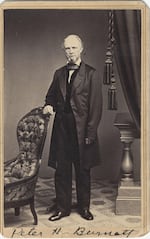
Peter Burnett was the author of the first exclusion law banning blacks in Oregon Territory.
Shew, W. M., photographer. Photo Courtesy of Oregon Historical Society, Orhi 13424
Oregon’s First Territorial Governor, Joseph Lane, supported slavery. In 1860, he was a candidate for vice president against Abraham Lincoln
Photo Courtesy of Library of Congress
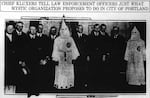
The Portland Telegram published this images of the KKK meeting with Portland leaders in 1921. Included are the city Chief of Police, Captain of Police, the District Attorney and a sheriff
Photo Courtesy of Oregon Historical Society, ba021814
“This is an ideology that is not only alive, it’s serving as the foundation for the institutions of Oregon,” said Imarisha. “Oregon is a useful case study for the rest of the nation because the only thing unique about Oregon is [it] was bold enough to write it down. The same policies, practices and ideologies that shaped Oregon, shaped the nation as a whole.”
“This movement, which is led by Black youth, is incredibly inspiring,” said Imarisha. “I just really want to say thank you to the leadership who have created this movement.”
Ultimately, Imarisha believes this movement and the conversations we’re all experiencing now can bring about profound societal changes for Black people and other people of color.
“If you believe in freedom, if you believe in justice, if you believe in liberation — now is the time to act,” said Imarisha.
Hear the full conversation with Walidah Imarisha in the audio player above.
As you can see below, that “sifting” has already begun.
Last month, Davis, who was among Trump’s candidates for Attorney General, posted this about Trump’s critics: “I want to drag their dead political bodies through the streets, burn them, and throw them off the wall.”
Davis last appeared here with he threatened to imprison “fat ass” New York Attorney General Letitia James.
In August 2024, Davis appeared here when he threatened to sue any publication or social media user who referred to Trump as a “convicted felon.”
In April 2024, he appeared here when he vowed to imprison Trump’s critics and prosecute Barack Obama for murder.
In February 2024, we heard from him when he declared, “What’s so bad about Christian nationalism?”
His first appearance here came last year when he threatened to “arrest and deport” journalist Mehdi Hasan and throw gay reporter Tim Miller in a women’s prison.
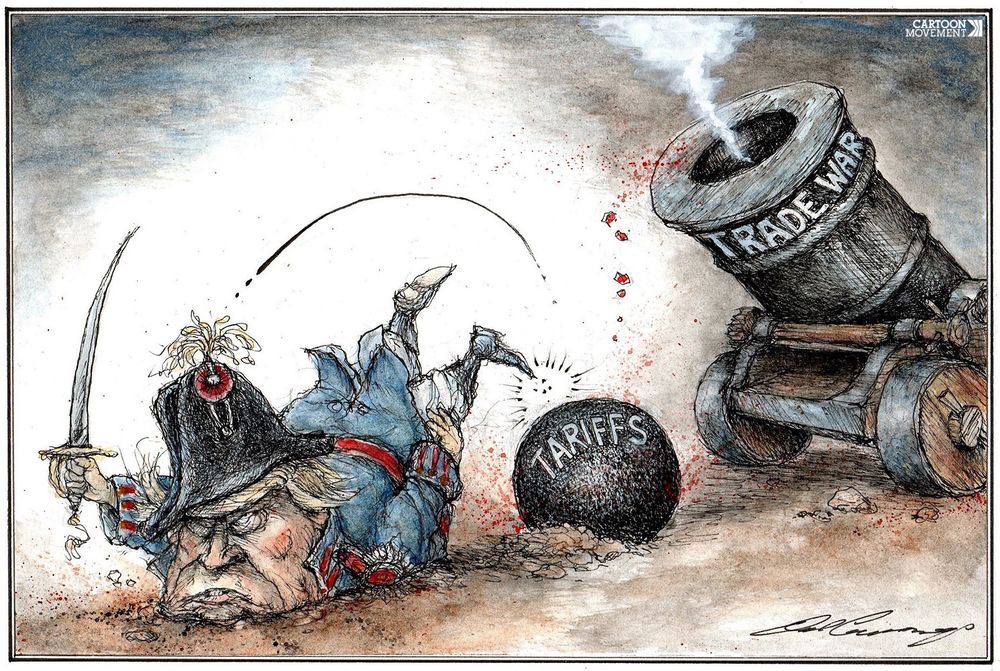
Welker: Economists of all stripes say that ultimately, consumers pay the price of tariffs.Trump: I don't believe that.Welker: Can you guarantee American families won't pay more?Trump: I can't guarantee anything..
The paragraph below shows that what happened then is happening again now. It was scary for me as a teen back then. Gay people in deep country settings in the backwoods, especially gay teens desperately trying to keep people from finding out. Especially abused gay kids who felt that abuse was written all over them for people to see. I was so happy to see that time gone for most of the school kids by the 2010s. Kids accepted in their class by their peers, the fellow students. That very acceptance terrified the conservative religious, but I have never understood why? Why is terrifying and hurting kids so pleasing to them? But the quote from the article below says it all. Hugs
The late 1970s was a somber, frightening time in queer history. The rise of a Christian right – branding themselves the “moral majority” – in conjunction with an energized Republican party began a culture war against women, people of color and queer people. The combination of religious rhetoric, nationalism and economic conservatism – Reaganomics, in other words – created a groundswell of contemporary far-right politicking that became the template for our contemporary political world.















































 Scottie's Playtime