
 Daniel Villarreal (he/him)November 29, 2025, 9:00 am EST
Participants in a World AIDS Day event light candles along a red ribbon. | Shutterstock
The U.S. government will no longer commemorate December 1 as World AIDS Day, the State Department recently notified its workers. The U.S. has commemorated the international observance annually since 1988, including every year of the current president’s first term.
An email to State Department workers notified employees and grant recipients not to publicly promote the day “through any communication channels, including social media, media engagements, speeches or other public-facing messaging” nor to use U.S. government funds towards any World AIDS Day observances, The New York Times reported.
The email said employees and grantees could still mention various anti-HIV programs and attend World AIDS Day events.
The email also reportedly said that the current U.S. government’s policy is “to refrain from messaging on any commemorative days, including World AIDS Day.” However, the current president has signed proclamations for various awareness days and other commemorative observances.
World AIDS Day is an international day for raising awareness about HIV/AIDS, remembering those who have died from it, and celebrating progress in prevention, treatment, and care. Two World Health Organization (WHO) public information officers started World AIDS Day in 1988 as a way to raise awareness about the global health challenge.
The current administration has drastically cut federal funding for HIV prevention worldwide. An estimated 127,073 adult and 13,527 infant deaths have been caused by the effects of HIV/AIDS due to the current president’s cuts in funding for the President’s Emergency Plan for AIDS Relief (PEPFAR), a program that has saved an estimated 25 to 26 million lives since its inception in 2003.
The State Department usually issues an annual PEPFAR report on World AIDS Day. It’s unclear if the department will do so this year.
Subscribe to the LGBTQ Nation newsletter and be the first to know about the latest headlines shaping LGBTQ+ communities worldwide.
Tag: HIV / AIDS
Closure of northern Minnesota camp is ‘the greatest story.’ Here’s why.
I know I posted a link to the story via email as I was reading on my phone at the time. But here I am reposting the story in full as it is a grand reason while the camp is being closed. I am so happy for the reason. Hugs.
============================================================
Willow River, Minn., camp One Heartland is for sale after serving kids there for nearly three decades.
The Minnesota Star TribuneBy Jana Hollingsworth
December 27, 2024 at 7:00AMThe ashes of 12-year-old Chris Edwards are buried on the grounds of a Pine County camp, where his mother insisted his memorial service be held after his HIV-related death in 1999.
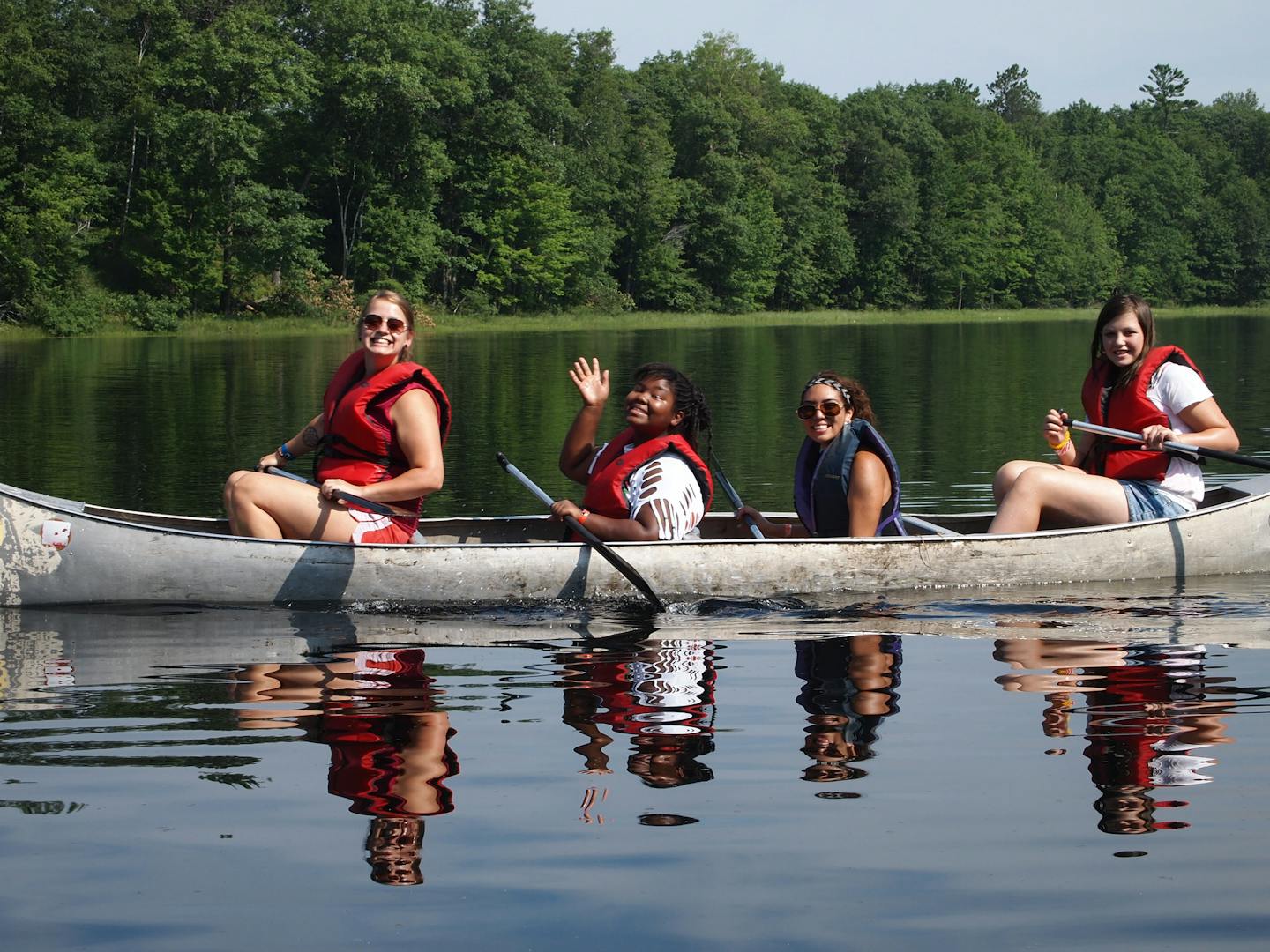
It’s one of the reasons former campers are saddened by the news that One Heartland in Willow River, Minn., about 40 minutes southwest of Duluth, is for sale. The 80-acre site is home to a camp that has served kids living with or affected by HIV/AIDS for more than 30 years. But the number of babies contracting the virus through their mothers has declined to the point where such a camp no longer needs to exist.
“It’s a heartbreaker,” said Chris’ brother, Dylan Edwards, who attended the camp with Chris for years.
“But the purpose of the camp was for sick kids,” he said, and if there are so few that a camp isn’t feasible, “it’s hard to feel bad about that.”
In the United States, the perinatal HIV transmission rate, or the rate of a mother passing the virus on to a child through pregnancy, birth or breastfeeding, is now less than 1% thanks to antiretroviral medications, according to the Centers for Disease Control and Prevention. The World Health Organization says that globally, new HIV infections among children up to age 14 have declined by 38% since 2015 and AIDS-related deaths have fallen by 43%.
As a Wisconsin college student, founder Neil Willenson read about a 5-year-old boy in the Milwaukee area living with HIV who faced isolationism and discrimination at his school. Willenson reached out to the family and got to know them, learning the virus’s deep effects on each member.
He founded One Heartland in 1993 when he was 22, intending it to be a short project. Now 53, he often marvels at how quickly his college-age dreams of working in Hollywood as an actor and producer diverged to running a nonprofit.
“The impact was so transformative the first summer in 1993 that during the week the children were already saying ‘When can we come back?’ ” Willenson said.
They rented camps around the country the first few summers. Because knowledge of the virus was still minimal at the time, at least one camp didn’t want kids with HIV swimming in its pool, said Edwards, who attended the camp its first year. One Heartland was forced to go elsewhere the next year.
Willenson bought the Willow River property from an Optimist Club in 1997. Former Minnesota Twins player and manager Paul Molitor donated money for the purchase and was a spokesman for the camp for several years.
“We wanted to create a safe haven where children affected by the disease, perhaps for the first time in their young lives, could speak openly about it and be in an environment of unconditional love and acceptance,” said Willenson, who is the president of Big Brothers Big Sisters of Metro Milwaukee, as well as a public speaker and founder of other camps. He stepped away from One Heartland leadership in 2010.
With referrals from the National Institutes of Health, children were flown to Minnesota from around the country at no cost to their families; expenses were paid by donors.
Nile Sandeen was the boy who inspired the camp. Now 38, he is a married pastor and doctoral student living in South Carolina. His mother, a nurse who died from the virus in 2010, had tried to provide AIDS education to parents and others concerned about Sandeen attending school. He recalled one student backing off and throwing his hands in the air when he got near him, and one friendship a boy kept a secret from fearful parents.
Sandeen attended camp for several years and traveled the country with the nonprofit, speaking at schools. One Heartland was an outsized presence in his life, giving him a place to “let go and be a kid” and be among others feeling the same isolation, sorrow and pain, he said. It fostered a community created among kids living “radically different” lives than most.
“It was a level of camaraderie and commiseration that is hard to put into words,” Sandeen said.
Chris Edwards was Sandeen’s first close camp friend, and Sandeen reeled from his death, recognizing his own mortality at age 13. Campers and staff members united during those dark periods, a support system Sandeen continues to feel.
For more news about Duluth/Superior, the North Shore and the Iron Range, sign up for the free North Report newsletter.
The camp “is still part of the tide pushing you forward in life,” he said. “And so many people had that.”
The Edwards brothers are from the Atlanta area and had never had a northwoods experience, Edwards said. The volunteers and medical staff there helped quell some of the cynicism campers had from living with HIV or AIDS, he said, and when kids wanted to talk about death, they led those conversations with grace. The Edwardses lost their father to the virus when they were small children. Their mother died from it when Dylan was 20.
During the first several years of One Heartland’s existence, death was common. Now, many of the thousands who swam and hiked and made crafts at the camp have married and had children, Willenson said. He noted a documentary is being filmed about the camp, which eventually broadened its reach to serve different campers, including those with diabetes and LGBTQ youth. It was largely serving the latter group last summer. The nonprofit hopes to sell the camp to another group that will serve kids.
That there’s no longer a need for the camp’s original purpose “is the greatest story that I ever could have imagined,” Willenson said. “It’s something I never could have predicted.”


![Minnesota Vikings wide receiver Justin Jefferson (18) was upended by Detroit Lions safety Ifeatu Melifonwu (6) in the second quarter after picking up a first down Sunday December ,24,2023 in, Minneapolis , Minn. ] JERRY HOLT • jerry.holt@startribune.com](https://arc.stimg.co/startribunemedia/L76S4N2SALMCVYNGJGFNOQ6PDI.jpg?&w=80&ar=1:1&fit=crop)
 Scottie's Playtime