Randy/blundersonword is correct about moral turpitude in the US’s government, though of course many believe that moral is as moral does for each person. What I consider moral can be immoral to others (though I never get why… Anyway.) This came in my email today, and maybe others wish to participate with this absolutely moral activism. Thanks for checking in!
Please join us on Tuesday, April 14 at 8:30AM ET for an emergency press conference convened by Bishop William J. Barber, II, DMin, President & Senior Lecturer of Repairers of the Breach, Professor in the Practice of Public Theology and Public Policy, and Founding Director of the Center for Public Theology and Public Policy at Yale Divinity School.
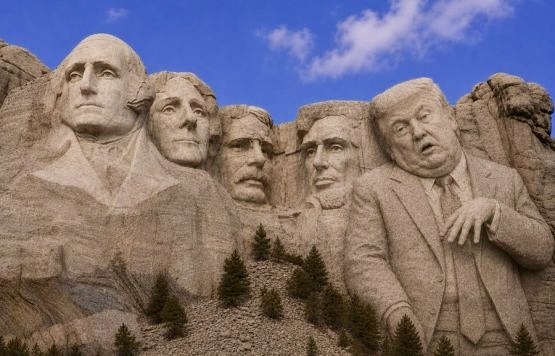
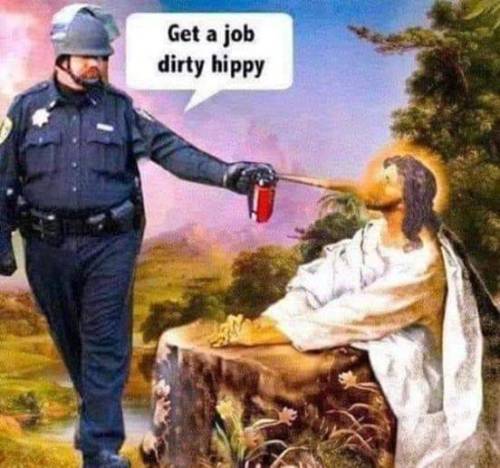
Bishop Barber will respond to President Trump’s widely circulated AI‑generated image depicting himself as Jesus Christ, recent statements from Franklin Graham, and the Pope’s global call for renewed moral commitment to the poor and to pluralist democracy.
Bishop Barber will address the theological and democratic dangers of these developments and call faith leaders nationwide to resist the misuse of religion to sanctify policy violence and division.
Because this is important history that we really ought to review, because the leopards who were “only” going for certain parts of the population are going for all the population, these days.
“Not all Republicans are racist, but racists vote Republican, and they do it for racist reasons.”
While the explicit nature of the “monkey” and “cannibal” slurs is jarring, it sits within a long, documented tradition of presidential prejudice that has shaped the nation’s policies.
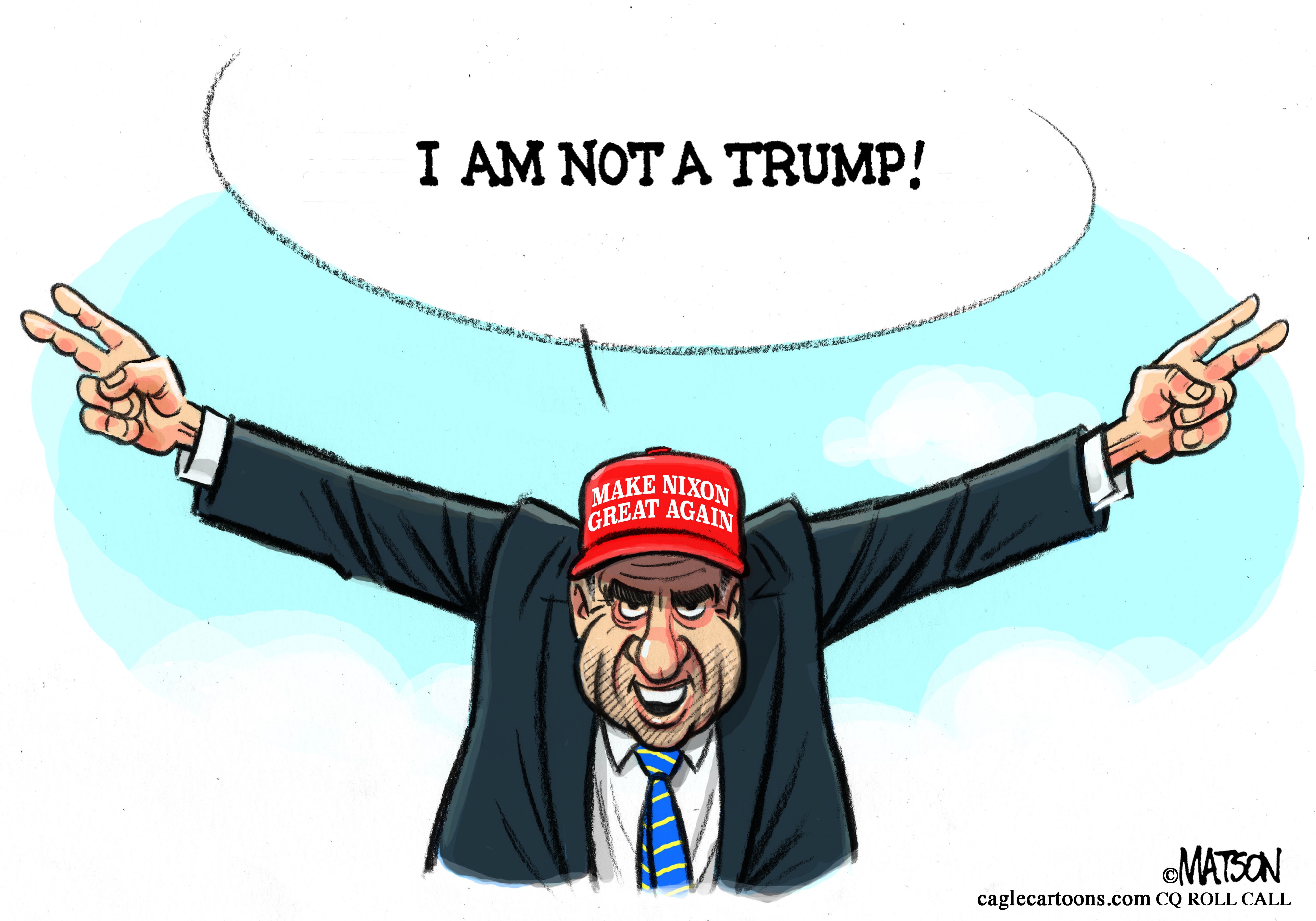
History always has a funny way of spinning the block, and every once in a while, we run into something that refuses to stay buried no matter how much time has passed. Recordings reported by CBS revealed a deeply disturbing discussion between former Republican presidents Richard Nixon and Ronald Reagan—and you guessed it, it’s super racist.
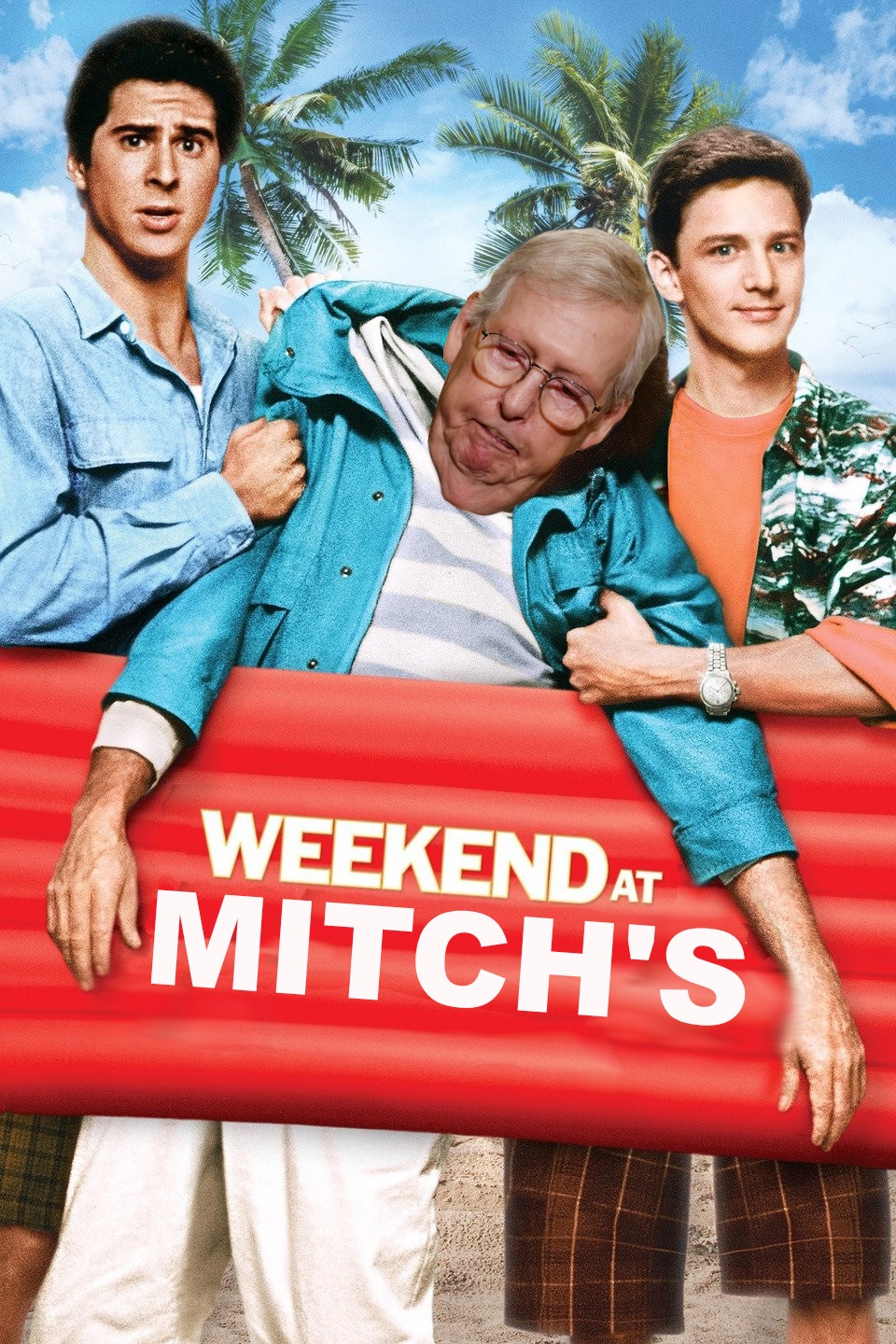
Per the news outlet, former President Richard Nixon was speaking with then-California Governor Ronald Reagan following a United Nations meeting to recognize the People’s Republic of China. While global attention should’ve been centered on the diplomatic shift, Reagan reportedly phoned Nixon’s White House to voice his frustration over African delegates who celebrated the decision. At one point, Reagan flat out called them “monkeys”—and it only went downhill from there.
Before we get to that, here’s the real question: Why is anyone shocked? To treat these recordings as a singular, shocking “glitch” in the American presidency is to ignore the very fabric of the office. Yes, the explicit nature of the “monkey” and “cannibal” slurs is jarring, but it sits within a long, documented tradition of presidential prejudice against Black folks that has shaped the nation’s policies for decades.
Long before Reagan and Nixon shared a laugh at the expense of African diplomats, Woodrow Wilson was busy re-segregating the federal workforce and praising the post-Civil war Ku Klux Klan as an “Invisible Empire of the South,” per History. Andrew Jackson publicly framed Native Americans as an “inferior race” to justify the brutal displacement of the Trail of Tears. Even Lyndon B. Johnson, who signed the Civil Rights Act, was notoriously recorded using the N-word in private to describe the very people he was legislating for—often viewing civil rights through the lens of political leverage rather than inherent humanity.
When we look at the timeline, Nixon’s own history of referring to Black people as “genetically inferior” or Reagan’s later “welfare queen” trope aren’t outliers; they are the quiet parts being said out loud. So, as these clips circulate on social media, the most revealing part of the story isn’t the racism itself—it’s our collective lack of surprise that it happened at all.
Let’s get back to the audio. Reagan told Nixon “Last night, I tell ya, to watch that thing on television as I did. To see those monkeys from those African countries, damn them. They’re still uncomfortable wearing shoes.”
Laughter is heard on the other end of the call after the disgusting statement. But that’s not all.
After Reagan’s reckless and racist phone call, Nixon later spoke with William Rogers—then Secretary of State—and doubled down on Reagan’s racist remarks. And if you thought the last phone recording was bad… just wait, it gets worse.
(snip-embedded TikTok; click the story title above to go to the page, if you wish)
“He saw these cannibals on television last night, and he says ‘Christ, they weren’t even wearing shoes, and here the U.S. is going to submit its fate to that…” Nixon said.
Later that month Nixon had a laugh with his long time best friend, former Florida banker and businessman Charles “Bebe” Rebozo. And as you may have expected, the racist banter continued to roll.
“That reaction on television was that it proves how they ought to be still hanging from the trees by their tails,” Rebozo said with a laugh during his call with Nixon.
Tiktok’s comments section was riddled with folks asking, “Where’s the surprise?” and “The way my jaw did not drop,” alongside emojis. And let’s be real, we get it.
While there’s certainly shock value in hearing these recordings, none of this is entirely surprising. This is a country built on Black labor and Black suffering—one where federal power has long been used to contain Black political movements, including COINTELPRO, which targeted organizations like the Black Panther Party and other Black-led groups working toward progress and self-determination.
That said, these tapes don’t feel like an isolated incident, but rather a reminder of how deeply racism has been woven into political life at even the highest levels. And while the exposure of this kind of rhetoric may be unsettling, it ultimately tells a familiar reality of Black folks’ lived experience in America.
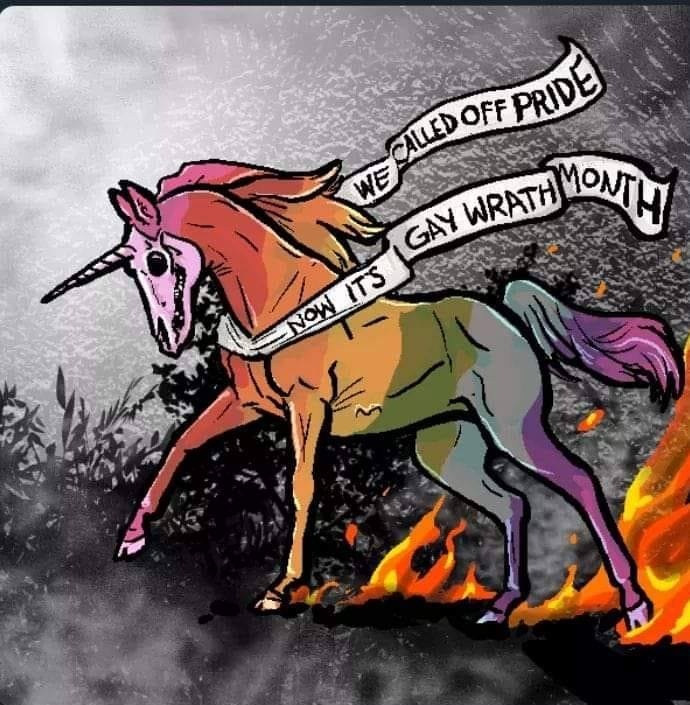
NEW YORK (AP) — The Trump administration said Monday it will resume flying a rainbow Pride flag on a federal flagpole at the Stonewall National Monument in New York City, reversing course two months after removing the banner from the first national monument commemorating LGBTQ+ history.
The government revealed the decision in court papers as it agreed to settle a lawsuit filed by advocacy and historic preservation groups who had sought to block the Feb. 9 removal. A judge approved the deal.
The Interior Department and National Park Service “have confirmed their intention to maintain a Pride flag at Stonewall,” lawyers for the government and the groups wrote in a joint court filing.
The flag — one of several Pride banners at the 7.7-acre (3.1-hectare) park — won’t be removed, except for “maintenance or other practical purposes,” the filing said. (snip-details of position and measurements of the Pride flag)
April 12, 1935 60,000 students across the U.S. took part in the first nationwide student strike. The protest was against fascism and participation in any war. Posters from the anti-war movement of the 1930’s One of the events that day
April 12, 1963 Martin Luther King, Jr. and his fellow ministers Fred Shuttlesworth and Ralph Abernathy, along with 60 others were arrested on Good Friday in Birmingham, Alabama, for marching downtown. They had been denied a parade permit, and were violating a court order banning them from all protest activities. Public Safety Commissioner Theophilus Eugene “Bull” Connor had sought the injunction to put an end to a series of sit-ins, kneel-ins, boycotts and other nonviolent actions designed to challenge the local and state segregation laws. Fred Lee Shuttlesworth (left), Ralph David Abernathy (center), and Martin Luther King Jr. (right) march on Good Friday on April 12, 1963, in Birmingham. The Birmingham campaign of 1963Arrest in Birmingham
April 12, 1971 Protest at Fessenheim The first European demonstration against nuclear power brought together 1300 peacefully to oppose construction of a nuclear power plant at Fessenheim, on the Rhine in the Alsace region of France. The four 900 megawatt reactors have been in operation since 1977.
The 2025 law forbade any flags on public property other than the flags for US America, Idaho, cities and tribes, military services, and a few other official flags of “a governmental entity.” The bill’s Republican sponsor insisted that this wasn’t culture war, heavens no, it was about promoting unity, and America, and “stuff that we can all agree on.”
The Boise City Council promptly turned right around and passed a resolution adopting the Pride flag as one of three official City of Boise flags, and ran the rainbow colors up the flagpole again. Hooray!
Unwilling to accept such rampant disrespect to their edict, Republicans in the Lege this year passed a whole new flag law, this one adding a new rule saying that only official city or county flags “designated prior to 2023” will be allowed. The new law also added a $2000 per day / per flag fine, to show Boise what serious business this flag war is. The bill’s sponsor, state Rep. Ted Hill (R), explained the fine was absolutely necessary to force compliance from “insubordinate government officials. […] It sets a tone of anarchy.” He too said that we must have “unity” under the stars and stripes, orelse.
Pride flags along Harrison Blvd. in Boise, 2023. Since Trump’s first term, assholes have stolen and even burned multiple flags each year. They’re then replaced by the volunteers who put ‘em up in the first place. Screenshot, KTVB-TV on YouTube.
In an extra little kick at Boise, where light poles on the median of one major residential street have long displayed Pride flags throughout June, the bill specifically applies to land along “parks, roads, and boulevards.” No nice things for you, Boise.
Just to be a real prick about it, Gov. Brad Little signed the bill on March 31, the Trans Day of Visibility. Little also signed another far worse bill criminalizing trans people who use bathrooms or locker rooms that match their gender identity, not only in schools and public buildings, but also in “public accommodations,” like private businesses. First offense is a misdemeanor, with up to a year in prison, and a second offense would be a felony, with up to five years in prison. The Idaho affiliate of Planned Parenthood Alliance Advocates called it “the most extreme anti-transgender bathroom ban in the nation.”
In response to the two new laws, Boise Mayor Lauren McLean ordered the Pride flag lowered outside City Hall, but also presided over a special session of the City Council to honor the Trans Day of Visibility. Choking back tears, McLean said to the Council and an audience of about 60 Boiseans, “Many people in this state and around this country are seeking to divide us. They’re seeking to divide us by targeting the most vulnerable among us. I want the people in this room to know that I see you. We see you. You are wanted, important, and unique members of our community.”
That night, City Hall was lit in the colors of the transgender flag.
Then, a week after the Pride flag came down, the three flagpoles in front of City Hall sported new vinyl wraps in the colors of the Pride/Progress flag, and a big new banner was visible in the building’s windows, with the rainbow and the slogan, “Creating a city for everyone.” Yr Dok Zoom went downtown to take some photos, and damn right he plugged in his EV at one of the two free EV chargers at City Hall (still hadda feed the meter, though, so that explains the $1.50 on my company card, Rebecca).
You can see the poles up top, and here’s that nice new sign:
And now at nighttime, City Hall is lit up in rainbow colors as well. Gosh I like my city a lot!
City Council President Meredith Stead told local TV station CBS2 that the city is observing the new state law to the letter, and joyfully at that. “The law was based on the flag and we are using rainbows, and it’s not at all a flag,” Stead explained, and I hope she was grinning. “So I would say we are in full compliance of the law, that’s certainly the most important thing to us. So we’re going to be sure that we always are, and this was just a different way to celebrate our diversity and values.”
The cost of the flagpole wraps and new banners was $5,931.87, from the city’s operating budget. We think that may also have included the printing costs for these spiffy new stickers you can pick up at City Hall; I got a nice big one that looks great in the rear window of my EV:
We like this “everyone” thing the mayor is going on about! Photo: Dok Zoom.
Needless to say, while all the folks you’d like to hang out with in Boise are delighted by the city’s latest reply to the Lege, the Usual Suspects are big mad about this latest besmirch statement by the city, and we can only imagine what sort of stupid crap law the Idaho Lege will pass next year in another futile attempt to control the wayward capital city. We’ll close with this line from the very timely second season of Andor, which Dallas ally, former Obama official, and teamonger Brandon Friedman says nicely sums up Boise’s Rainbow Battle: “Tyranny requires constant effort. It breaks, it leaks. Authority is brittle.”
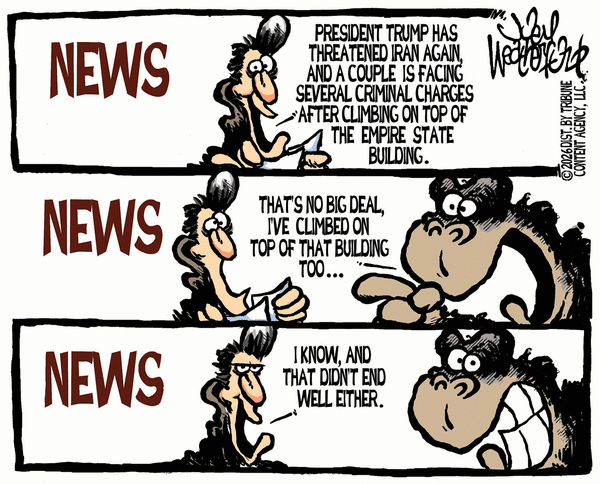
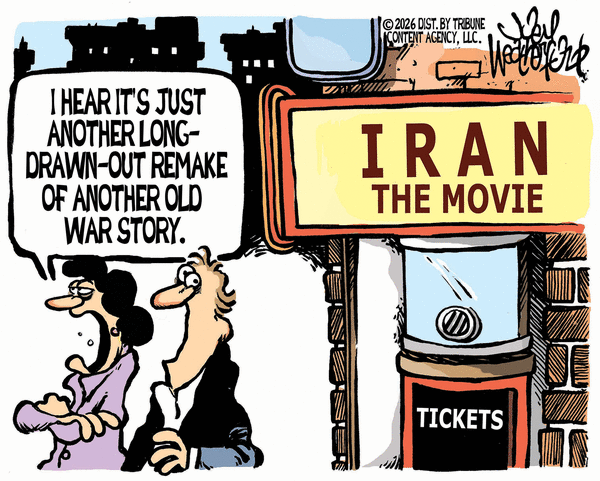
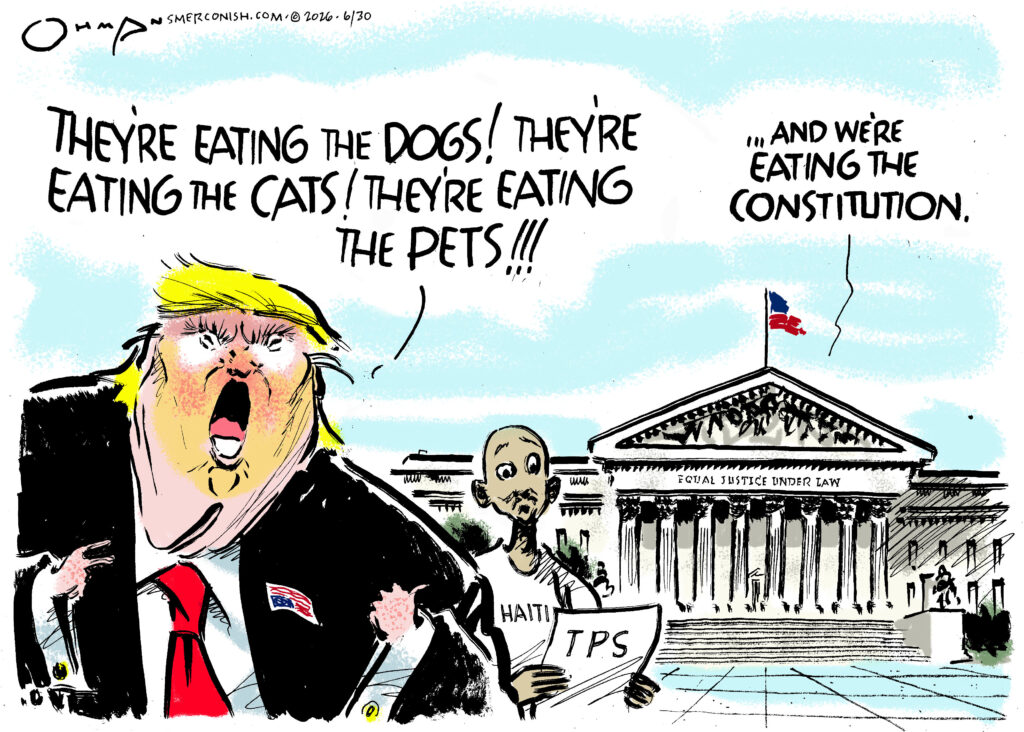
A new report by The New York Times details how Israeli Prime Minister Benjamin Netanyahu persuaded Donald Trump into going to war with Iran. Details in the story show that Donald Trump was oversold on the idea. But Trump wasn’t just oversold; he wanted to be told what he wanted to hear, even if it was wrong.
There was deep skepticism from his inner circle about going to war, and despite polling his top advisers, he often only heard “what he wanted to hear,” and his team wound up serving as an echo chamber for his gut instincts.
According to story written byJonathan Swan and Maggie Haberman, JD Vance was the most vocal in his opposition to the United States going to war with Iran, while CIA Director Jim Ratcliffe, Secretary of State Marco Rubio, and Gen. Dan Caine, Chairman of the Joint Chiefs of Staff, warned Trump that Netanyahu had “oversold” him on what could be achieved by the bombing campaign. Defense Secretary Pete Hegseth, on the other hand, was gung-ho on going to war. (snip-MORE, and it’s hot)
As predicted, Donald Trump taco’ed out again after threatening to commit genocide against the Iranian people.
Make no mistake about it, threatening to destroy an entire civilization is threatening genocide. Donald Trump was threatening to commit war crimes. (snip-MORE, also hot)
Ann Arbor (Informed Comment) – On Easter Sunday, God’s chosen in the White House issued a vulgar and unbalanced posting on his “Truth Social” that epitomizes the insanity of his Iran War. Attending to it closely will help us understand how Trump has strengthened the government of the Islamic Republic and put it in control of global energy. Trump fondly imagines that he can dislodge Iran from this new ascendancy, but he is wrong, since it depends on sabotage, a sabotage that cannot be policed.
This is embarrassing, Delete it, President @realDonaldTrump – unless you want everyone to think you’ve lost your marbles.
The foul language and clear mental imbalance visible in this announcement sparked a further round of calls for Trump’s removal under Article 25 of the Constitution, which is nothing more than an internet meme since Trump has surrounded himself on his cabinet with people even more certifiable than he is, and who wouldn’t dare move against him.
Trump, having imbibed whatever substance it is that makes him manic, announced that “Tuesday will be Power Plant Day, and Bridge Day, all wrapped up in one, in Iran. There will be nothing like it!!!”
He is repeating a threat he made previously, to bomb Iran’s civilian electricity-generating plants as well as its civilian bridges.
Iran has 98 major power plants fueled by fossil gas, which generate 85% of the country’s electricity. The largest, the Damavand power plant south of the capital, Tehran, has a generating capacity of over 2.8 gigawatts.
One of Iran’s power plants is nuclear, at Bushehr. If Trump or Israel bombs it, the consequent radiation pollution will deeply harm the Arab Gulf states, not only through airborne particles but also by contaminating sea water, which is drawn on by the region’s desalinization plants. This exposure to radiation would certainly increase cancer risk in the region. There are mountains between Bushehr and the Iranian interior, so the radioactive particles would be blown west toward other countries such as the United Arab Emirates, Saudi Arabia and Qatar.
Striking civilian power plants, and above all nuclear ones, endangers the noncombatant population of children, women and unarmed men and violates International Humanitarian Law.
In fact, the International Criminal Court in the Hague issued “warrants of arrest for two individuals, Mr Sergei Kuzhugetovich Shoigu and Mr Valery Vasilyevich Gerasimov, in the context of the situation in Ukraine for alleged international crimes . . .” on June 24, 2024. They were indicted for “for the war crime of directing attacks at civilian objects (article 8(2)(b)(ii) of the Rome Statute) and the war crime of causing excessive incidental harm to civilians or damage to civilian objects (article 8(2)(b)(iv) of the Rome Statute), and the crime against humanity of inhumane acts under article 7(1)(k) of the Rome Statute.”
Among the “civilian objects” that these Russian officials ordered attacked in Ukraine were power plants and structures such as the Kryukovsky Bridge.
So Trump is talking like a war criminal, which tells you why he has placed sanctions on International Criminal Court judges.
Trump already struck the unfinished B1 bridge linking Tehran to Karaj. Since it was not finished, it could not possibly have had a military purpose, contrary to the lies of the lying liars in the Trump administration who gave that as the excuse for hitting it.
Trump continued, “Open the Fuckin’ Strait, you crazy bastards, or you’ll be living in Hell– JUST WATCH!
It is not clear how a body of water such as a strait could copulate. However, it can engender revenue, and does so for Iran. A lot of revenue.
Iran has not actually closed the Strait of Hormuz entirely. It is exporting its own petroleum through that narrow aperture, mainly to China. Trump has been forced by the global oil shortage to lift sanctions on the Iranian tankers, and so Iran is also selling again to India. Before Israeli Prime Minister Benjamin Netanyahu rushed Trump into war on Iran on February 28, Iran was exporting about 1.4 million barrels a day to China. The price of petroleum was about $67 a barrel then, but Iran had to offer a steep discount to offset American sanctions, and so was probably only getting $57 or less a barrel. So Iran was getting something like $29 billion a year for its petroleum from China and a few other customers (90% goes to China).
China is now likely having to pay $110 a barrel for Iranian petroleum.
Iran’s oil income just went up to $55 billion a year if these prices and this volume of trade persists, which is plausible. So the “crazy bastards” in charge of Iran have nearly doubled their income off the Netanyahu-Trump war because of the fertility, under their control, of the “fuckin’ Strait.” The Iranian oil industry is state-owned, so all the money goes to the clerics and the Iranian Revolutionary Guards Corps, as well as to the conventional army and the elected institutions, the parliament and president. This extra income helps the government tamp down resistance, strengthening it against civil society. In any case, many Iranians under foreign attack are rallying around the flag. Of course there are also tax losses from the economic disruption of the war, but the vastly increased oil income helps make up for them as far as the government is concerned. If the price of oil goes to $200 a barrel, as it may well, Iran’s government could get $100 billion a year for its petroleum.
Not only that, but Iran has instituted a toll system, wherein countries that have good relations with Iran and pay a fee can transit the Strait without fear of an Iranian drone attack. In contrast, countries that Iran believes contribute to the American war effort against Tehran such as the Emirates and Kuwait, are blockaded by the threat of such strikes. These tolls could be an ongoing and lucrative source of income for the government. Before the war, 138 ships transited the Strait daily. If that traffic resumes but each has to pay Iran a $2 million toll, that would bring in $96 billion a year, i.e. four times what Iran was getting for its petroleum before the war.
So here’s the thing. With the advent of Iran’s Shahed drones, which can be manufactured inexpensively and of which it has tens and thousands, there is no way for anyone, including Trump and the US military, to stop Iran from sabotaging ships that won’t pay the $2 million. At least, I don’t see how it could be done. You’d need tens of thousands of interceptors, and we hardly have any left. Moreover, interceptors cost $1.5 million apiece, so it makes much more sense to allow each ship to pay Iran the $2 million.
Container ship in Strait of Hormuz. (U.S. Navy photo by Mass Communication Specialist 2nd Class Indra Beaufort).Public Domain. Via Picryl .
Trump has shown Iran how it can go into the protection business in the Gulf for the long term. Nice oil shipping industry you have here, it would be a shame if anything happened to it. And off that, Iran actually increases its GDP substantially.
If Trump takes out Iran’s electricity and bridges, he can interfere with its economy and its society in a big way. But he can’t stop the drones or the protection racket that way. Moreover, Iran has made it clear that its response will be to take out the power plants in the Gulf Arab states as well as in Israel. Since the US and Israel are running low on interceptors, and since even small Shahed drones have great range and can do a lot of damage, Iran’s threat is credible.
If Trump takes out Iran’s petroleum-production capability, Iran will crash oil production in the Gulf, taking 20 million barrels a day off the market for years to come. That would certainly be another Great Depression and likely would spell the end of the oil industry, since everyone in the world would migrate to electric vehicles quickly.
So although Trump meant the phrase ironically and blasphemously, the Iranian authorities may well end up saying “Praise be to Allah” over Trump’s monumental stupidity.
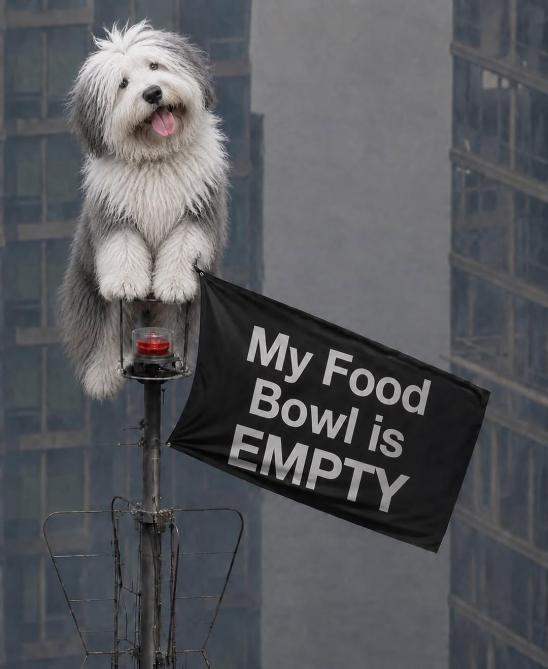
There are many ways in which the world feels uncertain, and with every news update, we ask ourselves questions: What role do we play? How can we help? We know many readers turn to Mooch and Earl for a daily dose of comfort and joy. Recently, someone told us MUTTS is their “place to go for a warm hug each day.” Will raising a particular issue interrupt that sense of refuge that readers value here?
Not long ago, we received a letter from a reader named Tyla. With her permission, we’re sharing part of it below.
“With recent ICE raids impacting Minneapolis and communities across the country, some families are being separated very suddenly, and in many cases this has meant pets are left without caregivers. Animal shelters and rescues have shared that they’re seeing more animals being taken in or surrendered unexpectedly, and in some situations, people have stepped in to foster or adopt pets whose families were detained.
“The health and well-being of both people and animals isn’t always part of the conversation when issues like this come up, even though both are affected. Animals, especially, rely entirely on their families for care and stability, and sudden disruptions can be very hard on them.
“I was wondering if this is something the [MUTTS] team might feel comfortable acknowledging this, specifically from the perspective of how animals are affected.
“I understand this is a sensitive and complicated topic … I also know that many readers, including myself, turn to MUTTS as an escape from the real world, and I truly respect that. I just wanted to offer this suggestion thoughtfully, since when people are affected in situations like these, animals are often affected too, and their needs can easily be overlooked.”
Tyla’s letter moved us. We’d been thinking about this, too. We started drafting a blog post based on one specific concern: What happens to pets when their families are detained or deported? We were discussing this internally, and considering ways to help, when the scope widened. The news headlines, unfortunately, have not slowed down.
The world feels increasingly uncertain, but one thing we know for sure is that pets depend on the humans who love them. They don’t understand geopolitics or political parties. And the truth is, preparing for any unexpected event — from a natural disaster to a family emergency or something else — is an act of love and responsibility.
At MUTTS, we believe in compassion for all creatures. With that spirit, here are practical ways we can all help our human and animal neighbors.
If You’re a Pet Parent: Plan Ahead
Choose a backup caregiver. Identify a trusted friend, neighbor, or family member who could step in temporarily if you can’t be home. Make sure they’re willing and understand what would be involved. Share basic care information in advance so nothing is left to guesswork. If you’re comfortable with it, you may even want to give them a spare key to your home (or tell them where one is hidden).
Keep identification current. Ensure your pet’s tags and microchip records are up to date. Consider listing a secondary contact (such as your backup caregiver) on file with your vet.
Prepare a small “just in case” kit. Put together a bag with essentials: medications, vaccination records, feeding instructions, favorite comforts like a blanket or toy, and a short written profile of your pet’s personality and needs. Think of it as something you’d want ready in any unexpected situation.
If you currently need assistance caring for your pet, know that there are many community resources around the country that may be able to help. You can start your search with PetHelpFinder.org, which allows you to search for pet pantries, affordable veterinary services, and other resources in your area. You might also contact your local animal shelter for guidance. Many shelters offer community assistance — and even if yours does not, it’s very possible they can help point you in the right direction.
If You Want to Help In Your Community
Volunteer at a local shelter. Many animal shelters are already stretched thin, and shelters across the country are receiving pets whose guardians were detained or unexpectedly displaced. Time, donations, and supplies all help.
Consider fostering.This is an incredibly impactful way to help pets in your community, especially right now. Fostering gives an animal stability during a time of upheaval. In some cases, it provides time and space for an eventual reunion with their family. It also helps shelters by freeing up room so they can care for more animals.
Offer to be a backup pet caregiver for friends, family, or neighbors. You don’t need a specific reason to make this offer. You can simply say you’ve been thinking about family preparedness and realized how comforting it would be to know someone nearby could step in for your own pet if needed. Sometimes people hesitate to ask for help, and by offering proactively (and gently), you can remove that barrier and replace it with reassurance.
Create or strengthen local support networks. If your area doesn’t have a pet food pantry, consider starting one. Offer to deliver pet food or walk dogs for families facing temporary hardship. Some communities have organized quiet grocery or supply deliveries for neighbors who are unable to leave home. No pet should go hungry because their family is going through a difficult time.
Build Real Connections In Your Community
This may sound simple, but it really matters. Support systems don’t appear overnight. They grow from familiarity and trust. If you don’t already have a close-knit community, consider planting the first seed. For example:
Start a “take one, leave one” table or box. This could include books, baked goods, even extra apples or herbs from plants in your own yard.
Bring back front-yard or porch time. Read or drink your coffee outside. Smile and wave at anyone who passes. This invites casual conversation without any pressure.
Check on neighbors during extreme weather. A quick knock before a storm or heat wave can go a long way.
Remember that when communities feel connected, pets are safer too.
Share Your Ideas to Help Pets and People
If you have ideas we haven’t mentioned, we would love to hear them. In the spirit of MUTTS, we ask that comments remain friendly and constructive, aimed at helping animals and strengthening compassion. That’s something we can all stand behind.