Queer History from Wendy The Druid

(https://www.peacebuttons.info/)

Some bits from each one since the last time. Still NSFW. Tissue alert for some.

Queer History 128: The Day The Initiative Died by Wendy🏳️‍⚧️🏳️‍🌈🌈

Also The Day California Told Bigots to Go Fuck Themselves Read on Substack

How Teachers, Ronald Reagan, and Harvey Milk Crushed the Most Dangerous Anti-Gay Ballot Measure in American History

Picture this: It’s 1978, and a conservative state legislator from Orange County wants to ban every gay and lesbian teacher in California. Not just fire the ones who are out—he wants to hunt down anyone who might be gay, anyone who supports gay rights, anyone who so much as suggests that maybe gay people deserve basic human dignity. This wasn’t just about removing teachers. This was about erasing an entire community from public life.
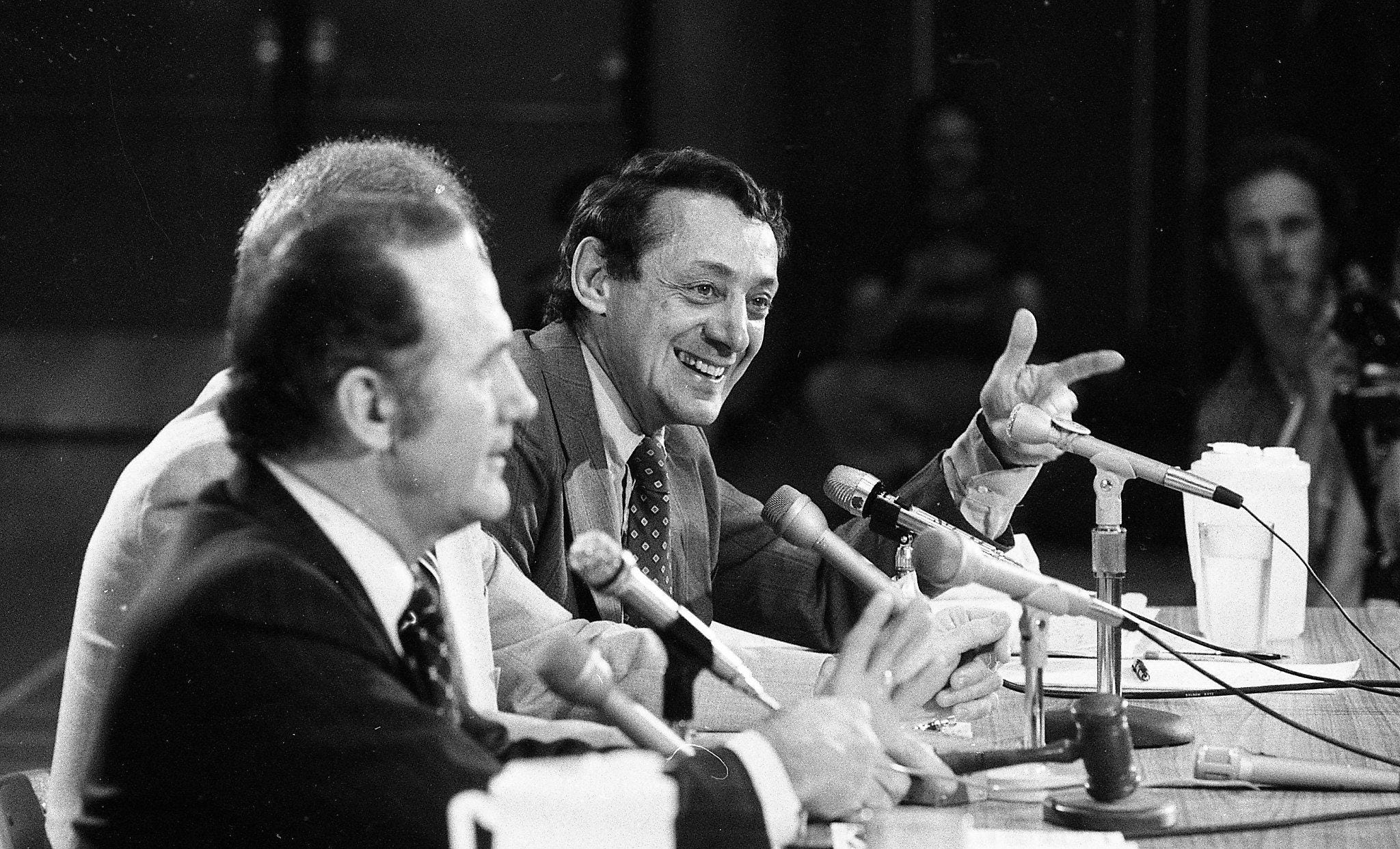
Harvey Milk's last fight: Found photos from landmark debate over gay  teachers

John Briggs thought he had the perfect plan. Fresh off Anita Bryant’s homophobic “Save Our Children” crusade in Florida, he figured California would be easy pickings. He was dead fucking wrong. On November 7, 1978, California voters didn’t just reject Proposition 6—they obliterated it. The Briggs Initiative went down by more than a million votes, losing even in Briggs’s own conservative Orange County stronghold.

Behind that victory was one of the most unlikely coalitions in American political history: a martyred gay supervisor, a future Republican president, grassroots activists, Catholic bishops, and thousands of teachers who refused to let fear win. This is the story of how they did it—and why it matters more than ever today. (snip-MORE)

Queer History 131: Michelangelo by Wendy🏳️‍⚧️🏳️‍🌈🌈

The Divine Cock: Why Michelangelo Was Almost Certainly Gay as Hell Read on Substack

You think you know Michelangelo? The guy who painted the Sistine Chapel ceiling and carved David from a massive chunk of marble? Here’s what they don’t teach you in art history class: the Renaissance master was probably queer as a three-dollar bill, and the evidence is splattered all over his life’s work like paint on a studio floor.
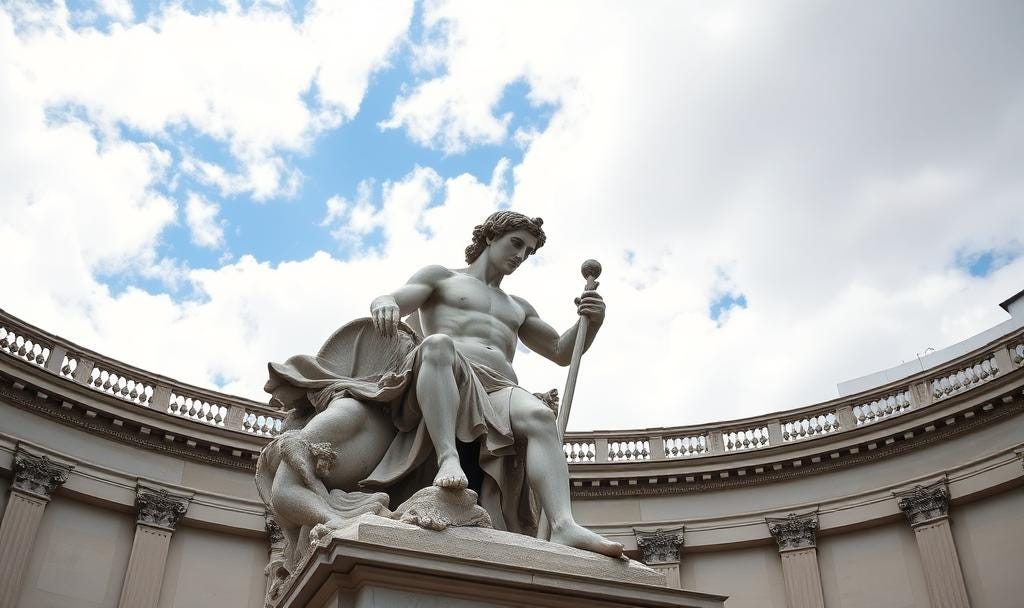
michelangelo

For nearly 250 years, Michelangelo’s own family censored his love letters and poems, changing every masculine pronoun to feminine ones to hide the uncomfortable truth that the “divine one” was divinely attracted to other men. When scholars finally uncovered the original texts in the 1890s, they found a treasure trove of homoerotic passion that would make even modern romance novels blush. (snip-MORE-do go read it!)

Queer History & Culture 127: Alan Turing by Wendy🏳️‍⚧️🏳️‍🌈🌈

A tortured genius whose code-breaking saved millions, only to be destroyed by the very society he protected Read on Substack

The bastards killed him. Not with bullets or blades, but with something far more insidious—the slow, methodical destruction of a man’s soul through legal persecution, chemical castration, and the systematic erasure of his humanity. Alan Mathison Turing didn’t just die on June 7, 1954; he was murdered by a society so goddamn backward that it chose to destroy one of the greatest minds in human history rather than accept that he loved men.
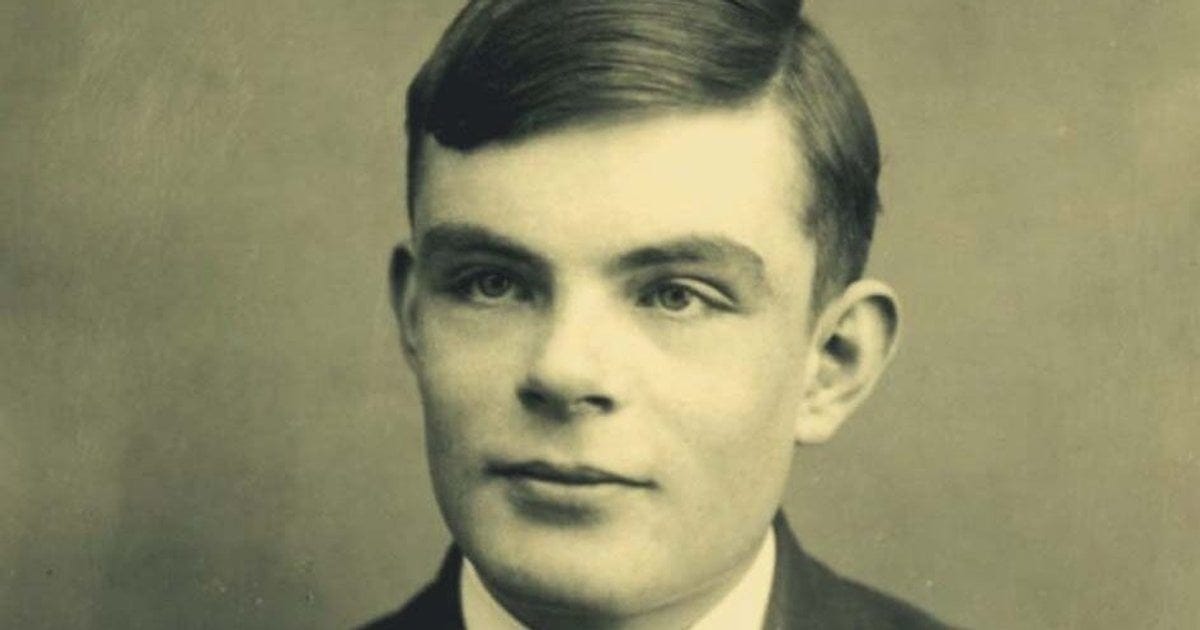
Alan Turing: A Strong Legacy That Powers Modern AI | AI Magazine

(snip)

The Making of a Revolutionary Mind

Born in 1912 to a British colonial family, Turing’s brilliance blazed early and fierce. At Sherborne School, while other boys were playing cricket and learning to be proper English gentlemen, young Alan was already wrestling with mathematical concepts that would have made university professors weep. His first love affair wasn’t with numbers, though—it was with Christopher Morcom, a fellow student whose death from tuberculosis would haunt Turing for the rest of his tragically short life.

That early loss carved something deep into Turing’s psyche. Here was a boy-genius, already grappling with his sexuality in an era when homosexuality was not just taboo but literally criminal, watching the person he loved waste away and die. The philosophical implications would torment him: if consciousness could be snuffed out so easily, what made it real in the first place? This question would drive his later work on artificial intelligence, but it also planted the seeds of a profound existential loneliness that would follow him like a shadow.

At King’s College, Cambridge, Turing found his intellectual home among the mathematical elite, but he also found something else: a community of gay men who lived in the shadows, speaking in codes, loving in secret. The irony is fucking brutal—here was a man who would become history’s greatest codebreaker, learning his first lessons in cryptography from the necessity of hiding his own identity. (snip-MORE, it should be known)

Queer History 129: The Genital Mutilation of the 1880s by Wendy🏳️‍⚧️🏳️‍🌈🌈

Read on Substack

In the fucking darkness of the 1880s, American medicine—that supposed bastion of healing and hope—turned into a goddamn chamber of horrors for LGBTQIA+ people. What began as medical “curiosity” quickly devolved into systematic torture disguised as treatment, launching over a century of medical persecution that would destroy countless lives and shatter the trust between queer people and healthcare forever.

The medical establishment, drunk on its newfound authority and desperate to appear scientific, decided that love between same-sex individuals was a disease to be cured. These weren’t healers—they were executioners in white coats, armed with instruments of torture and backed by the full weight of societal approval. The brutality that followed would make the Inquisition blush. (snip-MORE)

Queer History 130: The Lavender Scare by Wendy🏳️‍⚧️🏳️‍🌈🌈

When Joe McCarthy Declared War on America’s LGBTQIA+ Read on Substack

n 1950, Senator Joseph McCarthy stood before a crowd in Wheeling, West Virginia, and launched what would become the most sustained attack on LGBTQIA+ Americans in the nation’s history. While his speech focused on supposed Communist infiltration of the State Department, McCarthy’s paranoid rantings about “security risks” would soon expand into a full-scale witch hunt against homosexual federal employees. This wasn’t just political theater—this was the birth of the Lavender Scare, a systematic campaign of terror that would destroy thousands of lives and poison American democracy for decades.
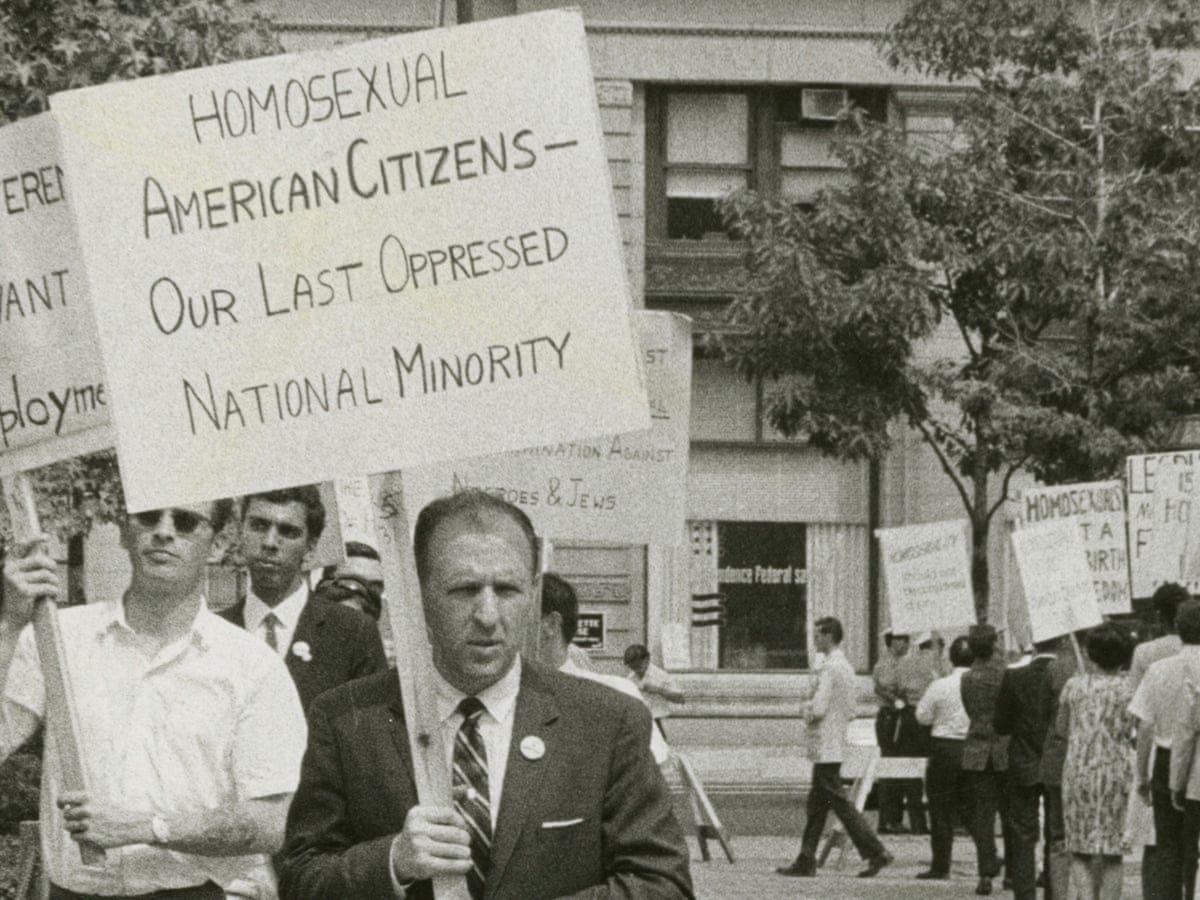
The Lavender Scare: the shocking true story of an anti-LGBT witch-hunt |  Documentary films | The Guardian

McCarthy didn’t just stumble upon anti-gay persecution as a political tool—he weaponized it with surgical precision. The bastard understood that while Americans might eventually get tired of hunting Communists, they would never tire of persecuting queers. Homophobia was the gift that kept on giving, a renewable resource of hatred that could fuel his political ambitions indefinitely. What began as anti-Communist hysteria quickly metastasized into something far more insidious: the systematic elimination of LGBTQIA+ people from American public life. (snip-MORE)

A Good One From Sojo

Queerness Is a Calling Every Person Should Aspire To

By Brandan Robertson

“Queer” is not about who you’re having sex with (that can be a dimension of it), but “queer” as being about the self that is at odds with everything around it and has to invent and create and find a place to speak and to thrive and to live.”
—bell hooks

I’ve always been queer, but it took me a while to realize it. Even after coming out as gay, I still struggled with the language of “queer” because I grew up hearing it used as a slur. In many places, it still is. I remember the shocked look on the faces of a lecture audience in rural England when I said “queer” — as if I had uttered a curse word.

This is how the word sits with many people — even within the LGBTQIA+ community. But over the years, as I’ve wrestled with my identity, learned the history of LGBTQIA+ liberation, and developed my beliefs, I’ve come to resonate deeply with being queer, just as much as with being Christian.

In fact, for me, to be an authentic Christian — one who seeks to follow the life and teachings of Jesus — is to be queer. Let me explain.

To be queer generally means one of two things. First, it’s a catch-all phrase for the LGBTQIA+ community — those who embrace a non-heterosexual orientation and/or non-cisgender identity. Second, queer also means to disrupt arbitrary norms, making space for diverse, often marginalized, expressions to flourish.

To be queer means resisting the repression of our true selves and the forces that demand we conform to others’ ideas of who we should be. It’s a declaration of our commitment to live authentically — who God created us to be — not who society or religion says we must become.

In this sense, queerness is holy. It affirms that God doesn’t make mistakes — that our unique expression reflects God’s creativity — and refuses to blaspheme the Creator by suppressing that divine image. When seen this way, queerness is a calling every person should aspire to.

To follow Jesus is to refuse conformity, as Paul wrote: “[to] be transformed by the renewing of your mind” (Romans 12:2). This means shifting how we see ourselves and others — removing the masks we were taught to wear, the roles we were conditioned to play. In this way, queerness is deeply aligned with the way of Jesus.

bell hooks defines queerness as “being at odds with everything around it.” That feels exactly right. We live in a world shaped by systems built to benefit particular people. What’s considered “normal” is often an invention — crafted to maintain control and marginalize difference. Nothing has always been the way it is, and it shouldn’t remain the same.

Today, there’s a rising awareness of the value of diversity and pluralism by many in society (while diversity is also demonized by many). More people are becoming suspicious of those who demonize difference and cling to the status quo. The past century has shown us that the status quo is often built on lies that lead to oppression.

Our society was set up by people who established norms to benefit themselves. But as the world grows more connected and aware of diverse ways of being, movements of resistance have chipped away at this conformity and demanded a new, inclusive path. These movements are “queering” society — questioning and resisting what’s been called normal — and they’ve made the world more just and diverse.

One of the most resistant institutions to queering has been Christianity. This isn’t surprising. Religion resists change, and Christian institutions have fought nearly every cultural shift from desegregation to women’s voting rights to rock music. Those willing to reform are often labeled heretics and excluded from church power. But every so often, resistance sparks reform in the church. The Protestant Reformation, the abolitionist movement, and the fight for women’s rights have all queered Christianity by disrupting norms and pushing forward new expressions of faith.

The inclusion of queer people in Christianity is another such movement. Today, nearly every mainline Protestant denomination in the U.S. officially affirms queer people. We can serve as clergy, marry, and be fully embraced. While there are many local congregations in each denomination that resist these changes, the movement for inclusion is well underway. This is a remarkable shift.

Just last year, Pope Francis announced that Catholic priests may bless same-sex couples. A few months before, he said transgender people could be baptized and serve as godparents. Though these don’t change Catholic doctrine, they marked major steps forward that made many lay queer Catholics feel more included in their churches.

Still, there is much work to do. The truth remains that most Christians worldwide still uphold anti-queer theology. Many still preach that homosexuality is an abomination. Many still teach that women must submit to men and cannot lead.

Progressive Christians sometimes believe the church is rapidly changing, but that’s often just the view from our bubble. Most Christians still cling to rigid, patriarchal theology. And I’ve come to believe that the only way to challenge that resistance is through queering.

Not every LGBTQIA+ Christian agrees with this strategy. There are many queer Christians who would prefer to simply shift the church’s understanding of the six clobber passages and be accepted into the traditional Christian institution with its traditional sexual ethics, understanding of relationships, and devotion to conservative theology otherwise. I understand that desire; I once had it too. But I’ve come to believe it’s actually counterproductive to our flourishing as queer people.

The more I’ve studied Scripture and listened to queer stories, the more convinced I’ve become: The issue isn’t a few misinterpreted Bible verses — it’s that Christianity was institutionalized. A few hundred years after Jesus, his radical movement was merged with the Roman Empire and transformed into rules, dogma, and rigid orthodoxy.

Other perspectives were labeled heresy, punished, and driven underground. What remained became dominant: a version of Christianity that, frankly, looks nothing like Jesus.

When I became a Christian, it was because I wanted to follow Jesus — not an institution. But I was quickly taught that faithfulness to Jesus meant faithfulness to the church. I learned the doctrines and ethics of my church and saw that the more I conformed, the more I was accepted — and even celebrated.

From adopting the politics of my pastors to unquestioningly espousing conservative theology, to even dressing in ways that mirrored the evangelical subculture, I learned that through conforming and contorting myself to look, believe, vote, and act like what was seen as normative for evangelical Christians, my inclusion would be solidified.

I gained status and privilege. I was affirmed by my church and I believed that this meant I was close to God. But I felt uneasy, even early on. As I read Scripture, I struggled to see our theology or ethics reflected in Jesus’ life. Jesus lived on the margins of religious and political power. He constantly challenged the status quo and resisted exclusionary doctrine.

I came to see that neither I nor my church looked like Jesus. That realization was unsettling. Eventually, it led me to believe that queering Christianity wasn’t just permissible — it was necessary. Not only for LGBTQIA+ inclusion, but for everything and everyone.

Rather than blindly accepting church authority, I began to pursue truth wherever it led and invited others to do the same. My ministry became about queering Christianity, not just including queer people in the traditional frameworks of the church.

That meant challenging every theology and ethic that doesn’t reflect Jesus’ ethic of love. It meant reimagining how we follow Jesus — beyond traditional Christianity.

This is, I believe, the most faithful path. But it’s also the hardest. It requires us to stop seeking the affirmation of and inclusion in the old structures and instead focus on building subversive, queerly spiritual communities that reflect the Spirit of Christ.

It means being open to truth from everywhere and everyone — because all truth is God’s truth — and letting it shape our spiritual journeys.

It means getting used to being called heretics. Excluded even from some so-called affirming churches that find our vision too radical. But our goal isn’t to be welcomed because we conform — it’s to create a community that welcomes all expressions and beliefs, grounded in the love and example of Jesus in whatever form that takes.

Our goal isn’t even to be “Christians,” really. Jesus never used that word. Never spoke a Christian doctrine. Never stepped inside a Christian church. So inclusion in the traditional institutions of Christianity isn’t the point.

The point is a truly queer revolution of faith that liberates us all to show up authentically, that remains open to the voice of our still-speaking God in the most unlikely people and places, and that understands that the Kingdom of God that Jesus preached and embodied can never be contained in the rigid boundaries of any institution, but is found among the diversity, complexity, and beauty of all of our human experiences.

Editor’s note: This essay is an adaptation from Queer & Christian: Reclaiming the Bible, Our Faith, and Our Place at the Table. It has been adapted with the permission of St. Martin’s Essentials.

Sometimes Things Just Happen Out Of The Clear Blue Sky, or Maybe It’s Magic!

I’m not advocating violence, of course, but I got a great giggle from this when I saw it. I thought others might, too. There is no direct violence, it’s more a karmic-type of happening.

More PRIDE

(https://www.peacebuttons.info/)

It’s been stormy/flooding/messy all day long, Ollie is not happy with the weather so I’ve been busy keeping him busy, we’ve still got about an hour to go with the weather, and now I can’t recall where, this morning over breakfast, I read this about Compass Group promoting PRIDE. But, the tab is still up there, so here it is at not quite suppertime!

https://www.compass-usa.com/happy-pride-month-2025

Happy Pride Month 2025!

June 02, 2025

2025 Happy Pride Month from Compass Group USA

June is here, and with it comes Pride Month – a powerful celebration of love and authenticity. It’s a time to recognize the rich history of the LGBTQ+ community while embracing the voices that make our workplace stronger, more inclusive, and deeply connected.

Meet three inspiring associates from across Compass Group’s family of businesses – Elise, Greg, and Chef Michelle – whose journeys of inclusion and belonging enrich our organization in meaningful ways. Through their work, passion, and personal experiences, they continue to cultivate spaces where everyone can thrive.

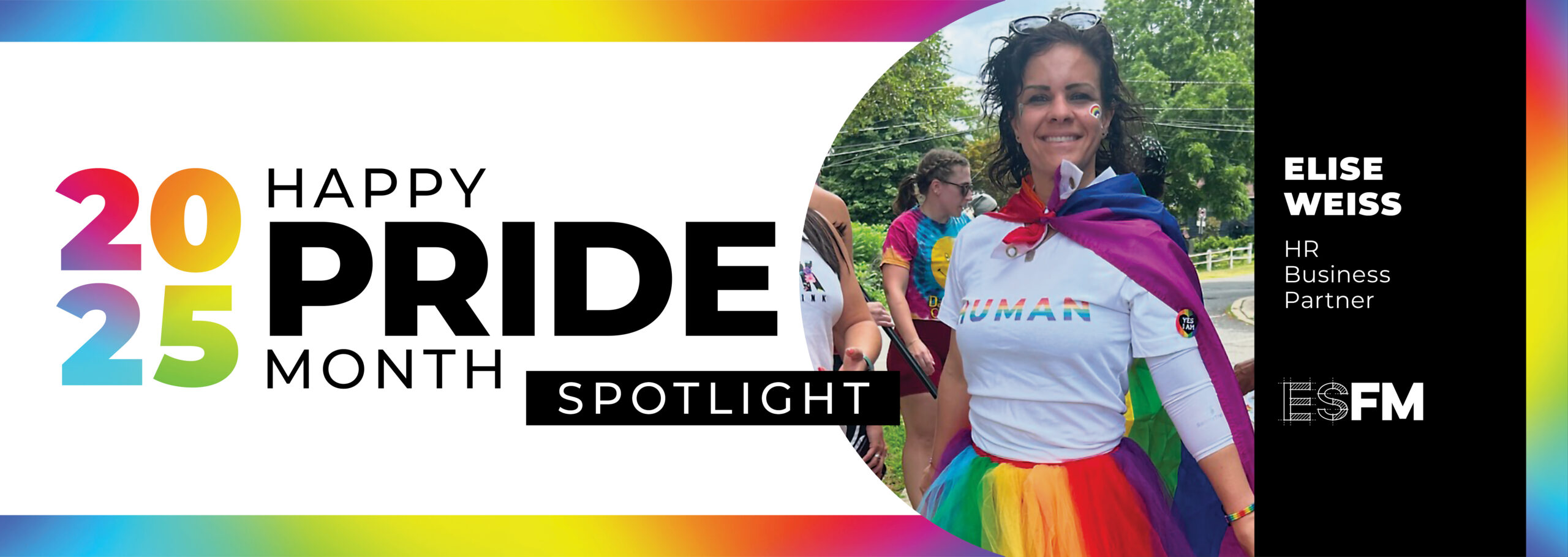
An Image of Elise Weiss, HR Business Partner from ESFM for Pride Month 2025

Elise Weiss has been with ESFM for seven years. The best part of her job as an HR business partner is building relationships, fostering strong team dynamics, and simplifying tough situations. Education and empowerment drive her. Leading ESFM’s Global University of Lifelong Learning (GULL) program as well as serving as co-chair of its Diversity & Inclusion Action Council (DIAC) make her work deeply fulfilling.

“Pride Month means LOVE is LOVE! Accepting everyone as they are so that no one fears loving who they truly love,” Elise says.

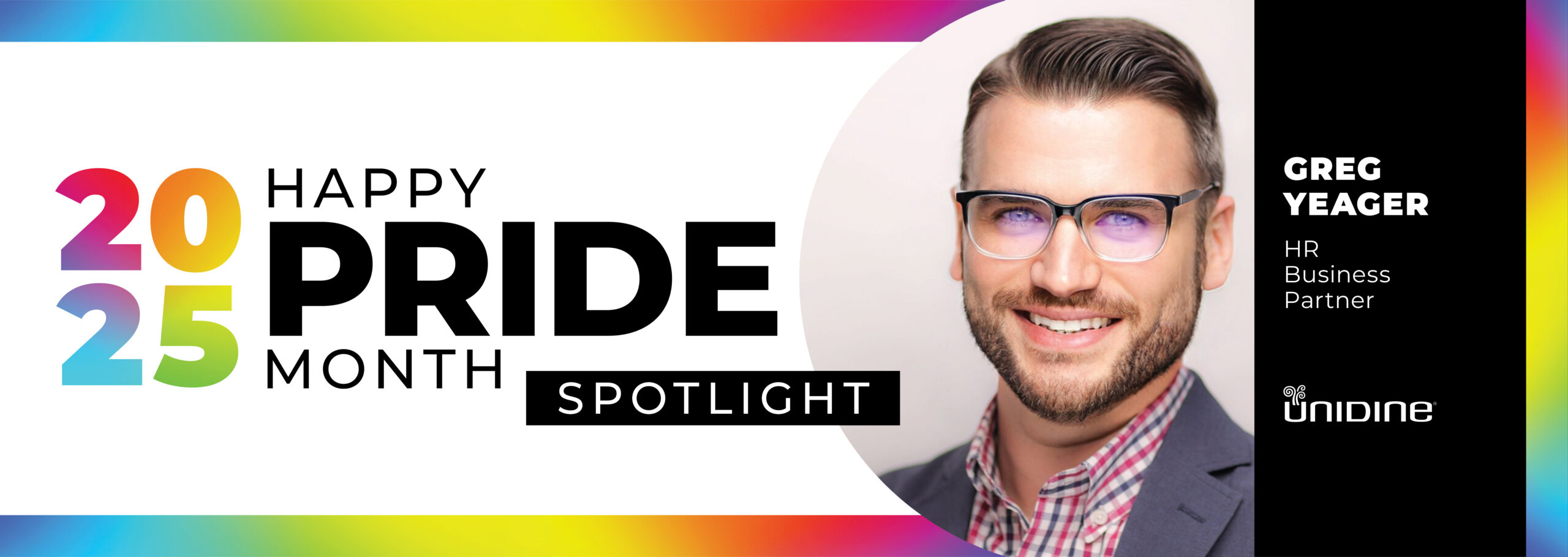
An Image of Greg Yeager, HR Business Partner from Unidine for Pride Month 2025
Greg Yeager has been with Unidine for eight years and currently serves in strategic dining services and national accounts as the HR business partner. Making a difference in people’s lives – with the support of his incredible team – is what he loves most about his position

“Pride is a reminder of both the progress made and the work still needed to ensure equal rights and respect for everyone,” Greg adds. “It’s also a deeply personal time when I acknowledge and celebrate my own growth, embracing who I am unapologetically.”

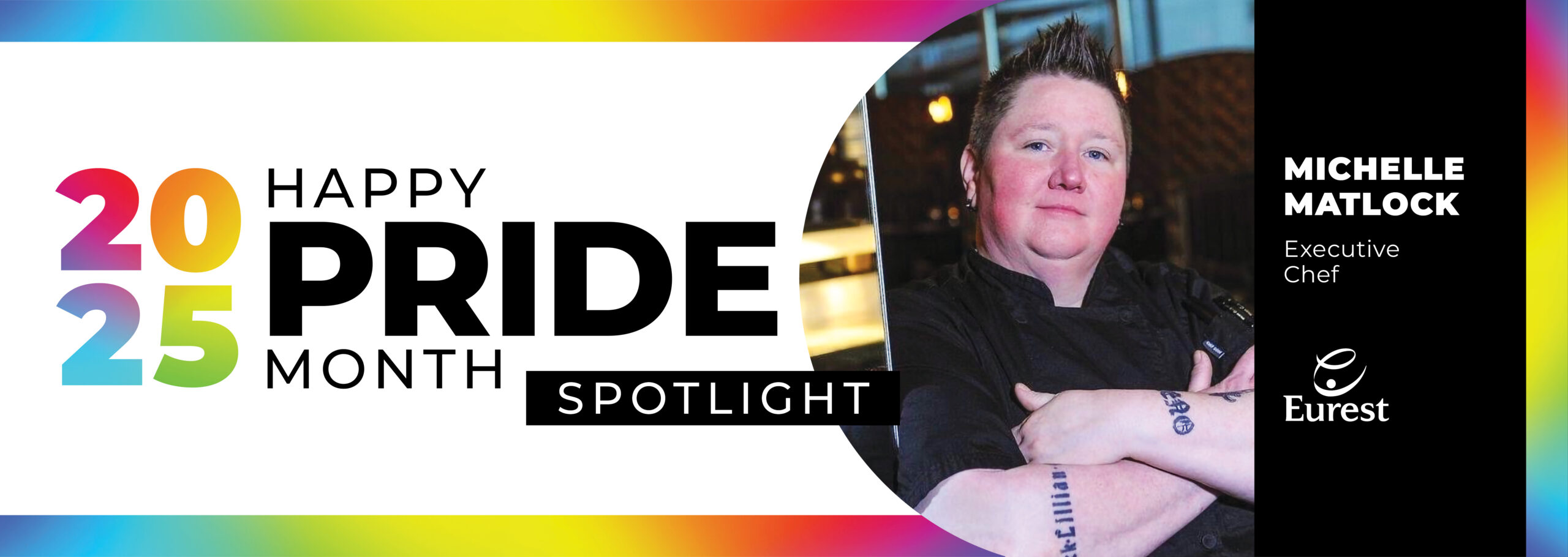
An Image of Chef Michelle Matlock, Executive Chef from Eurest for Pride Month 2025
Chef Michelle M. Matlock CEC has been with Compass for three years, and for the past year has been an Executive Chef in Atlanta with Eurest.

“What I love most about my job is spending my life’s energy within a group that supports diversity, equality and inclusion,” Chef Michelle declares. “I love being able to mentor our young chefs and leaders. I adore my leadership and believe in their life’s work so much, find our corporate goals so similar, it keeps me going.”

Greg, Chef Michelle, and Elise’s respective journeys have been shaped by many people, and their experiences within the LGBTQ+ community have influenced their careers.

“I often wonder if I’ve done enough, because just living openly doesn’t always feel like enough,” Greg notes. “Getting into HR grounded me, showing me that I could be the person I had always needed – a representative living openly.” Greg hopes to be that person for future generations entering the hospitality industry.

A pivotal figure in Chef Michelle’s life was Charlene Schneider, who opened the first LGBTQ+ tavern in New Orleans in the 1950s. She was a “Den Mother” to many LGBTQ+ youth, offering acceptance, guidance, and life skills. She once told Michelle, “People walk through this world every day, just hoping someone will smile their way. BE THAT PERSON.” She taught Michelle honor, ethics, never to hide, and to BE SEEN.

Elise’s path has also been influenced by people who embody authenticity, strength, acceptance, empathy and love – qualities she strives for. Her most life-changing discovery, however, is yoga. “The inward journey transformed me, replacing fear with acceptance and love,” she says.

Each has precious advice to share with colleagues striving to be more inclusive.

Chef Michelle considers herself an “Elder” in the LGBTQ+ community and shares this impassioned message: “TO OUR BEAUTIFUL LGBTQ+ YOUTH – TO ‘B’ – Sometimes the world swings ugly and sometimes it swings back to beauty. In all these times, you are loved, you are important, you are beautiful EXACTLY as you are, and you MATTER. Know your history, get involved, define our community for US so that others can’t define it for YOU.”

Elise advises her teams to lead with vulnerability and humility. “Show up, listen, and be present. People feel that, and it matters,” she says. “In the photo, my shirt says ‘HUMAN,’ because kindness is what matters, not labels. Live in the energy of love, and never forget our shared humanity – we are all equal.”

And Greg encourages open and honest conversations. “Understanding comes from curiosity and the willingness to learn; I always tell friends and family to ask me anything,” he adds. “If it helps bridge the gap in understanding that our lives aren’t so different, then that’s one more educated mind shaping a better future.”

As Pride Month unfolds, let’s celebrate the progress made while recommitting to the work still ahead. Elise, Greg, and Chef Michelle remind us that inclusion is about people, actions, and creating spaces where everyone feels seen, valued, and empowered to be their authentic selves. Their stories illuminate the power of representation, resilience, and genuine connection. As we honor Pride, let’s continue building a workplace – and a world – where acceptance isn’t just a celebration for one month, but a commitment we carry every day.

Happy Pride from your Compass colleagues!

Reblog of Janet’s Reblog-

don’t miss it, it’s multi-faceted!

Moving & Beautiful Art+Quotes For PRIDE Month

10 Inspiring Quotes To Help You Celebrate Pride Month David Hayward

“This is your month to celebrate the strength and courage it takes to be your authentic self. But this month is not just about celebrating, it’s also about commemorating and remembering AND creating safer spaces for people to feel Pride about being their authentic selves!

“These quotes from activists, artists, politicians, entertainers, and more emphasize what it means to be an LGBTQ+ person. I hope they inspire and encourage you along your journey of being LGBTQ+ or celebrating those who are.

1. “Love is too beautiful to be hidden in the closet.” – Anonymous

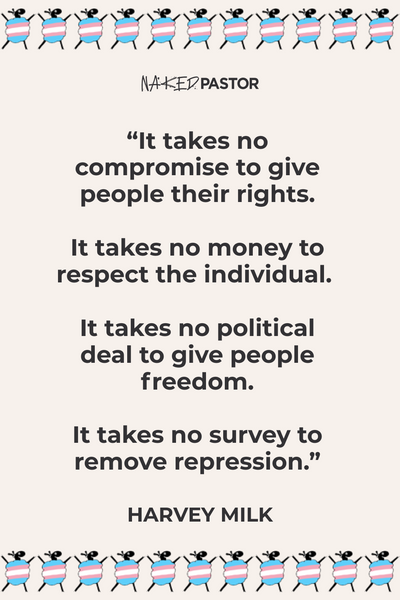
2. “It takes no compromise to give people their rights … it takes no money to respect the individual. It takes no political deal to give people freedom. It takes no survey to remove repression.” – Harvey Milk

3. “So let me be clear: I’m proud to be gay, and I consider being gay among the greatest gifts God has given me.” – Tim Cook

(Snip: Do Go See It All-It’s So Good! -A.)

Cool Video On AP Today

Thanks to Jill at Filosofa’s Word for this fabulous rainbow graphic!!

Video

Before the word ‘transgender’ existed, icon Bambi already danced for the stars

The moment which changed queer history occurred on a sweltering summer day in early 1950s Algeria. An effeminate teenage boy named Jean-Pierre Pruvot stood mesmerized as traffic halted and crowds swarmed around a scandalous spectacle unfolding in the conservative Algiers streets. (AP Video: Oleg Cetinic)Published 11:32 PM CDT, May 22, 2025.)

https://apnews.com/video/before-the-word-transgender-existed-icon-bambi-already-danced-for-the-stars-228824a6487e4dc9bc5fb1d9f825e452

U.S. v. Skrmetti, And More-

(And let me interject that I know that sometimes I’m a language/punctuation police officer, but I despise the term “reverse discrimination.” Either discrimination has happened, or it hasn’t, to be proven to whoever decides. There is no “reverse discrimination”. grr. Also, this is not a spoiler nor my opinion on the case, it’s simply that I guess it’s good for some people that I do not sit upon the SCOTUS, because I’d want to dismiss and tell them to use appropriate words so that the court could accurately decide based upon the evidence of discrimination, without being distracted by superfluous words. Please be at liberty to laugh at me about this. Then read all the following. -A)

The Week Ahead by Joyce Vance

June 1, 2025 Read on Substack

It’s June 1, and that means we’re starting the last month, more or less, of this Supreme Court term. The cases the Court has had briefing on and heard oral argument in will all be decided by the end of this month, although some years it spills over into the first week of July.

We never know which cases are coming next. The Court doesn’t decide them in the order they hear them argued. But usually the biggest, most impactful cases aren’t decided until the end.

This week for “The Week Ahead,” I’ve got a scorecard with some of the most important still-undecided cases for this term on it. The goal is to give you some background to refer to, so when you hear the Court has announced a decision in a certain case you’ll be prepared to understand its significance.

Here they are, in order of when they were argued, although that’s likely to have little to nothing to do with when we will see opinions.

U.S. v. Skrmetti

The issue in this case is whether states can ban gender-affirming care for trans youth in the context of a 2023 Tennessee law that bans gender-affirming care, like puberty blockers and hormone therapy, for transgender patients who are minors. The Biden administration intervened in the case and was a party along with three transgender teens and their parents. That changed with the change in administrations. The Trump Justice Department, as you would expect, is on the other side of the case.

A key issue in the case is whether denying treatment to trans youth that is available to their gender conforming peers violates the Constitution by denying them equal protection under the law. A federal district court judge held that it did. But the Court of Appeals reversed. About 25 other Republican dominated states have similar laws. The result in this case will apply beyond Tennessee.

At oral argument, the conservative Justices seemed disinclined to accept the argument that this law is a form of sex discrimination, even though cisgender kids will be able to access treatment that transgender people won’t be able to receive if these laws stand. But the votes seemed to be in place to permit Tennessee and other states to keep their restrictive laws in place.

Free Speech Coalition v. Paxton

The case involves a 2023 Texas law that is supposed to keep minors from accessing pornography online. It requires websites to verify a person’s age before they are admitted to the site. But an industry group that calls itself the Free Speech Coalition sued, claiming the law violates the rights of adults who want to access the content, an impermissible burden on free speech. The ACLU is on their side in the case.

There was at least some indication at oral argument that the Justices are aware we no longer live in a world of dial up internet connections and want to revisit the standards that are used to “protect kids.” The technical legal issue is whether the court of appeals used the wrong legal standard to decide the case. Instead of using the highest standard of review and requiring the Texas law to pass “strict scrutiny” before it could burden the adults’ right to have access to protected speech, they only required that there be a “rational basis” connecting the law to its intent to protect minors.

Ames v. Ohio Department of Youth Services

The Court’s decision in this case could potentially signal a sea change in reverse discrimination employment litigation. The case involves a straight woman who claims she faced “reverse discrimination” on the job because she wasn’t gay, leading her to be passed over for promotion opportunities. The issue is whether a plaintiff who is a member of a majority group has to show that her employer is the “unusual” one who discriminated against the majority, before bringing a case under Title VII of the Civil Rights Act of 1964. If she wins, this sort of reverse discrimination case could become easier to bring.

The plaintiff lost out on a promotion to a lesbian woman. She was subsequently demoted and the position she was removed from was given to a gay man. All of this started 13 years into her employment, after a new boss, who was a gay woman, became her supervisor.

There was speculation following oral argument that the plaintiff might win unanimously. Justice Sotomayor seemed to say she thought the plaintiff might have a valid claim, noting that based on the record before the Court, there was “something suspicious” about what happened. The consensus among the Justices seemed to be that everyone had to be treated equally.

Smith & Wesson Brands v. Estados Unidos Mexicanos

There are two technical legal issues in this case, but together, they add up to an answer to the question of whether Mexico can sue U.S. gunmakers for what it has long maintained is their responsibility for the epidemic of gun violence within its borders. Mexico argues that a number of U.S. gunmakers made it possible for traffickers to illegally purchase firearms in the U.S., only for them to be provided to Mexican drug cartels.

The Court will decide: (1) Whether the production and sale of firearms in the United States is the proximate cause of alleged injuries to the Mexican government stemming from violence committed by drug cartels in Mexico; and (2) whether the production and sale of firearms in the United States amounts to “aiding and abetting” illegal firearms trafficking because firearms companies allegedly know that some of their products are unlawfully trafficked.

If the Court decides in Mexico’s favor, its lawsuit against U.S. gun manufacturers will move forward.

Louisiana v. Callais

This is the Louisiana redistricting case. The issues revolve around whether a Louisiana congressional district created to comply with the Voting Rights Act resulted in an unconstitutional gerrymander that discriminates based on race. The Callais plaintiffs are a group of “non-African Americans” who say the redistricted map violates the Constitution because it takes race into account in violation of the 14th Amendment.

Although the Court may be inclined to do away with the Voting Rights Act at some point, this case is reminiscent of a 2023 gerrymandering case out of Alabama, where a 5-4 majority that included Chief Justice Roberts and Justice Kavanaugh upheld the Voting Rights Act and forced Alabama to comply with it, rejecting maps drawn by the state legislature that made it all but impossible for Black citizens to elect candidates of their choice to Congress.

This case might have a similar outcome. It has similarly complicated facts and an up-and-down history on appeal. It comes down to whether Louisiana, whose population is about 1/3 Black, will have a second Black opportunity district. The technical issues involve whether a three-judge district court in this case was mistaken when it ruled that race predominated in the Louisiana legislature’s decision on maps, whether it erred in finding those decisions couldn’t pass the strict scrutiny test and a set of preconditions known as the Gingles factors, and whether the case is the sort of “non-justiciable” matter that should be resolved through the political process, not decided in the courts.

Mahmoud v. Taylor

The issue here is whether religious parents’ rights are violated when a school board doesn’t give them the ability to opt out from having LGBTQ-themed books available to their children in elementary school. The issue is presented as: Whether public schools burden parents’ religious exercise when they compel elementary school children to participate in instruction on gender and sexuality against their parents’ religious convictions and without notice or opportunity to opt out.

At oral argument, the Court’s conservative majority seemed sympathetic toward the parents.

Trump v. CASA, Inc. (consolidated with Trump v. Washington and Trump v. New Jersey)

This is the birthright citizenship case that was argued only earlier this month. We discussed it here. The issue isn’t whether Trump can end birthright citizenship. Rather, it’s whether the Supreme Court should stay the district courts’ preliminary injunctions except as to the individual plaintiffs and identified members of the organizational plaintiffs or states while the litigation works its way through the courts.


It’s hard to believe that it was just over a year ago that I sat outside, across the street from the U.S. Supreme Court building in the Senate Swamp, listening to the oral argument and preparing to comment on it in real time. (snip)

At the time, I wrote, “The case is all about Donald Trump and whether he can be prosecuted for the most serious of his crimes against the American people, trying to hold onto power after losing the 2020 election. It’s also about the legacy of the Roberts Court and whether history will view the already unpopular Justices as the Court that gave away democracy.”

Overall, there are more than 30 cases remaining on the Court’s dockets. There are also a number of procedural and other issues pending in cases that haven’t been fully briefed for a decision on the merits this term. This is the so-called shadow docket, where litigants ask the courts to make decisions in cases characterized as emergencies. Cases involving deportations and DOGE are among them. And also, the wild card, a number of cases still percolating through the lower courts where the issues aren’t yet ripe enough to be before the Supreme Court, but could become so in the next few months, at least enough to merit a trip to the shadow docket and interfere with the Supreme Courts’ summer break. The biggest question that remains for me is whether this Court will continue down the path it set itself upon last term, or will tell Trump no in a meaningful way?

Welcome to the new week. Thanks for being with me at Civil Discourse as we approach our third anniversary.

We’re in this together,

Joyce

It’s Not Only June, It’s Pride Month

Pride Power! by Adam Parkhomenko

A Pride Month declaration from the cussing newsletter guys Read on Substack

It’s a safe bet this White House won’t be flying the rainbow flag this June.

But you can bet your hot asses we will.

June is Pride Month, a celebration of our LGBTQIA+ friends and a good damn reminder that for a free country to truly be free, people must be allowed to be themselves. It’s also a helluva party.

But this year’s Pride comes as the federal government has declared war on trans folks, banned books dealing with LGBTQIA+ issues and authors and made bigotry great again. Like with all things Trump, there ain’t much to celebrate. And that’s why we’re gonna be louder and prouder than we’ve ever been before.

If the president of the United States won’t stand up for our gay, lesbian and trans friends, then we sure as shit will. We’re proud of you, we’re happy to stand next to you and we love you. And like a lot of people who want to be allies, we can be clumsy as hell about it, so please don’t hesitate to tell us how we can do better.

So many Americans have seen their rights and protections either diminished or destroyed under Trump. It’s why so many people in this country are so scared right now. And sad. And angry.

Trump and the GOP have made trans people their personal punching bags. This week, Trump even threatened California over a 16-year-old trans athlete. That’s the president of the United States bullying a child simply because they are different from other kids. If you want to debate trans folks in sports, fine, but surely we can agree that the president shouldn’t be attacking teenagers who are just trying to be teenagers.

Whether it’s erasing the trans heroes from the memorial plaque at Stonewall or denying them the chance to serve in the military, Trump has made clear he will use our government to bully, harass and demean trans people. It’s cruel. It’s wrong. It’s un-American.

And we know it won’t stop there. Because it never does.

We’re already seeing Trump administration efforts to eliminate suicide hotlines and other resources for LGBTQIA+ youth. They’re salivating at the idea of bringing back cruel conversion therapy. And we’ve all heard the rumblings from people like Clarence Thomas about going after gay marriage.

Even as we write this, a gay barber sits in an El Salvadoran prison, sent there by Trump and abandoned by a country that hypocritically proclaims to the world that all men are created equal.

We should be welcoming Andry Hernandez Romero to our country, a land of freedom and opportunity where he can be himself without threats of anti-gay violence. Alas, we are not that America right now. The truth is we rarely have been.

So this will be a different kind of Pride Month. We might party a little less and march a little more. We will spend this June being tragically reminded that the voices of hate and bigotry are still very much alive and they have a pretty big microphone these days.

And that’s why we will spend this month shouting how much we love and support the LGBTQIA+ community. Because fuck the haters, and fuck their hate.

Let’s show the world how we do Pride Month in this country. And let’s remind the bigots what real freedom looks like.

To our LGBTQIA+ friends, we love you, we’re proud of you and we promise you are not alone. Happy Pride, everybody!

The latest from Adam

(And if you click through to the Substack, you can see the new “apology” video from Sen. Ernst, just after Pete’s Heat. Alt Media is an extremely worthy click. Sen. Ernst’s apology is not. -A.)

Dillon’s Has Pride

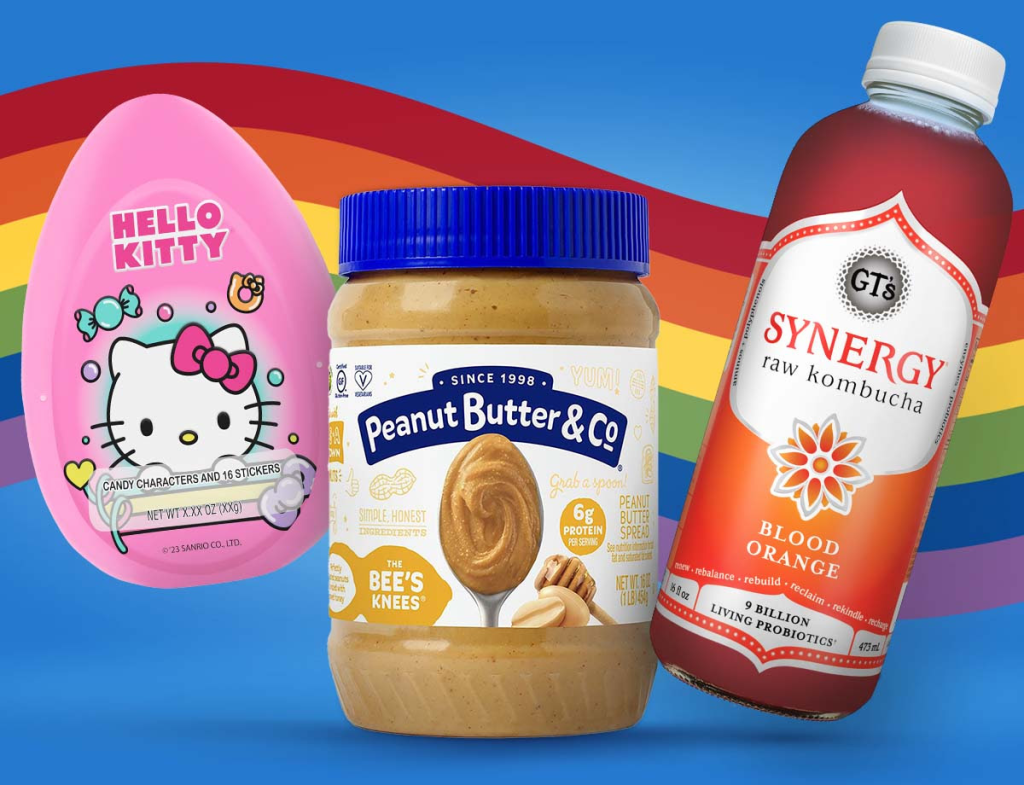
Dillon’s is a store that originated here in KS, but since has become part of the Kroger Company. I’m posting this because, in of all places Kansas, Dillon’s is openly advertising its Pride Month observances (and, of course, hopes of sales, but ya know!) So, anyone else’s Kroger Co. store observing Pride Month openly? Or other businesses? I figure if we mention them and disseminate the info, it can only encourage such things. I couldn’t get the animated ad in full, so here are the images, with the script in between, above the image to which it applies. Additionally, I got this ad in email, so I’m keeping an eye open for TV ads. I think I heard a radio ad earlier today, but that doesn’t mean they advertised on every radio station. I’ll also make it a point to see how much Pride is inside the store, though I mostly use PickUp. This seems a good thing, to me!

Discover awesome LGBTQ+ brands and Pride-perfect recipes. Thank you to our LGBTQ+ associates, customers and vendors for making our company brighter and better.

Support LGBTQ+ Owned & Founded Businesses