
Tag: Mental Health Moments
Some Short Comedy Videos
Josh Day, Next Day!
Woot! He has mentioned in other posts that this one is longer than usual, so relax and enjoy. Also, remember Josh is on The Late Show, with Stephen Colbert, tonight!
This Seems Like A Wonderful Idea!
Not before free public restrooms, but still. Maybe service organizations or churches can help out with space, etc. Anyway, enjoy simply reading about a nice thing.
This ‘wind phone’ in Phoenix offers a space to talk through grief after someone dies
KJZZ | By Sam Dingman
Published April 9, 2026 at 12:43 PM MST
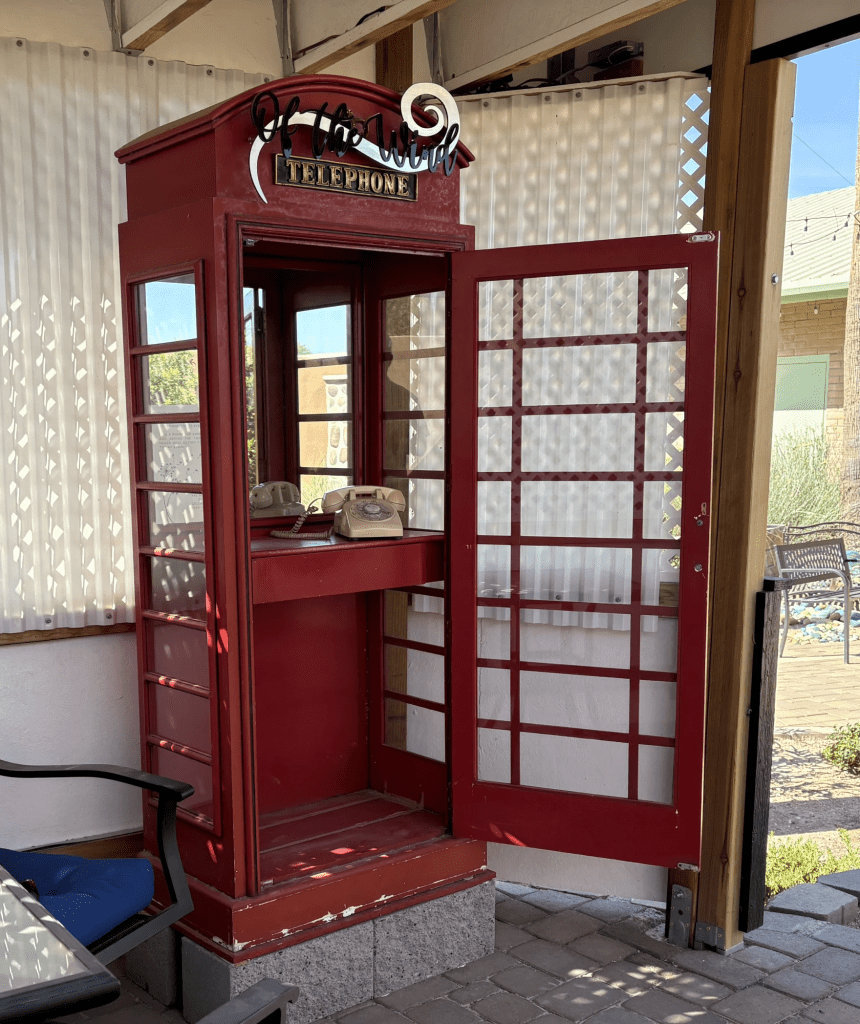
The “wind phone” set up at New Vision Center for Spiritual Living in Phoenix.
Back in 2020, a woman named Amy Dawson lost her 25-year-old daughter, Emily.
In the midst of her grief, she discovered a monument in Japan, built by a man named Itaru Sasaki: a small white phone booth on a hill overlooking the Pacific Ocean, in the town of Otsuchi. Sasaki, who’d suffered a loss of his own several years earlier. He called it a “wind phone,” and the idea was simple: step into the booth, pick up the receiver and speak to those you can no longer reach on a regular phone.
Dawson fell in love with the idea as a way of communicating with Emily, and set up a wind phone of her own. And Dawson set up a website encouraging others to set up or find their own wind phones.
Here in Phoenix, the idea connected with a member of the congregation at the New Vision Center for Spiritual Living, who told Rev. Karin Einhaus about it.
Einhaus was moved by the story, and resolved to set up a wind phone that’s open to the public on the center’s campus.
And not long after, she got a call from another member of the congregation. (snip-go read it! It’s not at all long.)
From Jenny Lawson, Between Tour Appearances
Mentally though, I’m here
Hello friend!
I am leaving for the second part of my book tour in 10 hours and I have not done laundry, packed, or (if I’m being honest) unpacked from the first leg of book tour. In spite of the fact that the first stops were so lovely and fun and filled with fellow weirdos who completely understood my anxiety, I am once again convinced that everyone will hate me and no one will show up and probably I will be eaten by sea lions. So right now I am writing this to you and reminding myself that everything will be okay.
I did lots of little drawings this week but Hunter S. Thomcat is laying on my sketch pad and I don’t want to move him so instead I’m sharing a drawing from the book because I drew it when I was having a high anxiety week and it feels fitting to come back to it now. Just a reminder that even when things feels scary, you can always make a little oasis in your mind. My spell check tried to change that to “you can always make a little oatmeal in your mind” and I’m feeling very relieved that I caught that because that’s even weirder than my normal letters to you.
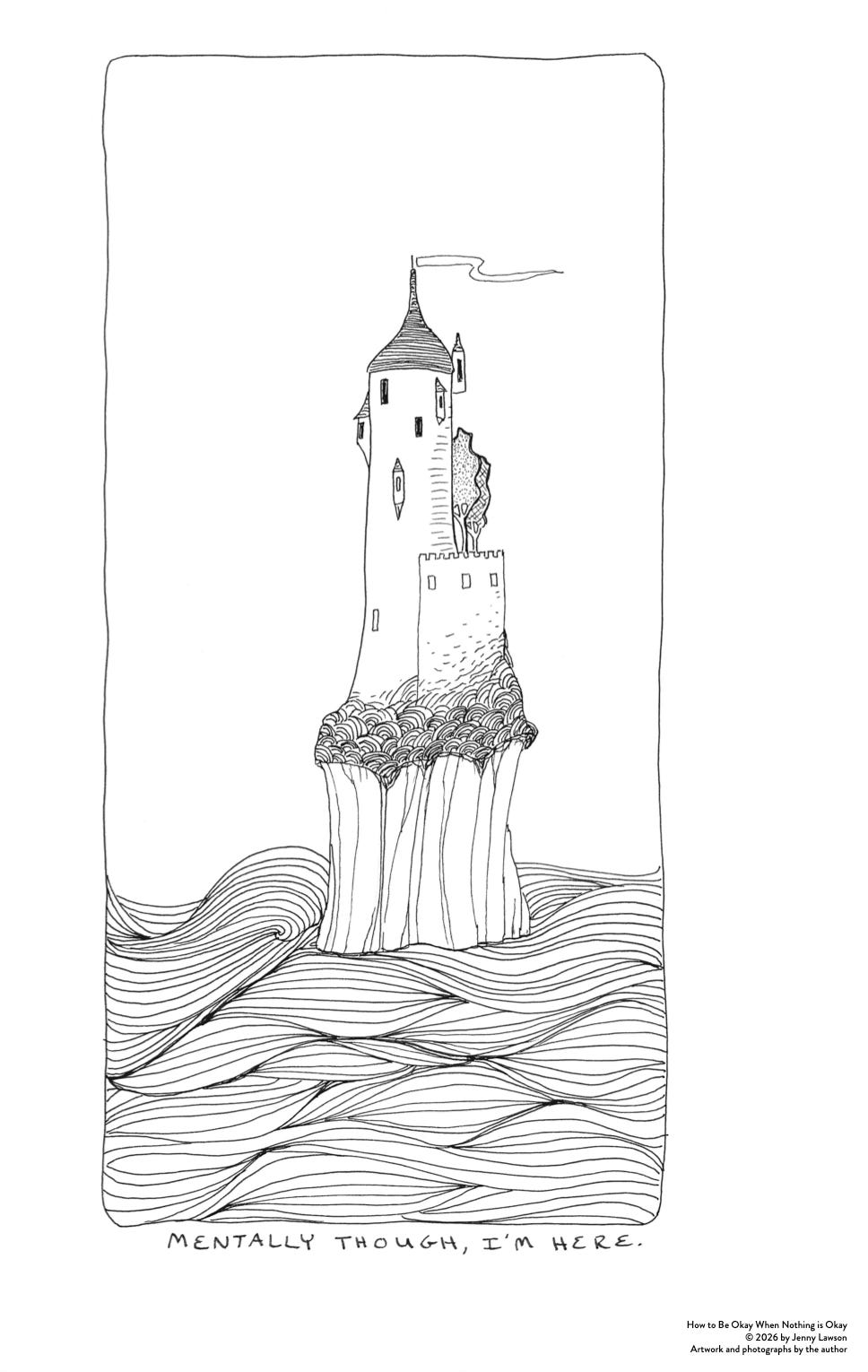
WAIT, DID I TELL YOU HOW TO BE OKAY WHEN NOTHING IS OKAY IS #4 ON THE NYT BESTSELLER LIST?
Sorry. Didn’t mean to yell. It’s just late and my meds have worn off.
If you’re in California, Oregon or Austin, come join me?
Barnes & Noble in California
Powell’s in Oregon
Book People in Austin
I super crazy love you,
~ me
T.V. Alert, for 4/15/26
http://youtube.com/post/UgkxFtqwnJ7oybBIcESWSnDJj-7BhaQo3MPQ?si=ogfVDizNfVFaryPQ

Josh Johnson2 days agoHi Friends, I wanted to share this with you a little early. I’ll be a guest on @ColbertLateShow this Wednesday. First time being interviewed on the show. To be a guest weeks before the show comes to an end feels really special. Thank you for being part of the reason this is happening.
http://youtube.com/post/UgkxQW77z7C7wCtDT1GutIPfuwBwrUw2Gfmk?si=GbbO_83Dlkwx_wBg

Josh Johnson19 hours ago (edited) See you Wednesday the 15th Friends
Some Fun On Saturday
Male octopus has ‘sex arm’ that can mate in the dark
Scientists found that the male’s hectocotylus, the specialized arm for mating, is lined with receptors that can sense hormones from the female.
The California two-spot octopus is a solitary creature. How exactly they manage to find suitable mates has been one of the ocean’s best-kept secrets.
Now scientists have discovered that male octopuses have a unique way of sensing a female’s presence: they use special sensors in the arm they use for sex. Receptors in the suckers on this arm taste female sex hormones, and directly guide the arm to where it needs to go to deliver sperm, researchers report in the journal Science. (snip-MORE; click the title above)
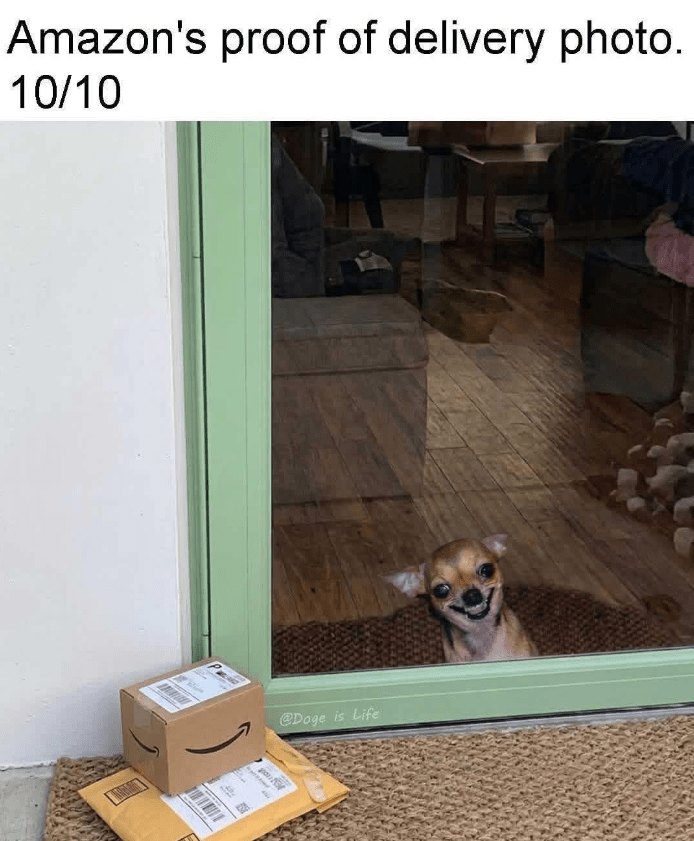
The Goofiest Dogs Bringing Whimsical Canine Vibes
Dogs are the epitome of whimsical, and we’re going to tell you why!
(snip)

(snip)
(snip-there’s MORE)
Josh Day, Next Day
Cool Off Topic Thing, If You’re A Puzzler (or even if not!)
Now and then, I post here from NASA’s Astronomy Picture of the Day. I read there every day; it’s a good way to begin the day online, for me. Anyway, today, there is a link, Jigsaw Galaxy: Astronomy Puzzle of the Day So, being curious, I clicked it, and it’s pretty neat. If you like to do jigsaws, take a look!
A Few Current Event-Related & Other Funny Short Vids
Gah-this one won’t embed, and it’s hilarious!! It’s about POTUS’s failed businesses. Do click; it’s great!
https://youtube.com/shorts/Kcol2OLmmko?si=jbo2a_Rarb8s-rsO
 Scottie's Playtime