
Month: March 2025
Stars & Movies!
Watchlist: Elliot Page, Peppermint and other trans icons share the movies that shaped them
Mar 27, 2025 Kate Sosin
This story was originally reported by Kate Sosin of The 19th. Meet Kate and read more of their reporting on gender, politics and policy.
Transgender Day of Visibility, held every March 31, was founded 16 years ago to give trans people a day to celebrate trans life and community. At a time when transgender people are facing unprecedented vitriol and attacks, it’s more important than ever to seek out accurate and affirming portrayals of trans life.
The 19th asked 10 trans icons, from Elliot Page to Peppermint, to reflect on the movies that move them and that and affirm the dignity of trans people.
Responses have been edited for length and clarity.
Elliot Page
Actor (he/him)
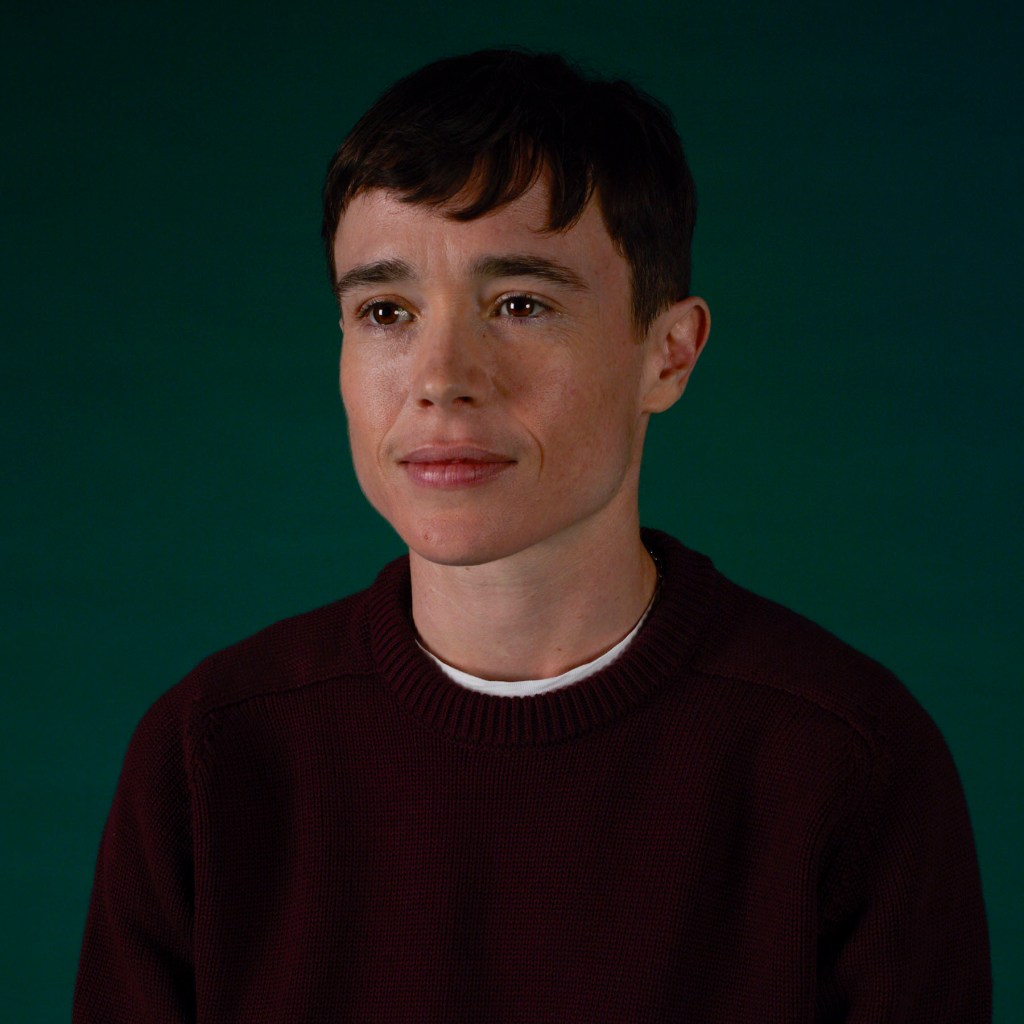
Recommended film: “Framing Agnes”
“‘Framing Agnes’ highlights two fundamental truths about the transgender community: One, that we have always existed, and two, we have always found clever ways to get what we need to live more authentically and ultimately survive. It’s crucial now more than ever, for trans and cis people alike, to learn about the history of the trans community, to defend trans rights and advocate for our humanity to be acknowledged and respected — because as seen in the film, our world has always had trans people in it, and it always will.”
Peppermint
Actress and singer (she/her)
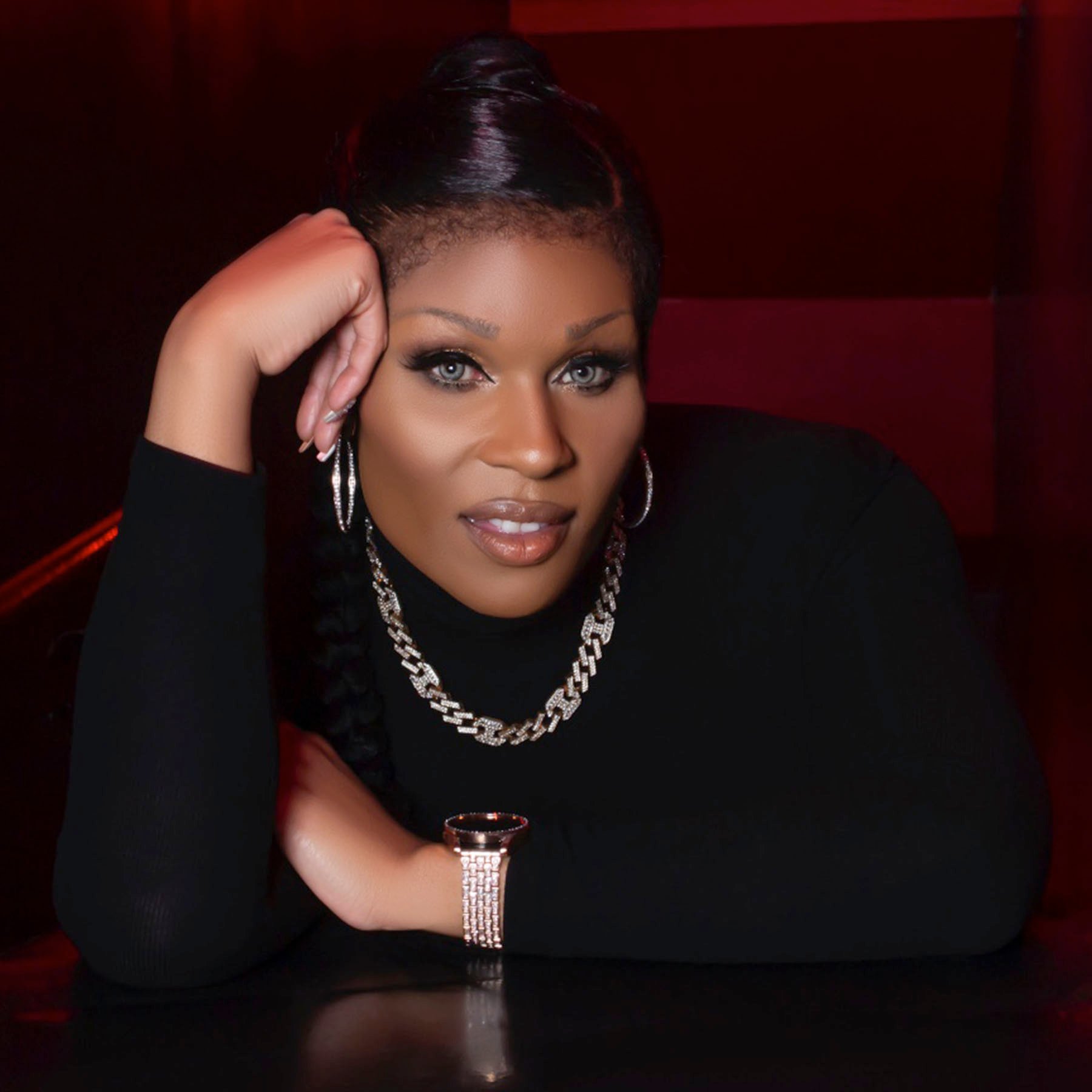
Recommended film: “Monica”
“I’d recommend people watch ‘Monica’ because it shows a trans woman in a normal context where she was able to connect with her family and display a more motherly and nurturing nature towards the end of the film, which is something we don’t often get to see trans women, portrayed in ways that are actually true to how many of us are.”
Brian Michael Smith
Actor (he/him)
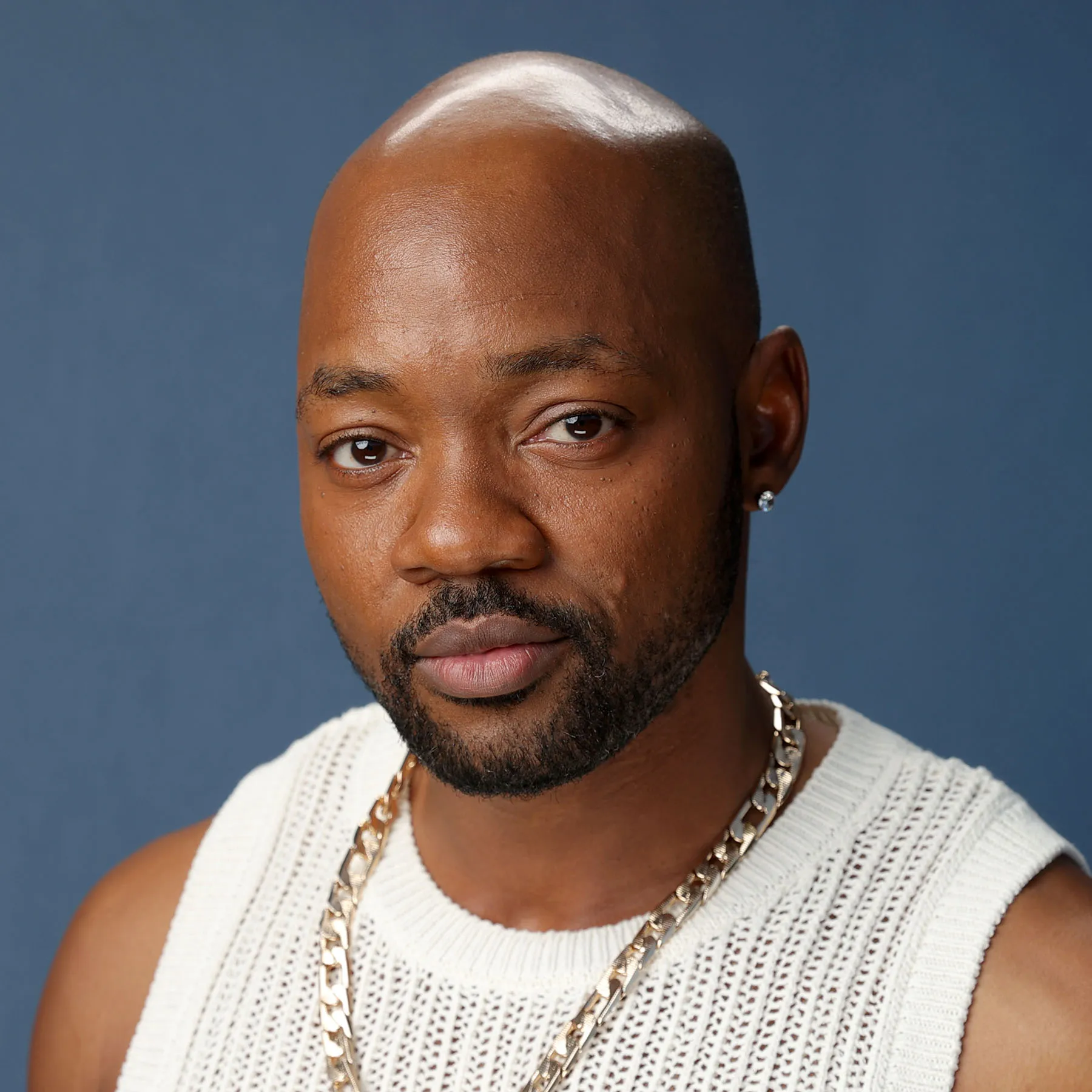
Recommended film: “Disclosure: Trans Lives on Screen”
“My pick is definitely ‘Disclosure: Trans Lives on Screen.’ It powerfully unpacks how decades of misrepresentation in media have fueled harmful narratives, directly contributing to the unprecedented wave of anti-trans legislation we’re seeing nationwide — laws targeting our health care, sports participation and basic rights. It’s groundbreaking because it centers trans voices authentically sharing our own experiences, created entirely by trans filmmakers — unlike many films, articles and legal discussions that talk about us without ever including us. It’s essential viewing right now to counter misinformation, uplift our community and reclaim our stories during this critical fight for our humanity.”
Geena Rocero
Author, writer and director (she/her)
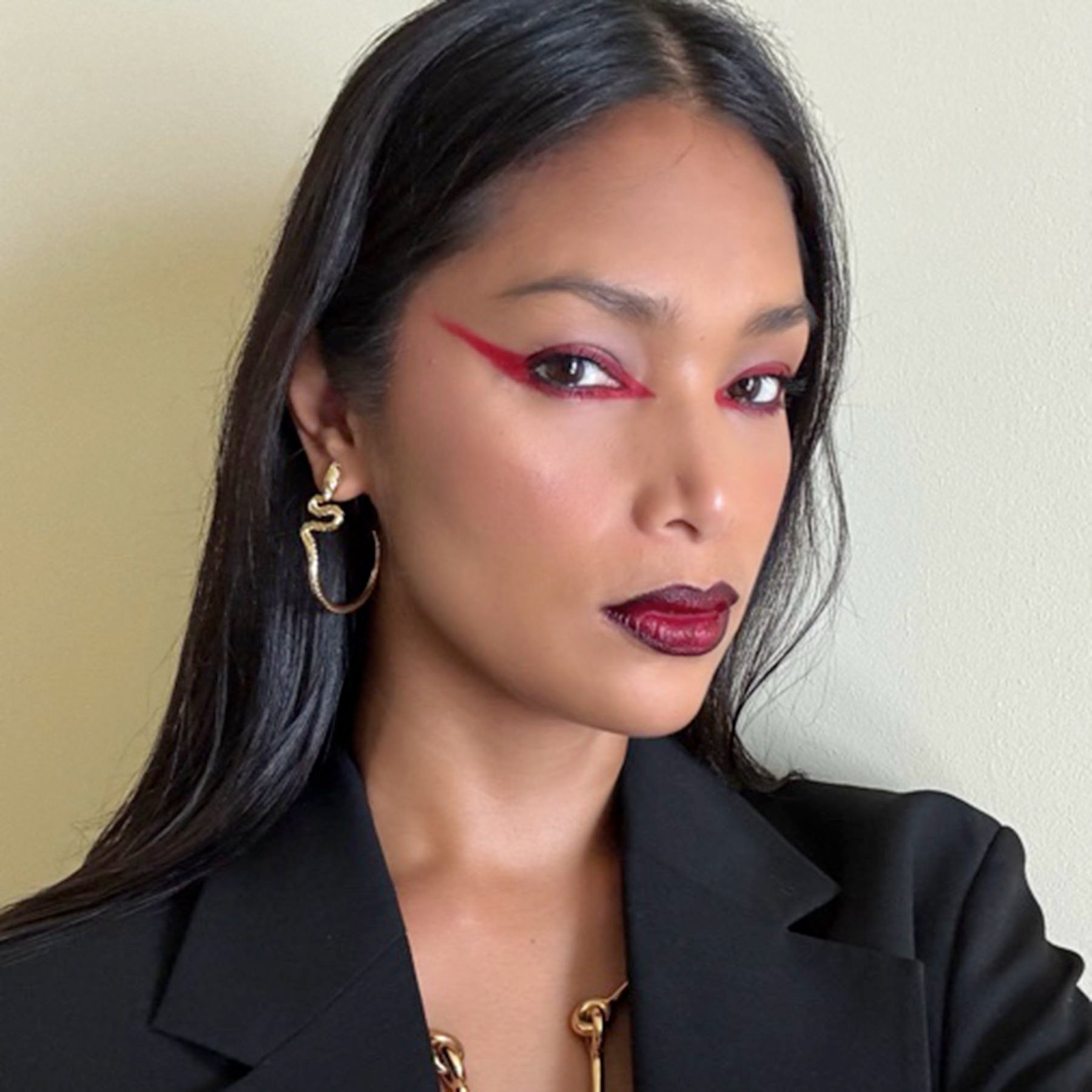
Recommended films: “Joyland,” “Lingua Franca,” “Asog” and “Tangerine”
“These are films that center trans characters in their complex humanity. As a writer and director, these kinds of character studies fascinate me. In our current political culture that dehumanizes trans folks, these films present trans lives full of agency.”
Tuck Dowrey
Director of development for PAGEBOY Productions (he/him)
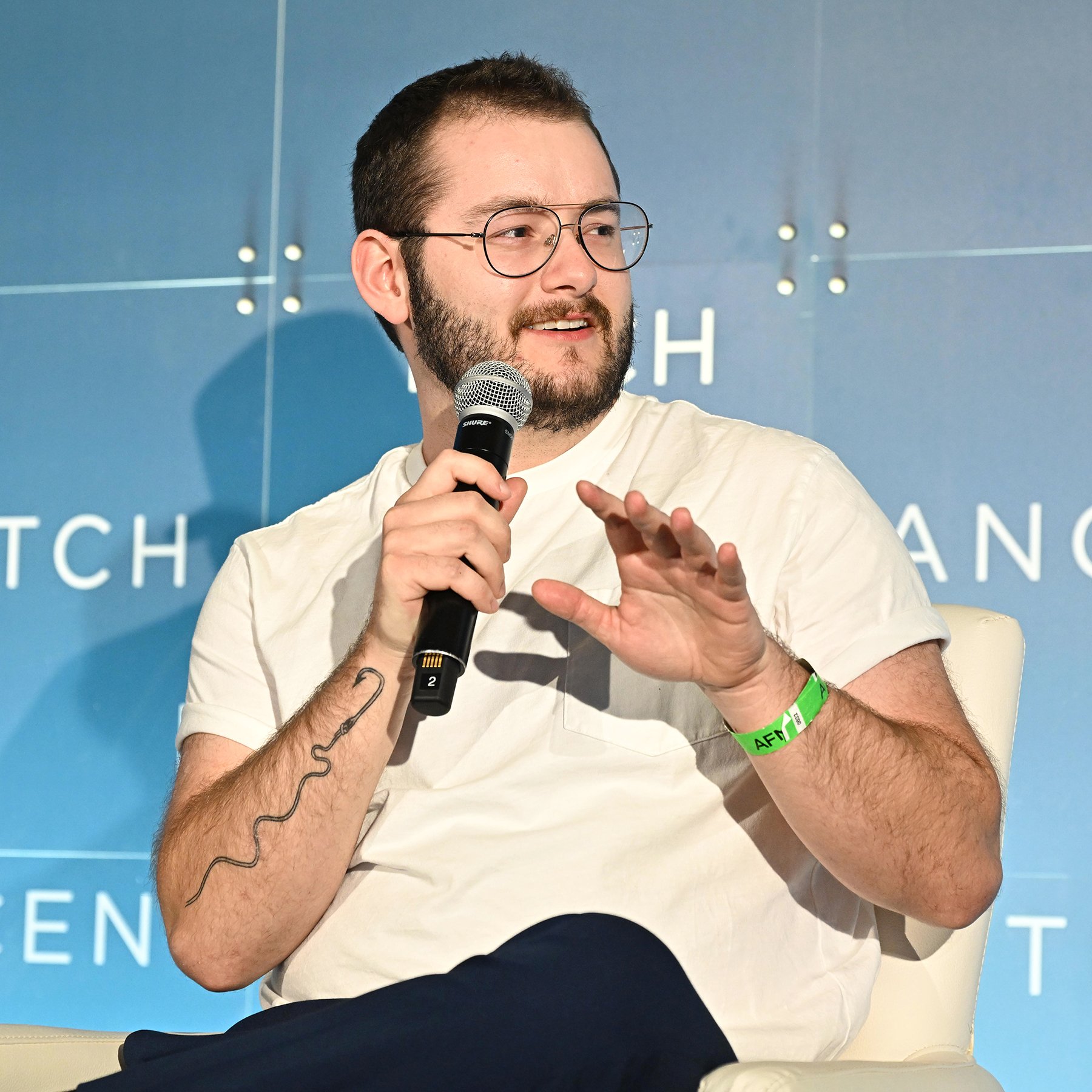
Recommended film: “Changing the Game”
“This documentary is incredibly timely given the current attacks on trans youth and their right to just be kids, which includes their right to participate in sports. ‘Changing the Game’ highlights the benefits of sport for young people, particularly the social and developmental benefits, and sheds a light on the shameful and needless bullying of transgender children by adults and lawmakers. Arguments to exclude trans kids also inevitably adversely impact all girls and women, because if we begin to allow certain bodies to be questioned and investigated, it sets a dangerous precedent for anyone who exists outside of rigid gender stereotypes — in athletics and beyond. As a trans man and athlete, I passionately believe all kids should have access to the life-saving outlet of sports. ‘Changing the Game’ cuts through the misinformation and shows that trans kids in sport are no different than anyone else, and they deserve to play. It’s a must-watch for everyone.”
Tre’vell Anderson
Co-executive director of the Trans Journalists Association (they/them)
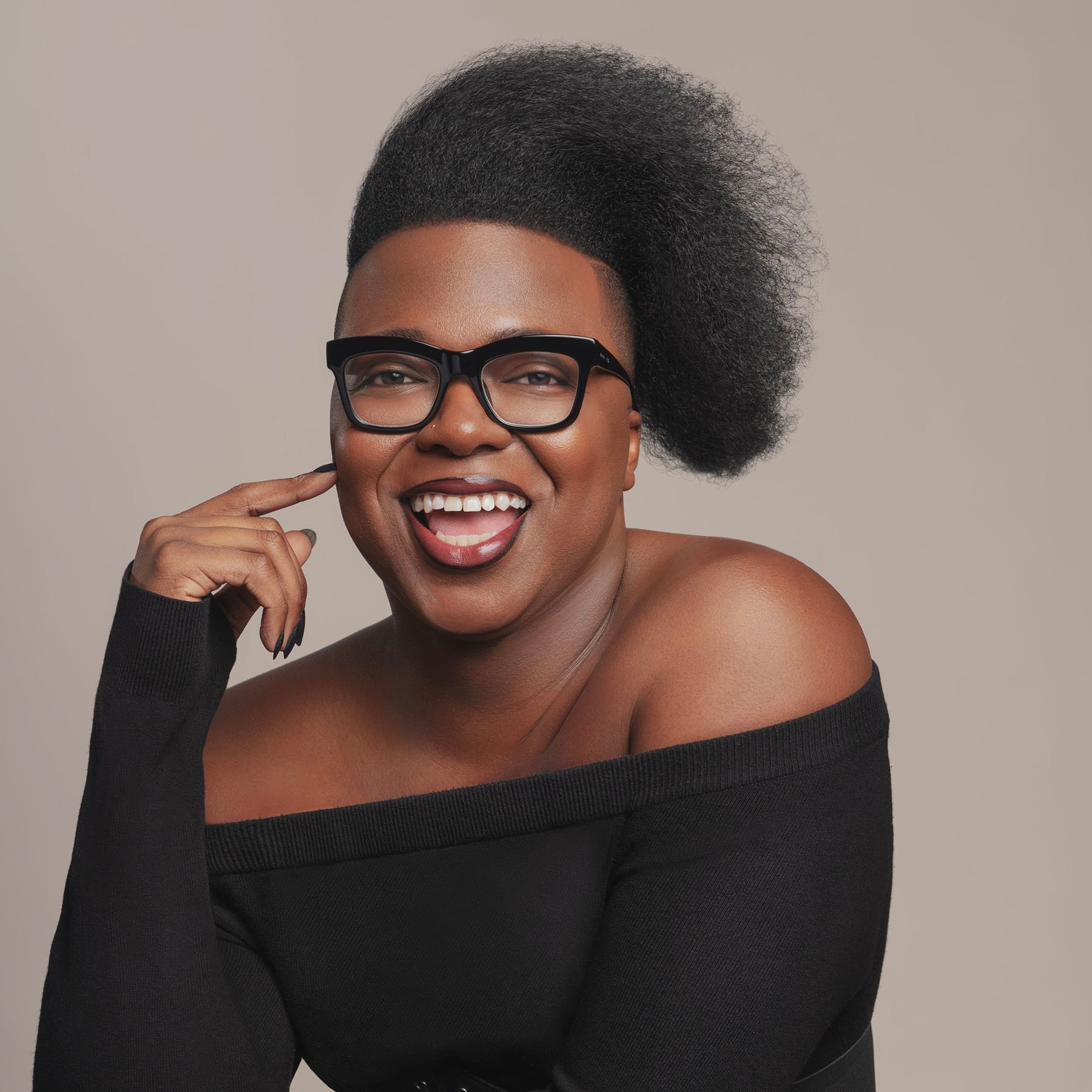
Recommended film: “Kokomo City”
“At a time when certain political forces are aiming to pit historically excluded communities against each other, a film like ‘Kokomo City’ — bold and uncompromising in its focus on the relationships between Black trans women and the broader Black community — stands firmly at the intersection. Director D. Smith’s propulsive interrogation is at once entertaining and informative, raw and inspiring, and I’m sure you’ve likely never seen a film like this, especially not from this vantage. You’ll be craving more authentic Black trans narratives after watching.”
Sav Rodgers
Filmmaker and founder of the Transgender Film Center (he/him)
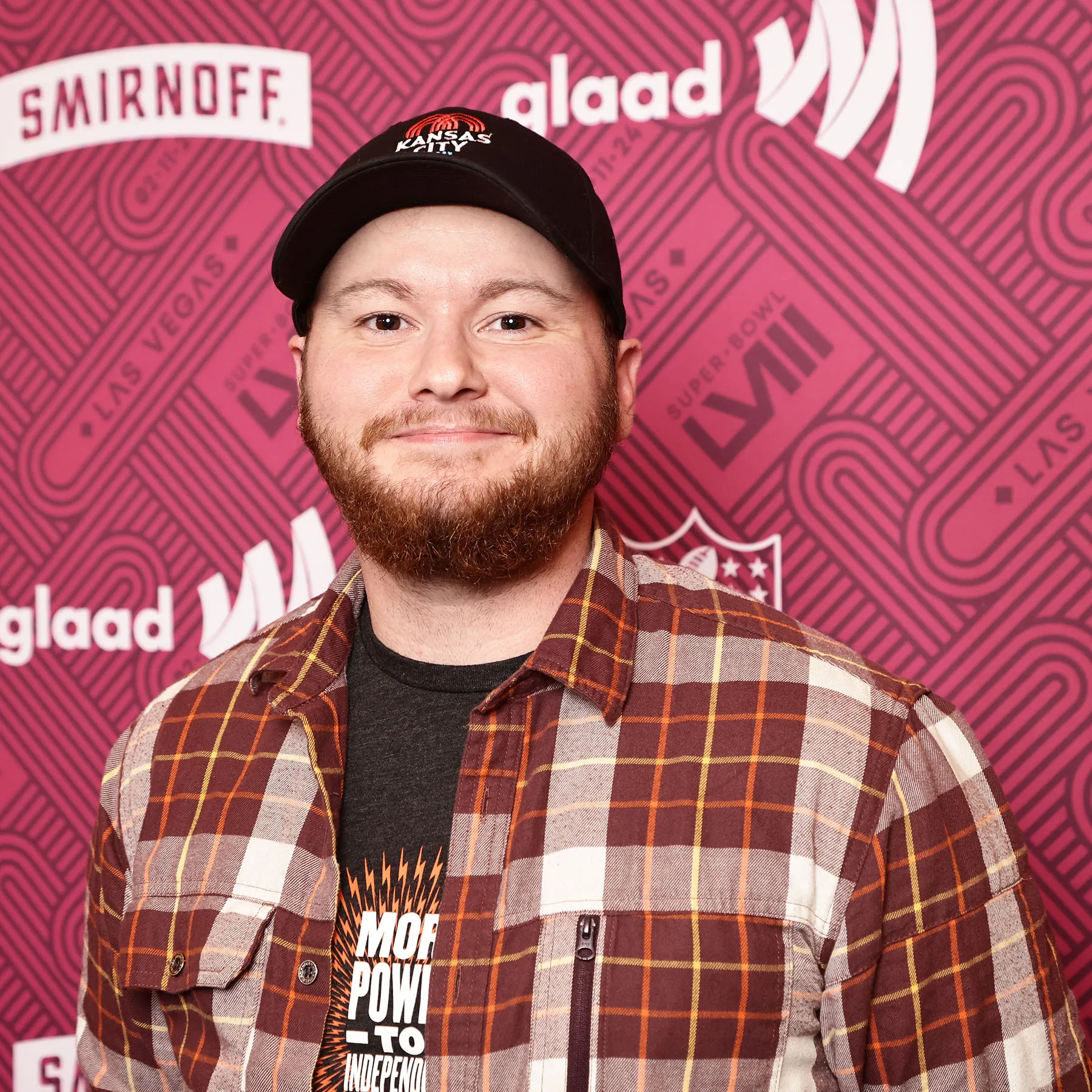
Recommended film: “Heightened Scrutiny”
“While ‘Heightened Scrutiny’doesn’t have traditional distribution yet, it’s a documentary well worth your time to seek out as it travels through the film festival circuit. Sam Feder’s follow-up to ‘Disclosure’follows [American Civil Liberties Union] attorney Chase Strangio as he prepares to argue a landmark trans rights case, United States v. Skrmetti, before the Supreme Court. The case, which is still pending, will determine whether bans on trans healthcare for minors violate the Equal Protection Clause of the 14th Amendment.
“The most powerful aspect of this timely documentary draws a direct link between irresponsible, prejudiced reporting at major media institutions like the New York Times and how quickly these half-baked op-eds become cited as ‘evidence’ in anti-trans legislation around the country. Despite how bleak the world is, this film presents a case for hope: hope that we will endure, that people are fighting for us and that we can continue to fight for each other.”
Hope Giselle
DEI consultant and activist (she/her/Beyoncé)
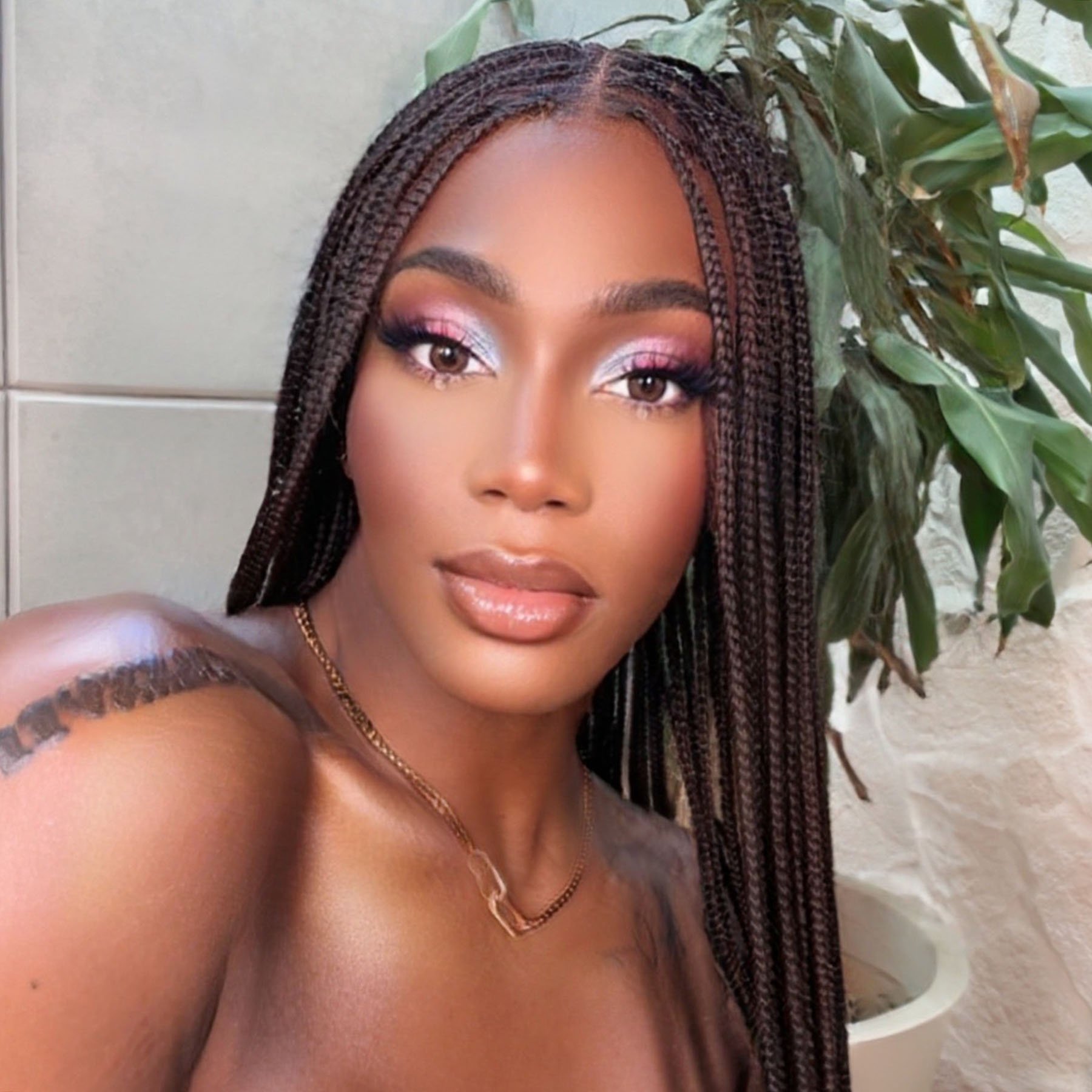
Recommended film: “The Mudge Boy”
“This is a queer love story that I know isn’t beautiful, but is honest and a depiction of the way that a lot of AMAB folks experience what we think is love for the first time. A film that’s hard to watch at times, but so beautiful to see happens so that you don’t feel alone.”
Tuck Woodstock
Host of the Gender Reveal Podcast and editor of “2 Trans 2 Furious” (he/him)
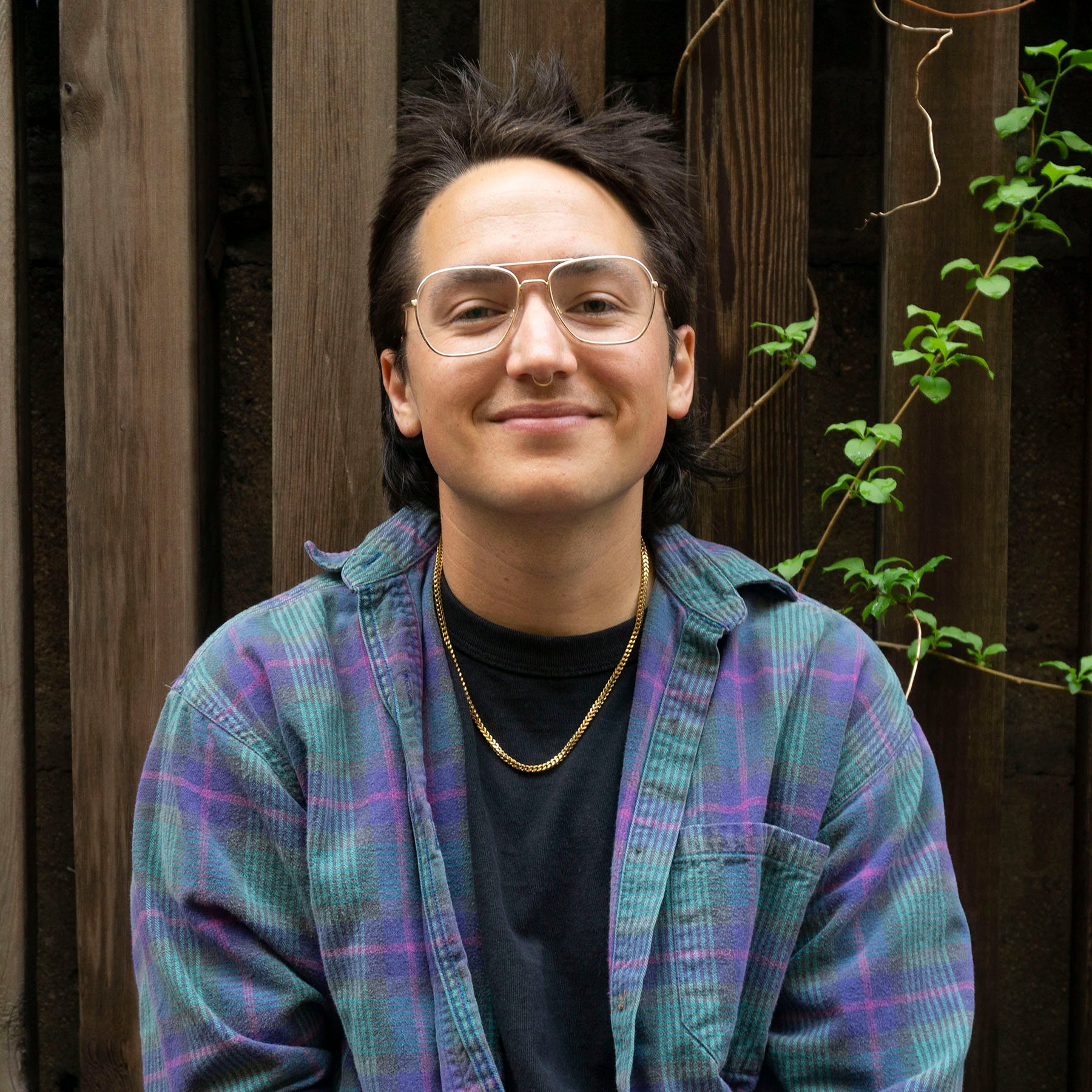
Recommended films: “The Aggressives” and “Beyond the Aggressives: 25 Years Later” double feature
“In a society where transness is continually misrepresented as some kind of hot new trend for predominantly White youth, it’s an incredible gift to watch this quartet of (broadly) transmasculine queers of color grow and evolve over a quarter century. While the documentaries don’t shy away from the obstacles faced by their subjects — including everything from relationship conflict and (lack of) health care access to incarceration and [Immigration and Customs Enforcement] detention — they nevertheless capture the freedom and relief of living in the world as exactly yourself.”
Kae Petrin
Co-executive director of the Trans Journalists Association and Data & graphics reporter for Civic News Company (they/ze/hir)
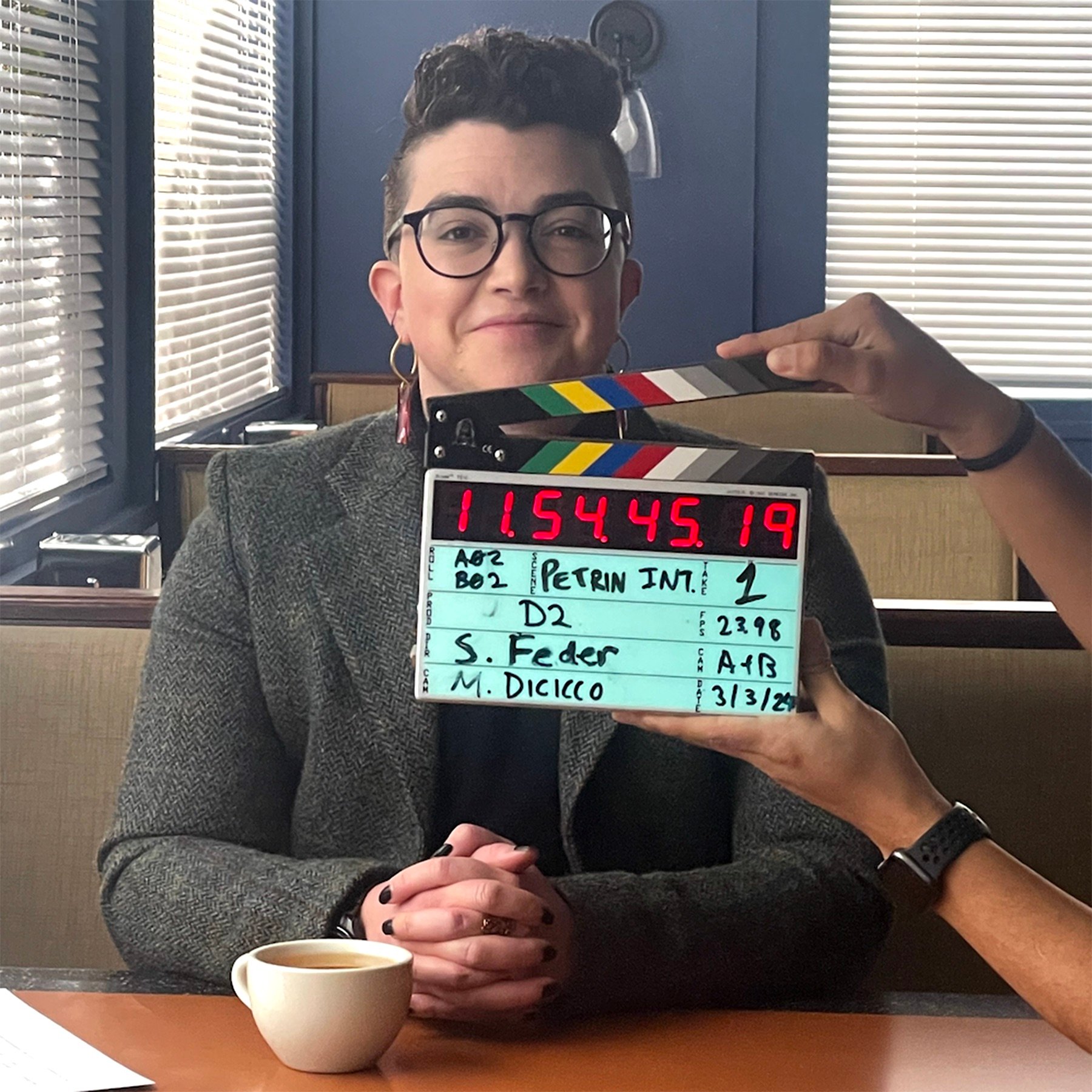
Recommended film: “Neptune Frost”
“After a divine gender transformation, a lost runaway joins forces with an escaped miner who’s mourning the death of his brother. Together they become beacons of hope and resistance, forming an anticolonialist hacking collective in the mountains of Burundi. The collective takes on The Authority, a totalitarian regime that ravages the workers and the environment with a violent military and aggressive drone attacks. Despite the dark subject, an unshakeable optimism and hope thread through the Afrofuturist parable. Also, it’s technically a musical. It has everything: worker solidarity, gender magic, meddling gods, romance and song breaks. And it feels particularly resonant now, even though its U.S. release came several years ago.”
Alex Schmider
Senior director of entertainment at GLAAD (he/him)
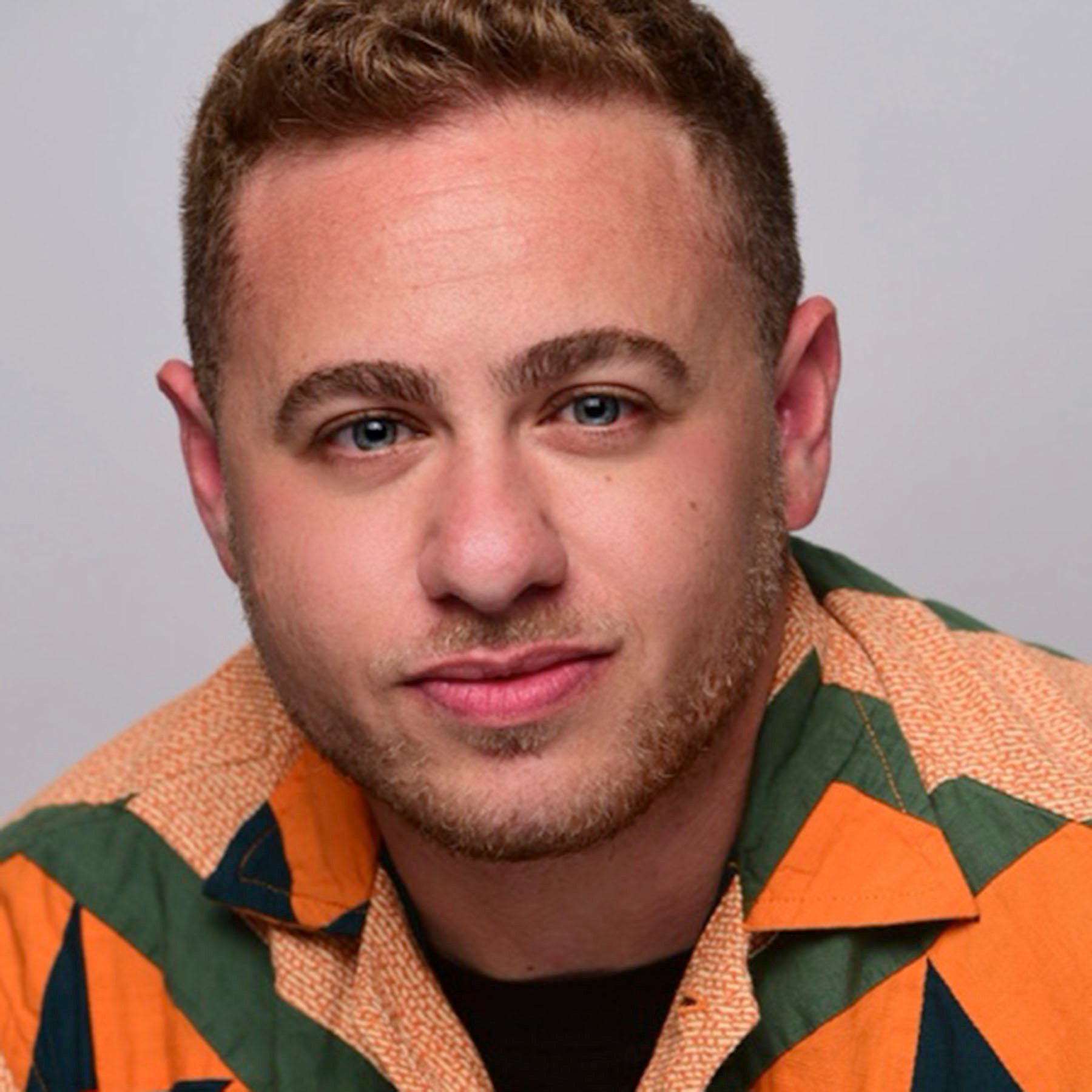
Recommended film: “Will & Harper”
“‘Will & Harper’ is a story about friendship. Harper Steele and Will Ferrell have been friends for over 30 years after meeting while working on ‘Saturday Night Live.’ After Harper’s transition, they hit the open road to reintroduce her to the American small towns, dive bars and stock car races that she has always loved — now, as herself — while processing what this new stage of life means for them individually and as friends. When trans people are so often portrayed as existing in isolation from other people, this documentary is a joy to watch as Harper and Will traverse the country making each other laugh and drinking bad beer. Comedy is a powerful tool that can create connection with an audience when they are laughing with us, not at us. ‘Will & Harper’ is a funny, sincere and enjoyable ride with two comedians who are at their best when together.”
Disclosure: Alex Schmider is a board member of The 19th. Find a full list of our board members here.
I’ve Seen Cartoons About This …
also it’s been talked about on “Grey’s Anatomy.” This is real, and exciting.
Tiny robots powered by magnets could one day do brain surgery
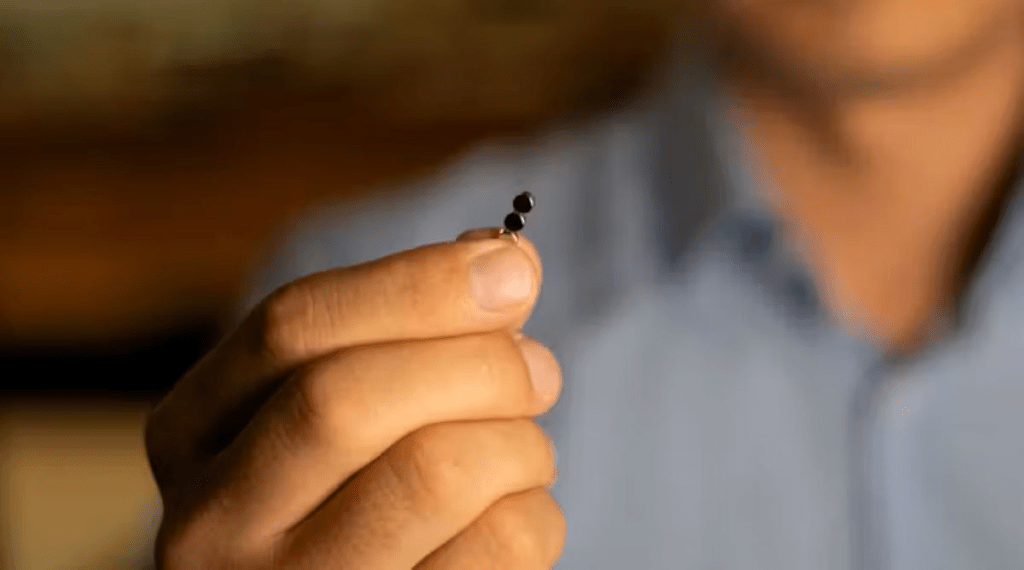
Robot tools powered by magnets (Supplied)
Most brain surgery requires doctors to remove part of the skull to access hard-to-reach areas or tumours. It’s invasive, risky, and it takes a long time for the patient to recover.
We have developed new, tiny robotic surgical tools that may let surgeons perform “keyhole surgery” on the brain. Despite their small size, our tools can mimic the full range of motion of a surgeon’s wrist, creating new possibilities for less-invasive brain surgery.
Robotic surgical tools (around 8 millimetres in diameter) have been used for decades in keyhole surgery for other parts of the body. The challenge has been making a tool small enough (3mm in diameter) for neurosurgery.
In a project led by the University of Toronto, where I was a postdoctoral fellow, we collaborated with The Hospital for Sick Children (SickKids) in Canada to develop a set of very small neurosurgery tools.
The tools are only about 3mm in diameter. In a paper published in Science Robotics, we demonstrated these tools could grip, pull and cut tissue.
Their extremely small size is possible as they are powered not by motors but by external magnetic fields.

Current robotic surgical tools are typically driven by cables connected to electric motors. They work in much the same way as human fingers, which are manipulated by tendons in the hand connected to muscles in the wrist.
However, pulleys smaller than several millimetres wide to control the instruments are weak and prone to friction, stretch and fracture. This creates challenges in scaling down the instruments, because of difficulties in making the parts of the system, assembling the mechanisms and managing friction in the cables.
Magnetic controls
The new robotic system consists of two parts. The first is the tiny tools themselves: a gripper, a scalpel and a set of forceps. The second part is what we call a “coil table”, which is a surgical table with several electromagnetic coils embedded inside.
In this design, the patient would be positioned with their head on top of the embedded coils, and the robotic tools would be inserted into the brain via a small incision.
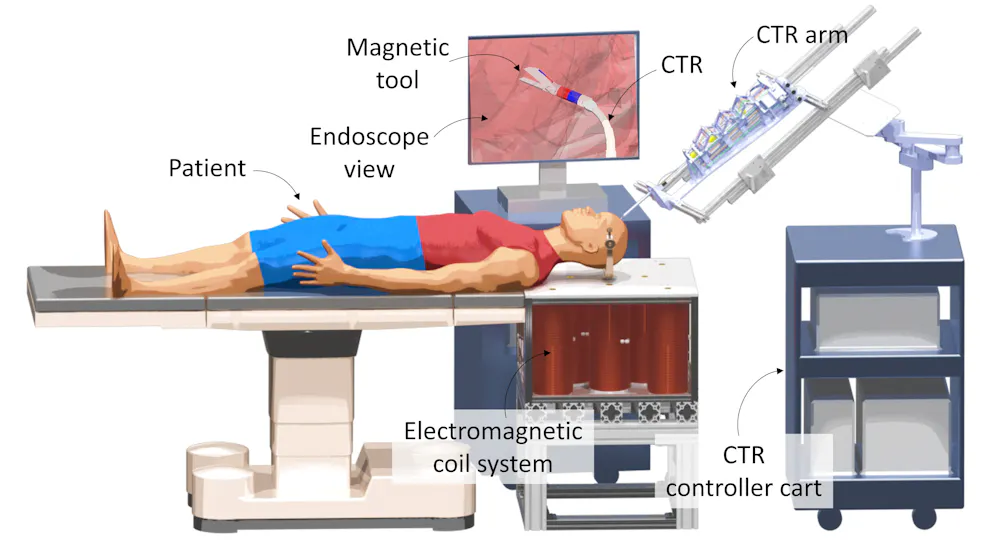
By altering the amount of electricity flowing into the coils, we can manipulate the magnetic fields, causing the tools to grip, pull or cut tissue as desired.
In open brain surgery, the surgeon relies on their own dexterous wrist to pivot the tools and tilt their tips to access hard-to-reach areas, such as removing a tumour inside the central cavity of the brain. Unlike other tools, our robotic neurosurgical tools can mimic this with “wristed” movements.
Surprising precision
We tested the tools in pre-clinical trials where we simulated the mechanical properties of the brain tissue they would need to work with. In some tests, we used pieces of tofu and raspberry placed inside a model of the brain.
We compared the performance of these magnetically operated tools with that of standard tools handled by trained surgeons.
We found the cuts made with the magnetic scalpel were consistent and narrow, with an average width of 0.3–0.4mm. That was even more precise than those from traditional hand tools, which ranged from 0.6 to 2.1mm.

As for the grippers, they could pick up the target 76% of the time.

We were surprised by how well the robotic tools performed. However, there is still a long way to go until this technology could help patients. It can take years, even decades, to develop medical devices, especially surgical robots.
This study is part of a broader project based on years of work led by Eric Diller from the University of Toronto, an expert on magnet-driven micro-robots.
Now, the team wants to make sure the robotic arm and magnetic system can fit comfortably in a hospital operating room. The team also wants to make it compatible with imaging systems such as fluoroscopy, which uses x-rays. After that, the tools may be ready for clinical trials.
We’re excited about the potential for a new era of minimally invasive neurosurgical tools.
Changyan He, Lecturer, School of Engineering, University of Newcastle
This article is republished from The Conversation under a Creative Commons license. Read the original article.
2 Diverse Poems by Diverse Women
As always, click on the titles to see more about each poet, and why she wrote her work posted here.
1951, Brenda Hillman 1951 –
Was it odd to be born?
Was it odd to be born
when women wore rick-rack
& the sun was a bracelet of yes?
When wind bent dandelions in puffy winglets,
& wisdom did raise her voice & not say weed &
when the toad did raise its spikes at the same time
as federal codes
& the try-to-be-perfect raised its voice?
Did the clang of copper collectors & the too-many lawns
begin in Arizona
while peel-paint steeples rose over dirt for the prism
of progress,
minerals torn from mines with no mouths
but you had a mouth & sang early?
When nuclear testing began north of love
& the Remington computer was placed in office use,
when there was just as much beauty & sex as later,
while some lay down at drive-ins in Chevies on seats
the color of crushed
berries & phone calls went up to a dime?
When Congress loaned money to countries because their grains had
ancient fungus claviceps purpuria that caused
visions & swelling
under the silent claw of the predator?
Was shame in you born before beauty?
Was beauty was shame was beauty?
As white gravel spread under the white churches
as silver sequins on danceless
dresses tacked on each
“hanging by a thread”
like drops of sweat on horses at the city’s edge
while downcast daisies were mimicked on sisterly aprons
catching sugars from women making pudding from boxes
under swamp coolers
with slightly mildewy pads in a breeze
created for doing housework by yourself?
Was it odd to be born when two
types of purslane in the west were called weed,
even agave used to make soap,
though it was home to the yucca moth, central & sweet, its
terminal clusters piercing thunderheads over red pick-up trucks,
& lowly dogbane hiding from developers with sibling roots
of fungi with “no downsides to pesticides”
& florets like diamond periods on certain fonts
also were called weed?
Was it odd to be born near hillsides with radars
like baby ears of question marks
under the silent claw of the predator,
when mountains shook toward sabino canyons
& there was Jello salad at picnics?
Here from this century can you say
was it wild to be born?
Was there anything else like this, anything at all?
Copyright © 2025 by Brenda Hillman. Originally published in Poem-a-Day on March 27, 2025, by the Academy of American Poets.
———————————————————-
Failed Poems, Jessica Abughattas
will crawl out of the drain and try to kill you
like some 80s horror flick. The picture of us at the Santa Fe
Railyard, foreheads glistening. The black widow creeping
from the mound of linens still warm from our bodies. Mechanical
hum of crickets when you push into me in the middle of the night, when
I can’t sleep and the years replay like a foreign movie, a terrible one
where the voices sound underwater. Failed poems will steal
your breath when you wake parched, hungover, emptied
in a room full of the steady buzz of the refrigerator.
When all that excites you is momentary, an earthquake in which
all the books shake in place, and nothing falls. No one ever reads
failed poems, but they follow you home in the dark and tuck in
beside you. Failed poems are cute grim reapers that live in cartoon snowcaps.
They’re midnight döner kebabs that give you heartburn.
Once, in Zurich, we were served rabbit paella at a party
celebrating an exhibition of an artist from Venice Beach
who used to be homeless but drinks $25 Erewhon smoothies and paints
hundreds maybe thousands of happy faces with his feet. His canvasses
go for $25,000. Toe paintings are better or at least significantly
more profitable than failed poems. Failed poems won’t help you
earn a living. You will probably have to do freelance marketing
to sustain the creation of failed poems. Failed poems accrue interest.
They seep into dreams where all your friends line up to blow
your husband. They cost a monthly cloud subscription to maintain.
Failed poems are injected into your father’s veins when he ODs
for the second time this year. They’re shared to infinity
when you’re canceled for fringe political views. When you’re six
feet under, a failed poem is written on your head. It’s a prayer
in the form of a failed poem, the last words
you hear on earth
Copyright © 2025 by Jessica Abughattas. Originally published in Poem-a-Day on March 28, 2025, by the Academy of American Poets.
“Goldilocks Bird”
I want to say I’ve seen this bird, but I don’t know how I could have, other than maybe when I was younger on one of dad’s business trips through the South, as a combo summer vacation. Over 50 years ago, but the bird looks familiar. I bet there are readers here who get to see them often! Click through for facts and to hear their song.
Satanic Mass In Kansas
Yeah, this happened and has been happening here. I’m not Satanist, but we all have the same rights, including all who showed up, as long as there is no violence and no one takes away anyone else’s rights to freedom of speech and assembly. Many here know I’m a Christian believer, so of course when one side says “We’re here so that God can be in control, not Satan,” I smile, since God handled that with Satan centuries ago (so it is written. I’m not proselytizing, or even testifying, though my point is either people believe or they don’t; if they do, they know or should know that God doesn’t need human protection. Anyway.) I don’t know how far out from Kansas this story has gone, but Friday was the day, and here is the local story as of 10 PM Friday. Enjoy. There is a video on the page I can’t embed, but Kate Devine is a fine reporter on camera. There is also a text story below.
Satanic leader arrested during Black Mass protest at Kansas Statehouse
Mar 28, 2025 Updated 3 hrs ago Kate Devine
TOPEKA, Kan. (KAKE) — The leader of a Satanic group was arrested Friday after entering the Kansas Statehouse and performing a ritual, despite warnings from law enforcement.
Michael Stewart, president of the Kansas Satanic Grotto, attempted to enter the building during the group’s Black Mass event outside the Statehouse. Authorities allowed him inside as a private citizen but told him he could not hold a demonstration.
Once inside the rotunda, Stewart raised his arms in dedication to Satan, prompting a confrontation with Christian protesters. Capitol Police intervened and took him into custody.
“Our governor, Laura Kelly, after forcing us out of the building, said basically if we come back in, we are going to get arrested,” Stewart said. “So we feel like this is a violation of our First Amendment rights.”
Outside, Christian protesters held prayers and recited hymns in opposition to the event.
“We heard that Satanists were here to claim Kansas, and we said no way,” said Susan Jones, a Christian protester from Baxter Springs. “God is in control here, not Satan.”
The event, which had been planned for weeks, was originally approved to take place inside the Statehouse but was later restricted to the outside grounds. A petition opposing the event gathered nearly 100,000 signatures.
Christian groups say they gathered to pray and stand in opposition, while Satanic organizers argue their right to religious expression was violated.
It is unclear if Stewart will face charges. (end)
Peace & Justice History for 3/29
| March 29, 1925 Black leaders in Charleston, West Virginia, protested the showing of D. W. Griffith’s movie, Birth of a Nation, scheduled to open at the Rialto Theatre on April 1. They said it violated a 1919 state law prohibiting any entertainment which demeaned another race. Mayor W.W. Wertz and the West Virginia Supreme Court supported their argument and prevented the showing of the film; efforts to ban the film met with mixed results around the country.  Ku Klux Klan “justice” as portrayed in Birth of a Nation. The efforts to censor the film What made this movie (after a book called The Clansmen) exceptional in cinema history |
March 29, 1971 U.S. Army Lieutenant William Calley was found guilty at a court martial for his part in the My Lai massacre which claimed the lives of hundreds of South Vietnamese civilians. Convicted for the premeditated murder of at least 22 Vietnamese civilians, he was sentenced to three years under house arrest. Resources and links about My Lai |
| March 29, 1973 The last American combat troops left South Vietnam, ending direct U.S. military involvement in the Vietnam War. Military advisors to the South Vietnamese Army remained, as did Marines protecting U.S. installations, and thousands of Defense Department civilians.Of the more than 3 million Americans who served in the war, almost 58,000 had died, and more than 1,000 were missing in action. Some 150,000 Americans had been seriously wounded. The loss of Vietnamese killed and wounded was in the millions and damage to the countryside persists to this day.  The 615th MP Company was inactivated in Vietnam on the last day of American military combat presence. Timeline on the war in Vietnam Learn about the persisting problem of Agent Orange |
| March 29, 1987 Members of Vietnam Veterans For Peace arrived in Wicuili at the end of a march from Jinotega, Nicaragua. The veterans were actively monitoring the U.S. attempts to destabilize the country by providing aid to the insurgent contras.  More than weapons may have been involved in the Contra supply operation Visit Veterans for Peace |
https://www.peacebuttons.info/E-News/peacehistorymarch.htm#march29
US Enters Dark New Era Of Human Rights Abuses Under Trump
Abbott Hasn’t Called Election To Replace Late Dem Rep – Joe.My.God.
This shows how worried they’re are about congress. tRump pulled his U.N. nominee because in a ruby red district they were afraid a republican couldn’t win. People hate what is happening in the country and they know it now. So they have to do what they always do, lie, cheat, and steal. Hugs
https://www.joemygod.com/2025/03/abbott-hasnt-called-election-to-replace-late-dem-rep/
Best Wishes and Hugs,
Scottie
LGBT News Archives – Joe.My.God.
The hate is strong in Texas. That they feel the need to go in secret is stunning. Being LGBTQ+ is still legal in the US of Russia. Hugs
https://www.joemygod.com/category/lgbt-news/
Best Wishes and Hugs,
Scottie
 Scottie's Playtime