Enjoy some time on your Wednesday!
Josh Day Next Day
Enjoy some time on your Wednesday!

Enjoy some time on your Wednesday!
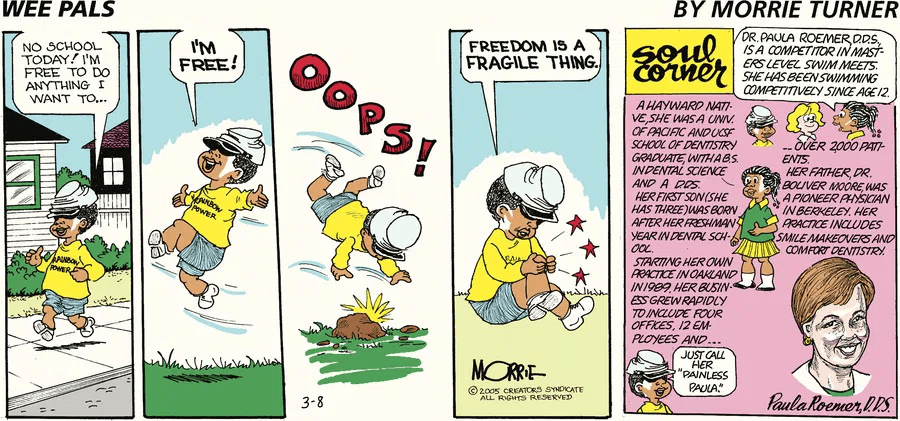
a Monday entry that isn’t toooo historical, but is a nice tidbit. Enjoy the comic; the Women’s History bit is in the Soul Corner: “Painless Paula.”
A safe baby, and record Girl Scout cookies sales for trans Scouts! I remember seeing the story about the young man saving the baby last week on local TV news (through a national network affiliate.) No mention of anything but his heroism and his humility about doing what anyone else would have done.

A Chicago comedian is speaking out about a daring rescue that left him in the freezing waters of Lake Michigan, and saving an infant from drowning.
Six days before his February 24 birthday, on a bright winter afternoon along Chicago’s Lake Michigan waterfront, Lio Cundiff had a thought that now reads like a setup to a joke. “I was on the phone with my friend, looking at the water, and I was like, ‘Man, that looks so beautiful. I just want to jump in,’” he told The Advocate in an interview on Friday. Little did he know.
Cundiff, 31, had arrived early for work on February 18 near Belmont Harbor and wandered down to the water, as he often does. He loves the lake. He loves floating in it in the summer — ideally, he says, “with a beer.” He had been taking phone calls, sitting on a bench, “vibing,” he said.
Then he heard screaming. “I just look up, and I’m like, ‘Oh my God.’ I just saw a stroller headed straight to the lake, just blown by the wind,” he recalled.
In that instant, the punchline vanished. There was no bit to craft, no self-deprecating aside about his baby face or his anxiety about sending emails, both staples of his stand-up. There was only motion. He threw down his jacket and phone and ran.
“I was like, ‘I guess I’m going in.’ And I jumped in and just tried to keep us afloat as much as possible,” he said.
Early media reports suggested that Cundiff did not know how to swim. He bristles at that characterization. “I can swim,” he said, explaining that in the hospital he told a reporter he wasn’t the strongest swimmer and preferred “to float with a beer in my hand.” “They ran with, ‘I can’t swim,’” he said.
“I can swim. I just prefer not to,” he said through a chuckle.
The baby, eight months old, was zipped inside the stroller. Cundiff had to keep the entire frame buoyant while treading freezing cold water. At one point, both of their heads went under. He describes the memory in fragments, as though replaying a film whose ending he already knows but still cannot quite believe.
“There were a few minutes where I didn’t know if we were going to be able to keep afloat,” he said. “I grabbed her hand for a second. Her tiny little fingers. I rubbed them for two seconds, and I was like, ‘Okay.’ … ‘All right, we got to keep going.’”
A bystander named Lou dropped a jacket; later, a life buoy arrived. They were about thirty feet from a ladder. Cundiff’s muscles were tightening. When they finally reached it, and the baby began to cry, he felt something like release.
“As long as she’s crying, when she gets out, that’s all I needed,” he said. (snip-MORE on the page)
Erin Reed Mar 05, 2026
Five years ago, as anti-trans legislation first began spreading across the United States, I kept thinking about the kids caught in the middle of it—transgender children suddenly facing a wave of hostility simply for existing. That year, I started something small in response: a trans Girl Scout cookie list. Only three scouts were on it. The internet responded immediately, helping them sell out their entire quota. Every year since, I’ve made the list again, and every year it has grown larger. Now, in 2026, the list has reached a staggering scale: 220 transgender Girl Scouts participating—and together they have already sold more than 330,000 boxes of cookies, with the number still climbing every minute.
One scout hoping to fund a troop trip to Alaska—and assemble backpacks for foster children—has sold 2,500 boxes of cookies, bringing those plane tickets within reach. Another scout, a competitive soccer player, was raising money so her troop could attend scouting camp without worrying about the cost; she has now sold 4,500 boxes, ensuring that trip is covered. One troop made up of transgender Girl Scouts set their sights on learning horseback riding and attending summer camp together—and sold 22,000 boxes to make it happen. And Pim, who simply wanted to go to Niagara Falls and to take her troop camping, has sold more cookies than the website can even track: more than 100,000 boxes.
And while we can’t know exactly how many of those sales came directly from our yearly list, we do know that these trans Girl Scouts have taken the internet by storm. Posts about them have racked up millions of impressions on Facebook and gone repeatedly viral on Bluesky. In the process, countless people looking for their next box of cookies discovered a cause worth supporting—and a group of scouts they were excited to cheer on.
The news about their staggering success comes during a broader regression around scouting organizations with respect to transgender people. In December, the United Kingdom’s Girlguiding—the British equivalent of the Girl Scouts—banned transgender girls from joining, reversing a policy that had been in place since 2018. In the United States, Defense Secretary Pete Hegseth forced Scouting America to agree to classify members by sex assigned at birth, eliminate diversity initiatives, and effectively out and segregate transgender scouts from their peers. Girl Scouts of the USA, however, has yet to see the same regression—the organization still stands by its transgender inclusion policy.
For these kids, that transgender inclusion policy has given them hope. At a time when thousands of anti-LGBTQ+ bills are being proposed and passed across the country, the cookie list is proof that people out there care. When every force in the world is acting against them, for once, their identity is not treated as a curse by society, but a blessing. Parents have told me that their children have been overwhelmed with joy watching the numbers climb, realizing that strangers across the country support them. And that’s worth protecting. (snip-MORE on the page)
This one’s a couple of months old, but good for Women’s History Month.
Painter William Merritt Chase opened an art school for a new generation of women, teaching them how to draw as well as how to advocate for themselves.

William Merritt Chase with Parsons School of Design students via Wikimedia Commons
The story of the establishment of the Chase School of Art, forerunner of the Parsons School of Design in New York, offers an unlikely object lesson in what happens when you seek to realize your creative aspirations in an era of political and cultural upheaval. In 1896, the Impressionist painter William Merritt Chase was ready to declare independence from the rigid hierarchies of the New York art scene and its dependence on European masters and methods. He dreamed of establishing what he considered an explicitly American school of art, one that encouraged artists to embrace and portray the unique character and energy of the young nation and its people, and he needed money. To get it, he founded an experimental new school for painting in Manhattan that would, ironically, thrive on the burgeoning hopes of women in an era of their growing liberty and opportunity.
Best remembered for society portraits, plein air paintings, pastel seascapes, dead fish still lifes, and depictions of dancing white clouds, Chase suddenly found himself in an unfamiliar role: he was, if not quite an equal rights leader, then an ambitious artist who, in pursuing his own interests, opened avenues for women artists and played a part in establishing a new era of American art beyond his own envisioning.
As June L. Ness writes in Archives of the American Art Journal, Chase stood among the most influential artists and art teachers in the country at the turn of the twentieth century. He was on the faculty at the Art Students League, the Brooklyn Art Association, and the Pennsylvania Academy of the Fine Arts; he instructed a cadre of private students in his home studios and abroad; he lectured in Connecticut, Chicago, and elsewhere; and he oversaw a summer art school outside the Long Island town of Southampton.
A man of his times, Chase and his wife, Alice Gerson, an amateur photographer, ran at the limits of their finances. In 1896, as parents to four children, they faced a turning point. Chase wanted to quit teaching altogether and devote himself to painting. Yet the couple also wanted to maintain luxury residences in both the city and the country while traveling extensively but lacked the resources to sustain such a lifestyle. (snip-MORE, plus art!)
==========
Cadged these snippets from my Naked Pastor email:
| So when someone says, “You’re okay,” it can feel naive. Or rebellious. Or even offensive. But what if it’s neither naive nor rebellious? What if it’s simply true? Cartoon: You’re not broken  Dad Joke: I’m confused  Quote: The illusion  Original: My Strength That Is Within Me  Merch of the Week: Jesus Eraser Sticker  |
Cartoon of the Week
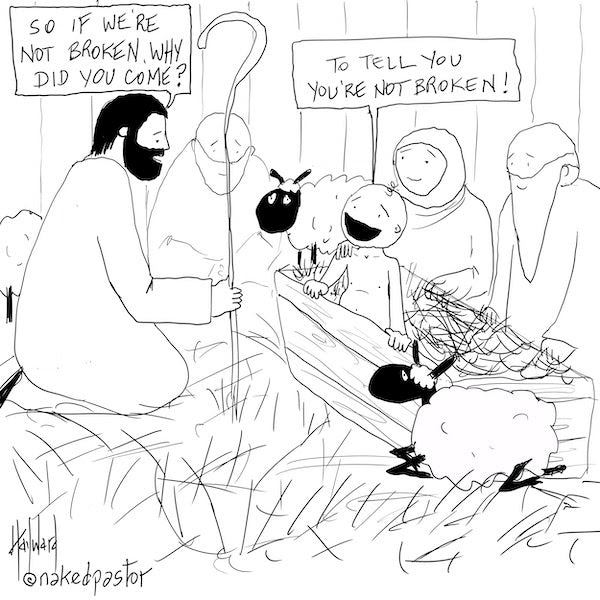
I mean it.
Dad Joke
I keep saying “It is what it is,” but what even is it???
Quote
I recently saw a clip from a Leonard Cohen interview. She asked him about him spending time with Roshi in a Zen monastery. He said it was like a hospital, and Roshi was the doctor. The interviewer asked what he cured him from. Cohen replied, “The illusion that you are sick. He cured me of the illusion that I needed his teachings.”
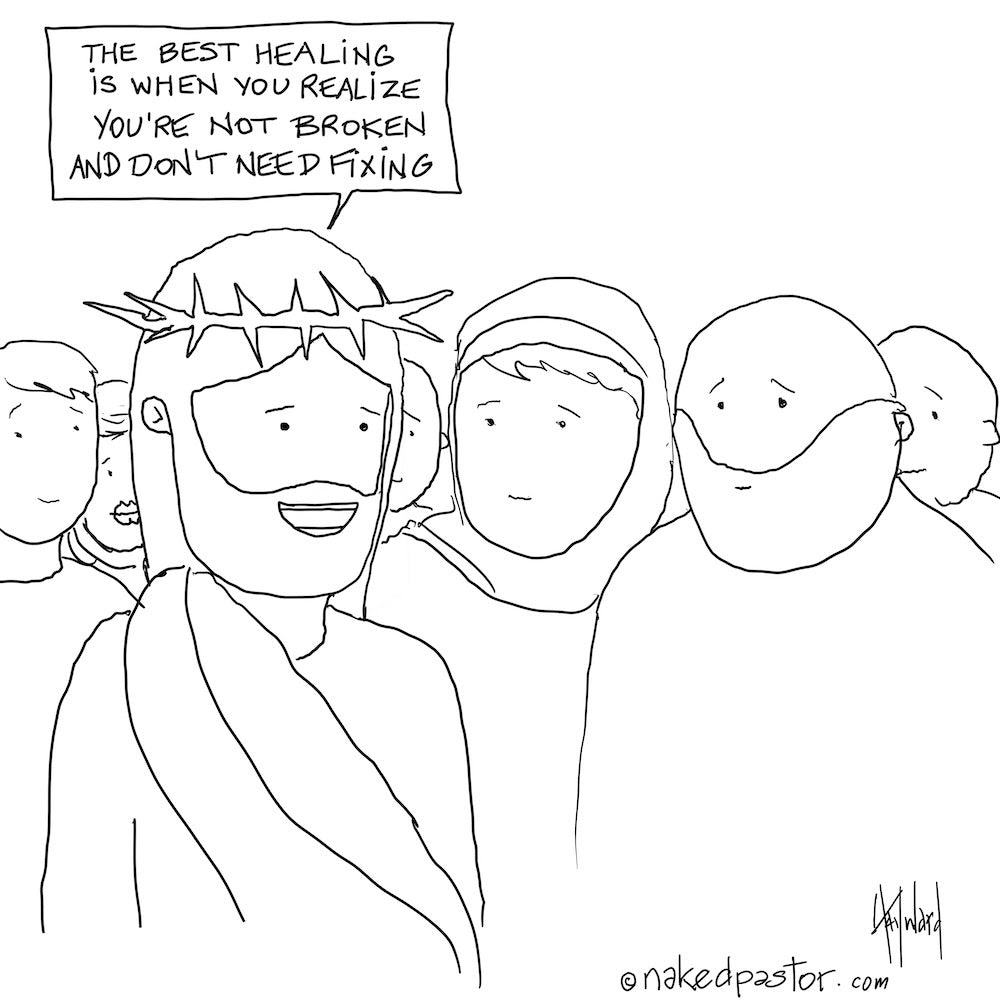
You’re Okay!
| Let’s make this one short and sweet. I agree with Cohen. I also agree with Sinéad O’Connor’s therapist, who told her the whole point of therapy was to help her realize she didn’t need therapy. The same with Gabor Maté, who said that I am not broken, but just wounded. Underneath the wounds and pain is wholeness. A wholeness already there, just waiting to be embraced. These all ring true to me. When I share cartoons like the one here, The Best Healing, I get some positive comments, but also a lot of angry and offended ones. And I understand why. I, too, was raised to believe that I was born a sinner, deeply broken and flawed and depraved, in need of a saviour to redeem me. The whole theological system and enterprise is founded upon the assertion that I am a vile sinner who needs to be saved by a divine being.I know how difficult it is to walk away from this belief, because it’s not just a belief, but a whole worldview, an entire paradigm, complete with its religion, institution, scriptures, and priests. It’s like leaving the universe to start over in a new one. One that says you’re okay. It’s a radical step, and maybe you have taken it. I’m proud of you for that. |
from Peace & Justice History, and the Jeannette Rankin Peace Center.
| March 4, 1917 |
| Montana elected Republican Jeannette Rankin as the first woman to sit in the U.S. House of Representatives three years before American women nationwide could legally vote. |
 | A persistent advocate for women’s rights, particularly suffrage, Rankin voted in Congress against American entry into both world wars, and late in life led marches against the Vietnam war. |  |
| Rep. Jeannette Rankin with her colleagues in the 61st Congress. | ||
Jeannette Rankin was the first woman ever elected to the U.S. Congress, and a native of Missoula, Montana. She was elected in 1916, before women nationwide had the right to vote. In 1917 she joined a handful of representatives who voted against entry into World War I asserting, despite harsh criticism and certain damage to her career, that, “the first time the first woman had a chance to say no against war she should say it.” In 1941 she bravely stood alone in Congress in voting against entry into World War II, but she did not stand alone in society in her opposition to institutional violence and war. Her stand against war as a viable resolution to international conflicts provoked questions on the basic assumptions about peace, war, and conflict, which we continue to grapple with today. Rankin’s staunch opposition to war made her a spokesperson for veteran’s rights, as well, since she recognized them as pawns in the games of politicians. It was she who first introduced the GI Bill to Congress, which guaranteed post-discharge education and other benefits to those who served in the military. Her long career was also distinguished by her deep commitment to the country’s women, poor, and its children. She put forth an alternate vision for this country as one which championed peace and justice. She worked tirelessly in opposition to war and oppression by attending rallies, and by giving speeches in person and on television into her 90s.
The Jeannette Rankin Peace Center is proud to carry the name of this pioneer Montanan whose life’s work exemplified a steadfast devotion to peace, justice, and democratic equality. Jeannette Rankin was, in many ways, the first lady of U.S. politics. Her legacy lives on today through those who carry on her work and honor her memory. University of Montana’s Archives and Special Collections houses a collection of oral history interviews that were conducted by Dawn Walsh for the Jeannette Rankin Peace Center. The interviewees were former and current members of the Missoula Women for Peace and detail their interest and activities related to peace activism. These interviews are available in both audio and text format through University of Montana Scholar Works. (snip-MORE)
and go on about our day being peaceful, in order to bring about peace. (I have a dental appt. to finish what was begun a couple of weeks ago at that dental appt. I feel all pure-white-dovey inside.)
In the previous post, I spoke on how I was so very tired of the political climate. One of the issues that I described was this constant stress of chaos that the drumpf administration purveys upon the American public and the world in general. Stress is debilitating. It leaves a person living in a constant state of fight/flight, questioning what we should be doing to survive the madness that is maga and a perpetual attack upon our empathy for those not so fortunate to only be stressed.
There is a saying that goes generally that if you can’t do anything about it, don’t stress over it. But, I’m stressed.
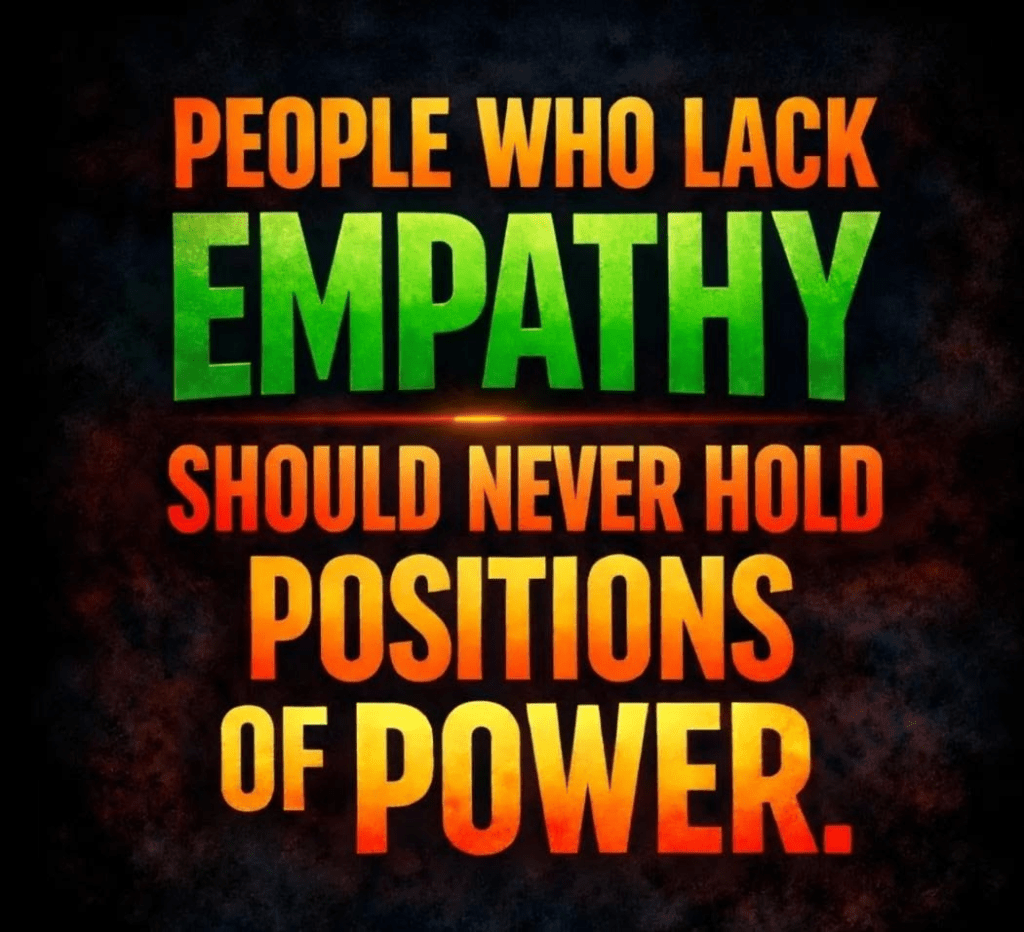
Much of my stress is my own personal life challenges, but a lot of my stress comes in the realization that while I may hope to ignore those things that are beyond my control, others are not so free. How many lives have been destroyed in the turmoil of one man’s pursuit of totalitarianism? How many deaths do we lay at the feet of this conman? And worse, however reluctantly and contrary to our wishes, he is our leader and we are responsible for the atrocities he commits.
Let’s face it, he told us who he was before being elected – for the second damned time! He showed us he was a fraud, a rapist, a serial adulterer, a racist, a criminal. He stole from children, from his workers, from his wives.
So, right or wrong, earned or borrowed, stress presses down on me and many like me. And that chronic stress severely impacts our health by keeping us in that fight or flight reflex, leading to our burnout, mental impairment and physical illness. We struggle with chronic pain, insomnia, high blood pressure and a weakended immunity. We are anxious, depressed, and can’t remember why we came into the damned room!
Is this what it means to be an adult, or just an adult in the drumpf era? My god! I watch the news and find myself in line for ptsd treatment! What could be next? What ball will I drop next? What emotional eruption is next in line for me?
I’m so f’ing tired of being tired; I’m so f’ing tired of being depressed; I’m so very f’ing tired of being anxious.
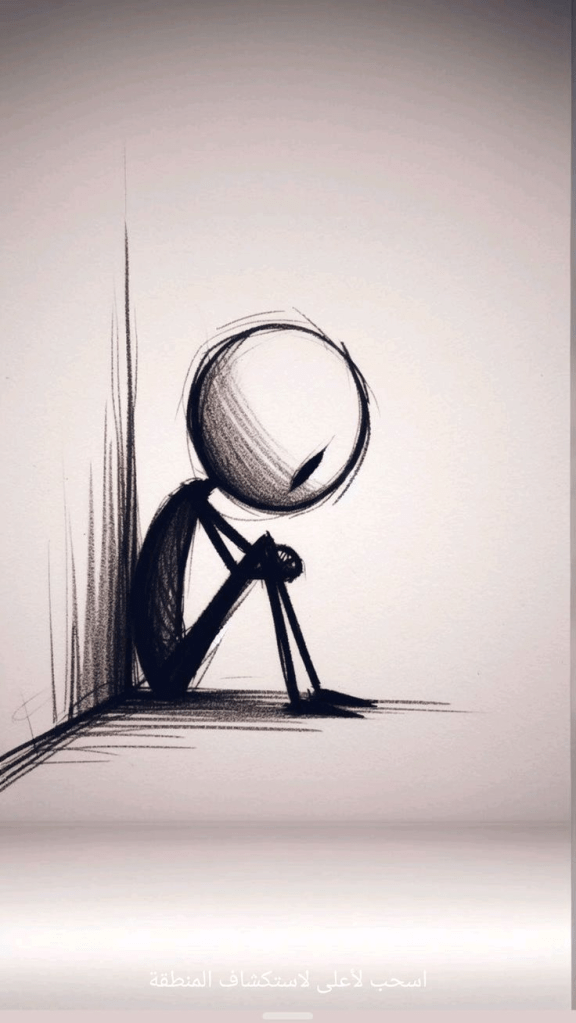
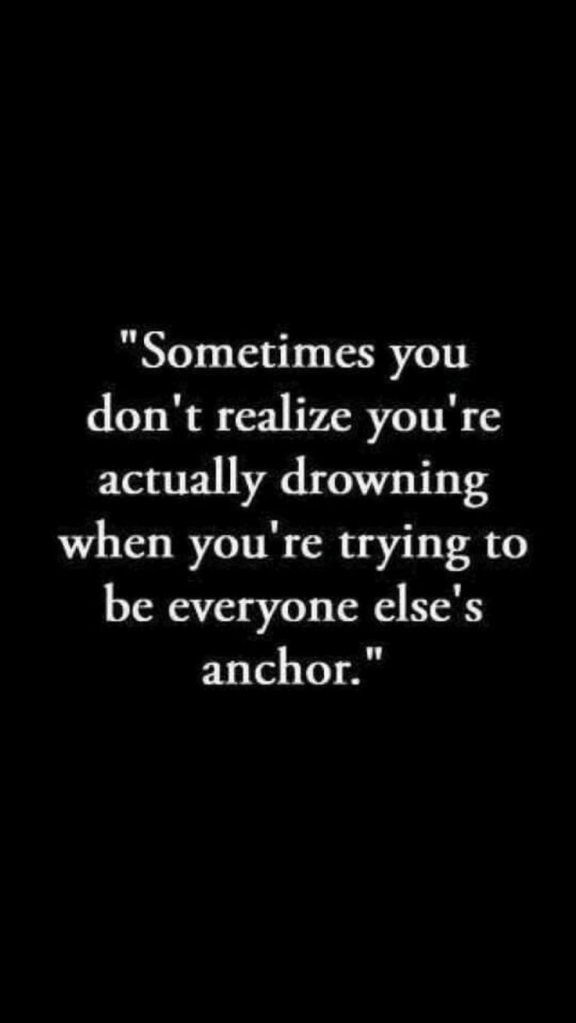
Today one of my workers asked me if I was ok. He saw that I was angry, I guess. I laughed for a moment, told him I was fine and that my back was just hurting, that it was a typical Monday. He just stood there, in front of my desk and waited. And somehow I found myself very quietly saying no. I’m not ok.
I don’t really have the freedom to be anything but ok. I am the one that has to be there making sure things get done. I am supposed to be watching out for the morale of the team. I’m charged with the continuity of employment. I’m supposed to be the strong one, the boss. And there I was realizing that everything was broken, and there isn’t a damned thing I can do about it.
I don’t have answers to a damned thing, but today someone stopped what they were doing long enough to demonstrate that they cared, and I realized just how powerful that could be. It didn’t solve my problems, the sun didn’t shine any brighter and the birds weren’t singing overhead, but for a moment my burden was shared. For a moment I didn’t feel quite so alone. That made a huge difference. I hope I’m strong and wise enough to emulate that, and perhaps together we can outlast this too. Hugs.
They just keep on keepin’ on!
Any season of the year, the Mountain Chickadee is a delight to encounter. In their breeding season, they form neighborhoods of adjacent territories in the conifer forests of western Canada and the U.S., which ring in the early spring dawn with dozens of cheerful whistled songs. In winter, groups of Mountain Chickadees are joined by other birds — nuthatches, woodpeckers, creepers, kinglets — to form large dispersed flocks that move together through the forest, following the chickadees’ namesake rallying call.
Mountain Chickadees are social birds, living in groups of up to three mated pairs and juveniles of the last breeding cycle for most of the year, only breaking off into territorial pairs for the breeding season. In fact, while we tend to think of the breeding season as the time when mates are chosen and territories are established, most of this actually occurs in the winter. This is when the social hierarchy is solidified between the individuals in a group, and come spring, the dominant birds will reliably take the best territories. While boundaries may shift somewhat, the same birds will usually hold the same territories year after year. Pair bonds are formed during the winter as well, and usually last for as long as both birds survive.
Mountain Chickadees are well-known for their caching behavior. To survive harsh mountain winters, these chickadees hide surplus food throughout their winter territories, a behavior known as “scatter hoarding.” A single chickadee may cache tens of thousands of food items — insects, conifer seeds, or goodies from bird feeders — over the course of a year. They may cache food any time they have extra, and may recover caches any time of the year, but spend the most time caching in the fall, and the most time eating from them in the winter. In fact, studies have shown that Mountain Chickadees living in harsher winter environments have better spatial memory and are more adept at remembering where they have cached food. Unsurprisingly, these birds also survive longer. (snip-MORE)

=====
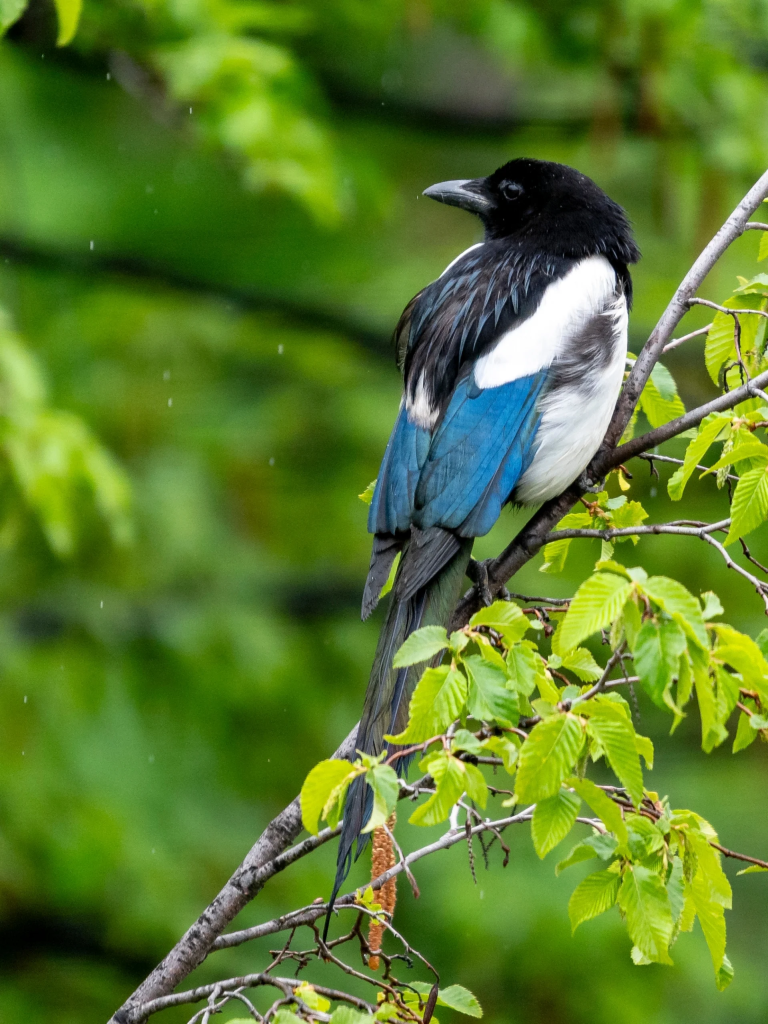
More than most, the Black-billed Magpie is a bird that inspires strong emotions in humans. A familiar species across much of the West, the Black-billed Magpie is intelligent, adaptable, and bold. For these attributes, they are both admired and loathed. While considered an annoyance or an inconvenience by some, they are also highly social and will occasionally leave “gifts” for humans who feed them.
Like many other intelligent and opportunistic corvids, magpies will take advantage of whatever resources they can. As such, the Black-billed Magpie is probably best known as a scavenger of garbage, carrion, and poorly guarded picnics. This has given these birds a bad reputation, with many regarding them as pests. A common folk belief is that magpies will wound cows to eat their flesh or drink their blood. Magpies will, in fact, stand on the backs of cows to probe and peck. However, the goal is typically not to eat the cow itself, but the parasites on the cow, such as ticks, that are doing just that. Cows are not the only beneficiaries of this behavior — magpies will eat ticks off of other large mammals, including bison, moose, elk, and deer.
The Black-billed Magpie holds a special place in mythology as well. Magpies are recognized as messengers in numerous Indigenous cultures of North America, sometimes to the aid of humans, sometimes to carry news to the Creator. One widespread story tells of how the magpie, for helping humans and birds alike, was given the honor of “wearing the rainbow” — a reference to the iridescent sheen on this bird’s wings and tail. (snip-MORE)
The international accompaniment movement teaches us that to sustain an emergency response to state violence, we must build durable, collective and supportive structures now.
Zia Kandler and Moira Birss February 24, 2026
Targeted state violence and rising fascism are being met with creative organizing by people in Minneapolis and across the country, from mass marches to neighborhood mutual aid to ICE watch foot patrols. These are all beautiful manifestations of resistance that have kept many people safe and demonstrated widespread repudiation of the Trump administration’s policies.
Yet as state-sanctioned violence becomes more coordinated, normalized and national in scope, we must continue adapting our response systems to shifting needs. Emergency response structures set up in moments of crisis can often lead to isolated, reactive decision making with responsibility falling on a few shoulders, creating the conditions for burnout, security failures, movement fragmentation and individual and organizational missteps or even collapse.
Here we can draw on some hard-earned lessons from our predecessors in the decades-long international accompaniment movement, who witness, stand with and provide security support for human rights defenders, communities and activists under attack by authoritarian regimes in Latin America.In response to sometimes devastating losses, accompaniment organizations developed a set of skills and strategies over many years for collaborative, sustainable decision making to respond to security incidents while under conditions of constant threat. We ourselves learned these skills in our many years of working with accompaniment organizations in Guatemala, Honduras and Colombia from 2008 to 2022.
We share here principles and practices from this legacy, which we hope organizations and networks, whether formal or informal, can use to develop emergency response structures that are sustainable, don’t overly burden a few individuals with the difficult decision making, actively build collective capacity and shared analysis, and support skill-building for more people in our movements.
What we present here are suggestions, and we invite you to adapt them to particular organizations and situations. They may take a bit more planning and preparation than may seem available in moments of urgency. But if we want to sustain our movements for what, unfortunately, is likely to be a long struggle, we must begin now to put durable, collective and supportive structures into practice.
Decision making in emergency security situations is emotionally and mentally taxing. Stress can narrow our literal and metaphorical fields of vision. And because the weight of a decision can be incredibly heavy to bear — especially if things go wrong — no one ever made a decision alone in the accompaniment organizations of which we were a part. We had clearly established protocols for which people, based on their roles in the organization, would come together for specific emergency response decisions.
For example, we established regional subcommittees based on where a security incident occurred. Each subcommittee was composed of a security lead, a representative from the advocacy team and on-the-ground volunteers, who worked together to assess, analyze and respond to emergency situations.
Applying this principle in a U.S. context, organizers of a publicly advertised protest could set a team of folks who gather at an office or a home to monitor social media and news reports for security incidents or threats, and be ready to make decisions about emergency response.
Emergency response or crisis moments are when people are most activated and are also the most likely to lead to organizational, interpersonal or movement conflict. This shouldn’t come as a surprise. After all, we are being subjected to situations of prolonged violence directed at ourselves and people we care for. We want to show up in the best way possible, yet often also feel frustration, impotence or rage.
In our accompaniment organizations, we mitigated stress and conflict (to the extent possible) by having clear processes and roles for decision making.
First, we frontloaded as many decisions as possible before an emergency, allowing us to focus on the situation at hand rather than spend time debating who would do what and delaying important support for the impacted individuals. Knowing who is going to be involved in emergency response reduces the need for conversation and shortens the response time.

We have seen this play out in high-risk moments in our accompaniment work. For example, when we responded to nationwide protests that extended over months and saw daily murders of protesters by military and police forces, we set up a rotating decision-making group. Because roles and communication channels had already been agreed upon, colleagues didn’t have to debate who should verify information, call other allied organizations or set up our emergency response protocol. They could simply act.
Second, we made decisions in consensus. While clear decision-making structures are essential, that doesn’t necessarily mean they have to be hierarchical. We’ve found in our accompaniment work that decisions are easier to implement when everyone has a hand in shaping them. A consensus-based decision-making structure keeps any one person from carrying the whole mental load (see “No one person decides alone”) and lets us actually use the full brainpower in the room. We all come with different lived experiences, risk tolerances and ways of thinking, which means we’re bound to catch things others won’t and, luckily, vice versa.
This works best when folks talk it out together and create a clear timeline to decide. In the example above, if the group got stuck, they would start with a quick break to rest and regroup, and if that fails, go to a smaller predesignated subgroup — and, if even that doesn’t work, have a clear fallback decision-maker. Something else we’ve learned: Consensus tends to work better when we trust each other and each other’s criteria, so it helps to make the effort to get to know each other, grab a coffee or go for a walk before the emergencies happen.
It might seem logical that those directly involved in the emergency response should be onsite, able to see the situation firsthand and respond immediately. In fact, we learned in our accompaniment work that involving folks offsite as advisors or even decision makers can provide essential perspective, bring in crucial information and further spread the decision-making burden.
In one protest scenario, while tensions escalated on the ground, an off-site team a few blocks away tracked both police staging and local news sources and relayed that information back to organizers. This wider view allowed on-the-ground leadership to make informed choices without relying only on what was immediately visible.
Holding a decision-making role in an emergency situation is not easy; it means putting your body on high alert, navigating complex situations and grappling with violence directed at our communities. This, unsurprisingly, takes a toll on us over an extended period of time (more on this below).

Lessons in courage, care and collective action from the international accompaniment movement
Even if we believe we can hold this indefinitely, the reality is that, without moments to regulate our nervous systems, our bodies normalize the constant alertness, making it harder to activate when necessary and to properly analyze what is truly an emergency. We want our emergency decision makers to be well-rested, regulated and connected — for their wellbeing and ours, too.
That’s why we recommend that the decision makers in an emergency situation shift on an agreed-upon rotation. Depending on organizational structure, the best rotation might be every protest or event, or it might be a time period, like a week. This not only gives us a chance to skill up more folks in emergency response (always a benefit for our movements!), but it also gives us decision makers a chance to rest and recharge.
In the protest scenario previously mentioned, once things settled for the day, the people who had been making decisions rotated out. Some went home to sleep; others took quiet time away from phones and updates. A few days later, once they were rested enough to look at what they’d learned and what might need to change next time, they checked back in for the follow-up stage.
Prolonged emergency situations make it harder over time to accurately recognize urgency. When everything feels critical, true emergencies can become blurred. Clear guidelines help mediate this by providing structure and clarity for decision making under sustained stress. In our accompaniment work, we used the following guidelines to categorize our responses:
On alert (prior to emergency): The situation seems to be escalating. We have seen a few signs indicating the risk level may be increasing (increased presence of armed actors, state or non-state, counter-protesters gathering, surveillance signs, suspected infiltration, etc.). Start to notify the security team (on and offsite) and start to implement increased security measures.
Immediate response (minutes to hours after): The emergency situation is active; the threat has not yet passed and there is potential for the situation to escalate or repeat. The physical and emotional well-being of impacted individuals is prioritized immediately.
Rapid (24 to 48 hours after): The specific situation has passed, but there is potential of it repeating in the near future. This could be because we will go to the same location in the next few days, or the event we are hosting will continue, or the aggressor is still nearby or indicating potential harm to our communities.
Follow-up (a few days to weeks after): The situation has passed. Here we focus on analysis and whether we need to adapt our organizational and movement strategy. This is also a great time to broaden the analysis by including allies in answering questions like: What was the aggressor’s desired impact? Have we seen this strategy used before? What are the increased security measures we may need to implement based on this situation?
We have used this for years in accompaniment spaces, allowing us to clearly mark stages in our response and who had to be involved. For example, when activists we were supporting suffered an assassination attempt, the attention moved from split-second decisions (immediate response) to checking in with impacted participants, ensuring medical attention, locating others who could be targeted next and finding safe houses, to adjusting security plans for the next day and watching for signs the situation might flare up again (rapid response). Later still, the group circled back to look at what had happened and what it meant going forward (follow up).
When stepping into an emergency response decision-making role, it is essential to shore up your emotional resources before an emergency and repair your heart and mind afterward. This will look different for everyone, but all organizations and networks should dedicate time and space for everyone involved in emergency response to do this. You might employ the same tools for shoring up and for repairing: They could include a nice walk with your dog, tea with a close friend, reading a good book or taking a bath.
Whatever you need to rest and recharge, identify those activities and build them into your plans. We know this is hard, and to be clear, this level of care has not always been consistently present within accompaniment organizations; its absence often contributes to rapid turnover and diminished response capacity. Naming this matters. After more than a decade of collective work in emergency accompaniment, we have seen clearly that constant crisis response is not sustainable if people’s nervous systems are never given real opportunities to rest and regulate.
This is why we believe it is so important to speak directly about intentional, collective care practices not as an ideal, but as a necessary condition for the longevity and effectiveness of accompaniment and emergency response itself.
These tools aren’t a panacea for the real risks presented by escalating state violence. They won’t stop all arrests, injuries, raids, deportations or assassinations. They won’t undo the harm already done or bring back the people we’ve lost. But the more we incorporate skillful emergency response tools into our repertoire, the more we can stay connected to one another under pressure, reduce preventable harm, and keep showing up again and again without burning out, fragmenting or turning on each other.
None of this work is new. We are drawing from the accumulated knowledge of mentors, organizers, human rights defenders, journalists, accompaniers, medics, lawyers and movement elders who have spent decades responding to fascist and authoritarian governments across regions and generations. From underground networks resisting military dictatorships, to civil rights organizers facing state-sanctioned terror, Indigenous land defenders, abolitionists, anti-colonial movements and transnational solidarity networks, people have long been building collective security, emergency response and care structures under conditions that mirror in many ways what we are facing now.
Luckily, this means we don’t have to reinvent the wheel. We just need to know how to look to the past, to other contexts and to each other for guidance and support. The more intentional we are, the better we’ll be able to keep up the struggle so that, one day soon, we will not just have survived fascism but defeated it.
 Scottie's Playtime
