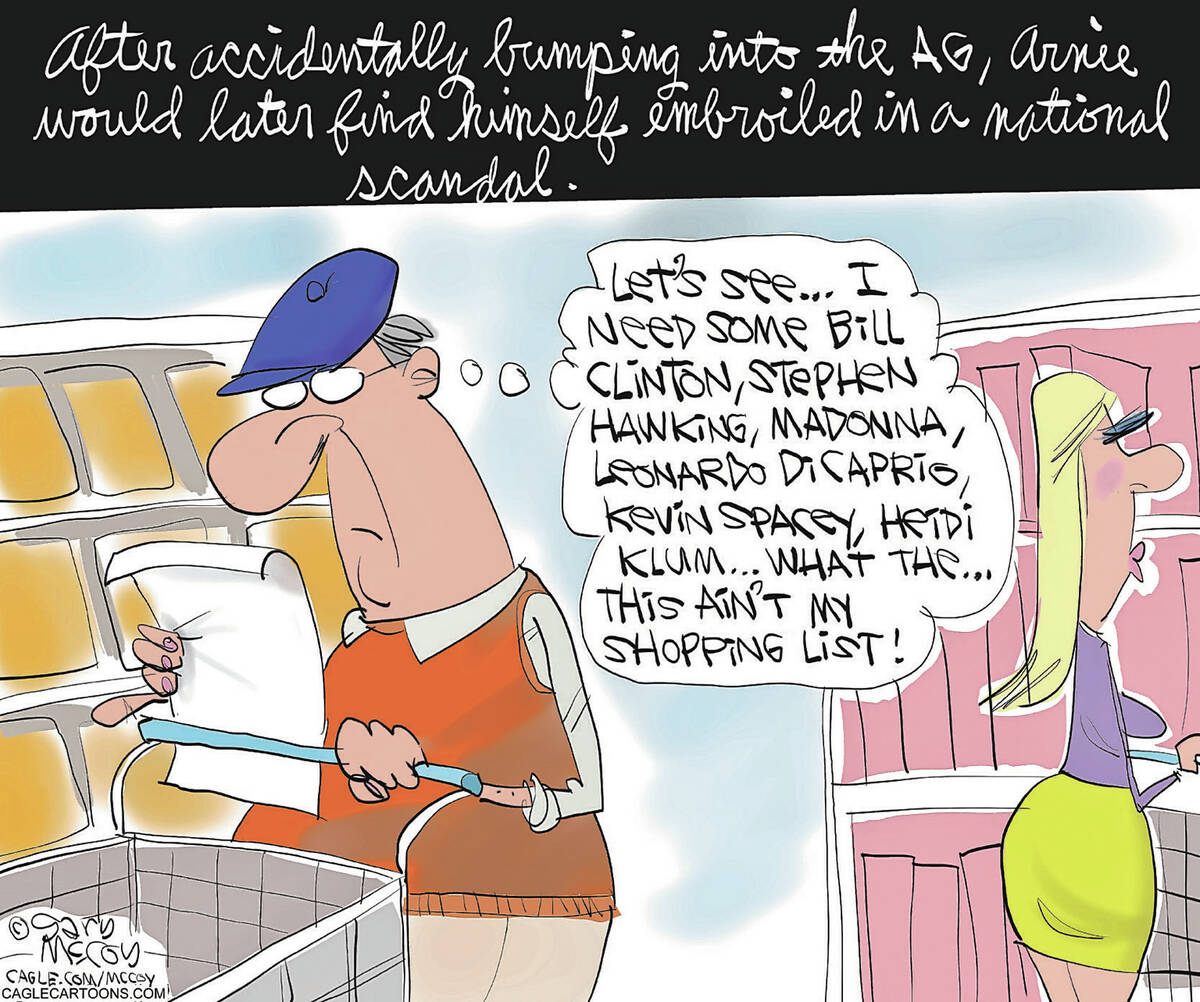
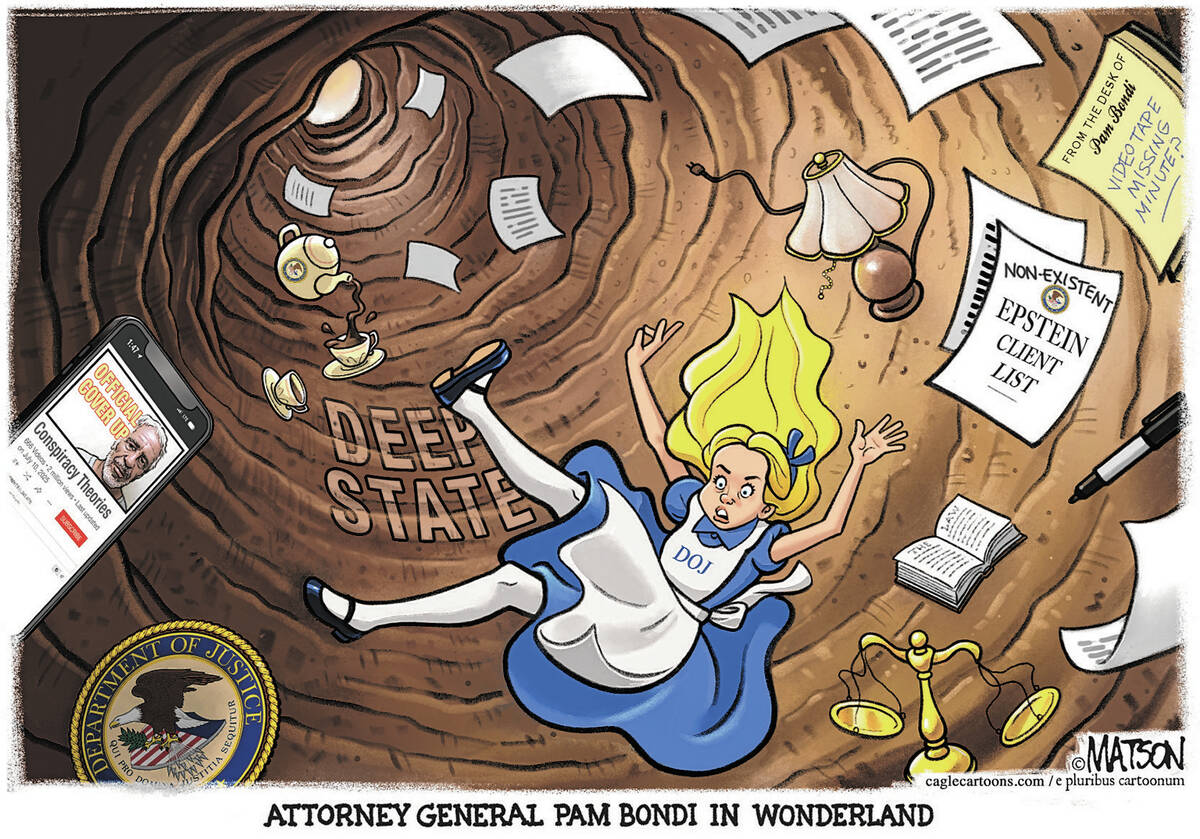


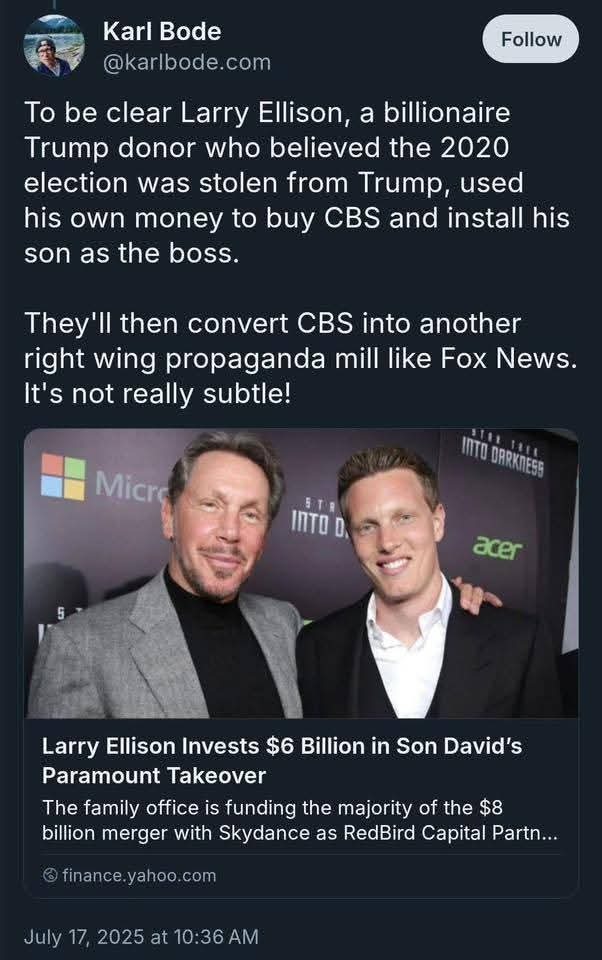





Very informative and heart felt. Aron Ra is well known for his thought approach to atheism and science, delivering it in a way that a normal person can understand. The things he says at the end and the pictures he shows makes clear that as he says this is not about protecting anyone but about enforcing bigotry. Hugs
Queer History 947: Guess What, Pyotr Ilyich Tchaikovsky Was GAY AS FUCK by Wendy🏳️⚧️🏳️🌈🌈
Read on Substack
The year was 1877, and Pyotr Ilyich Tchaikovsky was drowning. Not in the Moscow River, though he’d fucking consider it soon enough, but in the suffocating heteronormative bullshit of Imperial Russia. Here was a man whose soul screamed in B-flat minor, whose heart pounded in 4/4 time, and whose sexual identity was buried so deep beneath layers of social expectation that it would take historians over a century to dig through the wreckage and find the truth: Tchaikovsky was gay as a fucking rainbow, and it nearly destroyed him.
I literally played the youtube video musical all through writing this shit. Thats how fucking awesome this is.
Tchaikovsy, how I love you.
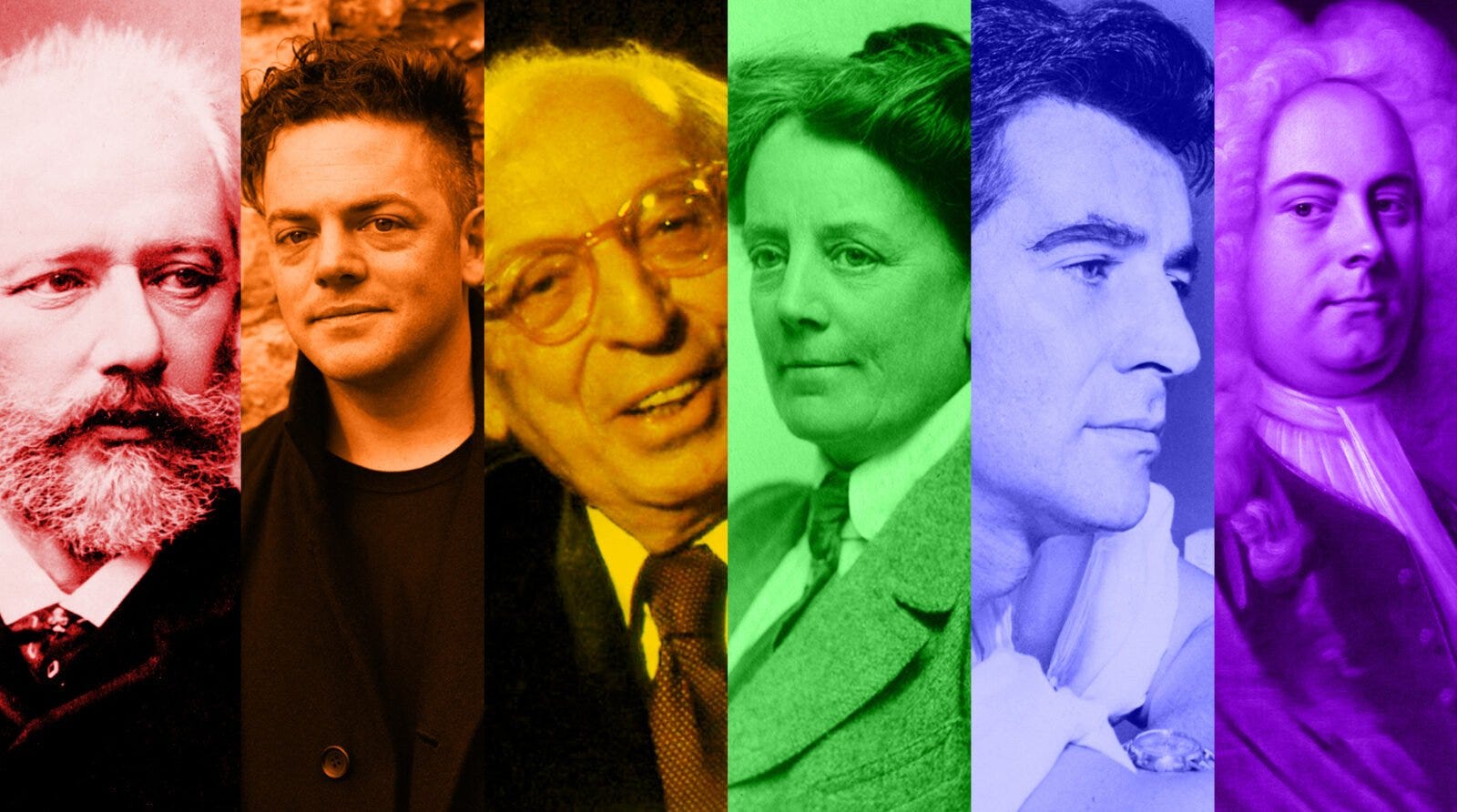
Let’s cut through the academic ass-kissing and get to the brutal reality. Pyotr Ilyich Tchaikovsky, born in 1840 in Votkinsk, Russia, was a man caught between two worlds: the soaring heights of musical genius and the crushing depths of societal homophobia. This wasn’t some gentle “product of his time” situation—this was a death sentence with a fucking bow tie.
In 19th-century Russia, being gay wasn’t just socially unacceptable; it was literally illegal and punishable by exile to Siberia or worse. The Orthodox Church considered homosexuality a mortal sin, the state considered it a criminal act, and society considered it grounds for complete social annihilation. Tchaikovsky knew this shit intimately, and it carved holes in his psyche that would bleed beautiful, agonizing music for the rest of his life.
The evidence of Tchaikovsky’s sexuality isn’t hidden in some dusty archive—it’s splattered across his correspondence like blood on a battlefield. His letters to men, particularly to his nephew Vladimir “Bob” Davydov, drip with passion that no amount of Victorian-era emotional repression can disguise. These weren’t your typical “Dear Friend” pleasantries; these were love letters disguised as family correspondence, each word carefully chosen to dance around the truth that could have killed him.
Enter Antonina Miliukova, a woman whose timing was about as good as a heart attack during a symphony performance. In 1877, this aspiring opera singer decided to confess her love to Tchaikovsky through a series of increasingly desperate letters. Most gay men throughout history have developed sophisticated avoidance techniques for such situations, but Tchaikovsky was operating under a particularly cruel form of internalized homophobia mixed with genuine terror.
The composer’s response? He fucking married her. On July 18, 1877, Pyotr Ilyich Tchaikovsky walked down the aisle like a man walking to his execution, because that’s essentially what it was. The marriage was a disaster from day one—a psychological horror show that lasted all of nine weeks before Tchaikovsky fled like his ass was on fire.
But those nine weeks? They nearly broke him completely. Tchaikovsky’s mental health, already fragile from years of sexual repression and social anxiety, shattered like a champagne flute hitting concrete. He attempted suicide by walking into the Moscow River in October 1877, hoping to catch pneumonia and die “naturally” rather than face the shame of admitting his marriage was a lie. The water was too fucking cold, and he survived, but the psychological damage was done.
While Pyotr was busy torturing himself with heteronormative performance art, his younger brother Modest was living his truth with the kind of balls that would make a bull jealous. Modest Tchaikovsky was openly gay in a time when that shit could get you killed, and he gave exactly zero fucks about what society thought.
Modest became a prominent playwright and librettist, penning the libretto for Pyotr’s “Queen of Spades” among other works. Their artistic collaboration flowed from deep fraternal understanding and shared sensibilities—two gay brothers finding ways to create beauty in a world that wanted them dead. But the difference between them was stark: Modest embraced his identity and lived authentically, while Pyotr remained trapped in a cage of his own making.
The psychological impact of watching his brother live freely while he remained closeted must have been excruciating. Modest’s existence was living proof that authenticity was possible, even in Imperial Russia, but Pyotr’s internalized shame and terror kept him locked away from his own truth.
Here’s where Tchaikovsky’s genius becomes both heartbreaking and historically significant: he couldn’t live his truth, so he composed it. Every note, every crescendo, every heart-wrenching melody was a piece of his closeted soul screaming for recognition. The “Pathétique” Symphony, his final masterpiece, isn’t just music—it’s a fucking suicide note written in B minor.
Listen to the 1812 Overture and try to tell me that’s the work of a heterosexual man. The dramatic tension, the explosive release, the way it builds to an almost unbearable climax—this is the musical equivalent of a man who’s been sexually and emotionally repressed his entire life finally finding a way to express what he can’t say out loud.
Swan Lake, The Nutcracker, Sleeping Beauty—these aren’t just ballets, they’re coded messages from a gay man who couldn’t be gay. The tragic heroines, the impossible love stories, the themes of transformation and hidden identity—Tchaikovsky was writing his own story in every goddamn note, and the world was too busy enjoying the pretty music to notice the pain behind it.
The psychological effects of Tchaikovsky’s forced closeting weren’t just personal—they were epidemic. Here was one of the world’s greatest composers, a man whose music would outlive empires, reduced to a trembling, suicidal wreck because he couldn’t love who he wanted to love. The internalized homophobia didn’t just damage him; it robbed the world of the person he could have been if he’d been free to live authentically.
Tchaikovsky’s diaries and letters reveal a man in constant psychological torment. He described his sexuality as a “curse” and spent his life trying to cure himself of feelings that were as natural as breathing. The self-hatred was so profound that it affected every aspect of his existence—his relationships, his work, his health, even his death.
The composer died in 1893, officially of cholera, but the circumstances were suspicious enough that many historians believe he committed suicide. Whether he died by disease or by his own hand, the cause was the same: a society that killed its own children rather than let them love freely.
Tchaikovsky’s story isn’t just about one tortured genius—it’s about the systematic destruction of queer lives throughout history. Every note he wrote in anguish represents thousands of LGBTQ+ people who were crushed by the same forces that nearly destroyed him. His music became a sanctuary for queer people who recognized their own pain in his melodies, a coded language that said “you are not alone” to generations of closeted individuals.
The philosophical implications are staggering. Here was a man whose gifts to humanity were immeasurable, whose music brought joy to millions, whose artistic legacy is literally priceless—and society nearly destroyed him because of who he loved. How many other Tchaikovskys did we lose? How many symphonies were never written because their composers were too busy trying to survive in a world that wanted them dead?
Tchaikovsky’s forced closeting had massive social implications that ripple through history. His marriage to Antonina became a cautionary tale about the dangers of forced heteronormative performance, but it also demonstrated how society’s homophobia damages everyone involved. Antonina became a victim too, trapped in a marriage with a man who could never love her the way she deserved.
The composer’s patroness, Nadezhda von Meck, provided him with financial support for thirteen years on the condition that they never meet in person. This relationship, conducted entirely through letters, became one of the most important in his life precisely because it was free from the sexual and social expectations that tormented him elsewhere. Von Meck understood, perhaps intuitively, that Tchaikovsky needed space to be himself—even if she never knew exactly what that meant.
Tchaikovsky’s life raises philosophical questions that should make every thinking person’s blood boil. What is the moral cost of forcing human beings to deny their fundamental nature? How do we measure the artistic and social contributions we lost when we systemically oppressed LGBTQ+ people? What masterpieces were never created because their potential creators were too busy fighting for survival?
The composer’s struggle with his identity wasn’t just personal—it was a reflection of humanity’s broader failure to accept and celebrate diversity. His music became a form of resistance, a way of smuggling queer sensibility into mainstream culture without triggering the violent backlash that open authenticity would have provoked.
Despite the psychological torture he endured, Tchaikovsky’s music survives as a testament to the resilience of the human spirit. His compositions continue to move audiences to tears, to inspire dancers and musicians, to provide soundtrack for some of humanity’s most beautiful moments. The Swan Lake pas de deux has become synonymous with romantic love, performed by countless couples who have no idea they’re dancing to the work of a closeted gay man.
This is the ultimate irony: the music that emerged from Tchaikovsky’s repression has become the soundtrack for heterosexual romance across the globe. His pain became everyone’s pleasure, his torment became the world’s joy. It’s both beautiful and heartbreaking—a reminder that LGBTQ+ people have always been here, creating beauty even in the darkest circumstances.
Tchaikovsky’s story remains devastatingly relevant because homophobia didn’t die with the 19th century. In Putin’s Russia, being openly gay is still dangerous. In dozens of countries around the world, LGBTQ+ people face imprisonment, violence, or death for being authentic. The composer’s struggle continues in the lives of countless individuals who still can’t live their truth without fear.
But his story also demonstrates the power of art to transcend oppression. Tchaikovsky couldn’t be openly gay, but his music queered the world anyway. Every performance of Swan Lake is a small act of resistance, every rendition of the Nutcracker Suite is a celebration of queer creativity, every tear shed during the Pathétique Symphony is a recognition of the pain caused by forcing people to hide who they are.
For modern LGBTQ+ people, Tchaikovsky’s story serves as both inspiration and warning. His music provides comfort and validation—proof that queer people have always existed, have always created beauty, have always found ways to express their truth even under impossible circumstances. But his psychological torture also serves as a reminder of what happens when society forces people to deny their authentic selves.
The composer’s internalized homophobia mirrors the struggles many LGBTQ+ people face today. The self-hatred, the attempts to “cure” himself, the desperate conformity to heteronormative expectations—these patterns persist in communities where acceptance is still lacking. Tchaikovsky’s story helps modern queer people understand that their struggles are part of a larger historical pattern, that they’re not alone in their pain.
Here’s the bottom line: Pyotr Ilyich Tchaikovsky was gay as a fucking rainbow, and society nearly destroyed one of history’s greatest musical geniuses because of it. His story isn’t just about one man’s struggle—it’s about the systematic oppression of LGBTQ+ people throughout history and the incalculable cost of that oppression.
Every time someone tries to deny or diminish Tchaikovsky’s sexuality, they’re participating in the same erasure that tortured him during his lifetime. Every time someone argues that his personal life doesn’t matter, they’re missing the point entirely. His sexuality wasn’t separate from his music—it was the source of his music, the pain that created beauty, the truth that couldn’t be spoken but had to be expressed.
The evidence is there for anyone willing to look: the passionate letters, the disastrous marriage, the psychological torment, the coded themes in his compositions. Tchaikovsky was a gay man living in a world that wanted him dead, and he survived by bleeding music instead of truth. His story deserves to be told honestly, completely, and without the sanitizing bullshit that has obscured it for too long.
We owe it to Tchaikovsky, to his brother Modest, to every LGBTQ+ person who has ever had to hide their truth, to tell this story with the visceral honesty it deserves. Because in the end, the music was never just about entertainment—it was about survival, resistance, and the unbreakable human spirit that creates beauty even in the darkest fucking circumstances.
Tchaikovsky’s legacy isn’t just musical—it’s a testament to the fact that LGBTQ+ people have always been here, creating the culture that defines human civilization, even when that same civilization tried to destroy them. His story is our story, his pain is our pain, and his music is our victory song—a reminder that love, in all its forms, will always find a way to express itself, even when the world tries to silence it.
(Well, not literally, but do read it.)

Last Friday, Tulsi Gabbard, the Director of National Intelligence (sic), released a report she claims showed a “treasonous conspiracy in 2016” by top Obama administration officials to harm Donald Trump.
This is bizarre because over the past eight years, the entire Intelligence network agreed that Russia interfered in the 2016 election to undermine our elections and to help Donald Trump win the presidency.
Also, it could be treasonous for an American president to manipulate an election, but it’s not treasonous to oppose Donald Trump, which is how the administration is framing this. When Trump lied that Obama “wiretapped” Trump Tower, he called it “treasonous.” It could be illegal without a warrant, but it wouldn’t be treasonous. However, it was a huge lie. Maybe lying to the American people repeatedly should be considered treasonous.
President Barack Obama never broke the law. Trump has broken the law repeatedly. He’s breaking the law now.
Trump likes to call what happened in 2016 the “Russia hoax.” Robert Mueller was never able to assert that Trump colluded with Russia, but only because the investigation ended early after then-Attorney General William Barr basically pulled the rug out from under Mueller. But Trump did collude with Russia. The Trump Campaign shared polling data with Russia. Isn’t that colluding? They invited Russians into their campaign HQ to provide “dirt” on Hillary Clinton. Trump even asked Russia to find Hillary Clinton’s “missing emails.” Does anyone remember, “Russia, if you’re listening”? Does anyone remember that Russia started hacking the Democratic National Committee on that very same day? Asking for Russia’s help, and receiving it on the same day, sure sounds like colluding.
Intelligence agencies and Senate investigators spent years reviewing the investigations and concluded that during the 2016 election, Russia conducted probing operations of election systems to see if they could change vote outcomes. While Russia extracted voter registration data in Illinois and Arizona, and probed in other states, there was no evidence that they attempted to actually change votes.
The Obama administration never claimed that Russian hackers manipulated votes, just that they meddled, as in conducting influence operations to change public opinion, using fake social media posts from the Russian Troll Farm to sow division among voters, and leaking documents stolen from the DNC to hurt Clinton. These are not opinions, they’re facts. Even a Republican-led Senate report said this was true. One of those Republicans today is Trump’s Secretary of State, Marco Rubio.
Obama ordered intelligence officials to review the material they had collected and report what they had learned before he left office. Obama was worried that the incoming Trump regime would bury all reports and facts about Russia’s meddling, and Obama was right to be concerned.
Later in Helsinki, Donald Trump stood next to Vladimir Putin and took his side over that of America, and defended Putin from accusations of meddling in our election.
Garbage, I mean Gabbard is upset by an email from an assistant to then-Director of National Intelligence, James Clapper, that said Obama was seeking a new assessment of the “tools Moscow used and actions it took to influence the 2016 election.” Gabbard believes that’s treasonous, but then again, she’s always been a useful idiot for Putin.
How exactly is it treasonous or even A-ha, to ask, “How did Russia do it?”
Now, the CIA is referring James Brennan, the former CIA Director, to the FBI, run by conspiracy theorist Kash Patel, for a criminal investigation. How is conducting an investigation, not on Trump but on Russia, criminal?
Gabbard’s report highlighted that there was “no indication of a Russian threat to directly manipulate the actual vote count,” then contrasted that with the spy agencies’ ultimate conclusion in December 2016 that Putin “aspired to help President-elect Trump’s election chances.”
The report is saying that our election system (pay attention, MAGAts) wasn’t manipulated, just that Putin tried to manipulate the results of the election.
The report focused on a decision intelligence officials made at the time against producing an article for the president’s daily intelligence briefing that would have said that the Russians “did not impact recent U.S. election results by conducting malicious cyber activities against election infrastructure.” That report was not added to President Obama’s daily briefing because they didn’t know if it was true. It wasn’t.
While Russia did not impact the vote count, it did affect the results. How is Obama having these investigations done, which were to protect our nation, treasonous? A better question might be: Is it treasonous for a president to engage in real estate deals and accept free jets from monarchies?
If an American president (sic) acted treasonously, it’s Donald Trump for trying to steal the 2020 election he lost.
One of my senators, Mark Warner, the top Democrat on the Intelligence Committee, said Gabbard’s report compared two different things: Russian attempts to hack into voting systems and Russian influence operations meant to sway public opinion. If Gabbard can’t understand that difference, and we know Trump can’t, then she’s not qualified to be the Director of National Intelligence.
Good luck explaining the difference between hacking into a voting system and swaying public opinion, as Gabbard’s comprehension skills are on the same level as your attic-dwelling MAGA uncle.
The Director of National Intelligence should have some intelligence. She’s as qualified for her position as Pete Hegseth, Kristi Noem, and Pam Bondi are for theirs.
Warner said, “This is one more example of the director of national intelligence trying to cook the books. We’re talking about apples and oranges. The Russians were not successful at manipulating our election infrastructure, nor did we say they were.”
Warner pointed out that as recently as March, the intelligence community reported that Russia is still using influence campaigns to sow dissent in the West. Duh. They never stopped. And why would they when it works? They’ve hacked into other Western nations, but they had their greatest success with our elections, probably because American voters are more gullible. And not just conservatives. Raise your hand if you believed Rachel Maddow and Stephen Colbert are going to do a show together because you saw it on Facebook.
The report found that “Moscow probably believes information operations efforts to influence U.S. elections are advantageous,” and that undermining the integrity of American elections was a key goal.
Warner said, “They acknowledged that Russia’s effort to meddle goes on. That was an assessment under her watch,” he said, referring to Gabbard. See? She’s stupid.
Warner said his committee found no attempt by Obama or senior officials to manipulate the findings.
William Barr appointed a special counsel shortly before Trump left office in 2021 to investigate the investigators, and none of this came up.
You know what Harry would say? This is some bullshit.
Trump and his goons, like Tulsi Gabbard, have weaponized National Intelligence, which we used to trust, against democracy.
I hope this MAGA conspiracy theory works out even better for them than the Epstein Client List theory.
Creative note: I wanted to hit this subject after seeing that nearly every MAGA cartoonist went after it with Trump’s talking points and without any context. All their cartoons said is that President Obama committed treason. They don’t even understand the issue. These MAGAt cartoonists have a better chance of explaining quantum physics in Greek than they do of understanding this issue.
Here’s one cartoon on this, and here’s another one, and here’s one more (it wasn’t a DOJ investigation, dum-dum), and hey…I found another one, and another one (by our favorite racist duo), and here’s one by another of our favorite racists, and an idiot to boot. Nice label, dumbass. There’s not one bit of context in any of these six cartoons.
Context is hard for MAGAts, but talking points are easy.
Also, my cartoon was hard to write.
Drawn in 30 seconds: (snip-go watch!)
David Smith in Washington
Trailblazing Illinois Democrat reflects on political career and says party is ‘in a daze’ about how to combat Trump

Carol Moseley Braun speaks after Rahm Emanuel wins Chicago’s mayoral race in February 2011. Photograph: Nam Y Huh/AP
“Oh, I wish I was in the land of cotton … ”
Carol Moseley Braun was riding a lift in the US Capitol building when she heard Dixie, the unofficial anthem of the slave-owning Confederacy during the civil war. “The sound was not very loud, yet it pierced my ears with the intensity of a dog whistle,” Moseley Braun writes in her new memoir, Trailblazer. “Indeed, that is what it was in a sense.”
The first African American woman in the Senate soon realised that “Dixie” was being sung by Jesse Helms, a Republican senator from North Carolina. He looked over his spectacles at Moseley Braun and grinned. Then he told a fellow senator in the lift: “I’m going to make her cry. I’m going to sing Dixie until she cries.”
But clearly, Moseley Braun notes, the senator had never tangled with a Black woman raised on the south side of Chicago. She told him calmly: “Senator Helms, your singing would make me cry even if you sang Rock of Ages.”
Moseley Braun was the sole African American in the Senate during her tenure between 1993 and 1999, taking on legislative initiatives that included advocating for farmers, civil rights and domestic violence survivors, and went on to run for president and serve as US ambassador to New Zealand.
In a wide-ranging interview with the Guardian from her home in Chicago, she recalls her history-making spell in office, argues that sexism is tougher to crack than racism and warns that the Democratic party is “walking around in a daze” as it struggles to combat Donald Trump.
As for that incident with Helms, she looks back now and says: “I had been accustomed to what we now call microaggressions, so I just thought he was being a jerk.”
Moseley Braun was born in the late 1940s in the post-war baby boom. Her birth certificate listed her as “white” due to her mother’s light complexion and the hospital’s racial segregation, a detail she later officially corrected. She survived domestic abuse from her father, who could be “a loving advocate one minute, and an absolute monster the next”, and has been guided by her religious faith.
In 1966, at the age of 19, she joined a civil rights protest led by Martin Luther King. She recalls by phone: “He was a powerful personality. You felt drawn into him because of who he was. I had no idea he was being made into a modern saint but I was happy to be there and be supportive.
“When it got violent, they put the women and children close to Dr King in concentric circles and so I was close enough to touch him. I had no idea at the time it was going to be an extraordinary point in my life but it really was.”
Moseley Braun was the first in her family to graduate from college and one of few women and Black students in her law school class, where she met her future husband. In the 1970s she won a longshot election to the Illinois general assembly and became the first African American woman to serve as its assistant majority leader.
But when she planned a historic run for the Senate, Moseley Braun met widespread scepticism. “Have you lost all your mind? Why are you doing this? But it made sense to me at the time and I followed my guiding light. You do things that seem like the right thing to do and, if it make sense to you, you go for it.”
Moseley Braun’s campaign team included a young political consultant called David Axelrod, who would go on to be a chief strategist and senior adviser to Obama. She came from behind to win the Democratic primary, rattling the party establishment, then beat Republican Richard Williamson in the general election.
She was the first Black woman elected to the Senate and only the fourth Black senator in history. When Moseley Braun arrived for her first day at work in January 1993, there was a brutal reminder of how far the US still had to travel: a uniformed guard outside the US Capitol told her, “Ma’am, you can’t go any further,” and gestured towards a side-entrance for visitors.
At the time she did not feel that her trailblazing status conferred a special responsibility, however. “I wish I had. I didn’t. I was going to work. I was going to do what I do and then show up to vote on things and be part of the legislative process. I had been a legislator for a decade before in the state legislature so I didn’t at the time see it as being all that different from what I’d been doing before. I was looking forward to it and it turned out to be all that I expected and more.”
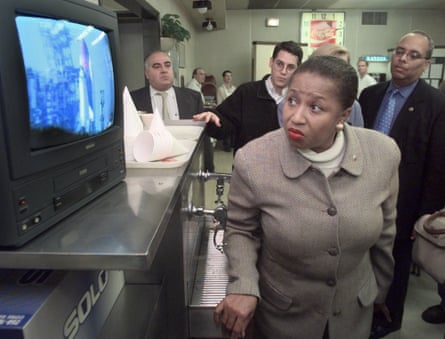
But it was not to last. Moseley Braun served only one term before being defeated by Peter Fitzgerald, a young Republican who was heir to a family banking fortune and an arch conservative on issues such as abortion rights. But that did not deter her from running in the Democratic primary election for president in 2004.
“It was terrible,” she recalls. “I couldn’t raise the money to begin with and so I was staying on people’s couches and in airports. It was a hard campaign and the fact it was so physically demanding was a function of the fact that I didn’t have the campaign organisation or the money to do a proper campaign for president.
“I was being derided by any commentator who was like, ‘Look, this girl has lost her mind,’ and so they kind of rolled me off and that made it hard to raise money, hard to get the acceptance in the political class. But I got past that. My ego was not so fragile that that it hurt my feelings to make me stop. I kept plugging away.”
Eventually Moseley Braun dropped out and endorsed Howard Dean four days before the opening contest, the Iowa caucuses. Again, she had been the only Black woman in the field, challenging long-held assumptions of what a commander-in-chief might look like.
“That had been part and parcel of my entire political career. People saying: ‘What are you doing here? Why are you here? Don’t run, you can’t possibly win because you’re not part of the show and the ways won’t open for you because you’re Black and because you’re a woman.’ I ran into that every step of the way in my political career.”
Since then, four Black women have followed in her footsteps to the Senate: Kamala Harris and Laphonza Butler of California, Angela Alsobrooks of Maryland and Lisa Blunt Rochester of Delaware.
Moseley Braun says: “I was happy of that because I was determined not to be the last of the Black women in the Senate. The first but not the last. That was a good thing, and so far the progress has been moving forward. But then we got Donald Trump and that trumped everything.”
Harris left the Senate to become the first woman of colour to serve as vice-president, then stepped in as Democrats’ presidential nominee after Joe Biden abandoned his bid for re-election.
Moseley Braun comments: “I thought she did as good a job as she could have. I supported her as much as I knew how to do and I’m sorry she got treated so badly and she lost like she did. You had a lot of sub rosa discussions of race and gender that she should have been prepared for but she wasn’t.”
Trump exploited the “manosphere” of podcasters and influencers and won 55% of men in 2024, up from 50% of men in 2020, according to Pew Research. Moseley Braun believes that, while the country has made strides on race, including the election of Obama as its first Black president in 2008, it still lags on gender.
“I got into trouble for saying this but it’s true: sexism is a harder thing to change than racism. I had travelled fairly extensively and most of the world is accustomed to brown people being in positions of power. But not here in the United States. We haven’t gotten there yet and so that’s something we’ve got to keep working on.”
Does she expect to see a female president in her lifetime? “I certainly hope so. I told my little grandniece that she could be president if she wanted to. She looked at me like I lost my mind. ‘But Auntie Carol, all the presidents are boys.’”
Still, Trump has not been slow to weaponise race over the past decade, launching his foray into politics with a mix of false conspiracy theories about Obama’s birthplace and promises to build a border wall and drive out criminal illegal immigrants.
Moseley Braun recalls: “It was racial, cultural, ethnic, et cetera, backlash. He made a big deal out of the immigration issue, which was racism itself and people are still being mistreated on that score.
“They’ve been arresting people for no good reason, just because they look Hispanic. The sad thing about it is that they get to pick and choose who they want to mess with and then they do. It’s too destructive of people’s lives in very negative ways.”
Yet her fellow Democrats have still not found an effective way to counter Trump, she argues. “The Democratic party doesn’t know what to do. It’s walking around in a daze. The sad thing about it is that we do need a more focused and more specific response to lawlessness.”
Five years after the police murder of George Floyd and death of Congressman John Lewis, there are fears that many of the gains of the civil rights movement are being reversed.
Over the past six months Trump has issued executive orders that aim to restrict or eliminate diversity, equity and inclusion (DEI) initiatives. He baselessly blamed DEI for undermining air safety after an army helicopter pilot was involved in a deadly midair collision with a commercial airliner. Meanwhile, Washington DC dismantled Black Lives Matter Plaza in response to pressure from Republicans in Congress.
None of it surprises Moseley Braun. “It should have been expected. He basically ran on a platform of: ‘I’m going to be take it back to the 1800s. Enough of this pandering and coddling of Black people.’”
But she has seen enough to take the long view of history. “This is normal. The pendulum swings both ways. We have to put up with that fact and recognise that this is the normal reaction to the progress we’ve made. There’s bound to be some backsliding.
More than 30 years have passed since Moseley Braun, wearing a peach business suit and clutching her Bible, was sworn into the Senate by the vice-president, Dan Quayle. Despite what can seem like baby steps forward and giant leaps back, she has faith that Americans will resist authoritarianism.
“I’m very optimistic, because people value democracy,” he says. “If they get back to the values undergirding our democracy, we’ll be fine. I hope that people don’t lose heart and don’t get so discouraged with what this guy’s doing.
“If they haven’t gotten there already, the people in the heartland will soon recognise this is a blatant power grab that’s all about him and making a fortune for himself and his family and has nothing to do with the common good. That’s what public life is supposed to be about. It’s public service.”
July 22, 1756 The “The Friendly Association for gaining and preserving Peace with the Indians by Pacific Measures.” was founded in Philadelphia. It was comprised primarily of Quakers (members of the Society of Friends who wished to pursue peaceful coexistence between the native peoples and the European immigrants to the Pennsylvania region. Quakers and Indians |
| July 22, 1877 A general strike, part of the railroad strike that had paralyzed the country, was called in St. Louis, where workers briefly seized control of the city. Within a week after it began in Martinsburg, West Virginia, the railroad strike reached East St. Louis, Illinois, where 500 members of the St. Louis Workingmen’s Party joined 1,000 railroad workers and residents.  Strikers in St. Louis continued operation of non-freight trains themselves, collecting the fares, making it impossible for the railroads to blame the workers for loss of passenger rail service. More about the 1877 general strike |
| July 22, 1966 Federal Judge Claude Clayton issued an injunction ordering the police of Grenada, Mississippi, to stop interfering with lawful protest, ordering them instead to protect demonstrations, and requiring certain rules to be set down for the conduct of marches. This ruling followed weeks of arrests and beating of demonstrators who had been attempting to integrate all the businesses and other institutions in their town. |
| July 22, 1987 President Ronald Reagan signed into law the Stewart B. McKinney Homeless Assistance Act (named for a member of Congress from Connecticut) which provided emergency relief provisions for shelter, food, mobile health care, and transitional housing for homeless Americans. More about the act |
https://www.peacebuttons.info/E-News/peacehistoryjuly.htm#july22
Republicans fear Washington headed for shutdown after bruising spending fights
Republican lawmakers fear Washington may be headed for a government shutdown later this year after two bruising fights over President Trump’s One Big, Beautiful Bill Act and a $9 billion rescissions package created bad blood on Capitol Hill.
Read in The Hill: https://apple.news/A585JkvjiQka_Q9ULNV0W6w
Shared from Apple News
Best Wishes and Hugs,Scottie
So, as I do most evenings, Saturday evening I opened the NewsCow to see what I’d missed about town since Friday evening. Turns out, the Recycling Center had reopened, effective Saturday morning! There is very little info, so I’m including it all underneath, but you can click through to nose about and maybe vote in a poll, or something, if you like. This is follow-up to So Reading the News Yesterday, from July 11th.
…..Sumner Newscow report — Effective Saturday, July 19, 2025, the Wellington Recycling Center will reopen and begin collecting materials again. At this time, the materials will remain the same as before: cardboard, paper products, magazines, tin cans, and aluminum cans. Hours of operation will also remain the same:
Monday, 11 a.m. to 1 p.m. and Saturday, 9 a.m. to noon.
City staff is in discussions with multiple buyers and evaluating the environmental, operational and financial impacts of all of the options available at this time. Information will be provided in the future if any changes at the Center are required. (End; now you know what I know. Oh, except the City’s Recycling Center Page is not yet updated as of Sunday evening. Interesting!)
(This is here in part because clicking through to read on Substack for free is good for her numbers, and she deserves all the numbers. -A)
My Thoughts on the ‘Gen Z Stare’ by Charlotte Clymer
And I do have thoughts. Read on Substack
Legacy media is very concerned with the ‘Gen Z Stare’
In the past week, there’s been robust discourse in legacy media about the so-called ‘Gen Z Stare’ and the bursts of generational conflict it reportedly captures.
It’s gotten write-ups by The New York Times, The Washington Post, USA Today, The Boston Globe, NBC News, ABC News, CNBC, Newsweek, Indy100, Axios, Fortune, Vox, Vice, Business Insider, The Independent, Forbes, Buzzfeed, Slate, HuffPost, Glamour, People, and Marie Claire, among others.
As a millennial, I am apparently urged to be concerned about this phenomenon of Gen Z folks supposedly failing to appropriately interact with me through sufficiently pleasant facial expressions, so I thought it might be helpful to offer my thoughts:
The sitting president of the United States is currently covering up a massive sex trafficking operation that targeted children and likely implicates a number of powerful people who are currently out in the world and free to continue preying on children.
The sitting president of the United States just successfully pressured Paramount and CBS to cancel the #1 late-night talk show on broadcast television as part of what appears to be a blatant bribery deal because the host has been critical of him.
The sitting president of the United States just got the extremist Republican majority in Congress to strip 11 million Americans of health care coverage by the end of 2026 and upwards of 17 million Americans when you account for new federal work requirements. (snip-MORE; it’s succinct and quick, and it’s all good facts for grocery/other places lines, for discussion.)
 Scottie's Playtime