
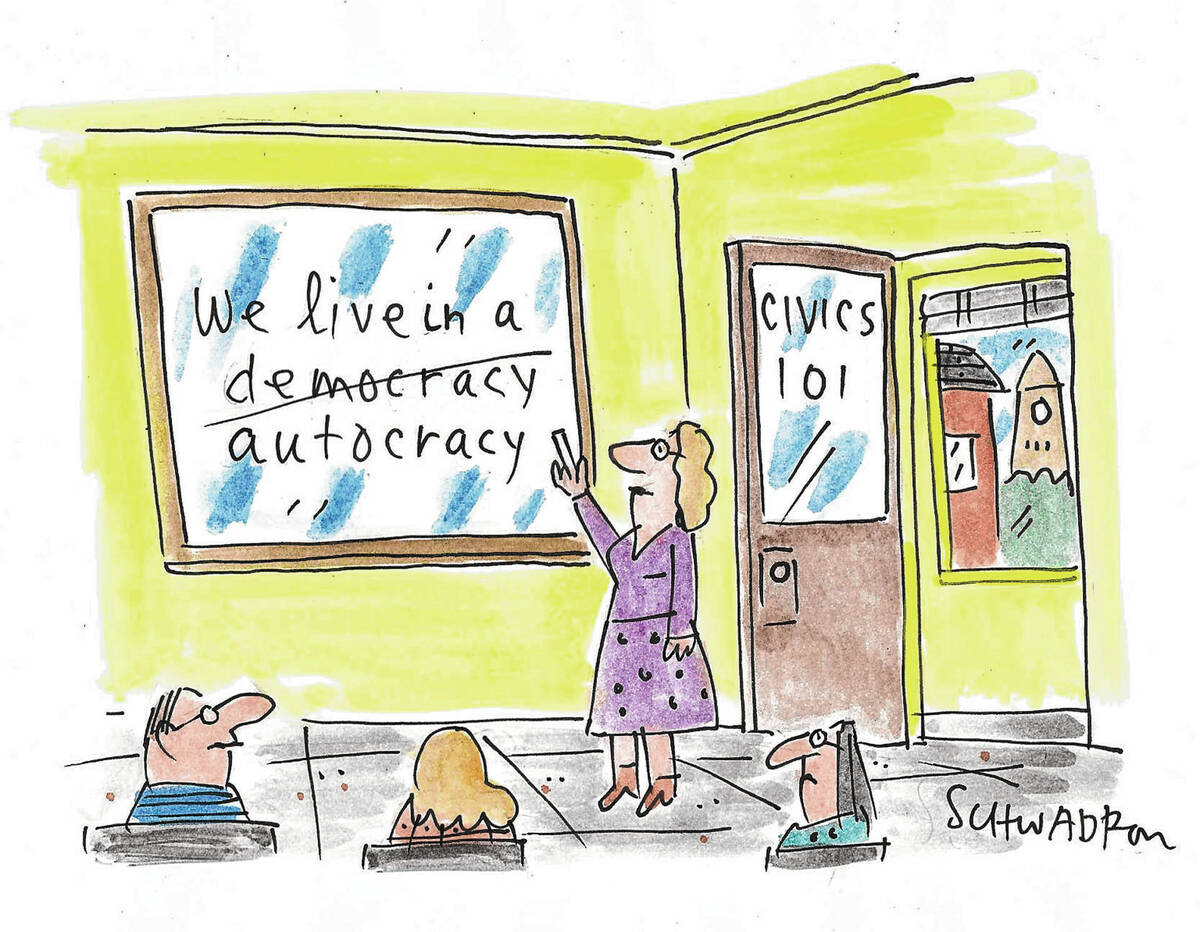
How is this possible in the land of the free and the home of the brave? Is this a democracy anymore? Have we become a thug nation of lawlessness? Hugs
He has no citizenship to any country, despite SCOTUS case
By Maggie Quinlan, 1:08PM, Wed. Jun. 4, 2025
Jermaine Thomas, who says he was deported to Jamaica without a passport though he’s never been to the country (Provided by Jermaine Thomas)Ten years ago, Jermaine Thomas was at the center of a case brought before the U.S. Supreme Court: Should a baby born to a U.S. citizen father deployed to a U.S. Army base in Germany have U.S. citizenship?
Last week, Thomas was escorted onto a plane with his wrists and ankles shackled, he says. He arrived in Jamaica, a country he’d never been to, a stateless man.
“I’m looking out the window on the plane,” Thomas told the Chronicle, “and I’m hoping the plane crashes and I die.”
Thomas has no citizenship, according to court documents. He is not a citizen of Germany (where he was born in 1986) or of the United States (where his father served in the military for nearly two decades) or of his father’s birth country of Jamaica (a place he’d never been).
Thomas doesn’t remember Germany. He says he thinks his first memory is in Washington state, but he moved around so much in his military family that it was hard to keep track.
He spent most of his life in Texas, much of it homeless and in and out of jail, he says. His parents divorced when he was too little to remember. His mother, a nurse, remarried to another man in the Army. They moved a lot, and as she and the stepfather had their own kids, Thomas says he struggled in the new family setup.
So at about about 11 years old, he went to stay with his biological father in Florida. By then, his dad was retired from an 18-year career in the U.S. military, he says. His dad died from kidney failure not long after, in 2010.
“If you’re in the U.S. Army, and the Army deploys you somewhere, and you’ve gotta have your child over there, and your child makes a mistake after you pass away, and you put your life on the line for this country, are you going to be okay with them just kicking your child out of the country?” Jermaine says, phoning the Chronicle from a hotel in Kingston, Jamaica. “It was just Memorial Day. Y’all are disrespecting his service and his legacy.”
From Killeen to Kingston
Thomas says it all began with an eviction in Killeen, Texas, which is about an hour north of Austin. Thomas didn’t know where he’d go next, so to get things out of the apartment quickly, he says he moved all of the stuff into the front yard.
While he was gathering things up in the yard, he was joined by his rottweiler, Miss Sassy Pants, whose leash he had tied to a pole.
Then Killeen police showed up. Thomas says they asked for his ID without telling him what he was in trouble for. He says he responded: I haven’t committed a crime and I don’t want to talk to you. They told him that they’d gotten a call about a dog being tied up. Next, they asked if he had the dog’s immunization records or chip number. He said they checked her chip and didn’t see Sassy’s name, so they told Thomas they’d be taking her to the pound.
The dog was loaded into a truck, and Thomas says at this point, he was arrested. Killeen police confirmed that he was arrested for suspected trespassing with no other charges. That’s a misdemeanor in Texas. He went to the Bell County Jail, where he says a court-appointed lawyer told him he could be sitting in a cell for eight months if he wanted to take the case to trial.
After about 30 days in jail, which resulted in losing his job as a janitor, Thomas says he signed paperwork to be released with conditions. But instead of being released, he was transferred to an Immigration and Customs Enforcement detention center in Waco. He was there only a few hours before being transferred again to an ICE detention camp in Conroe, Texas, just north of Houston.
He says he spent two and half months incarcerated in Conroe, and it seemed like no one knew the status of his case. According to Thomas, a deportation officer told him repeatedly that he had a very unique case, and that it was out of their hands in Texas, and now in the hands of “Washington, D.C.”
“You keep explaining to me that I’m being detained in suspended custody, in detention, but if I don’t have a release day and I don’t get to see a judge, that’s pretty much a life sentence,” Thomas says.
Feeling frustrated with his indefinite imprisonment, Thomas says he called the Department of Homeland Security and the Office of the Inspector General to file a report about what he thought was unlawful detention.
His case only got more confusing after that, he says. After a guard told him he would soon be released, Thomas was allowed a mesh bag to put his property in. He says all he had was some paperwork from his citizenship case and a phone. The phone didn’t have service – naturally, as he hadn’t been able to pay his phone bill since being incarcerated.
Officers brought Thomas to a room full of Spanish speakers. Thomas says he found one man who spoke “broken English” who said they were all being deported to Nicaragua. “So I get to banging on the door, and I’m like: Hey, why am I in here with them?”
 Jermaine Thomas in Kingston (Provided by Jermaine Thomas)
Thomas says he decided then that if officers asked him to put his hands behind his back, he just wouldn’t. “I thought, I’m not gonna do it,” he says. “I’m gonna refuse to do it: Respectfully, I don’t mean to be a problem or anything like that, but you’re not gonna just kidnap me and traffic me across the lands and international lines and deport me like I’ve been seeing y’all do on the news.”
The Back of the Airbus
At least they sent him to Jamaica, says Thomas’ new friend and fellow deportee Tanya Campbell. It may be a country he’s never stepped foot in, and it may be he’s only there because of his “appearance,” as she puts it, but at least the language is English. Campbell, who actually grew up in Jamaica, was imprisoned for manslaughter more than a decade ago in New York. Upon her release from prison a few weeks ago, ICE picked her up. On May 29, she says she was one of roughly 100 people brought to a plane on a tarmac in Miami, bound for Kingston.
At the airport, as she exited a van and was being shackled, she noticed a man surrounded by between eight and 10 officers. That’s how she describes first seeing Jermaine. He was the last to board the plane, “And it was like a walk of shame,” she says. He was seated at the back with officers on either side. She assumed he was a fugitive.
Thomas says he sat in the 31st row. Landing was “bizarre, too real,” he says. “It was like a stampede. Everybody just got up and got off the plane.”
Thomas waited in the last row.He says an ICE officer got on the plane and said: “I don’t have records for more than half of these people. There’s something wrong.”
ICE and DHS did not respond to our questions.
Thomas says he doesn’t know what to do in Jamaica. He finds people difficult to understand, plus many speak Patois, and he doesn’t. He doesn’t know how to get a job. He doesn’t know if it’s the Jamaican or U.S. government paying for his hotel room, and for how long that will last. He’s not sure if it’s even legal for him to be there.
Editor’s Note Friday, June 6, 4:44pm: This story has been updated to correct the year of Thomas’ father’s death. The Chronicle regrets the error.







































 Scottie's Playtime