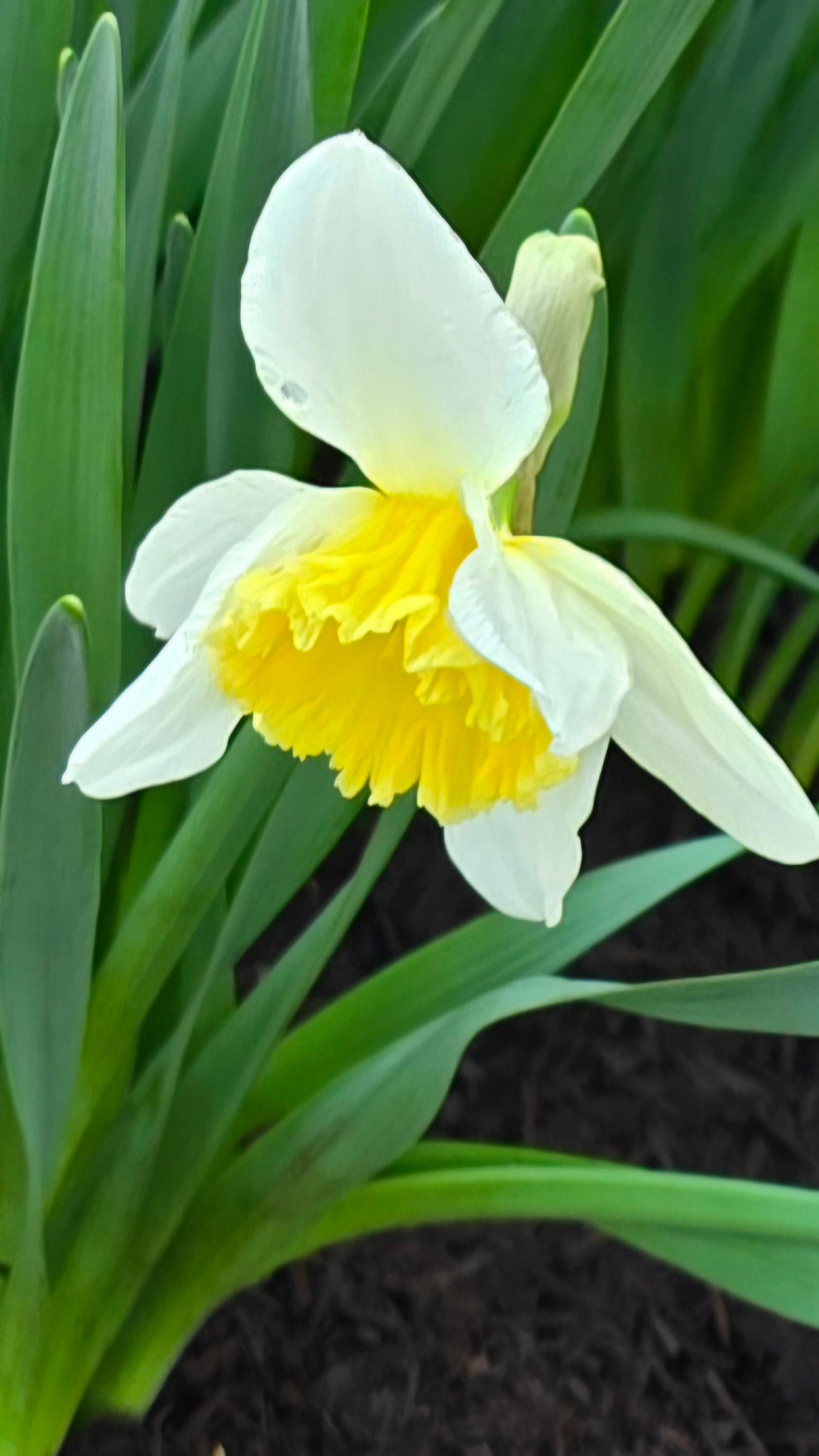
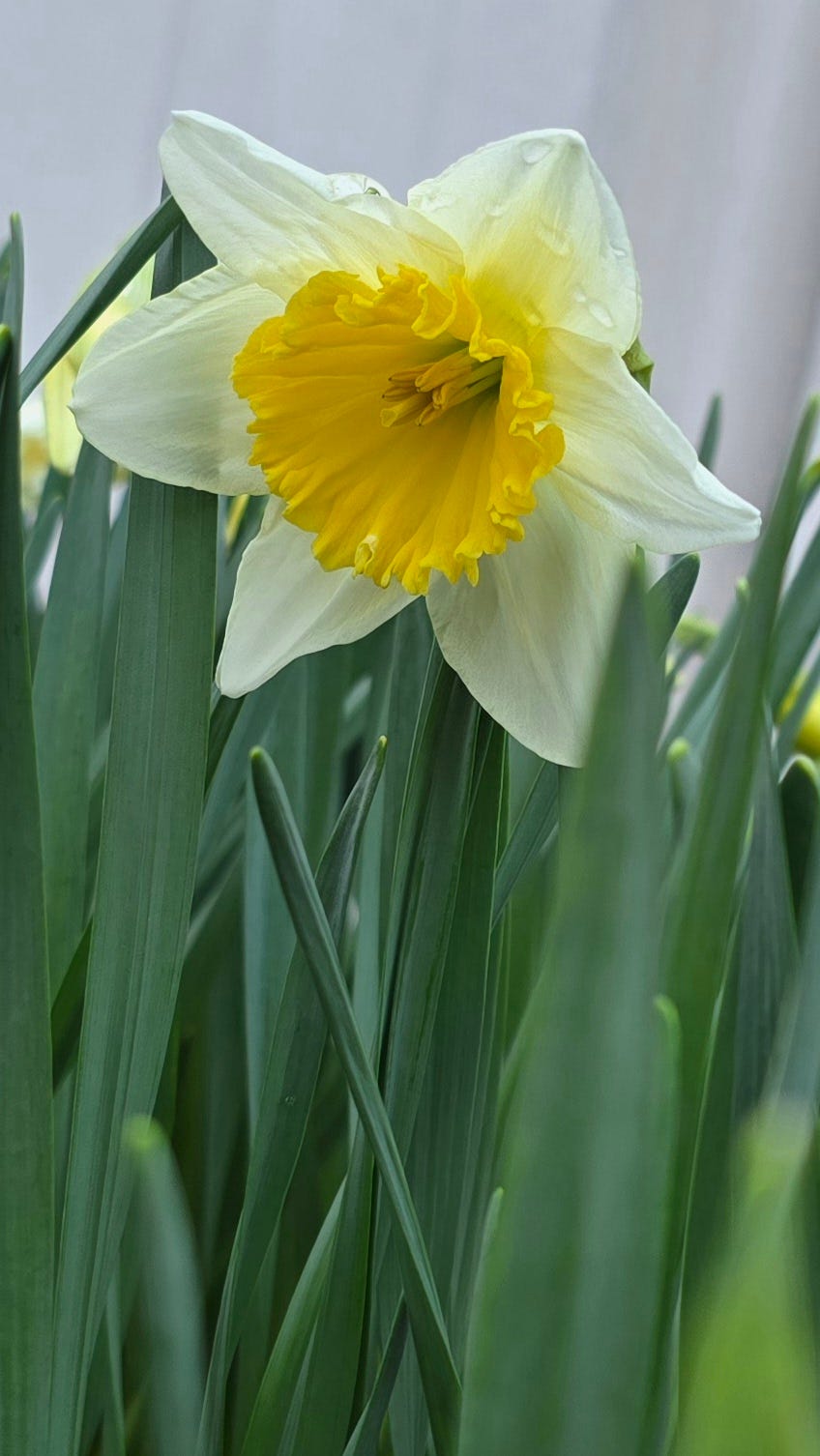
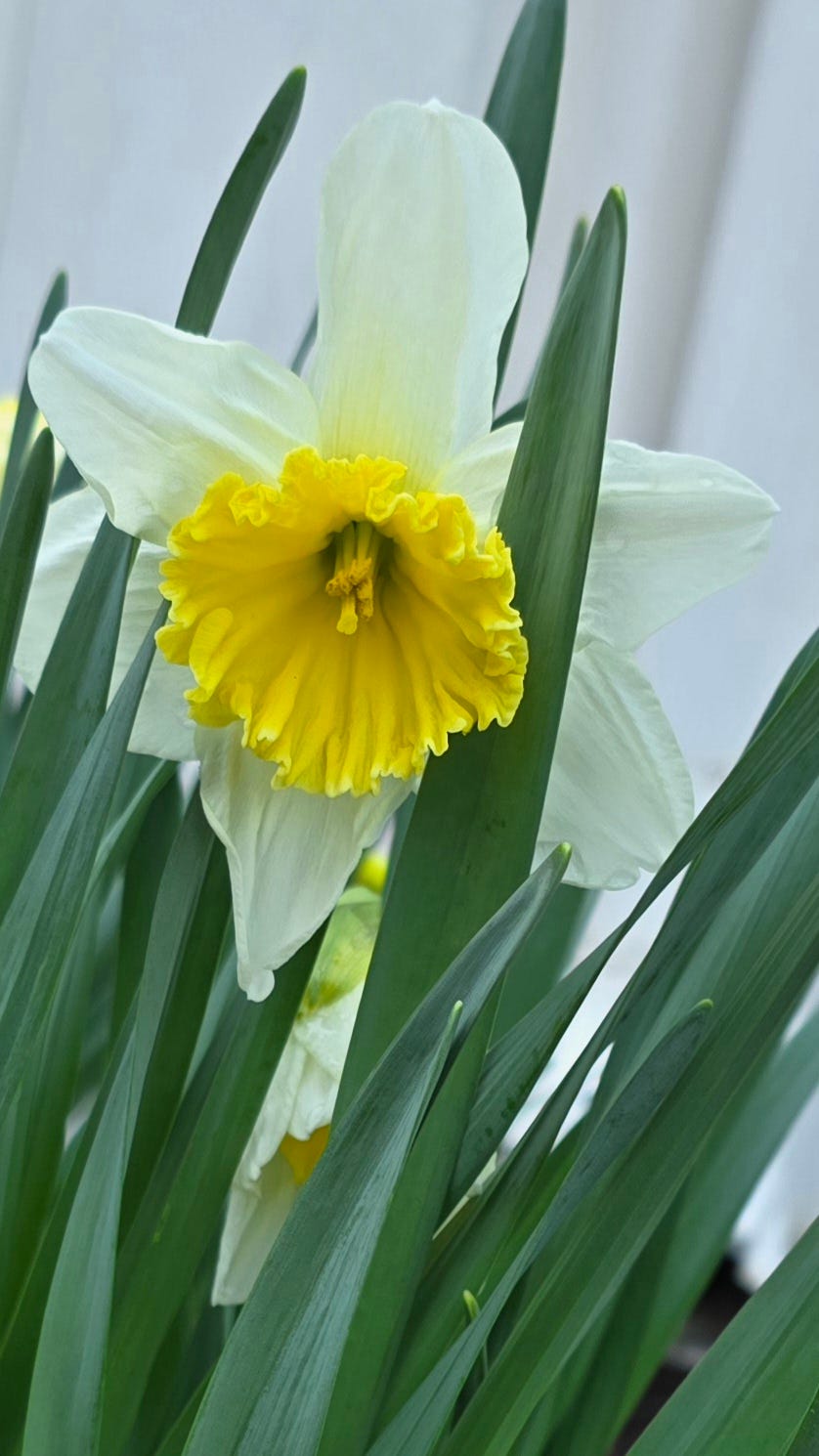
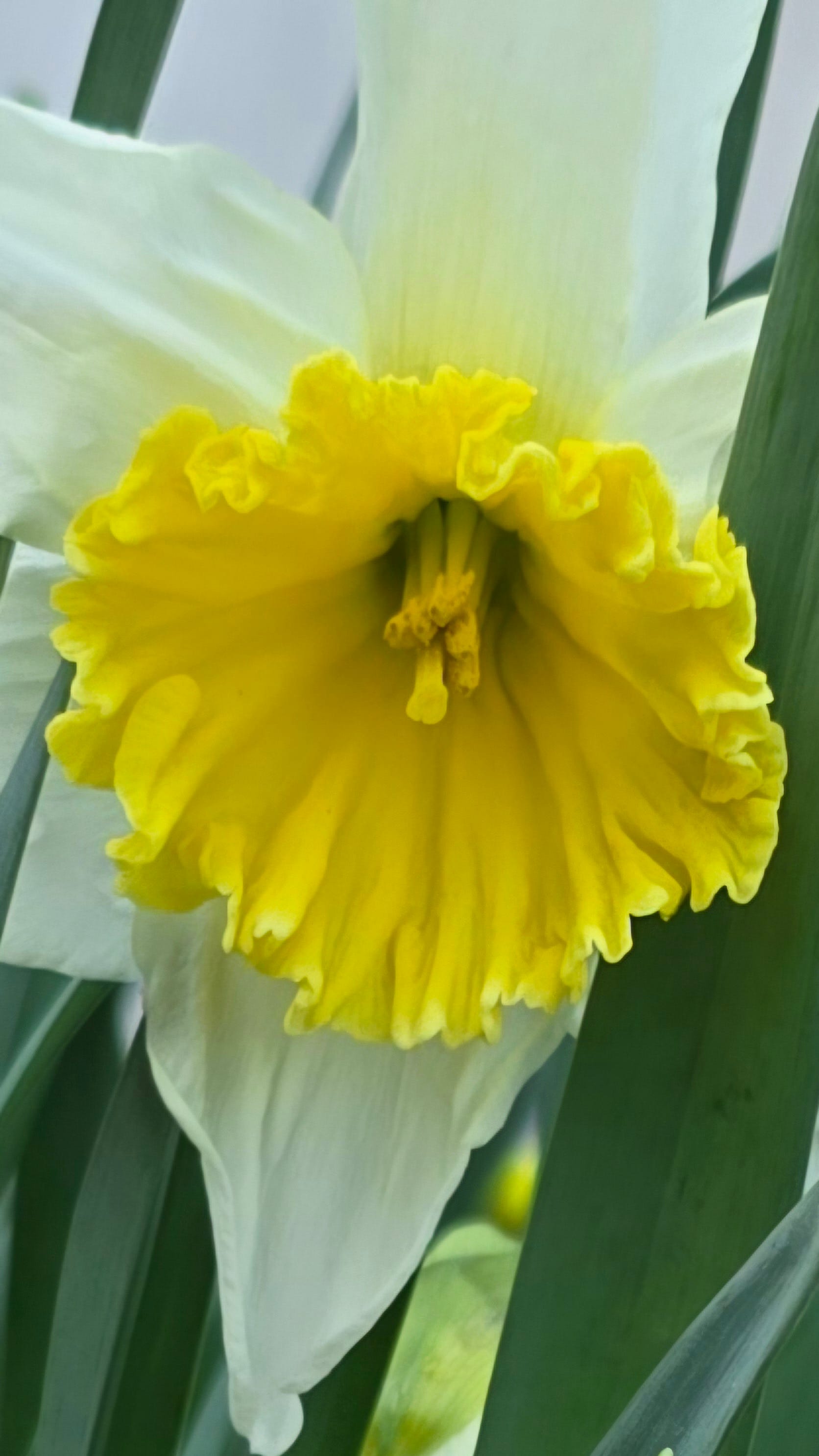
“Handsome Hudwit”

Worriedman’s Garden Journal

“Moon Carrot” sounds like a name Frank Zappa considered for his third child. by Worriedman

Seseli gummiferum “Moon Carrot” Scadoxus multiflorus ” Blood Lily” Read on Substack

A couple of “new to me” favorites! Moon Carrots and Blood Lilies –

We have some lovely islands in our parking lot at work. Over the years they’ve been lushly and beautifully planted with all manner of wonderful things. Year before last, during a stretch of drought, the irrigation quit working and everything died. Our director of research is a gifted landscaper. He’s taking the islands on as a personal project. I’m continually delighted all season long with the things he’s done.

About midsummer last year these started turning up.

I sent the r&d director a picture captioned “ What the hell!?” He texted back “ Moon Carrot”

I texted back“ Dumb ass – just tell me what kind of plant this is!”

“ It’s a Moon Carrot plant . “Seseli” something or a rather. (Seseli gummiferum) It’s an Apiaceae( carrot family) .

Details – a member of the carrot family (Apiaceae or Umbellifers – the flowers form a pleasing umbrella shape) the plant is originally from the dry mountainous regions of Turkey and Ukraine.

Light : Full sun, tolerates some shade

Height: 2 to 4 ft

Spread: 1 to 1 1/2 ft.

Flower Form : flowers grow off a central stem forming an umbrella shape

Foliage : chalk blue, thin fleshy leaves – quite attractive – stalks resemble broccoli

Hardiness: USDA Zones 5 – 9

Culture: Originally from dry, mountainous regions , Moon Carrot thrives in near drought conditions and poor soil. Make sure the soil is well drained -No wet feet! pH and general soil quality are unimportant. This plant thrives in tough conditions. My kind of plant!

The pictures all seem to look like this – one central stalk – very upright

Ours all look like this – Lucy goosey laying over with several blooms coming up from off of the stem

Moon carrots are biennial. This means that the moon carrot’s life cycle takes two seasons to complete. The first season the plant grows from seed into a small mound of lovely blue green foliage. With cold weather this foliage dies back to the ground, just like a herbaceous perennial. After a winter’s rest, in the spring, the plant returns, this time growing the long stalk accumulates in an umbral of flowers. These eventually form seed. With the second season of cold weather, it dies back to the ground never to return. The seeds, sown by gravity in the immediate area, will germinate and form new plants with the warm weather The following season. Biennial = 2-year life cycle with flowers and seeds forming in the second season. I have read that if the flowers are removed before forming seed, the plant will come up every season and form flowers until those flowers are permitted to set seed at which time the plant will die. By removing the blooms, we can turn the plants into what is essentially a perennial. Does this work? I don’t know. I may try that this year !

Moon carrot seems like the perfect specimen plant to me. An attention grabbing, hard to miss beauty that would be overpowering in a group.

Propagation is from seed.

One day, during my first season in my current position, my boss stuck his head my office, threw me a bag and said “Here, you’ll thank me later”

It was a Blood Lily – Scadoxus multiflorus . From Africa, we get ours from Swaziland and the Congo.

Usually planted in pots , these spectacular flowers make a great specimen plant. Get them up on a table where you can look closely at the marvelous geometric precision.

Light: Bright , indirect sun, or partial sun during the day. Avoid hot direct sunlight such as unfiltered afternoon sun.

Height: 18 – 24 “

Spread: 15 – 18

Flower Form: Amazing !

Foliage: Bright green, succulent leaves may appear while blooming, they’ll usually they show up after blooming is done.

Hardiness: USDA Zones 9 – 11

Culture: Best in a container. Sandy soil with good drainage. Some compost is nice to help the soil hold moisture. They only need moderate water – don’t overdo it! Use a high phosphorus fertilizer a couple of times a month during growing season -one formulated for blooms is perfect. After the plant blooms and begins to go dormant gradually reduce the water and stop fertilizing. The upper greenery will all die back. Move indoors for the winter. Water only enough to keep the soil moist. I kept mine in the closet. In the Spring, once the danger for frost is past, pull the plant out into the light, give it a good drink of water and some food.

Propagation is easy . After the flower blooms, little red berries appear. The seeds are in there. When the seeds fall off – rinse off what’s left of the berry and let them dry. Sow them right on top of some moist potting mix. A bulb will form on top of the soil. In a few months, new growth will appear.

On plants that are several years old, offsets will appear on the main stem. Allow them to grow for a couple of seasons. Once the time is passed, use sharp scissors to remove the offset, roots and all. Plant in a new pot.

There are more poisonous plants than blood lilies, they can, however, make you or your pets pretty sick. Be careful!

That is your two cool plants for today. Everyone will envy you and they will make you happy.

Thanks for stopping by – have a great day!

Let’s See How This Goes-

From Nancy Beiman:

My independent films by Nancy Beiman

One, two three, and a partial fourth. Read on Substack

My website had some outages that have now been repaired. You can see my three finished independent films and the animatic (storyboard script) for the fourth, OLD TRICKS, here.

It took me three years to make YOUR FEETS TOO BIG, eight weeks to make THE OTHER EDEN, six months to make A SHORT HISTORY OF INDIANS IN CANADA.

Digital technology made the last three films possible. THE OTHER EDEN and the SHORT HISTORY were entirely paperless while YOUR FEETS TOO BIG was made with traditional cels, backgrounds, and magnetic/optical soundtrack technology.

Enjoy. (snip)

Well Written&Drawn, Georgia Dunn!

Breaking Cat News by Georgia Dunn for March 02, 2025

Breaking Cat News Comic Strip for March 02, 2025

(I put a new theme on the phone for March; it’s called “Four Leaf Spring.” I thought it would be seasonable. I noticed on the thumbnail that the four leaved clover had 5 leaves, so kept looking, then decided to go back and just take it because other than the extra leaf, I like it, and it’s free. It did strike me that that theme artist used AI. Or is AI? dun dun DuN…)

“Western Grosbeak”

Peace & Justice History for 3/1

March 1, 1943
A huge rally in New York City’s Madison Square called on the U.S. government to reconsider its refusal to offer sanctuary to Jewish refugees of Nazi Germany.
March 1, 1954
Nuclear Free and Independent Pacific Day, or Bikini Day, marks the anniversary of the explosion of the largest-ever U.S. nuclear weapon which contaminated major parts of the Marshall Islands
[see February 28, 1954].


The land and people of the south Pacific have been exposed to numerous nuclear bomb tests and their radioactive aftermath.
In addition to the 67 atmospheric U.S. tests at Bikini and Eniwetok Atolls, France tested 193 weapons in French Polynesia, 46 in theatmosphere. The U.K. exploded 34 devices on Malden and Christmas Islands.The day is also intended to call attention to the potential danger of the increasing trans-oceanic shipment of hazardous nuclear materials, and the need of nuclear and shipping nations to consider the rights and health of the indigenous peoples of the region.
 
The proposed South Pacific Nuclear-Free Zone Treaty
March 1, 1956
The University of Alabama permanently expelled Autherine Lucy, the first African-American person ever admitted to the University (following a federal court’s ordering her admission).She was met with rioting by thousands of students (none of whom were disciplined) and others. She charged in court that University officials had been complicit in allowing the disorder, as a means of avoiding compliance with the court order.
The trustees expelled her for making such “ baseless, outrageous and unfounded charges of misconduct on the part of the university officials.”


Burning desegregation litgerature at the University of Alabama. Students, adults and even groups from outside of Alabama shouted racial epithets, threw eggs, sticks and rocks, and generally attempted to block her way.

Autherine Lucy Foster receives her master’s degree from University of Alabama in 1992.
Autherine Lucy Foster ultimately received her master’s degree from the University of Alabama in library science in 1991, the same year her daughter, Grazia, earned her undergraduate degree. The University now grants an endowed scholarship annually in Lucy Foster’s name.
March 1, 1961
 
President John F. Kennedy issued Executive Order 10924 establishing the Peace Corps as a new agency within the Department of State. The same day, he sent a message to Congress asking for permanent funding for the agency, which would send trained American men and women to foreign nations to assist in development efforts. The Peace Corps captured the imagination of the U.S. public, and during the week following its creation, thousands of letters poured into Washington from young Americans hoping to volunteer.
What is the Peace Corps today?  (A happy surprise; the website is still up and functioning at 7:54 PM 2/28/25. -A)
March 1, 1974
Former top Nixon White House aides H.R. Haldeman and John D. Ehrlichman, and former Attorney General John Mitchell, were indicted on obstruction of justice charges related to the Watergate break-in.
March 1, 1981
Irish Republican Army member Bobby Sands began a hunger strike at the Maze Prison in Northern Ireland; he died 65 days later.
He had dedicated his life to freeing Northern Ireland from British rule.


Read more 
“Hunger,” a film about Bobby Sands by director Steve McQueen (“Shame”) with Michael Fassbender
Watch the trailer

https://www.peacebuttons.info/E-News/peacehistorymarch.htm#march1

Some Science on Thursday

Earliest evidence of humans in rainforests leads to surprises about how we evolved

February 27, 2025 Evrim Yazgin

The earliest evidence that humans inhabited rainforests has been found in Africa, a surprising find which pushes human settlement in these habitats much further back than previously thought.

Modern humans, Homo sapiens, evolved about 300,000 years ago in Africa. The ecological and environmental circumstances in which our species evolved are still not well understood.

It is likely that our ape-like ancestors millions of years ago did live in dense rainforests. But the retreat of Africa’s forests and the spread of savannah and grasslands as Earth’s climate dried is usually linked to the evolution of bipedalism in early human ancestors as far back as 7 million years ago.

As a result, rainforests have often been overlooked as important habitats in the evolution of early modern humans.

New research published in Nature has put a dent in this assumption.

The evidence comes from a site which dates to 150,000 years ago in present-day Côte d’Ivoire on the southern coast of West Africa.

“Before our study, the oldest secure evidence for inhabitation in African rainforests was around 18,000 years ago and the oldest evidence of rainforest inhabitation anywhere came from southeast Asia at about 70,000 years ago,” says lead author Eslem Ben Arous, from Spain’s National Centre for Human Evolution Research (CENIEH) and the Max Planck Institute of Geoanthropology in Germany.

The site was first investigated in the 1980s when ancient stone tools were discovered. But the age of the tools and the ancient ecology couldn’t be determined with the technology of the day.

Archaeological trench site overgrown
The trench initially excavated by Professor Guédé’s team was overgrown when researchers returned for the current study. Credit: Jimbob Blinkhorn, MPG.

Today, Côte d’Ivoire has roughly 9% forest cover which has dropped from nearly 50% in the 1960s due to agriculture from nearly 50% in the 1960s.

“Several recent climate models suggested the area could have been a rainforest refuge in the past as well, even during dry periods of forest fragmentation,” says senior author Eleanor Scerri, from the Max Planck Institute of Geoanthropology. “We knew the site presented the best possible chance for us to find out how far back rainforest inhabitation extended.”

The anthropologists used several dating techniques including optically stimulated luminescence and electron-spin resonance to determine the stone tools were 150,000 years old.

Hand holding ancient stone tool in forest with people in background
Stone tools like this one, excavated at the Anyama site, reveal that humans were present at the rainforested site roughly 150,000 years ago. Credit: Jimbob Blinkhorn, MPG.

Sediment samples also showed the region was heavily wooded, with pollen and leaf waxes typically found in humid West African rainforests. Low levels of grass pollen show it wasn’t a narrow strip of forest either, but in a dense woodland.

This evidence suggests that some early modern humans lived in rainforests while others stuck to their grassland and savannah homes.

“Convergent evidence shows beyond doubt that ecological diversity sits at the heart of our species,” says Scerri. “This reflects a complex history of population subdivision, in which different populations lived in different regions and habitat types.

“We now need to ask how these early human niche expansions impacted the plants and animals that shared the same niche-space with humans. In other words, how far back does human alteration of pristine natural habitats go?”

“This exciting discovery is the first of a long list as there are other Ivorian sites waiting to be investigated to study the human presence associated with rainforest,” says Guédé. 

The site which yielded these stone tools has since been destroyed by mining.

A Kitty Name Poem, with A Mule, Too

The Naming of Cats by Worriedman

T. S. Eliot Read on Substack

The Naming of Cats is a difficult matter,
It isn’t just one of your holiday games;

You may think at first I’m as mad as a hatter

When I tell you, a cat must have THREE DIFFERENT NAMES.

First of all, there’s the name that the family use daily,

Such as Peter, Augustus, Alonzo, or James,

Such as Victor or Jonathan, George or Bill Bailey—

All of them sensible everyday names.

There are fancier names if you think they sound sweeter,
Some for the gentlemen, some for the dames:

Such as Plato, Admetus, Electra, Demeter—

But all of them sensible everyday names,

But I tell you, a cat needs a name that’s particular,

A name that’s peculiar, and more dignified,

Else how can he keep up his tail perpendicular,

Or spread out his whiskers, or cherish his pride?

Of names of this kind, I can give you a quorum,

Such as Munkustrap, Quaxo, or Coricopat,

Such as Bombalurina, or else Jellylorum— Names that never belong to more than one cat.

But above and beyond there’s still one name left over,

And that is the name that you never will guess;

The name that no human research can discover—

But THE CAT HIMSELF KNOWS, and will never confess.

When you notice a cat in profound meditation,
The reason, I tell you, is always the same:
His mind is engaged in a rapt contemplation

Of the thought, of the thought, of the thought of his name:
His ineffable effable
Effanineffable
Deep and inscrutable singular name.

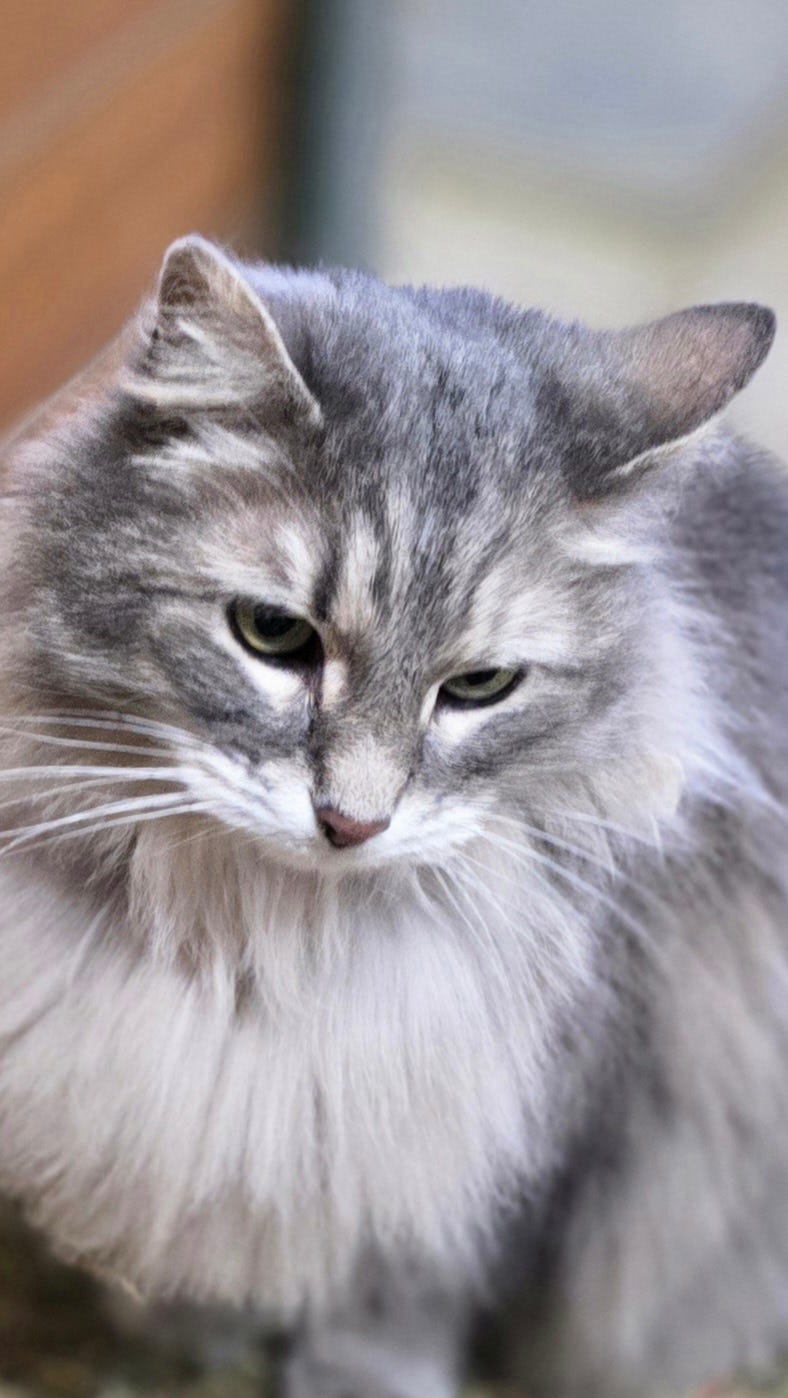
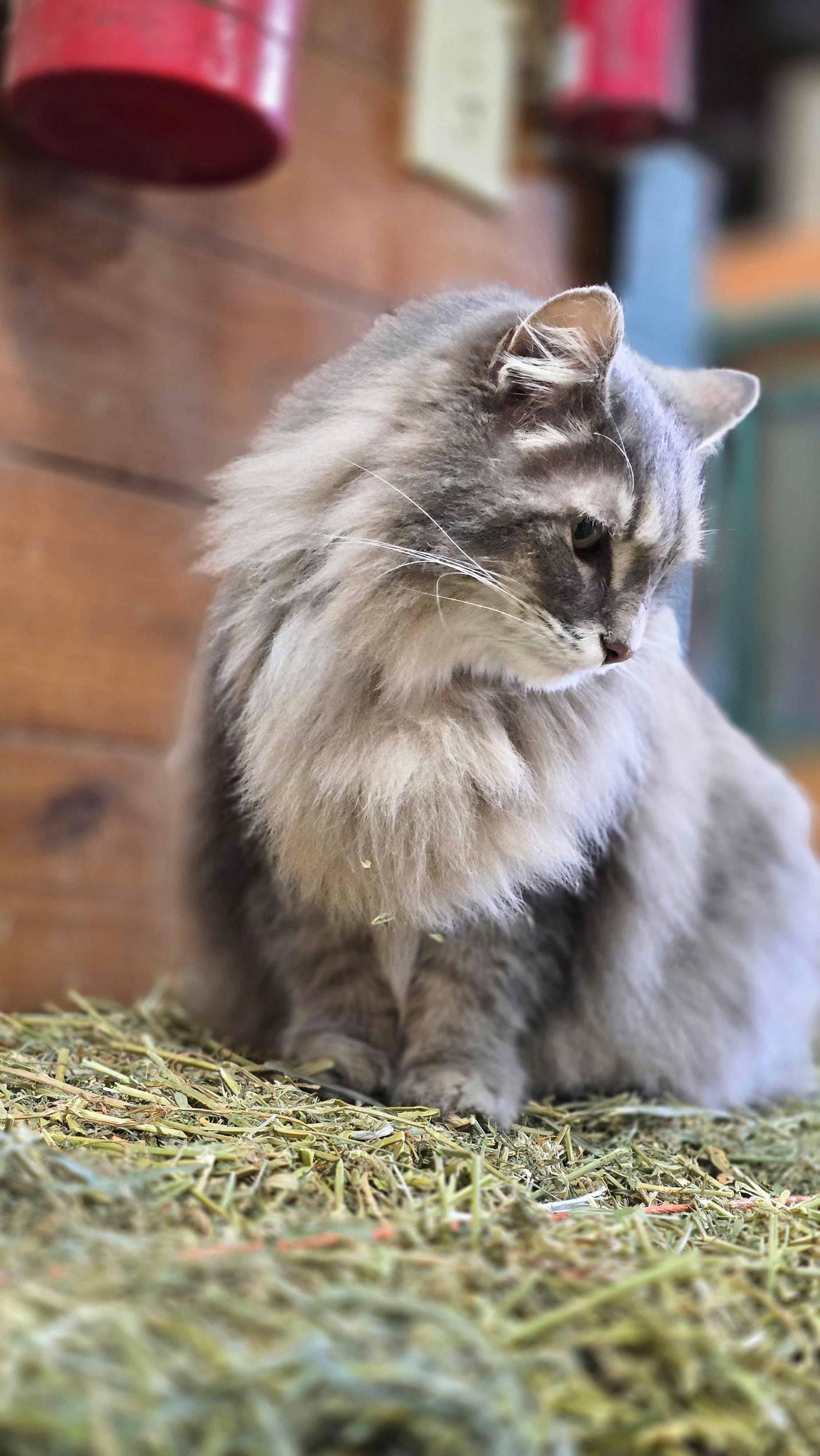
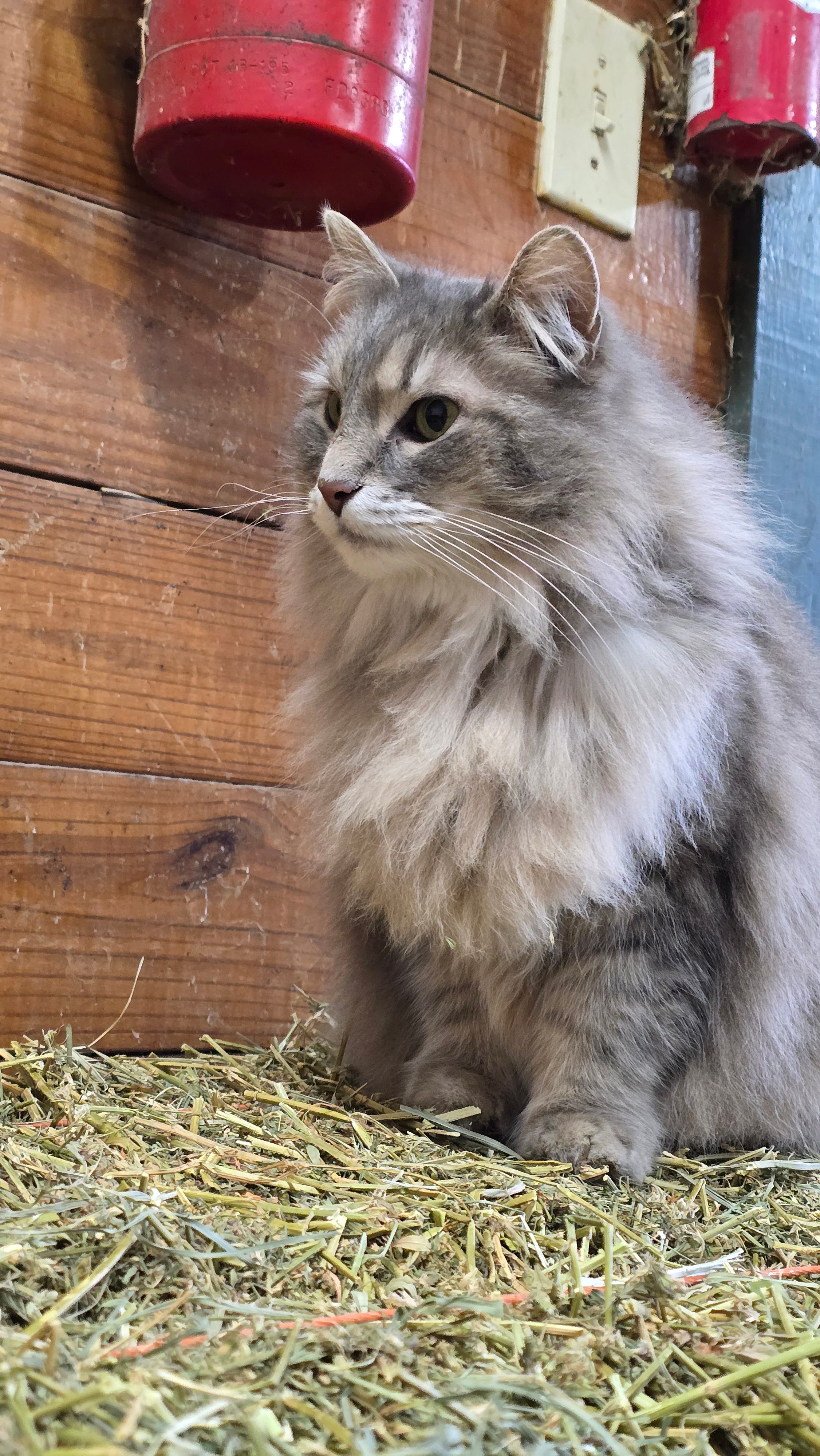
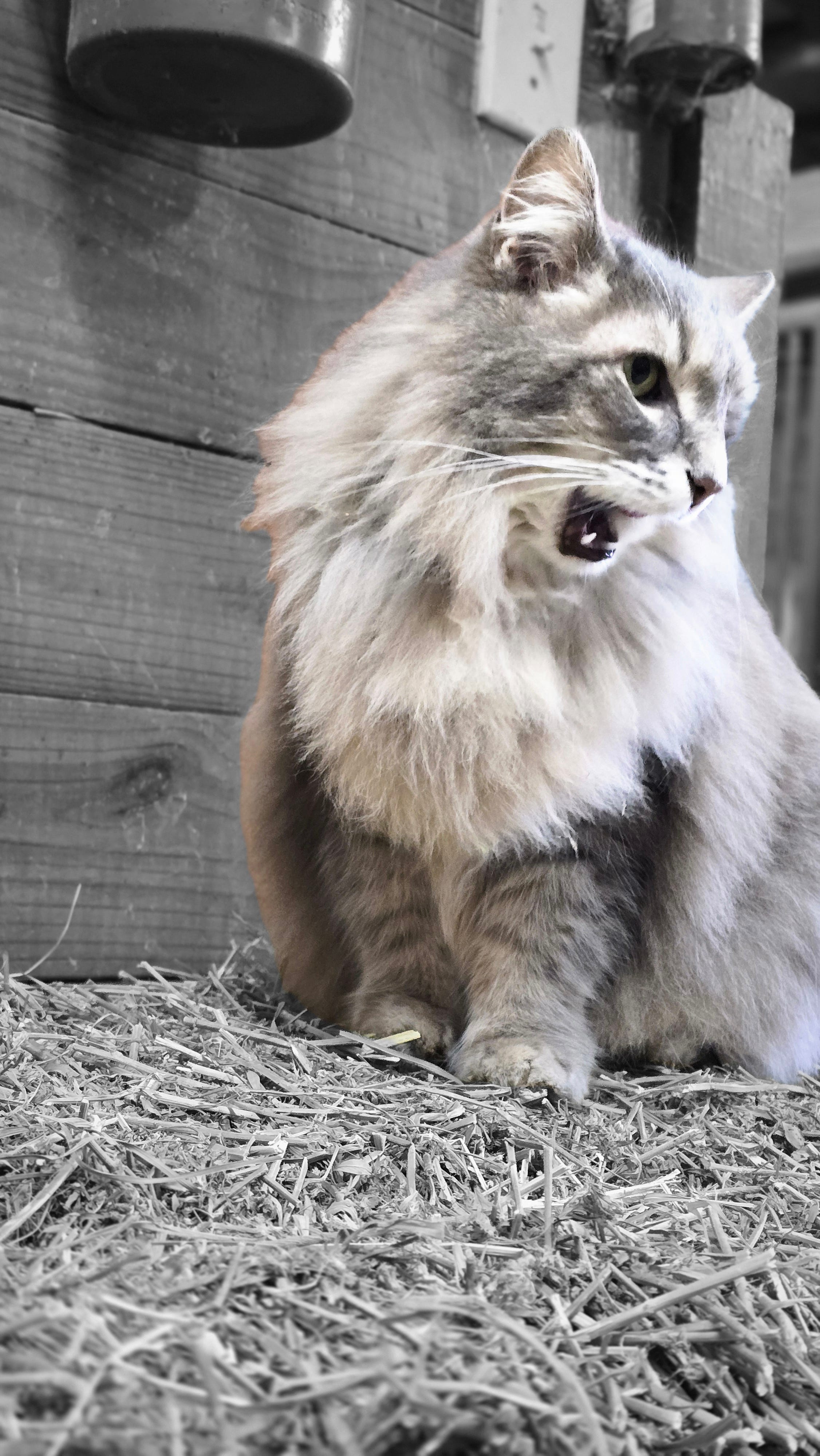
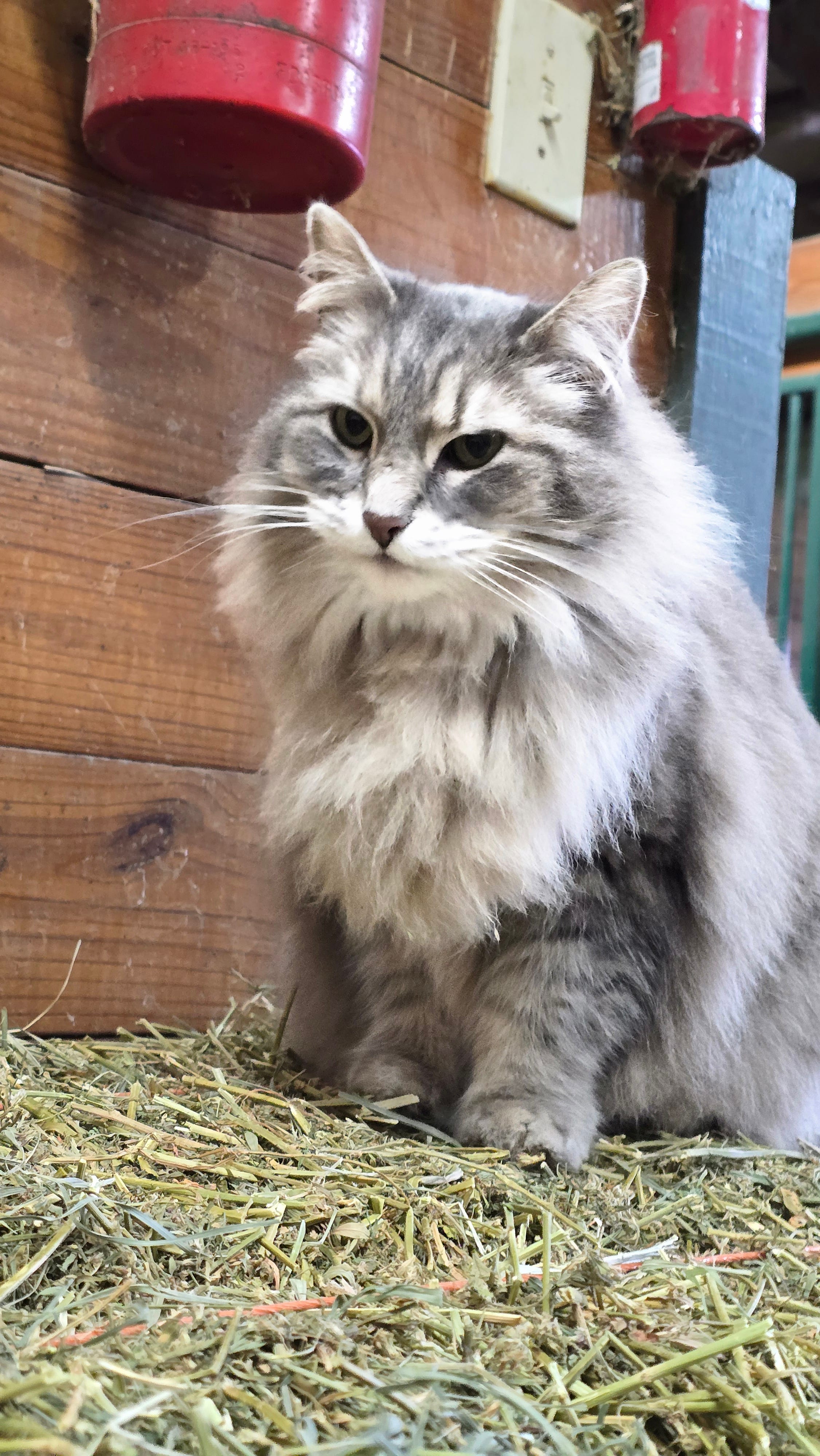
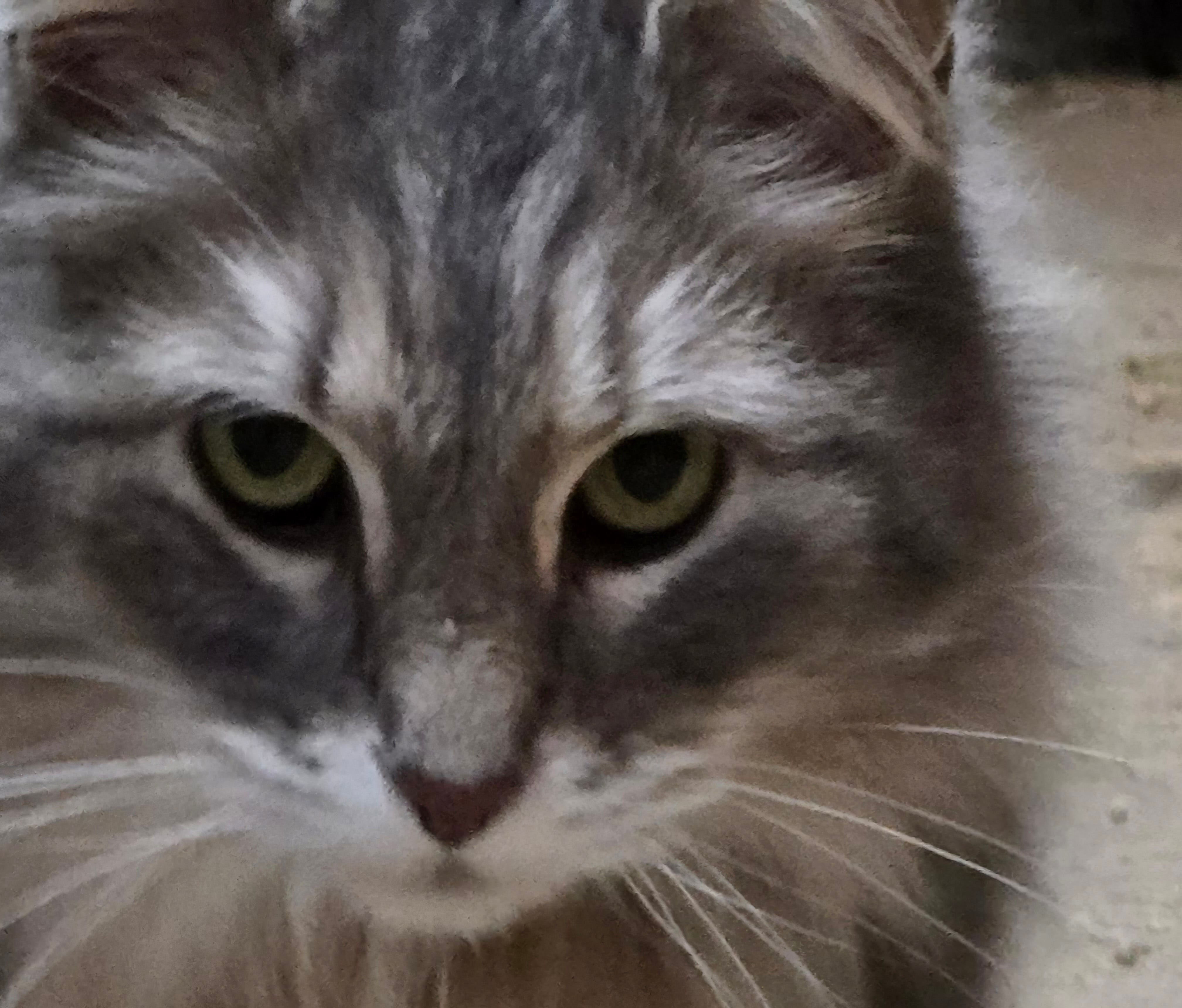
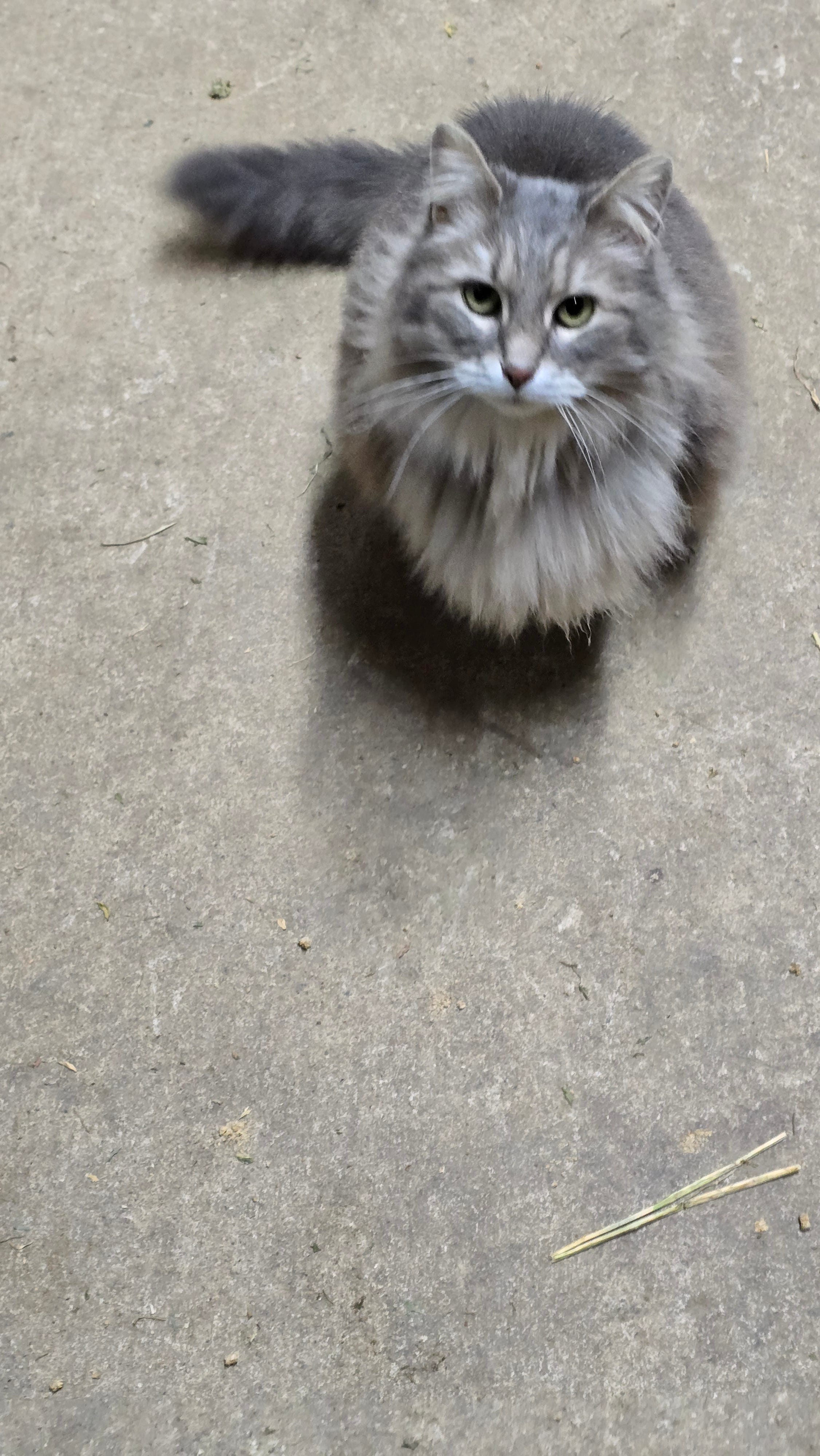
Barn cat is a righteous little storm of constant movement. I have to take four pictures to everyone I can use – sometimes more. Here’s the first nine pictures I took for this session.

It’s always worth the patience!

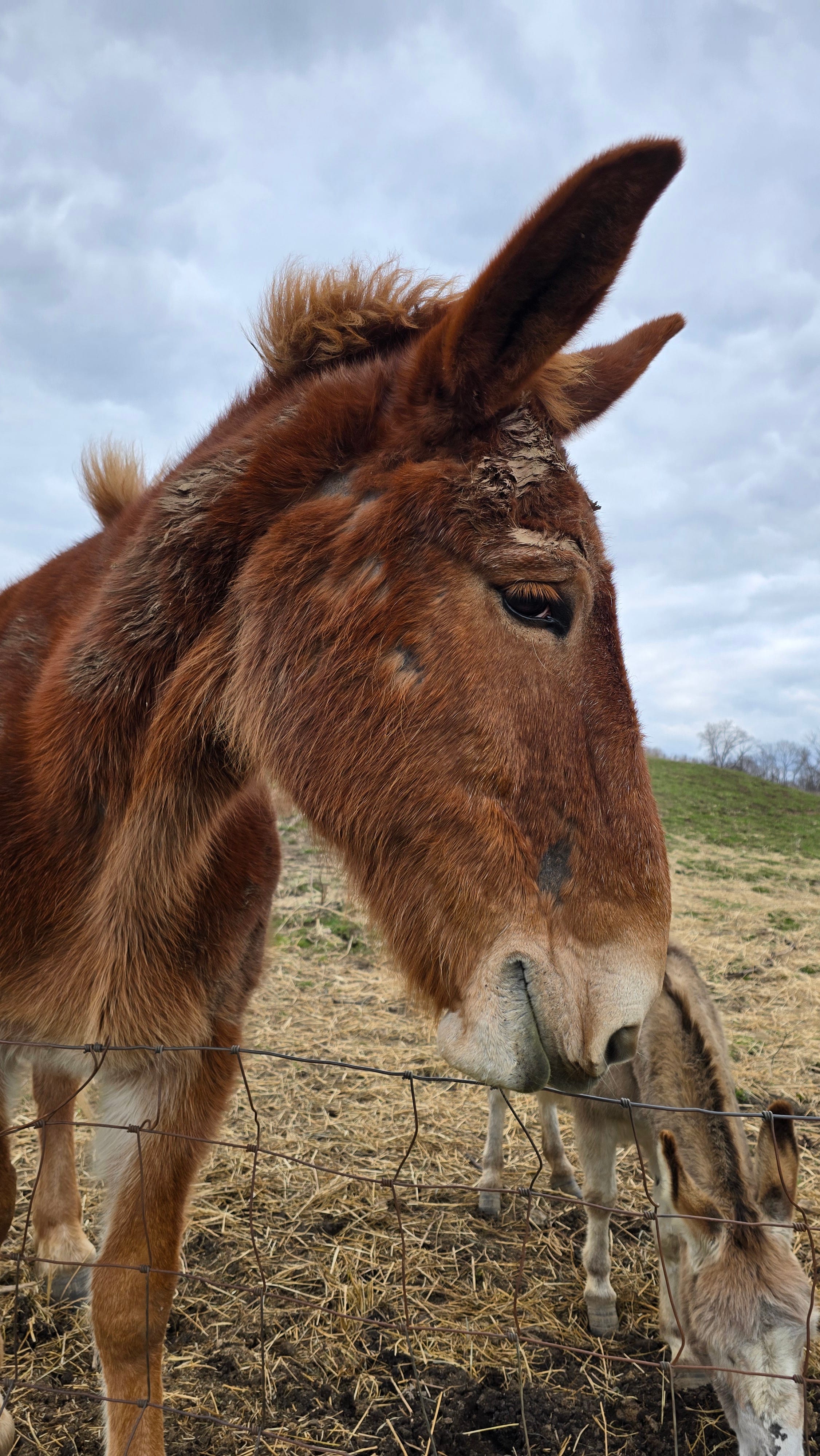
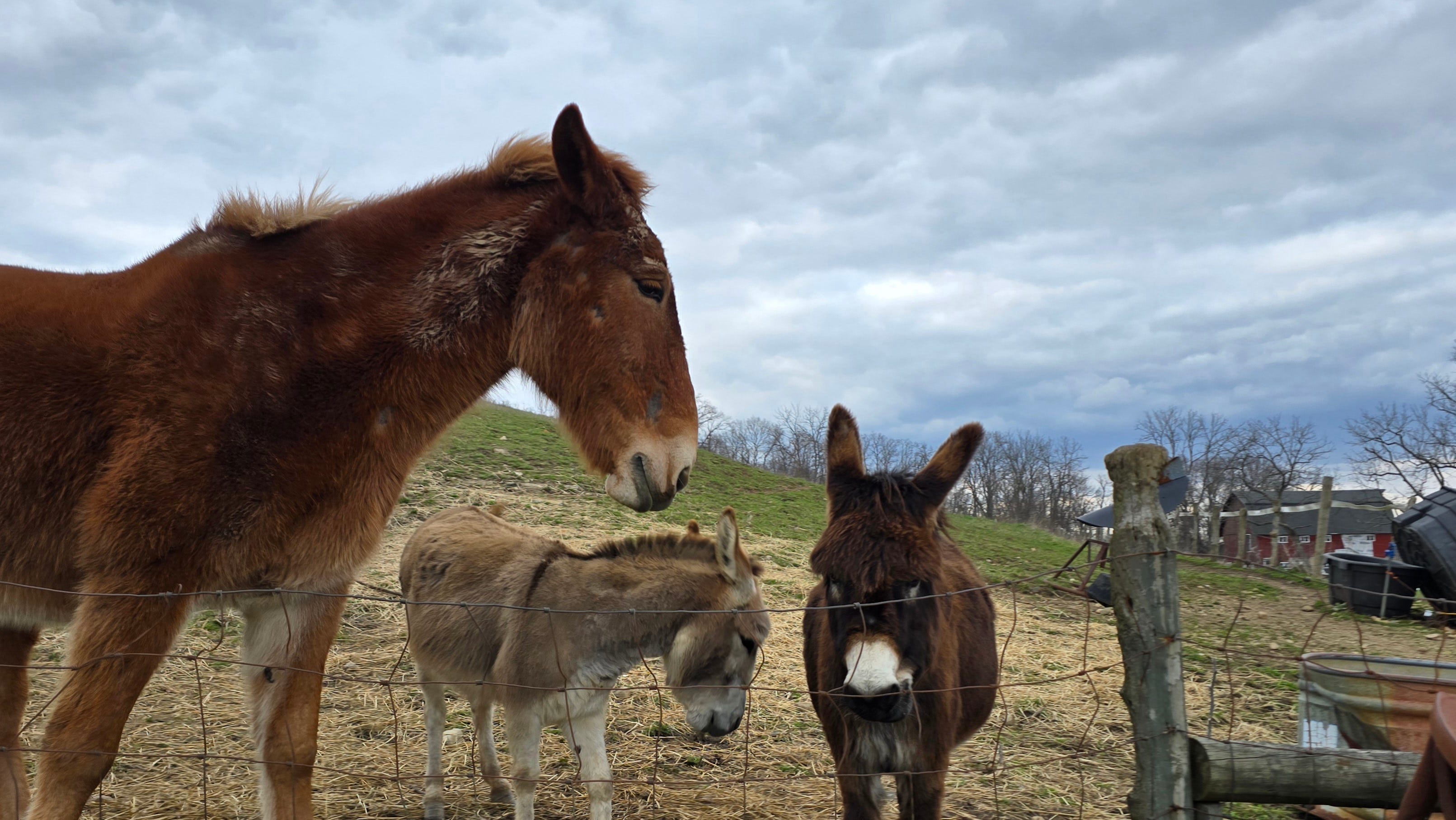
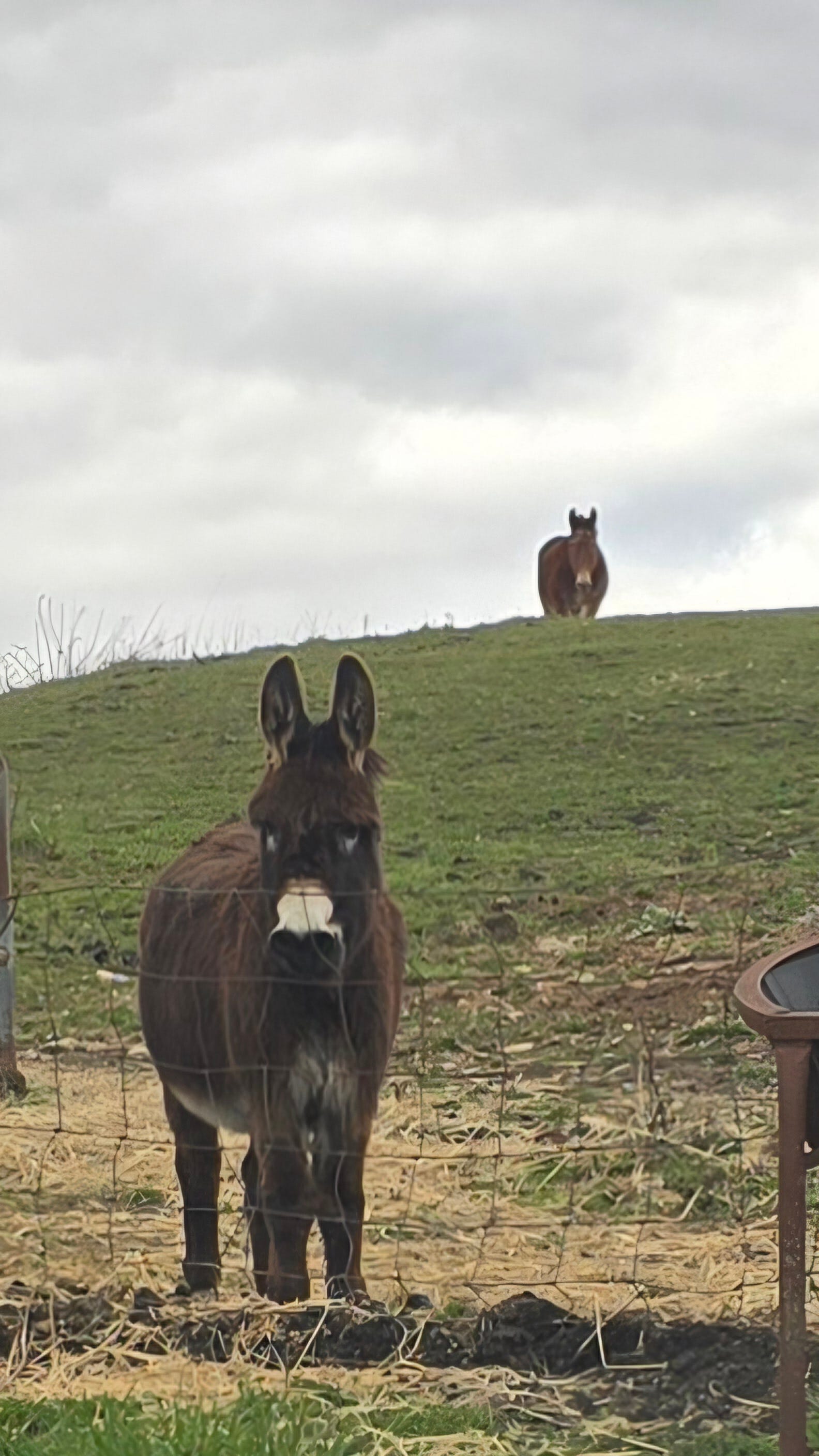
The Mule was on the Top of the Hill.

All is well

!

(snip)

Amaryllis, and More!

Lady finger, dipped in moonlight /Writing “What for?” across the morning sky/ Sunlight splatters, dawn with answer/ Darkness shrugs and bids the day goodbye by Worriedman

J Garcia, R Hunter – ” St Stephen” Read on Substack

A very fine version of “St Stephen” from 1978.

Some sunrises-

Home –

Work –

I realized I had a enough unused pictures to do yet, another substack page .

And here we are!

More Mule on the Hill !

More Barncat!

More Amaryllis!

That’s all I got room for – Thanks for dropping by! (snip)