with the Worriedman farm/garden posts. I apologize, but the weather is warming, Ollie can go out, and we like to play in the backyard, which also runs off stress for both of us. So I did that yesterday, and plan to do it some more later on today, but here’s a nice post right quick:
Amongst the flowers I am alone with my pot of wine drinking by myself; then lifting my cup I asked the moon to drink with me – by Worriedman
I considered rewriting this – I was going to call it Alone and Smoking Under The Moon – After a Poem By Li Po (Amongst the flowers I am alone with my pot, smoking by myself; then, lifting my pipe I asked the moon to smoke with me -) I didn’t though. Li Po was a badass. His life would make a good novel.
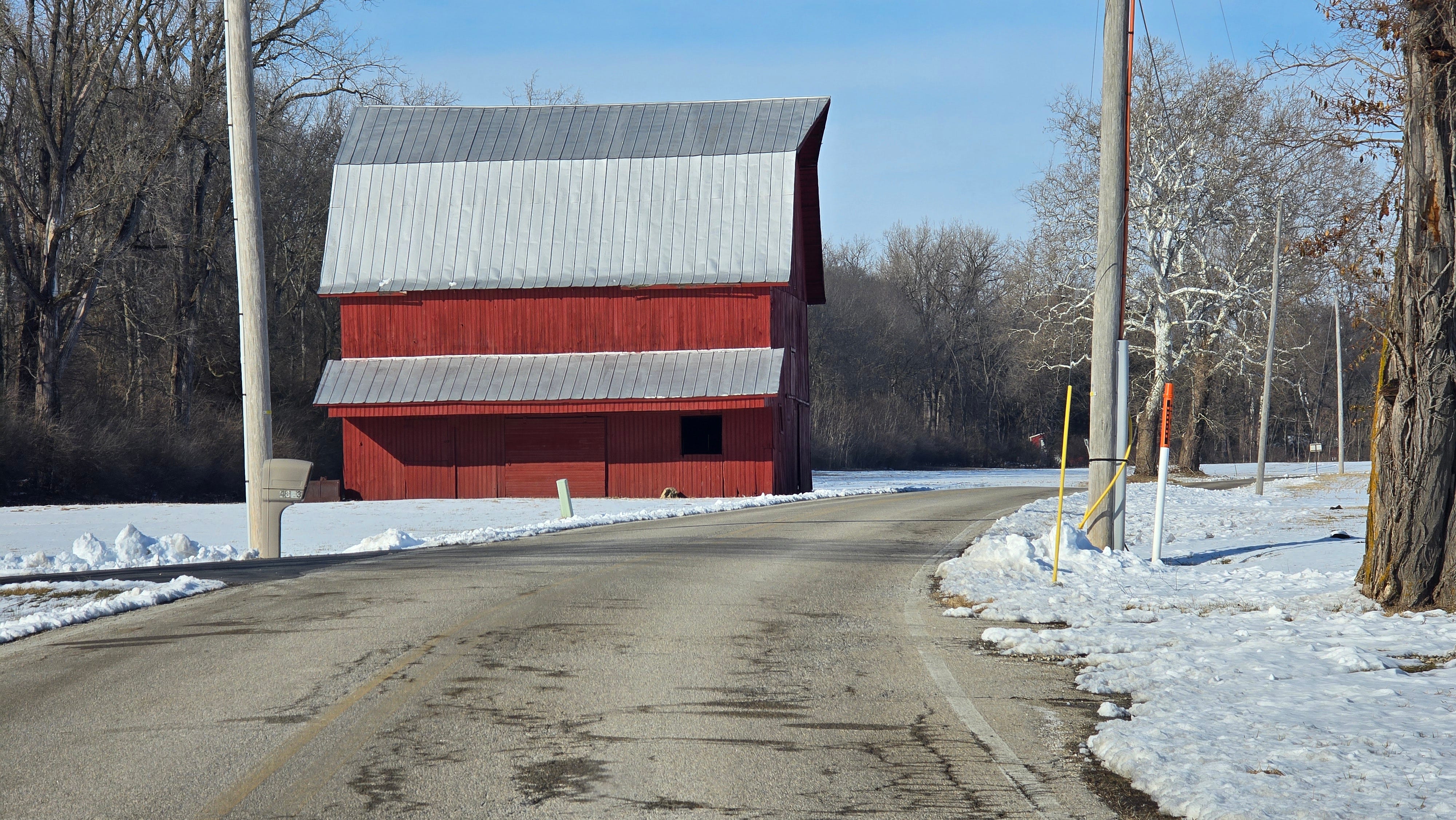
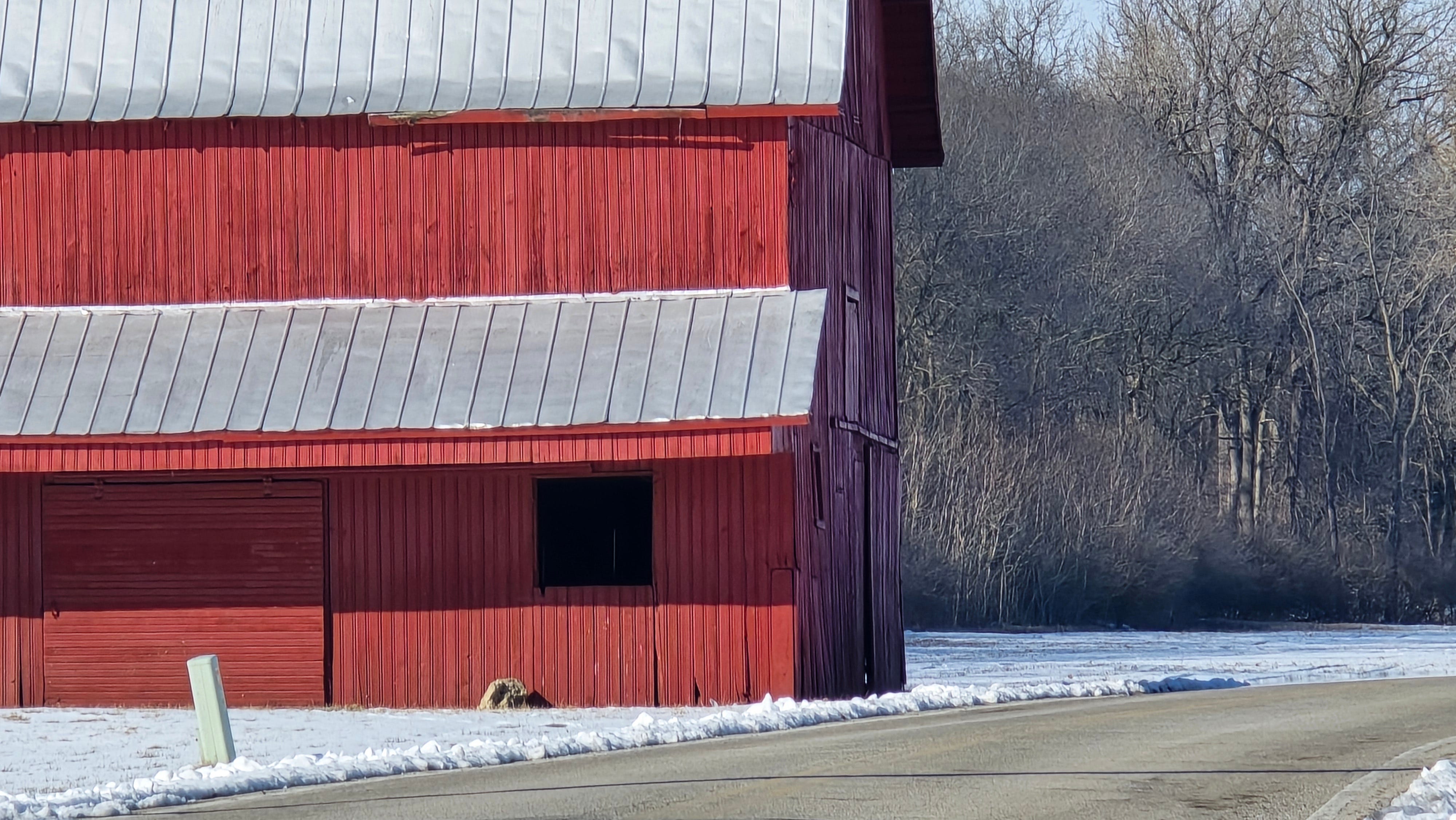
On the way out to feed the horse – if Hopper has painted Ohio barns.
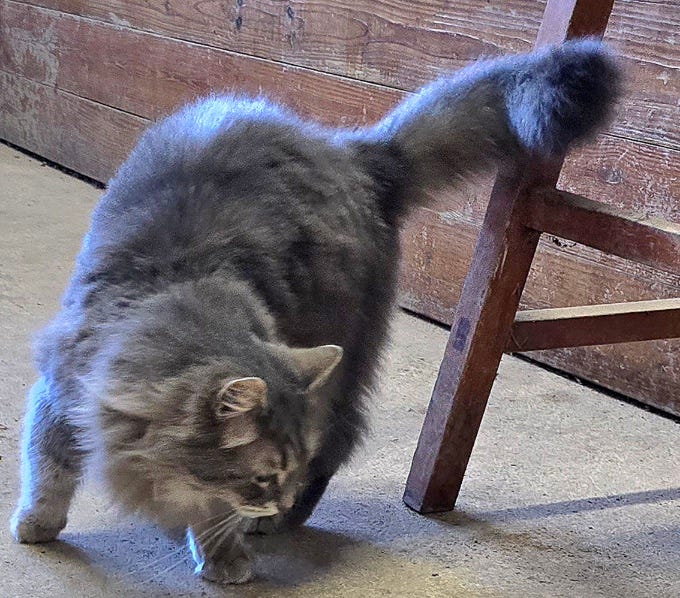
Barncat came down from the hayloft.
Amos !
Huck demonstrates his boundary issues.
That’s all I have room for – thanks for dropping by!
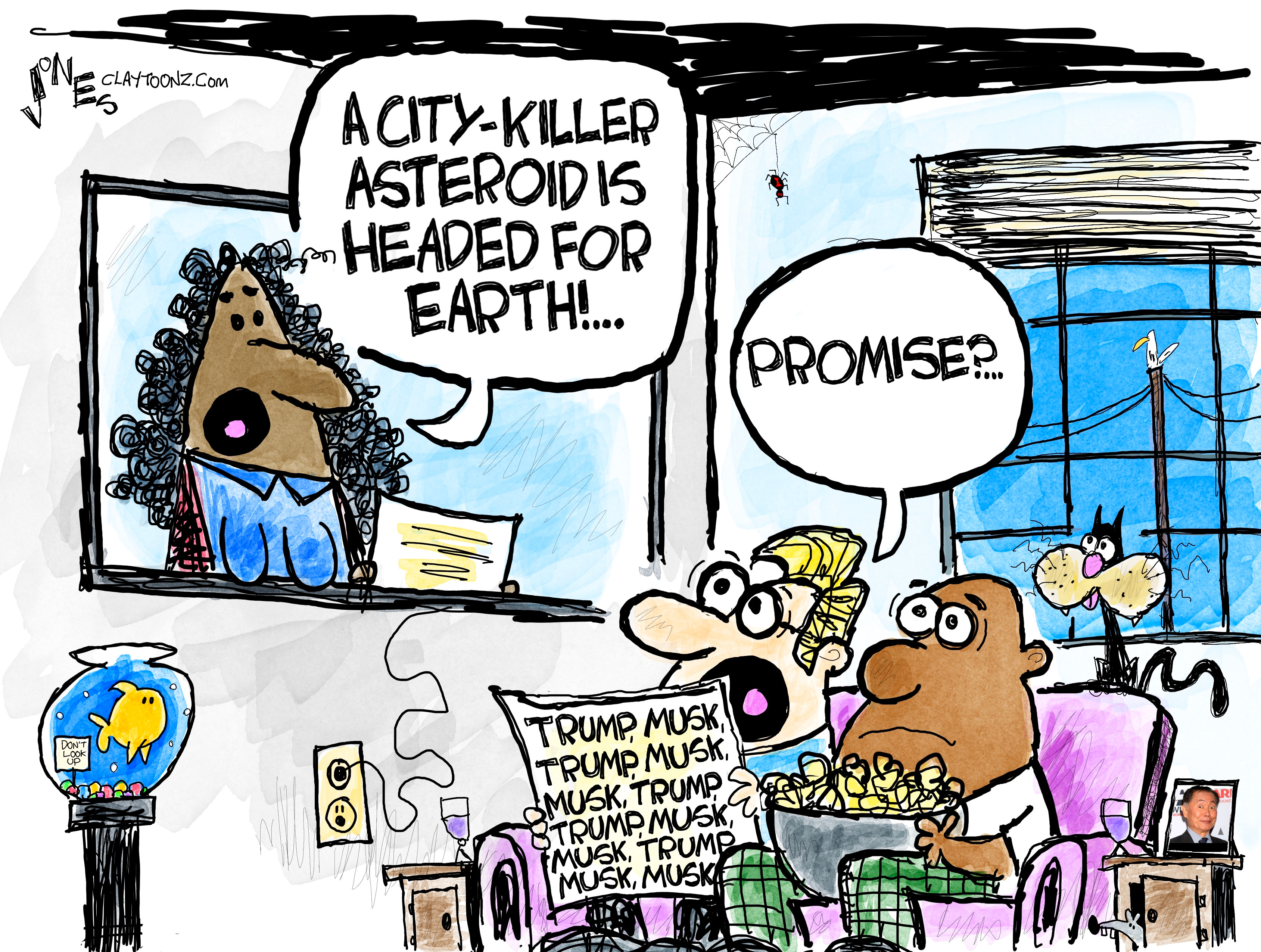
The bad news is that the “city-killing” asteroid currently headed our way probably won’t hit us. Even if it does, it won’t be here until 2032 which gives Donald Trump, who probably thinks you destroy an asteroid with Preparation-H, and Elon plenty of time to destroy this world first. It looks like they’re going to reach Fort Knox (because they want to make sure it’s still there) before the asteroid does.
Asteroid Schmasteroid…we have MAGA.
The asteroid, 2024 YR4, is 180 feet wide which is about as close as you can get to Donald Trump before you get a whiff of his diaper. 180 feet is also plenty of room for Bruce Willis and Ben Affleck to land a space shuttle and drill a giant hole into which a nuclear device would be placed. The film Armageddon was based on sound science, right? I refuse to believe Billy Bob Thornton would allow himself to be cast in a junk science movie. Steve Buscemi, maybe, but not Billy Bob. And I’d trust Bad Santa over Bad Batman any day.
George Clooney was the George W. Bush of Batmans. We all hated Clooney but wanted him back after seeing Affleck do it…just like we wanted W back after Trump came along.
And what’s the deal with the name? Why do asteroids get shit like “YRV” and hurricanes get names like Laura (see what I did there?)? Even pets get more respect than asteroids. I knew a cat named Don Cheadle. Since asteroids can destroy our planet, which I’m assuming most of us will hate, let’s name them after actors we hate.
Asteroid Seth Rogan was given 1-32 odds of blasting into us and with the right amount of luck, it’d hit MAGA-Lardo. Then, Seth Rogen’s odds dropped to 1-67. It’s OK to use Seth Rogen here. If he gets lost in space, we’ll be just fine because we still have Jonah Hill who’s basically the same person but with an Oscar. We don’t need two Seth Rogens. Also, Michael Cera and Jesse Eisenberg, same person.
Now, the odds of city-killing Seth Rogen slamming into the planet are 1-360, which are a lot slimmer odds than Seth Rogen’s The Interview destroying the planet because it really pissed off nuke-loving Kim Jong Un. And if there is a city-killing asteroid headed this way, why couldn’t it have arrived before I saw Seth Rogen’s Green Hornet? Oh, the humanity! Say what you will about the Cats! movie but it didn’t nearly destroy the planet.
Asteroid Seth Rogen has a 0.28% chance of destroying us all. The next city-killer headed our way is Asteroid 1950 DA or as I like to call it, Asteroid Kevin Hart (and if you think he’s annoying now, go watch his Peacock talk show), which has a 0.039% chance of impacting Earth in 2880.
These asteroids can’t get here soon enough to wipe out Trump, Musk, Seth Rogen, Kevin Hart, Nickelback, or DJs. You know how DJs put new beats into songs, making them even worse than they started. Last night, a friend dragged me to a bar where a DJ was making a Nickelback song even more torturous, which I didn’t think was possible. I once broke up with a girl because she believed DJs were musicians. DJs are musicians about as much as Gary Varvel is a journalist.
Since these unreliable asteroids aren’t cooperating, it’s up to us to save our nation from MuskTrump.
I bet MAGA-Lardo has a DJ.
Creative note: I was planning to do this cartoon yesterday but decided Kash Patel should come first.
And now that the rage of thy rapture is satiate with revel and ravin and spoil of the snow, And the branches it brightened are broken, and shattered the tree-tops that only thy wrath could lay low, Algernon Charles Swinburne – “March: An Ode”
I’ll be honest, I’m not really sure yet what that poem is trying to say – I just know that ”-satiate with revel and ravin and spoil of the snow,” is just a badass phrase. The kind of phrase I hope I’m smart enough to understand someday!
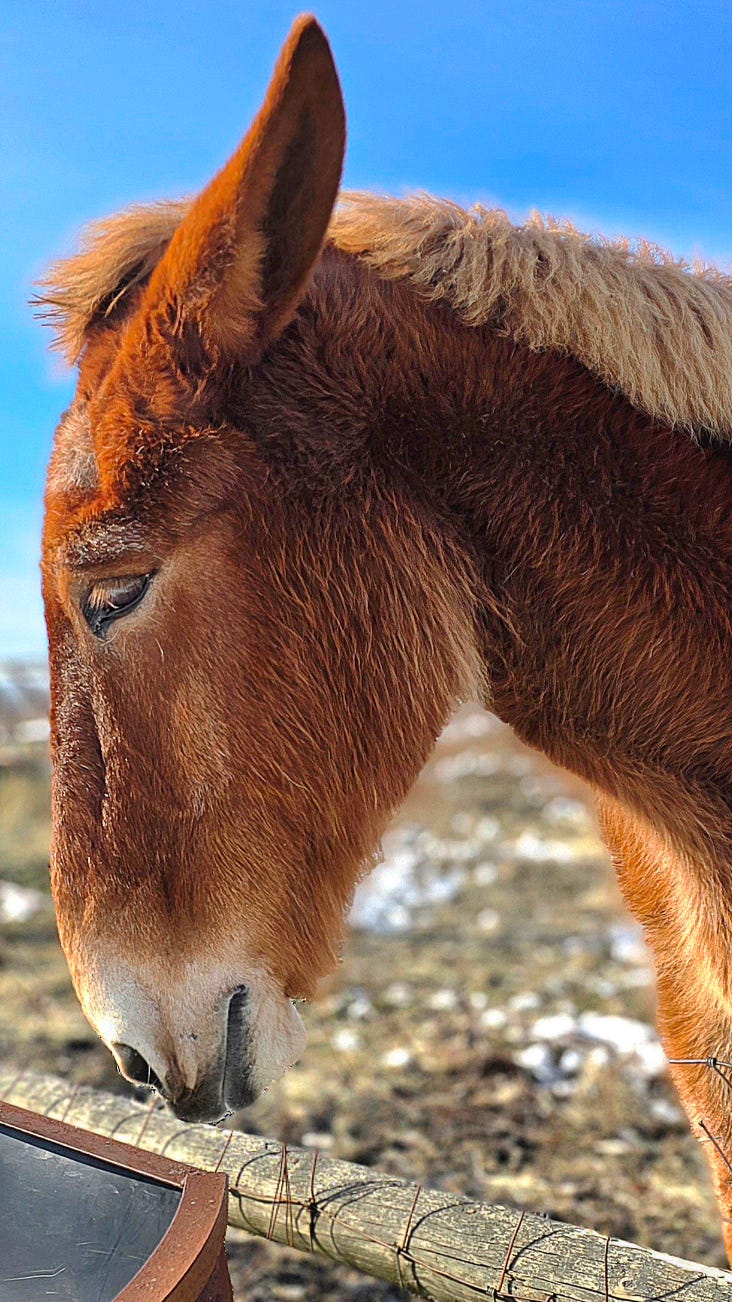
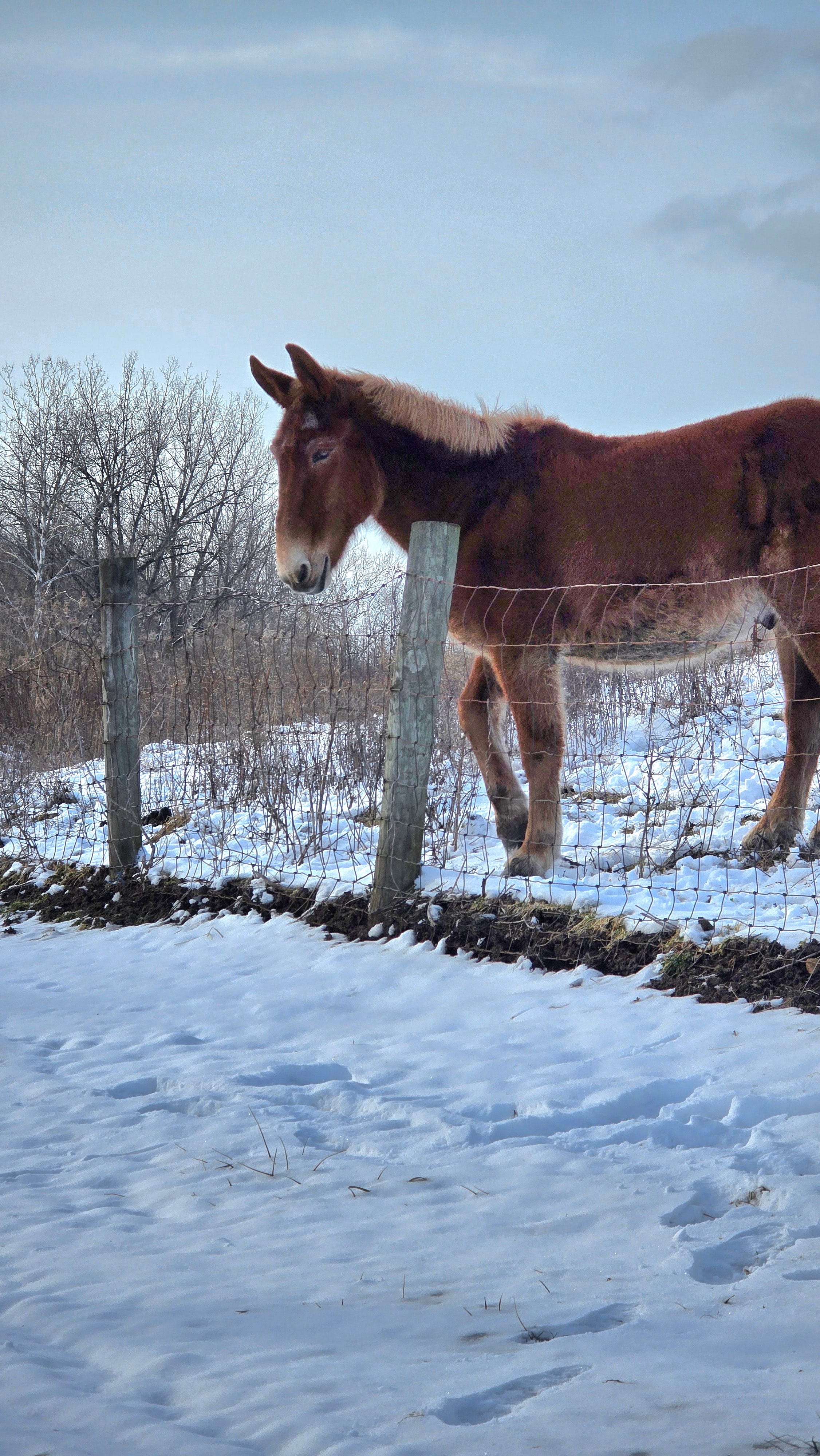
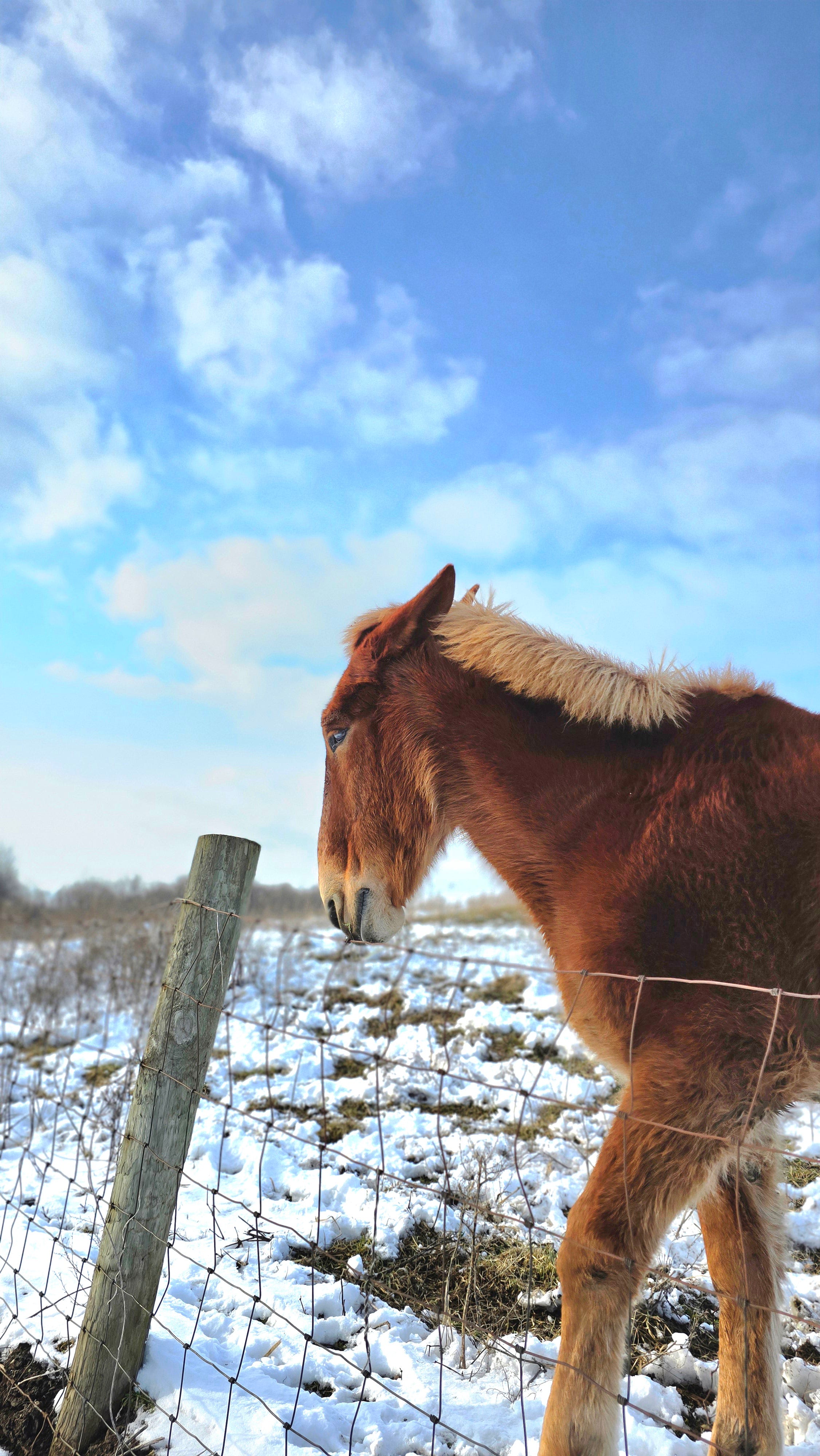
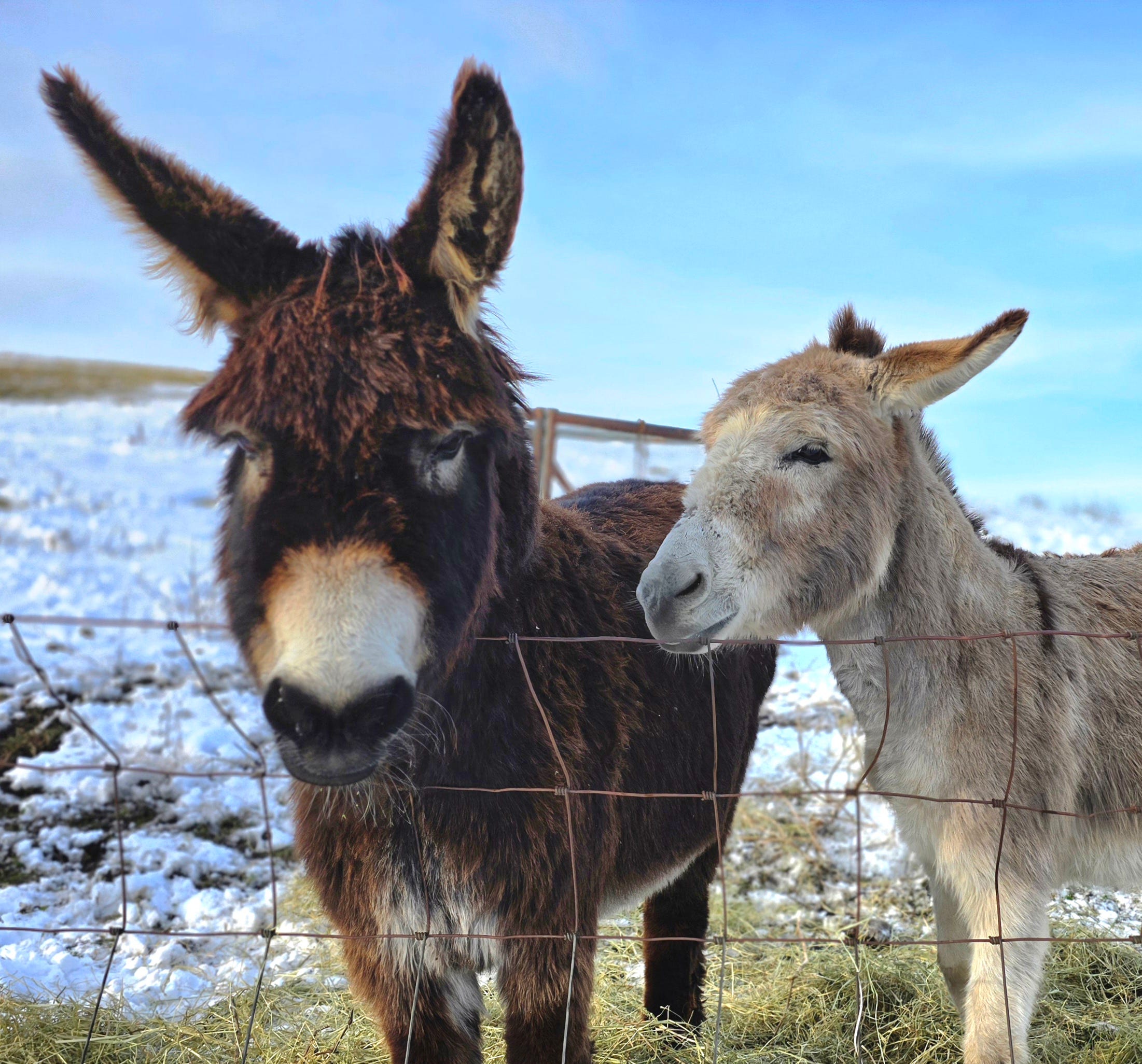
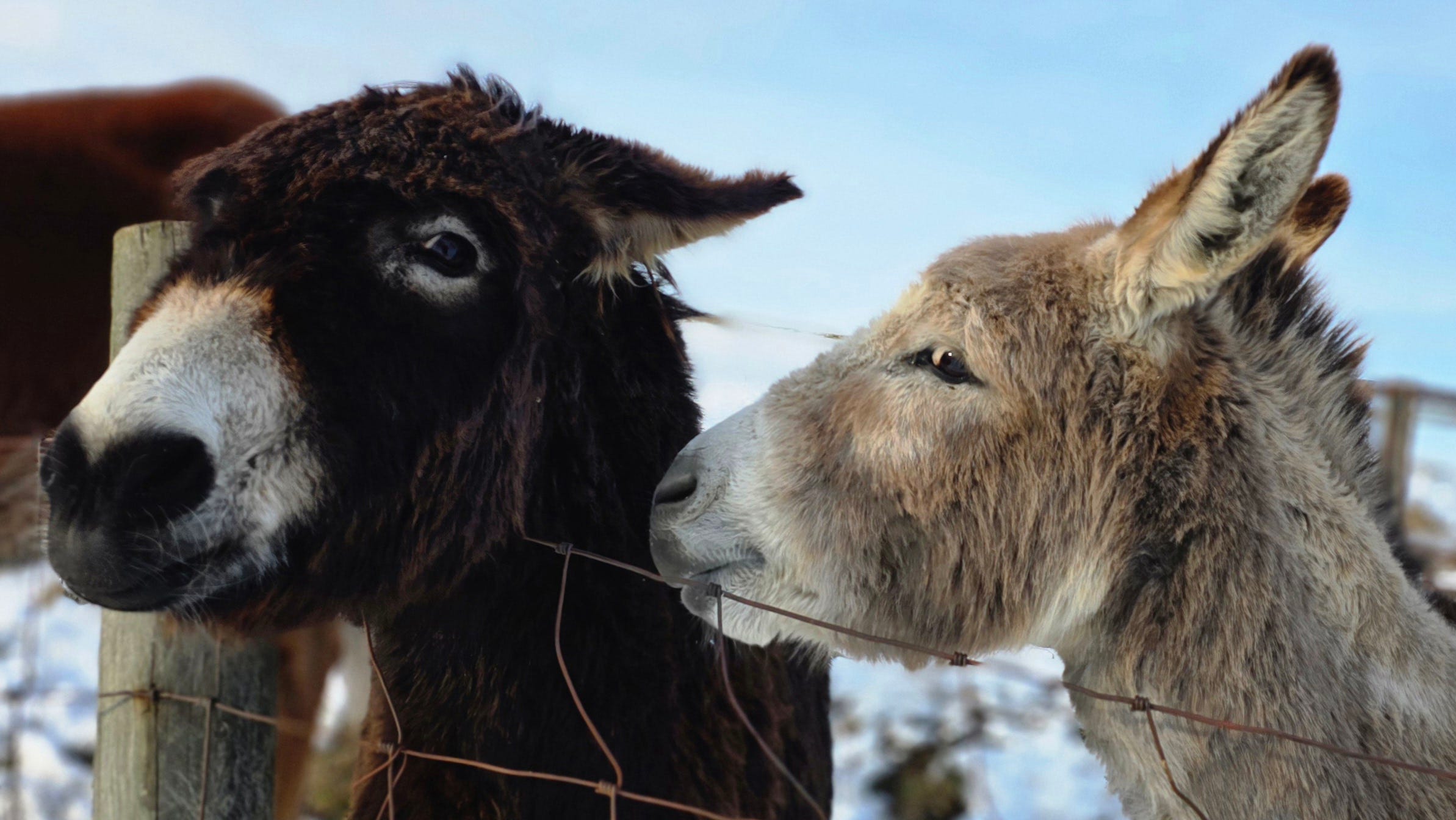
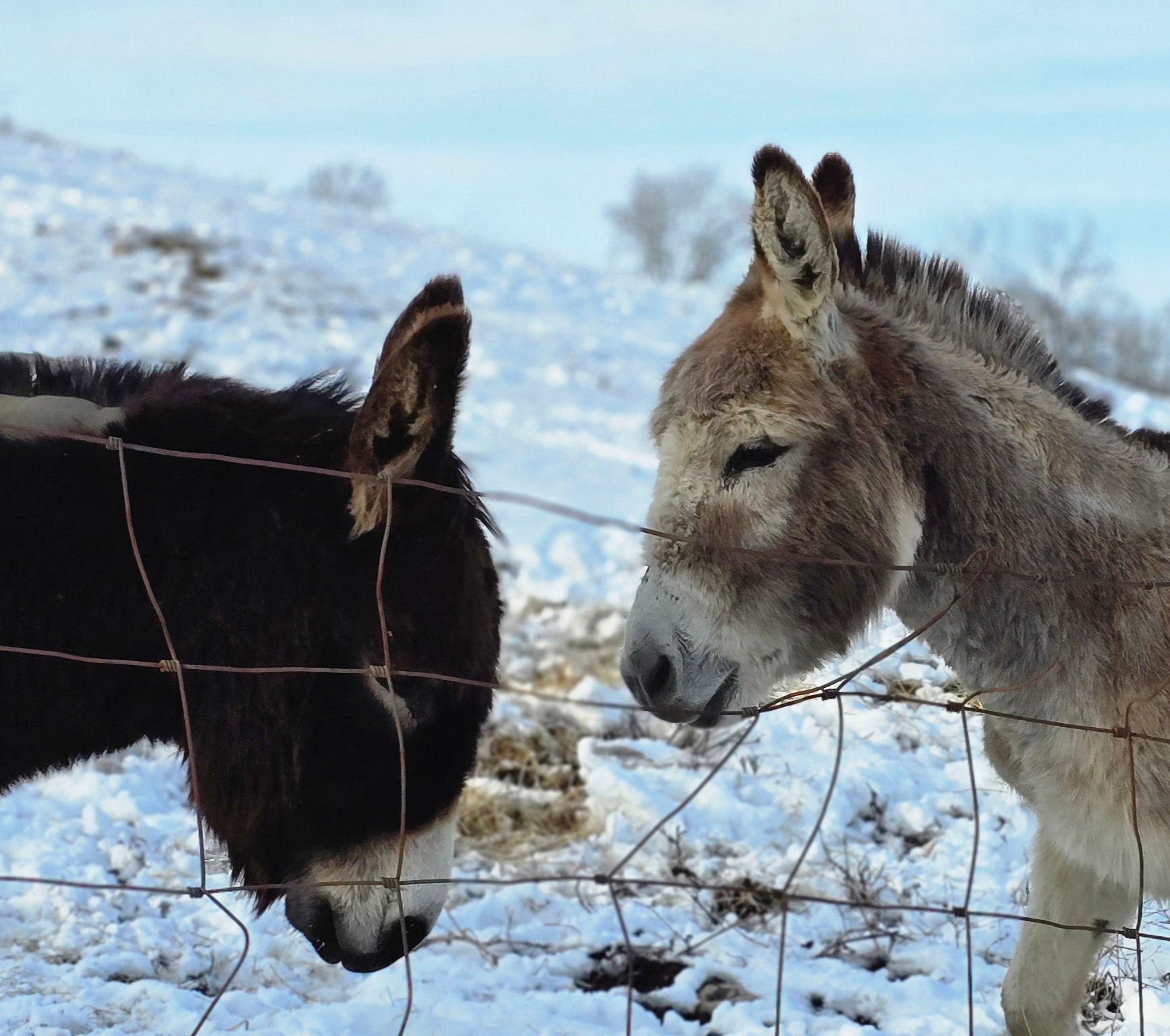
Today is going to be really good pictures of flowers and really good pictures of a mule and some donkeys. What can I say? It’s what I’m good at and I’m lucky to have found my calling.
It was cold when I took these pictures yesterday. 14° with a dozen mile an hour wind. The wind chill was somewhere around “cold as hell” verging on “What the F*#k?!” I couldn’t wear gloves and still work the camera so I took pictures until my fingers hurt.
I’m going to have to work until I die so I have an inexhaustible source of amaryllis.
That’s all I got room for – Thanks for dropping by! (snip)
Ocean acidification now looms as a direct challenge to oysters. Experts warn that more acidic conditions can alter the sex balance in these shellfish. Some oysters start life as male, then switch to female later. Shifts in pH threaten to speed that switch.
These shifts could upend aquaculture and coastal ecosystems everywhere.
Researchers note that an oyster population with too many females might see future reproduction problems, since a balanced sex ratio helps keep populations stable.
Photo: Pexels
Oysters rely on environmental cues to decide their sex. (snip-MORE)
Proposal calls on company to prepare reports on ‘macroeconomic costs’ of health insurer’s practices
UnitedHealth Group is attempting to swat down a non-binding shareholder proposal that asked the company to prepare reports on the costs of delayed and denied healthcare.
The proposal, filed by members of the Interfaith Center on Corporate Responsibility (ICCR), represents a new frontier in seeking to hold insurance companies accountable for the “macroeconomic costs” of denied care – arguing they eventually hurt the bottom line of large investors.
The proposal asks UnitedHealth Group to prepare reports on the “public health-related costs and macroeconomic risks created by the company’s practices that limit or delay access to healthcare”.
“The investors we work with are interested in long-term value creation,” said Meg Jones-Monteiro, senior director of health equity at ICCR. The coalition represents primarily institutional investors, such as pensions and foundations.
“When you think about the investment portfolios our members have, they are very diverse,” Jones-Monteiro. “What happens in one sector impacts another.”
The proposal is non-binding, but UnitedHealth Group is nevertheless fighting to stop it. In a filing with the Securities and Exchange Commission in January, UnitedHealth Group attempted to exclude the proposal from proxy statements on technical grounds, arguing in part that the terms “public-health related costs” and “macroeconomic risks” are vague and subject to interpretation. (snip-MORE)
Last month I asked to hear from trans-friendly employers who sponsor visas, and provided a simple form for interested employers to reach out. In the process, I heard from many individuals: people who were hoping to find new employment in another country, and people who worked for companies that were aligned, who were encouraging their bosses to fill in the form.
A quick reminder before we dive in: I’m not providing formal legal or financial advice. I’m just trying to point people in the right direction and provide some ideas for relocation for people who want it.
The bad news
Here’s the bad news: today, that form sits empty. While the post was shared far and wide, not a single person has filled it in.
I think there are a few reasons for this. First and foremost, in the current environment, being listed in such a database presents a significant risk, particularly if you’re doing business with US entities. In an environment where the administration is firing employees and cutting contracts for even the barest mention of support for trans people, there’s every reason to believe that the current administration will penalize people and organizations who work with trans people.
So, that’s not great. I’m very sorry to everyone who got their hopes up that I would be able to make direct connections.
The good news
The good news: some countries actively sponsor visas, welcome trans people, and are hiring.
In my personal conversations with people, what jumped out again and again was that emigrating to the Netherlands was a viable route for many people — and particularly those with tech skills (engineering, IT, product management, design, research, and so on).
Reasons include:
Dutch tech companies tend to sponsor visas. (Look for job vacancies written in English and/or on boards like Tech Me Abroad and Relocate.me.)
You can relocate with a self-employment visa if you have a skilled background, can demonstrate at least one Dutch-based contract or that you’ll start a tech-based business, and can show that you’ll independently make €1,613 (~$1,700) per month.
The DAFT visa lowers the barrier to entry for US entrepreneurs who can commit to invest €4,500 (~$4,700).
The Netherlands is also kind of just a neat country: excellent social safety net, great support for culture and the arts, good connectivity to other European countries, and a strong grant support network for mission-driven tech. Amsterdam is a first-class cosmopolitan city, but other centers in the Netherlands are not to be sniffed at, and the country is so small that you can easily take public transit from one to another in less time than it might take you to commute to work by car in the US.
It is not, however, perfect. Much like the US, the Netherlands has had its own racial reckoning; unlike the US, the discourse has often centered on the idea that racism doesn’t happen there. That’s a rich claim from a society where racist tropes like Zwarte Piet are still commonplace, and where women of color are often marginalized. There’s work to be done — although it’s worth asking if this is truly any worse than the US.
Not everybody can relocate, and not everybody has these skills. I’m aware that this is a privileged route that not everybody can take advantage of. It would be better if there was a defined route for everybody who needed to find a safer place to live; it would be better still if a safe place to live was the place they already call home. This situation is sick and sad, and I truly wish that everything was different.
It also comes with an attendant cost. It’s estimated that moving to the Netherlands will set you back between $6-10K. That’s a lot less than one might expect, but it’s obviously a significant barrier for many people. Unfortunately, very little financial support exists for these moves. If you know of grants, mutual aid funds, or community resources that help trans people relocate, please share them. Funding and guidance from those who’ve navigated the process could make all the difference.
Please reach out
In the meantime, I’ll keep looking. If you are a company in a country that is safe for trans people, and you’re looking to hire people from the US who need visa sponsorship, please fill out this form or reach out to me via email. I’m not giving up.
==========
I once had a wonderful experience with tens of thousands of pansies. by Worriedman
Plant the green side up and give it a good drink of water a couple of times a week…
Pansies are Viola hybrids, Viola x wittrockiana. (“wittrockiana” sounds like a mountainous region in the south of the Duchy of Grand Fenwick) The common names, pansy, viola and violet are used interchangeably. “Pansies” are usually larger and taller than true violas, with large showy blooms. Violas are usually smaller plants, with smaller blooms, more plentiful than find on pansies. If you want to be a real nerd you can look at the petals. Both kinds of blooms have five petals . On the pansy, four petals point up, one points down. On the viola, two petals point up and three point down.
February 17, 1958 The first meeting of Britain’s Campaign for Nuclear Disarmament (CND) was held. CND developed the peace symbol which became its logo. CND history
February 17, 1975 Several hundred residents of Wyhl, Germany, occupied the site of a nuclear power plant with the intent of halting construction. The contractor had begun building despite a court order to suspend doing so. Police responded to the protesters with dogs, water cannon, and arrests. By the following week, however, over 25,000 had joined the occupation, and police withdrew for eight months. This is believed to have been the first such nuclear plant site takeover in the world. The occupation was nonviolent, and a sort of village sprang up with a “Friendship House” and a “popular university.” Local farmers supported the occupiers with food. Stand-off between anti-nuclear activists and police at Wyhl, Germany Following the negotiated withdrawal of the occupiers, a panel of judges permanently banned construction of the plant, and the land is now a nature preserve.
Swedish researchers have invented a fully-recyclable perovskite solar cell that may provide a solution to the growing problem of solar panel waste.
All renewable technologies have a life span — with solar panels it’s 25 to 30 years — which means our solar waste pile is rapidly becoming mountainous. Just 17 % of solar panel components were recycled in Australia in 2023, specifically the aluminium frames and junction boxes. The remaining 83% (glass, silicon and polymer back sheeting) was shuttled out to landfill. Other countries do better; France’s ROSI was an early starter in what could be a $2b market by 2050.
Linköping University researchersmay have a solution — fully recyclable perovskite solar cells.
These cells are also flexible, transparent and inexpensive — who needs aluminium frames when your PVs are stuck to your windows?
Professor Feng Gao with postdocs Xun Xiao and Niansheng Xu at Linköping University (Image Thor Balkhed)
“There is currently no efficient technology to deal with the waste of silicon panels. That’s why old solar panels end up in the landfill,” says coauthor, Xun Xiao, at the Department of Physics, Chemistry and Biology (IFM) at Linköping University (LiU).
“Huge mountains of electronic waste that you can’t do anything with.”
Perovskites used in photovoltaic solar cells are ‘metal-halide perovskites’ — made from organic ions, metals and halogens. Such cells’ active layers are much thinner and cheaper than those of conventional silicon PV and show efficiencies of more than 26%, comparable with silicon PVs (20% – 22%).
But perovskite PVs are not yet produced at scale.
Recyclability is the key.
“We need to take recycling into consideration when developing emerging solar cell technologies,” says Professor Feng Gao, also at IFM at LiU and a co-author. “If we don’t know how to recycle them, maybe we shouldn’t put them on the market at all.”
The inhospitable Antarctic Peninsula hosts only one native insect, and scientists from Japan have just identified an unprecedented combination of adaptations that allow it to thrive in the extreme cold.
The Antarctic midge is a tiny, flightless insect that lives most of its two-year life as a larva, the grub-like stage that follows the egg stage. (Complete metamorphosis in insects includes egg, larva, pupa, and adult stages).
Adult Antarctic midges. Credit: Yuta Shimizu / Osaka Metropolitan University.
How these larvae overwinter in Antarctica could have implications for cryopreservation technology but, perhaps more pressingly, better understanding of the species’ response to climate change. Previous researchers have suggested that the Antarctic midge be developed as a model organism for survival in extreme and fluctuating temperatures.
The Japanese research team led by Shin Goto of Osaka Metropolitan University studied the unique midge after developing a specialised rearing method, which took them six years to establish.
The team then tracked the growth and physiology of the midge larvae through their natural lifecycle. In a first for science, they documented two distinct forms of dormancy used as seasonal survival adaptations.
In general, dormancy is a state of inactivity, suspended development and reduced metabolism, but insect scientists distinguish between two types: quiescence and diapause.
In the first winter, the Antarctic midge larvae adapted via quiescence, a form of dormancy triggered by external conditions, such as cold temperatures. This means all the midge larvae go dormant at the same time. Quiescence ends when the temperature rises.
(Snip-MORE; it’s fascinating and worth the click. Also not long.)
I have been ill so all I could do is mostly save stuff, post news from my bed, and watch videos, one after another. Most of what I watched I did not remember. This one I had watched and liked, and saved to the video computer. I am so glad I did. As I rewatched the video I began to realize how vast and immediate the impacts are to us right now. The entire things regions are known for will have to shift. In the now wetter areas that business and housing take up the majority will have to give way to growing food crops if we want to eat. Sadly meat consumption will have be drastically cut until ways to mitigate the damage food animals do at all levels of production. Plus these methods of water reclamation and returning water back to the aquifers. Love it. Thanks to Ten Bears for posting it. Hugs.





















 Scottie's Playtime