https://www.gocomics.com/lay-lines

(You want to click through to see this first one well. I don’t know why WP miniaturized it, but it’s really good.)


Donald Trump went to China, and all he got were some seeds.
Donald Trump did not receive any help from China on ending the war in Iran or reopening the Strait of Hormuz, but Chinese President Xi Jinping did give him some rose seeds. The Chinese leader gave Trump a tour of the Zhongnanhai Garden, where he admired the roses. I guess he admired them so much that Xi decided to give him seeds so that he could grow his own roses. He didn’t even give him roses, just the seeds. You know that Donald Trump does not care about growing some damn flowers.
Trump’s trip to China was a total and abject failure and failed to secure any agreements or promises. Trump came home empty-handed. (snip-MORE)

In 2023, a government contractor pleaded guilty to stealing the tax information of Donald Trump and other wealthy Americans and leaking it to media outlets in 2019 and 2020. After he was restored to the presidency in 2025, Trump filed a $10 billion lawsuit against the Internal Revenue Service for “allowing” this leak, along with a $230 million lawsuit against the Department of Justice for the Russia collusion investigation he faced during his first term in office and the 2022 search of his Mar-a-Lago.
Since he is the president of the United States and head of the executive branch, and the DOJ and the IRS are agencies under the executive branch, Donald Trump was the plaintiff and defendant. Basically, he was trying to hand himself $10 billion of our money. Even Richard Nixon didn’t try to get away with this kind of corruption. The only kink to Donald Trump’s plan of grifting us out of $10 billion is that it had to be approved by a judge. (snip-MORE)
Hello, friend!
I am two days late on sending this because I was stuck in a depression and it ate all of my extra energy. I started and stopped several drawings because I’m not sure if I didn’t like them or if I just didn’t like me very much. My dr recommended sun and exercise and other things that sound very easy when you are not depressed and it reminded me of a poem my mom read to me so often I’d almost memorized it. (All of A.A. Milne’s poems are the songs of my childhood.) If you hate poetry, skip this part.
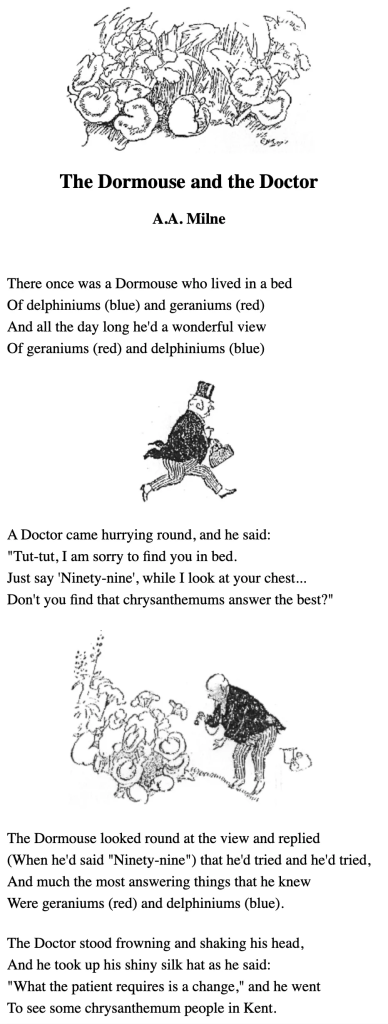
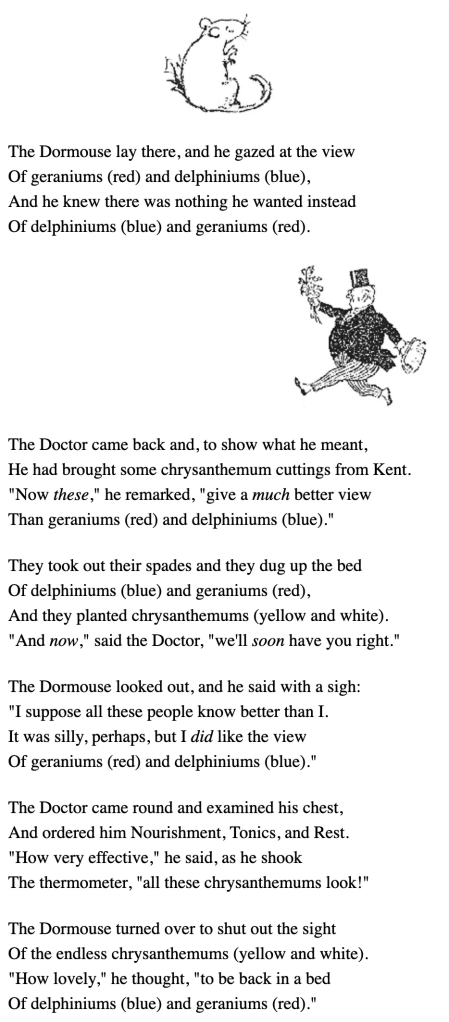
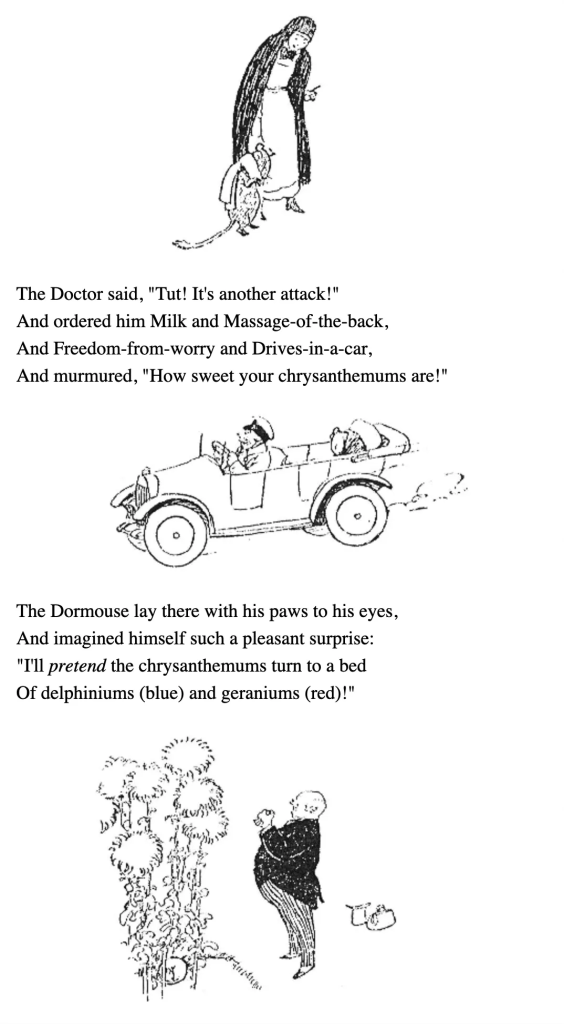
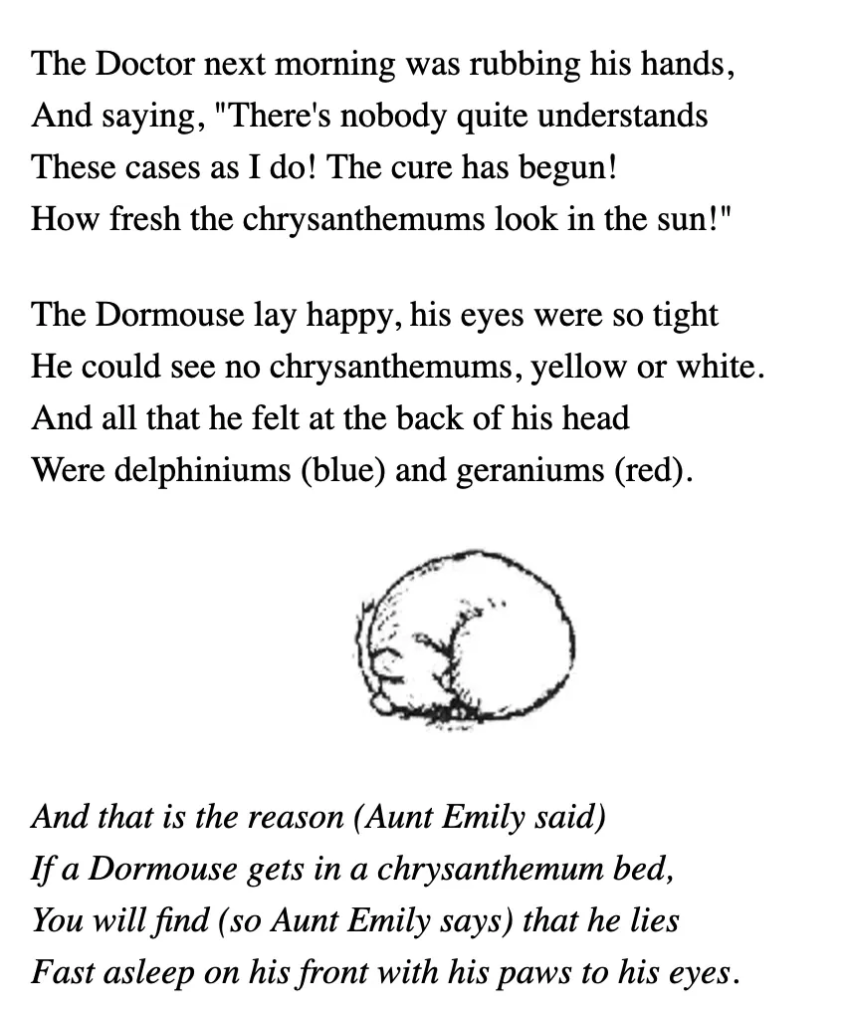
The poem always made me feel both cozy and sad at the same time, which was a confusing thing for a small child but also a combination that my brain would grow to specialize in.
It reminded me that recently I’d read that tiny harvest mice have been found asleep in flower beds and so I decided to draw that:
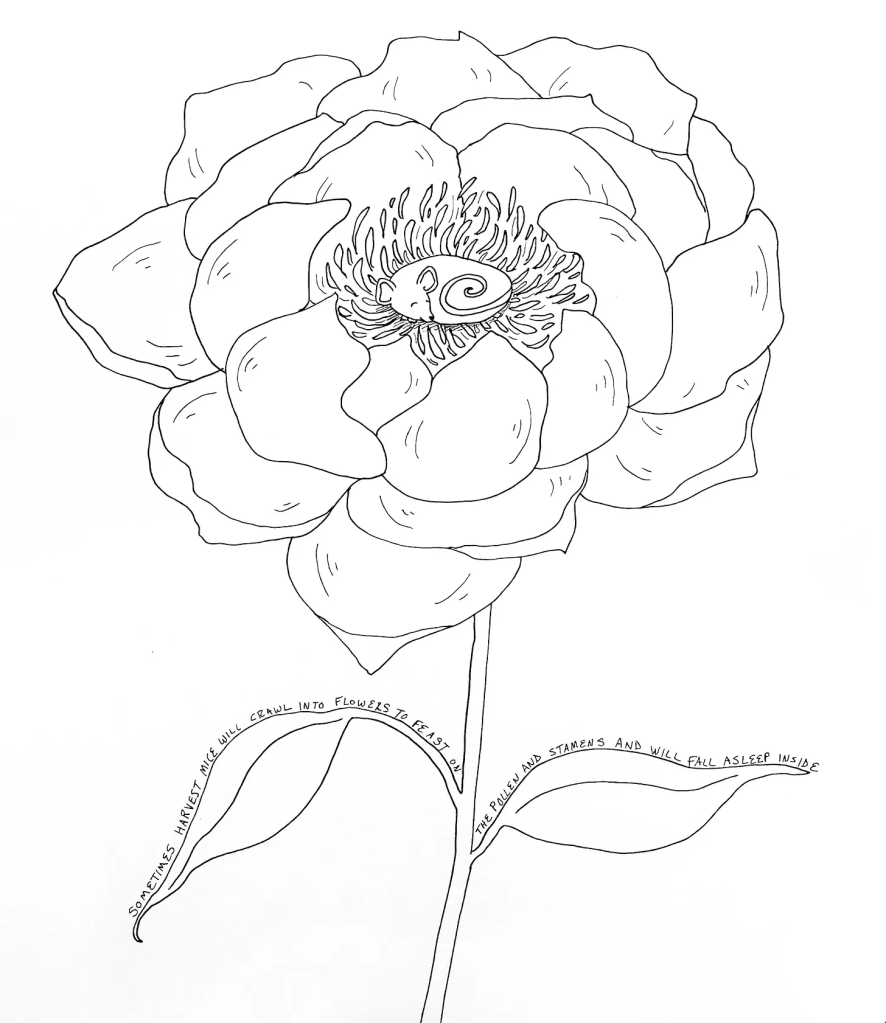
“Sometimes harvest mice will crawl into flowers to feast on the pollen and stamens and will fall asleep inside.”
The drawing is simple and plain and fairly unimpressive, but it made me feel warm inside my heart and that is a very special sort of magic.
This is all a very long way of saying that whimsy and comfort and coziness and nostalgia and joy are all worth more than we give them credit for…whether in drawing mice or reading poems from childhood or eating nectar and drunkenly falling asleep inside flowers.
Go find comfort, my friend.
I promise that you deserve it.
Hugs,
me
From The Smart Ones:
by Amanda · Apr 27, 2026 at 2:00 am
Welcome back to Cover Snark!
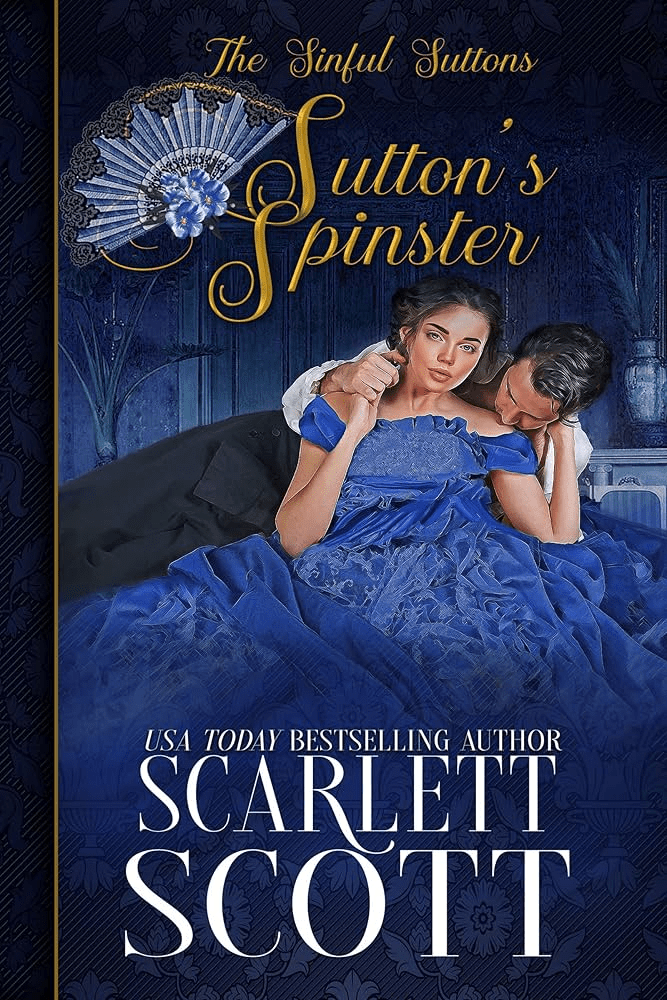
Elyse: The artist was sick the day they learned to draw the lower body.
Sneezy: Never skip leg day.
Amanda: Her dress reminds me of those Barbie dress cakes.
Sarah: That is just So Much Dress.
Also, are his trousers open in the front?! My word!
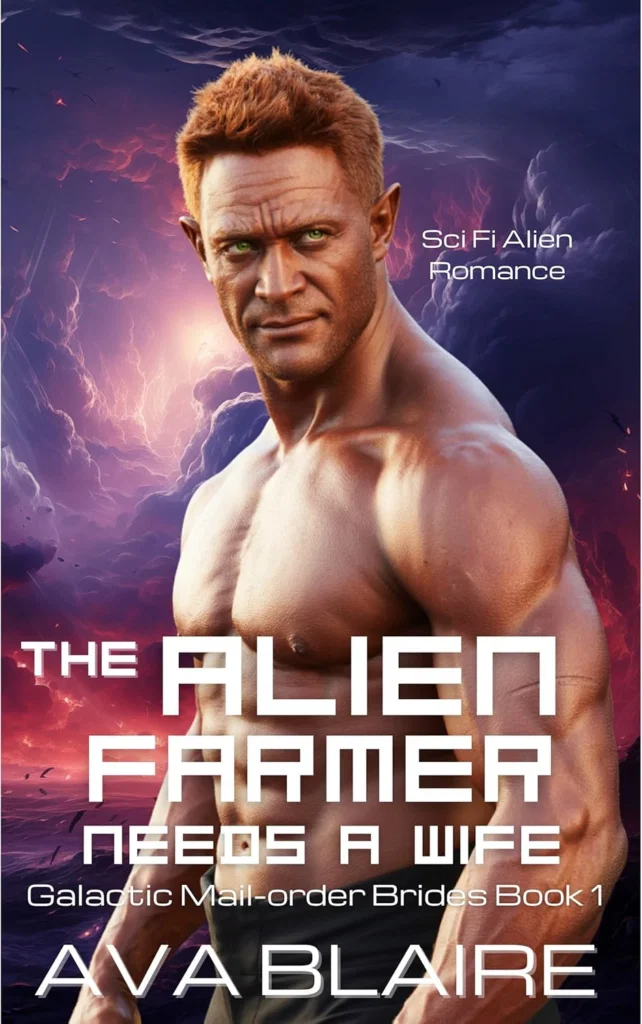
From Syntha: I don’t even know where to start with this one.
Sarah: He looks like someone. Who does he look like. It’s going to bug me until I figure it out.
Elyse: It’s orange Detective Stabler.
Sarah: YES I THINK YOU ARE RIGHT.
Elyse: Doink Doink!
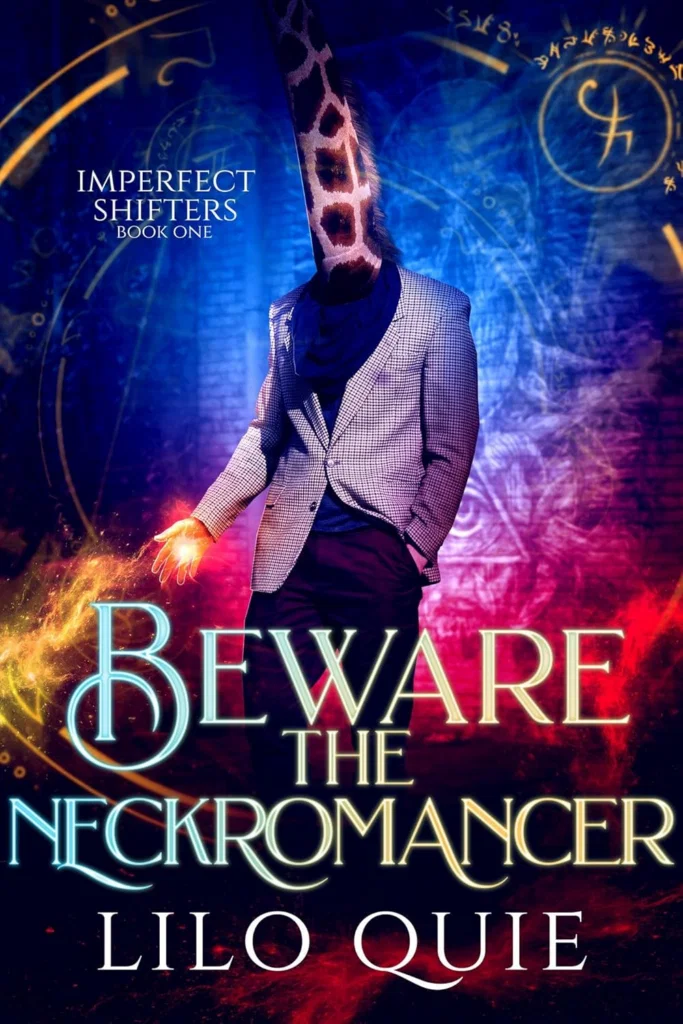
Sarah: Syntha also sent this and I have to say, I respect the attempt:
Syntha: The giraffe neck just looks so silly rising out of the jacket.
Amanda: Honestly, this one is perfect.
No notes.
Elyse: His center of gravity is just so fucked up.
Can you imagine the orthopedic issues that guy has?
Sarah: I really can’t fault any of it.

Sarah: This was a suggestion while I was looking at the Neckromancer (I see what was done there) and in icon size it looks like he is drooling.
Amanda: You can just tell this man has an overinflated ego.
Sarah: He is his own Chosen Champion, huh? Yeah, I see it.
(snip-Far MORE snark in the comments, on the page)
Hello, friend!
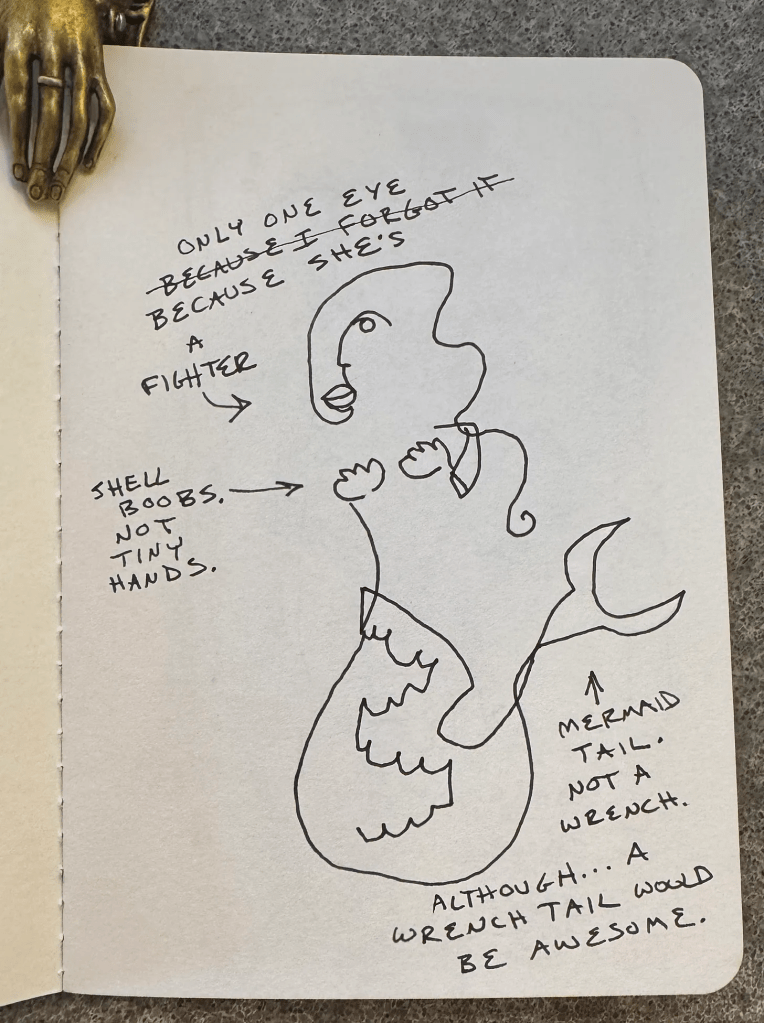
This week I revisited the Lynda Barry Making Comics book because I was on book tour and a tiny sketch book was easy to bring along on plane rides. The exercises were out of my comfort zone but sometimes I think that can be a good thing. This exercise was called “Close your eyes and draw a mermaid.”
Another was to choose a character and sketch their entire life cycle. I chose Beyoncé the Giant Metal Chicken, obviously:
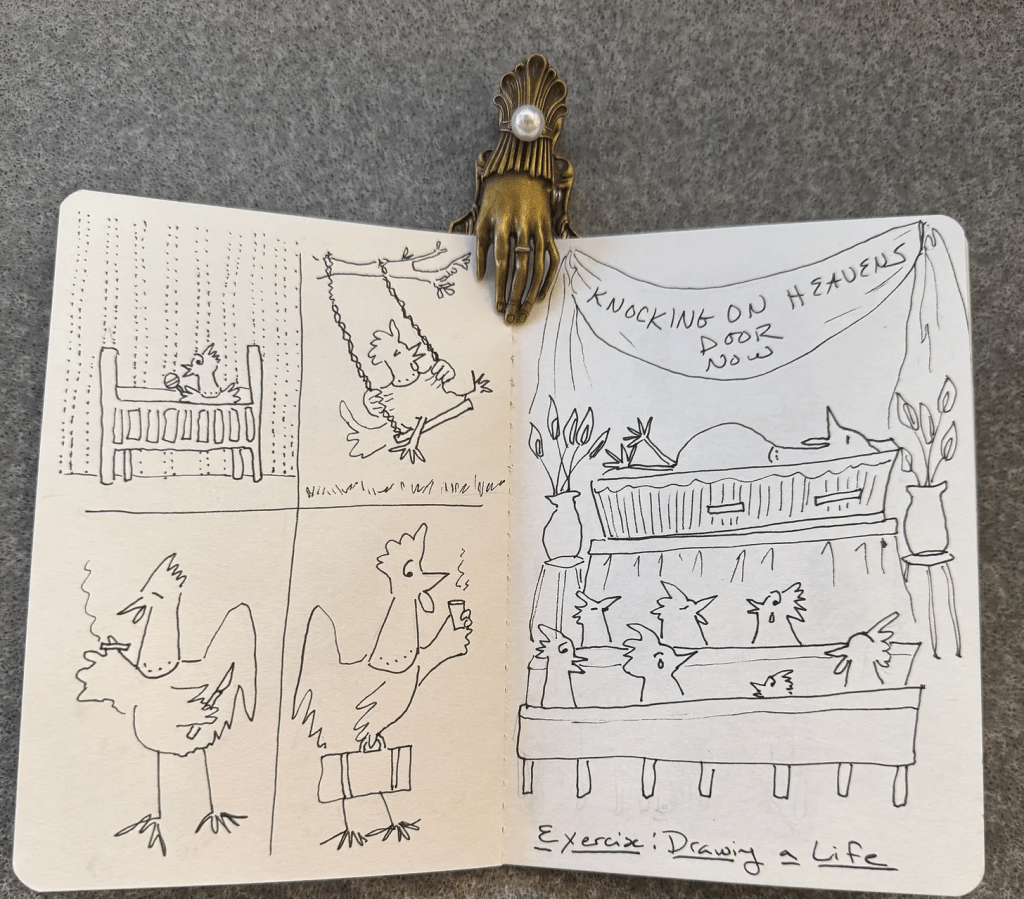
I did a self-portrait…sort of:
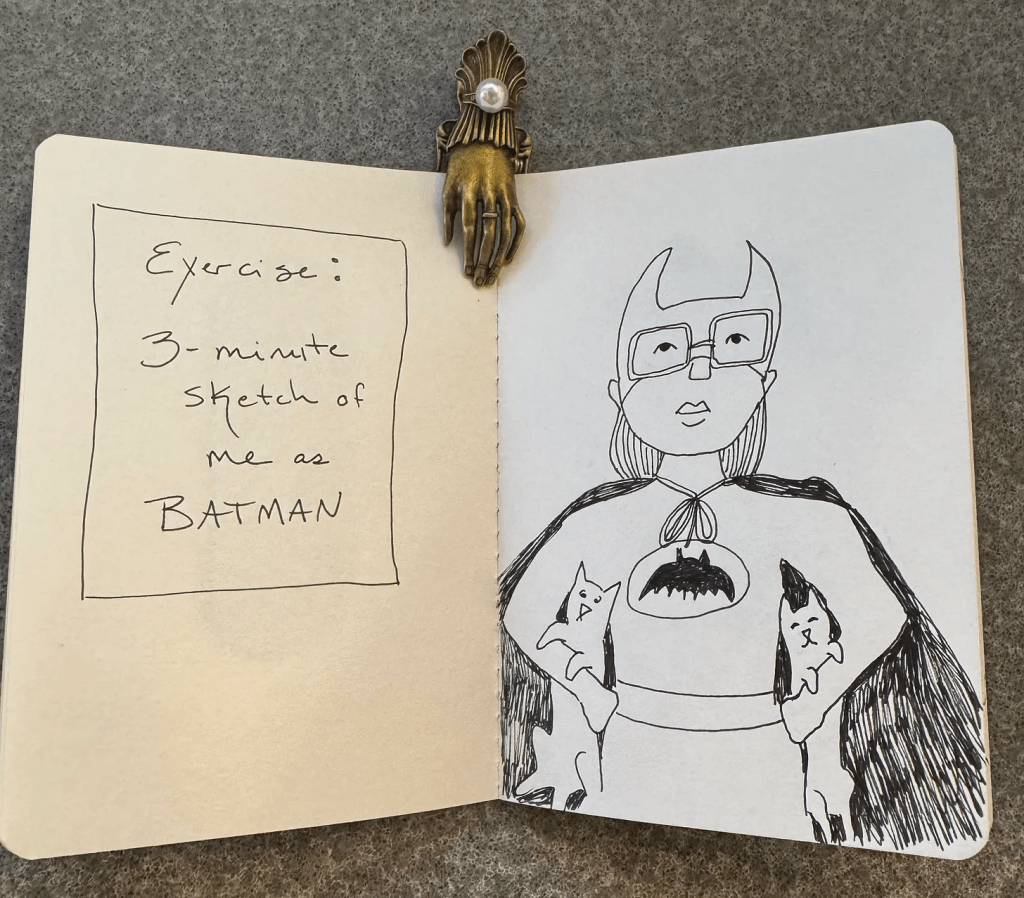
And drew with both hands at the same time, which is much harder than it sounds: (snip-MORE; go see!)
stuff here on Playtime, day to day; lots of material from which to listen, choose, skim, read in full, watch. Today is Sunday. I frequently take the day to get my emails cleared and read the stuff I haven’t gotten to through the week. Sunday is the day a new Lit Hub email comes, and today I indulged myself by opening it before many other things, including last week’s Lit Hub. I did that because I admire Mae West; also I tend to use the F-word a lot inside my home and inside my head. Today’s Lit Hub covers each of these subjects along with its usual variety. If you likeand/or use the F-word, and/or are interested in the etymology of the F-word, you should read the Lit Hub story you can see by clicking this sentence. And now, here is the bit of info of interest about Mae West. We may all be aware that she was so much more than the caricature we tend to receive; she was an ally of LGBTQ+, a playwright, and more. This short bit has some links to her work. Enjoy!
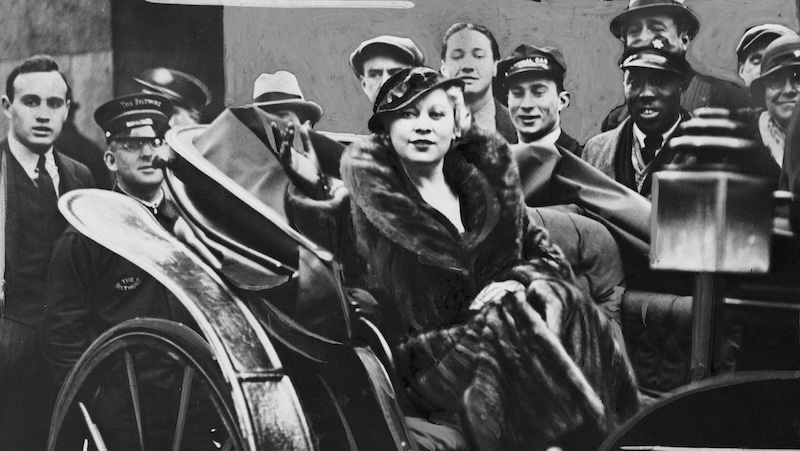
Walker Caplan April 20, 2021
Mae West is an icon: literally, a representative symbol. In the popular imagination, Mae West stands in for a certain type of seduction—blonde, campy, one-liner-heavy. But though West is best known for her distinctive performances, she was also a controversial playwright; before West established the acting persona that would stick in the public’s minds for a century, she was offending critics and facing jail time for shows that she called “comedy-dramas of life,” illuminating elements of life yet to be popularized onstage.
West’s plays The Drag and The Pleasure Man brought a type of communal gay camp onstage that at turns scandalized and excited a largely straight audience. And back in 1926, before Diamond Lil, her play-turned-movie about a good-natured prostitute, launched West to bona fide stardom, she wrote and performed another play—SEX—which would lay the groundwork for the plot of Diamond Lil but polarized audiences in a way Diamond Lil never did.
In SEX, West starred as a prostitute named Margy Lamont. The plot is winding, complicated, and not the point; viewer response was created by the first two acts, where the audience saw Margy working in a brothel and then in a nightclub. Critics were universally horrified by SEX. The New Yorker described the script as “street sweepings”; the New York Herald Tribune said that “never in a long experience of theatre-going have we met with a set of characters so depraved”; the slightly more provocative New York Daily Mirror titled their review “SEX an Offensive Play, Monstrosity Plucked From Garbage Can, Destined to Sewer.”
It wasn’t that there had never been sex or representations of sex workers on Broadway before; but critics found SEX reminiscent of burlesque (stigmatized at the time), as well as uncomfortably realistic in its treatment of sex work and class. As Marybeth Hamilton puts it in “SEX, The Drag, and 1920s Broadway,” “Margy was . . . an ill-paid sex-worker who traded her body on the streets. West made that fact unmistakable. As West embodied her, Margy was palpably from the lower orders . . . Margy is bitterly conscious of herself as a member of the oppressed class, and the grimness and harshness of her manner are reflected in the world she inhabits.” Imagine Mae West’s characteristic delivery without the irony: that was Margy Lamont. Understandably (though not correctly), people were scandalized.
As usually happens when people freak out about a piece of art, ticket sales went up. Then, on February 9, 1927, SEX was raided by the acting mayor, and West spent $14,000 to bail herself and her fellow actors out of jail. As she refused to shut down the show, West was sentenced to ten days in jail for “corrupting the morals of youth.” She was released two days early for good behavior, and the jail time essentially operated as a publicity stunt, launching her in the media as a “bad girl” of theater.
West capitalized on the publicity of SEX and took it as an opportunity to retool her persona, creating Diamond Lil. West plays a sex worker in Diamond Lil as well, but this time, it was funny. Lil was constantly making jokes, and West played her with a veil of irony, so an audience could interpret all of the raunchiness as satire. Plus, the specter of class was never mentioned, making it easier to swallow for middle-class audiences. West called Lil “a little spicy, but not too raw”; this was the beginning of the West performances we know today. I’m grateful for West’s fame, and her later work; but I’m glad we know what was lost in translation.
by Carrie S · Apr 4, 2026 at 2:00 am
Please be advised that this post contains the names of deceased persons. In lieu of images of the deceased, which are offensive to Aboriginal persons, this post contains images of art by contemporary Aboriginal artists.
TW: genocide, slavery, exile, sexual violence, imprisonment, forced labor
For this month’s Kickass Women in History, we go to Tasmania, an island state of Australia, home of the Palawa people. The Palwala people called their home Lutruwita, and early British colonizers referred to it as Van Diemen’s Land. From 1803 to 1853, Van Dieman’s Land was Australia’s primary penal colony. Later on, the island’s name was changed to Tasmania to avoid the stigma of its penal colony history.
Tarenorerer was a Tommeginne woman born around 1800. Between 1800 and 1850, more than 70,000 people were exiled from England and forcibly deported to Van Diemen’s land and subjected to forced labor. This was an incredibly violent time in Tasmania. The convicts were disproportionately male and sexual violence against women was pervasive, while the convicts in general struggled to survive a harsh environment and harsh treatment from their overseers.
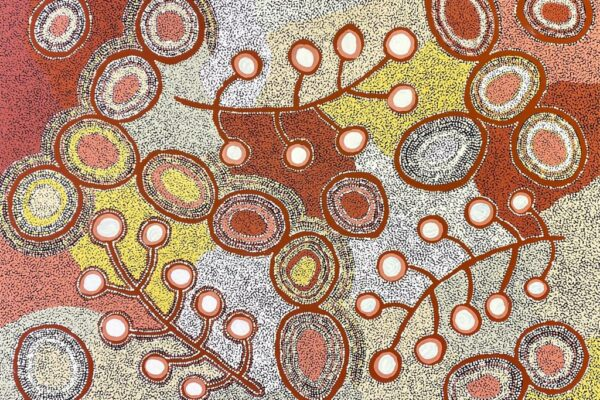
Two Women, by Alison Munti Riley
While life was difficult for the convicts, it was worse for the Aboriginal people who were murdered on sight. The convicts and their overseers carried out systemic genocide against Aboriginal Tasmanians during a conflict known as ‘The Black Wars.’ While most of the genocide focused on mass murder, George Augustus Robinson developed the “Friendly Mission,” a plan to forcibly deport Aboriginal Tasmanians to Flinders Island.
When Tarenorerer was in her teens, she was captured and taken from her family by another clan and sold to White sealers on the Bass Strait Islands. During her captivity, she learned to speak English and to use guns.
Tarenorerer escaped in 1828 and became the leader of the Plairhekehillerplue clan of Emu Bay. She led them in a guerilla war against the colonizers. (snip-a bit MORE)
by Carrie S · Mar 7, 2026 at 2:00 am ·
For this month’s kickass woman, we turn our attention to Japan and the legendary life of Queen Himiko, the first recorded ruler of ancient Japan – not only the first female ruler, but the first ruler, period. I’m going to do a little summarizing here, but I’m also going to be very link-heavy. So much legend surrounds Queen Himiko that I am waaay over my head in terms of describing her life, but I do want to give you some links to explore so that you can learn about this fascinating woman.
Once upon a time, before Japan was a country, in the Yayoi (300BC-300AD) and Kofun (250-538AD) periods, there were all these island city-states. Rulers were also religious figures, and female shamans were highly regarded.
The written records of this period come from Chinese historians, who referred to this region as “The Land of Wa”, home of the “Eastern Barbarians.” We also have writings from Korean historians. As summed up in the article “Queen Himiko: Badass Women in Japanese History” by Chelsea Bernard:
During the second half of the 2nd century (ca. 147-190 AD), the lack of a capable leader plunged the Land of Wa into political turmoil and violent upheaval. Finally, in 190 AD the unmarried shamaness was chosen by the people to rule. Installed in a palace with armed guards and watch towers, she was served by “1,000” female attendants while her “brother” acted as a medium of communication, transmitting her instructions and pronouncements to the outside world. After ascending to the throne, she went on to restore order and maintain peace like a boss for the next 50 or 60 years.
Queen Himiko pulled about 100 kingdoms and confederacies and clans together. She sent diplomatic missions to China, which formally recognized her rule. This video explains her role as a verifiable person in written record and archeology. It’s pretty dry but also very detailed.
(snip-a little MORE on the page)
I don’t know why, but I am a total sucker for books about Arctic and Antarctic exploration. Bring me your frostbite, your scurvy, your long marches, and, above all, bring me my warmest pajamas and a hot cup of tea and we have what I consider to be the perfect ingredients for a cosy night in.
The Heroic Age of Antarctic Exploration (1897ish – 1922ish) and the many efforts to locate the Northwest Passage in the Arctic are simply crammed with stoic imperialist White men who suffer terribly for what, frankly, does not strike me as terribly good reasons. Perhaps my ability to read of their sufferings with ghoulish fascination stems from the fact that none of these guys needed to be either North or South in the first place. To borrow and bend a common phrase: you live by the poorly sealed canned goods, you die by the poorly sealed canned goods*.

Of course, in the case of the Arctic, people were already living there long before any White explorers staggered upon the scene. Yu’pik and Inuit peoples were instrumental in exploratory expeditions in the Arctic and, less directly, the Antarctic. I’ve already written about Ada Blackjack, an Inupiaq woman who survived on Wrangel Island alone for eight months after the other members of her party died.
Other Indigenous women often supported expeditions, especially Arctic ones, by sewing, skinning and preserving fur and leather and cooking. Taqulittuq (also known as Tookoolito and as Hannah), an Inupiaq woman, accompanied Charles Francis Hall on many expeditions including one in which she and some crew members were marooned for months and survived because of the skills of Taqulittuq and her husband. Many other Indigenous women accompanied and supported expeditions and were never formally recognized for their valor.
Arnarulunnguaq, the first woman to travel from Greenland to the Pacific, was born in Greenland in 1896. She related that when she was six or seven, her father, a hunter, died and the family became so desperate for food that they prepared to sacrifice Arnarulunnguaq so the the rest of the family could live, having one less mouth to feed. However, at the very last minute, her brother started crying and her mother decided not to kill Arnarulunnguaq after all. Arnarulunnguaq was (of course) powerfully changed by this experience. According to the explorer Knud Ramussen:
She says herself that the gratitude that she came to feel many years later, and the life she had almost received as a gift, has made her placid towards people.
Arnarulunnguaq married a hunter named Iggiannguaq (allegedly she had a previous marriage that failed because she was “too lazy,” a trait which truly does not match the historical records of her life!). The two planned to accompany Knud Rasmussen on his Fifth Thule Expedition (1921 – 1924). This trip involved travelling from Greenland to Siberia via dogsled. Iggiannguaq died before the trip commenced, and Arnarulunnguaq asked to be allowed to continue with the trip. Her cousin, Qaavigarsuaq Miteq, filled the role of hunter.
(snip-MORE on the page)
This one is especially funny!