Crackdown on Pride is part of effort to curb democratic freedoms ahead of a hotly-contested election next year
Tens of thousands march against Hungary’s government for LGBT rights – video
Tens of thousands of people have taken to the streets of Budapest in defiance of the Hungarian government’s ban on Pride, heeding a call by the city’s mayor to “come calmly and boldly to stand together for freedom, dignity and equal rights”.
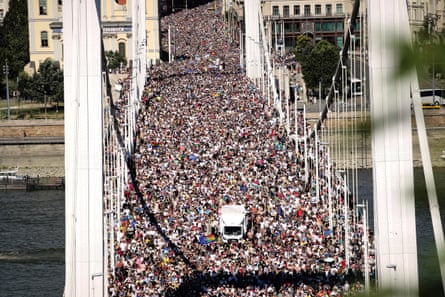
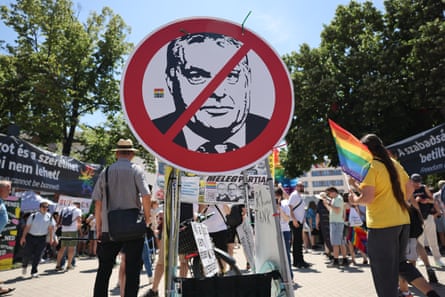
Jubilant crowds packed into the city’s streets on Saturday, waving Pride flags and signs that mocked the country’s prime minister, Viktor Orbán, as their peaceful procession inched forward at a snail’s pace.
Organisers estimated that a record number of people turned up, far outstripping the expected turnout of 35,000-40,000 people.
“We believe there are 180,000 to 200,000 people attending,” the president of Pride, Viktória Radványi told AFP. “It is hard to estimate because there have never been so many people at Budapest Pride.”
The mass demonstration against the government was a bittersweet marking of Budapest Pride’s 30th anniversary; while the turnout on Saturday was expected to reach record levels, it had come after the government had doubled down on its targeting of the country’s LGBTQ+ community.
Hungary Pride participants in the march cross the Elisabeth Bridge in Budapest, Hungary. Photograph: Rudolf Karancsi/AP
“We came because they tried to ban it,” said Timi, 49. The Hungarian national was marching with her daughter, Zsófi, 23, who had travelled from her home in Barcelona to join the rally.
After the ruling Fidesz party, led by the rightwing populist Orbán, fast-tracked a law that made it an offence to hold or attend events that involve the “depiction or promotion” of homosexuality to minors, many Hungarians vowed to show their disapproval by attending Pride for the first time.
Viki Márton was among those who had made good on the promise, turning up with her nine-year-old daughter.
The pair had come equipped with hats, water spray, and a swimsuit, more worried about heat than rightwing protesters. “I want her to see the reality,” said Márton. “And I’m so excited to be here!”
Tens of thousands of Hungarians took to the streets on Saturday, despite Orbán’s warning on Friday that those who attend or organise the march will face ‘legal consequences’. Photograph: János Kummer/Getty Images
Earlier this month, police announced they would follow the government’s orders and ban the march. The progressive mayor of Budapest, Gergely Karácsony, was swift to respond, saying that the march would instead go ahead as a separate municipal event, with Karácsony describing it as a way to circumvent the need for official authorisation.
On Saturday, the mayor reiterated why the city had decided to host the event, hinting at how the march had become a symbol of discontent against a government that has long faced criticism for weakening democratic institutions and gradually undermining the rule of law.
“The government is always fighting against an enemy against which they have to protect Hungarian people,” said Karácsony.
“This time, it is sexual minorities that are the target … we believe there should be no first and second class citizens, so we decided to stand by this event.”
Akos Horvath, 18, who had travelled two hours from his city in southern Hungary to take part in the march, described it as an event of “symbolic importance”.
Speaking to news agency AFP, he added: “It’s not just about representing gay people, but about standing up for the rights of the Hungarian people.”
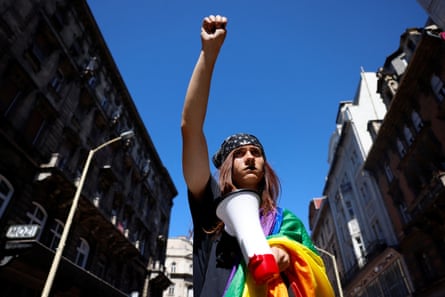
The sentiment was echoed by fellow marcher Eszter Rein-Bódi. “This is about much more, not just about homosexuality,” Rein-Bódi told Reuters “This is the last moment to stand up for our rights.”
‘This is about much more, not just about homosexuality,’ one participant told Reuters. Photograph: Lisa Leutner/Reuters
Tens of thousands of Hungarians, including senior citizens and parents with their children, plus politicians and campaigners from 30 countries, took to the streets on Saturday, despite Orbán’s warning on Friday that those who attend or organise the march will face “legal consequences”.
The Hungarian prime minister sought to minimise concerns over violence, however, saying that Hungary was a “civilised country” and police would not “break it up … It cannot reach the level of physical abuse”.
Still, in a video posted to social media this week, the country’s justice minister, Bence Tuzson, warned the Budapest mayor that organising a banned event or encouraging people to attend is punishable by up to a year in prison.
Speaking to reporters on Friday, the mayor brushed off the threat and downplayed concerns that police would later impose heavy fines on attende s. “Police have only one task tomorrow: to guarantee the safety and security of those gathered at the event,” said Karácsony.
The potential for violence had been amplified after three groups with ties to the extreme right said they were planning counter-marches. As the Pride march got under way, local news site Telex reported that the route of the march had to be changed after one of these groups blocked off a bridge.
Analysts had described the government’s bid to crackdown on Pride as part of a wider effort to curb democratic freedoms ahead of a hotly contested national election next year.
Orbán is facing an unprecedented challenge from a former member of the Fidesz party’s elite, Péter Magyar, leading Pride organisers to suggest they are being scapegoated as Orbán scrambles to shore up support among conservative voters.
Orbán’s government had also prompted concerns across Hungary and beyond after it said it would use facial recognition software to identify people attending any banned events, potentially fining them up to €500 (£425).
Ahead of the march, as campaigners scrambled for clarity on whether or how this technology would be used, AFP reported that newly installed cameras had appeared on the lamp-posts that dotted the planned route.
The threat had been enough to rattle some. Elton, 30, a Brazilian living in Hungary wore a hat and sunglasses as he took part on Saturday, explaining that he had been worried about jeopardising his job and immigration status, but that his Hungarian boyfriend had persuaded him to attend.
“This is my second time at Pride, but the first time I feel insecure about it,” he said.
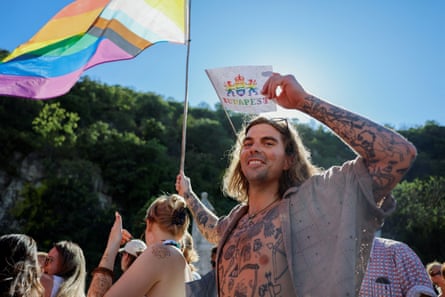
Orbán’s government had also prompted concerns across Hungary and beyond after it said it would use facial recognition software to identify people attending any banned events. Photograph: Lisa Leutner/Reuters
Mici, a 21-year-old Budapest resident, said she had attended Pride marches in the past but this time had weighed whether to join in after she was spooked by reports of the facial recognition system.
“At first, I was scared to come out because of the news, but I feel safe with so many people.”
She hoped that the massive turnout for the march would be enough to push the Orbán government to change its stance.
“I think the crowd that has come from across Europe, the record numbers, will make Hungarian people see that this cause is well-supported.”
BREAKING: The three liberal Supreme Court justices release a scathing dissent after the Republican-controlled judges issue an anti-LGBTQ ruling that “ushers in a new reality” that will deny children the “opportunity to practice living in our multicultural society.”
This is only the third time that Sonia Sotomayor has read her dissent from the bench, indicating strong disapproval…
“Exposing students to the ‘message’ that LGBTQ people exist, and that their loved ones may celebrate their marriages and life events, the majority says, is enough to trigger the most demanding form of judicial scrutiny,” Justice Sonia Sotomayor wrote, supported by justices Elena Kagan and Ketanji Brown Jackson.
The ruling was made in favor of a group of parents who want to opt their children out of elementary school lessons that include LGBTQ storybooks. The case will now go back to a lower court for final decision on whether schools must provide such an opt-out option.
Thanks to the Republican justices, school districts must now inform parents in advance of the books being read in class and allow them to pull their children if they choose. For underfunded schools, this additional burden will be too much to bear. It adds administrative costs and distracts teachers who are already struggling to teach overcrowded classrooms. Taken in tandem with the Trump administration’s efforts to completely eliminate the Department of Education, it’s a grim omen of things to come.
Crucially, the decision is a blatant handout to the religious radicals who helped put Donald Trump in power, which in turn tilted the court even more conservative. Such people want to pretend that LGBTQ people don’t even exist.
“Given the great diversity of religious beliefs in this country, countless interactions that occur every day in public schools might expose children to messages that conflict with a parent’s religious beliefs. If that is sufficient to trigger strict scrutiny, then little is not,” Sotomayor continued.
She predicted that the decision will cause “chaos for this Nation’s public schools.”
“Requiring schools to provide advance notice and the chance to opt out of every lesson plan or story time that might implicate a parent’s religious beliefs will impose impossible administrative burdens on schools,” she continued. “The harm will not be borne by educators alone: Children will suffer too. Classroom disruptions and absences may well inflict long-lasting harm on students’ learning and development.”
“Worse yet, the majority closes its eyes to the inevitable chilling effects of its ruling,” she went on. “Many school districts, and particularly the most resource strapped, cannot afford to engage in costly litigation over opt-out rights or to divert resources to tracking and managing student absences. Schools may instead censor their curricula, stripping material that risks generating religious objections.”
“The Court’s ruling, in effect, thus hands a subset of parents the right to veto curricular choices long left to locally elected school boards,” she added. “Because I cannot countenance the Court’s contortion of our precedent and the untold harms that will follow, I dissent.”
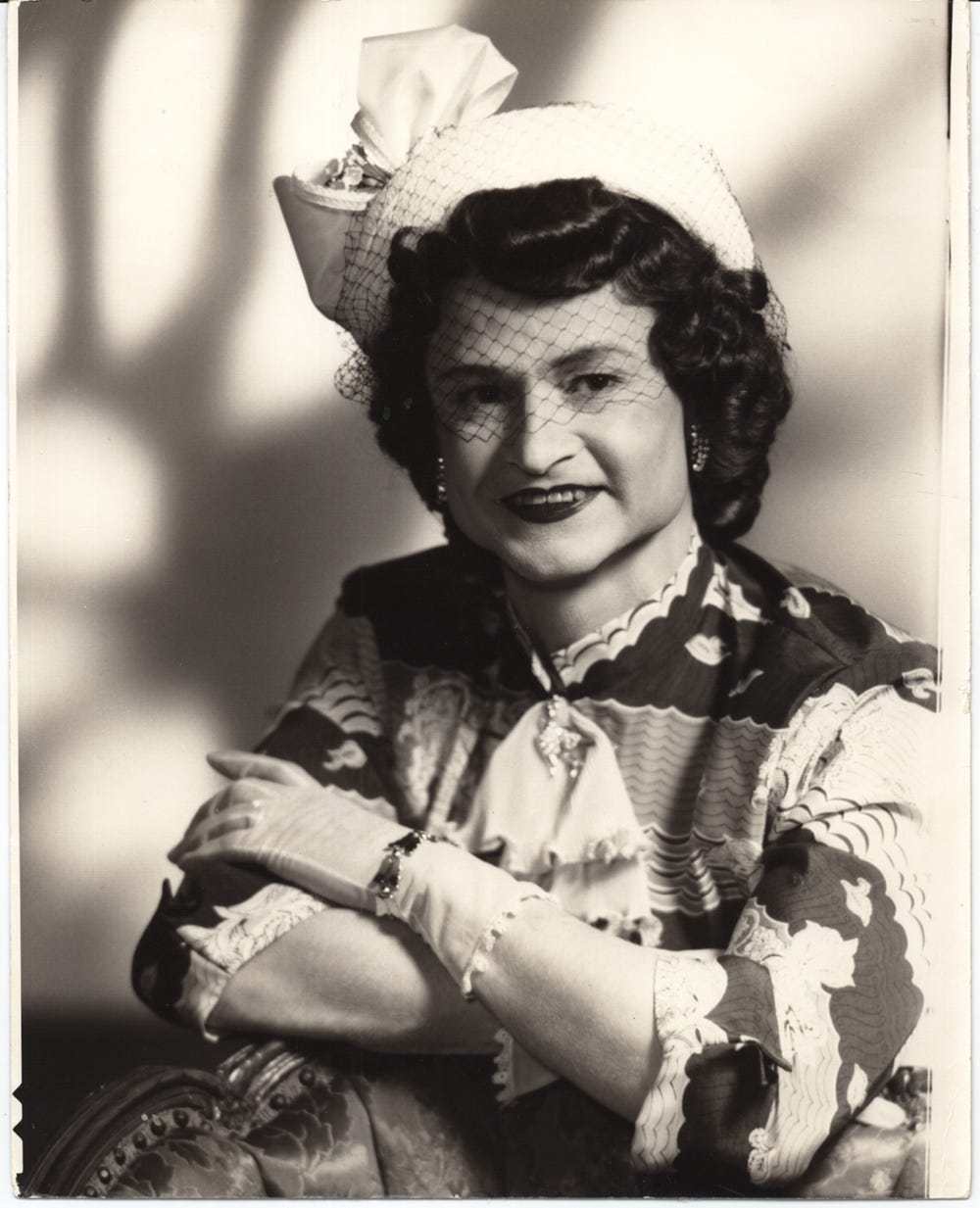
In the shadowy underground of mid-20th century America, where being anything other than a straight, cisgender conformist could land you in prison, a mental institution, or a shallow grave, Virginia Prince emerged like a goddamn hurricane wrapped in a dress. Born Charles Virginia Prince in 1912, she didn’t just challenge the rigid gender binary of her era—she fucking obliterated it, creating the conceptual framework and language that would eventually give birth to the modern transgender movement. But here’s the complicated shit: Virginia was also a product of her time, carrying baggage that would make her legacy as messy and contentious as it was revolutionary.
Virginia Prince wasn’t just another cross-dresser hiding in the shadows of American respectability. She was a visionary who saw the possibility of living between genders at a time when society insisted only two existed, period. Her creation of the term “transgender” and her decades of activism laid the groundwork for every rights battle we fight today. But she was also a deeply flawed human being whose views on sexuality, surgery, and identity would later put her at odds with the very communities she helped create.
This is the story of a brilliant, frustrating, essential figure who gave us the language to describe ourselves while simultaneously trying to police how we used it. Virginia Prince: the complicated badass who launched a revolution she couldn’t fully control and gave birth to ideas that would outlive her prejudices.
The Making of a Revolutionary in Repressive Times
Growing up in the early 20th century as a child who felt a profound disconnect from assigned gender was like existing in a psychological prison where the guards spoke a language you couldn’t understand. Virginia’s early years were marked by the crushing realization that the gender role society demanded didn’t match the internal reality she experienced. But unlike many of her contemporaries who internalized this disconnect as shame or pathology, Virginia began to see it as evidence that society’s gender categories were bullshit.
The 1920s and 1930s were decades of supposed liberation and progress, but that freedom didn’t extend to people who challenged fundamental assumptions about gender and sexuality. Virginia came of age during an era when cross-dressing was criminalized, when psychological theories pathologized any deviation from gender norms, and when the mere suggestion that gender might be fluid could destroy careers, families, and lives.
Her early experiments with feminine expression required incredible courage and strategic thinking. This wasn’t just about putting on women’s clothes—it was about reimagining the entire concept of gender identity in a society that had no framework for understanding such complexity. Every time Virginia dressed as a woman, she was conducting a radical experiment in human possibility that challenged centuries of binary thinking.
The psychological toll of living this dual existence cannot be overstated. Virginia had to navigate professional life, family relationships, and social interactions while maintaining a secret that could have destroyed everything she had built. The constant vigilance required to maintain this double life would have broken weaker spirits, but it forged in Virginia a determination to create spaces where others wouldn’t have to endure such isolation.
The War Years: Finding Community in Darkness
World War II created unexpected opportunities for gender experimentation as social roles shifted and traditional structures loosened. Virginia’s service during the war exposed her to broader networks of people who challenged conventional gender expression, providing her first real sense of community around these issues.
The war also introduced Virginia to the underground networks of cross-dressers and gender-variant people who had been operating in secret for decades. These connections were crucial for her psychological survival and her future activism. For the first time, she realized she wasn’t alone in her experiences and that there were others who shared her vision of gender as something more complex than society acknowledged.
Her wartime experiences also revealed the arbitrary nature of gender roles when social necessity demanded flexibility. Women working in factories, men in traditionally feminine support roles, the blurring of boundaries that peacetime society rigidly enforced—all of this provided evidence that gender categories were social constructions rather than biological imperatives.
The psychological impact of finding community during this period was transformative for Virginia. The isolation and shame that had characterized her earlier years began to give way to a sense of purpose and possibility. She started to see her gender variance not as a personal pathology but as evidence of human diversity that deserved recognition and respect.
The Publishing Revolution: Creating Visibility
Virginia’s decision to publish “Transvestia” magazine in 1960 was an act of revolutionary courage that created the first sustained platform for transgender voices in American media. This wasn’t just a hobby publication—it was a lifeline for isolated individuals across the country who had never seen their experiences reflected in print.
The magazine provided more than just information; it created community among people who had been atomized by shame and secrecy. Readers could finally see that their experiences were shared, that their feelings were valid, and that there were others working to create understanding and acceptance. The psychological impact of this visibility cannot be overstated for people who had spent their lives believing they were alone and abnormal.
Virginia’s editorial approach was strategic and careful, emphasizing respectability and education rather than sensationalism or sexual content. She understood that changing public opinion required presenting transgender people as sympathetic figures rather than freaks or perverts. This respectability politics approach was both necessary for the times and limiting in ways that would later create tension within transgender communities.
The magazine also served as an educational tool for families, medical professionals, and allies who were struggling to understand transgender experiences. Virginia’s clear, rational explanations of gender variance helped combat the pathological narratives that dominated medical and psychological discourse of the era.
Coining “Transgender”: The Power of Language
Virginia’s creation of the term “transgender” in the 1960s represents one of the most significant contributions to LGBTQIA+ liberation in the 20th century. Before this linguistic innovation, people like her were forced to use medical terms like “transvestite” or “transsexual” that carried pathological connotations and didn’t capture the full range of gender-variant experiences.
The word “transgender” was revolutionary because it suggested that gender identity existed on a spectrum rather than in discrete categories. It implied that crossing gender boundaries was a legitimate form of human expression rather than a medical condition requiring treatment. This conceptual shift was crucial for moving transgender experiences from the realm of pathology to the realm of identity and civil rights.
Virginia’s linguistic innovation also provided a political tool that would prove essential for organizing and advocacy. Having a term that encompassed diverse gender experiences allowed for coalition building that wouldn’t have been possible using the more narrow medical terminology of the era. The word became a rallying cry that united people across different experiences of gender variance.
The psychological impact of this linguistic shift was profound for transgender people who finally had language to describe their experiences without resorting to pathological or derogatory terms. Language shapes thought, and Virginia’s creation of “transgender” literally gave people new ways to think about themselves and their possibilities.
The Philosophy of Gender: Virginia’s Complex Vision
Virginia’s understanding of gender was both revolutionary and limited by the constraints of her era. She rejected the binary categorization of male and female while simultaneously maintaining traditional ideas about gender roles and characteristics. This contradiction would later put her at odds with more radical transgender activists, but it was essential for gaining mainstream acceptance during conservative times.
Her concept of “femmephilia”—the love of femininity—suggested that attraction to feminine expression was natural and healthy rather than deviant or pathological. This idea challenged both psychiatric orthodoxy and social conventions that insisted masculinity and femininity were fixed, essential characteristics tied to biological sex.
Virginia’s insistence that transgender people could live full, authentic lives without medical intervention was radical for an era when medical gatekeeping dominated transgender experiences. She argued that social transition was sufficient for psychological well-being and that surgical intervention was unnecessary and potentially harmful.
However, her views on sexuality and transgender identity were more conservative and exclusionary. Virginia insisted that “true” transgender people were heterosexual and that homosexuality was a separate, unrelated phenomenon. This position would later be criticized as transphobic and homophobic, but it reflected strategic thinking about respectability politics in an era of extreme social conservatism.
Building Networks: The Organizational Genius
Virginia’s creation of transgender social networks and support groups represented a crucial step in community building that laid the foundation for later political organizing. Her “Tri-Ess” organization (Society for the Second Self) provided safe spaces for transgender people to gather, share experiences, and build relationships that sustained them through difficult times.
These gatherings were psychologically transformative for participants who had spent years or decades in isolation. Being able to present authentically in supportive environments provided relief from the constant stress of hiding their true selves. The social connections formed at these events often became lifelong friendships that provided ongoing support and validation.
Virginia’s organizational approach emphasized discretion and safety, recognizing that most transgender people of her era faced severe consequences if their identities were exposed. Her networks operated with careful attention to privacy and security that protected participants while still providing community and support.
The leadership skills Virginia developed through this organizing work would prove essential as the transgender rights movement gained momentum. Her ability to bring people together, facilitate discussions, and build consensus became a model for later activists who expanded on her foundation.
The Medical Establishment: Challenging Professional Authority
Virginia’s relationship with the medical establishment was complex and often contentious. While she worked with sympathetic doctors and researchers to advance understanding of transgender experiences, she also challenged medical authority in ways that were radical for her time.
Her rejection of the medical model that pathologized transgender identity put her at odds with professionals who insisted that gender variance was a mental illness requiring treatment. Virginia argued that transgender people were mentally healthy individuals whose distress came from social rejection rather than internal pathology.
This position was psychologically liberating for transgender people who had been told by medical professionals that they were sick, deviant, or delusional. Virginia’s insistence that transgender identity was a natural variation of human experience provided an alternative narrative that emphasized health and authenticity rather than illness and cure.
Her advocacy for informed consent and patient autonomy in transgender healthcare was decades ahead of its time. Virginia argued that transgender people should have the right to make their own decisions about their bodies and their treatment rather than being subjected to arbitrary medical gatekeeping.
International Impact: Spreading the Revolution
Virginia’s influence extended far beyond American borders as her publications and ideas spread to transgender communities around the world. Her magazines were smuggled into countries where transgender expression was even more severely criminalized, providing hope and information to isolated individuals globally.
Her correspondence with transgender people from different countries helped create an international network of support and advocacy that transcended national boundaries. These connections were crucial for sharing strategies, resources, and emotional support across diverse cultural contexts.
The conceptual framework Virginia developed for understanding transgender identity proved adaptable to different cultural contexts while maintaining its core emphasis on human dignity and self-determination. Her ideas influenced transgender organizing in Europe, Asia, and other regions where local activists adapted her strategies to their specific circumstances.
Her international visibility also helped establish transgender rights as a human rights issue rather than a local cultural phenomenon. By demonstrating that transgender people existed across all cultures and societies, Virginia’s work laid groundwork for later international human rights advocacy.
The Generational Divide: Evolution and Conflict
As younger transgender activists emerged in the 1970s and 1980s with more radical political agendas, Virginia’s conservative approach to respectability politics came under increasing criticism. Her emphasis on working within existing social structures clashed with activists who wanted to challenge those structures more directly.
The generational divide was particularly acute around issues of sexuality and medical transition. Younger activists rejected Virginia’s insistence that transgender people should be heterosexual and her opposition to surgical interventions. They argued that her gatekeeping was as harmful as medical gatekeeping in limiting transgender self-determination.
Virginia’s response to this criticism was often defensive and sometimes dismissive, reflecting her investment in approaches that had required enormous personal sacrifice to develop. She had spent decades building respectability and acceptance through careful strategic choices, and she feared that more radical approaches would undo that progress.
The psychological impact of this generational conflict was painful for Virginia, who saw her life’s work being criticized by the very communities she had helped create. However, this tension was also productive in pushing the transgender rights movement toward more inclusive and radical positions.
The Sexual Revolution: Changing Contexts
The sexual revolution of the 1960s and 1970s created new opportunities and challenges for transgender advocacy. Increased openness about sexuality and gender made transgender issues more visible but also more controversial as conservative backlash intensified.
Virginia’s conservative approach to sexuality became increasingly problematic as the broader LGBTQIA+ rights movement embraced more radical positions on sexual liberation. Her insistence that transgender identity was separate from sexuality clashed with emerging understanding of the interconnected nature of gender and sexual oppression.
The rise of gay liberation and feminist movements provided both allies and competitors for transgender advocacy. While these movements sometimes supported transgender rights, they also sometimes marginalized transgender concerns in favor of their own political priorities.
Virginia’s response to these changing contexts was mixed, as she struggled to maintain her strategic approach while adapting to new political realities. Her ability to evolve was limited by her deep investment in the respectability politics that had defined her earlier activism.
Legacy Complications: The Price of Pioneering
As Virginia aged, the contradictions in her legacy became more apparent and more problematic for younger transgender activists. Her groundbreaking contributions to transgender visibility and organizing were undeniable, but her conservative positions on sexuality and identity were increasingly seen as harmful and exclusionary.
Her opposition to transgender people who didn’t conform to her narrow definitions of legitimate transgender identity created gatekeeping that mirrored the medical gatekeeping she had originally challenged. This irony was particularly painful for transgender people who found themselves excluded from the very communities Virginia had helped create.
The psychological impact of Virginia’s gatekeeping was significant for transgender people who experienced rejection from someone who should have been an ally and advocate. Her insistence that only certain types of transgender experiences were valid reproduced the marginalization that many had hoped transgender communities would escape.
However, Virginia’s contributions to transgender liberation remained essential even as her limitations became more apparent. Her creation of language, community, and visibility provided the foundation for all subsequent transgender organizing, even when that organizing moved in directions she didn’t support.
The Final Years: Reflection and Resistance
Virginia’s later years were marked by increasing isolation from transgender communities that had moved beyond her conservative framework. While she continued to advocate for transgender rights, her influence waned as younger activists took leadership roles in the movement.
Her resistance to change reflected both personal investment in her lifelong approach and genuine concern about the directions of transgender advocacy. She worried that more radical positions would provoke backlash that would undo decades of progress toward social acceptance.
The psychological toll of this marginalization was significant for someone who had devoted her life to transgender advocacy. Watching the movement she had helped create evolve beyond her influence was both gratifying and painful as she grappled with the limitations of her own vision.
Despite these challenges, Virginia maintained her commitment to transgender advocacy until her death in 2009. Her persistence in the face of criticism demonstrated the same determination that had driven her pioneering work decades earlier.
Psychological Analysis: The Costs of Pioneering
From a psychological perspective, Virginia’s life illustrates both the tremendous strength required for pioneering social change and the personal costs of such leadership. Her ability to maintain authenticity while navigating extreme social hostility demonstrates remarkable resilience and strategic intelligence.
The psychological mechanisms Virginia developed for survival—careful boundary maintenance, strategic respectability, community building—became tools for broader transgender liberation even when they also created limitations and exclusions. Her survival strategies were both adaptive and restrictive, helping her navigate danger while also constraining her vision of possibility.
Her later conflicts with younger activists can be understood partly as trauma responses to decades of marginalization and partly as realistic concerns about the risks of more radical approaches. The psychological investment required to build acceptance through respectability politics made it difficult for her to embrace strategies that seemed to threaten that hard-won progress.
Virginia’s legacy demonstrates how pioneering figures often become both inspirational models and cautionary tales as movements evolve beyond their founding visions. Her contributions remain essential while her limitations serve as reminders of the ongoing need for growth and inclusion.
Social Impact: Transforming American Gender
Virginia’s influence on American understanding of gender extends far beyond transgender communities to broader social recognition of gender complexity and fluidity. Her visibility and advocacy helped plant seeds of change that would eventually blossom into mainstream acceptance of gender diversity.
Her creation of transgender terminology and concepts provided intellectual frameworks that influenced academic research, medical practice, and legal advocacy for decades. Scholars, activists, and professionals continue to build on foundations she established even when they disagree with her specific positions.
The social networks Virginia created became models for community organizing that influenced not just transgender advocacy but broader LGBTQIA+ organizing. Her emphasis on mutual support, education, and strategic communication became standard practices for social justice movements.
Her international influence helped establish transgender rights as a global human rights issue that transcended local cultural differences. The universal applicability of her core insights about human dignity and self-determination provided tools for advocates working in diverse cultural contexts.
The Philosophical Revolution: Expanding Human Possibility
Virginia’s fundamental contribution to human understanding was her demonstration that gender categories were social constructions rather than biological imperatives. This insight was philosophically revolutionary in its implications for human freedom and self-determination.
Her concept of transgender identity challenged not just gender binaries but broader assumptions about fixed identity categories. By showing that people could successfully live between or beyond conventional categories, she opened intellectual space for reimagining human possibility more broadly.
The philosophical framework Virginia developed for understanding gender variance influenced later thinking about sexuality, race, class, and other identity categories. Her insights about the constructed nature of social categories became foundational for intersectional analysis and identity politics.
Her emphasis on self-determination and personal autonomy in gender expression provided philosophical grounding for broader movements for individual freedom and authentic self-expression. These ideas continue to influence contemporary debates about identity, liberty, and human rights.
The Ongoing Revolution: Virginia’s Living Legacy
Despite the controversies surrounding her conservative positions, Virginia’s fundamental contributions to transgender liberation continue to shape contemporary activism and advocacy. Her linguistic innovations, organizational strategies, and philosophical insights remain relevant even as the movement has evolved beyond her original vision.
Current transgender rights advocates continue to grapple with the tensions Virginia identified between respectability politics and radical change, between strategic pragmatism and principled authenticity. Her example provides both inspiration and cautionary lessons for contemporary activists navigating similar challenges.
The institutional changes Virginia advocated for—medical reform, legal recognition, social acceptance—remain central to transgender rights agendas even as the specific approaches have evolved. Her strategic focus on concrete improvements in transgender people’s lives continues to guide effective advocacy.
Her international influence persists as transgender advocates around the world build on frameworks she established while adapting them to local circumstances. The universality of her core insights about human dignity continues to provide tools for global transgender liberation.
The Fucking Truth About What Virginia Achieved
Let’s cut through the academic bullshit and acknowledge what Virginia Prince actually accomplished. She took a world that insisted only two genders existed and forced it to confront the reality of human gender diversity. She created language, community, and visibility for people who had been erased from public consciousness and gave them tools to fight for recognition and rights.
Virginia’s creation of the term “transgender” alone represents one of the most significant contributions to LGBTQIA+ liberation in the 20th century. Without her linguistic innovation, we wouldn’t have the conceptual framework that makes contemporary transgender rights advocacy possible. She literally gave us the words we needed to describe ourselves and demand recognition.
Her decades of publishing, organizing, and advocacy laid the foundation for every transgender rights victory we’ve achieved since. The marriage equality, employment protections, healthcare access, and legal recognition that contemporary transgender people enjoy were built on groundwork Virginia established when such victories seemed impossible.
But here’s the complicated shit: Virginia was also a product of her time whose conservative positions on sexuality and identity created gatekeeping that excluded many people from the communities she helped create. Her respectability politics approach was necessary for survival in her era but became limiting as the movement evolved toward more inclusive and radical positions.
The psychological impact of Virginia’s work extends far beyond transgender communities to broader social understanding of gender complexity and human diversity. Every person who questions gender norms, challenges binary categories, or demands recognition for non-conforming identities owes something to the path Virginia blazed through hostile social terrain.
She wasn’t perfect—no pioneer is—but she was authentic in ways that transformed American culture. In an era when gender variance was criminalized and pathologized, Virginia’s insistence on dignity and self-determination was revolutionary. Her vision of transgender people as healthy, capable individuals rather than sick deviants provided alternative narratives that saved lives and changed minds.
Virginia Prince died in 2009, but her revolution continues every time someone uses the term “transgender,” every time a support group meets, every time an activist demands recognition rather than tolerance. Her legacy isn’t just in the organizations she founded or the publications she created, but in the transformed understanding of human possibility that makes contemporary gender diversity visible and valuable.
The fucking truth is this: Virginia didn’t just create the transgender rights movement—she created the conceptual foundation that makes all contemporary gender liberation possible. She took the notion that gender categories were fixed and immutable and torched it so thoroughly that even conservative backlash can’t restore the old certainties.
That’s the kind of revolutionary the world needed, transgender people deserved, and human progress required. Not because she was perfect, but because she was persistent. Not because she had all the answers, but because she asked the right questions. Not because she made everyone comfortable, but because she made it impossible to ignore transgender existence and dignity.
Virginia Prince: the complicated badass who gave us our fucking name and showed us that the only limits on human identity are the ones we accept. May her linguistic innovations keep evolving, her organizational strategies keep adapting, and her fundamental insight about human dignity keep expanding until every person can live authentically without apology or fear.
What else are they cutting to give the rich tax cuts? Read on Substack
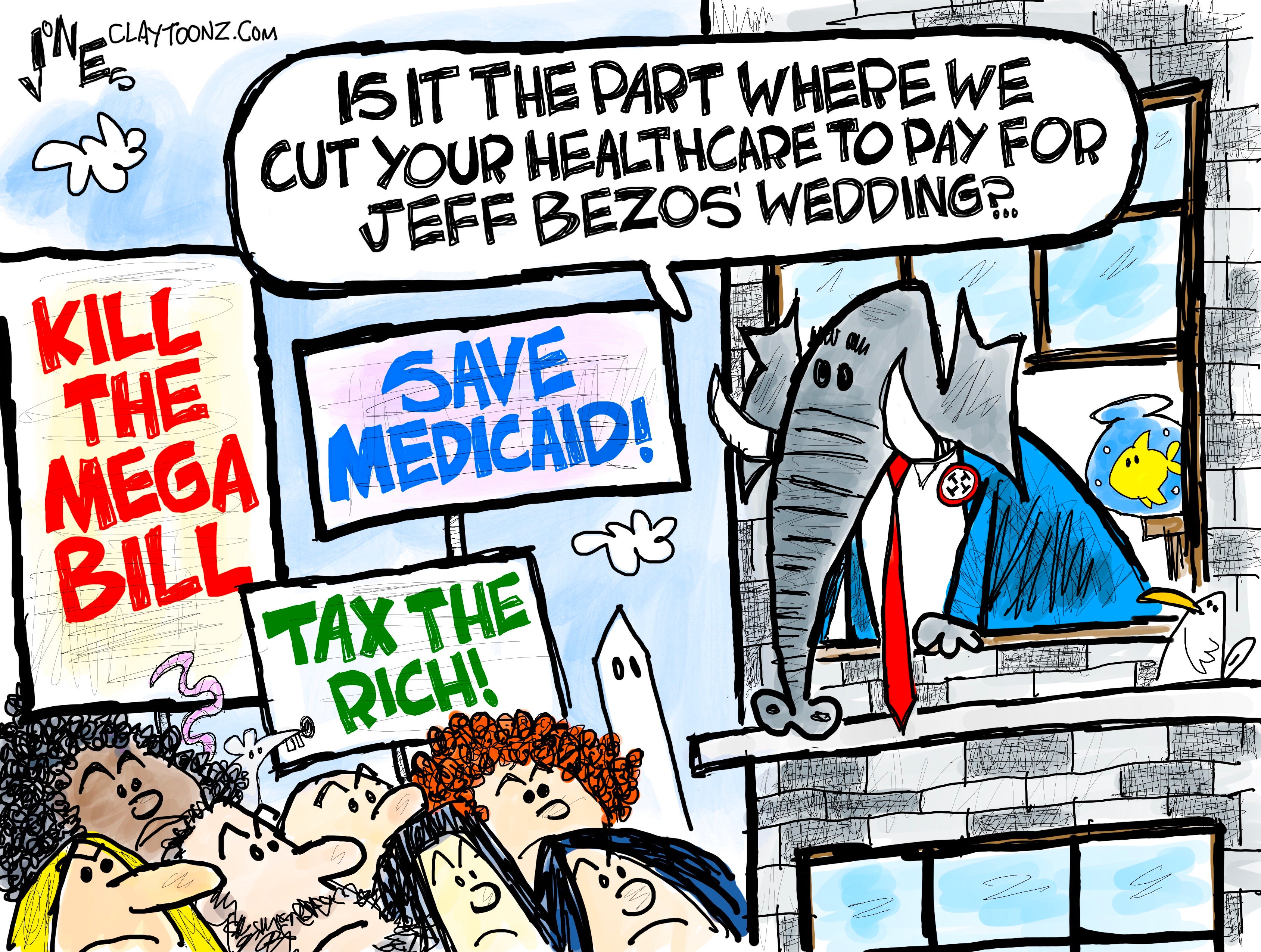
I’m bummed I didn’t get an invite to Jeff Bezos and Lauren Sanchez’s $56 million wedding. What? You didn’t get an invite either? What we should do is form a protest. We’ll just have to get in line with all the citizens of Venice, Italy. I didn’t want to catch a bouquet anyway.
The folks in Venice (Venucians, Venetians, Venicers, Veniceeans?) aren’t too happy about this “secret” wedding taking place in their city. Apparently, it’s too much for them. There sure are a lot of celebs attending despite it being a secret. If you want something to remain low-key, you don’t invite every Kardashian to it, as well as Tom Brady, Orlando Bloom, Javanka, Usher, Jewel, Sydney Sweeney, Bill Gates, Sam Altman, Tommy Hilfiger, and Oprah Winfrey. Oh, Oprah. No.
The guest list pisses me off because I invited all these people to a crawfish/oyster party and none of them showed up, but they all found time to go to Bezos’ thing. Hmph!
Bezos, who founded Amazon, bought the once-great Washington Post, killed an endorsement for Kamala Harris, and chased away the great Ann Telnaes, proposed to Sanchez on his $500 million yacht, which is worth 10 Bezos weddings and only half the size of his nose. And then, he sent Sanchez to space with Katy Perry on one of his rockets.
And, if he and Sanchez ever decide to split, he can just send her to space again…and not bring her back. In space, no one can hear you scream about a prenup.
Bezos kept it humble. On Thursday, there was a party at the Madonna dell’Orto complex, which contains a church and a cloister, whatever the fuck a cloister is. On Friday, there was a party at San Giorgio Maggiore where famous Italian singer Matteo Bocelli, whoever the fuck that is, delivered a celebratory performance where everyone requested he sing Freebird. There was another party Saturday, and because they wanted some authentic Italian food, was held at Olive Garden (I made that up, but the Freebird requests were real).
The protests are called the “No space for Bezos” movement. Get it? “No…space?” It’s because he owns Blue Horizon, a space company. Oh, never mind. (snip-MORE)
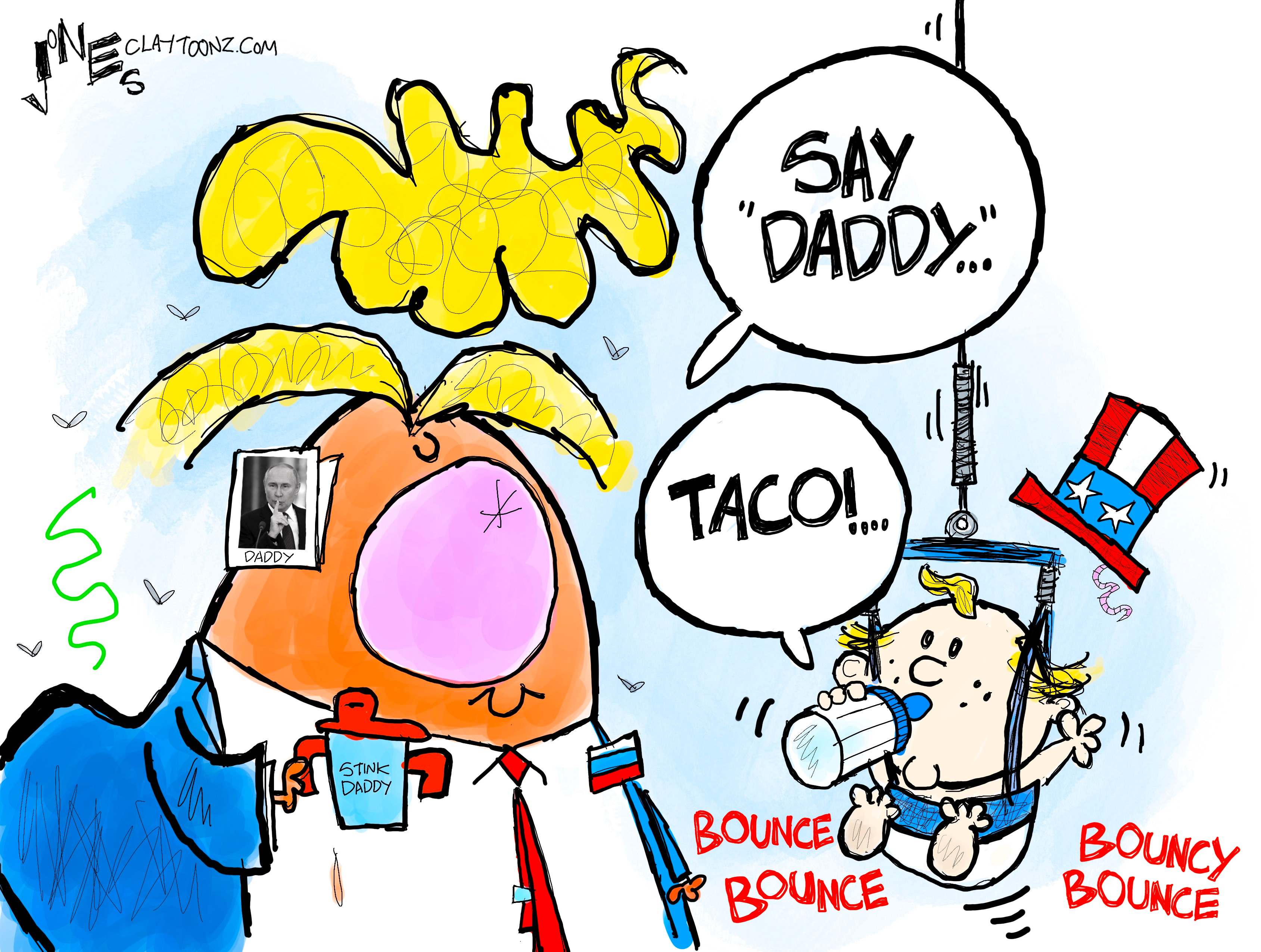
This whole “Daddy” thing regarding Donald Trump…it’s weird. It’s not weird as in we disagree with it or because there are better nicknames for Trump, and there are, like Hair Fuhrer, Donny Dementia, Toupe’d Fucktrumpet, Mango Mussolini, Diaper Don, Trumplethinskin, Rug-Wearing Thundernugget, Tiny-Finger Vulgarian, Sweet Potato Hitler, Cheeto Benito, Dumb Donald, The Lyin’ King, Don the Con, Fuck Boi Von Clownface, Tangerine Toddler, Cheetolini, Tiny, and T.A.C.O (Trump Always Chickens Out). Feel free to use any of these at your next cross-burning.
No, it’s weird because it’s fucking weird. It’s weird, as in it’s sexually weird. It’s gross. It’s icky. It’s icky and gross like the bathrooms on Amtrak.
Remember during the presidential race, when you were labeled the weird party? You were weird all along but the “weird” label emerged when you added the couch fucker to the campaign. And then all you idiots started wearing bandages on your ears. Now, calling Trump your daddy doesn’t help diffuse the weird thing. You are all weird. It also adds to the cult thing.
I believe we should keep our politics and fetishes separate. If you wanna fuck a dolphin, that’s you, but you can’t lecture anyone about anything else ever again, especially the president of Ukraine. Just sit on the couch and keep your mouth…no! Never mind. Get off the couch. We know about you and couches.
Even though he was a shitty president, America looked up to Ronald Reagan as though he was the nation’s grandfather. It worked because he was very old, accepted that he was old, and gave the impression he was taking care of the nation, even when it was just the White people the old racist was taking care of. But, there was never anything kinky about it.
Grandpas are supposed to be kinda sweet. They might ask you to pull their fingers at times, and might have some different generational opinions about “Indians,” but he usually has a butterscotch in his pocket that you really shouldn’t put in your mouth, but still, he means no harm…mostly. Like you, he doesn’t know he’s racist.
But at least nobody has said “bow-chicka-wow-wow” to someone they call “grandfather.” You guys haven’t, have you? (snip-MORE)
June 29, 1925 The South African parliament passed a bill excluding black, coloured (mixed race) and Indian people from all skilled or semi-skilled jobs.
June 29, 1963 A mass “walk-on” (trespass) was organized at a chemical and biological warfare facility in Porton Down, England. These weaponized agents had been researched and produced there since 1916; it’s now known as the Defence Science and Technology Laboratory. Protesters demand an end to germ warfare in 1963 at Porton Down (Getty) Unconscionable activities at Porton Down (From 2004)
Before the establishment of the Hollywood Production Code in the 1930s, filmmakers deployed gender and sexuality stereotypes for glamour, humor, and drama alike.
With Pride month in full swing, it’s an ideal moment to look at historical queer representation, particularly in the early days of Hollywood cinema. The first few decades of the twentieth century were not only an active time for a growing medium, but also one in which crises of confidence, economy, masculinity, and culture changed how filmmakers presented queer characters and how (or if) audiences received them. Film professor David Lugowski summed up queer representation in early film neatly, writing that “[a]s cinema learned to talk, so did it also ‘speak’ about the gender roles so crucial to Hollywood film.”
Cinema moved from silent film into “talkies” in the late 1920s, with Al Jolson’s The Jazz Singer typically credited as the first feature to integrate sound and dialogue (it may, however, be a more complicated exercise to locate a true “first”). The late twenties also saw the onset in America of the Great Depression, and, at least as far as entertainment is concerned, many scholars link displays of sexuality and queerness in films in the late 1920s and early 1930s to a larger crisis in masculinity. Economic collapse, the story goes, leads to a broader crisis of identity and gender role. “In short,” Lugowski writes, “men found their gender status, linked to notions of ‘work’ and ‘value’ promulgated by capitalist structures and ideologies, in jeopardy.”
As film became more pervasive and culturally integrated under these circumstances, stereotypes started to be read as evidence that gender performance was equivalent to sexual orientation. Basic types in Hollywood films were clear. For men, queer types were usually either the “dithering, asexual ‘sissy,’” writes Lugowski, or “the more outrageous ‘pansy,’ an extremely effeminate boulevardier type sporting lipstick, rouge, a trim mustache and hairstyle, and an equally trim suit, incomplete without a boutonniere.” Lesbian representation favored masculine drag—tailored suits, hair cut short or slicked back, and sometimes male-coded accessories like a monocle or a cigar. “Objections arose,” Lugowski explains, “because she seemed to usurp male privilege; perhaps the pansy seemed to give it up.”
Prior to the 1930s, these stereotypes appear to have been commonly understood and deployed, for glamour, humor, and drama alike. Audiences may have responded variably—with titillation, acceptance, or shock, depending on the individual—but no one could say the film industry wasn’t inclusive of different relationship story arcs.
In a Code world, no film should risk lowering an audience’s moral standards nor should evil or immorality be presented except as a cautionary tale.
In Pandora’s Box (1929) Louise Brooks wooed a father and son as well as a countess in a tuxedo. Greta Garbo portrayed the title character Queen Christina in a 1933 film about the seventeenth-century Swedish monarch, widely assumed to have been queer. Garbo, along with Marlene Dietrich and other leading ladies such as Joan Crawford, Myrna Loy, and Barbara Stanwyck, were members of a private professional group of Hollywood women—all of them quietly bisexual or lesbian—known as the “Sewing Circle.” Palmy Days (1931) features not only a proud flower-wearing “pansy” character, but drag, donuts, and a sexy Busby Berkeley dance number.
These portrayals took on new weight and context with the passage of the Hollywood Production Code. The Code, a set of self-regulatory guidelines applied to film production, was begrudgingly accepted by film execs, writes Steven Vaughn. That industry figures would accept content restrictions seems strange, until you consider that it was a hold-your-nose solution preferable to either intrusive government regulation or control by investment banks or funders, who preferred their investments be as stable as possible. The Production Code of 1930 therefore came into being, heavily influenced by religious collaborators and proclaiming two linked truths: “Motion pictures are very important as Art,” and “The motion picture has special Moral obligations.” In a Code world, no film should risk lowering an audience’s moral standards nor should evil or immorality be presented except as a cautionary tale.
The Production Code embraced a list of “don’ts” and “be carefuls.” On the “don’ts” list, films were to eliminate blasphemy and profanity, depictions of drug use, miscegenation, and “any inference of sex perversion,” which implied homosexuality. “Be carefuls” enumerated in the 1956 version of the Code urged “the careful limits of good taste” around bedroom scenes, hangings, liquor, childbirth, and “third degree methods.”
The well-known English critic Anthony Slide explains that the Code particularly targeted queer representation in film.
At first, to be honest, not much changed. Hollywood cinema remained as queer as ever, and during the harshest years of the Depression, the industry engaged in some of its most boundary-pushing and queer storytelling efforts.
“Not only does the number of incidents increase,” writes Lugowski,
but we also see more explicit references, longer scenes, and sometimes surprisingly substantial characters. Perhaps most important, the pansy and lesbian characters of the period remain, respectively, effeminate and mannish but become increasingly sexualized in 1933–34.
To wit: in 1934, Jack Warner (of Warner Brothers Studio) felt perfectly comfortable ignoring enforcer Joseph Breen’s firm letter and repeated phone calls about that year’s Wonder Bar. Starring Al Jolson and based on a Broadway musical of the same name, the film included a scene in which a tuxedo-clad man glides onto a busy dance floor and taps the shoulder of another man dancing with a blonde in finger waves and a white gown. He asks, “May I cut in?” The woman answers, “Why, certainly!” and reaches out her arms expectantly, at which point the two men embrace each other and whirl off down the dance floor. Jolson, from the bandstand, observes the exchange and quips, “Boys will be boys. Woo!”
By the end of 1934, though, the Code was more than just a feel-good document for moralists. It was enabled with specific enforcement machinery in response to religious lobbying and the threat of significant industry opposition from the Catholic church.
“[R]ather than risk possible state and federal censorship,” notes Chon Noriega, “as well as anticipated boycotts by the ten-million-member Catholic Legion of Decency, Hollywood studios proferred [sic] strict self-regulation, empowering the Hays Office—now under Joseph Breen—to enforce its four-year-old Production Code.”
Once the Production Code had teeth, filmmakers were restricted in what they could include in their work. If they violated Code standards, the Production Code Administration (PCA) could withhold its seal of approval, making distribution difficult. The possibility of appeal was slim to none, with a board of PCA directors making the call, not fellow filmmakers. In 1947, with the Code not even fifteen years in effect, writer and censor Geoffrey Shurlock noted with some pleasure that
Queer characters and storylines were less common, or circumscribed, until the Code weakened and ultimately fell in the 1960s (the success of boundary-pushing films like Some Like It Hot only helped in this regard). It remained true in film that villains, especially, were more likely to be accepted with queer coding. But a large number of films—more than perhaps one might expect—remain a testament to Hollywood’s longtime engagement with queer characters and themes. (snip)
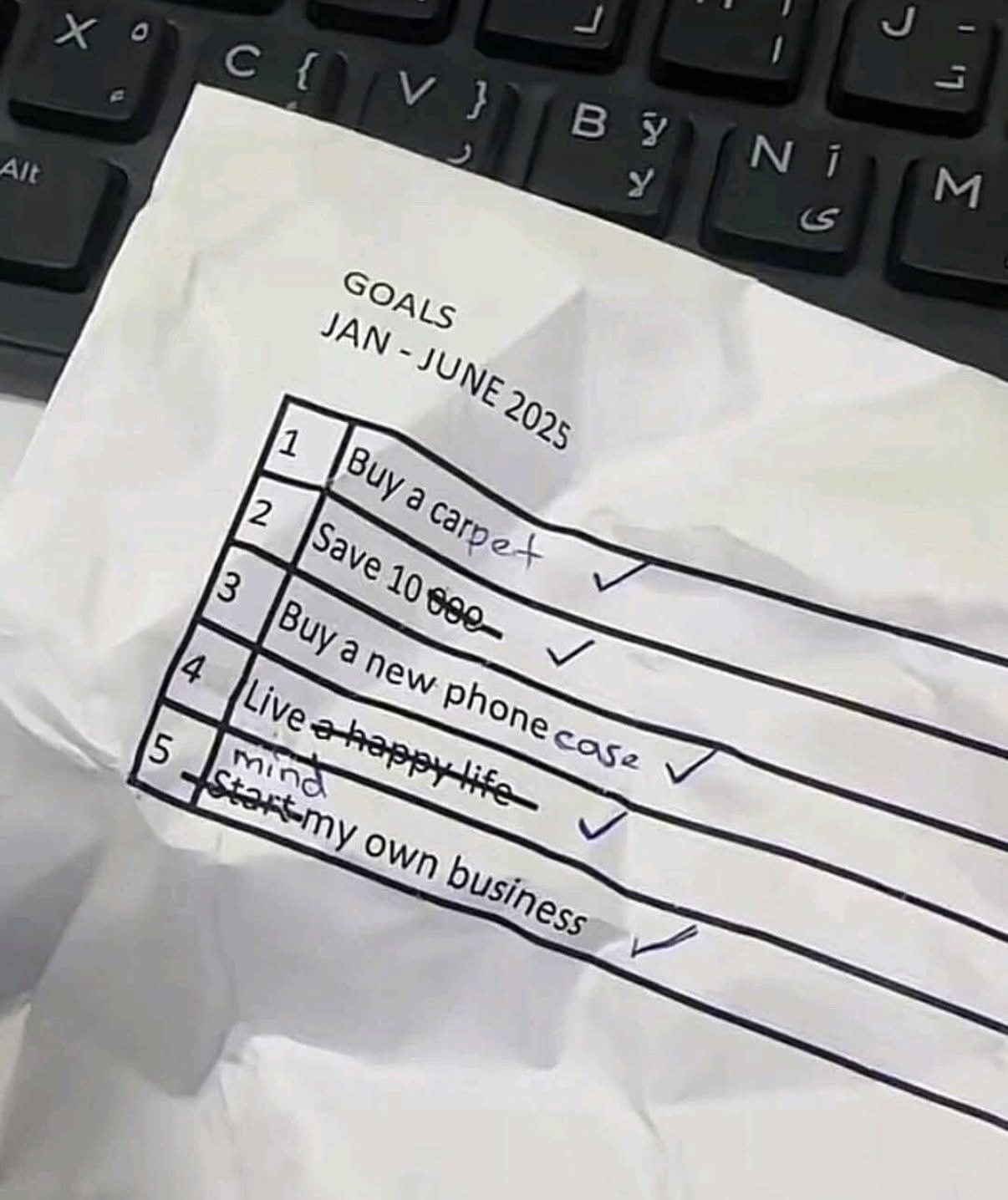
Trump’s wheeling and dealing in the first half of 2025 has made the future uncertain and bleak. It’s time to make some last minute adjustments to my previously set goals. 😵💫

















 Scottie's Playtime