I’m not advocating violence, of course, but I got a great giggle from this when I saw it. I thought others might, too. There is no direct violence, it’s more a karmic-type of happening.
It’s been stormy/flooding/messy all day long, Ollie is not happy with the weather so I’ve been busy keeping him busy, we’ve still got about an hour to go with the weather, and now I can’t recall where, this morning over breakfast, I read this about Compass Group promoting PRIDE. But, the tab is still up there, so here it is at not quite suppertime!
June is here, and with it comes Pride Month – a powerful celebration of love and authenticity. It’s a time to recognize the rich history of the LGBTQ+ community while embracing the voices that make our workplace stronger, more inclusive, and deeply connected.
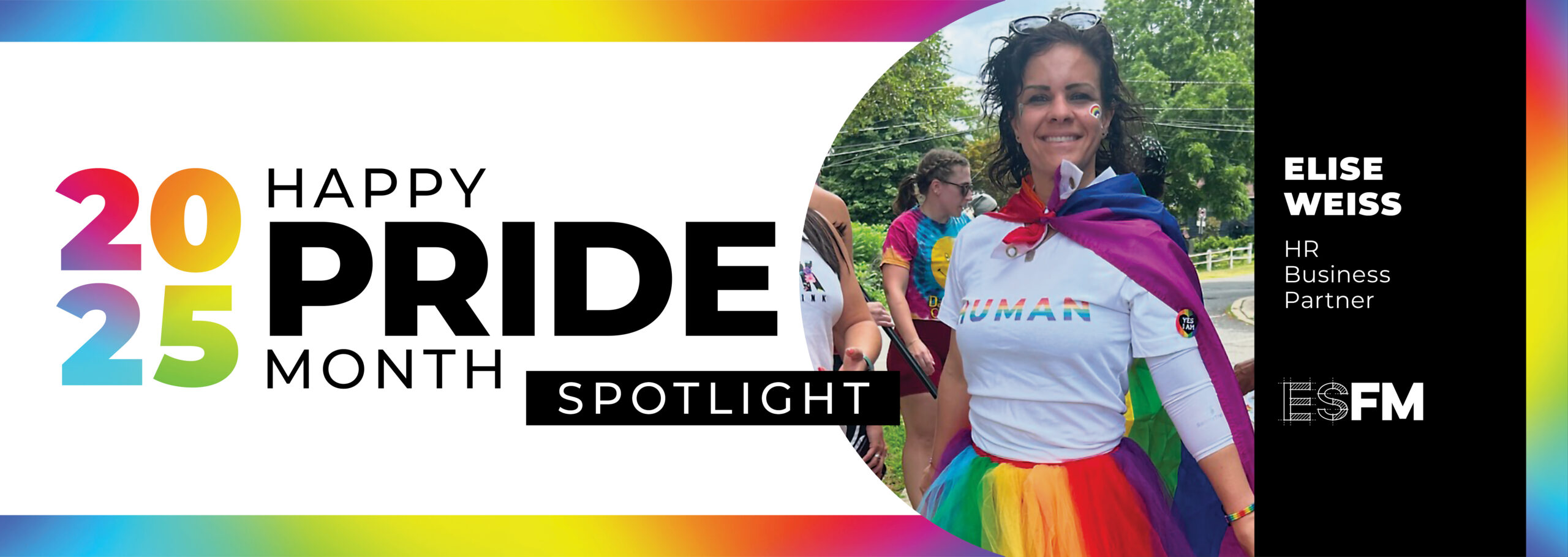
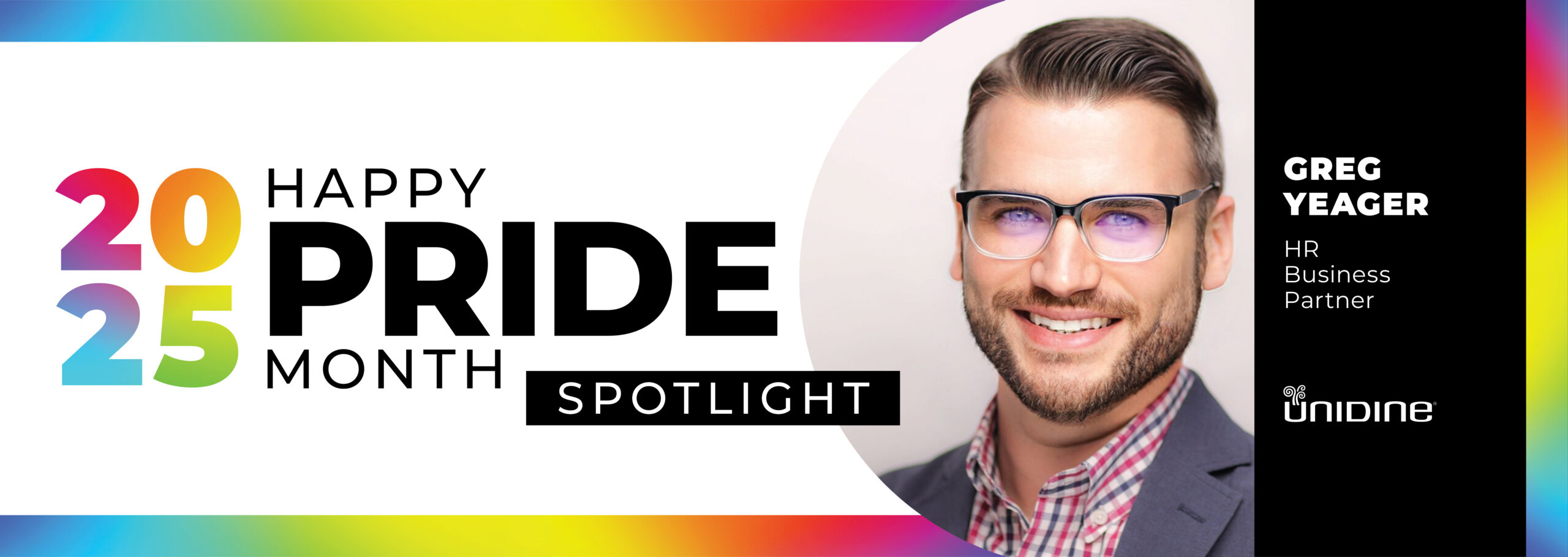
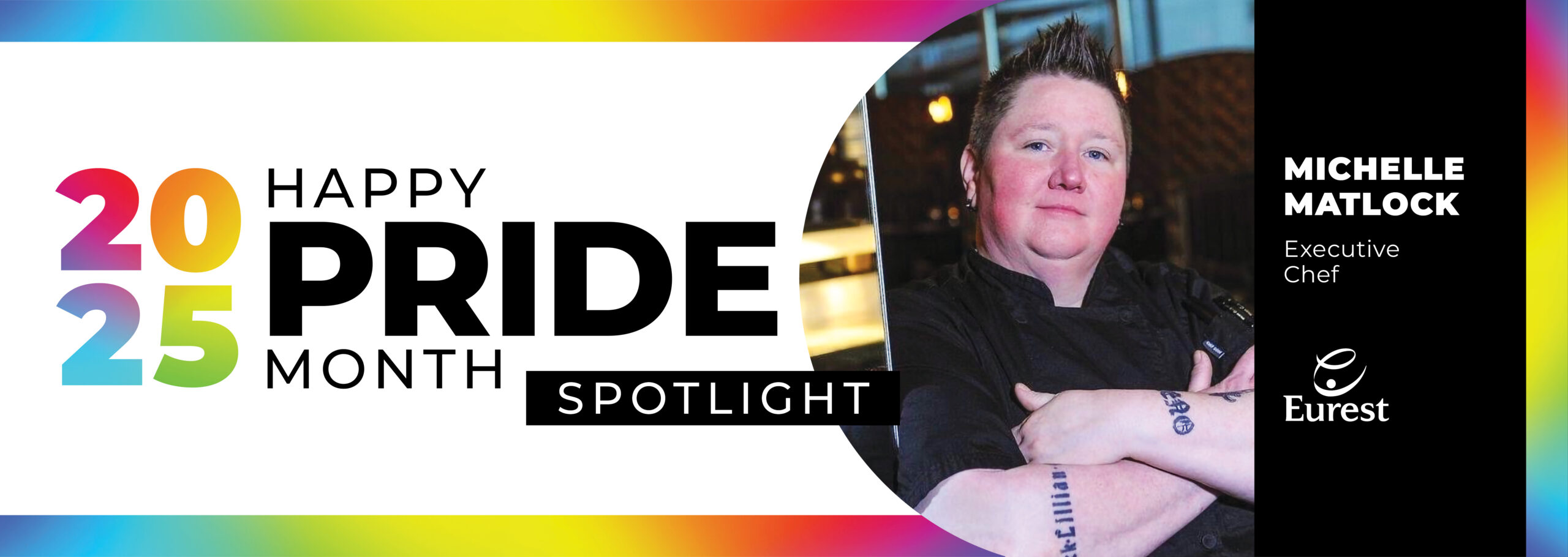
Meet three inspiring associates from across Compass Group’s family of businesses – Elise, Greg, and Chef Michelle – whose journeys of inclusion and belonging enrich our organization in meaningful ways. Through their work, passion, and personal experiences, they continue to cultivate spaces where everyone can thrive.
Elise Weiss has been with ESFM for seven years. The best part of her job as an HR business partner is building relationships, fostering strong team dynamics, and simplifying tough situations. Education and empowerment drive her. Leading ESFM’s Global University of Lifelong Learning (GULL) program as well as serving as co-chair of its Diversity & Inclusion Action Council (DIAC) make her work deeply fulfilling.
“Pride Month means LOVE is LOVE! Accepting everyone as they are so that no one fears loving who they truly love,” Elise says.
Greg Yeager has been with Unidine for eight years and currently serves in strategic dining services and national accounts as the HR business partner. Making a difference in people’s lives – with the support of his incredible team – is what he loves most about his position
“Pride is a reminder of both the progress made and the work still needed to ensure equal rights and respect for everyone,” Greg adds. “It’s also a deeply personal time when I acknowledge and celebrate my own growth, embracing who I am unapologetically.”
Chef Michelle M. Matlock CEC has been with Compass for three years, and for the past year has been an Executive Chef in Atlanta with Eurest.
“What I love most about my job is spending my life’s energy within a group that supports diversity, equality and inclusion,” Chef Michelle declares. “I love being able to mentor our young chefs and leaders. I adore my leadership and believe in their life’s work so much, find our corporate goals so similar, it keeps me going.”
Greg, Chef Michelle, and Elise’s respective journeys have been shaped by many people, and their experiences within the LGBTQ+ community have influenced their careers.
“I often wonder if I’ve done enough, because just living openly doesn’t always feel like enough,” Greg notes. “Getting into HR grounded me, showing me that I could be the person I had always needed – a representative living openly.” Greg hopes to be that person for future generations entering the hospitality industry.
A pivotal figure in Chef Michelle’s life was Charlene Schneider, who opened the first LGBTQ+ tavern in New Orleans in the 1950s. She was a “Den Mother” to many LGBTQ+ youth, offering acceptance, guidance, and life skills. She once told Michelle, “People walk through this world every day, just hoping someone will smile their way. BE THAT PERSON.” She taught Michelle honor, ethics, never to hide, and to BE SEEN.
Elise’s path has also been influenced by people who embody authenticity, strength, acceptance, empathy and love – qualities she strives for. Her most life-changing discovery, however, is yoga. “The inward journey transformed me, replacing fear with acceptance and love,” she says.
Each has precious advice to share with colleagues striving to be more inclusive.
Chef Michelle considers herself an “Elder” in the LGBTQ+ community and shares this impassioned message: “TO OUR BEAUTIFUL LGBTQ+ YOUTH – TO ‘B’ – Sometimes the world swings ugly and sometimes it swings back to beauty. In all these times, you are loved, you are important, you are beautiful EXACTLY as you are, and you MATTER. Know your history, get involved, define our community for US so that others can’t define it for YOU.”
Elise advises her teams to lead with vulnerability and humility. “Show up, listen, and be present. People feel that, and it matters,” she says. “In the photo, my shirt says ‘HUMAN,’ because kindness is what matters, not labels. Live in the energy of love, and never forget our shared humanity – we are all equal.”
And Greg encourages open and honest conversations. “Understanding comes from curiosity and the willingness to learn; I always tell friends and family to ask me anything,” he adds. “If it helps bridge the gap in understanding that our lives aren’t so different, then that’s one more educated mind shaping a better future.”
As Pride Month unfolds, let’s celebrate the progress made while recommitting to the work still ahead. Elise, Greg, and Chef Michelle remind us that inclusion is about people, actions, and creating spaces where everyone feels seen, valued, and empowered to be their authentic selves. Their stories illuminate the power of representation, resilience, and genuine connection. As we honor Pride, let’s continue building a workplace – and a world – where acceptance isn’t just a celebration for one month, but a commitment we carry every day.
“This is your month to celebrate the strength and courage it takes to be your authentic self. But this month is not just about celebrating, it’s also about commemorating and remembering AND creating safer spaces for people to feel Pride about being their authentic selves!
“These quotes from activists, artists, politicians, entertainers, and more emphasize what it means to be an LGBTQ+ person. I hope they inspire and encourage you along your journey of being LGBTQ+ or celebrating those who are.
1. “Love is too beautiful to be hidden in the closet.” – Anonymous
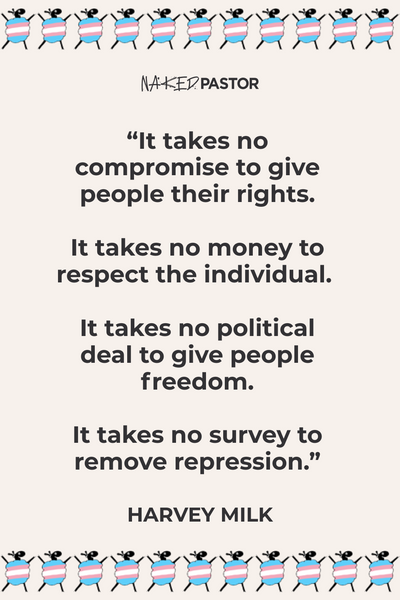
2. “It takes no compromise to give people their rights … it takes no money to respect the individual. It takes no political deal to give people freedom. It takes no survey to remove repression.” – Harvey Milk
3. “So let me be clear: I’m proud to be gay, and I consider being gay among the greatest gifts God has given me.” – Tim Cook
Before the word ‘transgender’ existed, icon Bambi already danced for the stars
The moment which changed queer history occurred on a sweltering summer day in early 1950s Algeria. An effeminate teenage boy named Jean-Pierre Pruvot stood mesmerized as traffic halted and crowds swarmed around a scandalous spectacle unfolding in the conservative Algiers streets. (AP Video: Oleg Cetinic)Published 11:32 PM CDT, May 22, 2025.)
I admit my life was different but from the time I was five I knew I was attracted to males. Specifically both sexually and emotionally. One of the hell spawn female siblings even held me down to pound the point that I was “queer” into me. I did not understand why it was wrong, after all they were the ones telling me what to do and farming me out to their teen boyfriends. I craved being held by the boys and not so much the girls. But all the other gay and lesbian people I have talked to knew early also. Preteen time frame. 7 or 8 and up they knew they were gay and either knew they had to hide it or knew they couldn’t so had to live with being attacked for it. These people who think it is a choice, a fad, or a phase need to ask themselves the famous question. When did they know they were cis and straight and was it a choice they made. No they just felt it all their lives, they simply knew it. Same for the LGBTQ+. The only difference is straight cis kids see themselves everywhere from birth. Mommies and daddies, they see themselves in the older kids around them, in the news, movies, TV shows, and the books they read. It feels so natural to them they just don’t question it. They are lucky. Until recently like in the last decade LGBTQ+ kids did not see themselves reflected in society. No movies had kids like them, no books in the library had kids like them. Some kids did not even know the words for how they felt. It was changing in the last ten years. Schools made a push for inclusion and tolerance, movies showed LGBTQ+ kids, books had them as plots or characters. Kids could see themselves and be proud. That is what the haters, the anti-trans / anti-gay bigots want to remove. The ability of kids who are different from the majority to see themselves represented positively in society. It is why they write and pass don’t say gay bills, and why they ban books. It is why they try to ban drag shows and pride events. These people who demand a straight cis world with only them showing in public are terrified of a world where people can be different. To them those who are the other must be destroyed, ideas of acceptance and tolerance must be erradicated and removed. All because they don’t feel different from the majority so the difference must not be real. But it is and we need to realize the scars left on kids who grew up in the times when they never seen themselves represented in society. We must not go backward in time, regressing to a time of hate. Hugs
LGBTQ+ youth advocates gathered outside the Monmouth County Courthouse in Freehold on Tuesday, Aug. 15, 2023, where a school policy that would impact lesbian, gay, bisexual, transgender and queer youth was being reviewed in Superior Court. | Amanda Oglesby / Asbury Park Press / USA TODAY NETWORK
A new poll from Pew Research Center sheds some light on just how early LGBTQ+ people are aware of their identities. The study of LGBTQ+ adults in the U.S. found that most respondents understood their identity before the age of 14, with a substantial portion knowing about their identities before the age of 10.
Among gay and lesbian adults, 36% said that they felt they were gay or lesbian before the age of 10 and 35 first felt they were gay or lesbian from ages 10 to 13. Only a minority – 29% – had their first feelings about their sexuality after the age of 14.
The numbers were similar for transgender people. Approximately 33% felt they might be transgender before age 10, and 25% felt the same way between ages 10 to 13. Only 19% had their first feelings about being transgender after the age of 18.
Bisexual people tended to know the latest, but even a majority of bisexual people said that they had their first thoughts about being queer before age 18. Half – 50% – had their first feelings of being bisexual before age 14.
The question often comes up in discussions of LGBTQ+ youth, with many on the right insisting that people can’t know their identities before adulthood. Often, these people claim that only LGBTQ+ people can’t know their identities before adulthood, but then support heterosexuality and cisgender identities in young people.
But these statements fly in the face of LGBTQ+ people’s lived experiences, which often include years of hiding their identities before they create a safer space for themselves to live authentically as adults.
While LGBTQ+ respondents generally first thought about their queer identities when they were very young, most waited until they were older to tell others. While 71% of gay and lesbian people said that they first knew about their sexuality before age 14, only 13% said that they told someone before that age. Approximately 58% of trans people first thought they might be trans before age 14, but only 15% told someone before that age.
This also contradicts the rightwing narrative that young people are saying that they are trans or gay to gain social acceptance and not because they actually identify as such. In reality, young people are saying that they’re straight or cisgender when they actually aren’t, likely to try and get social acceptance.
Pew broke down the results even more and showed that gay men generally felt that they were gay at a younger age than lesbian women, with 40% saying they were younger than 10 years old when they first thought they were gay, as opposed to 29% of lesbian women.
| Pew Research Center
Bisexual women, on the other hand, likely knew earlier than bisexual men. 53% of bi women said they felt they might be bi before they were 14 years old, while just 40% of bi men said the same.
| Pew Research Center
The poll was conducted in January of this year and involved a sample of 3,959 adult LGBTQ+ Americans. The survey asked about a wide variety of topics, including support from family and friends, ties to the larger LGBTQ+ community, and social acceptance.
Subscribe to the LGBTQ Nation newsletter and be the first to know about the latest headlines shaping LGBTQ+ communities worldwide.
At the end of the video the Reverend says our only job is to love god by loving others. The only question is … how much will you love. Good thoughts in this video. Had the church been like this when I was a teen, had the church been inclusive like this when I was a little boy being molested by the Pastor I would have stayed in the faith, in the church. I might not have believed in the magic parts of the bible and I might have quibbled over the facts, but I would have stayed for the community. The environment of people who enjoyed each other’s company and loved the comradery of fellowship. Sadly the churches I saw as a child, as a teen, and as an adult lost people because rather than love, they clung to hate. The joy of feeling better than some other group, of being able to look down on them, to revel in negative emotions meant more to them than hugging those different that maybe they did not understand. They set themselves up as god judging others. Not as a loving flock, but as deciders over who was worthy to be in the flock. They were not the sheep, they wanted to be the Sheppard. Hugs
(And let me interject that I know that sometimes I’m a language/punctuation police officer, but I despise the term “reverse discrimination.” Either discrimination has happened, or it hasn’t, to be proven to whoever decides. There is no “reverse discrimination”. grr. Also, this is not a spoiler nor my opinion on the case, it’s simply that I guess it’s good for some people that I do not sit upon the SCOTUS, because I’d want to dismiss and tell them to use appropriate words so that the court could accurately decide based upon the evidence of discrimination, without being distracted by superfluous words. Please be at liberty to laugh at me about this. Then read all the following. -A)
It’s June 1, and that means we’re starting the last month, more or less, of this Supreme Court term. The cases the Court has had briefing on and heard oral argument in will all be decided by the end of this month, although some years it spills over into the first week of July.
We never know which cases are coming next. The Court doesn’t decide them in the order they hear them argued. But usually the biggest, most impactful cases aren’t decided until the end.
This week for “The Week Ahead,” I’ve got a scorecard with some of the most important still-undecided cases for this term on it. The goal is to give you some background to refer to, so when you hear the Court has announced a decision in a certain case you’ll be prepared to understand its significance.
Here they are, in order of when they were argued, although that’s likely to have little to nothing to do with when we will see opinions.
U.S. v. Skrmetti
The issue in this case is whether states can ban gender-affirming care for trans youth in the context of a 2023 Tennessee law that bans gender-affirming care, like puberty blockers and hormone therapy, for transgender patients who are minors. The Biden administration intervened in the case and was a party along with three transgender teens and their parents. That changed with the change in administrations. The Trump Justice Department, as you would expect, is on the other side of the case.
A key issue in the case is whether denying treatment to trans youth that is available to their gender conforming peers violates the Constitution by denying them equal protection under the law. A federal district court judge held that it did. But the Court of Appeals reversed. About 25 other Republican dominated states have similar laws. The result in this case will apply beyond Tennessee.
At oral argument, the conservative Justices seemed disinclined to accept the argument that this law is a form of sex discrimination, even though cisgender kids will be able to access treatment that transgender people won’t be able to receive if these laws stand. But the votes seemed to be in place to permit Tennessee and other states to keep their restrictive laws in place.
Free Speech Coalition v. Paxton
The case involves a 2023 Texas law that is supposed to keep minors from accessing pornography online. It requires websites to verify a person’s age before they are admitted to the site. But an industry group that calls itself the Free Speech Coalition sued, claiming the law violates the rights of adults who want to access the content, an impermissible burden on free speech. The ACLU is on their side in the case.
There was at least some indication at oral argument that the Justices are aware we no longer live in a world of dial up internet connections and want to revisit the standards that are used to “protect kids.” The technical legal issue is whether the court of appeals used the wrong legal standard to decide the case. Instead of using the highest standard of review and requiring the Texas law to pass “strict scrutiny” before it could burden the adults’ right to have access to protected speech, they only required that there be a “rational basis” connecting the law to its intent to protect minors.
Ames v. Ohio Department of Youth Services
The Court’s decision in this case could potentially signal a sea change in reverse discrimination employment litigation. The case involves a straight woman who claims she faced “reverse discrimination” on the job because she wasn’t gay, leading her to be passed over for promotion opportunities. The issue is whether a plaintiff who is a member of a majority group has to show that her employer is the “unusual” one who discriminated against the majority, before bringing a case under Title VII of the Civil Rights Act of 1964. If she wins, this sort of reverse discrimination case could become easier to bring.
The plaintiff lost out on a promotion to a lesbian woman. She was subsequently demoted and the position she was removed from was given to a gay man. All of this started 13 years into her employment, after a new boss, who was a gay woman, became her supervisor.
There was speculation following oral argument that the plaintiff might win unanimously. Justice Sotomayor seemed to say she thought the plaintiff might have a valid claim, noting that based on the record before the Court, there was “something suspicious” about what happened. The consensus among the Justices seemed to be that everyone had to be treated equally.
Smith & Wesson Brands v. Estados Unidos Mexicanos
There are two technical legal issues in this case, but together, they add up to an answer to the question of whether Mexico can sue U.S. gunmakers for what it has long maintained is their responsibility for the epidemic of gun violence within its borders. Mexico argues that a number of U.S. gunmakers made it possible for traffickers to illegally purchase firearms in the U.S., only for them to be provided to Mexican drug cartels.
The Court will decide: (1) Whether the production and sale of firearms in the United States is the proximate cause of alleged injuries to the Mexican government stemming from violence committed by drug cartels in Mexico; and (2) whether the production and sale of firearms in the United States amounts to “aiding and abetting” illegal firearms trafficking because firearms companies allegedly know that some of their products are unlawfully trafficked.
If the Court decides in Mexico’s favor, its lawsuit against U.S. gun manufacturers will move forward.
Louisiana v. Callais
This is the Louisiana redistricting case. The issues revolve around whether a Louisiana congressional district created to comply with the Voting Rights Act resulted in an unconstitutional gerrymander that discriminates based on race. The Callais plaintiffs are a group of “non-African Americans” who say the redistricted map violates the Constitution because it takes race into account in violation of the 14th Amendment.
Although the Court may be inclined to do away with the Voting Rights Act at some point, this case is reminiscent of a 2023 gerrymandering case out of Alabama, where a 5-4 majority that included Chief Justice Roberts and Justice Kavanaugh upheld the Voting Rights Act and forced Alabama to comply with it, rejecting maps drawn by the state legislature that made it all but impossible for Black citizens to elect candidates of their choice to Congress.
This case might have a similar outcome. It has similarly complicated facts and an up-and-down history on appeal. It comes down to whether Louisiana, whose population is about 1/3 Black, will have a second Black opportunity district. The technical issues involve whether a three-judge district court in this case was mistaken when it ruled that race predominated in the Louisiana legislature’s decision on maps, whether it erred in finding those decisions couldn’t pass the strict scrutiny test and a set of preconditions known as the Gingles factors, and whether the case is the sort of “non-justiciable” matter that should be resolved through the political process, not decided in the courts.
Mahmoud v. Taylor
The issue here is whether religious parents’ rights are violated when a school board doesn’t give them the ability to opt out from having LGBTQ-themed books available to their children in elementary school. The issue is presented as: Whether public schools burden parents’ religious exercise when they compel elementary school children to participate in instruction on gender and sexuality against their parents’ religious convictions and without notice or opportunity to opt out.
At oral argument, the Court’s conservative majority seemed sympathetic toward the parents.
Trump v. CASA, Inc. (consolidated with Trump v. Washington and Trump v. New Jersey)
This is the birthright citizenship case that was argued only earlier this month. We discussed it here. The issue isn’t whether Trump can end birthright citizenship. Rather, it’s whether the Supreme Court should stay the district courts’ preliminary injunctions except as to the individual plaintiffs and identified members of the organizational plaintiffs or states while the litigation works its way through the courts.
It’s hard to believe that it was just over a year ago that I sat outside, across the street from the U.S. Supreme Court building in the Senate Swamp, listening to the oral argument and preparing to comment on it in real time. (snip)
At the time, I wrote, “The case is all about Donald Trump and whether he can be prosecuted for the most serious of his crimes against the American people, trying to hold onto power after losing the 2020 election. It’s also about the legacy of the Roberts Court and whether history will view the already unpopular Justices as the Court that gave away democracy.”
Overall, there are more than 30 cases remaining on the Court’s dockets. There are also a number of procedural and other issues pending in cases that haven’t been fully briefed for a decision on the merits this term. This is the so-called shadow docket, where litigants ask the courts to make decisions in cases characterized as emergencies. Cases involving deportations and DOGE are among them. And also, the wild card, a number of cases still percolating through the lower courts where the issues aren’t yet ripe enough to be before the Supreme Court, but could become so in the next few months, at least enough to merit a trip to the shadow docket and interfere with the Supreme Courts’ summer break. The biggest question that remains for me is whether this Court will continue down the path it set itself upon last term, or will tell Trump no in a meaningful way?
Welcome to the new week. Thanks for being with me at Civil Discourse as we approach our third anniversary.
A Pride Month declaration from the cussing newsletter guys Read on Substack
It’s a safe bet this White House won’t be flying the rainbow flag this June.
But you can bet your hot asses we will.
June is Pride Month, a celebration of our LGBTQIA+ friends and a good damn reminder that for a free country to truly be free, people must be allowed to be themselves. It’s also a helluva party.
But this year’s Pride comes as the federal government has declared war on trans folks, banned books dealing with LGBTQIA+ issues and authors and made bigotry great again. Like with all things Trump, there ain’t much to celebrate. And that’s why we’re gonna be louder and prouder than we’ve ever been before.
If the president of the United States won’t stand up for our gay, lesbian and trans friends, then we sure as shit will. We’re proud of you, we’re happy to stand next to you and we love you. And like a lot of people who want to be allies, we can be clumsy as hell about it, so please don’t hesitate to tell us how we can do better.
So many Americans have seen their rights and protections either diminished or destroyed under Trump. It’s why so many people in this country are so scared right now. And sad. And angry.
Trump and the GOP have made trans people their personal punching bags. This week, Trump even threatened California over a 16-year-old trans athlete. That’s the president of the United States bullying a child simply because they are different from other kids. If you want to debate trans folks in sports, fine, but surely we can agree that the president shouldn’t be attacking teenagers who are just trying to be teenagers.
Whether it’s erasing the trans heroes from the memorial plaque at Stonewall or denying them the chance to serve in the military, Trump has made clear he will use our government to bully, harass and demean trans people. It’s cruel. It’s wrong. It’s un-American.
And we know it won’t stop there. Because it never does.
We’re already seeing Trump administration efforts to eliminate suicide hotlines and other resources for LGBTQIA+ youth. They’re salivating at the idea of bringing back cruel conversion therapy. And we’ve all heard the rumblings from people like Clarence Thomas about going after gay marriage.
Even as we write this, a gay barber sits in an El Salvadoran prison, sent there by Trump and abandoned by a country that hypocritically proclaims to the world that all men are created equal.
We should be welcoming Andry Hernandez Romero to our country, a land of freedom and opportunity where he can be himself without threats of anti-gay violence. Alas, we are not that America right now. The truth is we rarely have been.
So this will be a different kind of Pride Month. We might party a little less and march a little more. We will spend this June being tragically reminded that the voices of hate and bigotry are still very much alive and they have a pretty big microphone these days.
And that’s why we will spend this month shouting how much we love and support the LGBTQIA+ community. Because fuck the haters, and fuck their hate.
Let’s show the world how we do Pride Month in this country. And let’s remind the bigots what real freedom looks like.
To our LGBTQIA+ friends, we love you, we’re proud of you and we promise you are not alone. Happy Pride, everybody!
The latest from Adam
(And if you click through to the Substack, you can see the new “apology” video from Sen. Ernst, just after Pete’s Heat. Alt Media is an extremely worthy click. Sen. Ernst’s apology is not. -A.)
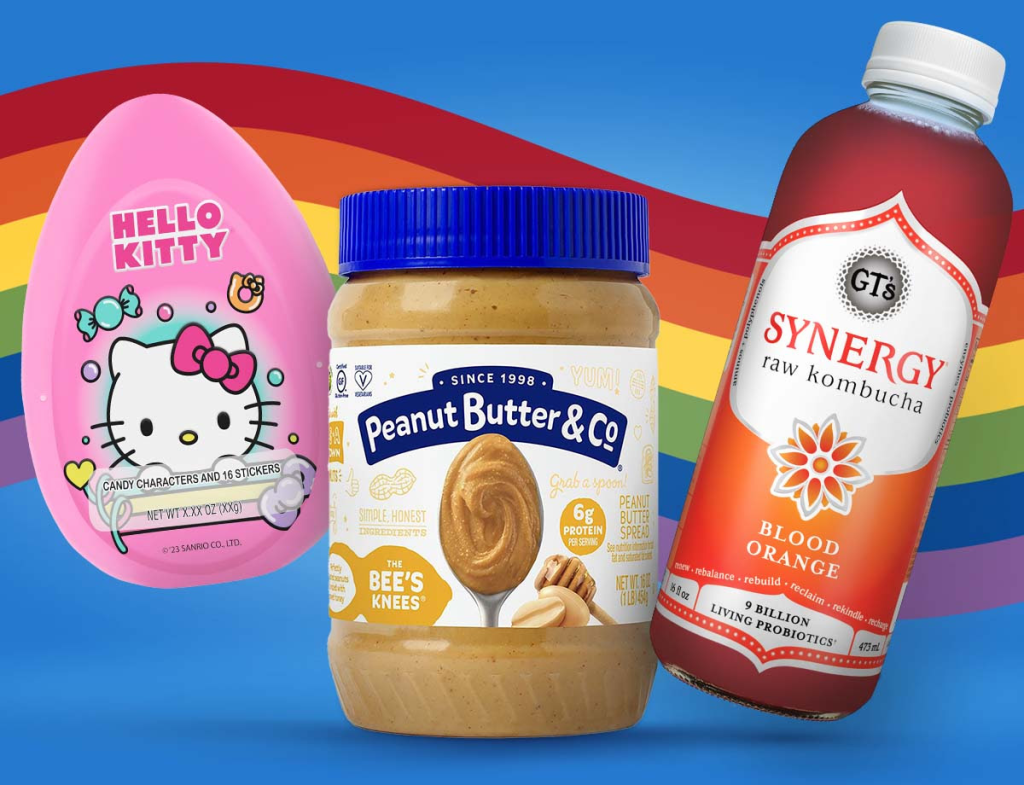
Dillon’s is a store that originated here in KS, but since has become part of the Kroger Company. I’m posting this because, in of all places Kansas, Dillon’s is openly advertising its Pride Month observances (and, of course, hopes of sales, but ya know!) So, anyone else’s Kroger Co. store observing Pride Month openly? Or other businesses? I figure if we mention them and disseminate the info, it can only encourage such things. I couldn’t get the animated ad in full, so here are the images, with the script in between, above the image to which it applies. Additionally, I got this ad in email, so I’m keeping an eye open for TV ads. I think I heard a radio ad earlier today, but that doesn’t mean they advertised on every radio station. I’ll also make it a point to see how much Pride is inside the store, though I mostly use PickUp. This seems a good thing, to me!
Discover awesome LGBTQ+ brands and Pride-perfect recipes. Thank you to our LGBTQ+ associates, customers and vendors for making our company brighter and better.







 Alex Bollinger (He/Him)May 29, 2025, 3:30 pm EDT
LGBTQ+ youth advocates gathered outside the Monmouth County Courthouse in Freehold on Tuesday, Aug. 15, 2023, where a school policy that would impact lesbian, gay, bisexual, transgender and queer youth was being reviewed in Superior Court. | Amanda Oglesby / Asbury Park Press / USA TODAY NETWORK



 Scottie's Playtime