Happy PRIDE On Friday

in Hawai’i!

Hawai’i Governor Signs Powerful Trans Shield Law Bill Just In Time For Pride

โ€œParents and caregivers who affirm, support, and seek medically appropriate care for their keiki [child] are exercising their fundamental right.โ€

s. baum

After a three-year push, Hawaiโ€™i officially has implemented a shield law to explicitly protect providers and patients of gender-affirming care for the trans community.

House Bill 1875, also known as Act 059, was signed by Governor Josh Greenโ€”himself a physicianโ€”late last week. The bill explicitly adds gender-affirming care to its existing shield law, which broadly covered reproductive health, and established safeguards from โ€œabusive litigationโ€ coming from outside states.

Shield laws create โ€œlegal protections for patients, health care providers, and people assisting in the provision of certain health care in states where that care is legal from the reach of states with civil, criminal, and professional consequences related to that care,โ€ according to the Center for Reproductive Health, Law and Policy at UCLA. For example, it means Hawaiโ€™i state actors may not aid out-of-state attacksโ€”such as, say, through the extradition of health care providersโ€”over lawful care rendered in Hawaiโ€™i.

โ€œThe legislature finds that the people of Hawaiโ€™i have a long tradition of protecting an individualโ€™s right to privacy and bodily autonomy independently of, and more broadly than, the United States Constitution,โ€ the bill reads. It emphasized that the right to privacy and bodily autonomy extends to minors.

โ€œIt is the policy of this State that the rights of equality, liberty, and privacy guaranteed under […] the Hawaii State Constitution are fundamental rights and that those rights include an individualโ€™s right to make health care decisions about oneโ€™s own body, including the right to seek and receive health care services that affirm their expressed gender.โ€

The signing was a resounding victory for LGBTQ activists on the islands. Hawaiโ€™i was among the last of the blue states to enact a shield law for the transgender community and their providers.

โ€œWeโ€™ve heard from legislators that this is considered a controversial topic and that theyโ€™d rather not engage in bills that could draw attention to Hawaiโ€™i from the Trump Administration,โ€ Abby Simmons, Chair of the Stonewall Caucus of the Democratic Party of Hawaiโ€˜i, told Erin in the Morning last year.

Now, sheโ€™s singing a more triumphant tune. โ€œThis bill truly was a team effort,โ€ she said in an interview this week. โ€œLawmakers wanted to understand the legal implications, hear from stakeholders, and make sure they were crafting legislation that would withstand challenges. While that process can sometimes feel slow, it also means that when legislation succeeds, it often has a stronger foundation.โ€

Simmons also said the playbook for getting the bill over the finish line was rooted in building a big tent. โ€œI think what finally made HB1875 successful was that supporters increasingly focused on a message that resonated far beyond the LGBTQ+ community,โ€ she continued.

โ€œThe conversation wasnโ€™t simply about gender-affirming care. It was about protecting patients, families, and healthcare providers who are following Hawaiสปi law. It was about preventing out-of-state actors from interfering with healthcare decisions made here in Hawaiสปi. It was about provider stability at a time when Hawaiสปi already faces healthcare workforce shortages. And it was about preserving Hawaiสปiโ€™s ability to govern itself.โ€

The bill arrived on the Governorโ€™s desk amid rising federal threats from the Department of Justice against hospitals, including the use of judge and forum shopping to prosecute gender-affirming care providers in conservative jurisdictions based outside of their state. Last month, the Northern District of Texasโ€”an infamously conservative federal courtโ€”ordered Rhode Island Hospital, which is almost 2,000 miles away, to hand over patient records from its transgender youth care program. That legal battle is ongoing.

โ€œGender-affirming care is lawful in Hawaiสปi, grounded in established medical standards, and essential to the well-being of transgender, nonbinary, mฤhลซ, and gender-diverse people,โ€ Hawaiโ€™iโ€™s LGBTQ political action committee, HOKU, wrote in submitted testimony from when the bill was being considered by the legislature.

โ€œFailure to protect access to gender-affirming care is not only an attack on patients and providers; it is a violation of parental rights,โ€ reads another submission from Pride at Work Hawaiโ€™i. โ€œParents and caregivers who affirm, support, and seek medically appropriate care for their keiki [child] are exercising their fundamental right.โ€

Donavan Kamakani Albano, Policy Fellow at the ACLU of Hawaiสปi, further spoke to the importance of gender diversity in Hawaiian tradition. Some right-wing officials may push the myth that transness is somehow novel or a โ€œtrend.โ€ But Hawaiโ€™i has especially rich ties to its pre-colonial cultureโ€”including non-binary concepts of gender.

โ€œIn Kanaka Maoli culture, mฤhลซ describes someone who embodies kฤne and wahine [the masculine and feminine] energies,โ€ Albanoโ€™s testimony said. โ€œWhile the visibility of mฤhลซ individuals has recently increased, ongoing barriers to gender-affirming care remain.โ€

This united LGBTQ advocacy with other causes. โ€œThose principles brought together a broad coalition of supporters and helped lawmakers see the bill as a matter of healthcare access, privacy, and state sovereignty,โ€ Simmons said.

Rest In PRIDE (Redux)

Erin In The Morning

Pride, Birds, And The Beauty Of Survival

Everything beautiful survived something to get here.

Erin Reed

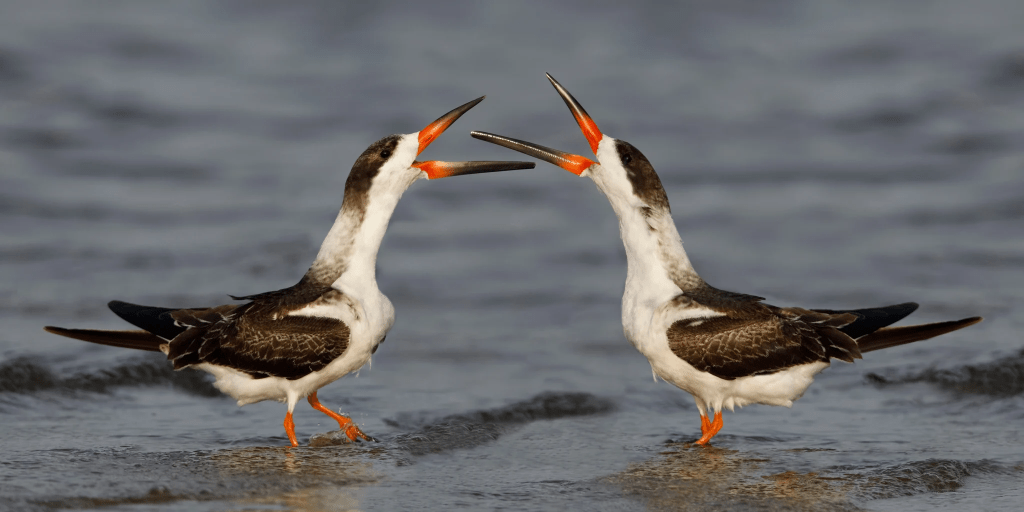
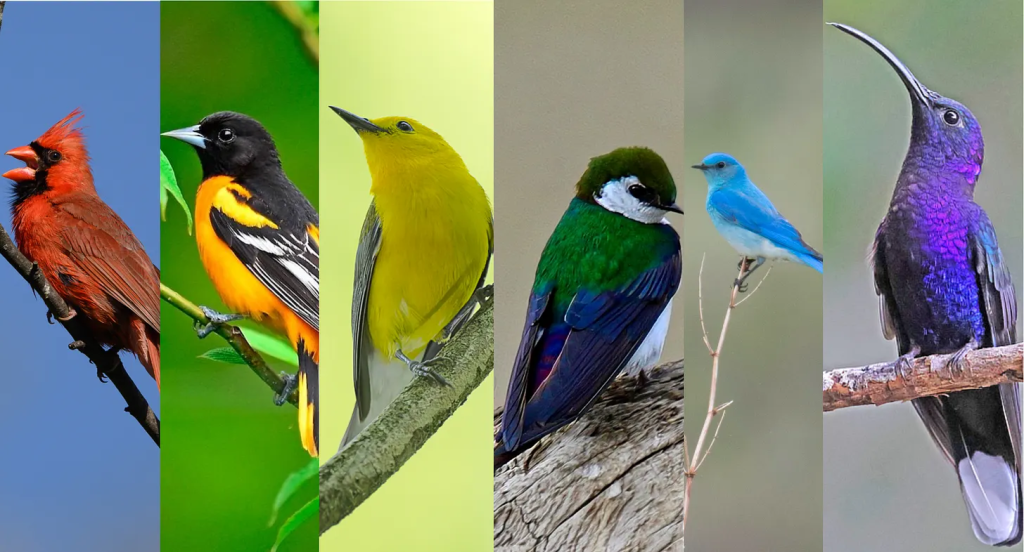
Birds (Sources: Birdsandblooms, Blair Benson, Bill Duncan, Blair Benson, JM Arment, Hummingbird centarl)

It’s June 1, which means Pride Month begins again today. It’s my seventh Pride. I remember my first one, seven years agoโ€”terrified and excited, going out dressed in the clothes I felt best in, using the name I wanted to use for the first time in public. I had people with me that day, people I found safety with, people who helped me grow into the person I am now. Seven years later, so sure of myself and so comfortable in my skin, I look back on those moments as some of the best of my life. And now, this year, as I have every year, I watch the new flockโ€”countless in numberโ€”who are wearing rainbow colors and joining a family that will show them more love than they have ever known. They are arriving even after a political winter that was, by any measure, cold and brutal to all of us. It is watching them that has me thinking about the beauty of what we witness starting today.

This year, I took up birding. I always thought it was a silly hobby, but my wife Zooey encouraged me to point my camera at a new subject. I first did so on the Pattee Canyon trail up in Missoulaโ€”and caught, soaring in place, a single red-tailed hawk, just hovering, watching the ground below. I stared at it for a while in awe. That was all it took. And the timing was perfect, because in the weeks that followed I stumbled into the best time to be a birder: spring migration. Wave after wave of orioles, tanagers, flycatchers, and warblers of every different color and size came pouring through. I didn’t even know there were so many birds. It made me realize that for most of my life I had been walking through the world completely unaware of the beauty around meโ€”that there was this entire world that had always been there, just waiting for me to lay eyes on it.

What I also didn’t know was the incredible journeys so many of these birds had taken just to be hereโ€”how far they had traveled to find the flocks they’d spend the season with, to build nests, to raise families, to simply exist in a place that could sustain them. The Prothonotary Warbler I spotted in the marsh? It spent the winter in the mangrove swamps of Central America, then crossed the entire Gulf of Mexico in a single flightโ€”more than 600 miles of open water, eighteen hours in the air with nowhere to land. It had to travel that far just to find its family. And the most stunning thing about a bird like thatโ€”one that has gone through so much, that has flapped its wings until it has exhausted itself and left everything behind? It arrived here in the most brilliant gold you’ve ever seen, and began to sing. The Prothonotary Warbler isn’t nearly the only species that does this. Ruby throated hummingbirds, blackpoll warblers, bobolinksโ€ฆ all take incredible journeys.

I was unaware of all of this before I took up birding. It makes me wonder how much else I walk right past without seeing. I remember before I came out, I didn’t know how rich this chosen family was, how many different people were also queer like me. I had no idea that once I came out, I’d find so many of them had been here all along. They were just waiting for me, and all I had to do was stop and look and embrace something new. And I did, and an entire world opened up. I love moments like this, where life teaches you something about itself, and you realize that diversity and surprise might just be the best things it has to offer.

Today, as Pride begins, I am reminded that every single person who has made it here, put on their colors, and found their family has survived something difficult. Every one of them has just lasted through a winter where our rights were systematically stripped away. Politicians who hate us have spent the year dismantling everything we builtโ€”healthcare ripped from hospitals, identities stripped from documents. Corporations that once draped themselves in rainbows every June are nowhere to be found. Some of us have quite literally migrated to entirely new states looking for safety. And our gulf crossing this year was met with heavy headwinds.

And yet, so many of us still made it. This year, you will see your city streets filled with rainbows. This year, countless new people will celebrate their first Prides. People will put on the clothes that fit them best. People will love in ways they didn’t know how to before. People will dance and sing, and others will have no choice but to acknowledge our existence, because when we arrive, we do not do so quietly. Every single person you see in the streets this month is a testament to our resilience, and a reminder to the fact that this is a journey we have been making since the beginning of human existence. We call it something different now. We carve out a specific month for it. But we have always been here, and we have always had to search for ways to express ourselves, be ourselves, and find our kin.

Maybe birding is a silly hobby. Maybe dragging myself out of bed before dawnโ€”and I am not a morning person, I might addโ€”is more trouble than it’s worth. Birders look ridiculous. We stuff our pants into our socks so the ticks don’t climb up our legs. We carry binoculars and absurdly large cameras into places where everyone else is just taking a walk. But I think there is something more to it than that, something that opened my eyes to the way the world moves around meโ€”something I wasn’t expecting to find when I first pointed a camera at a hawk and couldn’t look away. I think I understand something about this month that I didnโ€™t understand before because of it. Pride isnโ€™t just a celebration, itโ€™s a testament to survival and a refusal to be quiet even after the journey. It’s putting on your most brilliant colors after the longest winter of your life. And Iโ€™m so glad we made it one more year.

Happy Pride.

Somebody Did It-No One Has To Walk Alone ! ๐Ÿณโ€๐ŸŒˆ

An Archive of Queer Catholic Histories Didn’t Exist. So I Made One

By Emma Cieslik

When I was coming out of the closet, I was looking for someoneโ€”anyoneโ€”to share about their experience of coming out as a queer woman raised Catholic.

Any stories I found about reconciling queerness and Catholicism came from the perspective of gay white men. I could not find any accounts of Catholic women, nor could I find stories about deconstructing purity culture as a queer Catholic. But I knewโ€”or rather, had faithโ€”that I couldnโ€™t be alone. So in 2021, I reached out to Bernie Schlager, executive director of the Center for LGBTQ & Gender Studies in Religion at the Pacific School of Religion, and asked if there were any archives, projects, or books that shared my own experience. 

Schlager confirmed my suspicions: No such archives existed. But he invited me to begin the work of making an archive. I jumped at the suggestion. After all, I felt a need to find and hear other peopleโ€™s stories, and I also had the skill set to conduct these interviews, having worked on oral history projects in the past. Maybe it was my calling to create an archive of queer and trans people grappling with their identity and how it related to Catholicism. 

In 2022, I founded the Queer and Catholic Oral History Project. The purpose of this project is to record stories of queer and trans people who have some connection to Catholicismโ€”whether they were born into it, converted to it, left it, or returned to it. So far, Iโ€™ve recorded over 100 interviews with LGBTQ+ clergy and laypeople who are proud to let the Catholic Church know that they exist, even if the church continues to bar them from being full members of the faith.

And as Iโ€™ve discovered, I am not alone in searching for queer Catholic stories as a way to find and affirm my place within this tradition. 

As Justin Telthorst, a gay Catholic man who runs the LGBTQ+ Catholic ministry Empty Chairs, shared with me after his interview, many people reached out to him seeking stories of LGBTQ+ Catholics, but he didnโ€™t know where to direct them until he learned about my project. 

Theyโ€™re not alone. Philip Calabro, a gender-fluid Catholic drag queen and employee of PFLAG, an LGBTQ+ advocacy organization, explained his own search for representation in his interview: โ€œOne thing I find myself doing pretty consistently is looking for other queer Catholics who are existing as queer Catholics because I want to know how they do it,โ€ Calabro said. โ€œBecause I know it is possible. I can feel it.โ€

Like me, Calabro had faith that we were not the only ones navigating these identities. And what I will say after working on this project for five years is that learning how other people hold these two identities together only strengthens my belief in the importance of recording our histories and the transformative power of an all-inclusive gospel. 

Often, anti-LGBTQ+ Christians claim that queer and trans people did not exist before the 20th century, or that modern LGBTQ+ inclusion or theology is shallow because it is rooted in cultural trends rather than the deep wells of the Christian tradition. But itโ€™s less a matter of us not existing, or of there being no evidence that we have always been part of religious communities, than of certain terms only coming into use as societyโ€™s understanding of gender and sexuality expanded.

Sister Eva Lynn Goode, a nonbinary and Catholic Sister of Perpetual Indulgence, shared the following with me in their interview: โ€œI come from a long line of queer people in church history, and I am blessed to continue that tradition.โ€ They are not wrong. As I dig into contemporary queer Catholic histories, Iโ€™ve learned that there are many saints throughout church history whom people today consider queer and trans. These saints are recognized by the institutional church, but their queerness is not. Although they would not have known or claimed these terms, modern queer historians identify these saints as queer and trans ancestors who lit the way for LGBTQ+ people living today. 

Perhaps the best example is queer Catholic author, teacher, and medievalist A.W. Strouse, who believes that their queerness cannot be separated from their spirituality. In fact, as they shared in their interview, being queer is a spiritual vocation.

โ€œI donโ€™t really see them as being distinct,โ€ Strouse explained. โ€œI think that being queer just saturates everything, and being a believer also saturates everything. And I know many people would find this sacrilegious, but I think that being gay for me is a spiritual vocation. I think that itโ€™s my mission to love other queer people. And I mean, talk about loving your neighbor. If thereโ€™s anyone more destitute and in need, it is other queer people.โ€

LGBTQ+ Catholic lay minister and lawyer Yunuen Trujillo agreed that her visibility is an urgent testament to and a call to return to the gospel teachings of love and inclusion in her interview. โ€œI think God made me an LGBTQ person for a reason, and I think that reason was to call the church back to its roots and to be able to show the church that weโ€™re not supposed to be a church of power and dominance and exclusion, but weโ€™re supposed to be a church of love and care,โ€ she explained. โ€œI think they fit perfectly, even though the church might not agree.โ€

For some people, their faith is only deepened by their identities. As they came to understand themselves more fully, they grew spiritually. In finding queer and trans spiritual ancestries, they realize and affirm the divinity and dignity in themselvesโ€”and connect more deeply with Catholicism. 

In her interview, Madeline Marlett, a trans Catholic woman and board member of the LGBTQ+ Catholic organization DignityUSA, explained that she returned to the faith after stepping away from the church for a period of time. โ€œIt wasnโ€™t until part of the way through transitioning that I felt like I wanted to reconnect with my faith,โ€ she explained, โ€œso that kind of brought me back into Catholic spaces, helped me find dignity.โ€

Itโ€™s one of the reasons many queer and trans Catholics I speak to are often very literate in church dogma and the catechism. After fighting against bigoted members of the church to live how they want and love whomever they want, they have a fuller understanding of gospel teachings and Catholic theologies of the body

For transmasculine Catholic artist Elliott Barnhill, who creates icons of queer saints online, learning about the fields of queer theology and queer biblical studies was critical. โ€œItโ€™s really important for me in my coming out experience, my own acceptance of Catholicness in myself,โ€ he said in his interview. โ€œI have a very strong interest in the way that this fits together, that queer lives and deaths can be found in Catholic history and the way that echoes back to the present day. I believe that this history is a form of good news, and is a form of Gospel.โ€

Itโ€™s important to note that not all of the people I interviewed are still Catholic or align themselves with the Roman Catholic Church. The project is a testament to the diverse experiences of many queer and trans people raised in Catholic homes, communities, and cultures. 

Documenting our queer religious histories and educating the Catholic church about its queer members is, on the one hand, a way to resist the homophobia in our tradition and, on the other hand, a way to honor the LGBTQ+ ancestors and contemporaries who have and are charting pathways forward inside and outside of the church. Their testimony brings attention to the harm that the church has caused, but it also brings attention to the fact that there are people committed to the church even if it rarely loves them back. For those who choose to stay, they live the gospel truth just by showing up as themselves. 

Ultimately, my hope is that the Queer and Catholic Oral History Project will offer future queer Catholics what I didnโ€™t have when I was coming out: an archive of stories to remind queer Catholics that we can change things and that we have always and will always exist.

Emma Cieslik

2 Video Shorts From Jessica, + A Short From Ronny Chieng


Clay Jones, Open Windows, & A PRIDE Greeting from We Rate Dogs

Trump is bored with his war

Thousands killed and billions of taxpayer dollars for Trump’s Iran quagmire

Ann Telnaes

Trump also says heย โ€œcouldnโ€™t care lessโ€ย if negotiations break down with Iran.


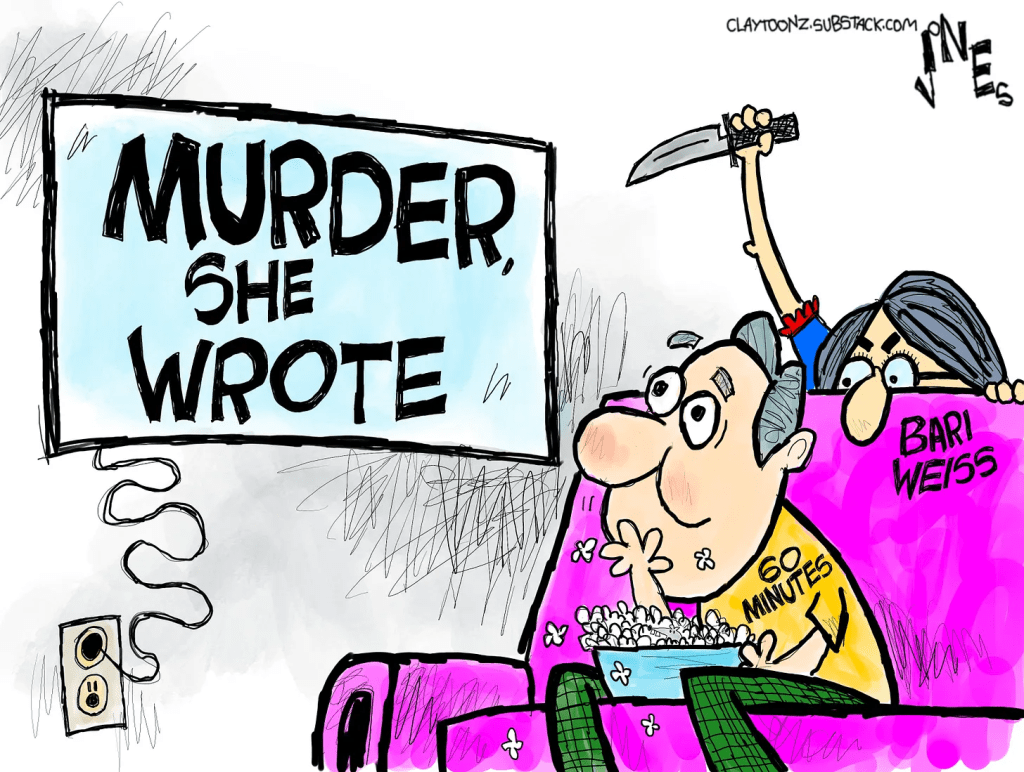
Murder, She Wrote

Scott Pelley said that Bari Weiss is murdering 60 Minutes

Clay Jones

Getting rid of The Late Show with Stephen Colbert to appease Donald Trump isn’t the only poke in the eye of CBS by Paramount Skydance.

Bari Weiss, the networkโ€™s editor in chief, appointed by Paramount Skydance CEO and Trump ally David Ellison, has been accused by Scott Pelley of murdering 60 Minutes.

Ellison really wants to be on good terms with regulators in the Trump administration. He was at the inauguration, has attended UFC fights with Trump, and even hosted an invite-only Washington DC party for him.

Tech journalist and filmmaker Nick Bilton is the new executive producer of 60 Minutes, who was appointed last week after the firing of former producer Tanya Simon and her deputy, along with correspondents Sharyn Alfonsi and Cecilia Vega. Bilton held a morning meeting in Midtown Manhattan, which was a formal introduction to the staff of 60 Minutes, where he was told by Pelley that he had โ€œslenderโ€ qualifications for the job and that Beri Weiss was โ€œmurderingโ€ 60 Minutes.

A recording of the meeting was obtained byย The New York Times. (snip-MORE)


WeRateDogs
1 day ago

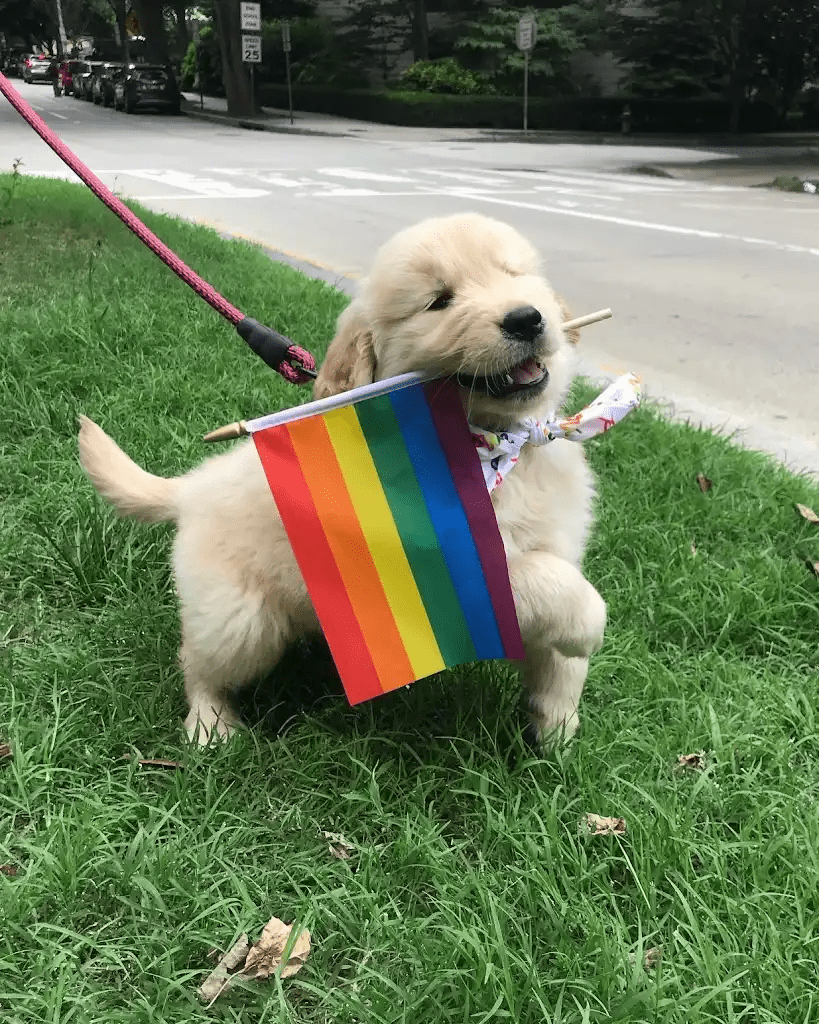
This is Bodie. His presence indicates the beginning of Pride Month. May his whimsy and steadfastness bring joy and confidence to all. 14/10 the parade starts right behind him ๐ŸŒˆ๐Ÿพ


Your Josh Day, Next Day-

The Rainbow Flag & Gilbert Baker Day

As Pride Month dawns, Kansas governor helps celebrate rainbow flag creator Gilbert Baker

Clay Wirestone

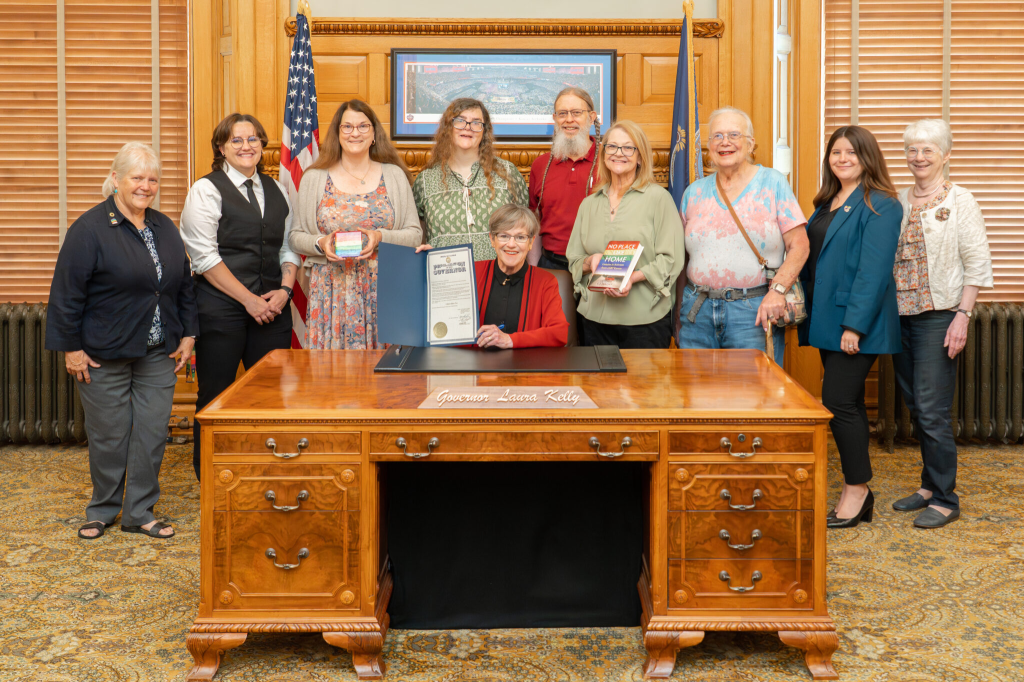
Kansas residents and activists gathered with Gov. Laura Kelly last week for her signing of a proclamation honoring rainbow flag creator Gilbert Baker. (Photo from Kansas governorโ€™s office)

Happy Gilbert Baker Day!

Thanks to a proclamation from Kansas Gov. Laura Kelly signed Friday, we can celebrate the life and work of Parsons native Baker this June 2. He created a piece of American iconography that has spread across the globe and into the hearts of those who care for their gay neighbors: the rainbow pride flag.

Kelly Wall, a board member of PFLAG Lawrence, requested the day after reading about Baker in an authoritative piece by founding Kansas Reflector opinion editor C.J. Janovy. (You can also read Janovyโ€™s work in the new anthology โ€œKansas Matters: Twenty-First-Century Writers on the Sunflower State.โ€)

Lauren Shepard of Parsons was on hand at the Statehouse to watch Kelly sign. She had just graduated from Pittsburg State University with a masterโ€™s degree. According to her, efforts to honor Baker locally ran into static.

โ€œUltimately, the town, the city commission ended up tabling the idea, so we pivoted and got together and started a Gilbert Baker Memorial Scholarship through the Parsons High School, where he graduated,โ€ she told me. โ€œSo now every year we select a student thatโ€™s active in their OAQ, which is like a gay-straight alliance, itโ€™s a student organization there at the high school.โ€

Wall was out of the state Friday, but a group assembled by her showed up to honor Baker. It included Shepard, several Lawrence activists and state Sen. Marci Francisco. I tagged along and noted that multiple groups had gathered on the second floor of the Statehouse for their own proclamation time with Kelly. One was promoting an โ€œAsteroid Day.โ€

Inside the governorโ€™s ceremonial office, group members realized that no one had actually brought a rainbow flag โ€” the symbol for Pride Month and LGBTQ+ rights more generally.

No worries, Kelly told them.

She retreated into her actual office and returned bearing a rainbow flag coaster and a copy of Janovyโ€™s book, โ€œNo Place Like Home: Lessons in Activism from LGBT Kansas,โ€ which features rainbow stripes on the cover.

Crisis averted, the group took pictures with Kelly, the proclamation and the props. That was that.

No one on hand missed the broader implications. Baker had turned his back on his Kansas background, living in San Francisco and New York City. He had finally agreed to return to Parsons, Janovy writes, for a key to the city and film festival in 2017. A month before the events, Baker died at the too-young age of 65.

โ€œIt allows us to recognize one of our own who created an emblem that allows us to recognize all of LGBTQ across the country and across the world,โ€ said Rachel Reed of Lawrence. โ€œAnd itโ€™s very, very important.โ€

Janis Guyot serves as president of Lawrence PFLAG and stood in for Wall at the signing. Afterward, she held the proclamation certificate as others in the group swirled around to take a look.

โ€œIโ€™m really happy that thereโ€™s something to celebrate for the LGBTQ world right now,โ€ Guyot told me. โ€œItโ€™s tough time for all of them.โ€

Since Bakerโ€™s untimely death, weโ€™ve seen a public push and pull over gay rights. Transgender folks โ€” members of the movement from the beginning, whether they were identified as such or not โ€” have been systematically excluded and discriminated against. The Kansas Legislature has repeatedly passed hateful laws.

Who knows what Baker might say about this recent turmoil. Given that he went by the drag name โ€œBusty Ross,โ€ I imagine he would bring an irreverent sense of humor along with his passion for making the world a better place.

Hopefully, he would say progress hasnโ€™t stopped, and it wonโ€™t stop, regardless of small minds and even smaller hearts.

In an oral history from 2008, Baker suggested as much: โ€œI do know that time is on our side and that the young people generation, and more importantly my generation, we have fought hard, and we have โ€” weโ€™ve worked on our parents, we have our own children, and weโ€™re moving society forward. So I think weโ€™re going to be all right. I mean, it may take a little more fight and a little more work than people want, but weโ€™ll get there.โ€

Clay Wirestone is Kansas Reflector opinion editor. Through its opinion section, Kansas Reflector works to amplify the voices of people who are affected by public policies or excluded from public debate. Find information, including how to submit your own commentary, here.

More For Pride:


Jessica Kellgren-Fozard
6 hours ago

Happy Pride Month lovely people! ๐ŸŒˆ

https://www.youtube.com/post/UgkxzqP2DqFtvQK9iQBY8IblzyZ3IS6B7Kso


There is a great deal of peace & justice history for June 1, that includes Sojourner Truth, the Greenwood massacre, Nazis, Sen. Margaret Chase Smith, The Lord’s Prayer in public schools and SCOTUS, and even more; here for PRIDE I’m featuring Henry Gerber. The link for the entire date’s history is beneath.

June 1, 1932
Gay rights organizer Henry Gerber published an article inย Modern Thinkerย magazine attacking the view that homosexuality is a neurosis.

In 1924, Henry Gerber, a postal worker in Chicago, started the Society for Human Rights, America’s first known gay rights organization.
“The Society for Human Rights is formed to promote and protect the interests of people who are abused and hindered in the legal pursuit of happiness which is guaranteed them by the Declaration of Independence, and to combat the public prejudices against them.”
After having created and distributed a newsletter called โ€œFriendship and Freedom,โ€ Gerber was arrested and held for 3 days without a warrant or being charged with any infractions. Upon release he lost his job for “conduct unbecoming a postal worker.โ€

Following the last of his three trials, in which the charges were ultimately dismissed, Gerber moved to new York City and re-enlisted in the U.S. Army, serving another 17 years. He lived until 1972, passing away at the the U.S. Soldiers’ and Airmen’s Home in Washington, D.C., living long enough to see the Stonewall Rebellion [seeย June 28, 1969], the beginning of the modern gay rights movement.
ย More on Henry Gerberย  (2 links; I’m including the 2d one because it’s a National Parks Services page, but it’s “in progress,” as we would expect in light of Exec. Orders…)

https://www.peacebuttons.info/E-News/peacehistoryjune.htm#june1

It Is June-

Pride Month 2026

HISTORY.com Editors

Erik McGregor/LightRocket via Getty Images

Pride Month is an annual celebration of the many contributions made by the LGBTQ+ community to history, society and cultures worldwide. In most places, Pride is celebrated throughout the month of June each year in commemoration of its roots in the Stonewall Riots of June 1969. However, in some areasโ€”especially in the Southern Hemisphereโ€”pride events occur at other times of the year.

Origins of Pride Month

The roots of the gay rights movement go back to the early 1900s, when a handful of individuals in North America and Europe created gay and lesbian organizations such as the the Society for Human Rights, founded by Henry Gerber in Chicago in the 1920s.

Following World War II, a small number of groups like the Mattachine Society and the Daughters of Bilitis published gay- and lesbian-positive newsletters and grew more vocal in demanding recognition for, and protesting discrimination against, gays and lesbians. In 1966, for example, members of the Mattachine Society held a โ€œsip-inโ€ protest at Julius, a bar in New York City, where they demanded drinks after announcing that they were gay, in violation of local laws against serving alcohol to gays and lesbians.

Despite some progress in the postwar era, basic civil rights were largely denied to gay, lesbian, bisexual and transgender peopleโ€”until one night in June, 1969, when the gay rights movement took a furious step forward with a series of violent riots in New York City.

Stonewall Riots

https://www.history.com/articles/pride-month (this is one of those videos embedded on the page, beneath is a bit about it, then more about the riots. Go see the video, if you like!)

How the Stonewall Riots Sparked a Movement

The 1969 Stonewall Inn Riots sparked the beginning of the gay rights movement in America. Learn how.

As was common practice in many cities, the New York Police Department would occasionally raid bars and restaurants where gays and lesbians were known to gather. This occurred on June 28, 1969, when the NYPD raided the Stonewall Inn, a bar in the Greenwich Village neighborhood of Manhattan.

When the police aggressively dragged patrons and employees out of the bar, several people fought back against the NYPD, and a growing crowd of angry locals gathered in the streets. The confrontations quickly escalated and sparked six days of protests and violent clashes with the NYPD outside the Stonewall Inn on Christopher Street and throughout the neighborhood.

By the time the Stonewall Riots ended on July 2, 1969, the gay rights movement went from being a fringe issue largely ignored by politicians and the media to front-page news worldwide.