This is a very well researched and scholarly man. He knows far more than the dogma of the bible he knows how to read the Hebrew and the nuances of the time. Hugs

This is a very well researched and scholarly man. He knows far more than the dogma of the bible he knows how to read the Hebrew and the nuances of the time. Hugs
Event ended suddenly with loud gunshots and immediate commotion, and will be rescheduled
Donald and Melania Trump were evacuated from the White House correspondents’ dinner on Saturday evening after the event was interrupted by loud gunshots.
A suspect was in custody, the FBI said, after the annual black tie dinner honoring the White House press corps was suddenly interrupted by confusion and chaos. Journalists ducked under tables as authorities rushed the president and members of his cabinet out of the room.
There were reports that the US Secret Service had guns drawn as White House pool reporters were rushed out of the room and Secret Service agents yelled “shots fired”.
In a post on Truth Social, Trump praised the Secret Service and law enforcement and said the shooter had been apprehended.
The FBI confirmed later on Saturday that a suspect was apprehended.
The Secret Service said in a statement that the shooting incident occurred near the main magnetometer screening area at the hotel.
Weijia Jang, president of the White House correspondents’ dinner, told the room that the president is planning a press conference from the White House later Saturday and that he wants to reschedule the dinner in the next 30 days.
“Thank God everyone is safe, and thank you for coming together tonight,” she said. “We will do this again.”
Guardian reporters in the room said there were initially mixed messages about whether press and guests should stay in the room. Many people who stayed in the ballroom said the program was scheduled to resume, although the presidential seal was removed from the podium.
CNN’s Wolf Blitzer reported that he saw someone with a gun at the event.
“I did see the gunman on the ground after he started shooting,” he said. “Police officers threw him to the ground.”
Guests had just started eating dinner when the commotion began. The atmosphere in the room was tense as journalists waited to hear what happened and what to do next.
Jamie Raskin, a Democratic congressman from Maryland, who was attending the dinner said he never saw a shooter, but “I think a Secret Service agent threw me to the ground and on top of some other people and people were screaming and yelling”.
“I heard some loud noises but I don’t know if that was people reacting or if that was something outside, it was hard to know, but people very quickly were saying that was a shot, that was the gunshot,” he added. “People were terrified; people seem to be relieved now.”
Outside the hotel, helicopters circled overhead.
This year’s dinner was already tense given the presence of Trump and top members of his cabinet, including Pete Hegseth, the secretary of defense, and Marco Rubio, the secretary of state. Trump agreed to attend this year’s dinner after refusing to attend last year and during his first term. The correspondents’ dinner tradition began in 1921, though the tradition of a presidential guest started in 1924, when Calvin Coolidge attended.
There is frank recital of the grooming and threats that happened to these women, in case you might need to skip reading this one. If you or someone you know needs help, please call the Human Trafficking Hotline at 888-373-7888, or text INFO to 233733. See the website at https://humantraffickinghotline.org/en
They all survived Jeffrey Epstein. They have something to tell you
Saturday marks one year since Virginia Giuffre’s death – and other survivors are making a public reckoning possible
Saturday will mark one year since the death of Virginia Giuffre, one of the first women to surrender her anonymity, detail her experiences and publicly call for criminal charges against convicted child sex offender Jeffrey Epstein. For other Epstein survivors such as Liz Stein and Jess Michaels, Giuffre’s public reckoning made it possible to finally name what had happened to them.
“I saw myself in Virginia, in [Epstein survivor] Maria Farmer, in all of them,” said Danielle Bensky, who was pulled into Epstein’s orbit when she was 17. “And I thought: if they can be victimized, anyone can be. I was not alone. I finally understood that we were not going to be silent any more.
More than a dozen Epstein survivors will gather in Washington DC this weekend for a memorial vigil in Giuffre’s honor. But they will also be marking something larger: the emergence of a survivors’ movement Giuffre helped make possible – and that is only gaining momentum.
Epstein survivors have held press conferences and met with congressional lawmakers; in November, the Epstein Files Transparency Act passed, and the release of more than 3.5m pages of documents followed. However, in the more than two months since the justice department released its latest batch of files – more than 2m documents have yet to be released – prosecutors have not brought any new charges, despite federal lawmakers on both sides of the aisle continuing to demand accountability.
As for Ghislaine Maxwell – the only person convicted in connection with Epstein’s network – she was sentenced to 20 years in prison in 2022 and has exhausted her appeals. Rather than facing harsher scrutiny, however, Maxwell was controversially transferred from a low-security prison in Florida to a minimum-security federal camp in Texas in August.
While the lack of action has left survivors with little faith that the full scope of Epstein’s network will ever face justice, they don’t intend to back down.
Stein, Bensky, Lisa Phillips and Michaels discuss, in their own words, what made them come forward, the power of survivors banding together and where they want the movement to go.
(snip-MORE [because of course we know there is])
Being pregnant is a journey—especially when you’re transgender.
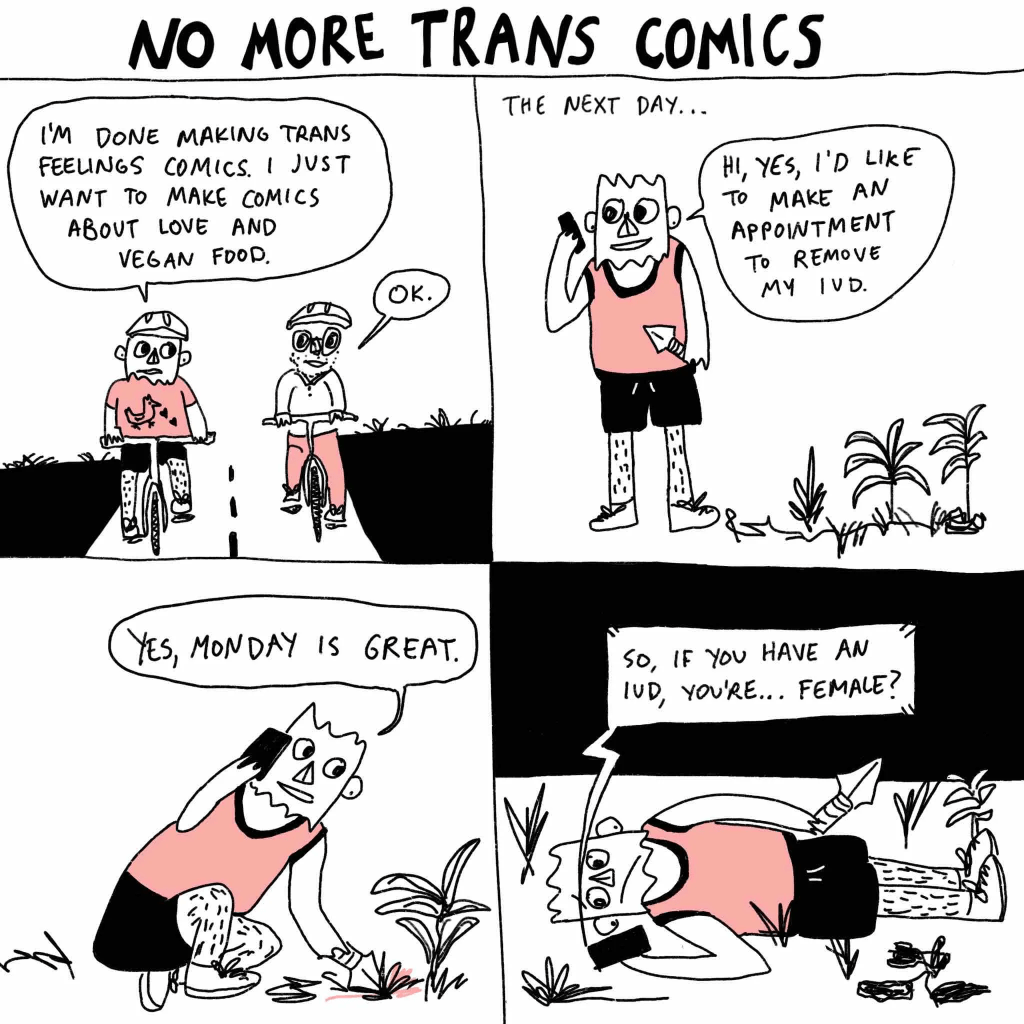
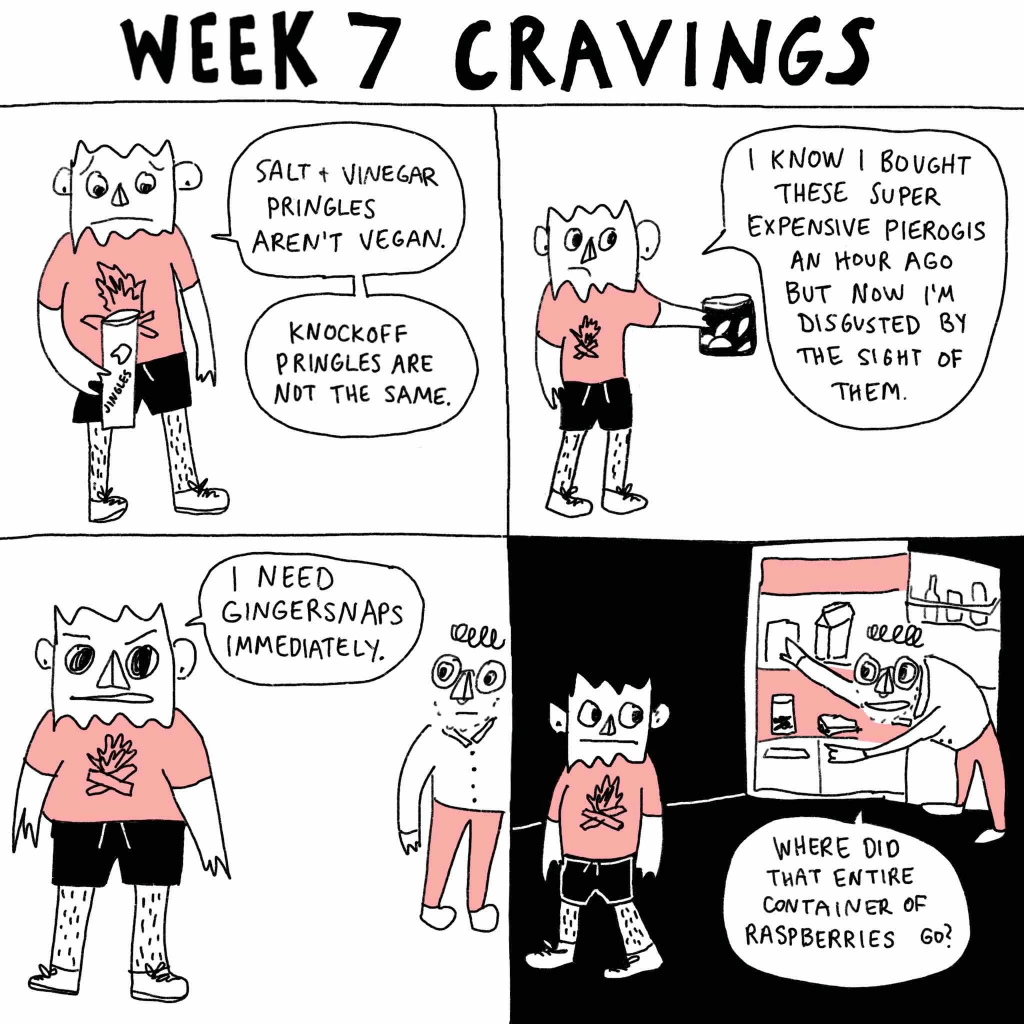
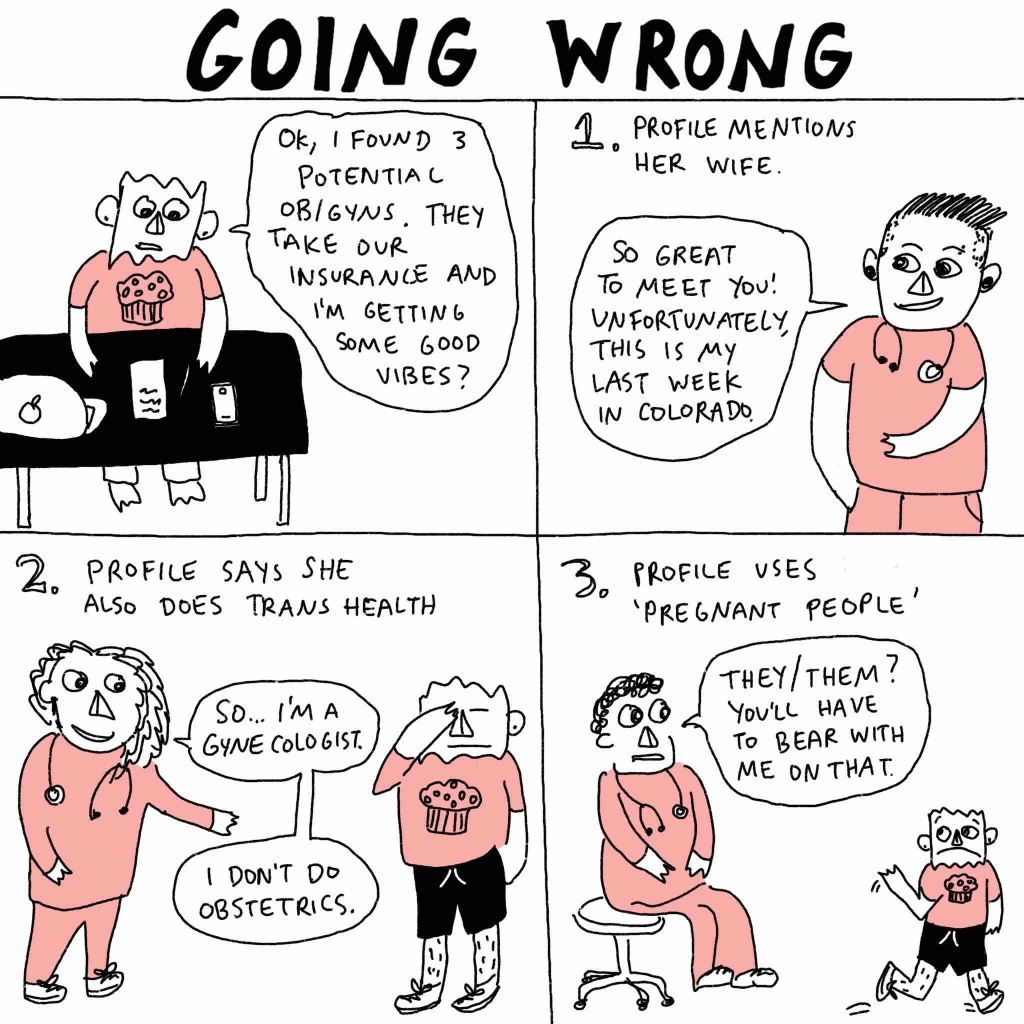
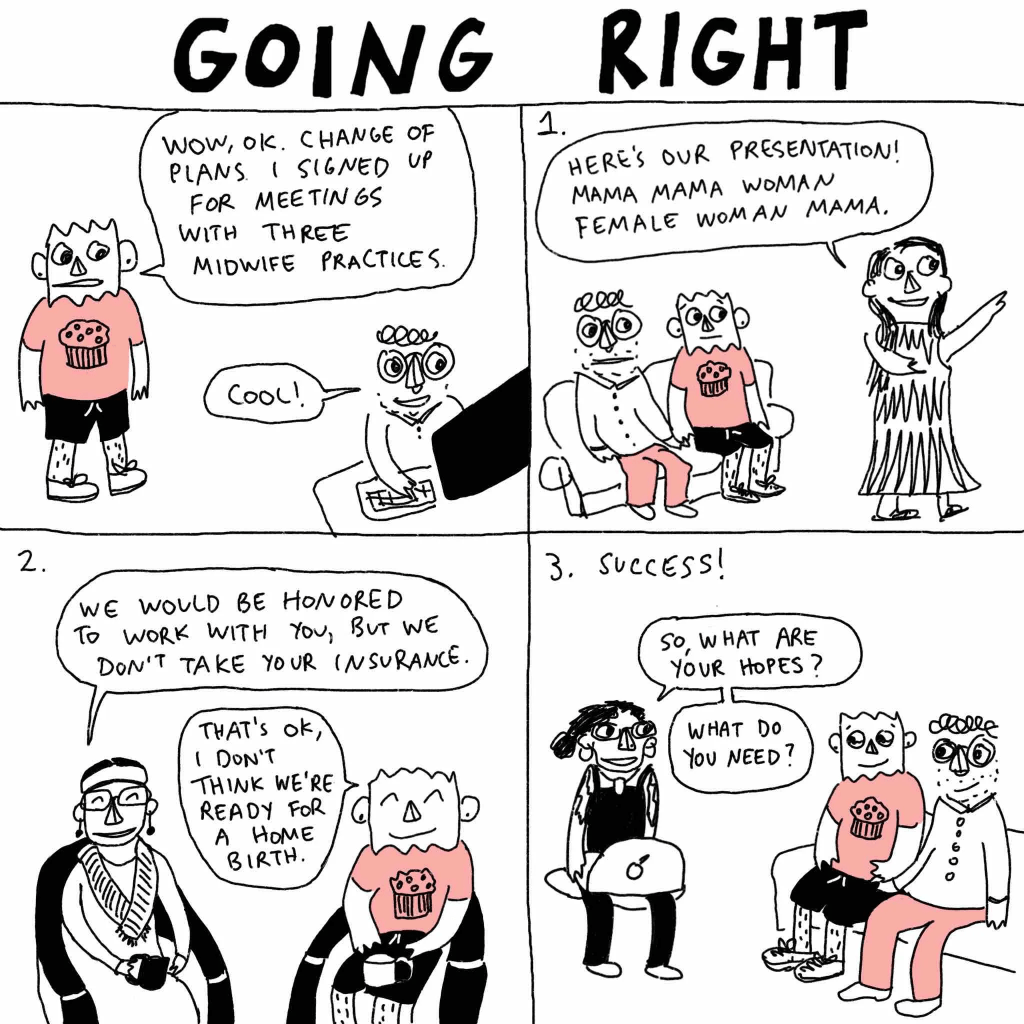
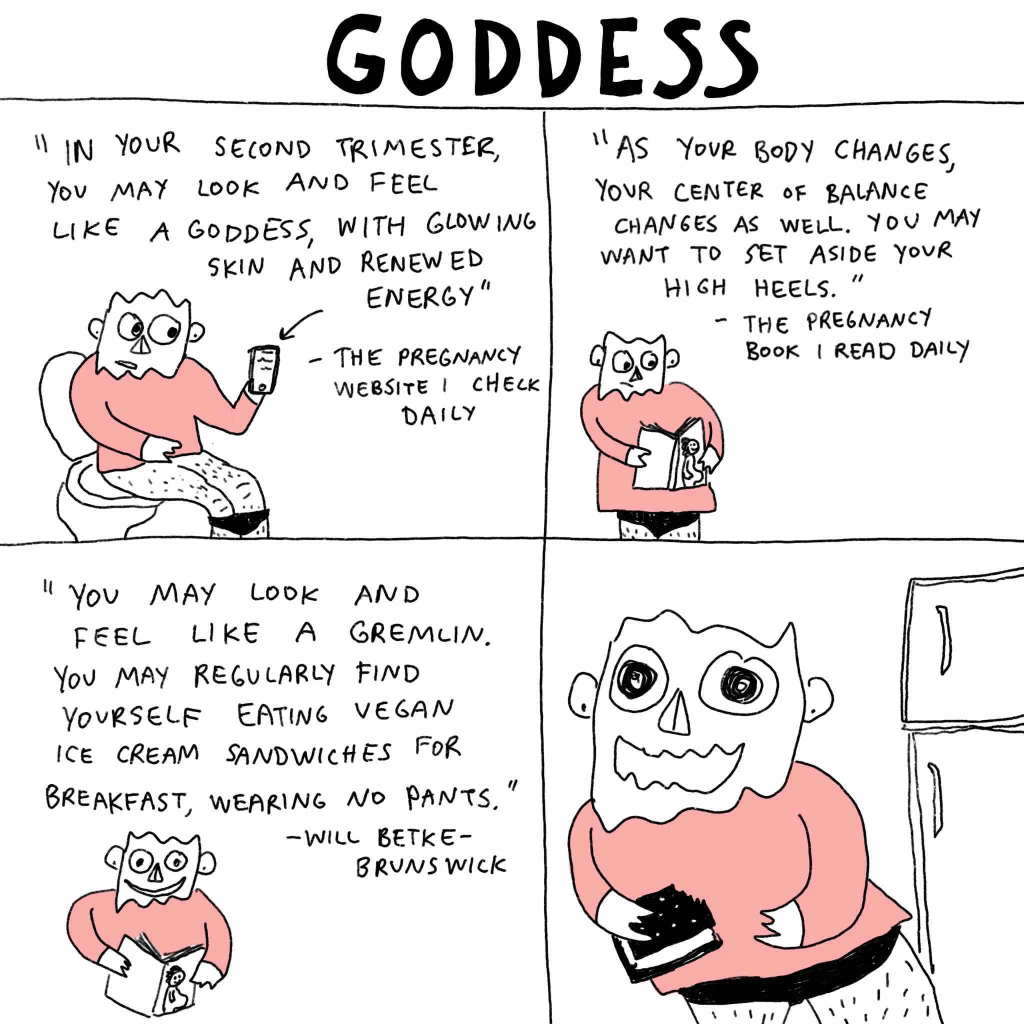
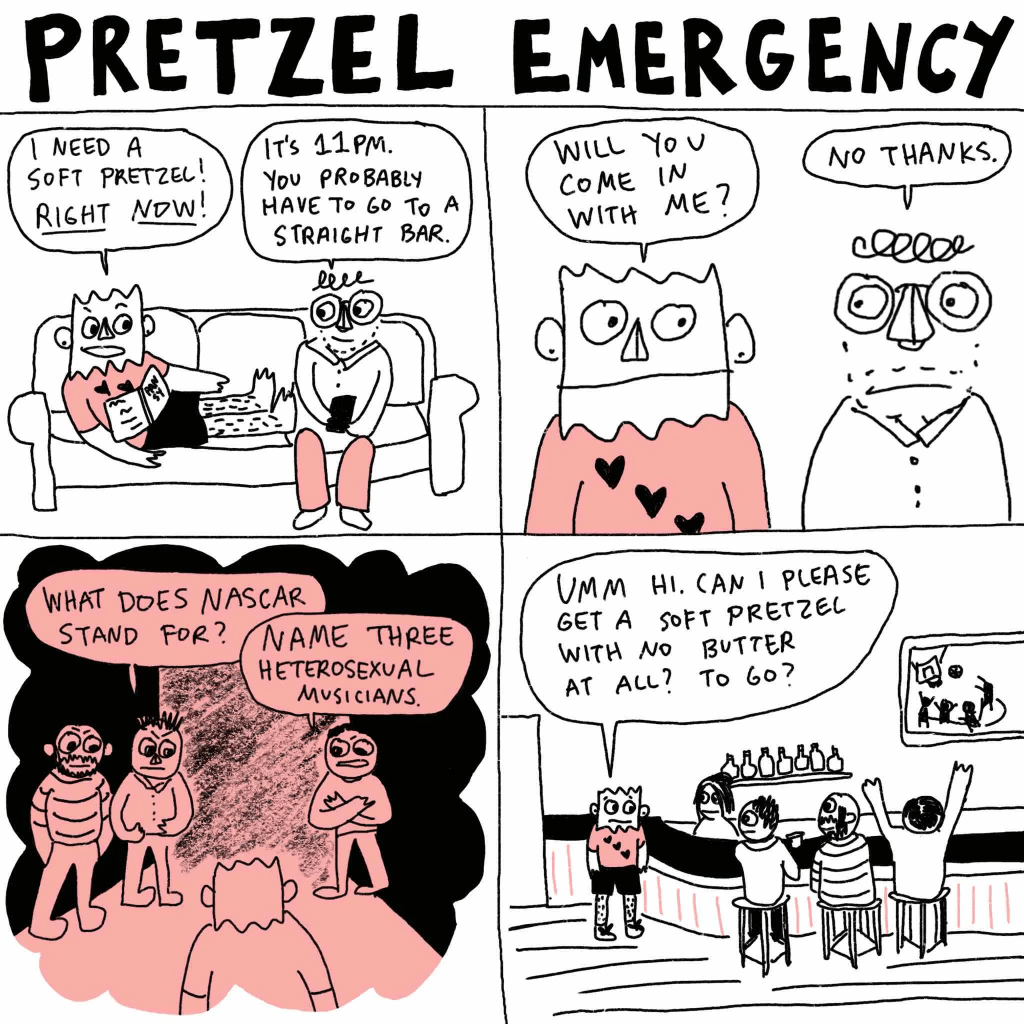
(continued next post)
From Cornell Lab Bird Cams:
From American Bird Conservancy:
Procnias tricarunculatus
Also Known As
The Three-wattled Bellbird, like other Central and South American bellbirds in the Cotinga family, is a natural history paradox. Breeding males perch on exposed branches and sing one of the loudest songs of any bird, impossible to ignore and audible from more than half a mile away. However, despite this extremely conspicuous breeding season behavior, females and nonbreeding males are notoriously difficult to observe, foraging in the higher levels of the canopy and remaining remarkably silent. As a result, this species has been subject to fascinating and in-depth studies of its song and courtship behavior, but some of the most basic aspects of its natural history are unknown. For instance, only two nests have been recorded, one in 1975 and one in 2012, and no eggs or young have been documented.
But biologists have learned a great deal from studying the Three-wattled Bellbird’s song. The bellbirds belong to a group of perching birds known as the suboscines, which also includes tyrant flycatchers like the Western Kingbird and antbirds, such as the Marsh Antwren. While the “true” songbirds (or oscines) are famous for their song-learning abilities, suboscine songs are classically considered to be completely innate, with no learning taking place. However, the Three-wattled Bellbird shares an important feature with birds that learn their songs: dialects. Birds from Nicaragua sound noticeably different from Costa Rican birds in the Cordillera de Talamanca and the Cordillera de Tilarán, which each host populations with distinct songs. (snip-MORE)

(I know; sneaking in another funny one, but it’s also political.)
I’m setting this up as we’re between storms here in S. Central KS. The front is so close, but just isn’t moving East our way, to take the tornado danger away. sigh So far, though, so good, but North Central and probably NE Oklahoma are getting tornadoes, and one looks really extra bad right now. It is East of where suze lives, at least. I’m posting this at 7:10 PM; it should go live in around 12 hours, depending on time zones, so when you see this, it will be over. Anyway, back to this. It’s interesting, so have a nice cuppa with your read.
Elizabeth Freeman demanded her rightful place among this country’s founders and helped forge a tradition of forcing America to live up to its ideals.
This story was originally reported by Errin Haines of The 19th. Meet Errin and read more of their reporting on gender, politics and policy.
In the lead-up to our country’s 250th anniversary, Errin Haines is writing a series of columns to contemplate the complicated expansion of our democracy. Subscribe to The Amendment newsletter.
This story was co-published with Nonprofit Quarterly and #WeTheCivic: America 250, a narrative movement centering the multiracial nonprofit and civil society workers, organizations, and communities in America 250 narratives.
In 1776, a group of White male landowners in the original Thirteen Colonies wrote that all men were created equal — words that denied most of their fellow colonists the same certain unalienable rights.
The real founders of our democracy were those who took the promises in the Declaration of Independence literally, the people who rejected the hypocrisy of its ideals and declared that its words would have meaning in their lives, too. Two hundred and fifty years later, that declaration is still being made.
We hold these truths to be self-evident, that all men are created equal, that they are endowed by their Creator with certain unalienable Rights, that among these are Life, Liberty and the pursuit of Happiness.
That anyone outside of themselves — the other, the unfamiliar — deserved the same rights proclaimed in our founding documents was not a self-evident truth to the original founders. The phrase “all men are created equal” implied inclusivity, but was not intended as a universal promise. It was a boundary defining who was entitled to life, liberty and happiness — and who was not.
Here’s a self-evident truth: Women, the enslaved and Indigenous people were all present at the birth of this country, but they were also excluded from its promise and potential. The true birth of this nation is the longer, harder story of what they did next.
How one woman acted after hearing those words was as patriotic as anything that happened in Independence Hall on July 4, 1776. She would test whether democracy was a promise or a lie. And she would demand her rightful place among this country’s founders.
In 1776, Elizabeth Freeman was an enslaved woman named Mumbet, working for the Ashley family in Sheffield, Massachusetts. At the dinner table, the Ashleys and their guests spoke of the Declaration. Present in a conversation about freedom that didn’t include her, Mumbet tried not to draw attention to herself as she went about her work.
A few years later, Mumbet heard the words of the newly written Massachusetts Constitution of 1780, words that sounded much like the ones mentioned in those dinnertime conversations: “All men are born free and equal, and have certain natural, essential, and unalienable rights; among which may be reckoned the right of enjoying and defending their lives and liberties; that of acquiring, possession, and protecting property; in fine, that of seeking and obtaining their safety and happiness.”
One of its framers was Theodore Sedgwick, a lawyer and friend of her enslaver. Mumbet walked to Sedgwick’s office and asked, based on what he had written, if he would plead her case. Sedgwick agreed, asserting that slavery was unconstitutional under the ratified Massachusetts Constitution.
On August 21, 1781, she became the first enslaved woman to have her self-proclaimed independence validated in a court of law. She changed her name to Elizabeth Freeman to reflect her new status.
Freeman sued for her freedom and won. As a founding mother, she is the first example in a lineage, a creator of the tradition of forcing the country to answer its founding promises. She was among the first to show that the power of the Declaration was not that it frees anyone, but that its language gives us the power to demand equality and freedom for ourselves.
Freeman’s case established a pattern that has repeated itself across American history: Hear the promise. Claim the promise. Force the law to answer it. From women’s suffrage to the civil rights movement, to the fight for marriage equality, immigrant rights and beyond, the work of perfecting the union has always been done by those who have had to imagine — and assert — their equal and rightful place within it.
Freeman’s life challenges us to interpret the Declaration of Independence for ourselves, and to continue the work of expanding the promise of our democracy to include those who are still left out.
“She is a founder and a revolutionary,” said Johns Hopkins University historian Martha Jones. “It takes no time for someone like Elizabeth Freeman to recognize that there are principles that have been articulated that have inspired elite White men that should apply to her. She is the person who gave new, unintended meaning to those terms. Why don’t we know her name or what she did?”
To be a founder of democracy is not just to declare equality or the right to freedom. It is to hold accountable those who claim to believe in these words and to compel them to go beyond just making a declaration. It is to do the work of making word and deed real.
Throughout our nation’s history, Black women have done the work. They have challenged America to become her truest self and claimed freedom denied for themselves and others — freedom for which they are still fighting in the courts today.
At America’s 250th anniversary, a Black woman is, for the first time in our nation’s history, interpreting those same ideals as a member of the U.S. Supreme Court. While Freeman asked the law to see her, Justice Ketanji Brown Jackson now helps to define what the law sees and what equality means under the law today.
In October, civil rights lawyer and head of the NAACP Legal Defense Fund, Janai Nelson, appeared before the Supreme Court for the first time to argue a voting rights case, which challenged whether Louisiana’s congressional map discriminates against Black voters; a ruling is expected this spring. It was only the latest time Nelson has tested the question of whether the Constitution’s promise of equal citizenship applies to all.
“The language of the Declaration has power for marginalized people, which can be scary for those who have power,” said Adrienne Whaley, a lead curator at the Museum of the American Revolution in Philadelphia. “So you have this necessary tension between freedom and power and equality and inequality, which is part of what makes the Revolution ongoing.”
It is a tension that is still shaping and defining our democracy. Just as the Declaration of Independence cannot remain a fixed document, but must be continuously interpreted to force inclusion, the American Revolution is not a fixed event in our history. It plays out daily, in courtrooms, communities, classrooms and movements.
For 250 years, people who have been repeatedly excluded from America’s promise have insisted on their rightful and equal place. In this way, our nation is still being founded, not by the people who invoke the Declaration, but by those who test its meaning every day.
We must now insist, as Freeman insisted, that our founding words be made real for every American. She didn’t wait for permission to belong. She claimed her place by testing the idea of a nation against her reality — and compelled its authors to answer her.
The question for us at this milestone in our democracy is whether we are willing to be the kind of founders who do the same.
After reading, what came up for you? What has shaped your sense of belonging in this country — or challenged it? Send a note or voice memo.
Your response may help shape future editions of our Revolutionary project. I really look forward to hearing from you.
which is a classical strike day, and one is scheduled this year (though only for a day.) Anyway, some tips from the Smart Ones:
by Carrie S · Apr 23, 2026 at 2:00 am · View all 3 comments
NB: originally this post was published under Sarah’s byline. This post is by CarrieS.
On May 1, you can fight fascism by staying home with a good book. A coalition of organizations across the country is calling for a general strike. This strike calls for no school, no work, and no shopping.
May Day Strong is made up of a coalition including but not limited to Indivisible, 50501, Sunrise Movement, and MoveOn. Many of the coalitions joining May Day Strong are local, so in addition to visiting the May Day Strong website, you should also keep an eye on your local groups.
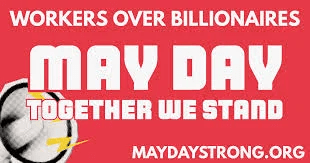
In addition to withdrawing your labor and your commerce, you can join your community to make the strike even more visible. There will be a lot of demonstrations around the country and local sources are often the best places to get information about them. Because this is a one-day strike, it’s important to be as visible as possible and demonstrate just how many workers, students, and shoppers are on the side of democracy.
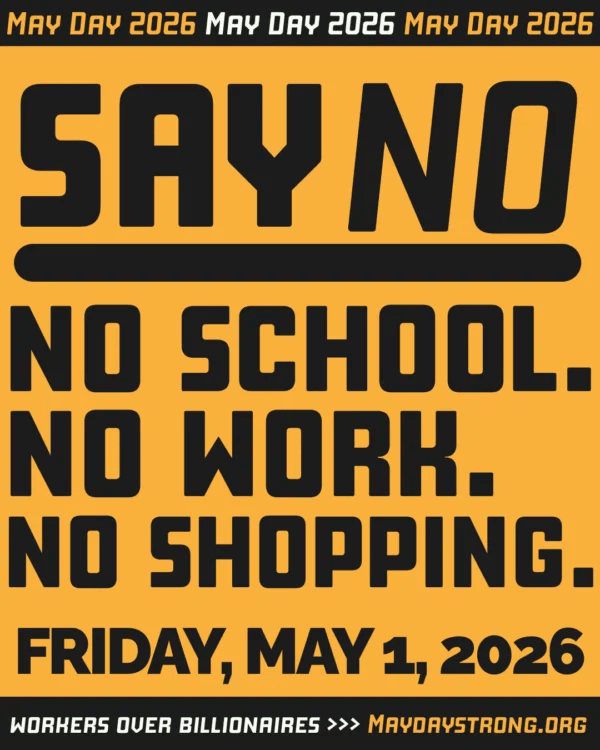
Here’s what the strike demands (taken from the main webpage):
How is this relevant to the SBTB community? In addition to the fact that we support the causes that this strike promotes, strikes are an important part of feminist history. Women have been crucial in the success of the labor movement in the U.S.A., as leaders, strikers, volunteers, and educators. Here a just a few examples:
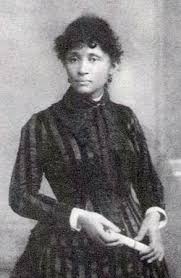
The Zinn Education Project has a wonderful list of women in the U.S.A. labor movement. You can also find stories of women in the labor movement at the National Park Service website.
I’m closing with my favorite version of “Bread and Roses,” performed by Judy Collins and choir. In 1911, Helen Todd, a suffragist and labor rights activist, used the phrase “Bread and roses” in one of her speeches:
Not at once; but woman is the mothering element in the world and her vote will go toward helping forward the time when life’s Bread, which is home, shelter and security, and the Roses of life, music, education, nature and books, shall be the heritage of every child that is born in the country, in the government of which she has a voice.
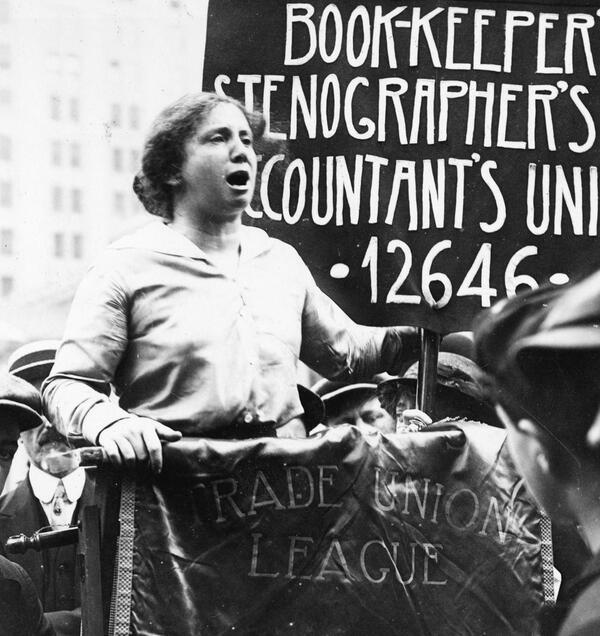
Rose Schneiderman
Rose Schneiderman, a remarkable woman who was born in Poland, came to America as a child, and campaigned for suffrage as well as improved safety condition for workers, used the phrase in her speeches, including this one from 1912:
What the woman who labors wants is the right to live, not simply exist — the right to life as the rich woman has the right to life, and the sun and music and art. You have nothing that the humblest worker has not a right to have also. The worker must have bread, but she must have roses, too. Help, you women of privilege, give her the ballot to fight with.
In 1911, James Oppenheim wrote a poem inspired by the slogan. Mimi Farina set to music in 1974. The song will forever be associated with the Lawrence Textile Strike, also known as the Bread and Roses Strike, of 1912. This strike was largely organized and conducted by women, who, along with children, made up the majority of the workforce in the mills.
Women have always been crucial to the success of strikes in America and worldwide. Why stop now? On May 1, protest, march, or stay home and read, but if you are able, join the strike.
No work, no school, and no shopping: by ceasing these three actions, we honor our past and our future.
It’s really as bad as it was before VAWA ever existed; of course it’s not been renewed for several years now thanks to transphobic Republican legislators. I apologize for both articles being here in full; that is how the source-The 19th-formats their sharing. It’s nice most of the time, but now here’s a long post.
Two tragedies, in Virginia and Louisiana, highlight the peril that some women and children face during divorce or separation.
This story was originally reported by Barbara Rodriguez, Mariel Padilla and Jasmine Mithani of The 19th. Meet Barbara, Mariel and Jasmine and read more of their reporting on gender, politics and policy.
Two deadly high-profile domestic violence cases this month highlight how the most dangerous part of a relationship can be when it is ending — particularly for women and families, and especially if guns are involved.
In Virginia, authorities say former Lt. Gov. Justin Fairfax fatally shot his wife, Dr. Cerina Fairfax, in mid-April before killing himself. The two had been in the midst of a divorce.
And on Sunday, a gunman in Shreveport, Louisiana, killed eight children and injured two women in what authorities described as the deadliest mass shooting in the United States in more than two years. Authorities say the gunman killed seven of his children and shot his wife. He also injured a woman who is the mother to three of his slain children. The gunman, who had been scheduled to appear in court as part of separation proceedings, had recently told his stepfather that he was suicidal.
Partners who express suicidal ideation can create heightened dangers for women and families, said Jacquelyn Campbell, a professor at Johns Hopkins University School of Nursing who has studied domestic violence and homicide for decades.
“That desperation, especially combined with access to guns, can be a recipe for tragedy,” she said.

Every month on average, more than 70 women are shot and killed by an intimate partner, according to Everytown for Gun Safety, the largest gun violence prevention organization in the United States. Everytown gathered a focus group of 43 survivors of this type of violence last year, and 50 percent of participants said separation or divorce was a circumstance leading up to attempted intimate partner homicide-suicide.
The available data emphasizes the vulnerability of that time, said Sonali Rajan, senior director of research at Everytown for Gun Safety.
“At the point when a woman is choosing to try and leave a violent and abusive partner, husband — especially when there are children involved — it means that the violence has escalated for some time,” she said.
Between 2014 and 2020, the organization tracked intimate partner homicide-suicides and found 5,450 women were killed. In 85 percent of these incidents, a firearm was the primary weapon. When there is a firearm involved, the abuser — which is a man in 99 percent of cases — is five times more likely to kill the victim, according to the research.
“It’s heartbreaking,” Rajan said. “These are just such devastating instances of violence. Something that, to me, is a really important through line is the presence of a firearm. So I think that’s really important to note and underscore — having a firearm present in the moment of escalation can and often is deadly.”
Intimate partner violence disproportionately impacts women of color and their families: Black, American Indian and Alaska Native women are victims of intimate partner firearm homicide at the highest rates, according to Everytown. Black women, for instance, are 3.5 times more likely to be fatally shot by an intimate partner compared to White women.

In Louisiana, the killings occurred during a shooting spree that spanned at least three locations, according to the police. Authorities identified the gunman as 31-year-old Shamar Elkins, the father of seven of the eight dead children, whose ages range from 3 to 11. Elkins also wounded his wife, Shaneiqua Pugh, and Christina Snow, before dying in a shootout with police officers.
Rajan said children are especially impacted by intimate partner violence, particularly when firearms are involved. Nearly 1 in 10 incidents of intimate partner homicide-suicide also involve the murder of the family’s children, according to Everytown. And for children under 13 who are victims of gun homicide, nearly one-third of those instances are connected directly to intimate partner or family violence.
“The ripple effects of firearms in the hands of an abuser extend far beyond the intimate relationship itself,” she said.
Doreen Dodgen-Magee, a volunteer with Moms Demand Action and a survivor who lost her sister-in-law and three nieces to intimate partner violence, said children are often involved in domestic violence situations — and that impact has ripple effects through generations and across communities. Her sister-in-law had filed for divorce before being killed.
“I think about the way in which my nieces died and their last experiences, and the way in which their classmates who live down the street — some of them witnessed this as it happened on the front lawn,” said Dodgen-Magee, who also spent years caring for her mother-in-law after she witnessed the deaths and suffered from post-traumatic stress disorder. “How the brain of a child tries to make sense of that, it’s unimaginable.”
Campbell said she also worries about the long-term mental health of children impacted by the recent gun violence, including a child who survived the Louisiana shooting by jumping off a roof.

In Virginia, two teenage children were home when Justin Fairfax killed Cerina Fairfax and himself. Justin Fairfax served as lieutenant governor from 2018 to 2022 and faced sexual assault allegations in 2019. He denied wrongdoing, but family said the 47-year-old’s mental health unraveled after that. Court records show his wife filed for divorce in 2025 — though they still lived in the same home — after nearly 20 years of marriage. The former couple’s teenage son called 911 to report the shooting.
Those shootings follow the April 1 death of Nancy Metayer, the vice mayor of Coral Springs, Florida. Metayer was widely seen as a rising star in Florida Democratic politics. An activist and environmental scientist, the 38-year-old was the first Black and Haitian American woman member of the Coral Springs City Commission, elected in 2020 and reelected in 2024 before being appointed to serve a second term as vice mayor, according to the city website. According to police, Metayer was found fatally shot in her home, and her husband is charged with premeditated murder. The incident was described as “domestic in nature.” U.S. Rep. Jared Moskowitz said in the aftermath of her fatal shooting that he was “in shock” and that Metayer was about to announce a bid for Congress.
March for Our Lives, a youth-led organization that advocates for stricter gun control legislation and founded by students after the 2018 mass shooting at Marjory Stoneman Douglas High School in Florida, said these recent incidents “underscore a truth this country refuses to face head-on; Black Americans are carrying an outsized and relentless burden in the gun violence crisis.”
“From children like those killed in Shreveport, to Black women facing lethal domestic violence, to families living with daily exposure to shootings that never make national news, the toll is staggering and systemic,” the organization said. “This is what a public health crisis looks like when it is allowed to persist in Black communities.”
Ujima, the national center on violence against women in the Black community, said “the frequency of these tragedies demands attention.”
“Grief alone is not enough,” Ujima said in a statement. “We must remain focused on prevention, early intervention and ensuring families have access to the support they need before harm escalates.”
The high-profile incidents show the necessity of a robust response to intimate partner violence, which impacts more than 1 in 3 women and 1 in 6 men across their lifetimes. But government efforts are chronically underfunded and now understaffed: The Centers for Disease Control and Prevention’s Division of Violence Prevention housed units dedicated to stopping firearms deaths, suicide and domestic violence before they happen — but the division was decimated last year.

There have been significant disruptions in the federal government’s response to domestic violence as a public safety issue as well. The Department of Justice is the largest funder of domestic violence services across the country, with $713 million appropriated to the Office on Violence Against Women last year. This money goes toward a variety of services assisting survivors of gender-based violence. But as of this month, $200 million in taxpayer funds is gathering dust instead of helping survivors. Money from this year, $720 million, doesn’t look to be coming any time soon either.
Everytown advocates for a four-part domestic violence approach, which includes background checks on gun sales, prohibiting people convicted of misdemeanor domestic abuse from possessing firearms, requiring prohibited people to turn in their guns and barring gun purchases if a background check takes longer than three business days. Rajan said states with laws that keep guns out of the hands of abusers see lower rates of homicide and suicide among intimate partners.
“The moment that the survivor seeks legal assistance — often another time of heightened risk — it makes it even more crucial that laws to remove firearms from homes with domestic violence are effectively implemented,” she said.
Campbell noted the importance of laws that allow for the temporary removal of a firearm from an individual if they pose a risk to themselves or others. Extreme risk protective orders (ERPO), known as red flag laws, have been enacted in 22 states and the District of Columbia. Louisiana is not one of them.
But there is a 2020 ERPO law in Virginia that is supposed to prevent individuals who pose a substantial danger from possessing or purchasing firearms — which Campbell said shows how families still fall through the cracks. She said stakeholders, from family members to police departments to divorce lawyers, can play a role.
“Lots of people go through divorces just fine, but families where things are really fraught, where somebody’s desperate — they need to be able to recognize that possibility,” she said.
For those who are currently in dangerous domestic violence situations, Campbell recommended seeking help by calling the National Domestic Violence Hotline at 800-799-7233 or by texting BEGIN to 88788.
She also recommended the myPlan app, a free tool designed by Johns Hopkins University, to help survivors of relationship abuse create personalized safety plans in a discreet way. The app is also a helpful resource for those unsure if they’re in a safe relationship.
Rajan added that if you or someone you know is in suicidal crisis or emotional distress to call or text 988 or visit 988lifeline.org/chat to speak with a counselor. The 988 Suicide & Crisis Lifeline, previously known as the National Suicide Prevention Lifeline, provides 24/7 free and confidential support.
After her family members were killed, Dodgen-Magee said, she found journal entries where her sister-in-law had written that she feared for her life and where she wanted her kids to go if she was murdered by her husband. Still, Dodgen-Magee said that when her sister-in-law told people in her community, including church pastors, that she was afraid, she was dismissed as overreacting and told to stay in the relationship.
On a societal level, Dodgen-Magee said there needs to be a shift: “Believe women when they tell you that they are in danger.”
An already underfunded system is under even more stress, as cases have gotten more complex and the Trump administration has sown confusion.
This story was originally reported by Jasmine Mithani of The 19th. Meet Jasmine and read more of their reporting on gender, politics and policy.
Content warning: This story references incidents of domestic violence.
On January 18, 2025, Julia Gilbert kicked her fiancé out of their shared apartment.
“When the apartment door shut, I remember knowing it was right,” she said.
Gilbert, 32, said she had planned to end the relationship for some time. Worried her ex was lying to her, she had been recording their arguments at her therapist’s suggestion. A week after he left, she filed a petition for a harassment restraining order (HRO), which requires the respondent to limit communication and in-person contact. In Minnesota, where she lives, residents can fill out a petition online without an attorney.
In her January 26 statement justifying the HRO, she alleged physical, financial, sexual and psychological abuse. Her ex had unprotected sex with her without her permission, Gilbert said. After experiencing intense pain and heavy bleeding, she went to the doctor. Medical records viewed by The 19th with her consent say the bleeding could have been a miscarriage.
She wrote in her HRO petition that after she texted him to say she did not want him to come to the apartment alone, he replied, “I can always come when I want.” She said her relief at the end of the relationship quickly turned into panic about the situation.
“I am scared for my physical and emotional safety and have been unable to relax for days and now am even more frightened in light of this text message from him,” she wrote.
Gilbert’s ex did not respond to multiple requests for comment. This article is based on public court documents, emails, phone logs and extensive interviews with Gilbert.
The HRO was granted in January. Gilbert’s ex contested the restraining order four days after being served, triggering a court hearing in front of a judge. Gilbert had to get a lawyer in two months or face him in court alone.
It felt like a daunting task: Gilbert had moved to Hennepin County, home to Minneapolis, several years ago, away from southern Minnesota where most of her friends and family still lived. She didn’t have a strong support network beyond her two cats, Kato and Scully. She had been relying on buy now, pay later plans and support from her parents, who didn’t really have money to spare, to afford groceries and rent.
Gilbert’s petition said she wanted to file a police report but was scared to go to the station herself because of personal connections her ex had within the department. Some Hennepin County domestic violence organizations said on their websites they could escort survivors to the police station, but Gilbert said that when she inquired, she was told those services weren’t offered anymore.
She was disappointed she couldn’t make a police report, but Gilbert was still confident the judge would side with her; she had photographs of bruises and a recording of her ex admitting to unprotected sex without her consent, according to an evidence list submitted as part of the hearing. Also known as stealthing, it’s recognized as a form of sexual violence in some states, but there are no laws against it in Minnesota.
At the same time Gilbert was struggling to pay rent and fight for her restraining order in court, executive orders issued by President Donald Trump — whom a jury had found liable for sexual abuse — disrupted domestic violence organizations across the country. The federal government is the main funder of domestic violence services, and executive orders redefining gender and banning diversity, equity, inclusion and accessibility left groups rooted in addressing gender-based violence confused about what services they could offer, how they could talk about their work and what grant money could be spent on. Notices of funding opportunities from the Department of Justice’s Office on Violence Against Women were delayed last year, and $200 million of last year’s appropriations hasn’t yet made it to providers.
This chaos strained a system that is already under-resourced. Part of why Gilbert was shocked that it was so hard to get help was because she had gone through this all before, with radically different results.

Years ago, Gilbert obtained an HRO against a different ex. After the couple broke up, she said, she found her tires slashed and called the police. At the time, she lived in Mankato, a town of 46,000 located 80 miles south of the Twin Cities. She said an officer listened to her whole story and introduced her to that county’s local domestic violence services agency. (The organization did not respond to multiple requests for comment.) There, advocates helped her file the petition, connected her with an attorney, helped her secure a restraining order and supported her through a draining legal battle. In her victim impact statement, she said what she went through not only during the relationship but the legal process afterward caused lasting post-traumatic stress disorder (PTSD).
But by 2025, circumstances had changed, and not just because of the Trump administration. The pandemic saw a surge in domestic violence reports, especially during lockdown, putting stress on an underfunded system.
The scale of intimate partner violence before the pandemic was already staggering. At least 47 percent of women and 44 percent of men have experienced domestic violence at some point in their lifetime, according to data from the Centers for Disease Control and Prevention from 2017, the most recent available. Women are more likely to experience sexual violence and severe physical violence. Queer people, like Gilbert, are more likely than straight people to experience relationship abuse.
The full impact of the pandemic on domestic violence rates is still being researched, but several studies have shown increases of 21 to 35 percent.
The pandemic multiplied stressors on organizations that long depended on in-person work, and lockdown forced the suspension of some services. Demands for housing rose astronomically while shelters shuttered to reduce spread of the virus. Funding shortages meant that even when the world opened up again, offerings temporarily put on hold weren’t able to return.
Many organizations were buoyed by temporary funds from the American Rescue Plan Act of 2021, but those expired in 2025. Demand didn’t disappear the way that money did. Economic stress has long been correlated with increased rates of domestic violence, and the affordability crisis brought on by the pandemic didn’t cease once the country reopened.
Survivors’ needs have increased since the pandemic, said Nikki Engel, the co-executive director of Violence Free Minnesota, the domestic violence coalition that helps coordinate strategy for 90 service providers throughout the state. Some of those programs have only one or two staff members.
“The numbers of people they’re serving every year may have stayed flat, or even gone down a little bit, but they’re spending more time with each victim, and each victim has more holistic and complicated needs,” Engel said. Advocates who would have been able to help six or seven victims file for orders of protection each day now have the capacity to assist only two or three with intricate housing, food and legal needs.
This tracks with what Gilbert described over months of interviews. Immediately after ending the relationship last year, she said, she went from needing help with her rent to help with a new lease to help with groceries when her EBT card stopped working. She was looking for work compatible with her disability and searching for cheaper housing to no avail. It felt impossible to address all of her issues at once. She was juggling everything while seeking legal representation for her HRO hearing, on top of dealing with the aftermath of ending a years-long relationship.
“When my food and housing and those base level things aren’t being met, I can’t even begin to work on healing the trauma to move forward,” Gilbert said.

Legal services for domestic violence cases, which can span family, civil and criminal courts, are highly specialized and sparse. Not only that, but the demand for them has increased since the onset of the pandemic. Engel said programs have reported a “huge increase in post-separation abuse,” which can involve abusers dragging survivors through the legal system, wasting survivors’ time and racking up fees.
Gilbert’s call log, viewed by The 19th, shows how much effort she put into trying to secure representation in the weeks between the HRO filing and the hearing. She used a free state hotline to try to locate a lawyer but said she kept hitting voicemails and dead ends. The few firms she managed to reach said they weren’t interested in an HRO case. She called the hotlines for help but was referred to the same organizations she had already tried.
Advocates at domestic violence services organizations aren’t lawyers and typically assist survivors with self-service filing for orders of protection or restraining orders. Only a couple of programs in the state can afford to have attorneys on staff to work with victims, Engel said. Abusers are more likely to be financially advantaged and able to afford their own legal support, another power imbalance.
Gilbert needed an attorney who could show up next to her in court, like she had the last time she fought for an HRO.
After she called over 30 law firms, per her phone records, a family friend referred her to a practice. Her parents helped her pay for representation. But, she said, she felt unprepared going into the remote hearing.
It was a disaster for Gilbert: The transcript shows her ex’s lawyer aggressively cross-examining her, casting doubt on her account of physical abuse and bringing up her mental health issues. Gilbert feels her lawyer didn’t adequately intervene during hostile questioning. At one point, the transcript shows the judge scolded Gilbert’s counsel for checking her phone during the hearing.
In an order for dismissal, the judge ruled that Gilbert and her ex had a “mutual lack of boundaries” and said testimony did not meet the criteria for an HRO. The restraining order was overturned, and Gilbert’s ex was free to contact her again.
“It was humiliating, I had been getting back on my feet and trying to do things to put my life back together after all of this, and then following that court date, it was like I just fell apart again,” Gilbert said. She said she still has nightmares about the hearing.
Legal assistance is a bottleneck at many organizations. Artika Roller, the executive director at Cornerstone Minnesota, one of the largest domestic violence service providers in the Twin Cities metro area, said a pro bono attorney volunteers once a month to help with complex cases. The demand is overwhelming, so her group frequently ends up referring to outside legal services that don’t necessarily have expertise in domestic violence cases.
After the HRO was overturned, Gilbert found a lawyer to help her with a possible appeal. But she felt dismissed by the attorney; he minimized her assault and didn’t understand why she didn’t want her ex to come back into the apartment to pick up his belongings. Discouraged, Gilbert did not file an appeal.
“At a certain point how do you keep the hope alive?” Gilbert said, reflecting on the labyrinthine process of seeking help for survivors. “How do you keep the flame alive when you keep getting directed in circles?”
Gilbert had been calling the various domestic violence and sexual assault hotlines periodically since before the breakup. In May, a couple of weeks after the hearing, she said, she dialed the number for the National Domestic Violence Hotline once again. She was sympathetic to the strain on advocates. Gilbert says she knew they cared about her and wanted to help. But she was also frustrated and had started to see news articles about funding cuts impacting domestic violence organizations. She began to wonder if these changes had trickled down to her. She decided to record the next call, hoping to get some answers. When Gilbert told the advocate how hard it had been to get help, the advocate on the other side of the phone offered some surprising information.
“Unfortunately, not just the funding is being affected for a lot of organizations that handle domestic violence,” the advocate said on the recording, which Gilbert shared with The 19th. “Unfortunately, executive orders have also made it difficult, or stopped funding, or made it to where organizations have to stop doing things or addressing certain things in order to continue the funding.”
“It is a very difficult time right now,” the advocate continued. “So I’m sorry that you have to experience that.”
Katie Ray-Jones, the CEO of The National Domestic Violence Hotline, confirmed in a statement to The 19th that many local organizations were forced to lay off staff and temporarily shut down last year.
She also underscored the massive demand for the organization’s services. “We receive nearly 3,000 calls and messages per day from survivors in need — and no survivor in need should be left alone. And yet, the reality is that the national response to domestic violence overall has historically been overburdened and under-resourced.”
Ray-Jones shared that The Hotline was able to assist with 708,000 calls for help in 2025 — but received 1.3 million requests. Federal funding for the nonprofit has stayed stagnant since 2024, and The Hotline needs at least an additional $20 million to meet the scale of demand, she said.
She did not address the executive orders directly. (The Hotline remains operational, as do many domestic violence services across the nation. Confidential, anonymous help is available 24/7 through 1-800-799-7233 or online.)

The Violence Against Women Act, last renewed in 2022, allows Congress to put $1.1 billion each year toward programs addressing domestic violence, sexual assault and stalking. But since its original passage in 1994, VAWA program funding has rarely approached authorized levels — for fiscal 2025, appropriations totaled $713 million.
The other main source of funding comes through the Victims of Crime Act, which allocates non-taxpayer money gathered from fines instituted on federal cases. But these funds have dwindled since 2018, as prosecutors declined to pursue as many cases against white-collar crime that would top off the money pot. A 2021 bill funneled some money to the associated fund, but it wasn’t enough. Attempts since then to close the funding gap have largely stalled in Congress.
Less money means less staff for roles that are already typically low-paying and require specialized training. Many in the advocacy field have personal experience with domestic violence and are dedicated to the cause, but it is intense work prone to burnout.
It also means fewer dollars to support survivors. Each year, the National Network to End Domestic Violence tracks how many victims are served by domestic violence advocates over a single 24-hour period. In 2025, the count was 84,146. And on the same day, 13,018 people weren’t able to be helped due to a lack of staffing, funding or other resources.
Violence Free Minnesota pointed out that the share of survivors who weren’t able to receive help nearly tripled from 2024 to 2025, to 29 percent.
“We don’t know what’s going to happen on a day to day, week to week basis with our funding,” Roller said, due to the uncertainty from the Trump administration. Combined with changes in annual funding, that means hard conversations about which programs need to be cut back.
“There is no other funding source that provides the amount of funding that we get from the government,” she said. Cornerstone has some individual and philanthropic donors, but Roller said donations dropped in 2025 amid economic uncertainty.
Minnesota does offer significant funding to domestic violence services to supplement federal funds, but the amount was stagnant for nearly a decade. Asks for more money from legislators have been denied, Roller said.
Violence Free Minnesota has seen providers hemorrhage advocates to jobs at places like Walmart and McDonald’s because they can pay more, said Katie Kramer, the organization’s other co-executive director.
And the services that are meant to protect women aren’t being funded, contrary to the Trump administration’s professed priorities, with potentially deadly consequences.
“The ultimate thing is that we were never funded at capacity, and this is going to impact peoples’ lives,” Roller said. “Organizations like ours are providing life-saving services, and we will lose people because of the inability to provide support.”
Under a proposed 2027 budget, the Minnesota Office of Justice Programs would cut victim services funding by about 20 percent, or $12 million. The shortfall is being blamed on the perpetual gaps in annual grants from the federal Victims of Crime Act funds.
Roller has been pouring her energy this year into advocating for Minnesota House File 1082, which would use state money to make up for the missing $12 million in federal dollars. Violence Free Minnesota has also testified in support of the bill.
The one-year anniversary of the breakup hit Gilbert hard this past January.
“I feel like I am in the exact same place a year later, and that wouldn’t be the case if I had just gotten the help that I needed to begin with,” she said.
She constantly grapples with her PTSD and has struggled to stay grounded. The nonstop media coverage of documents related to sex offender Jeffery Epstein — the revelations of who was involved, the lack of accountability, the constant discussions of sexual assault — sent her spiraling.
“They just don’t give a shit about survivors,” she said, referring to the Trump administration. Her physical and mental health deteriorated, and, in February, she was hospitalized for several days.
The past year has altered her worldview. Gilbert has become much more cynical; she was never a fan of the Trump administration, but now she’s lost faith in institutions more broadly.
Her health worsened again in March and she temporarily moved in with her parents. Now she is back in her apartment, but she may not be able to stay there much longer.
When she made the decision to break up with her fiancé, Gilbert had no idea she would be in danger of losing her housing or that she’d no longer be able to afford three meals a day. But she says she would make the choice to leave again, even knowing all the hardship that would come after.
“Even though this year has been probably the hardest year in my entire life, and it’s a struggle every day, I would not take it back for a second. The decision to leave him was the best decision I ever made.”
She finally feels like she’s getting the space to heal. She wants to become a mother one day and is mourning her suspected miscarriage even as she’s grateful she isn’t tied to her ex with a child. She’s also looking for a therapist who specializes in trauma. Gilbert thinks if she can calm her nervous system down, she can secure steady work and maybe finally find cheaper housing.
She has been looking for more affordable apartments, but Minnesota is in a housing crisis. Time is running out. All of the options that would let her stay in her apartment don’t work: She doesn’t want to keep her ex on the lease, her income isn’t enough to qualify for an annual lease on her own and the month-to-month price is unaffordable.
She contacted tenants rights groups for help, but she said they couldn’t do anything; VAWA only provides protections for survivors who need to break their leases, not for those trying to stay. Gilbert doesn’t understand why there aren’t protections that would let her stay. She has resorted to crowdfunding to meet her basic needs.
As always, rent is due on the first.
Mikki Morrisette of Minnesota Women’s Press contributed reporting.
Do you work at an organization that has struggled to help survivors due to funding cuts? We would love to hear from you. Learn more about sharing a confidential tip with us securely.
Oh! There are so many things that need to be done, so many of them about which we can do little but still all we can; however, today, I think it’s important that each of us gets outside as best we’re able. I think we should take a minute or two to simply appreciate our Earth, and take joy in its beauty and wonder as best we can; reconnect to it. I hope everyone who reads here is able to get at least a bit of time outside today (don’t get struck by lightning, or anything else unsafe!), and can just be with our planet and its inhabitants. There is peace to be found, which will build strength to continue. But, mostly, everything isn’t all about our battles. Hearing birdsong, watching squirrels frolic, and seeing butterflies flutter, is good for us.
Enjoy a video from Artemis II:


https://peacebuttons.info/orderpp-the-ecology-corner.htm#geac

