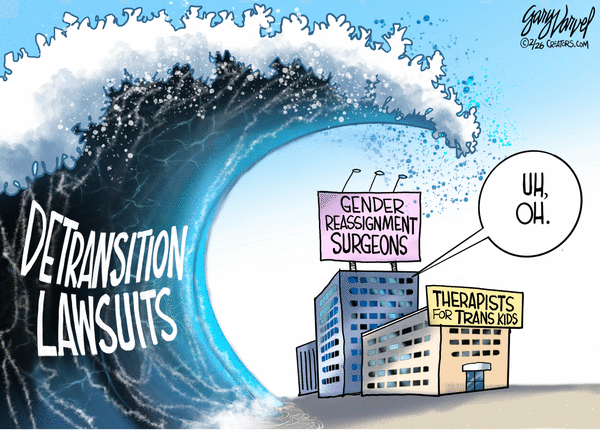
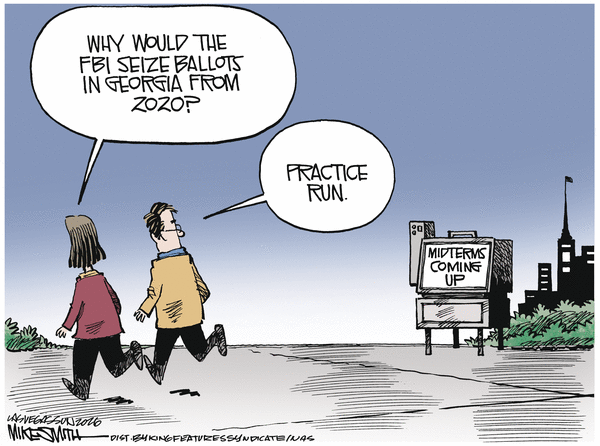
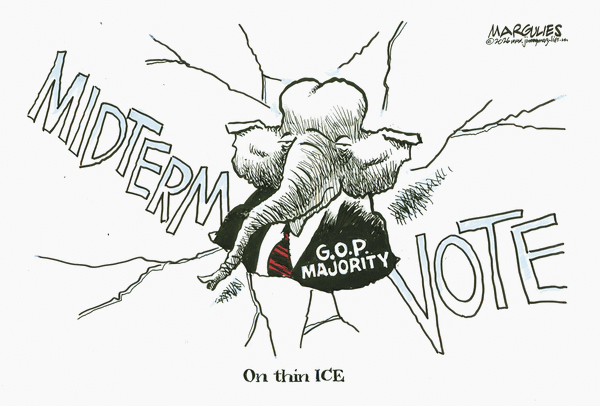
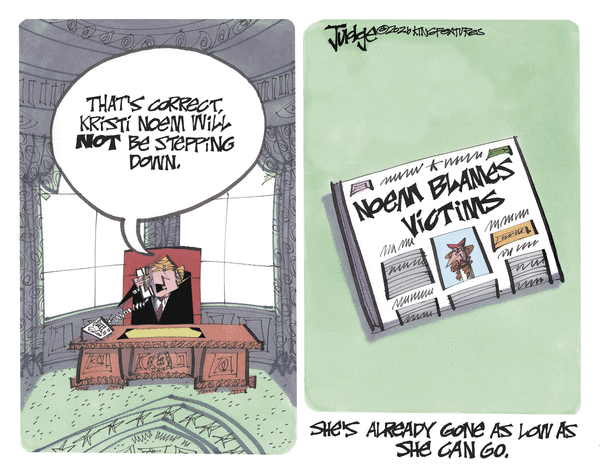
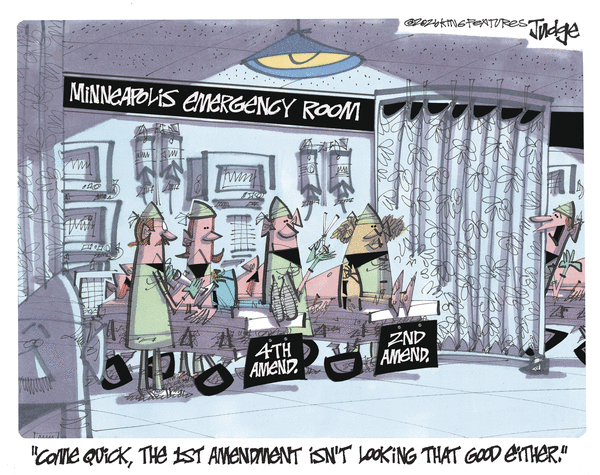
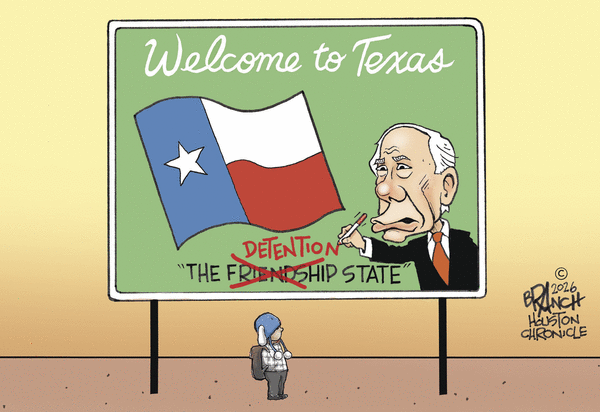
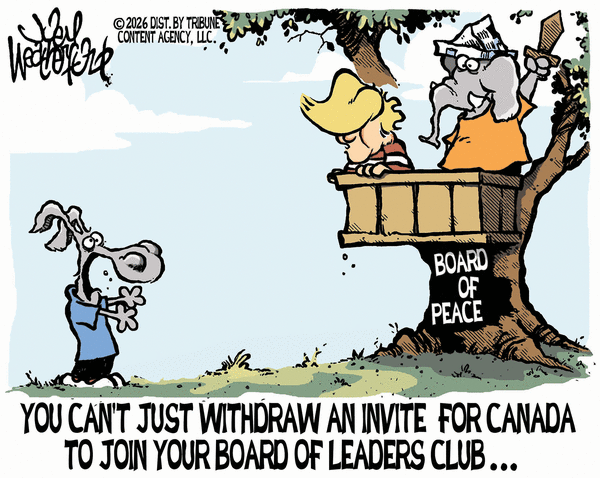
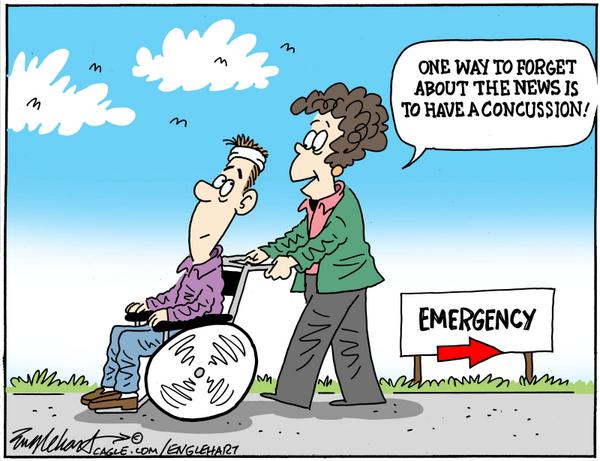
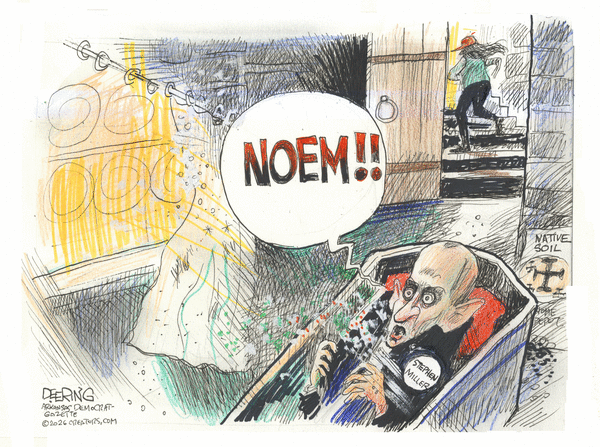
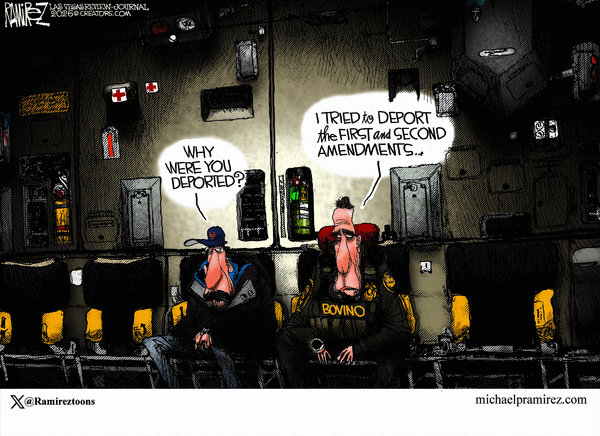
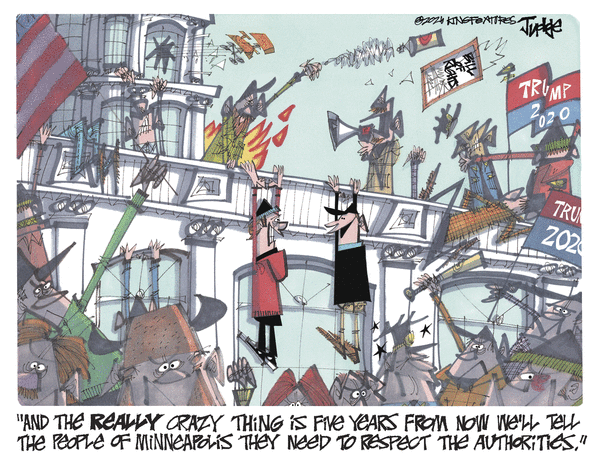
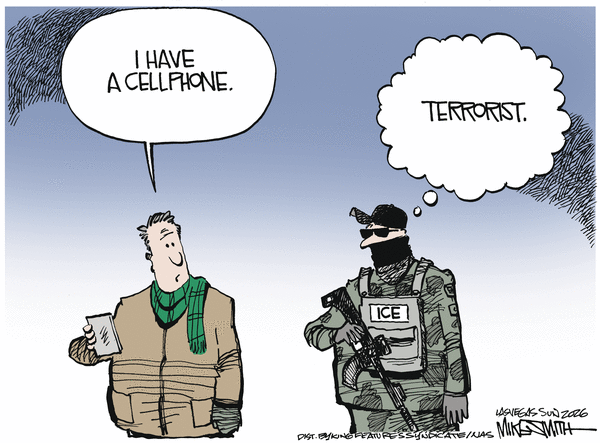
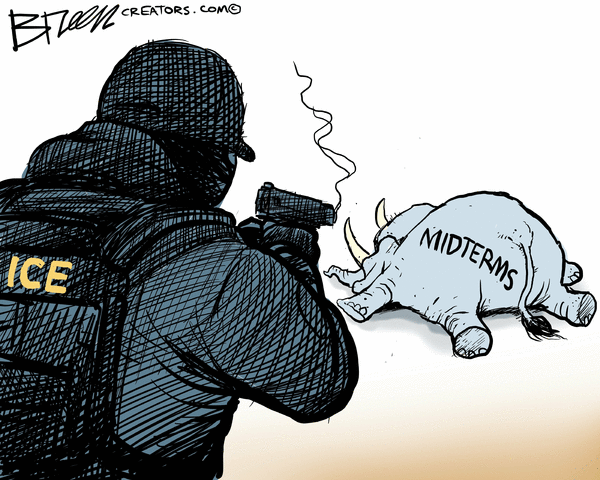
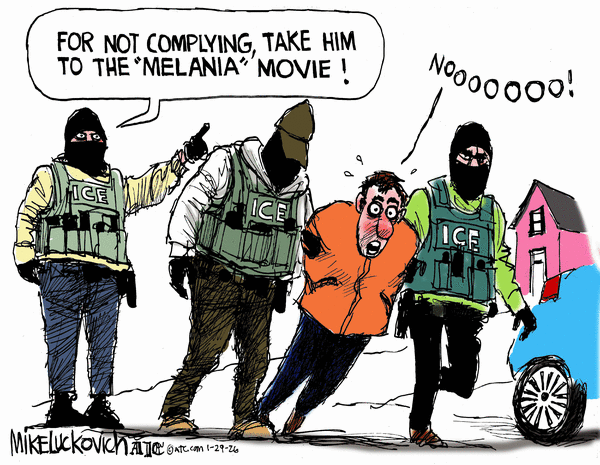
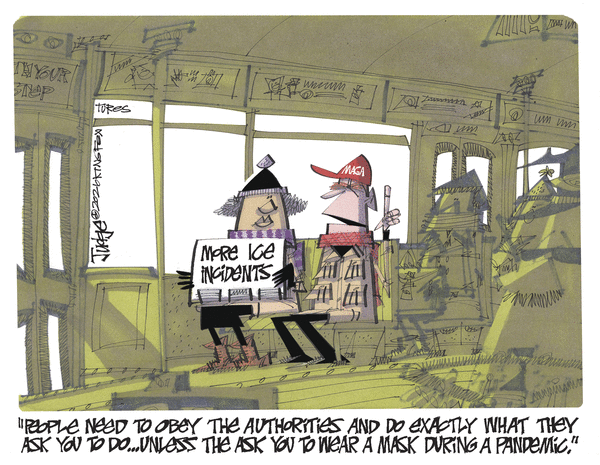
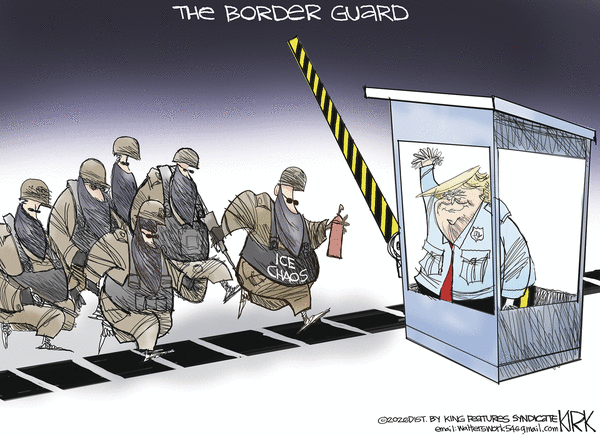
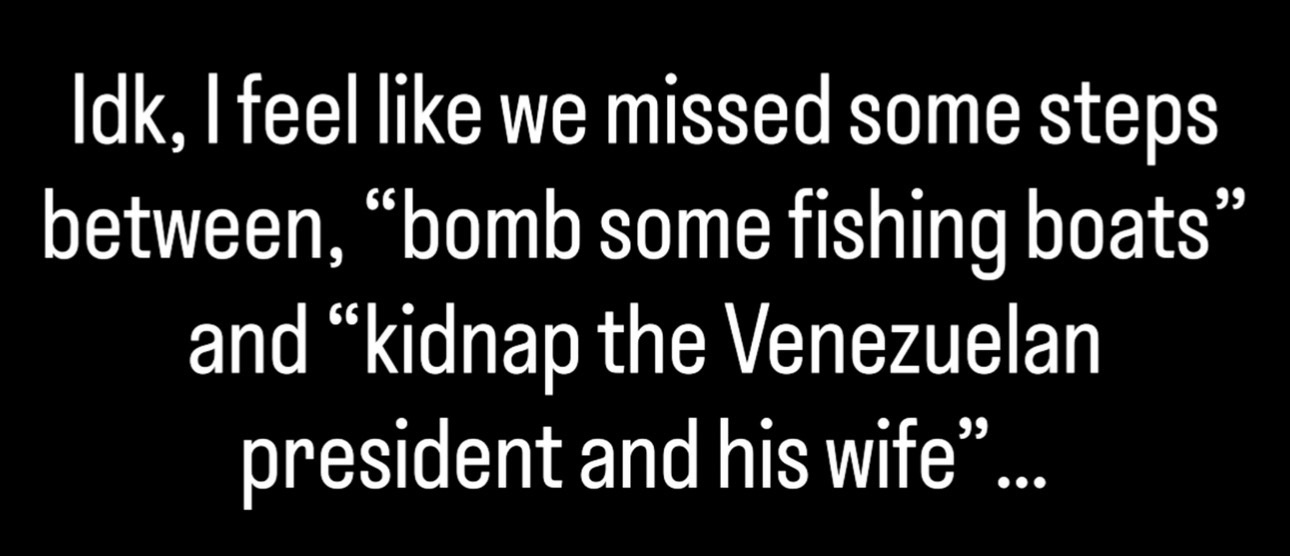
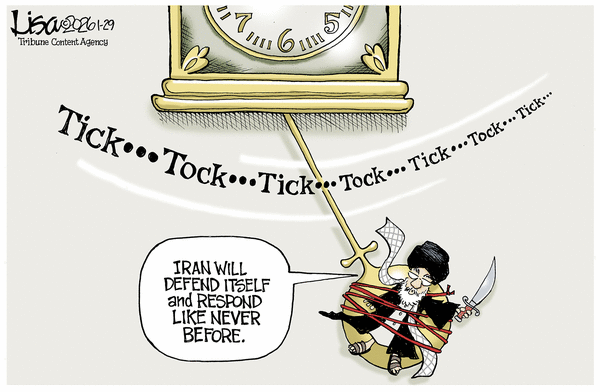
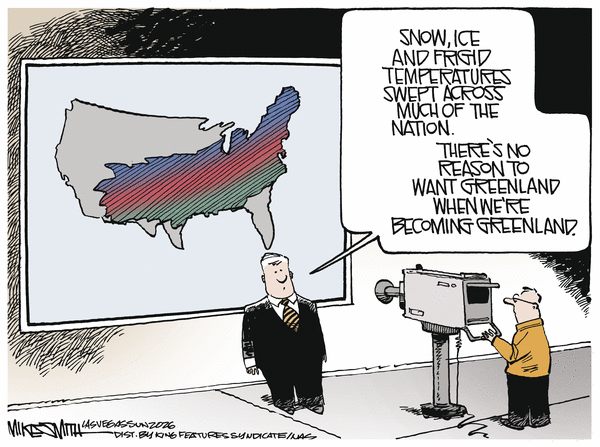
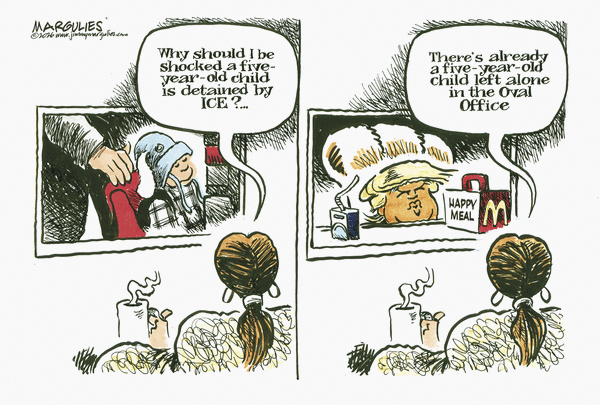
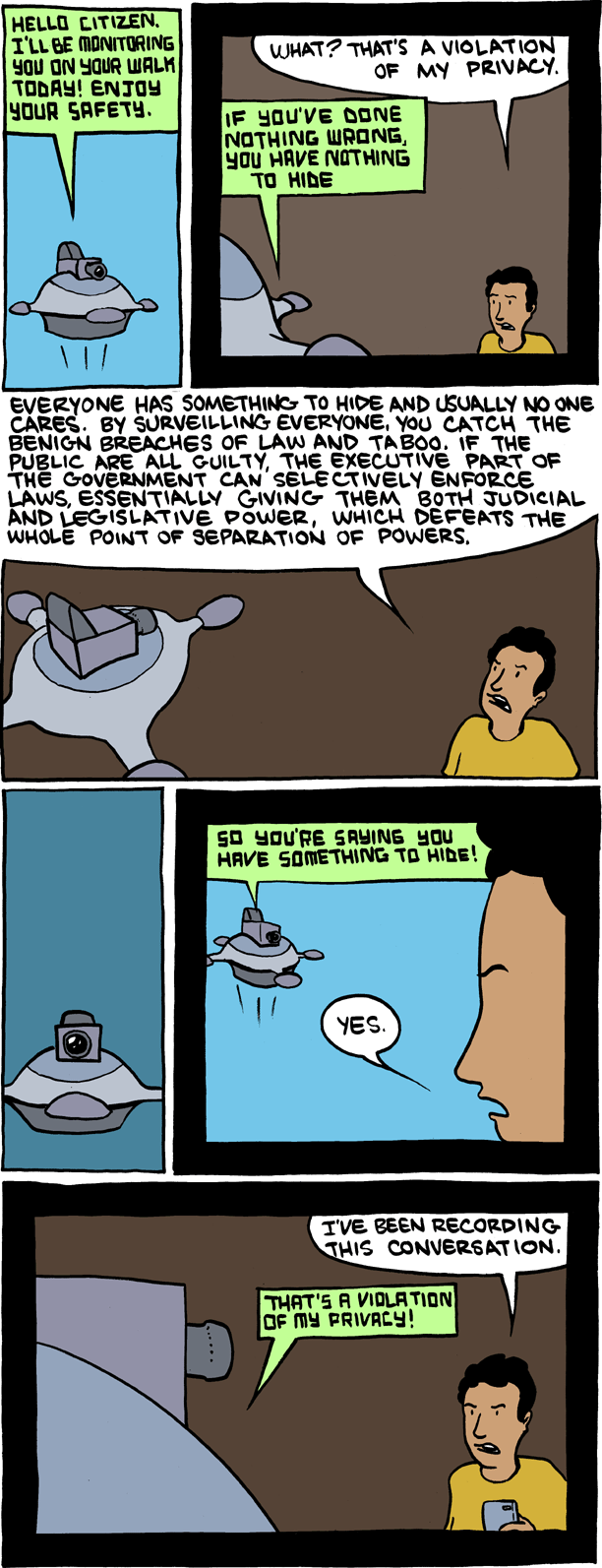
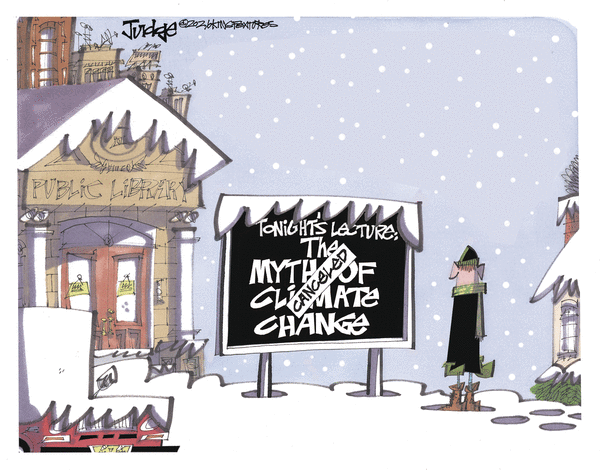
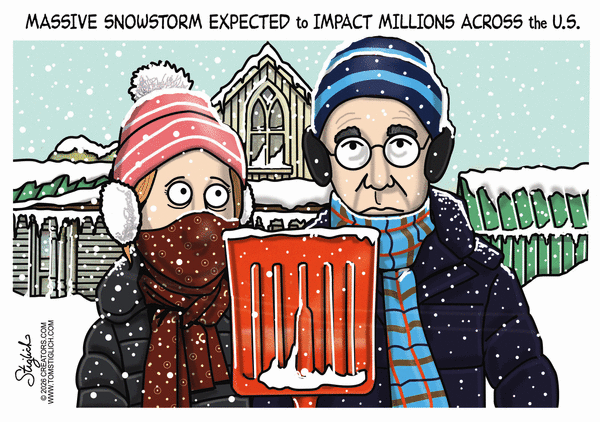
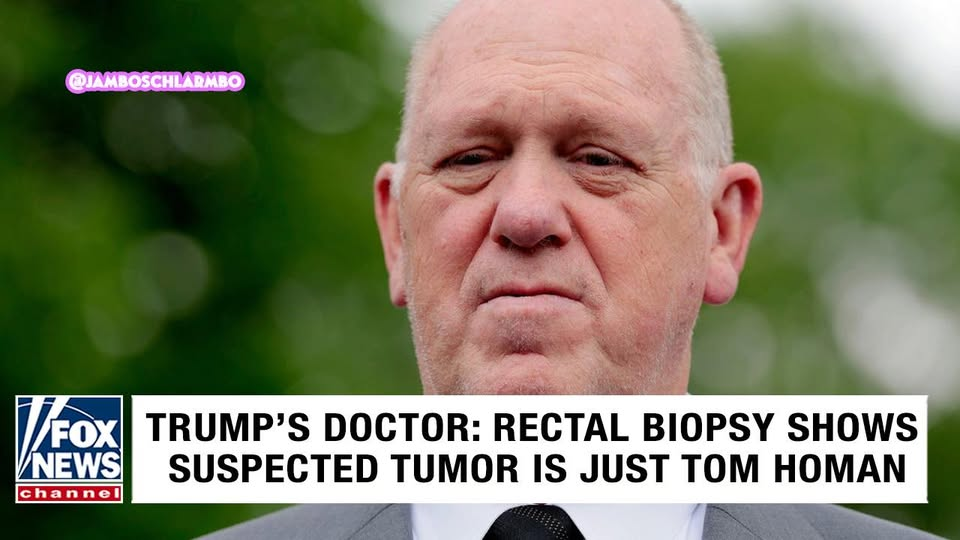
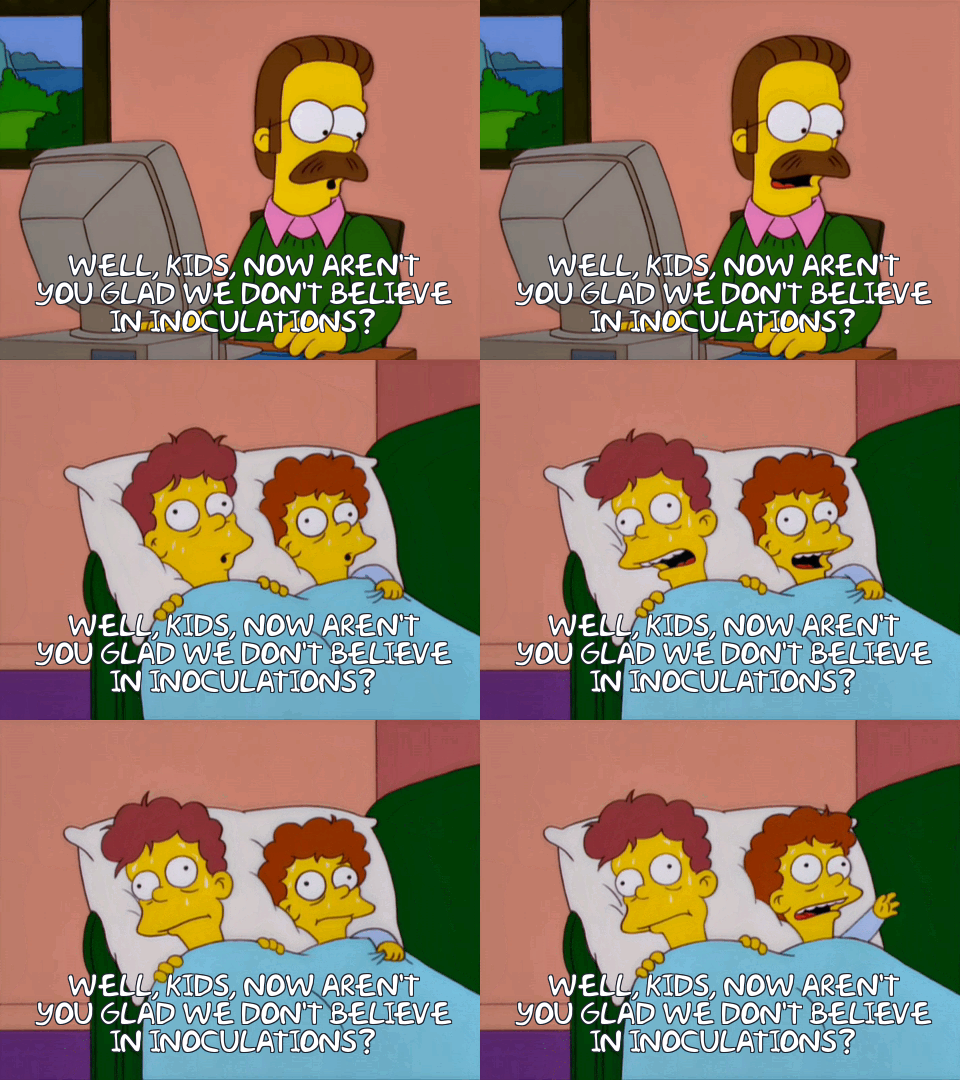
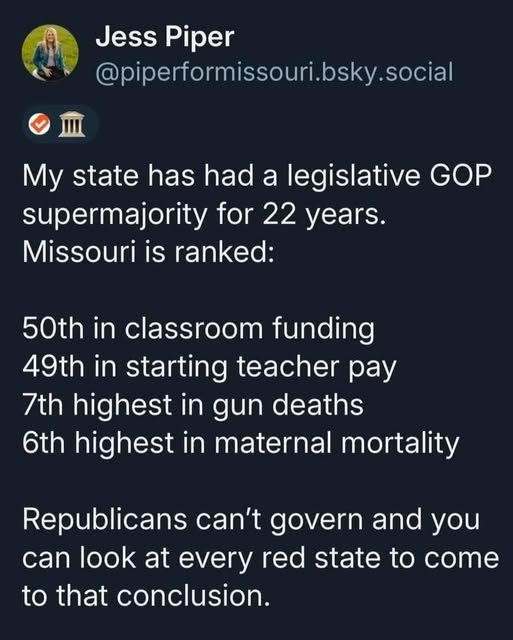
I would like everyone to see the above cartoon and understand it. As a teen and young adult I got asked about my sexual orientation constantly. “Are you gay?” “Are you a faggot?” “Do you suck dick”, “Do you take it up the ass”. Those questions did not stop being asked when I became an adult. They just became more invasive as people felt more emboldened to ask how this or feels? Or how do you do this or that? As an adult when those questions came from people who were people I knew or were friends, I answered them as honestly as possible because I felt they were honest but sometimes they were not. But as a teen those questions tore everything inside me apart and due to the times and hate against gay people I felt compelled to lie, which made me hate my self / situation even more. I understand straight people are curious, and in truth there is a lot of misinformation out there being preached by church leaders and others about LGBTQ+ people. However, some of the questions I got were so personal and about stuff that was so personal I often wondered what the reactions would be if I asked those questions of straight friends / people. How do you do it, what possitions do you use? Do you do special preparations? Does it hurt a lot, and the one that drives me crazy, “have you tried it with a woman or females as you know you might like it”. OK so have you tried it with a same sex partner? That drives me crazy because when I ask for the reverse back they look stunned and ask why they should answer such personal questions. Sadly, I have so many females tell me if I would only have sex with them I would not be gay anymore. Hugs
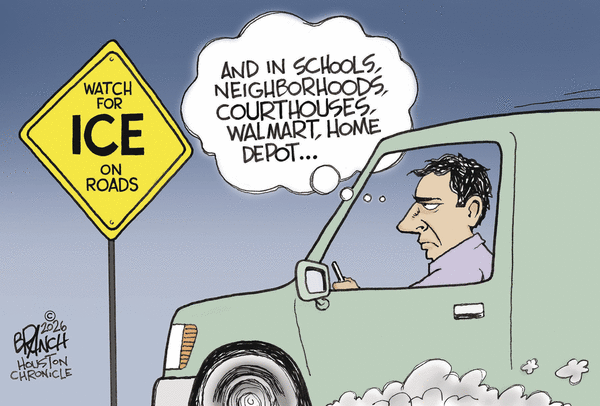
I am a bit fragile so when I looked up the Spanish meaning of the above word and read it meant bunny I started to cry and it went into sobs. How I wished I had some warm safe place and someone who loved me at his age to welcome me home. That poor child will have PTSD all his life. Sorry it has been a long day for me. Hugs
It is legally permissible for police departments to reject applicants for scoring too high on aptitude tests, a practice upheld by courts to minimize turnover.
Departments often look for average cognitive scores, typically between 20-27 on the Wonderlic test (approx. 104 IQ), fearing highly intelligent candidates will get bored, leave, and waste training costs.
Police hire mediocre candidates.
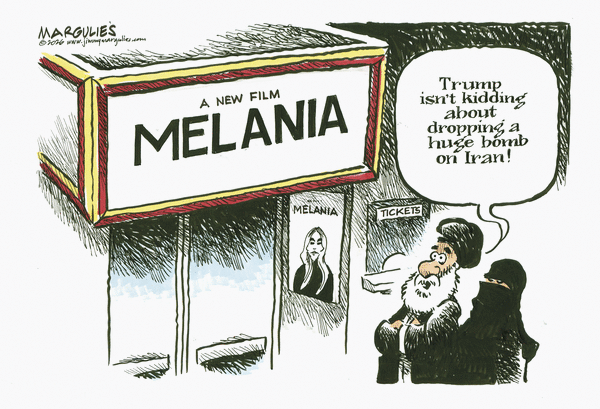
A Disgraced Brett Ratner directing over-budget documentary on Melania?
Ratner himself has kept a low public profile since 2017, when six women, including actress Olivia Munn, accused him of several crimes, including sexual harassment, assault, and rape
Makes sense Melania would pick an old friend from her extensive Epstein days.
I often say that a lot of anti-trans anti-gay anti-LGBTQ+ people have their feelings because they don’t feel different from the cis straight majority so can’t understand or accept that such things because they simply don’t feel that way. If they don’t feel it it can’t be real which is the same with how many white people feel about racism. Remember the old question of how do you know you’re gay or trans or lesbian or nonbinary or what ever simply because the people who grew up straight and cis felt normal in society? But if you ask them when they knew or how they knew they were straight and / or cis they are confused. If a boy at 10 comes out as gay the parents freak out, but if that same kid starts showing interest in girls the parents are ecstatic about their boy growing up. Why the difference? Because one fulfills their expectations and the other … well it just is not like them. It simply comes down to tradition and what feels normal for them. Every person who asked me if I tried to change my sexual orientation and there have been so many, to them I ask have you? They act offended. Why would I do that and I reply, then why should I. Then if they persist for some reason that I should do conversion therapy I ask could they convert from their straight / cis desires to being LGBTQ+? Again they are stunned why they would do that and instantly claim not I couldn’t do that. Then again why ask me to do it? Hugs
Providing objective, nonpartisan, rigorous, original journalism that investigates America’s anti-LGBTQ landscape and elevates everyday American heroes. Expect two rigorously reported stories every weekend.
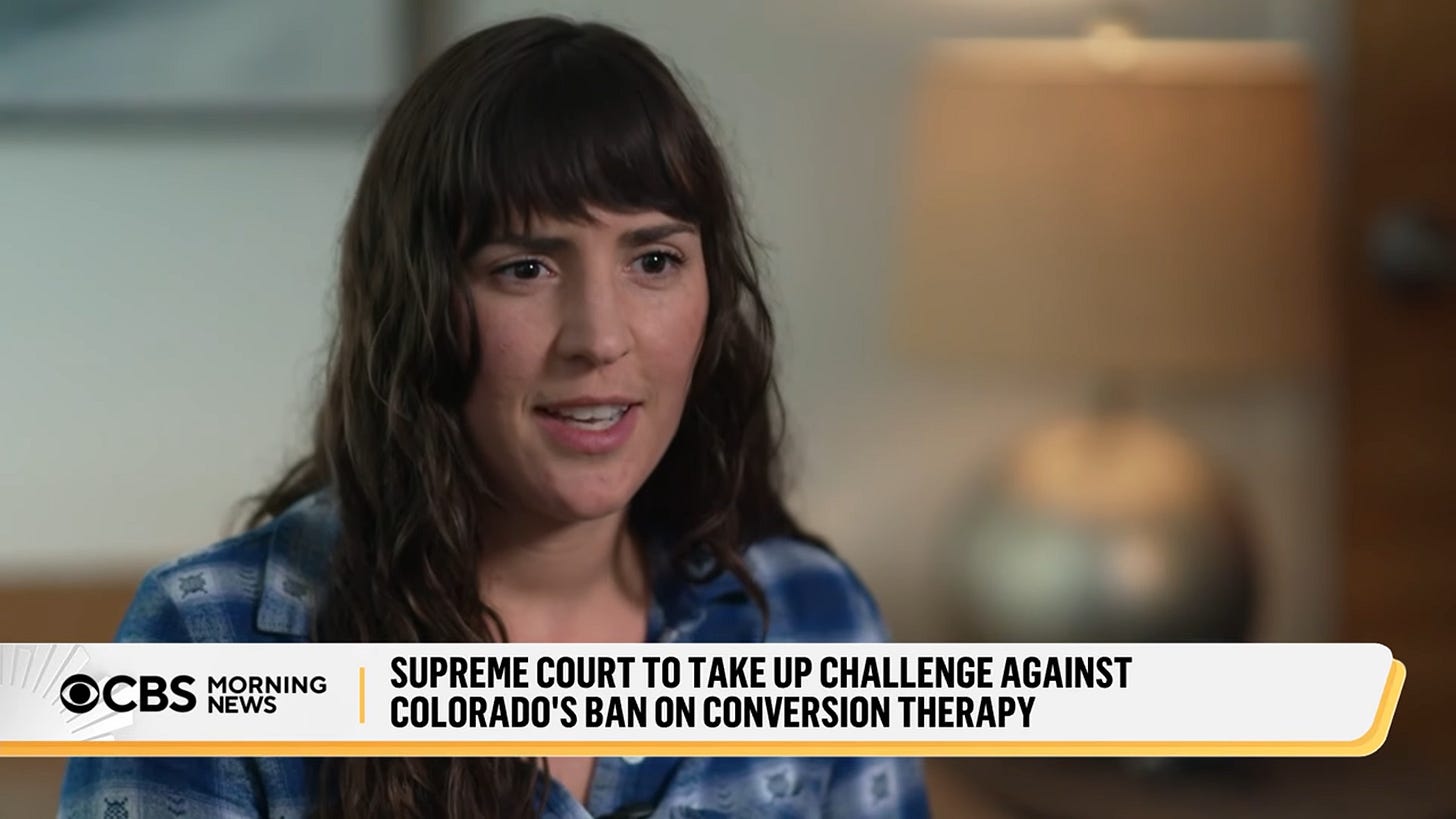
On Oct. 7, the U.S. Supreme Court heard oral arguments in Chiles v. Salazar, a case that challenges Colorado’s ban on conversion therapy.
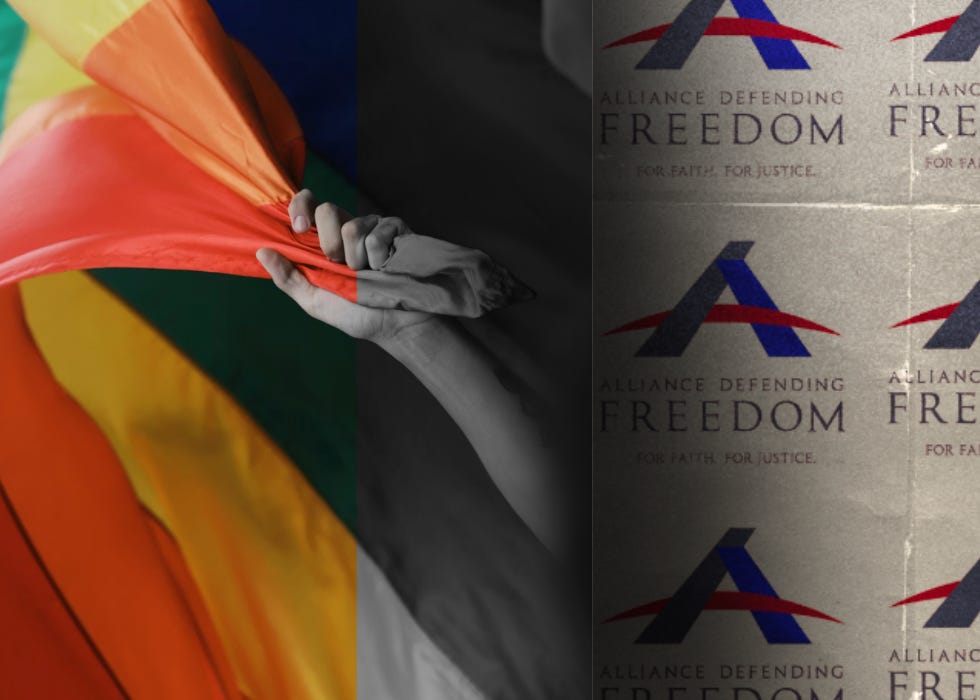
Shortly after, Alliance Defending Freedom (ADF) sent an email to their supporters quoting Paul in Ephesians 6:12: “For our struggle is not against flesh and blood, but against the rulers, against the authorities, against the powers of this dark world and against the spiritual forces of evil in the heavenly realms.”
The email goes on to say, “You might think that a law like this might be just a ‘Colorado problem.’ Sadly, laws like this exist in 22 other states,” referencing other parts of the U.S. that have instituted conversion therapy bans.
This sort of language about conversion therapy is nothing new for the Christian legal group representing Kaley Chiles. Unlike most legal organizations, ADF is sharply anti-LGBTQ. Since their inception over 30 years ago, the group has fought to maintain anti-sodomy laws, uphold the right to discriminate against gay couples and overturn Roe v. Wade.
In recent years, a major element of their fight has been to legalize the discredited practice of conversion therapy.
The Supreme Court appears poised to rule in favor of ADF, which could effectively invalidate conversion therapy bans for minors by licensed professionals across the U.S. This victory would add to the organization’s already-high win streak, which they say is around 80%.
“I don’t think anyone is undermining LGBTQ rights as relentlessly as ADF,” Peter Montgomery, research director at the advocacy group People for the American Way, told Uncloseted Media and GAY TIMES. “They’re shaping the culture for generations to come.”
Although nearly every major medical association has denounced conversion therapy, ADF is arguing that disallowing the practice is a violation of the U.S. Constitution’s First Amendment.
“This case is part of its crusade to turn religious freedom into a license to harm others,” says Amy Tai, the co-author of an amicus brief in Chiles v. Salazar that is urging the Supreme Court to uphold the Colorado law. “It is part of a larger effort and movement to harm LGBTQ people and strip them of their constitutional rights.”
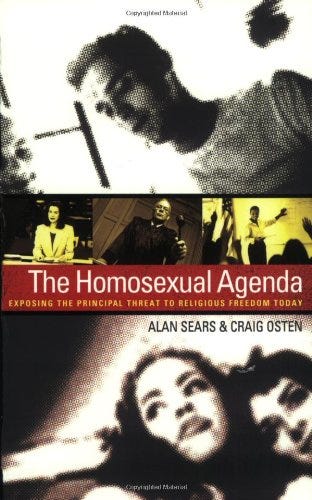
ADF, originally the Alliance Defense Fund, was founded by evangelical anti-gay activists in 1994. Alan Sears, their former CEO and president, co-authored “The Homosexual Agenda: Exposing the Principal Threat to Religious Freedom Today.” The book calls homosexuality a “disordered sexual behavior” and equates it with pedophilia and states that gay people on college campuses are involved in “the promotion of sexual relations between adults and children.”
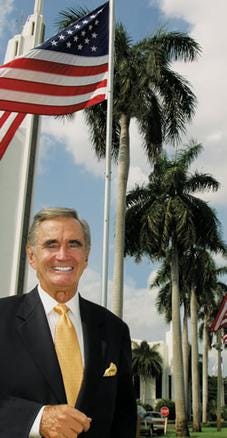
D. James Kennedy, another founder, has preached about “reparative” therapy for gay folks. In a 1993 fundraising letter for his Christian media organization Coral Ridge Ministries, he asked “Would you want your son, daughter, or grandchild sharing a shower, foxhole, or blood with a homosexual?”
A third founder was the late James Dobson, who advised several presidents and argued that conversion therapy could “cure” people.
Since ADF launched, many powerful political figures with anti-LGBTQ beliefs have worked for them. While working as an ADF spokesperson between 2002 and 2010, House Speaker Mike Johnson described gay folks as “destructive” and argued that support for homosexuality could lead to support for pedophilia.
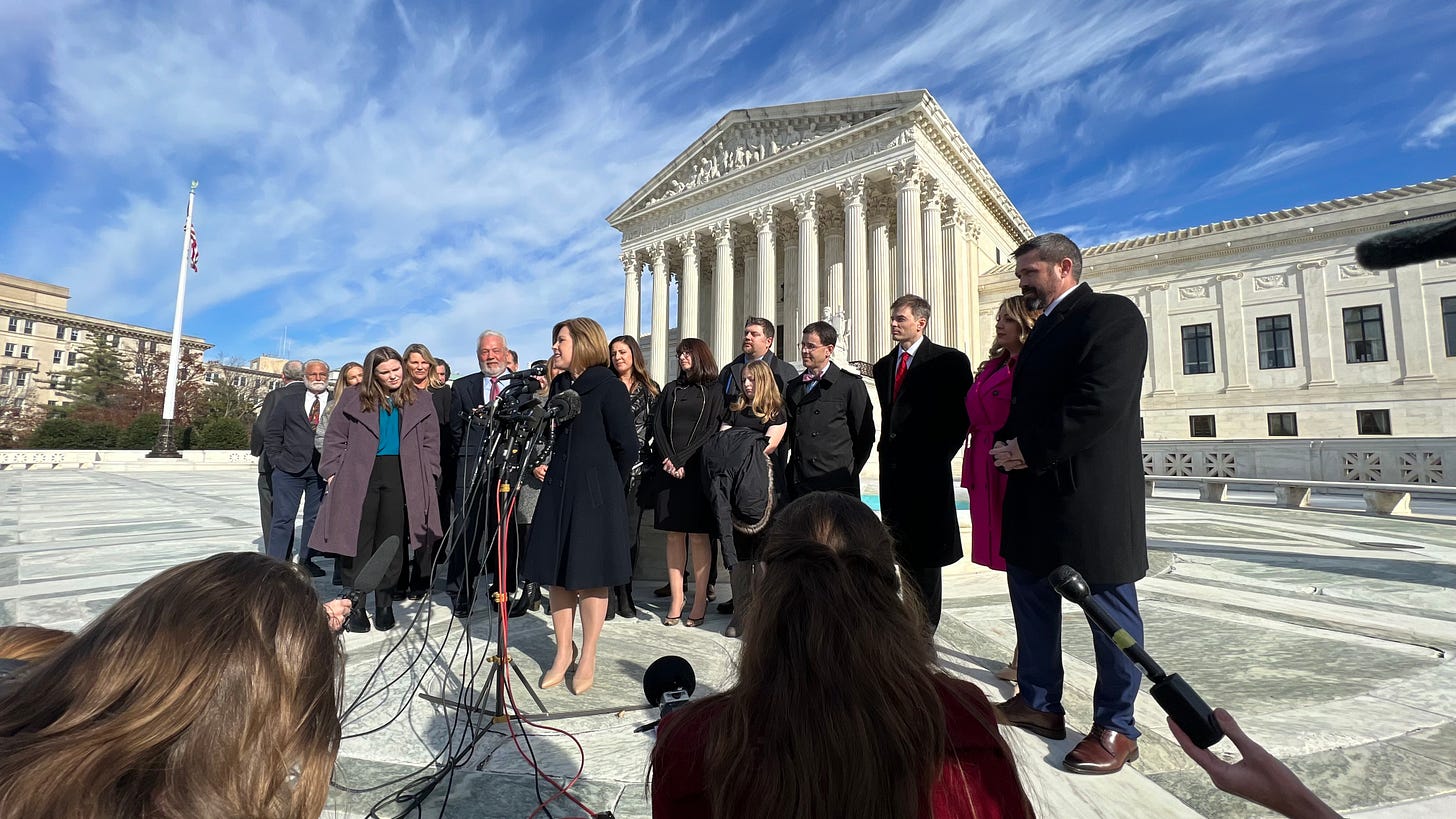
Kristen Waggoner speaking at a press conference in 2018 (Groversawit)
And their current president, Kristen Waggoner, has delegitimized the harm conversion therapy causes by defining the practice as merely having conversations.
Today, their influence in the U.S. government is stronger than ever, with ties to all three branches. In addition to Speaker Johnson, Supreme Court Justice Amy Coney Barrett has been a paid speaker for ADF at least five times since 2011. And in May, President Donald Trump appointed Waggoner to the newly-formed Religious Liberty Commission.
All of these resources and connections are employed to advance an anti-LGBTQ agenda. “They want to see what they see as the God-defined order for gender and marriage be imposed into law,” Montgomery says. “They are trying to create a legal regime in which people can claim religious beliefs to opt out of laws that apply to everyone else.”
History of Fighting to Criminalize Homosexuality and Legalize Conversion Therapy
Over time, ADF has incorporated these viewpoints into their litigation to try and dismantle legal protections for LGBTQ people.
“Just 20 years ago, they were still arguing in court that states should be able to criminalize gay people,” says Montgomery.
In 2000, for example, ADF funded amicus briefs in Dale v. Boy Scouts of America, a case where an assistant scoutmaster sued the Boy Scouts after the organization revoked his membership for being gay. The Supreme Court ruled in favor of ADF.
In 2003, when support for gay marriage was still low in the U.S., they filed an amicus brief to uphold the criminalization of gay sex in Lawrence v. Texas, arguing that the state has a right to regulate “public health and morality.” The group lost the case and sodomy laws were banned nationwide.
As public opinion changed and gay marriage became legal across America in 2015, ADF shifted to more nuanced arguments. “Now, because they know that most Americans favor LGBTQ equality, they’ve really reframed their arguments [around] religious liberty and free speech,” says Montgomery.
The organization has since set its sights on overturning state bans on conversion therapy. In 2018, ADF Senior Counsel Matt Sharp argued against a California bill that classified conversion therapy as fraud. And in 2019, the group sued New York City for a similar law, which led the city to reverse the ban out of fear the case would reach the Supreme Court.
A few years later, in 2021, ADF fought to overturn a statewide conversion therapy ban in Washington, where they represented Christian therapist Brian Tingley. In this instance, they argued that Washington’s law censored Tingley from speaking about gender dysphoria.
A federal appeals court unanimously upheld Washington’s law, with Circuit Judge Ronald Gould shutting down ADF’s argument, writing that: “Washington, like other states, has concluded that health care providers should not be able to treat a child by such means as telling him that he is ‘the abomination we had heard about in Sunday school.’”
Learning from their mistakes, ADF tried again with Chiles v. Salazar, claiming the Colorado law discriminates against Chiles’ viewpoint. Chiles is an evangelical therapist who received her counseling training and education from a seminary.
In their arguments to the Supreme Court, ADF says the conversion therapy ban encourages therapists to help minors explore LGBTQ identities and condemns assisting patients to align with their assigned gender.
Though intended to ban conversion therapy for all LGBTQ people, ADF’s case focuses on gender identity, capitalizing on souring U.S. public opinion on trans rights.
“Chiles believes that people flourish when they live consistently with God’s design, including their biological sex,” ADF wrote in a petition to the Supreme Court.
“ADF has tried to draw a connection between laws prohibiting conversion therapy and states attempting to force mental health professionals or doctors to treat transgender youth,” Christopher Stoll, senior staff attorney at the National Center for LGBTQ Rights, told Uncloseted Media and GAY TIMES. But if the law passes, conversion therapy would become legal to practice on all LGBTQ people.
Another part of ADF’s success stems from manufacturing legal battles to advance cases that match their goals.
Chiles, for example, had not incurred any legal penalty from the Colorado district attorney. Instead, ADF filed a pre-enforcement lawsuit, claiming that she had censored herself and stopped accepting patients for conversion therapy following the law’s passage.
“All of these cases are, in a sense, made up cases. … They’re brought on behalf of therapists who have not actually been subject to any kind of investigation or penalty by either state or local governments,” says Stoll, who is representing Kansas City, Mo. as ADF and Missouri’s Attorney General challenge the city’s ban on conversion therapy.
This strategy is what makes ADF stand out. Montgomery says that unlike many other legal organizations, ADF also helps file lawsuits and writes the bills that directly challenge precedents and legislation they hope to change.
This was in part how they were effective in overturning Roe v. Wade. ADF drafted the Gestational Age Act, which banned abortion in Mississippi after 15 weeks of pregnancy. That law then became the central point of the Dobbs case, which overturned abortion rights nationwide.
“They’re just engineered to test these legal arguments, when really no dispute has arisen,” says Stoll.
When asked for comment, an Alliance Defending Freedom Media Relations Specialist redirected Uncloseted Media to a website criticizing the Southern Poverty Law Center, saying the group mischaracterizes ADF as a hate group.
How ADF Operates Globally
ADF’s efforts to dismantle conversion therapy and LGBTQ rights span far beyond the U.S. Alliance Defending Freedom International (ADFI) boasts about efforts in 70 countries, where they push anti-LGBTQ legislation as far as possible in each country.
In 2012, ADF’s then-legal counsel Piero Tozzi spoke at a conference in Jamaica, advocating for the prohibition of gay sex, stating that the “retention of the legislation prohibiting sodomy is a bulwark against this agenda.” And in 2013, members of ADF defended a statute in Belize that characterized LGBTQ sex as “carnal intercourse against the order of nature.”
“They’re one of the most powerful and influential Christian right religious extremist groups that we have operating in Europe,” Neil Datta, executive director of the European Parliamentary Forum on Sexual and Reproductive Rights, told Uncloseted Media and GAY TIMES.
Datta says with offices in six cities with international human rights centers, ADFI contacts political allies throughout the continent, feeding them legal briefs and direct arguments. Then, those partners take that information and rejig it to align with their country’s political discourse.
“They’re hiring Europeans, training them in the American model of social issues litigation from an anti-rights perspective, and then hoping that [they] will be running with this in European courts,” Datta says. “They bring know-how and capacity to the continent.”
Datta says the U.S. is where the organization conducts its litmus tests for anti-LGBTQ laws and legal arguments: “In the U.S., you have 50 little courts that you can try things out in,” he says. “[ADF] has their own range of different areas that they would like to be active in, and they hunt for opportunities where they can make some progress.”
That includes the defense of Finnish politician Päivi Räsänen, who in 2021 was tried for hate speech for condemning a Lutheran church for supporting a Pride event. With ADFI’s assistance, Räsänen was acquitted in 2023.
Making Headway to Ban Conversion Therapy Abroad
While ADFI has yet to succeed in overturning conversion therapy bans in Europe, Datta says some politicians with links to the group have promoted reintegrative therapy, another form of therapy that attempts to help folks suppress same-sex attraction. While the term attempts to distance itself from conversion therapy, it uses similar procedures to the condemned practice.
However, Datta says ADFI is taking steps to shift the discourse by lobbying against the Digital Services Act, a European Union regulation for online hate speech.
In October, ADFI penned a letter to the European Commission asking the organization to review the law. ADF has also posted various blogs on the legislation, one posing a hypothetical about gender identity, stating, “Let’s say you went on Facebook … to post something as common sense as believing that there are only two genders. … If someone were to report that as hate speech, the E.U. could pressure Meta … to remove the post lest it face those stiff financial penalties.”
ADFI has also expanded its horizons to Africa. In May, Bettina Roska, an ADFI legal officer based in Geneva, joined a consortium of anti-LGBTQ advocates in a Pan-African conference on “family values” in Nairobi, Kenya.
“They are trying to do the same thing in Africa, around the African Union, and the African human rights system,” Jamie Vernaelde, senior researcher at Ipas, a non-governmental organization that focuses on reducing the harm of U.S. foreign policy, told Uncloseted Media and GAY TIMES.
Back in the U.S., the Supreme Court will rule on Chiles v. Salazar before the end of its current term next year. Their decision will potentially clear the way for conversion therapy to be practiced nationwide and abroad.
Vernaelde says that if Chiles v. Salazar is successful, ADF is hoping to bring their fight against conversion therapy worldwide in the same way they are expanding their anti-abortion lawsuits. Today, the group is attempting to undo abortion protections in the U.K. with the help of allies in the country’s right-wing Reform party.
“This is a template that they can use in other places that they can spread as widely as they want through their networks,” says Vernaelde.
If objective, nonpartisan, rigorous, LGBTQ-focused journalism is important to you, please consider making a tax-deductible donation through our fiscal sponsor, Resource Impact, by clicking this button:
I am posting the meme below because it explains the intrusive thoughts issue I have struggled with for so long and for a while got really overwhelming. But I am NOT suicidal. Again please don’t worry about that, I am not self harming and I am not suicidal. I am just struggling. Links for any that need help below given with love. Hugs
988 Suicide & Crisis Lifeline, TrevorLifeline 1-866-488-7386 the Trevor Project’s crisis counselors are just a text, chat, or phone call away. Completely confidential and free LGBTQ hotline.
I really like the reporting of this person. I strongly suggest everyone subscribe to her substack and support her efforts if you can. But even though this is 7 days old it is really important as it shows how feelings are changing on protecting trans people. Hate won’t win if we and our politicians fight back. When they had the right takes advantage to attack the rights of the LGBTQ+. Hugs
Erin In The Morning is a reader-supported publication. To receive new posts and support my work, consider becoming a subscriber.
Early Tuesday morning, final appropriations bills for the Departments of Labor, Health and Human Services, and Education—and related agencies—were released, marking the last major funding measures to be negotiated in the aftermath of the record-breaking government shutdown fight in 2025. That standoff featured multiple appropriations bills loaded with anti-transgender riders and poison pills for Democrats, ultimately ending in a short-term continuing resolution that punted many of those provisions to the end of January. While other “minibus” packages funding individual agencies moved forward, the Education and HHS bills were conspicuously absent, as they contained some of the most sweeping and consequential anti-trans riders ever proposed in Congress. Now, with the final bills released, it is clear that no anti-transgender riders were included—meaning transgender people will largely be spared new congressional attacks through most of 2026 should they pass as-is.
As the government shut down on Oct. 1, the state of appropriations bills needed to reopen the federal government for any extended period was extraordinarily dire for transgender people. Dozens of anti-transgender riders were embedded across House appropriations bills, even as those provisions were largely absent from the Senate’s versions. The riders appeared throughout nearly every funding measure, from Commerce, Justice, and Science to Financial Services and General Government. The most extreme provisions, however, were concentrated in the House HHS and Education bills, including language barring “any federal funds” from supporting gender-affirming care at any age and threatening funding for schools that support transgender students. Taken together, those measures would have posed a sweeping threat to transgender people’s access to education and health care nationwide.
Those fears eased somewhat when the government reopened under a short-term continuing resolution funding operations through the end of January. In the months that followed, Democrats notched a series of incremental victories for transgender people, advancing multiple appropriations “minibus” packages that stripped out anti-trans riders as the government was funded piece by piece. As amendment after amendment fell away, those wins grew more substantial, including the removal of a proposed ban on gender-affirming medical care from the NDAA—even after it had passed both the House and Senate. Still, the most consequential question remained unresolved: what would ultimately happen to the high-impact anti-trans provisions embedded in the HHS and Education bills.
Now, the package has been released—and for the moment, transgender people can breathe again. The final HHS and Education bills contain no anti-transgender provisions: no ban on hospitals providing gender-affirming care to transgender youth, no threats to strip funding from schools that support transgender students or allow them to use the bathroom, and no mandate forcing colleges to exclude transgender students from sports or activities like chess or esports. The bills are strikingly clean. As such, they avert yet another protracted shutdown fight in which transgender people are once again turned into political bargaining chips—and, at least for now, remove Congress as the immediate vehicle for new federal attacks, should they pass as-is.
When asked about the successful stripping of anti-trans provisions, a staffer for Representative Sarah McBride tells Erin In The Morning, “Rep. McBride works closely with her colleagues every day to defend the rights of all her constituents, including LGBTQ people across Delaware. In the face of efforts by the Trump administration and Republicans in Congress to roll back health care and civil rights, she was proud to work relentlessly with her colleagues in ensuring these funding bills did not include anti-LGBTQ provisions. It takes strong allies in leadership and on committees to rein in the worst excesses of this Republican trifecta, Rep. McBride remains grateful to Ranking Members DeLauro, Murray, and Democratic leadership for prioritizing the removal of these harmful riders.”
This does not mean that transgender people will not be targeted with policies and rules that affect them in all areas of life. The Trump administration has acted without regard to law in forcing bans on sports, pulling funding from schools and hospitals, and banning passport gender marker updates. The Supreme Court has been increasingly willing to let the office of the presidency under Trump do whatever it would like to transgender people. However, the lack of passage of bills targeting transgender people means that these attacks will only last for as long as we have Trump in the White House, and a future president should hopefully be easily able to reverse the attacks.
Erin In The Morning is a reader-supported publication. To receive new posts and support my work, consider becoming a subscriber.