Good Info Here-Care To Prepare

Every Recent Move That’s Been Made in the New Fight to Overturn Gay Marriage

The Supreme Court is expected to decide this fall whether they will formally take up a case that is asking them to reverse their decision in Obergefell v. Hodges.

By Nico DiAlesandro and Hope Pisoni, Uncloseted Media September 19, 2025
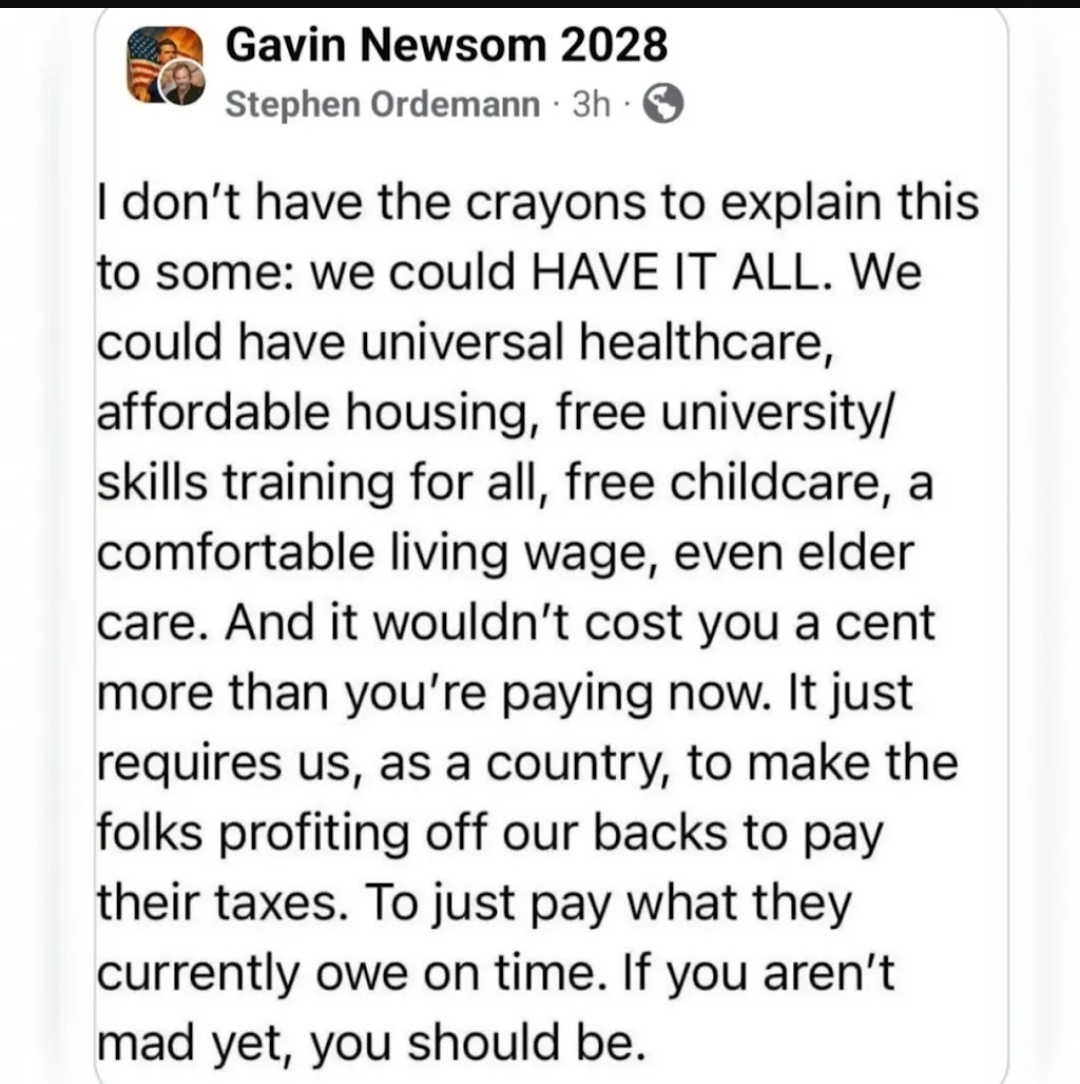
In the U.S. today, there are over 800,000 married gay couples. And 67% of Americans say they support marriage equality, including 50% of Republicans.

Despite this, many of the groups that fought to prevent the Obergefell ruling are now ramping up their ongoing fight to overturn it.

If Obergefell were overturned, it could become illegal for gay couples to marry in the 32 states that still have bans on the books. As the Supreme Court mulls over whether or not to take a case asking them to overturn the historic ruling, we’ve documented every step that has been taken in the past five years to threaten gay marriage in the U.S.

Oct. 5, 2020

The Supreme Court of the United States (SCOTUS) rejects a petition to hear former Kentucky County Clerk Kim Davis’ appeal in Ermold v. Davis, a case brought by a same-sex couple after Davis denied them a marriage license in 2015. Justice Clarence Thomas, joined by Justice Samuel Alito, writes that the Obergefell ruling has “ruinous consequences for religious liberty” and that it “enables courts and governments to brand religious adherents who believe that marriage is between one man and one woman as bigots.” They express their desire to see Obergefell overturned, writing that SCOTUS “has created a problem that only it can fix.”

The following day, Liberty Counsel, a Christian legal group and Southern Poverty Law Center (SPLC)-designated hate group, announces their intent to file a petition with the Supreme Court to “address Obergefell” after Davis’ case moves to a trial court.

Nov. 5, 2020

Nevada overturns an 18-year-old ban on same-sex marriage, making it the first state to enshrine gay couples’ right to marry in their constitution. Nevadans vote 62% in favor of the reversal.

“It feels good that we let the voters decide,” Equality Nevada President Chris Davin told NBC News. “The people said this, not judges or lawmakers. This was direct democracy—it’s how everything should be,” he said, adding that the LGBTQ community wants something concrete to protect same-sex marriage in case “the federal level ever revokes it—which is what a lot of folks are worried about with the new Supreme Court.”

June 17, 2021

SCOTUS rules in favor of Catholic Social Services (CSS), which sued the city of Philadelphia for ending its foster-care placement contract with CSS because of their refusal to certify same-sex couples as foster parents. The ruling, which states that Philadelphia’s termination of CSS’s contract violates the Free Exercise Clause of the First Amendment, provides a carve-out to Obergefell.

June 24, 2022

Roe v. Wade is overturned. In a concurring opinion with the majority, Thomas sets his eyes on Obergefell and Lawrence v. Texas—a ruling that in essence legalized gay sex. He writes that the Court should reconsider those cases since they used similar arguments to Roe v. Wade.

“[W]e should reconsider all of this Court’s substantive due process precedents, including GriswoldLawrence, and Obergefell. Because any substantive due process decision is ‘demonstrably erroneous.’”

Despite Thomas’ opinion, the majority explicitly states that “[n]othing in this opinion should be understood to cast doubt on precedents that do not concern abortion.”

Dec. 13, 2022

President Joe Biden signs the Respect For Marriage Act into law. This solidifies federal and interstate recognition of same-sex marriages even if Obergefell is overturned. The law is a backstop to the attacks on same-sex marriage.

Dec. 19, 2022

In a response to the passage of the Respect for Marriage Act, SPLC-designated anti-LGBTQ hate group Alliance Defending Freedom (ADF) says that “the chances of the Supreme Court overturning Obergefell are (unfortunately) slim to none.”

June 30, 2023

SCOTUS rules 6-3 that Colorado cannot force a website designer, who is represented by ADF, to create wedding websites for same-sex couples. The Court says doing so would violate the designer’s First Amendment right to free speech because her work is considered creative expression. This decision narrows how public-accommodation laws apply and creates another carve-out for Obergefell to be overturned.

Sept. 13, 2023

After a court ruling holds Kim Davis liable for damages to gay couples who she refused to sign marriage licenses for, Liberty Counsel discusses the potential to appeal the case up to the Supreme Court and use it to argue for Obergefell to be overturned.

July 8, 2024

The GOP’s national party platform, Make America Great Again!, drops explicit anti-Obergefell language from its plank. Despite this, the fight to overturn same-sex marriage continues to heat up.

Jan. 22, 2025
Tennessee lawmakers introduce a bill that would allow for “covenant marriages,” an explicitly religious form of marriage license that can only be given to a man and a woman and does not allow for divorce in most circumstances. Covenant marriages already exist in Arizona, Arkansas and Louisiana. OklahomaTexas and Missouri have recently introduced similar bills.

Jan. 27, 2025
Idaho’s House of Representatives passes a resolution calling on the Supreme Court to overturn Obergefell. The resolution was drafted by MassResistance, a far right group that wrote a book called “The Health Hazards of Homosexuality” and that has 24 chapters around the world. One of their newest chapters is in Kenya, where the group says it holds trainings for youth to “resist the LGBT agenda” in schools.

The Idaho resolution would go on to create a domino effect. Lawmakers in Michigan, Montana, North Dakota and South Dakota introduce similar measures in their states asking SCOTUS to overturn Obergefell.

Republican Rep. Josh Schriver, who introduced the resolution in Michigan, had previously posted to X: “Make gay marriage illegal again. This is not remotely controversial, nor extreme.”

June 10, 2025

At the Southern Baptist Convention (SBC), a national meeting of more than 10,000 church representatives from America’s largest Protestant denomination, the convention’s resolutions committee introduces a resolution calling on lawmakers and SCOTUS to overturn laws and court rulings, “including Obergefell v. Hodges, that defy God’s design for marriage and family.”

SBC delegates overwhelmingly vote in favor of a gay marriage ban as well as the reversal of Obergefell.

June 12, 2025

Liberty Counsel releases a statement titled “Obergefell ‘Marriage’ Opinion Must Be Overturned.” The group’s founder and chairman, Mathew Staver, says:

“The U.S. Constitution provides no foundation for ‘same-sex marriage.’ Obergefell was wrongly decided whereby the Court created a right that is nowhere to be found in the text. We will petition the U.S. Supreme Court because Kim Davis’ case underscores why the High Court should overturn Obergefell v. HodgesObergefell threatens the religious liberty of Americans who believe that marriage is a sacred union between one man and one woman.”

June 23, 2025

ADF publishes an article titled “Despite 10 Years of Obergefell, Kids Still Need a Mother and Father.” The article outwardly condemns gay marriage as bad for children, marking the group’s most explicit statement of opposition to the ruling in years. Weeks later, the group’s vice president of appellate advocacy publishes an essay arguing a similar premise.

July 24, 2025

Kim Davis files a petition asking SCOTUS to revisit and overturn Obergefell, saying the case was wrongfully decided. The petition will need just four votes from the justices to be heard by the Court.

Aug. 15, 2025

On a podcast, Hillary Clinton expresses her concern that Obergefell will be overturned:

“American voters, and to some extent the American media, don’t understand how many years the Republicans have been working in order to get us to this point. … It took 50 years to overturn Roe v. Wade. … The Supreme Court will hear a case about gay marriage; my prediction is they will do to gay marriage what they did to abortion—they will send it back to the states. … Anybody in a committed relationship out there in the LGBTQ community, you ought to consider getting married because I don’t think they’ll undo existing marriages, but I fear they will undo the national right.”

Sept. 7, 2025

In an interview with CBS News, conservative Justice Amy Coney Barrett argues SCOTUS rulings should not be based on “opinion polls” and that the Court should not be imposing its own values on the American people.

Fall 2025

In fall 2025, SCOTUS is expected to decide whether or not it will revisit Obergefell. If it grants a review, oral arguments will likely be heard in spring 2026 with a decision by late June 2026, during Pride Month.

Fox Host Goes Full PSYCHO

Fox News host Brian Kilmeade apologized Sunday for his “extremely callous” remark suggesting mentally ill homeless people should be executed. 


Kash Patel lies and is pilloried for tRump.

It Is International Day Of Peace

FWIW.

September 21, 1963
The War Resisters League organized the first American anti-Vietnam War demonstration in New York City. The League, founded in 1923, was the first peace group to call for U.S. withdrawal from Vietnam, and played a key role throughout the war, organizing rallies, the burning of draft cards, civil disobedience at induction centers, and assisting resisters.
History of WRL
 
WRL home 
September 21st (since 1982)

The International Day of Peace was established by United Nations resolution in 1981 and first celebrated in 1982 (then as the 3rd tuesday of the month).
Events are planned all over the world to promote peace and make it more visible.

About Peace Day and plans around the world 

The right’s inflamtory rhetoric and blaming the left for inciting political violence on the left clips From The Majority Report


Hacks star Hannah Einbinder ended her Emmys speech with choice words for Donald Trump’s secret police force and some solidarity with the people of Palestine.


About The Arrested In NYC-

These Are the 15 New York Officials ICE and NYPD Arrested in Manhattan

More than a dozen elected officials were arrested in or around 26 Federal Plaza in New York City, where ICE detains people in what courts have ruled are unsanitary conditions.

Police arrested more than a dozen New York state and city elected officials Thursday at 26 Federal Plaza, the Manhattan immigration court and an Immigration and Customs Enforcement (ICE) field office, many as they pressed to gain access to the building’s 10th-floor lockup, where recent court rulings—including a temporary restraining order—directed ICE not to cram immigrants into overcrowded, unsanitary conditions.

The lawmakers and other officials, arrested around 3:45 pm local time, say they were “attempting to conduct oversight” following claims that people appearing for court hearings were being confined for hours or days without proper food, medical care, or contact with attorneys.

A spokesperson for New York City comptroller Brad Lander’s office told WIRED by phone that Lander and 10 other elected officials were denied access and then arrested while “engaged in an action on the 10th floor of 26 Federal Plaza, where ICE inhumanely detains thousands of immigrant New Yorkers.” Lander was previously arrested at the same facility in June while accompanying a migrant man whom ICE targeted with arrest.

A joint press release issued by New York officials in the aftermath lists the electeds among those arrested:

  • NYC comptroller Brad Lander
  • State senator Julia Salazar
  • State senator Jabari Brisport
  • State senator Gustavo Rivera
  • Assembly member Robert Carroll
  • Assembly member Emily Gallagher
  • Assembly member Jessica Gonzalez-Rojas
  • Assembly member Marcela Mitaynes
  • Assembly member Claire Valdez
  • Assembly member Tony Simone
  • Assembly member Steven Raga
  • Public advocate Jumaane Williams
  • Assembly member Phara Souffrant-Forrest
  • Council member Sandy Nurse
  • Council member Tiffany Caban

At least some officials, according to Lander’s office, had been released at the time of writing. The final four on the list were arrested outside the facility, reportedly by the New York City Police Department. Dozens of New Yorkers who had gathered, holding signs and chanting “ICE out of NY,” were also arrested, officials said. A follow-up demonstration was planned for 6 pm ET at Foley Square, a longtime rallying point for immigrant rights protests in the heart of Manhattan’s Civic Center neighborhood.

NEW YORK NEW YORK  SEPTEMBER 18 Comptroller Brad Lander joins 11 local elected officials inside lower Manhattans federal...

Neither the Department of Homeland Security nor ICE immediately responded to a request for comment. Reached by phone, a New York Police Department spokesperson declined to comment because “the incident is ongoing.”

Under federal law, members of Congress have explicit authority to inspect immigration detention facilities, including conducting unannounced visits. State and city lawmakers don’t have that authority and must rely on DHS or ICE to approve such requests. The Trump administration has instituted new policies, such as mandating advance notice and designating certain field offices and short-term sites off-limits, that have blocked or delayed congressional oversight visits in recent months.

Federal judges and civil rights groups have zeroed in on the conditions inside 26 Federal Plaza. This summer, a federal court issued a preliminary injunction against the government after allegations surfaced that the facility’s detainees were being crammed into severely overcrowded rooms and made to sleep on bare floors and were denied food, hygiene, and confidential access to their lawyers.

NEW YORK NEW YORK  SEPTEMBER 18 Dozens of anti Immigration and Customs Enforcement  protesters are arrested after...

The problems echo a broader pattern across the US, where watchdogs and courts have flagged overcrowding, poor sanitation, and blocked access to counsel in ICE facilities from Arizona to Louisiana.

Advocates say some of the most jarring overcrowding is happening on 26 Federal Plaza’s 10th floor, where detainees have estimated that between 70 and 90 people have been crammed into rooms measuring roughly 215 square feet. That would leave each person with roughly the space of a doormat—less room than a folded bath towel—in an area no bigger than a studio apartment kitchen.

The arrests came as part of a coordinated action by progressive Democrats, timed to amplify demands for Albany to reconvene and pass the New York for All Act. The bill would bar state and local agencies, including police and sheriffs, from sharing information or resources with ICE, aiming to stop what lawmakers describe as abductions of immigrants at court hearings and check-ins. Along with New York City Council’s proposed Trust Act—which would let people sue if city agencies unlawfully cooperate with ICE—the legislation is essential, Democrats say, to defend due process and prevent local governments from becoming de facto extensions of ICE.

NEW YORK NEW YORK  SEPTEMBER 18 Dozens of anti Immigration and Customs Enforcement  protesters are arrested after...

“The criminalization, demonization, and state-sponsored violence against immigrants in this country has reached a fever pitch under this administration. All of us, and especially elected leaders, must do more to protect New Yorkers, regardless of when they arrived,” Assembly member Emily Gallagher, a Democrat who represents parts of Brooklyn, said in a statement.

Many elected officials have been arrested while protesting the Trump administration’s immigration enforcement tactics. Among others, in June, Senator Alex Padilla of California was handcuffed after challenging Homeland Security secretary Kristi Noem at a Los Angeles press conference, and in May, Newark mayor Ras Baraka was arrested outside a federal detention center during an attempted oversight visit.

In a statement, Yasmine Farhang, executive director of the Immigrant Defense Project, applauded the lawmakers’ actions Thursday, accusing the US government of “egregious abuses of power,” and imploring New York governor Kathy Hochul to use her clemency powers to shield migrants dealing with overlapping punishments from the courts and immigration authorities.

“New York leaders cannot let this cruelty go unchecked,” she said. “The moment to act is NOW.”

Additional reporting by Andrew Couts.

What Always Happens, Explained

Politics / September 19, 2025

Threatening Vulnerable People Is No Way to Mourn Someone Who Was Murdered

Those who had nothing to do with the violence against Charlie Kirk are being menaced—just like always.

Elie Mystal

Charlie Kirk’s suspected murderer was a 22-year-old white guy from Utah, but in the week since he was shot, at least six Historically Black Colleges and Universities have been forced to cancel classes due to bomb threats made against their students and faculty. Columnist Karen Attiah got fired from The Washington Post. Representative Ilhan Omar was nearly censured. Countless Black people have been harassed and, worse, countless immigrants have been threatened with the possibility of deportation, all for insufficiently respecting the life and death of a white supremacist. 

Charlie Kirk’s suspected murderer was, again, a 22-year-old white guy from Utah who, I’ll bet, does not own either of my books and has most likely never read a single word I have written over my nearly two decades of public life, but this is what my mentions on Elon Musk’s apartheid-curious platform have looked like for a week:

Not that we needed more evidence, but the past week has been Exhibit One that this country hates Black people, and will do everything it can to silence, harass, and even murder us. A white man killed another white man for reasons we still don’t know, with a gun I don’t think he should have had, but Black people are catching death threats. That doesn’t make sense, unless you understand how deeply racist this country is. Black people are being fired from jobs and harassed online for insufficiently venerating a white supremacist, and having the temerity to describe his beliefs in public. It’s as if we’re all being asked to say our name is “Toby” instead of Kunta Kinte while being informed that the beatings will continue until morale improves. The white-led government, and many white employers, white-owned sports leagues, white public intellectuals, and a non-zero number of Black assimilationists and assorted would-be overseers are largely playing along with this racist gaslighting, proving once again that Black people have few, if any, real allies.

Somebody who considers themselves a good-white-ally(™) is just about to type “not all white people” or “also Matt Dowd” or “look at what happened to Jimmy Kimmel” in response to this article, as if I give a shit. What’s happening to white folks is that they’re being made to feel like Black people are made to feel every freaking day. Whenever white people catch a cold, Black people catch the flu, but God forbid I do a bit of triage before handing out chicken soup and Sprite to white folks feeling a bit under the weather these days.

The same thing is happening to the trans community, and the LGBTQ community more broadly, because when Kirk wasn’t railing against Black people, he was trying to stamp the LGBTQ community out of existence.

At this point, I’m supposed to turn and analyze what makes white males violently erupt against vulnerable people who have nothing to do with their problems. I’m supposed to talk about white gun culture and how it inevitably leads to racial and cultural violence. I’m supposed to talk about how Trump and his white supremacist government have given the very worst people in this country permission to carry out violence against any person they don’t like, with the promise of pardons should they undertake violence that pleases him. I know I’m supposed to address these topics, because these are the questions that have been floating around my professional networks for a week.

But even addressing those questions recenters the conversation around white folks and whiteness. It’s asking, “Now why did the monkey throw its poop at that fellow?” before you secure soap and a shower for the person covered in feces. At the moment, I’m just a little too beset by threats against myself and even my mother to think deeply about why white people do this. Analyzing why young white men are so dangerous to me is an intellectual luxury I do not have right now. I’m just trying to survive America for another week. 

Luckily, after a fashion, I have some experience with this. This is not the first round of death threats I’ve gotten, and, unless they successfully kill me this time, it won’t be the last. I’ve been a Black man in the public eye for a while now, and you don’t get to be an old public Black person without developing a few coping mechanisms to keep you going. For a lot of people currently under threat, this is their first rodeo. There are, for instance, a number of staffers at The Nation who are for the first time having to live with what I live with every day, since the vice president went after our publication. There are folks who were never on the kind of violent watch lists Kirk created who now find themselves on the wrong end of the online rope. 

It is terrifying to be in the eye of violent white folks. You have to take them seriously when they say they want you to come to harm. I cannot promise that you, or I, will survive what they’ll do next, but here are some tips to make it through this current phase of white America.

  1. Stick Together

They cannot kill, fire, or silence all of us. The violent people are predators and if you look at every natural predator on this earth, their first move is always to separate their target from the herd.

People must resist the urge to say some people deserve to be harassed and menaced by the government and the online right, as if to distinguish the people who deserve death threats from those who are “doing it the right way.”

Silence in the face of white supremacy is complicity with white supremacy. If we all resolve to not stay silent, we become a truth-telling hydra. Every time the white wing gets one of us, there should be others ready to take our places. (snip-MORE-excellent information)

https://www.thenation.com/article/politics/black-people-threatened-after-assasination

Useful Info & Resource

Understanding the Legal Framework Governing a Shutdown

September 17, 2025 | By Sam Berger

The government funding deadline is fast approaching. With the Trump Administration’s continued efforts to impound and rescind funding, complicating Congress’s ability to reach an agreement on funding bills for the upcoming year, it is important to keep in mind the legal framework that governs a shutdown, and the limits a shutdown places on the executive branch.

This primer focuses on the activities that can (and cannot) legally continue during a shutdown; it does not address the impacts of a shutdown on government programs or the people who use them.

Critically, while the executive branch has some discretion as to what activities continue during a shutdown — and it is impossible to predict whether the Administration will take unlawful actions under the pretext of a shutdown[1] — a government shutdown does not provide the Administration any additional legal authority to fire federal employees, limit review of its actions by federal courts, or freeze funding once full-year appropriations are provided.

Activities That Can Continue During a Government Shutdown

Under the Antideficiency Act, agencies can neither spend, nor make commitments to spend, money without appropriations from Congress.[2]

Some activities continue during a shutdown because they are separately or already funded. For example, activities funded by multi-year or indefinite funding, such as disaster relief, continue, with payments made as normal. Likewise, if some appropriations bills have been enacted prior to a shutdown, activities funded by those enacted appropriations also continue (a scenario sometimes described as a “partial” government shutdown). The Administration has no legal authority to impound or freeze these funds.

Based on long-standing Department of Justice (DOJ) guidance, there are also a limited set of activities for which the federal government can make commitments to pay — though it still cannot make payments — during a shutdown[3]:

  • Activities expressly provided for in law to continue during a shutdown. Some laws expressly provide that certain activities can continue in the absence of appropriations, such as the Department of Defense’s “feed and forage” authority allowing it to obtain certain types of necessary supplies for military personnel.
  • Activities to protect against imminent threats to life or property. This includes activities related to law enforcement, national security, air traffic control, and federal prisons, among others.
  • Activities that are necessary to prevent significant damage to a funded program. For example, activities necessary to ensure Social Security payments (which themselves are funded under law) are made in a timely way can continue during a shutdown even if those activities themselves do not have funding.
  • Activities necessary to discharge the President’s constitutional duties. This includes, for example, the President’s Commander-in-Chief responsibilities.

Different administrations have interpreted these exceptions to apply more or less narrowly, meaning that the activities that continue during a shutdown have differed to some extent from administration to administration. The first Trump Administration took a more expansive view of the public services that should continue.[4] However, to date, a core set of services — such as defense, law enforcement, transportation safety, Social Security, and Medicare — have continued during every shutdown.

Executive Branch Restrictions During a Government Shutdown

While the executive branch has some latitude in what activities it continues during a government shutdown, there are clear limits on its actions.

If an activity is not funded, no actual payments can be made during a shutdown.

Even for activities that continue during a shutdown because they are subject to one of the exceptions described above, funding to pay for them cannot be provided without appropriations. The federal personnel required to work — including law enforcement, prison guards, and the staff that process Social Security benefits — only receive IOUs that will be paid when appropriations are enacted. Federal contractors required to work or provide services also go unpaid during the shutdown.

Under current law, when the shutdown ends all federal employees receive backpay for the time the government was shut down regardless of whether they were working on an activity that could continue during a shutdown or were forced to stop work until the shutdown ended. However, federal contractors do not receive pay for this time period except for any work they were required to perform during it.

Each branch of government determines which of its activities can legally continue during a shutdown.

Congress and the judiciary make their own independent determinations about what activities continue during a lapse. The executive branch is not involved in those determinations.

In prior shutdowns, the judiciary has had sufficient funding in the absence of new appropriations to continue normal operations for the duration of the shutdown. Courts have said in previous shutdowns that in the event they ran out of funding during a shutdown, they would continue to hear cases and otherwise fulfill their constitutional responsibilities.[5] Thus, litigants who are suing in federal court would be able to bring suits against the Administration during a shutdown.

When DOJ does not have funding during a shutdown, its lawyers may request extensions from courts for filing deadlines and other procedural steps. Individual courts have the discretion to determine whether to provide such extensions, and courts have both granted and denied such requests depending on the circumstances.

A shutdown would not provide the Administration with any additional legal authority to engage in widespread firing of federal employees.

A temporary lapse in funding does not provide grounds for an agency to fire employees. In addition, during a shutdown most agencies will not be able to legally conduct personnel actions unrelated to the shutdown itself because their HR departments will not be funded and these types of actions do not fall under any of the available exceptions.[6]

A shutdown would not impact the Administration’s legal obligations to spend money once full-year appropriations are provided.

While many activities would cease during a shutdown because of a lack of funding, the shutdown would not provide the Administration with any authority to impound or freeze funds once appropriations are provided.

While this primer focuses on the legal framework that governs during a shutdown, the Administration has shown itself willing to take actions that are inconsistent with the law, which presents major challenges for the country at all times, not just during a shutdown.

Topics:  Federal BudgetBudget Process

End Notes

[1] Sam Berger, “Trump is ignoring the law to keep the shutdown from causing him political pain,” The Washington Post, January 15, 2019, https://www.washingtonpost.com/outlook/2019/01/15/trump-is-ignoring-law-keep-shutdown-causing-him-political-pain/.

[2] Government Accountability Office, “Antideficiency Act,” https://www.gao.gov/legal/appropriations-law/resources.

[3] Walter Dellinger, “Government Operations in the Event of a Lapse in Appropriations,” Justice Department Office of Legal Counsel, August 16, 1995, https://www.justice.gov/sites/default/files/olc/opinions/attachments/2014/11/10/1995-08-16-lapse-in-appropriations.htm.

[4] Juliet Linderman, “Selective shutdown? Trump tries to blunt impact, takes heat,” Associated Press, January 13, 2019, https://apnews.com/article/66b50739f4b84063a2ff56dff3156712.

[5] United States Courts, “Judiciary Has Funds to Operate Through Jan. 31,” January 22, 2019, https://www.uscourts.gov/data-news/judiciary-news/2019/01/22/judiciary-has-funds-operate-through-jan-31

[6] Office of Personnel Management, “Guidance for Shutdown Furloughs,” January 2024, https://www.opm.gov/policy-data-oversight/pay-leave/furlough-guidance/guidance-for-shutdown-furloughs.pdf.

Shoemakers Organize, & Women Win, in Peace & Justice History for 9/18

October 18, 1648

I. Marc Carlson  
The Shoemakers Guild of Boston became the first labor union in the American colonies. 
Labor organization in colonial times 
October 18, 1929
The Persons Case, a legal milestone in Canada, was decided.
Five women from Alberta, later known as the Famous Five, asked the Supreme Court of Canada to rule on the legal status of women.
Some decisions of Magistrate Emily Murphy had been challenged on the basis that she was not a legal person, and she was a candidate for appointment to the Canadian Senate. After the Supreme Court ruled against them, they appealed to the British Privy Council.The Privy Council found for the women on this day (eight years after the case began and eleven years after women received the federal vote), declaring that women were persons under the law. October 18 has since been celebrated as Persons Day in Canada, and October as Women’s History Month.


Sculpture by Barbara Paterson of the Famous Five in Ottawa, first on Parliament Hill to honor women
The other women activists in the Famous Five: Henrietta Muir Edwards, Nellie McClung, Louise McKinney, and Irene Parlby.
The Persons Case 

https://www.peacebuttons.info/E-News/peacehistoryoctober.htm#october18

From CBPP re Food Security

Research Note: Nearly 2 Million Young Children in the U.S. Lived in Food-Insecure Households in 2023

September 15, 2025

| By Joseph Llobrera and Luis Nuñez

Food is an essential human need, and even more so for infants and toddlers during the critical early months of rapid growth and development. The United States has the resources to ensure everyone has enough to eat. Yet millions of people across the U.S. experience food insecurity, meaning they struggle to afford enough food for an active, healthy life year-round. In 2023, the most recent data available, 33.6 million adults and 13.8 million children — including nearly 2 million children under 3 years old — lived in food-insecure households, meaning more than 1 in 8 households (13.5 percent) in the U.S. had difficulty acquiring food due to lack of resources.[1]

Millions of Children in Households Struggling to Afford the Basics
Figure 1

Households with young children are more likely to experience food insecurity. More than 1 in 7 (15.5 percent) households with infants and toddlers under 3 were food insecure in 2023, compared to 11.9 percent of households without children and 13.5 percent of all households. Nationally, more than 1 in 6 (17.1 percent) children under 3 lived in food-insecure households in 2023 and this share varies across states. (See Table 1.) These shares also vary by race and ethnicity, with children under 3 in American Indian or Alaska Native (30.3 percent), Hawaiian or Pacific Islander (26.3), Black (25.9), and Hispanic (22.4) households more likely to live in food-insecure households than those in Asian (5.5) or white (10.9) households.[2]

Roughly half of the children under age 3 who lived in food-insecure households didn’t experience food insecurity themselves, but the adults in those households were food insecure. Parents often find ways to maintain normal meal patterns for their children, even when they are food insecure themselves; these families often face other challenges as a result of their precarious financial circumstances. And in many households, food insecurity among children is so severe that caregivers report that children were hungry, skipped a meal, or did not eat for a whole day because there was not enough money for food.

Children are especially vulnerable to poverty, financial strain, and hardship. For infants and young children, the lack of access to good nutrition can lead to less favorable life-long outcomes. Caregivers’ struggles paying for food and other bills are linked to worse child outcomes.[3] Material hardship such as the lack of food also increases the risk for child welfare involvement due to neglect and abuse.[4] There is growing awareness among researchers that the consequences of adversity — poverty, abuse or neglect, parental substance use disorder or mental illness, housing instability, and exposure to violence — during the early years of life can extend well beyond childhood and affect people’s physical, mental, and economic well-being as adults.[5]

Conversely, when public policies provide economic security for their families, children tend to have better educational, health, and behavioral outcomes.[6]

Positive Health and Well-Being Effects of SNAP and WIC Last a Lifetime

The Supplemental Nutrition Assistance Program (SNAP) delivers more nutrition assistance to low-income children than any other federal program, making it the nation’s largest child nutrition program. In 2024, SNAP helped about 16 million children each month — about 1 in 5 U.S. children — including 2.8 million children under the age of 3.

While SNAP provides only a modest benefit — just $6.20 on average per person per day — it forms a critical foundation for the health and well-being of children in the U.S., lifting millions of families and their children out of poverty and improving food security. Food insecurity among children fell by roughly a third after their families received SNAP benefits for six months, a USDA study found.[7]

For young children in particular, SNAP’s benefits last a lifetime. Studies have found children have improved birth outcomes and better health, education, and employment outcomes as adults if they had SNAP access during early childhood or if their parent had SNAP access during pregnancy.[8] Access to SNAP among families with children is associated with reductions in child maltreatment reports and child welfare involvement.[9] Emerging evidence also suggests that SNAP helps decrease decades-long racial inequities in food security, reducing the gap between white households and Black and Hispanic households, who are more likely to experience food insecurity because of starkly unequal opportunities and outcomes in education, employment, health, and housing.[10]

The federally funded WIC program — more formally known as the Special Supplemental Nutrition Program for Women, Infants, and Children — also improves lifetime health for low-income pregnant and postpartum parents, their infants, and young children. Among other health and developmental improvements, WIC participation is associated with reduced risk of premature birth, low birthweight, and infant mortality. This is especially important because pregnancy-related complications and mortality, as well as infant mortality, are higher for families of color than for white families, again due to unequal access to health care and broader inequities in health, economic, and other systems for people of color.

Despite these benefits, only about half of all people eligible for WIC were enrolled in 2022. Less than half (46 percent) of eligible pregnant parents participated in WIC. Only 64.1 percent of eligible infants and children under the age of 3 participated.[11] And participation declines as children grow older. While nearly 4 in 5 (78.4 percent) infants eligible for WIC participated in the program in 2022, the rate drops to 65 percent, 50 percent, 44 percent, and 25 percent among children 1 to 4 years old, respectively.[12]

There are many opportunities for state agencies to reach more eligible families with low incomes, and these efforts are showing promise, with take-up and participation increasing in recent years. While data on WIC coverage rates for 2023 and 2024 are not yet available, nationwide average monthly participation increased by 7.1 percent between fiscal years 2022 and 2024, suggesting that coverage rates may have increased modestly.[13]

Increasing WIC take-up across the board — and for pregnant parents of color and their infants in particular — can be an important part of a strategy to improve pregnancy-related and child health, mitigate the large pregnancy-related health disparities affecting these communities, and advance racial equity in other aspects of pregnancy-related and child health and food security.[14]

Megabill Cuts Threaten Access to Nutrition Assistance

The harmful Republican megabill, H.R. 1, enacted on July 4, 2025, will dramatically raise costs and reduce food assistance for millions of people by cutting federal funding for SNAP by $187 billion (about 20 percent) through 2034, the largest cut to SNAP in history. These cuts will increase poverty, food insecurity, and hunger, including among children.

The bill includes a major structural change that will cut billions in federal funding for most states’ basic food benefits, with a new requirement that most states will have to pay between 5 and 15 percent of SNAP benefits. This amounts to billions of dollars each year that states across the country would now be required to pay. If a state can’t or won’t make up for some or all of these massive federal cuts with tax increases or spending cuts elsewhere in its budget, it will have to cut its SNAP program or it could opt out of the program altogether, terminating SNAP food assistance entirely in the state, including to households with young children.

If children lose SNAP, they will also experience harmful ripple effects in other child nutrition programs, such as free school meals and summer EBT, due to the loss of automatic eligibility that comes from receiving SNAP. To make up for the federal cuts and avoid cutting nutrition assistance as well as other priorities affecting young children, such as health care or education, state policymakers will need to either raise new revenue or rollback recent tax cuts to raise the funds needed to prevent harmful cuts.

TABLE 1
Nearly 2 Million Children Under 3 Years Old Lived in Food-Insecure Households, Thousands Across Every State
 Children Under 3 Years Old in Food-Insecure Households
StateNumberShare
Alabama38,00021%
Alaska5,00016%
Arizona55,00023%
Arkansas21,00020%
California172,00013%
Colorado27,00014%
Connecticut17,00015%
Delaware5,00016%
District of Columbia3,00011%
Florida102,00016%
Georgia60,00016%
Hawai‘i6,00013%
Idaho14,00019%
Illinois45,00010%
Indiana45,00017%
Iowa15,00012%
Kansas16,00014%
Kentucky39,00025%
Louisiana35,00020%
Maine8,00021%
Maryland28,00012%
Massachusetts25,00012%
Michigan63,00019%
Minnesota32,00014%
Mississippi21,00020%
Missouri38,00017%
Montana5,00014%
Nebraska15,00019%
Nevada18,00018%
New HampshireNANA
New Jersey35,00013%
New Mexico16,00022%
New York95,00014%
North Carolina67,00018%
North Dakota6,00017%
Ohio59,00014%
Oklahoma29,00020%
Oregon19,00015%
Pennsylvania58,00016%
Rhode IslandNANA
South Carolina28,00016%
South Dakota5,00014%
Tennessee34,00014%
Texas237,00019%
Utah23,00015%
VermontNANA
Virginia36,00011%
Washington36,00013%
West Virginia11,00018%
Wisconsin27,00015%
Wyoming5,00023%
Total1,808,00016%

Note: Sum does not equal total due to rounding. Counts are rounded to the nearest 1,000, and shares to the nearest whole number. “NA” refers to states whose sample size was too small to calculate reliable estimates. These estimates rely on ten years of data due to small sample sizes in many states. However, for the 13 states that had large enough sample sizes, their five-year estimates of the share of children under 3 in food-insecure households were similar to the ten-year estimates presented here.
Source: CBPP analysis of 2014-2023 Current Population Survey Food Security Supplement

Topics: Food Assistance